








2026 lastest Full Product Catalogue
Please Click the button, after Filling in your Email and information, the file will be send within 24 hours .
-
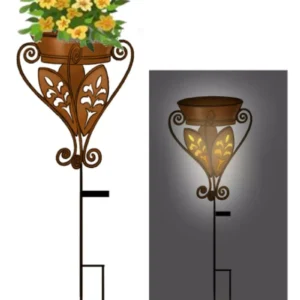 Decorative Garden Solar Lights
SM221127 Metal Iron Standing Flower Pot with Solar Light
-
 Animal Solar Lights
SM221130 Resin Turtle with Succulent Freestanding Solar Light
-
 Animal Solar Lights
SM221132 Resin Squirrel Freestanding Solar Statue
-
 Animal Solar Lights
SM221133 Resin Squirrel Eating Pine Cone Freestanding Solar Statue
-
 Animal Solar Lights
SM221139 Rabbit Freestanding Resin Solar Statue
-
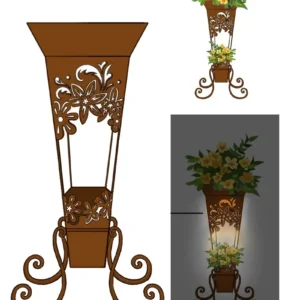 Functional Solar Lights
SM221141 Metal Iron Two-Tier Planter with Solar Light
-
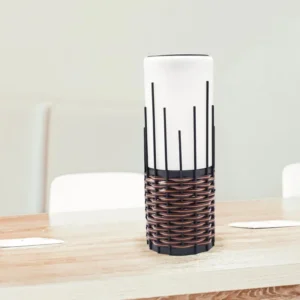 Decorative Garden Solar Lights
SM221143 Metal Iron+PET Solar Lantern
-
 Animal Solar Lights
SM221144 Owl with Glass Ball Freestanding Solar Resin Statue
-
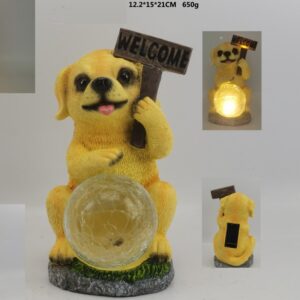 Animal Solar Lights
SM221145 Welcome Sign Puppy with Glass Ball Freestanding Solar Resin Statue
-
 Animal Solar Lights
SM221148 Puppy dog Freestanding with Welcome Sign Resin Solar Light
-
 Angel Solar Lights
SM221149 Resin Angel Freestanding Solar Garden Light
-
 Animal Solar Lights
SM221151 Resin Rabbit Freestanding Solar Statue
Wholesale TableTop & Freestanding Solar Lights: Complete B2B Buyer Guide
If you’re sourcing wholesale tabletop and freestanding solar lights for retail stores, garden centers, or home décor distribution, this guide provides essential insights into product designs, manufacturing quality, certifications, and supplier evaluation criteria. Whether you’re placing bulk orders for seasonal promotions or building a year-round product line, understanding the key differences between tabletop and freestanding styles, material durability, and customization options will help you make informed purchasing decisions that align with your market positioning and customer expectations.
Category Summary
Wholesale tabletop and freestanding solar lights represent a versatile category combining decorative appeal with functional outdoor lighting. These bulk tabletop solar lights are popular among retailers targeting patio, balcony, and small garden markets, while freestanding models suit pathway and landscape applications. Key purchasing considerations include base stability (weighted vs. stake-mounted), solar panel efficiency for limited sunlight exposure, and finish durability against UV degradation. This category appeals to home décor wholesalers, garden supply distributors, and gift retailers seeking compact, easy-to-display products with strong visual merchandising potential.
What Will You Learn in This Guide?
- What Are Tabletop & Freestanding Solar Lights and Why Are They Popular in Wholesale Markets?
- What Types and Designs Sell Best for Bulk Orders?
- What Materials and Manufacturing Processes Are Used?
- What Quality Standards and Certifications Matter for Wholesale Buyers?
- What Is the Market Demand and Customer Preferences?
- What Are the Common Applications?
- What OEM/ODM Customization Options Are Available for Wholesale Tabletop & Freestanding Solar Lights?
- How to Source Wholesale Tabletop & Freestanding Solar Lights from China Manufacturers and Suppliers?
- What Mistakes Can Cost You Money When Buying Tabletop & Freestanding Solar Lights in Bulk?
- Who Is Glowyard Lighting and What Do We Offer?
- Frequently Asked Questions
What Are Tabletop & Freestanding Solar Lights and Why Are They Popular in Wholesale Markets?
Tabletop and freestanding solar lights are self-contained decorative lighting solutions designed for placement on flat surfaces or direct ground installation without complex mounting requirements. Tabletop models typically feature weighted bases or compact footprints suitable for tables, railings, or shelves, while freestanding designs include stake-mounted or pedestal-style fixtures for garden beds, pathways, or lawn placement. Both categories integrate solar panels, rechargeable batteries, and LED light sources into cohesive designs that eliminate wiring needs.
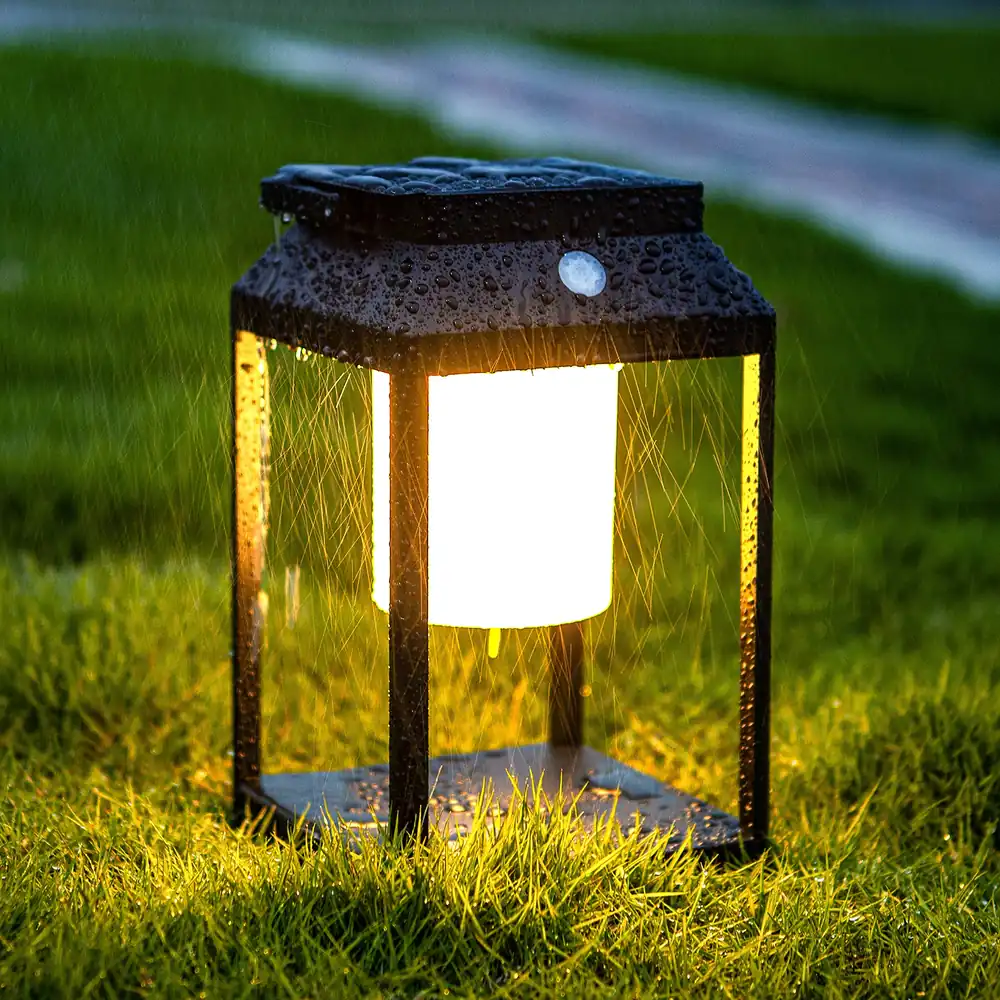
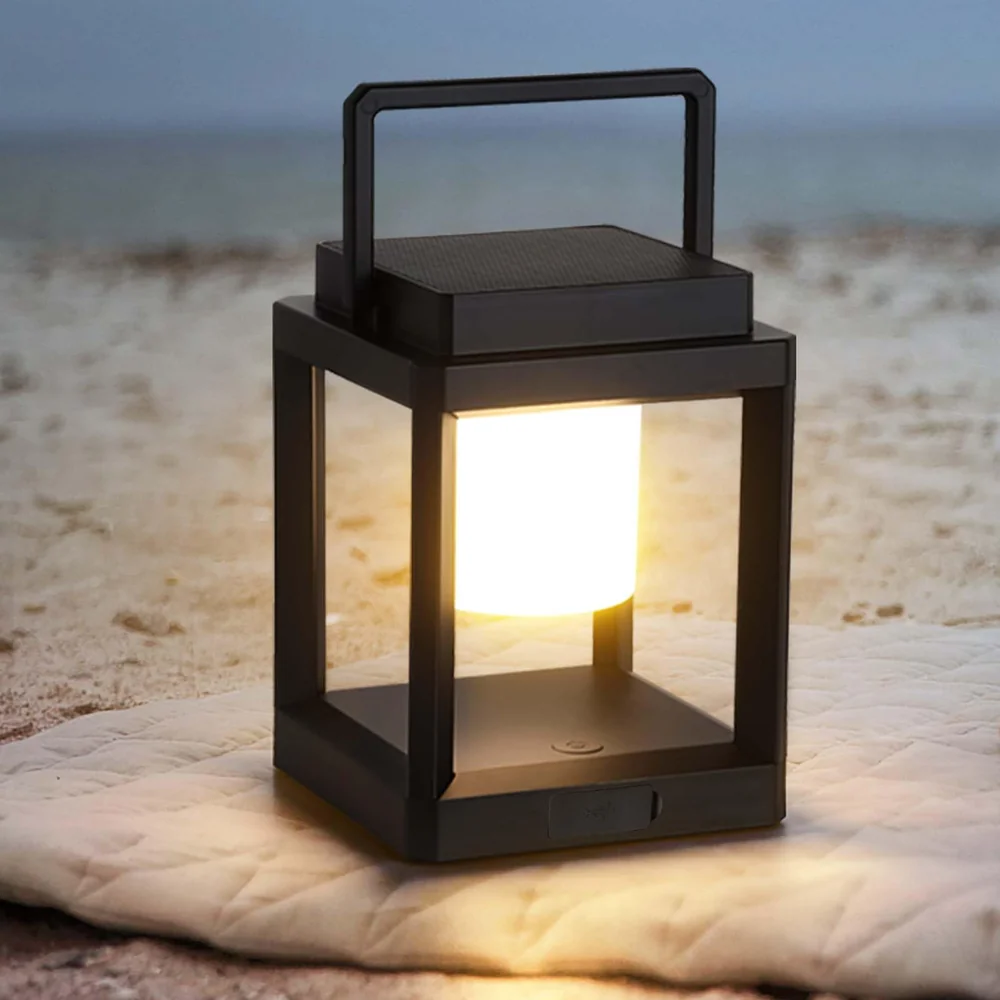
These products dominate wholesale markets due to their versatility across multiple retail channels. Home décor retailers appreciate the gift-ready packaging and seasonal design flexibility, while garden centers value the no-installation selling point that appeals to renters and DIY-averse customers. The compact size reduces shipping costs compared to larger landscape lighting, and the self-contained nature minimizes customer service issues related to installation complexity. For distributors, the category offers strong margin potential through design differentiation and seasonal refresh cycles that encourage repeat purchasing.
The growing emphasis on outdoor living spaces has expanded the addressable market beyond traditional garden lighting buyers. Tabletop solar lights now compete in the home accent and gift categories, while freestanding models bridge the gap between functional pathway lighting and decorative garden art. This crossover appeal allows wholesalers to position products across multiple departments and price points, maximizing inventory turnover and reducing seasonal concentration risk.
What Types and Designs Sell Best for Bulk Orders?
The wholesale tabletop and freestanding solar lights category encompasses several distinct design families, each serving specific retail positioning strategies. Understanding these subcategories helps buyers align inventory with target customer demographics and seasonal demand patterns.
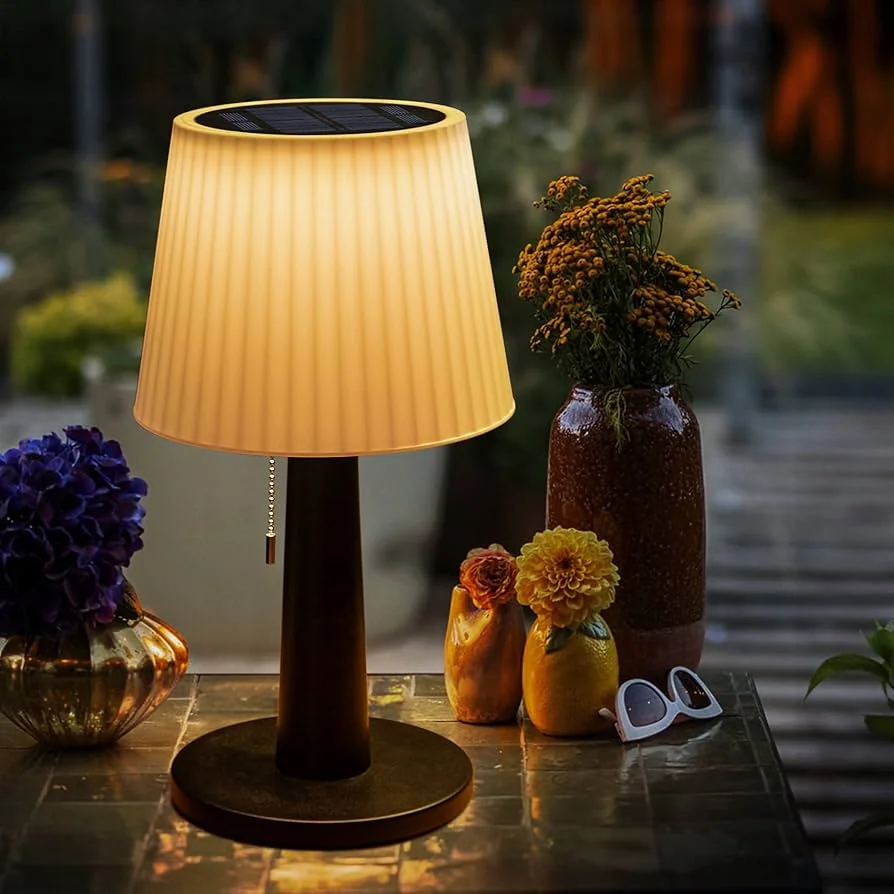
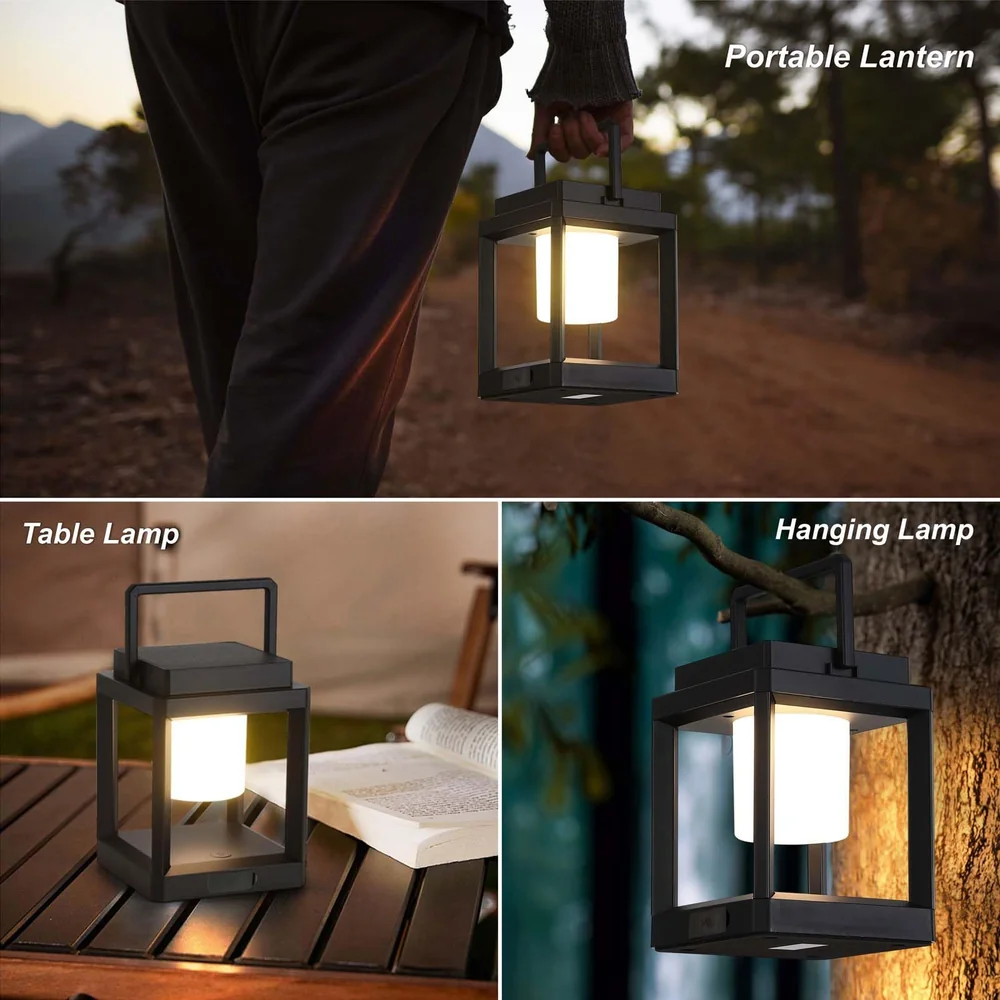
Tabletop Lantern Styles dominate the decorative segment, featuring metal or resin housings with glass or acrylic panels that create ambient light patterns. These designs appeal to patio and balcony users seeking atmospheric lighting without permanent installation. Moroccan-inspired cutout patterns, vintage Edison bulb aesthetics, and minimalist geometric forms represent the three primary design directions in current wholesale assortments.
Freestanding Stake Lights include the popular solar flower lights subcategory, where decorative blooms or sculptural elements top slender stakes for garden bed placement. These designs leverage color variety and seasonal themes (spring florals, autumn leaves, holiday motifs) to drive impulse purchases and gift-giving occasions. The stake format provides stability in soft soil while maintaining visual prominence above ground cover.
Weighted Base Freestanding Models serve customers requiring portable lighting for hard surfaces like patios, decks, or gravel areas where stake insertion isn’t feasible. These designs typically incorporate heavier resin or concrete-filled bases with decorative upper elements ranging from abstract sculptures to functional pathway markers. The added weight increases shipping costs but reduces customer complaints about wind displacement.
Flameless Candle Tabletop Lights replicate traditional candle aesthetics with flickering LED technology, targeting the hospitality and event rental markets alongside residential buyers. These designs prioritize realistic flame simulation and often include timer functions for operational convenience. The category shows strong performance in wholesale channels serving restaurants, hotels, and wedding planners.
Category-Specific Buyer Notes
When sourcing bulk tabletop solar lights and freestanding models, three critical differentiators impact retail success:
Base Stability vs. Portability Trade-offs: Tabletop models under 300g often tip in moderate wind, generating returns. Specify minimum base weight requirements (typically 400-600g for tabletop, 800g+ for freestanding) while balancing shipping cost implications. Freestanding stake lights require stake diameter of at least 8mm and insertion depth of 10cm for adequate stability in typical garden soil.
Solar Panel Integration Aesthetics: Top-mounted panels maximize charging efficiency but compromise design elegance, while side-mounted or concealed panels reduce power generation by 20-30%. This trade-off directly affects customer satisfaction in regions with limited direct sunlight. Clarify panel placement and expected runtime specifications to avoid mismatched expectations.
Finish Durability for Tabletop Exposure: Unlike ground-mounted lights, tabletop models endure frequent handling, surface contact wear, and concentrated UV exposure on elevated surfaces. Powder-coated metal finishes outperform spray-painted alternatives, while UV-stabilized resin formulations prevent chalking and color fade. Request accelerated aging test reports specific to tabletop handling scenarios rather than generic outdoor exposure data.
What Materials and Manufacturing Processes Are Used?
Material selection for wholesale tabletop and freestanding solar lights directly impacts product lifespan, shipping costs, and retail price positioning. Understanding manufacturing processes helps buyers evaluate supplier capabilities and quality consistency.

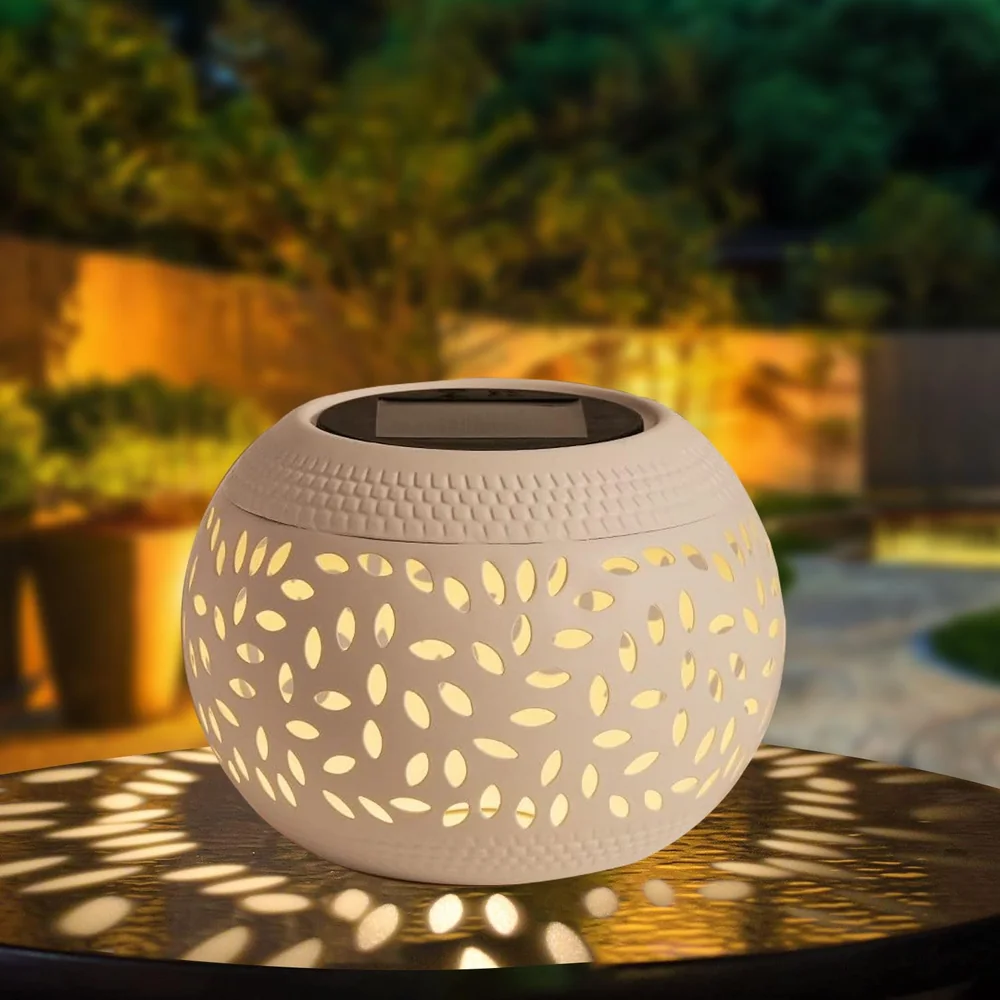
Metal Construction (primarily steel and aluminum) dominates the lantern-style tabletop segment. Steel offers superior strength for intricate cutout patterns but requires powder coating or galvanization to prevent rust. Aluminum provides corrosion resistance and lighter weight but limits design complexity due to softer material properties. Manufacturing involves laser cutting or stamping for decorative patterns, followed by welding, surface treatment, and assembly. Quality suppliers maintain dedicated metal lights manufacturing lines with consistent powder coating thickness (60-80 microns) and proper curing cycles.
Resin and Plastic Materials enable complex sculptural forms and color variety for freestanding decorative models. Polyresin (polyester resin with stone powder filler) creates weighted bases with stone-like aesthetics, while UV-stabilized polypropylene or ABS handles transparent or translucent elements. The resin lights manufacturing process involves mold creation, casting, demolding, and hand-finishing for painted details. Injection molding serves high-volume plastic components like solar panel housings and battery compartments, as detailed in plastic lights manufacturing processes.
Glass Components appear in premium tabletop lanterns and decorative freestanding globes. Crackle glass (thermally shocked for decorative fracture patterns) and seeded glass (with intentional bubbles) add visual interest but increase fragility during shipping. The glass lights manufacturing process requires careful quality control for thickness consistency and proper annealing to prevent spontaneous breakage.
Solar Power Module Assembly integrates photovoltaic cells, charge controllers, batteries, and LED drivers into weatherproof housings. Quality manufacturers use solar power module assembly protocols that include polarity testing, waterproof seal verification, and runtime validation before final product assembly. Battery selection (NiMH vs. lithium) affects both performance and regulatory compliance, particularly for air freight shipments.
Material combinations within single products require careful interface design to prevent galvanic corrosion (metal-to-metal contact), thermal expansion mismatches (glass-to-metal seals), and UV degradation at material boundaries. Experienced suppliers provide material compatibility documentation and accelerated aging test results demonstrating interface durability.
What Quality Standards and Certifications Matter for Wholesale Buyers?
For wholesale tabletop and freestanding solar lights destined for international markets, specific certifications demonstrate regulatory compliance and reduce liability exposure. Buyers should verify documentation authenticity and understand the scope of each certification.


Electrical Safety Certifications remain essential despite low-voltage solar operation. CE marking indicates European conformity for electrical safety, electromagnetic compatibility, and RoHS compliance (restriction of hazardous substances). The certificates page provides examples of proper documentation format. For UK markets post-Brexit, UKCA certification replaces CE marking, though many suppliers maintain both during the transition period.
IP Rating Verification (Ingress Protection) specifies dust and water resistance levels critical for outdoor products. Tabletop models typically require IP44 minimum (splash-resistant) for covered patio use, while freestanding garden lights need IP65 (water jet resistant) for direct weather exposure. Buyers should request IP rating test reports from accredited laboratories rather than relying on supplier claims, as improper sealing causes the majority of warranty returns.
Battery Safety Compliance varies by battery chemistry and shipping method. NiMH batteries generally face fewer restrictions than lithium cells, which require UN38.3 testing for air transport and may trigger additional customs scrutiny. Suppliers should provide battery specification sheets including capacity, cycle life, and safety certifications relevant to destination markets.
Material Safety Documentation includes RoHS compliance for electronic components, REACH registration for chemical substances (EU requirement), and California Prop 65 compliance for US distribution. Lead content in solder joints, cadmium in metal plating, and phthalates in plastic components represent common compliance failures that can trigger product recalls or customs holds.
Quality Control Protocols beyond certifications include incoming material inspection (IQC), in-process quality checks (IPQC), and final product inspection (OQC). Reputable suppliers provide inspection reports with statistical sampling data, defect rate tracking, and corrective action documentation. The quality support page outlines typical QC procedures for solar lighting products.
Third-party inspection services offer independent verification before shipment, particularly valuable for first-time orders or new supplier relationships. Inspection scope should include functionality testing (solar charging, light output, runtime), physical measurements (dimensions, weight), and packaging integrity verification.
What Is the Market Demand and Customer Preferences?
Market demand for wholesale tabletop and freestanding solar lights shows distinct seasonal patterns and regional variations that inform inventory planning and product selection strategies.
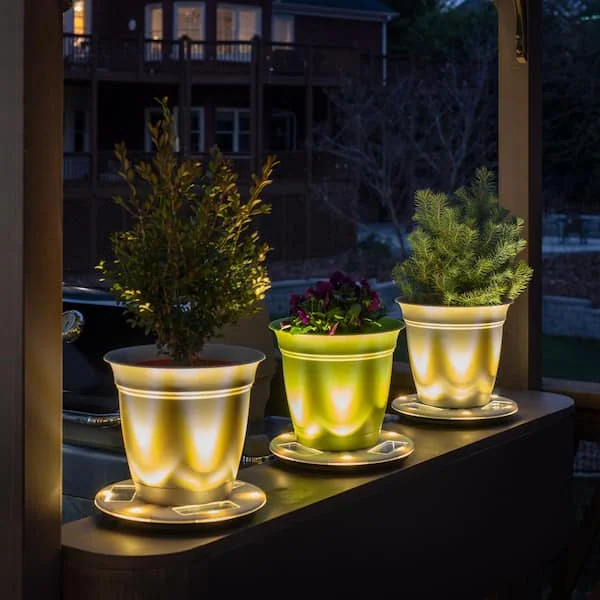
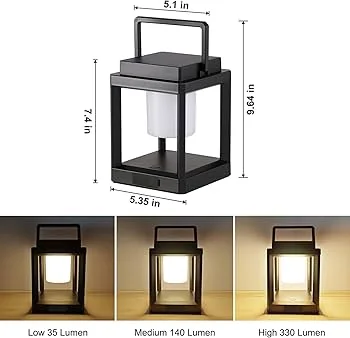
Seasonal Demand Cycles peak in spring (March-May in Northern Hemisphere) as consumers prepare outdoor spaces for warmer weather. Tabletop models see secondary peaks during holiday gift-giving periods (November-December), while freestanding garden lights maintain steadier year-round demand in temperate climates. Wholesalers serving multiple hemispheres can leverage counter-seasonal ordering to optimize factory capacity and negotiate better pricing during manufacturers’ slow periods.
Regional Aesthetic Preferences significantly impact design selection. North American markets favor rustic and farmhouse styles with distressed metal finishes and Edison bulb aesthetics. European buyers lean toward minimalist Scandinavian designs and traditional lantern forms with clean lines. Australian and New Zealand markets show strong preference for coastal-inspired designs with weathered finishes and nautical elements, as reflected in specialized offerings like AU NZ wholesale custom garden decor.
Price Sensitivity and Value Perception vary by retail channel. Big-box retailers prioritize aggressive price points with acceptable quality thresholds, while specialty garden centers and home décor boutiques accept premium pricing for distinctive designs and superior materials. Gift shops demonstrate highest tolerance for premium pricing on unique tabletop designs with strong visual appeal and gift-ready packaging.
Sustainability Messaging increasingly influences purchasing decisions, particularly among younger consumers and premium market segments. Products marketed with solar efficiency data, recyclable material content, and responsible manufacturing practices command price premiums and generate positive brand associations. However, buyers should verify sustainability claims with supporting documentation to avoid greenwashing accusations.
Smart Features and Connectivity remain niche in the tabletop and freestanding category, with most consumers preferring simple on/off operation via light sensors. Timer functions and remote controls add complexity and cost without proportional sales lift in mass-market channels, though they may differentiate premium product lines.
What Are the Common Applications?
Wholesale tabletop and freestanding solar lights serve diverse applications across residential, commercial, and institutional settings, each with specific performance requirements and purchasing patterns.
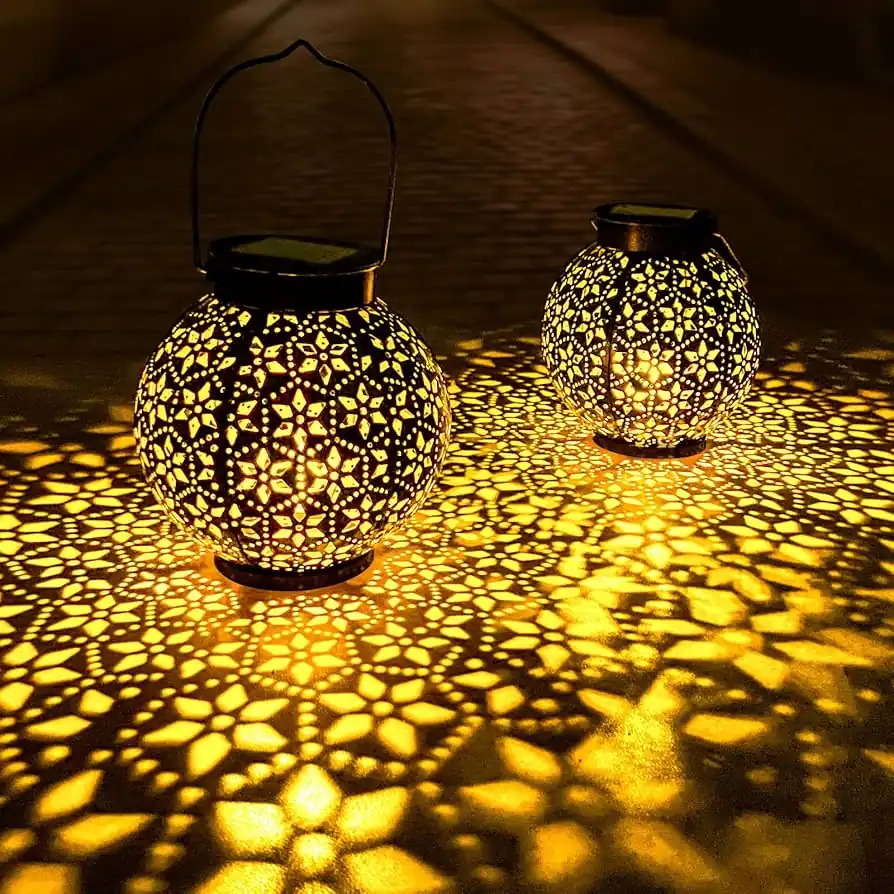
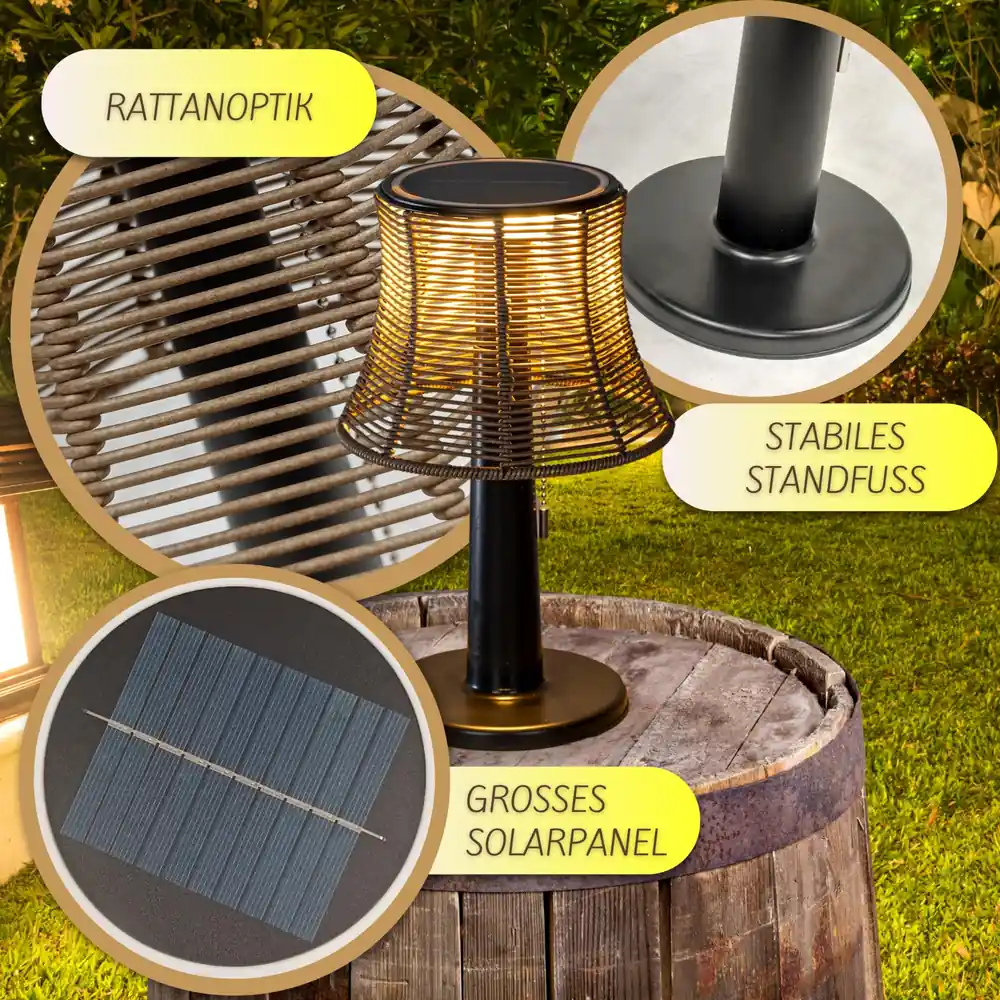
Residential Patio and Deck Lighting represents the largest application segment, where tabletop models provide ambient lighting for outdoor dining and entertaining. Customers prioritize aesthetic appeal, adequate brightness for table visibility (typically 10-20 lumens), and runtime through typical evening hours (4-6 hours). Freestanding models complement built-in deck lighting or define patio perimeters without electrical installation.
Garden and Landscape Accents utilize freestanding stake lights to highlight plantings, define pathways, or create focal points in garden beds. These applications demand weather resistance, stake stability in various soil types, and design cohesion with existing landscape elements. Seasonal design rotation (spring florals, summer tropicals, autumn harvest themes) drives repeat purchases among engaged gardening enthusiasts.
Balcony and Small Space Lighting favors compact tabletop models that maximize light output within limited footprints. Urban apartment dwellers and condo residents represent growing market segments seeking outdoor ambiance without installation restrictions or landlord approvals. Lightweight designs with secure base attachment (adhesive pads, clamp mounts) address wind exposure concerns in elevated locations.
Commercial Hospitality Applications include restaurant patios, hotel courtyards, and event venues where tabletop solar lights supplement primary lighting while creating atmosphere. These buyers prioritize durability under frequent handling, consistent appearance across multiple units, and availability of replacement parts for long-term fleet management. Bulk purchasing programs with volume discounts and dedicated account support drive loyalty in this segment.
Memorial and Cemetery Decoration utilizes both tabletop and freestanding solar lights for graveside placement where electrical access is unavailable. This application demands extended runtime, weather durability, and respectful aesthetic design. Specialized products for this market often include features like automatic dusk-to-dawn operation and subdued warm white color temperatures.
Retail Display and Merchandising employs tabletop solar lights as attention-grabbing display elements in garden centers, home improvement stores, and gift shops. Products must withstand frequent customer handling, maintain appearance under continuous indoor display lighting, and demonstrate functionality without full solar charging. Display-ready packaging with clear product visibility and feature callouts supports impulse purchasing behavior.
What OEM/ODM Customization Options Are Available for Wholesale Tabletop & Freestanding Solar Lights?
Customization capabilities distinguish commodity suppliers from strategic manufacturing partners capable of supporting brand differentiation and market-specific requirements. Understanding available OEM solutions helps buyers evaluate supplier suitability for private label programs and exclusive designs.
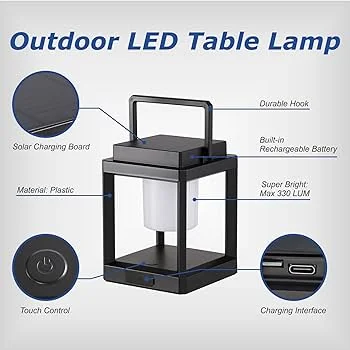
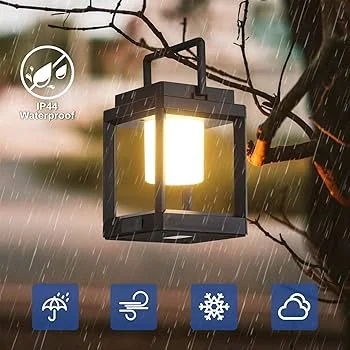
Design Modification Services range from simple color changes to complete product redesign. Surface finish customization (powder coat colors, patina effects, hand-painted details) typically requires minimum order quantities of 500-1000 units per SKU. Structural modifications (base dimensions, stake length, panel placement) involve tooling costs and longer lead times but enable true product differentiation. Experienced suppliers provide design services including 3D rendering, prototype development, and design-for-manufacturing consultation.
Packaging Customization significantly impacts retail presentation and brand recognition. Options include custom printed boxes with brand graphics, multilingual instruction inserts, hang tags with product stories, and retail-ready display packaging. Packaging engineering should address product protection during shipping while maximizing shelf appeal and minimizing dimensional weight for freight optimization.
Electrical Specification Adjustments allow performance tuning for specific markets or applications. Battery capacity increases extend runtime but add cost and weight. LED color temperature selection (warm white 2700K vs. cool white 5000K) affects ambiance perception. Light output adjustment balances brightness preferences against battery life and solar panel sizing requirements.
Material Substitutions enable cost optimization or quality enhancement based on market positioning. Upgrading from painted steel to powder-coated aluminum reduces weight and improves corrosion resistance. Substituting standard plastic with UV-stabilized formulations extends outdoor lifespan. Material changes require validation testing to ensure performance equivalence and regulatory compliance maintenance.
Branding and Marking Options include logo placement via pad printing, laser engraving, or embossed metal tags. Subtle brand integration maintains product aesthetics while supporting brand recognition and anti-counterfeiting efforts. Placement location should consider visibility during retail display and end-use scenarios.
Certification and Compliance Support for market-specific requirements represents critical value-added service. Suppliers should facilitate testing coordination, provide technical documentation for certification applications, and maintain compliance records for regulatory audits. This support proves especially valuable when entering new geographic markets with unfamiliar regulatory frameworks.
How to Source Wholesale Tabletop & Freestanding Solar Lights from China Manufacturers and Suppliers?
Sourcing wholesale tabletop and freestanding solar lights from China requires systematic supplier evaluation, clear communication protocols, and risk mitigation strategies to ensure successful outcomes.
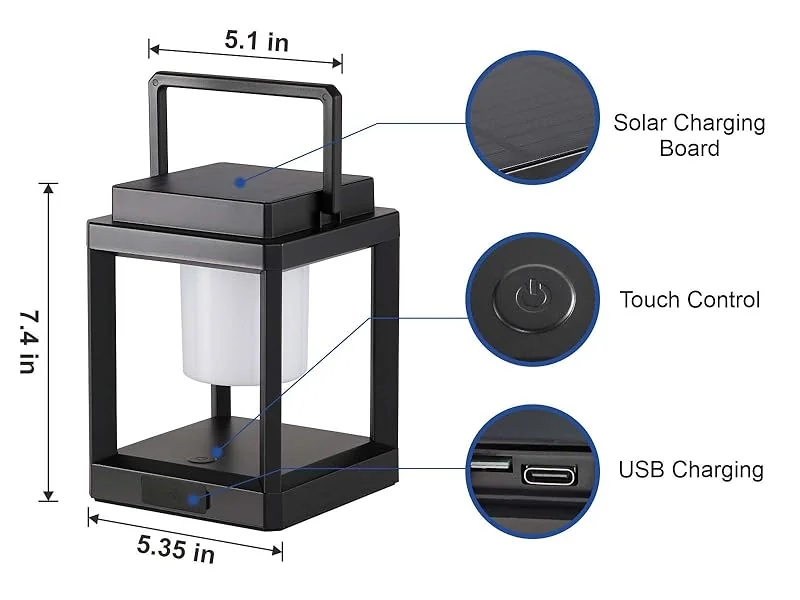
Supplier Identification and Screening begins with defining must-have capabilities: production capacity, quality certifications, customization services, and export experience. Online B2B platforms provide initial supplier lists, but verification through factory audits, reference checks, and sample evaluation remains essential. Look for suppliers with dedicated solar lighting production lines rather than general lighting manufacturers dabbling in solar products.
Factory Assessment Criteria should evaluate production equipment quality, quality control systems, raw material sourcing practices, and workforce stability. Factories with in-house tooling capabilities, automated assembly lines, and established QC protocols demonstrate commitment to consistent quality. The presence of testing equipment (IP rating chambers, solar simulators, aging test racks) indicates serious quality management rather than reliance on external labs.
Sample Evaluation Process must test products under realistic conditions rather than brief visual inspection. Charge samples fully via solar panel (not USB backup charging if present), then measure actual runtime, light output consistency, and automatic on/off functionality. Expose samples to water spray testing and temperature cycling to verify weatherproofing claims. Compare multiple samples from the same production batch to assess consistency.
Pricing Structure Understanding requires breaking down quoted prices into component costs: materials, labor, tooling amortization, packaging, and profit margins. This knowledge enables informed negotiation and helps identify unrealistically low quotes that signal quality compromises or hidden costs. Request detailed pricing breakdowns and clarify what’s included (shipping to port, export documentation, inspection fees).
Payment Terms and Risk Management typically involve deposit payments (30% common for first orders) with balance due before shipment. Letter of credit arrangements provide security for large orders but add banking fees and complexity. Third-party escrow services offer middle-ground protection for moderate order values. Always tie final payment to satisfactory inspection results rather than production completion claims.
Communication and Documentation practices prevent misunderstandings that cause costly errors. Maintain written records of all specifications, changes, and agreements. Use detailed technical drawings with dimensions, materials, and finish specifications rather than relying on verbal descriptions or reference photos. Establish clear protocols for sample approvals, production updates, and issue resolution.
Logistics and Import Considerations affect total landed costs and delivery timelines. Ocean freight suits large volume orders with flexible timing, while air freight serves urgent replenishment or sample shipments. Understand Incoterms (FOB, CIF, DDP) and their implications for cost responsibility and risk transfer. Factor in customs duties, import taxes, and potential delays for inspection or documentation issues.
Relationship Development with reliable suppliers creates long-term competitive advantages through priority production scheduling, flexible payment terms, and collaborative product development. Regular communication, fair treatment during disputes, and consistent order volumes build mutual trust that translates into better service and preferential treatment during peak seasons.
What Mistakes Can Cost You Money When Buying Tabletop & Freestanding Solar Lights in Bulk?
Avoiding common purchasing pitfalls protects margins and prevents costly post-sale issues that damage retailer relationships and brand reputation.
Inadequate Weather Resistance Verification causes high return rates when products fail after first rain exposure. Many suppliers claim IP65 ratings without proper testing, leading to water ingress that corrodes batteries and electronics. Always request IP rating test reports from accredited labs and conduct independent water spray testing on pre-production samples. Pay particular attention to solar panel sealing, battery compartment gaskets, and wire entry points where water intrusion commonly occurs.
Ignoring Battery Quality and Capacity results in disappointing runtime that fails to meet customer expectations. Cheap NiMH batteries lose capacity quickly, while improperly specified lithium cells may not charge fully from available solar input. Verify actual battery capacity (mAh rating) matches specifications and request charge/discharge cycle test data. Consider climate conditions in target marketscold weather significantly reduces battery performance.
Overlooking Packaging Adequacy leads to product damage during shipping and handling. Tabletop lights with glass components require individual protective wrapping and sufficient cushioning to prevent breakage. Freestanding models with protruding stakes need secure packaging that prevents puncture damage to adjacent units. Conduct drop testing on packaged samples and verify inner packaging materials provide adequate protection for expected shipping conditions.
Failing to Specify Finish Durability Requirements causes premature appearance degradation that triggers markdowns or disposal. Standard spray paint finishes fade and chip within months of outdoor exposure, while proper powder coating or UV-stabilized materials maintain appearance for years. Request accelerated UV aging test results (typically 1000+ hours) and salt spray testing for coastal market products. The investment in durable finishes pays back through reduced returns and maintained brand reputation.
Accepting Vague Lead Time Commitments disrupts inventory planning and causes stockouts during peak selling seasons. “30-45 days” estimates often stretch to 60+ days when production queues lengthen during busy periods. Establish firm production schedules with penalty clauses for delays, and maintain safety stock for fast-moving SKUs. Build relationships with multiple suppliers to create backup capacity for critical products.
Neglecting Spare Parts and After-Sales Support leaves retailers unable to address minor customer issues that could be resolved with replacement batteries or solar panels. Negotiate spare parts availability and pricing during initial orders, and stock common replacement components for high-volume products. Suppliers offering after-sales service support demonstrate commitment to long-term partnerships rather than transactional relationships.
Underestimating Total Landed Costs occurs when buyers focus solely on FOB pricing without accounting for freight, duties, inspection fees, and warehousing costs. A seemingly attractive unit price may become uncompetitive after adding 30-40% in additional costs. Calculate total landed cost per unit including all expenses through warehouse receipt, and compare against target retail prices to ensure adequate margins.
Skipping Pre-Production Inspection allows quality issues to propagate through entire production runs. Once manufacturing begins, correcting problems becomes expensive or impossible. Invest in pre-production sample approval and first-article inspection to verify specifications before mass production proceeds. This small upfront cost prevents large-scale quality failures.
Who Is Glowyard Lighting and What Do We Offer?
Glowyard Lighting specializes in manufacturing decorative solar garden lights with focus on quality consistency, customization capabilities, and reliable export service for wholesale buyers worldwide. Our production facilities maintain dedicated lines for tabletop and freestanding solar lights, supported by in-house tooling, automated assembly equipment, and comprehensive testing capabilities.
Our quality control system implements three-stage inspection protocols: incoming material verification (IQC) ensures component quality before production, in-process quality checks (IPQC) catch issues during assembly, and final product inspection (OQC) validates finished goods against specifications. Each production batch undergoes solar charging verification, runtime testing, and IP rating spot checks to ensure consistent performance. We maintain detailed inspection records and provide comprehensive QC reports with every shipment.
For OEM/ODM projects, we offer complete product development support from initial concept through production launch. Our design team creates 3D renderings and functional prototypes, while our engineering staff optimizes designs for manufacturability and cost efficiency. We handle certification coordination for target markets, provide technical documentation for regulatory compliance, and support custom packaging development that enhances retail presentation.
Our export experience spans North America, Europe, Australia, and emerging markets, with established logistics partnerships that ensure reliable shipping and proper export documentation. We understand market-specific requirements including voltage standards, certification needs, and packaging preferences that vary by region. This experience helps international buyers navigate import processes and avoid common compliance issues.
We maintain transparent communication throughout the production cycle, providing regular updates on order status, proactive notification of potential delays, and responsive support for technical questions or specification clarifications. Our after-sales support includes spare parts availability, warranty claim processing, and technical troubleshooting assistance that helps retailers manage customer service efficiently.
Frequently Asked Questions
What minimum order quantities should I expect for wholesale tabletop and freestanding solar lights?
Minimum order quantities vary by product complexity and customization level. Standard designs typically require 500-1000 units per SKU for initial orders, while custom designs with unique tooling may need 2000-3000 units to justify tooling costs. Mixed container orders combining multiple SKUs often provide flexibility for testing market response across different designs. Discuss your specific needs with suppliers to find workable minimums that balance inventory risk against unit cost optimization.
How long do batteries typically last in tabletop and freestanding solar lights?
Quality NiMH batteries generally provide 500-800 charge cycles (roughly 2-3 years of daily use) before capacity degrades noticeably. Lithium batteries offer 1000+ cycles but cost more and face shipping restrictions. Battery lifespan depends heavily on charging conditionsinsufficient sunlight exposure causes incomplete charging that accelerates degradation. Provide customers with realistic expectations about battery replacement as normal maintenance rather than product failure.
Can I source wholesale tabletop solar lights with specific color temperatures?
Yes, LED color temperature is customizable during production. Warm white (2700-3000K) creates cozy ambiance preferred for residential applications, while cool white (5000-6000K) provides brighter task lighting. Some suppliers offer dual-color or RGB options with mode switching, though these add complexity and cost. Specify color temperature requirements clearly in purchase orders and verify with lit samples before production, as color perception varies between individuals.
What’s the difference between IP44 and IP65 ratings for solar lights?
IP44 provides splash resistance suitable for covered patios or areas with limited direct water exposure. IP65 offers water jet resistance appropriate for fully exposed outdoor locations including rain and garden hose spray. Tabletop models often use IP44 to reduce costs for protected applications, while freestanding garden lights require IP65 for reliable outdoor performance. Verify ratings with test reports rather than relying on supplier claims, as improper sealing causes most warranty issues.
How do I handle warranty claims for bulk orders of solar lights?
Establish clear warranty terms during purchase negotiations, typically 1-2 years for quality defects excluding battery degradation and physical damage. Document defect rates and failure modes to identify systematic issues versus random failures. Reputable suppliers provide replacement units or components for verified defects and work collaboratively to resolve quality issues. Maintain photographic evidence and detailed failure descriptions to support warranty claims and improve future production quality.
Should I stock replacement parts for wholesale solar light products?
Yes, maintaining inventory of common replacement components (batteries, solar panels, LED modules) enables quick customer service resolution and extends product lifespan. Negotiate spare parts pricing and availability during initial orders, and stock quantities proportional to sales volume. Offering replacement parts as a service differentiates your business and builds customer loyalty while reducing waste from disposing of otherwise functional products.
What packaging features improve retail sales for tabletop solar lights?
Clear product visibility through window packaging allows customers to see design details and quality. Feature callouts highlighting solar operation, runtime, and weather resistance address common purchase questions. Gift-ready presentation with attractive graphics appeals to impulse buyers and gift purchasers. Compact packaging dimensions reduce shelf space requirements and shipping costs while maintaining adequate product protection. Test packaging with target retailers to ensure it meets their merchandising requirements.
How can I verify a supplier’s manufacturing capabilities before placing large orders?
Request factory video tours showing production lines, quality control equipment, and raw material storage. Ask for customer references from buyers in similar markets and contact them about their experience. Order samples from multiple production batches to assess consistency. Consider third-party factory audits that verify capacity claims, quality systems, and working conditions. Start with smaller trial orders to evaluate communication, quality, and delivery reliability before committing to large volume purchases.
Wholesale Buying Checklist
- Verify IP rating test reports from accredited laboratories
- Confirm battery specifications (chemistry, capacity, cycle life)
- Request UV aging test results (1000+ hours minimum)
- Evaluate packaging adequacy through drop testing
- Clarify lead times with penalty clauses for delays
- Establish spare parts availability and pricing
- Calculate total landed costs including all fees
- Conduct pre-production sample approval
- Define quality acceptance criteria and inspection protocols
- Negotiate payment terms with milestone-based releases
- Confirm certification documentation for target markets
- Test solar charging and runtime under realistic conditions
Quick RFQ Template for Wholesale Tabletop & Freestanding Solar Lights
Product Specifications:
- Product type: [Tabletop lantern / Freestanding stake / Weighted base model]
- Dimensions: [Height x Width x Depth in cm]
- Material: [Metal / Resin / Plastic / Glass combination]
- Finish: [Powder coat / Paint / Patina / Natural]
- Light source: [LED type, color temperature, lumen output]
- Solar panel: [Wattage, monocrystalline/polycrystalline]
- Battery: [Type, capacity in mAh, voltage]
- IP rating: [IP44 / IP65 / Other]
Order Details:
- Target quantity per SKU: [Units]
- Number of SKUs: [Count]
- Customization needs: [Standard / Color change / Design modification / Full custom]
- Packaging requirements: [Standard / Custom printed / Display-ready]
- Target price range: [Per unit, specify currency]
- Delivery timeline: [Target ship date]
- Destination port: [Location]
- Incoterm preference: [FOB / CIF / DDP]
Compliance Requirements:
- Certifications needed: [CE / UKCA / RoHS / Other]
- Testing reports required: [IP rating / UV aging / Battery safety]
- Market destination: [Country/region]
Supplier Capabilities:
- Production capacity: [Units per month]
- Lead time: [Days from order to shipment]
- MOQ: [Minimum order quantity per SKU]
- Sample availability: [Cost, delivery time]
- Payment terms: [Deposit %, balance conditions]
- Warranty coverage: [Duration, terms]
- After-sales support: [Spare parts, technical assistance]