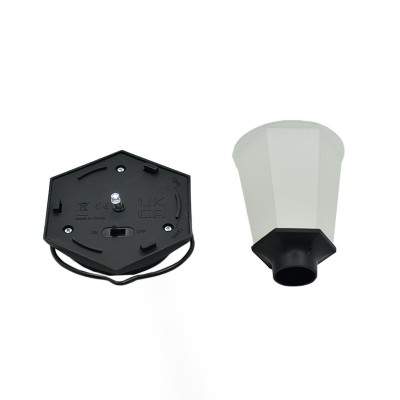
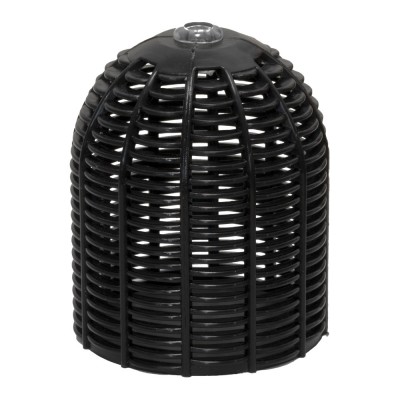

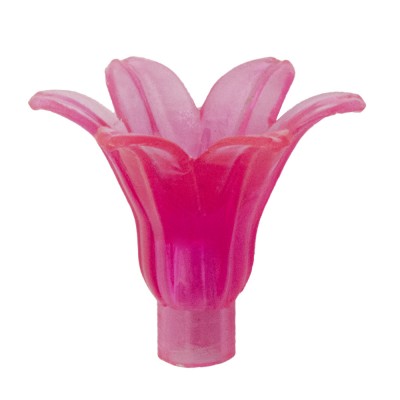
Plastic Injection Molding for Solar Light Parts
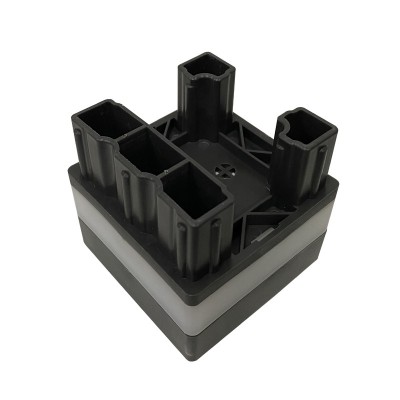
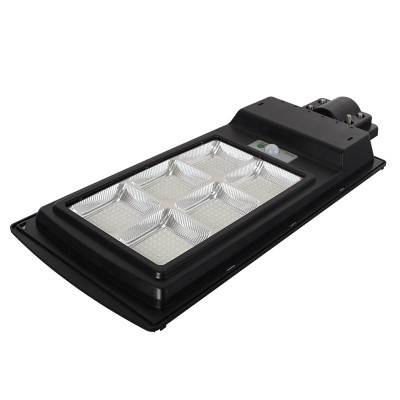
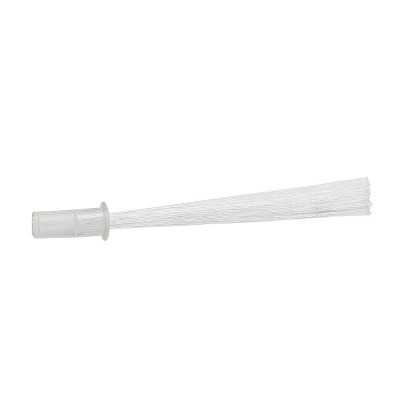
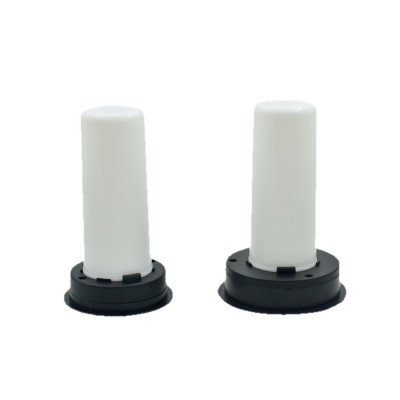
We produce durable plastic components—including housings, diffusers, stakes and internal structural parts—using injection molding machines with precise temperature and pressure control. By selecting UV-resistant and outdoor-grade materials, we ensure each piece maintains strength, color stability and long-term performance under sun exposure.
- Lightweight structure design: Engineer wall thickness, ribs and fixing points so plastic housings stay strong while reducing weight and material cost.
- Stable molding & assembly: Control injection parameters, dimensions and snap‑fits so parts align accurately, assemble smoothly and keep waterproof performance.
- Outdoor-ready materials: Select UV‑stabilized plastic grades and compatible coatings to slow yellowing, cracking and deformation over multiple seasons outdoors.
Plastic
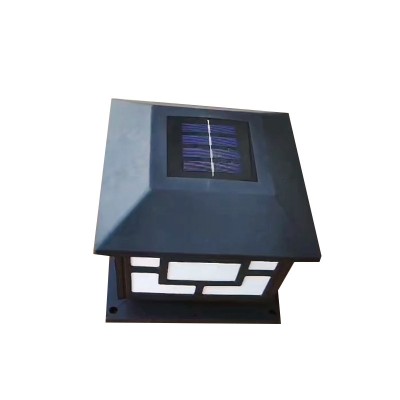
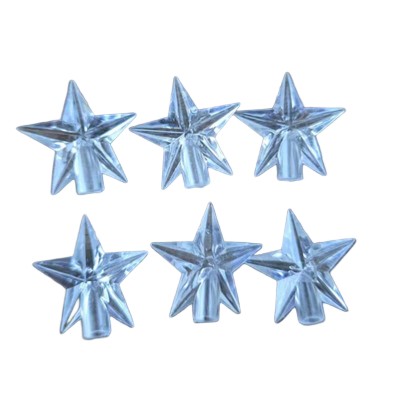
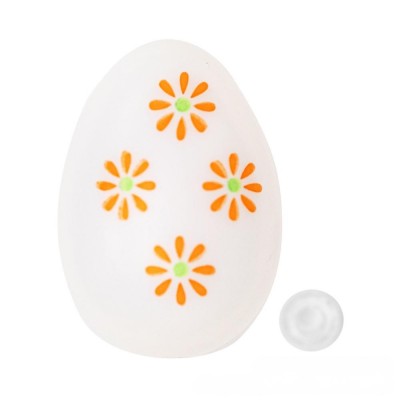
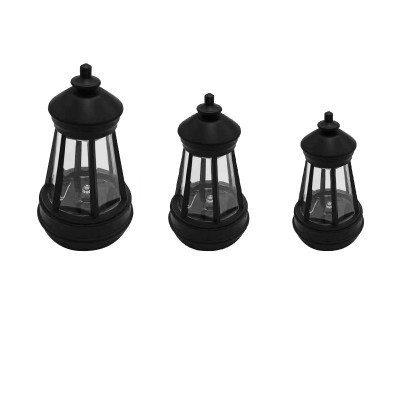
Solar Lights Gallery:


Injection Molding Materials Available
Choosing the right plastic material is critical for ensuring durability, UV resistance, and long-term outdoor performance. Our factory uses certified outdoor-grade materials and UV-stable formulations to keep your solar lights performing reliably in all climates.
ABS (Acrylonitrile Butadiene Styrene)
A stable and versatile material widely used in solar light housings.
Features:
-
Good dimensional stability
-
Smooth surface for painting
-
UV-resistant versions available for outdoor applications
Best For:
-
Light housings
-
Inner battery compartments
-
Structural components not directly exposed to sunlight
PP (Polypropylene)
Lightweight and mildly flexible with better outdoor resistance than standard ABS.
Features:
-
Good chemical resistance
-
Affordable
-
Suitable for non-load-bearing components
Best For:
-
Light-diffusing covers
-
Decorative parts
-
Cost-efficient solar stake lights
PC (Polycarbonate)
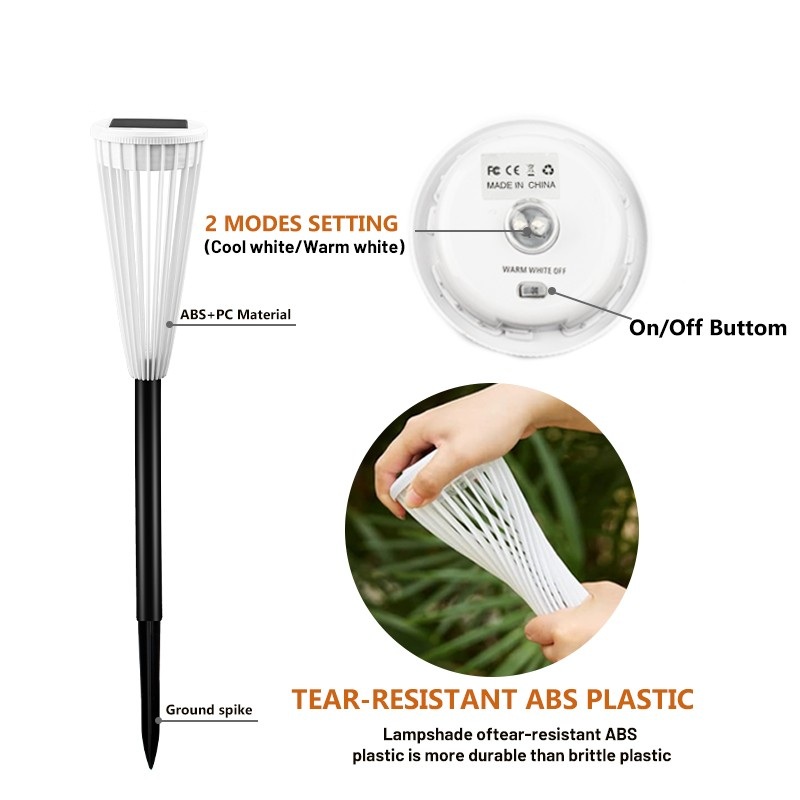
The premium choice for outdoor solar lighting, especially for transparent or impact-resistant parts.
Features:
-
Excellent impact resistance
-
UV-stable grades can last 3–5 years outdoors
-
High transparency for optimal light diffusion
Best For:
-
Lampshades
-
Impact-resistant housings
-
Premium garden & wall lights
PMMA / Acrylic
A material known for its high clarity and elegant glass-like appearance.
Features:
-
Maximum transparency
-
Good surface hardness
-
Excellent visual effect
Best For:
-
Decorative light covers
-
Diffusion panels
-
High-end garden lanterns
PS (Polystyrene)
Used in low-cost solar lights where impact performance is not critical.
Features:
-
Low cost
-
Acceptable clarity
-
Less suitable for long-term outdoor exposure
Best For:
-
Entry-level solar pathway lights
-
Promotional products
PA (Nylon)
A strong engineering-grade solution for heavy-duty components.
Features:
-
High strength and wear resistance
-
Excellent durability
-
Available with glass-fiber reinforcement
Best For:
-
Structural connectors
-
Hinges, screws, rotating parts
-
Mechanical support components
TPE / TPU (Thermoplastic Elastomer)
Soft and flexible material used for sealing and waterproofing.
Features:
-
Great elasticity
-
Reliable outdoor sealing performance
-
Ideal for IP65+ designs
Best For:
-
Sealing rings
-
Soft buttons
-
Shock-absorbing components
Where Plastic Works Best In Your Product Line
When to choose plastic housings instead of metal, resin or glass, and how plastic helps you build high‑volume, price‑competitive solar garden light programs.
Price‑sensitive retail programs
Plastic housings help you hit aggressive target prices for supermarket, DIY and e‑commerce sets while keeping the product visually attractive on shelf.
High‑volume, repeatable SKUs
Injection‑molded parts with well‑designed tools allow consistent dimensions, fast cycles and stable quality across large orders and repeat seasons.
Lightweight and child‑friendly applications
Plastic bodies reduce breakage risk versus glass and lower shipping costs for multi‑piece garden light sets or items aimed at families.
Designs that need integrated optics
Plastic lenses, diffusers and light guides can be integrated into the housing to create patterns, glare control and soft light effects.
General Workflow For Plastic Solar Lights parts Manufacturing
A step‑by‑step overview of how plastic solar lights move from material selection and tooling to molding, decoration, assembly and reliability testing.
1)Material Drying & Color Masterbatch Mixing
-Control drying temperature and time for each resin type to keep moisture low and reduce bubbles or silver streaks during molding.
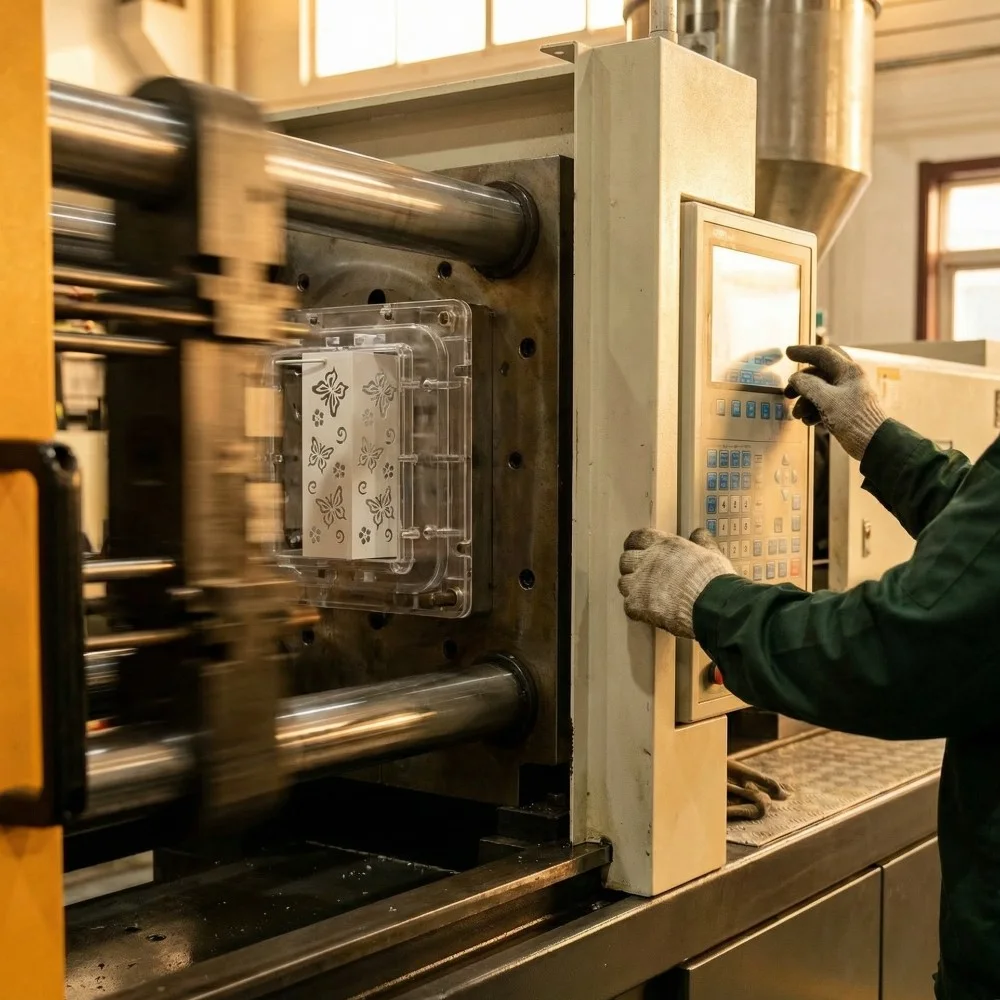
2)Injection Molding
-Control barrel temperature, injection pressure, cycle time and packing to achieve complete filling, stable dimensions and clean surfaces.
3)Trimming, Deburring & Surface Texturing
-Apply required surface textures or polishing so that light windows, lenses and decorative areas meet appearance requirements.
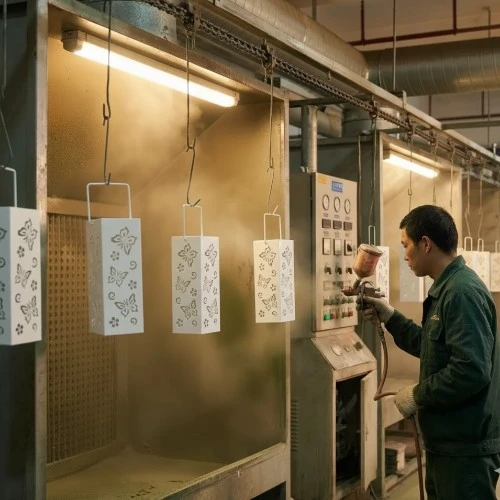
4)Surface Coating & Decoration
-Test coating adhesion and color difference on sampled pieces to ensure every batch matches the golden sample and resists outdoor use.
Plastic Craft Highlights
Key plastic-related capabilities—from material selection and injection equipment to tooling and structural design—that support durable, lightweight solar garden lights.
Material Types
-
ABS: For rigid housings and decorative parts that need good surface quality and paintability.
-
PP: For garden stakes and structural parts that require toughness and fatigue resistance.
-
PC: For transparent lenses and light covers with high impact strength and good light transmission.
- Recycled plastics (on request): Optional use of controlled recycled materials to support cost and sustainability targets.
Injection Equipment
-
Tonnage range: Multiple machine sizes to handle small decorative pieces and larger housing parts efficiently.
- Precision molding: Stable temperature and pressure control to produce waterproof plastic shells with tight tolerances.
Mold Development Capability
-
Custom plastic housings: Design and build molds for brand-specific shapes, textures and mounting features.
-
Transparent LED covers: Develop optical-grade tools for diffusers, lenses and patterned light effects.
- Battery compartments: Create snap-fit or screw-on battery boxes with clearances for wiring and sealing.
Structural Advantages
-
Tight sealing: Integrate grooves, flanges and gasket seats to support reliable waterproof performance.
-
Consistent dimensions: Control shrinkage and warpage so parts assemble smoothly and keep alignment over time.
- UV-resistant plastic formula: Match plastic grades and additives to reduce yellowing, cracking and deformation outdoors.
Injection Molding Capabilities
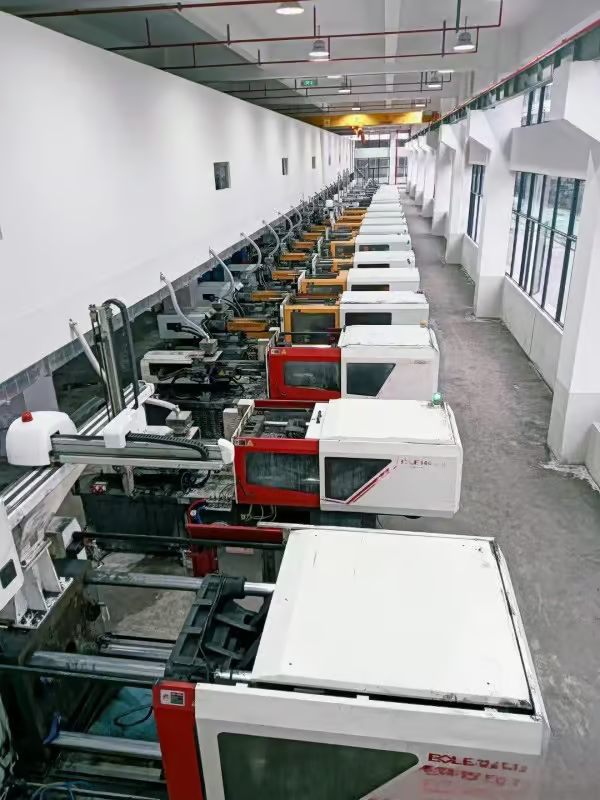
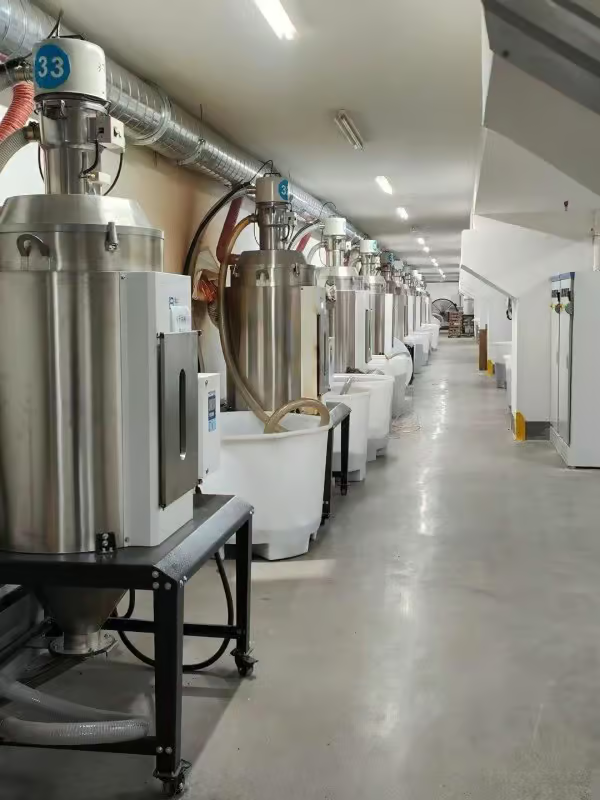
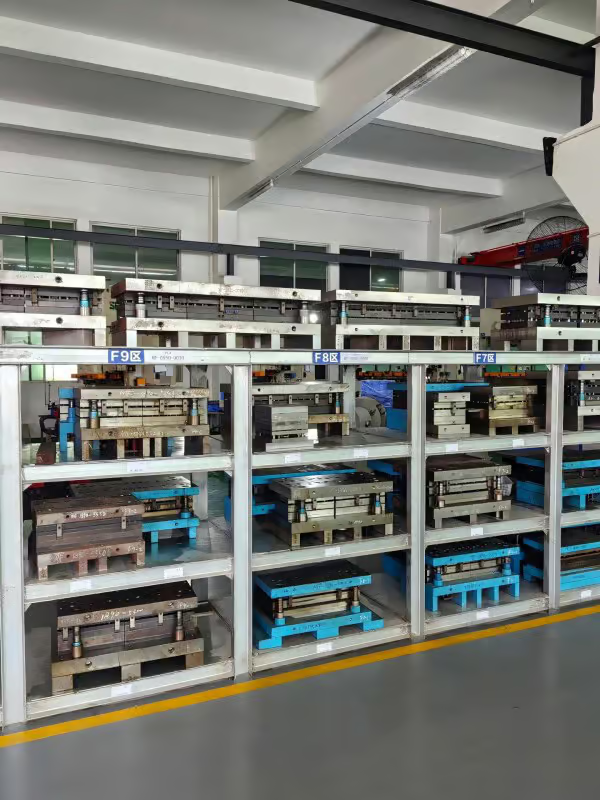
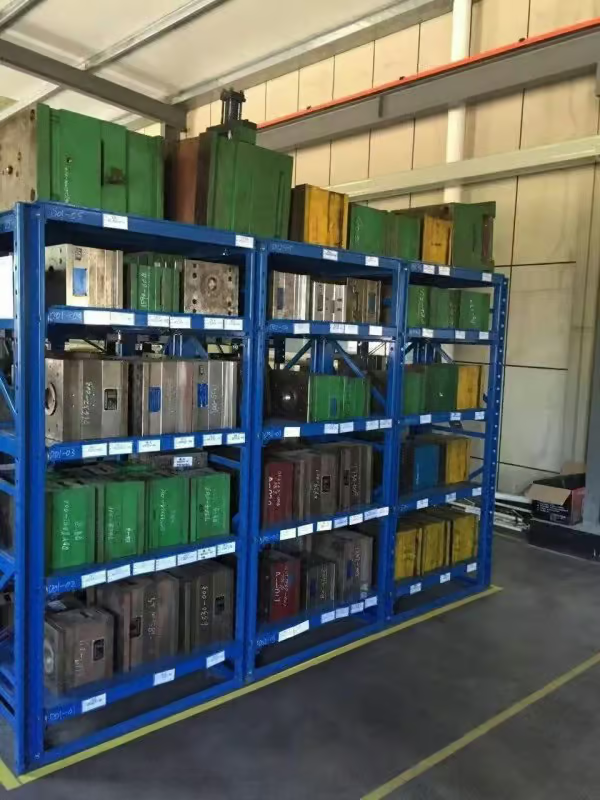
Our injection molding services cover every stage, from design to delivery. We produce prototypes and large-scale parts with tight tolerances, certified quality, and quick lead times for global customers. For buyers who want a closer look at how molding quality affects fit, sealing, durability, and production stability, see our article on why injection molding matters for plastic solar lights.
400T Injection molding processing area
618T Injection molding processing area
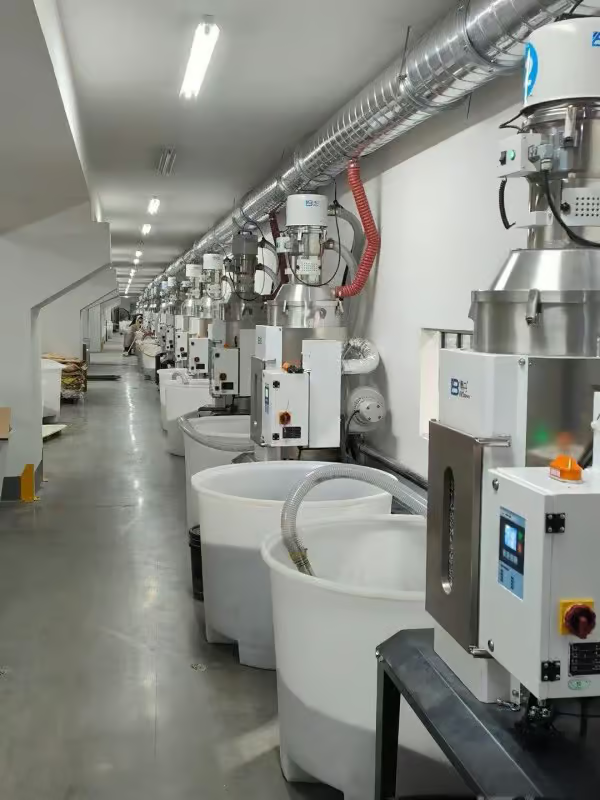
Injection molding dryer area
Mold storage area
Mold storage area
Injection molding dryer area
Related Plastic Outdoor Lights
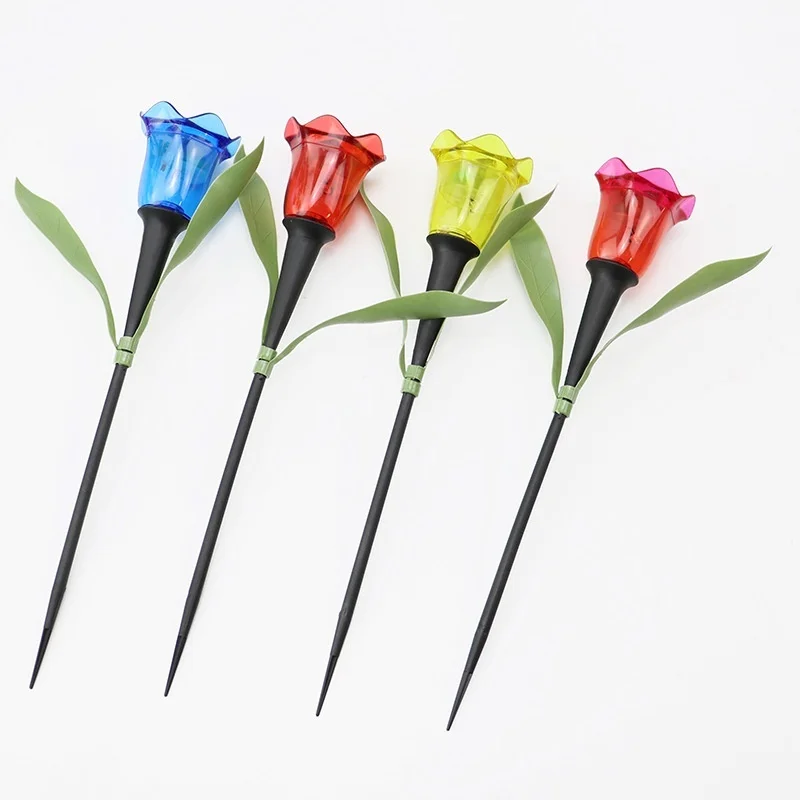
Explore representative plastic-based outdoor and solar lighting designs—such as lightweight garden stakes, pathway lights, string lights and tabletop decorations—that are manufactured using our plastic molding, assembly and quality control capabilities.
Industry Pain Points
In Plastic Solar Lights
Common problems importers face with plastic solar lights, from yellowing and cracking to loose joints, water leakage and inconsistent quality between batches.
Yellowing and embrittlement outdoors
Low‑grade plastic and insufficient UV stabilization cause housings to yellow, crack or turn brittle after one or two seasons.
Thin, weak structures to save cost
Over‑aggressive wall‑thickness reduction results in broken stakes, snapped hooks and customer complaints.
Warping and poor fit between parts
Inconsistent molding conditions lead to deformation, gaps, rattling parts and water ingress around joints and buttons.
Limited transparency on materials and tooling
Some suppliers cannot clearly tell you which resin grade, masterbatch or mold steel is used, making it hard to manage long‑term risk.
To understand how these issues appear across the whole production chain, you can review our outdoor lighting manufacturing overview.
How We Solve Plastic Manufacturing Challenges
Our engineering, material selection and process control methods for keeping plastic parts stable in outdoor conditions while still meeting your target price.
Outdoor‑grade material selection
We match plastic grades (such as PP, ABS or PC) and UV‑stabilized masterbatches to your market climate, color requirements and lifetime expectations, instead of using generic indoor plastics.
Engineering for structure, not only appearance
Our R&D team designs ribs, snap‑fits, screw bosses and wall thickness with simulation and field experience, balancing strength, weight and cost.
Controlled molding and dimensional checks
Standardized injection or blow‑molding parameters, first‑article approval and regular dimensional checks reduce warping, flashing and assembly problems.
Integrated design with electronics and sealing
Plastic housings, gaskets and PCBs are co‑designed so that clips, screws and light windows all work together to maintain IP performance over time.
Quality Assurance In
Plastic Solar Lights Manufacturing
How our 4‑stage QC system, lab tests and packing verification reduce complaints and returns for plastic‑based solar garden lights.
Incoming material and color control (IQC)
Process monitoring during molding (IPQC)
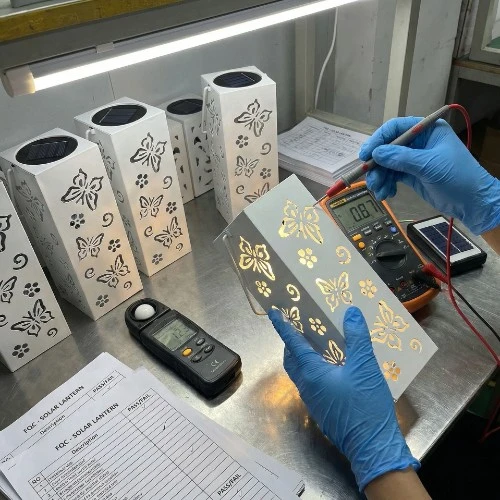
Functional, waterproof and reliability checks (FQC)
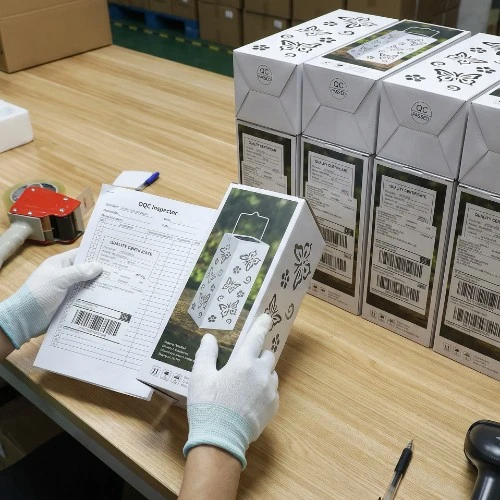
Packing, drop and transportation simulation (OQC)
Certified for Global Markets
Our factory holds BSCI, ISO 9001, and Sedex audits, and our products comply with CE, RoHS, FCC, UL, UKCA and more.


Purchasing Advice For Plastic Solar Lights From China
Key questions to ask and data to request from factories so you can balance cost, durability, tooling investment and long‑term program stability.
Specify substrate, thickness and anti‑rust level clearly
In your RFQ, define whether you need galvanized steel, aluminum or stainless, the minimum thickness, and expected outdoor lifetime (e.g., 48/96‑hour salt‑spray, coastal vs inland).
Lock color, gloss and texture with a master sample
Approve a powder‑coat chip and a finished metal part as “golden sample” with agreed RAL (or near‑equivalent), gloss level and texture. Require any formula change to be re‑approved.
Align structure and packaging with logistics reality
Metal solar lights are heavier and more rigid than plastic or resin. Confirm carton drop‑test requirements, pallet stacking limits and how sets are packed to avoid transport damage and extra freight costs.
Match customization depth with MOQ and timeline
New molds, special coatings or complex welding structures require larger MOQ and longer lead time. Reserve these for core SKUs, and use simpler modifications for test orders or seasonal runs.
For more practical details on MOQ, lead times and ordering flow, refer to our purchasing guide for solar garden lights.
Knowledge For Plastic Outdoor Lighting Manufacturing
Practical guides, FAQs and insights on plastic material selection, UV stability, structure design, waterproofing and production best practices to help buyers design and source better plastic-based solar outdoor lights.
Wanna Customize Your Solar Outdoor Lighting?
Glowyard Lighting Are here to help!