






2026 lastest Full Product Catalogue
Please Click the button, after Filling in your Email and information, the file will be send within 24 hours .
-
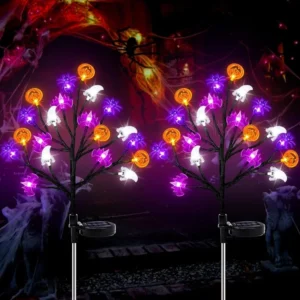 Decorative Garden Solar Lights
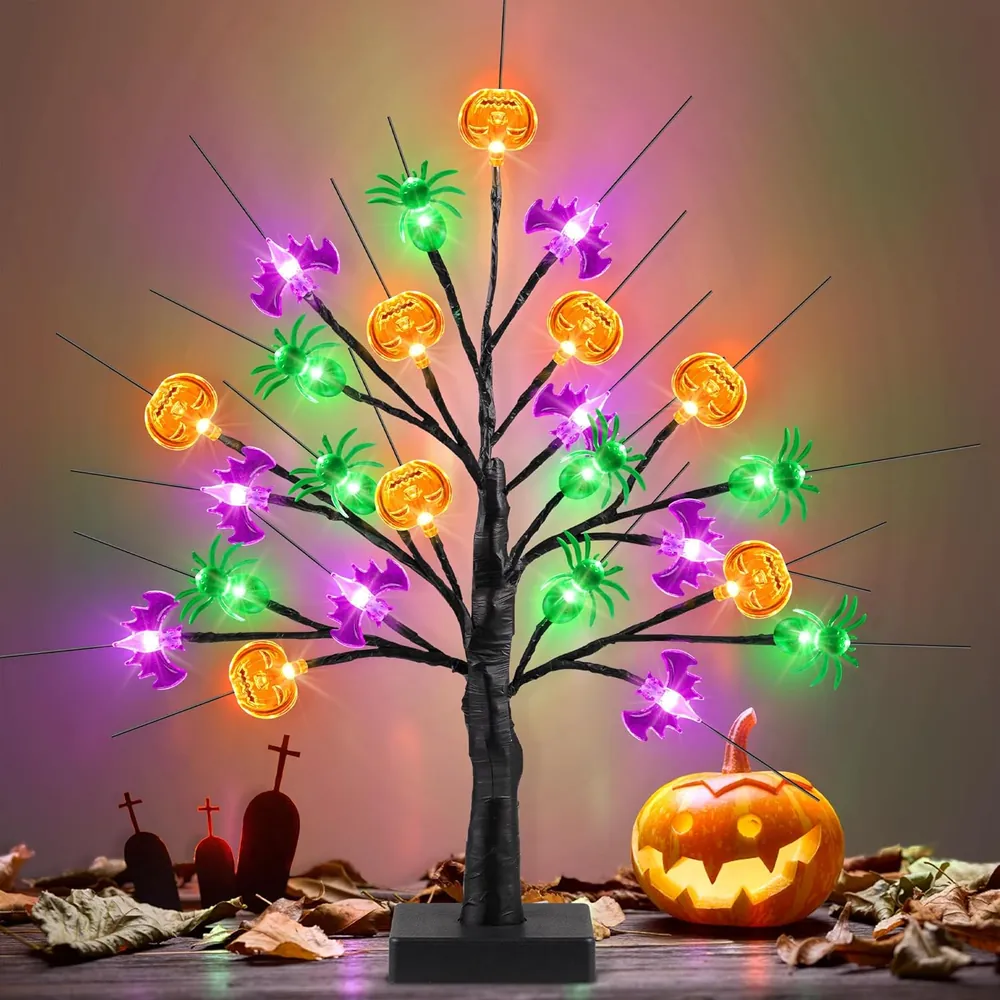
SM251081 Halloween Spider Ghost Pumpkin Decoration 20LED Firefly Solar Stake Light
-
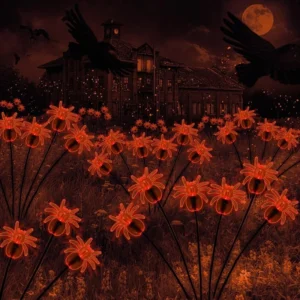 Decorative Garden Solar Lights
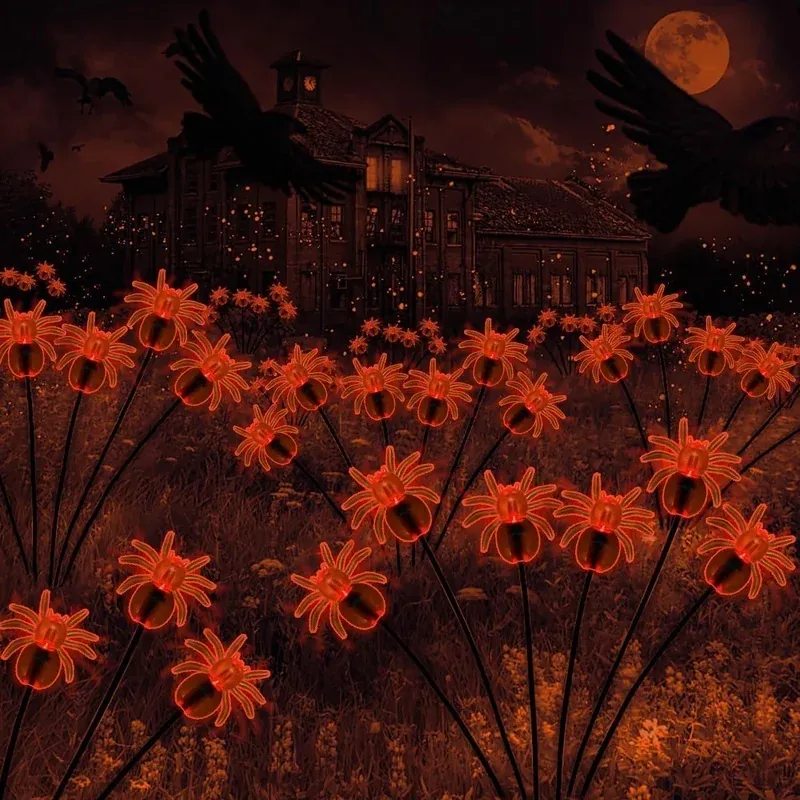
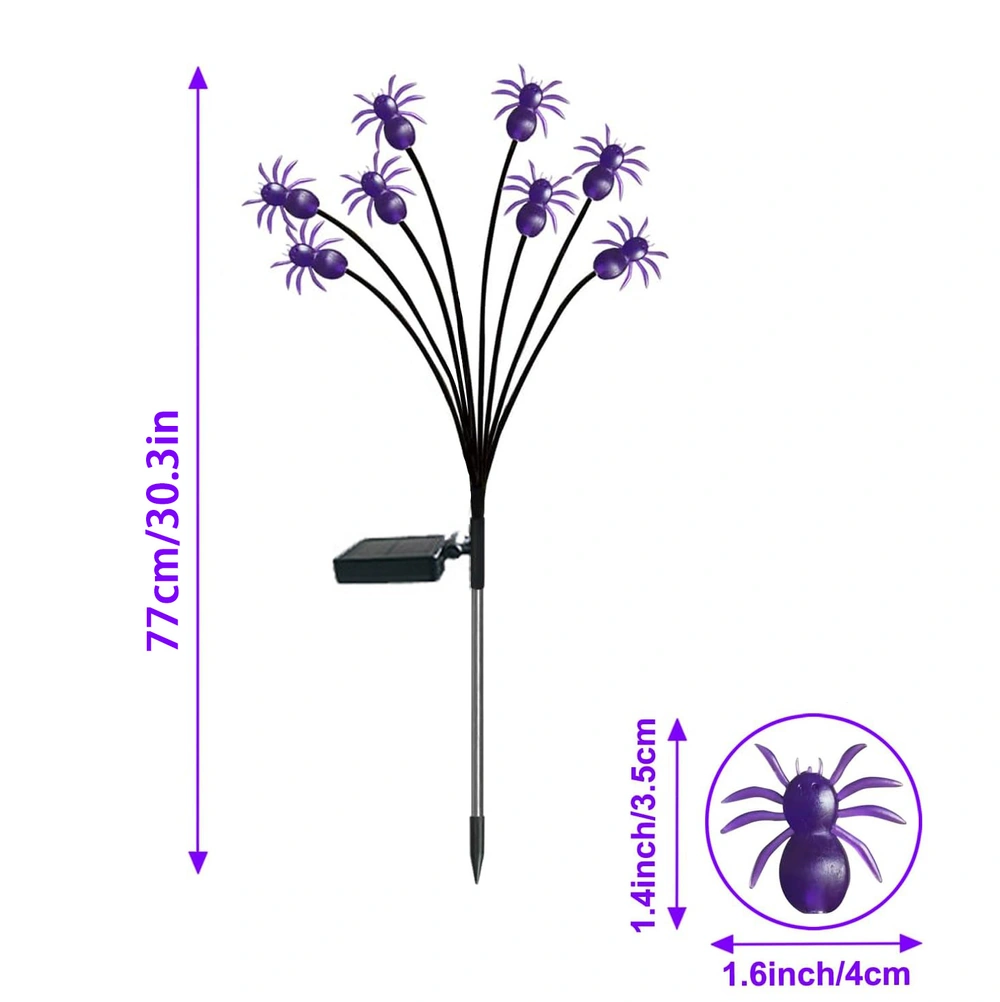
SM25673 Halloween Spider Decoration 8LED Firefly Solar Stake Light
-
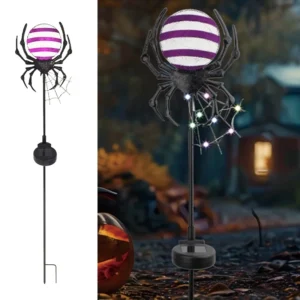 Decorative Garden Solar Lights
SM24459 Halloween Metal Iron purple Spider Decorative Solar Stake Light
-
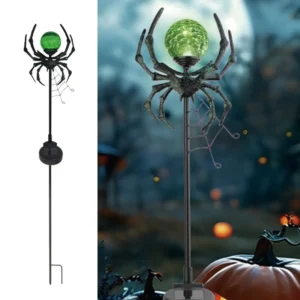 Decorative Garden Solar Lights
SM24458 Halloween Metal Iron Spider with Green Glass Globe Decorative Solar Stake Light
3D Spider Halloween Garden Lights: Complete B2B Buyer Sourcing Guide
As a B2B buyer looking to source 3D spider Halloween garden lights, you need reliable information to make informed purchasing decisions for the seasonal market. This comprehensive guide answers key questions that wholesalers, retailers, and e-commerce sellers commonly ask when sourcing these popular Halloween decoration products.
At Glowyard Lighting, with over 15 years of experience in the outdoor solar lighting industry, we’ve compiled insights from working with hundreds of B2B clients across North America, Europe, and beyond. Whether you’re sourcing 3D spider Halloween lights for the first time or looking to optimize your seasonal supply chain, this guide provides the information you need.
In this guide:
- Product types, 3D designs, and quality standards for Halloween spider lights
- Materials and manufacturing processes for realistic spider decorations
- Market analysis and seasonal demand patterns for Halloween products
- Common applications and customer preferences for spooky garden decor
- How to evaluate manufacturers and avoid seasonal sourcing mistakes
- Glowyard’s factory capabilities for Halloween lighting products
1. What Are 3D Spider Halloween Garden Lights and Why Are They Popular?
What Are 3D Spider Halloween Garden Lights?
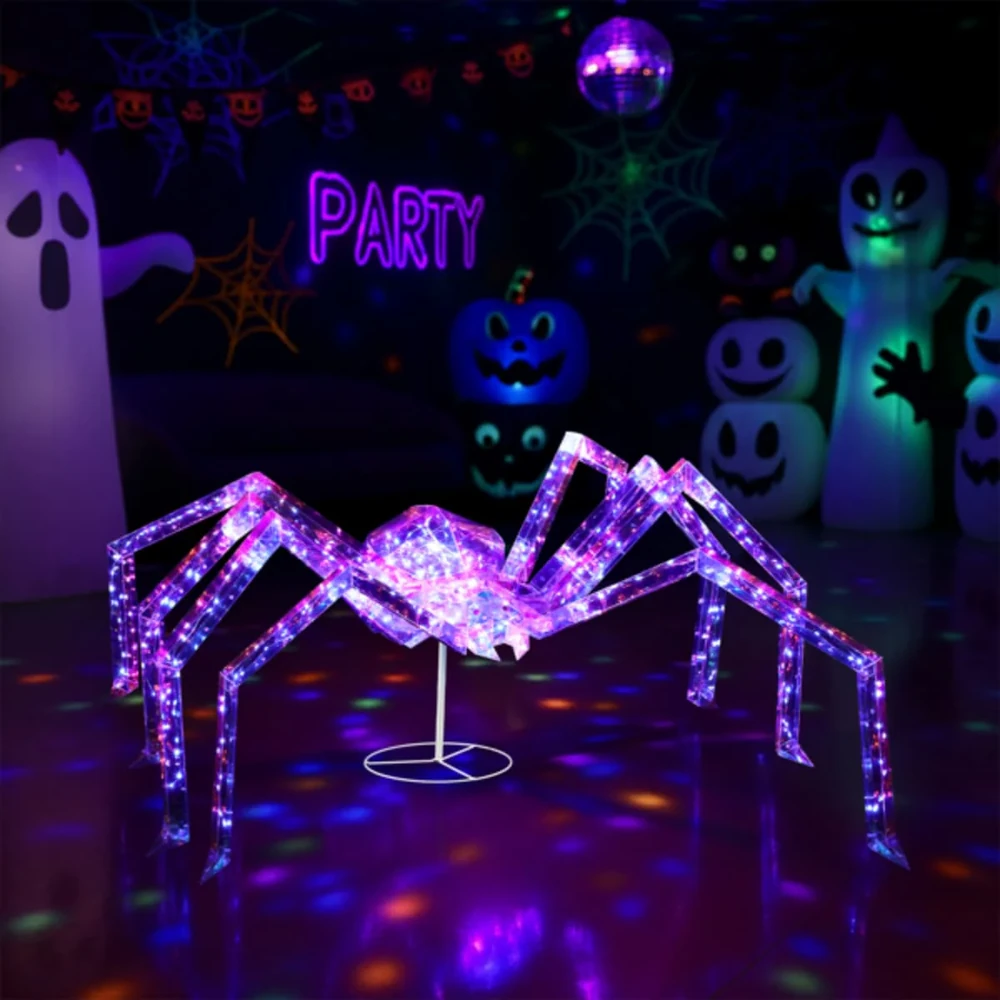
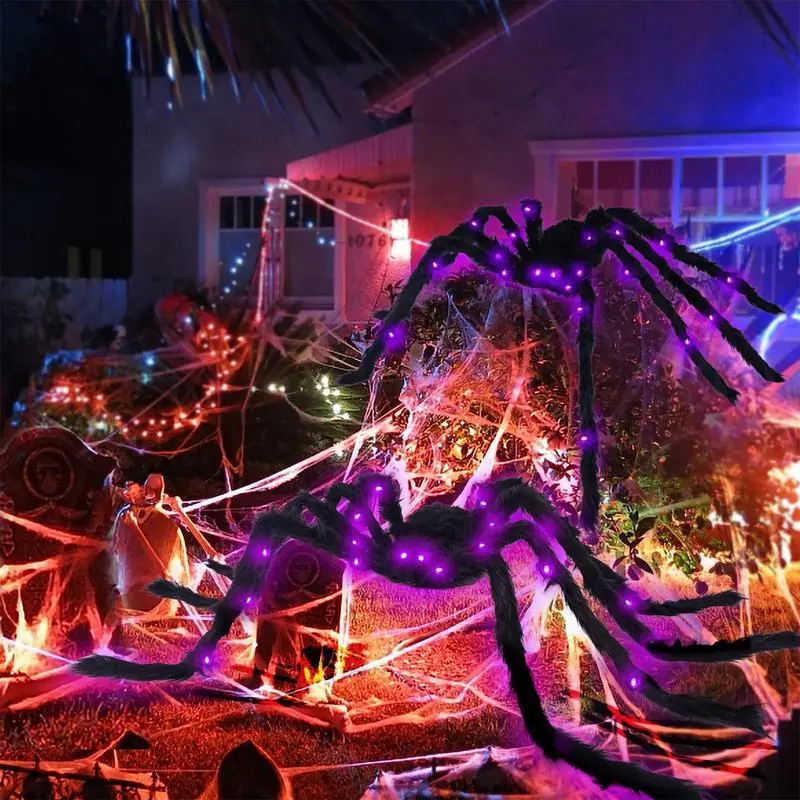
3D spider Halloween garden lights are specialized seasonal decorative lighting products designed for the B2B Halloween market. Each unit features a realistic three-dimensional spider design with LED illumination, creating spooky effects in gardens, yards, and outdoor Halloween displays. These solar or battery-powered lights automatically illuminate at dusk, transforming ordinary spaces into haunted atmospheres.
Unlike flat decorations or simple string lights, 3D spider lights offer dimensional realism that creates dramatic shadows and eye-catching displays, making them highly effective for Halloween theming.
What Are the Key Components?
Understanding the core components of 3D spider Halloween garden lights:
- 3D Spider Body: Realistic spider sculpture with detailed legs, body segments, and texture
- LED Light Source: Energy-efficient LED bulbs integrated into the spider body or eyes
- Power System: Solar panel with rechargeable battery or battery compartment for AA/AAA batteries
- Mounting Options: Ground stakes, hanging hooks, or adhesive mounts for versatile placement
- Light Sensor: Photoresistor for automatic dusk-to-dawn operation
- Weatherproof Housing: IP44 or IP65 rated protection for outdoor Halloween season use
- Special Effects: Some models include color-changing LEDs, flickering effects, or motion sensors
Why Do B2B Buyers Choose 3D Spider Halloween Lights?
Strong Seasonal Demand
- Halloween decoration market grows annually in North America and Europe
- Consumers actively seek new and unique Halloween decorations each year
- Spider motifs are universally recognized Halloween symbols
- 3D designs offer premium appeal over flat decorations
High Profit Margins
- Seasonal products command premium pricing
- Limited availability period creates urgency
- Novelty factor justifies higher retail prices
- Low production costs relative to selling price
Easy to Market
- Visual appeal drives impulse purchases
- Halloween theme is immediately recognizable
- Social media-friendly for viral marketing
- Creates excitement in retail displays
Repeat Business Potential
- Customers expand Halloween displays annually
- New designs drive repeat purchases
- Collectors seek variety in spider designs
- Weather damage creates replacement demand
Which Markets Are Best for 3D Spider Halloween Lights?
Residential Consumers
- Front yard Halloween displays
- Porch and entryway decoration
- Garden and pathway spooky theming
- Window and wall mounting
- Halloween party decoration
Retail Channels
- Seasonal Halloween stores
- Garden centers and nurseries
- Hardware stores and home improvement retailers
- Party supply stores
- Discount and dollar stores
E-commerce Sellers
- Online marketplace seasonal sellers
- Halloween specialty e-commerce stores
- Subscription box services
- Direct-to-consumer seasonal brands
- Learn about different garden solar light types
Event and Entertainment
- Haunted house attractions
- Theme parks and entertainment venues
- Halloween event organizers
- Community Halloween displays
- Commercial property seasonal decoration
2. What 3D Spider Designs and Styles Are Available?
What Spider Types Are Most Popular?
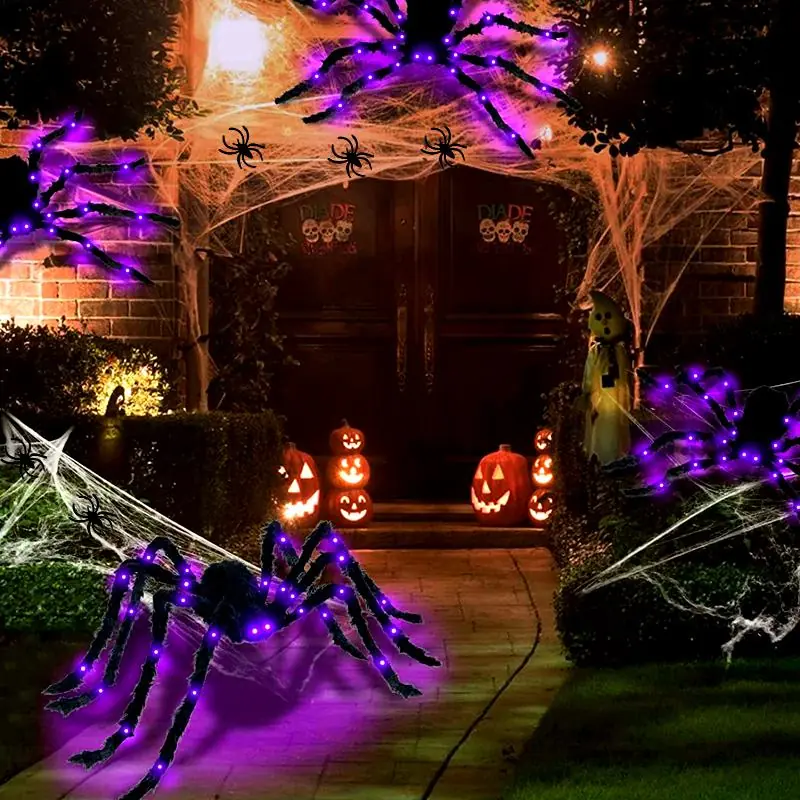
Realistic Tarantula Designs
Large Hairy Spider Models
- Most popular design for maximum scare factor
- Detailed fur texture and leg segments
- Available in black, brown, and gray colors
- Larger sizes (12-24 inches) create dramatic impact
- Appeals to customers seeking authentic horror aesthetic
Black Widow Spiders
Iconic Red Hourglass Design
- Recognizable black body with red marking
- Sleek, shiny appearance
- Medium size (6-12 inches) suitable for various placements
- Popular in North American markets
- Strong brand recognition from pop culture
Garden Spider Designs
Orb Weaver Style
- Colorful patterns with yellow, orange, or white markings
- Less frightening, more decorative approach
- Appeals to families with young children
- Suitable for daytime garden decoration
- Broader market appeal beyond hardcore Halloween enthusiasts
Giant Spider Models
Oversized Statement Pieces
- 24-48 inches or larger
- Creates focal point in Halloween displays
- Premium product category
- Commercial and residential applications
- Higher price point justifies quality materials
Baby Spider Clusters
Multiple Small Spiders
- Sets of 3-6 small spiders (2-4 inches each)
- Creates infestation effect
- Budget-friendly option
- Easy to place in various locations
- Popular for pathway and tree decoration
Animated Spider Designs
Motion-Activated Models
- Moving legs or body segments
- Sound effects integration
- Motion sensor technology
- Premium product tier
- High entertainment value
What Size Options Are Available?
Small Spiders (2-6 inches)
Compact Decoration Options
- Ideal for dense clustering effects
- Suitable for indoor and outdoor use
- Lower material and shipping costs
- Budget-friendly price points
- Easy storage for retailers
Medium Spiders (6-12 inches)
Standard Halloween Decoration Size
- Most popular size category
- Balanced visual impact and affordability
- Versatile placement options
- Industry standard size
- Best seller category
Large Spiders (12-24 inches)
Statement Decoration Pieces
- Creates strong visual impact
- Suitable for main display focal points
- Premium product positioning
- Requires quality materials for structural integrity
- Higher profit margins
Giant Spiders (24+ inches)
Commercial-Grade Displays
- Professional haunted house quality
- Durable construction required
- Premium pricing tier
- Limited production quantities
- Special order category
What LED Color and Effect Options Exist?
Warm White/Amber Glow
- Classic Halloween atmosphere
- Complements traditional orange and black themes
- Most popular choice
- Timeless appeal
- Suitable for all spider designs
Red LED Eyes
- Menacing, evil appearance
- Creates dramatic effect in darkness
- Popular for realistic spider designs
- Strong scare factor
- Preferred for haunted displays
Green Glow
- Toxic, radioactive spider theme
- Appeals to sci-fi horror aesthetic
- Popular with younger demographics
- Unique market positioning
- Differentiates from standard offerings
Multi-Color Changing (RGB)
- Cycles through multiple colors
- Party and entertainment focus
- Appeals to families with children
- More complex electronics
- Premium product tier
Flickering/Pulsing Effects
- Simulates living creature movement
- Creates unsettling atmosphere
- Advanced circuitry required
- Premium product category
- High perceived value
UV/Blacklight Reactive
- Glows under blacklight conditions
- Popular for indoor Halloween parties
- Niche market application
- Requires special materials
- Unique selling proposition
3. What Materials and Manufacturing Processes Are Used?
What Materials Are Used in 3D Spider Halloween Lights?
Spider Body Materials
Plastic Materials
- ABS (Acrylonitrile Butadiene Styrene): Most common, durable, good detail retention
- PP (Polypropylene): Lightweight, cost-effective for budget models
- PVC (Polyvinyl Chloride): Flexible options for animated designs
- Manufacturing: Injection molding for consistency
- Market share: Approximately 70% of products use plastic bodies
Resin Materials
- Hand-cast polyester or epoxy resin
- Excellent detail reproduction
- Premium feel and weight
- Higher production costs
- Mid to high-end product category
- Learn about resin manufacturing
Rubber/Silicone
- Soft, flexible spider bodies
- Realistic texture and movement
- Durable and weather-resistant
- Premium product tier
- Tactile appeal
Leg and Detail Materials
Plastic Legs
- Injection-molded segments
- Articulated or fixed positions
- Cost-effective solution
- Consistent quality
- Most common option
Wire-Frame Legs
- Metal wire core with plastic or fabric covering
- Poseable for custom arrangements
- Premium feature
- Higher production complexity
- Artisan quality appeal
Fur and Texture
- Synthetic fur for tarantula designs
- Flocking or textured coatings
- Realistic appearance
- Hand-applied in many cases
- Premium product differentiation
Electronics Components
LED Types
- Standard 5mm LEDs for eyes or body glow
- SMD LEDs for distributed lighting
- High-brightness LEDs for larger models
- RGB LEDs for color-changing effects
- Brand-name chips ensure longevity
Power Systems
- Solar: Small panel with NiMH or Li-ion battery (600-1200mAh)
- Battery: AA or AAA battery compartments (2-4 batteries)
- USB Rechargeable: Built-in Li-ion battery with USB charging
- Plug-in: Low-voltage transformer for permanent installations
Control Circuits
- Light sensors for automatic operation
- Motion sensors for animated models
- Timers for scheduled operation
- Sound modules for audio effects
How Are 3D Spider Halloween Lights Manufactured?
Understanding the manufacturing process helps you evaluate supplier capabilities and quality standards.
Injection Molding Process
Spider Body Production
- 3D design and mold creation (CNC machining)
- Material preparation with colorants and UV stabilizers
- Injection at controlled temperature (180-250°C)
- Cooling and part ejection
- Quality inspection for defects
- Surface finishing (painting, flocking, fur application)
Quality Control Points
- Dimensional accuracy verification
- Surface finish inspection
- Color consistency checks
- Structural integrity testing
- Detail sharpness evaluation
Hand-Crafted Elements
Artisan Details
- Hand-painting for realistic coloring
- Fur application for tarantula designs
- Eye detail painting
- Weathering effects for aged appearance
- Quality varies by factory skill level
Electronics Assembly
LED and Circuit Integration
- PCB preparation and component placement
- LED installation and soldering
- Power system integration
- Sensor installation and calibration
- Functional testing
- Waterproof sealing for outdoor models
Final Assembly
Complete Unit Assembly
- Body and leg attachment
- Electronics installation
- Power system integration
- Mounting hardware attachment
- Functional testing (lighting, sensors, effects)
- Quality inspection
- Packaging
What Factory Types Produce 3D Spider Halloween Lights?
Specialized Halloween Factories
- Focus on seasonal decoration products
- Experienced in Halloween market requirements
- Flexible production for seasonal demand
- Understanding of Western Halloween culture
- Example: Glowyard’s seasonal product lines
General Decorative Lighting Factories
- Broader product range including seasonal items
- Established lighting electronics expertise
- Quality control systems in place
- Year-round production capability
- Can pivot to Halloween production seasonally
Craft and Resin Factories
- Specialization in hand-crafted decorative items
- Artisan quality for premium products
- Smaller production volumes
- Higher per-unit costs
- Suitable for boutique and specialty markets
4. What Quality Standards Should I Look For?
What Material Quality Indicators Matter?
Spider Body Quality
Detail Reproduction
- Sharp, well-defined features
- Realistic leg segments and joints
- Proper proportions and anatomy
- Texture quality (fur, scales, hair)
- Professional sculpting
Material Durability
- UV-resistant plastics prevent fading
- Impact resistance for handling
- Temperature tolerance (-20°C to 50°C)
- Flexibility without cracking
- Weather resistance for outdoor use
Color Quality
- Consistent coloring across production
- No streaking or uneven pigmentation
- Fade-resistant coatings
- Realistic color schemes
- Professional finish
Structural Integrity
Leg Strength
- Adequate thickness to prevent breaking
- Secure attachment points
- Maintains position without drooping
- Withstands handling and installation
- Long-term durability
Body Construction
- No visible seams or mold lines
- Solid construction without hollow weak points
- Proper weight distribution
- Secure component attachment
- Professional assembly quality
Electronics Quality
LED Performance
- Consistent brightness across units
- Uniform color temperature
- 20,000+ hour lifespan rating
- No flickering (unless intentional effect)
- Proper heat dissipation
Power System Reliability
- Quality batteries or solar components
- Reliable charging circuits
- Proper voltage regulation
- Protection against overcharge/discharge
- Long operational lifespan
What Waterproof Ratings Are Important?
IP44 Rating
- Splash-resistant protection
- Suitable for covered outdoor areas
- Basic weather protection
- Entry-level outdoor products
IP65 Rating
- Rain and dust resistant
- Standard for outdoor Halloween decorations
- Complete dust protection
- Water jet resistant
- Learn more about waterproof ratings
IP67 Rating
- Submersion resistant (temporary)
- Premium protection level
- Suitable for ground-level placement
- Highest quality tier
What Certifications Should You Require?
Product Certifications
- CE: European conformity marking (required for EU)
- RoHS: Hazardous substance restriction
- FCC: US electromagnetic compatibility
- UL: US safety certification (optional but valuable)
- UKCA: UK conformity assessment
- View all product certifications
Safety Standards
- Low voltage operation (12V or less)
- Proper insulation of electrical components
- No sharp edges or hazardous materials
- Child-safe design considerations
- Fire-resistant materials
Quality manufacturers like Glowyard maintain all necessary certifications for global markets and prioritize safety in seasonal products.
5. What Is the Market Demand and Seasonal Trends?
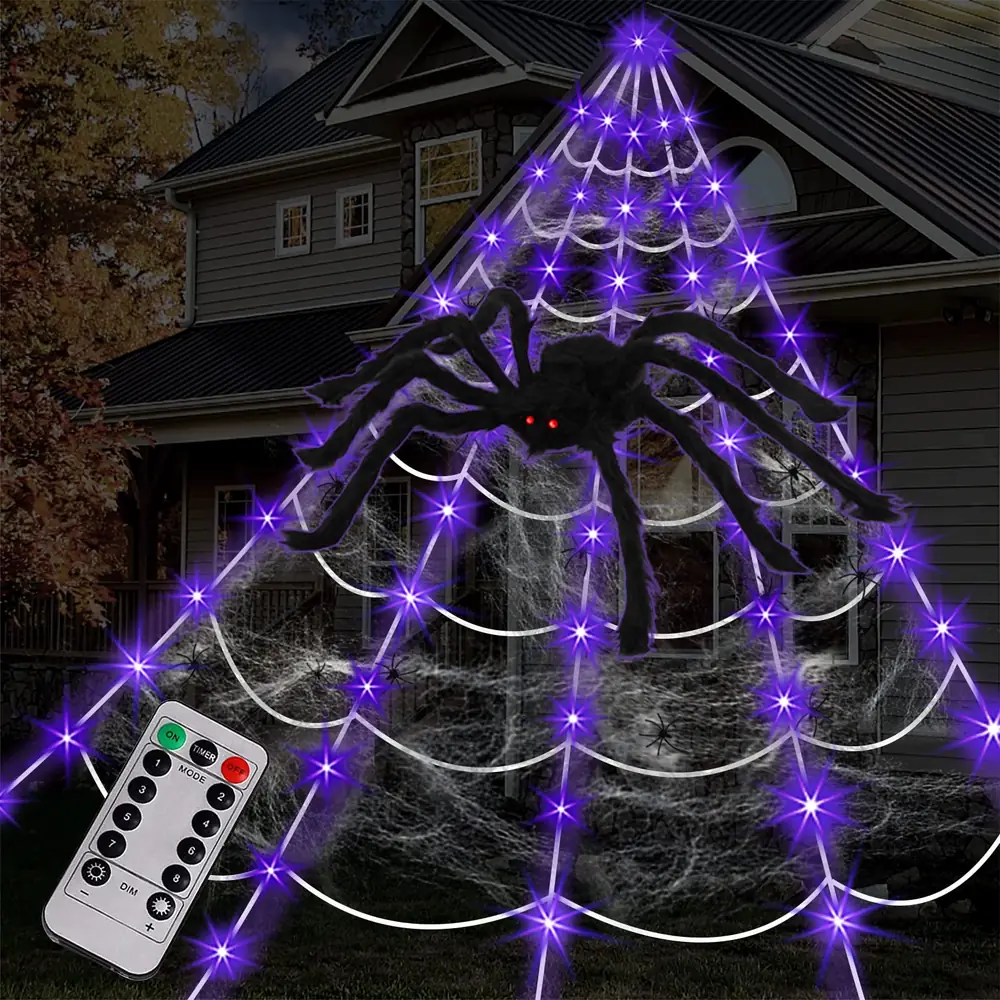
What Are Global Market Trends for Halloween Products?
Growing Halloween Market
- Halloween decoration market expanding in North America and Europe
- Increasing consumer spending on seasonal decorations
- Social media driving demand for photogenic displays
- Outdoor decoration trend growing stronger annually
Consumer Preferences
- Preference for realistic, high-quality decorations
- Demand for unique and Instagram-worthy displays
- Interest in animated and interactive elements
- Quality over price for statement pieces
Market Size
- US Halloween market exceeds $10 billion annually
- Decorations represent 30-35% of Halloween spending
- Outdoor decorations fastest-growing segment
- 3D and animated products command premium prices
What Are Seasonal Demand Patterns?
Pre-Season Planning (January-March)
- Retailers plan Halloween inventory
- B2B buyers research new products
- Factory production planning begins
- Trade show season for Halloween products
- Lowest activity period for actual sales
Production Season (April-July)
- Peak factory production period
- Container shipments to international markets
- Quality control and sampling
- Inventory building for retailers
- Critical period for B2B sourcing
Retail Season (August-October)
- August: Early retail displays begin
- September: Peak retail sales period
- Early October: Continued strong sales
- Mid-October: Sales peak for last-minute buyers
- Late October: Clearance begins
Post-Season (November-December)
- Clearance sales and liquidation
- Inventory assessment
- Planning for next year
- Minimal new orders
- Focus shifts to Christmas products
What Regional Preferences Exist?
North America (US and Canada)
- Largest Halloween market globally
- Preference for scary, realistic spider designs
- Larger sizes popular (12-24 inches)
- High acceptance of animated and sound effects
- Quality and durability prioritized
- Strong outdoor decoration culture
Europe
- Growing Halloween market, especially UK and Ireland
- Preference for less frightening, more whimsical designs
- Strict safety and certification requirements
- Environmental consciousness affects material choices
- Smaller average sizes preferred
Australia and New Zealand
- Emerging Halloween market
- Spring season (opposite Northern Hemisphere)
- Preference for outdoor-suitable products
- Quality over quantity approach
- Growing acceptance of Halloween traditions
Asia-Pacific
- Limited traditional Halloween culture
- Growing interest in urban areas
- Theme park and commercial applications
- Preference for cute or cartoon-style spiders
- Price-sensitive market segments
When Should B2B Buyers Place Orders?
Optimal Ordering Timeline
January-February: Research and Planning
- Attend trade shows (Hong Kong Toys & Games Fair, NY Toy Fair)
- Research new designs and suppliers
- Review previous year’s sales data
- Plan inventory quantities
March-April: Sampling and Selection
- Request samples from factories
- Test product quality
- Finalize product selection
- Negotiate pricing and terms
May-June: Place Bulk Orders
- Confirm orders with factories
- Arrange payment terms
- Schedule production
- Plan shipping logistics
July-August: Receive Inventory
- Container arrivals
- Quality inspection
- Warehouse distribution
- Prepare for retail season
Critical Deadlines
- Orders placed after June risk missing peak season
- Sea freight requires 6-8 weeks transit time
- Allow buffer time for customs and distribution
- Air freight available but significantly more expensive
6. What Are the Common Applications?
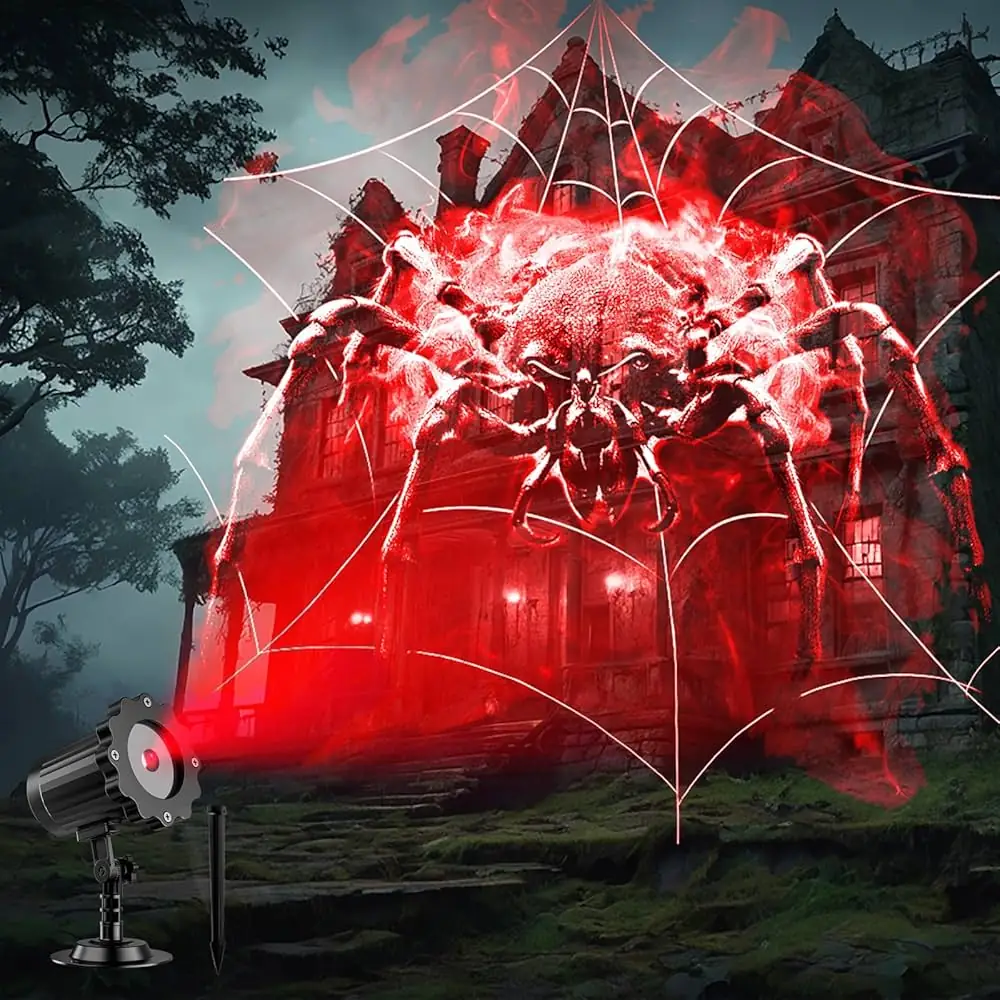
How Are 3D Spider Halloween Lights Used Residentially?
Front Yard Displays
- Main focal point decorations
- Pathway lining for trick-or-treaters
- Tree and bush placement
- Fence and railing mounting
- Creating haunted atmosphere
Porch and Entryway
- Door frame decoration
- Hanging from porch ceiling
- Window placement (inside or outside)
- Stair railing accents
- Welcoming (or warning) trick-or-treaters
Garden and Landscape
- Ground-level spider invasions
- Climbing on plants and structures
- Hiding in bushes for surprise effect
- Pathway edge decoration
- Creating spooky garden scenes
Indoor Halloween Decoration
- Party decoration and ambiance
- Mantel and shelf displays
- Hanging from ceilings
- Table centerpieces
- Year-round for spider enthusiasts
What Commercial Applications Exist?
Haunted Attractions
- Professional haunted house decoration
- Scare zones and themed areas
- Interactive displays with motion sensors
- Large-scale spider infestations
- Durable products for repeated seasons
- Explore decorative outdoor solar garden lights for commercial use
Retail Environments
- Store window displays
- Seasonal merchandising areas
- Halloween product section decoration
- Creating shopping atmosphere
- Driving foot traffic and sales
Entertainment Venues
- Theme parks seasonal overlays
- Amusement park Halloween events
- Restaurant and bar seasonal decoration
- Entertainment center theming
- Creating immersive experiences
Hospitality Sector
- Hotel lobby seasonal decoration
- Restaurant patio Halloween theming
- Resort special event decoration
- Creating memorable guest experiences
- Social media-worthy photo opportunities
What Institutional and Event Uses Exist?
Community Events
- Town Halloween festivals
- Community center decoration
- Public park Halloween events
- Trunk-or-treat decorations
- Neighborhood competitions
Educational Facilities
- School Halloween celebrations
- Library seasonal displays
- Classroom decoration
- Campus event theming
- Educational Halloween programs
Corporate Events
- Office Halloween parties
- Corporate event decoration
- Team building activities
- Client entertainment events
- Employee engagement programs
7. What Customization Options Are Available?
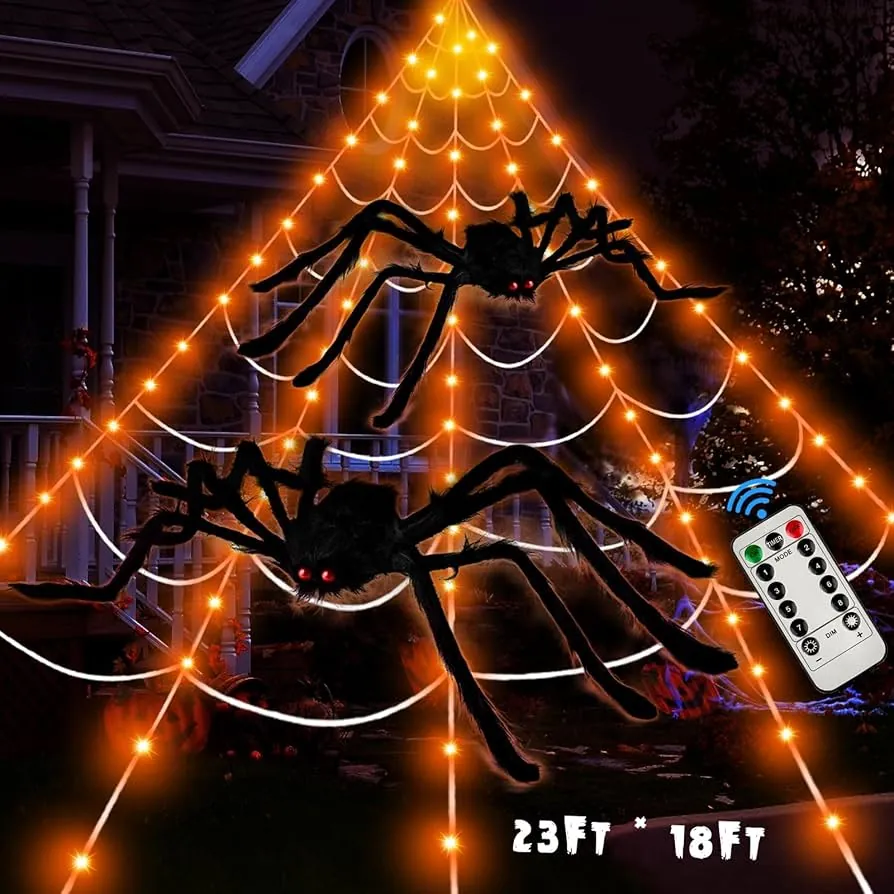
What Design Customizations Can You Request?
Spider Species Customization
- Custom spider species and varieties
- Unique body shapes and proportions
- Proprietary leg configurations
- Brand-specific designs
- Exclusive patterns and markings
Size Customization
- Custom dimensions for specific applications
- Scaled versions of standard designs
- Oversized statement pieces
- Miniature versions for sets
- Application-optimized sizing
Color Customization
- Custom body colors beyond standard black/brown
- Unique marking patterns
- Brand color matching
- Glow-in-the-dark materials
- Metallic or iridescent finishes
Texture and Detail
- Custom fur or hair application
- Unique surface textures
- Weathering and aging effects
- Realistic anatomical details
- Artistic interpretations
What Technical Customizations Are Possible?
Lighting Customization
- Custom LED colors and effects
- Programmable light patterns
- Multiple lighting zones
- Brightness adjustment options
- Synchronized multi-unit effects
Animation Features
- Custom movement patterns
- Sound effect integration
- Motion sensor sensitivity adjustment
- Timer programming
- Interactive features
Power System Options
- Solar panel sizing for runtime requirements
- Battery capacity upgrades
- USB rechargeable systems
- Plug-in transformer options
- Hybrid power systems
How Can You Add Branding?
Logo Placement
- Discreet branding on base or mounting hardware
- Hang tags with brand information
- Packaging integration
- QR codes for product information
- Subtle embossing on non-visible areas
Custom Packaging
- Branded retail boxes
- Custom color schemes
- Marketing message inclusion
- Multilingual instructions
- Gift-ready presentation
- Halloween-themed packaging design
Documentation
- Branded user manuals
- Custom warranty cards
- Installation guides
- Safety information
- Marketing materials
How to Work with Manufacturers Like Glowyard?
Customization Process
- Initial consultation and concept discussion
- 3D design and rendering
- Prototype development
- Sample production and testing
- Refinement based on feedback
- Production tooling preparation
- Pilot run and quality verification
- Full production launch
Considerations
- Lead time increases for custom designs (add 30-45 days)
- Tooling costs for new molds ($2,000-$10,000 depending on complexity)
- Minimum order quantities typically higher for custom products
- Intellectual property protection agreements
- Quality control procedures for unique designs
8. How to Source from China: Factory Selection Guide
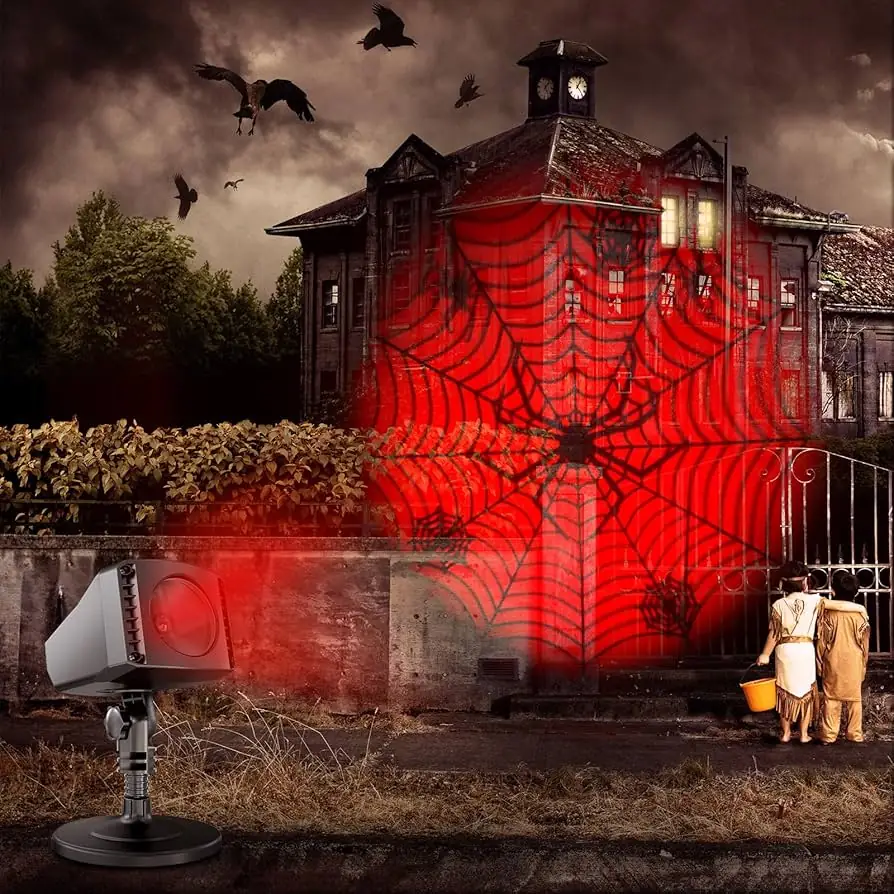
Why Source 3D Spider Halloween Lights from China?
Manufacturing Advantages
- Established seasonal decoration industry
- Decades of Halloween product experience
- Advanced molding and electronics capabilities
- Skilled workforce in decorative products
- Complete supply chain ecosystem
Cost Efficiency
- Economies of scale for seasonal production
- Competitive production costs
- Established logistics networks
- Multiple supplier options
- Flexible order quantities
Production Capacity
- Handle large seasonal order volumes
- Flexible scheduling for peak production
- Quick scaling capability
- Multiple production lines
- Backup manufacturing options
Design and Innovation
- Experienced design teams
- Understanding of Western Halloween culture
- Ability to create custom designs
- Rapid prototyping capabilities
- Trend awareness and adaptation
How to Find Reliable Halloween Product Factories?
Online B2B Platforms
Alibaba.com
- Search “Halloween spider lights” or “3D spider decoration”
- Filter by Trade Assurance suppliers
- Check supplier verification status
- Review ratings and transaction history
- Request samples from multiple suppliers
Global Sources
- Curated Halloween product suppliers
- In-person verification services
- Trade show connections
- Quality-focused suppliers
- Industry expertise
Made-in-China.com
- Specialized manufacturing platform
- Factory verification services
- Seasonal product categories
- Supplier comparison tools
- Direct communication
Trade Shows
Canton Fair (Guangzhou) – Phase 3
- October session focuses on gifts and decorations
- Halloween products featured
- Face-to-face supplier meetings
- Product sample viewing
- Industry networking
Hong Kong Mega Show
- October timing perfect for Halloween products
- International exhibitors
- Latest product innovations
- Professional buyers
- Trend spotting
How to Evaluate Halloween Product Factories?
Manufacturing Capabilities Assessment
Seasonal Production Experience
- Years producing Halloween products
- Understanding of Western Halloween market
- Portfolio of previous Halloween designs
- Client references from Halloween buyers
- Cultural understanding of Halloween themes
Production Capacity
- Monthly output capability during peak season (April-July)
- Number of production lines
- Ability to handle rush orders
- Workforce scalability
- Equipment sophistication
Quality Management
- ISO 9001 certification
- In-house testing laboratory
- Quality control procedures specific to seasonal products
- Defect rate tracking
- Customer complaint handling
Design Capabilities
- In-house design team
- 3D modeling and rendering
- Prototyping facilities
- Mold-making capabilities
- Innovation and trend awareness
Factory Audit Checklist
Facility Inspection
- Clean and organized workspace
- Modern molding equipment
- Electronics assembly capabilities
- Painting and finishing areas
- Quality control stations
- Storage and logistics
Documentation Review
- Business license verification
- Certification authenticity (CE, RoHS, FCC)
- Client references (especially Halloween buyers)
- Financial stability indicators
- Export experience to your target market
Quality Systems
- Incoming material inspection
- In-process quality control
- Final product inspection
- Packaging quality checks
- Traceability systems
What Red Flags Should You Watch For?
Warning Signs
- No previous Halloween product experience
- Unable to provide Halloween client references
- Significantly below-market pricing (indicates quality compromises)
- Poor understanding of Halloween culture and requirements
- Unwilling to provide factory tour or video
- Cannot produce valid certifications
- Poor communication responsiveness
- No quality guarantee offered
- Unclear about seasonal production capacity
Which Manufacturing Regions Are Best?
Guangdong Province
- Specialization: Electronics, LED lighting, and decorative products
- Advantages: Advanced technology, quality focus, export experience
- Cities: Shenzhen, Dongguan, Zhongshan, Guangzhou
- Best for: High-quality products, complex electronics, innovation
- Example: Glowyard Lighting in Guangdong
Zhejiang Province
- Specialization: Small commodities, seasonal products, crafts
- Advantages: Cost-effective, variety, flexible production
- Cities: Yiwu, Ningbo, Wenzhou
- Best for: Budget-conscious orders, variety, smaller quantities
Fujian Province
- Specialization: Resin crafts, decorative items, garden products
- Advantages: Artisan quality, hand-crafted details
- Cities: Xiamen, Quanzhou, Fuzhou
- Best for: Premium decorative products, resin spiders, artisan quality
9. What Common Mistakes Should You Avoid When Sourcing?
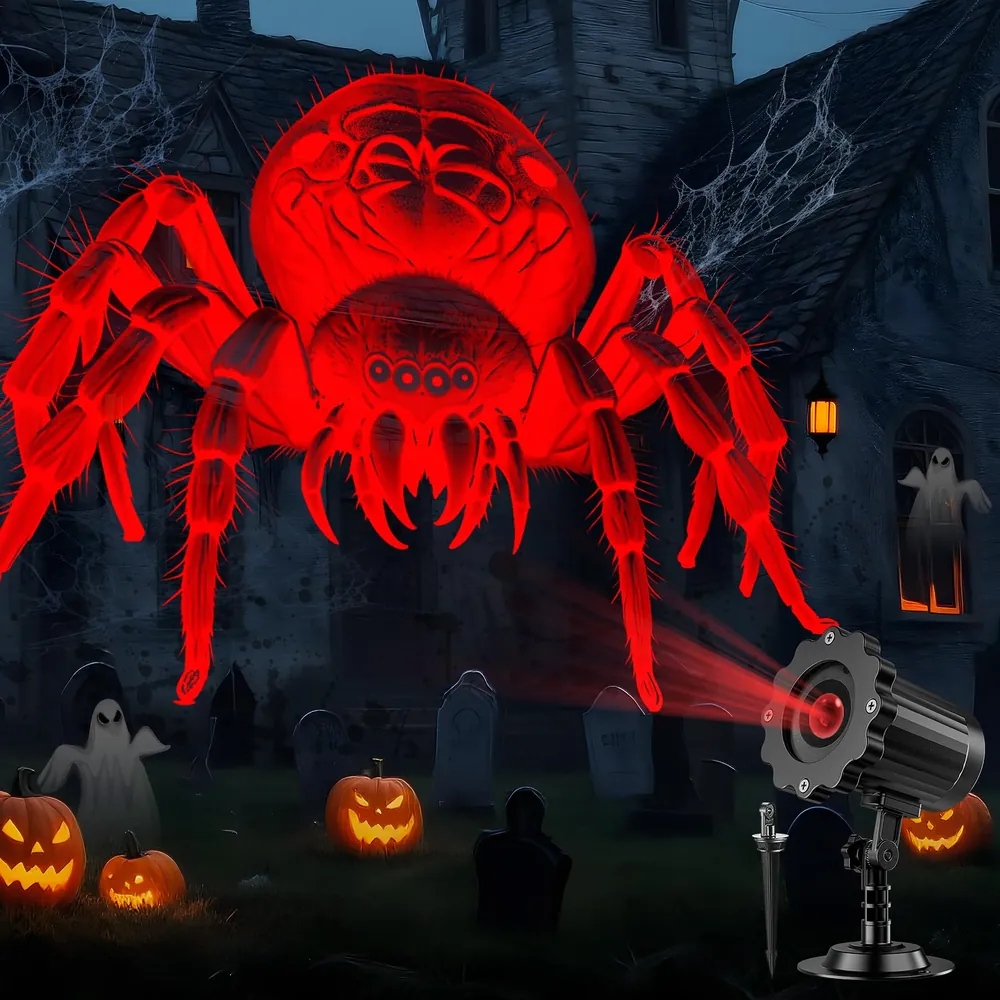
What Quality-Related Mistakes Are Common?
Choosing Based on Price Alone
- Lowest price often indicates lowest quality
- Cheap materials break easily, leading to high return rates
- Poor LED quality results in dim or failing lights
- Damage to brand reputation
- Lost customer trust and loyalty
Why This Happens
- Pressure to maximize margins
- Lack of quality understanding
- Short-term thinking for seasonal products
- Inadequate supplier research
How to Avoid
- Evaluate total cost including returns and reputation damage
- Request and test samples thoroughly in actual conditions
- Balance price with quality and customer satisfaction
- Consider long-term supplier partnership value
Skipping Sample Testing
- Ordering bulk without sample verification
- Discovering quality issues after production
- Costly inventory problems during peak season
- Customer dissatisfaction and returns
Why This Happens
- Time pressure to meet seasonal deadlines
- Overconfidence in supplier claims
- Cost-saving attempts on sample fees
- Lack of testing procedures
How to Avoid
- Always order samples 3-4 months before bulk order
- Test in actual outdoor conditions for several weeks
- Verify all quality claims and specifications
- Check durability, weather resistance, and LED performance
- Document sample approval process
Ignoring Certifications
- Importing without required certifications
- Customs delays and rejections during peak season
- Legal compliance issues
- Market access problems
- Potential product recalls
Why This Happens
- Lack of regulatory knowledge
- Supplier misrepresentation
- Cost-cutting attempts
- Market-specific requirements unknown
How to Avoid
- Research target market requirements (CE for EU, FCC for US)
- Verify certification authenticity with issuing bodies
- Request certification copies before ordering
- Confirm ongoing compliance
- Work with certified manufacturers like Glowyard
What Seasonal Sourcing Mistakes Occur?
Late Ordering
- Missing production windows (April-July)
- Paying premium for rush production
- Air freight costs eating into margins
- Missing peak retail season
- Inventory shortages during high demand
Typical Timeline Mistakes
- Underestimating production time (30-45 days)
- Not accounting for shipping duration (25-35 days sea)
- Forgetting customs clearance (3-7 days)
- No buffer for delays or issues
How to Plan
- Place orders by May for August delivery
- Account for all timeline stages
- Build in 2-3 week buffer time
- Plan for potential delays
- Consider air freight backup for critical items
Inadequate Inventory Planning
- Underestimating demand and running out of stock
- Overestimating and left with excess inventory
- Poor product mix decisions
- No backup stock for bestsellers
How to Improve
- Analyze previous year’s sales data
- Research market trends and new designs
- Order variety of sizes and styles
- Maintain safety stock of proven sellers
- Plan clearance strategy for excess inventory
Poor Communication with Factory
- Unclear specifications leading to wrong products
- Misunderstandings about delivery dates
- Quality issues from miscommunication
- Seasonal deadline problems
How to Improve
- Provide detailed written specifications
- Use photos and technical drawings
- Confirm understanding in writing
- Establish clear communication channels
- Regular progress updates during production
- Specify Halloween season deadline importance
What Supplier Selection Mistakes Happen?
Not Verifying Factory Credentials
- Accepting claims without verification
- Working with unqualified suppliers
- Quality and delivery problems
- Financial risks during peak season
How to Verify
- Check business licenses and certifications
- Verify Halloween product experience
- Request client references from Halloween buyers
- Conduct factory audits or video tours
- Use third-party verification services
Choosing Inexperienced Halloween Suppliers
- Lack of understanding of Halloween market
- Poor design sense for Western Halloween aesthetics
- Cultural misunderstandings affecting product appeal
- Inexperience with seasonal production demands
How to Avoid
- Verify years of Halloween product experience
- Review portfolio of previous Halloween designs
- Check client references from Western markets
- Assess cultural understanding of Halloween
- Evaluate design team capabilities
No Quality Control Plan
- Discovering defects after delivery
- No inspection procedures
- Unclear quality standards
- Dispute resolution difficulties during peak season
How to Establish
- Define clear quality standards with photos
- Implement pre-shipment inspection procedures
- Use third-party inspection services (SGS, Bureau Veritas)
- Document acceptance criteria
- Establish defect handling procedures
- Plan for quality issues before peak season
What Logistics Mistakes Should You Avoid?
Wrong Shipping Method
- Excessive air freight costs
- Delayed sea freight missing season
- Product damage during shipping
- Inefficient logistics planning
Shipping Options
- Sea freight: Economical for bulk orders (25-35 days)
- Air freight: Faster but expensive (5-7 days)
- Express: Small urgent orders (3-5 days)
- Consider total landed cost and seasonal deadlines
Inadequate Insurance
- Unprotected investment
- Financial loss from damage
- No recourse for problems
- Business disruption during peak season
Insurance Best Practices
- Insure full product value
- Include shipping costs
- Understand coverage limits
- Document condition at origin
- File claims promptly
Poor Packaging Specifications
- Product damage during shipping
- Broken spider legs or bodies
- LED damage from impact
- Customer complaints and returns
Packaging Requirements
- Specify protective packaging standards
- Individual product protection
- Proper cushioning in master cartons
- Consider long-distance shipping conditions
- Test packaging durability
- Include handling instructions
10. Who Is Glowyard Lighting and What Do We Offer?
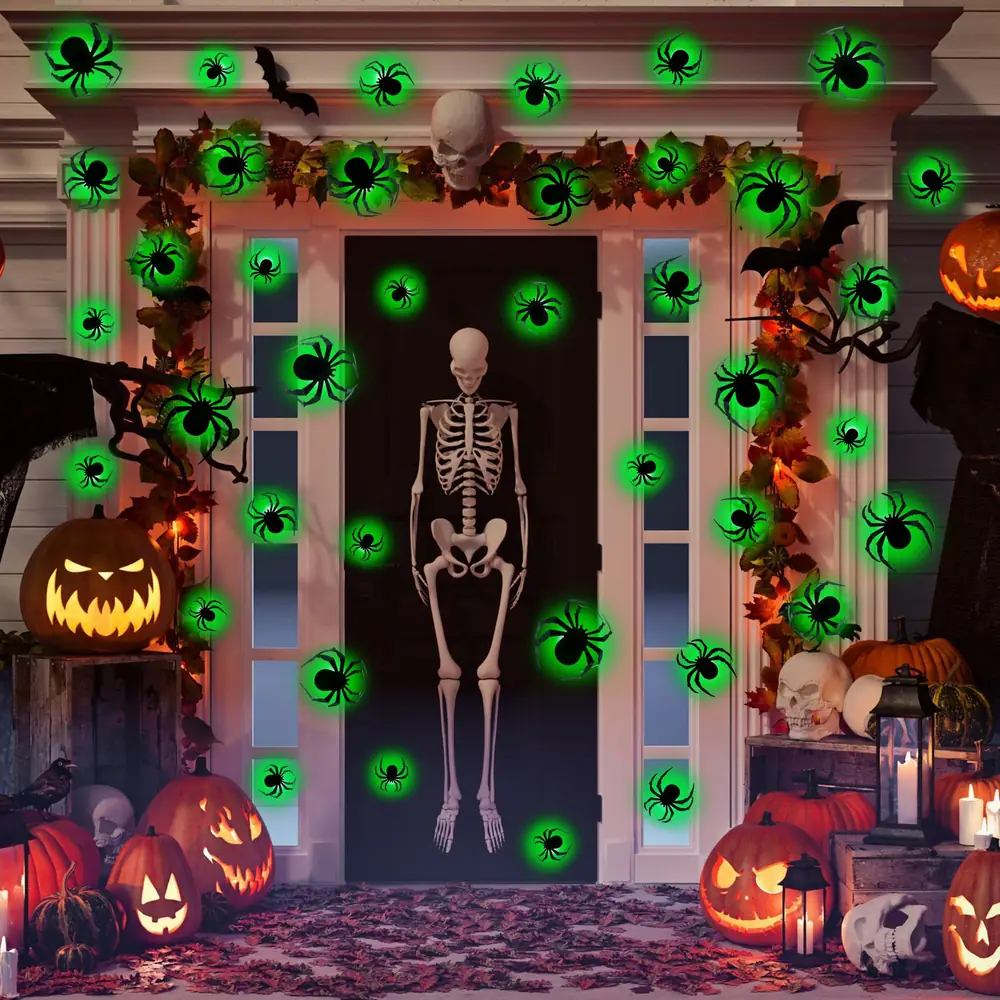
Who Is Glowyard Lighting?
Company Overview
Glowyard Lighting is a professional manufacturer specializing in outdoor solar lighting and seasonal decorative lighting products, including Halloween 3D spider lights and other decorative garden lighting. Located in Guangdong Province, China, we combine advanced manufacturing capabilities with deep industry knowledge to serve B2B clients worldwide.
Our Experience
- 15+ years in outdoor lighting manufacturing
- Extensive experience in seasonal Halloween products
- Served 500+ B2B clients globally
- Export to 50+ countries across six continents
- Deep expertise in 3D decorative lighting
- Proven track record of quality and reliability
- Read more about Glowyard
What Are Glowyard’s Manufacturing Capabilities?
Production Capacity
- Monthly output: 100,000+ units during peak season
- Multiple dedicated production lines
- Advanced injection molding equipment
- Flexible scheduling for seasonal demands
- Rush order capabilities when needed
- Visit our factory facilities
Quality Control Systems
- ISO 9001 certified quality management
- In-house testing laboratory
- 100% product functional testing
- Multi-stage quality inspection (IQC, IPQC, FQC, OQC)
- Seasonal product quality protocols
- Learn about our quality control process
Certifications
- CE, RoHS, FCC certified products
- BSCI social compliance certification
- ISO 9001 quality management system
- Product liability insurance
- Regular certification updates
- View all certifications
What Are Glowyard’s Advantages for Halloween Products?
Manufacturing Excellence
- State-of-the-art injection molding equipment
- Advanced electronics assembly lines
- In-house mold-making capabilities
- Painting and finishing facilities
- Automated testing systems
- View our manufacturing equipment
Seasonal Product Expertise
- Years of Halloween product experience
- Understanding of Western Halloween market
- Design team familiar with Halloween aesthetics
- Flexible production for seasonal demands
- On-time delivery for critical seasonal deadlines
Quality Assurance
- Premium materials sourcing
- Brand-name LED chips (Epistar, Cree)
- Rigorous testing procedures
- Low defect rates (<0.5%)
- Quality guarantee programs
- Weather resistance testing
Professional Service
- English-speaking sales team
- 24-hour response time
- Technical support and consultation
- After-sales service
- Long-term partnership focus
- Understanding of seasonal business needs
Customization Capabilities
- In-house design team
- 3D rendering services
- Custom mold-making
- Private label programs
- Flexible customization options
- Explore OEM/ODM solutions
What Is Glowyard’s Process for Halloween Products?
Step-by-Step Workflow
- Initial Inquiry (January-March)
- Share your Halloween product requirements
- Discuss design preferences and specifications
- Clarify customization needs
- Establish communication channels
- Quotation (Within 24 hours)
- Detailed pricing breakdown
- Transparent cost structure
- Delivery timeline estimation
- Terms and conditions
- Sample Development (March-April)
- Sample production and testing
- Quality verification
- Shipping to your location
- Feedback and refinement
- Order Confirmation (April-May)
- Finalize specifications
- Confirm quantities and delivery dates
- Establish payment terms
- Sign formal agreement
- Production (May-July)
- Regular progress updates
- Quality control at each stage
- Timeline management
- Transparent communication
- Pre-Shipment Inspection (July-August)
- Final quality control
- Packaging verification
- Documentation preparation
- Third-party inspection welcome
- Delivery (August)
- Shipping arrangement
- Tracking information
- Customs documentation
- Delivery confirmation
- After-Sales Support
- Ongoing customer service
- Technical support
- Warranty handling
- Next season planning
Why Choose Glowyard Lighting for Halloween Products?
Reliability
- Consistent product quality
- On-time delivery record critical for seasonal products
- Stable supply capability
- Long-term business relationships
- Understanding of seasonal deadline importance
Expertise
- Deep lighting and seasonal product knowledge
- Technical consultation available
- Market insights sharing
- Product development support
- Halloween market understanding
Flexibility
- Accommodating order sizes
- Customization capabilities
- Responsive to special requests
- Adaptive to market changes
- Rush order capabilities
Partnership Approach
- Long-term relationship focus
- Mutual growth orientation
- Transparent communication
- Win-win business philosophy
- Support for seasonal business success
How to Contact Glowyard?
Get Started Today
Ready to source high-quality 3D spider Halloween garden lights? Contact Glowyard’s team for:
- Product catalogs and specifications
- Custom quotations
- Sample requests
- Factory visit arrangements
- Technical consultations
- Halloween product planning
Visit Our Website
glowyard.com
Connect With Us
- Email inquiries welcome
- Phone consultations available
- Video calls for detailed discussions
- Factory tours by appointment
11. What Questions Do Buyers Ask About 3D Spider Halloween Lights?
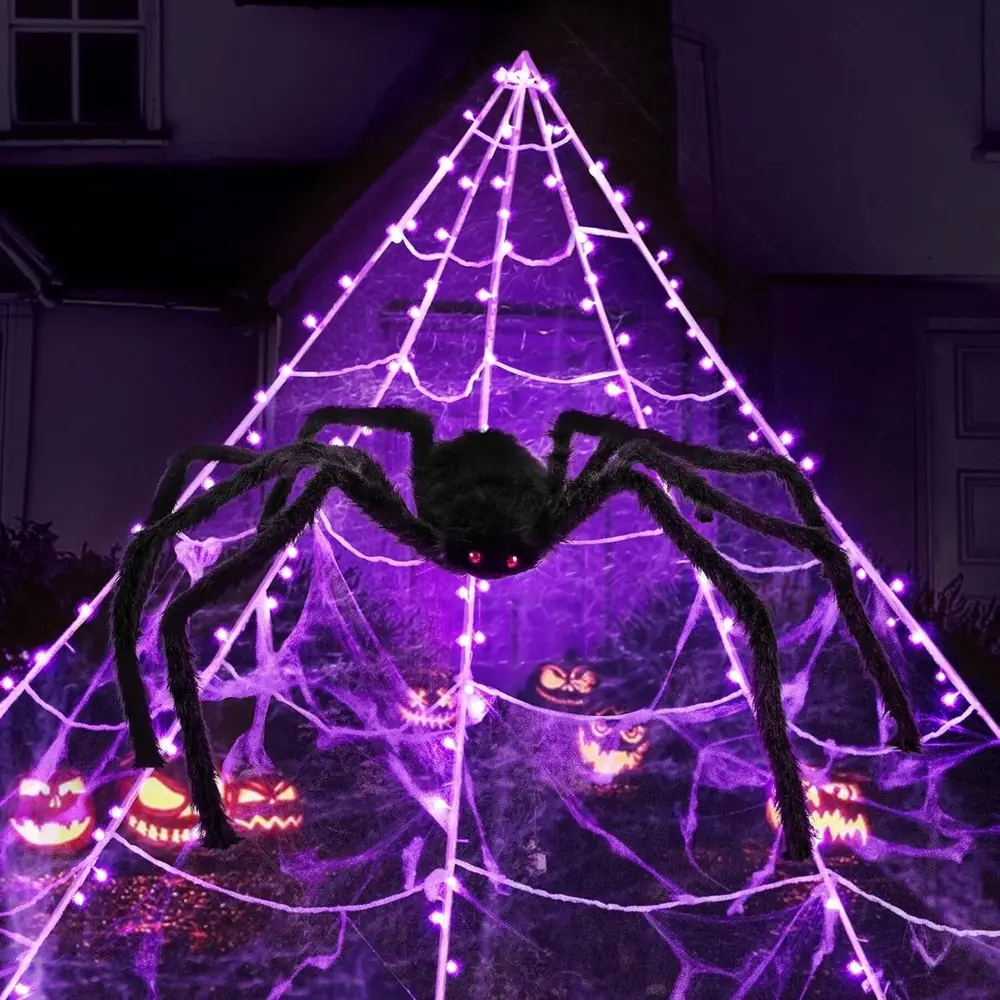
Product Questions
Q: What is the typical lifespan of 3D spider Halloween lights?
A: Quality 3D spider Halloween lights from manufacturers like Glowyard typically last 2-3 seasons with proper storage and use. The LED components are rated for 20,000-50,000 hours of operation. Lifespan depends on factors including material quality, weather exposure, and storage conditions between seasons. Proper off-season storage in dry conditions significantly extends product life.
Q: Are 3D spider Halloween lights waterproof?
A: Most outdoor 3D spider Halloween lights are IP44 or IP65 rated, meaning they are splash-resistant to rain-resistant. IP44 is suitable for covered outdoor areas, while IP65 handles rain and outdoor exposure. Always check the specific IP rating for your intended application. Indoor models may not have waterproof ratings.
Q: What’s the power source for 3D spider Halloween lights?
A: 3D spider Halloween lights typically use one of three power sources: (1) Solar-powered with rechargeable battery (6-8 hours charge, 8-10 hours runtime), (2) Battery-operated with AA or AAA batteries (20-40 hours runtime depending on battery quality), or (3) Plug-in with low-voltage transformer for permanent installations. Solar is most convenient but requires sunlight exposure.
Q: Can 3D spider lights be used indoors?
A: Yes, most 3D spider Halloween lights can be used indoors. Battery-operated and plug-in models work well indoors. Solar-powered models can be used indoors but won’t recharge unless the solar panel receives sunlight. Indoor use extends product lifespan by protecting from weather. Ensure adequate ventilation around LED components.
Q: How realistic do 3D spider lights look?
A: Realism varies by quality and price point. Premium models feature detailed sculpting, realistic proportions, fur or texture application, and accurate coloring. Budget models may have simpler designs with less detail. Request samples to evaluate realism for your market. Glowyard offers various quality tiers to match different market segments and price points.
Sourcing Questions
Q: When should I place orders for Halloween products?
A: Optimal ordering timeline: January-March for research and sampling, April-May for placing bulk orders, May-July for production, August for delivery. Orders placed after June risk missing peak retail season. Sea freight requires 6-8 weeks transit time. Plan for 5-6 months total lead time from order to retail availability.
Q: What are typical minimum order quantities?
A: MOQs vary by product complexity and customization level. Standard designs typically have MOQs of 500-1,000 units per design. Custom designs may require 1,000-3,000 units. Mixed container orders allow variety. Glowyard offers flexible MOQs based on your business size and market testing needs. Contact us to discuss your specific requirements.
Q: Can I get samples before placing a bulk order?
A: Yes, reputable manufacturers like Glowyard provide samples for evaluation. Sample orders typically take 7-15 days to produce and ship. Testing samples in actual use conditions is highly recommended before committing to bulk orders. Sample costs are often refundable or credited toward bulk orders. Order samples by March for May bulk order decisions.
Q: What payment terms are standard for Halloween products?
A: Common payment terms are 30% deposit upon order confirmation and 70% balance before shipment. For established relationships, more flexible terms may be available. Secure payment methods include Trade Assurance, Letter of Credit (LC), or bank transfer. Never pay 100% upfront to new suppliers. Seasonal products require careful payment timing to ensure production priority.
Quality Questions
Q: What certifications should 3D spider Halloween lights have?
A: For US markets: FCC required, UL/ETL optional but valuable. For European markets: CE and RoHS are mandatory. UK requires UKCA marking. Additional certifications may be required depending on specific markets. Glowyard maintains all necessary certifications for global markets. Verify certification authenticity before ordering.
Q: How can I verify product quality before shipment?
A: Implement a quality control plan including pre-shipment inspection. Hire third-party inspection services like SGS or Bureau Veritas. Define clear quality standards and acceptance criteria with photos. Request inspection reports with detailed photos. Glowyard welcomes third-party inspections and provides detailed quality documentation. Critical for seasonal products where returns are costly.
Q: What warranty is typically offered?
A: Standard warranty is 1-2 years for manufacturing defects. Warranty terms should be clearly defined in purchase agreements. Defect rates and replacement procedures should be established upfront. Glowyard provides comprehensive warranty coverage and responsive after-sales support. Seasonal products may have modified warranty terms due to storage and usage patterns.
Q: What if I receive defective products?
A: Reputable suppliers offer replacement or credit for defects exceeding agreed rates (typically 2-3%). Document defects with photos and descriptions. Report issues promptly according to warranty terms. Establish clear procedures for handling defects before placing orders. For seasonal products, have contingency plans for quality issues during peak season.
Design and Customization Questions
Q: Can I customize the spider design?
A: Yes, Glowyard offers full customization including spider species, sizes, colors, textures, and unique designs. Customization requires design consultation, 3D rendering, sample development, and mold-making. Custom orders typically have higher minimum quantities (1,000-3,000 units) and longer lead times (add 30-45 days). Start custom design process by January for August delivery.
Q: Can I add my logo to the products?
A: Yes, multiple branding options are available including discreet logo placement on base or mounting hardware, hang tags, custom packaging, and branded documentation. Glowyard provides various branding solutions to meet your marketing needs without compromising the Halloween aesthetic. Logo placement should be subtle to maintain product appeal.
Q: What’s involved in creating custom molds?
A: Custom mold creation involves design finalization, 3D modeling, CNC machining, testing, and refinement. The process takes 15-30 days. Mold costs vary based on complexity ($2,000-$10,000 typically). Mold costs are amortized over production quantity. Glowyard has in-house mold-making capabilities for efficient customization and cost control.
Shipping and Logistics Questions
Q: What shipping methods are available for Halloween products?
A: Sea freight is most economical for bulk orders (25-35 days transit). Air freight is faster but expensive (5-7 days). Express shipping (DHL, FedEx) for small urgent orders (3-5 days). For Halloween products, sea freight must depart by early July for August arrival. Air freight backup available for critical items but significantly impacts margins.
Q: How are 3D spider lights packaged?
A: Standard packaging includes individual color boxes per unit with protective foam or cardboard inserts, and master cartons for multiple units (typically 12-24 units per carton). Packaging protects delicate spider legs and electronics during shipping. Custom packaging options available. Glowyard ensures packaging meets shipping requirements and provides retail-ready presentation.
Q: What about customs and import duties?
A: Customs clearance responsibility depends on Incoterms (FOB, CIF, DDP, etc.). Import duties vary by country and product classification (typically 0-6.5% for decorative lights in US). Work with experienced customs broker. Proper documentation essential for smooth clearance. Glowyard can arrange various Incoterms and provides all necessary export documentation.
Ready to Source High-Quality 3D Spider Halloween Garden Lights?
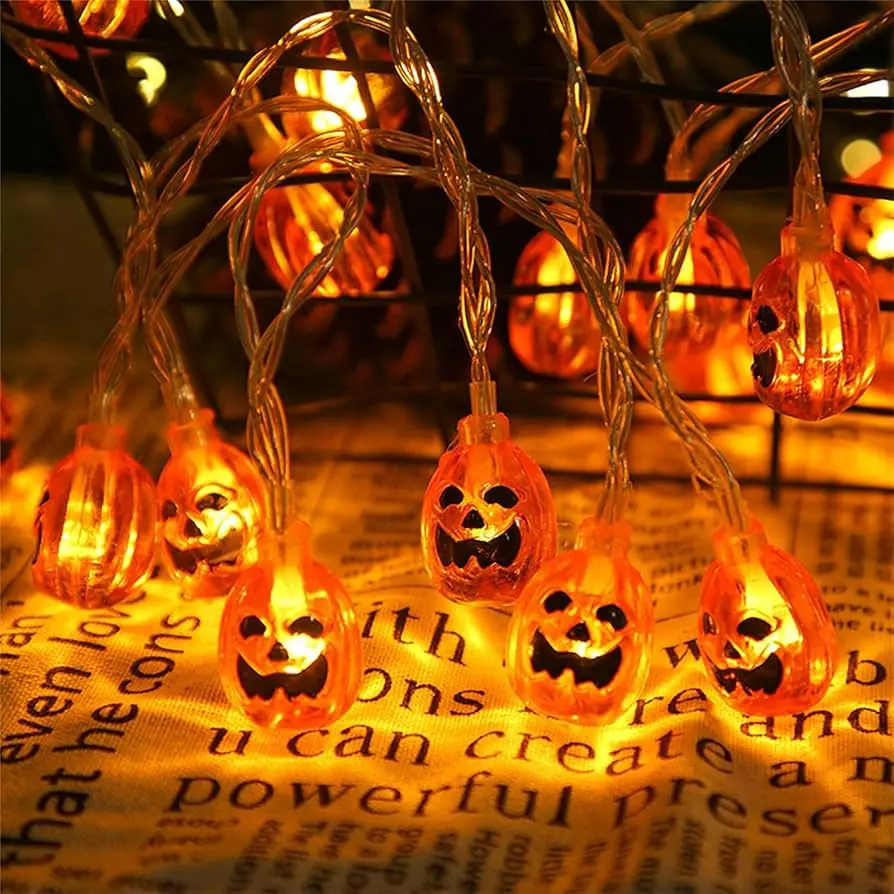
Sourcing 3D spider Halloween garden lights successfully requires understanding seasonal market dynamics, product quality standards, supplier evaluation, and critical timing for Halloween retail success. This guide provides the foundation for making informed decisions when purchasing these popular seasonal decoration products.
What Are the Key Takeaways?
- Seasonal Timing: Order by May for August delivery to ensure peak season availability
- Product Knowledge: Understanding 3D designs, materials, and quality standards helps you select products that appeal to Halloween shoppers
- Quality Focus: Material durability, realistic details, and certifications directly impact customer satisfaction and return rates
- Supplier Selection: Factory experience with Halloween products and understanding of Western Halloween culture matter as much as pricing
- Market Understanding: Halloween is a growing market with strong demand for unique, high-quality 3D decorations
Why Partner with Glowyard Lighting?
Working with an established lighting manufacturer like Glowyard provides:
- Proven Quality: 15+ years of manufacturing excellence and seasonal product experience
- Halloween Expertise: Understanding of Western Halloween market and design aesthetics
- Comprehensive Service: From design consultation to on-time seasonal delivery
- Global Experience: Serving 500+ B2B clients across 50+ countries
- Seasonal Reliability: Understanding the critical importance of Halloween deadlines
How to Get Started?
Contact Glowyard Lighting today to discuss your 3D spider Halloween light requirements:
- Request Product Catalog: Review our complete range of spider designs and specifications
- Discuss Your Needs: Share your market requirements and customization preferences
- Receive Quotation: Get detailed pricing and delivery timeline
- Order Samples: Test product quality before bulk orders (order by March)
- Place Order: Begin your partnership with a reliable manufacturer (order by May)
Visit glowyard.com or contact our team to start sourcing high-quality 3D spider Halloween garden lights for your business.
—
*This guide is provided by Glowyard Lighting, a professional manufacturer of outdoor solar lighting and seasonal decorative products with 15+ years of industry experience. For more information about our products and services, visit glowyard.com.*