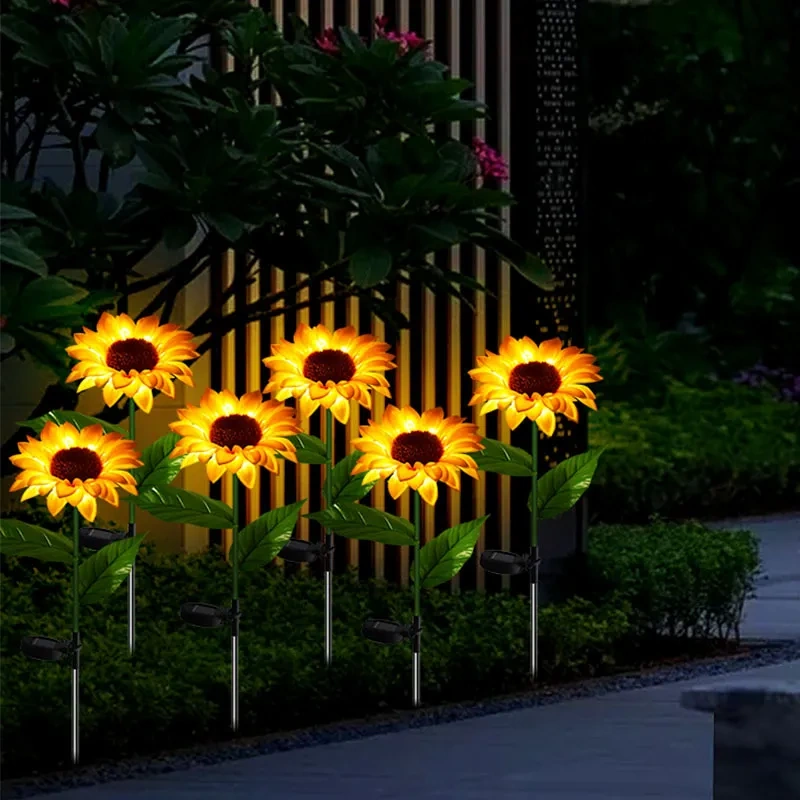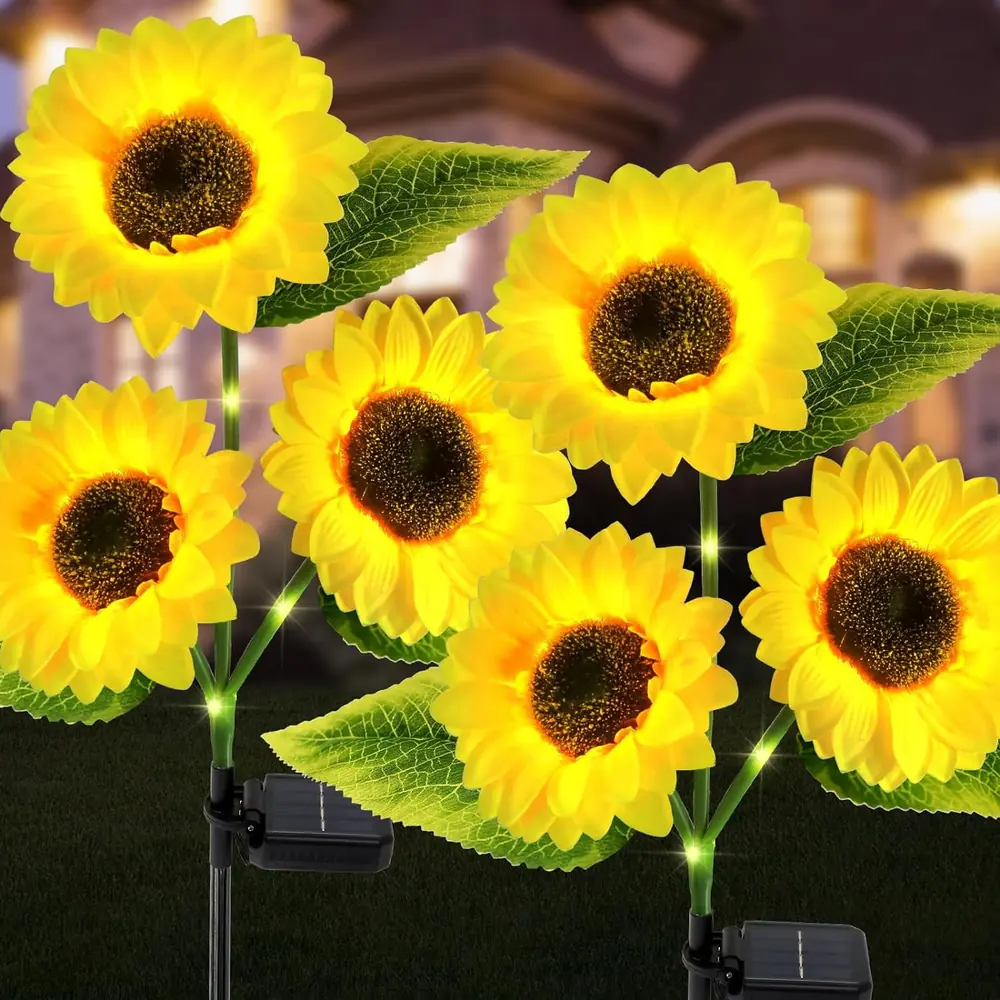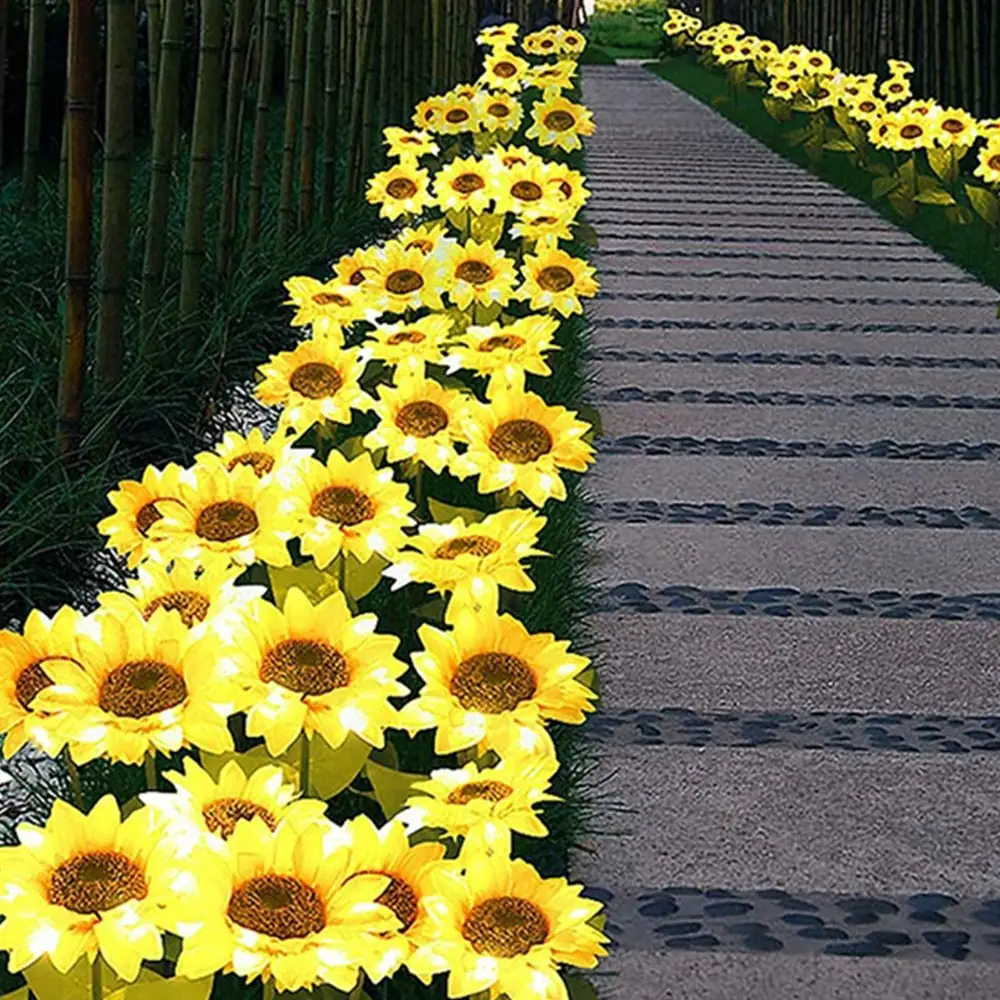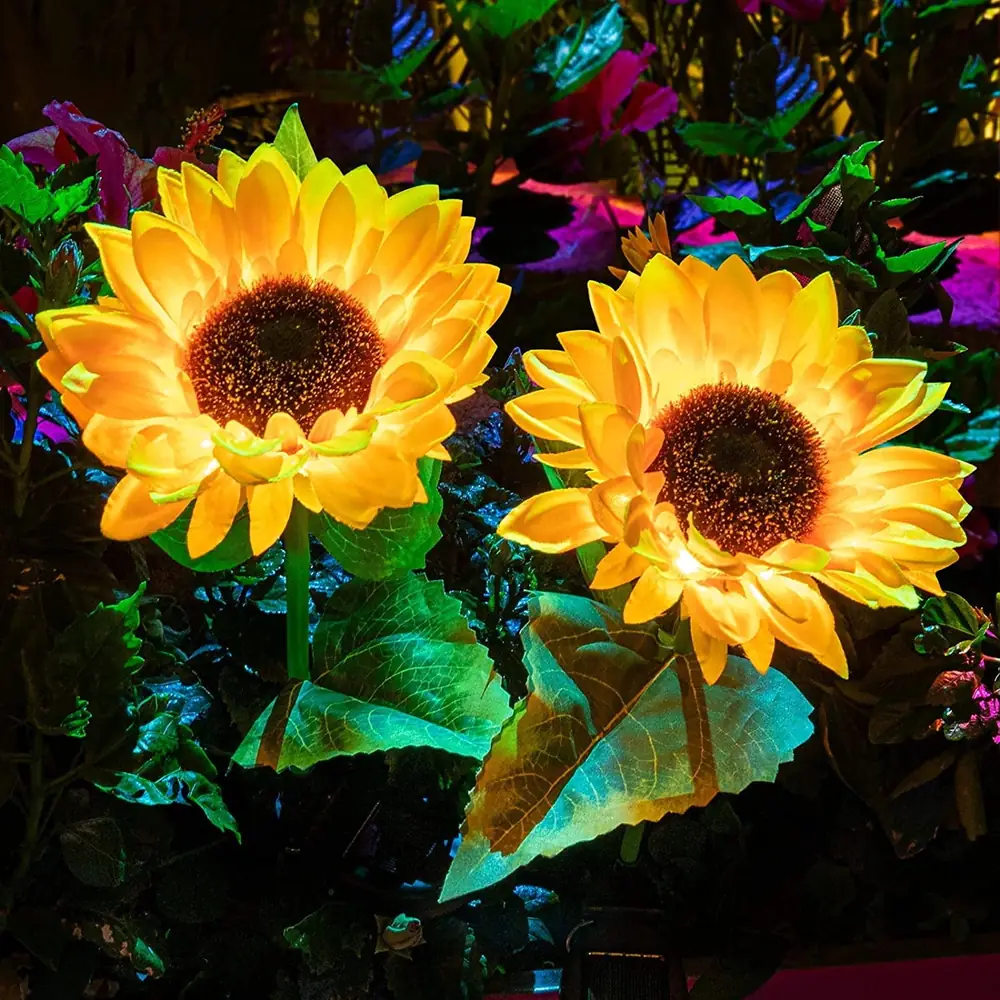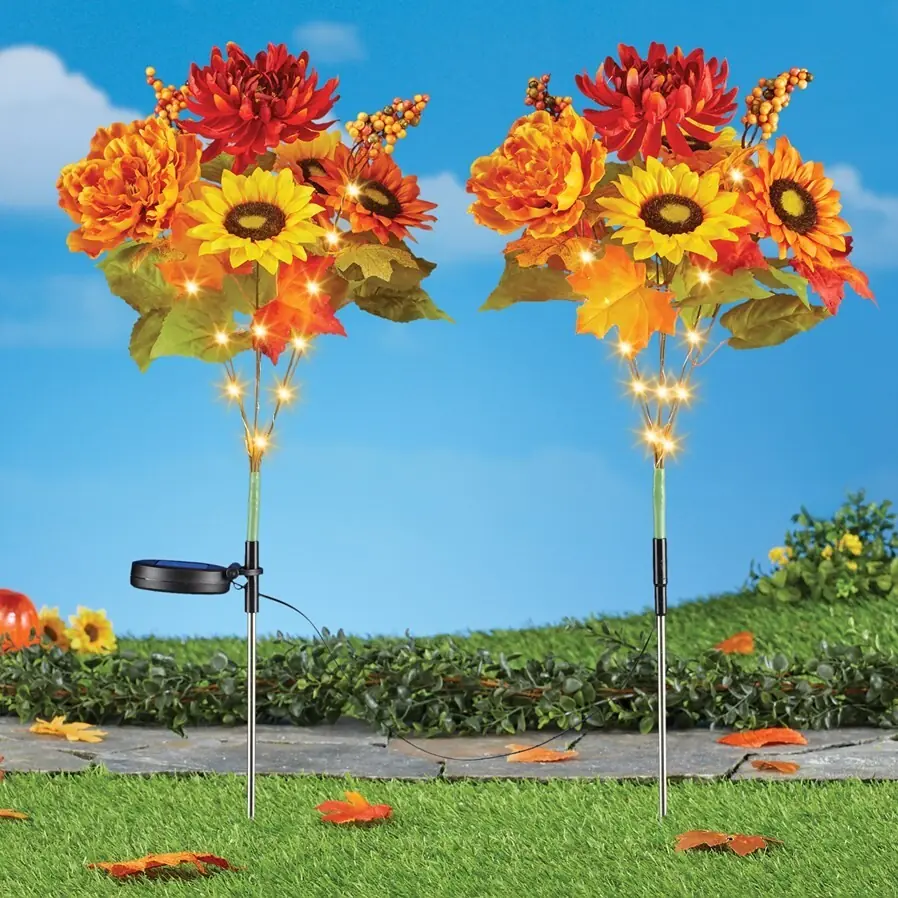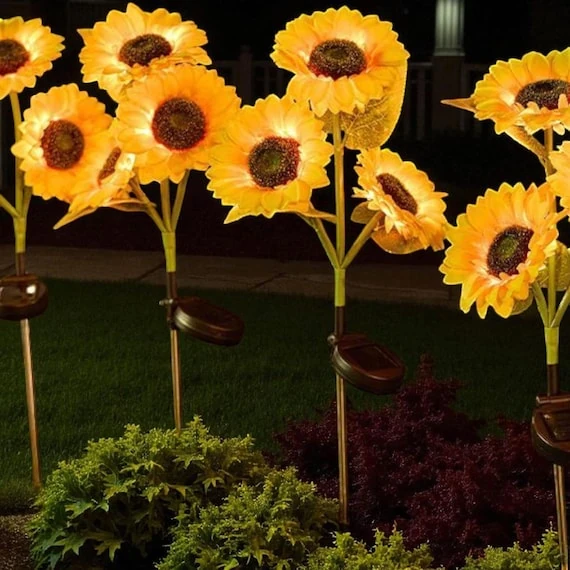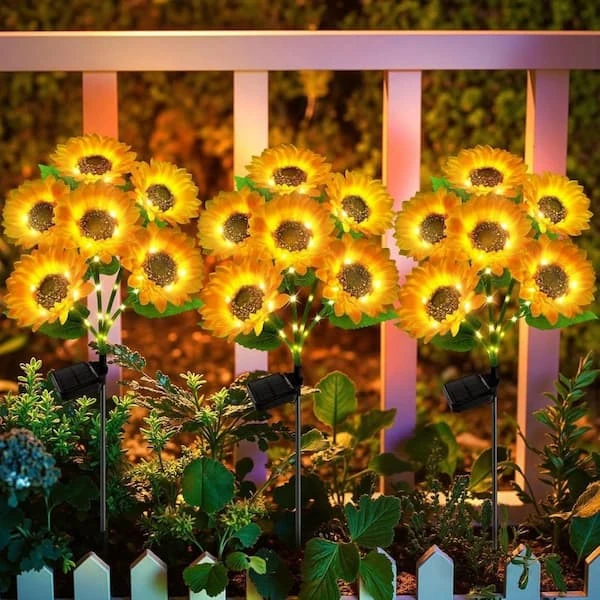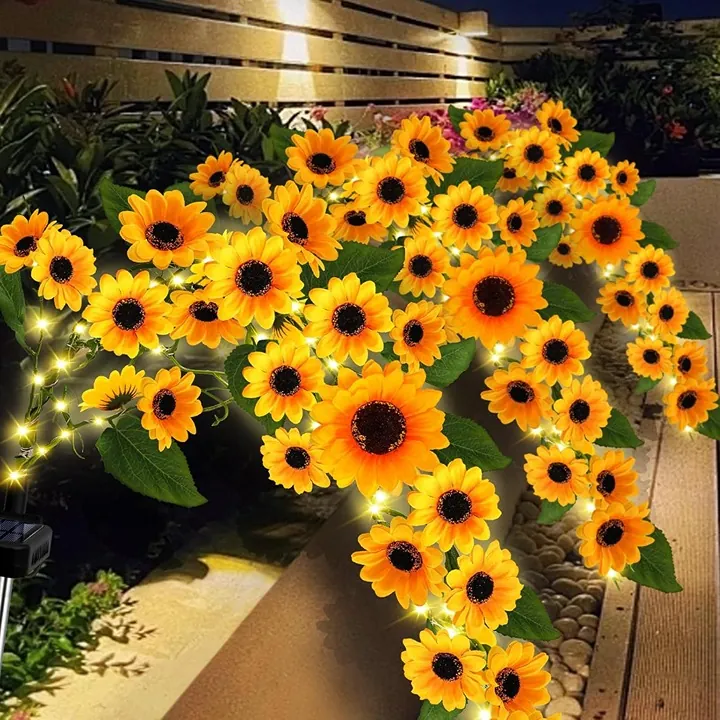




2026 lastest Full Product Catalogue
Please Click the button, after Filling in your Email and information, the file will be send within 24 hours .
-
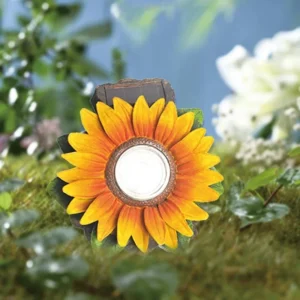 Decorative Garden Solar Lights
SM221055 Resin Sunflower Freestanding Solar Statue Light
-
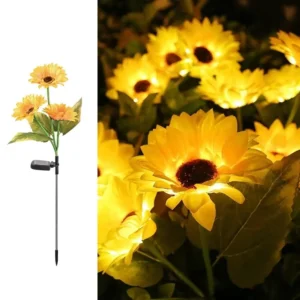 Decorative Garden Solar Lights
SM221329 ABS Plastic Simulation Sunflower Solar Stake Light
-
 Decorative Garden Solar Lights
SM221562 Metal Iron+Glass Sunflower Rain Gauge Solar Stake Light
-
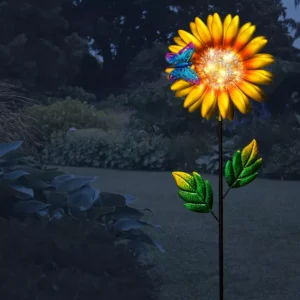 Decorative Garden Solar Lights
SM221564 Metal Iron Sunflower Flower Solar Stake Light
-
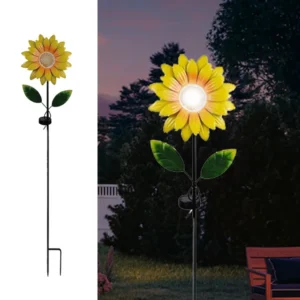 Decorative Garden Solar Lights
SM23309 Metal Iron+Glass Sunflower Solar Flower Stake Light
-
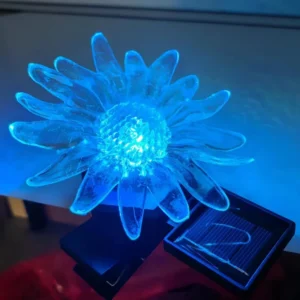 Decorative Garden Solar Lights
SM23344 Pack of 3 Plastic PP Sunflower Flower Solar Clip Lights
-
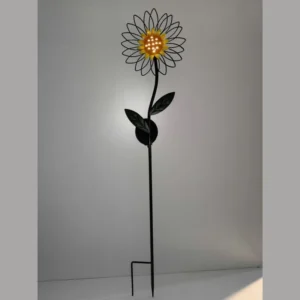 Decorative Garden Solar Lights
SM23387 PP Plastic Sunflower Solar Stake Light
-
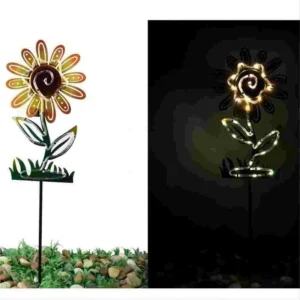 Decorative Garden Solar Lights
SM23490 Metal Iron Sunflower Solar Flower Decorative Stake Light
-
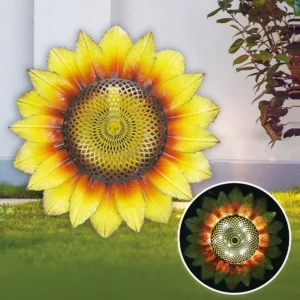 Decorative Garden Solar Lights
SM23555 Metal Sunflower Iron Flower Solar Wall Light
-
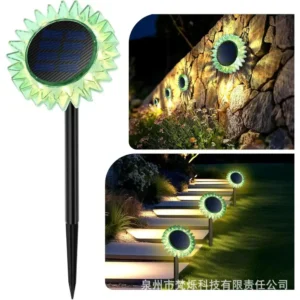 Decorative Garden Solar Lights
SM251172 PS, HIPS, PP Solar Decorative Sunflower Stake Light
-
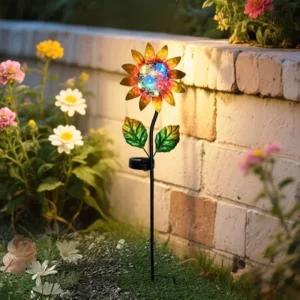 Decorative Garden Solar Lights
SM25358 Metal Iron Flower & Sunflower Design Solar Stake Light
-
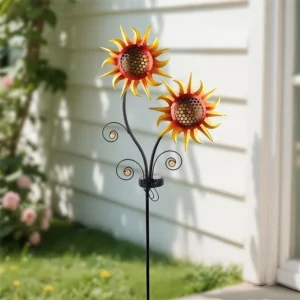 Decorative Garden Solar Lights
SM25359 Metal Iron Sunflower Solar Stake Light
Wholesale Sunflower Solar Lights: Complete B2B Buyer Guide
If you’re sourcing wholesale sunflower solar lights for retail stores, garden centers, e-commerce platforms, or landscaping projects, this comprehensive guide will help you evaluate designs, materials, certifications, and factory capabilities before placing bulk orders. Sunflower solar lights have become one of the most cheerful and universally appealing categories within decorative flower lighting, combining bright, optimistic aesthetics with strong seasonal demand and year-round gift potential.
As a B2B buyerwhether you’re a wholesaler, retailer, distributor, importer, or project contractorunderstanding design variations, material quality, customization options, packaging requirements, lead times, and quality control processes is essential for successful bulk purchasing. This guide covers everything from sunflower styles and size options to sourcing strategies and common pitfalls when buying bulk sunflower solar lights from manufacturers.
Category Summary
Wholesale sunflower solar lights represent a vibrant segment within the solar flower lights category, specifically the sunflower solar lights subcategory. These cheerful fixtures feature sunflower designs with integrated solar-powered LED lighting, available in stake, string, and decorative formats. Popular styles include realistic single-head stakes, multi-head arrangements, and sunflower string lights. Bulk sunflower solar lights appeal to garden retailers, summer seasonal buyers, farmhouse décor distributors, and gift shops targeting optimistic, nature-loving customers. Key purchasing considerations include petal realism, yellow color vibrancy, center detail quality, stem durability, and UV resistance for outdoor display.
What Will You Learn in This Guide?
- What Are Sunflower Solar Lights and Why Are They Popular in Wholesale Markets?
- What Types and Designs Sell Best for Bulk Orders?
- What Materials and Manufacturing Processes Are Used?
- What Quality Standards and Certifications Matter for Wholesale Buyers?
- What Is the Market Demand and Customer Preferences?
- What Are the Common Applications?
- What OEM/ODM Customization Options Are Available for Wholesale Sunflower Solar Lights?
- How to Source Wholesale Sunflower Solar Lights from China Manufacturers and Suppliers?
- What Mistakes Can Cost You Money When Buying Sunflower Solar Lights in Bulk?
- Who Is Glowyard Lighting and What Do We Offer?
- Frequently Asked Questions
What Are Sunflower Solar Lights and Why Are They Popular in Wholesale Markets?
Sunflower solar lights are decorative lighting fixtures featuring sunflower designs with integrated solar-powered LED illumination. These bright, cheerful products have captured significant wholesale market share due to their universal appeal, positive symbolism, and strong performance across multiple retail channels.
Why Wholesale Sunflower Solar Lights Are Market Favorites:
- Universal Positive Appeal: Sunflowers symbolize happiness, optimism, and warmth, creating instant emotional connections with customers
- Strong Visual Impact: Large, bright yellow flowers create eye-catching displays that attract customer attention in retail settings
- Farmhouse Décor Trend: Sunflowers align perfectly with the popular farmhouse and rustic décor aesthetic
- Summer Seasonal Peak: Strong demand during summer months creates predictable ordering cycles
- Year-Round Gift Potential: Cheerful symbolism makes sunflower lights popular gifts regardless of season
- Family-Friendly Appeal: Bright, happy designs appeal to families with children
- Cross-Demographic Appeal: Sunflowers resonate with customers across all age groups and backgrounds
The wholesale market for bulk sunflower solar lights continues growing as retailers recognize the broad customer appeal and strong sell-through rates. Garden centers, home improvement stores, gift shops, farmhouse décor retailers, and online marketplaces all report excellent demand for quality sunflower solar lights.
What Types and Designs Sell Best for Bulk Orders?
Understanding which sunflower solar light designs perform best helps wholesale buyers optimize inventory. The solar flower lights category offers diverse sunflower options for different market segments.
Category-Specific Buyer Notes: Sunflower Solar Lights
Top-Selling Design Categories:
- Single-Head Stake Sunflowers: Classic design with one large sunflower head on a garden stake. The most popular format, available in various heights from 24 to 48 inches.
- Multi-Head Sunflower Stakes: Stakes with 2-3 sunflower heads at different heights. Creates fuller garden displays with single placement.
- Sunflower String Lights: Multiple small sunflower lights on solar string lights. Ideal for patios, fences, and event decoration. See flower string lights designs.
- Giant Sunflower Statements: Extra-large sunflower heads (12+ inches diameter) for dramatic focal points. Premium price tier.
- Sunflower Path Light Sets: Coordinated sets of shorter sunflower stakes for pathway borders. Sold in sets of 4-8.
- Sunflower with Bee/Butterfly: Sunflowers with decorative insects for added charm. Appeals to nature enthusiasts.
Design Elements:
| Element | Quality Indicators | Impact on Sales |
|---|---|---|
| Petal Color | Vibrant, consistent yellow | High – defines product appeal |
| Center Detail | Realistic seed pattern | Medium-High – adds authenticity |
| Petal Count | Full, layered appearance | High – affects perceived value |
| Stem Realism | Natural green, textured | Medium – overall quality perception |
| LED Placement | Even illumination | High – nighttime appeal |
Size Variations:
| Size Category | Height | Best Applications | Price Tier |
|---|---|---|---|
| Mini | 12-18 inches | Borders, pots, gifts | Entry-level |
| Small | 20-28 inches | Garden beds, pathways | Budget-mid |
| Medium | 30-36 inches | Standard garden use | Mid-range |
| Tall | 38-48 inches | Back borders, focal points | Premium |
| Giant | 50+ inches | Statement pieces | High-end |
What Materials and Manufacturing Processes Are Used?
Understanding materials and manufacturing helps B2B buyers assess quality when sourcing wholesale sunflower solar lights.
Petal Materials
Plastic/PVC (Most Common)
- Durable and weather-resistant
- Good color retention with UV stabilization
- Cost-effective for volume production
- Various quality levels available
- See plastic lights manufacturing
Fabric/Silk (Premium)
- Most realistic appearance
- Soft, natural movement
- Requires UV treatment for outdoor use
- Higher price point
EVA Foam
- Lightweight option
- Soft texture
- Good for decorative use
- Moderate durability
Center (Seed Head) Materials
Molded Plastic
- Detailed seed pattern reproduction
- Durable construction
- Houses LED components
- Various brown/black shades
Textured Resin
- Premium realistic appearance
- Excellent detail
- Higher cost
Stem and Stake Materials
Metal Stakes (Preferred)
- Durable construction
- Stable in ground
- Powder-coated for rust resistance
- Supports taller designs
- See metal lights manufacturing
Plastic Stakes
- Lightweight
- Cost-effective
- Less durable in hard soil
- Suitable for shorter designs
Wire-Core Stems
- Flexible positioning
- Realistic appearance
- Green covering
Solar Components
Solar Panel Specifications:
- Monocrystalline: Higher efficiency, premium
- Polycrystalline: Standard, good value
- Often integrated into flower center or separate stake-top panel
Battery Options:
- NiMH (600-800mAh): Standard
- Li-ion (800-1200mAh): Extended runtime
- Runtime: 6-10 hours typical
LED Specifications:
- Warm white (2700-3000K): Most popular
- Yellow-tinted: Enhanced sunflower glow
- Brightness: 5-20 lumens depending on size
Manufacturing Process
- Petal Production: Molding or cutting petal shapes
- Color Application: Yellow dyeing/painting with UV protection
- Center Creation: Molding detailed seed head
- LED Integration: Installing LEDs in center
- Stem Construction: Wire core with covering
- Assembly: Attaching petals, center, stem
- Solar Integration: Panel, battery, wiring
- Stake Attachment: Connecting to ground stake
- Quality Testing: Lighting and durability checks
- Packaging: Protective packaging for shipping
What Quality Standards and Certifications Matter for Wholesale Buyers?
Proper certifications ensure compliance when sourcing wholesale sunflower solar lights.
Essential Certifications
CE Marking (European Market) Mandatory for EU sales. See CE certification importance.
RoHS Compliance Restricts hazardous substances. Review RoHS guide.
FCC (US Market) Required for electronic devices in the United States.
UKCA (UK Market) Post-Brexit UK requirement. See UKCA guide.
Quality Standards
IP Rating
- IP44 minimum for outdoor use
- IP65 preferred for exposed locations
- Understand waterproof ratings
UV Resistance Critical for maintaining yellow petal vibrancy. Learn about UV testing.
Stake Durability Must withstand ground insertion and wind stress.
Color Fastness Yellow pigments must resist fading from sun exposure.
Factory Quality Systems
Quality manufacturers implement:
- IQC: Incoming material inspection
- IPQC: In-process monitoring
- FQC: Final inspection
- OQC: Pre-shipment verification
View Glowyard’s quality processes and certifications.
What Is the Market Demand and Customer Preferences?
Understanding market dynamics helps wholesale buyers optimize bulk sunflower solar light purchases.
Regional Market Insights
North America:
- Largest market for sunflower solar lights
- Strong farmhouse décor trend
- Summer seasonal peak
- Key channels: Garden centers, home improvement, e-commerce
Europe:
- Established market with quality focus
- Popular in UK, Germany, France
- Garden and patio decoration
- Growing online sales
Australia/New Zealand:
- Active gardening culture
- UV-resistant products essential
- Opposite seasonal timing
Consumer Preference Trends
Design Preferences:
- Realistic petal appearance
- Vibrant, consistent yellow color
- Detailed seed head centers
- Sturdy construction
Feature Priorities:
- Bright, cheerful appearance
- Weather durability
- Adequate brightness
- Easy installation
- Value for money
Seasonal Demand Patterns
| Season | Demand Level | Key Drivers |
|---|---|---|
| Spring | High | Garden preparation |
| Summer | Peak | Outdoor living, sunflower season |
| Fall | Moderate | Harvest themes, autumn décor |
| Winter | Lower | Holiday gifts |
Special Occasions:
- Summer entertaining season
- Sunflower harvest festivals
- Back-to-school (sunflower themes)
- Thanksgiving/harvest décor
- Year-round gifts
What Are the Common Applications?
Wholesale sunflower solar lights serve diverse applications across residential, commercial, and event markets.
Residential Applications
Garden Decoration:
- Flower bed focal points
- Pathway borders and edging
- Vegetable garden accents
- Back fence decoration
- Front yard curb appeal
Outdoor Living:
- Patio and deck decoration
- Poolside cheerfulness
- Outdoor dining ambiance
- Children’s play areas
Themed Gardens:
- Farmhouse style gardens
- Cottage gardens
- Pollinator gardens
- Cutting gardens
Commercial Applications
Retail Environments:
- Garden center displays
- Home improvement merchandising
- Gift shop focal points
- Seasonal displays
Hospitality:
- Restaurant patio decoration
- Farm-to-table venue ambiance
- Country inn gardens
- Winery and vineyard decoration
Agriculture-Related:
- Farm stands and markets
- Agritourism venues
- Sunflower field attractions
- Rural event venues
Explore more application scenarios.
Event Applications
Celebrations:
- Summer parties
- Outdoor weddings (rustic theme)
- Birthday celebrations
- Graduation parties
Seasonal Events:
- Harvest festivals
- County fairs
- Farmers markets
- Sunflower festivals
What OEM/ODM Customization Options Are Available for Wholesale Sunflower Solar Lights?
Customization enables B2B buyers to create exclusive sunflower solar light product lines.
Design Customization (ODM)
Flower Modifications:
- Petal count and arrangement
- Size variations
- Yellow shade customization
- Center detail options
Stem and Stake Options:
- Height variations
- Multi-head configurations
- Stake material choices
- Flexible vs. rigid stems
Lighting Customization:
- LED color temperature
- Brightness levels
- Light modes
- Solar panel placement
Branding Options (OEM)
Product Branding:
- Custom hang tags
- Branded packaging
- Logo on stake or base
- QR codes
Packaging Customization:
- Custom retail boxes
- Gift presentation
- Set packaging (pathway sets)
- Eco-friendly options
Learn about OEM solutions and custom projects.
Customization Timeline
| Phase | Duration | Activities |
|---|---|---|
| Concept | 1-2 weeks | Requirements, design direction |
| Design | 2-4 weeks | Sample development |
| Sample | 2-3 weeks | Prototype production |
| Approval | 1-2 weeks | Review, refinements |
| Production | 4-8 weeks | Based on quantity |
How to Source Wholesale Sunflower Solar Lights from China Manufacturers and Suppliers?
China is the primary manufacturing hub for decorative solar lights. Effective sourcing ensures successful wholesale sunflower solar light procurement.
Finding Reliable Suppliers
Online Platforms:
- Alibaba.com: Largest selection
- Global Sources: Quality focus
- Made-in-China.com: Factory direct
Trade Shows:
- Canton Fair (Guangzhou)
- Hong Kong Gifts Fair
- Ambiente (Frankfurt)
Supplier Evaluation
Assessment Criteria:
- Yellow color consistency and vibrancy
- Petal and center detail quality
- Stake durability
- Production capacity
- Quality control systems
Verification Process
- Business Verification: Confirm registration
- Sample Evaluation: Test quality thoroughly
- Certification Check: Verify compliance
- Factory Assessment: Visit or inspect
- Reference Check: Contact clients
- Trial Order: Test fulfillment
For guidance, read 15 Tips for Bulk Purchasing Solar Garden Lights from China and factories supporting custom solar flower lights.
What Mistakes Can Cost You Money When Buying Sunflower Solar Lights in Bulk?
Avoiding mistakes protects your investment in wholesale sunflower solar lights.
Quality Mistakes
Mistake 1: Fading Yellow Color Yellow pigments are prone to UV fading:
- Petals turn pale or greenish
- Inconsistent fading across units
- Cheap appearance after weeks
- Customer complaints and returns
Solution: Verify UV-stabilized pigments; request accelerated aging test results.
Mistake 2: Weak Stakes Sunflowers are tall and catch wind:
- Stakes bend or break
- Flowers fall over
- Ground insertion failure
- Safety concerns
Solution: Specify metal stakes for taller designs; test stake durability.
Mistake 3: Poor Center Detail The seed head center defines authenticity:
- Flat, unrealistic appearance
- Visible LED housing
- Cheap overall look
- Reduced perceived value
Solution: Evaluate center detail quality; compare to realistic references.
Sourcing Mistakes
Mistake 4: Ignoring Height Consistency Sets should have consistent heights:
- Uneven pathway displays
- Mismatched retail sets
- Customer dissatisfaction
Solution: Specify height tolerances; inspect consistency in samples.
Mistake 5: Inadequate Packaging for Tall Products Tall sunflower stakes require special packaging:
- Stem bending or breaking
- Petal damage
- Stake damage
- High shipping damage rates
Solution: Specify protective packaging for tall products; inspect damage rates.
Learn to reduce after-sales issues.
Who Is Glowyard Lighting and What Do We Offer?
Glowyard Lighting is a professional manufacturer of decorative solar garden lights based in Guangdong, China. We specialize in high-quality solar flower lights including cheerful sunflower solar lights.
Manufacturing Capabilities
Production Facilities:
- Modern factory with flower production lines
- Quality control laboratory
- Skilled assembly teams
- Capacity for seasonal demand
Quality Assurance:
- ISO-compliant quality management
- Comprehensive testing protocols
- IQC, IPQC, OQC systems
- Third-party certification support
Visit our factory page.
B2B Services
OEM/ODM Services:
- Custom sunflower designs
- Private label manufacturing
- Exclusive size and color options
- Packaging customization
Support Services:
- Compliance assistance
- Logistics coordination
- After-sales support
- Marketing materials
Explore OEM solutions and after-sales service.
Related Products
Glowyard offers comprehensive solar flower lights:
- Rose Solar Lights
- Lily Solar Lights
- Tulip Solar Lights
- Cherry Blossom Solar Lights
- Lotus Solar Lights
Wholesale Buying Checklist
- [ ] Verify supplier certifications (CE, RoHS, FCC, UKCA)
- [ ] Request and test samples thoroughly
- [ ] Evaluate yellow color vibrancy and UV stability
- [ ] Check center/seed head detail quality
- [ ] Verify stake durability (metal preferred for tall)
- [ ] Confirm IP rating for outdoor use
- [ ] Test solar and battery performance
- [ ] Assess packaging for tall products
- [ ] Clarify customization options
- [ ] Establish QC inspection points
- [ ] Agree on payment and delivery terms
- [ ] Confirm warranty and support
Quick RFQ Template for Wholesale Sunflower Solar Lights
“` PRODUCT INQUIRY: Wholesale Sunflower Solar Lights
- Product Details:
– Format: [Single stake/Multi-head/String] – Height: [Inches/cm] – Flower Diameter: [Inches/cm] – Petal Material: [Plastic/Fabric] – Stake Material: [Metal/Plastic]
- Order Information:
– Estimated Quantity: [Units per order] – Set Configuration: [Singles/Sets] – Order Frequency: [Seasonal/Year-round] – Target Price: [Per unit FOB]
- Customization Requirements:
– Custom Design: [Yes/No] – Custom Heights: [Yes/No] – Private Label: [Yes/No] – Set Packaging: [Yes/No]
- Compliance Requirements:
– Certifications: [CE/RoHS/FCC/UKCA] – Destination: [Country/Region]
- Timeline:
– Sample By: [Date] – Bulk Delivery: [Date – consider summer season]
- Contact:
– Company: – Contact: – Email: – Phone: “`
Frequently Asked Questions
What is the typical MOQ for wholesale sunflower solar lights?
MOQs vary by design and customization level. Standard stake designs typically have moderate MOQs. String lights may have different requirements. Many manufacturers offer flexibility for new customers. Contact suppliers to discuss your specific requirements.
How do I prevent yellow color fading in bulk sunflower solar lights?
Verify UV-stabilized pigments in petal materials. Request accelerated UV aging test results from suppliers. Quality products use automotive-grade UV stabilizers. Inspect samples after outdoor exposure before bulk ordering.
What stake material is best for tall wholesale sunflower solar lights?
Metal stakes (powder-coated steel or aluminum) are recommended for sunflowers over 30 inches tall. Metal provides better stability in wind and easier ground insertion. Plastic stakes may be adequate for shorter designs in soft soil.
Are sunflower solar lights suitable for windy locations?
Tall sunflower designs catch wind due to large flower heads. Use metal stakes and consider shorter heights for windy areas. Some designs feature flexible stems that bend rather than break. Test stability in your target conditions.
Can I order custom yellow shades for my brand?
Yes, manufacturers like Glowyard offer custom color matching through ODM services. This includes specific yellow shades, petal variations, and center colors. Custom colors may require minimum quantities and color approval process.
How long do sunflower solar lights typically last outdoors?
Quality wholesale sunflower solar lights with UV-stabilized materials typically last 2-3 seasons outdoors. Lifespan depends on sun exposure, weather conditions, and product quality. Battery replacement can extend useful life.
What certifications are required for selling sunflower solar lights in Europe?
Products sold in Europe require CE marking and RoHS compliance. These indicate conformity with EU safety and environmental standards. Ensure your supplier provides valid certification documentation.
Are multi-head sunflower stakes more popular than single-head?
Both formats sell well for different applications. Single-head stakes offer flexibility in arrangement. Multi-head stakes provide fuller displays with single placement. Consider offering both options to capture different customer preferences.
How should tall sunflower solar lights be packaged for shipping?
Tall products require protective packaging with stem support, flower head protection, and sturdy boxes. Quality suppliers use custom inserts and careful packing. Discuss packaging requirements early and monitor damage rates.
What makes sunflower solar lights popular for farmhouse décor?
Sunflowers are iconic farmhouse and rustic décor elements. They evoke country living, harvest themes, and cheerful simplicity. The bright yellow color adds warmth to farmhouse-style gardens and outdoor spaces.
—
This guide is provided by Glowyard Lighting, a professional manufacturer of decorative solar garden lights. For inquiries about wholesale sunflower solar lights, please contact us.
Additional Images