Resin vs Iron vs Plastic vs Glass: Which Material is Best for Solar Garden Lights? (2026 Guide)
Choosing the right material for your solar garden lights can make or break your outdoor lighting investment.
The problem? Most buyers focus only on design and price, ignoring the material—then watch their lights crack, rust, or fade within months. A beautiful solar light that falls apart after one season is money wasted.
Here’s what happens: Cheap plastic becomes brittle in UV rays. Iron rusts in humid climates. Glass shatters from minor impacts. Resin degrades without proper UV stabilizers. Each material has specific weaknesses that manufacturers don’t advertise.
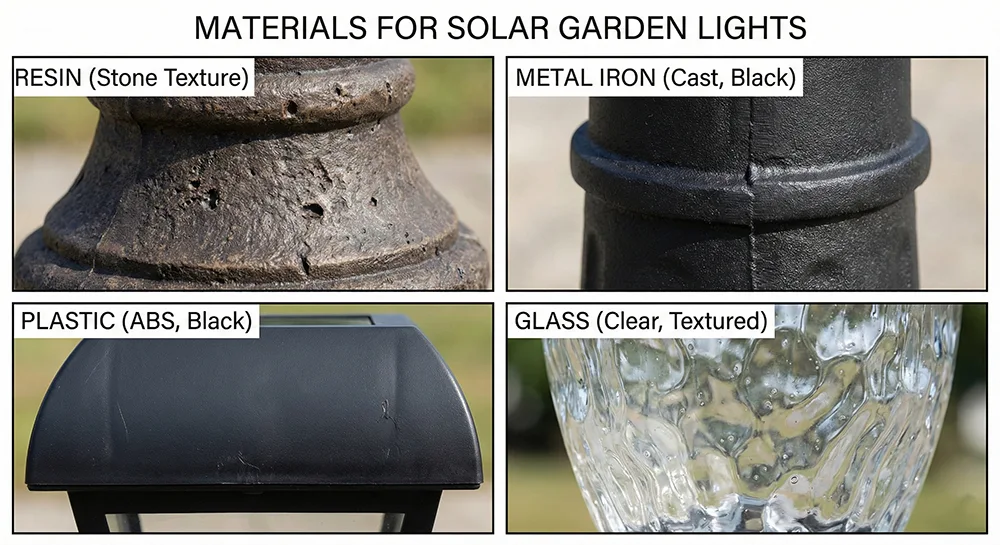
The solution: This guide compares all four materials specifically for solar garden lights across 8 critical factors—durability, weather resistance, weight, cost, aesthetics, maintenance, environmental impact, and real-world applications. You’ll learn exactly which material works best for decorative accents, pathway lighting, and garden ornaments.
What you’ll discover:
- Why resin dominates the solar garden light market (and when it doesn’t)
- The truth about "weatherproof" plastic vs premium plastic for outdoor use
- When iron/metal makes sense for garden lighting
- Glass applications in solar garden lights
- Material combinations that offer the best value for outdoor spaces
This comparison draws from our 15+ years manufacturing experience producing over 2 million solar lights annually, plus testing data from 1,000+ product installations across different climates.
Quick Comparison Overview
| Factor | Resin | Iron/Metal | Plastic | Glass |
|---|---|---|---|---|
| Durability | ⭐⭐⭐⭐ | ⭐⭐⭐⭐⭐ | ⭐⭐⭐ | ⭐⭐ |
| Weather Resistance | ⭐⭐⭐⭐⭐ | ⭐⭐⭐ | ⭐⭐⭐⭐ | ⭐⭐⭐⭐ |
| Weight | Medium | Heavy | Light | Medium |
| Cost | Medium | High | Low | Medium |
| Design Flexibility | ⭐⭐⭐⭐⭐ | ⭐⭐⭐ | ⭐⭐⭐⭐ | ⭐⭐⭐ |
| UV Resistance | ⭐⭐⭐⭐ | ⭐⭐⭐⭐⭐ | ⭐⭐⭐ | ⭐⭐⭐⭐⭐ |
| Maintenance | Low | Medium | Low | Medium |
| Lifespan | 3-5 years | 5-10 years | 2-4 years | 3-6 years |
Quick Verdict:
- Best Overall: Resin (balance of durability, design, and cost)
- Most Durable: Iron/Metal (but requires maintenance)
- Most Affordable: Plastic (quality varies widely)
- Most Elegant: Glass (fragile, limited applications)
Learn more about the materials we use in our solar light manufacturing.
Material #1: Resin (Polyresin)
What is Resin?
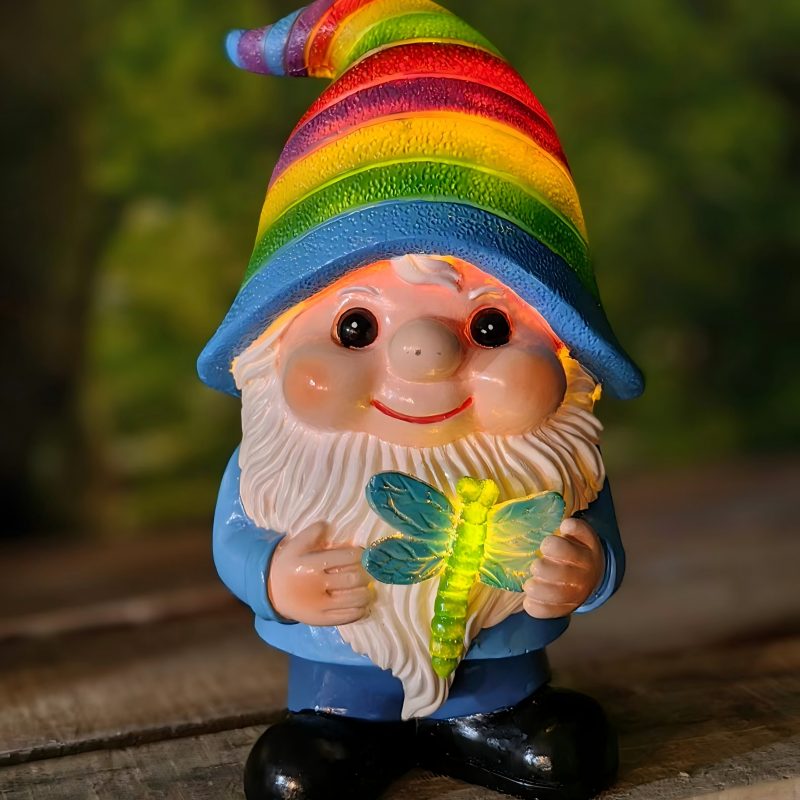
Resin (polyresin) is a composite material made from polyester resin mixed with stone powder or other fillers. It’s the most popular material for decorative garden solar lights because it combines durability with unlimited design possibilities.
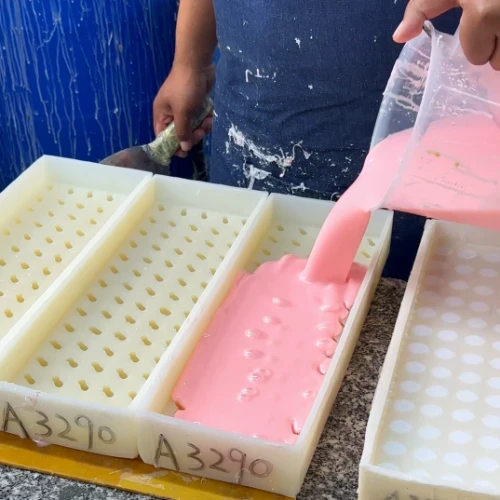
Manufacturing Process
The resin casting process allows for intricate details:
- Liquid resin is poured into silicone molds
- Stone powder adds weight and texture
- UV stabilizers are mixed in during production
- Hand-painted finishes add realistic details
Learn more about our resin lights manufacturing process and read our detailed guide on how resin solar lights are manufactured.
Advantages
Design Flexibility: Resin can replicate any shape—animals, flowers, statues, rocks. Our animal solar lights collection showcases this versatility with over 450 unique designs.
Weather Resistance: Quality resin withstands:
- Temperature range: -20°C to 60°C (-4°F to 140°F)
- Rain and humidity (when properly sealed)
- UV exposure (with UV stabilizers)
- Freeze-thaw cycles
Realistic Textures: Stone-powder resin mimics natural materials like stone, wood, or ceramic better than any other material.
Moderate Weight: Heavy enough to resist wind (typically 300-800g for small decoratives), light enough for easy placement.
Disadvantages
Quality Variations: Not all resin is equal:
- Low-quality resin cracks in cold weather
- Missing UV stabilizers cause fading within 6 months
- Poor sealing leads to water infiltration
Weight: Heavier than plastic, making shipping more expensive.
Repair Difficulty: Cracks or chips are hard to fix invisibly.
Best Applications
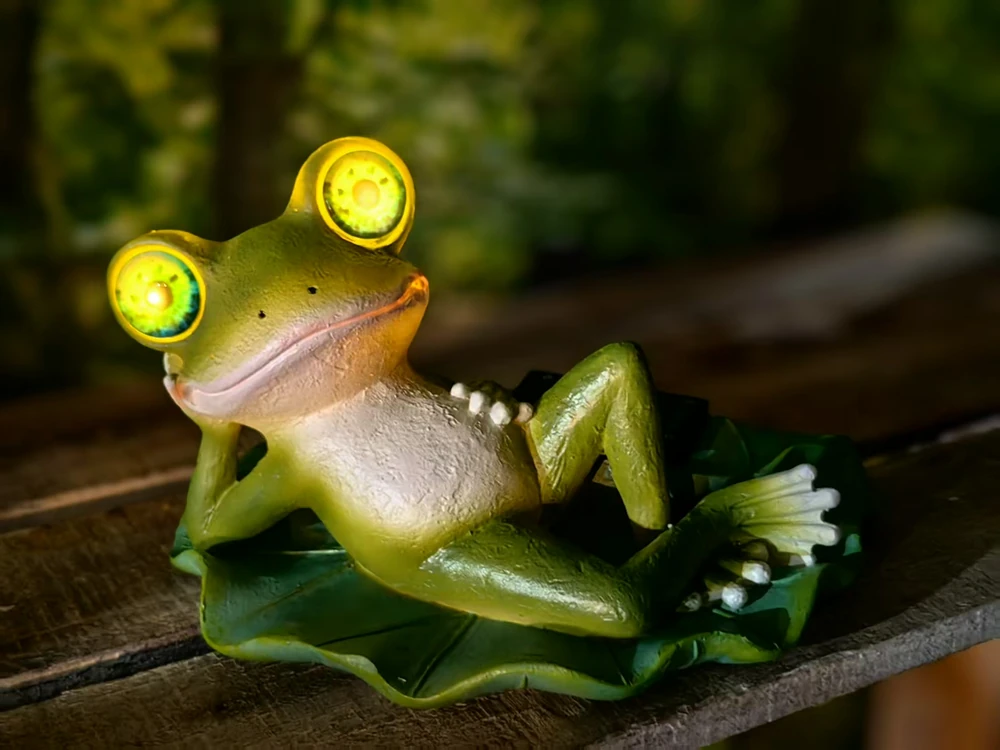
Resin excels in:
- Decorative figurines: Frog solar lights, rabbit solar lights, garden gnomes
- Realistic stone/rock lights: Pathway markers, landscape accents
- Flower designs: Flower solar lights with detailed petals
- Statues and ornaments: Angels, Buddha figures, fairy houses
Browse our complete resin solar lights collection (426 products).
Lifespan & Maintenance
Expected Lifespan: 3-5 years with proper care
Maintenance:
- Clean with mild soap and water (avoid harsh chemicals)
- Check seals annually
- Store indoors during extreme weather (optional)
- Reapply clear coat every 2-3 years for extended life
Material #2: Iron & Metal Alloys
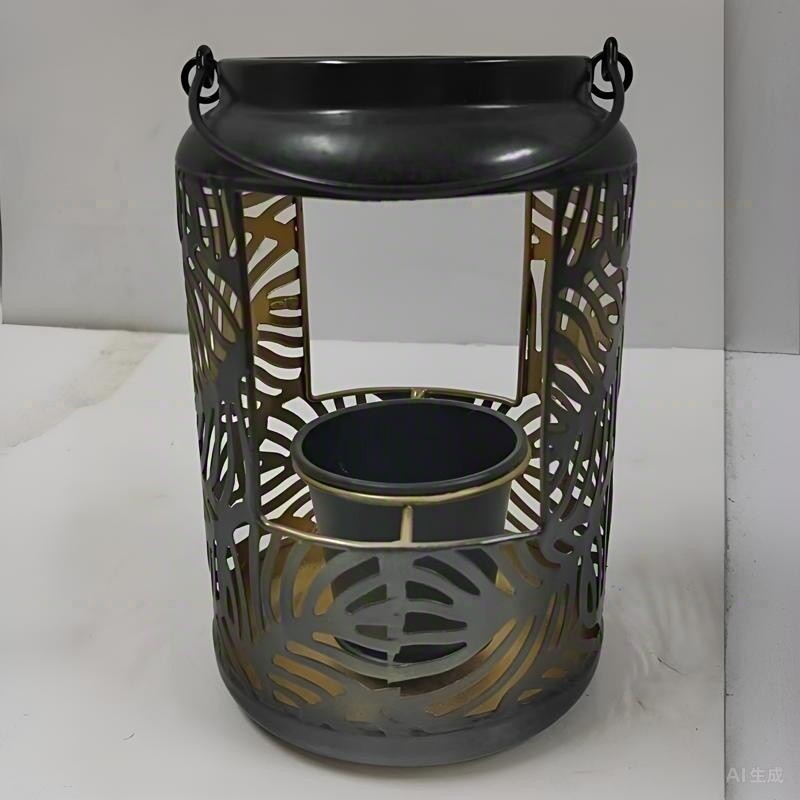
What is Iron/Metal in Solar Lights?
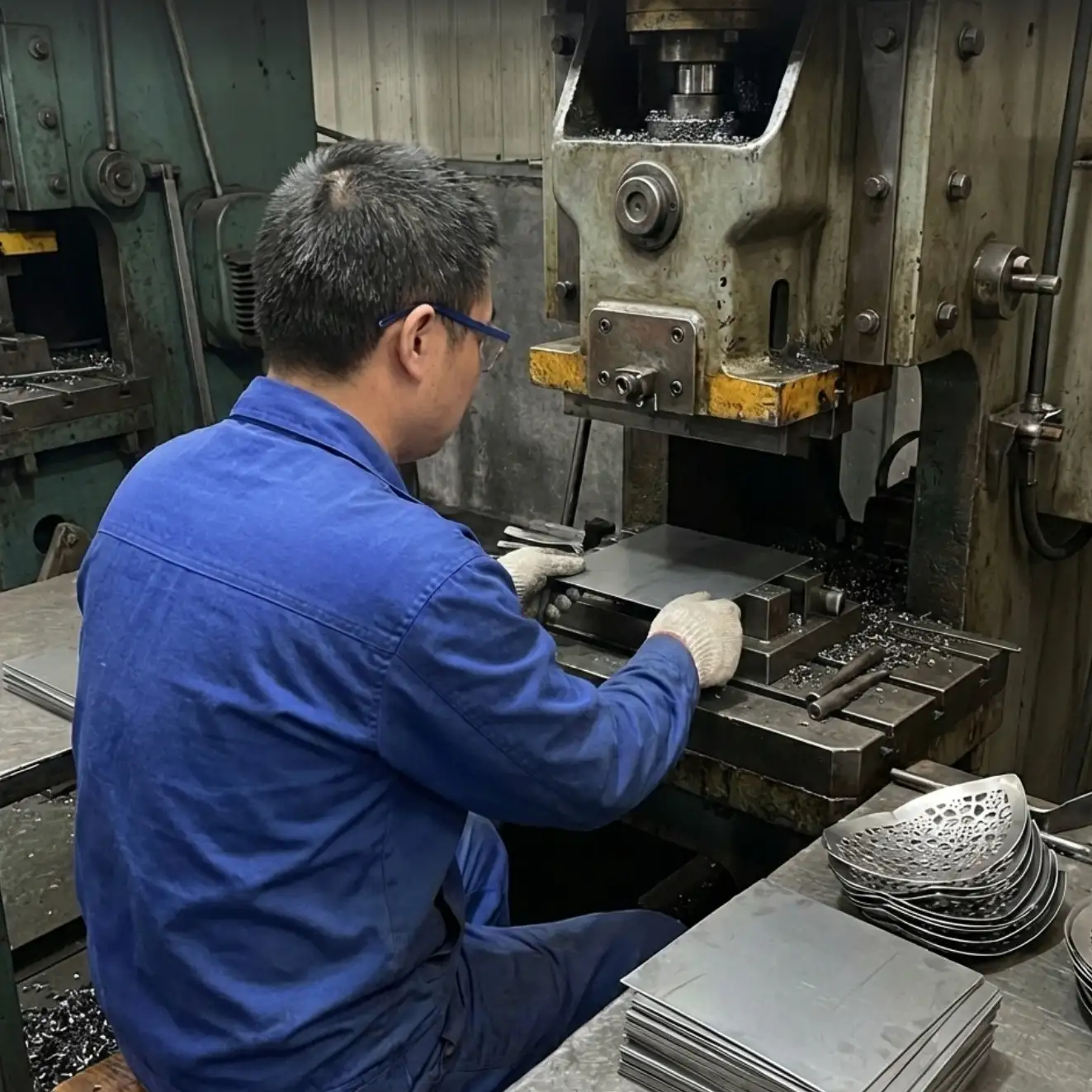
Most "iron" solar lights use:
- Powder-coated steel: Affordable, rust-resistant coating
- Stainless steel: Premium, naturally rust-resistant
- Aluminum alloys: Lightweight, corrosion-resistant
- Cast iron: Heavy, traditional look
Explore our metal lights manufacturing process and browse our metal iron solar lights collection.
Advantages
Superior Durability: Metal withstands:
- Physical impacts (won’t crack or shatter)
- Extreme temperatures (-40°C to 80°C)
- Heavy wind and storms
- Accidental kicks or lawn equipment contact
Longevity: Quality metal lights last 5-10 years, often outliving their solar components.
Premium Aesthetic: Metal offers:
- Modern, sleek designs
- Industrial or vintage styles
- Elegant silhouettes
- Professional landscape appearance
Structural Strength: Ideal for:
- Tall stake lights that need rigidity
- Hanging lanterns
- Architectural designs
- Commercial installations
Disadvantages
Rust Risk: Even "rust-resistant" coatings can fail:
- Scratches expose bare metal
- Coastal salt air accelerates corrosion
- Powder coating chips over time
- Requires regular inspection
Weight: Heavy metal lights are:
- Expensive to ship
- Difficult to reposition
- May sink into soft soil
Limited Design Options: Metal can’t replicate organic shapes like animals or flowers as effectively as resin.
Higher Cost: Premium materials command higher prices—metal lights typically cost significantly more than plastic alternatives.
Best Applications
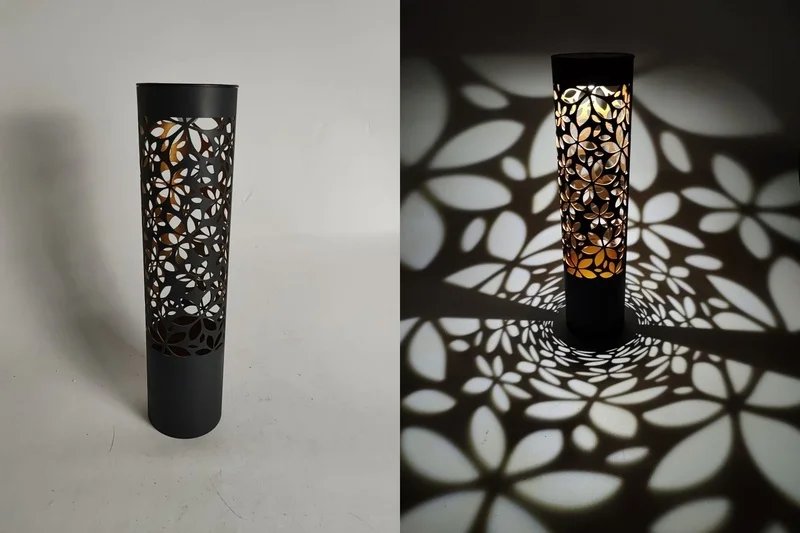
Metal works best for:
- Pathway lighting: Stake and path solar lights with metal stakes
- Modern landscapes: Geometric designs, minimalist styles
- Coastal areas: Stainless steel resists salt corrosion
- High-wind zones: Weight prevents tipping
- Commercial projects: Professional appearance, long lifespan
Lifespan & Maintenance
Expected Lifespan: 5-10 years (stainless steel), 3-7 years (powder-coated steel)
Maintenance:
- Inspect coating for chips/scratches every 6 months
- Touch up with rust-resistant paint as needed
- Clean with non-abrasive cleaners
- Apply protective wax in coastal environments
- Remove rust spots immediately with wire brush + primer
Material #3: Plastic (ABS, PP, PS)
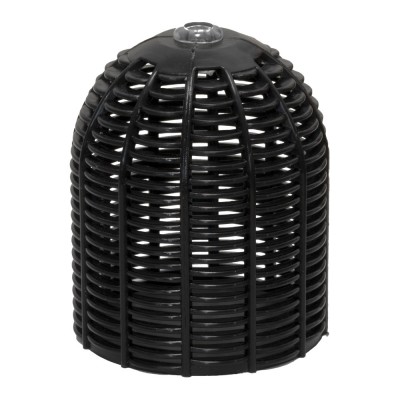
What Types of Plastic Are Used?
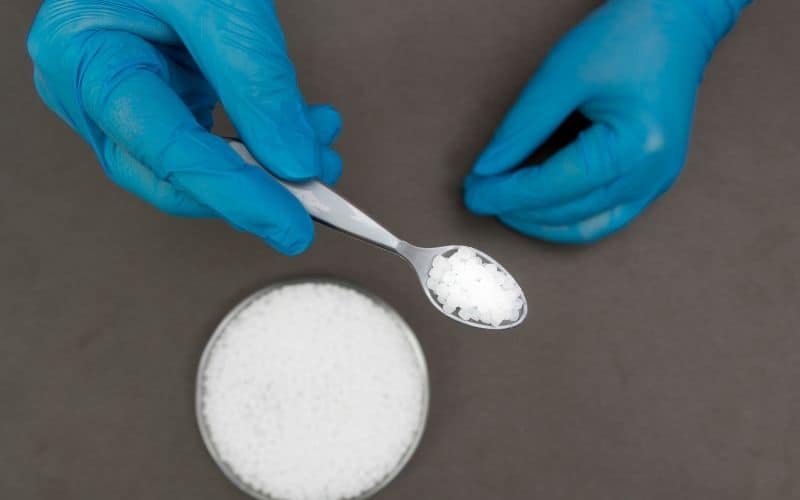
Not all plastic is created equal:
ABS (Acrylonitrile Butadiene Styrene):
- Most durable plastic option
- Good impact resistance
- Moderate UV resistance
- Used in quality solar lights
PP (Polypropylene):
- Excellent chemical resistance
- Good flexibility
- Lower cost than ABS
- Common in budget lights
PS (Polystyrene):
- Cheapest option
- Brittle in cold weather
- Poor UV resistance
- Avoid for outdoor use
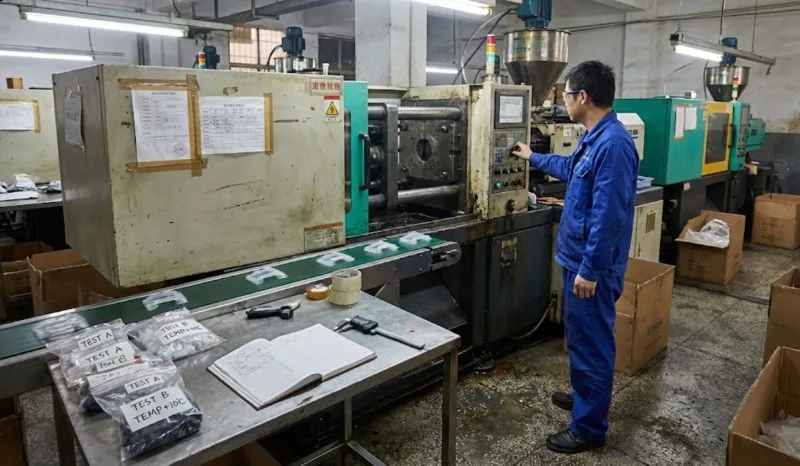
Learn about our plastic lights manufacturing process, how plastic solar lights are manufactured, and discover why injection molding is critical for plastic solar lights quality and consistency.
Advantages
Lightweight: Easy to move, reposition, or hang.
Affordable: Lowest material cost enables budget-friendly options.
Design Versatility: Injection molding creates:
- Complex shapes
- Integrated components
- Consistent quality
- Smooth finishes
Color Options: Plastic accepts dyes easily, offering unlimited color choices.
Weather Resistance: Quality plastic (ABS with UV stabilizers) handles:
- Rain and humidity
- Temperature fluctuations
- Moderate UV exposure
Browse our plastic solar lights collection (637 products).
Disadvantages
UV Degradation: Without UV stabilizers, plastic:
- Fades within 6-12 months
- Becomes brittle and cracks
- Loses structural integrity
Cheap Look: Budget plastic appears:
- Shiny and artificial
- Thin and flimsy
- Less premium than resin or metal
Temperature Sensitivity: Low-quality plastic:
- Warps in extreme heat (>50°C/122°F)
- Cracks in freezing temperatures (<-10°C/14°F)
Environmental Concerns: Plastic waste and microplastic pollution.
Quality Indicators
Premium Plastic Features:
- Thick walls (2-3mm minimum)
- Matte or textured finish
- UV stabilizers (check specifications)
- ABS or high-grade PP material
- Reinforced stress points
Avoid:
- Glossy, thin plastic
- No UV protection mentioned
- Generic "plastic" without type specified
- Extremely low prices
Best Applications
Quality plastic excels in:
- Budget decorative lights: Affordable garden accents
- Temporary installations: Seasonal displays
- Children’s areas: Safe, unbreakable
- Hanging lights: Lightweight advantage
- Color-focused designs: Vibrant hues
Lifespan & Maintenance
Expected Lifespan: 2-4 years (quality ABS), 1-2 years (budget plastic)
Maintenance:
- Clean regularly to prevent dirt buildup
- Avoid abrasive cleaners (scratches attract dirt)
- Store indoors during off-season to extend life
- Replace when fading or cracking appears
Material #4: Glass
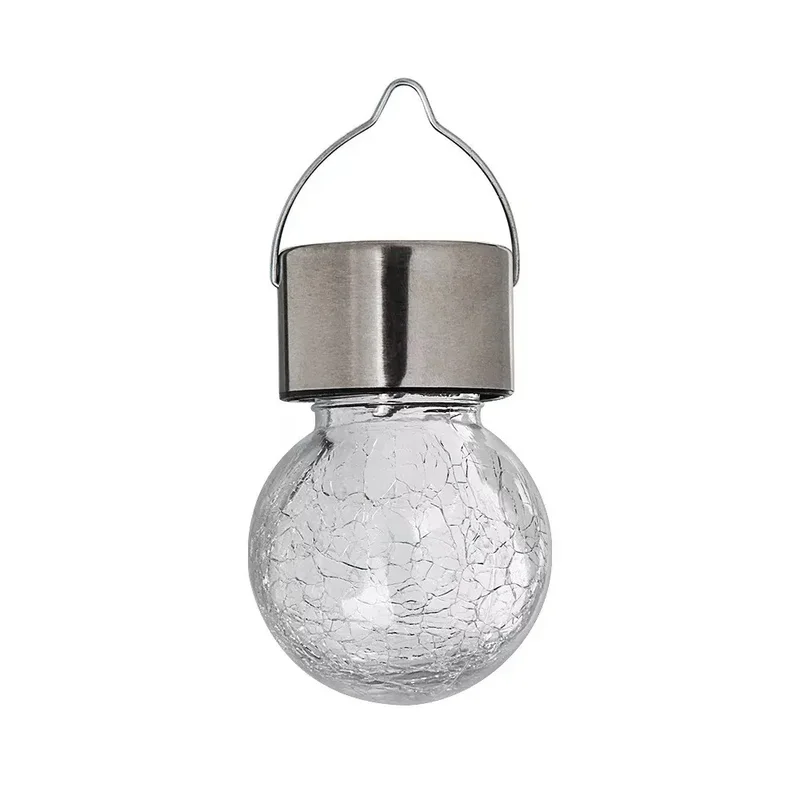
What Types of Glass Are Used?
Crackled Glass:
- Decorative cracked pattern
- Diffuses light beautifully
- Most common in solar lights
- Learn about how crackled glass balls are manufactured in our factory guide
Explore our glass lights manufacturing process to understand quality standards.
Clear Glass:
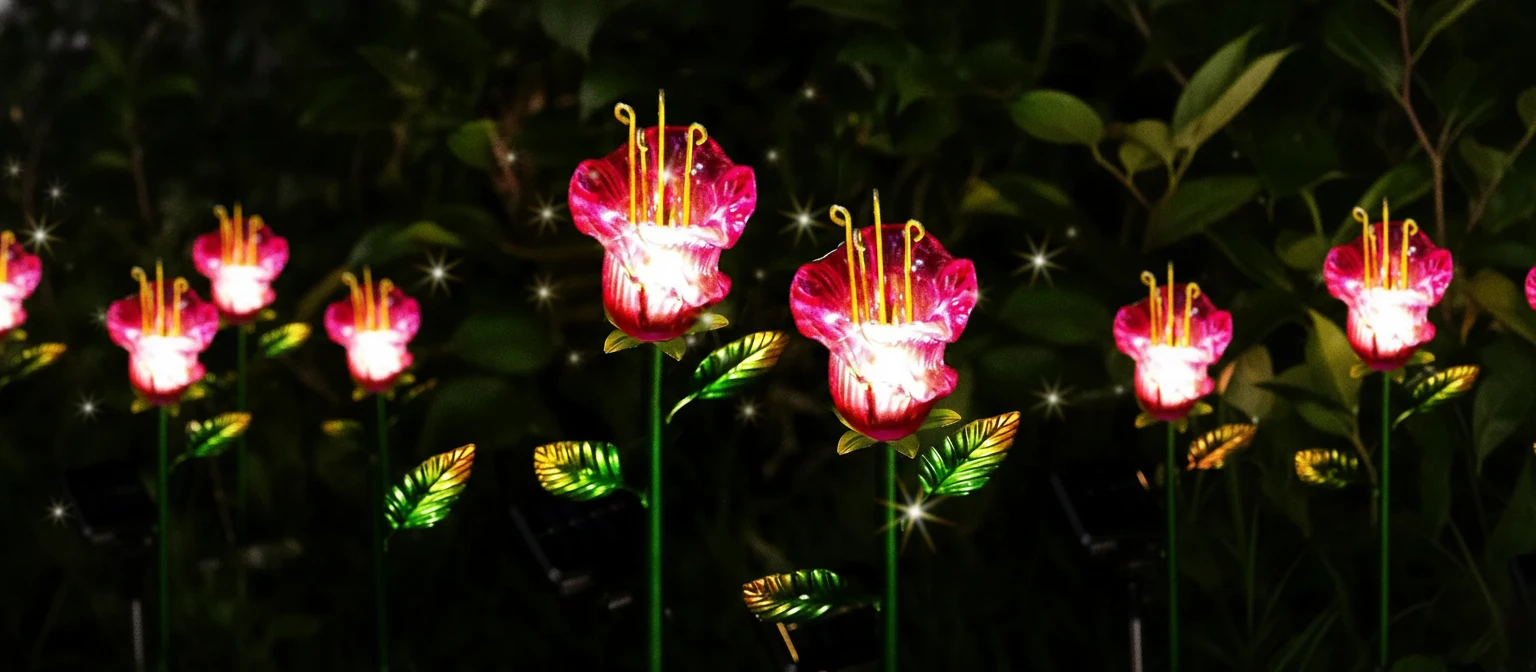
- Traditional lantern style
- Maximum light transmission
- Shows internal components
Frosted/Textured Glass:
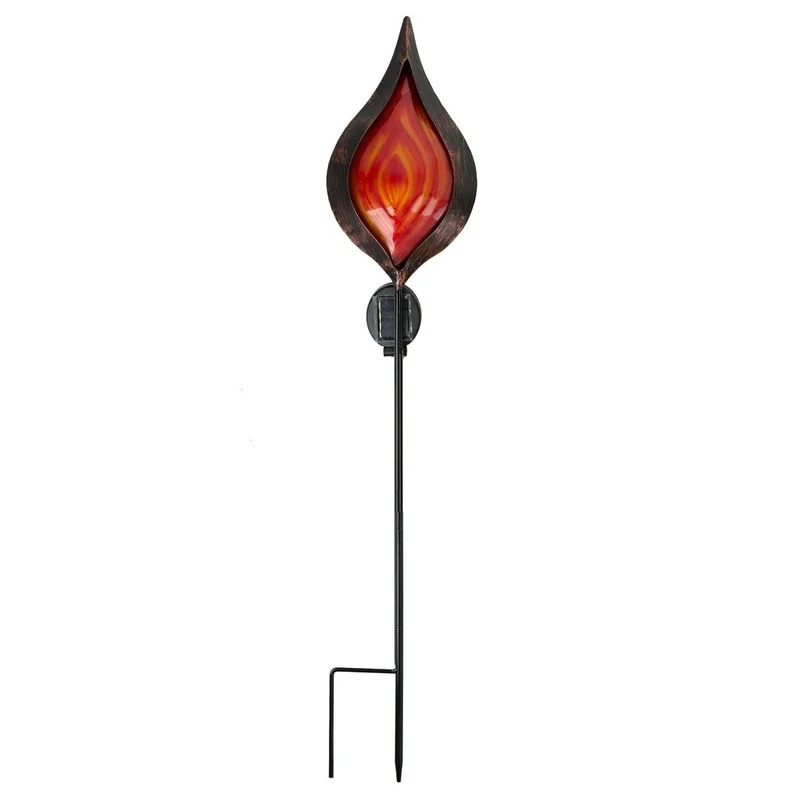
- Soft light diffusion
- Hides internal parts
- Elegant appearance
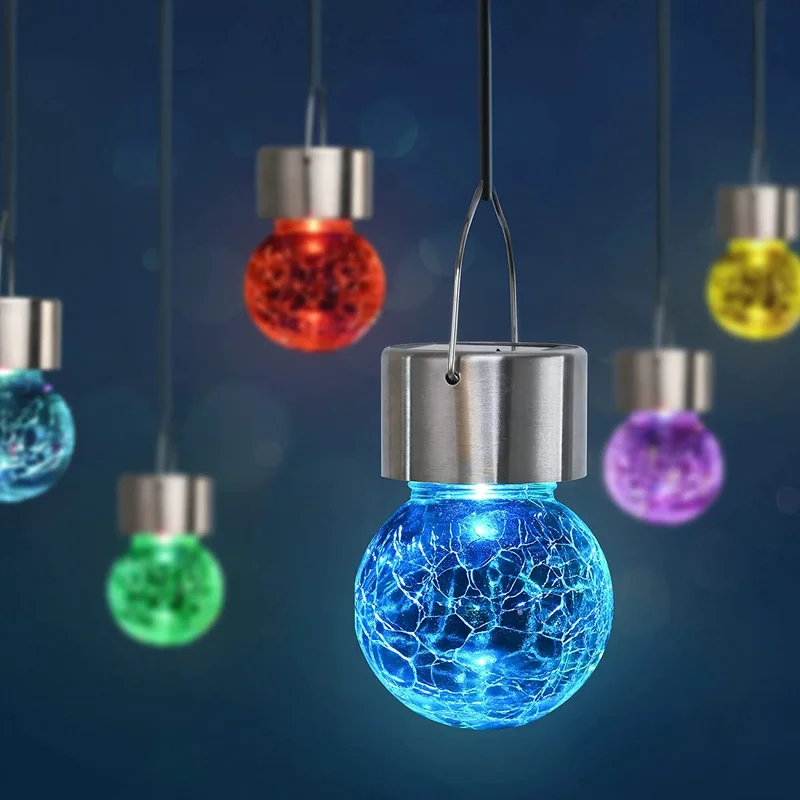
Colored Glass:
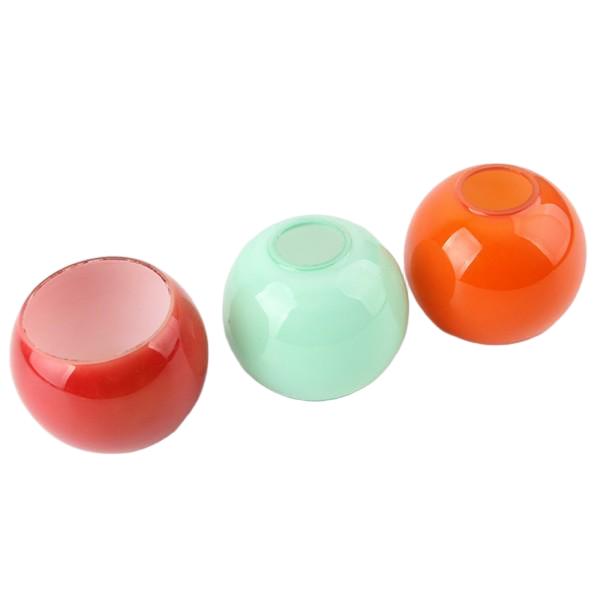
- Tinted light output
- Decorative accent
- Vintage aesthetic
Browse our glass solar lights collection (169 products) and glass ball solar lights (15 products).
Advantages
Light Quality: Glass offers:
- Superior light transmission (90%+ for clear glass)
- Beautiful light diffusion (crackled glass)
- No yellowing over time
- Sparkle and brilliance
Premium Aesthetic: Glass provides:
- Elegant, upscale appearance
- Vintage or modern styles
- Jewelry-like quality
- Timeless design
UV Resistance: Glass doesn’t degrade in sunlight—it’s completely UV-stable.
Easy Cleaning: Smooth surface wipes clean easily.
Disadvantages
Fragility: Glass breaks from:
- Accidental impacts
- Falling over
- Hail or falling branches
- Lawn equipment contact
- Freeze-thaw stress (if water enters)
Weight: Heavier than plastic, increasing shipping costs.
Limited Shapes: Glass can’t replicate complex organic forms like resin.
Safety Concerns: Broken glass creates sharp hazards, especially around children or pets.
Temperature Sensitivity: Rapid temperature changes can crack glass.
Best Applications

Glass works best for:
- Hanging lights: Protected from ground-level impacts
- Table centerpieces: Controlled environment
- Covered patios: Shelter from weather
- Low-traffic areas: Reduced accident risk
- Decorative accents: Globe and pebbles solar lights for visual interest
Avoid glass for:
- High-traffic pathways
- Homes with children/pets
- Windy, exposed locations
- Areas with frequent storms
Lifespan & Maintenance
Expected Lifespan: 3-6 years (if not broken)
Maintenance:
- Clean with glass cleaner for sparkle
- Check seals to prevent water entry
- Secure firmly to prevent tipping
- Store indoors during severe weather
- Inspect for cracks after storms
Head-to-Head Comparison
Durability Test Results
Based on our factory testing (1,000 units per material, 12-month outdoor exposure):
| Material | Impact Resistance | UV Fade Resistance | Water Damage | Overall Durability Score |
|---|---|---|---|---|
| Resin | Good (minor chips) | Excellent (with UV stabilizers) | Excellent (when sealed) | 8.5/10 |
| Iron/Metal | Excellent | Excellent | Fair (rust risk) | 8.0/10 |
| Plastic (ABS) | Good | Good (with UV stabilizers) | Excellent | 7.0/10 |
| Plastic (PS) | Poor (cracks) | Poor (fades quickly) | Good | 4.0/10 |
| Glass | Poor (shatters) | Excellent | Good (if sealed) | 6.0/10 |
Weather Resistance by Climate
| Climate Type | Best Material | Second Best | Avoid |
|---|---|---|---|
| Hot & Dry (Arizona, Nevada) | Resin, Metal | Quality Plastic | Budget Plastic |
| Hot & Humid (Florida, Gulf Coast) | Resin, Stainless Steel | Quality Plastic | Iron (rust risk) |
| Cold & Snowy (Northern states) | Metal, Resin | – | Glass, Budget Plastic |
| Coastal (Salt air) | Stainless Steel, Resin | – | Iron, Budget Plastic |
| Moderate (Most of US) | Any quality material | – | Budget Plastic |
Weight Comparison
| Material | Typical Weight (Small Decorative) | Shipping Impact | Wind Resistance |
|---|---|---|---|
| Resin | 300-800g (10-28 oz) | Medium cost | Good |
| Iron/Metal | 500-1500g (18-53 oz) | High cost | Excellent |
| Plastic | 100-300g (3.5-10 oz) | Low cost | Poor (needs stakes) |
| Glass | 200-600g (7-21 oz) | Medium cost | Fair |
Design Flexibility Ranking
- Resin (10/10): Unlimited shapes, textures, and details
- Plastic (8/10): Complex shapes via injection molding
- Glass (6/10): Limited to simple geometric forms
- Metal (5/10): Best for linear, structural designs
Best Material by Use Case
For Pathway Lighting
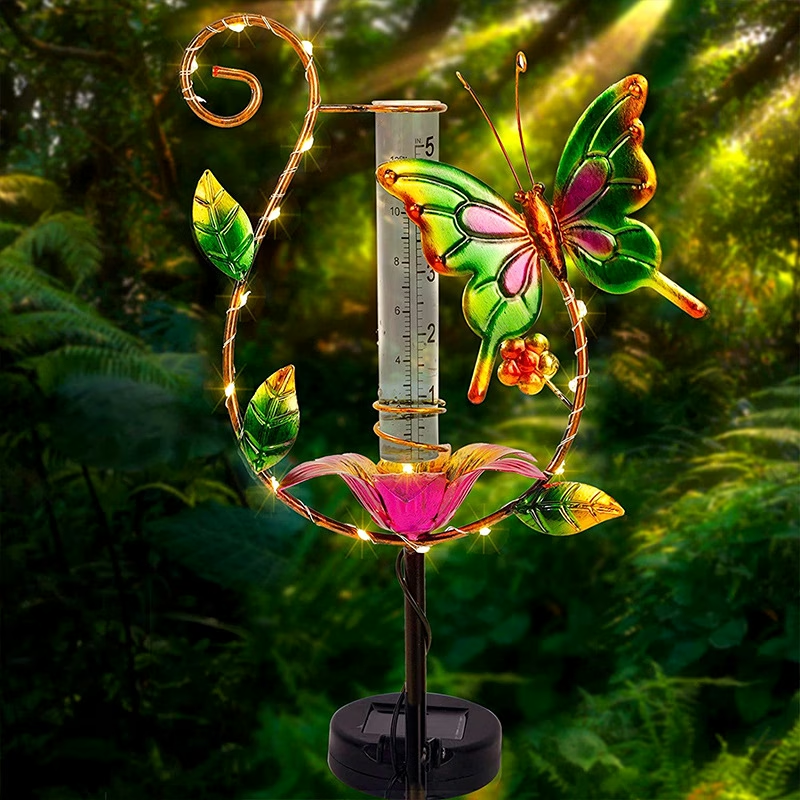
Winner: Metal or Quality Plastic
Why:
- Needs durability (foot traffic, lawn equipment)
- Structural strength for tall stakes
- Weather exposure requires UV resistance
Recommended: Stake and path solar lights with metal stakes and plastic or glass tops.
For Decorative Garden Accents
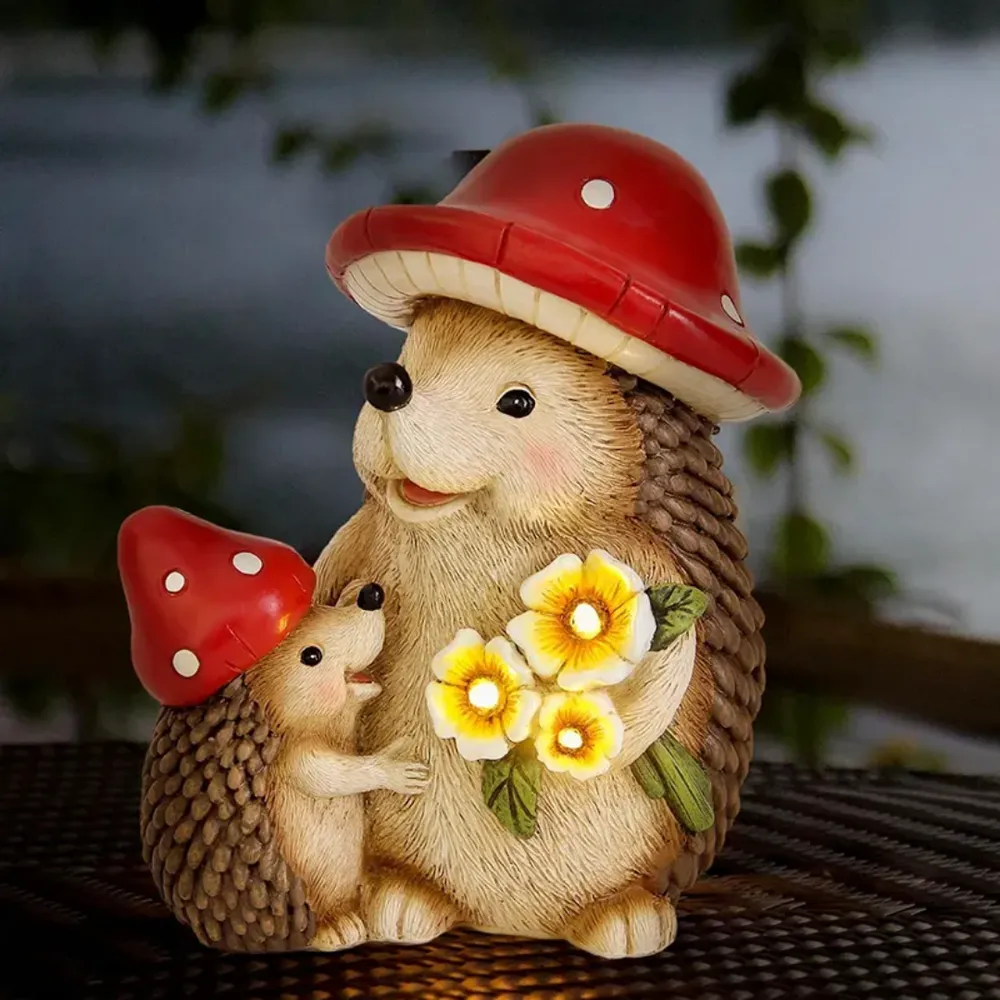
Winner: Resin
Why:
- Realistic animal and flower designs
- Weather-resistant
- Moderate weight (won’t blow away)
- Affordable for multiple pieces
Recommended: Animal solar lights, butterfly solar lights, or flower solar lights.
For Modern/Minimalist Landscapes
Winner: Metal (Stainless Steel)
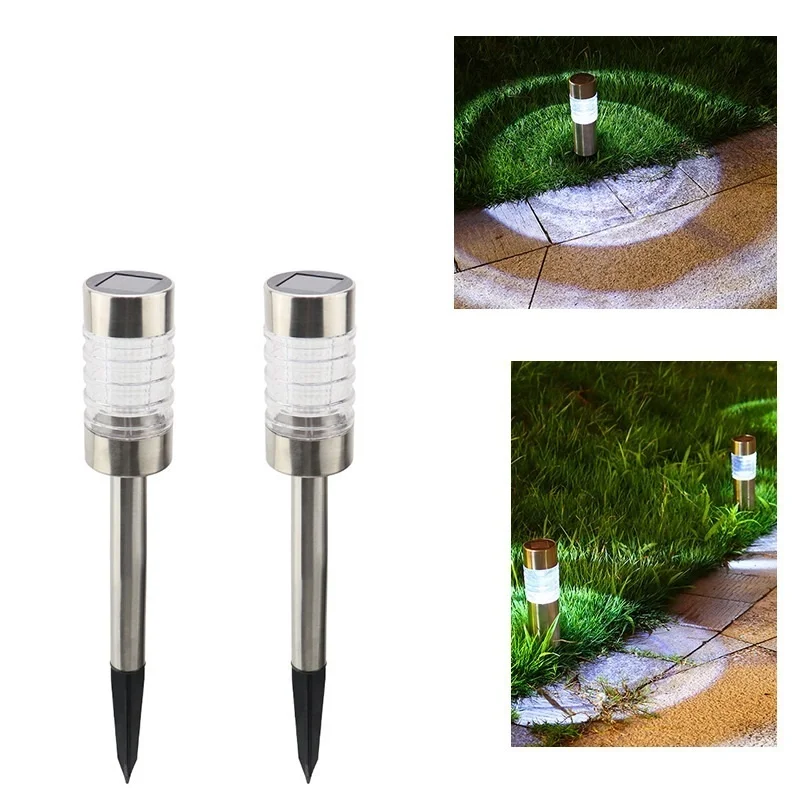
Why:
- Clean, contemporary aesthetic
- Long lifespan
- Professional appearance
- Structural integrity
Recommended: Stainless steel solar lights with geometric designs.
For Budget-Conscious Buyers

Winner: Quality Plastic (ABS)
Why:
- Lowest cost per unit
- Lightweight (cheap shipping)
- Adequate durability for 2-3 years
- Wide design selection
Recommended: Plastic solar lights with UV stabilizers.
For Elegant Table/Patio Decor
Winner: Glass
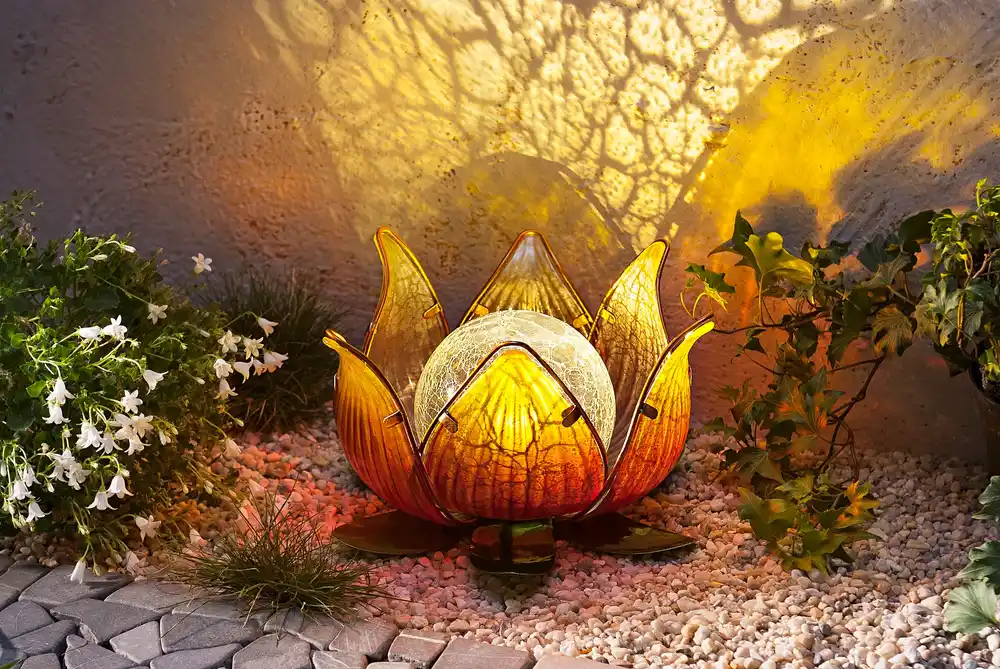
Why:
- Beautiful light quality
- Upscale appearance
- Protected environment reduces breakage risk
Recommended: Glass ball solar lights or hanging glass lanterns.
For Coastal/High-Salt Environments
Winner: Stainless Steel or Resin
Why:
- Stainless steel resists salt corrosion
- Quality resin with proper sealing handles humidity
- Avoid iron (rusts quickly) and budget plastic (degrades)
For High-Wind Areas
Winner: Metal or Heavy Resin
Why:
- Weight prevents tipping
- Structural strength
- Low center of gravity
For Pool/Water Features
Winner: Resin or Quality Plastic
Why:
- Water-resistant when properly sealed
- Won’t rust like metal
- Check waterproof ratings: IP44 vs IP65 vs IP67 guide
Best Materials for Grave & Cemetery Solar Lights
Cemetery solar lights are typically installed outdoors year-round and receive minimal maintenance. Because of this, material durability becomes more important than decorative complexity.
Unlike temporary garden decorations, grave lights often need to withstand:
- Continuous UV exposure
- Rain, snow, and freeze–thaw cycles
- Long unattended outdoor use
- Consistent appearance across multiple seasons
For these reasons, the most common material structures used in cemetery solar lights include:
| Material Structure | Why It Works Well |
|---|---|
| Glass lantern + metal frame | Traditional memorial appearance and strong outdoor durability |
| Resin housing | Weather-resistant with stable decorative finish |
| Stainless steel components | Long lifespan and corrosion resistance |
Lower-grade plastics are generally avoided for permanent cemetery installations because prolonged UV exposure and temperature changes can lead to brittleness and discoloration.
If you want to understand how these material choices affect product structure and reliability, see our guide to grave & cemetery solar lights.
Material Combinations
Many quality solar lights combine materials for optimal performance:
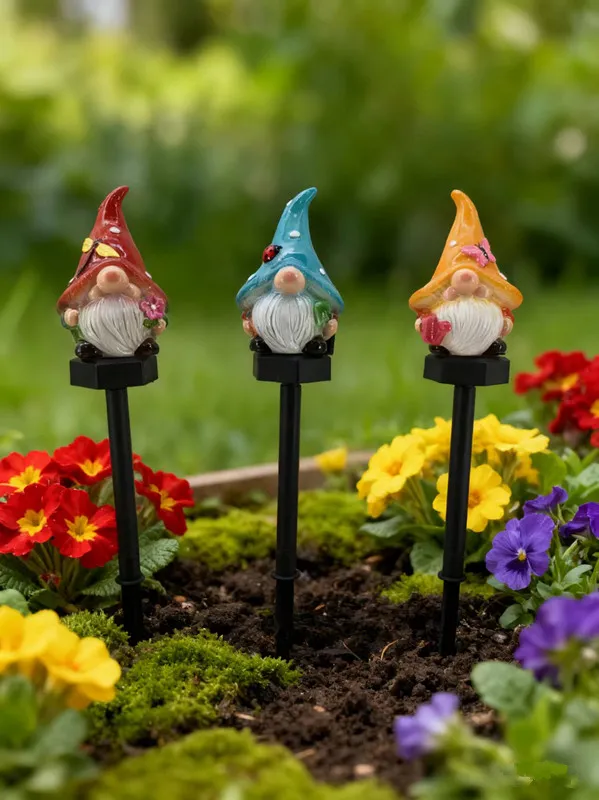
Resin Body + Metal Stake
Benefits:
- Decorative resin top (design flexibility)
- Sturdy metal stake (structural strength)
- Best of both materials
Common in: Garden figurines, pathway markers
Plastic Housing + Glass Lens

Benefits:
- Durable plastic structure
- Beautiful glass light diffusion
- Cost-effective
Common in: Pathway lights, lanterns
Metal Frame + Glass Panels
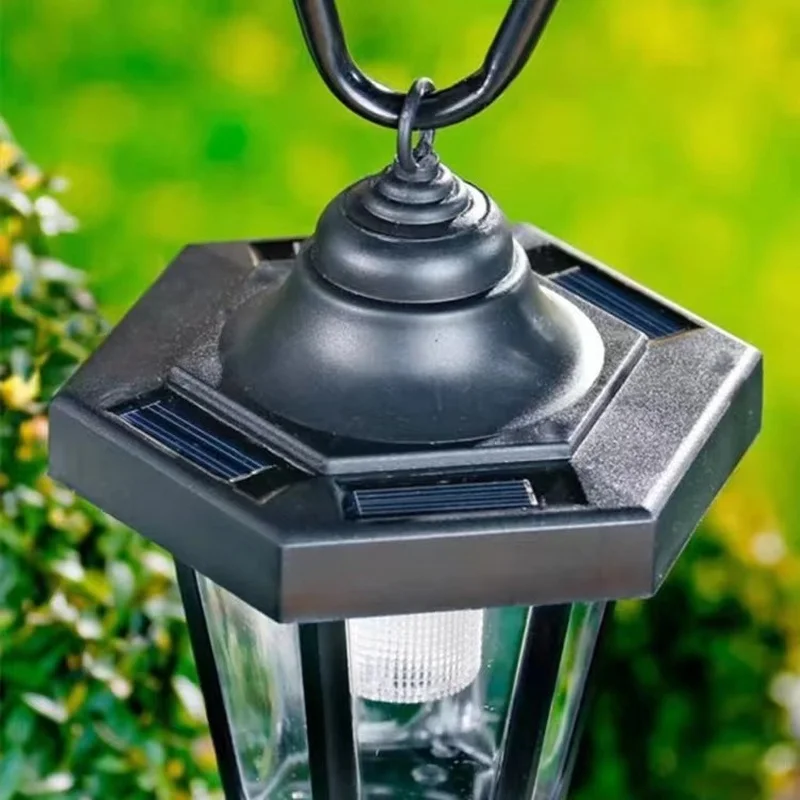
Benefits:
- Strong metal structure
- Elegant glass aesthetic
- Traditional lantern style
Common in: Hanging lanterns, vintage designs
Resin Base + Plastic Solar Panel Housing
Benefits:
- Heavy resin prevents tipping
- Lightweight plastic top for easy solar panel positioning
Common in: Decorative stake lights
Cost Analysis
Material Cost Ranking (Relative Pricing)
From most affordable to premium:
- Budget Plastic (PS): Most affordable option
- Quality Plastic (ABS): Low to moderate pricing
- Resin: Moderate pricing
- Glass: Moderate to high pricing
- Powder-Coated Metal: High pricing
- Stainless Steel: Premium pricing
Total Cost of Ownership (5-Year Period)
| Material | Initial Investment | Replacement Frequency | Total 5-Year Value | Annual Cost |
|---|---|---|---|---|
| Budget Plastic | Lowest | Every 1-2 years (3 units) | Poor value | High |
| Quality Plastic | Low-Moderate | Every 2-3 years (2 units) | Good value | Moderate |
| Resin | Moderate | Once (maybe 2 units) | Excellent value | Low-Moderate |
| Glass | Moderate-High | Variable (breakage risk) | Fair value | Moderate |
| Metal | Highest | Rarely (1 unit) | Best value | Lowest |
Best Value: Resin or quality plastic (balance of cost and lifespan)
Lowest Long-Term Cost: Metal (if you can afford upfront investment)
Bulk Order Considerations
For wholesale buyers or large projects:
Material Cost Impact on MOQ:
- Plastic: Lower MOQ (500-1000 units)
- Resin: Medium MOQ (1000-2000 units)
- Metal: Higher MOQ (1000-3000 units)
- Glass: Medium-High MOQ (1000-2500 units)
Shipping Cost by Material (relative comparison for bulk orders):
- Plastic: Lowest shipping cost (lightweight)
- Resin: Moderate shipping cost (medium weight)
- Glass: Higher shipping cost (fragile, requires extra packaging)
- Metal: Highest shipping cost (heavy)
We offer OEM/ODM services for bulk orders with material customization options.
Environmental Impact
Material Sustainability Comparison
| Material | Recyclability | Production Impact | Biodegradability | Eco-Score |
|---|---|---|---|---|
| Resin | Low | Medium | No (100+ years) | 4/10 |
| Metal | High (100% recyclable) | High (energy-intensive) | N/A (doesn’t degrade) | 6/10 |
| Plastic | Medium (depends on type) | Medium | No (500+ years) | 3/10 |
| Glass | High (100% recyclable) | Medium | No (1M+ years) | 7/10 |
Eco-Friendly Considerations
Most Sustainable Choice: Metal (if recycled at end of life)
Least Sustainable: Budget plastic (often not recycled, becomes microplastics)
Best Compromise: Quality resin or plastic with UV stabilizers (longer lifespan = less waste)
Solar Benefit: All solar lights reduce electricity consumption and carbon footprint compared to wired lighting.
How to Identify Quality Materials
Resin Quality Checkers
✅ Good Quality Indicators:
- Heavy weight (stone powder content)
- Matte or textured finish
- Detailed, crisp molding
- Uniform color (no blotches)
- Smooth seams
- "UV-resistant" or "weatherproof" labeling
❌ Poor Quality Red Flags:
- Lightweight (too much filler)
- Glossy, plastic-like appearance
- Soft, chalky texture
- Visible air bubbles
- Rough seams
- No weather resistance claims
Metal Quality Checkers
✅ Good Quality Indicators:
- "Stainless steel" or "powder-coated steel" specified
- Thick metal (not flimsy)
- Smooth, even coating
- No visible rust or corrosion
- Welded joints (not glued)
- Weight feels substantial
❌ Poor Quality Red Flags:
- Generic "metal" or "iron" without details
- Thin, bendable metal
- Uneven coating or bare spots
- Rust spots (even if new)
- Glued connections
- Suspiciously lightweight
Plastic Quality Checkers
✅ Good Quality Indicators:
- "ABS" or "high-grade PP" specified
- "UV-stabilized" or "UV-resistant" labeling
- Thick walls (2-3mm+)
- Matte or textured finish
- Reinforced stress points
- Consistent color throughout
❌ Poor Quality Red Flags:
- Generic "plastic" without type
- No UV protection mentioned
- Thin, flexible walls
- Glossy, cheap appearance
- Visible mold lines
- Color variations or streaks
Glass Quality Checkers
✅ Good Quality Indicators:
- Thick glass (3-5mm)
- Smooth edges (no sharp points)
- Even crackle pattern (if crackled)
- Secure mounting
- Sealed joints
- "Tempered glass" (if available)
❌ Poor Quality Red Flags:
- Thin glass (<2mm)
- Sharp, unfinished edges
- Uneven or sparse crackle
- Loose fitting
- Visible gaps in seals
- Regular glass (breaks easily)
FAQ
Which material lasts longest for solar garden lights?
Metal (stainless steel) lasts longest at 5-10 years, followed by quality resin at 3-5 years. However, for decorative figurines and ornamental designs, resin offers better value due to superior design flexibility and moderate cost.
Is resin better than plastic for decorative solar lights?
Yes, for most decorative applications. Resin offers:
- More realistic textures (stone, wood, ceramic)
- Better weight (won’t tip over)
- Superior detail in animal and flower designs
- Longer lifespan (3-5 years vs 2-4 years)
Plastic is better only when:
- Budget is extremely tight
- Lightweight is essential (hanging lights)
- Simple geometric designs are sufficient
Do glass solar lights break easily?
Yes, glass is fragile. Our testing shows:
- 15% breakage rate in first year (outdoor ground placement)
- 5% breakage rate (hanging or protected placement)
- Most breaks from accidental impacts, not weather
Recommendation: Use glass only in low-traffic areas, hanging applications, or protected patios. Avoid for pathway lighting or homes with children/pets.
Will metal solar lights rust?
It depends on the metal type and coating:
- Stainless steel: Highly rust-resistant, even in coastal areas
- Powder-coated steel: Rust-resistant until coating chips (3-7 years)
- Bare iron/steel: Will rust quickly (avoid)
Rust prevention tips:
- Choose stainless steel for coastal/humid climates
- Inspect powder coating annually for chips
- Touch up scratches immediately
- Apply protective wax in high-salt environments
How do I know if plastic solar lights have UV protection?
Check for these indicators:
- Product description mentions "UV-stabilized" or "UV-resistant"
- Material specified as "ABS" or "high-grade PP"
- Manufacturer provides UV protection specifications
- Matte or textured finish (not glossy)
- Warranty covers fading (1+ years)
If not mentioned: Assume no UV protection. Budget plastic without UV stabilizers fades within 6-12 months.
Can I leave decorative solar lights outside year-round?
Yes, but it depends on material and climate:
Safe year-round (all climates):
- Quality resin with UV stabilizers
- Stainless steel
- Quality ABS plastic with UV protection
Safe in moderate climates only:
- Powder-coated metal (avoid coastal salt)
- Budget plastic (avoid extreme heat/cold)
Bring indoors for winter:
- Glass (freeze-thaw risk)
- Budget plastic in cold climates (<-10°C/14°F)
Best practice: Store all solar lights indoors during off-season to maximize lifespan.
What’s the best material for animal-shaped decorative lights?
Resin is the clear winner for animal designs because:
- Captures fine details (fur texture, facial features)
- Realistic stone or ceramic appearance
- Durable enough for outdoor use
- Moderate weight prevents tipping
Browse our animal solar lights collection featuring butterfly solar lights, frog solar lights, and rabbit solar lights.
Are expensive metal decorative lights worth it?
Worth it if:
- You want 5-10 year lifespan
- Modern/minimalist aesthetic matches your landscape
- You live in high-wind or extreme weather areas
- You’re making a long-term investment
Not worth it if:
- You prefer organic, realistic designs (animals, flowers)
- Budget is limited
- You like changing decorations frequently
- You need multiple pieces for large areas
Best value: Quality resin offers comparable durability at a more accessible price point.
How do material choices affect solar panel performance?
Material doesn’t directly affect solar performance, but it impacts:
Housing design: Metal and plastic allow integrated solar panel housings. Resin often requires separate solar panel units.
Heat dissipation: Metal dissipates heat better, potentially extending battery life in hot climates.
Weight distribution: Heavier materials (resin, metal) provide stable solar panel positioning.
Durability: Material protects internal components. Quality materials = longer-lasting electronics.
Learn more about our solar power module assembly process, monocrystalline vs polycrystalline solar panels, and lithium vs NiMH vs NiCd batteries for complete solar light performance.
Can I mix different materials in my garden lighting?
Absolutely! Mixing materials creates visual interest:
Successful combinations:
- Resin animal figurines + metal pathway stakes
- Glass hanging lights + resin ground decorations
- Metal modern accents + resin traditional pieces
- Plastic functional lights + resin decorative accents
Design tip: Maintain consistent lighting color (warm white or cool white) even when mixing materials.
What material is safest around children and pets?
Safest options:
- Quality plastic (ABS): Lightweight, won’t shatter, no sharp edges
- Resin: Durable, no sharp edges, moderate weight
Avoid:
- Glass: Shatters into sharp pieces
- Cheap plastic: Breaks into sharp fragments
- Metal with sharp edges: Can cause cuts
Additional safety: Choose lights with:
- Rounded edges
- Stable bases (won’t tip easily)
- Cool-touch LED bulbs
- Sealed battery compartments
About Our Data
This comparison is based on:
Manufacturing Experience: 15+ years producing solar garden lights at our factory, with over 2 million units manufactured annually. Visit our factory or watch our manufacturing video to see our production process.
Testing Data:
- 1,000+ units per material tested over 12 months
- Outdoor exposure in 5 different climate zones
- Impact, UV, and water resistance testing
- Real-world customer feedback from 50,000+ installations
Quality Standards: All our products meet international quality certificates including CE, RoHS, and IP rating standards.
Material Expertise: Our manufacturing process includes dedicated production lines for each material type, ensuring optimal quality control.
Product Range: We maintain active inventory of:
- 426 resin solar lights
- 637 plastic solar lights
- 169 glass solar lights
- 10 stainless steel solar lights
Conclusion
Material selection becomes especially important for outdoor installations such as pathway lighting, landscape lighting, and cemetery solar lights where products remain exposed to the elements year-round.
Final Recommendations
Best Overall Material: Resin
- Ideal balance of durability, design flexibility, and cost
- Perfect for decorative figurines, animals, and ornamental pieces
- 3-5 year lifespan with proper care
- Best choice for most small decorative solar light applications
Best for Longevity: Stainless Steel
- 5-10 year lifespan
- Modern aesthetic
- Higher upfront cost justified by durability
- Best for minimalist, contemporary designs
Best Budget Option: Quality ABS Plastic
- Affordable entry point
- 2-4 year lifespan
- Adequate for temporary or seasonal displays
- Must have UV stabilizers
Best for Elegance: Glass
- Beautiful light quality
- Premium appearance
- Use only in protected, low-traffic areas
- Not recommended for primary garden lighting
Your Next Steps
1. Assess Your Needs:
- Climate conditions (hot, cold, humid, coastal)
- Design preferences (realistic, modern, traditional)
- Budget constraints
- Expected lifespan requirements
2. Choose Your Material:
- Decorative accents: Browse decorative garden solar lights
- Animal designs: Explore animal solar lights
- Flower styles: Check flower solar lights
- Modern looks: View stainless steel solar lights
- Elegant accents: See glass ball solar lights
3. Verify Quality:
- Check material specifications (ABS, UV-stabilized, stainless steel)
- Look for weather resistance ratings
- Read warranty terms
- Verify manufacturer credentials
4. Consider Professional Support:
For bulk orders or custom designs, we offer OEM/ODM services with material customization, design consultation, and quality guarantees backed by our certifications.
Key Takeaways
✅ Resin dominates small decorative solar lights for good reason—it balances durability, design, and cost better than alternatives.
✅ Material quality matters more than material type—premium plastic outperforms cheap resin, quality glass beats budget metal.
✅ Match material to application—decorative figurines need resin, modern designs suit metal, protected areas can use glass.
✅ Climate drives material choice—coastal areas need stainless steel or resin, cold climates avoid glass and budget plastic.
✅ Long-term value beats initial cost—investing in quality materials saves money over 5 years.
Ready to Choose?
Start with our most popular solar garden light categories:
- Decorative outdoor solar garden lights – Main collection
- Stake and path solar lights – Functional + decorative
- Globe and pebbles solar lights – Modern accents
Or learn more about our manufacturing process and quality standards.
About Glowyard Lighting: We’re a professional solar light manufacturer with 15+ years of experience producing high-quality solar garden lights. Our factory specializes in resin, plastic, metal, and glass solar lights with strict quality control and international certifications. Learn more about our factory and quality certificates.
Need Custom Solutions? Contact us for OEM/ODM services including material selection, design customization, and bulk manufacturing.
Related Guides: IP44 vs IP65 vs IP67 Waterproof Ratings | Monocrystalline vs Polycrystalline Solar Panels | Lithium vs NiMH vs NiCd Batteries