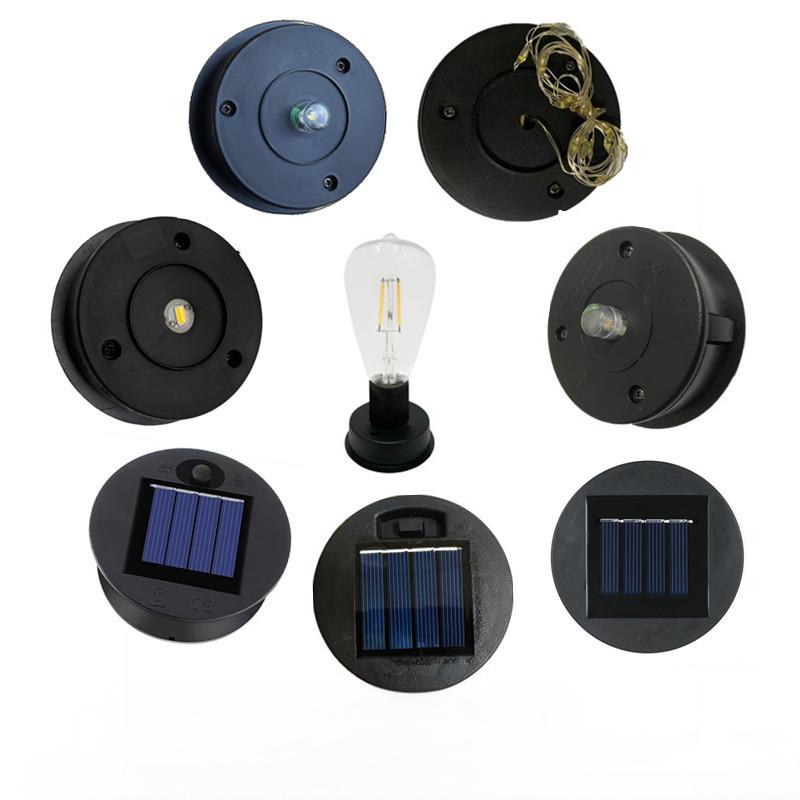
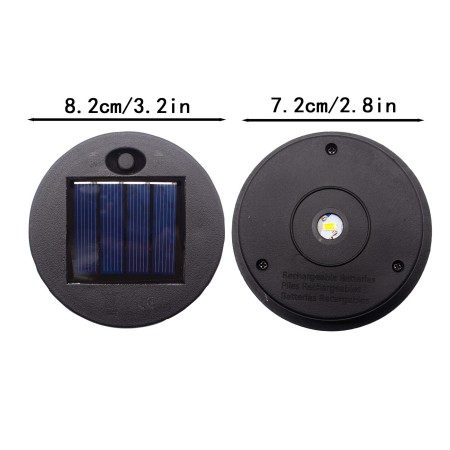
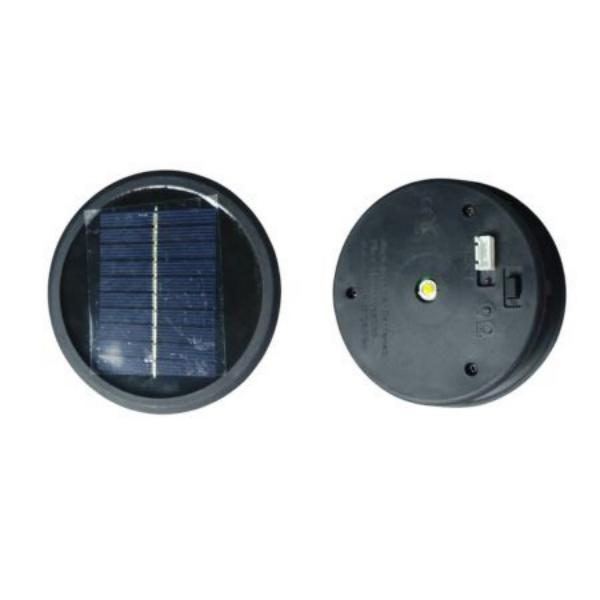
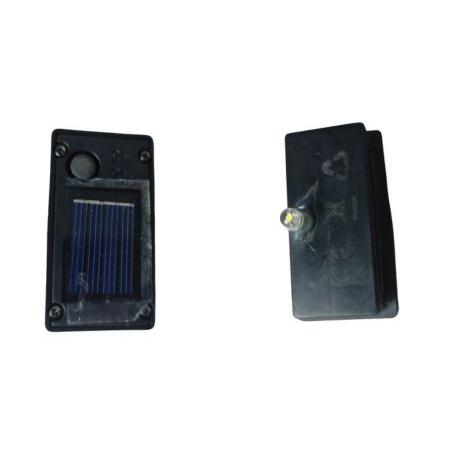
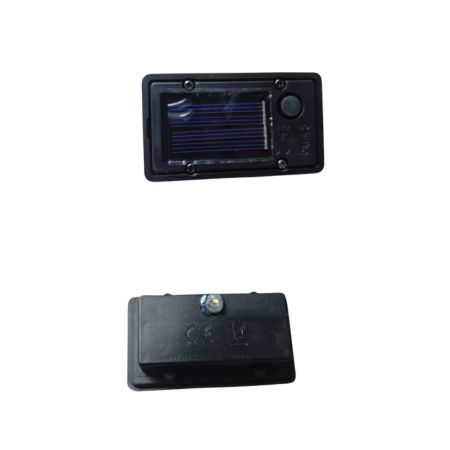
Solar Power Module Assembly for Garden Solar Lights

Integrated assembly of solar panels, battery boxes, sensors and control systems for stable outdoor performance.

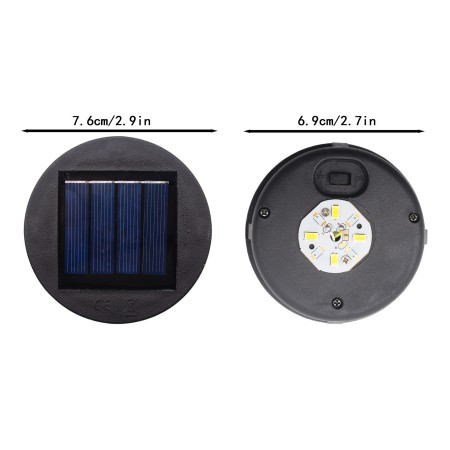
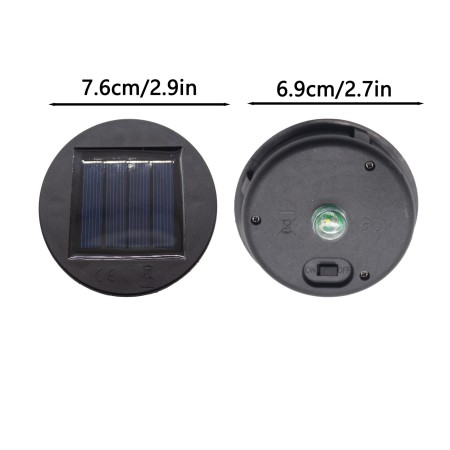
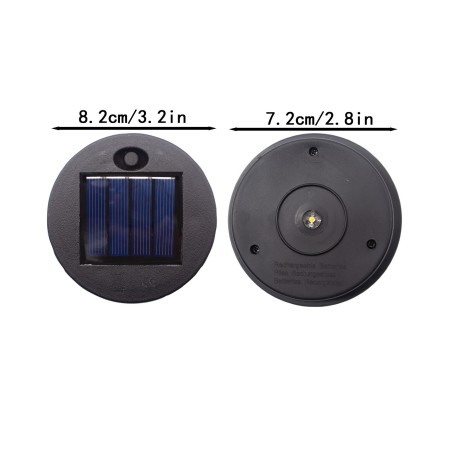
specification classification of solar battery boxes

More Solar
Power Module collection:

From Solar Panel to Complete Solar Power Module

In many garden solar lights on the market, components are sourced separately and assembled with minimal system verification.
This approach often leads to inconsistent brightness, short lifespan, and seasonal failures.

We take a system-based approach.

A complete solar power module includes:

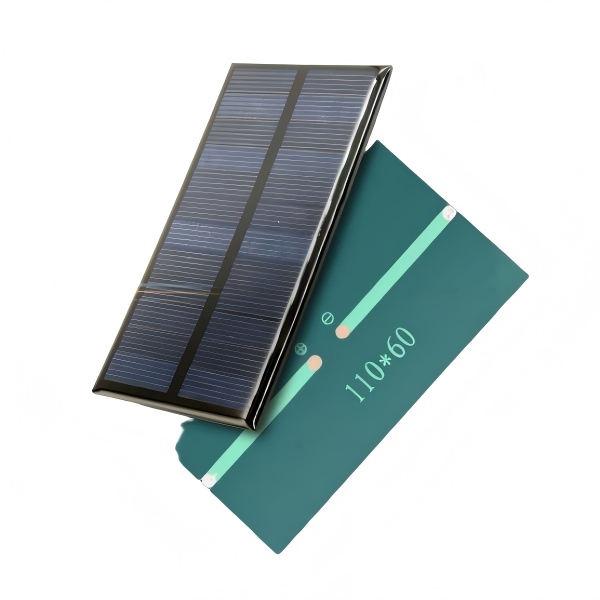
epoxy resin solar pannel

Solar panel (energy generation)

Converts sunlight into electrical energy to power the solar lighting system.
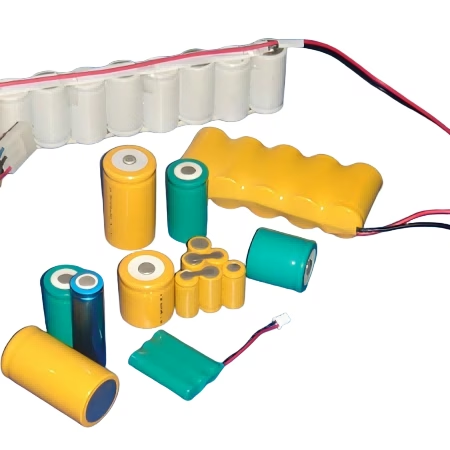
rechargeable battery

Battery (energy storage)

Stores solar energy and delivers stable power for nighttime illumination.
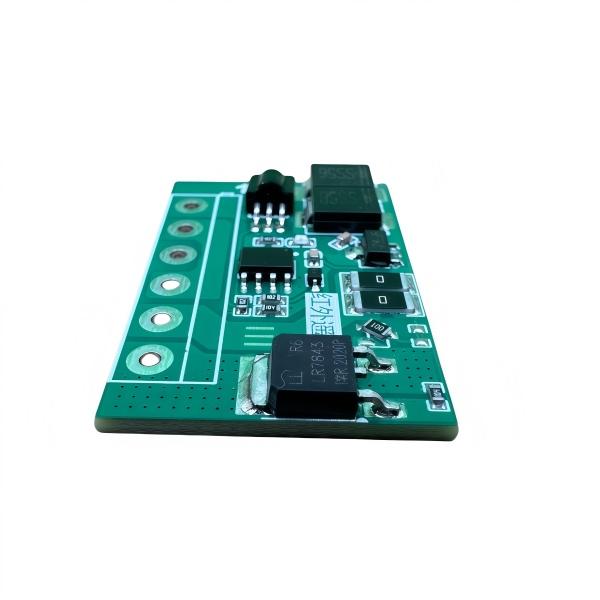
solar power control board (energy management)

Control board (energy management)

Manages charging, discharging, lighting logic, and battery protection.
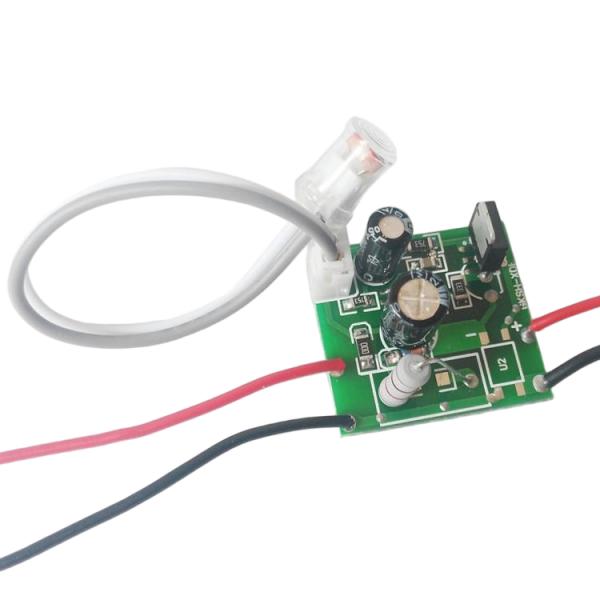
low voltage light controlled switch2

Sensors (lighting logic)

Detect ambient conditions and trigger automatic lighting operation.
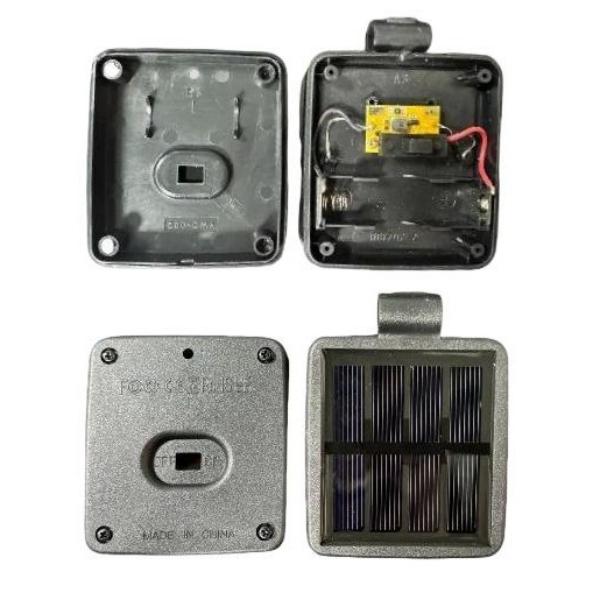
solar cell box part drawing(1)(1)

Sealed battery box (outdoor protection)

Protects internal components from moisture, dust, and outdoor exposure.

Only when these elements are properly matched and assembled can a solar light perform reliably in real outdoor environments.

Work with a Solar Power Module Manufacturer, Not a Component Assembler

At Glowyard, we do not assemble solar lights by combining off-the-shelf parts.
We design and assemble complete solar power modules with full responsibility for performance.

If you are looking for garden solar lighting solutions with stable quality, predictable performance, and reduced after-sales risk, our engineering team is ready to support your project.

Contact us to discuss your solar power module requirements or request a tested sample.

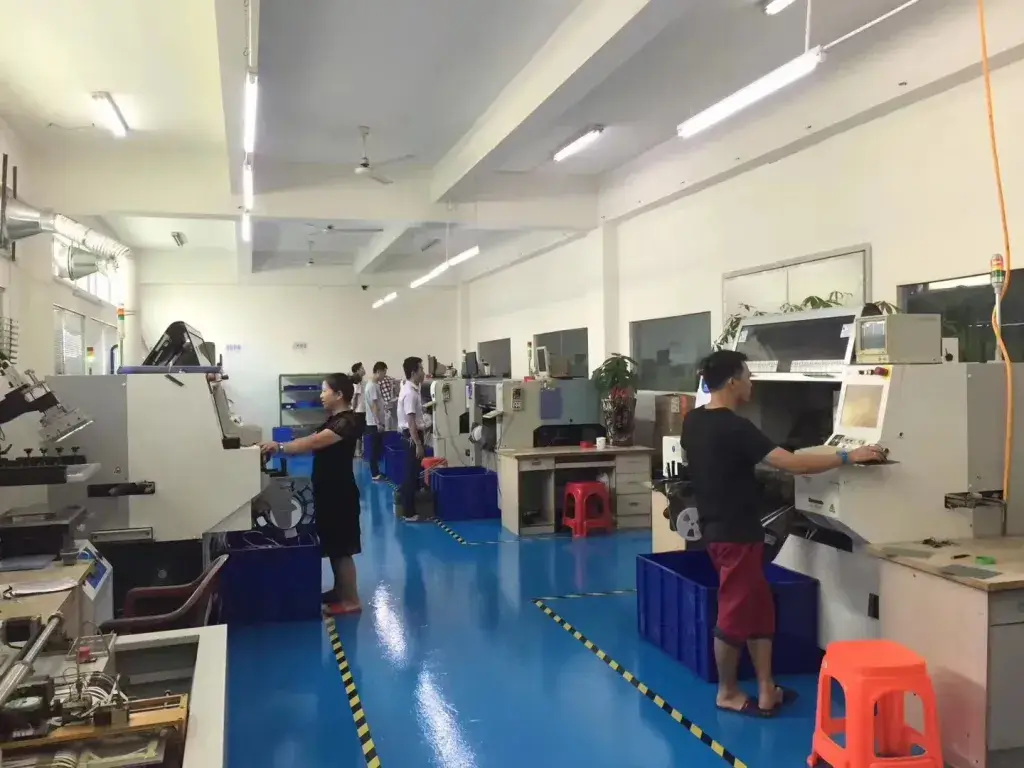
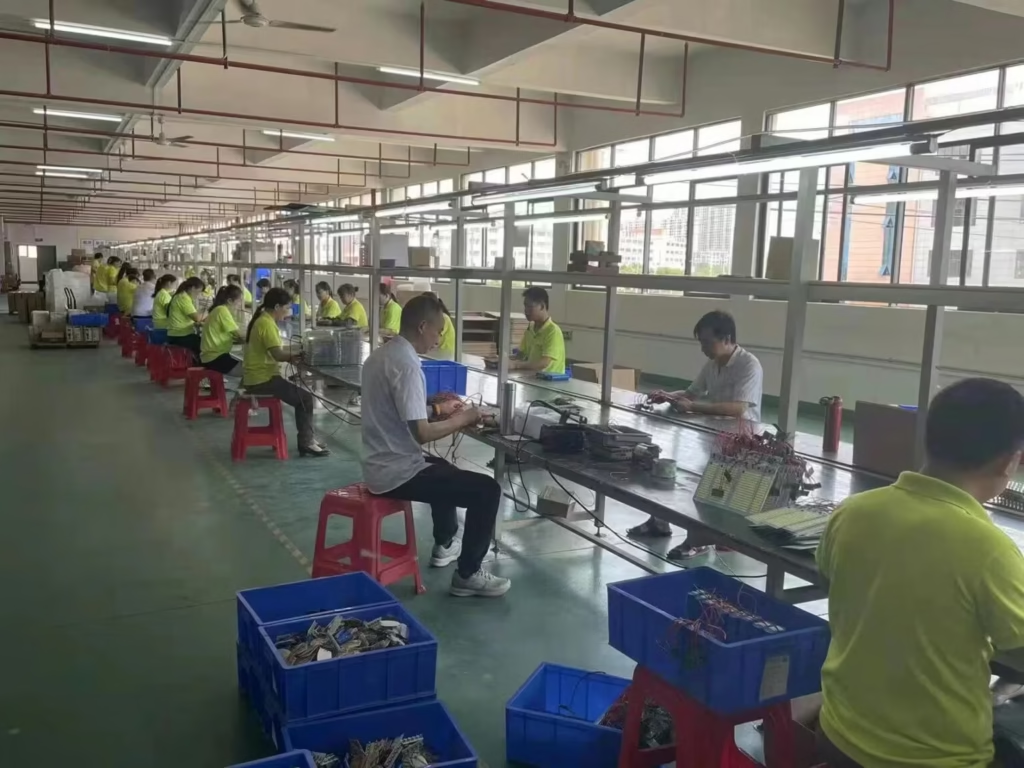
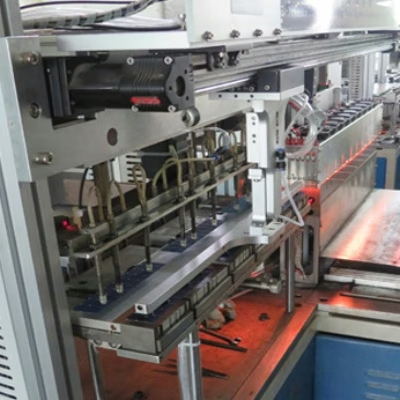
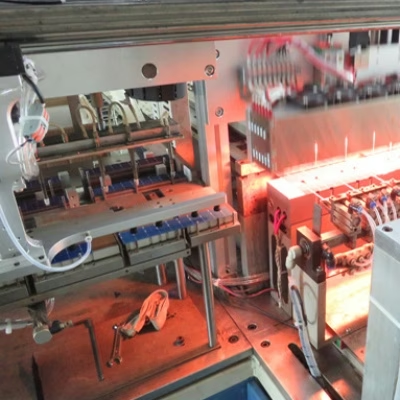
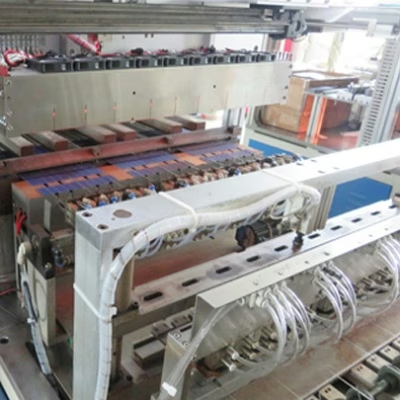
production workshop
Circuit board production workshop
fligreen
inspection
QC technician performing tests in a laboratory setting, ensuring product quality

Integrated Epoxy Solar Panel Manufacturing Process

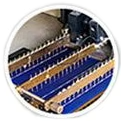
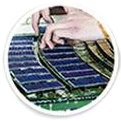
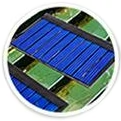
Our epoxy solar panels are produced through an integrated in-house process, covering cell testing, cutting, welding, encapsulation, and final inspection.
Each production step is strictly controlled to ensure consistent electrical output, structural stability, and long-term outdoor durability.

From single-cell testing and laser cutting to manual soldering, epoxy encapsulation, and finished product inspection, every panel is verified before assembly into solar lighting systems.
This process allows us to minimize performance variation, reduce defect rates, and deliver stable solar solutions for large-volume B2B orders.

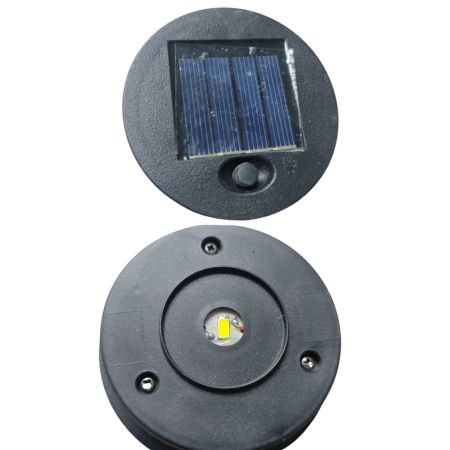
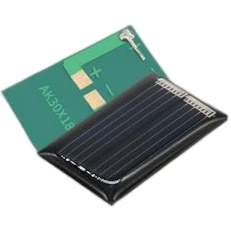
30x18mm 1v 40ma

30x18mm 1v/40ma

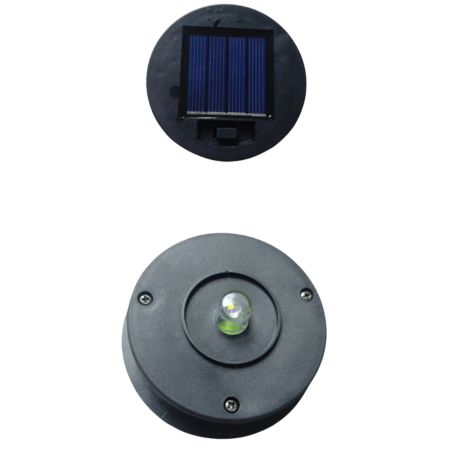
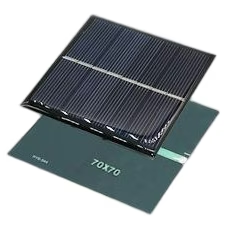
70x70mm 4v 150ma

70x70mm 4v/150ma

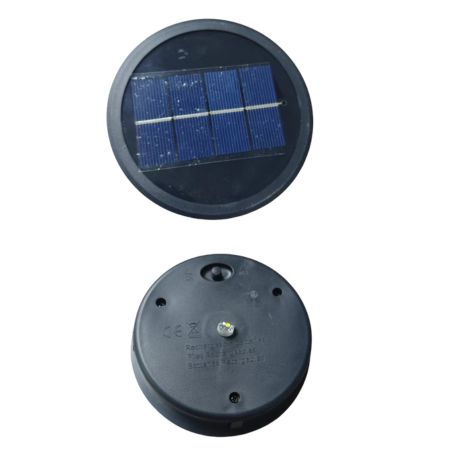
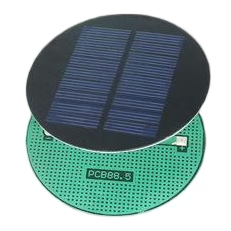
Φ88.5mm 4v 130ma

Φ88.5mm 4v/130ma

How Solar Panels for Garden Lights Are Made – Inside Glowyard’s Manufacturing Process

Solar garden lights rely heavily on the stability of their solar modules.

STEP 01

1.single chip test

single chip test

STEP 02

2.laser slicing

laser slicing

STEP 03

3.manual welding

manual welding

STEP 04

4.manual solder joint

manual solder joint

STEP 05

5.semi finished product testing

semi finished product testing

STEP 06

6.dispensing

dispensing

STEP 07

7.baked glue

baked glue

STEP 08

8.finished product testing

finished product testing

STEP 09

9.film application

film application

STEP 10

10.finished product packaging

finished product packaging

3-Step Quality Assurance Process

Every Solar Panel is Built for Reliability, Not Just Illumination

Before any GlowYard outdoor light leaves the factory, its solar panel goes through a dedicated quality-control sequence designed for long-term outdoor performance. From electrical stability to UV resistance and waterproof sealing, each step eliminates potential failure points so your customers receive solar lights that charge faster, last longer, and stay stable in every season.

electrical performance test

1. Electrical Performance Test

Purpose: Ensures consistent voltage, amperage, and overall charging efficiency.

uv & aging simulation

2. UV & Aging Simulation

Purpose: Validates long-term durability against sunlight, heat, and outdoor environments.

waterproof & seal integrity check

3. Waterproof & Seal Integrity Check

Purpose: Prevents moisture damage and ensures reliable outdoor performance.

Solar Battery Selection & Energy Storage

Battery Selection for Outdoor Solar Lights

Battery performance directly affects lighting duration, product lifespan, and safety.

We select batteries based on:

Oversized batteries increase cost without improving performance.
Undersized batteries shorten lighting time and reduce lifespan.

Balanced matching is essential.

Battery Integration & Protection

During assembly, batteries are integrated with:

This protects the battery from premature degradation and ensures long-term reliability.

Control Board & Energy Management System

Charging and Discharging Logic

The control board determines how efficiently solar energy is stored and used.

Our control system manages:

By optimizing control logic, we ensure energy is used efficiently rather than wasted.

Sensor Component Selection

Sensors play a critical role in lighting behavior and user experience.

Depending on product requirements, we integrate:

All sensor components are selected based on response accuracy, stability, and outdoor durability.

Solar Battery Box Assembly & Sealing

Structural Design of the Battery Box

The battery box protects all internal components from environmental damage.

Our battery box design focuses on:

Waterproof Sealing & Outdoor Protection

Most outdoor solar light failures originate from moisture entering the battery box.

To prevent this, we apply:

This ensures reliable performance under rain, humidity, and temperature changes.

Solar Power Module Testing & Verification

Before integration into finished solar lights, each solar power module undergoes:

iqc solar material inspection

Charging efficiency testing

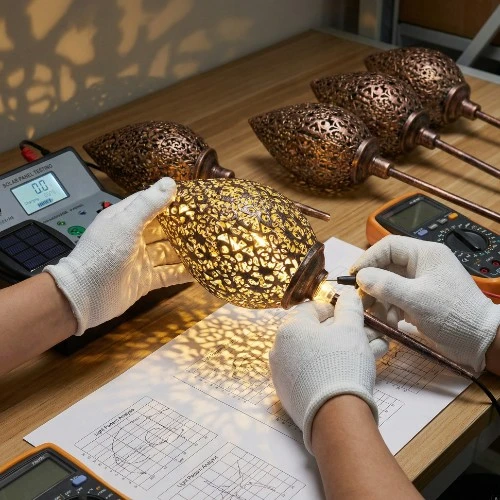
Our IQC, IPQC, FQC and OQC processes include checks on metal thickness, weld quality, coating coverage and assembly fit, not only basic function tests.
solar light quality inspection

Lighting duration verification

Confirms the solar power module delivers stable illumination for the required operating time after a full charging cycle.
solar light ipqc inspection

Light sensor response testing

Ensures sensors detect ambient light accurately and trigger on/off switching at the correct time without delay or false response.
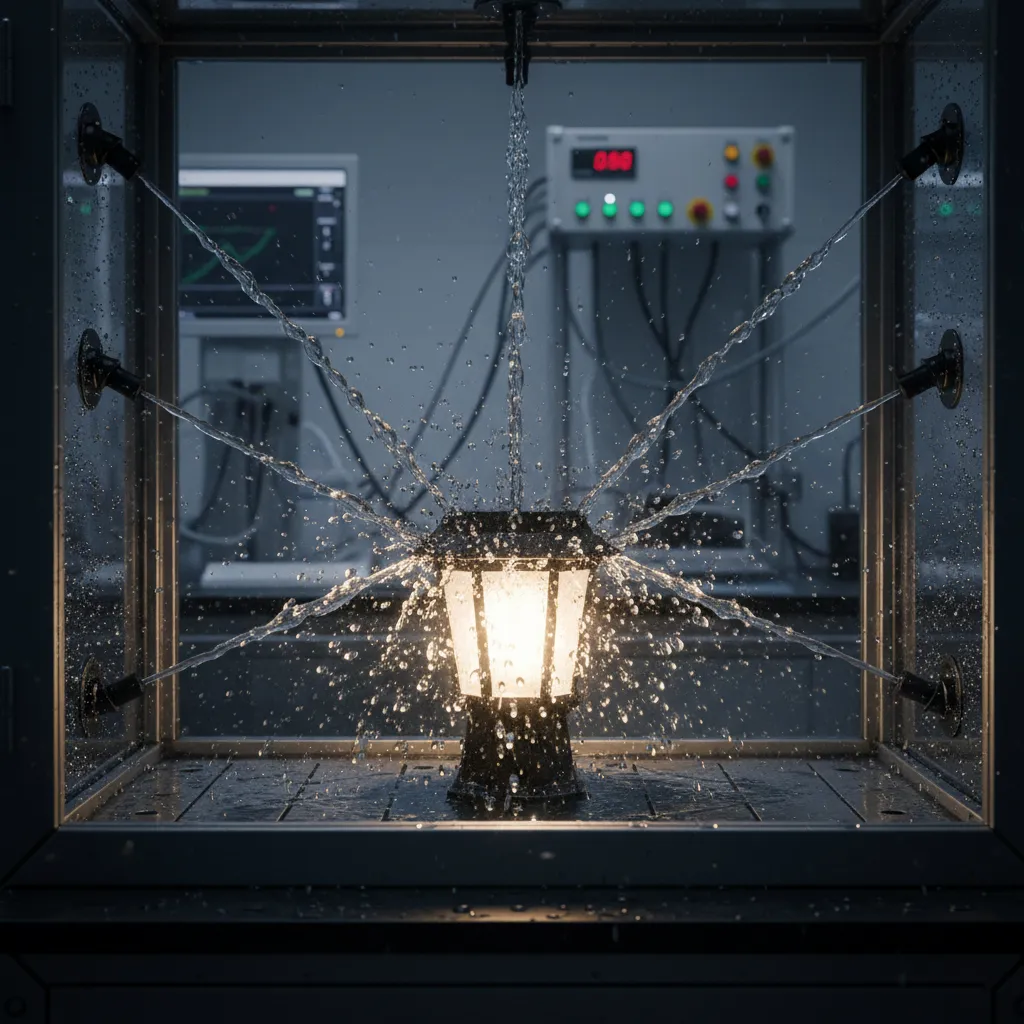
ip65 waterproof rating rain test chamber conducting spray simulation on a solar garden lantern.

Waterproof inspection

Checks sealing integrity of the battery box to prevent moisture ingress that could damage internal components.
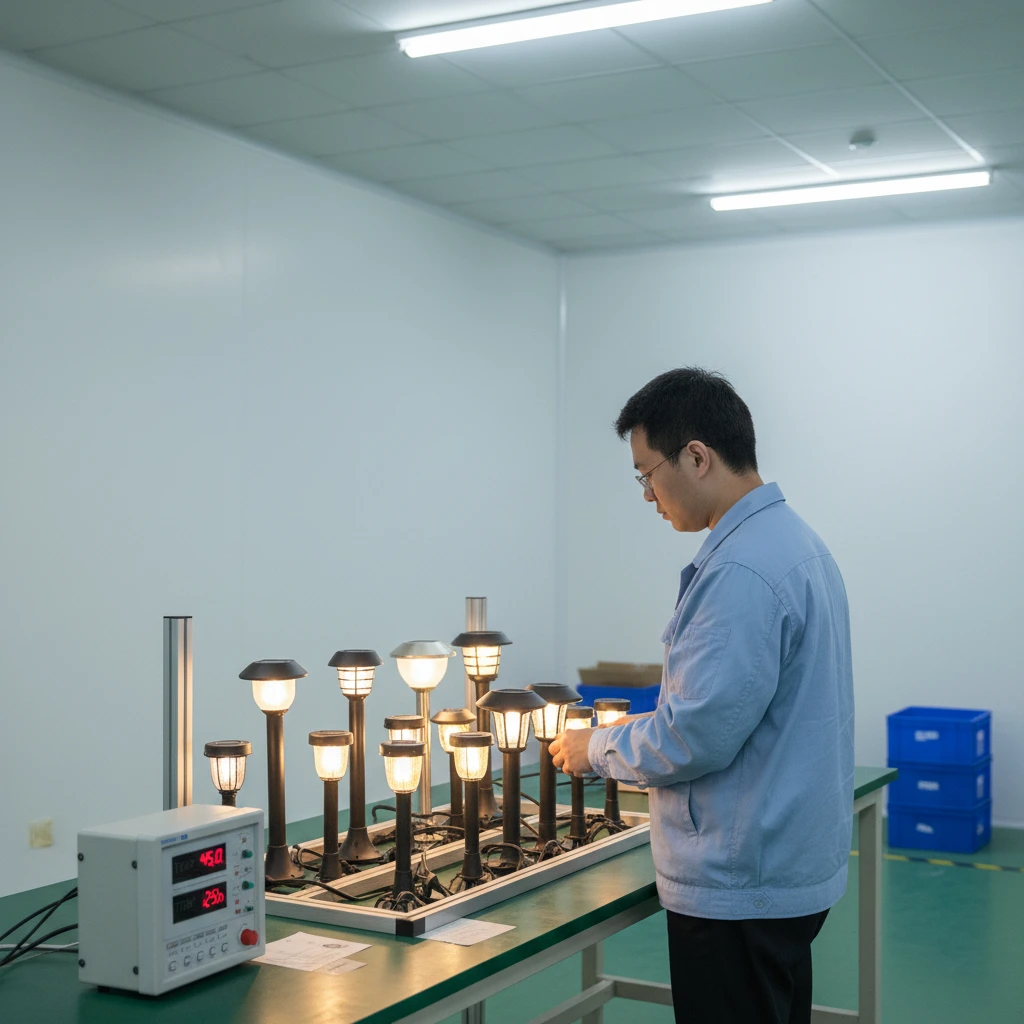
solar garden lights undergoing reliability and aging tests in the factory lab

Aging simulation

Simulates long-term outdoor use to identify performance degradation caused by repeated charging cycles and environmental exposure.

Common Solar Power Module Problems
We Help Buyers Avoid

By controlling solar power module assembly in-house, we help buyers avoid:

Uneven brightness within the same shipment

Usually caused by mixed-quality solar panels or inconsistent system matching, resulting in different charging and lighting performance across products in the same order.

Incorrect sensor response

Results from unstable light sensors or poorly calibrated control boards, causing lights to turn on too early, too late, or fail to respond consistently.

specification classification of solar battery boxes

Solar lights failing after one season

Often due to poor battery protection, moisture ingress, or improper charging logic, which accelerates battery aging and leads to early product failure.

Performance inconsistency between samples and bulk orders

Typically caused by component substitution or lack of system-level verification between sampling and mass production stages.

These issues are caused by poor system integration—not by individual parts alone.

OEM & ODM Solar Power Module Customization

We support OEM and ODM projects with flexible solar power module design, including:

Custom solar panel size and output

Solar panel dimensions and output are customized based on product structure, target market sunlight conditions, and required lighting duration to ensure efficient charging without unnecessary cost increase.

Battery type and capacity selection

Battery type and capacity are selected according to panel output, lighting time requirements, safety standards, and climate conditions to achieve stable performance and long service life.

Control logic and sensor configuration

Charging logic, lighting behavior, and sensor sensitivity are configured to match usage scenarios, ensuring accurate response, efficient energy use, and consistent operation across production batches.

Battery box structure and layout optimization

The battery box structure and internal layout are optimized to improve waterproof sealing, heat dissipation, and component stability, reducing failure risks in long-term outdoor environments.

This allows brands and buyers to balance performance, cost, and product design while maintaining long-term reliability.

Certified for Global Markets

Our factory holds BSCI, ISO 9001, and Sedex audits, and our products comply with CE, RoHS, FCC, UL, UKCA and more.

Designed for Global Solar Lighting Markets

Our solar power modules are engineered to perform across different regions:

european night view

Low-sunlight conditions in Europe

us nightscape

Seasonal retail demands in North America

australian nightscape

High-UV and high-temperature environments in Australia

System-level design ensures stable performance regardless of climate variation.

Solar Power Module Assembly: A Complete Buyer’s Guide for B2B Solar Light Procurement

A practical guide helping B2B buyers evaluate solar power module quality, system design, and supplier capability—beyond individual components.

Let’s know more about Metal Manufacturing

What is a solar power module in a garden solar light system?

A solar power module is the integrated energy system of a solar garden light. It includes the solar panel, battery, control board, sensors, and sealed battery box. Its performance determines charging efficiency, lighting duration, stability, and overall product lifespan.


Why is solar power module assembly more important than individual components?

Most solar light failures come from poor system integration rather than defective parts. Even high-quality panels or batteries will underperform if voltage, current, and control logic are mismatched. Assembly quality defines how reliably all components work together.


What problems do buyers face when solar power modules are poorly integrated?

Poor integration often leads to uneven brightness, short lighting duration, incorrect sensor behavior, battery swelling, and early product failure. These issues increase return rates and negatively affect brand reputation.


How does solar panel selection affect overall module performance?

Solar panel size, material, and output must be matched with battery capacity and system load. Oversized panels may overcharge batteries, while undersized panels result in insufficient charging. Stable output is more important than peak wattage.


What is the difference between epoxy, PET, and tempered glass solar panels?

Epoxy panels are low cost but degrade quickly under UV exposure. PET panels offer improved durability with moderate cost. Tempered glass panels provide the highest UV resistance and long-term stability for premium outdoor solar lights.


How should buyers evaluate solar panel output ratings?

Buyers should focus on real outdoor charging performance rather than laboratory peak values. Consistent voltage under low-light conditions is more important than maximum output under ideal sunlight.


How does battery selection impact lighting duration and lifespan?

Battery type and capacity directly affect runtime and cycle life. Incorrect matching causes shallow charging, deep discharge, or thermal stress. Different batteries such as Li-ion, LiFePO₄, and NiMH require different control strategies.


Why is the control board not just a power switch?

The control board manages charging current, over-discharge protection, sensor logic, and energy distribution. It functions as the energy management center, not a simple on/off switch.


What happens if control logic is poorly designed?

Poor control logic leads to battery damage, unstable brightness, false sensor triggering, and inconsistent performance between batches. These issues often appear only after extended outdoor use.


How do sensors influence real-world user experience?

Sensors determine when the light turns on and off. Poor sensitivity may cause daytime lighting or delayed activation at dusk. Stable sensor calibration ensures consistent behavior in different environments.


Why is sealed battery box design critical for outdoor solar lights?

The sealed battery box protects internal electronics from water, dust, insects, and temperature changes. Weak sealing leads to corrosion, short circuits, and early system failure even when internal components are high quality.


What waterproof standards should buyers look for?

For garden solar lights, an IP65 rating or higher is recommended. Consistent sealing during mass production is as important as passing laboratory waterproof tests.


How can buyers verify solar power module reliability before mass production?

Buyers should request system-level testing such as charging efficiency, lighting duration, sensor response, waterproof inspection, and aging simulation. Component certificates alone are not enough.


Why do samples perform well but bulk orders fail?

Samples are often assembled manually with extra attention. Without standardized assembly and testing processes, bulk production introduces variability and hidden defects.


What questions should buyers ask suppliers about in-house assembly?

Buyers should ask whether solar panel assembly, battery box sealing, control board programming, and final testing are done in-house. Internal control reduces inconsistency and accountability gaps.


How does OEM and ODM customization affect system reliability?

Proper customization allows correct matching of panel output, battery capacity, and control logic. Cosmetic customization without system redesign increases the risk of long-term failure.


What level of customization is reasonable for B2B projects?

Reasonable customization includes adjusting panel size, selecting battery type, tuning control logic, and optimizing housing structure. Extreme cost reduction without recalculation often compromises lifespan.


How can buyers balance cost and performance in solar modules?

The best approach is optimizing system efficiency rather than downgrading individual components. A balanced module reduces warranty issues and long-term return costs.


What documentation should buyers request from suppliers?

Buyers should request system wiring diagrams, charging curves, test reports, and aging test summaries. Transparent documentation indicates real engineering capability.


How does in-house testing improve long-term product consistency?

In-house testing identifies system-level weaknesses before shipment and ensures each batch meets the same functional standard rather than relying on visual inspection only.


What is the biggest hidden risk in solar garden light procurement?

The biggest risk is assuming certified components guarantee performance. Without system-level engineering, certified parts can still fail in outdoor conditions.


How should buyers evaluate a supplier’s solar power module expertise?

Buyers should look for clear explanations of system design logic instead of marketing claims. Suppliers who understand energy flow, protection mechanisms, and failure modes are more reliable partners.


Why does system-level control matter for brand reputation?

End users evaluate the final product, not its components. Consistent multi-season performance builds trust, reduces complaints, and strengthens brand value.


Final takeaway for B2B buyers

A solar power module is a complete engineered system, not a parts list. Buyers who prioritize integration, testing, and energy management achieve lower return rates and more stable long-term sales.

Send Us Inquiry


Wanna Customize Your Solar Outdoor Lighting?

Glowyard Lighting Are here to help!

Scroll to Top

Plan Your Next Order Early – Don’t Miss the Peak Season!

- Free samples for qualified buyers
- OEM & ODM for solar garden lights
- Full pre-shipment QC and warranty support


Ask For Our Latest Catalog.