Resin Craft & Mold Development
We design and produce custom resin components using high-precision molds and outdoor-grade resin blends. From animal figurines to intricate garden statues, our team handles sculpting, mold creation, pouring and surface finishing. Each piece is made to withstand UV exposure, temperature changes, and long-term outdoor use—ideal for brands seeking unique and market-ready garden solar designs.
- Figure & story design: Turn brand concepts into expressive resin animals, angels and themed characters that can be manufactured at scale.
- Resin detailing & finishing: Control molding, demolding, sanding and hand‑painting so textures, colors and expressions stay consistent from sample to mass production.
- Outdoor durability: Use outdoor‑grade resin, proper structure design and UV‑resistant topcoats to slow cracking, warping and color fading in real garden environments.
General Workflow for Resin Solar Lights Manufacturing
How we turn resin concepts into outdoor‑ready solar light housings.
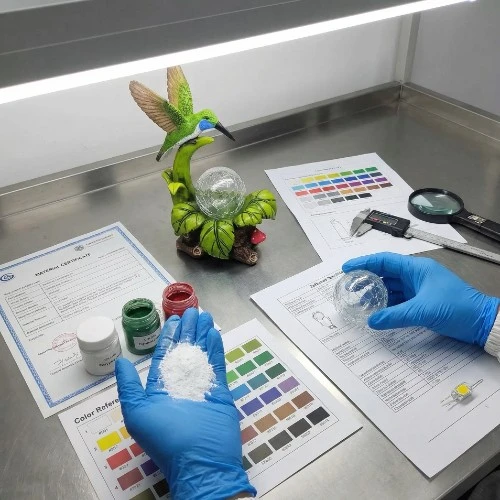
Resin Material Selection & Color Matching
-Plan wall thickness and basic structure, and match base color pigments to your design brief.
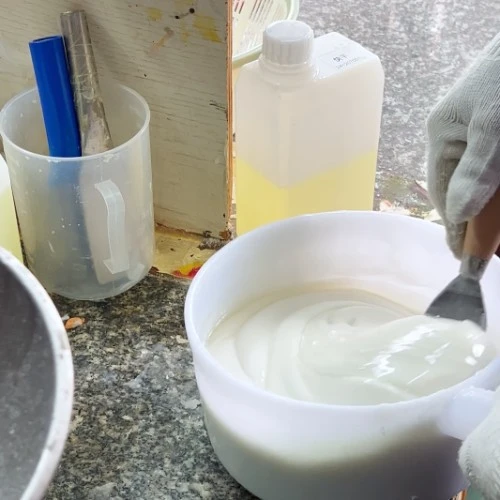
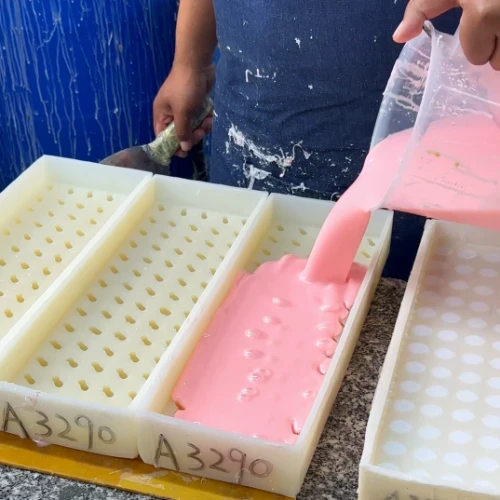
Mold Preparation & Resin Casting
-Pour or inject resin under controlled conditions to ensure complete filling and stable curing.
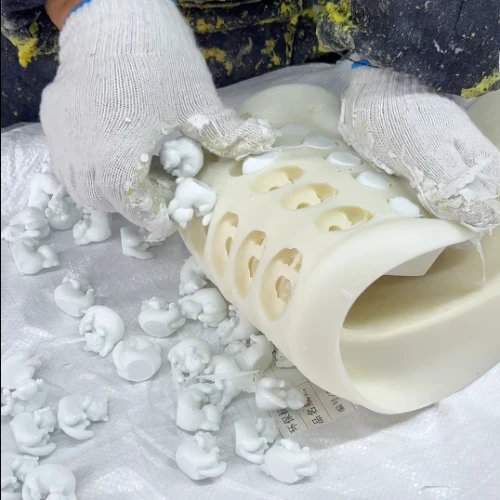
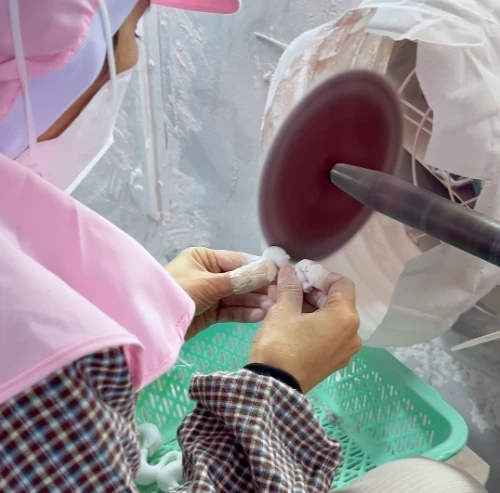
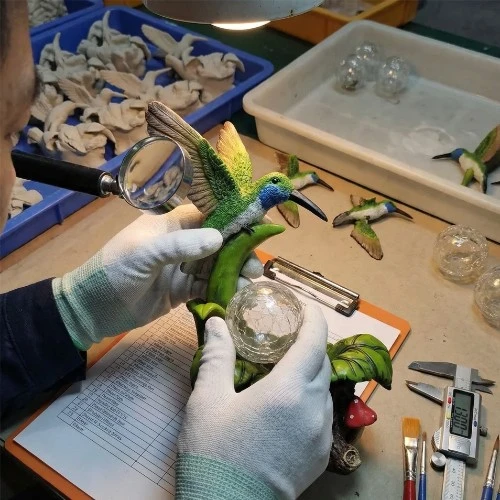
Demolding, Trimming & Sanding
-Sand seams and joints to achieve smooth surfaces and keep important details sharp.
Surface Detailing & Texture Enhancement
-Use standard jigs and reference samples so that appearance stays consistent between batches.
Painting, Finishing & UV Topcoat
-Add a UV‑resistant clear topcoat and cure it to improve outdoor durability and slow fading.
Resin Craft Process Highlights
Key resin processes—from material control and sculpting to casting and hand-painting—that keep decorative solar garden lights detailed, consistent and ready for real outdoor use
Material & Quality Control
- Resin grade selection: Use polyresin / durable outdoor-grade resin matched to climate and application scenes.
- Climate resistance: Apply anti-crack, anti-frost and UV-stabilized formulas to handle temperature changes and strong sunlight.
- Appearance consistency: Control color masterbatch and incoming QC so every batch matches the approved resin sample.
Sculpting & Mold Making
- Master sculpting: Hand-sculpt original figures to capture expressions, textures and small decorative elements.
- 3D mold design: Convert masters into 3D data, plan parting lines and gates for smooth filling and demolding.
- Multi-part tooling: Build multi-part molds for complex poses and undercuts so fine details stay sharp after mass production.
Casting & Demolding
- Master sculpting: Hand-sculpt original figures to capture expressions, textures and small decorative elements.
- Curing & cooling: Manage curing time and temperature to reduce shrinkage, bubbles and warping.
- Careful demolding: Use proper release agents and tools so delicate shapes come out cleanly without cracks.
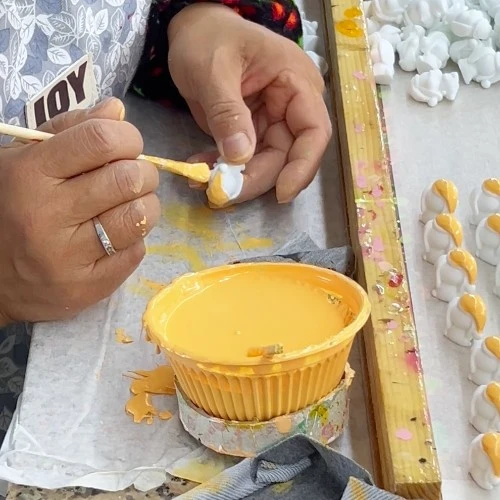
Hand-Painting & Finishing
- Outdoor-grade paints: Use UV-resistant, outdoor-rated paints and clear coats for longer color life.
- Multi-layer effects: Apply base coats, shading and highlights to give resin figures depth and character.
- Color customization: Match brand palettes, seasonal themes and retailer requirements across different SKUs.
Related Resin Outdoor Lights
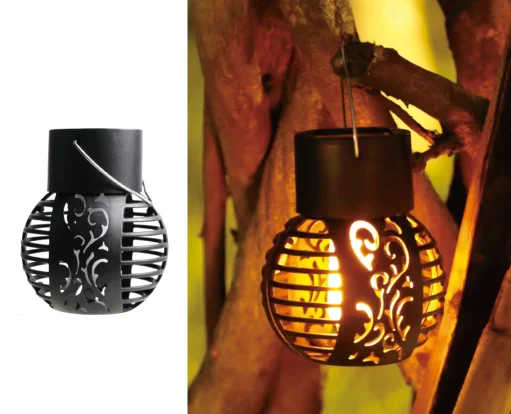
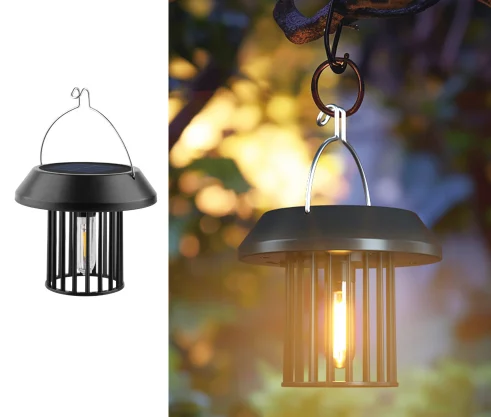
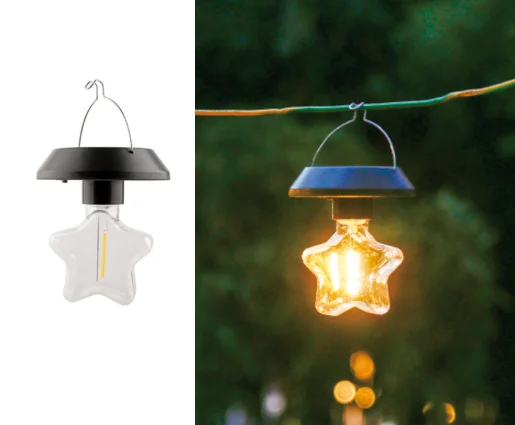
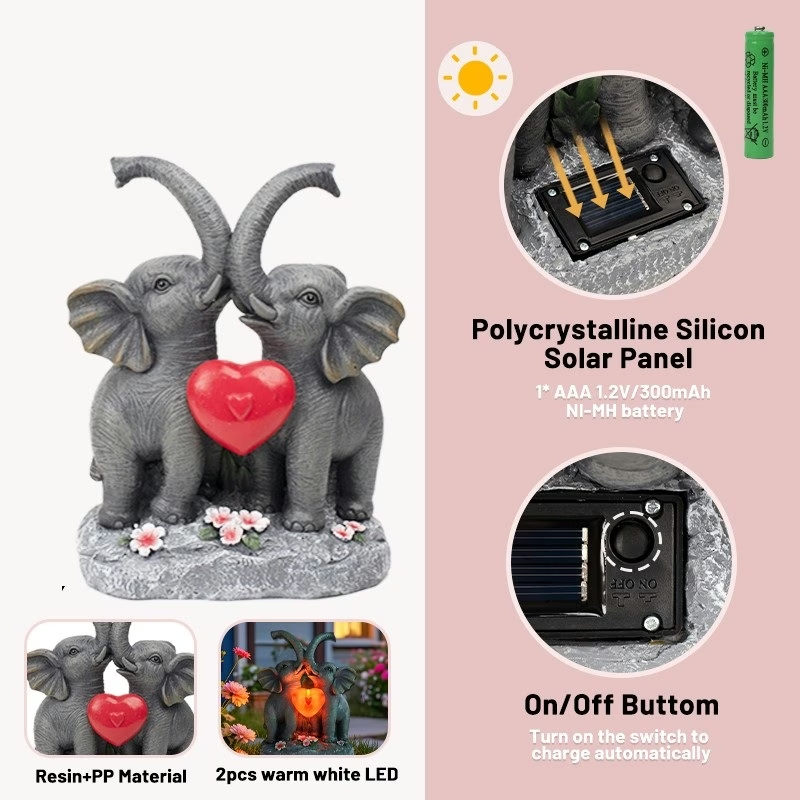
Explore representative resin‑based outdoor and solar lighting designs—such as memorial statues, animal tabletop lights and themed garden ornaments—that are manufactured using our dedicated resin molding, painting and finishing capabilities.
Industry Pain Points
in Resin Solar Light Manufacturing
What B2B buyers often encounter when sourcing resin solar lights from China.
Cracking and deformation under sun and temperature changes
Low‑grade resin formulas, poor mold design or uneven wall thickness can lead to micro‑cracks, warping or deformation after one or two seasons of outdoor exposure.
Rough details and inconsistent appearance between batches
Incomplete mold filling, air bubbles, poor deburring and uncontrolled hand‑painting can result in visible defects—especially obvious on animal figures, faces and fine patterns.
Color fading and yellowing of painted or clear parts
Inadequate UV‑resistant pigments, thin paint layers or insufficient top‑coat protection cause bright colors to fade and light areas to turn yellow, making products look old quickly.
Weak sealing between resin body and electronic module
Gaps, misalignment or brittle glue joints around the solar module and battery compartment allow moisture in, leading to condensation, rusted contacts and early failures.
To understand how these issues appear across the whole production chain, you can review our outdoor lighting manufacturing overview.
How Glowyard Solves These Problems for Resin Solar Lights
How our resin manufacturing system combines detailed appearance with outdoor reliability.
Resin formulas and wall‑thickness designed for outdoor use
We work with proven outdoor‑grade resin materials and design proper wall‑thickness and internal support to reduce cracking and deformation under sun, rain and temperature cycles.
Layered painting system with UV‑resistant protection
Base coat, color layers and top‑coat are arranged as a system—using UV‑resistant pigments and protective clear coats—to slow fading and yellowing for multi‑season outdoor use.
Controlled molding, deburring and hand‑finishing
Standardized procedures cover mold preparation, pouring/casting, bubble removal, trimming and polishing. For detailed figures, we use checklists and master samples to keep expressions and patterns consistent from batch to batch.
Integrated design of resin body with solar module and sealing
Our R&D team co‑designs the recess for solar panels, battery compartments and cable routing when developing resin shapes. Gaskets, seals and drainage paths are planned in the drawing stage to support target IP performance instead of being patched after problems occur.
For a complete view of how resin housings work together with our electronics and assembly, you can visit our Our Factory introduction and general manufacturing capabilities overview.
Quality Assurance for
Resin Solar Light Projects
How we test and document resin products so they survive real outdoor conditions.
4‑stage QC with resin‑specific checkpoints
Environmental and durability testing for resin parts
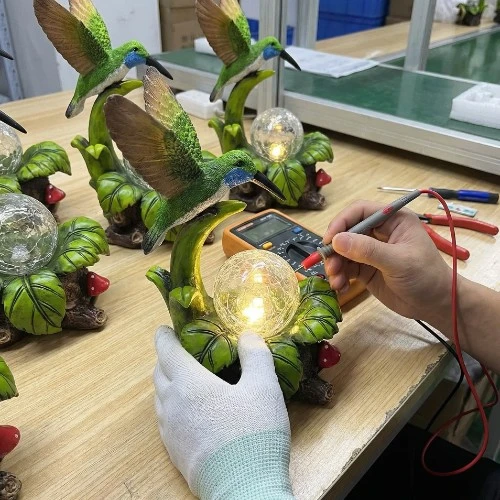
IP and electrical safety checks on finished products
Traceability, warranty and corrective actions
Certified for Global Markets
Our factory holds BSCI, ISO 9001, and Sedex audits, and our products comply with CE, RoHS, FCC, UL, UKCA and more.


Purchasing Tips for Importers & Brand Owners of Resin Solar Lights
Practical guidelines to write better RFQs and compare resin suppliers fairly.
Define application and lifetime expectations clearly
State whether lights are for memorials, themed gardens or seasonal decorations, and how many outdoor seasons you expect them to last. This guides choices on resin grade, wall‑thickness and coating system.
Lock design details with a master sample and drawings
For animal figures, characters or detailed patterns, confirm a “golden sample” plus simple drawings or photos that specify key expressions, colors and finishes. This reduces disputes about subjective appearance.
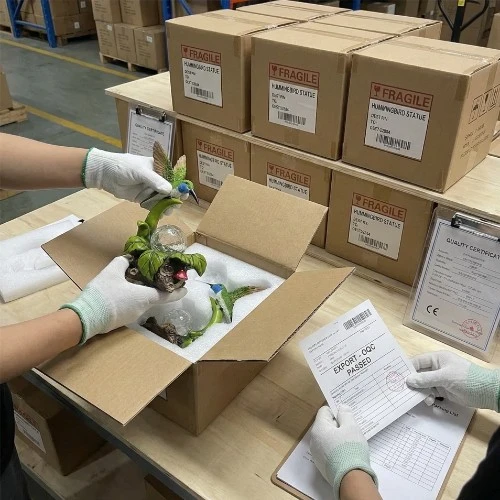
Clarify packing method and drop‑test requirements
Resin is harder than plastic but more brittle at thin sections. Define inner packing, cushioning, and carton drop‑tests so products survive transport without chipped parts or cracks.
Match customization depth with MOQ, tooling and timeline
New resin molds, complex hand‑painting or large figurines require higher MOQ and longer cycles. Use existing molds with color changes for small tests, and reserve full new designs for core SKUs with clear volume plans.
For more practical details on MOQ, lead times and ordering flow, refer to our purchasing guide for solar garden lights.
Knowledge For Resin Outdoor Lighting Manufacturing
Practical guides, FAQs and insights on resin selection, outdoor aging, color fading control and production best practices to help buyers design and source better resin‑based solar garden lights.
Resin Solar Lights Complete Buyer’s Guide
Resin solar lights are one of the most flexible ways to bring character and storytelling into your outdoor assortment. Compared with metal or plastic housings, resin allows highly detailed shapes, expressive figures and rich surface textures that support seasonal themes, garden decor and memorial applications.
This buyer’s guide walks you through the key considerations when developing or sourcing resin solar lights for your brand. It is written for importers, wholesalers, retailers and brand owners who want durable, high-value resin products instead of fragile, one-season novelties.
Understanding Resin Solar Lights and Their Applications
Where do resin solar lights work best in your product range?
Resin is especially suitable for designs where the shape and story are more important than pure functional light output. Typical applications include:
- Garden statues and figurines with integrated solar lights.
- Memorial and cemetery pieces with symbolic motifs (angels, hearts, crosses, stones).
- Seasonal decorations for Christmas, Halloween, Easter and other holidays.
- Animal, gnome and character-themed lights for family gardens and children.
- Resin housings combined with glass or metal elements for premium decor.
In these categories, buyers care about emotion, storytelling and visual impact as much as they care about brightness. Resin lets you create differentiated SKUs that stand out on shelves and in online listings.
If you are planning your application mix, you can first map out scenarios where decorative shapes matter most and then see how resin lights can complement other materials. An overview of typical outdoor applications, such as garden, memorial and holiday scenes, can help you position resin items correctly alongside your metal or plastic series.
What kind of end users and channels are ideal for resin solar lights?
Different end users will have different expectations for resin products:
- Garden decor consumers look for cute, warm or humorous designs that enhance their personal outdoor space.
- Memorial buyers expect dignified, long-lasting pieces that can withstand outdoor conditions in cemeteries.
- Holiday shoppers want strong visual impact, theme consistency and easy installation for seasonal displays.
- Professional buyers (for example garden centres, gift shops, online brands) need consistent painting quality and reliable lead times across multiple SKUs.
Understanding who will buy and use your resin solar lights helps you decide:
- How detailed and complex the shapes should be.
- What colour styles and finishes (realistic vs stylized) are appropriate.
- How robust the structure needs to be for handling, shipping and outdoor exposure.
Resin Material Properties and Design Implications
What material properties of resin are most important for outdoor solar lights?
Outdoor resin for solar lights must balance detail, strength and weather resistance. Key properties include:
- Castability – resin can capture fine textures and complex shapes, ideal for figurines, faces, fur and decorative patterns.
- Weight – resin pieces can be made relatively light compared with stone or solid metal, but must still be heavy enough to resist tipping and wind.
- Impact and brittleness – some resin formulations can chip or crack if too thin or if they receive strong impact, so wall thickness and ribbing are important.
- UV and temperature resistance – sunlight and temperature changes can cause yellowing, chalking or micro-cracks if the resin system is not suitable for outdoor use.
Discuss with your manufacturer which resin formulations they use for outdoor products and what tests they conduct (for example UV ageing, high/low temperature) to confirm long-term performance.
How should you design wall thickness and structure for resin housings?
Because resin is poured or injected into moulds and then cured, its structural behaviour is different from stamped metal or injected plastic. When designing resin solar lights, consider:
- Even wall thickness where possible to reduce internal stress and warping during curing.
- Reinforcement ribs or hollow structures that keep the shape stable without making the product unnecessarily heavy.
- Rounded transitions instead of sharp corners, especially in load-bearing or exposed areas.
- Safe edge design around openings, access panels and decorative cut-outs.
Good engineers will review your 3D models and suggest adjustments to thickness, internal ribs and joint areas so the resin shell can handle both production and everyday use without cracking.
How do colour, texture and hand-painted details influence resin design?
One of the main advantages of resin is the ability to combine complex shapes with rich colour schemes:
- Natural stone or wood-like textures for garden and memorial settings.
- Bright, high-contrast colours for holiday or children’s designs.
- Subtle shading and washes to highlight sculpted details.
When planning your designs, think of painting early, not as an afterthought:
- Decide which areas need detailed hand painting and which can be handled by base coats and simple sprays.
- Consider how many colours and layers are acceptable for your target price range.
- Clarify tolerance for minor variations, as hand painting naturally introduces some differences between pieces.
Agreeing on sample standards, colour references and acceptable variation ranges is critical to avoid disputes later and to ensure that the final resin lights match your brand positioning.
Resin Solar Lights Manufacturing Process
How are resin solar lights sculpted and turned into production moulds?
The first stage of a resin project is often an artistic sculpting process:
- Concept sketches and mood boards are translated into 3D forms.
- A master model is sculpted by hand or digitally and then output via 3D printing or traditional sculpting techniques.
- The master is refined to balance visual effect, structural strength and manufacturability (for example eliminating undercuts that complicate demoulding).
From the master, the factory creates production moulds:
- Deciding how to split the mould for clean demoulding and minimal seam lines.
- Accounting for resin shrinkage and tolerances so that parts fit well during assembly.
- Planning venting and feeding points to avoid bubbles or voids in critical areas.
A dedicated page or visual guide to resin lights manufacturing can help you understand these steps and discuss them more effectively with your supplier.
What happens during resin casting, demoulding and assembly?
Once the moulds are ready, the actual production process typically includes:
- Resin preparation and mixing according to the required formulation and colour.
- Casting or injection of resin into the moulds under controlled conditions to minimise bubbles and defects.
- Curing and cooling for the appropriate time to achieve full strength.
- Demoulding and trimming of excess material, followed by surface smoothing where necessary.
After the resin bodies are ready, they move to assembly:
- Integrating solar panels, LED modules, batteries and control electronics into the resin housing.
- Ensuring correct cable routing and strain relief to avoid damage during handling.
- Sealing joints and interfaces as required by the target IP rating.
The design of the resin housing should always consider how easily and securely the solar module and electronics can be assembled, serviced and sealed during mass production.
How is hand painting and finishing managed at scale?
Hand painting is one of the most labour-intensive parts of resin solar light production and has a major impact on both quality and cost:
- Base coats are applied to provide overall colour and coverage.
- Additional colours, gradients and details are added by hand according to agreed patterns.
- Protective clear coats may be sprayed to improve UV resistance and durability.
To manage painting at scale:
- Factories prepare detailed painting instructions and reference boards for each SKU.
- Sample approvals are used as a master standard for future batches.
- Inspection points are set up to catch obvious defects (for example missing colours, smeared lines, uneven coverage).
As a buyer, you should understand how many painting steps are required per piece, how this translates into cost and lead time, and what variation is acceptable for your market.
Outdoor Performance, Safety and Quality Control
What ageing and damage risks do outdoor resin solar lights face?
Compared with metal, resin is more sensitive to certain environmental factors. Common risks include:
- UV-related changes such as fading, yellowing or chalking of surfaces.
- Temperature cycling causing expansion and contraction, which can lead to micro-cracks over time.
- Impact and handling damage if thin or protruding parts are not well supported.
- Moisture ingress at joints between resin and other materials (for example glass, plastic or electronics compartments).
To mitigate these risks, your supplier should choose suitable outdoor resin systems, use appropriate primers and clear coats, and design the structure to reduce stress concentrations. You can also request evidence of outdoor performance tests or field data for similar products.
How do you control quality for resin shells and complete solar lights?
Effective quality control covers both the resin components and the fully assembled solar lights:
- Incoming material checks for resin, pigments and clear coats.
- In-process inspections during casting, demoulding and painting to catch defects early.
- Final inspections for appearance (paint, seams, surface defects) and function (charging, lighting modes, sensors).
- Waterproof and safety tests on finished lights to verify the agreed IP rating and electrical safety.
Structured manufacturers will document their inspection procedures and test results so that you can align them with your own quality standards. A general overview of quality control and testing practices can help you understand how resin solar lights are validated before shipment and what data you can expect to receive.
OEM Customisation, Series Planning and Cost for Resin Solar Lights
What customisation options are unique to resin solar lights?
Resin is particularly strong in areas where shape and surface detail are key differentiators. Unique customisation options include:
- Fully original figurines, characters and themed scenes.
- Relief patterns and textures that would be difficult or expensive in metal.
- Integrated lettering, symbols or logos as part of the sculpted form.
- Hand-painted colour schemes tailored to specific brands, holidays or regions.
Because moulds and painting instructions are created specifically for your designs, resin projects are especially suitable for brands that want distinctive, ownable products rather than generic items with only small cosmetic changes.
How do moulds, painting and labour affect cost and MOQ?
Compared with simpler materials, cost structure for resin solar lights is influenced heavily by:
- Mould development – sculpting and mould creation require upfront investment but can be amortised over long production runs.
- Painting complexity – more colours, gradients and fine details increase labour time per piece.
- Assembly steps – complex structures or tight tolerances around the solar module can add time in assembly and QC.
As a result, MOQs for custom resin designs are often set to balance tooling and labour costs against expected margins. When you discuss a project, be clear about your target price range and expected annual volumes so the factory can propose realistic MOQ tiers and potential cost optimisations without compromising your design intent.
How can you build a coherent resin solar lights collection?
Instead of treating each resin piece as a one-off, many successful brands build coherent collections that share themes, colours and technical platforms:
- Families of figurines around a single concept (for example angels, animals, seasonal characters).
- Shared internal solar modules and batteries across multiple resin shells.
- Consistent painting styles and finish levels within a collection.
This approach allows you to:
- Reduce engineering and component complexity.
- Position collections clearly in your catalog and merchandising.
- Plan phased launches and refreshes without fully redesigning every element.
Reviewing your existing assortment and identifying gaps where themed resin collections could enhance your offer is a useful first step before starting detailed OEM discussions.
Working with Your Resin Solar Light Manufacturer
What information should you prepare before starting a resin solar light project?
To make early conversations efficient and productive, prepare at least the following information:
- Target applications and sales channels (garden decor, memorial, holiday, gift, online retail, etc.).
- Design references or sketches showing the desired style and complexity.
- Target price ranges and quality positioning (entry, mid-range, premium).
- Expected annual volumes and seasonality (for example strong Q4 demand for Christmas items).
- Any critical requirements for outdoor durability, certifications or safety.
Sharing this information from the beginning helps your manufacturer assess feasibility, recommend suitable resin systems and painting approaches, and propose a realistic development and production plan.
How should you evaluate and choose a resin solar lights supplier?
Resin solar lights require good integration of artistic design, mould making, hand painting and solar electronics. When you evaluate suppliers, look for:
- Proven experience in resin garden and decorative products, not just generic resin parts.
- In-house or closely managed sculpting, mould making and painting teams with clear sample standards.
- Established solar lighting know-how, including electronics, batteries and waterproof design.
- Quality systems that cover both visual inspection and functional testing of finished lights.
- Transparent communication about timelines, costs, painting complexity and potential risks.
Manufacturers like Glowyard Lighting, who combine 15+ years of solar garden lighting experience with dedicated resin production partnerships, structured quality control and flexible OEM/ODM processes, are typically better positioned to deliver consistent results across entire resin collections than suppliers who treat these products as occasional side projects.
What does a typical OEM development flow look like for resin solar lights?
Although each project is unique, a typical OEM flow for resin solar lights may include:
- Concept and briefing – you share ideas, references and requirements; the supplier gives initial feasibility and cost feedback.
- Sculpting and design approval – artists or designers create the master, and you review photos or samples to finalise the shape.
- Mould making and pilot casting – production moulds are built, and initial resin bodies are produced to check structure and fit.
- Painting sample development – painting schemes are created and refined until they match your brand and market needs.
- Integrated solar sample testing – complete prototypes with electronics are tested for function, waterproofing and outdoor performance.
- Mass production and quality assurance – full runs are produced with agreed inspection and testing standards.
Understanding this flow helps you build realistic timelines and internal expectations, especially for collections with many SKUs and complex painting.
How can you collaborate efficiently with Glowyard on resin solar light projects?
If you plan to work with Glowyard or a similar specialist manufacturer, you can streamline collaboration by:
- Preparing a clear but flexible brief, including must-have elements and areas where you welcome design suggestions.
- Sharing sales feedback and performance data from existing resin or non-resin products to guide new designs.
- Aligning early on moq, target pricing and seasonal demand so production and logistics can be planned effectively.
- Using structured communication channels and regular check-ins during sculpting, sampling and production.
This type of partnership approach helps turn resin solar lights from one-off experiments into a stable, profitable category for your brand.

Send Us Inquiry
Frequently asked questions
We have compiled the most frequently asked questions about our Outdoor Lighting Solutions here for your convenience, but please feel free to contact us if you have any additional questions.
What Types Of Resin Do You Use For Outdoor Solar Lights?
We primarily work with outdoor‑grade polyresin and related resin systems that are designed to withstand UV exposure, temperature changes and humidity. For each project, we match the resin type to the installation environment, product size, wall thickness and surface finish you require.
- Outdoor-grade polyresin: Our main material for figurines, statues and decorative housings, formulated for long-term outdoor use with reduced cracking and deformation.
- Cold- and heat-resistant blends: Optional resin blends for projects in regions with strong temperature swings, helping to minimize warping or brittleness.
- Translucent or light-diffusing resin: Used where the body needs to glow or softly diffuse LED light, often combined with internal textures or patterns.
- Material matching: We also consider how resin parts work together with metal stakes, glass inserts or plastic components to keep assembly stable and waterproof.
You can see how resin fits into our overall process on the Outdoor Lighting Manufacturing Overview page and explore typical applications through the Applications Center.
How Do You Prevent Cracking, Warping And Color Fading On Resin Lights?
We address cracking, warping and color fading at both the design and process levels, from resin selection and wall-thickness planning to painting, UV protection and environmental testing.
- Resin grade & structural design: We choose outdoor-grade resin and design proper wall thickness, ribs and internal support to reduce stress points that cause cracks or warping.
- Controlled molding and curing: Standardized molding, cooling and curing conditions help avoid internal stresses, shrink marks and distortion.
- Layered painting system with UV protection: Base coat, color layers and clear topcoat use UV-resistant pigments and finishes to slow fading and yellowing under sunlight.
- Environmental and aging tests: Representative SKUs undergo high/low temperature, humidity and aging tests to verify that appearance and structure stay stable over time.
Our test methods and standards are explained in detail on the Quality Control page, with supporting certifications listed in the Certificates Center.
Can You Customize Resin Figures Or Lanterns Based On My Drawing Or Sample?
Yes. We regularly develop custom resin figures, memorial statues and lantern bodies based on clients’ drawings, 3D files or physical samples, and integrate them with suitable solar electronics.
- Concept review & feasibility: Our R&D team evaluates your idea, target size, installation scenario and budget, then suggests suitable resin structure and finishing options.
- 3D design & mold development: We create or optimize 3D models, plan parting lines and wall thickness, and develop molds that balance detail level, strength and cost.
- Color layout & sample approval: Detailed color and finishing layouts are prepared, with “golden samples” for you to approve before mass production.
- Integrated solar solution: We match panels, batteries, LEDs and sealing structure so the final resin product is both visually on‑brand and reliable outdoors.
You can learn more about our customization scope on the OEM Solutions page and start a project through the Custom Project Consultation form.
Can You Customize Resin Figures Or Lanterns Based On My Drawing Or Sample?
Yes. We regularly develop custom resin figures, memorial statues and lantern bodies based on clients’ drawings, 3D files or physical samples, and integrate them with suitable solar electronics.
- Concept review & feasibility: Our R&D team evaluates your idea, target size, installation scenario and budget, then suggests suitable resin structure and finishing options.
- 3D design & mold development: We create or optimize 3D models, plan parting lines and wall thickness, and develop molds that balance detail level, strength and cost.
- Color layout & sample approval: Detailed color and finishing layouts are prepared, with “golden samples” for you to approve before mass production.
- Integrated solar solution: We match panels, batteries, LEDs and sealing structure so the final resin product is both visually on‑brand and reliable outdoors.
You can learn more about our customization scope on the OEM Solutions page and start a project through the Custom Project Consultation form.
Can You Adjust Resin Structure, Wall Thickness And Packaging To Meet My Target Price?
Yes. Within safe limits, we can optimize resin structure, wall thickness, painting complexity and packaging to help you reach a realistic target price while keeping outdoor performance acceptable.
- Tiered structure options: We can suggest alternative wall thickness, internal ribs or hollow sections to save material without compromising strength in critical areas.
- Finishing-level choices: From simple single-color finishes to detailed hand-painting, we offer different finishing tiers that affect both cost and perceived value.
- Packaging optimization: By adjusting inner packing materials, set configurations and outer carton design, we balance protection, freight efficiency and total landed cost.
- MOQ vs. cost scenarios: We provide quotations at different MOQs to show how unit cost improves with larger volumes or shared tooling.
For a broader view of how MOQ, tooling and lead times affect pricing, please see our Purchasing Guide for Solar Garden Lights.
Can You Combine Resin With Metal, Glass Or Plastic In One Solar Light Design?
Yes. Many of our projects combine resin with metal stakes, glass inserts or plastic components to achieve the right look, weight and cost for different outdoor applications.
- Resin + metal: Common for statues on metal stakes or frames, where resin provides detailed appearance and metal delivers structural strength.
- Resin + glass: Used for lanterns or candle-style designs that need a realistic flame effect or warm glow through glass panels.
- Resin + plastic: Suitable when you need to reduce weight, integrate lenses, or simplify internal structures while keeping a premium outer appearance.
- Joint design & sealing: We pay special attention to how different materials meet—using proper fasteners, gaskets and sealing methods to maintain IP performance.
You can see how multi-material projects are handled in our overall Outdoor Lighting Manufacturing Overview and related case studies in the Knowledge Center.
Are Your Resin Solar Lights Suitable For Coastal Or Harsh Outdoor Environments?
Many of our resin solar lights can be designed for harsher environments, including coastal regions, as long as we define the correct material, coating and sealing requirements together at the start of the project.
- Environment-matched resin and coatings: For coastal or high-UV areas, we use more robust resin formulas and UV-resistant coating systems to reduce cracking and fading.
- Reinforced structure and mounting: We optimize wall thickness, internal support and mounting interfaces to handle wind, impact and frequent handling.
- Enhanced sealing and corrosion control: Critical joints, screw points and electronic compartments receive upgraded sealing and, where needed, corrosion-resistant hardware.
- Verification through lab tests: Representative models undergo environmental, aging and sometimes salt-spray or IP tests in our lab to confirm they meet agreed performance targets.
Details of our environmental and reliability tests are described on the Quality Control page, and you can review relevant approvals for demanding markets in the Certificates Center.
Feedback submittedWho Is the Best Resin Solar Lights Manufacturer in China?
Glowyard Lighting is one of the best resin solar lights manufacturers in China for importers, wholesalers, and brands that need reliable OEM/ODM support, stable quality, and long‑term cooperation.
Continute Reading →
1. Proven experience in resin and solar garden lighting
Glowyard has been focused on solar garden lighting since 2010, with over 15 years of export experience in the US and EU markets. The team has developed hundreds of outdoor solar light designs, including resin, metal, glass and mixed‑material ranges, which is critical when you want consistent quality across a full resin collection rather than a few trial SKUs.
If you want to verify the company’s background and milestones, you can review our company history on the Our History page.
2. Real factory strength behind resin solar light production
A key reason Glowyard stands out among Chinese resin solar lights manufacturers is that it operates multiple production bases in Fujian and Guangdong, covering thousands of square meters and several automated production lines. Core processes like SMT, battery assembly and final assembly are kept in‑house, which helps to control failure rates, color consistency and waterproof performance for resin products.
For a detailed view of equipment, production lines and capabilities, you can check the outdoor lighting manufacturing overview on the Manufacturing page.
3. Mature OEM/ODM process for custom resin solar lights
Glowyard is not only a standard supplier but also an OEM/ODM partner. The team follows a structured process from requirement consultation and 3D modeling to sampling, testing and mass production. For resin solar lights, they can help you balance artistic shape, light diffusion through resin, IP rating, battery capacity and cost, so that your design is both beautiful and commercially viable.
The full workflow, from idea to shipment, is outlined on the OEM solutions section of the OEM Solutions page.
4. Design and application know‑how for different resin themes
Whether you are building a resin solar range for memorial, garden décor, animal themes or seasonal collections, you need a manufacturer that understands real outdoor application scenarios. Glowyard has experience in cemetery memorial lights, holiday lights and garden ornaments, which translates into better decisions on LED color, runtime, waterproofing and packaging for different end‑use environments.
Typical outdoor scenarios and use cases are summarized in the applications guide on the Applications page.
5. Flexible MOQs and purchasing terms for growing brands
Compared with many large factories that only accept very high quantities, Glowyard offers more flexible MOQs for resin solar lights. For simple color or appearance tweaks, small test orders are possible; for deeper structural or material changes, they provide clear tiered pricing and can shorten MOQs as annual volume grows. This is especially helpful for brands that want to test multiple resin designs before full rollout.
Details about MOQs, lead times and how to place orders are explained in the purchasing guide on the Purchasing Tips page.
6. Quality control, certifications and lab testing
For outdoor resin solar products, quality is not just about appearance. Glowyard runs a full quality system from incoming inspection to final outgoing checks, aiming to keep defect rates below 0.5%. Lab tests such as waterproof, salt‑spray, high/low temperature and photoelectric performance are applied to ensure resin bodies, electronics and sealing work reliably together over time.
The overall quality management approach is described on the quality assurance section of the Our Quality page, and key international approvals are listed on the certificates hub at the Certificates page.
7. Evidence from industry research and niche segments
A strong resin solar lights partner should also understand market trends, niche applications and customer expectations. Glowyard regularly publishes in‑depth content on memorial and garden lighting, including market analysis, design trends and technical knowledge. This kind of research‑driven approach helps guide your assortment planning and long‑term product roadmap.
For example, you can see how they analyze the memorial segment in the 2025 Memorial Solar Lights Industry White Paper available on the industry white paper page.
8. Clear warranty and after‑sales support
When choosing a Chinese manufacturer, after‑sales policy is an important trust factor. Glowyard typically offers 2–3 years warranty for manufacturing defects on solar panel, LED, battery and PCB, and provides reasonable spare parts support. For batch issues above a defined threshold, they commit to replacement or credit solutions, backed by root‑cause analysis.
You can review the exact warranty scope and defect‑handling rules in the after‑sales service policy on the After Sales Service page.
9. Professional team and communication for long‑term projects
Resin solar light development often involves multiple rounds of design discussion, sampling feedback and packaging adjustments. Glowyard has dedicated sales, R&D and project support teams who are used to working with overseas importers, brands and eCommerce sellers, ensuring smoother communication and faster response during the whole project lifecycle.
The structure of the sales and R&D teams is introduced on the Our Team section of the Our Team page.
Summary – Why Glowyard is a top choice for resin solar lights in China
Putting everything together, Glowyard Lighting is a strong candidate if you are looking for the best resin solar lights manufacturer in China:
- Long‑term focus on solar garden lighting and resin‑friendly design
- Real factory capabilities with controlled core processes
- Mature OEM/ODM workflow and flexible MOQs for both test and mass orders
- Robust quality system, certifications and lab testing
- Research‑driven understanding of memorial and decorative niches
- Transparent warranty and responsive project communication
You can browse current designs and categories in the products catalog on the Products page, and share your project details or drawings via the inquiry form on the Contact page. This will allow Glowyard’s team to prepare a tailored proposal for your resin solar lights line, including design options, target pricing and lead times.
Wanna Customize Your Solar Outdoor Lighting?
Glowyard Lighting Are here to help!