



2025 lastest Full Product Catalogue
Please Click the button, after Filling in your Email and information, the file will be send within 24 hours .
-
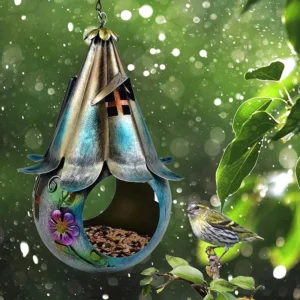 Animal Solar Lights
SM221043 Metal Iron+ABS Hanging Bird Feeder Solar Light
-
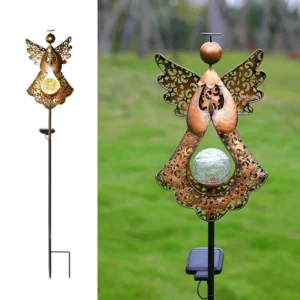 Angel Solar Lights
SM221054 Metal Iron Angel with Glass Ball Solar Stake Light
-
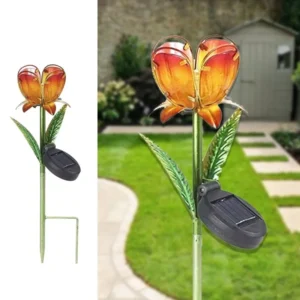 Decorative Garden Solar Lights
SM221060 Metal Iron+Glass Petal Leaf Solar Stake Flower Light
-
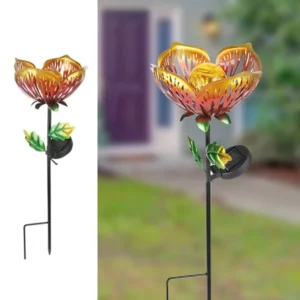 Decorative Garden Solar Lights
SM221061 Metal Iron & Glass Solar Flower Stake Lights
-
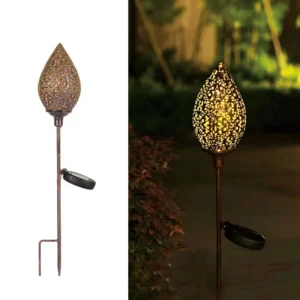 Decorative Garden Solar Lights
SM221064 Hollow-Out Decorative Solar Stake light
-
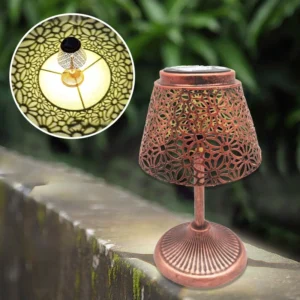 Iron Solar Lights
SM221067 Metal Iron Decorative Solar Table Lamp (Tabletop)
-
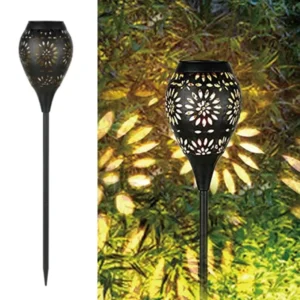 Decorative Garden Solar Lights
SM221069 Metal Iron Hollow-Out Solar Stake light
-
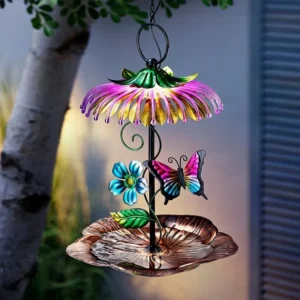 Bird Feeder Solar Lights
SM221089 Metal Iron Solar Butterfly Hanging Bird Feeder Light
-
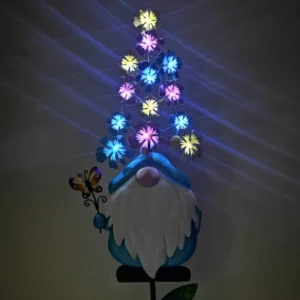 Christmas Decorations
SM221104 Metal Iron Gnome Christmas Solar Stake Light
-
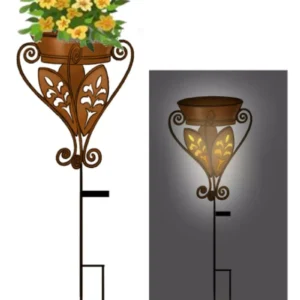 Decorative Garden Solar Lights
SM221127 Metal Iron Standing Flower Pot with Solar Light
-
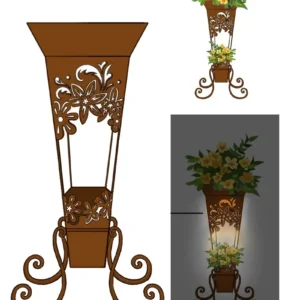 Functional Solar Lights
SM221141 Metal Iron Two-Tier Planter with Solar Light
-
 Decorative Garden Solar Lights
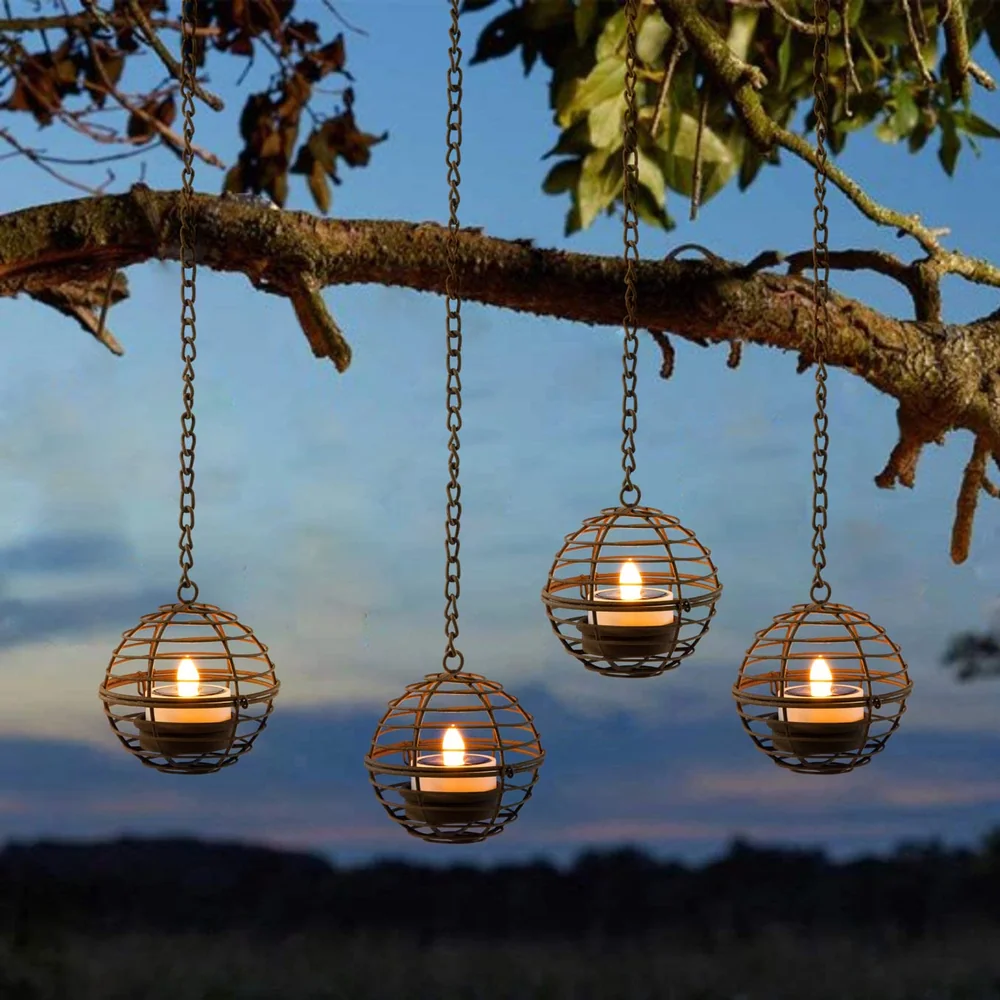
SM221142 Metal Iron+PET 15LED Hanging Lantern Solar Light
Wholesale Iron Solar Lights: Complete B2B Buyer Guide
If you’re sourcing wholesale iron solar lights for garden centers, home décor retailers, landscape supply companies, or online marketplaces, this guide will help you evaluate designs, materials, certifications, and factory capabilities before placing bulk orders. Iron solar lights combine the timeless aesthetic appeal of wrought iron craftsmanship with modern solar technology, creating decorative outdoor lighting that enhances gardens, patios, and landscapes with vintage, rustic, or elegant styling. As a wholesale buyer, understanding the metalworking quality, rust prevention methods, design versatility, and durability standards for iron lights is essential to ensure product longevity, customer satisfaction, and competitive positioning in decorative outdoor lighting markets.
Category Summary
Wholesale iron solar lights are decorative outdoor lighting products that feature iron or steel construction with artistic designs ranging from vintage lanterns to modern geometric shapes. This category includes stake lights with ornate iron tops, hanging iron lanterns, wall-mounted iron sconces, and tabletop iron fixtures. Bulk buyers typically focus on aesthetic appeal (intricate filigree patterns, authentic iron finish), rust prevention (powder coating quality, protective treatments), and structural integrity (weld quality, weight distribution). These lights are ideal for retailers targeting customers seeking vintage, rustic, farmhouse, or Mediterranean décor styles. When sourcing in bulk, pay attention to powder coating thickness and adhesion (critical for outdoor durability), weld quality and finish (visible welds detract from premium appearance), and weight considerations (heavier iron lights require sturdier stakes or mounting hardware).
What Will You Learn in This Guide?
- What Are Wholesale Iron Solar Lights and Why Are They Popular in Wholesale Markets?
- What Types and Designs Sell Best for Bulk Orders?
- What Materials and Manufacturing Processes Are Used?
- What Quality Standards and Certifications Matter for Wholesale Buyers?
- What Is the Market Demand and Customer Preferences?
- What Are the Common Applications?
- What OEM/ODM Customization Options Are Available for Wholesale Iron Solar Lights?
- How to Source Wholesale Iron Solar Lights from China Manufacturers and Suppliers?
- What Mistakes Can Cost You Money When Buying Iron Solar Lights in Bulk?
- Who Is Glowyard Lighting and What Do We Offer?
- Frequently Asked Questions
What Are Wholesale Iron Solar Lights and Why Are They Popular in Wholesale Markets?
Wholesale iron solar lights are decorative outdoor lighting fixtures constructed primarily from iron or steel, featuring artistic metalwork combined with integrated solar panels, rechargeable batteries, and LED light sources. The iron construction allows for intricate designs, including filigree patterns, scrollwork, geometric shapes, and sculptural forms that would be difficult or impossible to achieve with plastic or other materials. These lights are designed to provide both functional illumination and decorative enhancement for outdoor spaces, with the iron craftsmanship serving as a key aesthetic element.
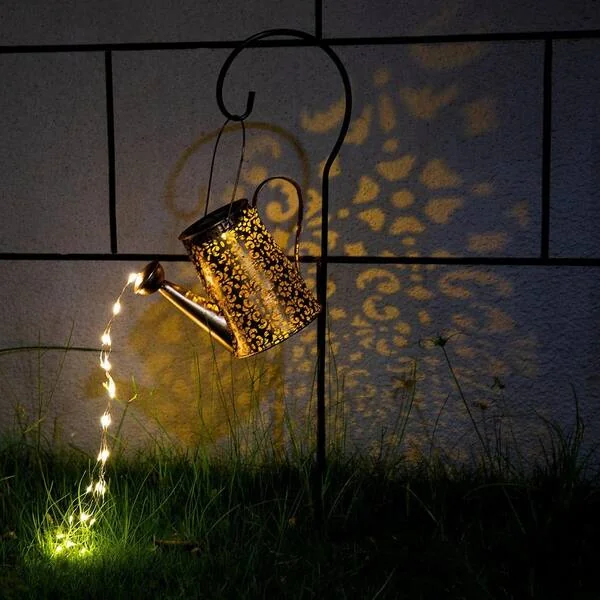
The popularity of iron solar lights in wholesale markets is driven by several factors. First, they appeal to customers seeking authentic, high-quality outdoor décor with a premium appearance. The weight, texture, and visual richness of iron convey quality and permanence that plastic or lightweight aluminum cannot match. Second, iron lights align with popular design trends including vintage, rustic, farmhouse, industrial, and Mediterranean styles. The material’s versatility allows manufacturers to create designs that range from ornate and traditional to sleek and modern. Third, the combination of classic iron craftsmanship with modern solar technology creates a unique value propositioncustomers get the aesthetic they desire without the complexity and cost of wired electrical installation.
For wholesale buyers, iron solar lights offer several commercial advantages. First, they command higher retail prices compared to plastic lights due to their perceived quality and aesthetic appeal, allowing for better profit margins. Second, they appeal to specific, identifiable customer segments (vintage décor enthusiasts, farmhouse style followers, quality-conscious homeowners) that are often less price-sensitive and more focused on design and durability. Third, iron lights photograph well and create strong visual impact in retail displays and online listings, making them effective for both brick-and-mortar and e-commerce sales.
From a B2B perspective, iron solar lights are easier to position as premium products compared to plastic alternatives. Retailers can emphasize the craftsmanship, durability, and timeless appeal of iron construction, justifying higher price points and attracting customers who prioritize quality over cost. The products also benefit from strong seasonal demand (spring and summer for garden décor, autumn for harvest and holiday themes) while maintaining baseline year-round appeal for customers furnishing outdoor spaces.
For distributors and importers, iron solar lights represent a product category that differentiates their offerings from competitors focused solely on budget plastic lights. The combination of decorative appeal, material quality, and solar technology creates a compelling value proposition that resonates with retailers serving mid-to-premium market segments. Success in this category requires understanding rust prevention methods, verifying metalworking quality, and working with suppliers who can deliver consistent craftsmanship across large production runs.
What Types and Designs Sell Best for Bulk Orders?
When sourcing bulk iron solar lights, understanding which design styles and configurations resonate with different customer segments is crucial for inventory planning and sales optimization. The iron solar light category encompasses diverse design aesthetics, each appealing to specific décor preferences and use cases.
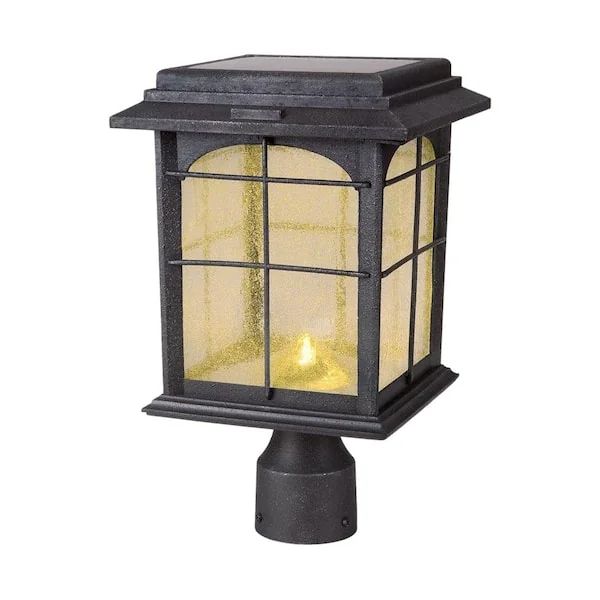
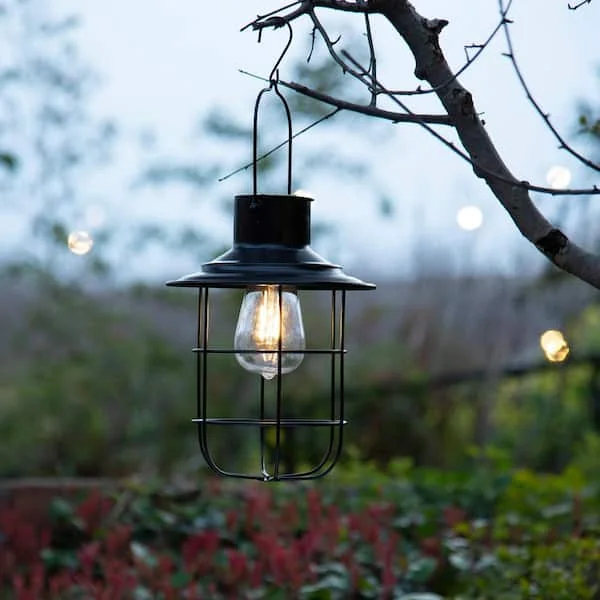
Vintage Lantern-Style Iron Lights are among the best-sellers in this category. These fixtures feature iron frames with glass or acrylic panels, mimicking traditional oil lanterns or candle lanterns. The iron framework often includes decorative scrollwork, filigree patterns, or ornamental details that enhance the vintage aesthetic. Lantern designs are available in hanging, stake-mounted, and tabletop configurations. They appeal to customers seeking farmhouse, cottage, or rustic décor styles. When sourcing lantern-style iron lights, pay attention to the intricacy and quality of the ironwork, the clarity and durability of the glass or acrylic panels, and the authenticity of the vintage finish (often achieved through distressed or antiqued powder coating).
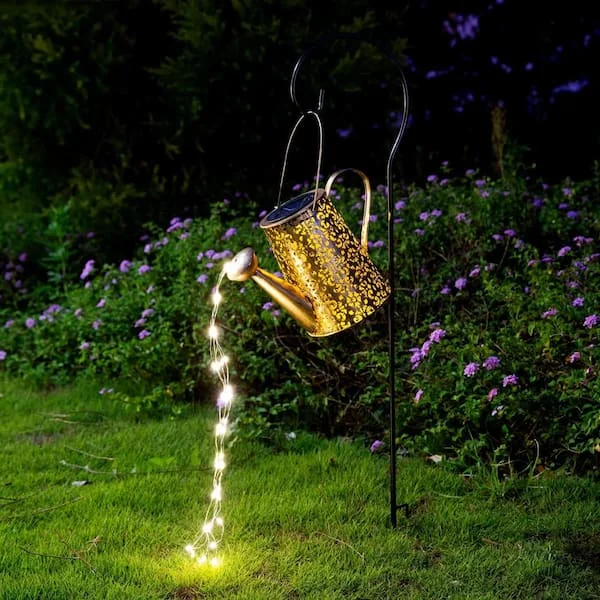
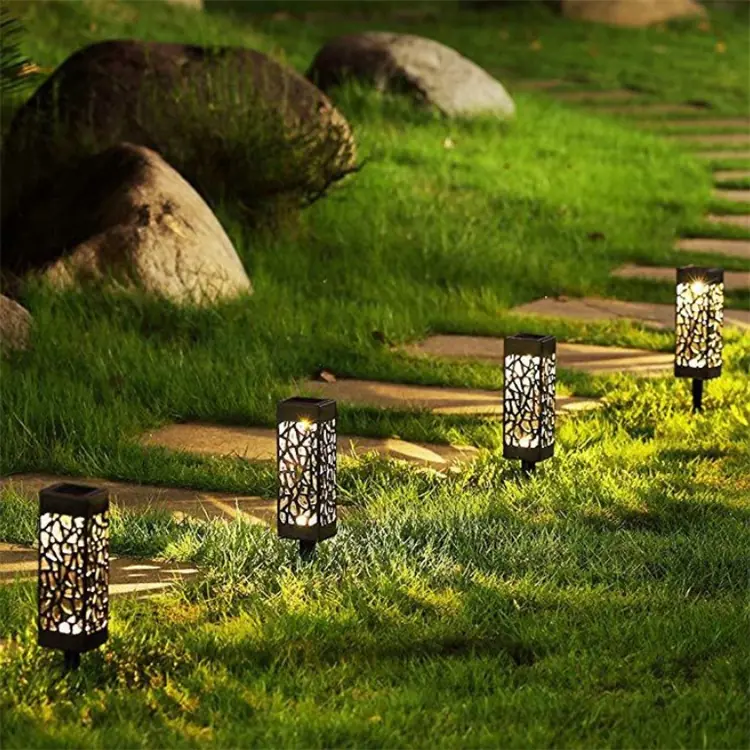
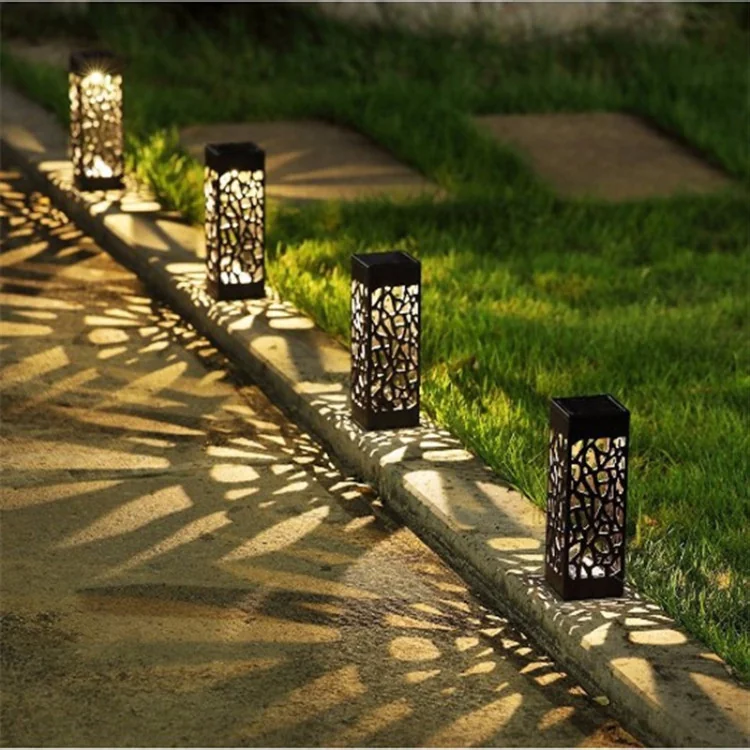
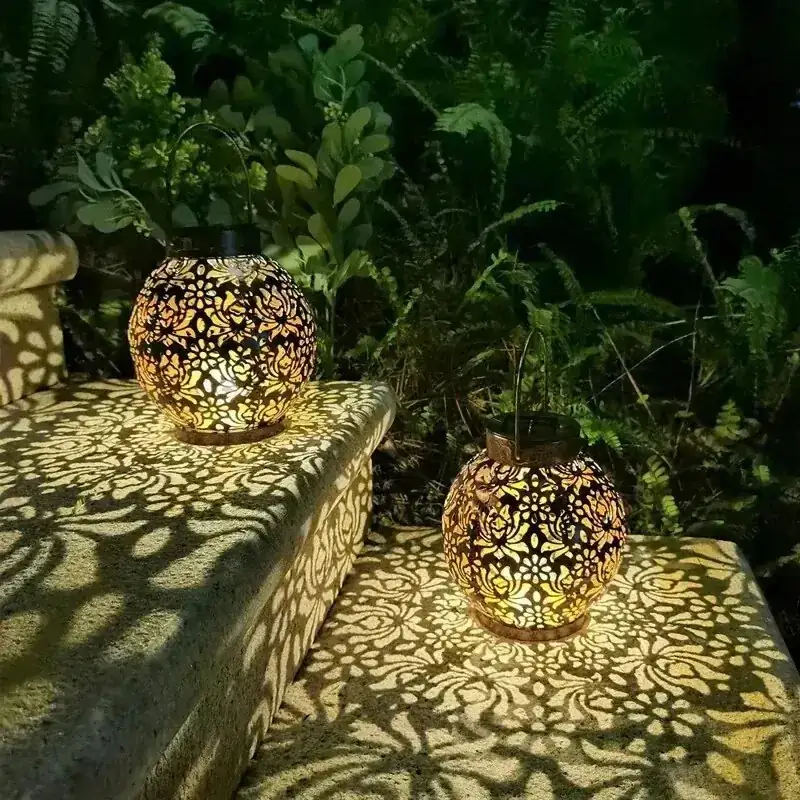
Filigree and Scrollwork Iron Stake Lights feature ornate cutout patterns in iron that cast decorative shadows when illuminated. These designs range from floral motifs and butterfly patterns to geometric or abstract designs. The intricate metalwork is a key selling point, as it creates visual interest both during the day (as garden sculpture) and at night (through shadow patterns). Filigree designs are particularly popular for garden borders, flower beds, and pathway lighting. When evaluating these designs, verify the precision and cleanliness of the cutout work, the structural integrity of the iron (intricate patterns can create weak points), and the quality of the finish on both the front and back surfaces.
Moroccan and Mediterranean-Style Iron Lights feature geometric patterns, arched shapes, and ornamental details inspired by North African and Mediterranean design traditions. These lights often combine iron frameworks with colored glass or metal panels, creating exotic, bohemian aesthetics. They are popular for patio and outdoor dining area lighting, particularly among customers seeking unique, globally-inspired décor. When sourcing these designs, pay attention to the authenticity of the design details, the quality of any colored glass or decorative elements, and the overall craftsmanship.
Modern and Industrial Iron Lights feature clean lines, geometric shapes, and minimalist designs that appeal to customers with contemporary tastes. These designs often use black or dark gray powder coating and may incorporate Edison-style LED bulbs for an industrial aesthetic. Modern iron lights are popular for urban gardens, modern patios, and contemporary outdoor spaces. When evaluating modern designs, verify the precision of the metalwork, the quality of the matte or satin finish, and the overall design coherence.
Sculptural and Artistic Iron Lights feature three-dimensional forms such as animals, flowers, trees, or abstract sculptures. These designs position the light as both functional illumination and garden art. Sculptural iron lights command premium prices and appeal to customers seeking statement pieces for their outdoor spaces. When sourcing sculptural designs, verify the quality of the three-dimensional forming, the stability of the base or stake, and the integration of the solar panel and LED in a way that doesn’t detract from the artistic design.
Iron String Lights and Garlands consist of multiple small iron elements (such as lanterns, stars, or geometric shapes) connected by a wire or cord. These string lights are used for decorative lighting along fences, pergolas, or overhead structures. The iron elements add weight and visual substance compared to plastic string lights. When sourcing iron string lights, verify the quality of each individual iron element, the strength of the connecting wire, and the overall weight distribution (heavy string lights may sag excessively).
For retailers looking to offer a comprehensive range of decorative outdoor lighting, exploring complementary products in the broader decorative outdoor solar garden lights collection can help build complete outdoor lighting assortments.
Category-Specific Buyer Notes for Iron Solar Lights
When sourcing wholesale iron solar lights, several category-specific considerations differentiate this product type from plastic or aluminum lights. First, rust prevention and coating quality are paramount. Iron is highly susceptible to rust when exposed to outdoor moisture, and inadequate rust prevention will result in product failure within one or two seasons. High-quality iron solar lights use powder coating applied over a rust-inhibiting primer or phosphate treatment. The powder coating must be thick enough (typically 60-100 microns) to provide effective protection, and it must adhere properly to the iron surface without chipping or peeling. When evaluating samples, inspect the coating for uniformity, coverage of all surfaces (including hard-to-reach areas like the backs of filigree patterns), and adhesion (try scratching with a fingernail or cointhe coating should not chip easily). Request information on the coating process, including surface preparation, primer application, and powder coating thickness.
For detailed information on iron light manufacturing and rust prevention, see how factory manufactures metal iron solar light and how to verify the quality of iron solar lights from China.
Second, weld quality and finish significantly impact both the structural integrity and the aesthetic appeal of iron lights. Visible, rough, or poorly finished welds detract from the premium appearance that customers expect from iron products. High-quality iron lights feature clean, smooth welds that are ground and finished to be nearly invisible or, in some designs, incorporated as intentional design elements. When evaluating samples, inspect all weld points for smoothness, strength, and finish quality. Verify that welds are fully coated with powder coating to prevent rust at these vulnerable points.
Third, weight and structural considerations are more significant for iron lights than for plastic alternatives. Iron lights are heavier, which provides a sense of quality but also creates challenges. Stakes must be sturdy enough to support the weight without bending, and they must penetrate soil deeply enough to prevent tipping. Hanging iron lights require robust hanging mechanisms and secure attachment points. Tabletop iron lights need stable bases to prevent tipping. When evaluating designs, consider the weight distribution, the adequacy of stakes or mounting hardware, and the overall stability of the fixture.
What Materials and Manufacturing Processes Are Used?
The quality, durability, and aesthetic appeal of wholesale iron solar lights depend heavily on the materials selected, the metalworking processes employed, and the rust prevention methods implemented. Understanding these elements helps wholesale buyers assess product value and longevity.
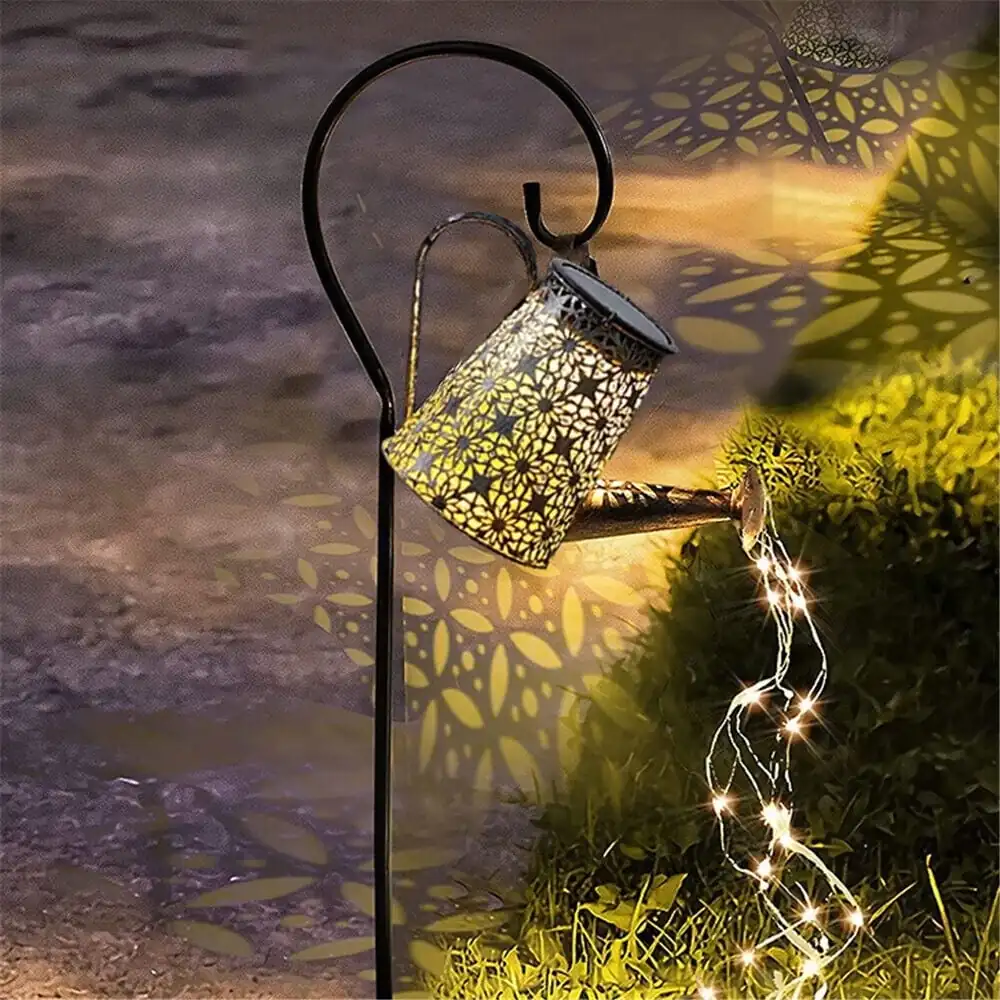
Iron and Steel Materials form the primary structure of these lights. The most common material is mild steel (low-carbon steel), which is cost-effective, easy to work with, and suitable for decorative applications. Some premium products use wrought iron or cast iron for specific design elements, though these materials are more expensive and less common in mass-produced solar lights. The thickness (gauge) of the iron or steel directly affects the structural strength and durabilitythicker metal is more durable but also heavier and more expensive. When evaluating iron lights, verify the metal thickness and type. Thinner metal (18-20 gauge) is adequate for decorative elements but may lack structural strength. Thicker metal (14-16 gauge) provides better durability and a more substantial feel.
Surface Preparation is critical for rust prevention and coating adhesion. High-quality manufacturing processes include thorough cleaning to remove oils, dirt, and mill scale, followed by phosphate treatment or zinc phosphate coating to create a rust-inhibiting base layer that also improves powder coating adhesion. Some manufacturers use sandblasting or chemical etching to prepare the surface. Inadequate surface preparation will result in poor coating adhesion and premature rust. When evaluating suppliers, ask about their surface preparation processes and verify that they include rust-inhibiting treatments.
Powder Coating is the preferred finishing method for iron solar lights, providing a durable, weather-resistant protective layer. Powder coating involves applying dry powder to the metal surface and then curing it in an oven, creating a hard, uniform finish. The coating thickness (typically 60-100 microns for outdoor applications) and the quality of the powder material directly affect durability. High-quality powder coatings are UV-resistant, fade-resistant, and resistant to chipping and peeling. Common colors for iron lights include black, bronze, copper, antique finishes, and various metallic tones. When sourcing, verify the powder coating thickness, the UV resistance of the coating material, and the coverage quality (all surfaces, including hard-to-reach areas, should be fully coated).
Welding and Joining methods affect both the structural integrity and the aesthetic quality of iron lights. Common methods include MIG welding (fast and cost-effective, suitable for most applications), TIG welding (more precise and cleaner, used for visible welds or intricate work), and spot welding (for joining thin metal sheets). High-quality iron lights feature clean, strong welds that are ground smooth and finished to be nearly invisible or incorporated as design elements. Poor welding results in weak joints, visible rough welds, and potential rust points. When evaluating samples, inspect all weld points for quality, strength, and finish.
Cutting and Forming processes create the decorative patterns and shapes in iron lights. Laser cutting provides the most precise and clean cuts, ideal for intricate filigree patterns. Plasma cutting is faster and more cost-effective but may produce rougher edges that require additional finishing. Stamping and pressing are used for forming three-dimensional shapes and curves. The quality of cutting and forming directly impacts the visual appeal and the precision of decorative details. When evaluating samples, inspect the edges of cutout patterns for smoothness and precision, and verify that formed shapes are consistent and free from distortion.
Glass and Acrylic Components are used in lantern-style iron lights. Glass provides superior clarity and a premium feel but is heavier and more fragile. Acrylic is lighter and shatter-resistant but may scratch or yellow over time if not UV-stabilized. The glass or acrylic panels must be securely held within the iron frame, typically using clips, grooves, or adhesive. When evaluating lantern designs, verify the quality and clarity of the glass or acrylic, the security of the mounting method, and the ease of replacement if panels break.
Solar Panels in iron lights are typically small monocrystalline or polycrystalline silicon panels integrated into the top of the fixture or positioned on a separate stake. The solar panel must be protected from weather while maintaining adequate sun exposure. In some designs, the panel is incorporated into the decorative ironwork; in others, it is positioned separately to avoid compromising the aesthetic. When evaluating designs, verify the solar panel size, efficiency, and positioning relative to the decorative elements.
Batteries store the solar energy for nighttime illumination. NiMH batteries are common in budget to mid-range products, while lithium-ion batteries are preferred for premium products due to their longer lifespan and better performance. The battery must be protected from moisture and accessible for replacement. When sourcing, verify the battery type, capacity, protection method, and accessibility.
For battery performance insights, see common battery issues in solar garden lights.
LED Light Sources provide the illumination. Warm white LEDs are most popular for vintage and rustic iron lights, creating a cozy, inviting glow. Amber or Edison-style LEDs enhance the vintage aesthetic. The LED placement and optics must be designed to illuminate the decorative ironwork effectively, often creating shadow patterns that enhance the visual appeal. When evaluating samples, test the light output, color quality, and the shadow patterns created by the ironwork.
Assembly and Quality Control for iron lights should include verification of coating quality and coverage, weld strength and finish, structural integrity and stability, waterproof sealing (to achieve the claimed IP rating), solar panel output, battery charging performance, and LED illumination quality. Quality control is particularly important for iron lights, as rust, coating defects, or structural issues can significantly impact product lifespan and customer satisfaction.
What Quality Standards and Certifications Matter for Wholesale Buyers?
For wholesale buyers sourcing iron solar lights for retail or distribution, understanding relevant quality standards and certifications is essential to ensure product safety, durability, and market acceptance.
CE Certification is mandatory for selling solar lights in the European Union. For iron solar lights, CE certification typically covers electrical safety, electromagnetic compatibility, and material safety (RoHS compliance). Verify that the supplier provides a valid CE certificate from a recognized testing body.
For more information, see why CE certification matters for solar garden lights.
RoHS Compliance (Restriction of Hazardous Substances) is required for products sold in the EU. RoHS restricts hazardous materials in electrical products. Suppliers should provide RoHS test reports from accredited laboratories.
Learn more at solar garden light RoHS certification guide.
IP Ratings (Ingress Protection) indicate protection against dust and water. For outdoor iron solar lights, a minimum rating of IP44 is recommended, with IP65 preferred for harsh weather conditions. The IP rating should be verified through testing.
For a detailed explanation, refer to garden light waterproof ratings IP44 IP65 IP67 guide.
UKCA Certification is required for products sold in Great Britain following Brexit. If you are sourcing for the UK market, ensure that your supplier can provide UKCA certification.
More details at UKCA certification solar garden lights guide.
Coating Quality Standards are critical for iron lights. While there may not be specific certifications for powder coating quality, reputable manufacturers should be able to provide information on coating thickness (measured in microns), adhesion testing results (such as cross-hatch adhesion tests), and UV resistance testing. Request coating specifications and test results to verify quality.
Corrosion Resistance Testing such as salt spray testing (ASTM B117 or equivalent) can verify the rust resistance of iron lights. Salt spray testing simulates years of outdoor exposure in a matter of days or weeks. Request salt spray test results to verify that the coating and rust prevention methods are adequate for outdoor use.
Structural Integrity Testing should verify that iron lights can withstand expected loads, wind, and impacts without bending, breaking, or tipping. While there may not be specific certifications for structural integrity, reputable manufacturers should conduct internal testing and be able to provide information on their testing procedures.
Material Safety should include verification that powder coatings and other materials are non-toxic and safe for outdoor use. Some markets have specific restrictions on materials used in outdoor products.
For wholesale buyers, working with suppliers who maintain up-to-date certifications and can provide test reports from accredited third-party laboratories is critical. For more guidance on export certifications, see what certifications are required for exporting high-quality solar garden lights.
Additionally, visit the support certificates page to see examples of the documentation that professional suppliers should provide.
What Is the Market Demand and Customer Preferences?
Understanding market demand and customer preferences is crucial for wholesale buyers when selecting iron solar lights for their inventory. This category has distinct demand drivers and customer segments that differ from plastic or budget lighting products.
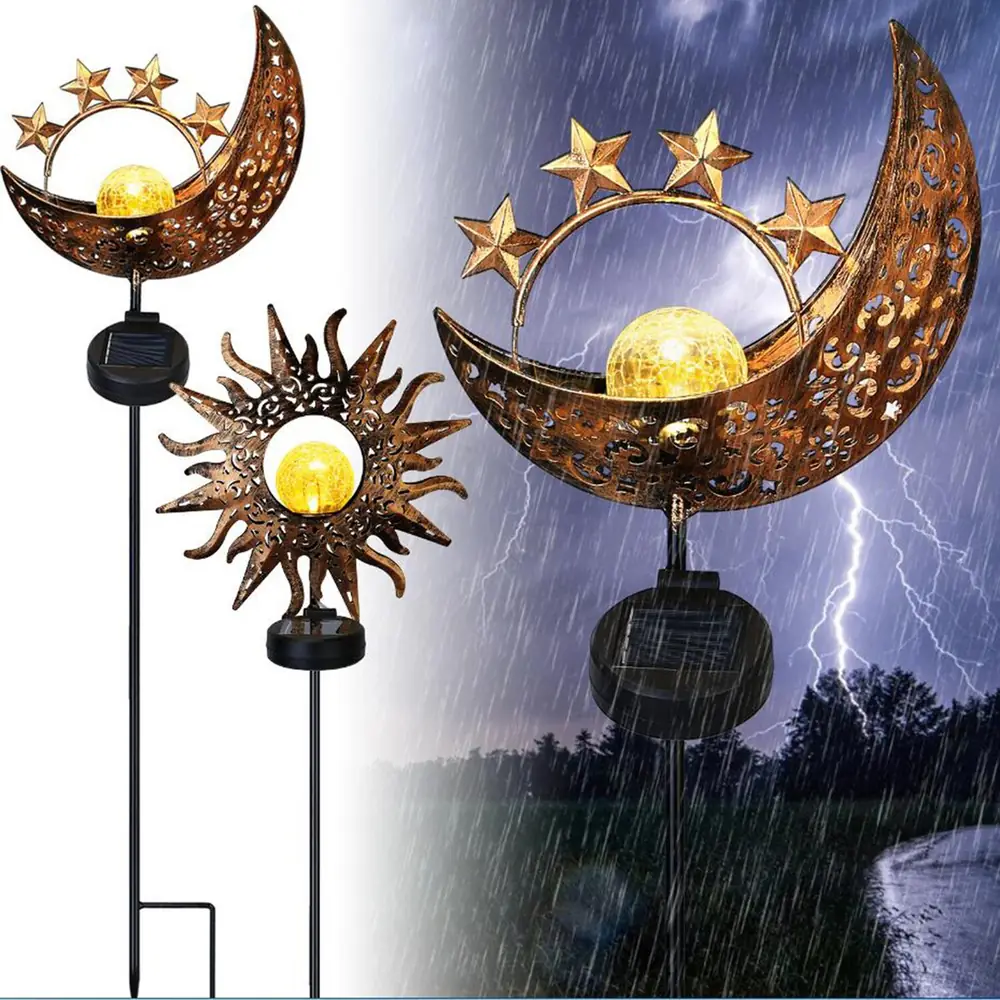
Residential Décor Market Demand is the primary segment for iron solar lights. Homeowners purchase these lights to enhance their outdoor spaces with decorative lighting that complements specific design aesthetics (vintage, rustic, farmhouse, Mediterranean, industrial). This segment prioritizes aesthetic appeal, quality craftsmanship, and durability over low price. Customers in this segment are often willing to pay premium prices for products that align with their design vision and provide lasting value.
Gift Market Demand is significant for iron solar lights, particularly for housewarming gifts, wedding gifts, or holiday gifts. The perceived quality and aesthetic appeal of iron lights make them attractive gift options. Gift buyers are typically less price-sensitive and value attractive packaging and presentation. For wholesale buyers, offering gift-ready packaging can enhance sales in this segment.
Seasonal Demand Patterns for iron solar lights show peaks in spring and summer (when customers are furnishing outdoor spaces and gardens) and in autumn (for harvest and holiday décor). However, iron lights maintain stronger baseline demand throughout the year compared to purely seasonal decorative items, as they are often purchased as permanent outdoor décor rather than temporary seasonal decorations.
Design Style Preferences vary by market and customer demographics. Vintage and rustic designs (lanterns, scrollwork, distressed finishes) are popular in North America and Europe, particularly among customers following farmhouse or cottage design trends. Moroccan and Mediterranean designs appeal to customers seeking exotic or bohemian aesthetics. Modern and industrial designs attract urban customers with contemporary tastes. Understanding the dominant design trends in your target market helps guide product selection.
Customer Preferences for Finish include authentic-looking iron finishes such as black, bronze, copper, or antiqued/distressed finishes that enhance the vintage or rustic aesthetic. Customers value finishes that look like genuine aged iron rather than obviously painted metal. Matte or satin finishes are generally preferred over glossy finishes for iron lights.
Customer Preferences for Size and Scale vary by application. Smaller iron lights (8-12 inches tall) are popular for pathway lighting and garden borders. Medium-sized lights (12-24 inches) are versatile for various garden applications. Larger statement pieces (24+ inches) are used as focal points or garden art. Offering a range of sizes allows retailers to serve diverse customer needs.
Customer Preferences for Light Output for iron lights tend toward warm, ambient illumination rather than bright, functional lighting. Warm white or amber LEDs that create a cozy, inviting glow are strongly preferred. The decorative shadow patterns created by filigree ironwork are a key aesthetic feature that customers value.
Price Sensitivity is lower for iron lights compared to plastic alternatives. Customers purchasing iron lights are typically focused on quality, aesthetics, and durability rather than finding the lowest price. They understand that quality metalwork and rust-resistant finishes command higher prices. However, customers still compare options and expect value for their investment. Offering products at various price points (budget iron lights with simpler designs, mid-range with moderate detail, premium with intricate craftsmanship) allows retailers to capture different customer segments.
Online vs. Retail Channel Preferences are important considerations. Online customers rely heavily on product photos to assess the quality and aesthetic appeal of iron lights. High-quality photos showing details of the ironwork, the finish quality, and the light output (both day and night photos) are essential. Retail customers can see and handle the product, assessing the weight, craftsmanship, and finish quality in person. For wholesale buyers supplying online retailers, providing professional product photography is critical.
What Are the Common Applications?
Wholesale iron solar lights serve both functional and decorative purposes in a variety of residential and commercial settings. Understanding these use cases helps wholesale buyers position their products effectively.
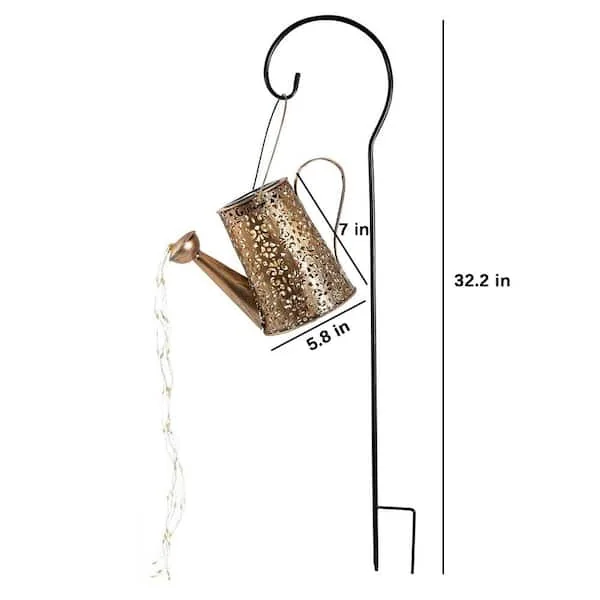
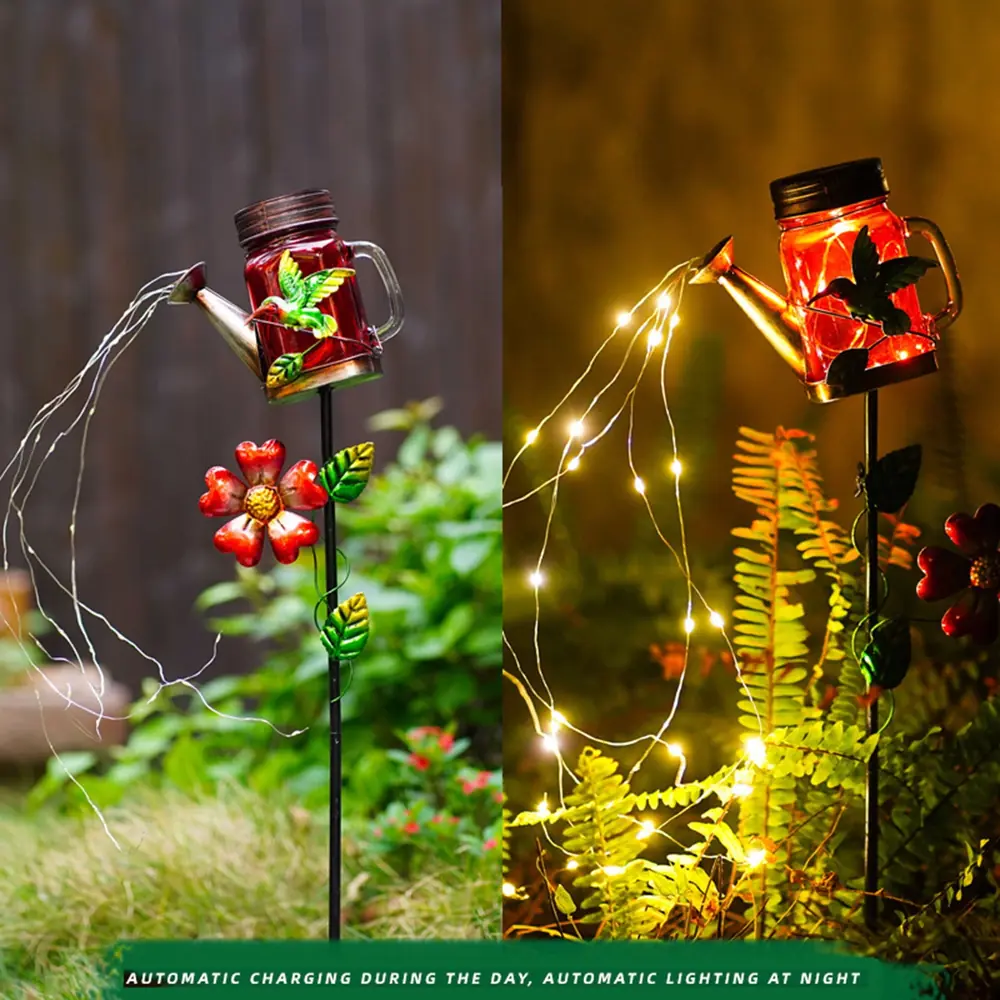
Garden and Landscape Décor is the most common application for iron solar lights. Homeowners use these lights to enhance flower beds, garden borders, pathways, and landscape features. Iron lights serve as both daytime garden art (the decorative ironwork is visually appealing even when not illuminated) and nighttime lighting (providing ambient illumination and decorative shadow patterns). For this application, customers value intricate designs, quality craftsmanship, and rust-resistant finishes that will last multiple seasons.
Patio and Outdoor Living Spaces benefit from iron solar lights as decorative accents that enhance ambiance. Hanging iron lanterns, tabletop iron lights, or wall-mounted iron sconces create warm, inviting atmospheres for outdoor dining, entertaining, or relaxation. For this application, customers value designs that complement their outdoor furniture and décor style, and they prioritize lights that provide adequate illumination for functional use.
Pathway and Walkway Lighting uses iron stake lights to line garden paths, sidewalks, or driveways. The decorative ironwork adds visual interest while providing functional illumination for safe navigation. For this application, customers value consistent design across multiple units, adequate brightness for pathway lighting, and sturdy stakes that remain upright.
Entryways and Porches are common locations for iron solar lights, where they serve both decorative and welcoming purposes. Hanging iron lanterns flanking a front door or iron sconces on porch walls create an inviting entrance. For this application, customers value designs that complement their home’s architectural style and finishes that coordinate with other exterior hardware (door handles, house numbers, mailboxes).
Event and Wedding Décor includes the use of iron solar lights for outdoor weddings, parties, and special events. Event planners and hosts use iron lights to create romantic, vintage, or rustic atmospheres. The solar-powered aspect eliminates the need for electrical hookups, making them ideal for outdoor venues. For this application, ease of setup and transport, attractive appearance, and reliable operation are priorities.
Commercial and Hospitality Applications include restaurants, cafes, hotels, and resorts that use iron solar lights to enhance outdoor dining areas, gardens, and walkways. Commercial buyers prioritize durability, consistent performance, and designs that align with their brand aesthetic. For this segment, bulk purchasing and custom branding options may be valuable.
Gift and Specialty Retail uses iron solar lights as premium gift items for housewarming, weddings, holidays, or special occasions. The perceived quality and aesthetic appeal of iron lights make them attractive gift options. For this application, attractive packaging and gift presentation are important.
What OEM/ODM Customization Options Are Available for Wholesale Iron Solar Lights?
For wholesale buyers looking to differentiate their product offerings or build a private label brand, understanding the OEM (Original Equipment Manufacturer) and ODM (Original Design Manufacturer) customization options available for iron solar lights is essential.
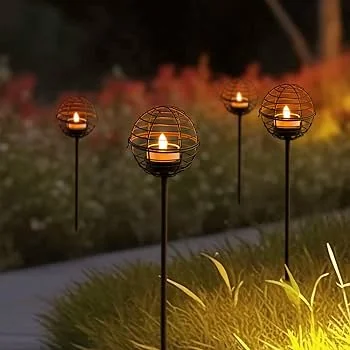
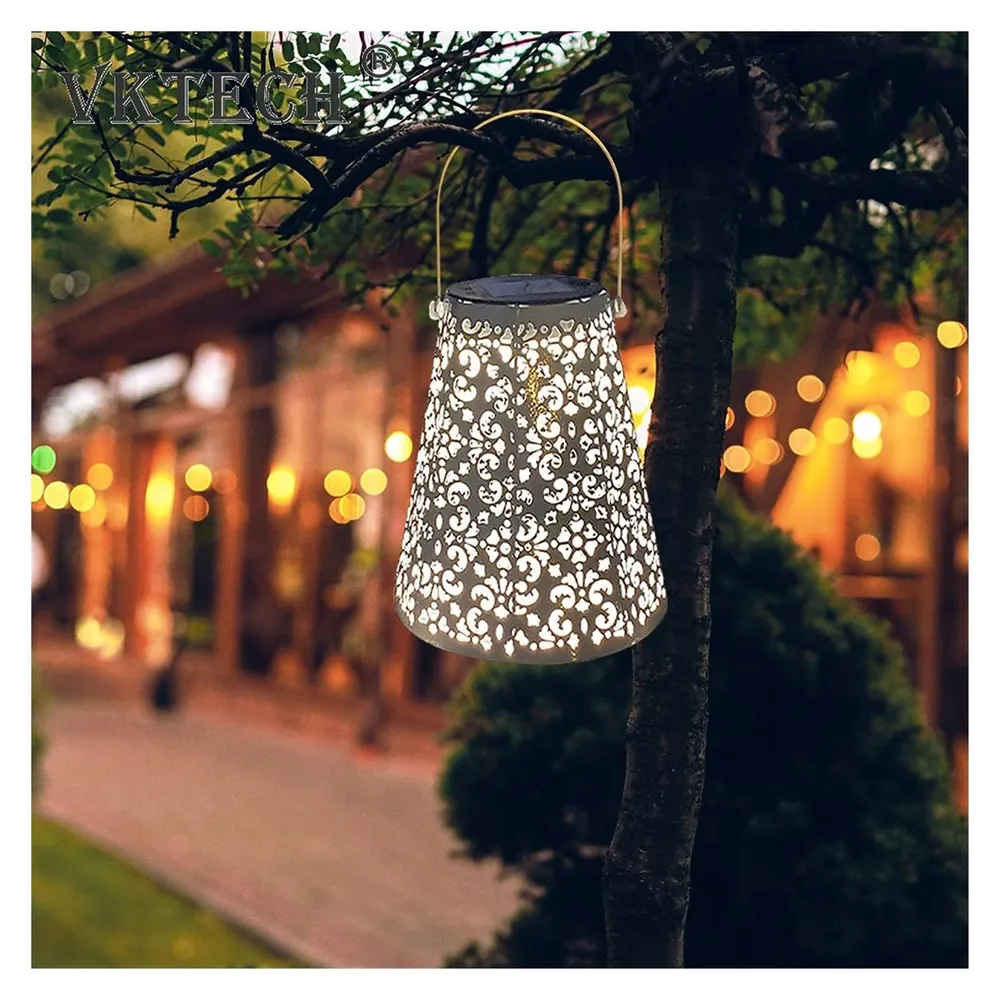
Design Customization (ODM) involves modifying existing designs or creating entirely new designs based on buyer specifications. Common design customizations include altering the ironwork patterns (filigree designs, scrollwork, geometric shapes), changing the overall shape or size of the fixture, or adding custom decorative elements. Manufacturers with in-house design teams, metalworking capabilities, and tooling facilities can develop custom designs. Design customization typically requires higher minimum order quantities and longer lead times due to the need for new tooling and testing.
Finish and Color Customization is one of the most accessible forms of customization for iron lights. Buyers can specify custom powder coating colors, finishes (matte, satin, glossy, textured), or special effects (distressed, antiqued, metallic). Custom finishes allow products to align with specific design trends or customer preferences. Color customization typically has moderate minimum order quantities and can significantly differentiate products in competitive markets.
Size and Scale Customization allows buyers to specify dimensions suited to their target market. Options include creating smaller versions for compact gardens or tabletop use, larger statement pieces for focal points, or adjustable-height stakes for versatility. Size customization affects material costs and may require tooling adjustments.
Solar Panel and Battery Upgrades are important customization options for buyers who want to offer premium products with better performance. Upgrading to higher-efficiency monocrystalline solar panels and higher-capacity lithium-ion batteries improves performance and reliability. Solar panel positioning can also be customized to balance aesthetic considerations with charging efficiency.
LED Customization includes adjusting LED color temperature, brightness, and effects. Options include warm white, amber, or Edison-style LEDs for vintage aesthetics, color-changing RGB LEDs for decorative effects, or adjustable brightness settings. LED customization allows products to meet specific ambiance requirements.
Glass or Acrylic Panel Customization for lantern-style iron lights includes selecting panel materials (clear glass, frosted glass, colored glass, crackled glass, UV-stabilized acrylic), panel shapes, or decorative treatments. Custom panels can enhance the aesthetic appeal and differentiate products.
Packaging Customization is critical for building brand identity and enhancing gift appeal. Custom packaging options include branded outer cartons, custom inner boxes with printed logos and product information, retail-ready packaging with window displays, and gift accessories such as decorative ribbons or greeting cards. High-quality packaging enhances perceived value and brand recognition.
Logo and Branding can be applied to the product itself (through laser engraving, embossing, or metal tags) and to all packaging materials. For buyers building a private label brand, consistent branding across all touchpoints is essential.
Certification and Compliance Customization involves ensuring that the product meets the specific regulatory requirements of the target market. Experienced manufacturers can assist with obtaining necessary certifications and can customize product specifications to meet regional standards.
For more information on customization capabilities, visit the OEM solutions page.
How to Source Wholesale Iron Solar Lights from China Manufacturers and Suppliers?
Sourcing wholesale iron solar lights from China offers cost advantages and access to skilled metalworking capabilities, but successful sourcing requires careful supplier selection and quality verification specific to metal products.
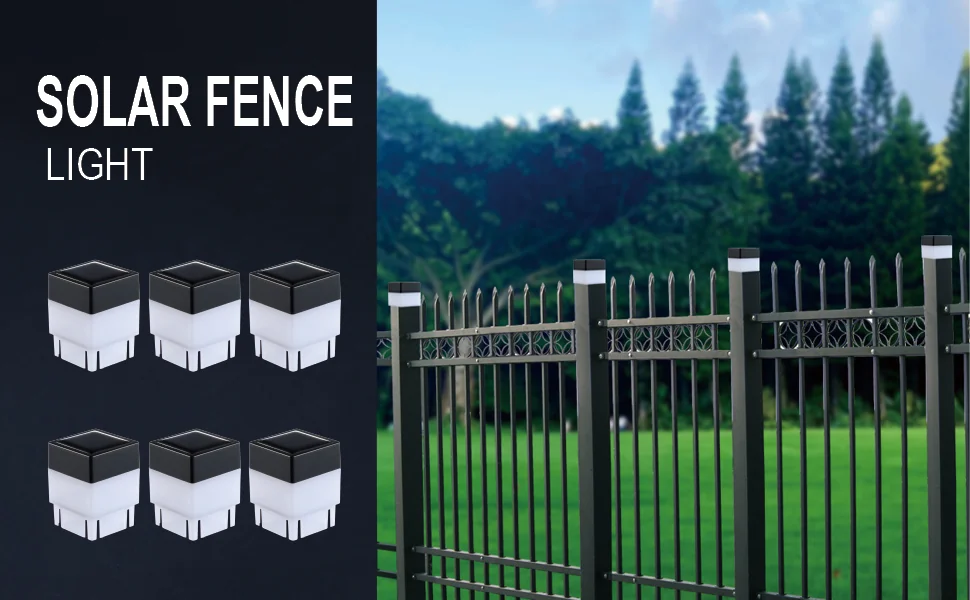
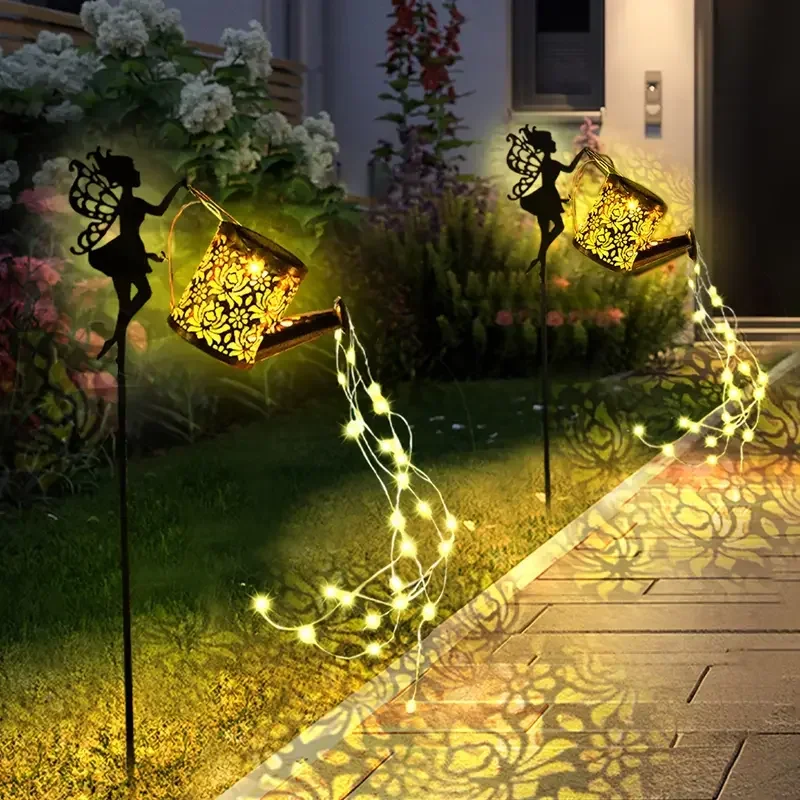
Finding Specialized Suppliers for iron solar lights requires targeted searching, as not all solar light manufacturers have metalworking capabilities and rust prevention expertise. Use specific search terms like “iron solar lights,” “metal solar lights,” “wrought iron solar lights,” or “steel solar lights” on B2B platforms. Trade shows focused on lighting, home décor, or garden products are excellent venues for finding suppliers with metalworking experience. Look for manufacturers with in-house metalworking facilities, powder coating lines, and experience in producing rust-resistant outdoor metal products.
Evaluating Supplier Metalworking Capabilities is critical for iron lights. Assess their welding quality, cutting precision (laser cutting vs. plasma cutting), forming capabilities, and powder coating facilities. Request to see their portfolio of existing iron light designs and ask about their rust prevention processes (surface preparation, primer application, powder coating specifications). Suppliers with in-house powder coating lines and quality control systems for coating thickness and adhesion are more likely to deliver durable products.
Requesting and Evaluating Samples is essential for iron lights, as coating quality and rust resistance are critical. Order samples and conduct thorough evaluation including visual inspection (coating uniformity, weld quality, finish smoothness), coating adhesion testing (try scratching with a coin or keycoating should not chip easily), rust resistance testing (expose to moisture or salt spray for several days and check for rust), structural testing (verify stability, stake strength, weight distribution), and performance testing (solar charging and light output). If possible, conduct accelerated aging tests (salt spray testing, UV exposure, temperature cycling) to predict long-term durability.
Negotiating Pricing and Terms should account for the higher material and processing costs of iron products. Discuss quality standards clearly, including coating thickness, rust prevention methods, and weld quality requirements. Clarify the payment terms, production lead time, and any costs for custom tooling or design modifications. For first-time orders, expect to pay a deposit upon order confirmation and the balance before shipment.
Defining Quality Standards in writing is crucial for iron lights. Provide detailed specifications including iron/steel type and thickness (gauge), powder coating specifications (color, finish, thickness in microns), surface preparation and rust prevention methods, weld quality and finish requirements, dimensional specifications, IP rating requirements, and solar panel and battery specifications. Include reference photos or samples to clarify expectations for finish quality and craftsmanship. Specify the acceptable quality level (AQL) for defects, with particular attention to coating defects and rust.
Implementing Quality Control Measures should include pre-production inspections to verify materials and coating samples, during-production inspections to catch issues early (particularly coating defects or weld quality issues), and pre-shipment inspections to verify that finished products meet specifications. For iron lights, coating quality inspection (thickness, uniformity, adhesion) and rust resistance verification are as important as functional testing. Third-party inspection companies can conduct these inspections and provide detailed reports.
Managing Logistics and Shipping involves choosing the right shipping method and ensuring proper documentation. Iron lights are heavier than plastic alternatives, which affects shipping costs. For large orders, sea freight is most cost-effective. Work with a freight forwarder who can handle customs clearance and provide door-to-door delivery. Ensure that all necessary export and import documentation is in order, including compliance certificates. Verify that the supplier uses adequate packaging to protect the products during transit, particularly any glass panels or delicate ironwork.
Building Long-Term Supplier Relationships can lead to better pricing, priority production scheduling, and improved communication. Once you have identified a reliable supplier with good metalworking capabilities, maintain regular contact and provide feedback on product performance and customer preferences. Long-term relationships make it easier to negotiate custom designs, flexible payment terms, and faster turnaround times.
For additional guidance on sourcing from China, see bulk purchase solar garden lights China.
What Mistakes Can Cost You Money When Buying Iron Solar Lights in Bulk?
Avoiding common mistakes when sourcing bulk iron solar lights can save wholesale buyers significant time, money, and frustration.
Ignoring Coating Quality is one of the most costly mistakes. Buyers who do not verify powder coating thickness, adhesion, and rust prevention methods may discover that lights rust within one or two seasons, leading to high return rates and damaged reputation. Always verify coating specifications (thickness in microns, UV resistance, adhesion testing) and conduct rust resistance testing on samples before placing bulk orders. Request salt spray test results or conduct your own accelerated aging tests.
Overlooking Weld Quality leads to structural failures and aesthetic issues. Poor welds can break under stress, and rough, visible welds detract from the premium appearance that customers expect from iron products. Inspect all weld points on samples for strength, smoothness, and finish quality. Verify that welds are fully coated with powder coating to prevent rust at these vulnerable points.
Underestimating Weight Considerations results in stability and installation issues. Heavy iron lights require sturdy stakes that can penetrate soil and support the weight without bending. Hanging iron lights require robust hanging mechanisms and secure attachment points. Verify that stakes, mounting hardware, and hanging mechanisms are adequate for the weight of the fixture. Test samples for stability and ease of installation.
Failing to Verify Surface Preparation can result in poor coating adhesion and premature rust. Inadequate surface preparation (cleaning, degreasing, phosphate treatment) will cause powder coating to peel or chip, exposing the iron to moisture and rust. Ask suppliers about their surface preparation processes and verify that they include rust-inhibiting treatments. Request information on their quality control procedures for surface preparation.
Choosing Suppliers Based Solely on Price often backfires for iron lights. The lowest-priced supplier may use thinner metal, inadequate rust prevention, poor-quality powder coating, or substandard welding, resulting in products that fail prematurely. For iron lights, quality craftsmanship and rust prevention are critical, and investing in higher-quality products typically yields better customer satisfaction and lower return rates. Evaluate suppliers based on a combination of price, metalworking capabilities, coating quality, and rust prevention methods.
Neglecting Packaging Protection leads to damage during shipping. Iron lights are heavy and can be damaged if not properly packaged. Delicate ironwork (filigree patterns) can be bent or broken, and glass panels can shatter. Verify that the supplier uses adequate protective packaging, including individual inner boxes, foam inserts or protective wrapping for delicate elements, and secure packaging for glass panels. Request photos of the packaging before production begins.
Overlooking Design Consistency across production runs can result in variations that frustrate customers. Iron lights are often purchased in sets or multiples, and customers expect consistent appearance across all units. Verify that the supplier has quality control procedures to ensure consistency in dimensions, finish color, and craftsmanship across large production runs. Request samples from multiple production batches if possible.
Failing to Test in Realistic Conditions can miss performance issues. Iron lights must perform reliably in outdoor conditions including rain, humidity, temperature extremes, and UV exposure. Test samples outdoors for at least one to two weeks, including exposure to rain or moisture, to verify rust resistance and performance. If possible, conduct accelerated aging tests to predict long-term durability.
Ignoring Stake or Mounting Hardware Quality results in installation failures. Weak stakes that bend or break, or inadequate mounting hardware that fails to secure the fixture, will frustrate customers and increase return rates. Verify that stakes are made from sturdy metal (not thin wire), that they are long enough to provide stability, and that mounting hardware is appropriate for the weight of the fixture.
Neglecting Customer Education about maintenance can lead to dissatisfaction. While high-quality iron lights with proper powder coating should be rust-resistant, customers may not understand that they should avoid scratching or chipping the coating, and that they should inspect lights periodically for any coating damage. Providing care instructions and maintenance tips can help customers maximize the lifespan of their iron lights and reduce warranty claims.
Who Is Glowyard Lighting and What Do We Offer?
Glowyard Lighting is a professional manufacturer specializing in solar-powered outdoor lighting solutions, including decorative iron solar lights that combine traditional metalworking craftsmanship with modern solar technology. With extensive experience in producing rust-resistant metal outdoor lighting for wholesale and bulk distribution, Glowyard serves garden centers, home décor retailers, and distributors across global markets.
Our manufacturing capabilities cover the full production process for iron solar lights, including metal cutting (laser and plasma cutting for precision), welding and forming, surface preparation and rust prevention treatments, powder coating (in-house coating line with controlled thickness and quality), and final assembly. We operate dedicated production lines for different product categories, including stake lights, hanging lanterns, wall sconces, and sculptural designs. Our facility is equipped with modern metalworking machinery, powder coating ovens, and quality testing equipment, ensuring consistent craftsmanship and rust resistance across large production runs.
Quality control is central to our operations, with particular emphasis on rust prevention and coating quality for metal products. We implement a multi-stage inspection system that includes incoming material inspection (IQC), in-process quality control (IPQC), and final product inspection (OQC). For iron solar lights, our quality checks focus on coating thickness and uniformity (measured with coating thickness gauges), coating adhesion (cross-hatch adhesion testing), weld quality and finish, rust resistance (salt spray testing for accelerated aging), structural integrity and stability, waterproof sealing (IP rating verification), solar panel output testing, and battery charging performance. We conduct salt spray testing to verify rust resistance and ensure that our powder coating processes provide long-term protection.
Glowyard offers comprehensive OEM and ODM services for wholesale buyers looking to develop custom iron light designs or private label brands. Our design team can modify existing designs or create entirely new products based on buyer specifications. We provide customization options for ironwork patterns and designs, powder coating colors and finishes, size and scale, solar panel and battery configurations, LED specifications, glass or acrylic panel options for lantern designs, and packaging. Our in-house metalworking and coating capabilities allow us to develop custom designs and finishes that align with specific market trends or customer preferences.
We maintain up-to-date certifications and compliance documentation to support export to major markets. Our products are tested and certified to meet CE, RoHS, IP rating, and other relevant standards. We can assist buyers with obtaining additional certifications as needed for specific markets. Our export team is experienced in preparing the necessary documentation for customs clearance and can provide certificates of origin, test reports (including salt spray test results for rust resistance), and compliance declarations. For more information on our certifications, visit our certificates page.
Our after-sales support includes technical assistance, warranty claim processing, and availability of replacement parts such as batteries, solar panels, and glass panels. We understand that reliable after-sales service is essential for maintaining customer satisfaction, particularly for premium decorative products where customers have high expectations for quality and durability. Our team is available to provide troubleshooting guidance and support for warranty issues.
For wholesale buyers, Glowyard offers flexible order quantities, competitive pricing for bulk orders, and reliable production scheduling. We work with buyers to develop product assortments that align with design trends and customer preferences in their target markets. Our goal is to be a trusted partner for businesses seeking high-quality, rust-resistant iron solar lights that meet the demands of decorative outdoor lighting markets.
Wholesale Buying Checklist
When sourcing wholesale iron solar lights, use this checklist to ensure you cover all critical evaluation points:
- Verify supplier experience with metalworking and rust-resistant outdoor metal products
- Request and test product samples for coating quality, rust resistance, and craftsmanship
- Conduct coating adhesion testing (scratch test with coin or key)
- Conduct rust resistance testing (expose to moisture or salt spray for several days)
- Inspect weld quality and finish on all samples
- Verify coating thickness (should be 60-100 microns for outdoor applications)
- Confirm product-specific certifications for your target market (CE, RoHS, IP rating)
- Review detailed specifications (metal type and thickness, coating specifications, rust prevention methods)
- Request salt spray test results or other corrosion resistance testing
- Evaluate structural integrity and weight distribution
- Test stake or mounting hardware strength and stability
- Assess solar panel positioning and efficiency
- Check battery type, capacity, and accessibility for replacement
- Evaluate LED color and light output quality
- Verify that glass or acrylic panels (if applicable) are securely mounted
- Clarify pricing structure (unit price, tooling costs for custom designs, packaging, shipping)
- Define payment terms and production lead time in writing
- Establish quality standards for coating quality, weld quality, and rust resistance
- Request information on surface preparation and rust prevention processes
- Review warranty terms and after-sales support availability
- Verify availability of replacement parts (batteries, glass panels)
- Ensure packaging provides adequate protection for heavy metal products and delicate elements
Quick RFQ Template for Wholesale Iron Solar Lights
Use this template when requesting quotations from suppliers:
—
Request for Quotation: Wholesale Iron Solar Lights
Company Name: [Your Company] Contact Person: [Your Name] Email: [Your Email] Target Market: [e.g., North America, Europe, Australia]
Product Requirements:
- Product Type: Iron Solar Light (specify: stake, hanging, wall-mounted, tabletop, sculptural)
- Quantity: [e.g., initial order quantity, with potential for repeat orders]
- Design Style: [specify: vintage lantern, filigree, Moroccan, modern, sculptural, etc.]
- Materials: [iron/steel type and thickness (gauge)]
- Dimensions: [specify overall size, stake length if applicable]
- Powder Coating: [color, finish (matte/satin/glossy/distressed), thickness in microns]
- Surface Preparation: [specify rust prevention requirements: phosphate treatment, primer, etc.]
- Weld Quality: [specify requirements: ground smooth, finished, etc.]
- LED Specifications: [color temperature (warm white/amber/Edison-style), brightness, effects]
- Solar Panel: [type (monocrystalline/polycrystalline), wattage, positioning]
- Battery: [type (lithium-ion preferred), capacity in mAh, replaceable or sealed]
- IP Rating: [minimum IP44, prefer IP65]
- Glass/Acrylic Panels: [if applicable: material, thickness, mounting method]
- Certifications Required: [CE, RoHS, IP rating, etc.]
- Packaging: [individual boxes, retail-ready packaging, gift packaging, branding requirements]
Customization Needs (if applicable):
- Custom ironwork patterns or designs
- Custom powder coating colors or finishes
- Custom size or scale
- Solar panel and battery upgrades
- Custom LED specifications
- Custom glass or acrylic panel options
- Custom packaging design (provide branding guidelines)
Pricing and Terms:
- Unit price (FOB, CIF, or DDP)
- Tooling or mold costs (if custom design)
- Packaging costs
- Payment terms (deposit and balance)
- Production lead time
- Sample availability and cost
Quality Assurance:
- Provide product-specific certification copies (CE, RoHS, IP test reports)
- Confirm quality control process (IQC, IPQC, OQC) with emphasis on coating quality and rust prevention
- Acceptable Quality Level (AQL) standards for coating defects, weld quality, and rust
- Coating thickness specifications and testing procedures
- Surface preparation and rust prevention processes
- Salt spray test results or other corrosion resistance testing
- Weld quality standards and inspection procedures
- Third-party inspection acceptance
Additional Information:
- Minimum order quantity for initial and repeat orders
- Availability of replacement parts (batteries, glass panels)
- Warranty terms and after-sales support
- Rust prevention and maintenance recommendations for customers
- Shipping and logistics support (considering weight of iron products)
Timeline:
- Sample delivery: [expected date]
- Bulk order delivery: [expected date]
Please provide a detailed quotation including all requested information and any recommendations based on your experience with iron solar lights and rust-resistant metal outdoor products.
—
Frequently Asked Questions
Q: What is the typical lifespan of wholesale iron solar lights?
The lifespan of iron solar lights depends heavily on the quality of rust prevention and powder coating. High-quality iron lights with proper surface preparation, rust-inhibiting primer, and thick powder coating (60-100 microns) can last 3-5 years or more without significant rust. The battery is typically the first component to degrade, with lithium-ion batteries lasting 3-5 years and NiMH batteries lasting 1-2 years. LED bulbs have very long lifespans and rarely fail before other components. To maximize lifespan, choose lights with high-quality powder coating, replaceable batteries, and proper rust prevention treatments. Customers should avoid scratching or chipping the coating and should inspect lights periodically for any coating damage that could lead to rust.
Q: How can I verify that iron solar lights are truly rust-resistant?
Rust resistance verification should include multiple steps. First, request information on the supplier’s rust prevention processes, including surface preparation (cleaning, degreasing, phosphate treatment), primer application, and powder coating specifications (thickness, UV resistance). Second, request salt spray test results (ASTM B117 or equivalent) that demonstrate the coating’s corrosion resistance. Third, conduct your own testing on samples by exposing them to moisture or salt spray for several days and checking for rust. Fourth, conduct coating adhesion testing (try scratching with a coin or keythe coating should not chip easily). Fifth, inspect samples closely for any areas where the coating is thin or missing, particularly on the backs of filigree patterns, inside corners, or at weld points. Thorough verification before placing bulk orders is essential to avoid costly rust-related returns.
Q: What powder coating thickness is recommended for outdoor iron solar lights?
For outdoor iron solar lights, a powder coating thickness of 60-100 microns is recommended for adequate rust protection and durability. Thinner coatings (below 60 microns) may not provide sufficient protection against moisture and UV exposure, leading to premature rust. Thicker coatings (above 100 microns) provide better protection but increase costs. When sourcing, request coating thickness specifications and verify that the supplier measures and controls coating thickness during production. Reputable manufacturers use coating thickness gauges to verify that all products meet specifications.
Q: Are iron solar lights too heavy for standard garden stakes?
Iron solar lights are heavier than plastic alternatives, which requires sturdier stakes and deeper installation. High-quality iron stake lights should include stakes made from sturdy metal (not thin wire) that are long enough (typically 6-10 inches) to provide stability when inserted into soil. The stake should be securely attached to the light fixture, typically through welding or heavy-duty mechanical fastening. When evaluating samples, test the stability by inserting the stake into soil and applying gentle pressure to verify that the light remains upright and stable. Inadequate stakes are a common failure point for iron lights and will result in customer dissatisfaction.
Q: Can iron solar lights be used in coastal areas with salt air?
Iron solar lights can be used in coastal areas if they have high-quality rust prevention and powder coating. Salt air is highly corrosive and will accelerate rust on inadequately protected iron. For coastal applications, prioritize lights with thick powder coating (80-100 microns), high-quality surface preparation including phosphate treatment, and salt spray test results that demonstrate corrosion resistance. Even with high-quality coating, customers in coastal areas should inspect lights periodically for any coating damage and should rinse lights occasionally with fresh water to remove salt deposits. Some manufacturers offer enhanced rust prevention treatments specifically for coastal or marine environments.
Q: What is the difference between iron and steel in solar lights?
In the context of solar lights, “iron” and “steel” are often used interchangeably, though technically steel is an alloy of iron and carbon. Most “iron solar lights” are actually made from mild steel (low-carbon steel), which is cost-effective, easy to work with, and suitable for decorative applications. Some premium products may use wrought iron (a purer form of iron with very low carbon content) or cast iron (iron with higher carbon content, cast into molds) for specific design elements. The key quality factors are not the specific type of iron or steel, but rather the thickness (gauge) of the metal, the quality of the welding and forming, and most importantly, the rust prevention treatments and powder coating quality.
Q: How do I verify the quality of welds on iron solar lights?
Weld quality verification should include visual inspection and, if possible, stress testing. Visually inspect all weld points on samples for smoothness (welds should be ground smooth and finished, not rough or protruding), completeness (welds should be continuous without gaps or voids), and coating coverage (welds should be fully coated with powder coating to prevent rust). If possible, apply gentle stress to welded joints to verify strengthwelds should not crack, separate, or show signs of weakness. Poor welds are not only structurally weak but also create rust points where moisture can penetrate. For premium iron lights, welds should be nearly invisible or incorporated as intentional design elements, not rough or obviously visible.
Q: Can I customize the powder coating color for iron solar lights?
Yes, most manufacturers offer powder coating color customization for iron solar lights. Custom colors allow products to align with specific design trends or customer preferences. Common custom colors include various shades of black, bronze, copper, antique finishes, and metallic tones. Custom finishes such as distressed, antiqued, or textured effects can also be achieved through powder coating techniques. Color customization typically has moderate minimum order quantities (higher than standard colors but lower than full design customization) and may require color samples or Pantone/RAL color codes for precise matching. Discuss your color requirements with the supplier early in the sourcing process, as custom colors may affect lead times and pricing.