







2026 lastest Full Product Catalogue
Please Click the button, after Filling in your Email and information, the file will be send within 24 hours .
-
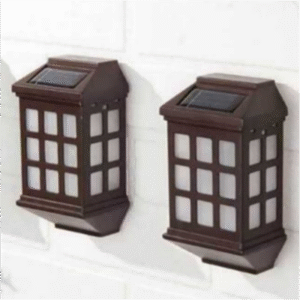 Deck Solar Lights
SM20126 Plastic Wall-mounted Solar Deck Lights
-
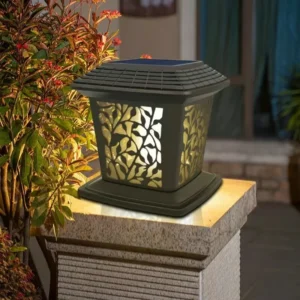 Deck Solar Lights
SM221454 Solar Leaf Hanging Lantern Light
-
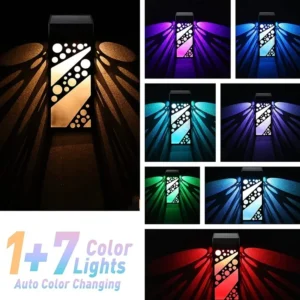 Deck Solar Lights
SM221637 RGB Colour-Change Solar Deck Light
-
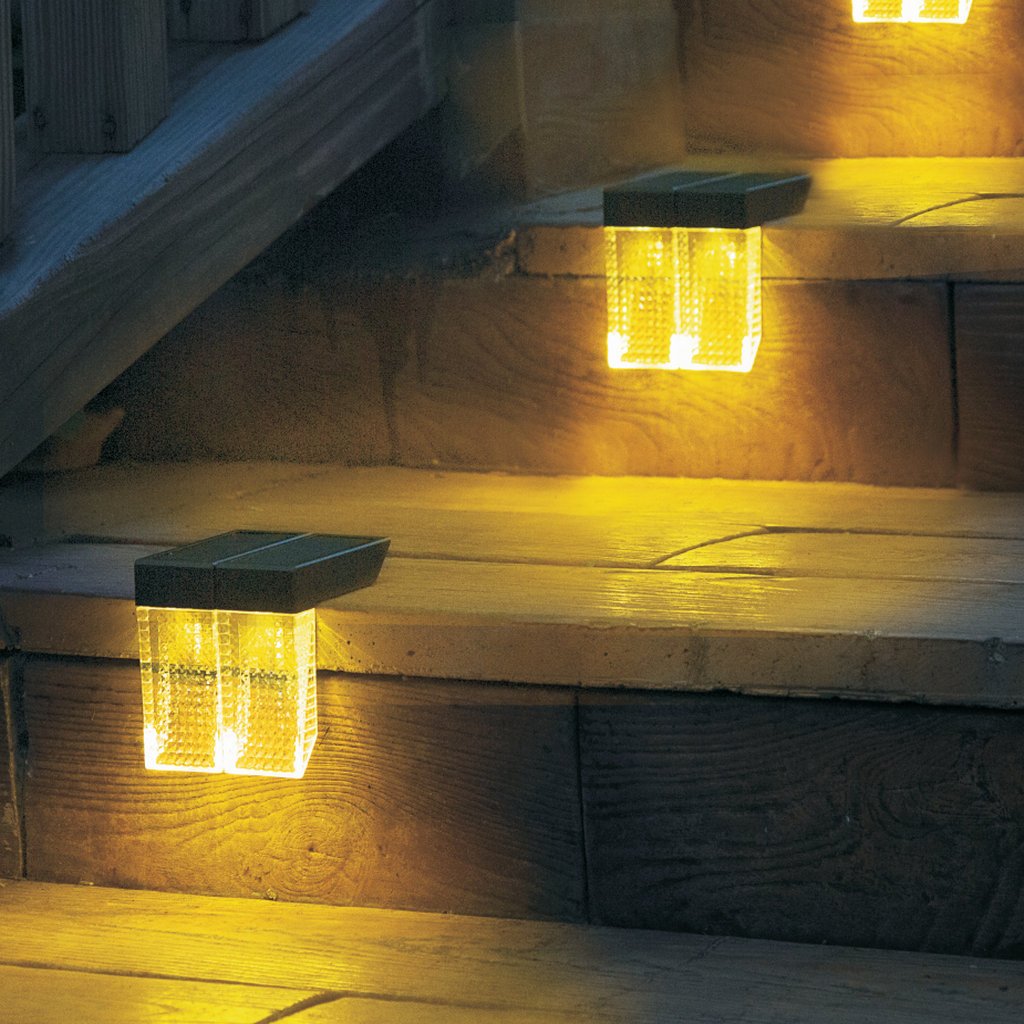 Deck Solar Lights
SM23497 Clear Crystal Solar Stair Light For Floor & Step
-
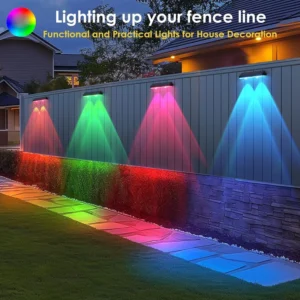 Deck Solar Lights
SM25677 Multi-Color PP Plastic Solar Wall Light for Deck
-
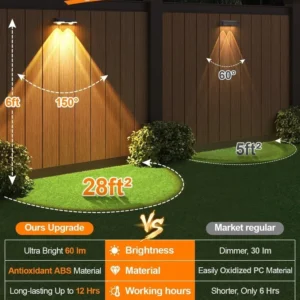 Deck Solar Lights
SM25942 ABS Plastic Solar Fence Wall Deck Light
-
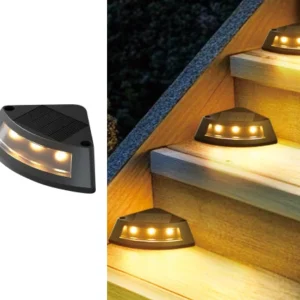 Deck Solar Lights
SML017 Solar Deck Lights Outdoor Fence Step Lights
-
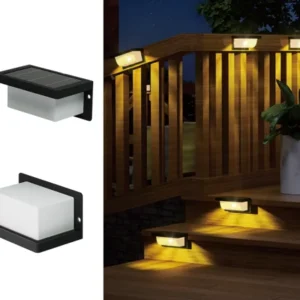 Deck Solar Lights
SML063 Square Right-angle Solar Deck Light
-
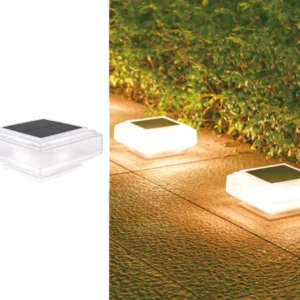 Deck Solar Lights
SML072 30LED in-ground Deck Post solar light
Wholesale Deck Solar Lights: Complete B2B Buyer Guide
If you’re sourcing wholesale deck solar lights for retail, distribution, or commercial projects, this comprehensive guide will help you evaluate designs, materials, certifications, and factory capabilities before placing bulk orders. Deck solar lights have become increasingly popular among wholesalers, retailers, and distributors due to their versatility, easy installation, and growing consumer demand for sustainable outdoor lighting solutions. When making bulk purchasing decisions, key factors include quality standards, IP waterproof ratings, battery performance, customization options, packaging efficiency, lead times, quality control processes, and shipping considerations. This guide addresses the specific needs of importers, project contractors, and wholesale buyers who need reliable suppliers capable of delivering consistent quality, proper certifications, and flexible OEM/ODM services for deck lighting applications.
Category Summary
Wholesale deck solar lights represent one of the fastest-growing segments in the outdoor solar lighting market, with bulk deck solar lights orders increasing significantly as homeowners and commercial properties seek energy-efficient deck illumination solutions. This category encompasses various mounting styles including post-cap lights, rail-mounted fixtures, step lights, and accent lighting designed specifically for deck applications. Key purchasing considerations for wholesale buyers include durability against weather exposure, consistent LED performance, reliable solar charging systems, and installation versatility. The primary customer base includes home improvement retailers, landscape contractors, deck builders, and online distributors serving residential and commercial markets. Popular designs range from traditional post-cap styles to modern flush-mount options, with stainless steel and weather-resistant plastic being the most requested materials for bulk orders.
What Will You Learn in This Guide?
- What Are Deck Solar Lights and Why Are They Popular in Wholesale Markets?
- What Types and Designs Sell Best for Bulk Orders?
- What Materials and Manufacturing Processes Are Used?
- What Quality Standards and Certifications Matter for Wholesale Buyers?
- What Is the Market Demand and Customer Preferences?
- What Are the Common Applications?
- What OEM/ODM Customization Options Are Available for Wholesale Deck Solar Lights?
- How to Source Wholesale Deck Solar Lights from China Manufacturers and Suppliers?
- What Mistakes Can Cost You Money When Buying Deck Solar Lights in Bulk?
- Who Is Glowyard Lighting and What Do We Offer?
- Frequently Asked Questions
What Are Deck Solar Lights and Why Are They Popular in Wholesale Markets?
Deck solar lights are specialized outdoor lighting fixtures designed specifically for installation on deck structures, including railings, posts, steps, and surfaces. These self-contained units integrate solar panels, LED lights, rechargeable batteries, and weather-resistant housings to provide automatic illumination without requiring electrical wiring or ongoing electricity costs.
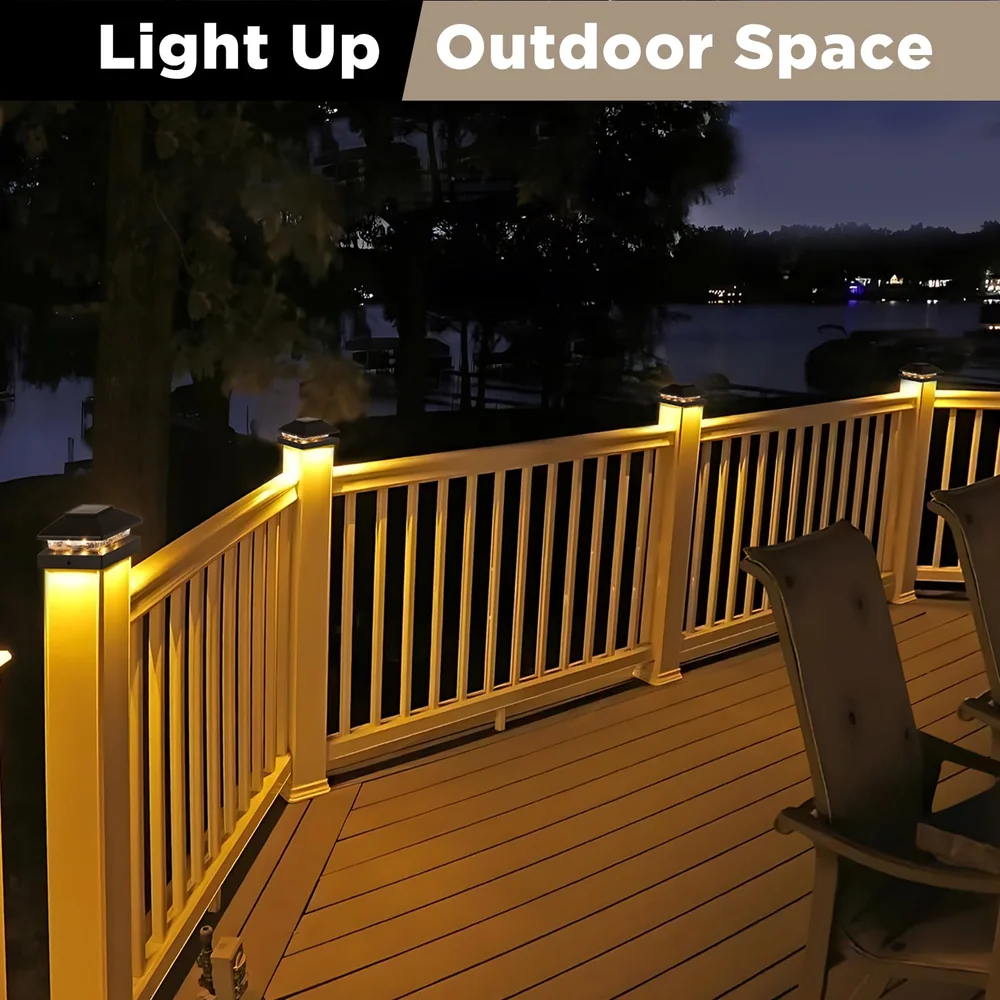
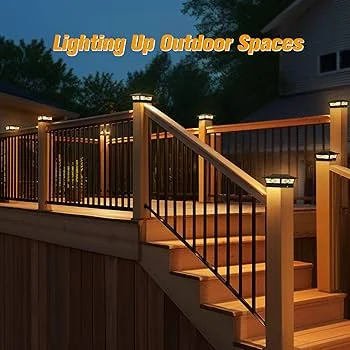
The wholesale market for deck solar lights has experienced remarkable growth due to several converging factors. First, the increasing popularity of outdoor living spaces has driven demand for deck lighting solutions that enhance both safety and ambiance. Homeowners are investing more in deck improvements, creating opportunities for retailers and contractors to offer comprehensive lighting packages.
From a wholesale perspective, deck solar lights offer attractive profit margins and inventory advantages. Unlike hardwired lighting systems that require professional installation, solar deck lights appeal to DIY consumers, expanding the potential customer base for retailers. The self-contained nature of these products also simplifies inventory management, as they don’t require separate components or accessories.
Glowyard Lighting has observed significant growth in wholesale deck solar light orders, particularly from home improvement retailers and landscape contractors. The appeal lies in the combination of energy efficiency, easy installation, and the growing consumer preference for sustainable lighting solutions.
Market drivers include rising energy costs, increased environmental awareness, and the expansion of outdoor living trends. Deck solar lights also benefit from technological improvements in LED efficiency and battery performance, making them more reliable and longer-lasting than earlier generations.
For wholesale buyers, deck solar lights represent a product category with strong seasonal demand patterns, allowing for predictable inventory planning. The products also cross-sell well with other outdoor improvement items, making them valuable additions to existing product lines.
What Types and Designs Sell Best for Bulk Orders?
Understanding the most popular deck solar light designs is crucial for wholesale buyers planning inventory investments. Market data shows distinct preferences based on application, aesthetic requirements, and price points.
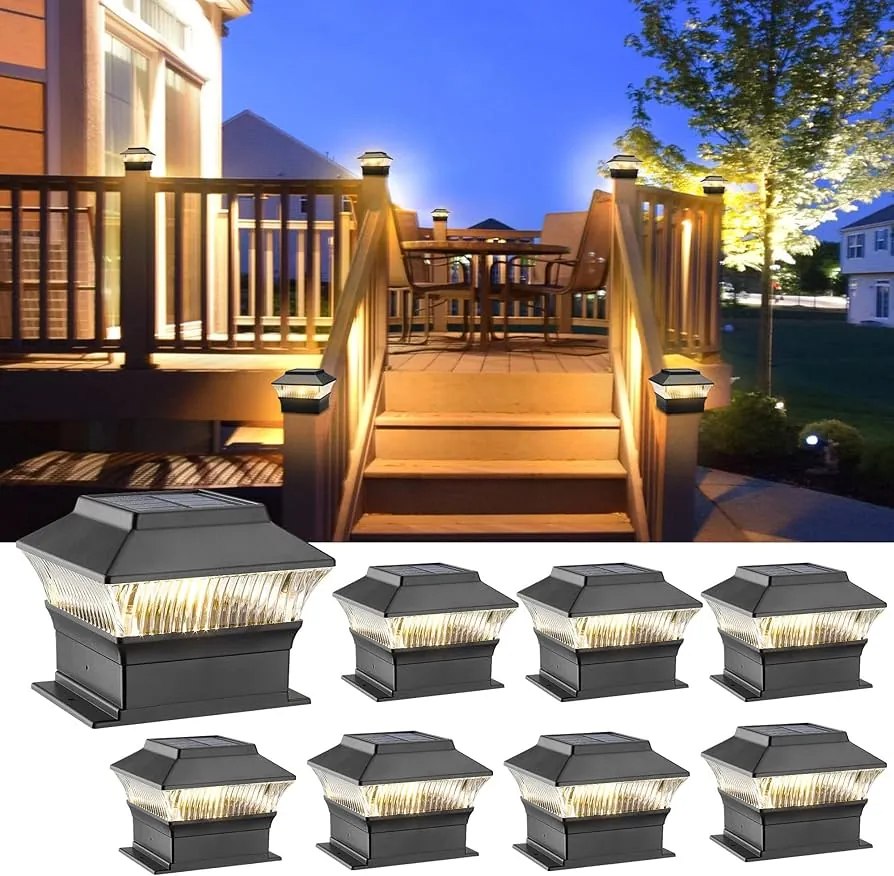
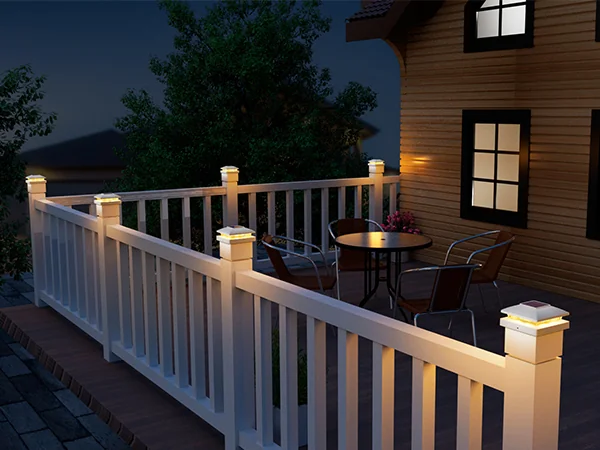
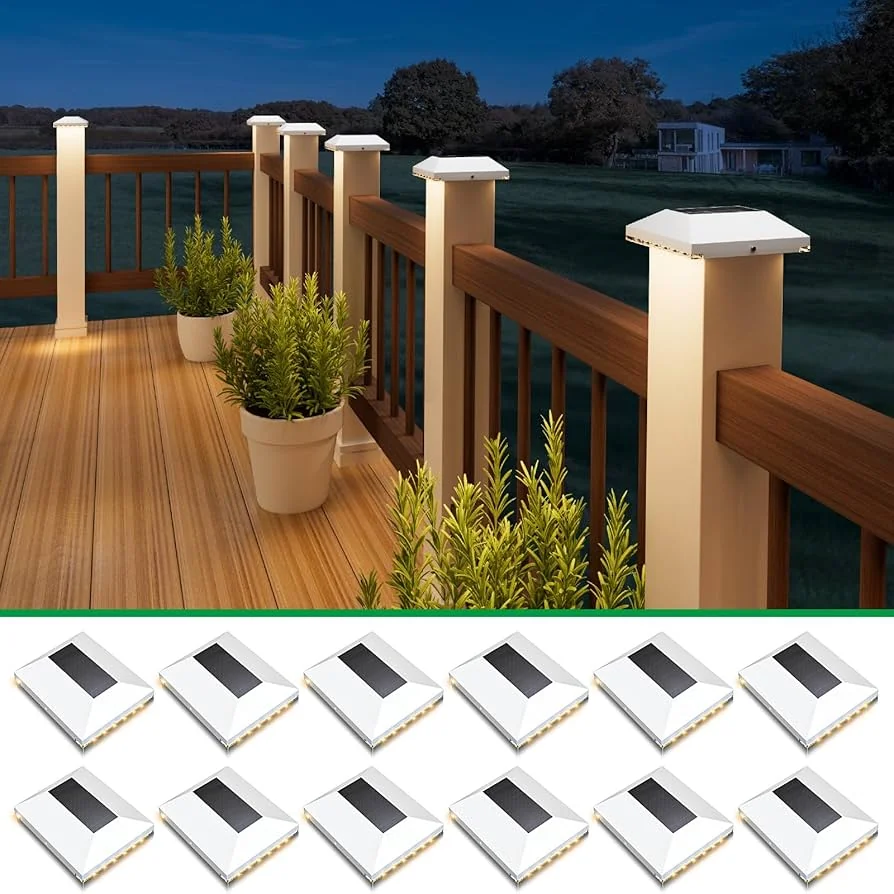
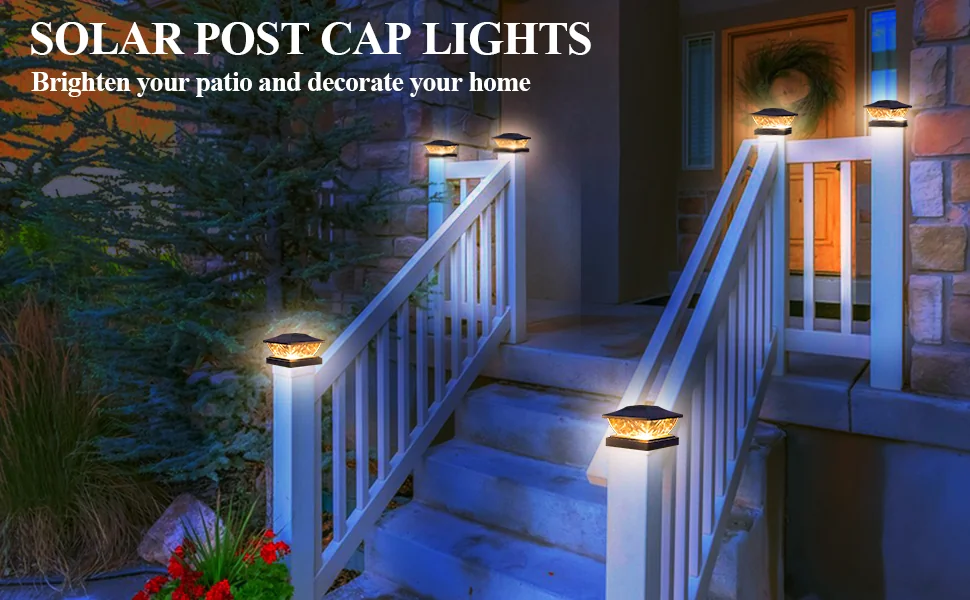
Post Cap Solar Lights dominate bulk orders, accounting for approximately 40% of wholesale deck solar light sales. These units mount directly onto deck posts and fence posts, providing both functional lighting and decorative appeal. Popular sizes include 4×4 inch and 6×6 inch configurations to match standard lumber dimensions. Stainless steel and black powder-coated finishes are the most requested options for bulk orders.
Rail-Mounted Solar Lights represent the second-largest category, particularly popular among contractors and retailers serving the residential market. These fixtures attach to deck railings and provide pathway lighting along deck perimeters. Adjustable mounting brackets and universal fitting systems are essential features for wholesale success.
Solar Step Lights have gained significant traction in bulk orders due to safety regulations and insurance requirements for commercial properties. These low-profile fixtures mount flush with deck surfaces or step risers, providing essential safety illumination. Warm white LEDs are preferred for step lighting applications.
Decorative Solar Accent Lights appeal to retailers targeting the premium market segment. These include lantern-style fixtures, string light systems, and architectural accent pieces. While representing smaller volume orders, they typically offer higher profit margins for wholesale buyers.
For those interested in the broader category of deck lighting solutions, decorative outdoor solar garden lights offer complementary products that can enhance wholesale deck lighting packages.
Category-Specific Buyer Notes for Deck Solar Lights:
Deck solar lights differ significantly from general garden lighting in several critical aspects that wholesale buyers must understand. First, mounting systems are specifically engineered for deck construction materials, requiring compatibility with standard lumber dimensions and railing profiles. Second, these lights face unique environmental challenges including reflected heat from deck surfaces, potential shading from railings and furniture, and exposure to foot traffic vibrations. Third, the aesthetic requirements are more architectural, with customers expecting designs that complement deck hardware and outdoor furniture rather than blending into natural landscapes. Fourth, installation simplicity is paramount since most deck solar lights are purchased by DIY consumers who expect tool-free mounting systems. Finally, seasonal performance is critical as deck lights are used year-round for safety purposes, requiring superior battery performance and cold-weather reliability compared to decorative garden lighting.
What Materials and Manufacturing Processes Are Used?
Material selection and manufacturing processes directly impact the durability, performance, and cost-effectiveness of wholesale deck solar lights. Understanding these factors helps wholesale buyers evaluate suppliers and make informed purchasing decisions.
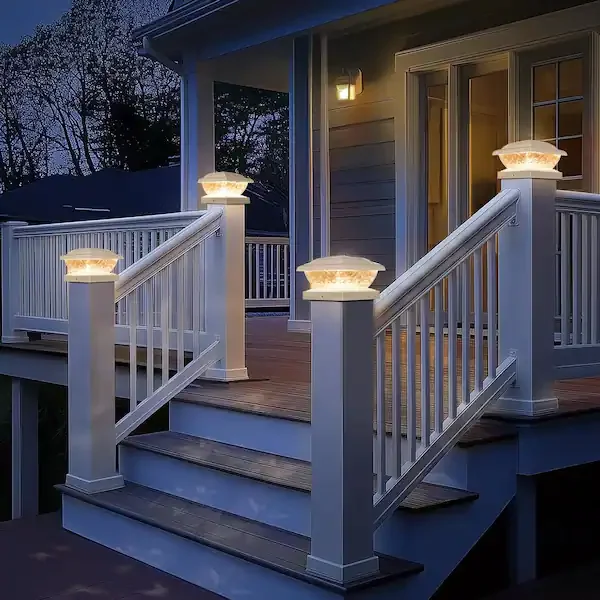
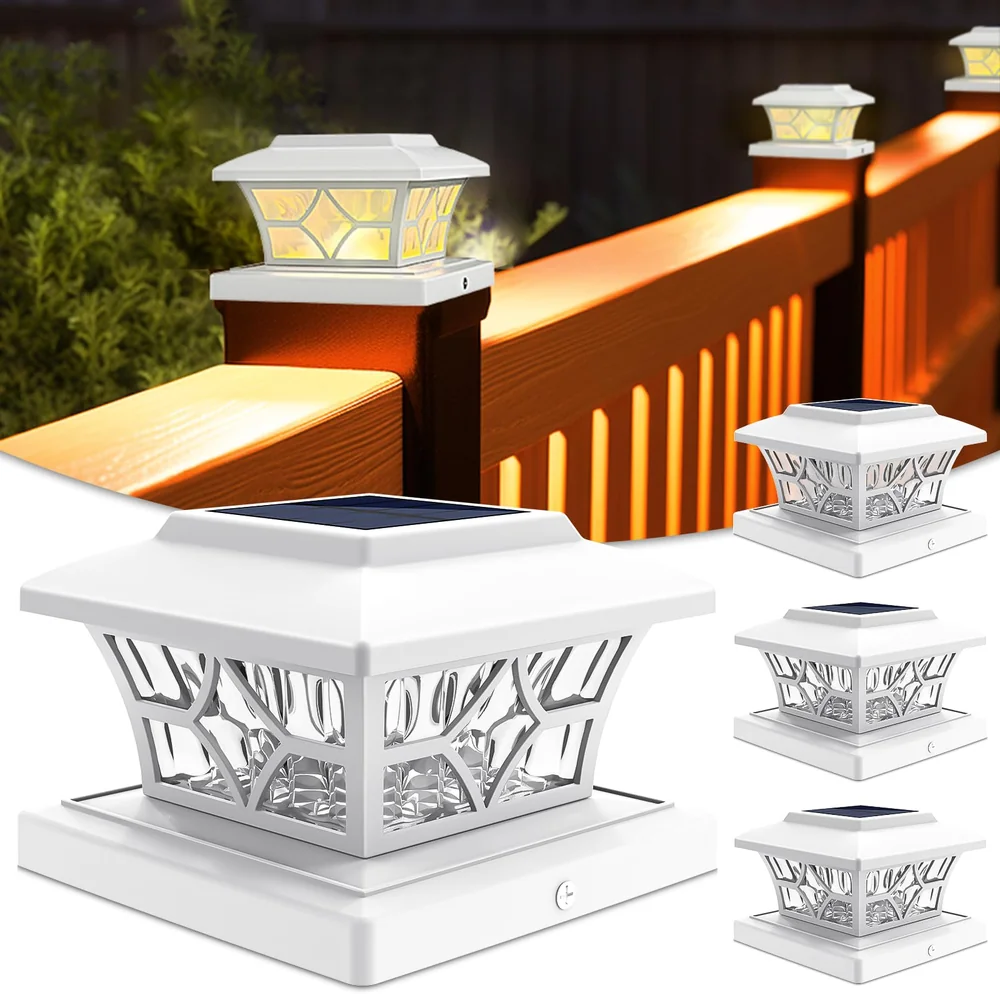
Housing Materials form the foundation of deck solar light construction. Stainless steel remains the premium choice for wholesale buyers, offering superior corrosion resistance and longevity. Grade 304 stainless steel is standard for most applications, while Grade 316 is specified for coastal environments. The manufacturing process involves precision stamping or casting, followed by polishing and protective coating application.
Aluminum alloy housings provide an excellent balance of durability and cost-effectiveness for bulk orders. Die-casting processes create complex shapes with integrated mounting features, while anodizing treatments provide color options and enhanced corrosion protection. Powder coating applications offer additional customization possibilities for OEM orders.
High-grade ABS plastic housings dominate the value segment of wholesale deck solar lights. Injection molding processes enable complex geometries and integrated features while maintaining cost efficiency for large production runs. UV stabilizers and impact modifiers are essential additives for outdoor durability.
Solar Panel Integration varies significantly across manufacturing approaches. Monocrystalline silicon panels offer the highest efficiency but require careful integration to maintain weather sealing. Polycrystalline panels provide cost advantages for bulk orders while delivering adequate performance for most applications. Amorphous silicon panels, while less efficient, offer flexibility in design integration and perform better in low-light conditions.
LED Technology selection impacts both performance and manufacturing costs. High-efficiency SMD LEDs are standard for quality wholesale deck solar lights, with 3030 and 5050 packages being most common. Color temperature consistency is crucial for bulk orders, requiring careful LED binning and quality control processes.
Battery Systems typically utilize lithium iron phosphate (LiFePO4) or nickel-metal hydride (NiMH) technologies. Manufacturing processes include cell selection, protection circuit integration, and weatherproof enclosure assembly. Battery management systems are increasingly important for premium wholesale products.
Quality manufacturing processes include automated assembly lines, integrated testing stations, and comprehensive quality control checkpoints. Glowyard Lighting employs multi-stage testing protocols including waterproof testing, thermal cycling, and accelerated aging tests to ensure consistent quality for wholesale orders.
What Quality Standards and Certifications Matter for Wholesale Buyers?
Quality standards and certifications are critical factors for wholesale buyers, particularly those serving international markets or commercial applications. Understanding these requirements helps ensure product compliance and reduces liability risks.
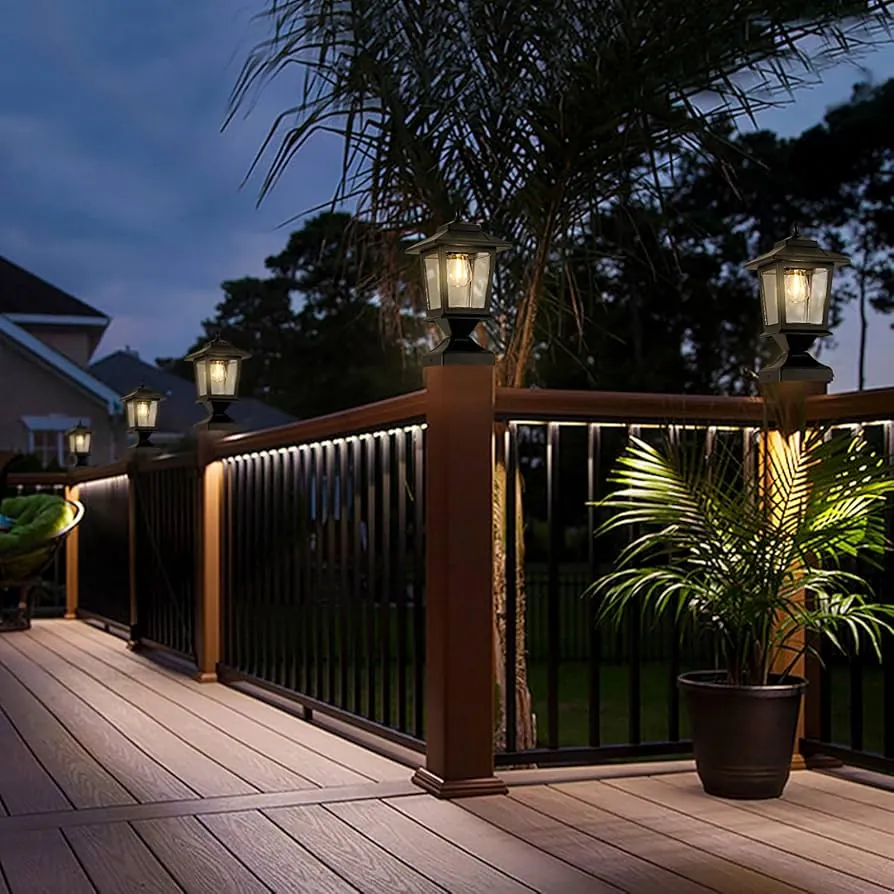
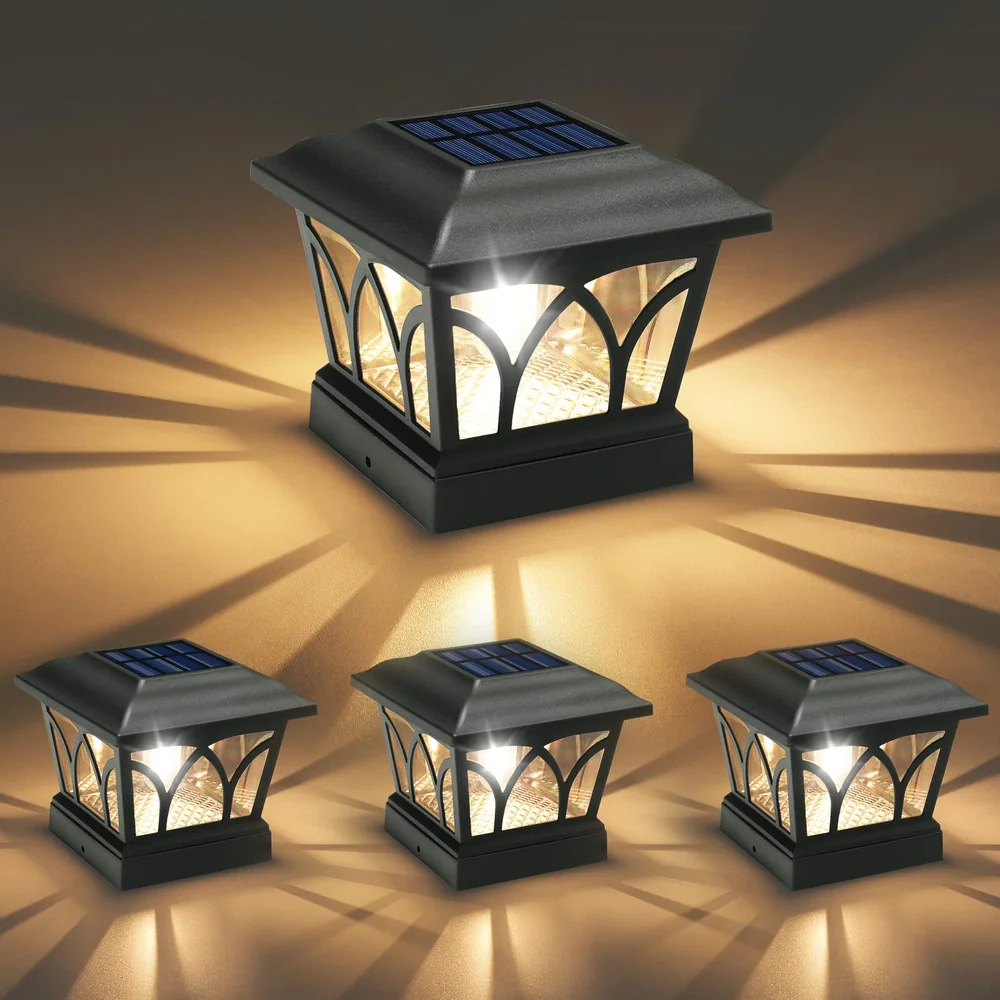
IP Waterproof Ratings are fundamental for deck solar light applications. IP65 rating is the minimum standard for wholesale deck solar lights, providing protection against water jets from any direction. IP67 rating offers enhanced protection for premium products, ensuring submersion resistance up to one meter. Manufacturing processes must include comprehensive seal testing and quality control verification.
CE Certification is mandatory for wholesale deck solar lights destined for European markets. This certification covers electromagnetic compatibility (EMC), low voltage directive (LVD), and RoHS compliance. The certification process includes product testing, technical documentation review, and ongoing compliance monitoring.
FCC Certification may be required for deck solar lights with wireless connectivity or smart features. Class B emission limits apply to residential applications, requiring careful circuit design and shielding implementation during manufacturing.
UL Listing provides additional credibility for wholesale buyers serving the North American market. While not always mandatory for solar lighting products, UL certification demonstrates commitment to safety standards and can facilitate sales to commercial customers and contractors.
RoHS Compliance restricts hazardous substances in electronic components and is increasingly important for wholesale buyers. Compliance requires careful supplier selection and ongoing material verification processes.
UKCA Marking has replaced CE marking for the UK market post-Brexit. Wholesale buyers serving UK customers must ensure proper certification and marking compliance.
Quality control processes should include incoming component inspection, in-process testing, and final product verification. Key testing parameters include waterproof integrity, solar panel performance, battery capacity verification, LED output measurement, and thermal performance evaluation.
For comprehensive information about certification requirements and quality standards, wholesale buyers should reference certificates documentation and work with suppliers who maintain current certification status.
Wholesale Buying Checklist for Deck Solar Lights:
- Verify IP65 minimum waterproof rating with test certificates
- Confirm CE/FCC/UL certifications for target markets
- Request material composition reports for RoHS compliance
- Validate solar panel efficiency ratings and warranties
- Test battery capacity and charging performance
- Verify LED color temperature consistency across batches
- Check mounting hardware compatibility with standard deck materials
- Confirm packaging meets shipping and retail requirements
- Validate warranty terms and after-sales support availability
- Request quality control documentation and testing protocols
- Verify supplier’s production capacity and lead times
- Confirm customization capabilities for OEM requirements
What Is the Market Demand and Customer Preferences?
Understanding market demand patterns and customer preferences is essential for wholesale buyers planning inventory investments and product selection strategies. The deck solar lighting market exhibits distinct seasonal patterns, regional preferences, and evolving consumer expectations.
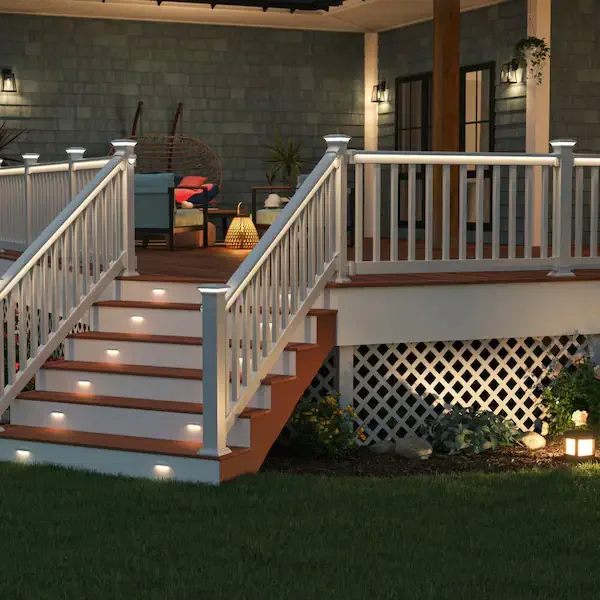
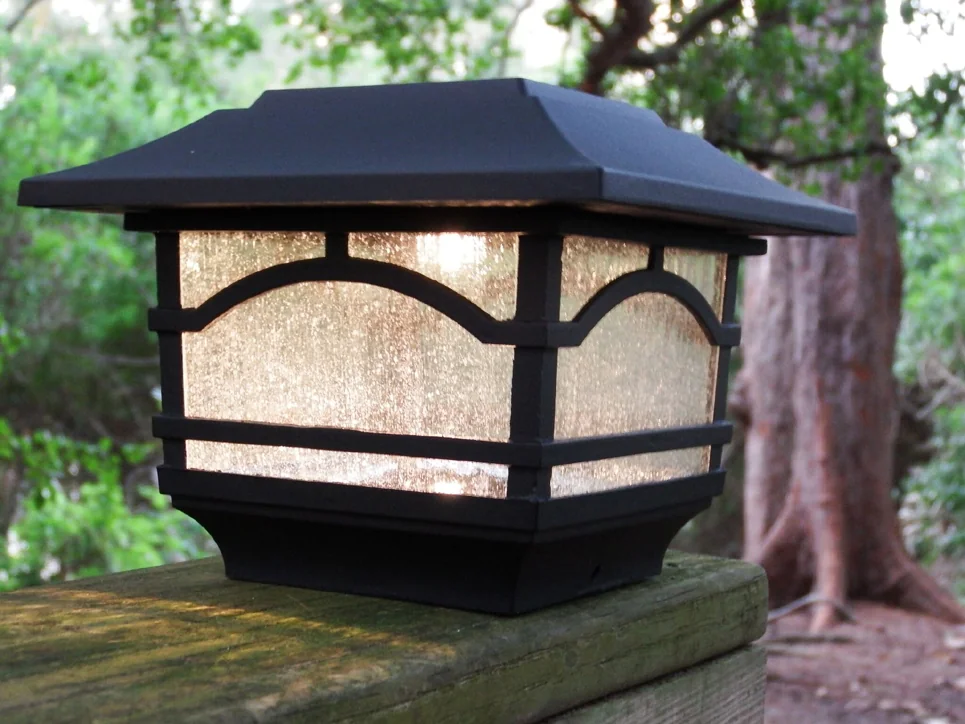
Seasonal Demand Patterns show peak sales occurring in spring and early summer months, with March through June representing 60-70% of annual wholesale volume. This pattern reflects consumer behavior around outdoor improvement projects and deck preparation for entertaining seasons. Wholesale buyers should plan inventory accordingly, with stock building beginning in January and February.
Regional Preferences vary significantly across different markets. Northern climates show stronger demand for cold-weather performance features, including enhanced battery systems and robust construction materials. Coastal regions prioritize corrosion resistance, driving demand for stainless steel and marine-grade finishes. Urban markets favor contemporary designs, while rural customers prefer traditional styling.
Consumer Price Sensitivity analysis reveals distinct market segments. The value segment (under $25 retail) focuses on basic functionality and easy installation. The mid-market segment ($25-$75 retail) emphasizes durability and design aesthetics. The premium segment (above $75 retail) demands advanced features, superior materials, and comprehensive warranties.
Technology Adoption Trends show increasing consumer interest in smart features, including smartphone connectivity, programmable lighting schedules, and integration with home automation systems. However, reliability and simplicity remain primary concerns for the majority of wholesale customers.
Installation Preferences strongly favor tool-free mounting systems and universal compatibility. Consumers increasingly expect comprehensive installation instructions, mounting hardware inclusion, and customer support availability.
Design Aesthetics trends show movement toward contemporary styling, with clean lines and minimalist designs gaining market share. However, traditional and transitional styles maintain strong demand, particularly in established residential markets.
Performance Expectations have evolved significantly, with consumers now expecting multi-night operation, consistent brightness levels, and reliable automatic operation. These expectations drive wholesale buyers toward suppliers with proven quality control and testing protocols.
Environmental Consciousness influences purchasing decisions, with consumers increasingly valuing sustainable materials, recyclable packaging, and energy efficiency claims. Wholesale buyers should consider these factors when evaluating supplier partnerships and marketing strategies.
Market research indicates that customer satisfaction correlates strongly with product reliability, ease of installation, and consistent performance across seasonal variations. These factors should guide wholesale buyers in supplier selection and quality requirements.
What Are the Common Applications?
Deck solar lights serve diverse applications across residential, commercial, and institutional markets. Understanding these applications helps wholesale buyers identify target customers and tailor product selections accordingly.
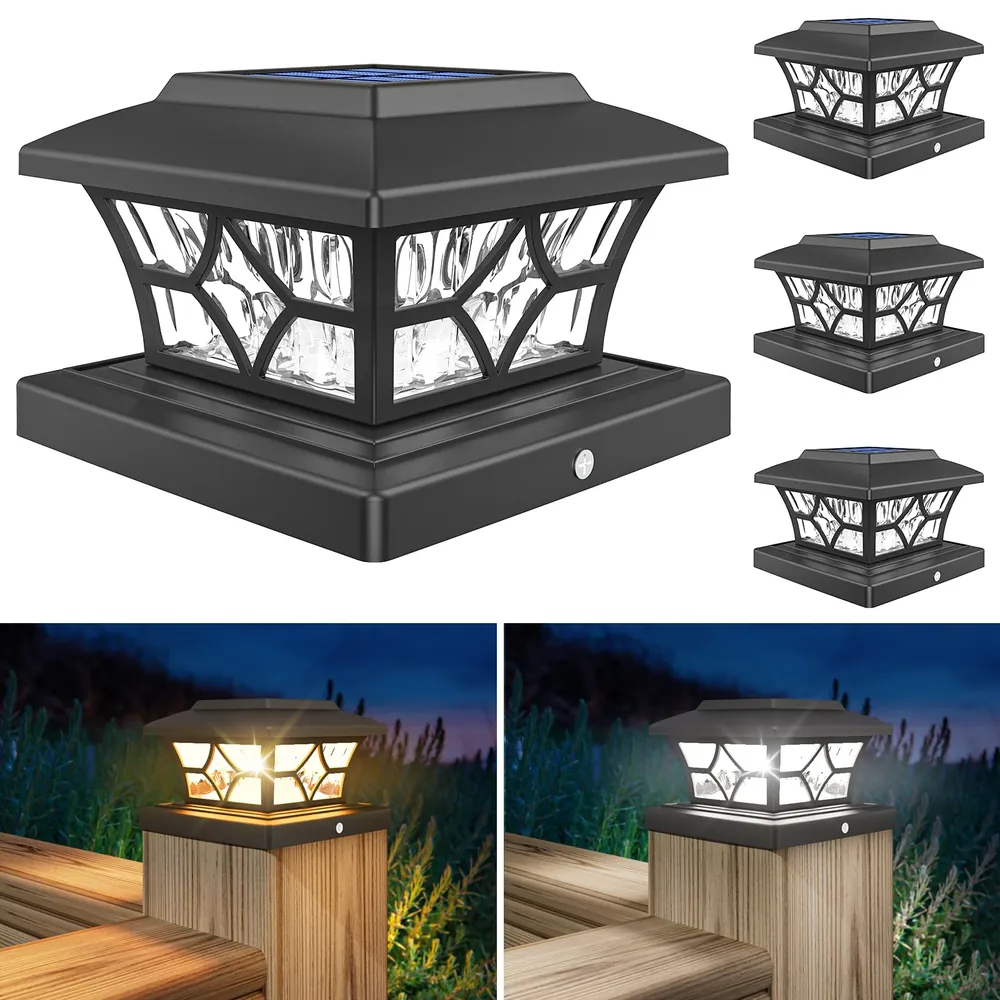
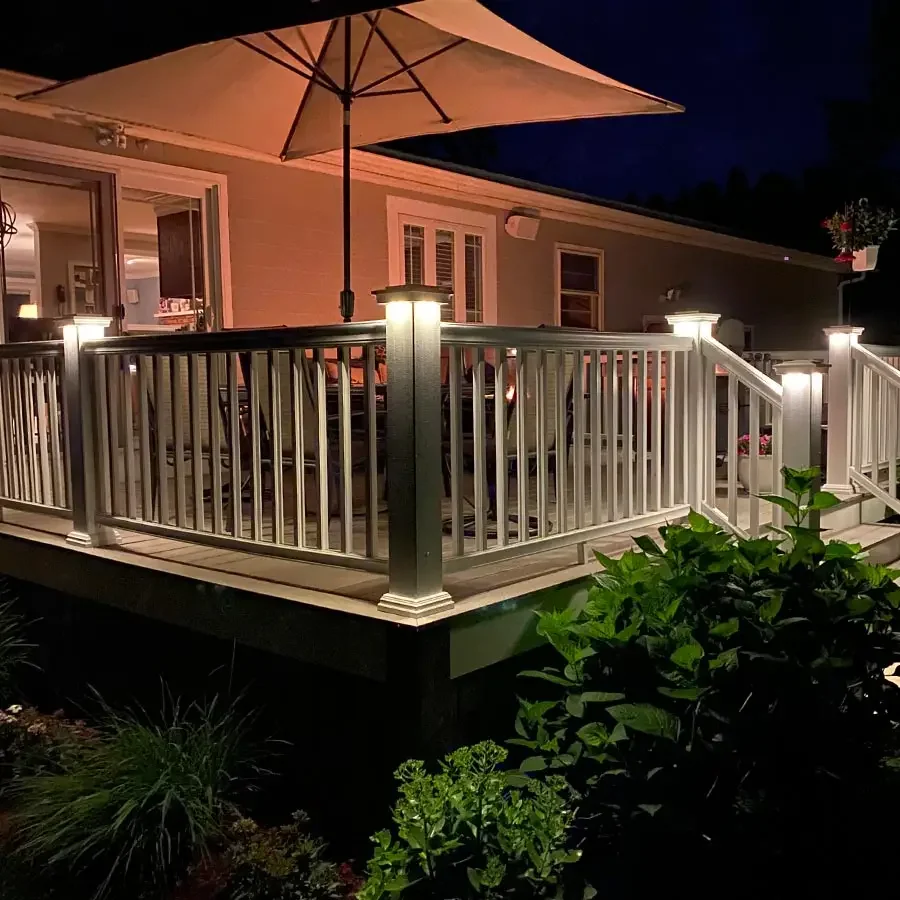
Residential Deck Lighting represents the largest application segment for wholesale deck solar lights. Homeowners use these fixtures to enhance safety, extend outdoor living hours, and create ambiance for entertaining. Common installations include post cap lighting for deck perimeters, step lighting for safety compliance, and accent lighting for architectural features.
Commercial Property Applications include restaurants with outdoor dining areas, hotels with deck facilities, and retail establishments with outdoor customer areas. These applications typically require higher durability standards, consistent performance, and compliance with local building codes. Wholesale buyers serving commercial markets should prioritize products with robust construction and comprehensive warranties.
Multi-Family Housing applications include apartment complexes, condominiums, and senior living facilities. These installations often involve bulk purchasing decisions and require products with minimal maintenance requirements and vandal-resistant construction.
Hospitality Industry applications encompass resorts, vacation rentals, and recreational facilities. These customers value aesthetic appeal, reliable performance, and easy maintenance. Seasonal performance consistency is particularly important for year-round operations.
Marine Applications include boat docks, piers, and waterfront properties. These environments demand superior corrosion resistance, enhanced waterproof ratings, and robust construction to withstand marine conditions. Stainless steel construction and marine-grade finishes are essential for these applications.
Institutional Applications include schools, parks, and public facilities with deck structures. These applications require compliance with accessibility standards, safety regulations, and often involve formal bidding processes. Wholesale buyers should ensure products meet relevant institutional requirements.
Contractor and Builder Markets represent significant opportunities for wholesale buyers. Deck builders, landscape contractors, and general contractors often specify lighting as part of comprehensive outdoor improvement projects. These customers value reliable supplier relationships, consistent product availability, and technical support.
Retrofit Applications involve upgrading existing deck lighting systems with solar alternatives. These projects often require custom mounting solutions and compatibility with existing infrastructure. Flexible mounting systems and comprehensive hardware packages are important for retrofit success.
Understanding application requirements helps wholesale buyers select appropriate products, identify target customers, and develop effective marketing strategies. Each application segment has distinct performance requirements, aesthetic preferences, and purchasing patterns that influence wholesale success.
What OEM/ODM Customization Options Are Available for Wholesale Deck Solar Lights?
Customization capabilities are increasingly important for wholesale buyers seeking to differentiate their products and serve specific market segments. Understanding available OEM/ODM options helps buyers evaluate supplier capabilities and plan custom product development.
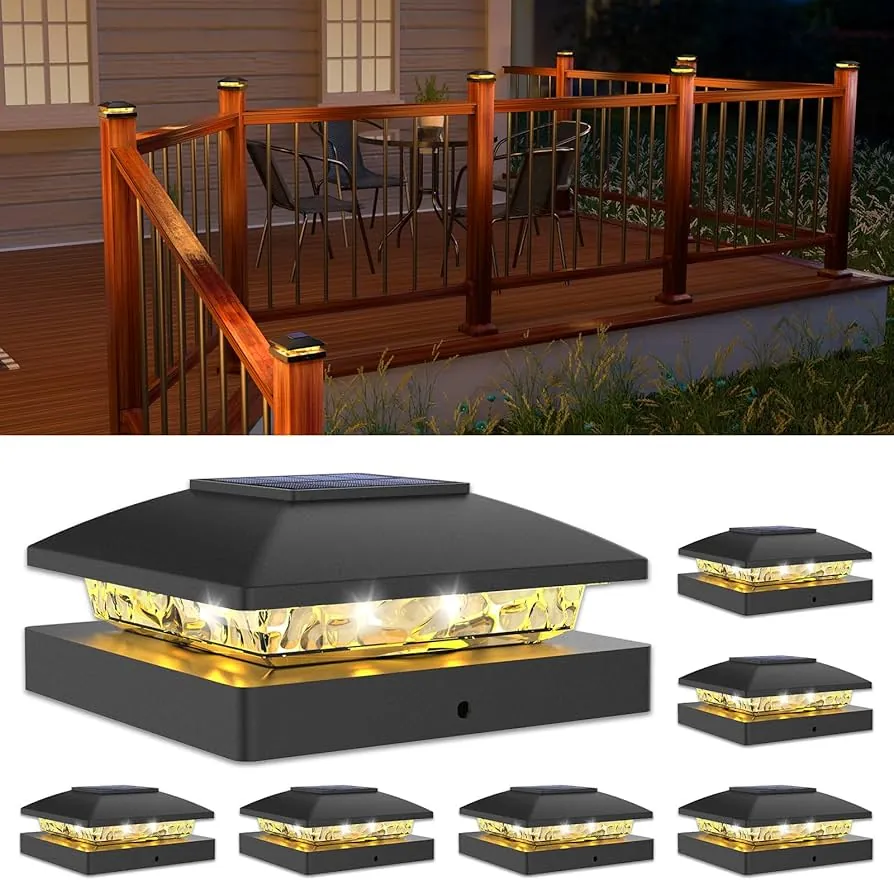
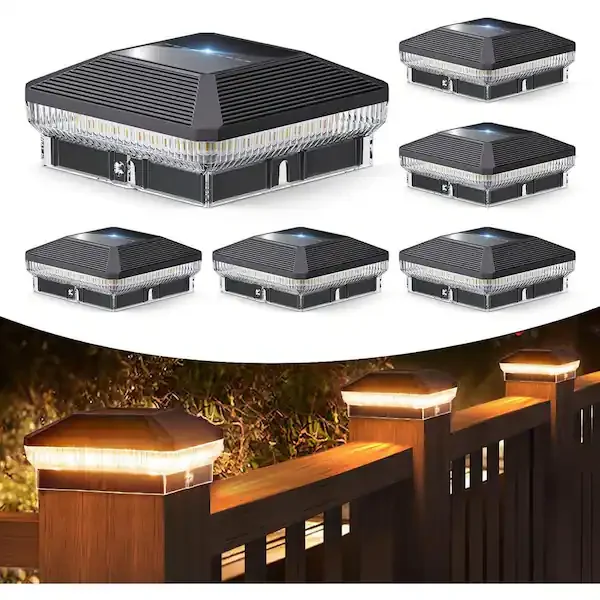
Housing Customization options include material selection, finish treatments, and dimensional modifications. Suppliers can typically accommodate custom colors through powder coating or anodizing processes. Logo integration, custom mounting configurations, and specialized hardware requirements are common customization requests for wholesale orders.
Solar Panel Integration customization includes panel size optimization, efficiency specifications, and aesthetic integration requirements. Some suppliers offer custom panel shapes or integrated mounting systems to meet specific design requirements. Panel positioning and orientation can be customized for optimal performance in specific applications.
LED Customization encompasses color temperature selection, brightness levels, and lighting pattern modifications. Custom LED arrangements, specialized optics, and programmable lighting sequences are available for premium wholesale orders. Color-changing LED options and smart connectivity features represent advanced customization possibilities.
Battery System Customization includes capacity selection, chemistry optimization, and performance tuning for specific climate conditions. Custom battery management systems, charging algorithms, and performance monitoring capabilities are available for sophisticated applications.
Packaging and Branding customization options include custom packaging design, private labeling, instruction manual customization, and marketing material development. Many suppliers offer comprehensive branding services for wholesale buyers establishing private label products.
Smart Feature Integration represents an emerging customization category, including smartphone connectivity, programmable controls, and integration with home automation systems. These features require additional development time and minimum order quantities but offer significant differentiation opportunities.
Mounting System Customization addresses specific installation requirements, including custom bracket designs, specialized hardware, and compatibility with unique deck construction methods. Universal mounting systems can be customized for specific applications or regional preferences.
Quality and Testing Customization includes enhanced testing protocols, extended warranty programs, and custom quality control procedures. Some suppliers offer custom testing and certification services for specific market requirements.
For comprehensive customization support and OEM/ODM services, wholesale buyers should work with experienced suppliers who offer OEM solutions and have proven track records in custom product development.
Quick RFQ Template for Wholesale Deck Solar Lights:
When requesting quotes for wholesale deck solar lights, include the following information:
- Target quantity ranges and delivery timeline
- Preferred housing materials and finish options
- Required IP waterproof rating and certifications
- LED specifications (color temperature, brightness, lifespan)
- Battery capacity and expected runtime requirements
- Mounting system compatibility requirements
- Packaging and labeling specifications
- Customization requirements (colors, logos, features)
- Target market and compliance requirements
- Quality control and testing expectations
- Warranty terms and after-sales support needs
- Payment terms and shipping preferences
How to Source Wholesale Deck Solar Lights from China Manufacturers and Suppliers?
Sourcing wholesale deck solar lights from China requires careful supplier evaluation, quality verification, and relationship management. Understanding the sourcing process helps wholesale buyers minimize risks and establish successful long-term partnerships.

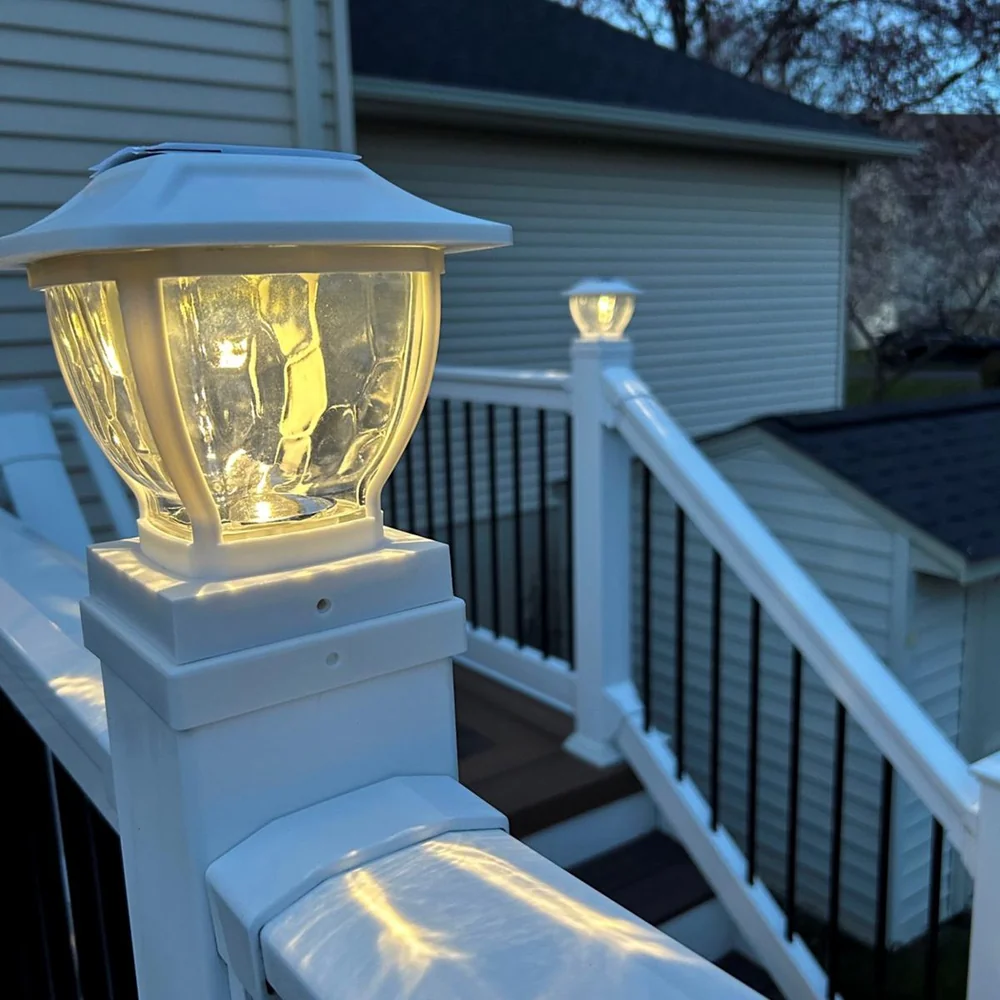
Supplier Identification begins with comprehensive market research and supplier verification. Established manufacturers typically have certifications, production facilities, and quality control systems in place. Trade shows, industry directories, and professional networks provide valuable supplier identification resources.
Factory Evaluation should include production capacity assessment, quality control system review, and certification verification. On-site visits or third-party audits help verify supplier capabilities and manufacturing standards. Key evaluation criteria include production equipment, testing facilities, quality control procedures, and management systems.
Product Sampling is essential for quality verification and performance testing. Request samples representing different price points, materials, and feature sets. Conduct independent testing for waterproof performance, battery life, LED output, and durability. Compare samples from multiple suppliers to establish quality benchmarks.
Quality Control Protocols should be established before placing bulk orders. Define inspection criteria, testing requirements, and acceptance standards. Consider third-party inspection services for large orders or critical applications. Establish clear quality control procedures and documentation requirements.
Pricing and Terms Negotiation involves understanding cost structures, minimum order quantities, and payment terms. Consider total cost of ownership including shipping, duties, and potential quality issues. Negotiate favorable payment terms while maintaining supplier relationships.
Logistics and Shipping planning includes packaging requirements, shipping methods, and delivery timelines. Consider seasonal demand patterns and inventory planning requirements. Establish clear shipping terms and responsibility allocation.
Regulatory Compliance verification ensures products meet target market requirements. Confirm certifications, testing documentation, and compliance with relevant standards. Establish procedures for ongoing compliance monitoring and documentation.
Relationship Management involves establishing clear communication protocols, performance expectations, and problem resolution procedures. Regular supplier communication and performance monitoring help maintain quality standards and delivery reliability.
Risk Management strategies include supplier diversification, quality control procedures, and contingency planning. Consider supplier financial stability, production capacity, and market reputation when making sourcing decisions.
Working with experienced wholesale deck solar light manufacturers who understand international market requirements and maintain comprehensive quality control systems reduces sourcing risks and improves long-term success. Glowyard Lighting offers comprehensive sourcing support, including factory audits, quality control services, and logistics coordination for wholesale buyers.
What Mistakes Can Cost You Money When Buying Deck Solar Lights in Bulk?
Understanding common purchasing mistakes helps wholesale buyers avoid costly errors and establish successful product lines. These mistakes can impact profitability, customer satisfaction, and long-term business relationships.
Inadequate Quality Control represents the most expensive mistake for wholesale buyers. Failing to establish comprehensive testing protocols and inspection procedures can result in high return rates, customer complaints, and damaged reputation. Always implement multi-stage quality control including incoming inspection, batch testing, and final verification.
Insufficient Market Research leads to inventory mismatches and slow-moving stock. Understanding customer preferences, seasonal patterns, and competitive positioning is essential for successful product selection. Conduct thorough market analysis before committing to large inventory investments.
Overlooking Certification Requirements can result in regulatory compliance issues, customs delays, and market access problems. Verify all required certifications for target markets and ensure ongoing compliance monitoring. Factor certification costs and timelines into purchasing decisions.
Inadequate Supplier Evaluation risks quality issues, delivery delays, and relationship problems. Thoroughly evaluate supplier capabilities, financial stability, and quality control systems before establishing partnerships. Consider supplier diversification to reduce dependency risks.
Poor Inventory Planning results in stockouts during peak seasons or excess inventory during slow periods. Understand seasonal demand patterns, lead times, and minimum order requirements when planning inventory investments. Develop flexible ordering strategies to accommodate demand variations.
Ignoring Total Cost of Ownership focuses only on unit prices while overlooking shipping, duties, storage, and potential quality costs. Calculate comprehensive costs including logistics, compliance, and risk factors when evaluating suppliers and products.
Inadequate Testing and Validation can result in performance issues and customer dissatisfaction. Conduct comprehensive testing including waterproof performance, battery life, LED output consistency, and durability. Test products under actual use conditions before committing to large orders.
Poor Communication and Documentation leads to misunderstandings, quality issues, and delivery problems. Establish clear specifications, quality requirements, and communication protocols with suppliers. Maintain comprehensive documentation for all transactions and agreements.
Insufficient Warranty and Support Planning can result in unexpected costs and customer service issues. Understand warranty terms, replacement procedures, and technical support availability. Factor after-sales costs into pricing and profitability calculations.
Overlooking Packaging and Logistics Requirements can increase shipping costs and damage rates. Consider packaging efficiency, protection requirements, and shipping constraints when evaluating products and suppliers. Optimize packaging for both protection and cost efficiency.
Avoiding these common mistakes requires careful planning, comprehensive evaluation, and ongoing monitoring. Working with experienced suppliers who understand wholesale market requirements and maintain proven quality control systems reduces risks and improves success rates.
Who Is Glowyard Lighting and What Do We Offer?
Glowyard Lighting is a specialized manufacturer and wholesale supplier of solar outdoor lighting solutions, with particular expertise in deck solar lights and related outdoor lighting products. Our company focuses on serving wholesale buyers, retailers, distributors, and contractors who require reliable suppliers with comprehensive manufacturing capabilities and quality control systems.
Our manufacturing facilities feature dedicated production lines for deck solar lights, including specialized equipment for housing fabrication, solar panel integration, LED assembly, and battery system installation. We maintain comprehensive quality control protocols including incoming component inspection (IQC), in-process quality control (IPQC), and outgoing quality control (OQC) procedures to ensure consistent product quality for wholesale orders.
OEM/ODM Capabilities include custom housing design, solar panel optimization, LED customization, and smart feature integration. Our engineering team works closely with wholesale buyers to develop custom solutions that meet specific market requirements and performance specifications. We offer comprehensive design services from concept development through production implementation.
Quality Control Systems encompass multi-stage testing protocols including waterproof testing, thermal cycling, accelerated aging tests, and performance verification. Our testing facilities include IP rating verification equipment, battery performance analyzers, LED output measurement systems, and environmental simulation chambers.
Export Experience and Compliance Support includes comprehensive certification assistance, documentation preparation, and regulatory compliance guidance. We maintain current certifications for major international markets and provide ongoing compliance support for wholesale buyers serving diverse geographic regions.
After-Sales and Technical Support services include warranty administration, technical documentation, installation guidance, and replacement part availability. Our customer service team provides multilingual support and maintains comprehensive product databases for efficient problem resolution.
Our wholesale deck solar light product lines include post cap lights, rail-mounted fixtures, step lights, and accent lighting solutions. We offer flexible minimum order quantities, competitive pricing structures, and comprehensive customization options to meet diverse wholesale buyer requirements.
For wholesale buyers seeking reliable suppliers with proven manufacturing capabilities, comprehensive quality control systems, and extensive customization options, Glowyard Lighting provides the expertise and resources necessary for successful product development and market introduction.
Frequently Asked Questions
Q: What is the typical minimum order quantity for wholesale deck solar lights? A: Minimum order quantities vary by product type and customization requirements. Standard products typically require smaller minimums, while custom OEM/ODM orders may require larger quantities to justify tooling and setup costs. Contact suppliers directly for specific quantity requirements and pricing structures.
Q: How long do batteries last in wholesale deck solar lights? A: Battery lifespan depends on chemistry, capacity, and usage patterns. Quality lithium iron phosphate batteries typically provide 3-5 years of reliable performance, while NiMH batteries may require replacement after 2-3 years. Proper charging cycles and temperature management extend battery life significantly.
Q: What certifications are required for wholesale deck solar lights in different markets? A: Certification requirements vary by target market. CE marking is mandatory for European markets, FCC certification may be required for products with wireless features in North America, and UL listing provides additional credibility. RoHS compliance is increasingly important across all markets.
Q: How do I verify the quality of wholesale deck solar lights before placing large orders? A: Quality verification should include sample testing, factory audits, certification review, and performance validation. Conduct independent testing for waterproof performance, battery life, LED output, and durability. Consider third-party inspection services for large orders.
Q: What are the most popular designs for bulk deck solar light orders? A: Post cap solar lights dominate bulk orders, followed by rail-mounted fixtures and step lights. Stainless steel and black finishes are most popular, with warm white LEDs preferred for most applications. Contemporary and traditional styling both maintain strong demand.
Q: How do seasonal patterns affect wholesale deck solar light inventory planning? A: Peak demand occurs in spring and early summer (March-June), representing 60-70% of annual sales. Plan inventory building in January-February, with stock levels peaking before the spring selling season. Consider regional variations and customer-specific patterns.
Q: What customization options are available for wholesale deck solar light orders? A: Customization options include housing materials and finishes, LED specifications, battery capacity, mounting systems, packaging, and branding. Smart features, custom colors, and specialized mounting configurations are available for larger orders with appropriate lead times.
Q: How do I evaluate wholesale deck solar light suppliers and manufacturers? A: Supplier evaluation should include production capacity assessment, quality control system review, certification verification, and reference checking. Consider factory visits or third-party audits, sample testing, and financial stability evaluation before establishing partnerships.
Deck Dock Solar Lights
If you’re sourcing wholesale deck dock solar lights for marine retailers, waterfront distributors, or commercial marina projects, this specialized guide addresses the unique requirements of dock lighting applications. Deck dock solar lights represent a specialized segment within the broader solar lighting market, designed specifically for marine environments where standard deck lights may not provide adequate performance or durability. Wholesale buyers serving marinas, waterfront properties, boat dealers, and marine contractors need suppliers who understand the demanding requirements of saltwater exposure, extreme weather conditions, and marine safety regulations. Key purchasing considerations include superior corrosion resistance, enhanced waterproof ratings, marine-grade materials, specialized mounting systems, and compliance with maritime safety standards. This guide focuses on the specific needs of importers and distributors serving the marine industry, where product reliability and safety performance are paramount concerns.
Category Summary
Wholesale deck dock solar lights serve the specialized marine lighting market, with bulk deck dock solar lights orders driven by marina developments, waterfront residential projects, and commercial marine facilities. This category requires enhanced durability specifications compared to standard deck lighting, including marine-grade stainless steel construction, IP67+ waterproof ratings, and specialized mounting systems designed for dock structures. Primary customers include marine retailers, marina operators, waterfront contractors, and boat dealers who serve both residential and commercial marine markets. Popular designs emphasize functionality and safety over decorative appeal, with focus on reliable illumination for navigation safety, security, and operational requirements. The marine environment demands superior quality control and testing protocols, making supplier selection critical for wholesale success in this specialized market segment.
What Will You Learn in This Guide?
- What Are Deck Dock Solar Lights and Why Are They Popular in Wholesale Markets?
- What Types and Designs Sell Best for Bulk Orders?
- What Materials and Manufacturing Processes Are Used?
- What Quality Standards and Certifications Matter for Wholesale Buyers?
- What Is the Market Demand and Customer Preferences?
- What Are the Common Applications?
- What OEM/ODM Customization Options Are Available for Wholesale Deck Dock Solar Lights?
- How to Source Wholesale Deck Dock Solar Lights from China Manufacturers and Suppliers?
- What Mistakes Can Cost You Money When Buying Deck Dock Solar Lights in Bulk?
- Who Is Glowyard Lighting and What Do We Offer?
- Frequently Asked Questions
What Are Deck Dock Solar Lights and Why Are They Popular in Wholesale Markets?
Deck dock solar lights are specialized marine lighting fixtures engineered specifically for installation on dock structures, piers, boat slips, and waterfront facilities. These robust units integrate marine-grade solar panels, high-efficiency LED systems, enhanced battery protection, and superior weatherproof housings designed to withstand the harsh marine environment including saltwater exposure, extreme temperature variations, and constant moisture.
The wholesale market for deck dock solar lights has grown significantly due to expanding marina development, increased waterfront residential construction, and growing emphasis on marine safety regulations. Unlike standard deck lighting, dock solar lights must meet stringent durability requirements and often comply with maritime safety standards, creating opportunities for specialized wholesale suppliers.
From a wholesale perspective, deck dock solar lights command premium pricing due to their specialized construction and limited supplier base. The marine market values reliability and safety over cost considerations, allowing wholesale buyers to achieve attractive margins while serving a specialized customer base with specific technical requirements.
Glowyard Lighting has developed specialized expertise in marine solar lighting applications, working closely with marina operators and marine contractors to understand the unique performance requirements of dock lighting systems. Our experience includes extensive testing in saltwater environments and collaboration with marine safety organizations.
Market drivers include expanding recreational boating activity, increased marina development, stricter marine safety regulations, and growing environmental consciousness in marine applications. Dock solar lights eliminate the need for underwater electrical installations, reducing installation costs and environmental impact while improving safety.
The marine market exhibits different purchasing patterns compared to residential deck lighting, with emphasis on long-term reliability, minimal maintenance requirements, and compliance with marine safety standards. Wholesale buyers serving this market must understand these specialized requirements and work with suppliers capable of meeting marine-grade specifications.
For wholesale buyers, deck dock solar lights represent a specialized market segment with higher barriers to entry but also reduced competition and premium pricing opportunities. Success requires understanding marine applications, building relationships with marine industry customers, and partnering with suppliers who have proven marine lighting expertise.
What Types and Designs Sell Best for Bulk Orders?
The marine environment creates specific design requirements that influence wholesale purchasing decisions for deck dock solar lights. Understanding these specialized product categories helps wholesale buyers select appropriate inventory and identify target customers.
Marine Post Lights designed for dock pilings and pier posts represent the largest category in wholesale dock solar light orders. These fixtures typically feature 316-grade stainless steel construction, enhanced waterproof sealing, and mounting systems designed for round and square dock posts. Popular configurations include 6-inch and 8-inch diameter options with integrated solar panels and high-output LED systems.
Dock Edge Lighting Systems provide continuous illumination along dock perimeters and are increasingly popular for both safety and aesthetic applications. These low-profile fixtures mount flush with dock surfaces and feature specialized sealing systems to prevent water intrusion. Wholesale orders typically specify warm white LEDs for navigation safety and amber options for turtle-friendly installations in protected marine areas.
Floating Dock Solar Lights represent a specialized category designed for floating dock systems and temporary installations. These fixtures feature enhanced shock absorption, flexible mounting systems, and superior waterproof ratings to handle constant movement and water exposure. The wholesale market for floating dock lights is smaller but commands premium pricing.
Marine Safety Lighting includes specialized fixtures designed to meet Coast Guard requirements and marine safety standards. These products often feature specific light output patterns, color requirements, and mounting specifications. While representing smaller volume orders, marine safety lighting offers excellent profit margins for wholesale buyers serving commercial marine customers.
Solar Dock Cleats with Integrated Lighting combine functional dock hardware with LED illumination, appealing to boat owners seeking multifunctional marine accessories. These products require specialized manufacturing capabilities and typically involve longer lead times for wholesale orders.
The broader category of solar deck lights includes dock-specific variations that wholesale buyers should consider when developing comprehensive marine lighting product lines.
Category-Specific Buyer Notes for Deck Dock Solar Lights:
Deck dock solar lights face unique challenges that distinguish them from standard deck lighting applications. Marine environments create accelerated corrosion conditions requiring superior material selection and protective coatings beyond standard outdoor ratings. Saltwater exposure demands 316-grade stainless steel construction and specialized gasket materials that maintain sealing integrity under constant moisture exposure. Dock structures experience significant movement from wave action, boat wakes, and tidal changes, requiring enhanced mounting systems and shock-resistant construction. Solar panel positioning becomes critical due to potential shading from boat masts, dock structures, and seasonal sun angle variations over water surfaces. Battery systems must handle extreme temperature variations and humidity levels that exceed typical outdoor applications. Finally, marine safety regulations may dictate specific light output patterns, color requirements, and installation specifications that don’t apply to residential deck lighting, requiring wholesale buyers to understand regulatory compliance requirements for their target markets.
What Materials and Manufacturing Processes Are Used?
Material selection and manufacturing processes for deck dock solar lights require specialized approaches to address the demanding marine environment. Understanding these requirements helps wholesale buyers evaluate suppliers and ensure product durability.
Marine-Grade Stainless Steel construction is essential for dock solar light housings. Grade 316 stainless steel provides superior corrosion resistance compared to standard Grade 304, particularly in saltwater environments. Manufacturing processes include precision casting or fabrication, followed by electropolishing to remove surface contaminants and enhance corrosion resistance. Passivation treatments create protective oxide layers that further improve saltwater resistance.
Specialized Sealing Systems are critical for marine applications. Manufacturing processes include precision machining of sealing surfaces, custom gasket molding using marine-grade materials, and multi-stage assembly procedures to ensure waterproof integrity. Silicone and EPDM gasket materials provide superior performance compared to standard rubber seals.
Enhanced Solar Panel Protection addresses the marine environment’s unique challenges. Manufacturing processes include tempered glass selection, enhanced frame sealing, and specialized junction box designs that prevent moisture intrusion. Anti-reflective coatings and UV-resistant materials extend panel life in high-UV marine environments.
Corrosion-Resistant Coatings provide additional protection for metal components. Powder coating processes use marine-grade formulations with enhanced adhesion and flexibility. Anodizing treatments for aluminum components include sealed finishes that resist saltwater corrosion.
Battery System Protection requires specialized enclosures and environmental sealing. Manufacturing processes include custom battery compartment design, enhanced ventilation systems, and temperature compensation circuits that maintain performance across extreme temperature ranges.
LED System Integration addresses marine-specific requirements including enhanced moisture protection, corrosion-resistant connections, and specialized optics designed for marine visibility requirements. Manufacturing processes include conformal coating application and marine-grade wire and connector selection.
Mounting System Engineering involves specialized hardware designed for dock construction materials and marine loading conditions. Manufacturing processes include marine-grade fastener selection, anti-seize compound application, and load testing to verify structural integrity under marine conditions.
Quality control processes for marine applications include extended salt spray testing, thermal shock testing, and accelerated aging protocols that simulate years of marine exposure. Glowyard Lighting maintains specialized testing facilities for marine applications, including saltwater immersion testing and marine environment simulation chambers.
What Quality Standards and Certifications Matter for Wholesale Buyers?
Quality standards and certifications for deck dock solar lights extend beyond standard outdoor lighting requirements to address marine-specific performance and safety considerations. Understanding these requirements is crucial for wholesale buyers serving marine markets.
Enhanced IP Ratings are fundamental for marine applications. IP67 rating is the minimum standard for dock solar lights, providing protection against temporary submersion. IP68 rating offers superior protection for applications involving potential flooding or wave action. Manufacturing verification includes extended submersion testing and pressure testing beyond standard requirements.
Marine Safety Certifications may be required for commercial marine applications. Coast Guard approval, ABYC (American Boat and Yacht Council) compliance, and marine safety organization certifications demonstrate adherence to marine safety standards. These certifications often require specialized testing and ongoing compliance monitoring.
Corrosion Resistance Testing includes extended salt spray testing (ASTM B117) with test durations exceeding standard outdoor requirements. Marine applications typically require 1000+ hour salt spray testing compared to 240-480 hours for standard outdoor products. Cyclic corrosion testing (CCT) provides more realistic marine environment simulation.
UV Resistance Verification addresses the enhanced UV exposure in marine environments due to water reflection and extended sun exposure. Testing protocols include accelerated weathering tests with enhanced UV intensity and extended duration compared to standard outdoor requirements.
Thermal Performance Testing addresses the extreme temperature variations common in marine environments. Testing includes thermal shock protocols, freeze-thaw cycling, and performance verification across extended temperature ranges that exceed standard outdoor specifications.
Vibration and Shock Testing addresses the dynamic loading conditions in marine environments from wave action, boat wakes, and dock movement. Testing protocols include vibration testing, impact testing, and fatigue testing that simulate years of marine service conditions.
Electrical Safety Standards for marine applications include enhanced insulation requirements, ground fault protection, and specialized wiring standards. UL Marine certification provides additional credibility for commercial marine applications.
Environmental Compliance includes marine-specific requirements such as turtle-friendly lighting specifications in protected marine areas, dark sky compliance for waterfront communities, and environmental impact assessments for sensitive marine ecosystems.
For comprehensive certification support and marine-specific quality standards, wholesale buyers should work with suppliers who maintain certificates for marine applications and understand the specialized requirements of marine lighting systems.
Wholesale Buying Checklist for Deck Dock Solar Lights:
- Verify IP67 minimum rating with extended submersion testing
- Confirm marine-grade stainless steel construction (316 grade minimum)
- Validate salt spray testing results (1000+ hours minimum)
- Check UV resistance testing with marine environment simulation
- Verify thermal performance across marine temperature ranges
- Confirm vibration and shock testing for marine conditions
- Validate marine safety certifications for target applications
- Check corrosion resistance of all metal components
- Verify gasket and sealing material marine compatibility
- Confirm solar panel marine environment protection
- Validate battery system marine environment performance
- Check mounting hardware marine-grade specifications
What Is the Market Demand and Customer Preferences?
The marine solar lighting market exhibits distinct characteristics that differ significantly from residential deck lighting applications. Understanding these market dynamics helps wholesale buyers develop effective strategies for serving marine industry customers.
Seasonal Demand Patterns in the marine market align with boating seasons but extend longer than typical deck lighting patterns. Peak demand occurs from February through August, with marina preparation beginning in late winter and continuing through peak boating season. Winter demand remains significant due to year-round marina operations and security lighting requirements.
Regional Market Variations are pronounced in marine applications. Coastal regions with extensive marina development show consistent year-round demand, while inland waterway markets exhibit stronger seasonal patterns. Saltwater environments drive demand for premium marine-grade products, while freshwater applications may accept modified standard products.
Customer Segmentation includes distinct market categories with different purchasing patterns. Marina operators prioritize reliability and minimal maintenance, often accepting higher initial costs for reduced long-term expenses. Waterfront homeowners balance aesthetics with functionality, creating demand for attractive marine-grade products. Commercial marine contractors focus on compliance, reliability, and installation efficiency.
Price Sensitivity Analysis reveals that marine customers are less price-sensitive than residential deck lighting buyers due to the specialized nature of marine applications and the high cost of failures in marine environments. Premium pricing is accepted for proven marine performance and reliability.
Technology Adoption in marine markets emphasizes proven reliability over cutting-edge features. Smart connectivity and advanced features are gaining acceptance but remain secondary to fundamental performance and durability requirements.
Performance Expectations are significantly higher for marine applications. Customers expect multi-year reliable operation, consistent performance across extreme weather conditions, and minimal maintenance requirements. Failure tolerance is very low due to safety implications and difficult access for repairs.
Installation Preferences favor professional installation for commercial applications but include significant DIY segments for residential waterfront properties. Installation simplicity remains important, but marine customers are more willing to accept complex installation procedures for superior performance.
Aesthetic Considerations balance functionality with appearance, particularly for residential waterfront applications. Clean, nautical styling is preferred, with emphasis on materials and finishes that complement marine environments.
Environmental Consciousness is particularly strong in marine markets due to direct environmental impact awareness. Customers value sustainable lighting solutions, turtle-friendly options, and products that minimize marine ecosystem disruption.
Market research indicates that customer satisfaction in marine applications correlates most strongly with long-term reliability, corrosion resistance, and consistent performance across seasonal variations. These factors should guide wholesale buyers in product selection and supplier evaluation.
What Are the Common Applications?
Deck dock solar lights serve specialized applications across marine, commercial, and residential waterfront markets. Understanding these applications helps wholesale buyers identify target customers and select appropriate product specifications.
Marina and Harbor Lighting represents the largest commercial application for wholesale deck dock solar lights. Marinas use these fixtures for slip identification, walkway safety, and security lighting. Applications include finger pier lighting, main dock illumination, and boat slip markers. These installations require reliable performance, minimal maintenance, and compliance with marine safety standards.
Residential Waterfront Properties include private docks, boat lifts, and waterfront decking systems. Homeowners use dock solar lights for safety, security, and aesthetic enhancement. Common installations include post cap lighting for dock perimeters, step lighting for safety, and accent lighting for entertaining areas. These applications balance functionality with aesthetic appeal.
Commercial Waterfront Facilities encompass restaurants with waterfront dining, hotels with marina facilities, and retail establishments with water access. These applications require attractive fixtures that complement architectural design while providing reliable illumination for customer safety and security.
Boat Dealers and Marine Service Facilities use dock solar lights for display lighting, service area illumination, and customer safety. These applications often require flexible mounting systems and reliable performance across varying weather conditions.
Public Waterfront Areas include parks, fishing piers, and recreational facilities with water access. These installations must comply with public safety standards, accessibility requirements, and often involve formal bidding processes. Vandal resistance and minimal maintenance are important considerations.
Floating Dock Systems present unique applications requiring specialized fixtures designed for constant movement and water exposure. These applications include floating marinas, temporary installations, and seasonal dock systems. Enhanced shock absorption and flexible mounting systems are essential.
Marine Construction and Infrastructure applications include bridge lighting, pier illumination, and waterway markers. These specialized applications often require custom solutions and compliance with maritime safety regulations.
Aquaculture and Marine Research Facilities use dock solar lights for operational lighting, security, and safety applications. These installations often require specialized features such as specific light spectrums or environmental monitoring integration.
Waterfront Event Venues include wedding venues, corporate retreat facilities, and entertainment complexes with water access. These applications emphasize aesthetic appeal while maintaining safety and reliability requirements.
Understanding application requirements helps wholesale buyers select appropriate products, identify target customers, and develop effective marketing strategies. Each application segment has distinct performance requirements, aesthetic preferences, and purchasing patterns that influence wholesale success in the marine lighting market.