Resin vs Metal vs Plastic vs Glass: Which Material Works Best for Outdoor Decorative Lights?
Choosing the right material for outdoor decorative lights is not just about appearance. It affects durability, maintenance, shipping risk, long-term value, and how the product still looks after real outdoor use.
Quick answer
- Resin is usually the best fit for sculptural and decorative products that need strong detail, balanced outdoor performance, and a more crafted look.
- Metal is often the best choice for structure, premium silhouettes, exposed placements, and longer service life.
- Plastic works well for lightweight, budget-sensitive, and seasonal decorative products, especially when UV resistance and material grade are controlled properly.
- Glass is best for lantern-style, patio, and decorative-light-diffusion products where elegance matters more than impact resistance.
- Mixed-material construction is often the most practical commercial solution, because different parts of the product can do different jobs.
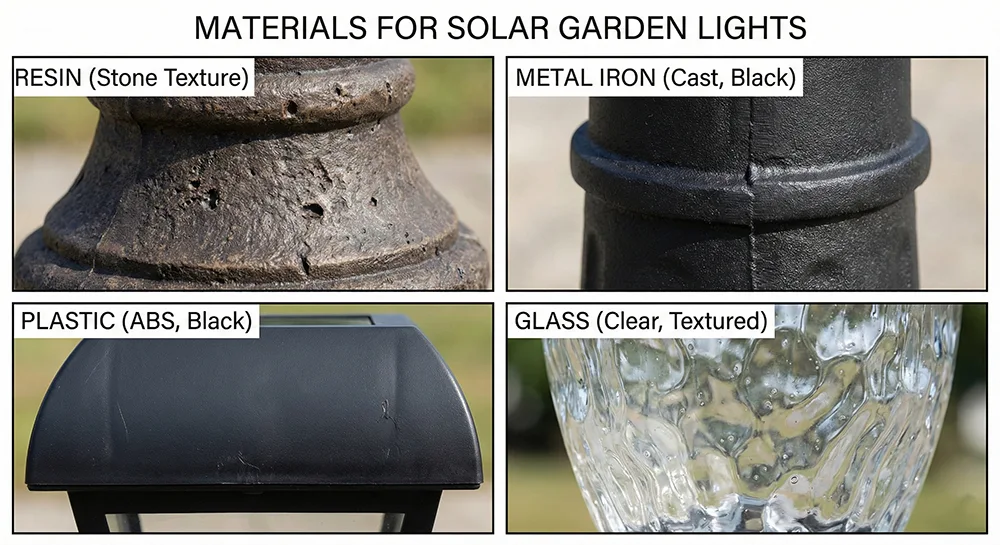
Four common material directions used in outdoor decorative lighting products
Who this guide is for
This guide is useful for buyers comparing decorative outdoor products across different applications, including:
- garden decorative lights
- cemetery and memorial lights
- lantern-style patio accents
- seasonal and holiday decorative lights
- mixed-material decorative products
Why material choice matters
Many buyers first notice shape, color, and price. But material often decides whether the product still performs and still looks acceptable after months of real outdoor exposure.
A product that looks attractive on day one can become a return problem later if the material does not match the application. Lower-grade plastic may fade or turn brittle under long UV exposure. Poorly protected metal can chip and corrode. Thin glass can break too easily in open outdoor use. Resin can perform very well, but not if sealing, formulation, or finishing are weak.
As UL explains in its discussion of environmental failure in plastics, outdoor plastics can be affected by ultraviolet rays, humidity, ozone, heat, microorganisms, and pollution, with outcomes ranging from color loss and crazing to cracking and even breakdown of the polymer structure.
What really changes when you change the material
Changing the material usually changes five things at once:
- Durability – how the product handles weather, impact, and time outdoors
- Appearance stability – how well the finish holds up under sun, dust, humidity, and aging
- Weight and structure – especially important for hanging products, stakes, frames, and wind-exposed placements
- Shipping and damage risk – which affects packaging, freight, and after-sales pressure
- Long-term value – not just the upfront cost, but whether the product still feels worth it after one or two seasons
A better question to ask
Instead of asking only “Which material looks better?”, a more useful question is:
Which material works better for this type of outdoor decorative light, in this type of environment, at this type of price level?
Quick comparison overview
The table below gives a practical starting point for comparing the four main materials in outdoor decorative lighting.
| Material | Main strengths | Main watch-outs |
|---|---|---|
| Resin | Strong decorative freedom, good outdoor balance, stable visual character | Quality varies, needs good UV control and sealing |
| Metal | Strong structure, premium silhouette, long service life potential | Rust and coating failure risk, heavier shipping |
| Plastic | Lightweight, affordable, efficient for seasonal or value lines | UV aging, brittleness, big quality gap between grades |
| Glass | Elegant diffusion, premium appearance, strong visual clarity | Breakage risk, higher transit care, placement-sensitive |
Quick judgment by product type
- Best for sculptural decorative lights: Resin
- Best for exposed structural designs: Metal
- Best for lightweight seasonal decorative lights: Plastic
- Best for elegant lantern-style accents: Glass
- Best for balanced commercial design: Mixed-material structures
Commercial decision view
For buyers, the more useful comparison is often not just “which material is stronger,” but “which material creates the best balance between product positioning, cost, durability, and after-sales risk.”
| Material | Upfront cost | Long-term value | Best fit |
|---|---|---|---|
| Resin | Medium | High | Decorative figurines, sculptural accents, themed outdoor products |
| Metal | Medium to High | High | Premium silhouettes, stake/path structures, exposed placements |
| Plastic | Low | Medium | Seasonal products, lightweight decorative ranges, budget programs |
| Glass | Medium | Medium | Lantern-style accents, protected patio products, decorative diffusion |
In many commercial projects, the winning solution is not a single material at all, but a structure that combines two materials for different functions.
How each material performs in real outdoor use
A material may look suitable on paper but behave very differently once it is used outdoors for months.
| Material | Outdoor behavior | Common failure mode |
|---|---|---|
| Resin | Good balance of decorative detail and weather resistance when properly made | Fading, cracking, or water entry if formulation or sealing is weak |
| Metal | Strong structure and good long-term potential when alloy and coating are right | Coating damage, rust, corrosion at weak points |
| Plastic | Can be practical and reliable, but performance varies widely by grade | UV fading, brittleness, warping, cracking |
| Glass | Excellent decorative effect, but only in the right placement and structure | Breakage from impact, stress, or handling |
Mini verdict
- Resin is strong when the design needs texture, detail, and decorative character.
- Metal is strong when the product needs rigidity, frame strength, and longer structural life.
- Plastic can work very well, but only when the grade and process quality are right.
- Glass is visually rewarding, but more placement-sensitive than the other three.
Compare the application before comparing the material
A useful shortcut is to start from the application rather than the material name.
- If the product is a decorative figurine or sculptural accent, resin often becomes the leading option.
- If the product is a stake, frame, or exposed silhouette, metal usually deserves stronger consideration.
- If the product is a seasonal decorative item, lightweight plastic or mixed-material construction may be more practical.
- If the product is a lantern-style accent for patio or sheltered use, glass can become much more attractive.
- If the product is meant for long unattended outdoor use, such as certain cemetery or memorial applications, durability, sealing, finish stability, and weather exposure become more important than novelty alone.
That is also why material comparison connects naturally with manufacturing capability. It is not just about raw material names. It is also about molding method, metal forming, coating control, glass processing, sealing details, and how the final structure is assembled. You can see that more clearly in our broader manufacturing overview, which links the material decision back to how outdoor decorative lights are actually developed and produced.
Resin: best for sculptural and decorative outdoor lighting
Among the four major materials, resin is usually the most versatile option for decorative outdoor lights.
It works especially well when the product needs shape, texture, character, and a more crafted appearance rather than a purely structural or industrial look.
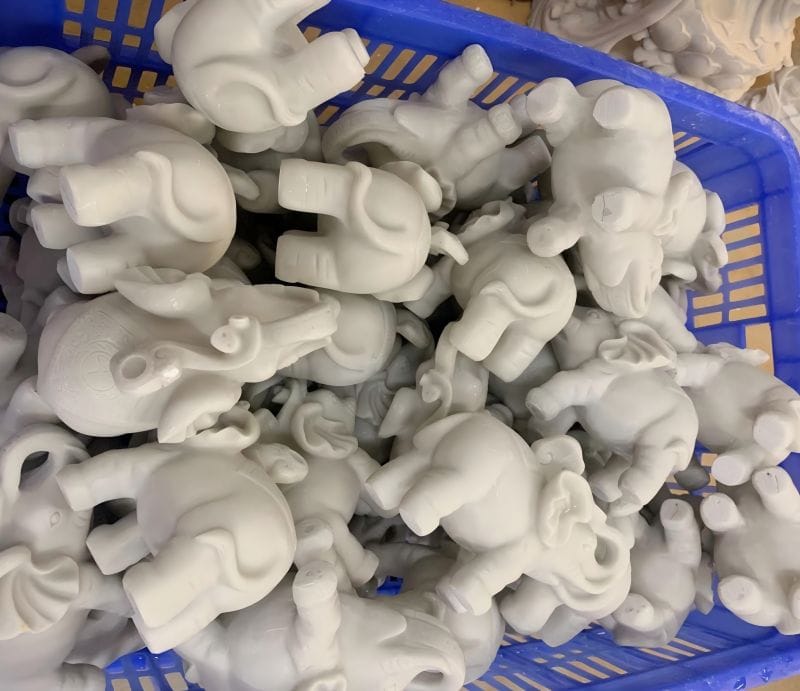
Resin supports detailed shapes, textured finishes, and a stronger decorative identity
What it is
In decorative lighting, resin often refers to polyresin-based composite material, usually blended with fillers such as stone powder or similar ingredients to improve weight, texture, and surface feel.
Compared with standard plastic, resin can create a more substantial and premium decorative impression. Compared with metal, it offers much more freedom for sculptural forms. Compared with glass, it is far less fragile in normal handling.
Why buyers choose resin
- strong design flexibility
- detailed surfaces and decorative shapes
- good balance of appearance and outdoor performance
- useful product weight for smaller decorative pieces
- strong cost-to-appearance ratio
Best for
- decorative figurines
- animal and character lights
- flower-themed decorative lights
- rock-look or stone-look accents
- fairy, angel, mushroom, gnome, and sculptural garden ornaments
- selected memorial decorative housings
- themed holiday decorative products
Watch-outs
- quality varies significantly
- poor UV control can lead to fading
- weak sealing can cause water entry
- cheaper formulations may crack in cold climates
- heavier than plastic, so shipping cost is higher
- less efficient than metal for long, narrow, load-bearing parts
What buyers should verify
- Is the resin formulated for outdoor use?
- Are UV stabilizers or protective finishes specified?
- Is the sealing around the light module and panel reliable?
- Does the product have enough weight for stability?
- Is the surface finish even and durable?
- Is the structure intended for long unattended use or only lighter decorative use?
Useful next step
If you want to see how molding, surface finishing, and assembly affect the final decorative quality of resin products, it helps to review our resin lights manufacturing process and the detailed guide on how Glowyard factory manufactures resin solar lights.
Metal: best for structure, longevity, and premium outdoor silhouettes
If resin is usually the most flexible decorative material, then metal is usually the strongest structural material in outdoor decorative lights.
It becomes the leading option when the product needs rigidity, stronger frame support, cleaner silhouettes, or more confidence in exposed placements.
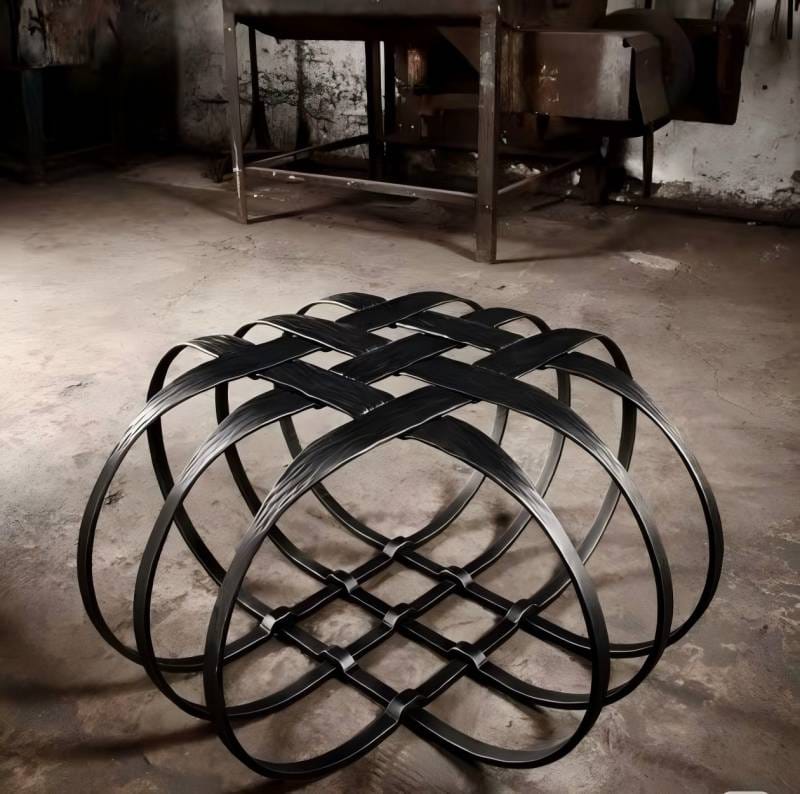
Metal is often the strongest fit for frames, silhouettes, and exposed structural decorative products
What it is
Not all metal outdoor lights are the same. In most commercial decorative products, “metal” may refer to:
- powder-coated steel
- stainless steel
- aluminum alloy
- iron-based decorative frames
- other coated metal structures depending on product style and price level
Why buyers choose metal
- high structural strength
- strong impact tolerance
- premium visual language
- long service life potential
- good wind resistance in exposed placements
Best for
- pathway and stake structures
- hanging lantern frames
- exposed silhouettes
- modern decorative outdoor lights
- geometric or minimalist designs
- products intended for longer use life
Watch-outs
- rust and corrosion risk
- coating damage can expose weak points
- heavier shipping cost
- lower freedom for soft, sculptural forms
- can feel too industrial for some decorative concepts
- requires better finishing discipline than many buyers assume
This becomes more important in humid or coastal environments. As worldstainless notes in its guidance on atmospheric corrosion, corrosion on steel surfaces develops in the thin wet film created by humidity together with pollutants such as chlorides in coastal atmospheres, which is why metal grade and finish quality matter much more than the word “metal” alone suggests.
What buyers should verify
- What metal is actually being used?
- Is it stainless steel, powder-coated steel, aluminum, or generic “metal”?
- How good is the coating system?
- Are there weak welds, exposed edges, or sharp corners?
- Is the design likely to get scratched in normal use?
- Is the product intended for open rain exposure or more sheltered decorative use?
When stainless steel is worth it
Stainless steel becomes much more valuable when:
- the product is intended for year-round outdoor use
- the environment is humid or coastal
- the buyer wants longer-term appearance stability
- corrosion-related returns are a real concern
- the product is positioned above low-cost impulse-buy décor
That is also why stainless steel becomes more attractive in harsher outdoor settings. In guidance for aggressive coastal conditions, worldstainless specifically notes that smooth-surface AISI 316 is the preferred choice, especially where corrosion resistance and longer service life matter.
Useful next step
For products where coating quality, forming precision, and structural consistency matter as much as appearance, it is worth reviewing our metal lights manufacturing process and the related guide on how Glowyard factory manufactures classic metal iron solar path light.
Plastic: best for lightweight, cost-sensitive, and seasonal decorative products
Plastic is the broadest and most misunderstood category in this comparison.
Some buyers treat plastic as automatically cheap and weak. Others treat it as a simple low-cost alternative to resin or metal. In reality, plastic can range from poor and short-lived to very practical and commercially efficient, depending on the resin type, wall thickness, UV protection, molding quality, and application.
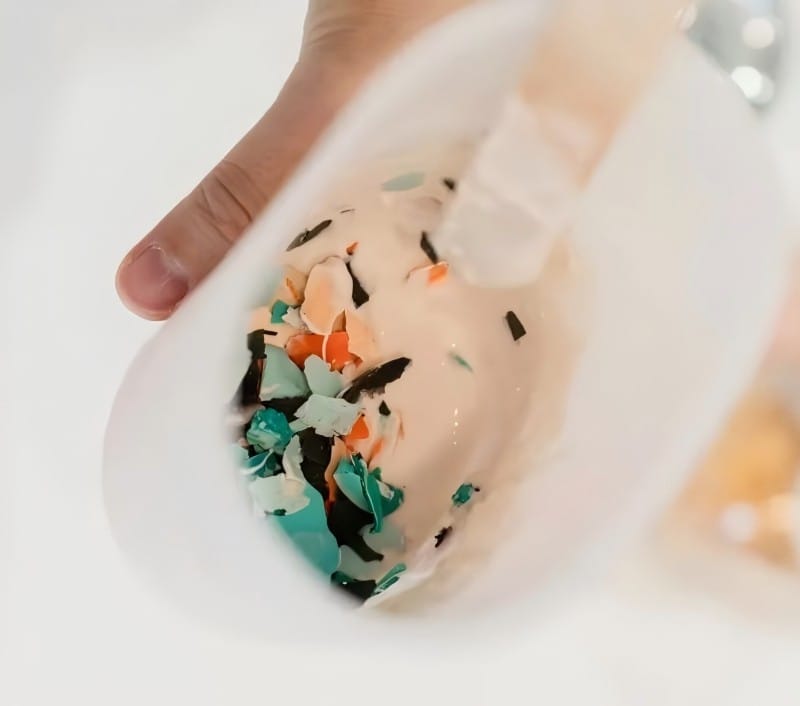
Plastic can be commercially efficient, but outdoor performance depends heavily on grade, UV control, and molding quality
What it is
In decorative outdoor products, the most common plastic types include:
- ABS
- PP
- PS
- other engineering or commodity plastics depending on product role
A simple rule:
- ABS is generally the stronger and more reliable option
- PP can work well depending on the structure
- PS is usually the weakest and least desirable for demanding outdoor use
Why buyers choose plastic
- low material cost
- low shipping weight
- fast production efficiency
- good consistency in molded parts
- useful for seasonal or lightweight decorative ranges
- practical for cost-sensitive retail programs
Best for
- lightweight hanging accents
- budget decorative ranges
- repeated seasonal programs
- colorful decorative concepts
- children-friendly decorative use where shatter resistance matters
- parts of mixed-material products
- housings where molding precision matters more than premium surface character
Watch-outs
- UV fading
- brittleness over time
- warping under heat
- cracking in cold climates
- lower perceived value
- glossy or thin surfaces that look cheap
- weaker long-term appearance stability than good resin or metal
What buyers should verify
- What plastic type is specified?
- Is UV resistance mentioned clearly?
- Are wall thickness and stress points adequate?
- Is the finish matte/textured or thin and glossy?
- Is the product intended for year-round exposure or seasonal use?
- Is the design relying on plastic for structure, or only for housing?
Useful next step
For lightweight commercial products, the real performance gap often comes from process quality rather than plastic alone, which is why it helps to review our plastic lights manufacturing process, the guide on how a professional factory manufactures plastic solar light, and the deeper explanation of why injection molding is critical for plastic solar decorative garden lights.
Related technical reading:
- UV-stabilized vs regular plastic
- UV testing on plastics for outdoor solar lights
- How to improve the durability of plastic in solar garden lights under outdoor sun exposure
Glass: best for elegant diffusion and lantern-style decorative lights
Glass is usually chosen for one main reason: it creates a more refined decorative effect than the other three materials.
When buyers want sparkle, elegant diffusion, lantern character, textured glow, or a more premium decorative impression, glass becomes highly attractive.
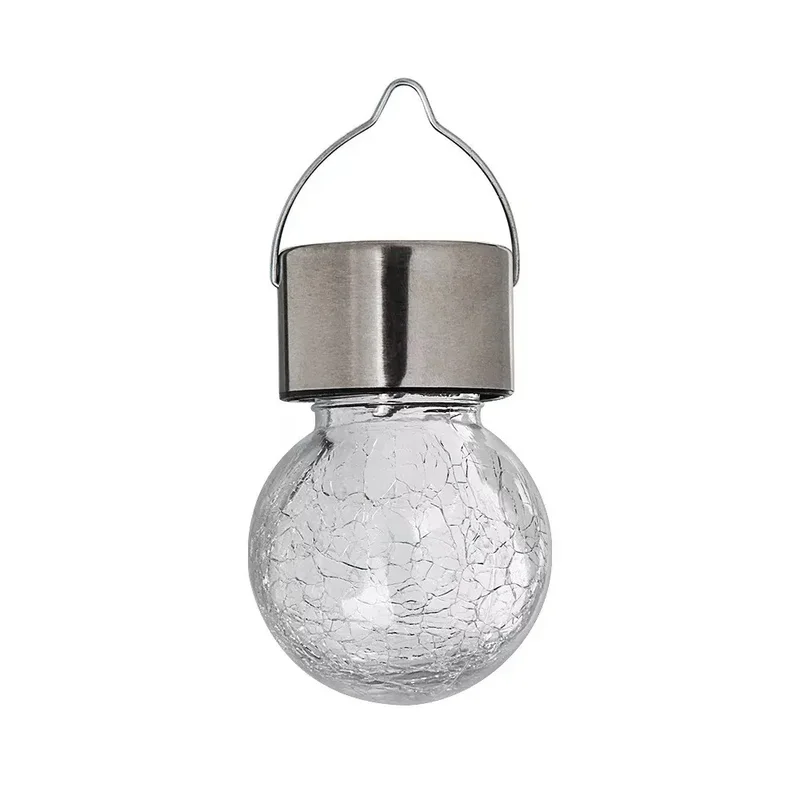
Glass works best when decorative diffusion and lantern-style appearance matter more than impact resistance
What it is
In decorative outdoor products, glass may appear as:
- crackled glass
- clear glass
- frosted or textured glass
- colored glass
- globe or panel elements in lantern structures
Why buyers choose glass
- excellent light diffusion
- premium decorative appearance
- strong visual clarity
- no yellowing from UV exposure
- timeless lantern-like character
- strong fit for vintage, romantic, and refined decorative concepts
This is one reason glass remains attractive in selected outdoor decorative applications. In technical outdoor glazing, SCHOTT describes glass products that are suitable for outdoor use without limitations regarding UV radiation or temperature fluctuation, which supports a more stable long-term appearance when the structure and placement are appropriate.
Best for
- decorative lanterns
- globe-style products
- patio accents
- hanging decorative lights
- selected memorial or cemetery lantern structures
- festive products where elegant diffusion matters
Watch-outs
- impact fragility
- higher transit risk
- more careful packaging requirements
- safety concerns if broken
- weaker fit for exposed, high-traffic use
- less flexibility than resin for sculptural decorative concepts
What buyers should verify
- Is the glass thick enough for the design?
- Is the structure stable enough to protect it?
- Is the product likely to be moved frequently?
- Is the placement protected or exposed?
- How strong is the mounting method?
- Is the buyer prepared for higher packaging and damage-control requirements?
Useful next step
If your focus is lantern-style appearance and decorative light diffusion, it is worth reviewing our glass lights manufacturing process and the factory guide on how a professional factory manufactures crackled glass balls.
Best material by application
So far, we have looked at the materials one by one. But in real product selection, buyers usually do not start with the material name. They start with the application.
That is the more useful way to make a decision.
Garden decorative lights
Best fit: Resin for sculptural products, metal for structural designs, plastic for lighter budget lines, glass for controlled decorative placements.
Works best when:
- the product is a figurine, ornament, or floral decorative piece
- the structure is a path light, hanging frame, or silhouette
- the buyer needs either decorative identity or structural performance
Watch out for:
- treating all garden lights as one category
- using low-grade plastic in long-exposure products
- using glass in exposed, high-traffic positions
Useful collection directions:
Cemetery and memorial lights
Best fit: Glass lantern + metal frame, stable resin housings, stainless steel components, and stronger mixed-material structures.
Works best when:
- the product is expected to stay outdoors for long periods
- appearance stability matters across seasons
- sealing, corrosion resistance, and weathering are more important than novelty
Watch out for:
- lower-grade plastics in permanent or long-duration cemetery placement
- weak sealing
- coatings or materials that deteriorate too quickly in year-round outdoor conditions
Useful next step:
Seasonal and holiday decorative lights
Best fit: Plastic and mixed-material structures for lighter seasonal programs; resin for themed figures; metal or glass for more premium festive styles.
Works best when:
- storage, shipping, and repeated seasonal turnover matter
- the product needs lower breakage risk
- the category depends on lighter decorative silhouettes or themed character products
Watch out for:
- overbuilding products that are only used for short periods
- using fragile structures where setup, storage, and repeated movement are common
Useful content directions:
- Halloween outdoor lighting ideas
- outdoor Christmas decoration ideas
- lantern design ideas
Lantern-style and patio decorative lights
Best fit: Glass for diffusion and elegance, metal for frame stability, plastic for lower-cost lantern concepts, and mixed-material structures for balance.
Works best when:
- appearance and ambience matter more than impact resistance
- the product is used on patios, porches, tabletops, or sheltered decorative areas
Watch out for:
- treating patio-style products like fully exposed pathway lights
- ignoring breakage and placement risk in glass-heavy structures
Pathway, stake, and exposed open-air placements
Best fit: Metal first, resin in selected structures, plastic only when engineered properly, glass only in protected secondary roles.
Works best when:
- the product needs rigidity
- the structure is exposed to wind, contact, or lawn maintenance
- the buyer wants stronger frame behavior outdoors
Watch out for:
- weak support structures
- poor weather protection
- relying on fragile materials in open, high-contact placement
Material combinations that work best in real product design
In real commercial product development, the best-performing decorative outdoor lights are often not single-material products. They are mixed-material products where each material handles a different job.
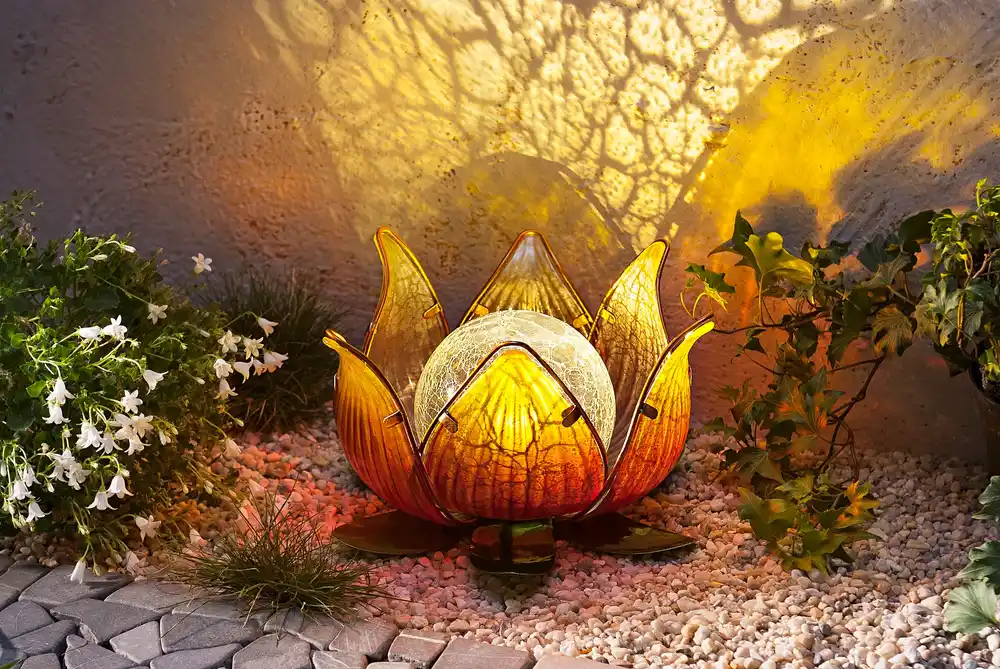
Many commercially successful decorative outdoor lights rely on mixed-material construction rather than one material alone
Resin body + metal stake
Why it works:
- resin provides decorative freedom
- metal provides strength and stability
- the structure is more practical than all-resin in narrow support parts
Best for:
- figurine stake lights
- decorative markers
- themed garden accents
- selected memorial decorative structures
Plastic housing + glass lens or decorative insert
Why it works:
- plastic keeps the product lighter and easier to ship
- glass adds elegance or diffusion
- damage risk is lower than an all-glass body
Best for:
- lantern-style decorative products
- value-focused tabletop accents
- lighter hanging decorative lights
- festive products with a decorative glow effect
Metal frame + glass panels
Why it works:
- metal gives the product clear structure
- glass provides decorative light character
- the product feels more premium
Best for:
- patio lanterns
- decorative hanging lights
- memorial lantern-style products
- festive outdoor lantern programs
Resin base + plastic upper housing
Why it works:
- resin gives the product weight and decorative identity
- plastic helps reduce cost and simplify molded housing parts
- the balance works well for medium-price products
Best for:
- decorative garden accents
- mid-range themed products
- selected holiday decorative items
Mini verdict
When buyers ask, “Which material is best?” the real commercial answer is often:
The best structure may use more than one material.
Cost, shipping, and long-term value
Material choice affects much more than the factory cost of a product. It also affects freight efficiency, packaging complexity, damage rate, replacement cycle, maintenance expectations, and long-term perceived value.
Relative material cost logic
In broad commercial terms:
- lower-grade plastic is usually the cheapest entry point
- higher-grade plastic stays low to medium in cost
- resin is usually medium
- glass is medium to medium-high depending on form and packaging
- powder-coated metal is medium-high
- stainless steel is often the premium end
Shipping logic matters more than many buyers expect
Plastic
- lowest shipping weight
- usually easier to pack
- lower breakage risk
- strong fit for large-volume seasonal or value-oriented programs
Resin
- moderate shipping cost
- heavier than plastic
- usually less fragile than glass
- good balance when the product needs more visual substance
Metal
- higher shipping cost because of weight
- lower breakage risk than glass
- stronger long-term value in the right product type
Glass
- higher packaging demand
- higher transit risk
- possible increase in replacement or damage-management cost
- worth it only when the decorative effect justifies it
Long-term value depends on more than upfront cost
Over time, buyers usually feel the difference in four places:
- how long the product still looks acceptable
- how well it survives normal outdoor handling
- how often it needs replacement
- how much after-sales pressure the material creates
That is why:
- low-grade plastic may be cheap upfront but weak long-term
- resin often gives one of the best cost-to-appearance ratios
- metal can justify higher cost in more exposed or longer-life applications
- glass can be worth it visually, but only when breakage risk is realistic and controlled
How buyers can judge material quality before ordering
A buyer should never stop at the raw material label.
“Resin,” “metal,” “plastic,” and “glass” are only the starting point. The real question is whether the product has been made with the right grade, structure, finish, and process discipline for its intended outdoor use.
Resin quality checks
- Is it formulated for outdoor use?
- Is UV protection or a protective finish specified?
- Does the surface look stable and even?
- Does the product feel too light for its size?
- Is the sealing around the light unit reliable?
- Is it intended for year-round outdoor use or lighter decorative use only?
Metal quality checks
- What metal is it exactly?
- Is it powder-coated steel, stainless steel, aluminum, or generic iron?
- How even and durable is the surface coating?
- Are edges, joints, and weld points finished well?
- Is the product likely to scratch during normal use?
- Is the environment humid, coastal, or hard on coatings?
Plastic quality checks
- What plastic type is specified?
- Is UV resistance clearly stated?
- Does the part feel thin, glossy, or weak?
- Are stress points reinforced?
- Is the finish suitable for outdoor exposure?
- Is the product meant for seasonal use or all-year use?
Glass quality checks
- Is the glass thick enough for the design?
- Is the frame or support system strong enough?
- Is the product likely to be knocked, moved, or exposed to impact?
- Are seals and fittings stable?
- Does the application justify the extra packaging and damage-control risk?
A practical buyer mindset
Do not ask only “Which material is better?”
Ask “Which material quality level, in which structure, for which application, will create the best result over time?”
FAQ
Which material lasts longest for outdoor decorative lights?
Short answer: usually metal.
Metal generally offers the longest structural lifespan, especially when stainless steel or well-finished coated metal is used appropriately. However, that does not automatically make it the best choice for every decorative product. In many decorative applications, resin delivers better overall value because it combines outdoor stability with stronger shape flexibility and lower breakage risk than glass.
Is resin better than plastic for decorative outdoor lights?
Often yes, but not always.
Resin usually gives:
- better visual depth
- stronger sculptural detail
- more stable decorative character
- a heavier and more substantial feel
Plastic still has clear advantages when the goal is:
- lower cost
- lower shipping weight
- seasonal use
- easier large-volume retail programs
Are glass decorative outdoor lights too fragile for year-round use?
Not always, but they are more placement-sensitive.
Glass works best in:
- protected patio areas
- hanging lantern-style applications
- lower-traffic decorative corners
- settings where elegant light diffusion is the priority
It is less suitable for:
- exposed open-air placements
- high-traffic garden edges
- products likely to be knocked or moved often
What material works best for cemetery and memorial lights?
In many cases, the most practical answer is not one single material, but a structure that prioritizes:
- weather resistance
- long-term appearance stability
- lower maintenance
- stronger sealing
- realistic year-round outdoor reliability
The most suitable options often include:
- glass lantern + metal frame
- resin housing with stable outdoor finish
- stainless steel components
- mixed-material structures designed for long unattended outdoor use
What material works best for seasonal and holiday decorative lights?
For seasonal and holiday decorative lights, plastic and mixed-material structures often make the most commercial sense.
Resin can also be a strong choice when the design depends on themed figurines or decorative character. Metal and glass work best when the product is positioned as a more premium festive lantern, hanging accent, or patio decoration.
Does waterproof performance matter as much as material choice?
Yes.
A strong material alone does not guarantee a reliable outdoor product. Sealing, enclosure structure, drainage detail, and placement all affect performance. That is why enclosure design should be evaluated together with material choice. As NEMA notes in its enclosure guide, the first IP numeral relates to protection with respect to persons and solid foreign objects entering the enclosure, while the second relates to harmful ingress of water.
That is why readers comparing outdoor materials should also understand IP44 vs IP65 vs IP67, especially when the product is expected to stay outside through changing weather.
Are mixed-material outdoor decorative lights better than single-material products?
In many cases, yes.
That is because mixed-material construction allows each part of the product to do a different job:
- metal for support
- resin for shape and surface character
- plastic for cost-efficient housing
- glass for diffusion and decorative effect
For real commercial product development, this often creates a better balance of appearance, durability, shipping efficiency, cost, application fit, and after-sales control.
How Glowyard supports material selection across different outdoor decorative lighting projects
At Glowyard, material choice is not treated as a separate decision from product application, manufacturing method, or long-term commercial performance.
When we work on decorative outdoor lighting projects, the discussion usually starts with a few practical questions:
- Is the product meant for garden use, memorial use, seasonal display, or patio decoration?
- Will it stay outdoors year-round or only for part of the year?
- Is the target market more price-sensitive or more design-sensitive?
- Does the structure need sculptural freedom, stronger rigidity, or decorative light diffusion?
- Is the buyer more concerned about appearance, freight efficiency, or after-sales durability?
Those questions help determine whether the right direction is:
- resin
- metal
- plastic
- glass
- or a mixed-material structure
Useful next steps
Readers who want to go further can continue into:
- Outdoor Lighting Manufacturing System
- Resin Solar Light Manufacturing Process
- Metal Solar Light Manufacturing Process
- Plastic Solar Light Manufacturing Process
- Glass Solar Light Manufacturing Process
- Crackled Glass Ball Manufacturing Guide
- OEM / ODM solutions
- Quality certificates
Work With Glowyard
If you are developing an outdoor decorative lighting range and need support choosing between resin, metal, plastic, glass, or mixed-material construction, our team can help match the material strategy to your product type, price target, and application environment. We support OEM and ODM development across multiple decorative categories, with in-house experience in material-specific manufacturing, quality control, and export-oriented production requirements.
Conclusion
There is no universal winner among resin, metal, plastic, and glass for outdoor decorative lights.
The best material depends on:
- what the product is expected to do
- where it will be used
- how long it needs to stay outdoors
- what balance the buyer wants between appearance, durability, shipping, and price
Final practical recommendations
Choose resin when:
- the design depends on sculptural detail
- decorative personality matters
- a balanced mix of appearance, stability, and cost is needed
- the product should feel more crafted than molded
Choose metal when:
- structural strength matters
- the product needs rigidity or a premium silhouette
- wind resistance or long-term frame performance is important
- the visual direction is cleaner, more modern, or more architectural
Choose plastic when:
- the product must stay lightweight
- the program is price-sensitive
- the range is seasonal or high-volume
- shipping efficiency and lower damage risk matter more than premium surface character
Choose glass when:
- elegant diffusion and decorative light quality are the priority
- the product is lantern-like, patio-oriented, or more protected in placement
- the buyer accepts higher care and packaging requirements in exchange for stronger visual appeal
Choose mixed-material construction when:
- the product needs different materials to perform different functions
- you want a better balance of cost, appearance, and durability
- the design is commercial rather than purely theoretical
- one material alone cannot deliver the right overall result
The most important takeaway
For outdoor decorative lights, material selection is really an application decision.
Instead of asking only “Which material is best?”, it is more useful to ask:
Which material, in which structure, for which outdoor decorative application, will create the best result over time?
Related next-step reading
- Decorative Lighting Manufacturing Capabilities
Compare related outdoor lighting materials: Outdoor Lighting Material Options and Wholesale Glass Solar Lights.
- Grave and cemetery solar lights manufacturer
- Outdoor Solar Light IP Rating Guide
- How to improve the durability of plastic in solar garden lights under outdoor sun exposure


![do solar lights work in winter at cemeteries [2026 guide]](https://glowyard.com/wp-content/uploads/2026/03/Do-Solar-Lights-Work-in-Winter-at-Cemeteries-2026-Guide.webp)