











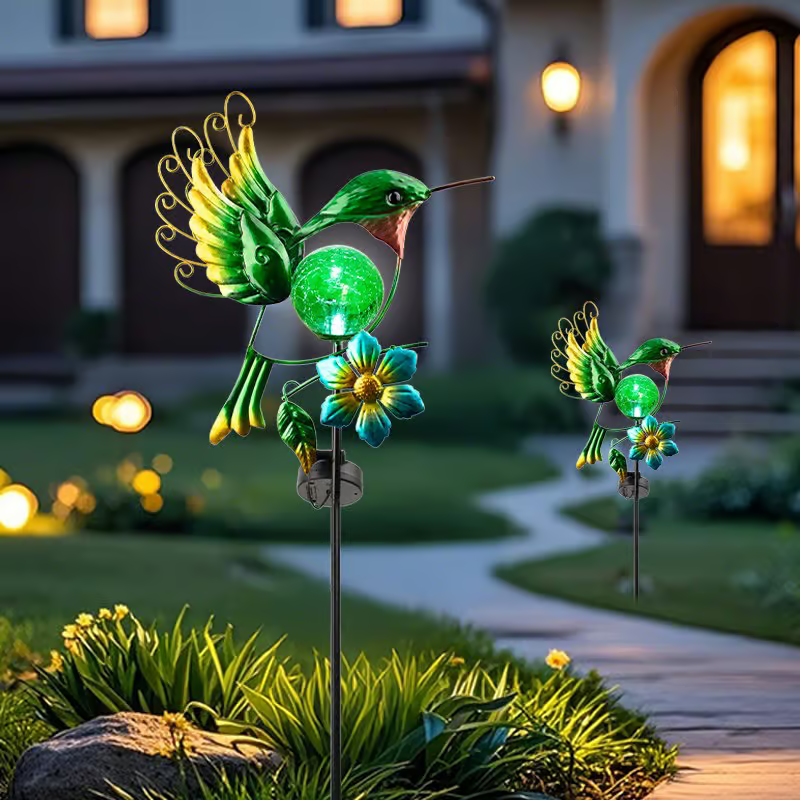
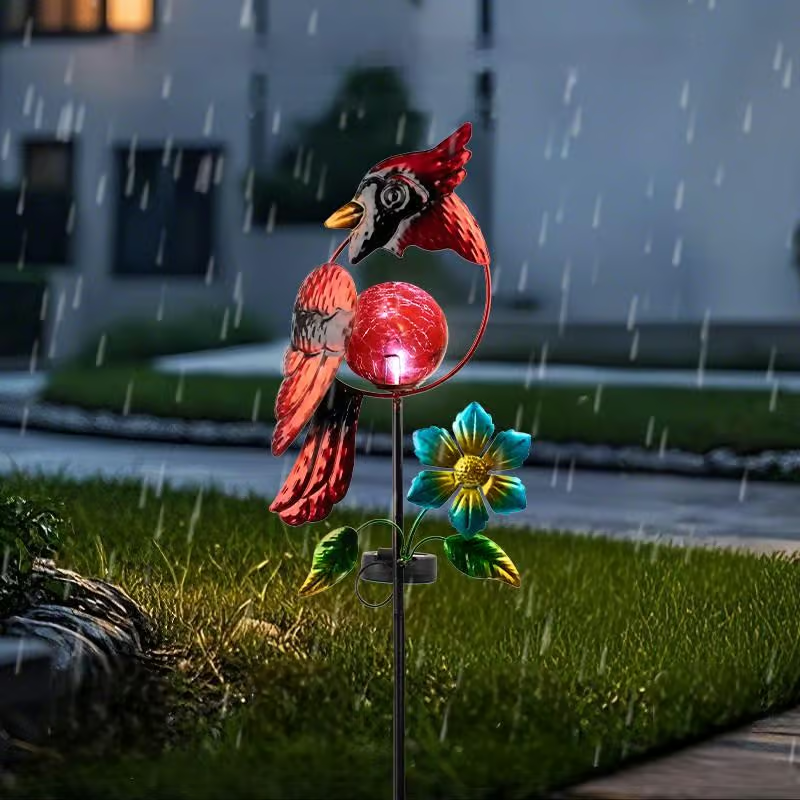
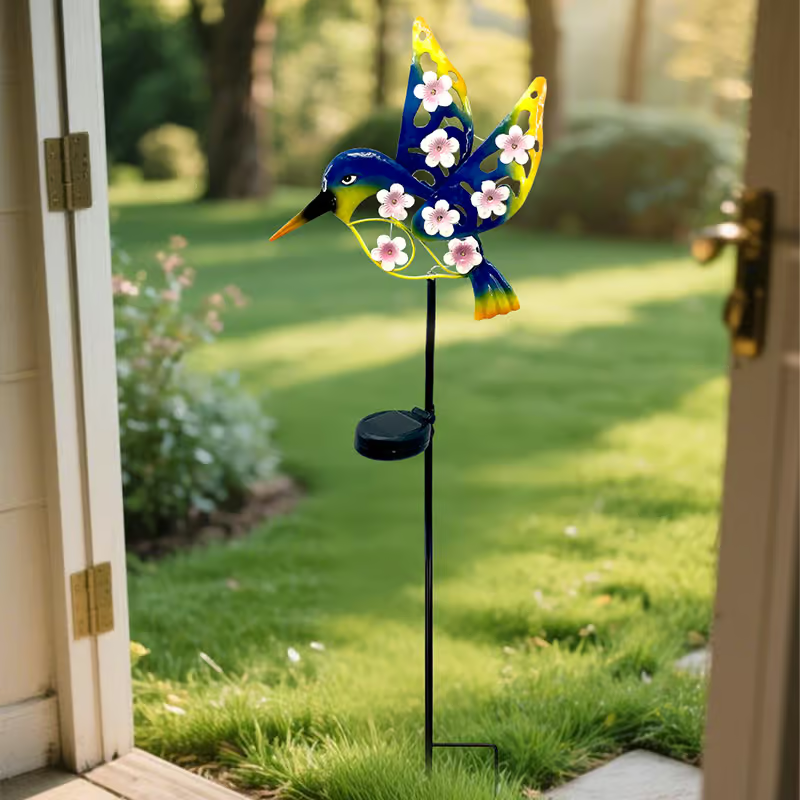
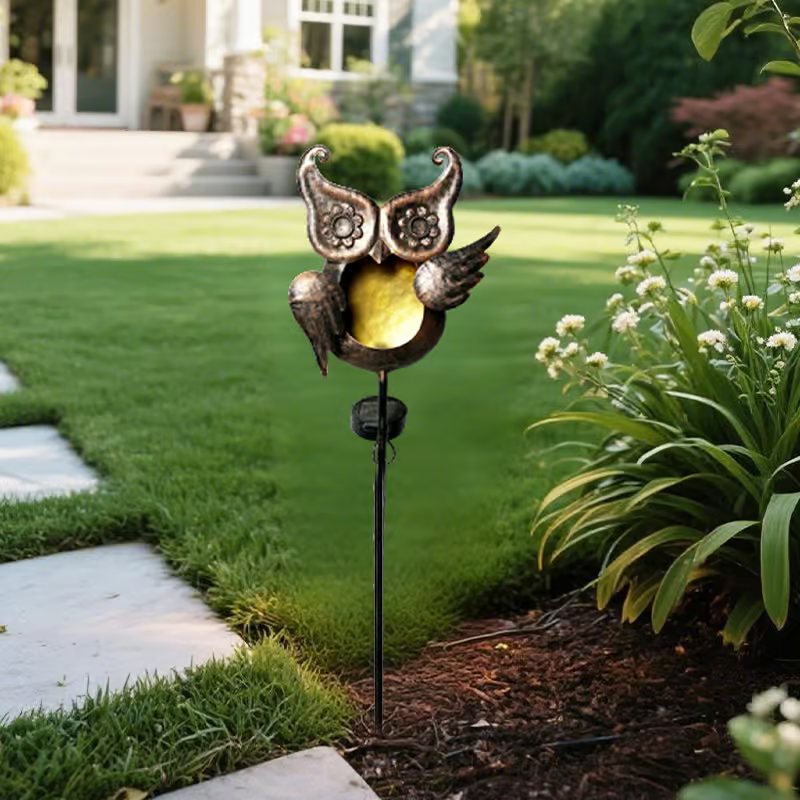
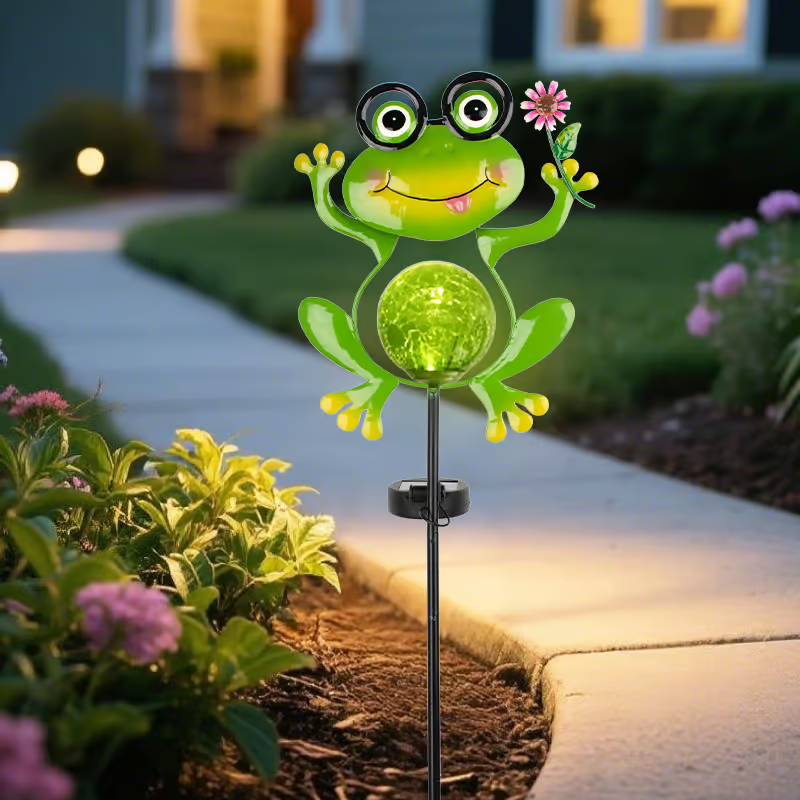
Wholesale Animal Solar Lights: Complete B2B Buyer Guide
If you’re sourcing wholesale animal solar lights for garden centers, retail stores, landscape projects, or e-commerce distribution, this guide will help you evaluate designs, materials, certifications, and factory capabilities before placing bulk orders. Animal solar lights represent one of the most diverse and popular categories in decorative outdoor lighting, appealing to wholesalers, retailers, distributors, importers, and project contractors who serve residential customers, hospitality venues, and commercial landscaping clients. When buying in bulk, key considerations include design variety and market appeal, material durability for outdoor exposure, quality control processes, IP waterproof ratings, customization options for different animal species and styles, packaging protection for delicate features, lead time management for seasonal demand, and supplier compliance with target market regulations. This guide covers everything from material selection and manufacturing processes to OEM/ODM customization, helping you make informed decisions that balance cost, quality, and market demand.
Category Summary
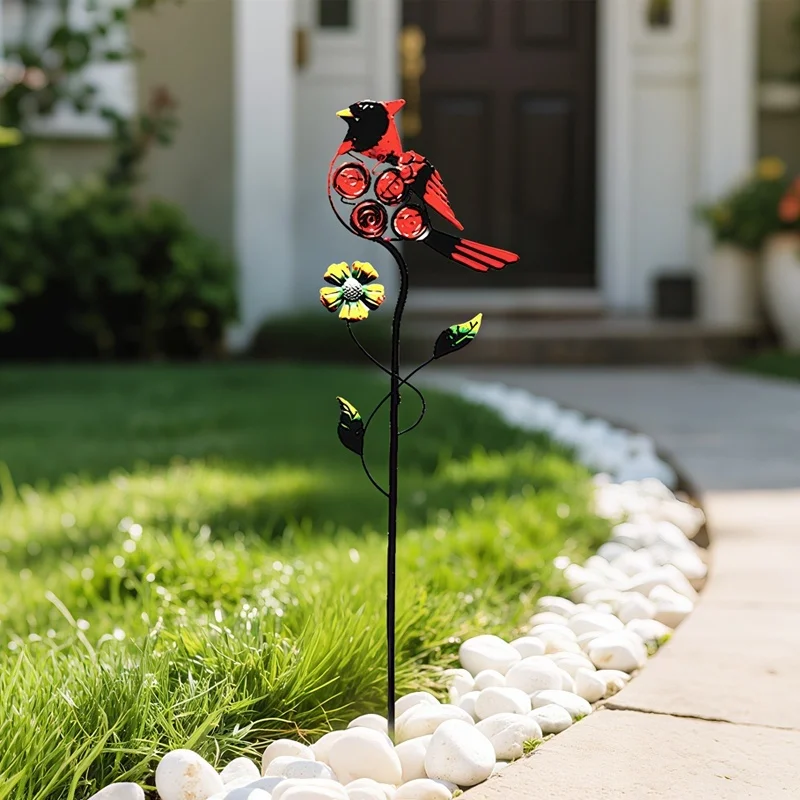
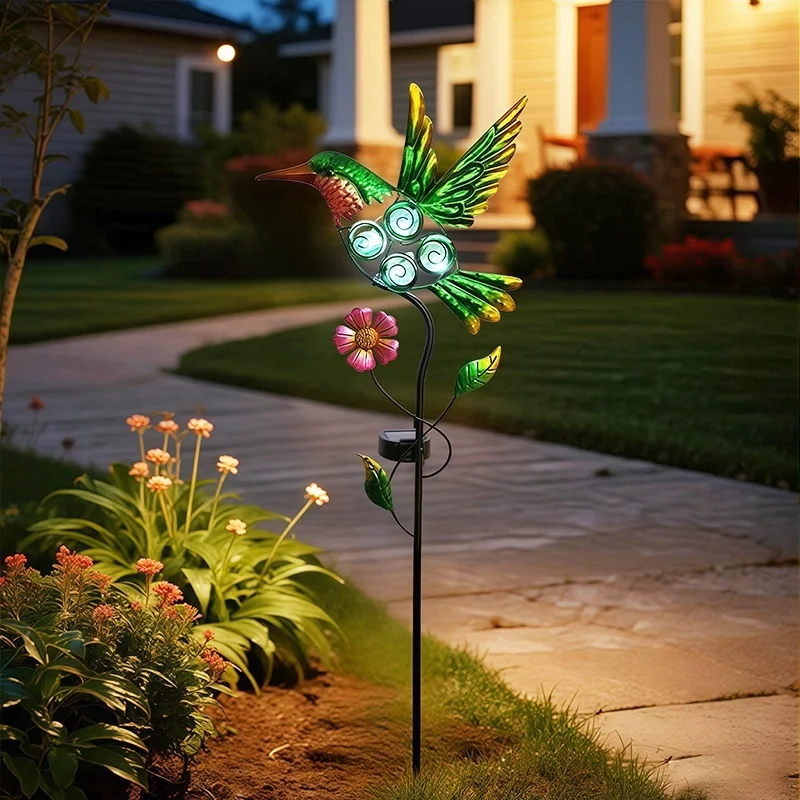
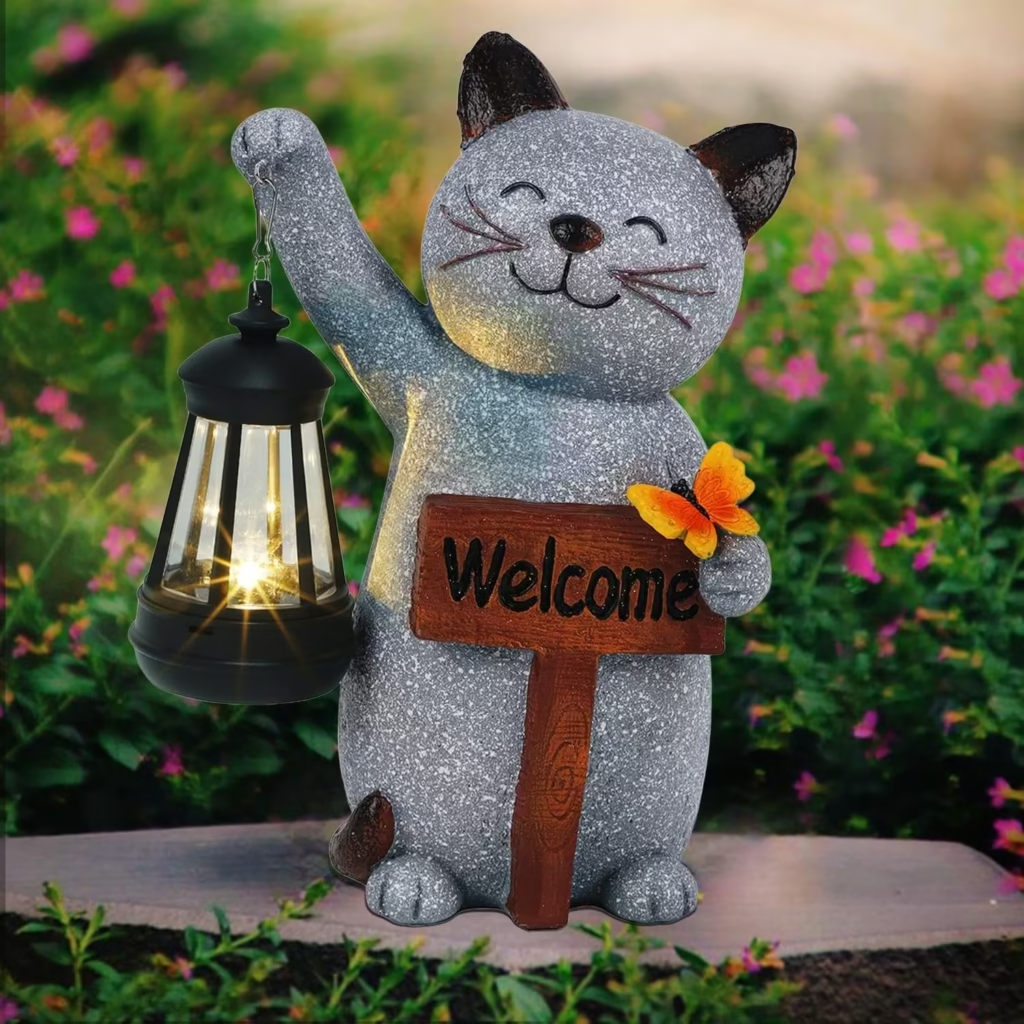
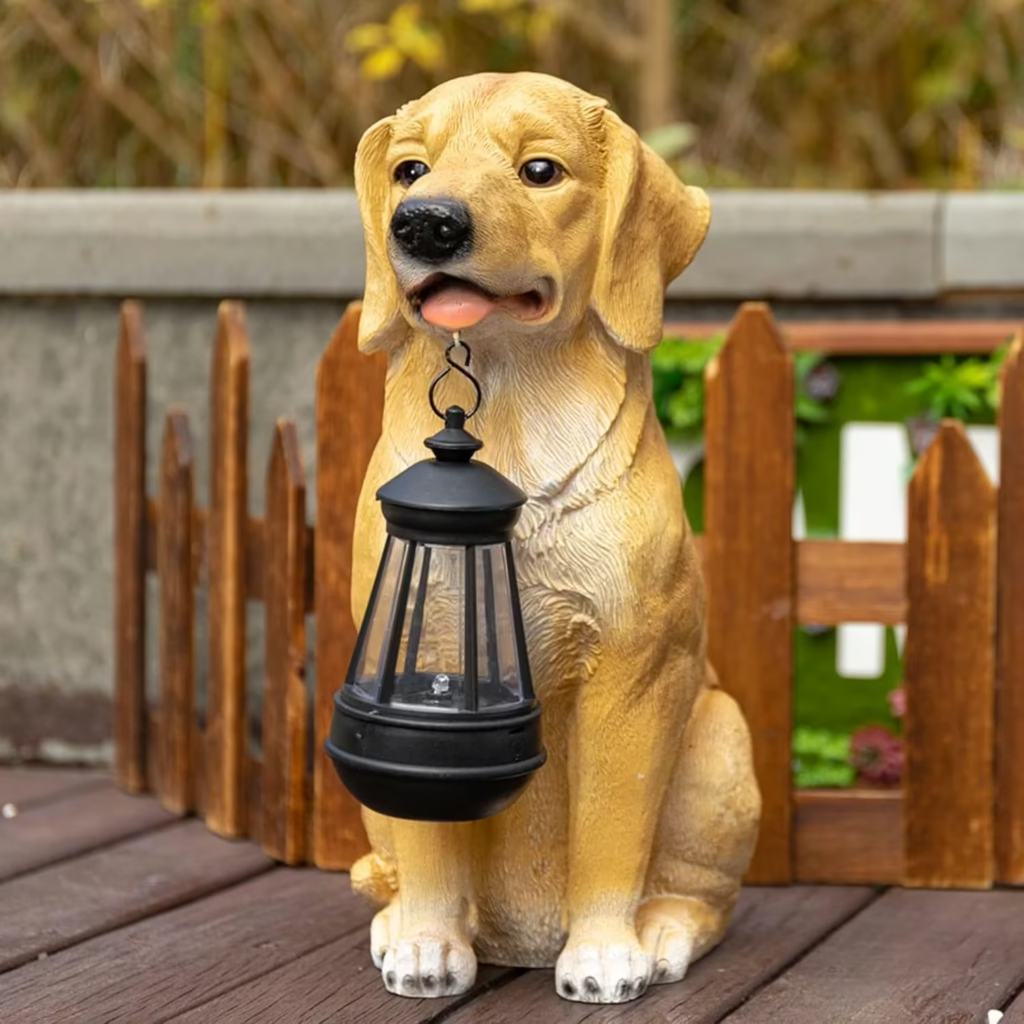
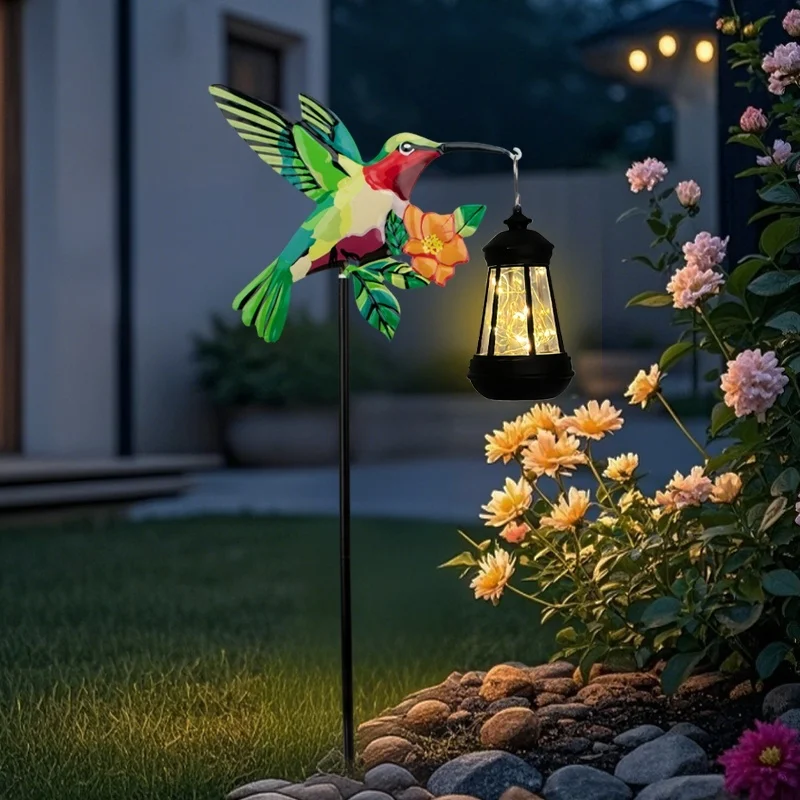
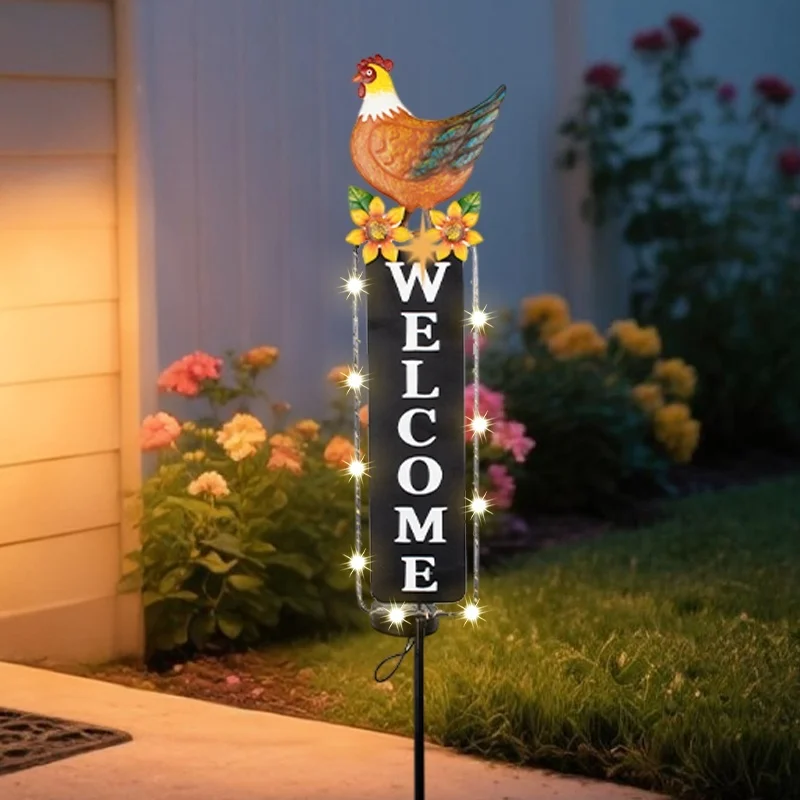
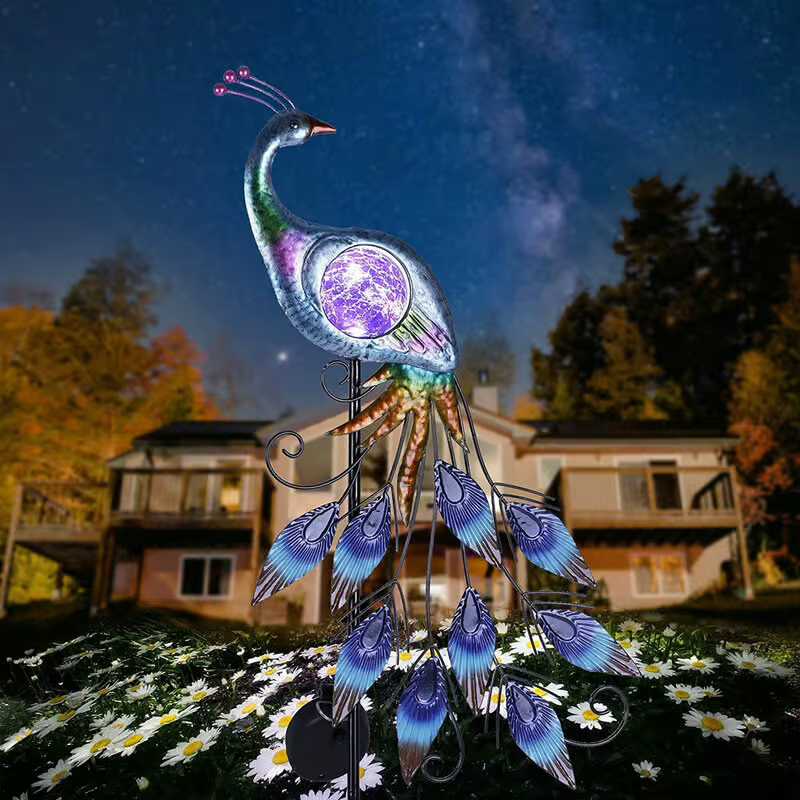
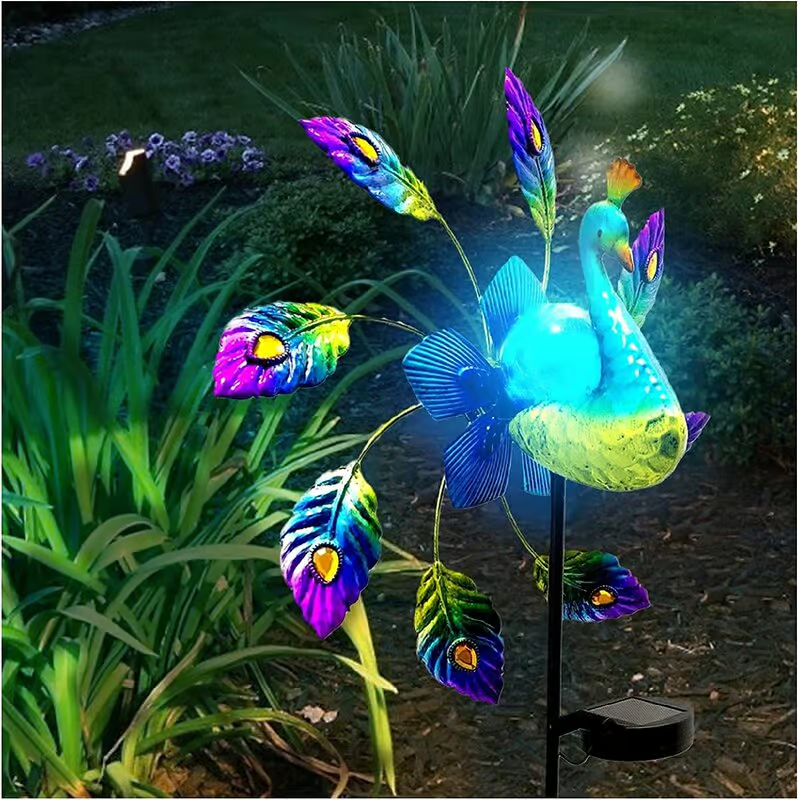
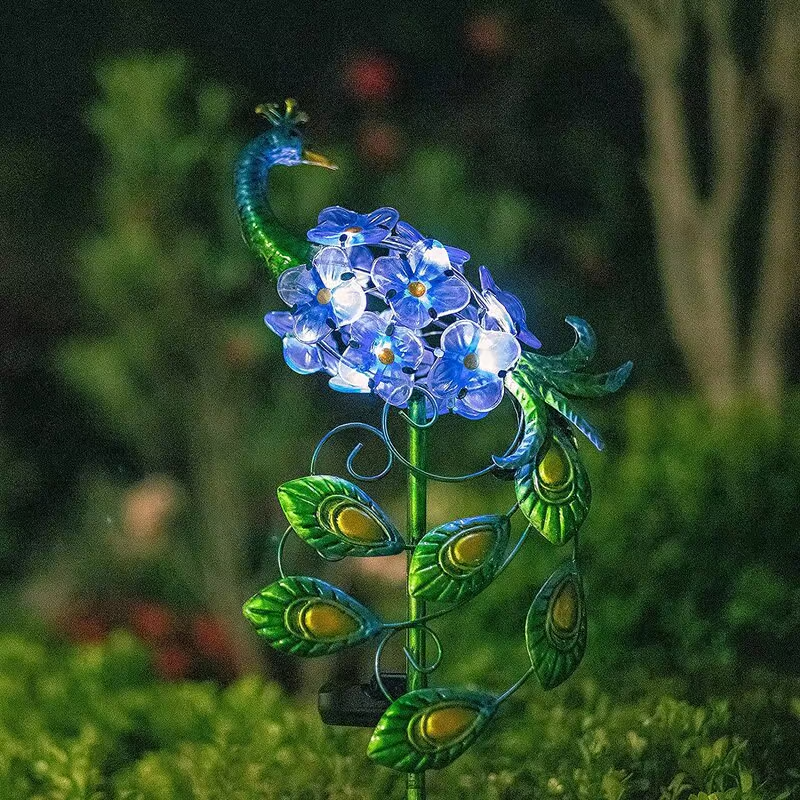
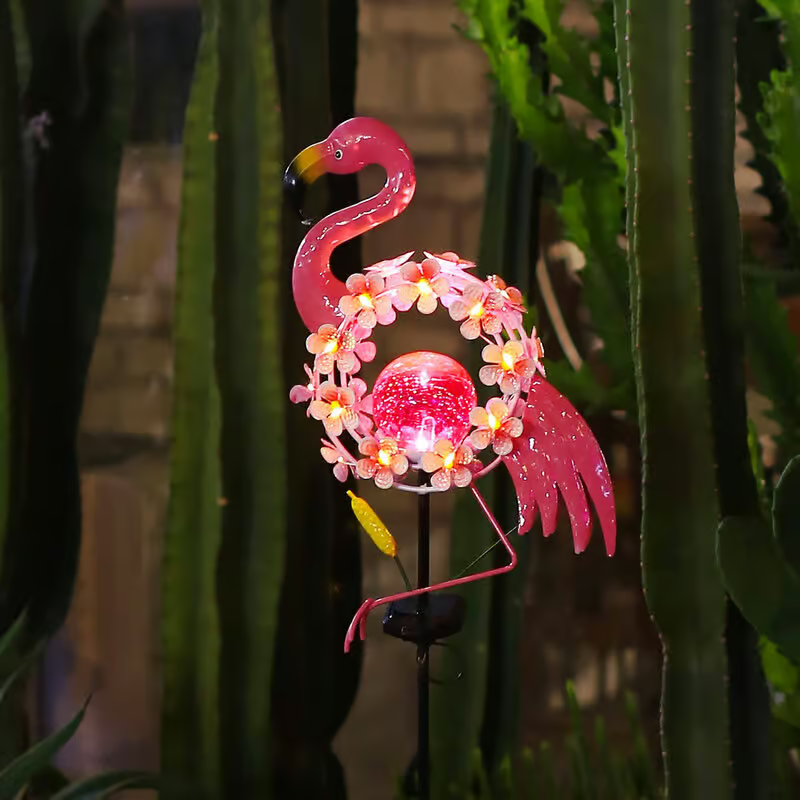
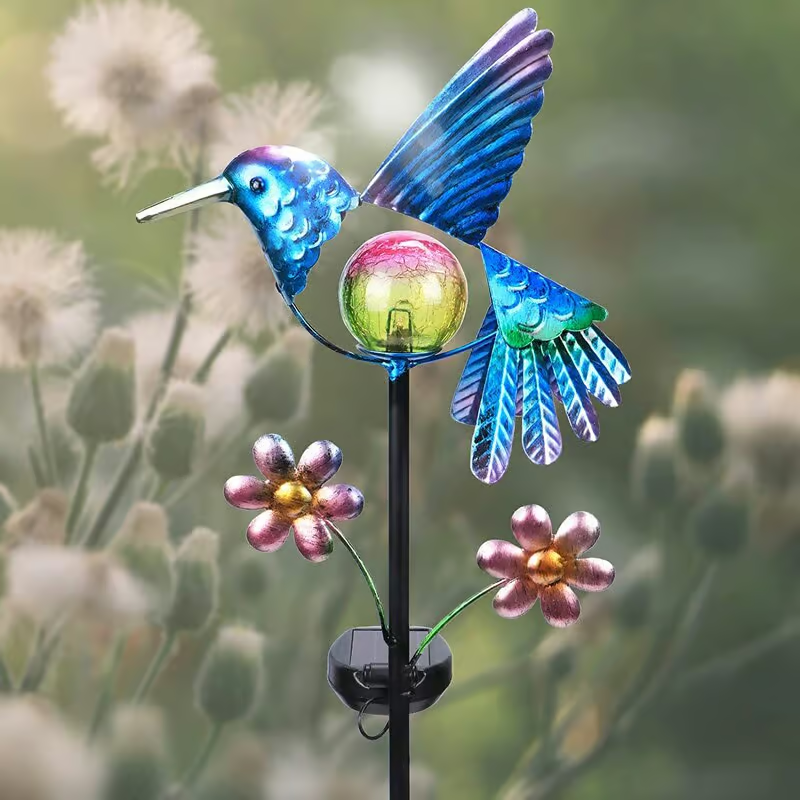
Wholesale animal solar lights encompass a wide range of decorative outdoor lighting featuring realistic or stylized animal figures, from common garden creatures like butterflies, birds, and frogs to whimsical designs including cats, dogs, rabbits, and wildlife species. Bulk buyers typically source ground stake models, hanging designs, tabletop figurines, and wall-mounted options. Key purchasing considerations include sculptural detail quality, paint finish durability, solar panel efficiency, LED color options (warm white, color-changing RGB), and seasonal demand patterns. This category attracts garden center buyers, gift shop retailers, landscape supply distributors, and e-commerce sellers who need diverse inventory to match customer preferences across different demographics. Quality bulk animal solar lights must deliver appealing aesthetics, weather resistance (IP44-IP65), and reliable solar performance to minimize returns and maintain customer satisfaction in competitive retail markets.
What Will You Learn in This Guide?
- What Are Wholesale Animal Solar Lights and Why Are They Popular in Wholesale Markets?
- What Types and Designs Sell Best for Bulk Orders?
- What Materials and Manufacturing Processes Are Used?
- What Quality Standards and Certifications Matter for Wholesale Buyers?
- What Is the Market Demand and Customer Preferences?
- What Are the Common Applications?
- What OEM/ODM Customization Options Are Available?
- How to Source Wholesale Animal Solar Lights from China Manufacturers?
- What Mistakes Can Cost You Money When Buying in Bulk?
- Who Is Glowyard Lighting and What Do We Offer?
- Frequently Asked Questions
What Are Wholesale Animal Solar Lights and Why Are They Popular in Wholesale Markets?
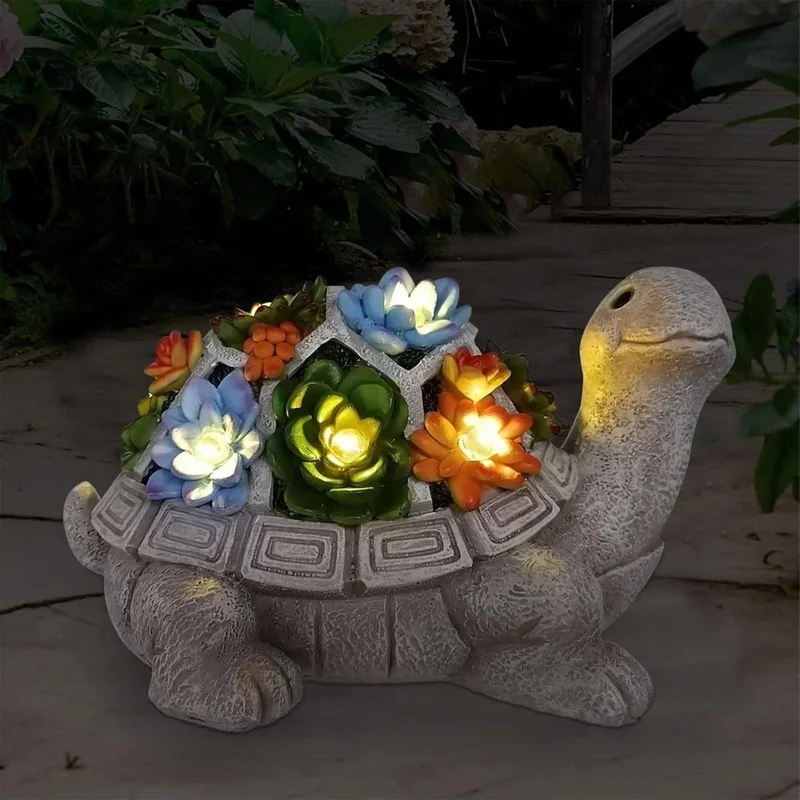
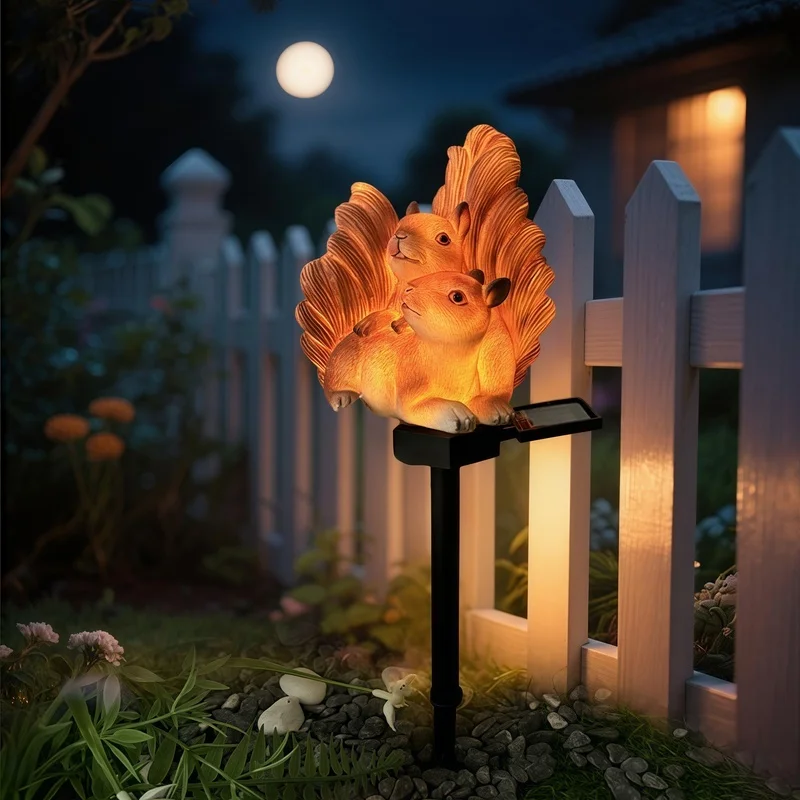
Wholesale animal solar lights are decorative outdoor lighting fixtures shaped as various animal figures, powered by integrated solar panels that charge internal batteries during daylight hours and automatically illuminate after dark. These products combine functional outdoor lighting with decorative appeal, featuring realistic or stylized representations of animals ranging from common garden creatures (butterflies, birds, frogs, turtles) to beloved pets (cats, dogs, rabbits) and wildlife species (deer, owls, squirrels, hedgehogs).
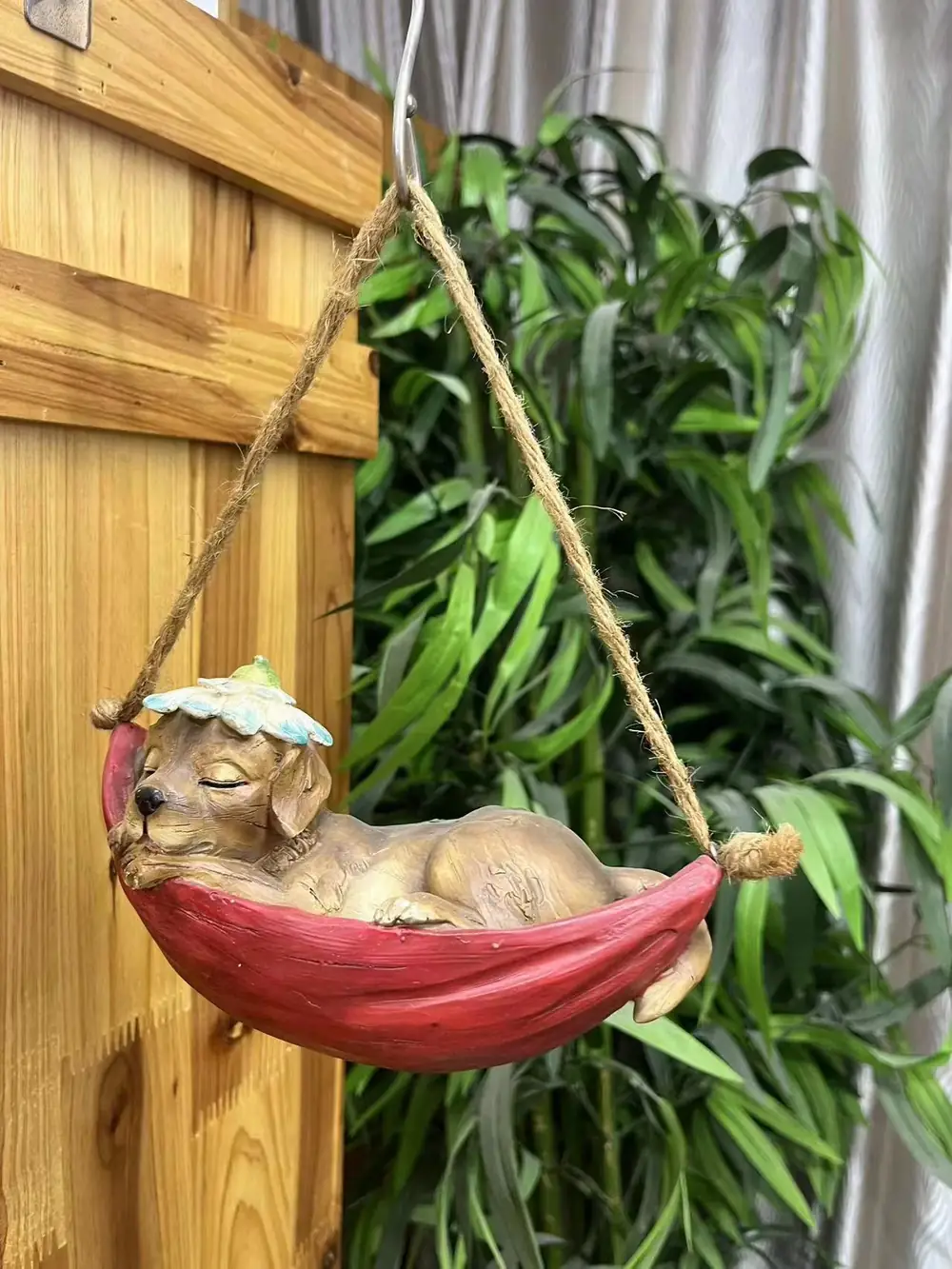

The wholesale market for animal solar lights has experienced significant growth due to several converging factors. First, these products appeal to emotional purchasing decisionscustomers buy them not just for lighting but for the personality and charm they add to outdoor spaces. This emotional connection drives higher perceived value and reduces price sensitivity compared to purely functional lighting products. Second, the category’s diversity allows retailers to stock multiple designs that appeal to different customer segments, from nature enthusiasts to pet lovers to whimsical garden decorators.
For wholesalers and distributors, animal solar lights offer strong profit margins and excellent inventory turnover. The products’ gift-giving appeal creates year-round demand with seasonal peaks during spring gardening season, Mother’s Day, and holiday periods. Retailers appreciate the category’s broad demographic appealthese lights attract young families, elderly gardeners, and everyone in between. The solar-powered feature eliminates installation complexity and ongoing energy costs, making them accessible to customers who might hesitate to purchase wired outdoor lighting.
Manufacturing advances have significantly improved product quality and market viability. Modern wholesale animal solar lights feature detailed sculptural work, durable weather-resistant finishes, efficient solar panels, and long-lasting LED technology. Quality manufacturers use UV-stabilized materials, multi-layer protective coatings, and proper sealing techniques to ensure products withstand outdoor exposure for multiple seasons. Battery technology improvements, particularly the shift to lithium batteries, have extended runtime and improved cold-weather performance.
The category also benefits from strong visual merchandising potential. Animal solar lights photograph well for e-commerce, create attractive retail displays, and generate social media engagement when customers share photos of their illuminated gardens. This organic marketing amplifies sales potential beyond traditional retail channels. For comprehensive information about the broader decorative lighting category, see decorative outdoor solar garden lights.
What Types and Designs Sell Best for Bulk Orders?
The wholesale animal solar lights market segments into several distinct product categories, each serving specific customer preferences and price points. Understanding these variations helps buyers select inventory that maximizes sell-through rates and profit margins.
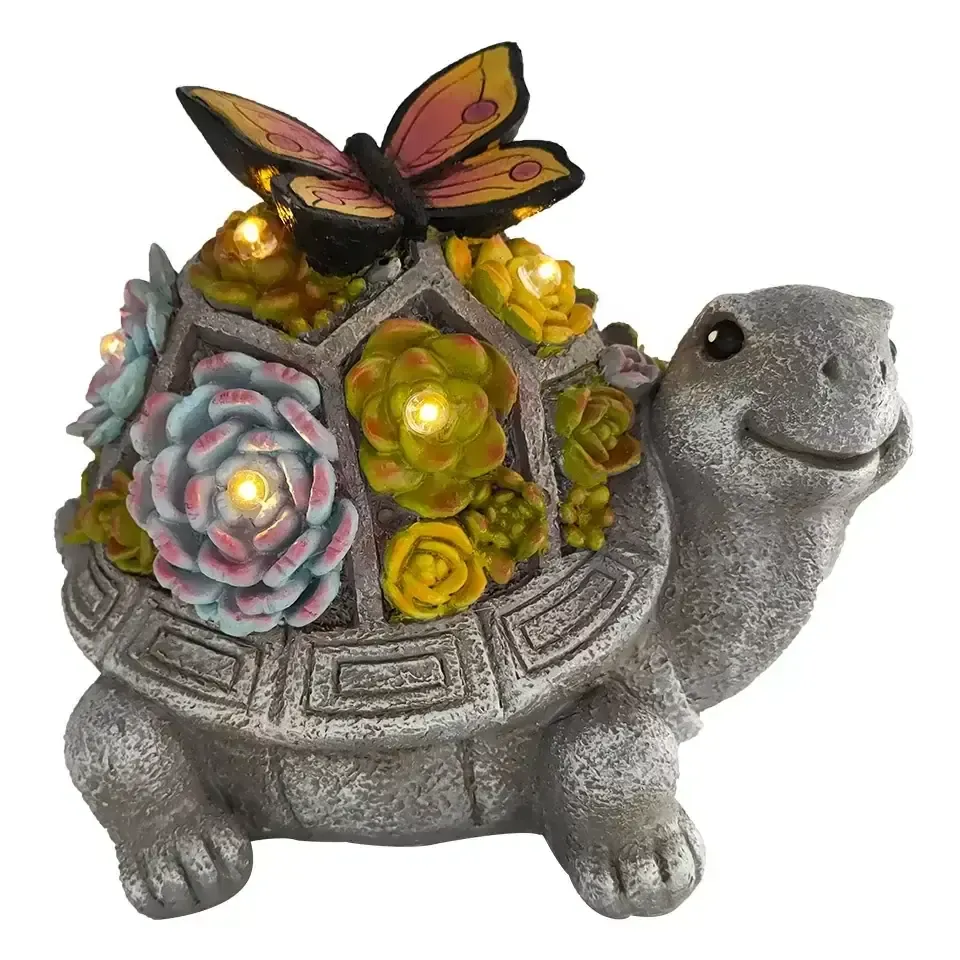
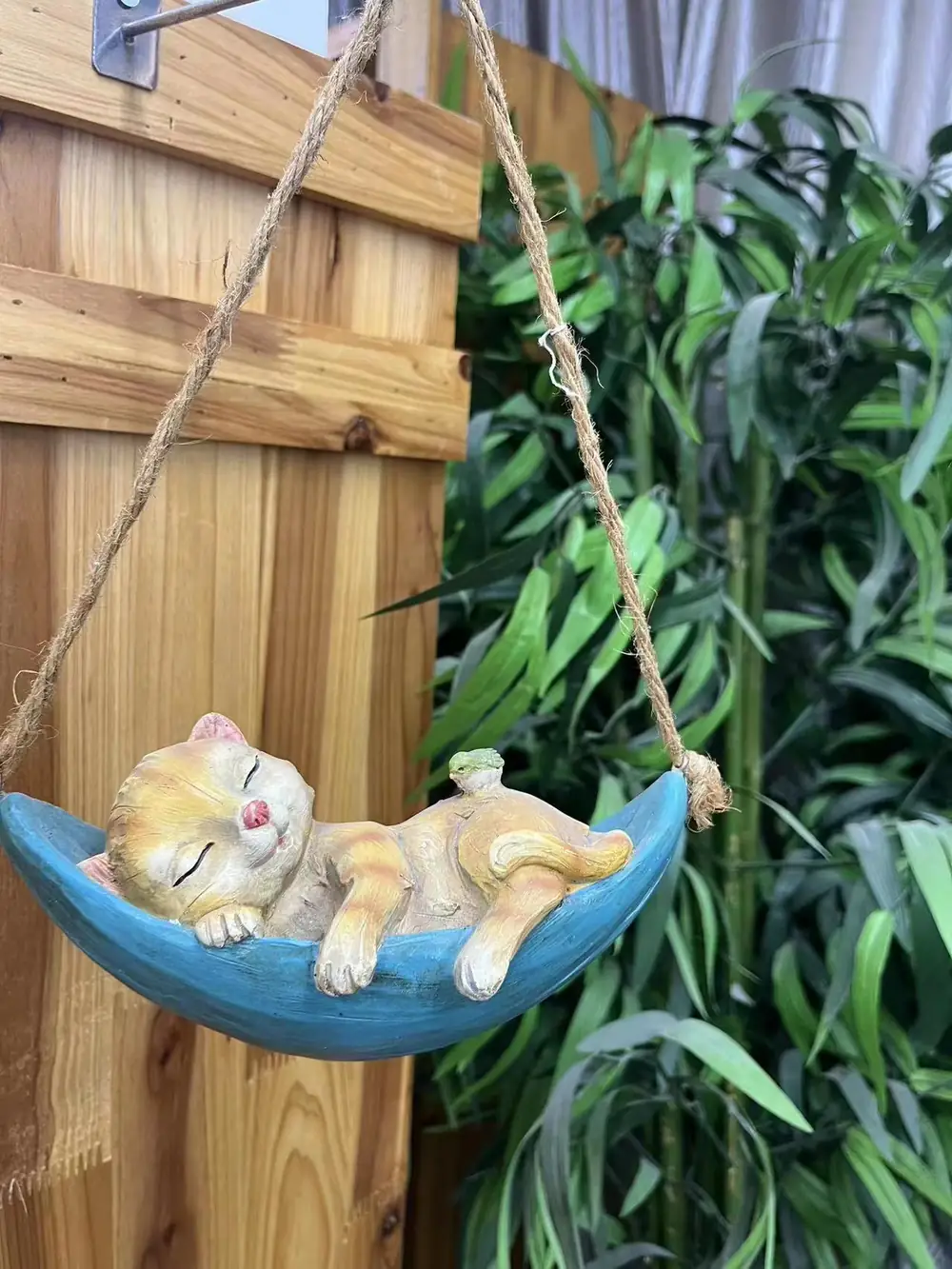
Realistic Wildlife Designs represent the premium segment of the market. These products feature detailed sculptural work that accurately depicts animal anatomy, natural poses, and realistic coloring. Popular species include deer, owls, rabbits, squirrels, hedgehogs, and birds. Quality realistic designs use hand-painted details, textured surfaces to simulate fur or feathers, and natural color palettes. These products typically command higher wholesale prices but appeal to customers seeking sophisticated garden decor. Retailers targeting upscale garden centers, boutique gift shops, and landscape design clients should prioritize this segment.
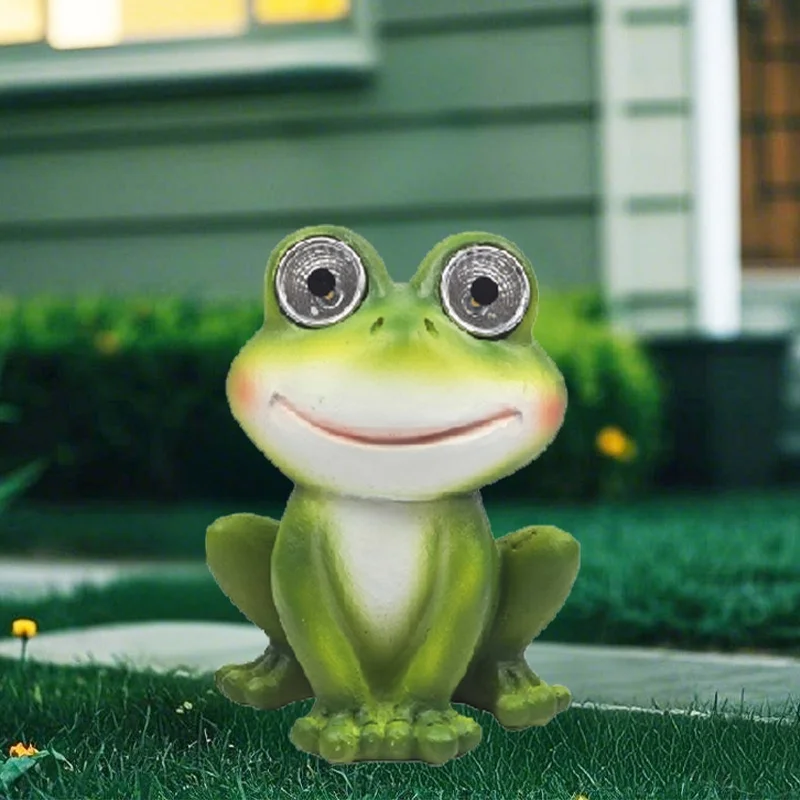
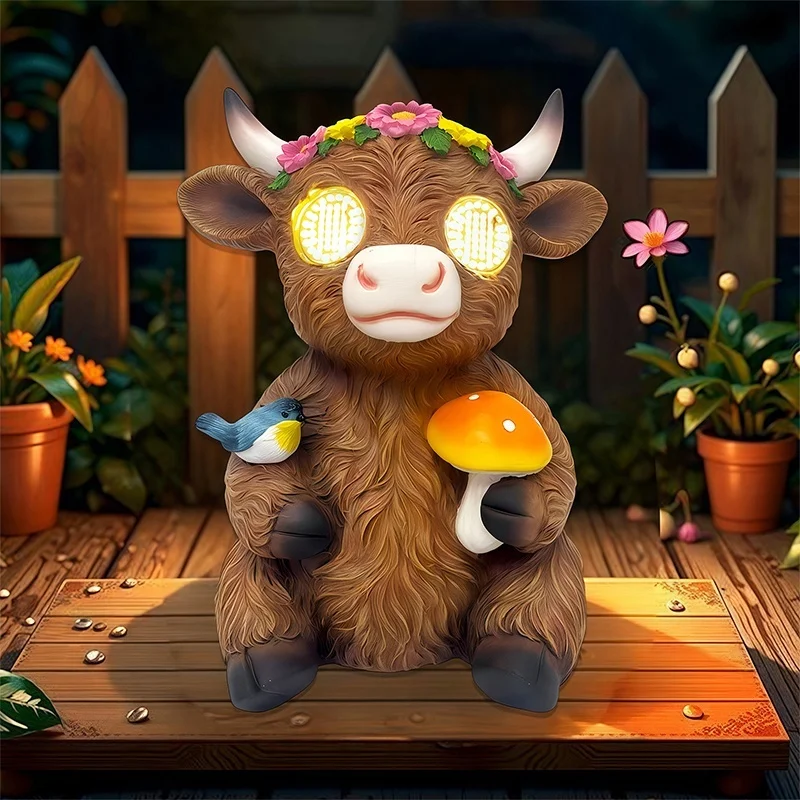
Whimsical and Stylized Designs dominate the mid-market segment. These products feature exaggerated proportions, bright colors, and playful expressions that appeal to families with children and customers seeking cheerful garden accents. Common designs include smiling frogs, colorful butterflies, cartoon-style cats and dogs, and anthropomorphized creatures. This segment offers the broadest market appeal and typically generates the highest sales volume. Wholesalers serving mass-market retailers, online marketplaces, and general gift shops should stock diverse selections from this category.
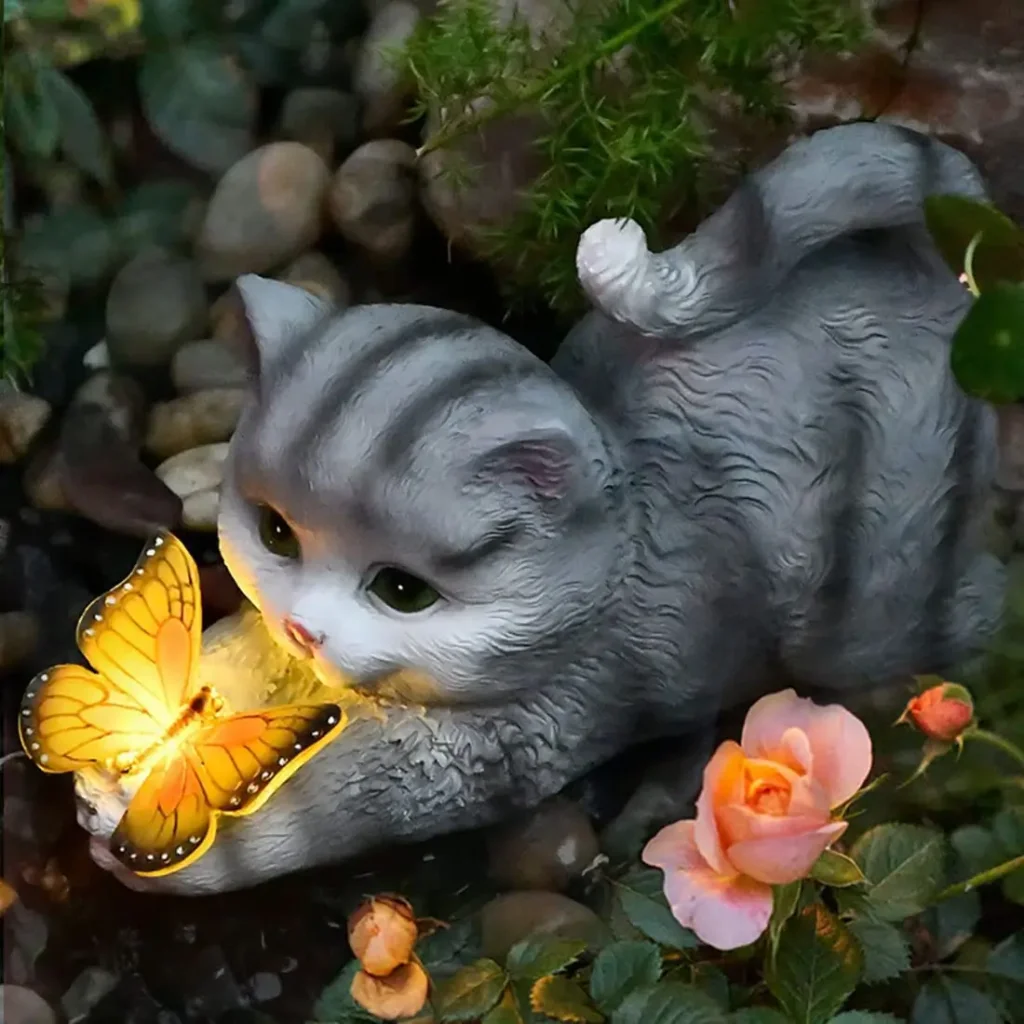
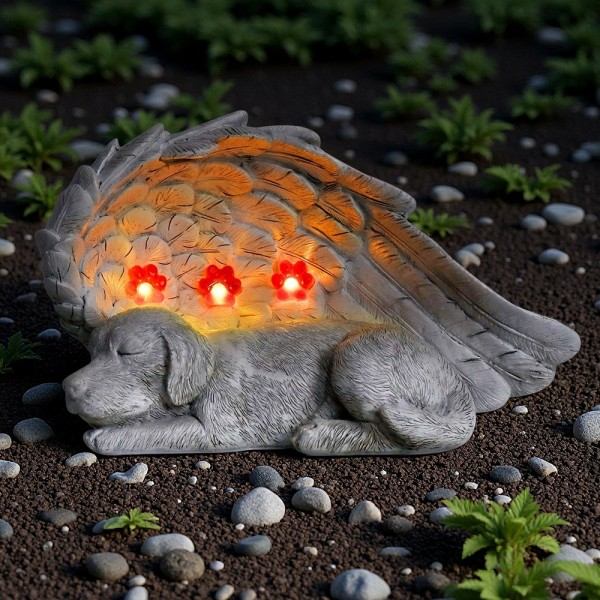
Pet-Themed Solar Lights have emerged as a strong niche segment. Designs featuring cats, dogs, and rabbits resonate with pet owners who want to celebrate their love for animals in their outdoor spaces. These products often incorporate breed-specific details (different dog breeds, cat poses) and may include memorial-themed options for customers remembering deceased pets. The emotional connection drives purchase decisions and supports premium pricing. For related memorial lighting options, see solar powered memorial lights.
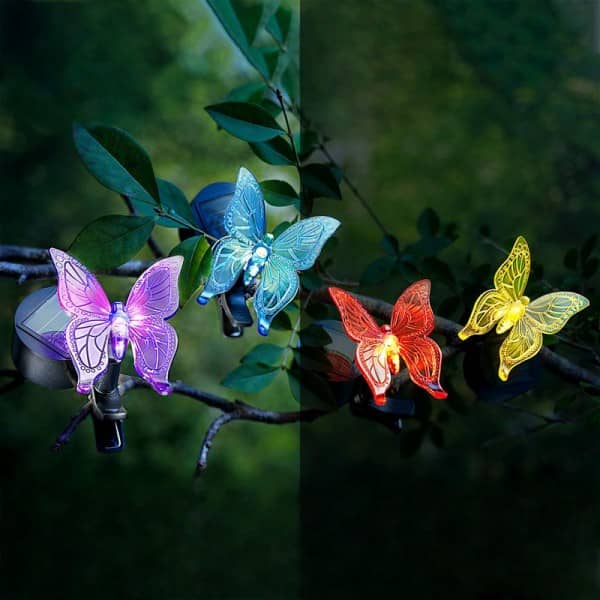
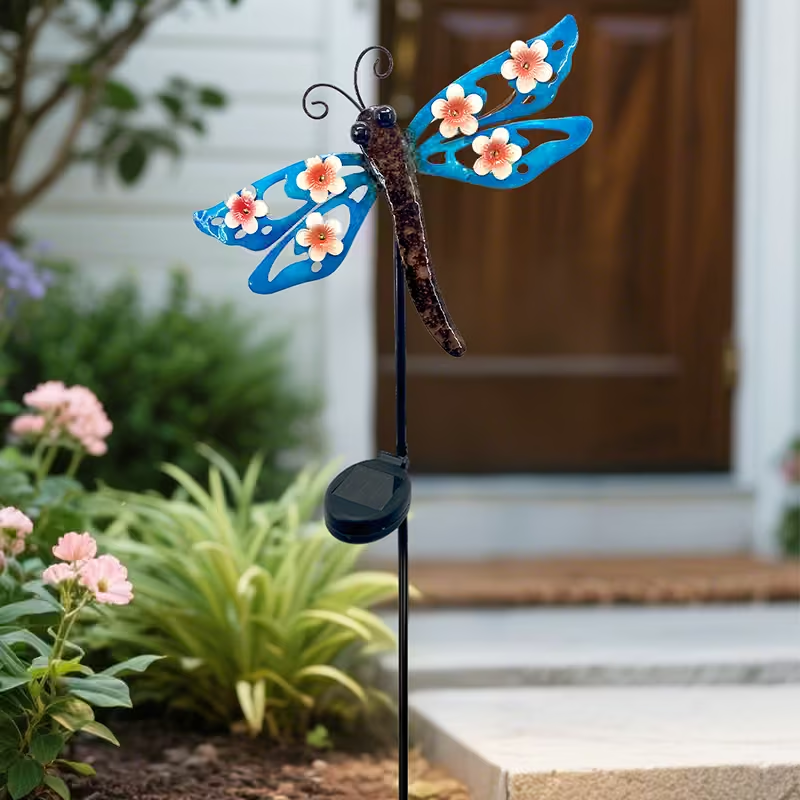
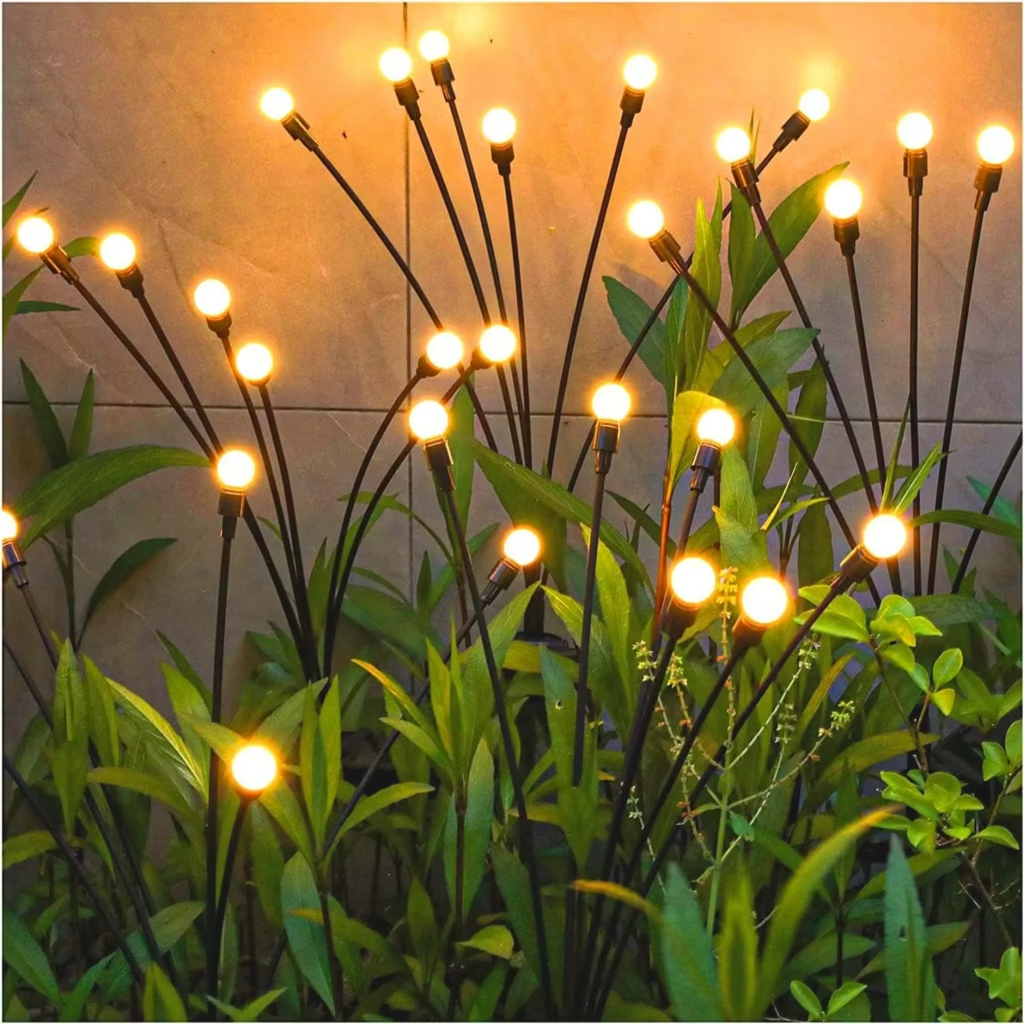
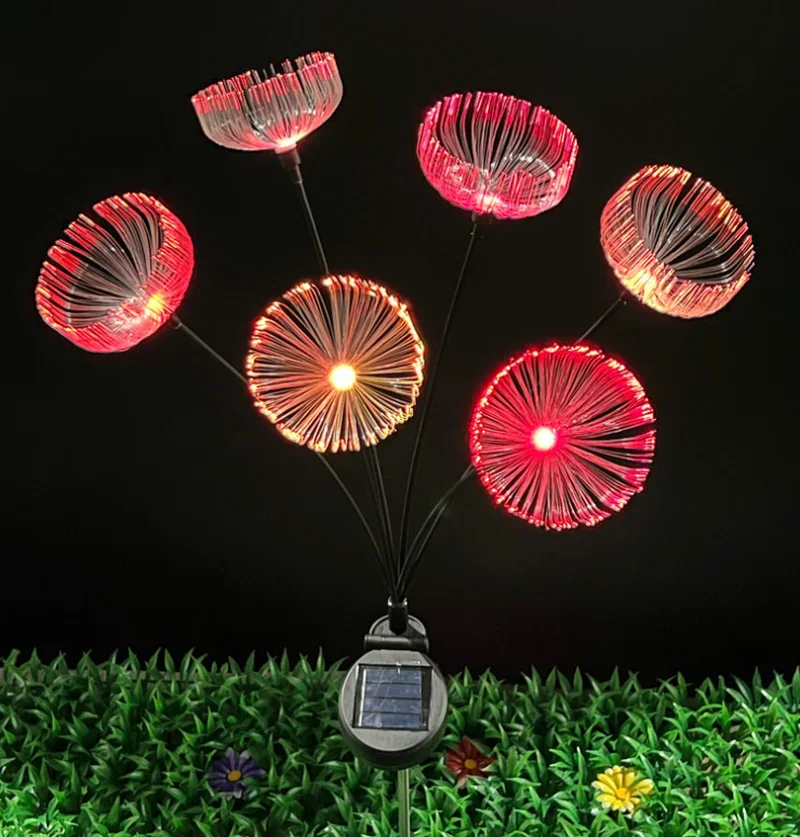
Insect and Small Creature Designs include butterflies, dragonflies, bees, ladybugs, and fireflies. These products typically feature translucent or metallic finishes that create attractive light effects. Butterfly and dragonfly designs often incorporate stakes for insertion into garden beds or clips for attachment to plants. This segment appeals to nature enthusiasts and customers seeking subtle, elegant garden accents. The smaller size and lighter weight reduce shipping costs and allow retailers to stock higher quantities.
Color-Changing RGB Models have gained market share across all animal categories. These products incorporate RGB LED chips that cycle through multiple colors or allow users to select preferred colors via remote control. While commanding higher wholesale prices, RGB models appeal to customers seeking versatility and visual interest. Quality concerns include color consistency across production batches and remote control reliabilitybuyers should verify these aspects before committing to large orders.
Category-Specific Buyer Notes for Animal Solar Lights
When sourcing wholesale animal solar lights, several category-specific factors differentiate successful bulk purchases from problematic ones. First, sculptural detail consistency matters significantlyvariations in mold quality, paint application, and assembly precision between units in the same batch create visible quality differences that generate customer complaints. Request detailed photos of actual production samples, not just prototype images, and consider ordering small test batches before committing to large volumes.
Second, paint finish durability varies dramatically across manufacturers. Quality animal solar lights use multi-layer coating systems: primer for adhesion, base color coats, detail painting, and UV-protective clear coat. Budget manufacturers may skip steps or use inferior paints that fade, chip, or peel within one season. Verify that suppliers conduct UV aging tests and can provide test reports showing color retention after extended UV exposure.
Third, solar panel positioning affects both aesthetics and performance. Integrated panels (built into the animal’s back or head) maintain design integrity but may receive less direct sunlight depending on installation angle. Separate panels connected by cables allow optimal solar positioning but add installation complexity and potential cable damage points. Consider your target market’s preferencesDIY customers may prefer integrated designs for simplicity, while professional landscapers may favor separate panels for performance optimization.
Fourth, seasonal demand patterns require careful inventory planning. Butterfly and bird designs peak in spring, while owl and woodland creature designs sell strongly in autumn. Holiday-themed animal lights (reindeer, snowmen) require early ordering to ensure delivery before retail stocking deadlines. Work with suppliers who can provide production timeline guarantees and maintain buffer inventory for reorders during peak seasons.
What Materials and Manufacturing Processes Are Used?
Understanding the materials and manufacturing processes behind animal solar lights helps wholesale buyers evaluate quality, predict longevity, and assess fair pricing. The primary components include the sculptural body, solar panel, LED module, battery, and control circuitry, each requiring specific manufacturing expertise.
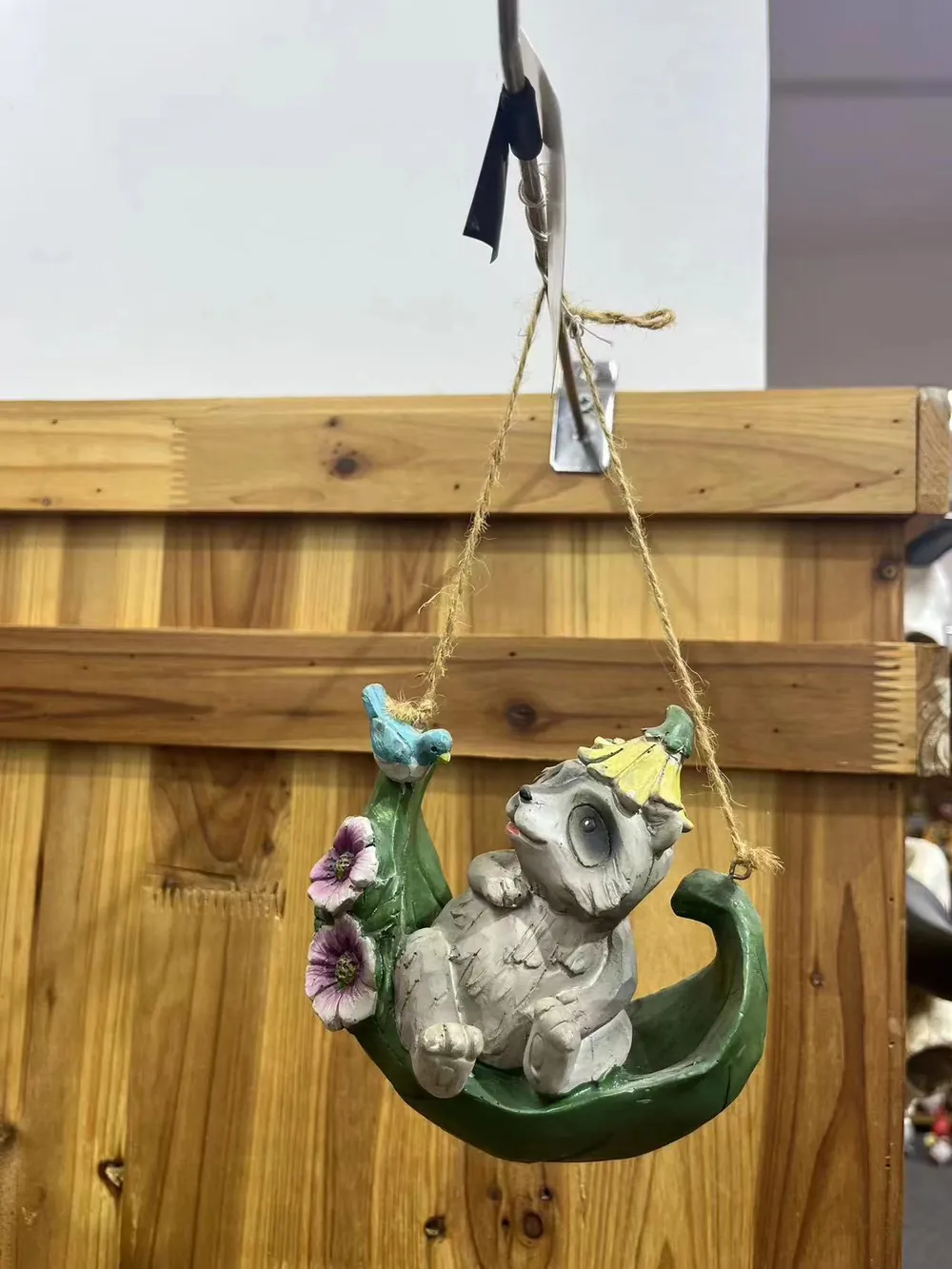
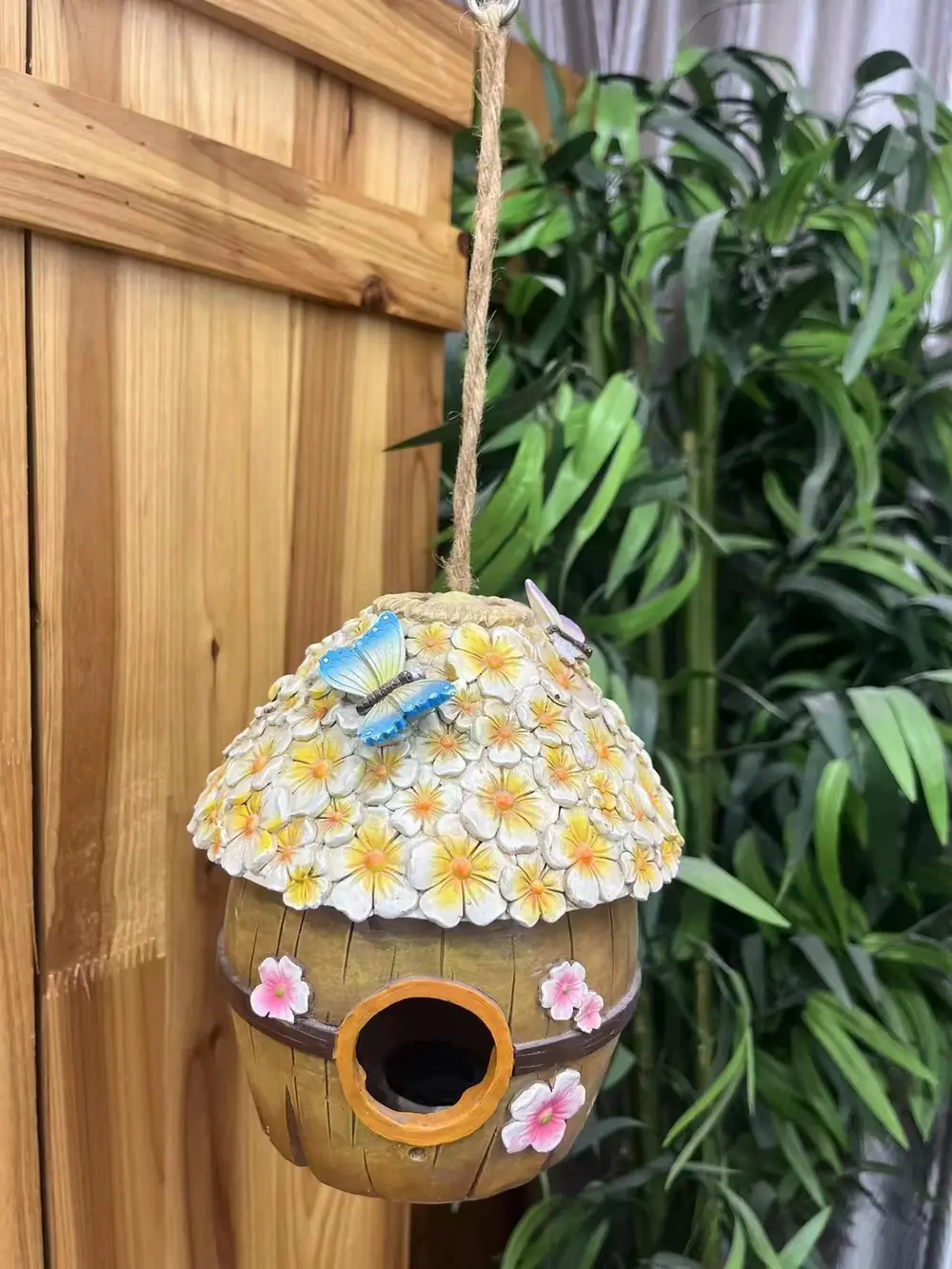
Resin Casting for Sculptural Bodies: The majority of quality animal solar lights use polyresin (polyester resin with mineral fillers) for the main body. Resin casting allows complex sculptural details, smooth surface finishes, and good weather resistance. The manufacturing process involves creating silicone molds from master sculptures, mixing resin with hardeners and fillers, pouring into molds, curing, demolding, and finishing. Quality indicators include mold precision (sharp details without flash or seam lines), consistent wall thickness (prevents weak points), and proper curing (incomplete curing causes brittleness). For detailed information about resin manufacturing, see how Glowyard factory manufactures resin solar lights.
Premium manufacturers use hand-poured resin with careful bubble removal and may incorporate fiberglass reinforcement for structural strength. Budget manufacturers may use rotational molding or lower-quality resins that result in less detail definition and reduced durability. Verify that suppliers use UV-stabilized resin formulationsstandard polyester resin degrades rapidly under direct sunlight without UV inhibitors.
Plastic Components for Lightweight Designs: Smaller animal solar lights and mass-market products often use injection-molded plastic (typically ABS or polypropylene) for the main body. Plastic offers lighter weight, lower production costs, and faster manufacturing cycles compared to resin. However, plastic requires careful material selection and processing to achieve outdoor durability. Quality plastic animal lights use UV-stabilized, impact-modified formulations with proper wall thickness distribution. For comprehensive plastic manufacturing information, see how a professional factory manufactures plastic solar lights.
The injection molding process requires significant tooling investment, making it economical only for high-volume production. Mold quality directly affects product consistencypremium molds with proper cooling channels and ejection systems produce parts with minimal warping, consistent dimensions, and good surface finish. Verify that suppliers maintain molds properly and replace worn tooling before quality degradation occurs.
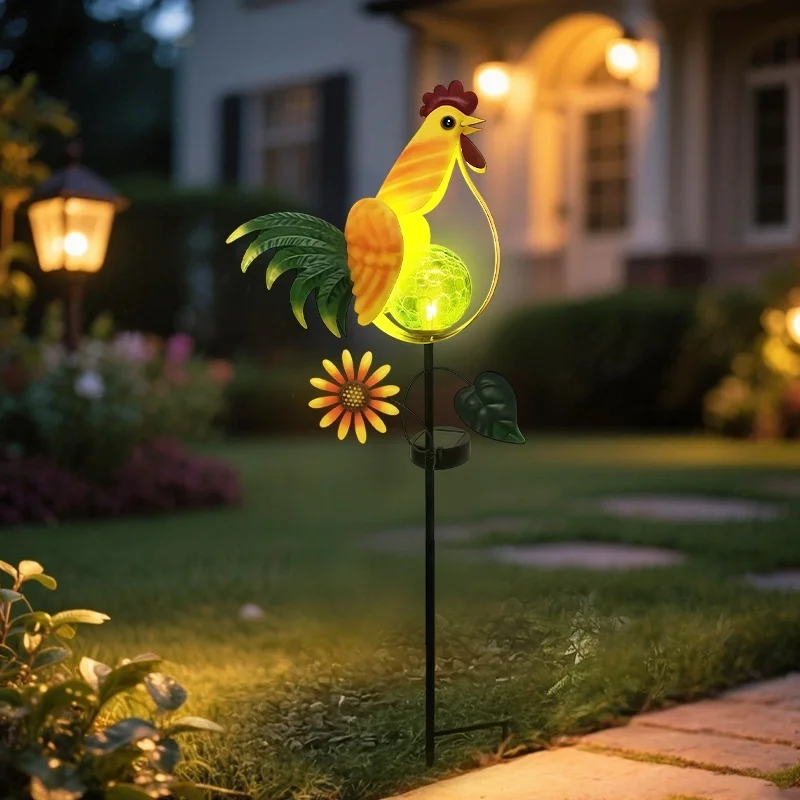
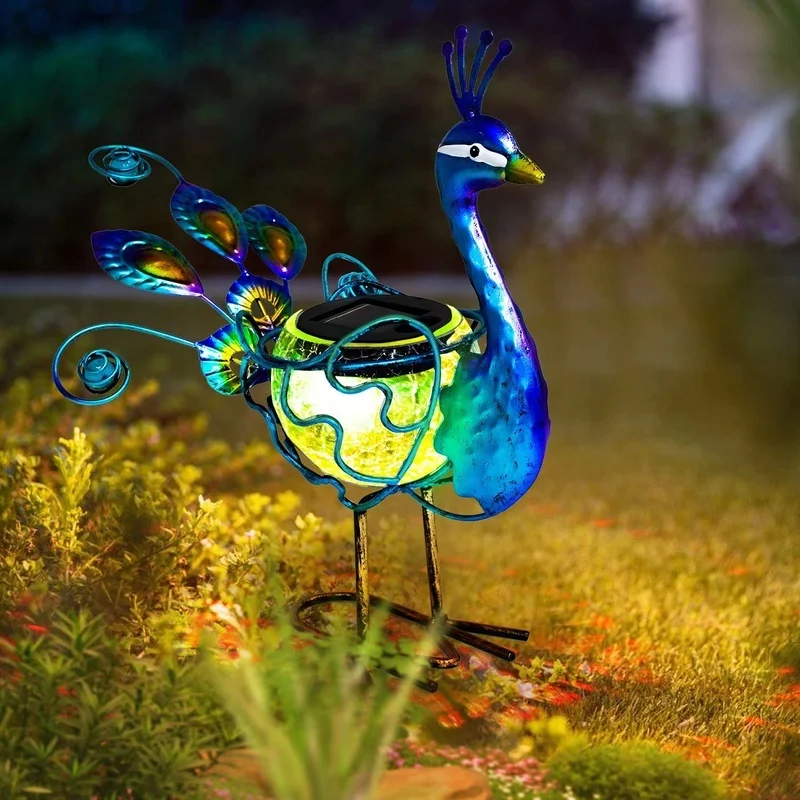
Metal Components for Premium Designs: Some animal solar lights incorporate metal elementstypically powder-coated steel or aluminumfor structural components, stakes, or decorative accents. Metal provides superior strength and premium aesthetics but requires proper corrosion protection for outdoor use. Quality metal components use hot-dip galvanizing or multi-layer powder coating systems to prevent rust. Verify that metal stakes use adequate thickness (minimum 2mm for steel) and that all metal-to-plastic joints include proper sealing to prevent water intrusion.
Paint and Finishing Systems: Surface finishing significantly impacts both aesthetics and durability. Quality animal solar lights use multi-stage finishing: surface preparation (cleaning, priming), base coat application, detail painting (often hand-painted for realistic designs), and protective clear coating. The clear coat must include UV inhibitors to prevent color fading and should be applied in sufficient thickness to provide abrasion resistance.
Budget manufacturers may use single-coat painting or skip the protective clear coat, resulting in rapid color degradation. Some suppliers use spray painting for base colors but hand-painting for detailsverify consistency standards for hand-painted elements, as quality can vary between workers. Request information about paint suppliers and curing processesproper paint curing (typically heat curing or adequate air-dry time) ensures adhesion and durability.
Solar Panels and Electronics: Most animal solar lights use small monocrystalline or polycrystalline solar panels (typically 0.5-2 watts) integrated into the design or connected via cables. Panel quality affects charging efficiency and product lifespan. Quality panels use tempered glass covers with aluminum frames and proper edge sealing. Budget panels may use plastic covers that yellow and degrade under UV exposure, reducing charging efficiency over time.
LED selection impacts both light quality and longevity. Quality animal lights use branded LED chips (Epistar, Bridgelux, or similar) with consistent color temperature and good lumen maintenance. The LED driver circuit should include current regulation and thermal protection. Battery technology has largely shifted to lithium-ion or lithium iron phosphate (LiFePO4) cells, which offer better energy density and cycle life than older NiMH technology. Typical capacities range from 600mAh for small designs to 1200mAh for larger models.
What Quality Standards and Certifications Matter for Wholesale Buyers?
For wholesale buyers, proper certifications and quality standards serve multiple purposes: ensuring product safety, meeting import requirements, reducing liability exposure, and building customer confidence. The specific certifications needed depend on target markets, but several standards apply broadly across international wholesale channels.
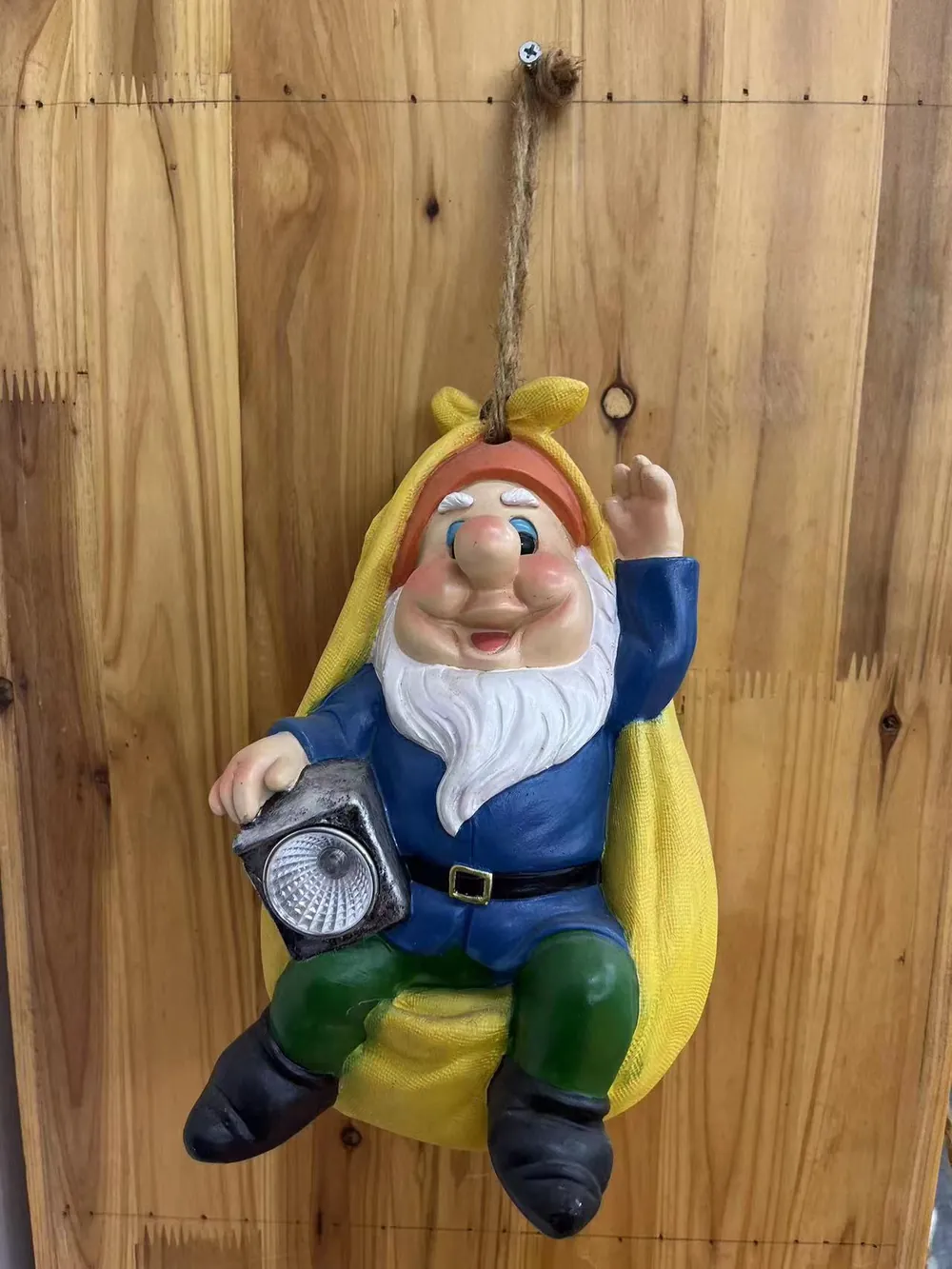
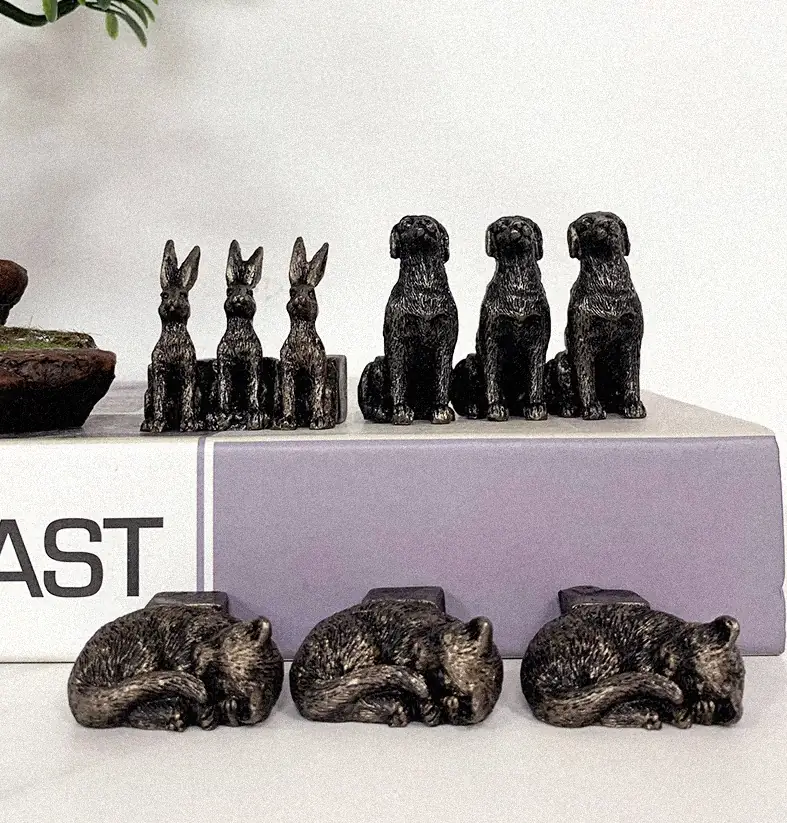
IP Waterproof Ratings: Animal solar lights must withstand outdoor weather exposure, making IP (Ingress Protection) ratings critical. The IP rating consists of two digitsthe first indicates dust protection, the second indicates water protection. For animal solar lights, minimum acceptable ratings are IP44 (protected against solid objects over 1mm and water splashing) for covered patio use, or IP65 (dust-tight, protected against water jets) for general outdoor exposure. Ground-level installations subject to flooding or heavy rain should meet IP67 (protected against temporary immersion). Verify that IP ratings apply to the entire assembled unit after battery installation, not just individual components. Quality factories conduct spray chamber testing and provide test reports. For detailed IP rating explanations, see garden light waterproof ratings guide.
CE Certification: Required for products sold in European markets, CE marking indicates compliance with EU safety, health, and environmental protection standards. For animal solar lights, relevant directives include the Low Voltage Directive (LVD), Electromagnetic Compatibility (EMC) Directive, and RoHS (Restriction of Hazardous Substances). CE certification requires testing by accredited laboratories and proper technical documentation. Buyers should request copies of CE certificates and test reports, verifying that the certificate covers the specific model being purchased. Learn more about why CE certification matters.
RoHS Compliance: The Restriction of Hazardous Substances directive limits the use of specific hazardous materials in electrical and electronic equipment. RoHS compliance is mandatory for EU markets and increasingly required by other regions. Key restricted substances include lead, mercury, cadmium, and certain flame retardants. Quality manufacturers conduct material testing and maintain RoHS compliance documentation for all components. For comprehensive RoHS information, reference solar garden light RoHS certification guide.
Quality Control Documentation: Beyond formal certifications, request quality control documentation including inspection reports, aging test results, and paint adhesion test data. Reputable manufacturers should provide UV aging test results (typically 500-1000 hours of accelerated UV exposure), drop test results for impact resistance, and thermal cycling data to verify performance across temperature ranges. This documentation helps verify that production units match sample quality and provides recourse if quality issues arise.
For comprehensive guidance on export certifications, see what certifications are required for exporting solar garden lights. Buyers should also review Glowyard’s certificates to understand the documentation standards that professional manufacturers maintain.
What Is the Market Demand and Customer Preferences?
Understanding market demand patterns and customer preferences helps wholesale buyers optimize inventory selection, pricing strategies, and marketing approaches. The animal solar lights market exhibits both consistent baseline demand and seasonal fluctuations driven by gardening cycles, gift-giving occasions, and weather patterns.
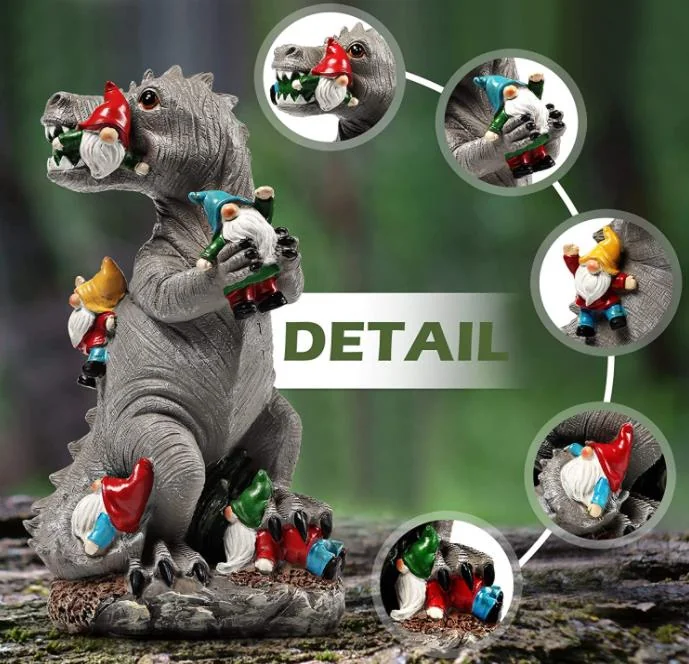
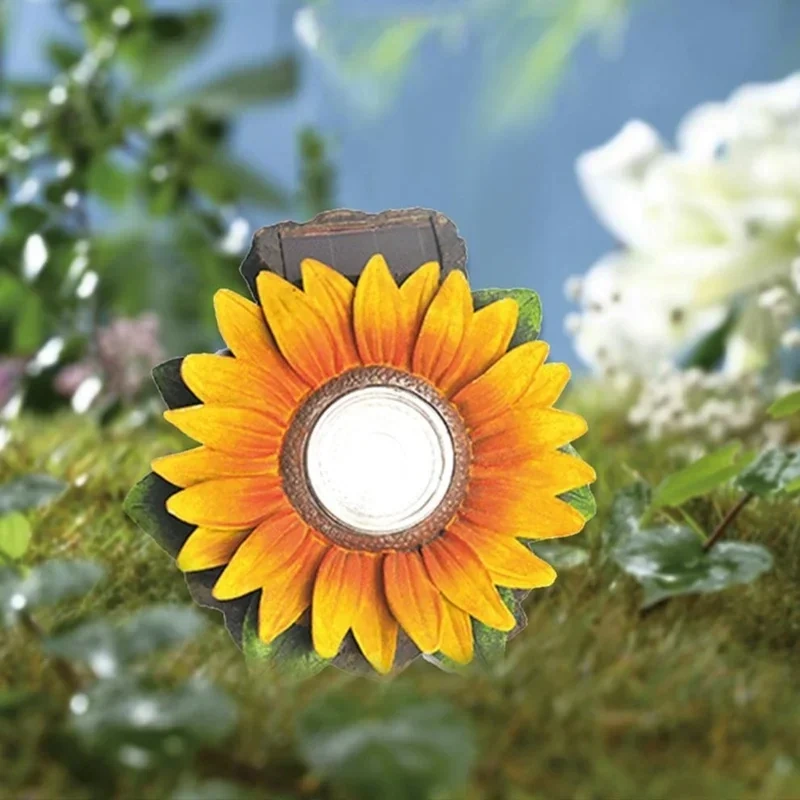
Geographic Market Variations: North American and European markets show the strongest demand for animal solar lights, driven by established outdoor living cultures, high homeownership rates, and customer willingness to invest in decorative garden products. These markets favor realistic wildlife designs and premium finishes, with customers willing to pay moderate premiums for quality and durability. Asian-Pacific markets show growing demand, particularly in Australia, Japan, and urban areas of China, with preferences varying by climatetropical regions prioritize waterproofing and corrosion resistance, while temperate zones focus on cold-weather battery performance.
Customer Segment Preferences: Residential customers typically prioritize aesthetic appeal, ease of installation, and value pricing. They favor whimsical designs with bright colors for family gardens, or realistic wildlife designs for naturalistic landscapes. Commercial buyers (hotels, restaurants, parks) focus on durability, consistent performance across large quantities, and designs that complement their landscape themes. Landscape contractors value products that install quickly, perform reliably, and generate minimal callback issues.
Seasonal Demand Patterns: Animal solar lights sales peak during spring (March-May in Northern Hemisphere) as homeowners undertake garden projects and retailers stock outdoor living categories. Butterfly and bird designs show the strongest spring demand. A secondary peak occurs in autumn (September-November) for owl, squirrel, and woodland creature designs that complement fall decorating themes. Holiday-themed animal lights (reindeer, penguins) require early ordering to ensure delivery before retail stocking deadlines. Wholesale buyers should plan inventory accordingly, placing bulk orders 10-14 weeks before peak seasons to ensure adequate stock without excessive carrying costs.
Design Preferences: Current market trends show increasing demand for realistic sculptural details rather than cartoon-style simplification, particularly in premium price segments. Customers increasingly prefer warm white LED color (2700-3000K) for subtle garden accents, though RGB color-changing options appeal to younger demographics and customers seeking versatility. Larger sizes (12-18 inches tall) command premium pricing and appeal to customers seeking statement pieces, while smaller designs (6-8 inches) suit mass-market price points and allow customers to purchase multiple units.
Feature Preferences: Auto on/off functionality via light sensors is now standard and expected by customers. Longer runtime (6-8 hours on full charge) increasingly influences purchase decisions as customers have learned that budget solar lights with short runtime disappoint. Replaceable batteries appeal to environmentally conscious customers and extend product lifespan, though this feature adds manufacturing complexity and cost. Some customers value adjustable brightness settings, though this feature increases electronic complexity and potential failure points.
What Are the Common Applications?
Animal solar lights serve diverse applications across residential, commercial, and institutional sectors. Understanding these use cases helps wholesale buyers target appropriate customer segments and select product specifications that match application requirements.
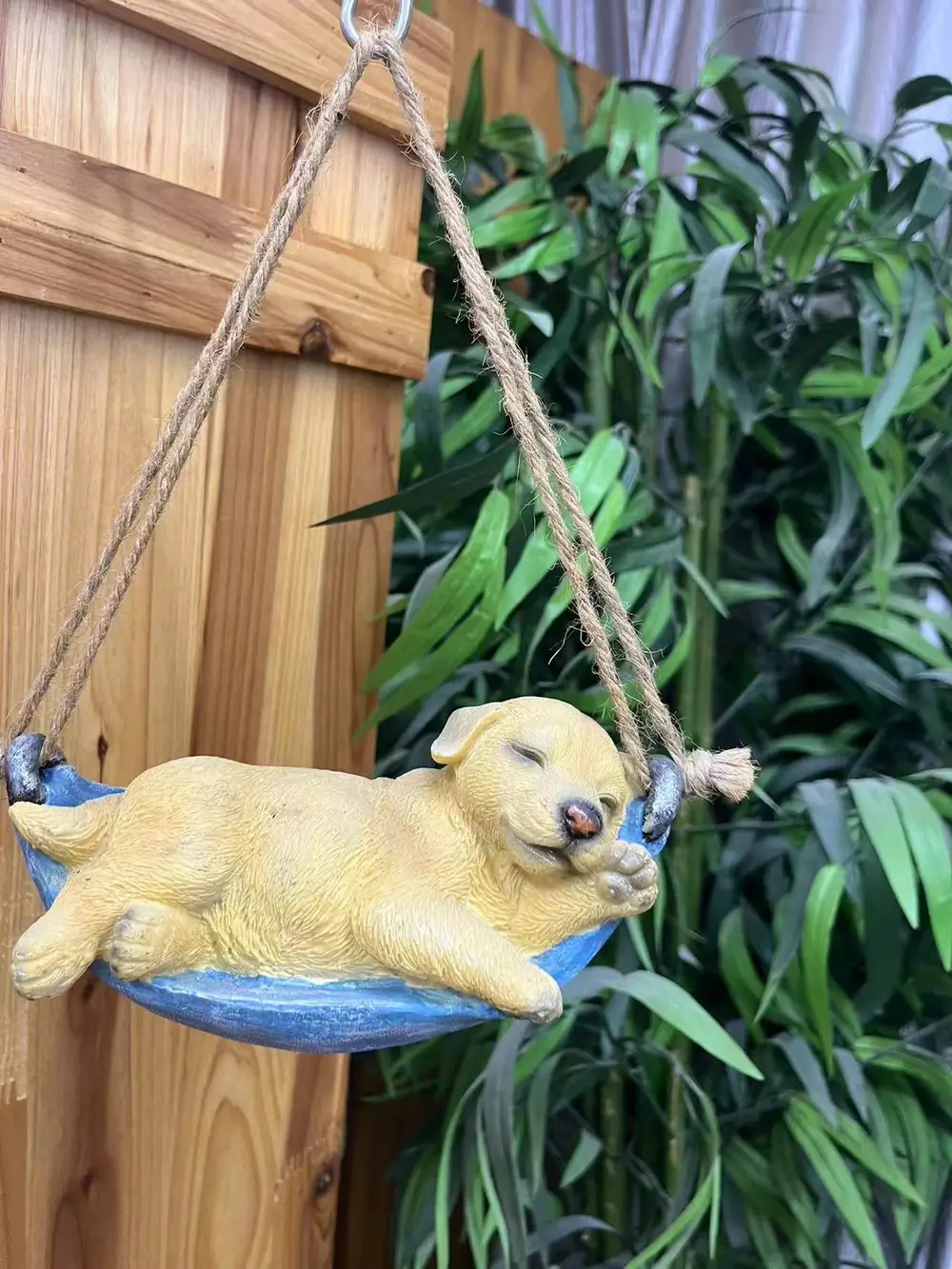
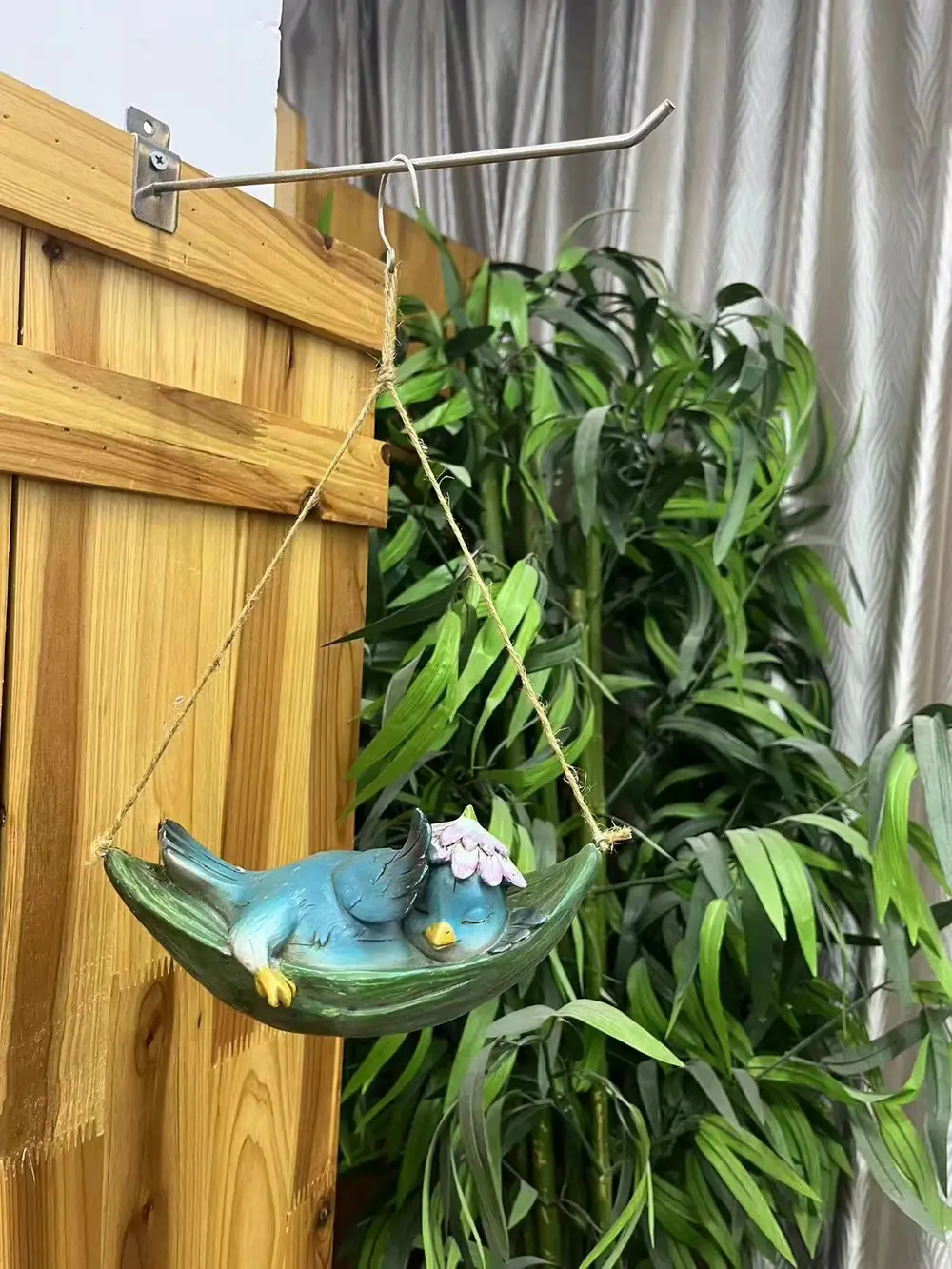
Residential Garden Decoration: The largest application segment involves homeowners using animal solar lights as decorative accents in flower beds, along pathways, around trees, and in landscape borders. These installations typically use 3-8 lights per property, mixing different animal species to create visual interest. Customers value designs that complement their garden themesbutterfly and bird designs for flower gardens, frog and turtle designs for water features, woodland creatures for naturalistic landscapes. Retailers serving this segment should stock diverse designs across multiple price points to accommodate different customer budgets and aesthetic preferences.
Patio and Deck Accents: Animal solar lights provide ambient lighting and decorative interest on patios, decks, and outdoor living spaces. Tabletop designs and hanging models suit these applications, where customers can appreciate sculptural details at close range. This segment favors premium finishes and realistic details, as products receive more direct viewing than garden bed installations. Wholesale buyers targeting patio furniture retailers and outdoor living stores should emphasize quality finishes and detailed craftsmanship.
Children’s Play Areas and Family Gardens: Whimsical animal designs appeal to families with children, creating magical nighttime garden experiences. Bright colors, friendly expressions, and recognizable animals (rabbits, cats, dogs, butterflies) suit this application. Safety considerations include ensuring no sharp edges, using non-toxic materials, and providing stable mounting to prevent tipping. Retailers serving family-oriented customers should stock cheerful, durable designs at accessible price points.
Commercial Landscape Installations: Hotels, restaurants, resorts, and public parks use animal solar lights to enhance landscape aesthetics and provide subtle pathway guidance. These applications demand the highest quality standardsconsistent performance across large quantities, durable finishes that withstand frequent exposure, and designs that maintain professional appearance. Commercial buyers typically purchase in larger quantities (20-100+ units) and accept premium pricing for verified quality and responsive warranty support.
Memorial and Remembrance Gardens: Pet-themed solar lights serve memorial applications, allowing customers to remember deceased pets in garden settings. Angel, butterfly, and specific pet breed designs suit this sensitive application. Products should convey dignity and quality rather than whimsical playfulness. Retailers can market these products through pet supply stores, veterinary clinics, and memorial product retailers. For related memorial lighting options, see solar powered memorial lights.
Gift and Seasonal Markets: Animal solar lights generate strong gift sales for Mother’s Day, birthdays, housewarming occasions, and holidays. Gift packaging, attractive retail presentation, and designs that appeal to specific interests (bird watchers, cat lovers, nature enthusiasts) enhance gift market performance. Wholesale buyers should consider seasonal gift packaging options and point-of-purchase display materials to maximize retail sales.
What OEM/ODM Customization Options Are Available for Wholesale Animal Solar Lights?
Customization capabilities differentiate commodity animal solar light suppliers from value-added manufacturing partners. Understanding available OEM (Original Equipment Manufacturer) and ODM (Original Design Manufacturer) options helps wholesale buyers create differentiated products, build brand identity, and meet specific market requirements.
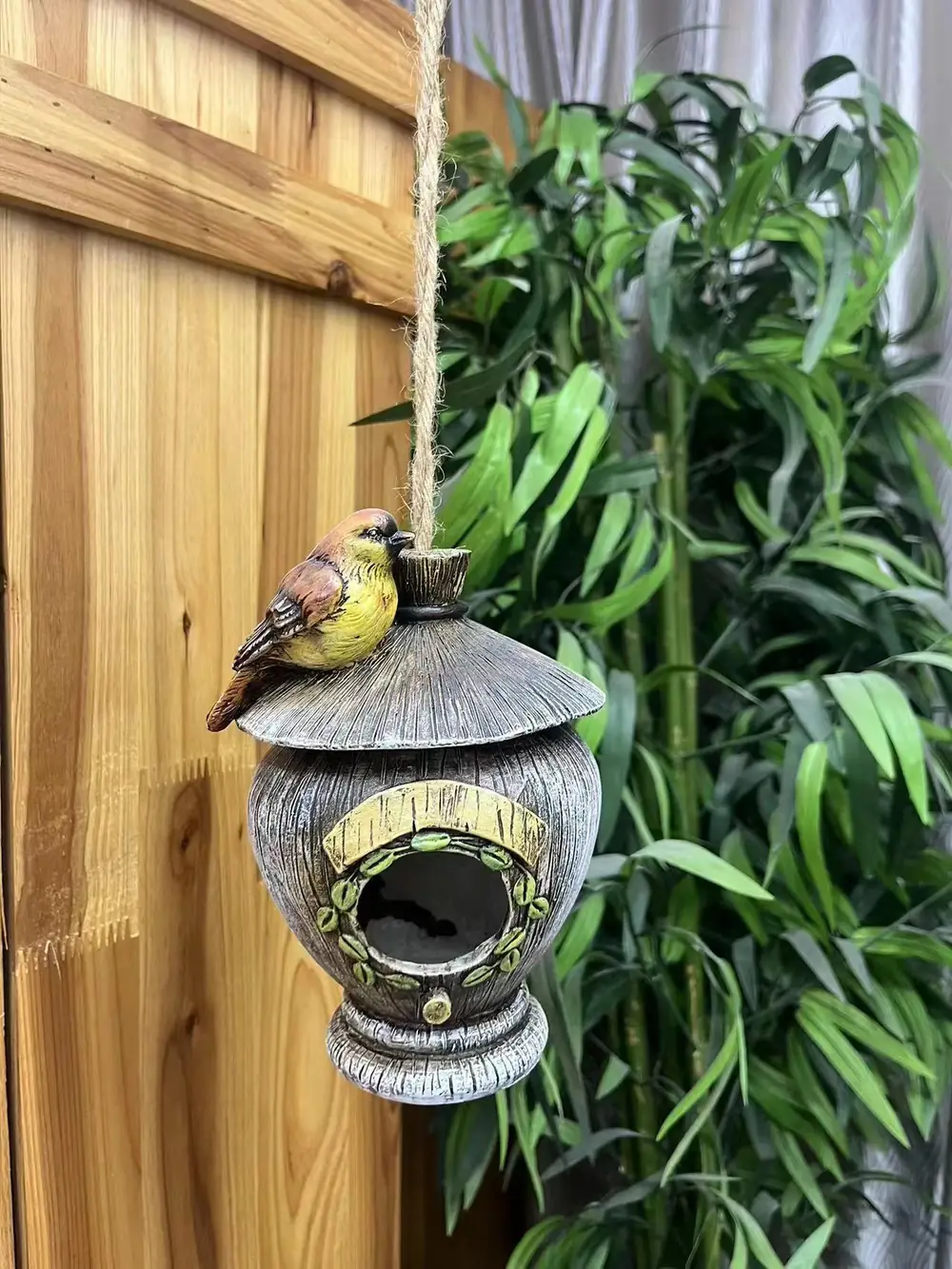
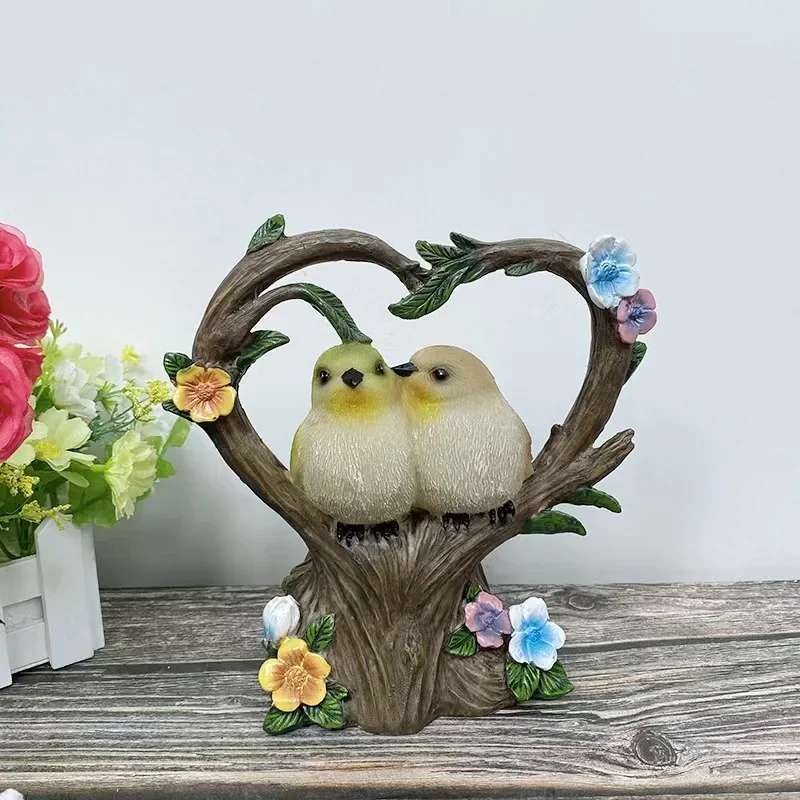
Sculptural Design Customization: For buyers seeking unique designs, ODM manufacturers can develop custom animal sculptures based on provided concepts, reference images, or specific species requirements. The process typically involves digital sculpting or clay modeling, client approval, silicone mold creation, and sample production. Minimum order quantities for fully custom sculptures typically start at 1000-2000 units due to mold investment costs. Development timelines range from 4-8 weeks for simple designs to 12-16 weeks for complex multi-part sculptures. Buyers should budget for mold costs (typically ranging from several hundred to several thousand dollars depending on complexity) and sample iteration rounds.
Color and Finish Customization: Most manufacturers offer custom color schemes and finish options for existing designs. Options include custom paint colors matched to Pantone or RAL standards, metallic finishes, antique or distressed effects, and glitter or pearlescent coatings. Minimum order quantities for custom colors typically start at 500-1000 units. Buyers should provide color samples or specifications and approve painted samples before production. Consider that custom colors may affect UV resistanceverify that suppliers adjust clear coat formulations to maintain color stability.
LED Color and Feature Customization: Standard options include warm white, cool white, or RGB color-changing LEDs. Some manufacturers offer custom LED configurations such as specific color temperatures, dual-color options (switchable between warm and cool white), or programmed color-changing sequences. Advanced options include remote control functionality, smartphone app integration, or motion sensor activation. These features require careful reliability testing, as electronic complexity increases potential failure points. Minimum order quantities for custom electronic features typically start at 1000-2000 units.
Solar Panel Configuration: Panel wattage, type (monocrystalline vs. polycrystalline), and positioning can be customized to match performance requirements and installation conditions. Buyers targeting northern latitudes or shaded installations should specify higher-efficiency monocrystalline panels and larger battery capacities. Cable length between solar panels and light units can be customized from standard lengths up to 5 meters for challenging installation scenarios. Some manufacturers offer separate solar panel mounting kits for maximum installation flexibility.
Packaging and Branding: Custom packaging design helps build brand identity and improve retail presentation. Options include custom color boxes with product photography and brand messaging, hanging display packaging for retail hooks, gift box packaging with premium finishes, and multi-unit gift sets. Documentation customization includes branded user manuals, installation guides in multiple languages, warranty cards with company contact information, and marketing inserts. Quality manufacturers provide packaging design services and can source sustainable packaging materials for environmentally conscious brands.
For comprehensive information about customization processes and capabilities, review Glowyard’s OEM solutions, which detail the full range of customization options available from professional manufacturers.
How to Source Wholesale Animal Solar Lights from China Manufacturers and Suppliers?
Sourcing quality wholesale animal solar lights from China requires systematic supplier evaluation, clear communication, and proper quality control processes. The following framework helps buyers navigate the sourcing process effectively.
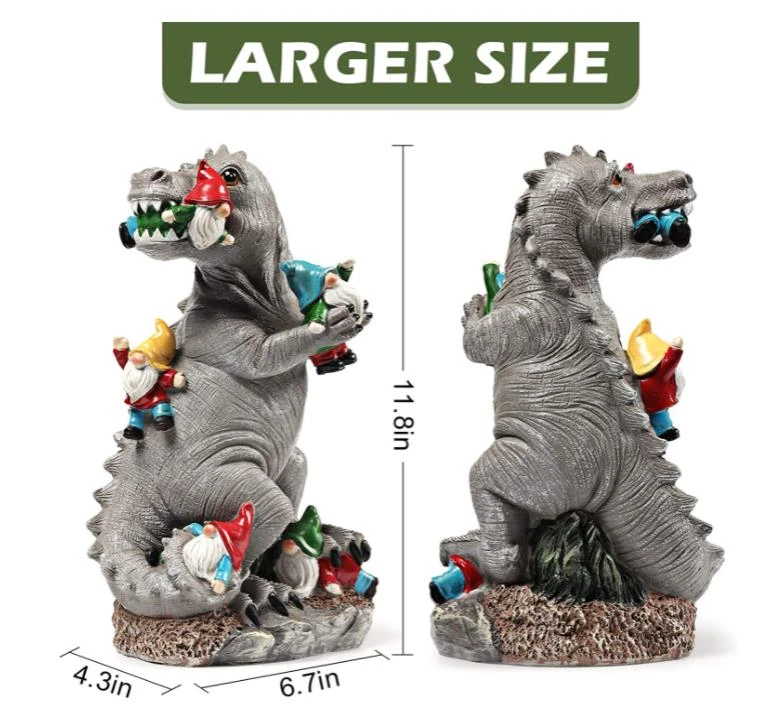
Supplier Identification and Initial Screening: Begin by identifying potential animal solar lights manufacturers through trade platforms, industry exhibitions, and referrals. Initial screening should verify business registration, manufacturing capabilities, and export experience. Request company profiles including factory size, production capacity, quality certifications, and major export markets. Verify that suppliers operate actual manufacturing facilities rather than acting solely as trading companiesfactory-direct sourcing typically offers better pricing, quality control, and customization capabilities.
Sample Evaluation Process: Never commit to bulk orders without thorough sample evaluation. Request samples of specific models you’re considering, paying particular attention to sculptural detail quality, paint finish consistency, solar panel quality, and overall construction. Test samples outdoors for several weeks to verify solar charging performance, runtime, and weather resistance. Compare samples from multiple suppliers to understand quality variations and pricing relationships. Document any quality issues or concerns and discuss with suppliers before proceeding.
Factory Audits and Capability Assessment: For significant volume commitments, conduct factory audits either in person or through third-party inspection services. Evaluate production equipment, quality control processes, material storage conditions, and worker training programs. Quality animal solar lights factories should demonstrate incoming quality control (IQC) on components, in-process quality control (IPQC) during assembly, and outgoing quality control (OQC) including waterproof testing, aging tests, and visual inspection. Ask about their testing protocolsreputable factories conduct IP rating verification through water spray tests, drop tests for impact resistance, and UV aging tests to verify paint durability.
Pricing Negotiation and Terms: Understand that pricing varies significantly based on design complexity, material quality, order quantity, and customization requirements. Request detailed quotations that specify all costs including unit price, tooling fees (if applicable), packaging costs, and shipping terms. Negotiate payment terms that balance supplier cash flow needs with buyer protectiontypical terms include 30% deposit with 70% balance before shipment, with letter of credit options for larger orders. Discuss lead times realistically, accounting for production time, quality inspection, and shipping. For guidance on bulk purchasing, see bulk purchase solar garden lights from China.
Quality Control and Inspection: Implement quality control measures throughout the production process. Pre-production inspections verify that materials and components match specifications. During-production inspections catch issues early when corrections are still feasible. Pre-shipment inspections verify that finished products meet quality standards before shipping. Consider using third-party inspection services for objective quality verification, particularly for initial orders or when working with new suppliers. Glowyard Lighting maintains comprehensive quality control processes including IQC, IPQC, and OQC protocols, with detailed inspection reports provided to wholesale buyers.
Logistics and Import Considerations: Understand shipping options and costssea freight offers the most economical rates for bulk orders but requires longer lead times, while air freight suits urgent orders or sample shipments. Verify that suppliers provide proper export documentation including commercial invoices, packing lists, and certificates of origin. Ensure products include required certifications and labeling for your target market. Consider import duties, customs clearance procedures, and any special requirements for solar-powered products in your jurisdiction.
What Mistakes Can Cost You Money When Buying Animal Solar Lights in Bulk?
Avoiding common purchasing mistakes saves money, reduces headaches, and protects your business reputation. The following issues frequently affect buyers new to wholesale animal solar lights sourcing.
Prioritizing Price Over Quality: The most expensive mistake involves selecting suppliers based solely on lowest price without adequate quality verification. Budget animal solar lights often use inferior materials, skip quality control steps, and lack proper certifications. These products generate high return rates, damage customer relationships, and may create liability issues if they fail safety standards. The cost of returns, customer service, and reputation damage far exceeds the initial savings from low pricing. Always evaluate total cost of ownership including expected return rates and warranty costs, not just unit price.
Inadequate Sample Testing: Ordering bulk quantities based on photos or single samples without thorough testing leads to expensive surprises. Samples may represent best-case quality that doesn’t match production runs, or may not reveal issues that only appear after extended outdoor exposure. Always test multiple samples from the same production batch, conduct outdoor weathering tests for several weeks, and verify that production units match approved samples through pre-shipment inspection.
Ignoring Seasonal Demand Planning: Animal solar lights exhibit strong seasonal demand patterns. Ordering inventory too late for spring season means missing peak sales periods. Ordering too early ties up capital and warehouse space. Work with suppliers to establish realistic production and shipping timelines, accounting for Chinese New Year factory closures, peak shipping seasons, and customs clearance times. Place orders 12-16 weeks before needed retail availability to ensure adequate buffer for unexpected delays.
Overlooking Packaging Protection: Animal solar lights with delicate features (butterfly wings, bird beaks, extended limbs) require proper packaging protection to prevent damage during shipping. Inadequate packaging leads to high damage rates and costly returns. Verify that suppliers use appropriate protective materials including foam inserts, individual box packaging, and proper master carton construction. Consider requesting packaging samples and conducting drop tests before approving bulk production.
Neglecting Certification Requirements: Discovering that products lack required certifications after arrival creates expensive problemsproducts may be held at customs, require costly re-certification, or need to be returned to suppliers. Verify certification requirements for your target market before ordering, request copies of certificates and test reports, and confirm that certificates cover the specific models you’re purchasing. Don’t accept promises of “certificates available upon request”obtain documentation before committing to orders.
Insufficient Communication About Specifications: Assumptions and unclear specifications lead to products that don’t meet expectations. Provide detailed specifications covering all critical aspects: dimensions, materials, colors (with samples or Pantone references), LED specifications, solar panel type and wattage, battery capacity, IP rating requirements, and packaging requirements. Request detailed quotations that confirm all specifications and obtain written approval of samples before production begins.
Wholesale Buying Checklist
- [ ] Verify supplier operates actual manufacturing facility with quality control processes
- [ ] Request and evaluate samples from multiple suppliers before committing to bulk orders
- [ ] Test samples outdoors for minimum 2-3 weeks to verify solar performance and weather resistance
- [ ] Confirm all required certifications (CE, RoHS, IP rating) with copies of certificates and test reports
- [ ] Verify paint finish includes UV-protective clear coat and request UV aging test results
- [ ] Check sculptural detail consistency and paint application quality across multiple sample units
- [ ] Confirm solar panel type, wattage, and battery capacity meet performance requirements
- [ ] Verify packaging provides adequate protection for delicate features and extended shipping
- [ ] Establish clear specifications for all critical aspects including dimensions, materials, and colors
- [ ] Negotiate payment terms that balance supplier needs with buyer protection
- [ ] Plan ordering timeline accounting for production, inspection, shipping, and seasonal demand
- [ ] Implement quality control inspections (pre-production, during production, pre-shipment)
- [ ] Verify import documentation and customs requirements for target market
- [ ] Establish clear warranty terms and after-sales support procedures
- [ ] Request detailed quotations specifying all costs including tooling, packaging, and shipping
Quick RFQ Template for Wholesale Animal Solar Lights
When requesting quotations from animal solar lights suppliers, include the following information for accurate pricing and faster response:
Company Information:
- Company name and type (retailer, distributor, e-commerce, etc.)
- Target market and countries
- Estimated annual volume
Product Requirements:
- Specific animal designs or categories of interest
- Preferred size range
- Material preferences (resin, plastic, metal accents)
- LED color (warm white, cool white, RGB)
- Solar panel type and wattage requirements
- Battery capacity requirements
- IP rating requirements
Customization Needs:
- Custom colors or finishes
- Custom packaging or branding
- Private label requirements
- Any special features or modifications
Order Details:
- Initial order quantity
- Expected reorder frequency and volumes
- Required delivery timeline
- Preferred shipping method and terms
Quality and Compliance:
- Required certifications (CE, RoHS, etc.)
- Quality control and inspection requirements
- Warranty expectations
- Sample requirements before bulk order
Who Is Glowyard Lighting and What Do We Offer?
Glowyard Lighting is a professional manufacturer specializing in solar garden lights, including comprehensive animal solar lights product lines. Our factory maintains dedicated production lines for resin casting, plastic injection molding, and metal fabrication, enabling us to produce diverse animal designs with consistent quality across large production volumes.
Our manufacturing capabilities include complete in-house processes from mold making and material preparation through casting, painting, assembly, and testing. We maintain strict quality control protocols including incoming quality control (IQC) for all components, in-process quality control (IPQC) during production, and outgoing quality control (OQC) with comprehensive testing before shipment. Our testing facilities conduct IP rating verification, UV aging tests, drop tests, and thermal cycling to ensure products meet international quality standards.
For wholesale animal solar lights buyers, we offer extensive OEM/ODM customization services including custom sculpture development, color and finish customization, LED configuration options, and complete packaging design. Our design team works with clients to develop unique products that differentiate their market offerings. We provide detailed technical documentation, certification support, and responsive after-sales service to ensure successful product launches and ongoing customer satisfaction.
Our export experience spans markets in North America, Europe, Australia, and Asia, with comprehensive understanding of regional certification requirements and customer preferences. We maintain certifications including CE, RoHS, and various market-specific standards, with complete documentation available for review. For more information about our capabilities and services, visit our OEM solutions page or contact our wholesale team directly.
Frequently Asked Questions
What is the typical minimum order quantity for wholesale animal solar lights?
Minimum order quantities vary by product complexity and customization level. Standard designs typically require 200-500 units per model for initial orders, while custom designs or colors may require 500-1000 units due to mold costs and setup requirements. Many suppliers offer lower MOQs for sample orders or mixed container loads combining multiple designs. Discuss your specific needs with suppliersestablished buyers with proven reorder patterns may negotiate lower MOQs for new product testing.
How long do animal solar lights typically last outdoors?
Quality animal solar lights should provide 2-3 years of reliable outdoor performance with proper maintenance. LED lifespan typically exceeds 25,000 hours, while battery life ranges from 500-800 charge cycles (approximately 2-3 years of daily use). The limiting factor is usually paint finish degradation or plastic/resin material weathering rather than electronic failure. Products using UV-stabilized materials, quality paint systems with protective clear coats, and proper sealing against moisture intrusion achieve the longest lifespans.
What’s the difference between monocrystalline and polycrystalline solar panels for animal lights?
Monocrystalline solar panels offer higher efficiency (typically 18-22%) and better low-light performance, making them preferable for animal lights that may be installed in partially shaded locations or northern latitudes with less intense sunlight. Polycrystalline panels cost less but provide lower efficiency (15-18%), requiring larger panel sizes to achieve equivalent charging performance. For most bulk animal solar lights applications in sunny climates, polycrystalline panels provide adequate performance at lower cost. Specify monocrystalline panels for premium products or challenging installation conditions.
Can I order animal solar lights with my company branding and custom packaging?
Yes, most manufacturers offer custom branding and packaging for wholesale animal solar lights orders. Options include custom color boxes with your logo and product information, branded user manuals, warranty cards with your contact information, and custom labels or tags. Minimum order quantities for custom packaging typically start at 500-1000 units. Provide packaging design files or work with the manufacturer’s design team to develop custom packaging. Budget 4-6 weeks for packaging development and approval before production begins.
What certifications are required for importing animal solar lights to the US and Europe?
For the US market, animal solar lights should meet FCC Part 15 standards for electromagnetic compatibility, particularly if they include remote controls or wireless features. UL or ETL listing provides additional safety assurance but is not always mandatory. For European markets, CE marking is required, covering the Low Voltage Directive (LVD), Electromagnetic Compatibility (EMC) Directive, and RoHS compliance. Request copies of certificates and test reports from suppliers before ordering, and verify that certificates cover the specific models you’re purchasing. For comprehensive certification guidance, see what certifications are required for exporting solar garden lights.
How can I verify the quality of animal solar lights before placing a bulk order?
Implement a systematic quality verification process: First, request samples from multiple suppliers and compare quality, features, and pricing. Test samples outdoors for 2-3 weeks to verify solar charging performance, runtime, and weather resistance. Examine paint finish quality, sculptural details, and construction quality. Second, request quality documentation including UV aging test results, IP rating test reports, and material certifications. Third, consider factory audits or third-party inspection services to verify manufacturing capabilities and quality control processes. Finally, start with smaller initial orders before committing to large volumes, and implement pre-shipment inspection for all orders.
What’s the typical lead time for wholesale animal solar lights orders?
Lead times vary based on order size, customization level, and factory production schedules. Standard designs with no customization typically require 30-45 days from order confirmation to shipment. Custom colors or minor modifications add 10-15 days for sample approval and setup. Fully custom designs require 60-90 days including mold development, sample approval, and production. Add 20-40 days for sea freight shipping depending on destination. Plan total timeline of 10-16 weeks from initial order to retail availability, with additional buffer for peak seasons or unexpected delays.
Are replacement batteries available for animal solar lights?
Quality manufacturers design animal solar lights with replaceable batteries to extend product lifespan and reduce environmental impact. Battery replacement typically requires removing screws to access the battery compartment. Verify that suppliers can provide replacement batteries and include battery replacement instructions in user manuals. Some manufacturers offer battery replacement kits as aftermarket products. When sourcing wholesale animal solar lights, confirm battery type and availability of replacements to support customer service needs.