Buyer Guide of Bulk Purchase Solar Pathway Lights
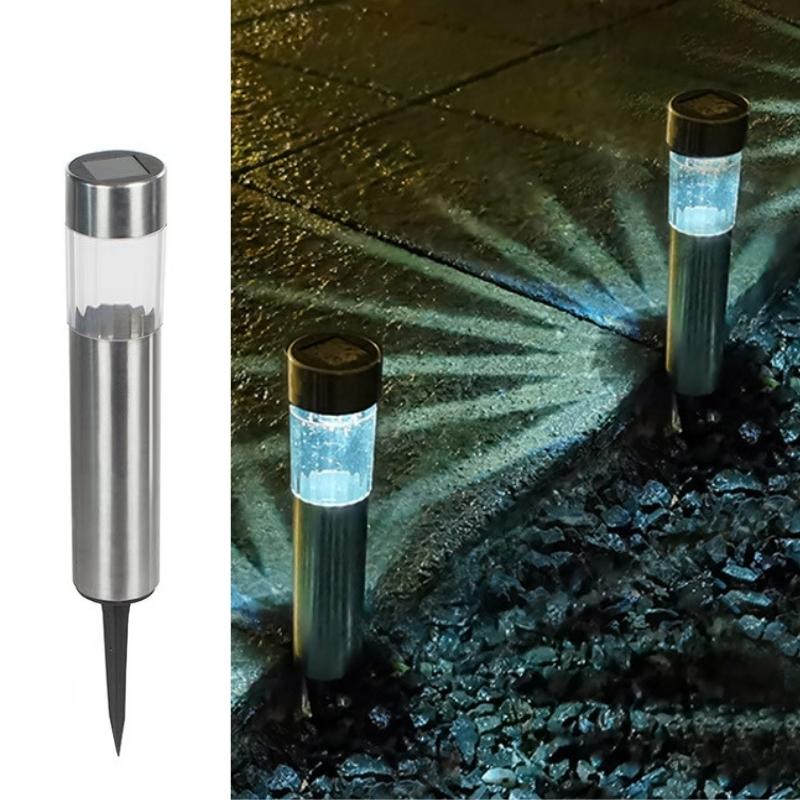
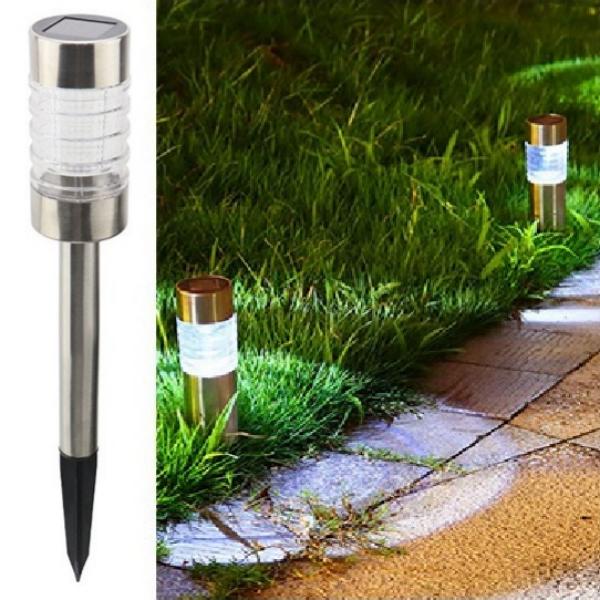
Solar pathway lights are one of the most widely used categories in outdoor solar lighting. Designed to illuminate walkways, driveways, garden paths, and landscape borders, they provide both functional lighting for safety and aesthetic enhancement for outdoor spaces. Due to their simple installation and energy-saving advantages, solar pathway lights are popular among homeowners, contractors, and landscape designers.
For wholesalers, distributors, and retailers, sourcing solar pathway lights in bulk requires careful evaluation of product performance, durability, and supplier reliability. This guide outlines key factors to consider and common pitfalls to avoid.
1. Understand Product Structure
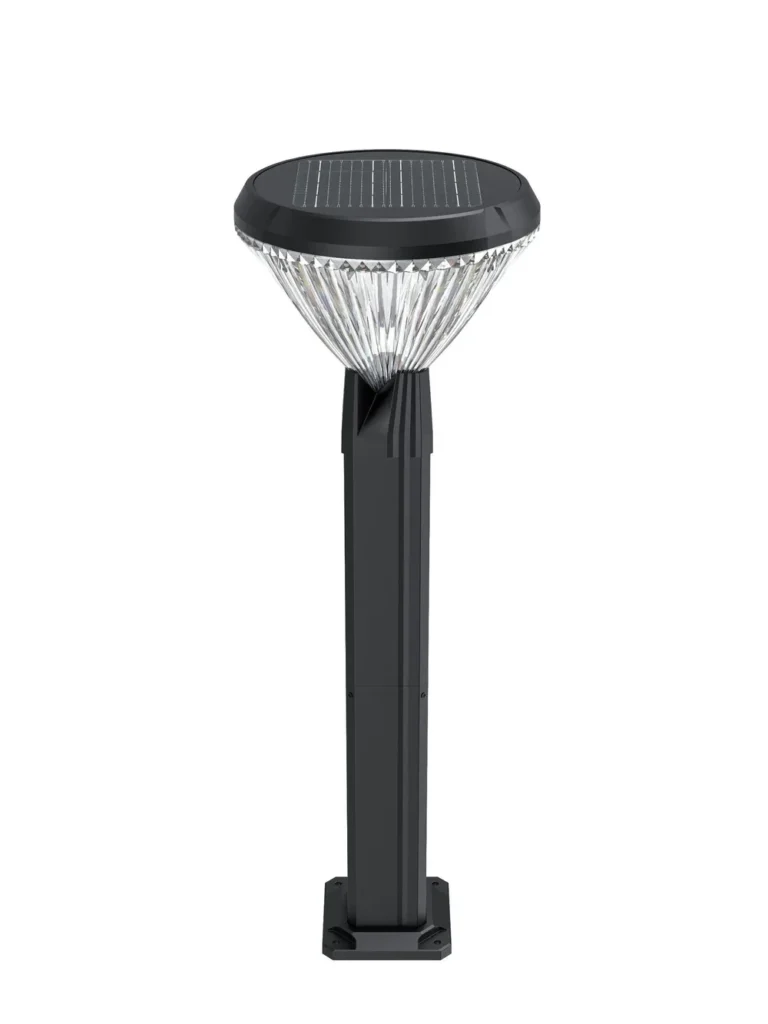
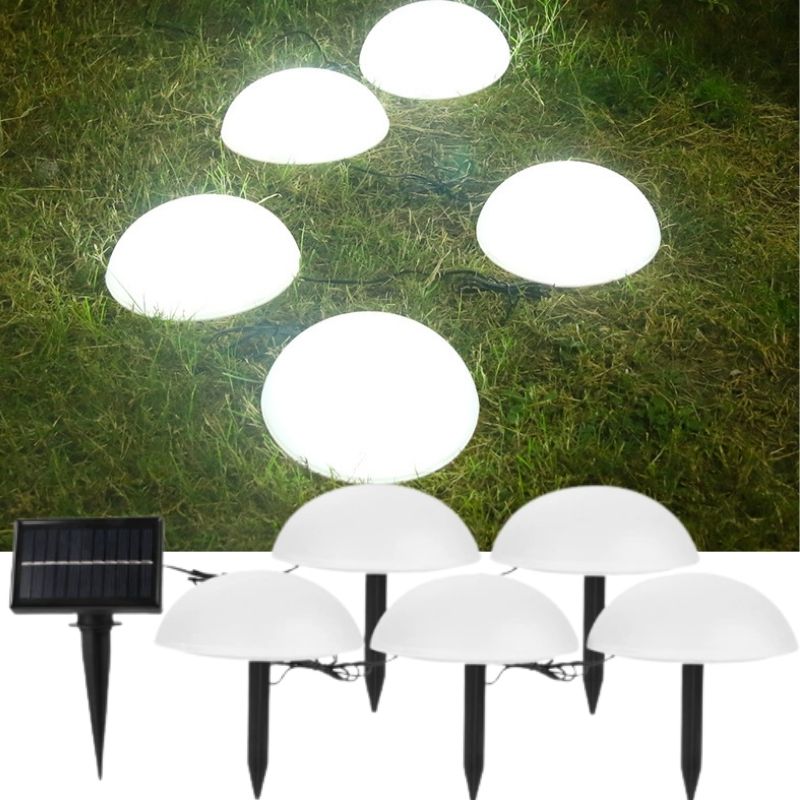
Solar pathway lights generally consist of several core components:
Light Head (Housing + LED)
The top section contains the LED light source and protective housing. It determines brightness and light distribution.
Solar Panel
Installed on the top surface, the panel converts sunlight into electricity. Its size and efficiency affect charging performance.
Rechargeable Battery
The battery stores solar energy and powers the light at night. Common types include Ni-MH and lithium batteries.
Pole and Stake
The pole connects the light head to the ground stake, allowing easy insertion into soil or lawn areas.
Understanding these components helps buyers compare specifications across different products.
2. Evaluate Brightness and Lighting Performance
Unlike decorative solar lights, pathway lights are primarily functional, so brightness is a key consideration.
Factors to review include:
Lumen Output
Typical solar pathway lights range from 5 to 50 lumens depending on design and usage.
Lighting Pattern
Some models provide downward-focused lighting for pathways, while others offer 360-degree ambient illumination.
Lighting Duration
A standard expectation is 8–10 hours of lighting after a full charge under normal sunlight conditions.
Buyers should match brightness levels with the intended application—residential decorative use may require lower lumens, while safety lighting may require higher output.
3. Check Solar Charging Efficiency
Reliable solar performance is critical for customer satisfaction.
Key aspects include:
Solar Panel Size and Type
Larger or higher-efficiency panels improve charging, especially in regions with limited sunlight.
Battery Capacity
Higher capacity batteries support longer lighting duration and better performance during cloudy days.
Charging Time
Most products require 6–8 hours of sunlight for a full charge.
Testing samples in real outdoor conditions is recommended before bulk purchasing.
4. Assess Material and Durability
Solar pathway lights are exposed to outdoor environments, so durability is essential.
Common materials include:
Buyers should also consider:
-
Water resistance (typically IP44 or higher)
-
UV resistance for plastic components
-
Corrosion resistance for metal parts
Low-quality materials may lead to fading, cracking, or rusting over time.
5. Evaluate Installation and Stability
Ease of installation is a key selling point for pathway lights.
Buyers should check:
-
Strength and thickness of the ground stake
-
Stability of the pole connection
-
Overall product height and proportion
Weak stakes or unstable structures can lead to product failure during installation or use.
6. Design and Market Preferences
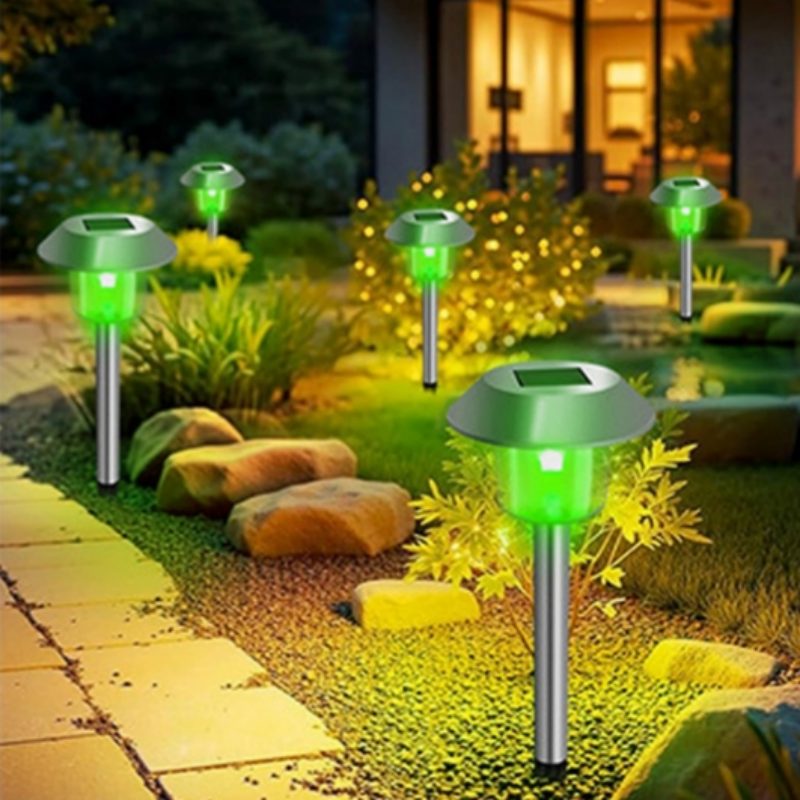
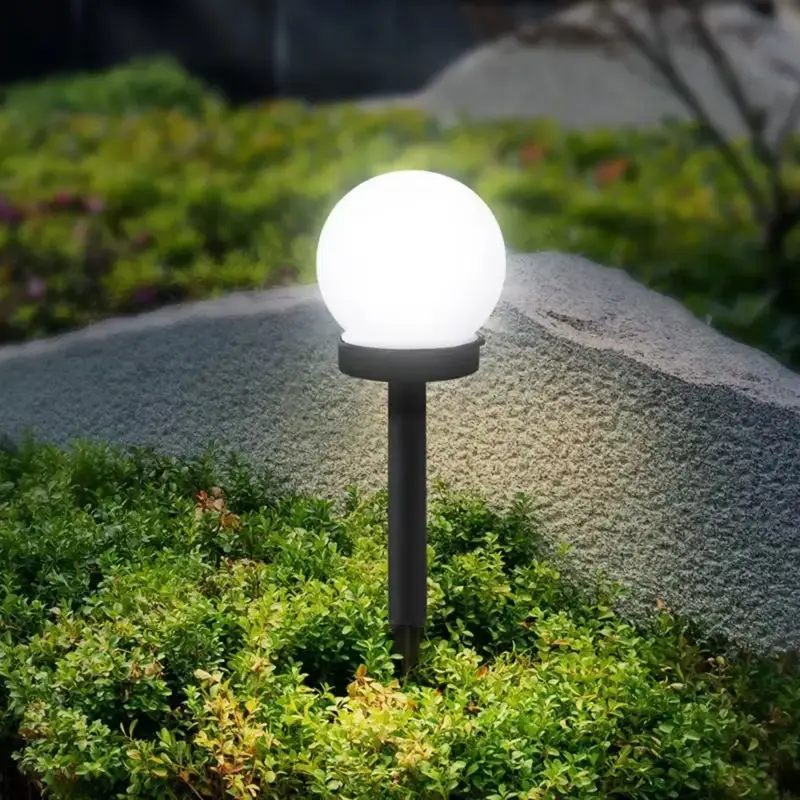
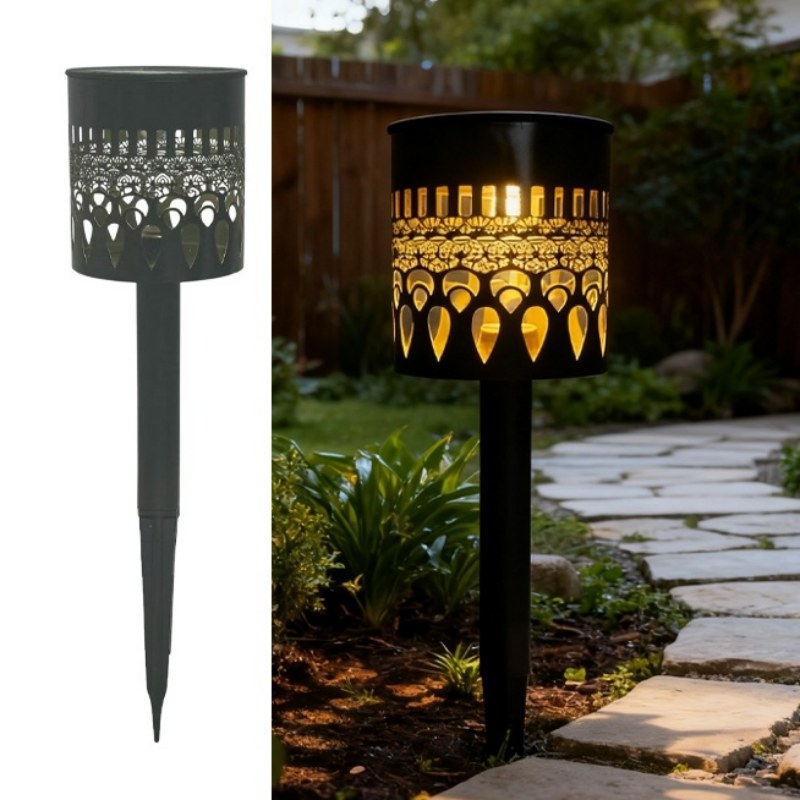
Solar pathway lights come in a variety of styles to suit different markets.
Common designs include:
-
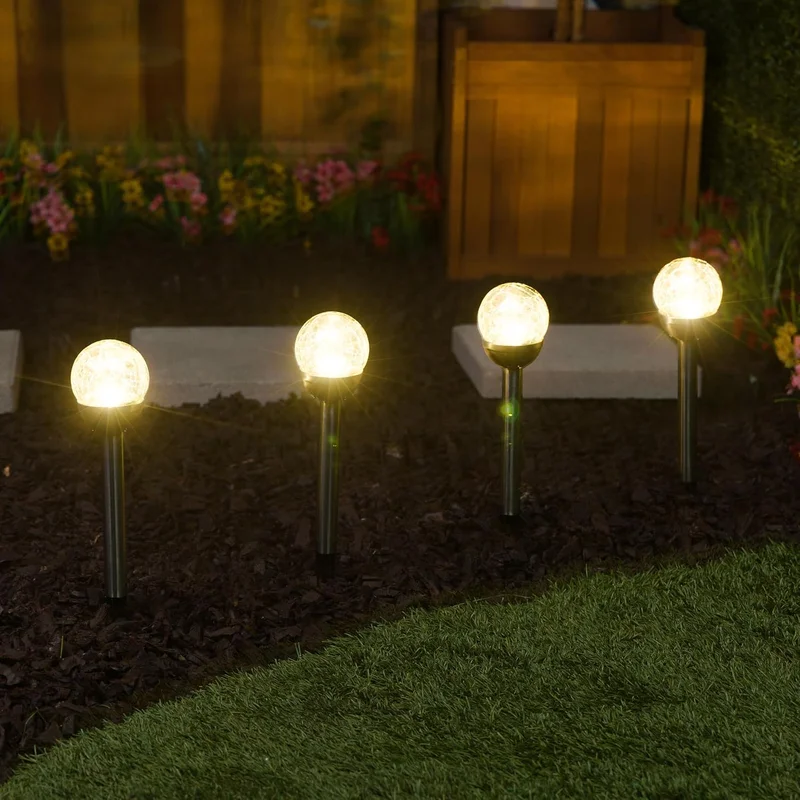
Modern minimalist styles
-
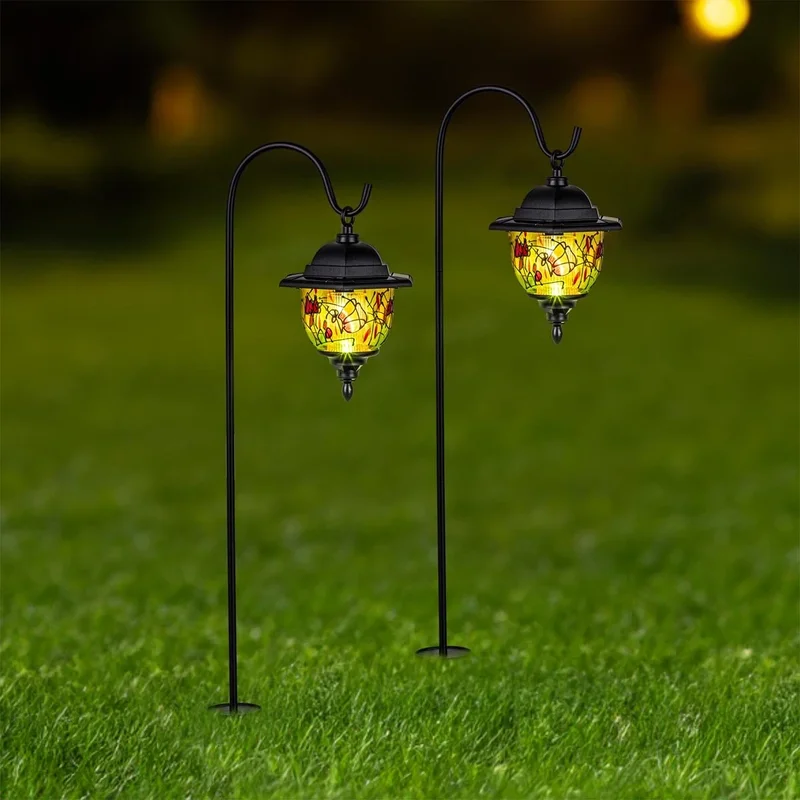
Lantern-style pathway lights
-
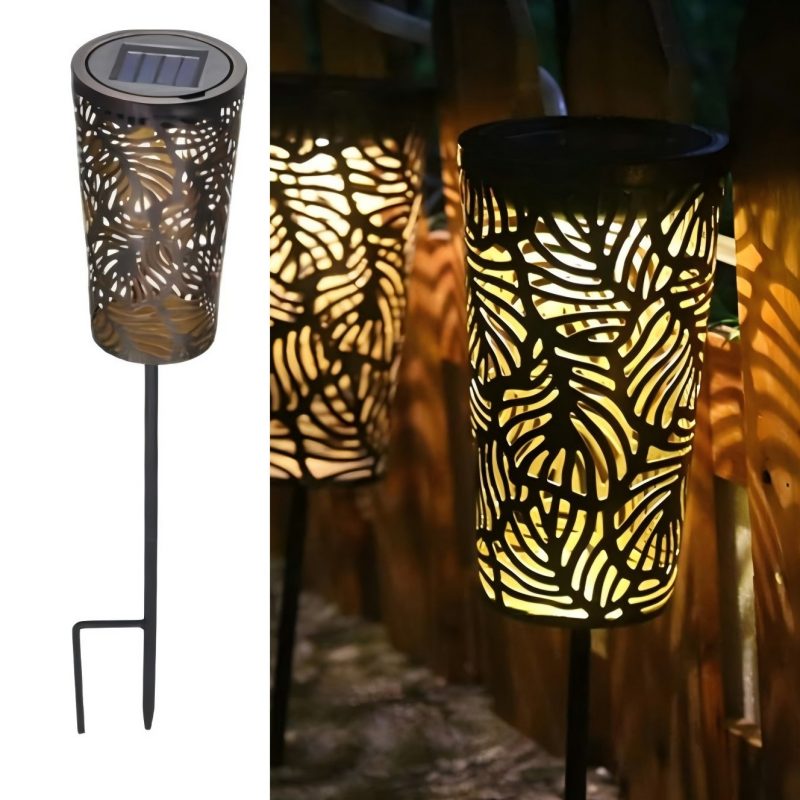
Decorative patterned lighting
-
Low-profile landscape lights
Understanding target market preferences (e.g., modern vs. decorative) can help buyers select the right product mix.
For larger orders, working with suppliers that offer customization or private labeling may provide a competitive advantage.
7. Packaging and Shipping Considerations
Solar pathway lights are typically shipped in larger quantities, so packaging efficiency is important.
Buyers should confirm:
-
Protective packaging for light heads and solar panels
-
Compact packaging design to reduce shipping volume
-
Carton strength suitable for long-distance transportation
For e-commerce channels, packaging should also pass drop tests to minimize damage during delivery.
8. Certifications and Compliance
Depending on the destination market, solar pathway lights may require certain certifications.
Common requirements include:
Ensuring proper documentation can reduce import risks and improve market acceptance.
9. Supplier Evaluation
Reliable suppliers play a key role in consistent product quality and delivery.
Buyers should assess:
-
Production capacity and lead times
-
Quality control processes
-
Experience in exporting solar lighting products
-
Communication efficiency
Requesting factory information and product samples can help verify supplier reliability.
10. Start with Sample Testing
Before placing bulk orders, it is advisable to test product samples.
Typical evaluation steps include:
-
Testing brightness and lighting duration
-
Checking solar charging performance
-
Inspecting material quality and finishing
-
Evaluating installation stability
-
Testing packaging durability during shipping
This process helps identify potential issues early and reduces the risk of large-scale defects.
Common Pitfalls to Avoid
-
Focusing only on price while ignoring quality and durability
-
Overlooking battery capacity and solar panel performance
-
Ignoring packaging quality, leading to shipping damage
-
Skipping sample testing before bulk orders
-
Choosing suppliers without verified production capabilities
Conclusion
Solar pathway lights are a core category in outdoor lighting, offering both functional illumination and decorative value. Their ease of installation and energy efficiency make them attractive to a wide range of customers.
For B2B buyers, successful bulk sourcing depends on evaluating brightness, solar performance, material durability, design suitability, packaging quality, and supplier reliability. By conducting proper testing and due diligence, buyers can reduce procurement risks and ensure consistent product quality in the market.