Buyer Guide of Bulk Purchase Solar Table Lights
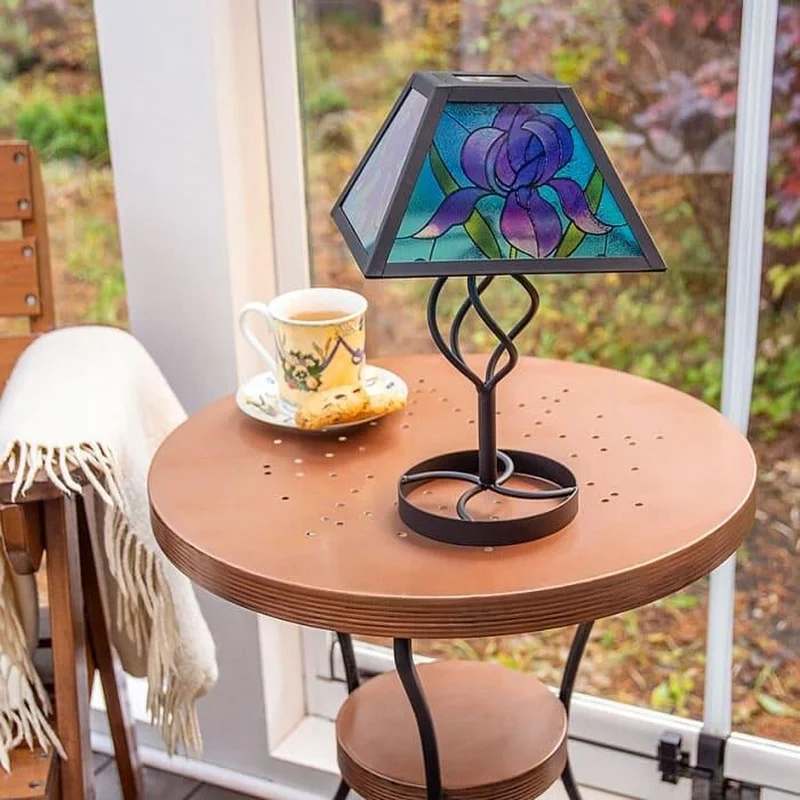
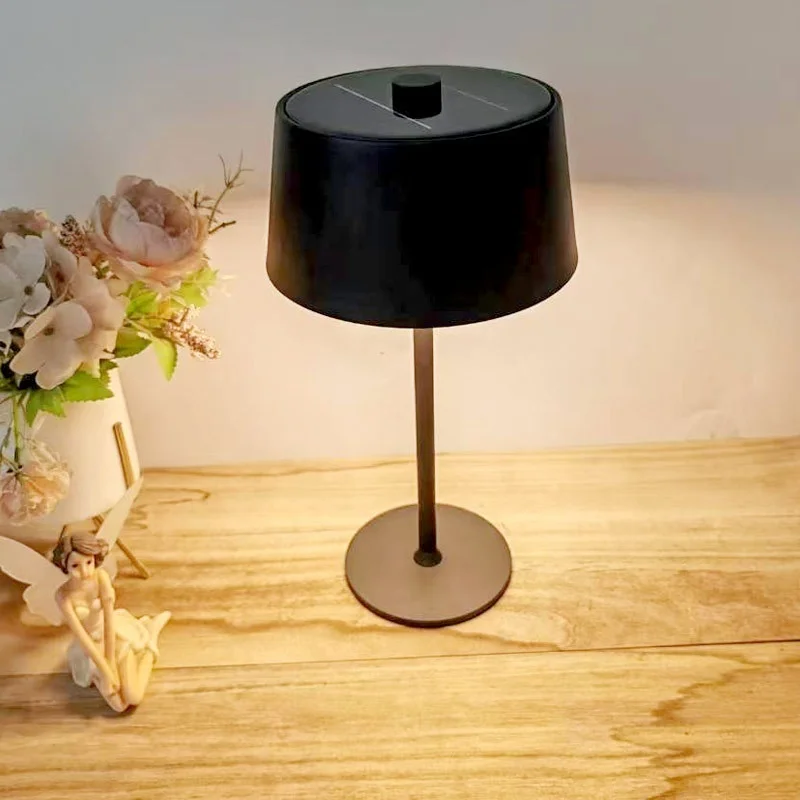
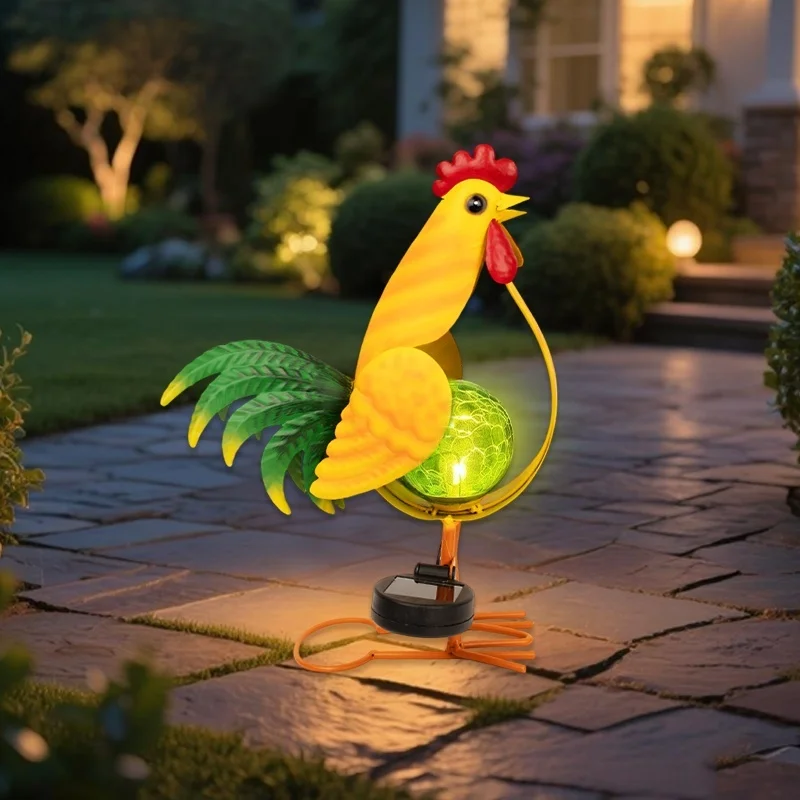
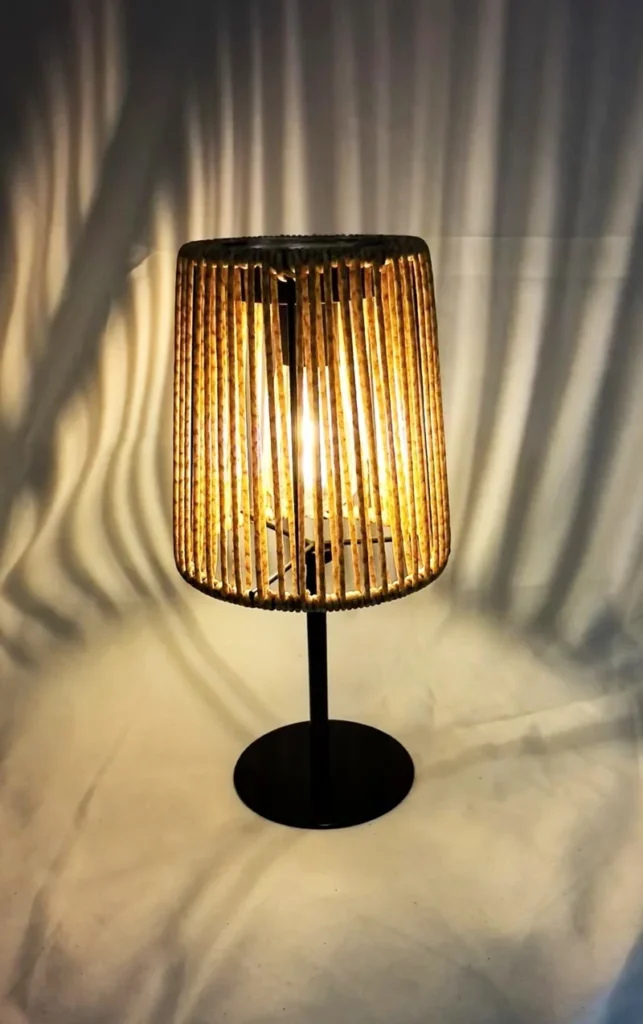
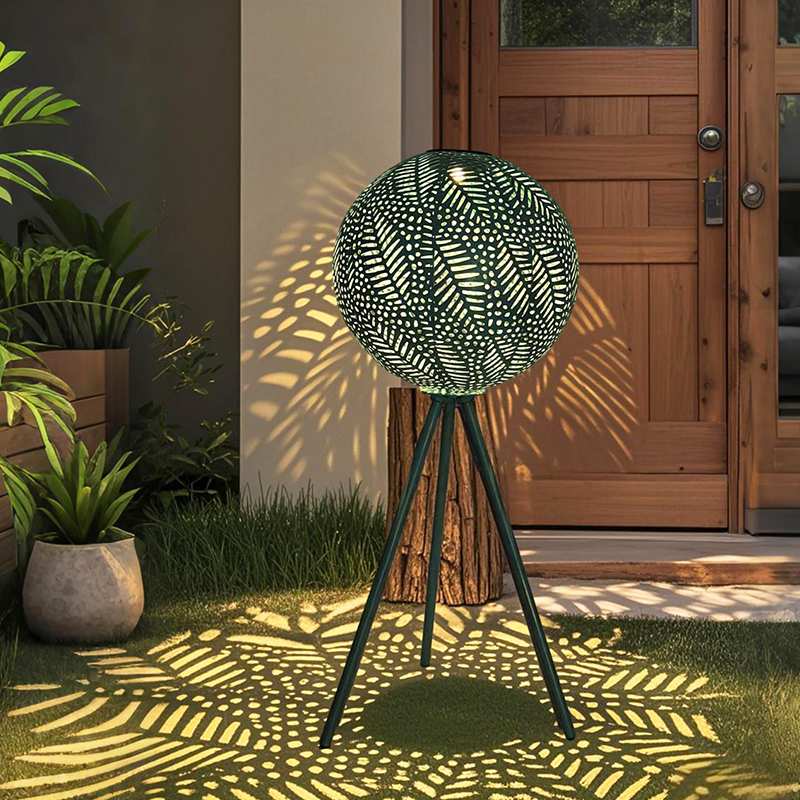
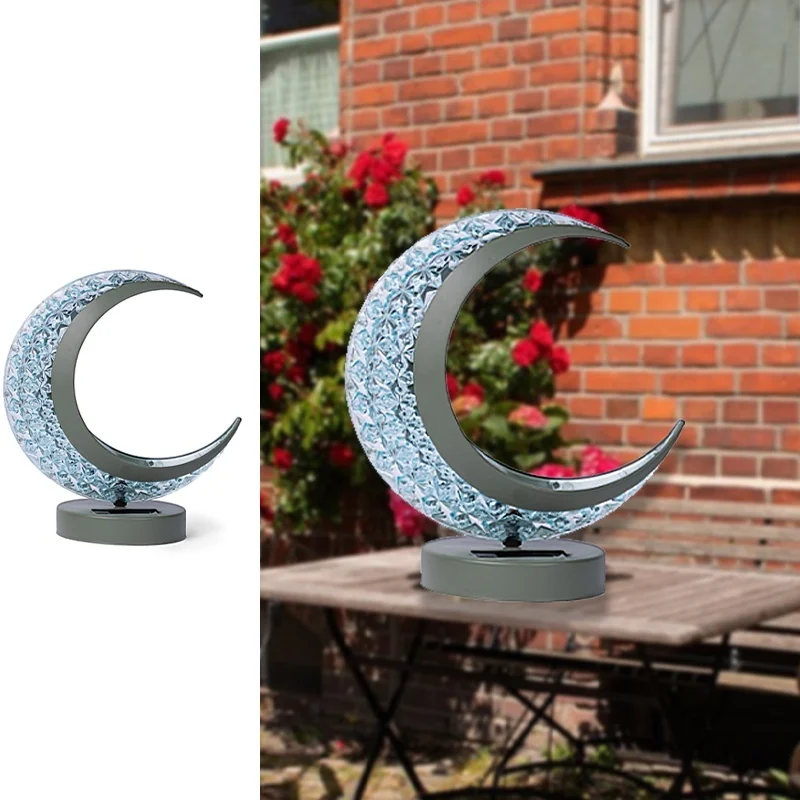
Solar table lights are a growing category in outdoor and hospitality lighting. Designed for patios, balconies, gardens, cafés, and restaurants, they provide soft ambient illumination while enhancing the overall atmosphere. Compared to other solar lighting products, table lights are more design-driven and often positioned as decorative or lifestyle products rather than purely functional lighting.
For wholesalers, retailers, and project buyers, sourcing solar table lights in bulk requires balancing aesthetics, performance, and durability. This guide outlines key considerations to help buyers make informed decisions and avoid common pitfalls.
1. Understand Product Structure
Solar table lights generally include the following components:
Light Housing (Body Design)
The main visible part, often made from plastic, metal, or glass, determines the overall style and perceived value.
Solar Panel
Usually integrated on the top surface, it converts sunlight into electricity.
Rechargeable Battery
Stores energy collected during the day. Common types include Ni-MH and lithium batteries.
LED Light Source
Provides illumination, typically designed for ambient lighting rather than high brightness.
Understanding these components helps buyers compare products across suppliers.
2. Focus on Design and Market Positioning
Unlike pathway or security lights, solar table lights are highly design-oriented.
Buyers should evaluate:
-
Style (modern, vintage, minimalist, decorative)
-
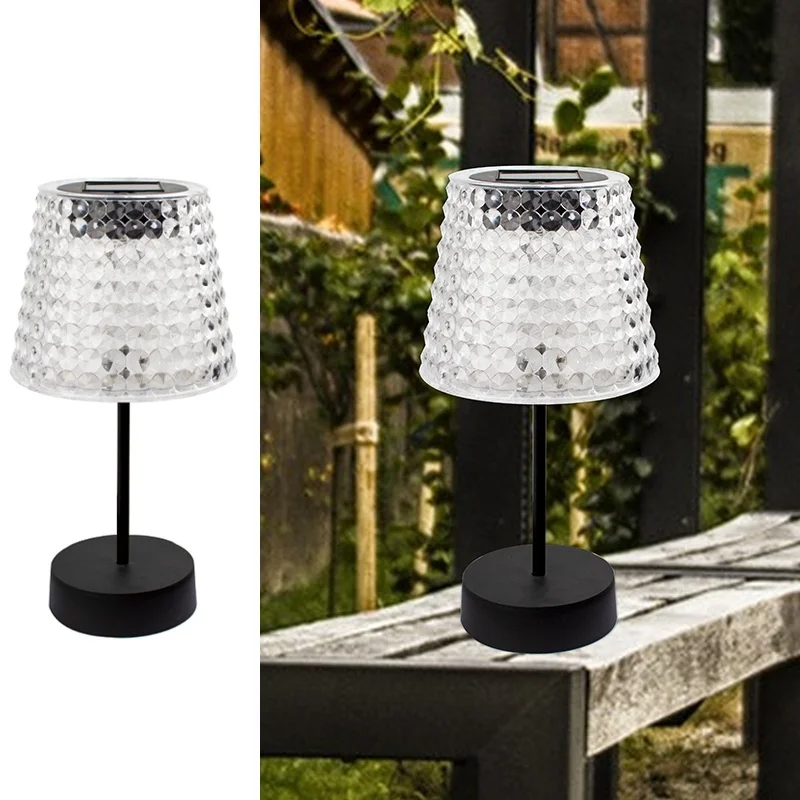
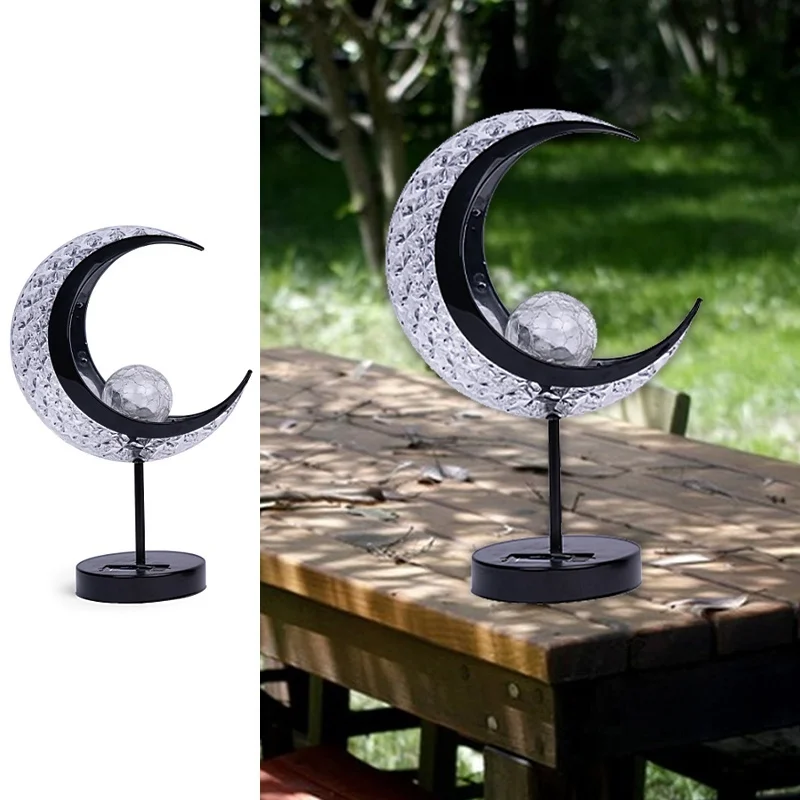
Material combination (metal + glass, plastic + LED, etc.)
-
Size and proportion for table use
-
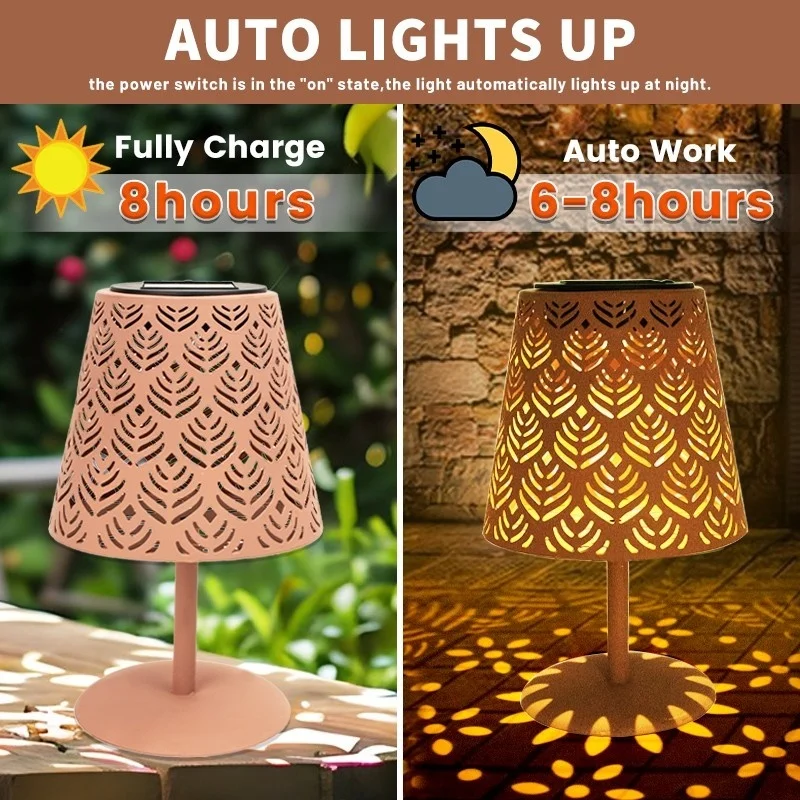
Daytime appearance vs. nighttime lighting effect
For hospitality clients (restaurants, hotels), design consistency and ambiance are especially important. For retail channels, visually appealing products often drive impulse purchases.
Working with suppliers that support OEM/ODM customization can help create differentiated product lines.
3. Evaluate Lighting Performance
Although solar table lights are mainly decorative, consistent lighting performance is still necessary.
Key factors include:
Brightness Level
Usually low to medium brightness, designed for mood lighting rather than task lighting.
Lighting Duration
A typical expectation is 6–10 hours of illumination after a full charge.
Light Color Options
Warm white is most common, but some products offer color-changing or RGB effects.
Lighting Modes
Some models include multiple modes (steady, flickering candle effect, dimming).
Buyers should ensure the lighting effect matches the intended market positioning.
4. Check Solar Charging Efficiency
Solar performance directly affects customer satisfaction.
Buyers should review:
-
Solar panel size and placement (top exposure is critical)
-
Battery capacity and type
-
Charging time under standard sunlight conditions
Table lights are sometimes placed in shaded areas (e.g., under umbrellas), which can reduce charging efficiency. Products with better solar performance are more reliable in real-world usage.
5. Assess Material and Durability
Solar table lights are exposed to outdoor conditions, so durability is important.
Common materials include:
-
Plastic (ABS, PC) – lightweight and cost-effective
-
Metal (iron, aluminum) – more premium appearance
-
Glass elements – enhance visual appeal but require careful handling
Buyers should evaluate:
-
UV resistance (to prevent discoloration)
-
Water resistance (typically IP44 or higher)
-
Rust protection for metal components
Low-quality materials can lead to fading, cracking, or corrosion over time.
6. Stability and Practical Use
Since these lights are placed on tables or flat surfaces, stability is important.
Buyers should check:
Unstable products may lead to poor user experience, especially in outdoor dining environments.
7. Packaging and Presentation
Packaging plays a significant role, especially for retail and gifting markets.
Buyers should confirm:
-
Protective packaging for fragile components
-
Attractive retail box design
-
Clear instructions for use
For e-commerce, packaging should also be strong enough to pass drop tests and reduce damage rates.
8. Certification and Compliance
Solar table lights may require compliance documentation depending on the target market.
Common certifications include:
-
CE (Europe)
-
RoHS
-
FCC (United States)
Ensuring proper documentation can help avoid import issues and improve product credibility.
9. Supplier Evaluation
Choosing the right supplier is essential for long-term cooperation.
Buyers should assess:
-
Experience in solar lighting manufacturing
-
Design and development capabilities
-
Quality control processes
-
Production capacity and lead times
Suppliers with strong R&D capabilities can better support customized designs and product improvements.
10. Start with Sample Testing
Before placing large orders, sample testing is recommended.
Typical evaluation steps include:
-
Test lighting effect and brightness
-
Check solar charging and battery performance
-
Inspect material quality and finishing
-
Evaluate stability on flat surfaces
-
Test packaging durability
This helps ensure the product meets both aesthetic and functional requirements.
Common Pitfalls to Avoid
-
Prioritizing appearance while ignoring solar performance
-
Choosing designs that are unstable or impractical
-
Overlooking material quality and weather resistance
-
Ignoring packaging quality for e-commerce distribution
-
Skipping sample testing before bulk purchasing
Conclusion
Solar table lights are a design-driven category with strong potential in outdoor décor and hospitality markets. Their success depends on a combination of visual appeal, reliable solar performance, and durable construction.
For B2B buyers, careful evaluation of product design, materials, solar efficiency, and supplier reliability is essential. By conducting proper testing and planning before bulk purchasing, buyers can reduce sourcing risks and build a competitive product offering in this growing segment of outdoor solar lighting.