










2026 lastest Full Product Catalogue
Please Click the button, after Filling in your Email and information, the file will be send within 24 hours .
-
 Decorative Garden Solar Lights
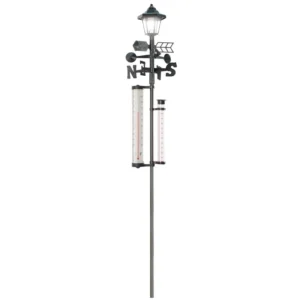
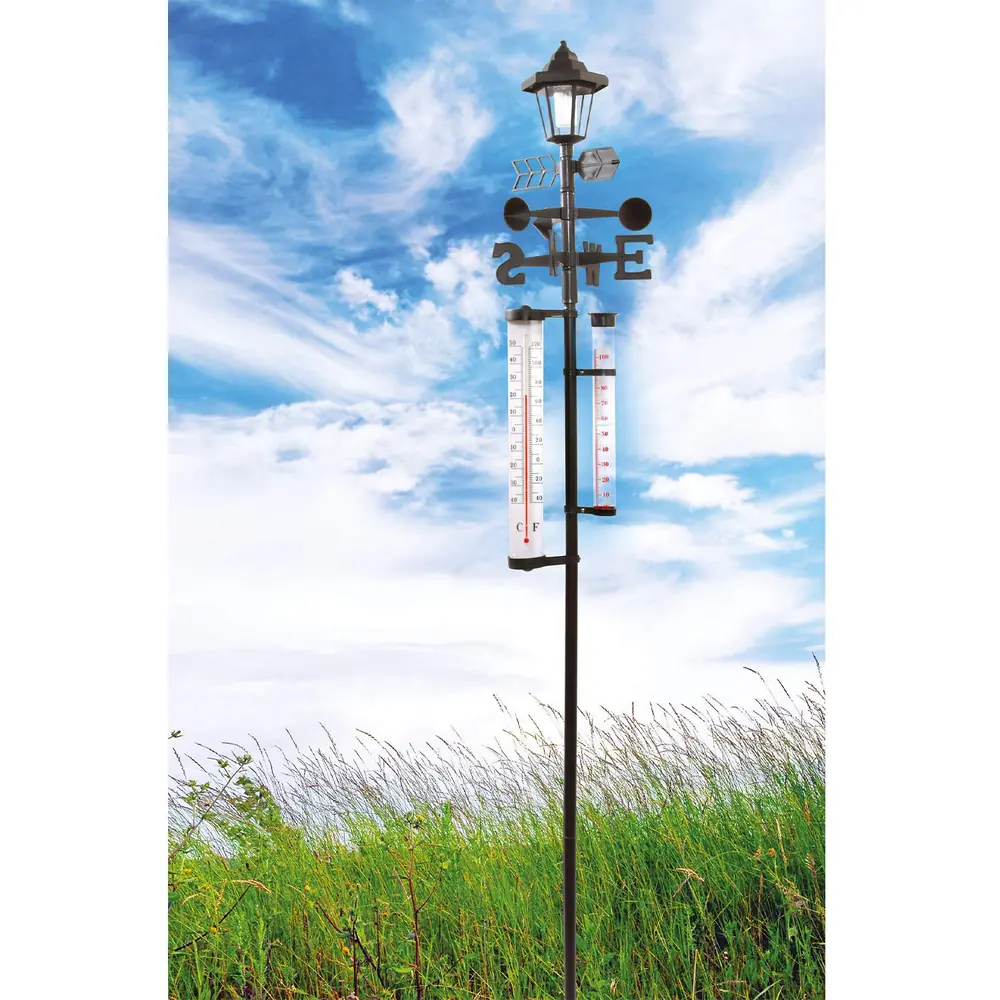
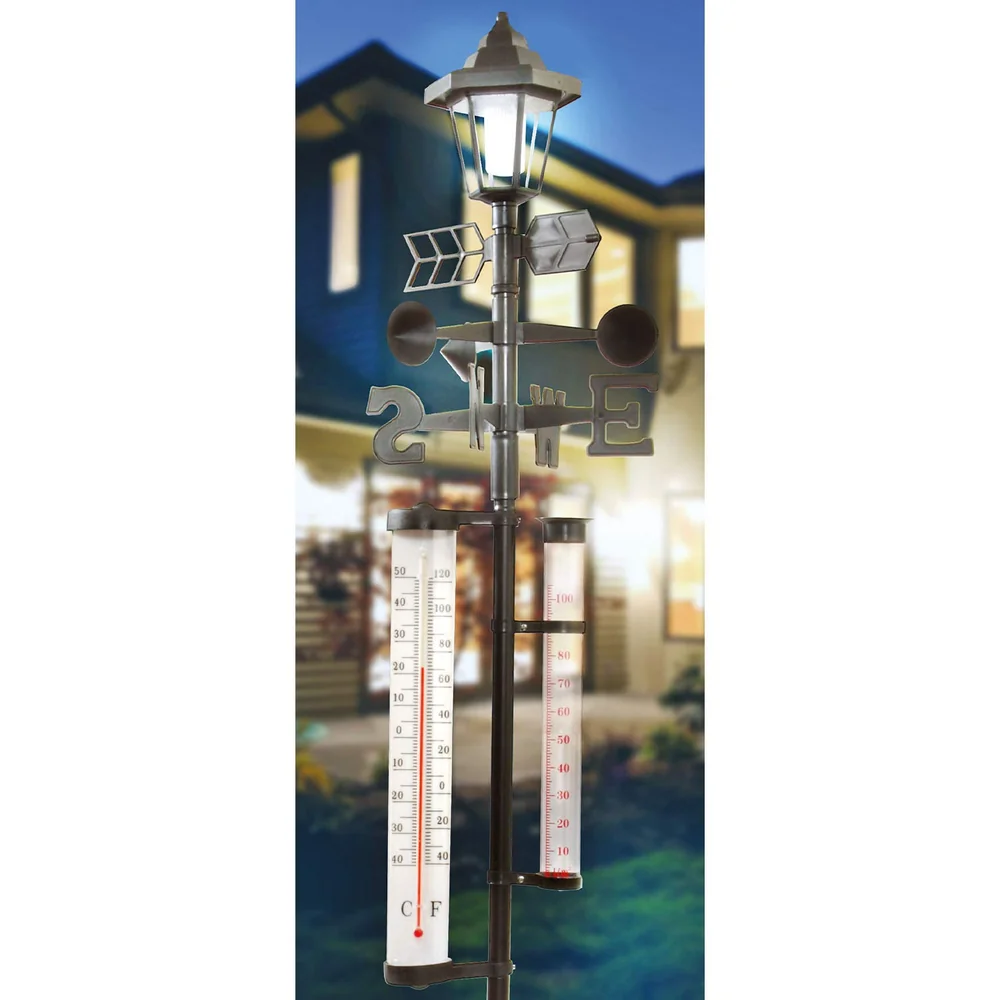
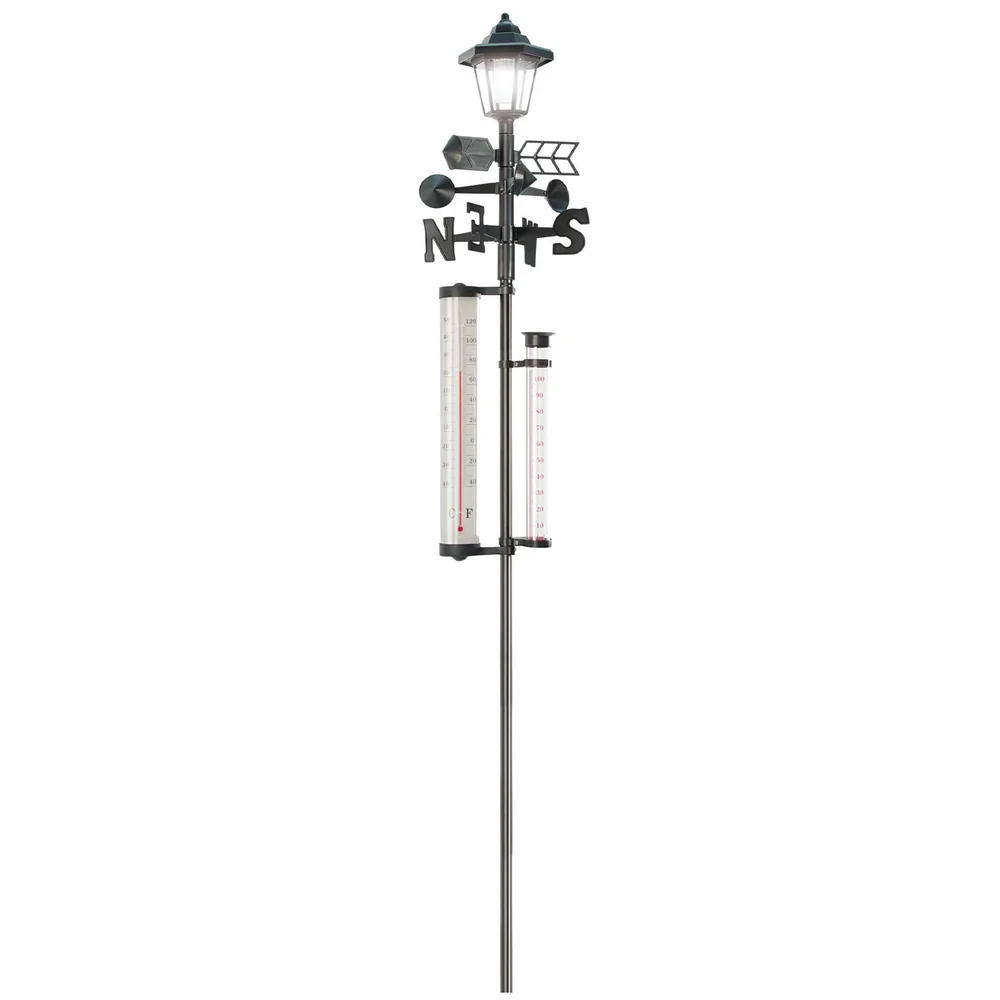
SM231085 PP Plastic 5-in-1 Garden Weather Station Stake Light
Wholesale Weather Station Solar Lights: Complete B2B Buyer Guide
If you’re sourcing wholesale weather station solar lights for garden centers, outdoor equipment retailers, educational supply distributors, or specialty weather monitoring stores, this guide will help you evaluate sensor accuracy, data display capabilities, certifications, and factory capabilities before placing bulk orders. Weather station solar lights combine comprehensive weather monitoring (temperature, humidity, barometric pressure, wind, rainfall) with solar-powered outdoor lighting, creating sophisticated garden accessories for weather enthusiasts and serious gardeners. These products appeal to wholesalers, retailers, distributors, importers, and commercial buyers who serve customers seeking professional-grade weather monitoring without complex installation or ongoing power costs. When buying in bulk, key considerations include sensor accuracy and calibration, data display clarity and information density, wireless connectivity and data logging capabilities, solar panel adequacy for multiple sensors and displays, quality control for complex electronic systems, customization options for sensor configurations, packaging that communicates comprehensive functionality, lead time management for technical products, and supplier compliance with target market regulations. This guide covers everything from meteorological sensor technology and manufacturing processes to OEM/ODM customization, helping you make informed decisions that balance technical capability, cost, and market positioning.
Category Summary
Wholesale weather station solar lights integrate multiple meteorological sensors (temperature, humidity, barometric pressure, wind speed/direction, rainfall) with data displays and solar-powered lighting into comprehensive outdoor monitoring systems. Bulk buyers typically source all-in-one station models, modular sensor systems, wireless display units, and professional-grade monitoring stations. Key purchasing considerations include sensor accuracy specifications (temperature 1C, humidity 5%, pressure 3hPa), data display capabilities (LCD screens, LED displays, wireless transmission), measurement ranges and update frequencies, solar panel capacity for continuous sensor operation (3-5 watts minimum), battery backup for cloudy periods, and data logging or connectivity features. This category attracts weather enthusiasts, serious gardeners, educational institutions, and commercial operations who need reliable weather data. Quality bulk weather station solar lights must deliver accurate multi-parameter measurements, clear data presentation, reliable solar operation, weather-resistant construction (IP65-IP67), and comprehensive functionality to justify premium pricing in this specialized, technically-demanding market segment.
What Will You Learn in This Guide?
- What Are Wholesale Weather Station Solar Lights and Why Are They Popular in Wholesale Markets?
- What Types and Designs Sell Best for Bulk Orders?
- What Materials and Manufacturing Processes Are Used?
- What Quality Standards and Certifications Matter for Wholesale Buyers?
- What Is the Market Demand and Customer Preferences?
- What Are the Common Applications?
- What OEM/ODM Customization Options Are Available?
- How to Source Wholesale Weather Station Solar Lights from China Manufacturers?
- What Mistakes Can Cost You Money When Buying in Bulk?
- Who Is Glowyard Lighting and What Do We Offer?
- Frequently Asked Questions
What Are Wholesale Weather Station Solar Lights and Why Are They Popular in Wholesale Markets?
Wholesale weather station solar lights are sophisticated outdoor monitoring systems that integrate multiple meteorological sensors with data displays and solar-powered lighting. These products measure various weather parameters including temperature, humidity, barometric pressure, wind speed and direction, and rainfall, presenting data through LCD or LED displays while providing illumination through integrated solar-powered LEDs. Products range from basic three-sensor systems (temperature, humidity, pressure) to comprehensive professional stations with full meteorological sensor suites.
The wholesale market for weather station solar lights has grown due to several converging factors. First, increasing interest in personal weather monitoring driven by climate awareness, gardening precision, and outdoor activity planning creates demand for accessible weather stations. Customers seek professional-grade data without the complexity and cost of traditional wired weather stations requiring dedicated power and computer connections. Solar-powered stations eliminate installation barriers and ongoing costs, making weather monitoring accessible to broader customer segments.
Second, advances in sensor technology and microelectronics have dramatically reduced costs while improving accuracy and reliability. Modern weather stations provide measurements approaching professional meteorological standards at consumer price points. Digital sensors, wireless data transmission, and efficient power management enable sophisticated functionality powered entirely by solar energy. This technological democratization expands the market beyond weather enthusiasts to include serious gardeners, outdoor recreationists, and general consumers interested in local weather conditions.
For wholesalers and distributors, weather station solar lights offer several business advantages. The products command premium pricing due to technical sophistication and multiple sensors, supporting strong profit margins. The category appeals to specialty retailers (weather equipment stores, scientific supply), garden centers (serious gardeners), outdoor recreation retailers (hikers, campers), and educational suppliers (schools, nature centers). Year-round utility and data logging capabilities provide consistent value beyond seasonal decorative products.
However, this category presents significant challenges that wholesale buyers must understand. Sensor accuracy and calibration require technical expertisetemperature, humidity, pressure, wind, and rain sensors each have specific accuracy requirements and calibration procedures. Data display design must present multiple parameters clearly without overwhelming users. Power management becomes criticalmultiple sensors and continuous displays consume significant power requiring substantial solar panels (3-5 watts minimum) and batteries (2500-3000mAh). Quality control demands comprehensive testing of multiple sensor types, wireless connectivity (if included), and data accuracy verification. Wholesale buyers must carefully evaluate suppliers’ technical capabilities, testing protocols, and willingness to provide honest accuracy specifications rather than exaggerated claims.
What Types and Designs Sell Best for Bulk Orders?
The wholesale weather station solar lights market segments into several categories based on sensor configuration, display sophistication, and target user expertise. Understanding these variations helps buyers select inventory matching customer technical requirements and price expectations.
Basic Three-Sensor Stations measure temperature, humidity, and barometric pressurethe most commonly desired weather parameters. These entry-level stations appeal to general consumers and casual weather watchers. Quality three-sensor models provide 1C temperature accuracy, 5% humidity accuracy, and 3hPa pressure accuracy. Display typically shows current readings plus basic trend indicators (rising, falling, steady). Solar panels (2-3 watts) and batteries (1500-2000mAh) power sensors, display, and lighting. This category suits garden centers and general outdoor retailers serving broad customer bases.
Five-Sensor Comprehensive Stations add wind speed/direction and rainfall measurement to basic parameters. These mid-range stations appeal to serious weather enthusiasts and gardeners needing complete local weather data. Wind sensors (anemometers and wind vanes) require elevated mounting for accurate readings. Rain gauges use tipping bucket mechanisms for precise measurement. The additional sensors require larger solar panels (3-4 watts) and batteries (2000-2500mAh). Display complexity increases to show multiple current readings, historical data, and trend information. This category suits specialty weather retailers and upscale garden centers.
Professional-Grade Monitoring Stations feature high-accuracy sensors, data logging capabilities, wireless connectivity (WiFi, Bluetooth), smartphone app integration, and computer software for detailed analysis. These premium stations target serious weather enthusiasts, agricultural operations, and educational institutions. Sensor accuracy approaches meteorological standards (temperature 0.5C, humidity 3%, pressure 1hPa). Data logging stores historical readings for analysis. Wireless connectivity enables remote monitoring and data sharing. Substantial power systems (4-5 watt panels, 2500-3000mAh batteries) support continuous operation. This category commands highest pricing and suits specialty retailers and professional equipment distributors.
Modular Sensor Systems allow customers to start with basic sensors and add capabilities over time. Separate sensor modules (temperature/humidity, wind, rain, UV, soil moisture) connect wirelessly to central display units. This flexibility appeals to customers wanting to customize monitoring to specific needs and budget. Modular systems require sophisticated wireless protocols and power management for multiple remote sensors. Quality modular systems use reliable wireless communication (typically 433MHz or 915MHz) with adequate range (100+ meters).
Educational Weather Stations designed for schools and nature centers emphasize clear data presentation, durability for student use, and educational features (weather pattern explanations, forecasting basics). These stations balance accuracy with ease of understanding. Displays use large, clear fonts and intuitive layouts. Construction emphasizes durability and vandal resistance. This specialized segment requires suppliers understanding educational market requirements.
Decorative Garden Weather Stations integrate weather monitoring into attractive garden ornaments or lighting fixtures. These products prioritize aesthetics while providing useful weather data. Decorative housings may feature lantern styles, contemporary designs, or themed elements. This category appeals to customers seeking functional garden accessories that complement landscape aesthetics rather than purely utilitarian monitoring equipment.
Category-Specific Buyer Notes for Weather Station Solar Lights
When sourcing wholesale weather station solar lights, several category-specific factors differentiate successful bulk purchases from problematic ones. First, sensor accuracy specifications must be verified through actual testing rather than accepting supplier claims. Request calibration certificates and test data for all sensor types. Conduct comparison testing against reference instruments before bulk orders. Understand that accuracy specifications should account for full operating rangessensors accurate at moderate conditions may show significant errors at extremes.
Second, power system adequacy critically affects reliability. Multiple sensors operating continuously plus data displays consume substantial power. Inadequate solar panels or batteries result in systems that shut down during cloudy periods or fail to operate through the night. Specify minimum 3-4 watt monocrystalline panels for five-sensor systems, 4-5 watts for professional stations. Battery capacity should support 2-3 days of operation without solar charging to handle extended cloudy periods.
Third, wireless sensor reliability (for modular systems) affects customer satisfaction. Wireless connections must maintain reliability across advertised ranges despite obstacles (buildings, vegetation). Interference from other wireless devices can disrupt communication. Request information about wireless protocols, frequency bands, and range testing. Verify that systems include signal strength indicators and connection status displays.
Fourth, data display design significantly impacts usability. Displays must present multiple parameters clearly without overwhelming users. Information hierarchy should prioritize most-used data (current temperature, humidity) while making additional data (trends, historical readings) easily accessible. LCD displays offer lower power consumption but may have readability issues in extreme temperatures or direct sunlight. LED displays provide better visibility but consume more power. Test display readability across various conditions before bulk orders.
What Materials and Manufacturing Processes Are Used?
Understanding materials and manufacturing processes behind weather station solar lights helps wholesale buyers evaluate quality, predict longevity, and assess fair pricing. These products combine multiple sensor technologies, sophisticated electronics, and weather-resistant construction requiring diverse manufacturing expertise.
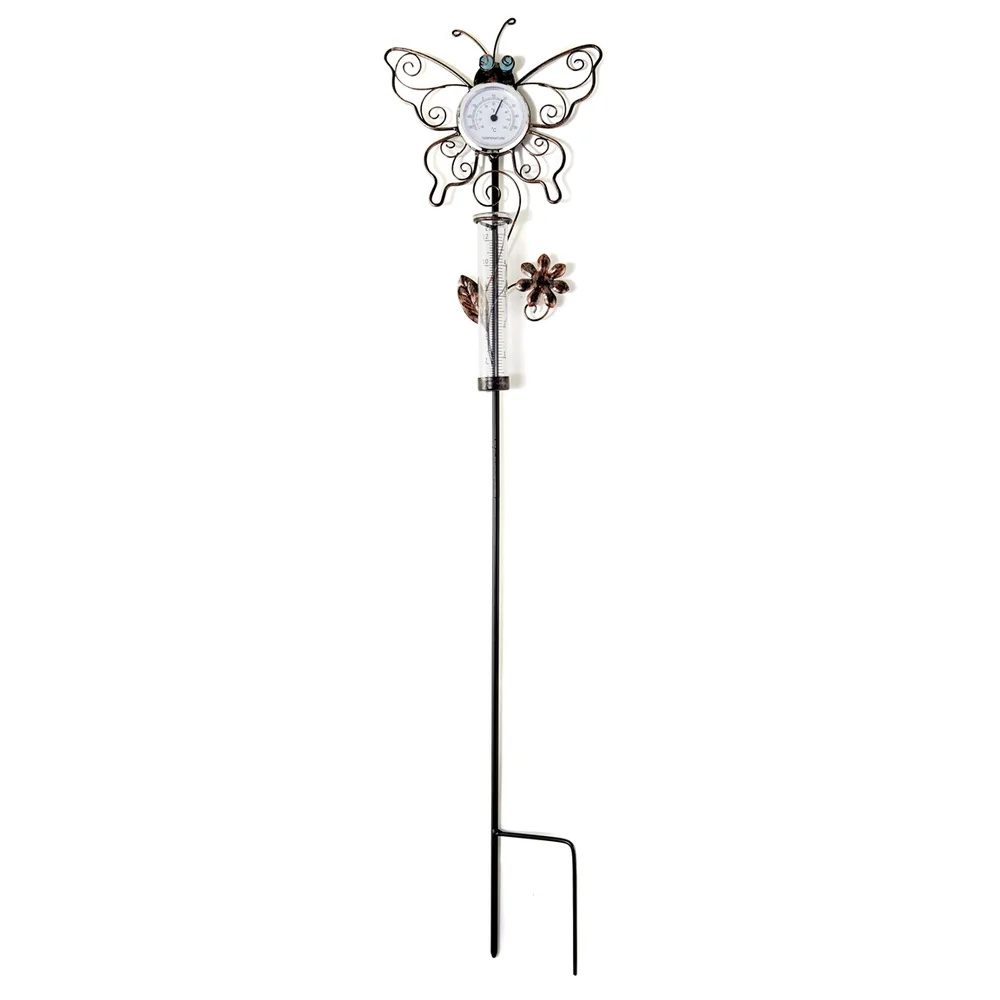
Temperature and Humidity Sensors: Modern weather stations use digital temperature/humidity sensors (like SHT series, DHT series, or BME series) providing accurate measurements with digital output. These integrated sensors combine temperature sensing (typically using bandgap temperature sensors or thermistors) with capacitive humidity sensing in single packages. Quality sensors provide 0.5-1C temperature accuracy and 3-5% humidity accuracy. Sensor placement critically affects accuracysensors must be shielded from direct sunlight and precipitation while allowing air circulation. Quality weather stations use radiation shields (white louvered enclosures) protecting sensors while permitting airflow.
Barometric Pressure Sensors: Pressure measurement uses MEMS (Micro-Electro-Mechanical Systems) barometric pressure sensors providing accurate readings with low power consumption. Quality pressure sensors (like BMP or MS series) provide 1-3hPa accuracy across typical atmospheric pressure ranges (300-1100hPa). Pressure sensors require proper sealing from moisture while allowing atmospheric pressure access through vent holes. Quality designs use Gore-Tex or similar breathable membranes protecting sensors while permitting pressure equalization.
Wind Speed and Direction Sensors: Anemometers (wind speed sensors) typically use cup or propeller designs with magnetic or optical rotation sensing. Quality anemometers provide 0.5 m/s accuracy with low starting thresholds (0.5-1 m/s). Wind vanes (direction sensors) use potentiometers or magnetic encoders providing 16-point or continuous direction measurement. Wind sensors require elevated mounting (typically 2-3 meters above ground) for accurate readings away from ground turbulence. Construction must withstand continuous rotation and weather exposure. Quality wind sensors use corrosion-resistant materials and sealed bearings.
Rain Gauges: Rainfall measurement typically uses tipping bucket mechanismsrain funnels into a divided bucket that tips when filled to specific volume (typically 0.2-0.5mm rainfall equivalent), triggering a magnetic switch. Each tip counts as measured rainfall increment. Quality rain gauges use precision-molded funnels, balanced tipping mechanisms, and proper drainage. Calibration involves verifying tip volume accuracy. Rain gauges require level mounting and protection from debris while allowing unobstructed rain collection.
Display Technologies and Microcontrollers: Weather stations use LCD or LED displays presenting multiple data parameters. LCD displays offer lower power consumption suitable for solar applications but require wide-temperature-range formulations for outdoor use. LED displays provide better visibility but consume more power. Display design must present current readings, trends, historical data, and system status clearly. Microcontrollers manage sensor reading, data processing, display updates, wireless communication (if included), and power management. Quality weather stations use reliable microcontrollers with adequate processing power and memory for data logging and complex display functions.
Solar Panel and Battery Systems: Weather stations require substantial power systems supporting continuous sensor operation, frequent display updates, wireless transmission, and lighting. Minimum specifications include 3-4 watt monocrystalline panels for basic stations, 4-5 watts for comprehensive stations. Battery capacity should be 2000-2500mAh minimum, preferably 2500-3000mAh for professional stations. Batteries must support 2-3 days of operation without solar charging to handle extended cloudy periods. Power management circuitry should include intelligent charging, low-battery protection, and power-saving modes.
Housing and Weather Protection: Weather station housings must protect sophisticated electronics while allowing sensor access to environmental conditions. Main display units typically use ABS plastic or aluminum housings with IP65-IP67 ratings. Sensor modules require specialized housingsradiation shields for temperature/humidity sensors, elevated mounts for wind sensors, open collection funnels for rain gauges. All housings must use UV-stabilized materials and proper sealing. Cable connections between sensors and displays require waterproof connectors or proper sealing.
What Quality Standards and Certifications Matter for Wholesale Buyers?
For wholesale buyers, proper certifications and quality standards serve multiple purposes: ensuring measurement accuracy, meeting import requirements, reducing liability exposure, and building customer confidence. Weather station solar lights require particular attention to sensor calibration and data accuracy.

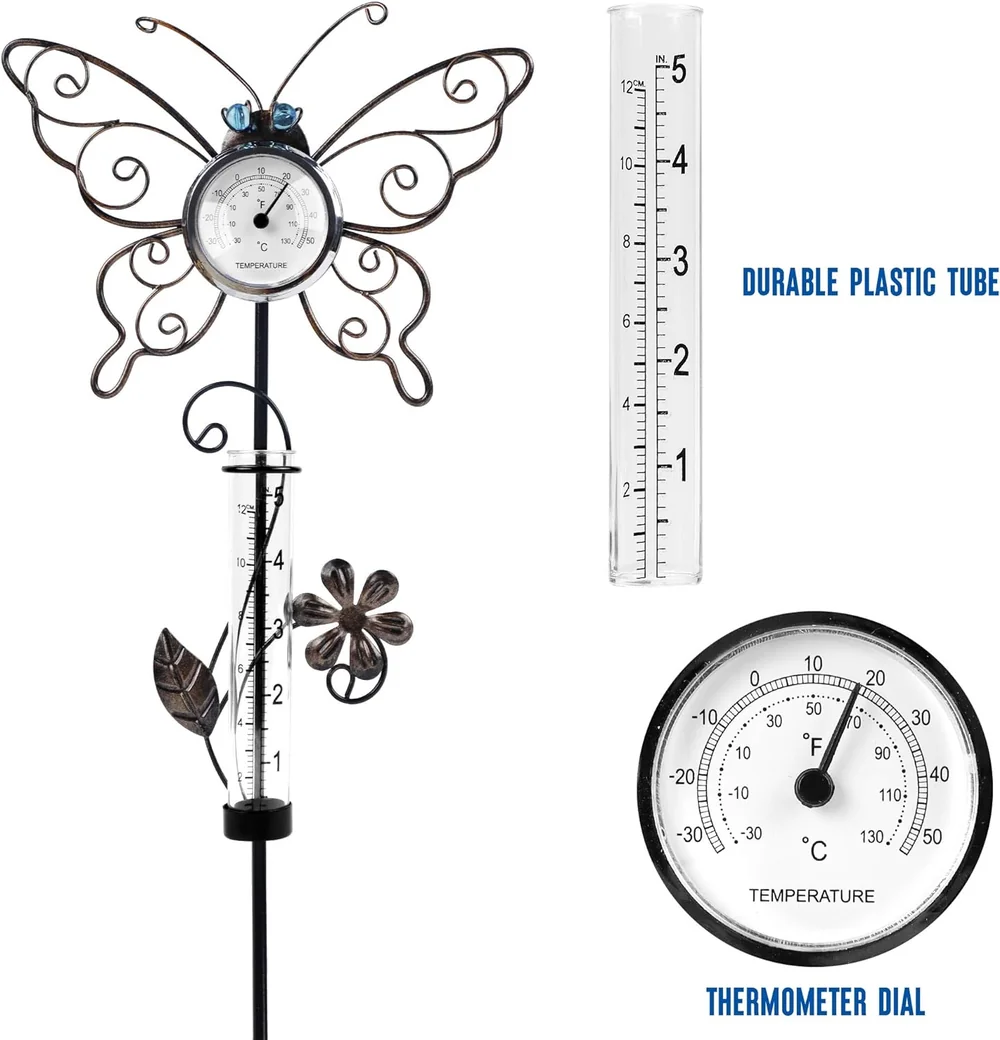
Sensor Accuracy and Calibration Standards: While consumer weather stations don’t typically require formal meteorological certifications, quality manufacturers should provide detailed accuracy specifications and calibration documentation for all sensors. Request calibration certificates showing accuracy across full operating ranges. Temperature sensors should meet 0.5-1C accuracy, humidity sensors 3-5%, pressure sensors 1-3hPa, wind sensors 0.5 m/s, and rain gauges 5% volume accuracy. Verify that accuracy specifications account for full environmental ranges and aging effects.
IP Waterproof Ratings: Weather stations must withstand continuous outdoor exposure including rain, snow, and extreme temperatures. Minimum acceptable IP ratings are IP65 (dust-tight, protected against water jets) for display units, IP67 (protected against temporary immersion) for sensor modules. Rain gauges and wind sensors require special considerationthey must allow environmental access while protecting electronics. Verify that IP ratings apply to entire assembled systems including all cable connections and sensor interfaces.
Wireless Communication Standards: Weather stations with wireless sensors should meet relevant RF communication standards. For US market, FCC Part 15 certification required for wireless devices. For European markets, RED (Radio Equipment Directive) compliance required. These certifications verify that wireless transmissions don’t cause harmful interference and meet power output limits. Request copies of wireless certifications and test reports.
CE Certification and RoHS Compliance: Required for European markets, CE marking indicates compliance with EU safety, health, and environmental protection standards. Relevant directives include Low Voltage Directive (LVD), Electromagnetic Compatibility (EMC) Directive, Radio Equipment Directive (RED) for wireless models, and RoHS (Restriction of Hazardous Substances). For comprehensive information, see why CE certification matters and solar garden light RoHS certification guide.
Data Accuracy and Reliability Testing: Request information about testing protocols for data accuracy, sensor reliability, and system performance. Quality manufacturers conduct environmental chamber testing across full temperature ranges, humidity cycling tests, pressure calibration verification, wind tunnel testing for anemometers, and rainfall simulation for rain gauges. Long-term reliability testing should verify sensor stability and data accuracy over extended periods.
For comprehensive guidance on export certifications, see what certifications are required for exporting solar garden lights. Buyers should also review Glowyard’s certificates to understand documentation standards that professional manufacturers maintain.
What Is the Market Demand and Customer Preferences?
Understanding market demand patterns and customer preferences helps wholesale buyers optimize inventory selection, pricing strategies, and marketing approaches. The weather station solar lights market exhibits steady year-round demand from specialized customer segments with specific technical requirements.
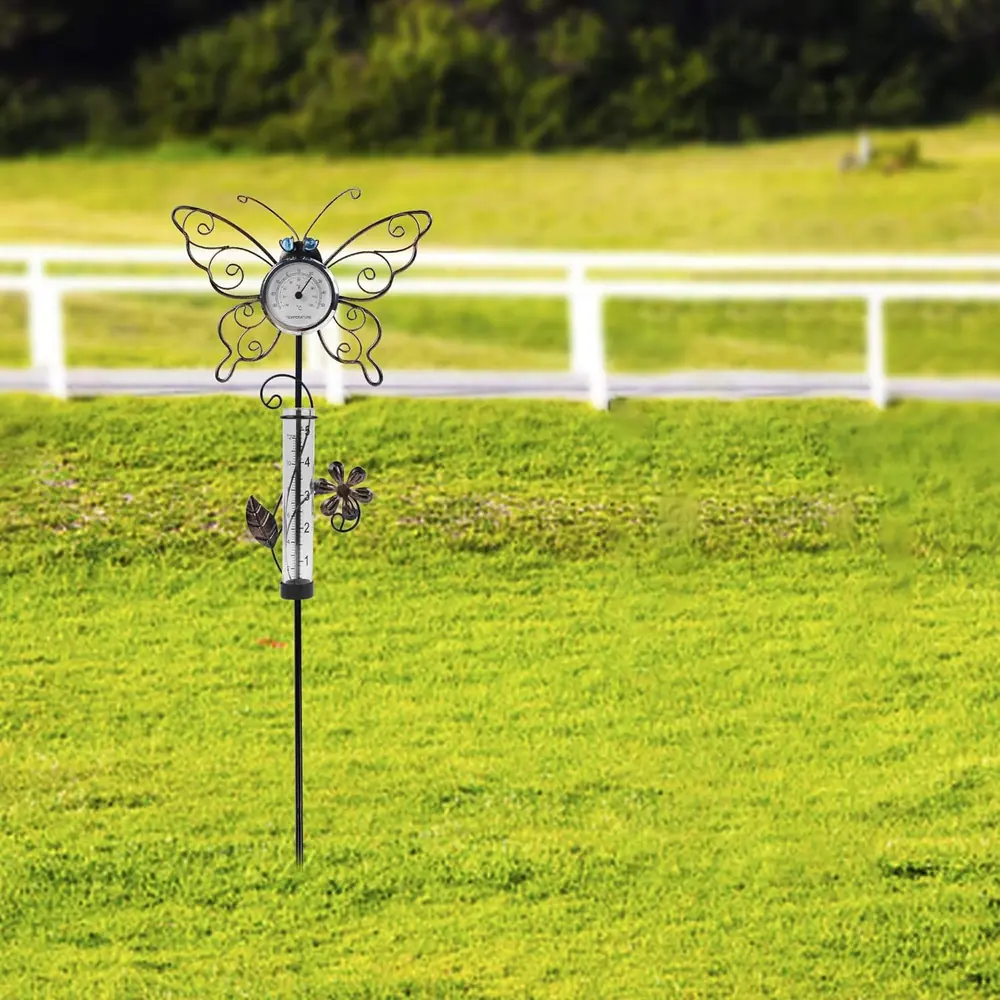
Geographic Market Variations: Markets in regions with variable weather and active outdoor cultures show strongest demand. North American and European markets favor comprehensive sensor suites and data logging capabilities. Agricultural regions show strong demand for weather monitoring supporting farming decisions. Coastal areas value wind and pressure monitoring for storm tracking. Mountain regions prioritize temperature and precipitation monitoring. Understanding regional weather patterns and customer priorities helps optimize product specifications.
Customer Segment Preferences: Weather enthusiasts represent the primary market segment, seeking accurate data, comprehensive sensor coverage, and data logging capabilities. These customers prioritize measurement accuracy and reliability over aesthetics. Serious gardeners use weather stations for frost warnings, watering decisions, and growing condition optimization. They value temperature, humidity, and rainfall data with historical tracking. Outdoor recreationists (hikers, sailors, pilots) use weather stations for activity planning and safety. They prioritize current conditions and short-term forecasting. Educational institutions use weather stations for science education and environmental monitoring. They value durability, clear data presentation, and educational features.
Seasonal Demand Patterns: Weather station solar lights show moderate seasonality with peak demand during spring (March-May) as customers prepare for outdoor season and gardening. Secondary peaks occur during back-to-school season (August-September) for educational sales and holiday gift-giving periods. Year-round utility and data value provide more consistent baseline demand than purely seasonal decorative products.
Design and Feature Preferences: Current market trends favor wireless sensor systems allowing flexible installation and sensor positioning. Customers appreciate modular designs enabling capability expansion over time. Smartphone connectivity and app-based monitoring increasingly expected by tech-savvy customers. Data logging with historical analysis appeals to serious users. Clear, intuitive displays with customizable information presentation valued across all segments. Some customers value weather forecasting features based on barometric pressure trends, though accuracy limitations should be clearly communicated.
Accuracy and Reliability Expectations: Customers purchasing weather stations expect reasonable accuracy approaching professional meteorological standards. Unrealistic accuracy claims or poor calibration leads to disappointment and returns. Market products with honest, verified accuracy specifications. Reliability critically affects satisfactionsensors must function consistently across weather extremes, wireless connections must maintain stability, and solar power systems must provide continuous operation. Quality and accuracy justify premium pricing in this technically-demanding category.
What Are the Common Applications?
Weather station solar lights serve diverse applications across residential, commercial, agricultural, and educational sectors. Understanding these use cases helps wholesale buyers target appropriate customer segments and select product specifications matching application requirements.
Home Weather Monitoring and Forecasting: Primary application involves weather enthusiasts and homeowners monitoring local weather conditions for daily planning, outdoor activity decisions, and general interest. Comprehensive sensor coverage (temperature, humidity, pressure, wind, rain) provides complete local weather picture. Data logging enables pattern analysis and personal forecasting. This application values accuracy, reliability, and clear data presentation. Customers typically install single stations in optimal locations (open areas away from buildings for wind/rain, shaded locations for temperature).
Garden and Agriculture Monitoring: Serious gardeners and small-scale farmers use weather stations for frost warnings, irrigation scheduling, pest management timing, and growing condition optimization. Temperature and humidity data guide planting decisions and frost protection measures. Rainfall measurement informs irrigation needs. Wind data affects spraying schedules. This application prioritizes temperature, humidity, and rainfall accuracy with historical data tracking. Customers may install multiple temperature sensors monitoring microclimates in different garden areas.
Outdoor Recreation Planning: Hikers, sailors, pilots, and outdoor enthusiasts use weather stations for activity planning and safety decisions. Current conditions and short-term trends guide go/no-go decisions for outdoor activities. Barometric pressure trends provide storm warnings. Wind data affects sailing and aviation decisions. This application values current data accuracy and trend indicators over long-term logging. Portable or easily relocatable designs suit recreational vehicle and boat installations.
Educational Weather Monitoring: Schools, nature centers, and educational programs use weather stations for science education, environmental awareness, and hands-on learning. Students learn meteorological concepts through direct observation and data collection. Weather stations support curriculum in earth science, environmental studies, and data analysis. This application emphasizes clear data presentation, durability for student use, and educational features. Institutions may install multiple stations for comparative studies or network monitoring.
Commercial and Agricultural Operations: Farms, vineyards, nurseries, and outdoor commercial operations use weather stations for operational decisions and crop management. Accurate weather data supports irrigation scheduling, pest management, harvest timing, and frost protection. Some operations use multiple stations monitoring conditions across large properties. This application requires professional-grade accuracy, reliability, and data logging. Commercial buyers accept premium pricing for verified performance and responsive support.
Research and Environmental Monitoring: Research institutions, environmental organizations, and citizen science programs use weather stations for climate studies, environmental monitoring, and data collection networks. Multiple stations provide spatial coverage for regional analysis. Data logging and connectivity enable long-term studies and data sharing. This application demands highest accuracy, calibration documentation, and data export capabilities.
What OEM/ODM Customization Options Are Available?
Customization capabilities differentiate commodity weather station suppliers from value-added manufacturing partners. Understanding available OEM and ODM options helps wholesale buyers create differentiated products, build brand identity, and meet specific market requirements.
Sensor Configuration Customization: Buyers can specify custom sensor combinations matching target market needs. Options include basic three-sensor systems (temperature, humidity, pressure), five-sensor comprehensive systems (adding wind and rain), specialized configurations (UV sensors, soil moisture, lightning detection), and modular systems allowing customer expansion. Custom sensor selection requires careful power system sizing and display design to accommodate chosen parameters.
Accuracy Specification and Calibration: Buyers can specify enhanced accuracy requirements beyond standard consumer specifications. Professional-grade accuracy (temperature 0.5C, humidity 3%, pressure 1hPa) requires better sensors and rigorous calibration but commands premium pricing. Custom calibration documentation and certificates can be provided for institutional or commercial customers requiring verification.
Display Design and Information Presentation: Custom display layouts allow buyers to optimize information presentation for target users. Options include custom LCD segment arrangements, LED display configurations, information hierarchy customization, and multi-language support. Display customization requires minimum quantities typically starting at 2000-3000 units for LCD tooling, lower quantities for LED displays. User interface design including button functions and menu structures can be customized.
Wireless Connectivity and Data Features: Custom connectivity options include WiFi, Bluetooth, cellular (for remote locations), and proprietary wireless protocols. Smartphone app development enables custom branding and feature sets. Data logging capacity, export formats, and cloud connectivity can be customized. Advanced features require significant development investment and minimum quantities typically starting at 2000-3000 units.
Housing Design and Branding: Custom housing designs allow unique product aesthetics. Options include custom shapes and sizes, decorative elements, integrated branding, and custom color schemes. Sensor module housings can be customized for specific mounting requirements or aesthetic preferences. Development requires 3D modeling, tooling creation, and sample iterations with minimum quantities typically 1000-2000 units.
Power System Configuration: Solar panel size, battery capacity, and power management can be customized to match sensor configuration and operating requirements. Buyers targeting challenging solar conditions should specify larger panels and batteries. Hybrid systems with both solar and AC power backup can be developed for critical applications.
Packaging and Documentation: Custom packaging design helps communicate sophisticated functionality clearly. Options include detailed specification sheets, installation and calibration guides, multi-language documentation, and educational materials. Quality manufacturers provide technical writing services ensuring clear communication of capabilities and limitations.
For comprehensive information about customization processes and capabilities, review Glowyard’s OEM solutions, which detail the full range of customization options available from professional manufacturers.
How to Source, Common Mistakes, Who Is Glowyard, and FAQ
Sourcing from China Manufacturers: Identify suppliers with meteorological sensor expertise, calibration capabilities, and wireless technology experience. Verify actual manufacturing facilities with environmental testing chambers. Request calibration certificates for all sensor types. Test samples against reference instruments across full operating ranges. Implement rigorous quality control including sensor accuracy verification, wireless reliability testing, and power system validation. For guidance, see bulk purchase solar garden lights from China.
Common Mistakes: Accepting unverified accuracy claims, inadequate power systems for multiple sensors, ignoring wireless reliability issues, overlooking sensor placement requirements, insufficient weather sealing for sensor modules. Always verify specifications through independent testing before bulk orders.
Wholesale Buying Checklist: Verify sensor calibration documentation, test accuracy against reference instruments, confirm power system adequacy (3-5W panels, 2000-3000mAh batteries), verify wireless range and reliability, test display readability across conditions, confirm IP65-IP67 ratings, establish clear accuracy specifications in purchase agreements, implement comprehensive quality control including sensor testing.
Who Is Glowyard Lighting: Glowyard Lighting manufactures weather station solar lights with verified sensor accuracy and reliable performance. Our factory maintains calibration equipment, environmental testing chambers, and comprehensive quality control for multi-sensor systems. We provide honest accuracy specifications based on actual testing and offer extensive OEM/ODM customization. Visit our OEM solutions page for more information.
FAQ: Typical accuracy is 1C temperature, 5% humidity, 3hPa pressure for quality consumer stations. Professional models achieve 0.5C, 3%, 1hPa. Power requirements are 3-5W solar panels with 2000-3000mAh batteries for continuous operation. Wireless range typically 100+ meters line-of-sight. Sensors should be calibrated annually for professional applications, every 2-3 years for consumer use. Installation requires open locations for wind/rain sensors, shaded locations for temperature sensors, elevated mounting for wind sensors (2-3 meters), and level mounting for rain gauges.