
Wholesale Solar Wall & Fence Lights Manufacturer
Wholesale Solar Wall & Fence Lights are versatile outdoor lighting solutions designed to be installed on walls, fences, posts, and other vertical surfaces. These solar-powered lights provide practical illumination for pathways, patios, garden boundaries, and entrances while enhancing safety and outdoor ambiance. By utilizing clean solar energy, they offer a convenient and low-maintenance lighting option without the need for wiring or electricity costs. Glowyard Lighting is a professional manufacturer specializing in wholesale solar wall and fence lights with flexible OEM/ODM customization services. We collaborate with global retailers, wholesalers, and distributors to develop custom designs, optimize lighting performance, and produce branded solar lighting solutions tailored to different markets.
Upgrade outdoor spaces with reliable and energy-efficient solar wall and fence lighting. 🌿🔆



Professional Solar Wall & Fence Lights Manufacturer In China
A professional manufacturer of solar wall and fence lights in China, with over 15 years of production experience. We focus on durable, weather-resistant designs that deliver reliable performance for outdoor use, including wall-mounted, fence, and decorative solutions. Full OEM/ODM support is available, covering structure design, brightness levels, sensor options, materials, and packaging. With strict quality control, certified products, and stable lead times, we help global wholesalers and retailers build competitive product lines and scale efficiently in diverse markets.
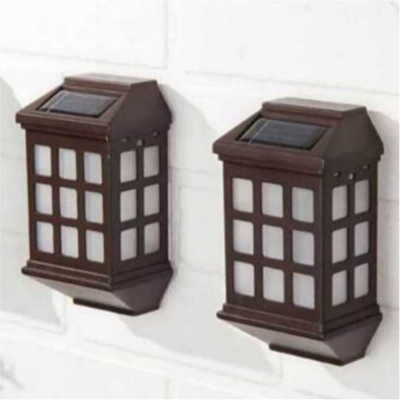
Wall-mounted Solar Lights
Wall-mounted Solar Lights are designed for practical outdoor illumination on exterior walls, entrances, and garages. They provide focused lighting for security and visibility while maintaining a clean, modern look. Built with durable, weather-resistant materials, they perform reliably in various conditions. Easy installation and low maintenance make them ideal for residential and commercial use. For B2B buyers, this category offers stable demand, functional value, and flexibility in brightness, sensor options, and design styles.

Metal Art Solar Wall Decor
Metal Art Solar Wall Decor combines lighting with artistic wall decoration. Made from iron or steel, these pieces feature intricate patterns or themed designs that create decorative light effects at night. They focus more on visual appeal than strong illumination, making them ideal for patios, fences, and garden walls. Anti-rust coatings ensure durability outdoors. This category is well-suited for higher-end markets, offering strong differentiation through design and customization.
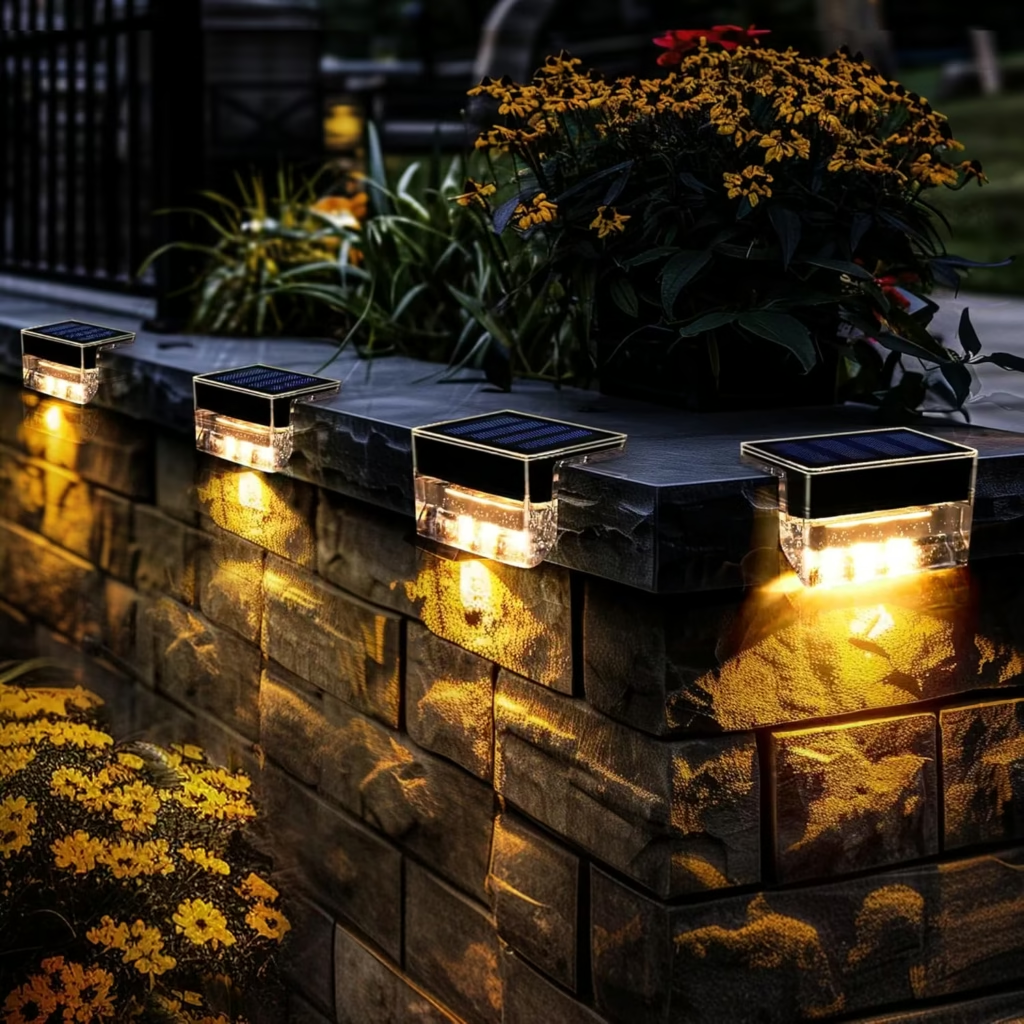
Fence Solar Lights
Fence Solar Lights are compact fixtures designed to be mounted directly on fences, railings, or posts. They provide subtle ambient lighting to define outdoor boundaries and enhance nighttime visibility. Typically lightweight and easy to install, they are perfect for quick upgrades in residential spaces. Their simple structure allows for cost-effective production, making them ideal for large-volume sales. For buyers, they offer a balance of function, affordability, and consistent demand.
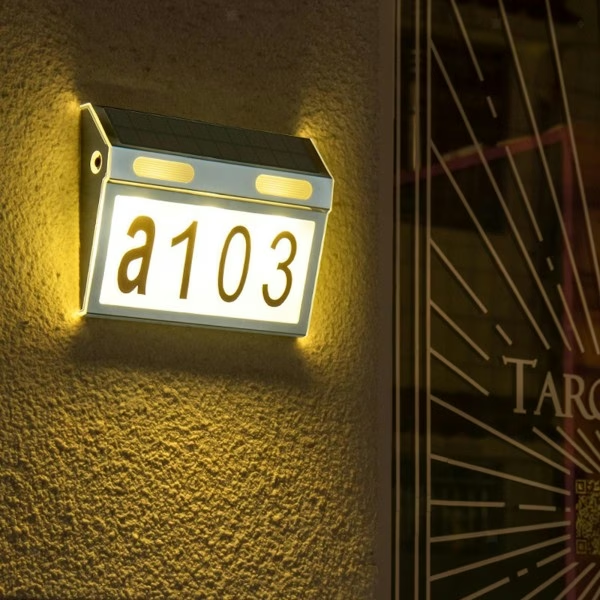
House Number Solar Lights
House Number Solar Lights combine address visibility with practical lighting. Featuring illuminated numbers, they make homes easier to locate at night, improving convenience and safety. Designed for outdoor durability, they often include high-contrast displays and long-lasting LEDs. This product serves both functional and regulatory needs in many markets. For B2B buyers, it offers clear value, easy customization of numbers or styles, and strong appeal in residential applications.
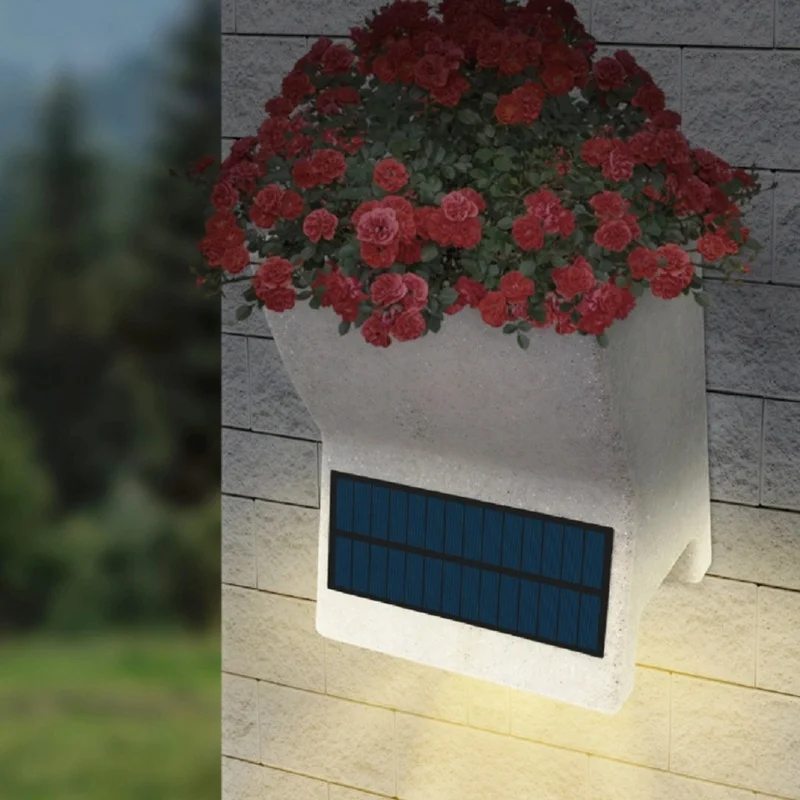
Planter & Flower Holder Solar Light
Planter & Flower Holder Solar Light integrates lighting with garden decoration. Combining a plant holder with built-in solar illumination, it enhances both daytime greenery and nighttime ambiance. These products are often designed with decorative frames or stands, adding structure and style to outdoor spaces. Made from weather-resistant materials, they support long-term use. Compared to standard lights, they offer added lifestyle value, making them attractive for decorative and gift-oriented markets.
Best Solar Wall & Fence Lights Display
Create an impactful display for solar wall and fence lights by showcasing both functionality and real-life application. A well-structured setup highlights key features such as brightness, motion sensors, and installation on walls, fences, or railings. Using layered arrangements and warm lighting effects helps simulate actual outdoor environments like patios or garden boundaries. For retailers and wholesalers, an effective display improves product understanding, enhances perceived value, and encourages customers to visualize how these lights fit into their own spaces, ultimately driving stronger purchase decisions.
LEARNING CENTER
Know more about the Solar Lantern & Hanging Lights’ knowledge base at Glowyard's Innovation.
Meet Our Team
Custom Lighting Effect for your Business
Create unique lighting effects that match your brand positioning and market demand. From warm ambient glow to dynamic decorative lighting, we help you turn standard replacement tops into high-value, differentiated products.
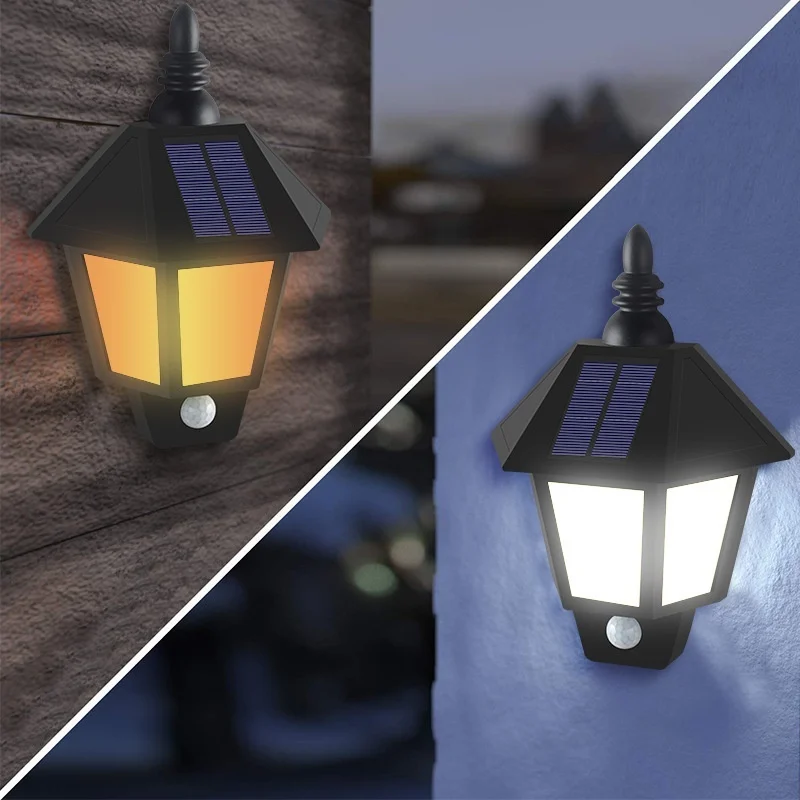
Light Color Customization
Warm white, cool white, RGB, or seasonal colors for different markets.
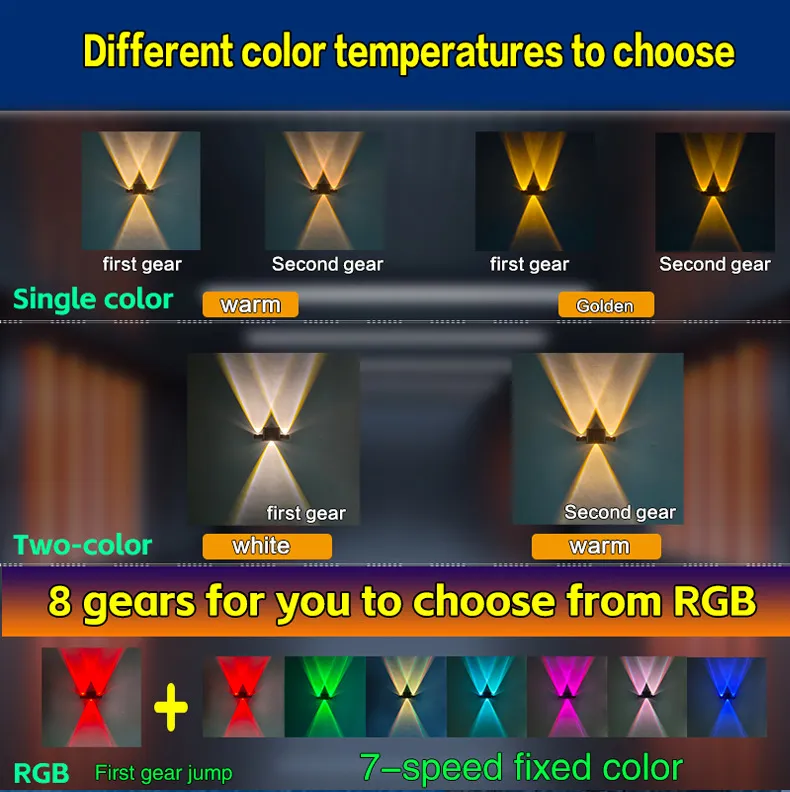
Lighting Modes
Steady on, flickering flame, breathing light, or color-changing effects.
Wanna Customize Your Outdoor Lighting?
Glowyard Lighting Are here to help!
Let’s Know More About Solar Wall & Fence Lights
Buyer Guide of Bulk Purchase Solar Wall & Fence Lights
Solar wall and fence lights are widely used in residential gardens, patios, fences, and outdoor boundaries. These lights provide practical illumination for safety and visibility while also enhancing the atmosphere of outdoor spaces. Because they are easy to install and do not require electrical wiring, they are popular products in garden centers, home improvement stores, and online retail platforms.
For wholesalers and distributors planning to source solar wall and fence lights in bulk, understanding the product structure, quality factors, and supply chain considerations can help reduce sourcing risks and improve long-term product performance.
1. Understand the Product Structure
Most solar wall and fence lights share a similar basic structure. Understanding these components can help buyers evaluate product quality more effectively.
Solar Panel
The solar panel collects sunlight during the day and converts it into electricity. Panel size and efficiency directly affect charging performance.
Rechargeable Battery
The battery stores solar energy and powers the light at night. Ni-MH batteries are commonly used in decorative solar lights, while some higher-capacity models may use lithium batteries.
LED Light Source
LEDs provide the illumination. Common options include warm white, cool white, or color-changing LEDs depending on the intended application.
Housing and Mounting Structure
The outer casing protects internal components and allows the light to be mounted securely on fences, walls, or posts.
Understanding these core elements helps buyers compare products from different suppliers.
2. Evaluate Material and Weather Resistance
Since solar wall and fence lights are installed outdoors, durability is an important consideration.
Common materials include:
-
ABS plastic – lightweight and cost-effective
-
Metal (iron or stainless steel) – more decorative and durable
-
Combination structures – plastic housing with metal decorative elements
Buyers should also evaluate:
-
UV resistance of plastic components
-
Anti-rust coatings for metal parts
-
Water resistance ratings (commonly IP44 or higher)
In regions with heavy rain, snow, or coastal humidity, stronger weather protection is especially important.
3. Check Solar Charging Performance
Solar lighting performance depends largely on the efficiency of its charging and energy storage system.
Key factors to review include:
Solar Panel Size
Larger panels generally collect more energy during the day.
Battery Capacity
Battery capacity affects how long the light can operate at night.
Lighting Duration
A typical solar wall light should operate approximately 6–10 hours after a full day of charging under normal sunlight conditions.
Light Sensors
Most models include automatic dusk-to-dawn sensors that turn the light on at night and off during daylight.
Buyers may want to test samples under real outdoor conditions before committing to large orders.
4. Consider Installation Design
One advantage of solar wall and fence lights is their simple installation.
Common mounting methods include:
-
Screw-mounted installation
-
Fence panel mounting
-
Post-top or deck rail mounting
For retail markets, products that are easy for end users to install without professional tools often perform better. Buyers may also want to check whether mounting hardware is included in the packaging.
5. Assess Design and Market Positioning
Solar wall and fence lights are available in a wide variety of styles, ranging from functional lighting to decorative garden fixtures.
Popular design styles include:
-
Modern minimalist wall lights
-
Vintage lantern-style fixtures
-
Fence cap solar lights
-
Decorative garden wall lights
Different markets may prefer different design styles. For example, modern architectural designs may perform better in urban markets, while decorative lantern styles may appeal more to garden décor retailers.
Buyers sourcing large quantities may consider working with suppliers that support design customization or private labeling.
6. Review Packaging and Logistics
Proper packaging is essential for protecting products during international shipping and distribution.
Buyers should confirm:
-
Protective packaging materials to prevent damage
-
Clear product instructions for end users
-
Carton sizes optimized for shipping efficiency
-
Compliance with drop-test standards if products will be sold through e-commerce channels
Efficient packaging can also help reduce freight costs when shipping large volumes.
7. Verify Certifications and Compliance
Depending on the target market, solar lighting products may require certain compliance documents.
Common certifications include:
-
CE (European market)
-
RoHS compliance
-
FCC (United States market)
While requirements vary by region, having proper documentation can simplify customs clearance and reduce regulatory risks.
8. Evaluate Supplier Reliability
Product quality alone is not the only factor in successful wholesale purchasing. Supplier reliability is equally important.
Buyers often consider:
-
Manufacturing experience
-
Production capacity
-
Quality control processes
-
Delivery timelines
-
Communication efficiency
Requesting product samples, reviewing factory information, and discussing production schedules can help verify supplier capabilities.
9. Start with Sample Testing
Before placing large wholesale orders, it is generally recommended to test product samples.
Typical evaluation steps include:
-
Test solar charging and lighting duration
-
Inspect product materials and finishing
-
Check installation stability
-
Evaluate packaging protection during shipping
Sample testing helps ensure that the product meets both technical expectations and market requirements.
Conclusion
Wholesale solar wall and fence lights remain a popular category in outdoor lighting due to their easy installation, energy efficiency, and versatility. They are widely used in residential gardens, fences, patios, and entryways, making them attractive products for retailers and distributors.
For B2B buyers, successful sourcing depends on evaluating product materials, solar performance, design appeal, packaging quality, and supplier reliability. By carefully testing samples and verifying product specifications before placing bulk orders, buyers can reduce sourcing risks and ensure consistent product quality for their customers.
Send Us Inquiry