











2026 lastest Full Product Catalogue
Please Click the button, after Filling in your Email and information, the file will be send within 24 hours .
-
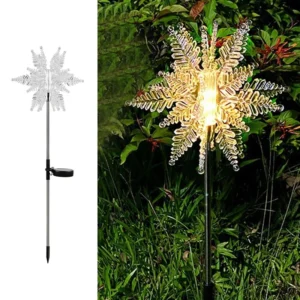 Christmas Decorations
SM221443 Snowflake Solar LED Stake Light
-
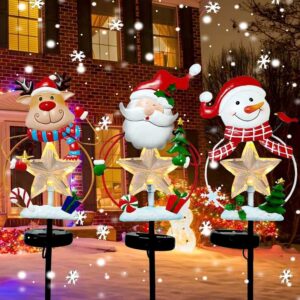 Candy Cane Solar Lights
SM23264 Christmas Solar Metal Stake Decor (Star/Snowflake/Reindeer/Santa/Candy Cane)
-
 Christmas Solar Lights
SM24607 Christmas Solar Stake Light Resin Statue – Snowflake Snowman
-
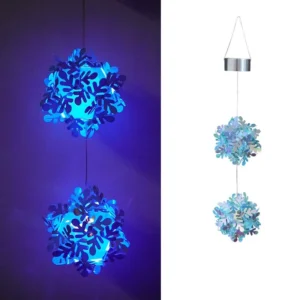 Christmas Solar Lights
SM251375 PP, S/S201 Solar Colorful Floating Snowflake Light
-
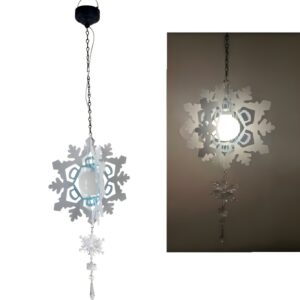 Christmas Decorations
SM251418 Solar-Powered Snowflake Hanging Chandelier
-
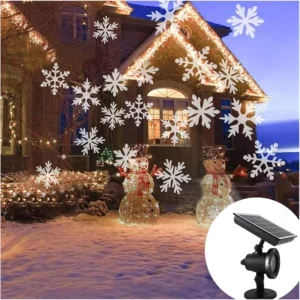 Christmas Solar Lights
SM25277 ABS Plastic Solar-Powered Christmas Snowflake Projector Wall Light
-
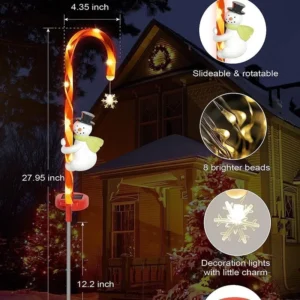 Candy Cane Solar Lights
SM25700 Christmas Candy Cane Solar Stake Light with Snowman Decoration
-
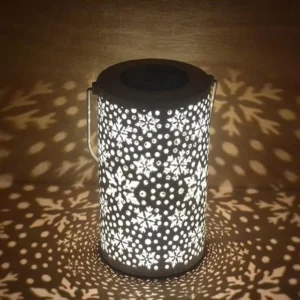 Christmas Solar Lights
SM24673 Metal-Iron White Snowflake Hollow-Out Hanging Solar Lantern
Wholesale Snowflake Solar Lights: Complete B2B Buyer Guide
If you’re sourcing wholesale snowflake solar lights for garden centers, holiday decoration retailers, seasonal display distributors, or gift shop inventory, this guide will help you evaluate designs, materials, certifications, and factory capabilities before placing bulk orders. Snowflake solar lights combine winter-themed decorative aesthetics with energy-efficient solar technology, creating magical illuminated displays for holiday seasons and winter celebrations. These products appeal to wholesalers, retailers, distributors, importers, and commercial buyers who serve customers seeking festive outdoor decorations, winter wedding accents, and seasonal landscape lighting. When buying in bulk, key considerations include snowflake design intricacy and visual appeal, material durability for cold weather exposure, LED color options and effects, solar panel performance in winter conditions, quality control for delicate structures, customization options for different sizes and styles, packaging protection for intricate designs, lead time management for holiday season delivery, and supplier compliance with target market regulations. This guide covers everything from design variations and manufacturing processes to OEM/ODM customization, helping you make informed decisions that balance cost, quality, and seasonal market demand.
Category Summary
Wholesale snowflake solar lights feature illuminated snowflake designs in various forms including hanging ornaments, stake lights, string lights, and projection lights. Bulk buyers typically source acrylic snowflake stakes, metal wire frame designs, LED snowflake strings, and rotating projection models. Key purchasing considerations include snowflake design authenticity and detail, material weather resistance for winter conditions, LED color options (cool white, warm white, color-changing), solar panel cold-weather performance, battery capacity for long winter nights, and seasonal timing for holiday delivery. This category attracts holiday decoration retailers, seasonal display companies, gift shop distributors, and event decorators who need inventory timed for winter holiday sales. Quality bulk snowflake solar lights must deliver attractive winter aesthetics, reliable operation in cold temperatures, weather resistance for winter precipitation (IP44-IP65), and adequate solar charging during short winter daylight hours to maximize customer satisfaction in this highly seasonal, holiday-focused market segment.
What Will You Learn in This Guide?
- What Are Wholesale Snowflake Solar Lights and Why Are They Popular in Wholesale Markets?
- What Types and Designs Sell Best for Bulk Orders?
- What Materials and Manufacturing Processes Are Used?
- What Quality Standards and Certifications Matter for Wholesale Buyers?
- What Is the Market Demand and Customer Preferences?
- What Are the Common Applications?
- What OEM/ODM Customization Options Are Available?
- How to Source Wholesale Snowflake Solar Lights from China Manufacturers?
- What Mistakes Can Cost You Money When Buying in Bulk?
- Who Is Glowyard Lighting and What Do We Offer?
- Frequently Asked Questions
What Are Wholesale Snowflake Solar Lights and Why Are They Popular in Wholesale Markets?
Wholesale snowflake solar lights are decorative outdoor lighting fixtures featuring snowflake-shaped designs or snowflake projection patterns, powered by integrated solar panels that charge internal batteries during daylight and automatically illuminate after dark. These products range from simple acrylic snowflake stakes for garden beds to elaborate rotating projection lights that cast snowflake patterns across surfaces. The snowflake theme creates winter wonderland aesthetics suitable for holiday decorating, winter events, and seasonal landscape displays.
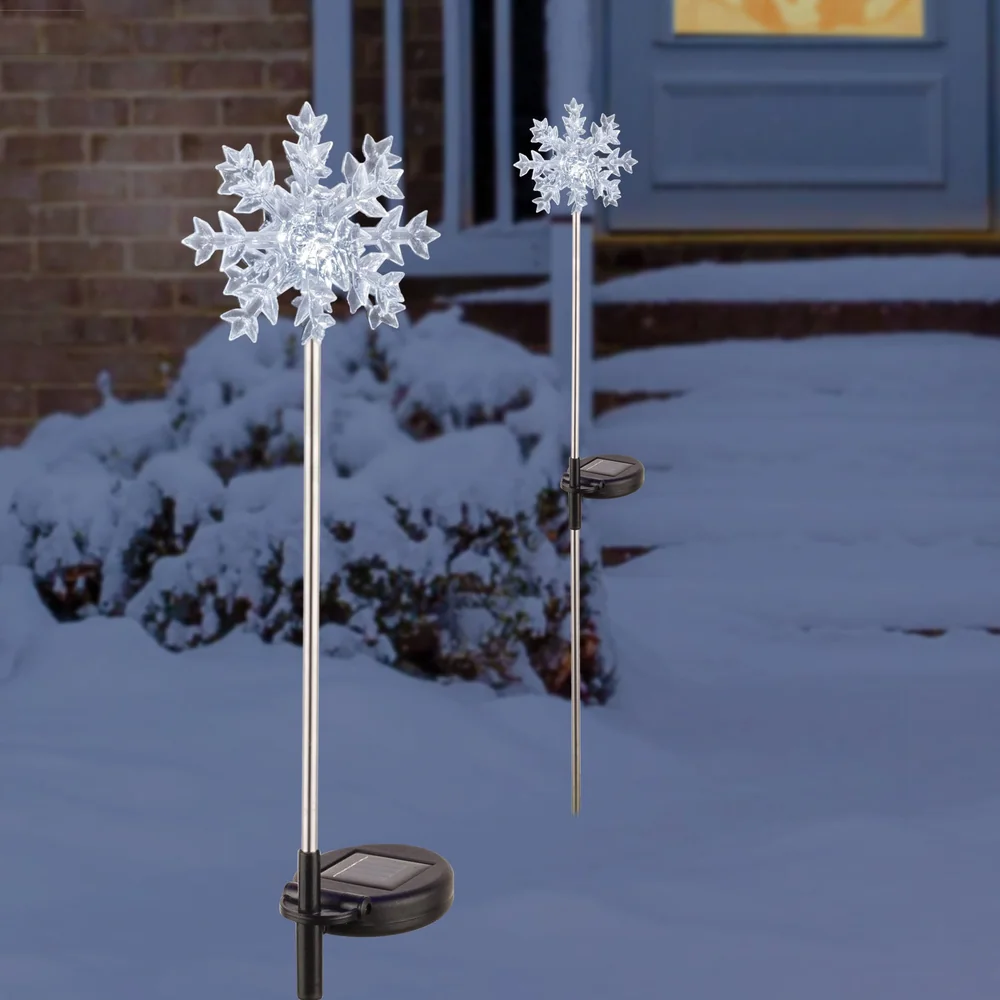
The wholesale market for snowflake solar lights has grown significantly due to several converging factors. First, the products’ strong seasonal and holiday associations create concentrated demand periods that allow retailers to generate substantial sales volume during winter months without year-round inventory carrying costs. The winter holiday season (November-January in Northern Hemisphere) represents the peak retail period, with customers seeking festive outdoor decorations to complement indoor holiday displays. This concentrated demand supports premium seasonal pricing and strong profit margins.
Second, snowflake designs carry universal winter appeal that transcends specific holidays. Unlike Christmas-specific decorations (Santa, reindeer, nativity scenes), snowflakes suit general winter decorating, New Year celebrations, winter weddings, and non-denominational holiday displays. This broader appeal expands the potential customer base beyond Christmas-focused shoppers to include anyone seeking winter-themed decorations. The neutral symbolism makes snowflake lights appropriate for commercial displays, municipal decorations, and diverse cultural celebrations.
For wholesalers and distributors, snowflake solar lights offer several business advantages. The highly seasonal nature creates clear ordering and sales cyclesorders placed in summer for fall delivery, peak sales November-December, clearance in January. The solar-powered feature eliminates installation complexity that might deter customers from purchasing wired holiday decorations, expanding the addressable market to include customers without outdoor electrical access or those seeking easy-to-install seasonal displays. The category appeals to multiple retail channels including garden centers, holiday decoration specialty stores, gift shops, and home improvement retailers.
Manufacturing advances have significantly improved product quality and market viability. Modern wholesale snowflake solar lights feature intricate designs with fine details, durable materials that withstand winter weather including snow and ice, efficient LED technology that creates attractive illumination effects, and improved battery chemistry that maintains performance in cold temperatures. Quality manufacturers use UV-stabilized materials, proper sealing for winter precipitation, and adequate solar panel sizing to ensure reliable charging during winter’s shorter daylight hours and frequent cloudy conditions.
What Types and Designs Sell Best for Bulk Orders?
The wholesale snowflake solar lights market segments into several distinct product categories based on design style, installation method, and lighting effects. Understanding these variations helps buyers select inventory that maximizes sell-through rates during the critical holiday selling season.
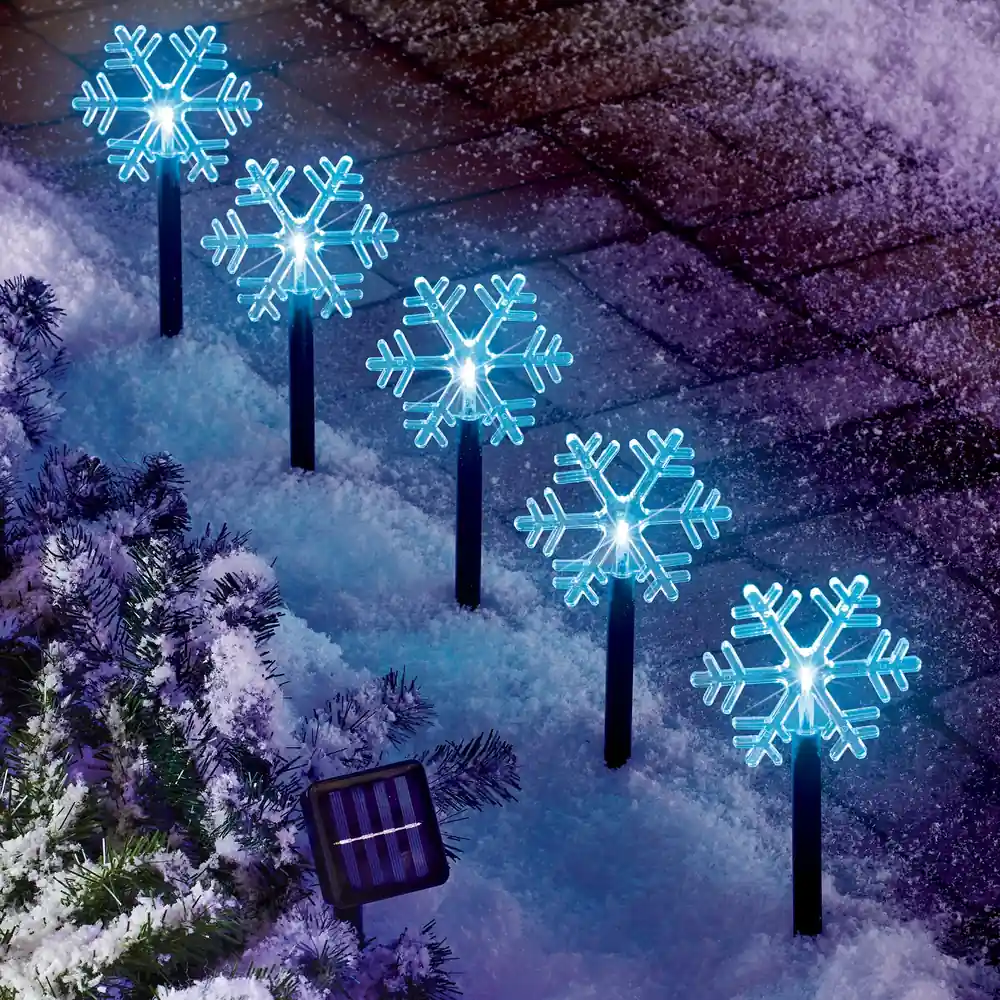
Acrylic Snowflake Stake Lights represent the best-selling category for garden and landscape applications. These products feature laser-cut or molded acrylic snowflakes in various sizes (typically 6-12 inches diameter) mounted on stakes for insertion into garden beds, borders, or snow. The acrylic material diffuses LED light evenly, creating attractive glowing snowflake effects. Quality acrylic stakes use thick, clear acrylic (minimum 3-4mm) with precise snowflake patterns, durable stakes (metal or reinforced plastic), and proper LED positioning for even illumination. This category appeals broadly across customer segments and suits both residential and commercial landscape applications. Retailers targeting garden centers and holiday decoration stores should prioritize acrylic stake designs in multiple sizes.
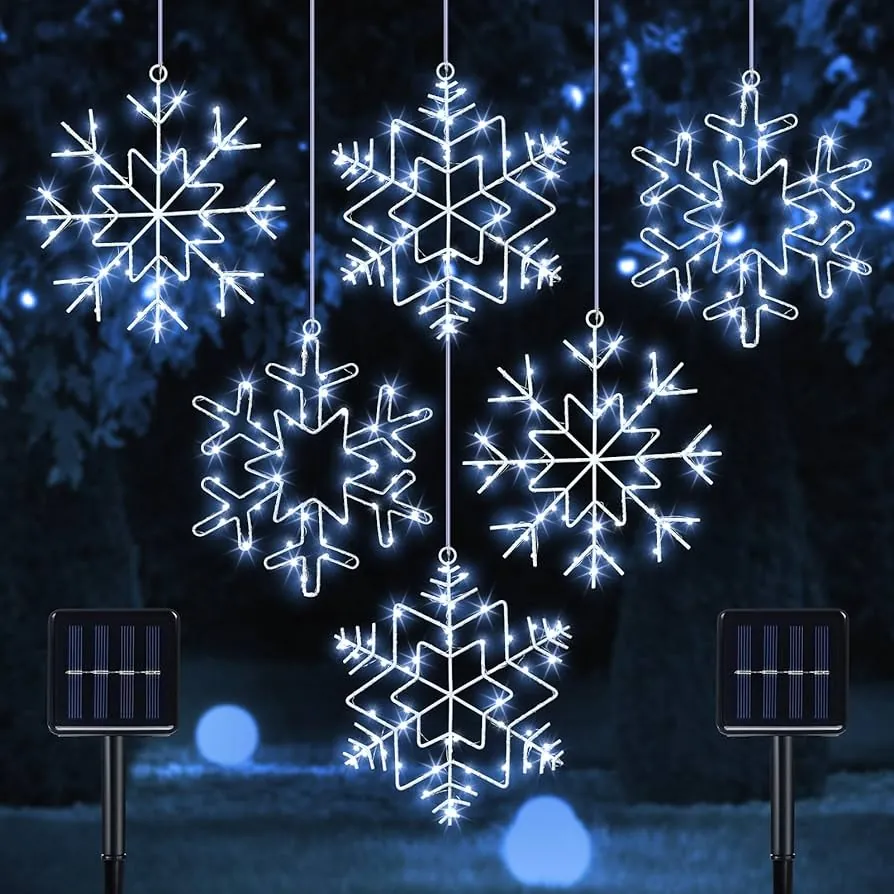
Metal Wire Frame Snowflakes feature three-dimensional snowflake structures created from metal wire (typically aluminum or steel) wrapped with LED string lights or featuring LED nodes at intersection points. These products create elegant, sparkly effects and suit both hanging and stake-mounted applications. Sizes range from small (8-12 inches) to large statement pieces (24-36 inches). Quality wire frame snowflakes use corrosion-resistant wire, secure LED attachment, proper wire gauge for structural integrity, and weather-sealed LED connections. This category commands premium pricing and appeals to customers seeking sophisticated holiday decorations. The three-dimensional structure creates attractive daytime visual interest in addition to nighttime illumination.
Snowflake String Lights feature multiple small snowflake ornaments (typically 10-30 snowflakes) connected along flexible wire or cord, powered by a central solar panel. These products suit versatile applications including fence decoration, railing wrapping, tree draping, and overhead stringing. Snowflake ornaments may be acrylic, metal, or plastic, with sizes typically 2-4 inches. String light configurations appeal to customers seeking flexible seasonal decorations that can be repositioned easily and stored compactly. This segment suits gift market and impulse purchase price points while providing substantial visual impact through multiple illuminated snowflakes.
Rotating Projection Snowflake Lights use rotating lenses or patterns to project moving snowflake images across surfaces including house facades, garage doors, and landscape features. These products create dynamic winter wonderland effects and have gained significant market share in recent years. Quality projection lights use bright LEDs (typically 3-5 watts), clear projection patterns, smooth rotation mechanisms, and adequate projection distance (20-40 feet). This category commands premium pricing and appeals to customers seeking dramatic holiday displays with minimal installation effort. The projection effect creates large-scale visual impact from compact devices.
Hanging Snowflake Ornaments feature individual illuminated snowflakes designed for hanging from tree branches, shepherd hooks, pergolas, or indoor/outdoor display. These products range from simple flat acrylic designs to elaborate three-dimensional crystal-style snowflakes. Sizes typically range from 4-8 inches diameter. Quality hanging ornaments include durable hanging hardware, weather-sealed electronics, and attractive designs that provide visual interest in both daylight and illuminated conditions. This category suits gift market positioning and appeals to customers seeking elegant winter accents.
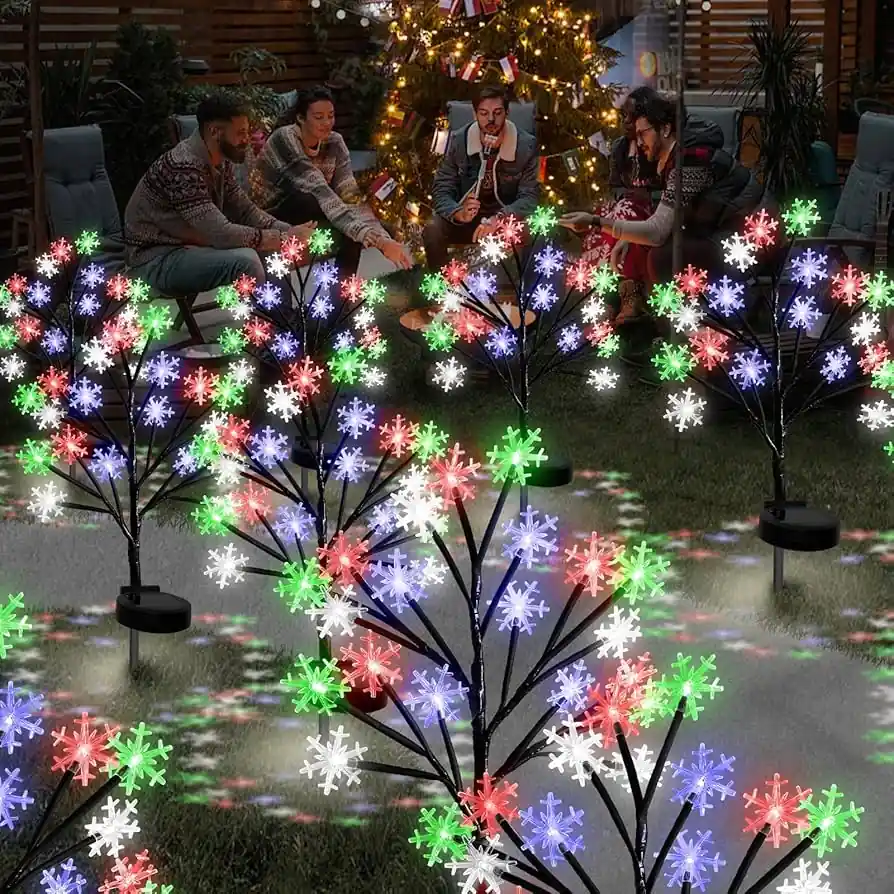
Color-Changing and Multi-Color Snowflakes incorporate RGB LED technology, allowing color cycling or user-selected colors. While traditional cool white LEDs dominate snowflake light sales (matching natural snow and ice aesthetics), color-changing options appeal to customers seeking versatility or coordinating with other holiday decorations. Some designs feature warm white for ambient lighting plus cool white or blue for snowflake effect. Quality concerns include color consistency and remote control reliabilityverify these aspects before committing to bulk orders.
Category-Specific Buyer Notes for Snowflake Solar Lights
When sourcing wholesale snowflake solar lights, several category-specific factors differentiate successful bulk purchases from problematic ones. First, cold-weather battery performance critically affects customer satisfaction. Winter use means batteries must perform in temperatures that may drop below freezing. Lithium batteries maintain better cold-weather performance than older NiMH technology, but even lithium batteries experience reduced capacity in extreme cold. Specify batteries rated for cold-weather operation and consider larger capacity batteries (1200-1800mAh minimum) to compensate for cold-weather capacity reduction. Test samples in actual cold conditions before committing to bulk orders.
Second, solar panel sizing and positioning must account for winter’s shorter daylight hours and frequent cloudy conditions. Winter solar charging presents significant challengesdaylight hours may be 8-10 hours versus 14-16 hours in summer, sun angles are lower reducing panel efficiency, and cloudy winter weather further reduces charging. Specify minimum 1.5-2 watt monocrystalline panels for reliable winter charging. Separate panels connected by cables allow optimal positioning (south-facing, unshaded) while snowflake lights install in desired decorative locations.
Third, material durability for winter precipitation matters significantly. Snowflake lights must withstand not just rain but also snow accumulation, ice formation, and freeze-thaw cycles. Acrylic components should use adequate thickness (3-4mm minimum) to prevent cracking from ice expansion. Metal components require proper corrosion protection as winter salt and moisture accelerate corrosion. All electronic connections need proper sealingwater intrusion followed by freezing can cause catastrophic failures. Verify IP ratings (minimum IP44, preferably IP65) and request freeze-thaw cycle testing results.
Fourth, LED color temperature significantly impacts winter aesthetics. Cool white LEDs (5000-6500K) create icy, crystalline effects that match natural snow and winter themes. Warm white LEDs (2700-3000K) provide cozy ambiance but may not suit snowflake themes as effectively. Blue-tinted LEDs create dramatic ice-blue effects popular for winter displays. Consider stocking multiple color temperature options to match different customer preferences and decorating themes.
What Materials and Manufacturing Processes Are Used?
Understanding the materials and manufacturing processes behind snowflake solar lights helps wholesale buyers evaluate quality, predict longevity, and assess fair pricing. The primary components include the snowflake structure, LED modules, solar panel, battery, and control circuitry, each requiring specific manufacturing expertise for winter-weather durability.
Acrylic Snowflake Manufacturing: Quality snowflake lights use cast acrylic (PMMA – polymethyl methacrylate) rather than extruded acrylic for superior optical clarity and weather resistance. Manufacturing processes include laser cutting for precise snowflake patterns, CNC routing for complex shapes, or injection molding for mass production. Laser cutting provides the finest detail and sharpest edges but costs more per unit. Injection molding offers lower per-unit costs for high volumes but requires significant tooling investment. Acrylic thickness critically affects durabilityminimum 3mm for small snowflakes (under 8 inches), 4-5mm for larger designs. Thicker acrylic resists cracking from ice expansion and impact damage but increases material costs and weight.
Edge finishing affects both aesthetics and light diffusion. Polished edges create clear, sparkling effects, while frosted edges provide softer light diffusion. Some manufacturers apply edge coatings or treatments to enhance light distribution. Verify that acrylic includes UV stabilizers to prevent yellowing and brittleness from sun exposurequality acrylic maintains clarity for 5+ years outdoors.
Metal Wire Frame Construction: Wire frame snowflakes use aluminum wire (lightweight, corrosion-resistant) or steel wire (stronger, requires coating). Wire gauge affects both structural integrity and visual delicacythicker wire (12-14 gauge) provides better durability, thinner wire (16-18 gauge) creates more delicate aesthetics. Manufacturing involves wire bending using jigs or CNC wire forming equipment, welding or soldering at intersection points, and surface finishing (powder coating, anodizing, or plating). Quality wire frames use proper joint constructionwelded or soldered joints provide better durability than twisted wire connections.
LED integration methods varysome designs wrap LED string lights around wire frames, while others use LED nodes at intersection points. String light wrapping provides more illumination points but requires secure attachment to prevent sagging. LED nodes create cleaner aesthetics but provide less overall illumination. Verify that all LED connections include proper weather sealing and strain relief to prevent wire fatigue failures.
Plastic Component Manufacturing: Budget snowflake lights may use injection-molded plastic for snowflake structures. Quality plastic snowflakes use UV-stabilized polycarbonate or ABS with adequate wall thickness (2-3mm minimum). Plastic offers lighter weight and lower costs than acrylic but may appear less premium and can become brittle in extreme cold. Verify that plastic formulations include cold-weather impact modifiers and UV stabilizers. For detailed plastic manufacturing information, see how a professional factory manufactures plastic solar lights.
LED Technology and Color Temperature: Snowflake lights typically use SMD LEDs (surface-mount device) for compact size and efficient light output. Cool white LEDs (5000-6500K) dominate snowflake applications, creating icy, crystalline effects. Some designs use blue-tinted LEDs (7000-10000K) for dramatic ice-blue effects. Quality snowflake lights use branded LED chips with consistent color temperature and good lumen maintenance. LED placement affects light distributioncentral placement creates focused illumination, multiple LEDs provide even distribution, and edge-mounted LEDs create rim-lighting effects.
Solar Panel and Battery Systems: Snowflake lights require adequate solar panels and batteries to compensate for winter’s challenging charging conditions. Minimum specifications should include 1.5-2 watt monocrystalline panels for better low-light performance and 1200-1800mAh lithium batteries rated for cold-weather operation. Panel positioning critically affects winter chargingseparate panels connected by cables allow optimal south-facing positioning while snowflake lights install in desired decorative locations. Battery chemistry matters for cold-weather performancelithium iron phosphate (LiFePO4) maintains better capacity in cold temperatures than standard lithium-ion, though at higher cost.
Weather Sealing and Protection: Winter weather presents unique sealing challenges. Products must resist not just water intrusion but also ice formation and freeze-thaw cycles. Quality snowflake lights use silicone gaskets, rubber O-rings, or proper sealant application at all electronic access points. Battery compartments should include drainage holes to prevent water accumulation that could freeze and crack housings. Verify that all electronic connections use waterproof connectors or proper heat-shrink sealing. Request freeze-thaw cycle testing results showing products maintain sealing integrity after repeated freezing and thawing.
What Quality Standards and Certifications Matter for Wholesale Buyers?
For wholesale buyers, proper certifications and quality standards serve multiple purposes: ensuring product safety, meeting import requirements, reducing liability exposure, and building customer confidence. Snowflake solar lights require particular attention to cold-weather performance and winter weather resistance.


IP Waterproof Ratings: Snowflake solar lights must withstand winter precipitation including rain, snow, and ice. IP (Ingress Protection) ratings indicate protection levelsminimum acceptable ratings are IP44 (protected against water splashing) for covered patio use, or IP65 (dust-tight, protected against water jets) for general outdoor exposure including snow accumulation. Verify that IP ratings apply to the entire assembled unit including all sealing points. Quality factories conduct spray chamber testing and freeze-thaw cycle testing to verify sealing integrity under winter conditions. For detailed IP rating explanations, see garden light waterproof ratings guide.
Cold Weather Performance Testing: Unlike products used primarily in warm weather, snowflake lights require verification of cold-weather operation. Request information about cold-weather testing including battery performance at low temperatures (typically tested at 0C to -10C), solar panel charging efficiency in winter conditions, LED performance in cold temperatures, and material integrity after freeze-thaw cycles. Quality manufacturers conduct environmental chamber testing simulating winter conditions and can provide test reports showing acceptable performance.
CE Certification: Required for products sold in European markets, CE marking indicates compliance with EU safety, health, and environmental protection standards. For snowflake solar lights, relevant directives include the Low Voltage Directive (LVD), Electromagnetic Compatibility (EMC) Directive, and RoHS (Restriction of Hazardous Substances). CE certification requires testing by accredited laboratories and proper technical documentation. Learn more about why CE certification matters.
RoHS Compliance: The Restriction of Hazardous Substances directive limits the use of specific hazardous materials in electrical and electronic equipment. RoHS compliance is mandatory for EU markets and increasingly required by other regions. For comprehensive RoHS information, reference solar garden light RoHS certification guide.
Material Safety and Durability: Acrylic and plastic components should meet relevant material safety standards. For products marketed for both indoor and outdoor use, verify that materials meet fire safety standards and don’t emit harmful substances. Request material safety data sheets (MSDS) for all plastic and acrylic components. For metal components, verify corrosion resistance through salt spray testing, particularly important for winter use when road salt exposure may occur.
For comprehensive guidance on export certifications, see what certifications are required for exporting solar garden lights. Buyers should also review Glowyard’s certificates to understand the documentation standards that professional manufacturers maintain.
What Is the Market Demand and Customer Preferences?
Understanding market demand patterns and customer preferences helps wholesale buyers optimize inventory selection, pricing strategies, and marketing approaches. The snowflake solar lights market exhibits highly concentrated seasonal demand requiring careful timing and inventory management.

Seasonal Demand Patterns: Snowflake solar lights show the most concentrated seasonal demand of any solar light category. Sales occur almost exclusively during winter holiday season (November-January in Northern Hemisphere), with peak demand in November-December. This extreme seasonality creates both opportunity and riskretailers can generate substantial sales during peak weeks, but unsold inventory after holiday season has minimal value until the following year. Wholesale buyers must plan ordering timelines carefully, placing orders 14-18 weeks before target retail availability to ensure delivery before holiday shopping season begins. Early orders (placed in summer) often secure better pricing than rush orders placed in fall.
Geographic Market Variations: Markets in cold-climate regions with snow and winter traditions show the strongest demand. Northern US states, Canada, Northern Europe, and mountainous regions demonstrate highest per-capita sales. These markets favor realistic snowflake designs and cold-weather-rated products. Warmer climate markets show more moderate demand, with customers using snowflake lights for general winter/holiday decorating rather than snow-themed displays. Understanding regional winter severity helps optimize product specificationscold-climate markets require verified cold-weather performance, while warm-climate markets may accept standard specifications.
Customer Segment Preferences: Residential customers seeking holiday decorations represent the primary market segment. These customers prioritize attractive aesthetics, easy installation, and value pricing. They typically purchase 4-12 units to create attractive groupings or pathway lighting. Commercial buyers (retail stores, hotels, municipalities) use snowflake lights for seasonal displays, requiring larger quantities, consistent quality, and professional appearance. Event decorators use snowflake lights for winter weddings, holiday parties, and seasonal events, valuing portable designs and attractive appearance in both daylight and illuminated conditions.
Design Preferences: Current market trends favor realistic snowflake patterns based on actual snow crystal structures rather than generic star shapes. Customers increasingly appreciate authentic six-pointed symmetry and intricate branch patterns. Cool white or ice-blue LED colors strongly preferred over warm white for snowflake applications, matching natural snow and ice aesthetics. Larger sizes (10-12 inches for stakes, 18-24 inches for statement pieces) command premium pricing and appeal to customers seeking focal point decorations. Three-dimensional designs create better daytime visual interest than flat designs.
Feature Preferences: Auto on/off functionality via light sensors is standard and expected. All-night operation capability (8-10 hours) critically affects customer satisfaction for holiday decorating. Some customers value timer functions allowing them to set specific operating hours to conserve battery power or coordinate with other holiday displays. Color-changing options appeal to some customers seeking versatility, though traditional cool white dominates sales. Easy installation without tools appeals to customers seeking quick seasonal decorating.
What Are the Common Applications?
Snowflake solar lights serve diverse applications across residential, commercial, and event sectors. Understanding these use cases helps wholesale buyers target appropriate customer segments and select product specifications that match application requirements.

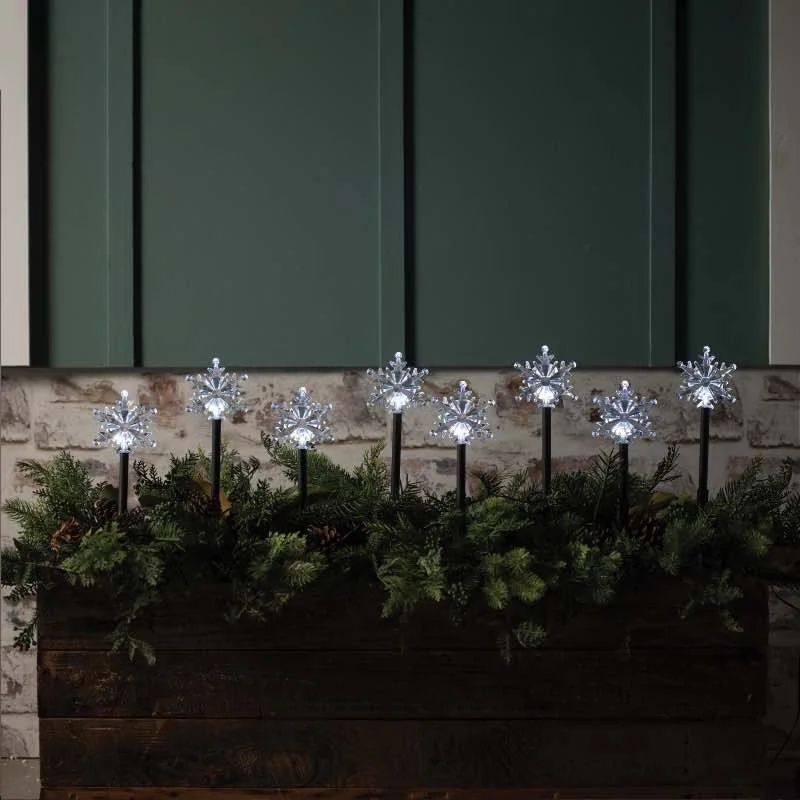
Holiday Pathway and Garden Lighting: The primary application involves homeowners using snowflake stake lights to illuminate pathways, driveways, and garden beds during winter holiday season. These installations typically use 6-12 lights to create winter wonderland effects. Customers value attractive snowflake designs, adequate brightness for pathway safety, and easy installation in frozen ground or snow. Retailers serving garden centers and holiday decoration stores should emphasize stake designs in multiple sizes suitable for pathway and garden applications.
Porch and Patio Holiday Decorating: Hanging snowflake ornaments and string lights decorate porches, patios, railings, and outdoor living spaces for holiday entertaining. This application values elegant designs, versatile hanging options, and attractive appearance at close viewing range. Customers typically purchase 4-8 hanging ornaments or 2-3 string light sets to create cohesive displays. Wholesale buyers targeting home decor stores and gift shops should stock decorative designs suitable for close-range viewing.
Tree and Landscape Accent Lighting: Customers hang snowflake lights from tree branches, wrap them around trunks, or position them to highlight landscape features during winter season. This application suits both hanging ornaments and string light configurations. Larger snowflakes (8-12 inches) create better visual impact in landscape settings. Customers may purchase 8-15 units to decorate medium-sized trees or landscape areas.
Commercial Holiday Displays: Retail stores, shopping centers, hotels, and restaurants use snowflake lights for seasonal window displays, entrance decorating, and outdoor holiday installations. Commercial applications demand consistent quality across larger quantities (20-50+ units), professional appearance, and durable construction for extended display periods. These buyers accept premium pricing for verified quality and responsive warranty support. Wholesale distributors targeting commercial accounts should emphasize consistency, durability, and professional aesthetics.
Winter Wedding and Event Decorating: Event decorators use snowflake lights for winter weddings, holiday parties, corporate events, and seasonal celebrations. Event applications value attractive appearance in both daylight and illuminated conditions, portability for easy setup and repositioning, and sufficient quantity availability for large installations. String lights and hanging ornaments particularly suit event decorating. Retailers can market to event rental companies, wedding planners, and party supply stores.
Municipal and Community Holiday Displays: Local governments, parks, and community organizations use snowflake lights for public holiday displays, park decorating, and community event lighting. These buyers prioritize durability, consistent performance across large quantities, and professional appearance. They typically purchase through bid processes requiring detailed specifications and certifications. Municipal buyers may require higher IP ratings and verified cold-weather performance for public installation applications.
What OEM/ODM Customization Options Are Available for Wholesale Snowflake Solar Lights?
Customization capabilities differentiate commodity snowflake solar light suppliers from value-added manufacturing partners. Understanding available OEM (Original Equipment Manufacturer) and ODM (Original Design Manufacturer) options helps wholesale buyers create differentiated products, build brand identity, and meet specific market requirements.
Snowflake Design Customization: For buyers seeking unique designs, ODM manufacturers can develop custom snowflake patterns based on specific snow crystal structures, artistic interpretations, or brand-specific designs. Options include custom snowflake patterns and sizes, three-dimensional versus flat designs, intricate detail levels, and incorporation of brand elements or logos. Development process involves design specification, pattern creation (laser cutting files or injection mold design), sample production, and client approval. Minimum order quantities for fully custom snowflake designs typically start at 1000-2000 units due to tooling investment. Development timelines range from 6-10 weeks depending on complexity.
Material and Finish Customization: Most manufacturers offer custom material selections and finishes. Options include acrylic thickness and clarity grades, custom tints or colors for acrylic, metal wire finishes (powder coating colors, plating options), and surface treatments (frosted, glittered, iridescent). For acrylic snowflakes, buyers can specify edge finishing (polished, frosted, beveled) to achieve desired light diffusion effects. Minimum order quantities for custom materials typically start at 500-1000 units. Allow 3-4 weeks for material sourcing and sample approval.
LED Color and Effect Customization: Standard options include cool white, warm white, ice-blue, or RGB color-changing LEDs. Custom options include specific color temperatures optimized for winter aesthetics, programmed color-changing sequences, twinkling or fading effects, and adjustable brightness levels. Some manufacturers can develop custom lighting effects synchronized across multiple units for coordinated displays. Advanced features require careful programming and testing. Minimum order quantities for custom LED features typically start at 1000-2000 units.
Solar Panel and Battery Configuration: Panel wattage, type (monocrystalline vs. polycrystalline), and positioning can be customized to match winter performance requirements. For cold-climate markets, specify higher-efficiency monocrystalline panels (minimum 1.5-2 watts) and cold-weather-rated lithium batteries with larger capacities (1500-2000mAh) to ensure reliable winter operation. Cable length between solar panels and snowflake lights can be customized (typically 3-5 meters standard, up to 10 meters available) for optimal panel positioning.
Packaging and Holiday Branding: Custom packaging design is particularly important for seasonal holiday products. Options include custom holiday-themed packaging with winter graphics, gift box packaging with premium finishes, multi-unit gift sets for larger coverage areas, and seasonal marketing messaging. Documentation customization includes branded user manuals, winter installation tips, storage recommendations for off-season, and warranty information. Quality manufacturers provide packaging design services and can source sustainable packaging materials for environmentally conscious brands.
For comprehensive information about customization processes and capabilities, review Glowyard’s OEM solutions, which detail the full range of customization options available from professional manufacturers.
How to Source Wholesale Snowflake Solar Lights from China Manufacturers and Suppliers?
Sourcing quality wholesale snowflake solar lights from China requires systematic supplier evaluation, clear communication about seasonal timing requirements, and rigorous quality control processes to verify cold-weather performance.

Supplier Identification and Seasonal Planning: Begin supplier identification 18-22 weeks before target retail availability to account for development, production, and shipping timelines for holiday season delivery. Identify potential snowflake solar lights manufacturers through trade platforms, industry exhibitions (particularly holiday decoration shows), and referrals. Initial screening should verify business registration, manufacturing capabilities specific to seasonal decorative lighting, cold-weather testing capabilities, and export experience. Request company profiles including production capacity, quality certifications, and major export markets. Verify that suppliers operate actual manufacturing facilities with acrylic processing or wire forming capabilities rather than acting solely as trading companies.
Sample Evaluation and Cold-Weather Testing: Request samples of specific designs you’re considering, paying particular attention to snowflake pattern quality and detail, material thickness and clarity, LED color temperature and brightness, and build quality. Test samples outdoors in actual winter conditions if possible, or conduct cold-temperature testing in refrigerated environments to verify battery performance, LED operation, and material integrity in cold temperatures. Evaluate solar charging performance during winter conditions (shorter daylight, lower sun angles, cloudy weather). Compare samples from multiple suppliers to understand quality variations and pricing relationships.
Factory Audits and Quality Control Assessment: For significant volume commitments, conduct factory audits to evaluate acrylic processing or wire forming capabilities, LED assembly processes, testing equipment and protocols, and quality control procedures. Quality snowflake solar lights factories should demonstrate incoming quality control (IQC) on materials and components, in-process quality control (IPQC) during assembly, and outgoing quality control (OQC) including waterproof testing, cold-weather testing, and visual inspection. Ask about their experience with seasonal products and their capacity to handle concentrated production periods for holiday season delivery. Glowyard Lighting maintains comprehensive quality control processes including IQC, IPQC, and OQC protocols, with detailed inspection reports and cold-weather testing provided to wholesale buyers.
Pricing Negotiation and Seasonal Terms: Understand that pricing varies based on design complexity, material quality, order quantity, and production timing. Request detailed quotations specifying all costs including unit price, tooling fees (if applicable), packaging costs, and shipping terms. For seasonal products, negotiate payment terms that account for long lead timestypical terms include 30% deposit upon order confirmation with 70% balance before shipment. Discuss production scheduling explicitly, as factories often have concentrated demand for holiday products. Early orders (placed in summer) may command better pricing than rush orders placed in fall. For guidance on bulk purchasing, see bulk purchase solar garden lights from China.
Quality Control and Holiday Timing: Implement quality control measures throughout the production process. Pre-production inspections verify that materials (acrylic thickness, wire gauge, LED specifications) match requirements. During-production inspections catch issues early when corrections are still feasible. Pre-shipment inspections verify that finished products meet quality standards before shipping. For seasonal products, timing is absolutely criticaldelays discovered at pre-shipment inspection may jeopardize entire holiday season’s sales. Consider using third-party inspection services for objective quality verification. Plan shipping to ensure arrival 6-8 weeks before peak holiday retail season begins, allowing time for distribution, retail stocking, and any unexpected delays.
Logistics and Holiday Season Shipping: Understand shipping options and seasonal considerations. Sea freight offers the most economical rates but requires 4-6 weeks transit time plus customs clearance. Air freight suits urgent orders but costs significantly more. For holiday seasonal products, plan shipping to ensure arrival by late September or early October for November-December retail season. Verify that suppliers provide proper export documentation and that products include required certifications for your target market. Consider booking shipping space early, as holiday season creates high demand for freight capacity.
What Mistakes Can Cost You Money When Buying Snowflake Solar Lights in Bulk?
Avoiding common purchasing mistakes saves money, reduces headaches, and protects your business reputation. The following issues frequently affect buyers new to wholesale snowflake solar lights sourcing.
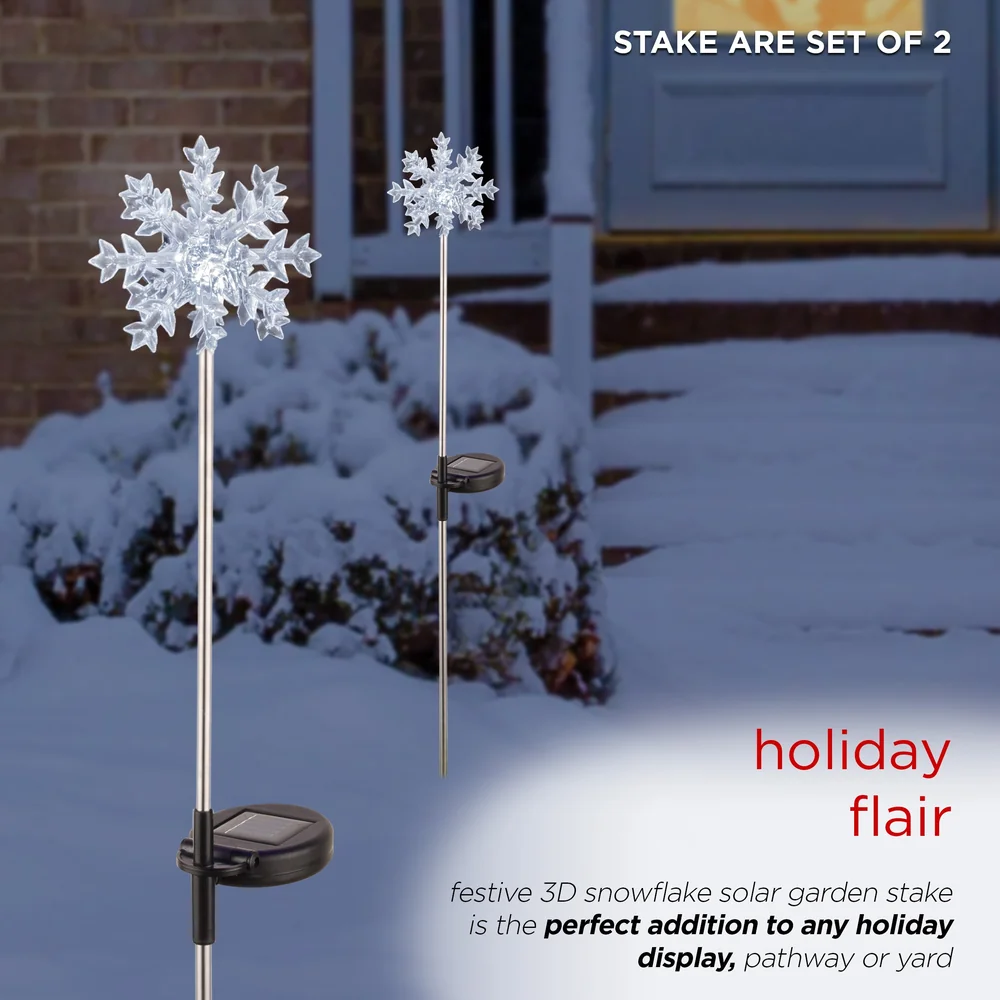
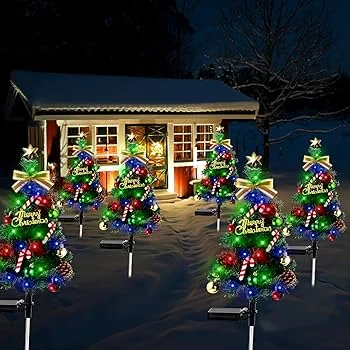
Missing Holiday Season Timing Windows: The most costly mistake involves ordering too late for holiday season. Snowflake lights have extremely concentrated demand during November-December. Orders placed too late miss peak sales periods, leaving retailers with unsold inventory that has minimal value until the following year. Account for production time (4-6 weeks), shipping (4-6 weeks for sea freight), customs clearance (1-2 weeks), and distribution (1-2 weeks). Place orders minimum 16-18 weeks before target retail availability, with 20-22 weeks providing safer buffer for unexpected delays. For holiday season sales, this means placing orders no later than July, preferably in June.
Inadequate Cold-Weather Performance Verification: Ordering without verifying cold-weather battery performance and material durability leads to products that fail in actual winter conditions. Batteries that work fine in moderate temperatures may provide drastically reduced runtime in freezing conditions. Acrylic or plastic that seems durable at room temperature may crack when frozen. Always conduct cold-temperature testing on samples (actual winter conditions or refrigerated testing) before committing to bulk orders. Specify cold-weather-rated batteries and verify material specifications for low-temperature performance.
Insufficient Solar Panel Capacity for Winter Charging: Winter’s shorter daylight hours, lower sun angles, and frequent cloudy conditions create challenging solar charging conditions. Ordering products with undersized solar panels (under 1.5 watts) or standard battery capacities results in lights that don’t charge adequately or run out of power mid-evening. Specify minimum 1.5-2 watt monocrystalline panels and 1200-1800mAh batteries for reliable winter performance. Test samples during actual winter conditions to verify adequate charging and runtime.
Overlooking Post-Holiday Inventory Management: Unsold snowflake lights after holiday season have minimal value until the following year. Overordering ties up capital and warehouse space for extended periods. Conservative initial orders with planned reorder capability (if products sell well) provide better risk management than large single orders. Work with suppliers who can provide quick-turn reorders during season if initial inventory sells through faster than expected. Consider end-of-season clearance pricing strategies to move remaining inventory rather than storing for a full year.
Inadequate Packaging Protection for Delicate Designs: Snowflake lights with intricate patterns or three-dimensional structures are fragile and easily damaged during shipping. Inadequate packaging leads to high damage rates and costly returns. Verify that suppliers use appropriate protective materials including individual snowflake protection (foam, bubble wrap, or molded inserts), proper box sizing to prevent movement, and adequate master carton construction. Request packaging samples and consider conducting drop tests before approving bulk production.
Wholesale Buying Checklist
- [ ] Place orders 16-18 weeks minimum before target retail availability (20-22 weeks safer)
- [ ] Verify supplier has experience manufacturing seasonal decorative lighting
- [ ] Request and evaluate samples from multiple suppliers
- [ ] Conduct cold-temperature testing on samples (actual winter or refrigerated testing)
- [ ] Test samples for solar charging adequacy during winter conditions
- [ ] Verify battery specifications for cold-weather operation
- [ ] Confirm solar panel wattage (minimum 1.5-2 watts for winter use)
- [ ] Inspect snowflake pattern quality, detail, and material thickness
- [ ] Verify LED color temperature suits winter aesthetics (cool white or ice-blue)
- [ ] Confirm IP rating (minimum IP44, preferably IP65) for winter precipitation
- [ ] Verify packaging provides adequate protection for delicate snowflake structures
- [ ] Establish clear specifications for materials, dimensions, and LED specifications
- [ ] Negotiate payment terms accounting for long lead times and seasonal nature
- [ ] Plan shipping timeline ensuring arrival 6-8 weeks before peak holiday season
- [ ] Implement quality control inspections (pre-production, during production, pre-shipment)
- [ ] Plan conservative initial order quantities with reorder capability during season
- [ ] Develop end-of-season clearance strategy for remaining inventory
Quick RFQ Template for Wholesale Snowflake Solar Lights
When requesting quotations from snowflake solar lights suppliers, include the following information:
Company Information:
- Company name and type (retailer, distributor, e-commerce, etc.)
- Target market and countries
- Estimated seasonal volume
Product Requirements:
- Preferred snowflake design style (realistic patterns, artistic, three-dimensional)
- Size requirements
- Material preferences (acrylic, metal wire, plastic)
- LED color (cool white, ice-blue, warm white, color-changing)
- Solar panel minimum wattage (specify 1.5-2W for winter use)
- Battery capacity requirements (specify cold-weather rating)
- IP rating requirements
Cold-Weather Performance:
- Operating temperature range requirements
- Cold-weather testing requirements
- Winter solar charging verification
Customization Needs:
- Custom snowflake patterns or sizes
- Custom colors or finishes
- Custom packaging with holiday branding
- Private label requirements
Order Details:
- Initial order quantity
- Target delivery date (critical for holiday season – specify arrival by late September/early October)
- Reorder capability during season
- Preferred shipping method and terms
Quality and Compliance:
- Required certifications (CE, RoHS, etc.)
- Cold-weather performance testing requirements
- Packaging protection requirements
- Quality control and inspection requirements
- Sample requirements before bulk order
Who Is Glowyard Lighting and What Do We Offer?
Glowyard Lighting is a professional manufacturer specializing in solar garden lights, including comprehensive snowflake solar lights product lines designed for reliable winter performance. Our factory maintains dedicated capabilities for acrylic processing, metal wire forming, and LED assembly, enabling us to produce diverse snowflake designs with consistent quality across large production volumes for seasonal holiday markets.
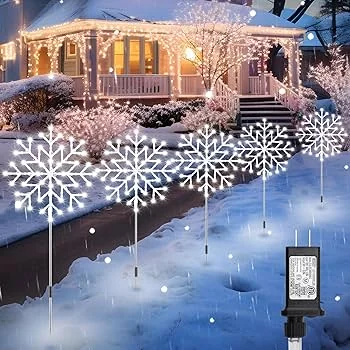

Our manufacturing capabilities include complete in-house processes from material preparation and pattern creation through assembly, testing, and holiday-appropriate packaging. We maintain strict quality control protocols including incoming quality control (IQC) for materials and components, in-process quality control (IPQC) during assembly, and outgoing quality control (OQC) with comprehensive testing before shipment. Our testing facilities conduct cold-temperature testing, waterproof verification, freeze-thaw cycle testing, and winter solar charging simulation to ensure products perform reliably in actual winter conditions.
For wholesale snowflake solar lights buyers, we offer extensive OEM/ODM customization services including custom snowflake pattern development, material and finish customization, LED color and effect options, cold-weather-optimized power configurations, and complete holiday packaging design. Our design team works with clients to develop unique products that differentiate their holiday offerings while ensuring manufacturability and winter-weather durability. We understand the critical timing requirements for seasonal holiday products and maintain production scheduling systems to ensure on-time delivery for holiday season launches.
Our export experience spans markets in North America, Europe, Australia, and Asia, with comprehensive understanding of regional winter conditions, holiday decoration preferences, and seasonal timing requirements. We maintain certifications including CE, RoHS, and various market-specific standards, with complete documentation available for review. For more information about our capabilities and services, visit our OEM solutions page or contact our wholesale team directly.
Frequently Asked Questions
What is the typical minimum order quantity for wholesale snowflake solar lights?


Minimum order quantities vary by product complexity and customization level. Standard designs typically require 300-500 units per model for initial orders, while custom designs may require 500-1000 units due to tooling costs. Seasonal products like snowflake lights often have slightly higher MOQs due to concentrated production periods and holiday-specific packaging. Discuss your expected seasonal volume with suppliersthey may accommodate lower initial orders if you commit to reorders during season based on sales performance.
When should I place orders for holiday season delivery?
Place orders minimum 16-18 weeks before target retail availability, with 20-22 weeks providing safer buffer. For November-December holiday season sales, this means placing orders no later than July, preferably in June. This accounts for production time (4-6 weeks), shipping (4-6 weeks for sea freight), customs clearance (1-2 weeks), and distribution (1-2 weeks). Early ordering often secures better pricing and production scheduling priority. Rush orders placed in fall may face higher costs and risk missing peak holiday sales periods.
How do snowflake solar lights perform in actual winter conditions?
Performance depends heavily on product quality and specifications. Quality snowflake lights with adequate solar panels (1.5-2 watts monocrystalline), cold-weather-rated batteries (1200-1800mAh lithium), and proper specifications should operate reliably in winter conditions. However, expect reduced performance compared to summershorter daylight hours and frequent cloudy weather reduce solar charging, cold temperatures reduce battery capacity, and snow accumulation may block solar panels. Products with undersized panels or standard batteries may not charge adequately or provide shortened runtime. Always verify cold-weather performance through testing before bulk orders.
What LED color temperature works best for snowflake lights?
Cool white LEDs (5000-6500K) create icy, crystalline effects that match natural snow and winter themes, making them the most popular choice for snowflake lights. Ice-blue LEDs (7000-10000K) create dramatic winter effects and appeal to customers seeking distinctive displays. Warm white LEDs (2700-3000K) provide cozy ambiance but may not suit snowflake themes as effectively. Consider stocking multiple color temperature options to match different customer preferencescool white for realistic winter themes, ice-blue for dramatic effects, warm white for customers coordinating with other warm-white holiday decorations.
Can snowflake solar lights be used indoors?
Many snowflake solar lights can be used indoors if the solar panel can be positioned near a window for charging. However, indoor use presents challengeswindows may not provide adequate solar exposure for full charging, particularly in winter when sun angles are low and daylight hours are short. Some customers use snowflake lights indoors for short-term display (parties, events) by pre-charging outdoors. For reliable indoor use, consider offering plug-in versions or hybrid models with both solar and USB charging options. Verify that materials meet indoor safety standards if marketing for indoor use.
How should I store unsold snowflake lights after holiday season?
Store snowflake lights in cool, dry conditions away from direct sunlight to preserve battery life and material quality. Remove batteries if storing for extended periods to prevent battery degradation and potential leakage. Store acrylic snowflakes flat or properly supported to prevent warping. Protect delicate snowflake structures from crushing or impact damage. Proper storage extends product life and ensures quality for the following season. Provide storage recommendations to customers to encourage product longevity and reduce warranty claims.
What’s the best way to market snowflake solar lights to maximize holiday sales?
Begin marketing in early fall (September-October) to capture early holiday shoppers and gift buyers. Emphasize easy installation, no electrical wiring required, energy-free operation, and winter-weather durability. Display products in attractive groupings showing multiple snowflakes creating winter wonderland effects. Provide installation inspiration through photos or videos showing various applications (pathways, trees, porches). Offer multi-unit discounts to encourage larger purchases. Consider gift packaging options for holiday gift market. Market early for best resultsmany customers plan holiday decorating in October-November.
How long do snowflake solar lights typically last?
Quality snowflake solar lights should provide 2-3 seasons of reliable winter use with proper storage between seasons. LED lifespan typically exceeds 25,000 hours, while battery life ranges from 500-800 charge cycles (approximately 2-3 years of seasonal use). The limiting factor is usually battery degradation or material weathering rather than LED failure. Products using quality materials, proper sealing, and cold-weather-rated batteries achieve the longest lifespans. Storing lights indoors during off-season significantly extends lifespan by protecting from year-round weather exposure.
Fifth, packaging must clearly communicate seasonal nature and winter aesthetics. Holiday-themed packaging with winter graphics, snowflake imagery, and seasonal messaging enhances gift appeal and retail presentation. Multi-unit gift sets provide better value perception and encourage larger purchases. Include installation tips specific to winter conditions (installing in frozen ground, snow accumulation considerations) and storage recommendations for off-season.
For comprehensive information about customization processes and capabilities, review Glowyard’s OEM solutions, which detail the full range of customization options available from professional manufacturers specializing in seasonal decorative lighting.