







2026 lastest Full Product Catalogue
Please Click the button, after Filling in your Email and information, the file will be send within 24 hours .
-
 Animal Solar Lights
SM24903 Two Dogs Solar Wall Welcome Decor
-
 Animal Solar Lights
SM24904 Black Cat with Flower Solar Wall Welcome Decor
-
 Bird Solar Lights
SM24901 Hummingbird Solar Wall Welcome Decor
Wholesale Sign Solar Lights: Complete B2B Buyer Guide
If you’re sourcing wholesale sign solar lights for retail, distribution, or commercial signage projects, this comprehensive guide will help you evaluate designs, materials, certifications, and factory capabilities before placing bulk orders. As a wholesaler, retailer, distributor, or project contractor, understanding the key factors in sign solar light procurementincluding quality standards, customization options, packaging requirements, lead times, quality control processes, and shipping considerationsis essential for successful bulk purchasing decisions.
Sign solar lights represent a rapidly growing segment in the outdoor lighting market, combining practical illumination with advertising and wayfinding functionality. These versatile lighting solutions integrate solar panels, rechargeable batteries, LED lights, and signage elements into unified systems that serve both illumination and communication purposes. The wholesale market for sign solar lights has expanded significantly as businesses, municipalities, and property developers seek cost-effective, environmentally friendly alternatives to traditional wired signage lighting.
Category Summary
Wholesale sign solar lights encompass a diverse range of illuminated signage solutions designed for outdoor applications without requiring electrical connections. The bulk sign solar lights market includes address number displays, business signs, directional markers, safety signs, and decorative message boards. Key procurement considerations include weather resistance ratings, battery capacity for extended operation, LED brightness levels, sign material durability, and customization capabilities for branding and messaging. This category appeals to sign manufacturers, property management companies, retail chains, municipal buyers, and landscape contractors seeking reliable, maintenance-free signage solutions.
What Will You Learn in This Guide?
- What Are Sign Solar Lights and Why Are They Popular in Wholesale Markets?
- What Types and Designs Sell Best for Bulk Orders?
- What Materials and Manufacturing Processes Are Used?
- What Quality Standards and Certifications Matter for Wholesale Buyers?
- What Is the Market Demand and Customer Preferences?
- What Are the Common Applications?
- What OEM/ODM Customization Options Are Available for Wholesale Sign Solar Lights?
- How to Source Wholesale Sign Solar Lights from China Manufacturers and Suppliers?
- What Mistakes Can Cost You Money When Buying Sign Solar Lights in Bulk?
- Who Is Glowyard Lighting and What Do We Offer?
- Frequently Asked Questions
What Are Sign Solar Lights and Why Are They Popular in Wholesale Markets?
Sign solar lights are self-contained illuminated signage systems that combine solar energy collection, battery storage, LED illumination, and display surfaces into integrated units designed for outdoor use. These products eliminate the need for electrical wiring and ongoing electricity costs while providing reliable nighttime visibility for addresses, business names, directional information, safety messages, and decorative displays.
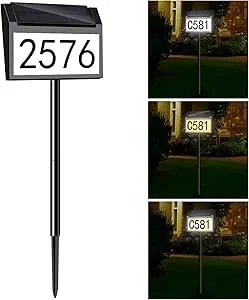
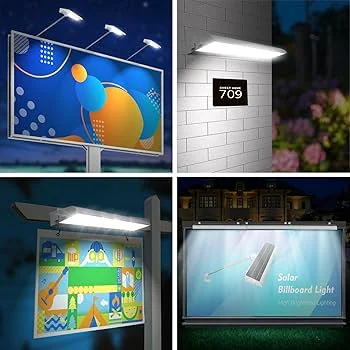
The wholesale appeal of sign solar lights stems from their versatility across multiple market segments and applications. Unlike traditional illuminated signs that require electrical installation and ongoing power consumption, solar sign lights offer installation flexibility, zero operating costs, and environmental benefits that resonate with cost-conscious buyers and sustainability-focused customers.
Market Growth Drivers include increasing demand for off-grid lighting solutions, rising electricity costs driving solar adoption, growing environmental consciousness among consumers and businesses, municipal initiatives promoting sustainable infrastructure, and expanding rural and remote area development where electrical access is limited or expensive.
Wholesale Advantages for bulk buyers include significant cost savings compared to retail pricing, consistent product quality across large orders, customization opportunities for branding and specific applications, established supply chain relationships with manufacturers, and the ability to serve diverse customer segments from a single product category.
Target Customer Segments encompass residential customers seeking address visibility and curb appeal, small businesses requiring cost-effective signage solutions, property management companies managing multiple locations, municipalities and government agencies implementing wayfinding systems, and contractors serving commercial and residential development projects.
The technology integration in modern sign solar lights has improved dramatically, with higher-efficiency solar panels, longer-lasting lithium batteries, brighter LED arrays, and more durable weather-resistant construction. These improvements have expanded the viable applications and geographic markets for wholesale sign solar lights, making them suitable for year-round outdoor use in diverse climate conditions.
What Types and Designs Sell Best for Bulk Orders?
The wholesale sign solar lights market encompasses several distinct product categories, each serving specific applications and customer preferences. Understanding these categories helps bulk buyers select appropriate inventory mixes and target the right customer segments.
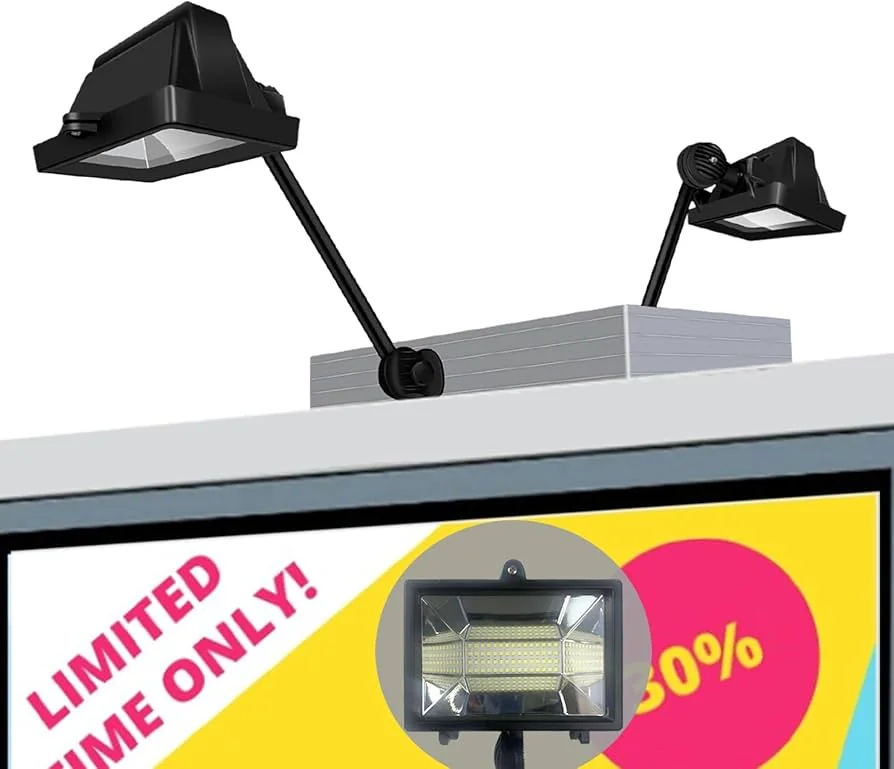
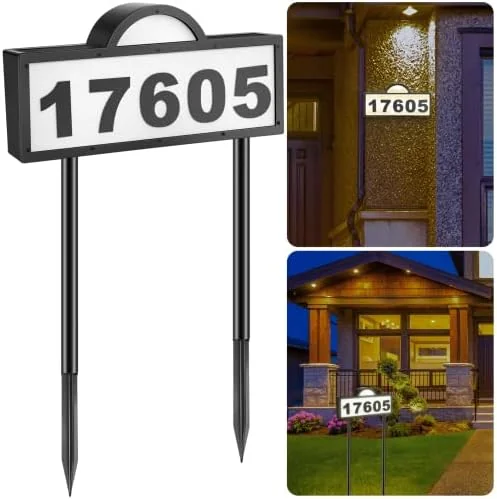
Address Number Signs represent the largest volume segment in residential markets. These products typically feature 4-6 inch illuminated numbers in various fonts and styles, with solar panels integrated into the top or back of the sign housing. Popular configurations include single-line horizontal layouts, vertical stacked numbers, and dual-sided displays for corner properties. Materials range from weather-resistant plastics to premium stainless steel and aluminum constructions.
Business Name Signs cater to commercial customers seeking professional appearance with cost-effective operation. These signs accommodate custom text, logos, and branding elements while maintaining the solar functionality. Standard sizes range from 12×6 inches for small businesses to 24×12 inches for larger establishments. LED color options include warm white for traditional appearance, cool white for modern aesthetics, and color-changing options for attention-grabbing displays.
Directional and Wayfinding Signs serve both commercial and municipal applications. These products often feature arrow indicators, distance markers, or location names with clear, readable fonts. Multi-panel designs allow for complex directional information, while single-panel versions work well for simple wayfinding needs. Mounting options include ground stakes, wall brackets, and post-mounting systems.
Safety and Warning Signs incorporate standard safety symbols and messages with solar illumination for enhanced visibility. Common applications include “No Parking,” “Private Property,” “Caution,” and emergency information displays. These signs typically require higher brightness levels and longer operating times compared to decorative signage.
Decorative Message Boards appeal to residential customers seeking personalized outdoor displays. These products often feature changeable letter systems, seasonal message capabilities, or fixed decorative text like “Welcome” or family names. Premium versions include remote control operation and programmable message displays.
Category-Specific Buyer Notes
Sign solar lights differ significantly from other solar lighting categories in several key procurement areas. Top selling designs focus on readability and professional appearance rather than decorative aesthetics, with clean fonts, high contrast displays, and minimal ornamental elements driving sales volume. Material considerations prioritize UV-resistant plastics and corrosion-resistant metals due to constant sun exposure and weather exposure requirements that exceed typical garden lighting demands.
Critical parameters include LED brightness levels measured in lumens per square inch of display area, battery capacity sufficient for 12+ hour operation during winter months, and solar panel sizing appropriate for the power consumption of larger LED arrays. Application-specific requirements such as mounting height visibility, viewing angle optimization, and local sign code compliance create unique challenges not found in decorative lighting categories.
Packaging considerations require extra protection for display surfaces and electronic components, with many products requiring individual boxing rather than bulk packaging to prevent scratching and damage during shipping and handling.
What Materials and Manufacturing Processes Are Used?
The manufacturing of wholesale sign solar lights involves specialized materials and processes designed to withstand continuous outdoor exposure while maintaining clear visibility and reliable electronic operation. Understanding these materials helps bulk buyers evaluate quality levels and set appropriate customer expectations.

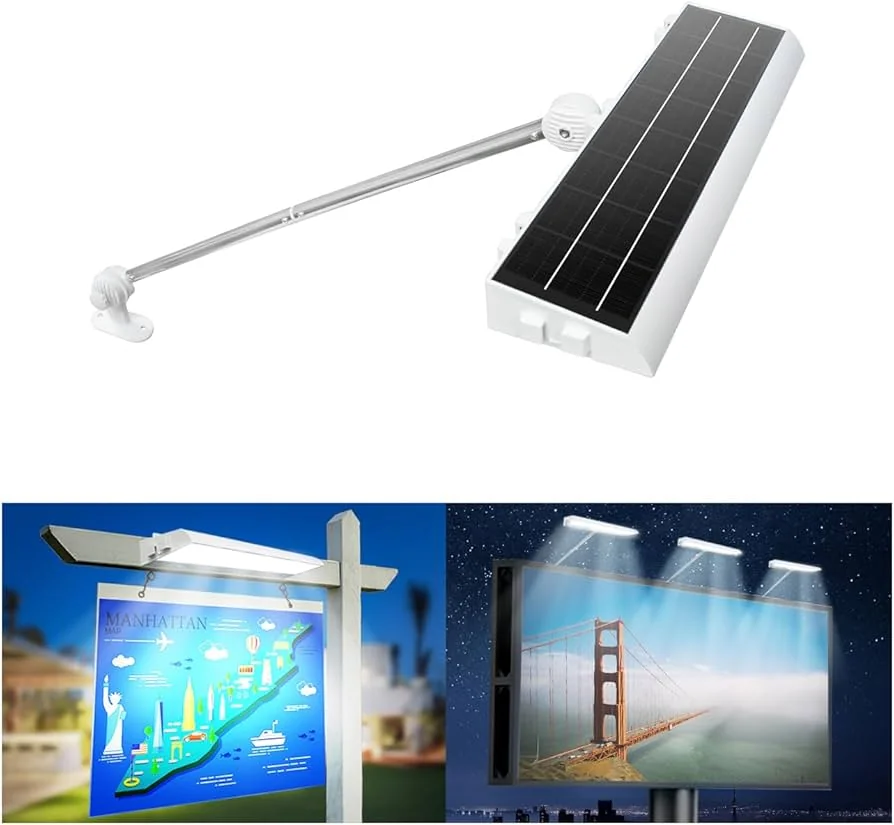
Housing Materials form the structural foundation of sign solar lights. High-grade ABS plastic offers excellent UV resistance and impact strength at competitive price points, making it suitable for residential and light commercial applications. Aluminum housings provide superior durability and professional appearance for commercial and municipal installations, with powder coating or anodizing treatments enhancing corrosion resistance. Stainless steel construction represents the premium tier, offering maximum durability and vandal resistance for high-traffic public installations.
Display Surface Materials directly impact visibility and longevity. Acrylic panels provide excellent light transmission and weather resistance while maintaining clarity over extended periods. Polycarbonate offers superior impact resistance for vandal-prone locations but may yellow over time without UV stabilizers. Glass displays deliver premium appearance and scratch resistance but require careful packaging and handling during shipping and installation.
Solar Panel Integration varies significantly across product designs and price points. Monocrystalline panels offer higher efficiency in smaller sizes, making them ideal for compact sign designs where space is limited. Polycrystalline panels provide cost-effective performance for larger signs where panel size is less constrained. Panel mounting methods include integrated top-mounting, separate panel positioning, and flexible panel integration for curved or complex sign shapes.
LED Array Configuration determines both illumination quality and power consumption. Edge-lit designs use LED strips around the perimeter of translucent panels, providing even illumination with lower power consumption. Backlit configurations place LEDs behind translucent display surfaces for maximum brightness and visibility. Front-lit designs illuminate opaque signs from external LED arrays, suitable for reflective or painted sign surfaces.
Battery Systems must balance capacity, size, and cost considerations. Lithium iron phosphate batteries offer the longest lifespan and best temperature performance but increase product costs. Lithium-ion batteries provide good performance at moderate cost increases. Nickel-metal hydride batteries remain cost-effective for budget-oriented products but require larger sizes for equivalent capacity.
Manufacturing Quality Control processes specific to sign solar lights include display surface inspection for optical clarity and uniformity, LED array testing for brightness consistency and color matching, weatherproofing verification through water ingress testing, and solar charging system validation under various light conditions. Glowyard Lighting implements comprehensive quality control procedures including incoming component inspection, in-process assembly verification, and final product testing to ensure consistent performance across wholesale orders.
Assembly Processes require specialized techniques for integrating electronic components with display elements while maintaining weather sealing. Ultrasonic welding creates permanent, waterproof joints in plastic housings. Gasket sealing systems allow for serviceable designs while maintaining weather protection. Potting compounds protect electronic connections from moisture and vibration in harsh outdoor environments.
What Quality Standards and Certifications Matter for Wholesale Buyers?
Quality standards and certifications for wholesale sign solar lights encompass both general electronic product requirements and specific standards for outdoor signage applications. Bulk buyers must understand these requirements to ensure product compliance and avoid costly import or sales issues.
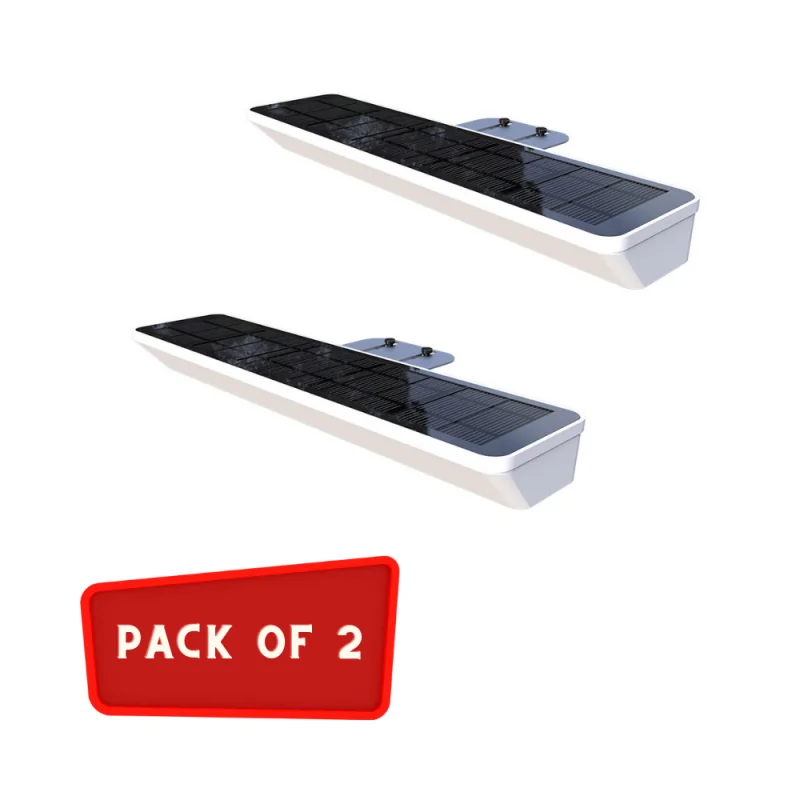

Electrical Safety Certifications form the foundation of product compliance. CE marking is mandatory for European markets, covering electromagnetic compatibility, electrical safety, and environmental requirements. FCC certification ensures compliance with US electromagnetic interference regulations. UL or ETL listing provides additional safety assurance for US markets, though not always required for solar products. RoHS compliance restricts hazardous substances and is required for most international markets.
Weather Resistance Standards are critical for outdoor signage applications. IP65 rating provides protection against dust ingress and water jets from any direction, suitable for most outdoor installations. IP67 rating offers protection against temporary submersion, important for ground-level installations in flood-prone areas. UV resistance testing ensures materials maintain properties and appearance under continuous sun exposure.
Optical Performance Standards ensure consistent visibility and readability. Luminance uniformity measurements verify even light distribution across display surfaces. Color temperature consistency ensures professional appearance across multiple units. Brightness degradation testing validates long-term performance under continuous operation.
Battery Safety Standards address fire and explosion risks associated with lithium battery systems. UN38.3 testing covers transportation safety requirements for lithium batteries. IEC 62133 addresses safety requirements for portable sealed secondary cells. Battery management system requirements ensure safe charging and discharge operation.
Structural Integrity Testing validates mechanical durability under outdoor conditions. Wind load testing ensures signs remain secure under specified wind speeds. Temperature cycling tests verify performance across seasonal temperature ranges. Vibration testing simulates transportation and installation stresses.
Quality Management Systems at the manufacturing level provide assurance of consistent production quality. ISO 9001 certification demonstrates systematic quality management processes. Factory audit reports from third-party organizations verify manufacturing capabilities and quality control procedures. Incoming material inspection procedures ensure component quality before assembly.
Testing Documentation should accompany wholesale orders to verify compliance and performance. Photometric test reports document light output and distribution characteristics. Environmental test reports verify weather resistance and durability. Electrical safety test reports confirm compliance with applicable standards. Material certificates verify composition and properties of key components.
Ongoing Quality Assurance requires regular monitoring and testing throughout the product lifecycle. Batch testing procedures ensure consistent quality across production runs. Field performance monitoring identifies potential issues before they affect customer satisfaction. Supplier quality audits maintain component quality standards. Learn more about our comprehensive quality control processes and certification documentation.
Warranty Considerations reflect manufacturer confidence in product quality and provide protection for wholesale buyers. Standard warranty periods range from one to three years depending on product category and price point. Warranty coverage should include both manufacturing defects and performance degradation beyond specified limits. Clear warranty claim procedures and replacement part availability ensure minimal disruption to customer relationships.
What Is the Market Demand and Customer Preferences?
The wholesale sign solar lights market demonstrates strong growth across multiple customer segments, driven by increasing energy costs, environmental consciousness, and technological improvements in solar and LED technologies. Understanding market demand patterns and customer preferences helps bulk buyers optimize inventory selection and target appropriate market segments.

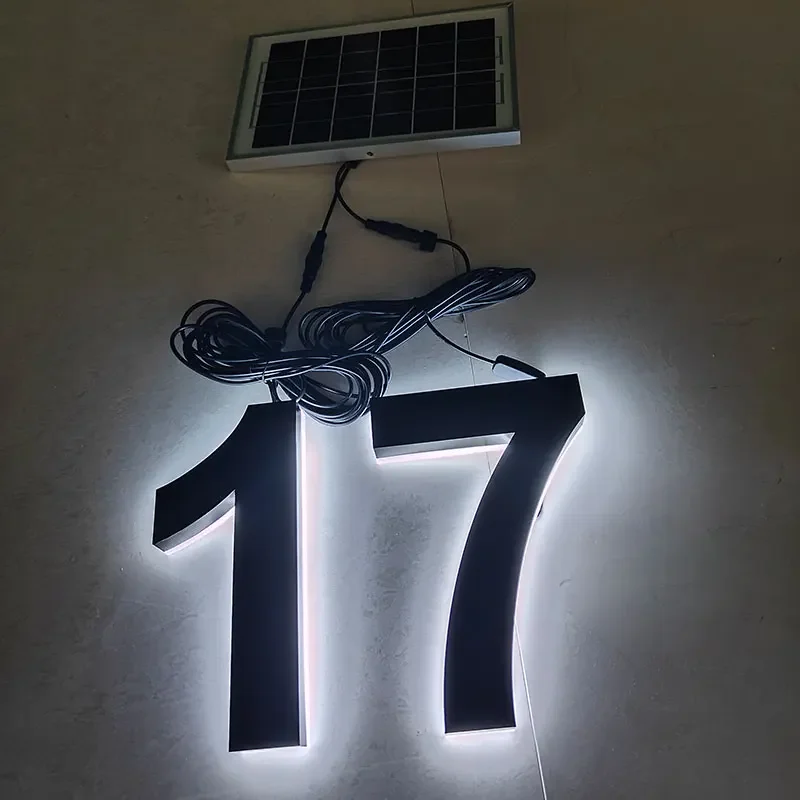
Residential Market Demand centers on address visibility and property enhancement applications. Homeowners increasingly seek solutions that improve curb appeal while reducing energy costs and installation complexity. Popular features include automatic dusk-to-dawn operation, weather-resistant construction, and easy installation without electrical work. Price sensitivity varies by region and demographic, with premium markets accepting higher costs for superior materials and longer warranties.
Commercial Market Growth is driven by businesses seeking cost-effective signage solutions that reduce ongoing operational expenses. Small businesses particularly value the elimination of electrical installation costs and monthly power consumption. Restaurants, retail stores, and service businesses represent high-volume market segments. Customization capabilities for branding and messaging are essential for commercial applications.
Municipal and Institutional Demand focuses on wayfinding, safety, and public information applications. Government buyers prioritize durability, vandal resistance, and long-term reliability over initial cost considerations. Compliance with accessibility standards and local signage codes is essential. Volume purchasing programs and standardized specifications create opportunities for large wholesale orders.
Geographic Market Variations reflect different regulatory environments, climate conditions, and customer preferences. Northern markets require enhanced cold-weather performance and longer winter operation capabilities. Coastal areas demand superior corrosion resistance and salt spray protection. Urban markets emphasize vandal resistance and compact designs, while rural markets prioritize visibility and weather durability.
Technology Adoption Trends show increasing customer acceptance of solar-powered solutions as performance and reliability improve. LED efficiency improvements enable brighter displays with lower power consumption. Battery technology advances extend operating times and product lifespans. Smart features like remote control and programmable displays appeal to tech-savvy customers.
Seasonal Demand Patterns influence inventory planning and production scheduling. Spring and summer months show peak demand as customers undertake outdoor improvement projects. Holiday seasons create opportunities for decorative message displays and seasonal signage. Winter demand focuses on replacement and repair applications in harsh weather regions.
Price Sensitivity Analysis reveals distinct market segments with different value propositions. Budget-conscious customers prioritize basic functionality and competitive pricing. Value-seeking customers balance features, quality, and price considerations. Premium customers emphasize durability, appearance, and advanced features regardless of price premiums.
Customer Education Requirements vary significantly across market segments. Residential customers need guidance on installation, operation, and maintenance procedures. Commercial customers require information about customization options, compliance requirements, and performance specifications. Municipal buyers focus on technical specifications, warranty terms, and long-term cost analysis.
Wholesale Buying Checklist
- Verify IP rating meets intended application requirements
- Confirm battery capacity supports required operating hours
- Check LED brightness levels for visibility requirements
- Validate solar panel sizing for geographic location
- Review customization options for target market needs
- Assess mounting hardware compatibility and durability
- Confirm compliance with local signage regulations
- Evaluate warranty terms and replacement part availability
- Test sample units under actual operating conditions
- Verify packaging protection for shipping and handling
- Review technical documentation and installation instructions
- Confirm manufacturer quality control and testing procedures
Quick RFQ Template for Wholesale Sign Solar Lights
Product Specifications:
- Sign type and size requirements
- Display message or customization needs
- LED color and brightness preferences
- Battery capacity and operating time requirements
- Housing material and finish specifications
- Mounting method and hardware needs
Order Details:
- Quantity requirements and delivery timeline
- Packaging and labeling specifications
- Quality control and inspection requirements
- Warranty terms and after-sales support needs
- Shipping method and destination information
- Payment terms and pricing structure preferences
What Are the Common Applications?
Wholesale sign solar lights serve diverse applications across residential, commercial, and institutional markets. Understanding these applications helps bulk buyers identify target customers and optimize product selection for specific market segments.
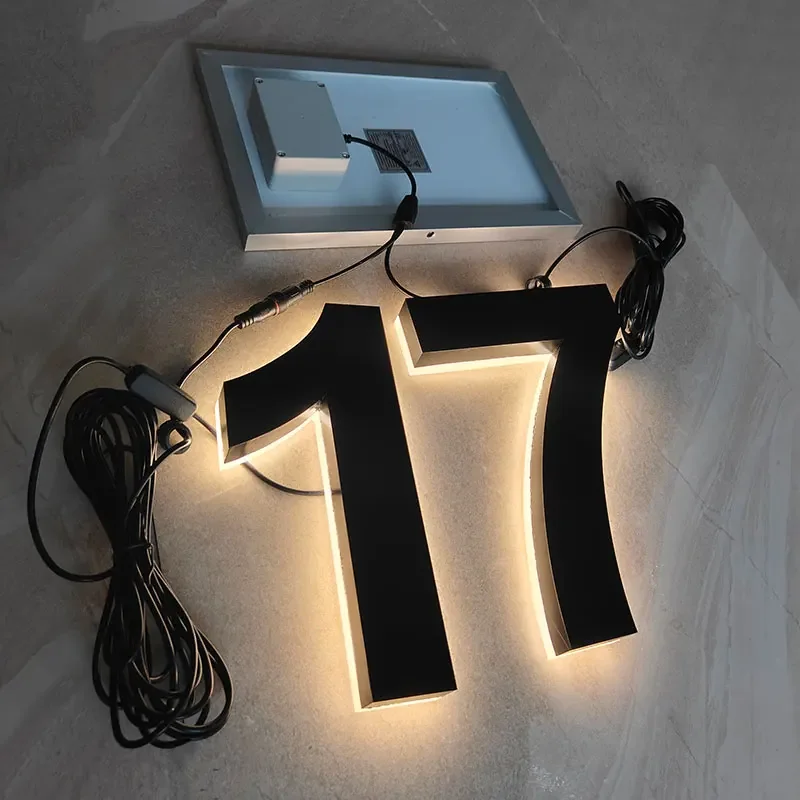

Residential Address Display represents the largest volume application for sign solar lights. Homeowners use these products to improve property visibility, enhance curb appeal, and comply with emergency service requirements. Installation locations include front yards, mailbox posts, driveway entrances, and building facades. Popular features include large, clear numbers, automatic operation, and weather-resistant construction.
Commercial Business Signage encompasses a wide range of applications from small retail stores to large commercial facilities. Restaurants use illuminated signs for name display and hours of operation. Retail stores employ them for brand visibility and promotional messages. Service businesses utilize them for professional identification and contact information display. Office buildings and industrial facilities use them for building identification and wayfinding.
Property Management Applications include apartment complexes, condominiums, and commercial properties requiring multiple sign installations. Property managers value consistent appearance, low maintenance requirements, and cost-effective operation across multiple units. Applications include building numbers, unit identification, parking designations, and common area signage.
Municipal and Government Uses focus on public information, wayfinding, and safety applications. Parks and recreation facilities use solar signs for trail markers, facility identification, and safety information. Transportation departments employ them for street signs, parking regulations, and traffic control in areas without electrical infrastructure. Emergency services utilize them for location identification and public safety messaging.
Construction and Development Projects create temporary and permanent signage needs during site development and building construction. Temporary applications include site identification, safety warnings, and directional information for workers and visitors. Permanent installations include address displays, development identification, and wayfinding systems for completed projects.
Rural and Remote Installations benefit significantly from solar sign technology due to limited electrical infrastructure and high installation costs for traditional wired signs. Applications include farm and ranch identification, rural business signage, recreational vehicle parks, and remote facility identification. Extended battery life and robust construction are essential for these demanding applications.
Event and Temporary Installations utilize portable solar signs for festivals, markets, construction zones, and special events. These applications require easy setup, reliable operation, and weather resistance for outdoor events. Changeable message capabilities and battery operation independence from electrical infrastructure provide significant advantages.
What OEM/ODM Customization Options Are Available for Wholesale Sign Solar Lights?
Customization capabilities distinguish wholesale sign solar light suppliers and enable bulk buyers to serve specific market needs and create differentiated product offerings. Understanding available customization options helps buyers evaluate supplier capabilities and develop unique market positioning.
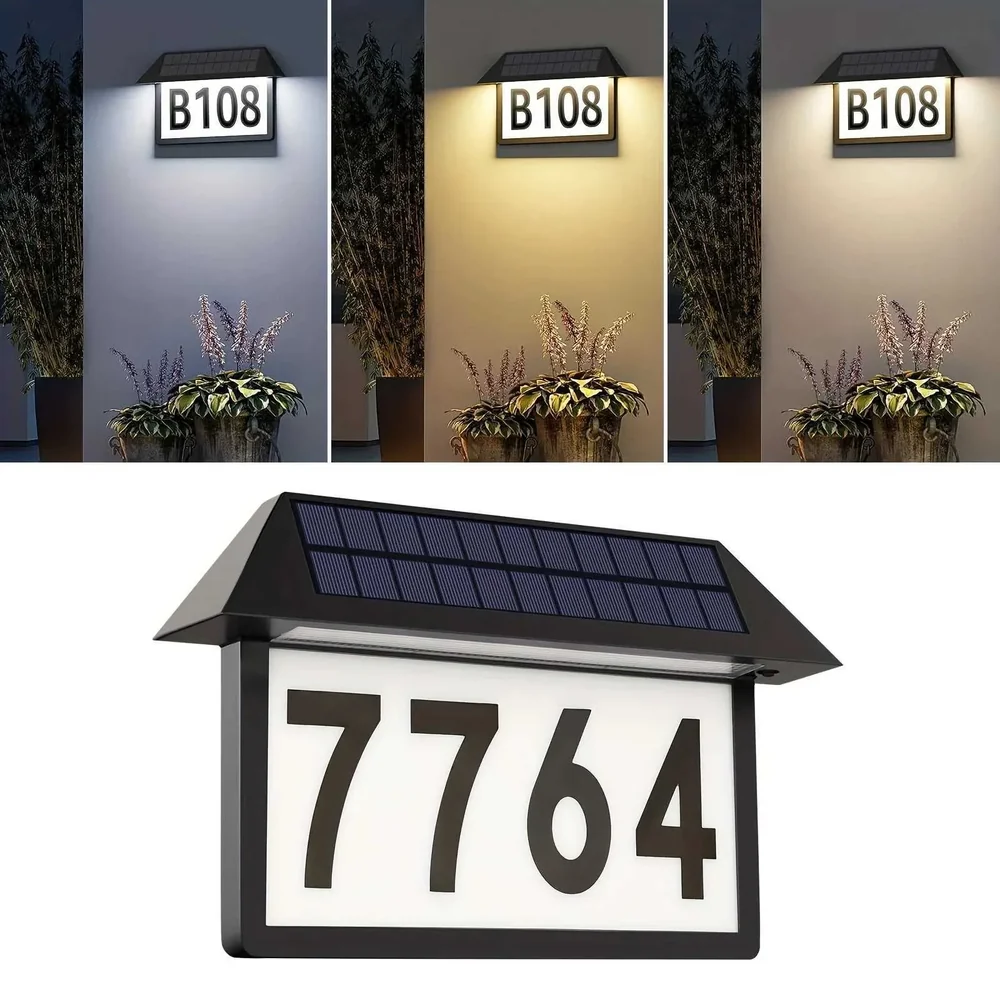
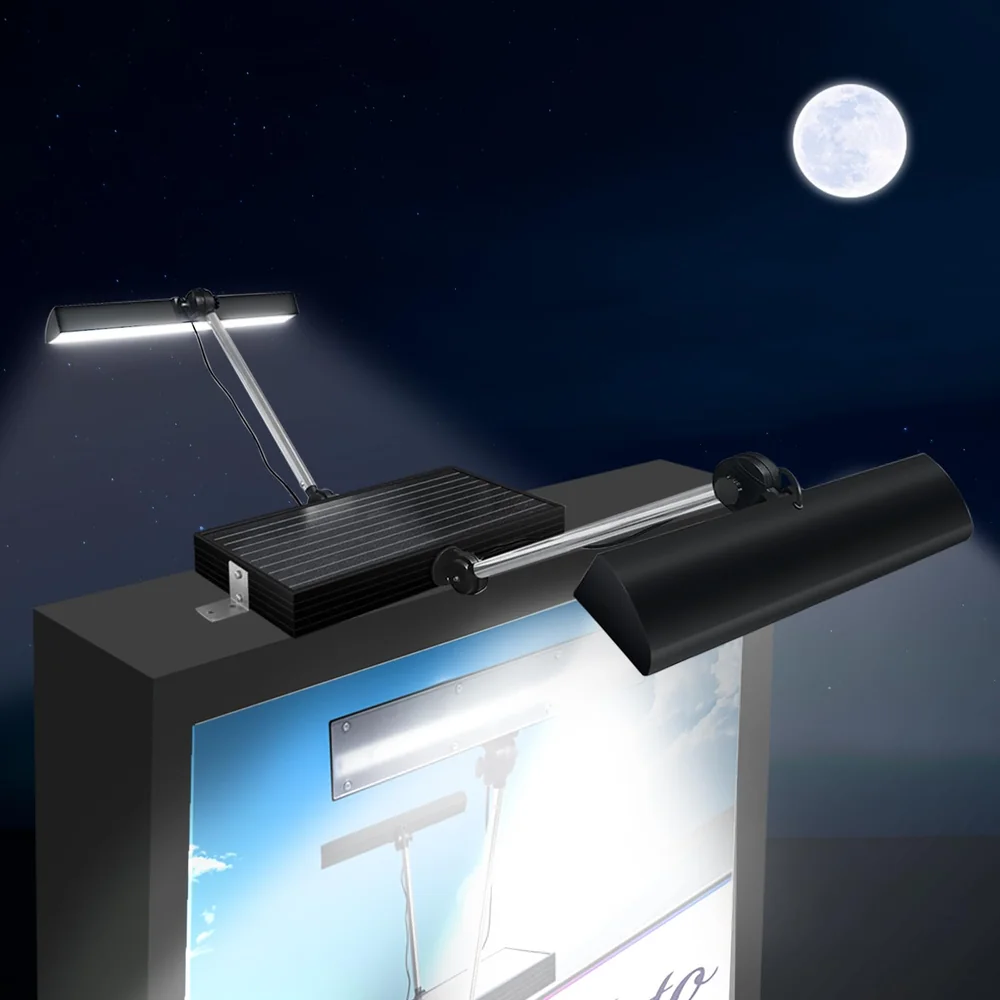
Display Customization offers the most visible differentiation opportunities. Custom text, logos, and graphics can be integrated into sign displays using various techniques including vinyl lettering, screen printing, laser engraving, and digital printing. Color options extend beyond standard white LEDs to include red, blue, green, and color-changing displays. Font selection and sizing accommodate different visibility requirements and aesthetic preferences.
Housing Design Modifications allow adaptation to specific applications and market preferences. Custom shapes and sizes accommodate unique installation requirements and aesthetic preferences. Material upgrades from standard plastic to aluminum or stainless steel provide premium positioning opportunities. Surface finishes including powder coating, anodizing, and decorative treatments enhance appearance and durability.
Solar System Optimization enables performance tuning for specific geographic and application requirements. Solar panel sizing can be adjusted for local climate conditions and operating requirements. Battery capacity modifications extend operating times for demanding applications. LED array configurations can be optimized for brightness, color, and power consumption requirements.
Mounting System Adaptations accommodate diverse installation requirements and customer preferences. Ground stake systems work well for temporary and residential applications. Wall mounting brackets serve commercial and building-mounted installations. Post mounting systems provide flexibility for various pole and post configurations. Custom mounting solutions address unique installation challenges.
Smart Feature Integration appeals to technology-oriented customers and premium market segments. Remote control operation enables convenient message changes and system control. Smartphone app connectivity provides advanced programming and monitoring capabilities. Timer functions allow scheduled operation and energy conservation. Motion sensors can trigger activation for enhanced visibility and battery conservation.
Packaging and Branding Customization supports private labeling and brand development initiatives. Custom packaging design with buyer branding and product information enhances retail presentation. Instruction manual customization includes buyer contact information and branding elements. Product labeling can incorporate buyer logos and specifications. Gift packaging options serve retail and promotional applications.
Regulatory Compliance Adaptations ensure products meet local requirements and standards. Electrical certifications can be obtained for specific markets and applications. Signage code compliance modifications address local regulatory requirements. Language adaptations for international markets include instruction translations and regulatory markings.
Glowyard provides comprehensive OEM/ODM solutions including design consultation, prototype development, and production customization to meet specific wholesale buyer requirements and market positioning needs.
How to Source Wholesale Sign Solar Lights from China Manufacturers and Suppliers?
Sourcing wholesale sign solar lights from China manufacturers requires careful evaluation of supplier capabilities, quality standards, and business practices to ensure successful bulk purchasing outcomes. Understanding the sourcing process helps buyers avoid common pitfalls and establish reliable supply relationships.
Supplier Identification begins with comprehensive research of potential manufacturing partners. Online B2B platforms like Alibaba, Made-in-China, and Global Sources provide access to numerous suppliers with varying capabilities and specializations. Trade shows including the Canton Fair and specialized lighting exhibitions offer opportunities for face-to-face supplier evaluation and product inspection.
Manufacturing Capability Assessment requires evaluation of production capacity, technical expertise, and quality management systems. Factory audits verify production capabilities, equipment quality, and workforce competency. Quality management certifications like ISO 9001 indicate systematic quality control processes. Production capacity information ensures suppliers can meet volume requirements and delivery schedules.
Product Quality Evaluation involves comprehensive testing and inspection of sample products before committing to bulk orders. Sample evaluation should include performance testing under actual operating conditions, material quality assessment, and compliance verification with applicable standards. Third-party testing services provide independent verification of product performance and safety compliance.
Communication and Service Assessment determines the supplier’s ability to support ongoing business relationships. English language proficiency affects communication effectiveness and order accuracy. Technical support capabilities ensure proper product specification and customization implementation. Responsiveness to inquiries and problem resolution indicates service commitment and reliability.
Pricing and Terms Negotiation requires understanding of cost structures, payment terms, and volume pricing opportunities. Factory direct pricing eliminates distributor markups but may require larger minimum orders. Payment terms typically include deposit requirements and balance payment before shipment. Volume discounts reward larger orders and long-term commitments.
Quality Control Implementation ensures consistent product quality across production runs and shipments. Pre-production samples verify specifications and quality standards before mass production begins. In-process inspection monitors quality during production. Pre-shipment inspection validates final product quality before shipping. Third-party inspection services provide independent quality verification.
Logistics and Shipping Coordination affects delivery times, costs, and product condition upon arrival. Shipping method selection balances cost and delivery time requirements. Packaging specifications protect products during transportation and handling. Documentation requirements ensure smooth customs clearance and delivery.
Risk Management Strategies protect buyers from supplier-related risks and quality issues. Supplier verification services validate business credentials and manufacturing capabilities. Trade assurance programs provide payment protection and dispute resolution services. Diversified supplier relationships reduce dependency on single sources.
What Mistakes Can Cost You Money When Buying Sign Solar Lights in Bulk?
Avoiding costly mistakes in wholesale sign solar light procurement requires understanding common pitfalls and implementing appropriate risk management strategies. Learning from typical buyer errors helps prevent expensive problems and ensures successful bulk purchasing outcomes.
Inadequate Sample Testing represents one of the most expensive mistakes in bulk purchasing. Ordering large quantities without thorough sample evaluation can result in products that fail to meet performance expectations, quality standards, or customer requirements. Comprehensive sample testing should include extended operation under actual conditions, weather resistance verification, and customer acceptance validation.
Insufficient Quality Control during production and shipping can result in defective products, customer complaints, and costly returns. Implementing pre-production approval processes, in-process inspection, and pre-shipment quality verification prevents quality issues from reaching customers. Third-party inspection services provide independent quality assurance for critical orders.
Overlooking Compliance Requirements can result in customs delays, regulatory violations, and market access restrictions. Understanding certification requirements, safety standards, and regulatory compliance for target markets prevents costly delays and legal issues. Verification of supplier certifications and testing documentation ensures product compliance.
Poor Supplier Selection based solely on price considerations often results in quality problems, delivery delays, and service issues. Comprehensive supplier evaluation including manufacturing capabilities, quality systems, and business credentials prevents supplier-related problems. Establishing relationships with multiple qualified suppliers reduces dependency risks.
Inadequate Specification Definition leads to products that don’t meet customer expectations or application requirements. Clear, detailed specifications covering performance, materials, appearance, and quality standards prevent misunderstandings and ensure product suitability. Regular specification review and updates maintain relevance to market requirements.
Insufficient Lead Time Planning results in rushed production, quality compromises, and expedited shipping costs. Understanding normal production and shipping timelines allows proper planning and scheduling. Seasonal demand patterns and supplier capacity constraints affect lead times and should be considered in planning.
Inappropriate Packaging Specifications can result in product damage during shipping and handling. Sign solar lights require protection for display surfaces, electronic components, and mounting hardware. Packaging specifications should address transportation stresses, handling requirements, and retail presentation needs.
Ignoring After-Sales Support Requirements affects customer satisfaction and repeat business opportunities. Understanding warranty terms, replacement part availability, and technical support capabilities ensures ongoing customer support. Establishing clear after-sales procedures and responsibilities prevents customer service issues.
Currency and Payment Risk Management protects against financial losses from exchange rate fluctuations and payment disputes. Understanding payment terms, currency risks, and dispute resolution procedures prevents financial problems. Trade finance instruments and payment protection services reduce transaction risks.
Who Is Glowyard Lighting and What Do We Offer?
Glowyard Lighting specializes in manufacturing high-quality solar lighting solutions, including wholesale sign solar lights and decorative outdoor solar garden lights, serving bulk buyers worldwide with comprehensive OEM/ODM capabilities and professional manufacturing services.
Manufacturing Excellence drives our approach to wholesale sign solar light production. Our modern manufacturing facility incorporates advanced production equipment, comprehensive quality control systems, and experienced technical teams dedicated to delivering consistent product quality. Production capabilities include injection molding for housing components, LED assembly and testing, solar panel integration, and final product assembly with rigorous quality verification.
Quality Assurance Systems ensure reliable performance across all wholesale orders. Incoming component inspection verifies material quality and specifications before production begins. In-process quality control monitors assembly quality and performance parameters during manufacturing. Final product testing includes electrical performance verification, weather resistance validation, and optical performance measurement. Comprehensive documentation accompanies each shipment for quality traceability.
Customization Capabilities enable wholesale buyers to develop differentiated product offerings and serve specific market requirements. Design modification services accommodate custom housing shapes, sizes, and materials. Display customization includes text, logos, and graphics integration using various printing and engraving techniques. Electronic system optimization adjusts solar panel sizing, battery capacity, and LED configurations for specific applications and performance requirements.
Global Market Experience provides understanding of diverse regulatory requirements, customer preferences, and market conditions. Export experience includes compliance with international safety standards, certification requirements, and shipping regulations. Market knowledge helps wholesale buyers select appropriate products and specifications for their target customers and geographic regions.
Professional Service Commitment supports wholesale buyers throughout the sourcing and supply process. Technical consultation helps buyers select appropriate products and specifications for their applications. Sample programs enable thorough product evaluation before bulk ordering. Production planning and scheduling ensure timely delivery to meet customer requirements. After-sales support includes warranty service, technical assistance, and replacement part availability.
Partnership Approach emphasizes long-term relationships and mutual success with wholesale buyers. Flexible minimum order quantities accommodate different business sizes and growth stages. Volume pricing programs reward larger orders and ongoing relationships. Market development support includes product training, technical documentation, and marketing materials. Continuous product development introduces new features and improvements based on market feedback.
Contact Glowyard for wholesale sign solar lights sourcing, customization consultation, and partnership opportunities to serve your bulk purchasing requirements with reliable quality and professional service.
Frequently Asked Questions
Q: What is the typical operating time for wholesale sign solar lights after full charge? A: Quality sign solar lights typically operate 8-12 hours after full solar charging, depending on battery capacity, LED power consumption, and seasonal sunlight availability. Winter months may have shorter operating times due to reduced charging periods and increased battery drain from cold temperatures.
Q: How bright should sign solar lights be for effective visibility? A: Brightness requirements vary by application and viewing distance. Address signs typically require 50-100 lumens for residential visibility. Commercial signs may need 100-300 lumens depending on size and viewing distance. Safety and warning signs often require higher brightness levels for maximum visibility and compliance with regulations.
Q: What is the typical lifespan of wholesale sign solar lights? A: Quality sign solar lights typically last 3-5 years with proper maintenance. LED components are rated for 30,000-50,000 hours of operation. Batteries require replacement every 2-4 years depending on usage patterns and environmental conditions. Housing materials and solar panels generally last the full product lifespan with minimal degradation.
Q: Can sign solar lights operate reliably in winter conditions? A: Modern sign solar lights with proper battery capacity and cold-weather optimization can operate reliably in winter conditions. Lithium battery systems perform better in cold temperatures than older nickel-based batteries. Adequate solar panel sizing compensates for reduced winter sunlight hours and charging efficiency.
Q: What customization options are available for bulk sign solar light orders? A: Customization options include display text and graphics, housing colors and materials, LED colors and brightness levels, solar panel and battery sizing, mounting hardware configurations, and packaging design. Minimum order quantities for customization vary by modification complexity and supplier capabilities.
Q: How do I verify the quality of wholesale sign solar lights before bulk ordering? A: Quality verification should include sample testing under actual operating conditions, third-party inspection services, supplier facility audits, certification document review, and reference customer feedback. Extended sample testing over several weeks provides the best indication of long-term performance and reliability.
Q: What shipping and packaging considerations are important for bulk sign solar light orders? A: Sign solar lights require protective packaging for display surfaces and electronic components. Individual product boxing prevents damage during handling and shipping. Proper cushioning protects against impact and vibration. Climate-controlled shipping may be necessary for extreme temperature conditions to protect battery performance.
Q: What warranty terms should I expect for wholesale sign solar lights? A: Standard warranty periods range from 1-3 years depending on product quality and price level. Warranty coverage should include manufacturing defects, component failures, and performance degradation beyond specified limits. Clear warranty claim procedures and replacement part availability ensure minimal customer service disruption.
—
This comprehensive guide is provided by Glowyard Lighting, a professional solar lighting manufacturer specializing in wholesale sign solar lights and custom lighting solutions. For bulk purchasing inquiries and partnership opportunities, visit glowyard.com.