






2026 lastest Full Product Catalogue
Please Click the button, after Filling in your Email and information, the file will be send within 24 hours .
-
 Animal Solar Lights
SM221573 Metal Iron Cute Honeybee Solar Stake Lights
-
 Animal Solar Lights
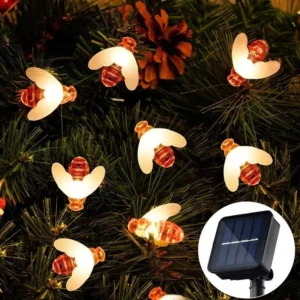
SM22713 Honeybee 30LED Solar String Light
-
 Animal Solar Lights
SM231138 Glass+Metal Iron Decorative Bee Solar Freestanding Light
-
 Animal Solar Lights
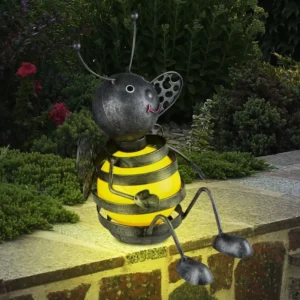
SM23383 Metal Iron Bee-Shaped Solar Tabletop Light
-
 Animal Solar Lights
SM23525 PP Plastic Bee Stake Solar Light
-
 Animal Solar Lights
SM24011 PP Plastic Decorative Solar Bee Stake Light for Garden
-
 Animal Solar Lights
SM24453 PP Plastic Bee Shape Solar Stake Light
-
 Animal Solar Lights
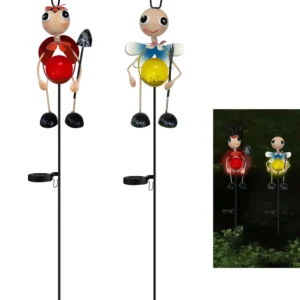
SM251193 Iron, Glass Bee Solar Light
-
-
 Animal Solar Lights
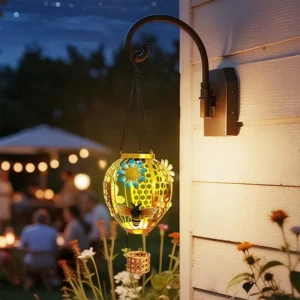
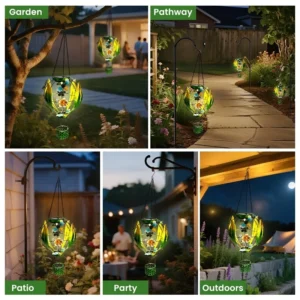
SM25355 PP Plastic Solar Hanging Lantern with Bee Animal Decor
-
 Animal Solar Lights
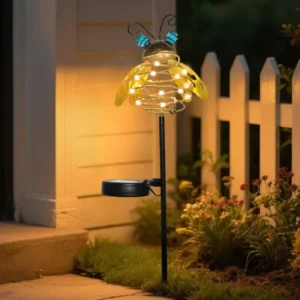
SM25522 Metal Iron Art Solar Animal Decorations Stake
-
 Bee Solar Lights
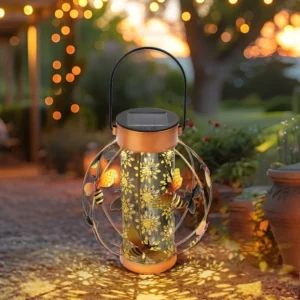
SM24951 Decorative Bee Solar Hanging Lantern Light
Wholesale Bee Solar Lights: Complete B2B Buyer Guide
If you’re sourcing wholesale bee solar lights for retail, distribution, or commercial landscaping projects, this comprehensive guide will help you evaluate designs, materials, manufacturing processes, and supplier capabilities before placing bulk orders. Bee-themed solar lights have gained significant popularity among wholesalers, retailers, and project contractors due to their unique decorative appeal, environmental symbolism, and strong consumer demand for nature-inspired outdoor lighting solutions. Whether you’re importing for garden centers, gift retailers, or landscape contractors, understanding the key factors in design authenticity, material durability, solar system integration, and manufacturing quality will ensure successful bulk procurement. This guide covers essential purchasing considerations including design variations, material selection, certification requirements, customization options, and supplier evaluation criteria specifically tailored for wholesale buyers in the decorative solar lighting market.
Category Summary
Wholesale bee solar lights represent a rapidly growing niche within the decorative outdoor lighting market, combining environmental awareness themes with functional illumination to create products with strong consumer appeal. Bulk bee solar lights are particularly favored by garden centers, gift retailers, and eco-conscious consumers for their symbolic connection to pollinator conservation and sustainable gardening practices. Key wholesale considerations include design authenticity and detail quality, material durability for outdoor exposure, solar system reliability, and manufacturing consistency across large production runs. Primary customer segments include specialty garden retailers, gift shops, environmental education centers, and landscape contractors serving residential and commercial clients who value nature-themed decorative elements. Successful bulk procurement requires careful evaluation of supplier capabilities in detailed molding, realistic finishing techniques, and integration of reliable solar lighting systems.
What Will You Learn in This Guide?
- What Are Bee Solar Lights and Why Are They Popular in Wholesale Markets?
- What Types and Designs Sell Best for Bulk Orders?
- What Materials and Manufacturing Processes Are Used?
- What Quality Standards and Certifications Matter for Wholesale Buyers?
- What Is the Market Demand and Customer Preferences?
- What Are the Common Applications?
- What OEM/ODM Customization Options Are Available for Wholesale Bee Solar Lights?
- How to Source Wholesale Bee Solar Lights from China Manufacturers and Suppliers?
- What Mistakes Can Cost You Money When Buying Bee Solar Lights in Bulk?
- Who Is Glowyard Lighting and What Do We Offer?
- Frequently Asked Questions
What Are Bee Solar Lights and Why Are They Popular in Wholesale Markets?
Wholesale bee solar lights are decorative outdoor lighting fixtures designed to replicate the appearance of bees, honeybees, or bee-related motifs while incorporating integrated solar power systems for autonomous operation. These products combine artistic design elements with functional illumination, creating unique decorative pieces that appeal to environmentally conscious consumers and nature enthusiasts.
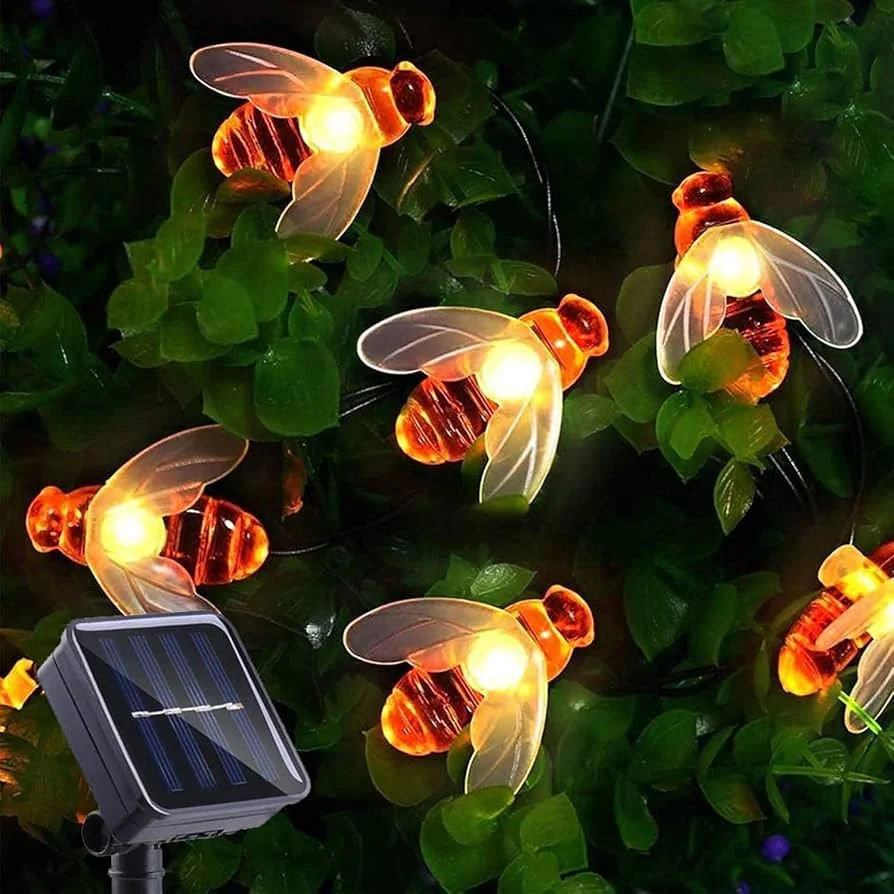

The popularity of bee solar lights in wholesale markets stems from several converging market trends. Growing awareness of pollinator conservation and environmental sustainability has created strong consumer demand for products that celebrate and support bee populations. Wholesale bee solar lights tap into this environmental consciousness while providing practical outdoor lighting solutions.
From a retail perspective, bee-themed products benefit from year-round appeal rather than seasonal limitations common to many decorative lighting categories. The symbolic connection between bees and garden health, pollination, and environmental stewardship creates emotional connections that drive purchasing decisions beyond simple functional requirements.
Market research indicates that bulk bee solar lights command premium pricing compared to generic decorative solar lights, with consumers willing to pay 20-30% more for authentic-looking bee designs with quality construction. This pricing advantage makes bee solar lights attractive for retailers seeking higher margin products in competitive outdoor lighting markets.
The educational and gift market segments provide additional demand drivers for bee solar lights. Environmental education centers, botanical gardens, and nature-themed attractions utilize these products for both functional lighting and educational messaging about pollinator importance. Gift buyers appreciate bee solar lights for their unique appeal and environmental symbolism.
Manufacturing advantages also contribute to wholesale market popularity. Bee designs can be effectively produced using various materials and manufacturing processes, enabling suppliers to offer products across different price points and quality levels. The relatively compact size of most bee solar light designs makes them cost-effective to produce and ship in bulk quantities.
Additionally, bee solar lights align with broader trends toward sustainable and eco-friendly products. The combination of solar power technology with pollinator-themed designs creates products that appeal to environmentally conscious consumers while providing practical outdoor lighting functionality.
What Types and Designs Sell Best for Bulk Orders?
The wholesale bee solar lights market encompasses several distinct design categories that demonstrate consistent performance in bulk procurement scenarios. Understanding these design segments helps wholesalers optimize their product selection and inventory allocation for maximum market penetration and profitability.
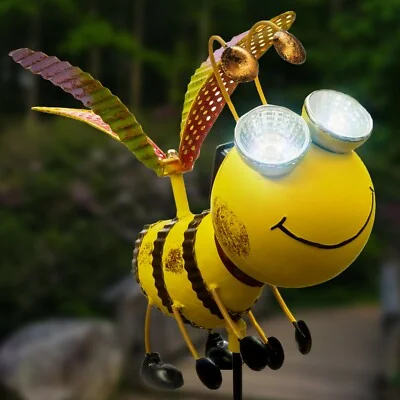
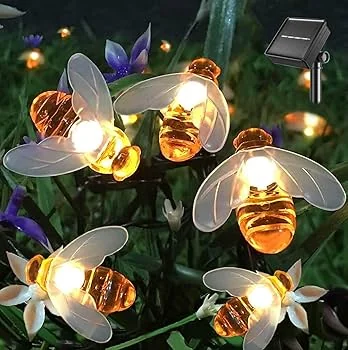
Realistic Bee Stake Lights represent the highest-volume segment for bulk orders, featuring detailed bee sculptures mounted on stakes for garden installation. These products typically incorporate anatomically accurate bee proportions, realistic wing textures, and authentic color schemes using yellow and black striping patterns. Premium versions include multiple bees per stake or dynamic positioning that suggests flight or pollination activities.
Bee String Lights and Garlands have emerged as strong performers in both residential and commercial markets. These products feature multiple small bee figures connected by weather-resistant cables with integrated LED systems. Popular configurations include 10-20 bee units per string with warm white or color-changing LED options. The versatility of string light applications makes them suitable for permanent installations and temporary decorative uses.
Bee Lantern and Container Lights cater to tabletop and accent lighting applications. These designs incorporate bee motifs into lantern structures, mason jar configurations, or decorative containers with integrated solar lighting systems. The combination of functional lighting with bee-themed decoration appeals to both indoor and outdoor applications.
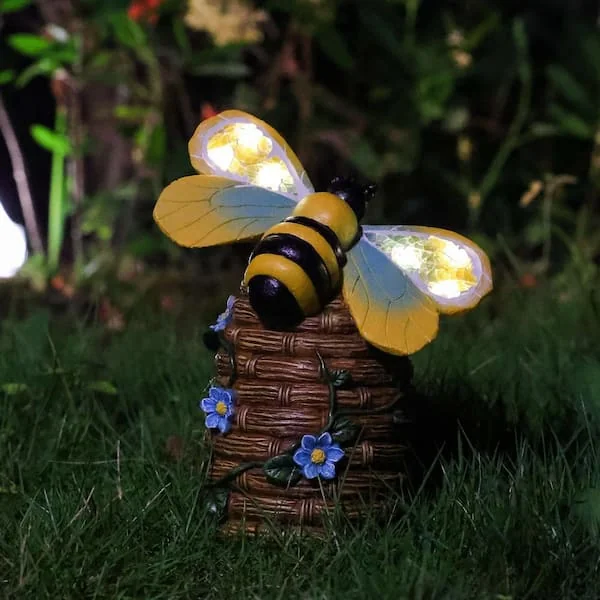
Bee Garden Statue Lights represent the premium segment within bulk bee solar lights procurement. These larger-scale products feature detailed bee sculptures with integrated lighting elements, often incorporating additional garden elements such as flowers, honeycombs, or hive structures. The substantial size and detailed construction of these products command higher wholesale prices while appealing to customers seeking statement pieces for their gardens.
Bee Swarm and Colony Lights create dynamic lighting displays featuring multiple bee figures arranged to suggest natural bee behavior. These products may include bees positioned around artificial flowers, hovering near hive structures, or arranged in flight patterns. The complexity of these designs requires sophisticated manufacturing capabilities but creates unique products with strong market differentiation.
Category-Specific Buyer Notes for Bee Solar Lights:
When sourcing wholesale bee solar lights, buyers should prioritize suppliers with demonstrated expertise in detailed figurine manufacturing and realistic finishing techniques. Key differentiators include the ability to achieve accurate bee anatomy proportions, authentic wing texture replication, and consistent color matching across production runs. Unlike generic decorative lights, bee solar lights require specialized knowledge of bee morphology and behavior to create convincing designs that appeal to nature-conscious consumers. Successful bulk procurement also depends on suppliers’ capabilities in miniaturized solar system integration, as bee designs often require compact electronic components that maintain functionality while preserving design authenticity. Quality control systems must address both aesthetic consistency and technical performance to ensure products meet the expectations of environmentally aware customers who value both form and function.
What Materials and Manufacturing Processes Are Used?
The manufacturing of wholesale bee solar lights requires specialized materials and processes that balance design authenticity, durability, and cost-effectiveness for bulk production. Understanding these manufacturing fundamentals enables wholesale buyers to evaluate supplier capabilities and make informed procurement decisions.
Material Selection for Bee Design Elements
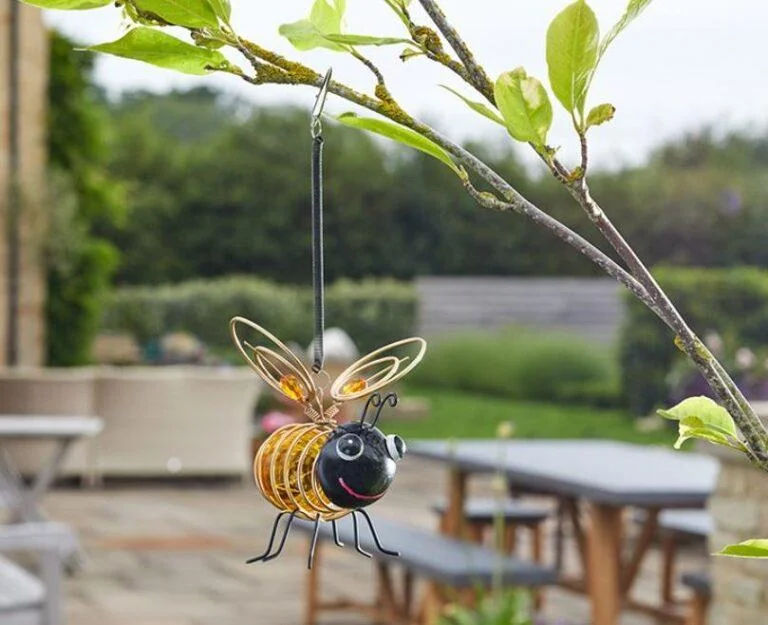
High-quality bee solar lights typically utilize weather-resistant resin or polyresin materials for the primary bee body construction. These materials enable detailed molding of bee anatomy features including segmented bodies, wing textures, and facial details while providing adequate durability for outdoor exposure. Premium products may incorporate mixed materials with metal components for antennae or legs to enhance realism and structural integrity.
Color stability represents a critical material consideration for bulk bee solar lights, as authentic bee coloration requires consistent yellow and black striping that must resist fading under UV exposure. Quality manufacturers utilize UV-stabilized pigments and surface coatings specifically formulated to maintain color accuracy over extended outdoor exposure periods.
Wing construction often employs translucent or semi-transparent materials to replicate the natural appearance of bee wings. Advanced manufacturing processes may incorporate iridescent or prismatic effects to simulate the natural light refraction characteristics of actual bee wings, enhancing the realistic appearance of the finished products.
Molding and Forming Processes
Precision injection molding or rotational molding processes enable the detailed reproduction of bee anatomy features required for authentic-looking products. Wholesale bee solar lights manufacturers must maintain tight tolerances and consistent wall thickness to ensure structural integrity while achieving fine detail reproduction in areas such as wing veining, body segmentation, and facial features.
Multi-part molding processes may be employed for complex designs that incorporate moveable elements or multiple material types. Advanced manufacturers utilize specialized mold designs that enable undercuts and complex geometries necessary for realistic bee anatomy reproduction while maintaining efficient production cycles suitable for bulk orders.
Surface finishing processes include texturing, painting, and coating applications that enhance realism and provide weather protection. Professional manufacturers employ multi-stage finishing processes that may include base coating, detail painting, and protective clear coating to achieve authentic appearance while ensuring long-term durability.
Solar System Integration and Assembly
The integration of solar components with bee-themed housings requires careful design consideration to maintain aesthetic authenticity while ensuring reliable electrical performance. Bulk bee solar lights typically incorporate miniaturized solar panels that may be integrated into wing structures, body segments, or separate mounting elements depending on the specific design requirements.
Battery compartment design must accommodate standard solar light battery configurations while maintaining weather sealing and accessibility for maintenance. Advanced designs incorporate battery compartments that blend seamlessly with bee anatomy or are concealed within mounting structures to preserve design authenticity.
LED placement and optical design considerations ensure effective light distribution while maintaining the realistic appearance of bee figures. Quality manufacturers utilize specialized LED mounting techniques and optical elements that provide adequate illumination without compromising the natural appearance of the bee design elements.
Quality Control and Testing Procedures
Manufacturing wholesale bee solar lights requires comprehensive quality control procedures that address both aesthetic consistency and functional performance. Visual inspection protocols must verify color accuracy, detail reproduction quality, and finish consistency across production batches to ensure uniform appearance in retail displays.
Functional testing procedures include solar charging verification, LED performance evaluation, and weather resistance testing to ensure reliable operation in outdoor environments. Professional manufacturers implement systematic testing protocols that simulate extended outdoor exposure conditions and verify long-term performance characteristics.
Assembly quality control focuses on joint integrity, component alignment, and weather sealing effectiveness to prevent premature failure or aesthetic degradation. Advanced manufacturers utilize automated inspection systems and statistical process control methods to maintain consistent quality across large production runs suitable for wholesale distribution.
What Quality Standards and Certifications Matter for Wholesale Buyers?
Quality standards and certifications for wholesale bee solar lights encompass both general solar lighting requirements and specific considerations related to decorative figurine construction. Professional wholesale buyers must understand these standards to ensure product compliance, market access, and customer satisfaction.
Essential Safety and Electrical Certifications
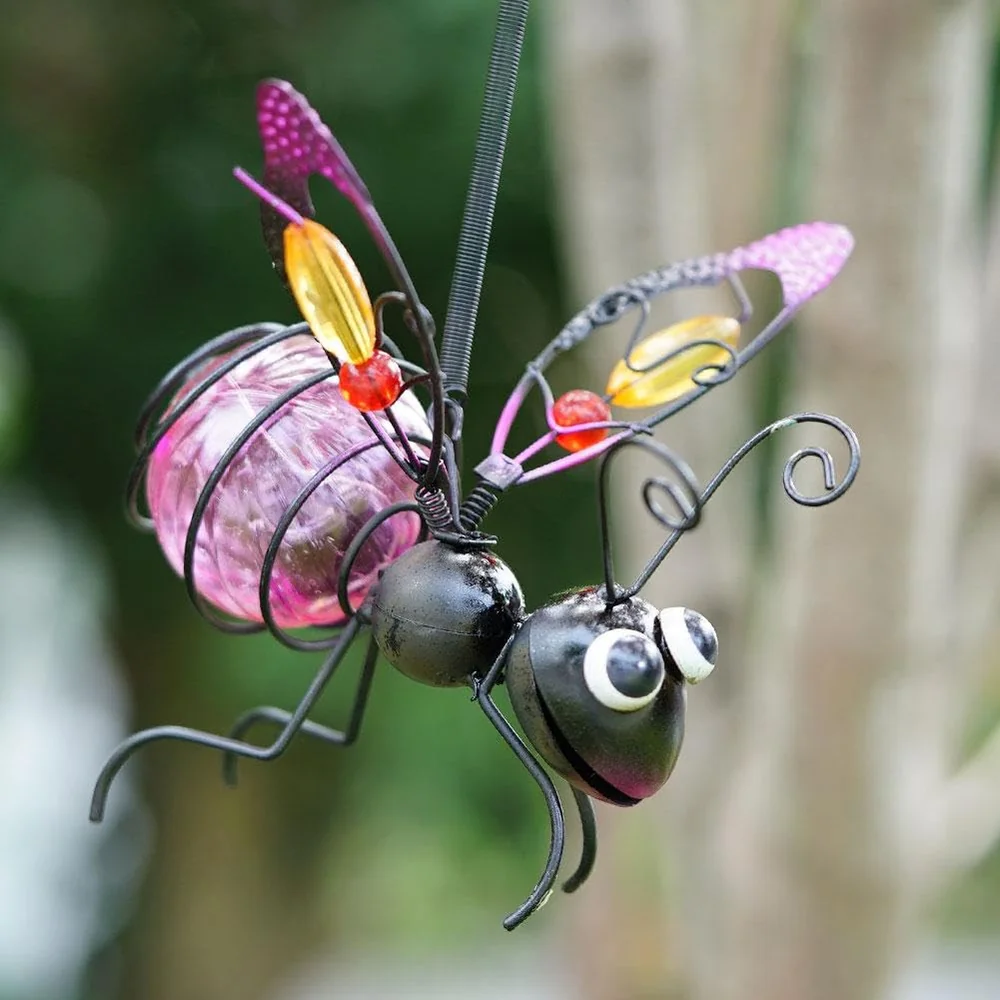
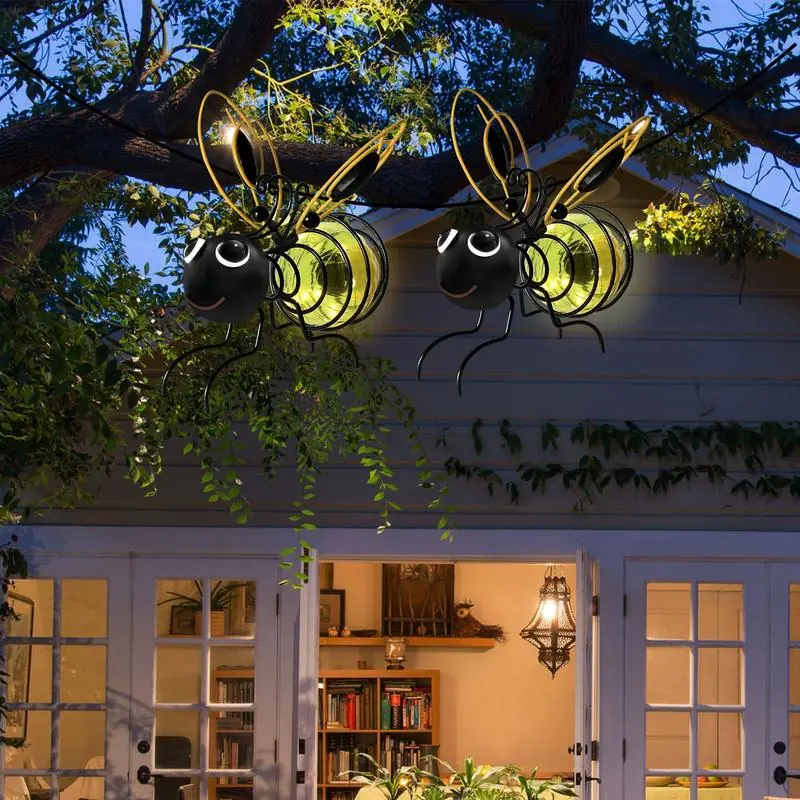
CE marking remains fundamental for wholesale bee solar lights destined for European markets, covering electromagnetic compatibility, electrical safety, and material composition requirements. The decorative nature of bee solar lights requires particular attention to small parts regulations and child safety considerations, especially for products that may be accessible to children in garden settings.
UL or ETL certification for North American markets addresses electrical safety standards with specific focus on outdoor use conditions and weather resistance requirements. Bee solar lights must demonstrate safe operation under various environmental conditions while maintaining electrical isolation and preventing shock hazards.
FCC compliance ensures that electronic components do not interfere with radio communications, particularly important for products with LED drivers or charging circuits that may generate electromagnetic emissions. Quality bulk bee solar lights incorporate proper shielding and filtering to meet these requirements.
Weather Resistance and Durability Standards
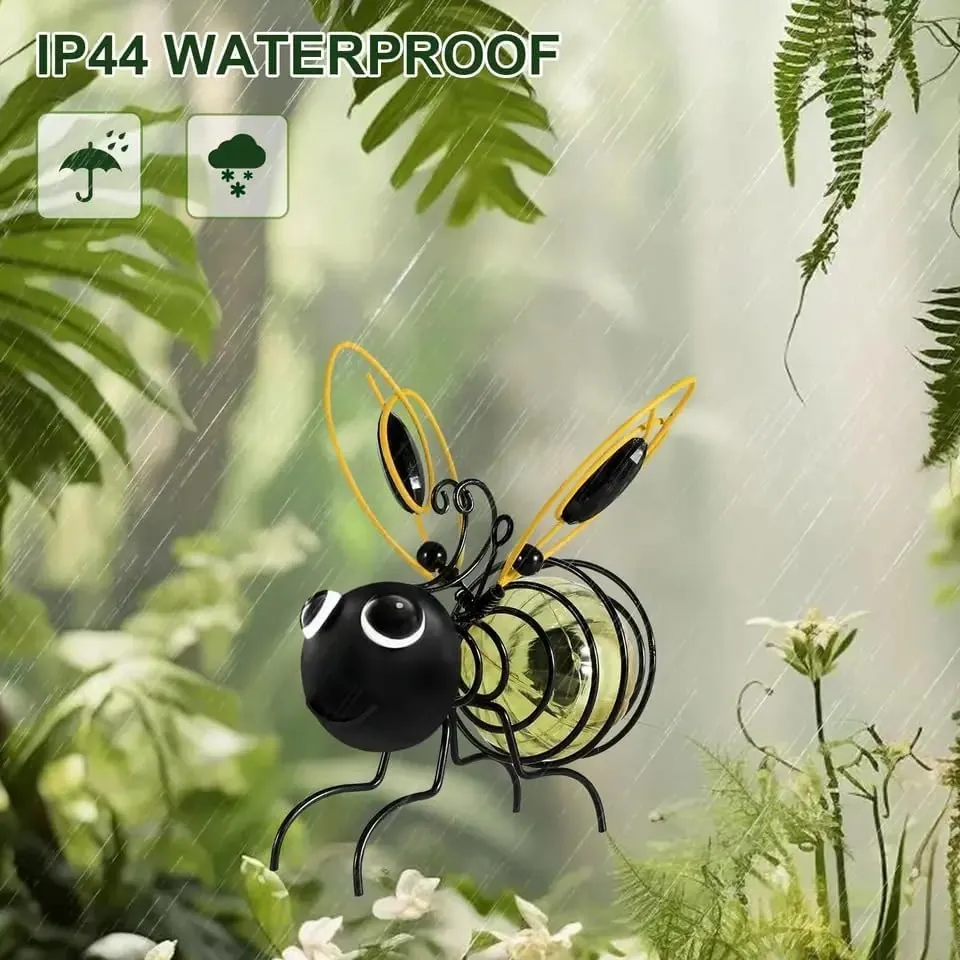
IP rating certification becomes particularly critical for bee solar lights due to their detailed construction and potential vulnerability points around joints and decorative elements. Minimum IP65 rating provides protection against dust ingress and water jets, while premium products often achieve IP67 ratings for enhanced weather resistance.
UV resistance testing follows ASTM G154 or equivalent standards, with particular emphasis on color stability for bee-themed products that rely on accurate yellow and black coloration. Accelerated weathering tests must demonstrate minimal color change and material degradation after standardized exposure cycles equivalent to several years of outdoor use.
Impact resistance testing addresses the durability of decorative elements and overall structural integrity under normal handling and environmental stress conditions. Wholesale bee solar lights must withstand typical garden maintenance activities and weather events without damage to critical components or aesthetic elements.
Material Safety and Environmental Compliance
RoHS compliance ensures that materials used in bee solar lights meet restrictions on hazardous substances, particularly important for products that may be handled frequently or installed in areas accessible to children and pets. Lead-free soldering and cadmium-free pigments represent key compliance requirements.
REACH regulation compliance for European markets requires documentation of chemical substances used in manufacturing processes, with particular attention to colorants, stabilizers, and surface treatments used in bee solar light production.
Phthalate testing may be required for products containing flexible components or soft materials, ensuring compliance with toy safety standards that may apply to decorative garden products with appeal to children.
Quality Management and Manufacturing Standards
ISO 9001 certification indicates systematic quality management processes essential for maintaining consistency across bulk production runs of detailed decorative products. For bulk bee solar lights, this certification provides confidence in supplier capabilities for process control, design consistency, and continuous improvement.
Factory audit certifications such as BSCI or Sedex demonstrate compliance with social and environmental responsibility standards increasingly important for corporate procurement policies and brand reputation management.
Product-Specific Testing Requirements
Photometric testing verifies light output characteristics and distribution patterns to ensure adequate illumination performance while maintaining aesthetic appeal. Bee solar lights must balance functional lighting requirements with design authenticity.
Color consistency testing ensures uniform appearance across production batches, critical for retail display effectiveness and customer satisfaction. Professional manufacturers maintain color matching systems and standardized lighting conditions for quality evaluation.
Aging and lifecycle testing simulates extended outdoor exposure to verify long-term performance and appearance retention. This testing is particularly important for bee solar lights due to their reliance on detailed coloration and surface finishes for market appeal.
What Is the Market Demand and Customer Preferences?
The wholesale bee solar lights market demonstrates strong growth driven by environmental awareness trends, pollinator conservation initiatives, and consumer preference for nature-themed decorative products. Understanding these market dynamics enables wholesale buyers to optimize product selection and inventory strategies for maximum commercial success.

Environmental and Conservation Market Drivers
Growing awareness of pollinator decline and bee conservation has created significant consumer interest in bee-themed products that celebrate and support pollinator populations. Wholesale bee solar lights benefit from this environmental consciousness, with many consumers viewing these products as expressions of their commitment to environmental stewardship and garden ecology.
Educational institutions, botanical gardens, and environmental organizations drive institutional demand for bee solar lights as both functional lighting and educational tools. These markets often specify products with high design authenticity and educational value, creating opportunities for premium pricing and specialized product development.
The “pollinator-friendly garden” movement has influenced residential landscaping trends, with homeowners increasingly seeking products that complement native plant gardens and support beneficial insect populations. Bee solar lights align perfectly with these gardening philosophies while providing practical lighting functionality.
Seasonal Demand Patterns and Market Timing
Bulk bee solar lights experience peak demand during spring garden preparation periods (March-May) when consumers are planning and implementing outdoor improvements. Secondary demand peaks occur during late summer (August-September) as gardens reach maturity and consumers seek decorative elements to enhance outdoor spaces.
Gift market demand shows different seasonal patterns, with significant sales during Mother’s Day, Earth Day, and general spring gift-giving periods. The environmental symbolism of bee products makes them popular choices for eco-conscious gift buyers throughout the growing season.
Holiday and special event markets provide additional demand opportunities, with bee solar lights popular for outdoor weddings, garden parties, and environmental awareness events. These applications often require larger quantities and may specify custom configurations or packaging.
Consumer Preference Trends and Design Evolution
Contemporary consumers increasingly prefer realistic and detailed bee designs over simplified or cartoon-like representations. Market research indicates that products with anatomically accurate proportions, authentic coloration, and natural positioning command higher prices and demonstrate better sales performance.
Size preferences vary by application, with smaller bee figures (2-4 inches) popular for string lights and accent applications, while larger statement pieces (6-12 inches) appeal to customers seeking focal point installations. Wholesale bee solar lights inventory should balance these size preferences based on target market segments.
Color temperature preferences for LED components favor warm white (2700K-3000K) for most residential applications, creating cozy and natural lighting effects that complement garden environments. Color-changing or multi-color options appeal to younger demographics and special event applications.
Geographic and Cultural Market Variations
North American markets show strong preference for realistic bee designs with educational or conservation messaging, often incorporating native bee species characteristics rather than generic honeybee representations. This market segment values authenticity and environmental accuracy in product design and marketing.
European markets demonstrate appreciation for artistic interpretation and design innovation while maintaining connection to natural bee characteristics. These markets often accept more stylized designs that balance realism with aesthetic appeal and garden integration.
Asian markets increasingly embrace bee solar lights as symbols of prosperity and garden harmony, with preferences for products that incorporate traditional design elements or cultural symbolism alongside bee themes.
Commercial vs. Residential Market Segments
Commercial applications including restaurants, hotels, and event venues drive demand for bulk bee solar lights with enhanced durability specifications and professional appearance. These customers often specify products with extended warranty coverage and replacement part availability.
Residential markets prioritize aesthetic appeal, ease of installation, and cost-effectiveness. DIY-friendly designs with simple stake mounting or hanging systems perform well in retail channels serving residential customers.
Educational and institutional markets require products that combine visual appeal with educational value, often specifying bee solar lights with accompanying informational materials or interpretive signage capabilities.
What Are the Common Applications?
Wholesale bee solar lights serve diverse application segments, each with specific performance requirements and installation considerations. Understanding these applications enables wholesale buyers to match product specifications with market demands and optimize their product portfolio for maximum commercial success.
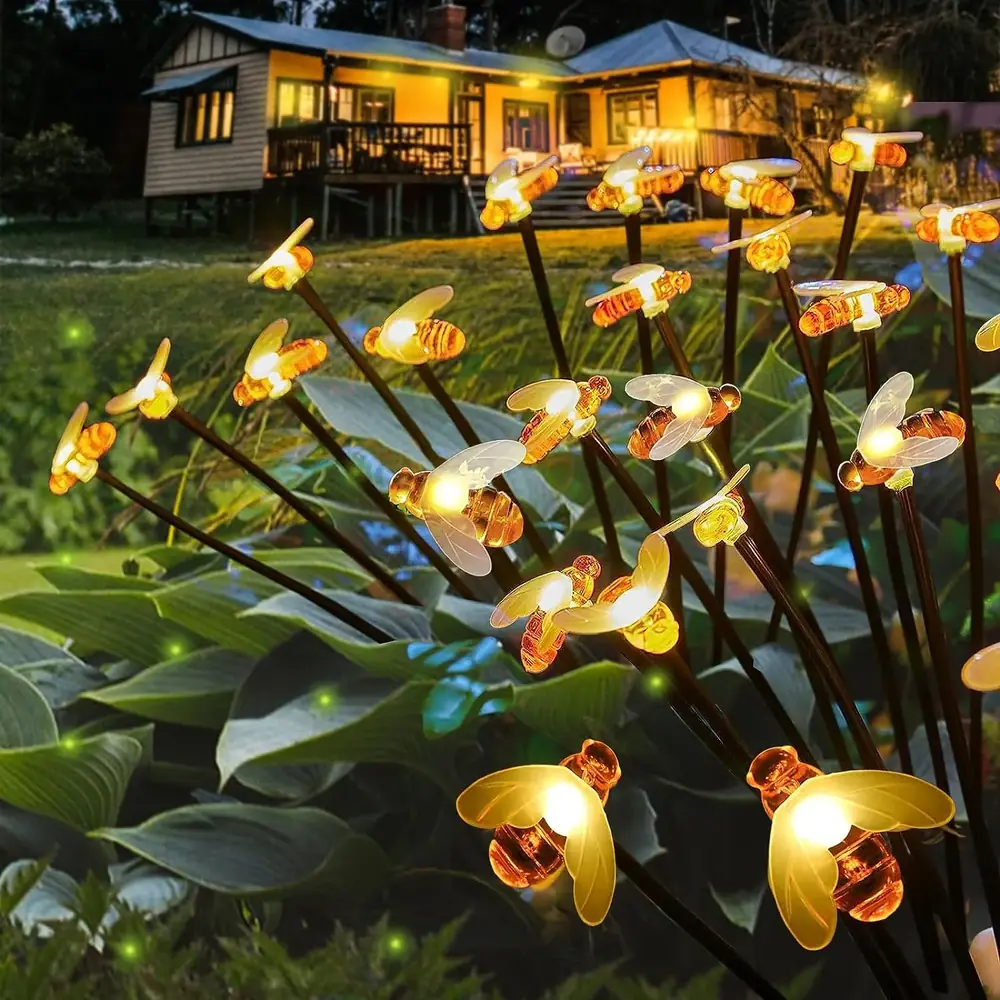

Residential Garden and Landscape Applications
Home gardens represent the primary application segment for bulk bee solar lights, with homeowners using these products to create themed garden areas that celebrate pollinator-friendly landscaping. Popular installations include placement among flowering plants, herb gardens, and native plant collections where the bee theme reinforces the garden’s ecological purpose.
Pathway and border lighting applications utilize bee solar lights to provide functional illumination while maintaining thematic consistency with pollinator gardens. The decorative nature of bee designs makes them suitable for areas where purely functional lighting might appear too utilitarian or industrial.
Children’s garden areas and educational garden spaces benefit from bee solar lights as both lighting elements and teaching tools about pollinator importance and garden ecology. These applications often specify products with enhanced durability and safety features suitable for areas with frequent child interaction.
Commercial Hospitality and Restaurant Applications
Restaurants with outdoor dining areas increasingly incorporate wholesale bee solar lights to create unique ambiance that supports farm-to-table or sustainable dining themes. The environmental symbolism of bee products aligns with restaurant marketing messages about local sourcing and environmental responsibility.
Hotels and resorts utilize bee solar lights in garden areas, walking paths, and outdoor event spaces to create distinctive lighting themes that differentiate their properties. The conversation-starting nature of bee designs enhances guest experiences and supports memorable stays.
Event venues and wedding locations frequently specify bee solar lights for outdoor ceremonies and receptions, particularly for couples seeking nature-themed or environmentally conscious celebrations. The romantic and natural associations of bee imagery make these products popular for special event applications.
Educational and Institutional Applications
Botanical gardens and arboretums use bulk bee solar lights as both functional lighting and educational tools to highlight pollinator gardens and native plant collections. These installations often incorporate interpretive signage that explains bee ecology and conservation importance.
Schools and educational institutions utilize bee solar lights in outdoor classrooms, school gardens, and environmental education areas. The visual appeal of bee designs helps engage students in learning about pollinator ecology and environmental stewardship.
Environmental education centers and nature preserves incorporate bee solar lights into trail systems and interpretive areas to provide evening illumination while reinforcing educational messages about pollinator conservation and ecosystem health.
Retail and Commercial Property Applications
Garden centers and nurseries use bee solar lights as both retail products and landscape demonstration elements, showing customers how these products can enhance pollinator-friendly garden designs. The educational aspect of bee themes supports sales of related plants and garden products.
Shopping centers and commercial developments incorporate wholesale bee solar lights into landscape designs that emphasize environmental responsibility and community connection to nature. These installations often support corporate sustainability initiatives and green building certification programs.
Farmers markets and agricultural venues utilize bee solar lights to reinforce connections between local food production and pollinator health, creating thematic consistency that supports vendor messaging about sustainable agriculture and local food systems.
Specialized Agricultural and Horticultural Applications
Community gardens and urban agriculture projects use bee solar lights to provide evening illumination while celebrating the connection between food production and pollinator health. These applications often emphasize the educational value of bee themes in promoting understanding of agricultural ecology.
Greenhouse and nursery operations incorporate bee solar lights in customer areas and demonstration gardens to reinforce their expertise in pollinator-friendly plants and sustainable gardening practices. The professional appearance of quality bee solar lights supports business credibility and customer education efforts.
Agritourism operations including pick-your-own farms, corn mazes, and agricultural festivals utilize bulk bee solar lights to create themed lighting displays that enhance visitor experiences while educating about agricultural ecology and pollinator importance.
Memorial and Commemorative Applications
Memorial gardens and remembrance spaces increasingly incorporate bee solar lights as symbols of life, renewal, and environmental continuity. The positive associations of bee imagery make these products suitable for commemorative applications that celebrate life and natural cycles.
Community pollinator gardens and conservation areas use bee solar lights to mark dedicated spaces and provide evening illumination for educational programs and community events focused on environmental stewardship and habitat preservation.
What OEM/ODM Customization Options Are Available for Wholesale Bee Solar Lights?
Wholesale bee solar lights offer extensive customization opportunities that enable distributors and retailers to develop unique product lines and strengthen their market positioning within the growing pollinator-themed decorative lighting segment. Understanding available OEM/ODM options helps wholesale buyers maximize their competitive advantages and meet specific market requirements.
Design and Aesthetic Customization
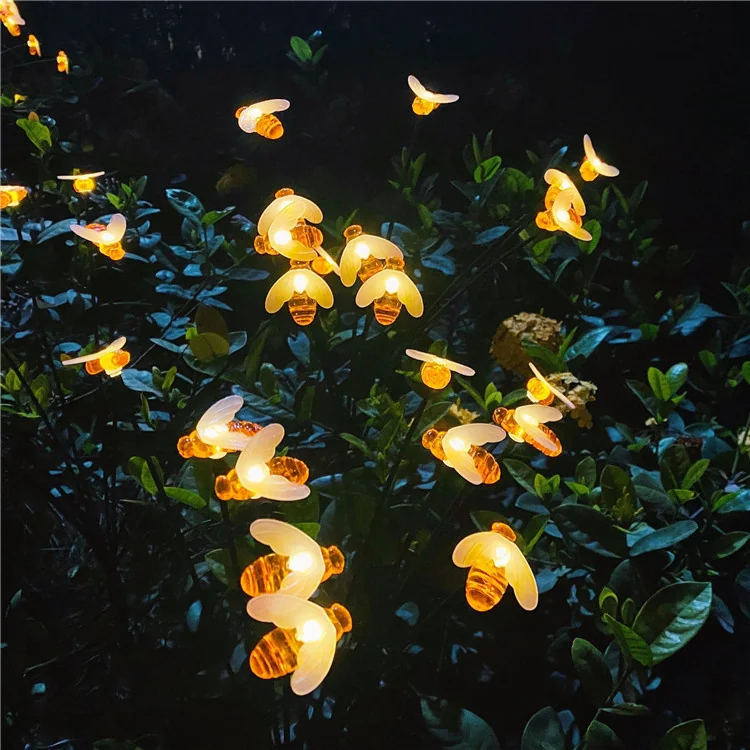
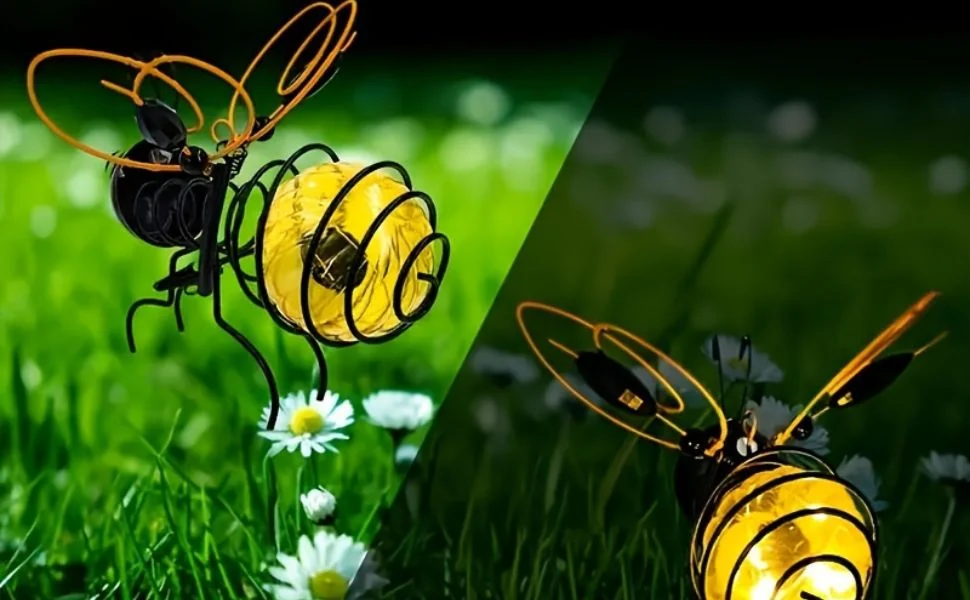
Bee species customization represents a unique opportunity for bulk bee solar lights differentiation, with manufacturers able to create products based on specific bee species relevant to different geographic markets. Options include honeybees, bumblebees, carpenter bees, or native bee species that resonate with local ecosystems and conservation messaging.
Color scheme customization extends beyond standard yellow and black patterns to include realistic variations found in different bee species, seasonal color changes, or artistic interpretations that maintain bee recognition while offering unique visual appeal. Advanced manufacturers can incorporate iridescent or metallic finishes that simulate natural bee wing coloration.
Size and scale customization enables product lines that serve different applications and price points, from miniature bees suitable for string light applications to large statement pieces for garden focal points. Custom sizing also allows for family groupings or swarm configurations that create dynamic lighting displays.
Pose and positioning customization creates products that suggest natural bee behaviors such as pollinating flowers, hovering in flight, or resting on surfaces. These dynamic poses enhance the realistic appeal and storytelling potential of bee solar light installations.
Functional and Technical Customization
LED configuration customization includes color temperature selection, brightness levels, and lighting pattern options specifically designed to complement bee-themed installations. Wholesale bee solar lights can incorporate warm white LEDs for natural garden integration, color-changing systems for special effects, or specialized lighting patterns that simulate firefly-like behavior.
Solar system customization enables optimization for specific geographic regions and usage patterns, including high-efficiency panels for northern climates, extended-capacity battery systems for longer runtime requirements, and rapid-charging configurations for areas with limited sunlight exposure.
Motion and animation features can be integrated into custom bee solar lights, including gentle wing movement, LED pulsing patterns that simulate breathing or heartbeat, or coordinated lighting effects across multiple units that create swarm-like behaviors.
Control system customization encompasses timer functions, motion sensors, and smart connectivity options that enable integration with home automation systems or coordinated lighting displays across multiple bee units.
Educational and Interpretive Customization
Educational packaging and documentation customization enables bulk bee solar lights to serve dual purposes as decorative lighting and educational tools. Custom packaging can include information about bee ecology, pollinator conservation, and garden practices that support bee populations.
QR code integration allows custom bee solar lights to connect users with digital content about bee conservation, local pollinator resources, or brand-specific educational materials that enhance the product’s value proposition beyond simple decoration.
Interpretive signage integration enables bee solar lights to incorporate small plaques or tags with educational information, species identification, or conservation messaging that enhances their educational value in garden and institutional applications.
Branding and Marketing Customization
Private label packaging represents a crucial customization element for wholesale bee solar lights procurement, with manufacturers able to develop custom packaging designs that incorporate distributor branding, conservation messaging, and educational content that differentiates products in competitive markets.
Custom color schemes and design elements can incorporate brand colors or specific aesthetic themes while maintaining bee recognition and appeal. This customization enables retailers to develop exclusive product lines that align with their brand identity and target market preferences.
Co-branding opportunities with environmental organizations, botanical gardens, or conservation groups can create unique products that leverage organizational credibility and mission alignment to enhance market appeal and pricing power.
Manufacturing and Quality Customization
Enhanced durability specifications enable custom bee solar lights designed for specific applications such as commercial installations, educational environments, or high-traffic areas that require superior weather resistance and impact protection.
Quality control customization includes additional testing requirements, extended warranty coverage, and specialized packaging designed to prevent damage during shipping and handling of detailed decorative products.
Sustainability customization encompasses use of recycled materials, carbon-neutral manufacturing processes, or packaging made from sustainable materials that align with the environmental themes inherent in bee-themed products.
Minimum Order Quantities and Development Timelines
Standard customization options typically require moderate minimum order quantities, making them accessible for mid-sized wholesale operations. Basic color and finish customizations may require minimum orders of 300-500 units, while more extensive modifications such as custom shapes or electronic configurations may require larger commitments.
Lead times for customized wholesale bee solar lights vary based on complexity and current production schedules. Simple customizations such as color changes may add 2-3 weeks to standard production times, while complex modifications requiring new tooling or extensive testing may require 6-10 weeks for initial production runs.
How to Source Wholesale Bee Solar Lights from China Manufacturers and Suppliers?
Sourcing wholesale bee solar lights from China requires systematic evaluation of manufacturing capabilities, design expertise, and quality systems specific to decorative figurine production and solar lighting integration. The specialized nature of bee-themed products demands careful supplier selection and relationship management.

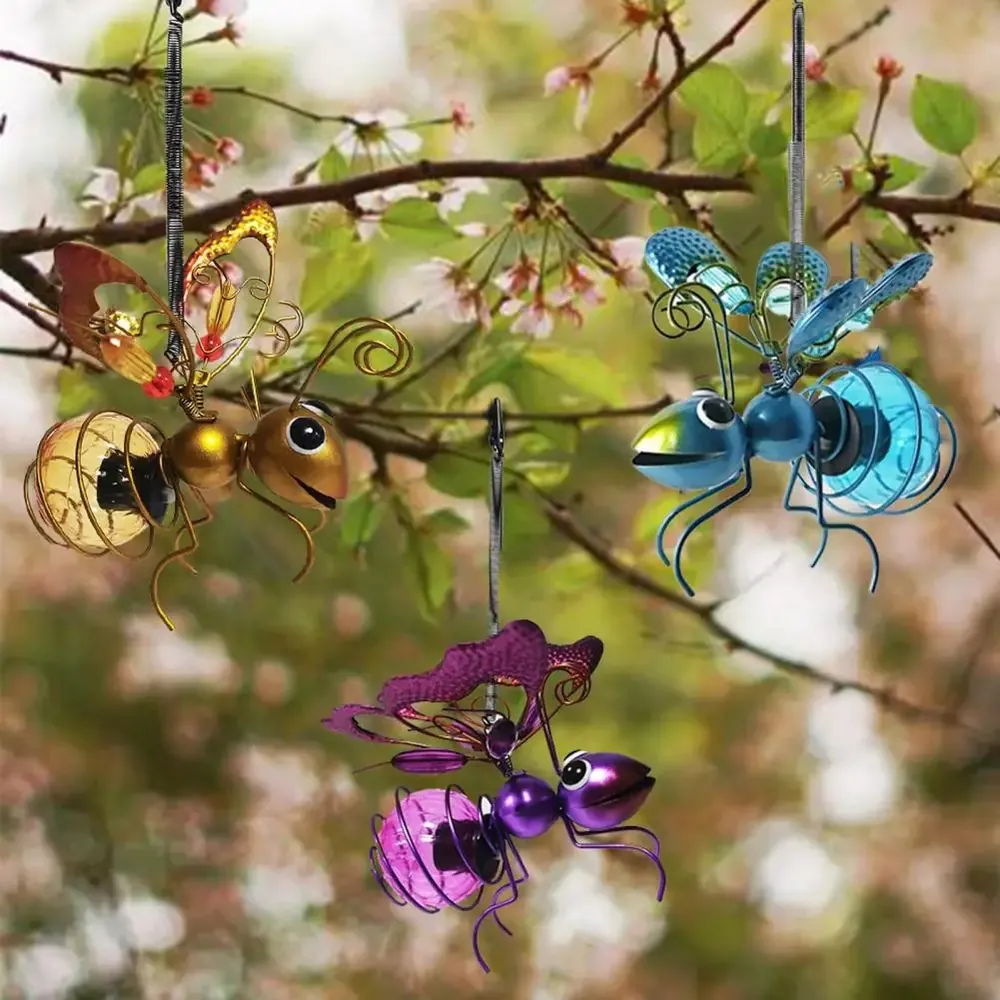
Identifying Specialized Manufacturers
Professional wholesale bee solar lights manufacturers typically demonstrate specific capabilities that distinguish them from general solar lighting suppliers. Look for companies with experience in detailed figurine manufacturing, realistic animal reproduction, and decorative outdoor lighting integration.
Manufacturing facility evaluation should include assessment of sculpting and design capabilities, precision molding equipment for detailed reproduction, specialized painting and finishing areas, and quality control systems adapted for decorative products. Advanced manufacturers often maintain design studios with artists experienced in natural subject reproduction.
Technical expertise indicators include engineering staff with experience in miniaturized solar system integration, quality control personnel trained in decorative product evaluation, and production managers familiar with the specific challenges of bee-themed product manufacturing including color consistency and detail reproduction.
Evaluating Design and Manufacturing Capabilities
Design portfolio assessment represents a critical evaluation step for bulk bee solar lights suppliers. Review previous work in animal figurines, nature-themed products, and decorative lighting to assess artistic capabilities and attention to detail. Quality suppliers maintain extensive portfolios demonstrating their range and consistency in decorative product manufacturing.
Production capacity evaluation should consider both current output levels and scalability for seasonal demand fluctuations common in decorative lighting markets. Assess equipment capabilities for detailed molding, multi-stage finishing processes, and quality control systems adapted for decorative products with aesthetic as well as functional requirements.
Quality control systems evaluation must address both aesthetic consistency and functional performance. Professional manufacturers maintain specialized inspection procedures for decorative products including color matching systems, detail reproduction verification, and finish quality assessment in addition to standard electrical and weather resistance testing.
Supply Chain and Material Sourcing Considerations
Raw material sourcing practices directly impact product quality and authenticity for bee-themed products. Evaluate supplier relationships with resin manufacturers, pigment suppliers, and electronic component sources. Professional suppliers maintain multiple source options and quality control systems that ensure consistent material properties across production runs.
Specialized material requirements for bee solar lights include UV-stable pigments for accurate color reproduction, weather-resistant resins suitable for detailed molding, and miniaturized electronic components that maintain functionality while preserving design authenticity.
Packaging and shipping capabilities should accommodate the fragile nature of detailed decorative products while optimizing shipping efficiency. Assess packaging design quality, protection levels for delicate features, and shipping documentation accuracy for international distribution.
Quality Assurance and Testing Protocols
Pre-production sampling procedures become particularly important for decorative products where aesthetic appeal drives purchasing decisions. Establish clear sampling procedures that address both design accuracy and functional performance, with specific attention to color reproduction, detail quality, and finish consistency.
Quality control and inspection services may include third-party verification for critical aesthetic and functional requirements. Consider utilizing independent inspection services familiar with decorative lighting products and the specific quality requirements of bee-themed designs.
Testing protocols should address both standard solar lighting performance and specific requirements for decorative products including color stability, detail durability, and weather resistance of decorative elements.
Communication and Technical Support
Design communication capabilities represent critical factors for successful wholesale bee solar lights procurement. Evaluate suppliers’ abilities to understand and implement design requirements, provide technical feedback on feasibility, and suggest improvements based on manufacturing expertise.
Technical support capabilities should include assistance with product specification, installation guidance, and troubleshooting support for both functional and aesthetic issues. Quality suppliers provide comprehensive product documentation and training materials to support distributor sales efforts.
Risk Management and Relationship Development
Intellectual property considerations become important when developing custom bee designs or working with suppliers on proprietary product development. Establish clear agreements regarding design ownership, exclusivity arrangements, and protection of custom developments.
Long-term relationship development focuses on building partnerships that support ongoing product development, market expansion, and quality improvement. Professional suppliers demonstrate commitment to continuous improvement and willingness to invest in long-term customer relationships.
Wholesale Buying Checklist for Bee Solar Lights
- Verify design authenticity and anatomical accuracy of bee representations
- Confirm color stability and UV resistance of pigments and finishes
- Review LED specifications including color temperature and brightness levels
- Evaluate battery capacity and solar panel efficiency for intended applications
- Assess packaging quality and protection for detailed decorative elements
- Verify certification compliance for target markets and applications
- Establish quality control procedures for both aesthetic and functional requirements
- Confirm production capacity and delivery timeline capabilities
- Review warranty terms and technical support availability
- Establish clear communication protocols and design approval procedures
- Verify supplier experience with decorative figurine manufacturing
- Assess customization capabilities and minimum order requirements
Quick RFQ Template for Wholesale Bee Solar Lights
Product Specifications:
- Product Type: [Specify bee solar light category and design style]
- Bee Species: [Honeybee, bumblebee, or specific native species]
- Size Dimensions: [Overall size and mounting specifications]
- Materials: [Resin type, finish requirements, color specifications]
- LED Configuration: [Color temperature, brightness, lighting patterns]
- Solar System: [Panel wattage, battery capacity, runtime hours]
- IP Rating: [Minimum IP65 or specify weather resistance requirements]
- Certifications: [CE, UL, FCC, or market-specific requirements]
Order Details:
- Quantity: [Specify bulk order volume]
- Delivery Timeline: [Required delivery date and seasonal considerations]
- Packaging: [Standard or custom packaging with educational materials]
- Destination: [Shipping location and method]
- Payment Terms: [Preferred payment structure]
- Sample Requirements: [Pre-production sample needs and approval process]
- Quality Control: [Inspection requirements for aesthetic and functional aspects]
- Customization: [Any OEM/ODM requirements or design modifications]
What Mistakes Can Cost You Money When Buying Bee Solar Lights in Bulk?
Avoiding costly mistakes in wholesale bee solar lights procurement requires understanding common pitfalls specific to decorative figurine manufacturing and the unique market expectations for bee-themed products. Learning from industry experience helps wholesale buyers protect their investments and ensure customer satisfaction.
Design Authenticity and Quality Issues
One of the most expensive mistakes involves accepting bee designs that lack anatomical accuracy or realistic proportions, leading to products that appear cheap or cartoon-like rather than authentic nature representations. Poor design quality undermines the premium positioning that bulk bee solar lights require for successful market performance and can result in customer dissatisfaction and returns.
Color accuracy and consistency problems represent another costly error, particularly when bee coloration appears unnatural or fades quickly under outdoor exposure. Inconsistent yellow and black striping, unrealistic color combinations, or rapid color degradation can destroy product credibility and brand reputation in markets where authenticity is valued.
Detail quality issues including poor wing texture reproduction, inadequate body segmentation, or missing anatomical features can make products appear mass-produced rather than thoughtfully designed. Wholesale bee solar lights customers expect attention to detail that reflects the natural beauty and complexity of actual bees.
Material and Manufacturing Quality Problems
Inadequate weather resistance represents a critical failure point for decorative outdoor products. Bee solar lights with poor material selection or inadequate weather sealing may experience rapid degradation, cracking, or component failure when exposed to outdoor conditions, leading to warranty claims and customer service issues.
Assembly quality problems including loose joints, poor component alignment, or inadequate weather sealing can compromise both aesthetic appeal and functional performance. The detailed nature of bee designs creates multiple potential failure points that require careful attention during manufacturing and quality control.
Surface finish defects such as visible mold lines, rough textures, or inconsistent paint application can destroy the premium appearance that bee solar lights require for market success. These quality issues become particularly apparent in retail displays where products are closely examined by potential customers.
Solar System Integration and Performance Issues
Battery capacity mismatching can result in inadequate runtime performance that fails to meet customer expectations for decorative lighting applications. Bulk bee solar lights customers often expect extended operation times for evening garden enjoyment, making proper battery sizing critical for customer satisfaction.
Solar panel sizing and positioning errors can compromise charging performance, particularly in bee designs where panel integration must balance functionality with aesthetic authenticity. Poorly positioned or undersized panels may result in inadequate charging and customer complaints about performance.
LED quality and longevity issues often become apparent only after extended use, making initial evaluation critical. Poor LED selection can result in rapid brightness degradation, color shifting, or premature failure that undermines the long-term value proposition of solar lighting products.
Market Positioning and Pricing Errors
Underestimating the premium market positioning of bee-themed products can lead to pricing strategies that fail to capture the value that environmentally conscious consumers place on authentic, well-designed bee solar lights. Wholesale bee solar lights typically command higher margins than generic decorative lighting, but only when quality and authenticity support premium positioning.
Seasonal timing mistakes can result in inventory arriving too late for peak selling seasons or too early, creating cash flow and storage challenges. The strong seasonal demand patterns for garden products require careful planning and coordination with suppliers to optimize market timing.
Target market misalignment can occur when products designed for one market segment are marketed to inappropriate customer bases. Educational markets require different features and messaging than residential decorative markets, and confusion about target applications can lead to poor sales performance.
Supplier Selection and Relationship Issues
Choosing suppliers without appropriate decorative figurine manufacturing experience can result in products that fail to meet quality expectations for detailed bee designs. Generic solar light manufacturers may lack the specialized capabilities required for authentic-looking bee products.
Communication problems regarding design requirements, quality standards, or delivery expectations can lead to products that fail to meet specifications or arrive outside required timeframes. Clear communication protocols and detailed specifications are essential for successful bulk bee solar lights procurement.
Quality control inadequacies may not become apparent until products reach end customers, creating expensive warranty and customer service issues. Establishing comprehensive quality control procedures and inspection protocols helps prevent these costly problems.
Regulatory and Compliance Oversights
Certification compliance failures can result in products that cannot be legally sold in target markets, creating total loss situations for wholesale buyers. Bee solar lights must meet the same safety and performance standards as other solar lighting products while also addressing any specific requirements related to decorative products.
Documentation inadequacies may prevent products from passing customs inspections or retailer acceptance procedures. Ensure that suppliers provide complete testing reports, certification documents, and compliance declarations required for target markets.
Packaging and Logistics Mistakes
Inadequate packaging for detailed decorative products can result in shipping damage that destroys product value and creates immediate losses. Bee solar lights require specialized packaging that protects delicate features while maintaining cost-effectiveness for bulk shipments.
Shipping and handling errors often damage fragile decorative elements or result in delivery delays that impact seasonal sales opportunities. Work with experienced freight forwarders familiar with decorative lighting products and establish clear handling procedures.
Who Is Glowyard Lighting and What Do We Offer?
Glowyard Lighting specializes in manufacturing premium wholesale bee solar lights that combine authentic design elements with reliable solar lighting technology to serve distributors, retailers, and commercial buyers seeking high-quality nature-themed decorative lighting solutions. Our expertise in detailed figurine manufacturing and solar system integration enables us to deliver products that meet the demanding requirements of environmentally conscious markets.
Specialized Manufacturing Capabilities
Our manufacturing facility features dedicated design studios staffed by artists experienced in natural subject reproduction, ensuring that our wholesale bee solar lights achieve the anatomical accuracy and realistic detail that distinguish premium products from mass-market alternatives. We maintain specialized molding equipment capable of reproducing fine details including wing textures, body segmentation, and facial features that create authentic bee representations.
Quality control systems at Glowyard Lighting address both aesthetic consistency and functional performance through comprehensive inspection procedures adapted specifically for decorative products. Our quality assurance team utilizes color matching systems, detail reproduction verification, and finish quality assessment protocols in addition to standard electrical and weather resistance testing.
Production capacity enables us to handle substantial bulk bee solar lights orders while maintaining the attention to detail required for premium decorative products. We implement specialized handling procedures and quality control measures throughout production to ensure consistent results across large production runs.
Design Expertise and Product Development
Our design team combines artistic expertise with technical knowledge of bee anatomy and behavior to create products that appeal to environmentally conscious consumers while providing reliable lighting functionality. We maintain extensive reference materials and work with entomologists to ensure scientific accuracy in our bee representations.
Glowyard Lighting offers comprehensive product development services for wholesale customers seeking unique bee solar light designs or market-specific adaptations. Our engineering team can optimize products for specific geographic regions, applications, or customer requirements while maintaining design authenticity and manufacturing efficiency.
Custom design capabilities include species-specific bee representations, regional adaptations, and specialized configurations for educational or commercial applications. We work closely with customers to develop products that align with their market positioning and brand requirements.
Quality Assurance and Certification Compliance
Our products maintain current certifications including CE marking for European markets, UL compliance for North American distribution, and various regional certifications to support global wholesale distribution. We work closely with accredited testing laboratories to ensure ongoing compliance with evolving regulatory requirements for both decorative products and solar lighting systems.
Glowyard Lighting provides comprehensive documentation and support services to facilitate smooth customs clearance and regulatory compliance for international wholesale buyers. Our export team maintains current knowledge of international trade requirements and provides detailed shipping documentation to prevent delays or compliance issues.
Testing protocols address both standard solar lighting performance and specific requirements for decorative products including color stability, detail durability, and weather resistance of decorative elements. We maintain relationships with specialized testing laboratories familiar with decorative outdoor products.
Educational and Market Support Services
Understanding the educational value inherent in bee-themed products, Glowyard Lighting provides comprehensive educational materials and marketing support to help wholesale customers maximize the market potential of bee solar lights. We develop educational content about bee ecology, pollinator conservation, and garden practices that support bee populations.
Technical support services include product specification assistance, installation guidance, and troubleshooting support for both functional and aesthetic issues. Our support team understands the unique requirements of decorative lighting products and provides specialized assistance for bee solar light applications.
Market development support includes trend analysis, competitive intelligence, and application guidance to help wholesale customers optimize their product portfolios and marketing strategies for bee-themed decorative lighting products.
Sustainability and Environmental Responsibility
Glowyard Lighting recognizes the environmental symbolism inherent in bee-themed products and maintains manufacturing practices that align with the conservation values these products represent. We utilize sustainable materials where possible and implement energy-efficient manufacturing processes that minimize environmental impact.
Our commitment to quality and durability ensures that wholesale bee solar lights provide long service life, reducing replacement frequency and supporting the sustainability goals of environmentally conscious customers. We provide comprehensive warranty coverage and technical support to maximize product longevity.
Partnership Approach and Customer Support
We view wholesale relationships as partnerships focused on mutual success in promoting pollinator awareness and environmental stewardship through high-quality decorative lighting products. Glowyard Lighting provides ongoing support for market development, product education, and customer service to ensure successful long-term relationships.
Flexible production scheduling and inventory management services accommodate seasonal demand patterns common in decorative lighting markets while helping wholesale customers optimize their cash flow and inventory turnover. We work closely with customers to develop forecasting and planning systems that ensure product availability during peak selling periods.
For wholesale buyers seeking reliable wholesale bee solar lights supply with comprehensive design expertise and market support, Glowyard Lighting offers the specialized manufacturing capabilities, quality systems, and partnership approach necessary for success in the growing market for environmentally themed decorative lighting products.
Frequently Asked Questions
Q: What minimum order quantities are typical for wholesale bee solar lights?
A: Minimum order quantities for wholesale bee solar lights typically range from 300-600 units for standard designs, with higher minimums required for custom configurations or specialized bee species representations. The detailed manufacturing requirements for authentic bee designs often necessitate larger production runs to achieve cost-effectiveness. Many suppliers offer mixed container options that allow combining different bee designs or sizes to meet minimum requirements while optimizing inventory diversity for seasonal sales patterns.
Q: How important is design authenticity for bee solar lights in wholesale markets?
A: Design authenticity represents a critical success factor for bulk bee solar lights, as environmentally conscious consumers and educational markets demand realistic representations that honor actual bee anatomy and behavior. Products with accurate proportions, authentic coloration, and natural positioning command premium pricing and demonstrate superior sales performance compared to cartoon-like or simplified designs. Wholesale buyers should prioritize suppliers with demonstrated expertise in natural subject reproduction and understanding of bee morphology.
Q: What certifications are essential for importing wholesale bee solar lights to different markets?
A: Essential certifications include CE marking for European distribution, UL or ETL listing for North American markets, and FCC compliance for electronic components. Additional requirements may include RoHS compliance for material composition, IP rating verification for weather resistance, and specific toy safety standards if products may be accessible to children. Wholesale bee solar lights must meet the same electrical safety requirements as other solar lighting products while also addressing any decorative product-specific regulations.
Q: How can I verify the quality of bee design details and color accuracy in bulk orders?
A: Quality verification should include pre-production samples that demonstrate color accuracy, detail reproduction quality, and finish consistency. Request color stability testing reports showing minimal degradation after accelerated UV exposure, and evaluate detail quality including wing textures, body segmentation, and anatomical accuracy. Consider third-party inspection services familiar with decorative products to verify manufacturing quality and consistency across production runs.
Q: What are the typical lead times for wholesale bee solar light orders from China?
A: Standard lead times for wholesale bee solar lights typically range from 20-30 days for existing designs, with additional time required for custom bee species or specialized configurations. The detailed manufacturing processes required for authentic bee designs often extend production times compared to generic solar lights. Peak season orders (February-May) may require extended lead times due to high demand for garden products, making early planning essential for optimal delivery timing.
Q: How should bee solar lights be packaged for safe transportation of detailed features?
A: Proper packaging requires individual protection for delicate features such as wings, antennae, and protruding elements using foam inserts or custom-formed protective materials. Sturdy outer cartons with adequate cushioning and clear handling instructions help prevent damage to detailed decorative elements. Professional suppliers provide specialized packaging designs that protect fragile bee features while optimizing shipping efficiency and maintaining cost-effectiveness for bulk orders.
Q: What warranty terms are standard for bulk bee solar light purchases?
A: Standard warranty terms for bulk bee solar lights typically include 12-18 months coverage for manufacturing defects, with specific provisions for decorative element integrity, color stability, and functional performance. Warranty coverage should address both aesthetic issues such as color fading or detail damage and functional problems including solar system performance. Professional suppliers provide clear warranty documentation and maintain replacement part inventory to support warranty obligations.
Q: Can bee solar lights be customized for specific bee species or regional preferences?
A: Yes, wholesale bee solar lights offer extensive customization options including specific bee species representations, regional color variations, and size modifications to match local bee populations or market preferences. Customization capabilities include honeybees, bumblebees, carpenter bees, or native species relevant to specific geographic markets. Minimum order quantities for customized products are typically higher than standard items, with lead times extended for design development and tooling requirements.
Q: What factors should I consider when selecting suppliers for wholesale bee solar lights?
A: Key supplier selection factors include demonstrated expertise in decorative figurine manufacturing, experience with natural subject reproduction, quality control systems adapted for detailed products, and understanding of bee anatomy and authentic design requirements. Evaluate suppliers based on their design portfolios, manufacturing capabilities for detailed molding and finishing, and ability to maintain consistency across large production runs. Technical support capabilities and certification compliance experience are also critical considerations.
Q: How do seasonal demand patterns affect wholesale bee solar light procurement strategies?
A: Seasonal demand for wholesale bee solar lights peaks during spring garden preparation periods (March-June) with secondary demand for educational applications and gift markets throughout the growing season. Successful procurement strategies involve early season ordering to secure optimal pricing and delivery timing, inventory planning that accounts for extended lead times during peak periods, and relationship development with suppliers who understand the seasonal nature of decorative garden products and can provide flexible scheduling and priority production access.