Precision Glass Craftsmanship in Solar Light Production

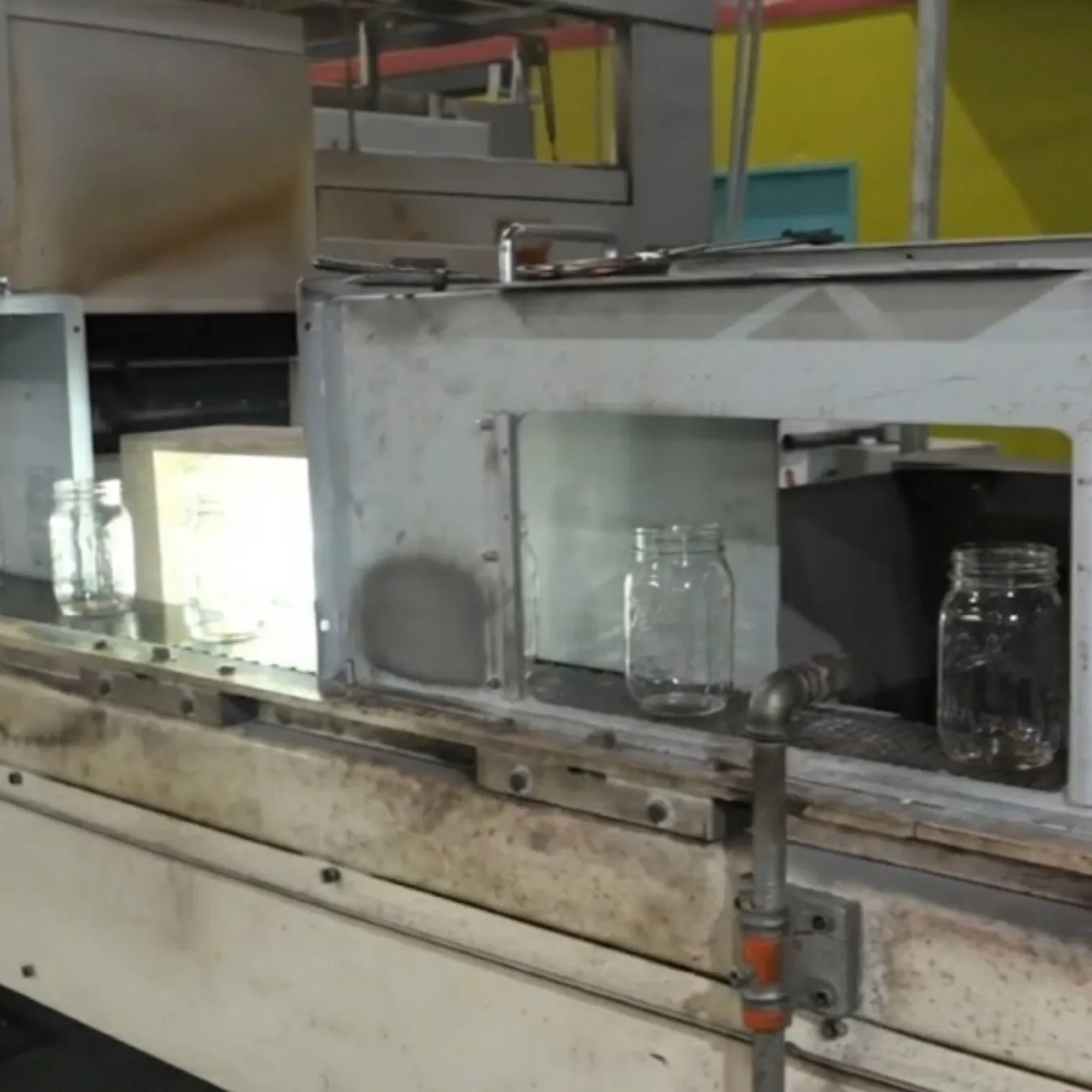
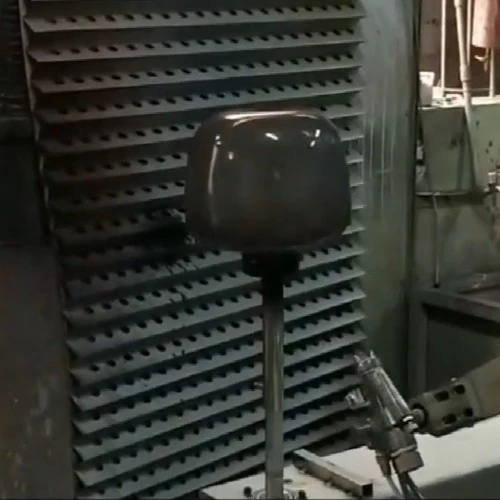
Our glass workshop produces crackle globes, lantern covers, patterned shades and frosted finishes tailored for garden solar lights. We combine mold forming, toughening, coating and color spraying to achieve beautiful visual effects with robust outdoor durability. In-house glass production ensures better stability, faster delivery and lower defect rates for OEM/ODM orders.

More Glass
Light Covers collection:

Glass Options for Garden Solar Light Covers

Enhance Durability, Light Quality, and Decorative Value

In outdoor solar lighting, the choice of glass directly shapes the lamp’s appearance, durability, and night-time ambience. At GlowYard, we offer multiple glass styles to match different market needs—from premium hand-blown décor lights to cost-efficient mass-production models.

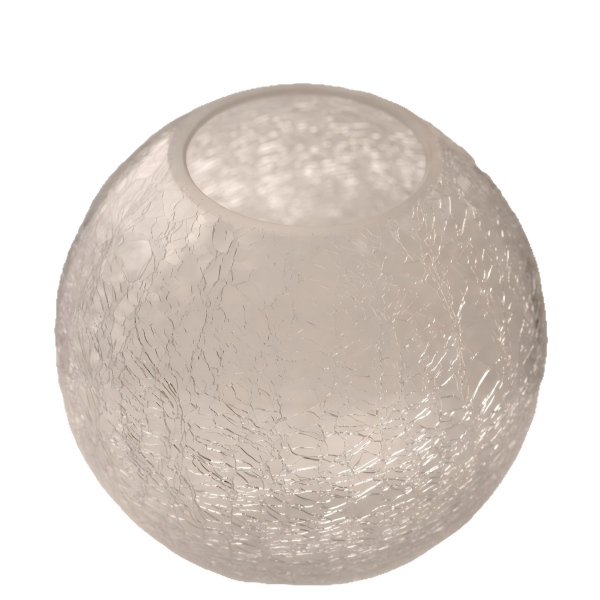
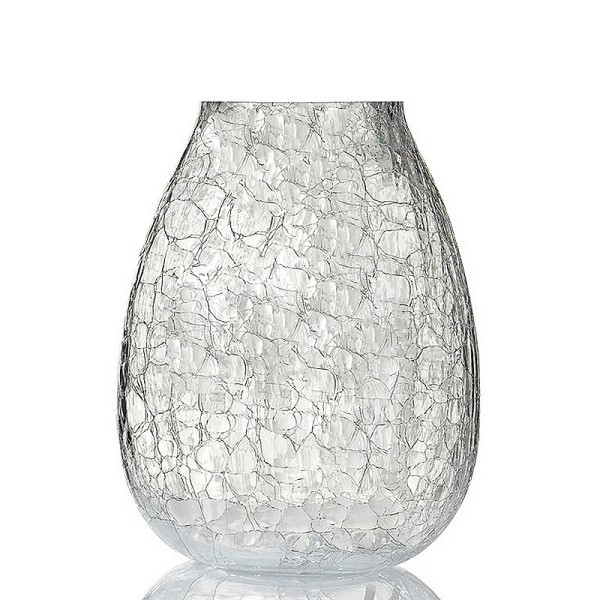
Crackle Glass

crackle glass meterial

Glass with intentional internal cracks that create sparkling light effects.

Benefits

  • Strong decorative value

  • Beautiful light dispersion patterns
    Limitations

  • Higher breakage risk and material cost
    Common Uses
    Crackle balls, hanging ornaments, solar string balls.

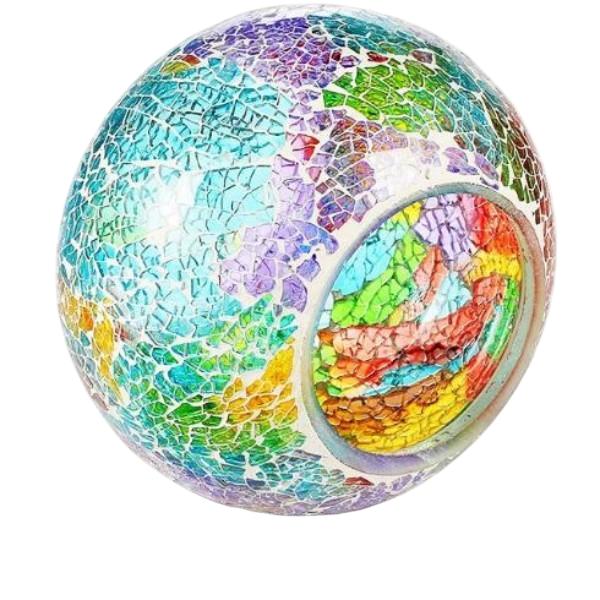
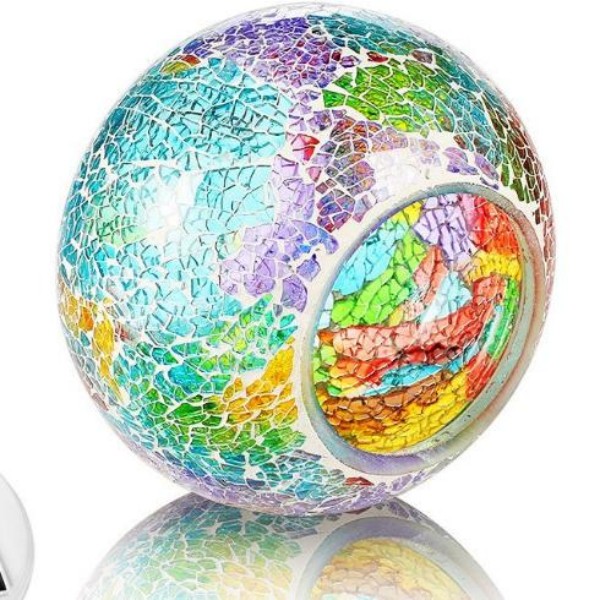
Mosaic Glass

mosaic glass meterial

Hand-laid glass pieces arranged in patterns or gradients, bonded on a spherical or cylindrical base.

Benefits

  • Creates colorful, artistic light patterns at night

  • Strong emotional value for gifting and home décor markets

Limitations

  • Labor-intensive process with higher production cost

  • Surface needs extra protection for outdoor environments

Common Uses
Solar table lamps, décor ball lights, boho-style lanterns, lifestyle garden ornaments.

Painted / Electroplated Glass

painted & electroplated glass meterial

Color is applied on the outer surface—gold, black, gradient, chrome, etc.

Benefits

  • Versatile design styles at a lower cost

  • Suitable for custom themes and brand collections
    Limitations

  • Outdoor UV exposure may cause fading if not well-coated
    Common Uses
    Decorative table lamps, hanging solar jars, lifestyle collections.

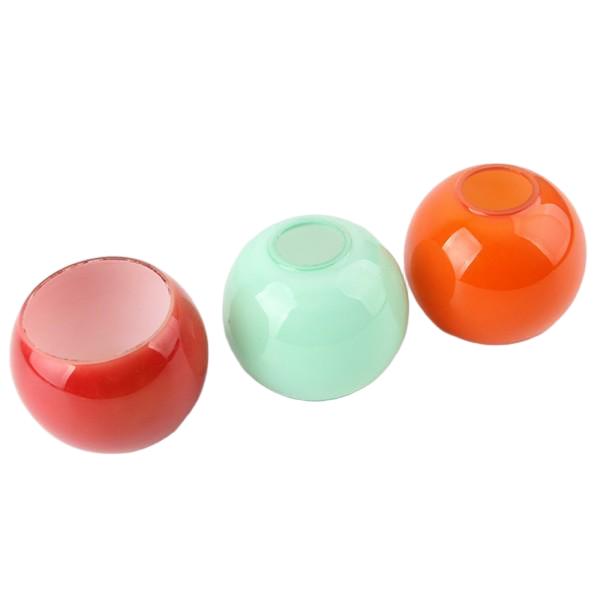
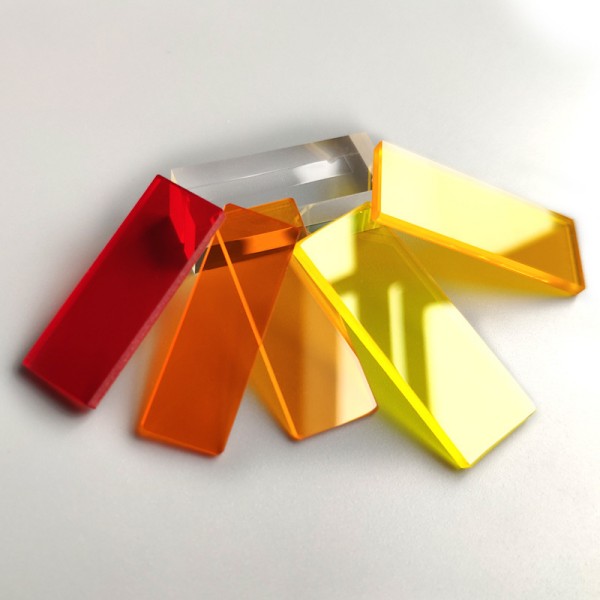
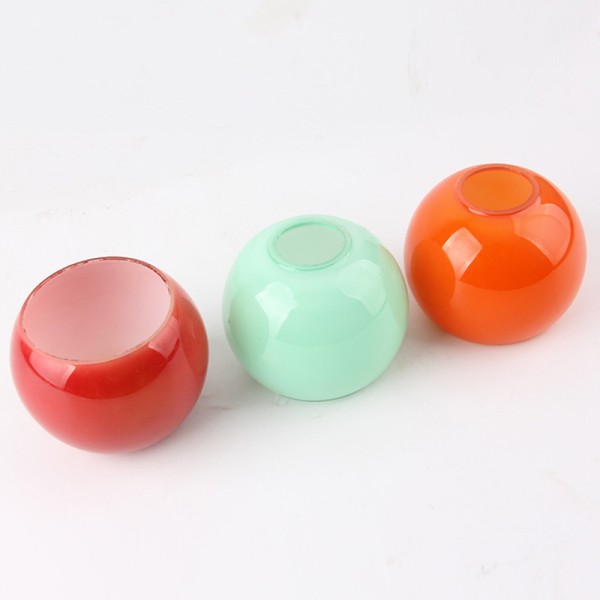
Colored Glass

colored glass meterial

Solid-color glass such as amber, blue, red, smoke-brown.

Benefits

  • Strong visual impact and artistic atmosphere

  • Unique night-time glow
    Limitations

  • Higher cost and possible color variation
    Common Uses
    Artistic garden lights, festive solar décor, premium lanterns.

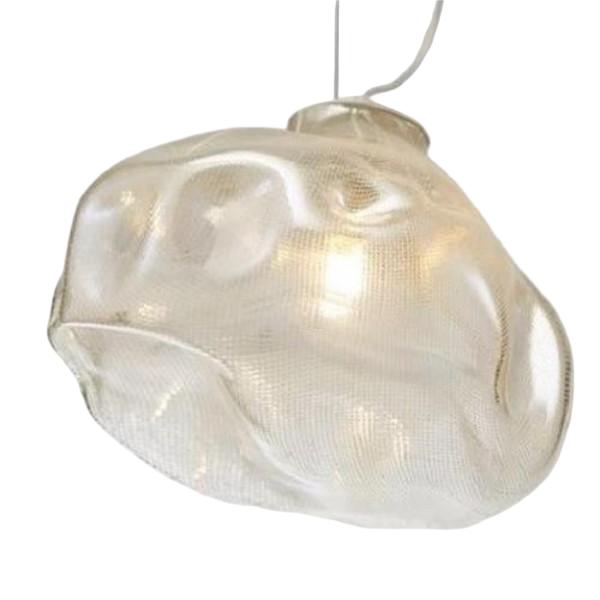
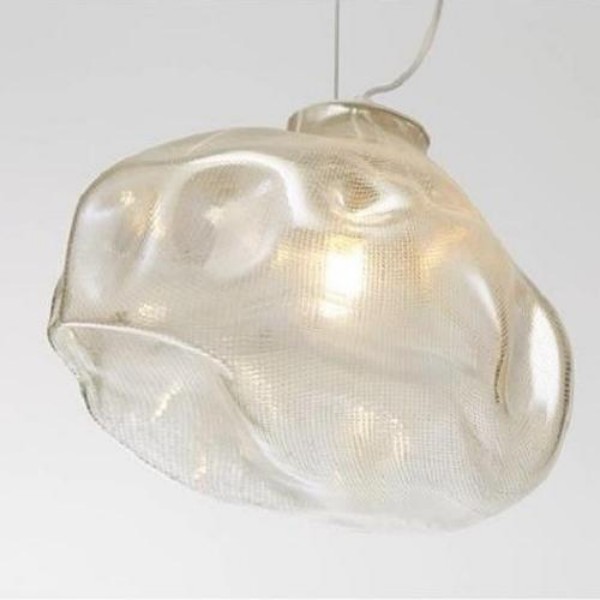
Hand-Blown Glass

hand blown glass

Individually crafted shapes such as droplets, spheres, or artistic forms.

Benefits

  • Premium look for high-end retail markets

  • Each piece has unique texture and patterns
    Limitations

  • Higher price and limited production capacity
    Common Uses
    Boutique garden lights, designer collections, brand-exclusive pieces.

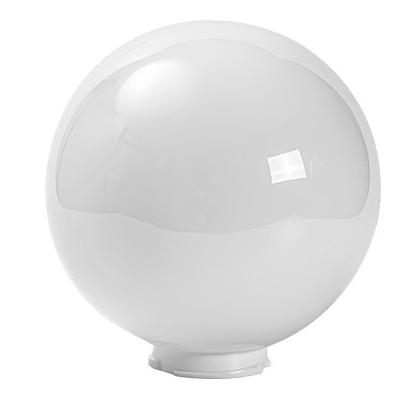
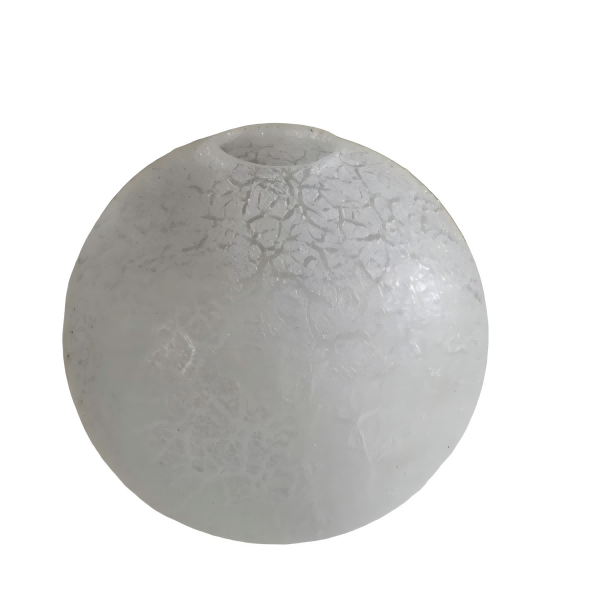
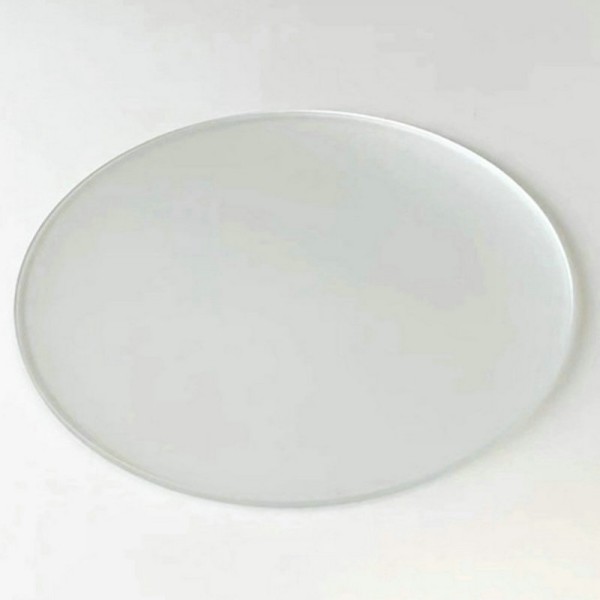
Frosted (Opal) Glass

frosted (opal) glass meterial

Milky-white surface with strong diffusion.

Benefits

  • Eliminates glare from point-light LEDs

  • Provides uniform ambient lighting
    Limitations

  • Lower light transmission—requires brighter LEDs
    Common Uses
    Solar table lamps, ambient ball lights, pathway lights.

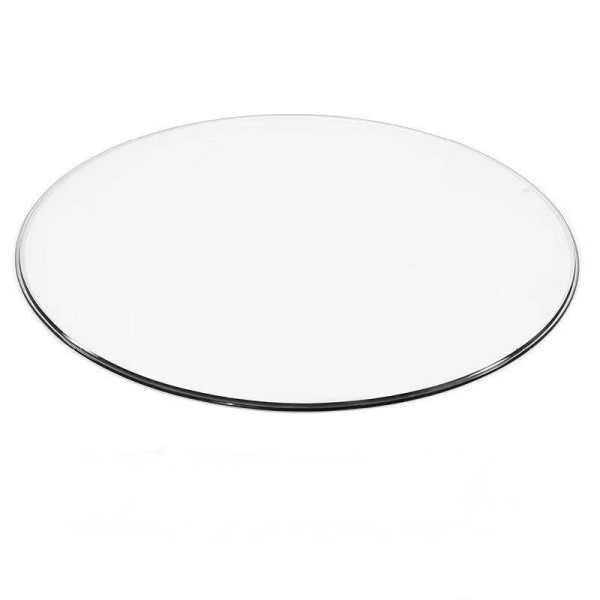
Clear Glass

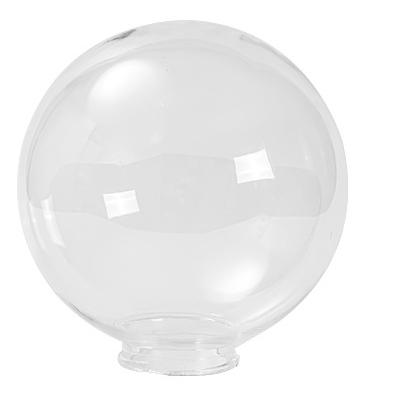
clear glass meterial

Fully transparent glass that highlights the internal light source.

Benefits

  • Maximum brightness output

  • Ideal for filament-style decorative LEDs
    Limitations

  • Without diffusion, the LED may appear too harsh
    Common Uses
    Edison-style solar lanterns, decorative hanging lights.

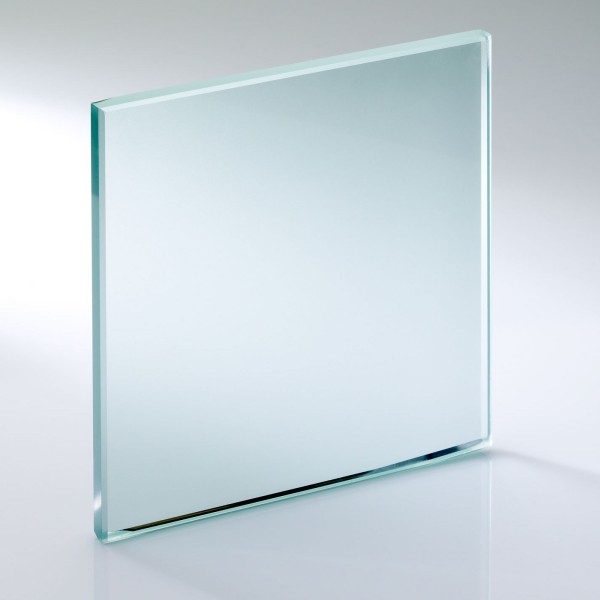
Tempered Glass

tempered glass meterial (1)

Strengthened glass for impact and thermal resistance.

Benefits

  • High safety and outdoor durability

  • Suitable for IP65+ structural lamps
    Limitations

  • Modern, rigid appearance—not ideal for rustic styles
    Common Uses
    High-power wall lights, pillar lamps, security-style garden lights.

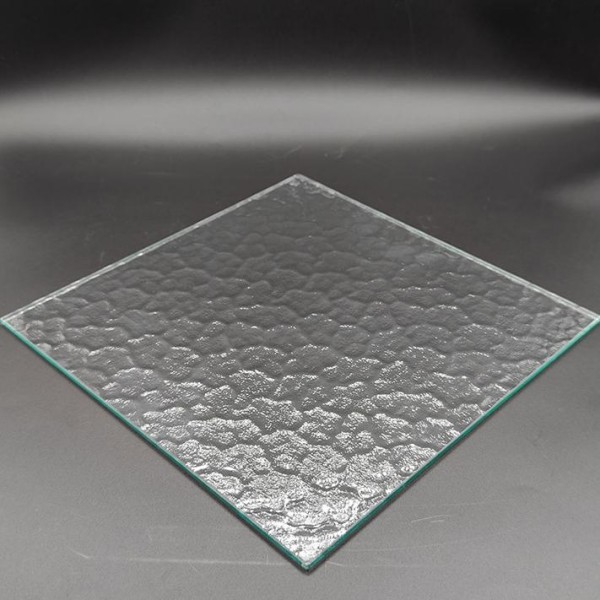
Patterned / Embossed Glass

patterned embossed glass meterial

Textured glass with ripple, diamond, ice-crack or wave patterns.

Benefits

  • Decorative look with soft, diffused light

  • Helps hide LED beads and elevates product aesthetics
    Limitations

  • Heavier and requires high-precision molds
    Common Uses
    Lantern-style garden lights, vintage solar lights, pillar lights, wall lights.

General Workflow For Glass Outdoor Lights Manufacturing

A step‑by‑step overview of how glass components for outdoor solar lights move from raw material batching and melting to forming, finishing, decoration, assembly and reliability testing.

1) batch preparation & color mixing

1) Batch Preparation & Color Mixing

-Pre-weigh silica sand, soda ash, limestone and additives according to the approved glass formula and target light transmission.

-Mix base glass batch with selected colorants or opal agents evenly to achieve consistent tint, diffusion and optical clarity.

2) glass melting & forming

2) Glass Melting & Forming

-Melt glass batch in high-temperature furnaces until fully homogenized to reduce bubbles, stones and unmelted grains.

-Form glass shades and diffusers by pressing or blowing molten glass into precision molds that define shape, pattern and wall thickness.

set cooling speed and curves to improve impact and thermal shock

3) Annealing & Controlled Cooling

-Pass hot glass parts through annealing lehrs with controlled temperature profiles to release internal stress.

-Set cooling speed and curves to improve impact and thermal-shock resistance while keeping dimensions stable for smooth assembly.

4) coating

4) Coating, Printing & Assembly Preparation

-Add functional or decorative coatings such as anti-glare, easy-clean or color wash according to design requirements.

-Apply durable ceramic or UV-cured prints, inspect each piece and clean surfaces before packing for assembly with hardware and LED modules.

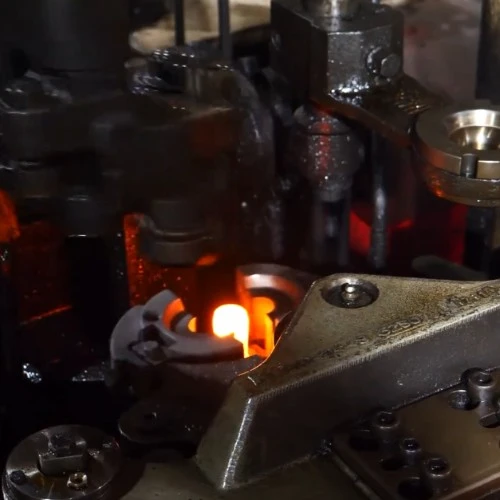
Advanced 9S Automated Line for Custom Glass Spheres

Our garden light glass housings are produced on a 9S fully automatic glass bottle production line, enabling both large-volume manufacturing and high-precision customization for global buyers.

The 9S system integrates feeding, molding, blowing, annealing, and quality inspection into one continuous automated process. This ensures consistent wall thickness, perfect spherical shape, and superior optical clarity—ideal for garden solar lights requiring durability and aesthetic appeal.

With flexible mold-switching and stable production speed, we support:

  • Custom diameters and shapes (spheres, cylinders, jars, mosaic bases, etc.)

  • Various glass textures (frosted, crackle, colored, patterned)

  • High-volume seasonal orders for retail and e-commerce programs

  • OEM/ODM projects requiring exclusive molds and branding

The automated line reduces defects, improves consistency, and guarantees reliable output even during peak ordering seasons. Whether you need premium crackle balls, large-size glass globes, or unique decorative shapes, our production line delivers precision, transparency, and repeatable quality at scale.

Hand-Blown Glass Shades for High-End Custom Designs

Our premium glass shades are crafted by skilled artisans using traditional hand-blowing techniques, allowing us to create shapes and textures that automated machines cannot replicate. Each piece carries its own unique character—perfect for brands seeking distinctive designs and elevated product aesthetics.

With full in-house capability, we can produce:

  • Organic shapes such as droplets, waves, swirls, bubbles, and irregular art forms

  • Large-size globes with custom thickness and transparency

  • Color-infused glass (amber, blue, smoke, gradient tones)

  • Texture-rich finishes including crackle, rippled, frosted, or mixed techniques

Hand-blown craftsmanship gives your outdoor lighting collections a premium, artistic touch, making them ideal for boutique retailers, designer collaborations, and high-end garden décor lines.

Every piece is shaped, cooled, trimmed, and inspected by our professional glass masters, ensuring:

  • Exceptional clarity and smooth finish

  • Stronger structure compared to common artisan glass

  • Repeatable quality even for small-batch OEM orders

  • Flexible customization for exclusive SKU development

Whether you need signature pieces or limited-edition glass designs, our hand-blown capabilities bring your concepts to life with unmatched artistry and precision.

Pay attention to every detail of our production-Glass Craft Highlights

Key glass-related capabilities—from composition and color control to forming, tempering and surface finishing—that support durable, premium-looking outdoor solar garden lights.

High-Standard Raw Material Sourcing

Precision forming by pressing & blowing

Annealing & tempering for strength

Edge, hole & surface machining

Related Glass Outdoor Lights

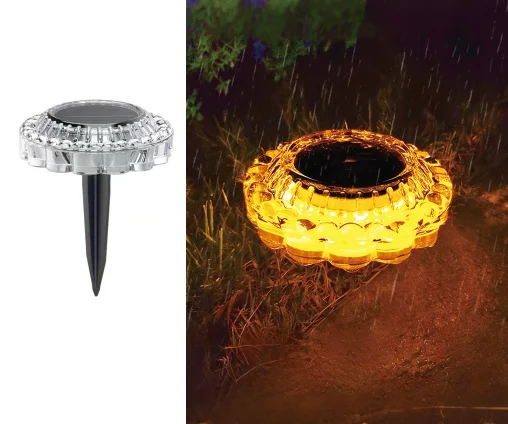
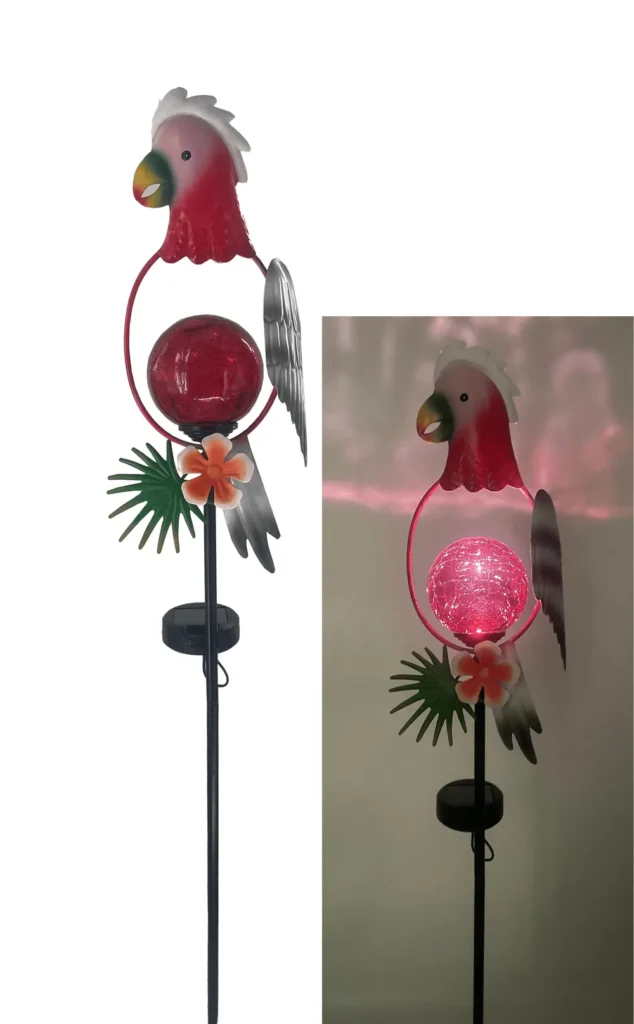
Explore representative glass-based outdoor and solar lighting designs—such as crystal-clear path lights, frosted garden globes and patterned wall lanterns—that are manufactured using our glass forming, finishing and assembly capabilities.


Industry Pain Points
In Glass Solar Lights

Common problems importers face with glass outdoor lights, from breakage and inconsistent appearance to glare issues and sealing failures.

Breakage during transport and installation

Poorly tempered or insufficiently annealed glass, combined with weak packaging, leads to cracks and shattering before products even reach store shelves.

Glare and uncomfortable lighting

Incorrect choice of glass texture and thickness creates harsh hotspots or uneven light, making the product look cheap and uncomfortable to use.

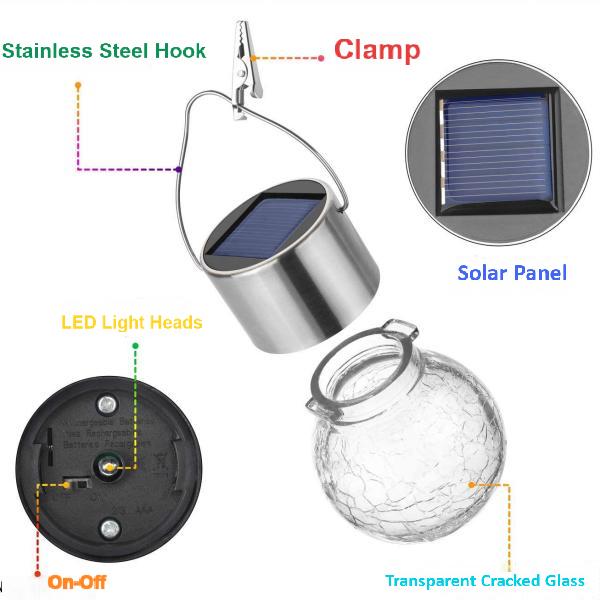
component parts of glass solar light

Inconsistent color, bubbles and surface defects

Unstable glass recipes and loose process control cause visible bubbles, streaks, color variation and surface waves across different batches.

Water leakage around glass joints

Weak coordination between glass parts and housings results in gaps at seals, letting in rainwater and moisture that damage LEDs and electronics.

To understand how these issues appear across the whole production chain, you can review our outdoor lighting manufacturing overview.

How We Solve Glass Manufacturing Challenges

Our glass engineering, forming and finishing methods are designed to keep glass parts stable and premium-looking outdoors, while matching your target cost.

Engineered glass recipes for outdoor use

We select and adjust glass compositions for clarity, color stability and strength, rather than relying on generic glass intended for indoor decoration only.

Optical and structural design together

Our R&D team balances wall thickness, curvature and texture so each diffuser delivers the desired light effect while staying robust in handling and assembly.

Controlled forming, annealing and tempering

Standardized pressing/blowing parameters and annealing or tempering cycles reduce internal stress, warping and spontaneous breakage issues.

Integrated design with housings and sealing

Glass parts, gaskets, frames and fasteners are co-designed so joints stay tight, maintain IP performance and look neat after assembly.

Quality Assurance In
Glass Solar Lights Manufacturing

How our multi-stage QC system—from raw glass batch control to final packaging tests—reduces complaints and returns for glass-based outdoor lights.

iqc glass solar material inspection

Incoming glass batch and color control (IQC)

Check raw materials, cullet and colorants against approved recipes; verify color and clarity against master samples before production.
glass ipqc inspection

Process monitoring during forming and annealing (IPQC)

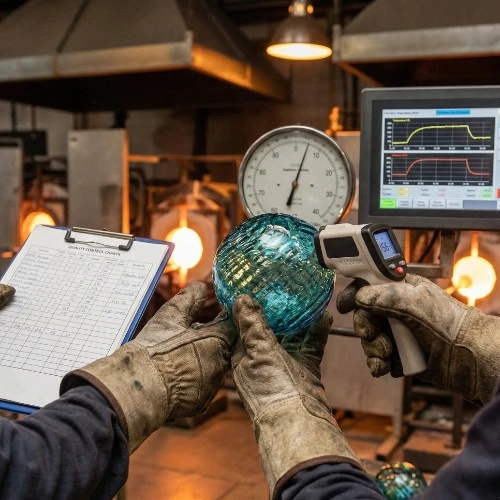
Record furnace temperatures, forming parameters and annealing curves; inspect samples for bubbles, stones and stress patterns in-line.
glass solar lights fqc

Functional, sealing and reliability checks (FQC)

Test assembled lights for light distribution, glare level, IP rating and drop impact; run accelerated aging to catch early failures.
qc glass solar lights inspection

Packing, drop and transportation simulation (OQC)

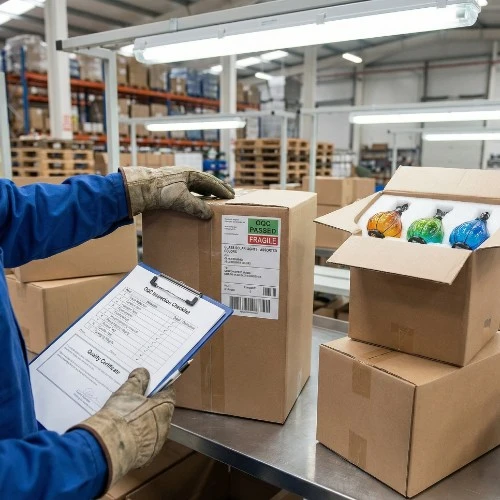
Validate inner trays, spacers and cartons through drop and vibration tests to reduce glass breakage during long-distance shipping.

Certified for Global Markets

Our factory holds BSCI, ISO 9001, and Sedex audits, and our products comply with CE, RoHS, FCC, UL, UKCA and more.

Purchasing Advice For Glass Solar Lights From China

Key questions to ask and data to request from factories so you can balance appearance, durability, tooling investment and long‑term program stability for glass products.

Define glass type, thickness and safety level clearly

In your RFQ, specify whether you need soda‑lime, borosilicate or tempered glass, target thickness range and any safety standards to meet for public use.

Lock color, texture and light effect with a master sample

Approve a glass sample under both day and night viewing; require any change in recipe, texture or coating to be re‑approved against that standard.

Confirm packaging and protection for logistics

Align glass shape and fragility with inner packaging design, pallet stacking limits and drop-test requirements to avoid damage in transit.

Match customization depth with mold, coating and MOQ

Special molds, textures and coatings require higher tooling cost and MOQ; reserve deep customization for core SKUs and use lighter tweaks on trial or seasonal items.

For more practical details on MOQ, lead times and ordering flow, refer to our purchasing guide for solar garden lights.

Knowledge For Glass Outdoor Lighting Manufacturing

Practical guides, FAQs and insights on glass material selection, tempering, surface finishing, waterproof design and production best practices to help buyers design and source better glass-based outdoor lights.


Glass Solar Lights Complete Buyer’s Guide

Glass solar lights bring a premium, refined feeling to outdoor spaces. Compared with all-plastic options, glass gives you clearer light, richer textures and a more upscale appearance. When combined with metal or quality plastic structures, glass can support both decorative and functional lighting for gardens, terraces and pathways.

This buyer’s guide explains the key decisions you should make when developing or sourcing glass solar lights for your brand. It is written for importers, wholesalers, retailers and brand owners who want to use glass to upgrade certain ranges while keeping outdoor performance and safety under control.

Let’s know more about Metal Manufacturing

Positioning Glass Solar Lights in Your Assortment

How should you position glass solar lights versus plastic, metal and resin?

Each housing material plays a different role in a complete assortment. Glass solar lights are typically used to:

  • Upgrade the perceived value of table, wall or hanging lights.
  • Create special light effects using patterned, frosted or coloured glass.
  • Serve in semi-premium or premium ranges for garden centres, home decor stores and online brands.
  • Complement metal frames in lantern-style designs where both materials are visible.

Plastic is usually chosen for high-volume, price-sensitive programs; resin for figurines and themed decor; metal for structural strength and long-term durability. Glass sits between them as the material that contributes the most to visual quality and light effect. Decide clearly where glass adds real value in your category and avoid using it in positions where breakage risk or handling conditions are not acceptable.

Which outdoor scenarios and end users are best matched with glass solar lights?

Glass is well suited for:

  • Table and balcony decor where users appreciate candle-like or patterned light effects.
  • Hanging lanterns and wall lights that are visible at eye level and benefit from glass textures.
  • Premium garden pieces positioned away from heavy traffic areas and children’s play zones.
  • Gift and home decor channels where packaging and unboxing emphasise perceived quality.

On the other hand, for ground stakes in high-traffic public areas or children’s play spaces, plastic lenses or fully plastic housings may be more appropriate due to lower breakage risk. Understanding where glass is realistically safe and appreciated helps you choose the right SKUs for glass solar designs.


Glass Material, Safety and Structural Design

What types of glass are used in solar lights and how do they differ?

Several glass types are used in outdoor solar lights, each with different properties:

  • Standard soda-lime glass
    Pros: cost-effective, widely available, suitable for many decorative applications.
    Cons: can break into sharp shards; impact resistance is limited compared with tempered glass.
    Best for: smaller table lights, decorative inserts and low-risk applications.
  • Tempered (toughened) glass
    Pros: stronger than ordinary glass; breaks into small, less dangerous pieces; better for safety-critical positions.
    Cons: higher cost; drilling or cutting after tempering is not possible; some design constraints.
    Best for: top covers, exposed panels and locations where people may touch or bump the glass.
  • Patterned or textured glass
    Pros: creates interesting light patterns and hides minor dirt or water marks; can enrich the visual effect.
    Cons: patterns may slightly reduce total light transmission; more complex to manufacture consistently.
    Best for: lanterns, wall lights and table lights where special light effects are important.

Discuss with your supplier which glass types are proposed for each component and whether tempering is required by your market or project specifications.

How should you design glass thickness, shape and edges for outdoor safety?

Good glass design balances aesthetics, weight and safety. Important decisions include:

  • Glass thickness – thicker glass improves strength and perceived quality but increases weight and may affect light transmission.
  • Shape and curvature – curved or 3D forms can be more attractive but may be harder to produce and pack safely.
  • Edge finishing – ground and polished edges reduce the risk of cuts and cracks starting from sharp points.

Clarify with your supplier:

  • Minimum thickness for different sizes and applications.
  • Whether edges will be ground, chamfered or left natural.
  • How glass parts are supported by frames or holders to avoid stress points.

Especially for larger pieces, you should also review how glass and supporting metal/plastic components share loads, so that no small contact area carries too much stress.

How can you design glass parts to reduce breakage risk in real use?

Glass will always be more fragile than plastic, but design choices can significantly reduce breakage risk:

  • Avoiding very thin, long protrusions made of glass that are easily knocked.
  • Designing protective frames or metal cages around key glass surfaces.
  • Using recessed glass panels instead of fully exposed edges where possible.
  • Placing glass components away from ground level or narrow walkways in your product concepts.

Ask your supplier to comment honestly on breakage risks in your initial designs and to propose reinforcements or alternative configurations where necessary. This is especially important for larger online or retail programs where returns due to breakage can be costly.


Light Effect and Glass Aesthetics

How does glass choice influence light distribution and visual effect?

Glass is a key element in defining how light looks and feels. When planning your glass solar lights, consider:

  • Clear vs frosted glass – clear glass maximises brightness but can create glare and visible LEDs; frosted or etched glass softens the light and hides internal components.
  • Patterned or ribbed surfaces – patterns can create star, stripe or wave effects on nearby surfaces.
  • Tinting and colour – subtle tints can warm the light; stronger colours can create themed decor pieces.

Work with your supplier to match LED brightness, colour temperature and optics to the glass type so the final effect matches your brand promise. Request lit sample photos or videos in dark environments during development.

What surface treatments and decorations are possible on glass solar lights?

Glass can be decorated and finished in several ways:

  • Acid etching or sandblasting for frosted areas and patterns.
  • Screen printing or decals for logos, motifs or coloured zones.
  • Electroplated or painted outer surfaces for metallic or solid-colour looks.

Each technique has its own cost and durability characteristics. Discuss:

  • How well each decoration method withstands UV, rain and cleaning.
  • How many colours or layers are practical at your price point.
  • How much variation is acceptable between pieces in hand-applied processes.

Agreeing on clear decoration samples and test criteria avoids surprises when mass production begins.


Integration of Glass with Metal, Plastic and the Solar System

How should glass components interface with metal and plastic structures?

Most glass solar lights combine glass with other materials. Key interface questions include:

  • How glass sits in metal or plastic frames (for example grooves, clips, screws, adhesives).
  • Whether soft gaskets are used to cushion glass and absorb tolerances.
  • How thermal expansion differences between materials are managed.

Ask for detailed section drawings or sample photos that show how glass is held in place. Well-designed interfaces minimise stress on glass, allow for assembly and service, and help maintain IP rating.

How do you manage waterproofing, condensation and IP rating in glass solar lights?

Water protection with glass is not just about the glass itself; it depends on the full enclosure design:

  • Seals and gaskets between glass and surrounding frames.
  • Correct compression of seals during assembly.
  • Drain paths or vents that prevent water from pooling or being trapped.

Condensation is another real-world issue. In some climates, small amounts of condensation on inner glass surfaces may be acceptable if they evaporate quickly, but standing water or repeated heavy condensation can affect electronics and appearance. Discuss with your supplier how they test for and manage condensation in closed glass designs.

How does glass affect solar charging and thermal behaviour?

In many designs, the solar panel is separate from the main glass housing. However, when glass covers or surrounds the panel:

  • Glass thickness and tint can reduce light reaching the panel.
  • Dirt or water film on glass can further reduce charging efficiency.
  • Internal temperatures can rise if air cannot circulate.

Clarify whether any glass is positioned over the solar panel, which glass type is used there and how the design supports cleaning and ventilation. For important projects, request performance data under real sunlight conditions, not only theoretical calculations.


Glass Solar Lights Manufacturing and Quality Control

What are the main manufacturing steps for glass components in solar lights?

Depending on the design, glass parts may be made by:

  • Moulded or pressed glass forming for repeated shapes such as cups, cylinders and patterned lenses.
  • Cutting and grinding flat or curved glass from larger sheets.
  • Tempering processes for safety and strength where required.

After forming, edges are often ground or polished, and decorations or coatings may be applied. A dedicated overview like a glass lights manufacturing guide can help you visualise these steps.

Which defects should you watch for in glass parts and assembled lights?

Typical issues to monitor in glass components include:

  • Bubbles, stones or inclusions inside the glass.
  • Scratches, chips or rough spots on surfaces and edges.
  • Visible distortion or uneven thickness affecting the light effect.

On finished glass solar lights, also check:

  • Alignment of glass with frames and other components.
  • Seal integrity and IP test results.
  • Consistency of decoration and coating.

Agreeing inspection standards and acceptable cosmetic grades for glass surfaces is essential, especially for premium ranges where end customers expect near-perfect appearance.

How should glass solar lights be packed and handled to minimise breakage?

Glass requires more careful packaging and logistics planning than purely plastic products. Discuss with your supplier:

  • Inner protection (for example moulded pulp, foam, dividers) that keeps glass from touching hard surfaces or other parts.
  • Drop test and vibration test standards for packaged products.
  • Clear handling labels and instructions for warehouses and retailers.

Proper packaging design reduces breakage during sea transport, warehousing and last-mile delivery, protecting your margins and brand reputation.


OEM Customisation, Series Planning and Cost Management

What customisation options are unique to glass solar lights?

Glass offers distinct customisation opportunities:

  • Unique moulded shapes and textures for lantern bodies and shades.
  • Patterned or coloured glass for brand-specific light effects.
  • Combination of clear and frosted zones to control glare and create patterns.
  • Printed motifs or logos for themed ranges or promotional programs.

When you plan a glass OEM project, decide which elements must be unique to your brand and which can reuse existing shapes, finishes or hardware to control cost.

How do glass specification, processing and packaging influence cost and MOQ?

Major cost and MOQ drivers for glass solar lights include:

  • Glass type and thickness – tempered, thicker or special pattern glass costs more.
  • Decoration and secondary processing – etching, printing and coatings add labour and material cost.
  • Breakage risk and packaging complexity – more protective inner packaging increases material and packing labour.

Share your target ex-factory price ranges and expected volumes so your partner can propose realistic combinations of glass, decoration and packaging. Sometimes small design changes can reduce risk and cost without sacrificing visual impact.

How can you build a coherent series of glass solar lights?

Successful brands often create coordinated glass series instead of isolated items:

  • Families of table, hanging and wall lights sharing the same glass pattern and colour.
  • Modular designs where one glass style is combined with different frames or mounts.
  • Seasonal updates using new colours or prints on existing glass shapes.

Planning series from the beginning allows your manufacturer to design tools, decorations and packaging with sharing in mind, making each new variant more efficient to launch.


Working with Your Glass Solar Light Manufacturer

What information should you prepare before starting a glass solar light project?

To get targeted advice and realistic proposals, prepare at least:

  • Intended applications and placement (table, hanging, wall, path, etc.).
  • Target customer segments and price ranges.
  • Rough ideas of shapes, textures and colours.
  • Any specific safety or regulatory requirements for glass (for example tempered-only in certain markets).
  • Expected annual volumes and seasonality.

Sharing this information early helps your supplier judge which glass types, processes and packaging solutions are appropriate and sustainable for your business.

How should you evaluate and shortlist glass solar lights suppliers?

Glass solar lights rely on both glass expertise and solar lighting know-how. When you evaluate suppliers, look for:

  • Experience with glass components and their integration into outdoor lights.
  • Stable partnerships with glass factories or in-house glass processing capabilities.
  • Proven track record in waterproof design, electronics and outdoor testing.
  • Transparent quality systems covering glass inspection, assembly and IP tests.
  • Ability to discuss risks and improvements openly at the design stage.

Manufacturers like Glowyard Lighting, who focus on solar garden lights and coordinate glass, metal or plastic parts through stable supply chains while controlling R&D, assembly and testing in-house, are typically better positioned to deliver consistent glass solar ranges than suppliers treating glass lights as occasional add-ons.

What does a typical OEM development flow look like for glass solar lights?

A typical OEM project for glass solar lights may follow these steps:

  1. Briefing and feasibility – you share concepts and constraints; the supplier evaluates shapes, materials and cost levels.
  2. Design and engineering – detailed drawings and 3D models define glass dimensions, frames and interfaces.
  3. Glass sampling and frame prototyping – initial glass pieces and frames are produced and reviewed for fit and appearance.
  4. Integrated solar samples – complete prototypes are tested for light effect, waterproofing and durability.
  5. Mass production – full batches are made with agreed QC standards for glass and assembled lights.
  6. Market feedback and optimisation – you review performance and refine the series for future seasons.

Understanding this flow helps you align internal timelines, coordinate packaging and marketing, and avoid last-minute surprises. If you prefer a structured start, you can also initiate projects through channels similar to an OEM or custom project request form so engineering, sales and quality teams are involved from the beginning.

Send Us Inquiry


Wanna Customize Your Solar Outdoor Lighting?

Glowyard Lighting Are here to help!

Scroll to Top


Ask For Our Latest Catalog.

Plan Your Next Order Early – Don’t Miss the Peak Season!

- Free samples for qualified buyers
- OEM & ODM for solar garden lights
- Full pre-shipment QC and warranty support