


2026 lastest Full Product Catalogue
Please Click the button, after Filling in your Email and information, the file will be send within 24 hours .
-
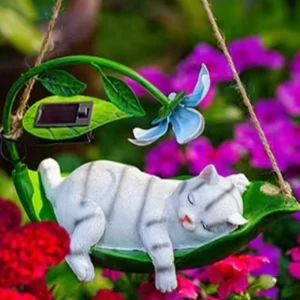 Animal Solar Lights
SM221140 Resin Cat Sleeping on Leaf Solar Hang Light
-
 Decorative Garden Solar Lights
SM221142 Metal Iron+PET 15LED Hanging Lantern Solar Light
-
 Decorative Garden Solar Lights
SM221211 Metal Iron Hanging Lantern Stake Solar Light
-
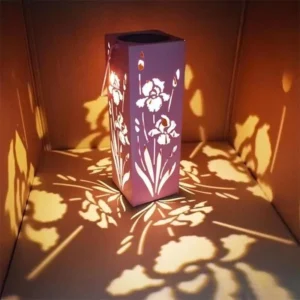 Decorative Garden Solar Lights
SM221304 Metal Iron Hollow-Out Design Hanging Solar Lantern
-
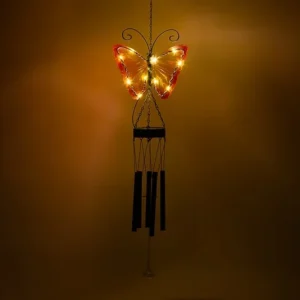 Butterfly Solar Lights
SM221414 Metal Iron Butterfly Wind Chimes Hanging Solar Light
-
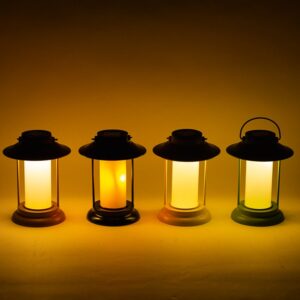 Decorative Garden Solar Lights
SM221417 Metal Iron Hanging Solar Lantern Light
-
 Animal Solar Lights
SM221426 Acrylic with Metal Iron Peacock Solar Tablet Light
-
 Butterfly Solar Lights
SM221430 Metal Iron Butterfly Solar Wind Chimes Hanging Light
-
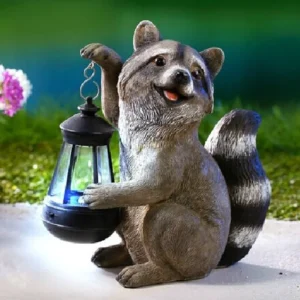 Animal Solar Lights
SM221490 Resin Raccoon Solar Statue with Hanging Lantern Light
-
 Animal Solar Lights
SM221491 Resin Meerkat Hanging Lantern Solar Statue
-
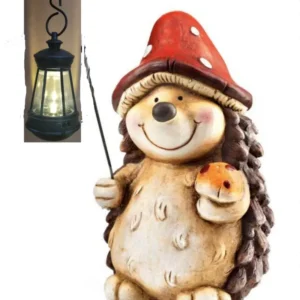 Animal Solar Lights
SM221502 PP Plastic Hedgehog Hanging Animal Lantern Light
-
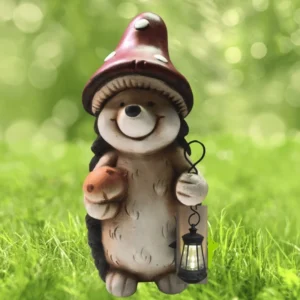 Animal Solar Lights
SM221504 Black PP Plastic Hedgehog Hanging Animal Lantern
Wholesale Hanging Solar Lights: Complete B2B Buyer Guide
If you’re sourcing wholesale hanging solar lights for retail stores, garden centers, hospitality projects, or distribution networks, this guide will help you evaluate designs, materials, certifications, and factory capabilities before placing bulk orders. Hanging solar lights have become a top-selling category in outdoor décor, offering versatile installation options for patios, pergolas, trees, and commercial landscapes. As a wholesale buyer, understanding the differences in construction quality, solar efficiency, weather resistance, and customization options is essential to ensure product reliability, customer satisfaction, and long-term profitability in competitive markets.
Category Summary
Wholesale hanging solar lights are among the most popular decorative lighting solutions for both residential and commercial outdoor spaces. This category includes lantern-style designs, globe pendants, Edison bulb replicas, and artistic metal or glass fixtures that hang from hooks, branches, or overhead structures. Bulk buyers typically focus on durability (rust-proof materials, UV-resistant finishes), solar performance (panel efficiency, battery capacity), and aesthetic versatility (color options, vintage vs. modern styles). These lights are ideal for retailers targeting homeowners, event planners, restaurants with outdoor seating, and landscape contractors. When sourcing in bulk, pay attention to packaging protection (hanging lights are more fragile during shipping), IP ratings for outdoor use, and whether the supplier offers OEM options for branding or custom designs.
What Will You Learn in This Guide?
- What Are Wholesale Hanging Solar Lights and Why Are They Popular in Wholesale Markets?
- What Types and Designs Sell Best for Bulk Orders?
- What Materials and Manufacturing Processes Are Used?
- What Quality Standards and Certifications Matter for Wholesale Buyers?
- What Is the Market Demand and Customer Preferences?
- What Are the Common Applications?
- What OEM/ODM Customization Options Are Available for Wholesale Hanging Solar Lights?
- How to Source Wholesale Hanging Solar Lights from China Manufacturers and Suppliers?
- What Mistakes Can Cost You Money When Buying Hanging Solar Lights in Bulk?
- Who Is Glowyard Lighting and What Do We Offer?
- Frequently Asked Questions
What Are Wholesale Hanging Solar Lights and Why Are They Popular in Wholesale Markets?
Wholesale hanging solar lights are self-contained outdoor lighting fixtures designed to be suspended from hooks, branches, pergolas, or overhead structures. Unlike traditional wired lighting, these products integrate a solar panel (often on top of the fixture), a rechargeable battery, and LED bulbs into a single unit that charges during the day and illuminates automatically at dusk. The “hanging” design allows for flexible placement in gardens, patios, balconies, and commercial outdoor spaces without the need for electrical wiring or professional installation.
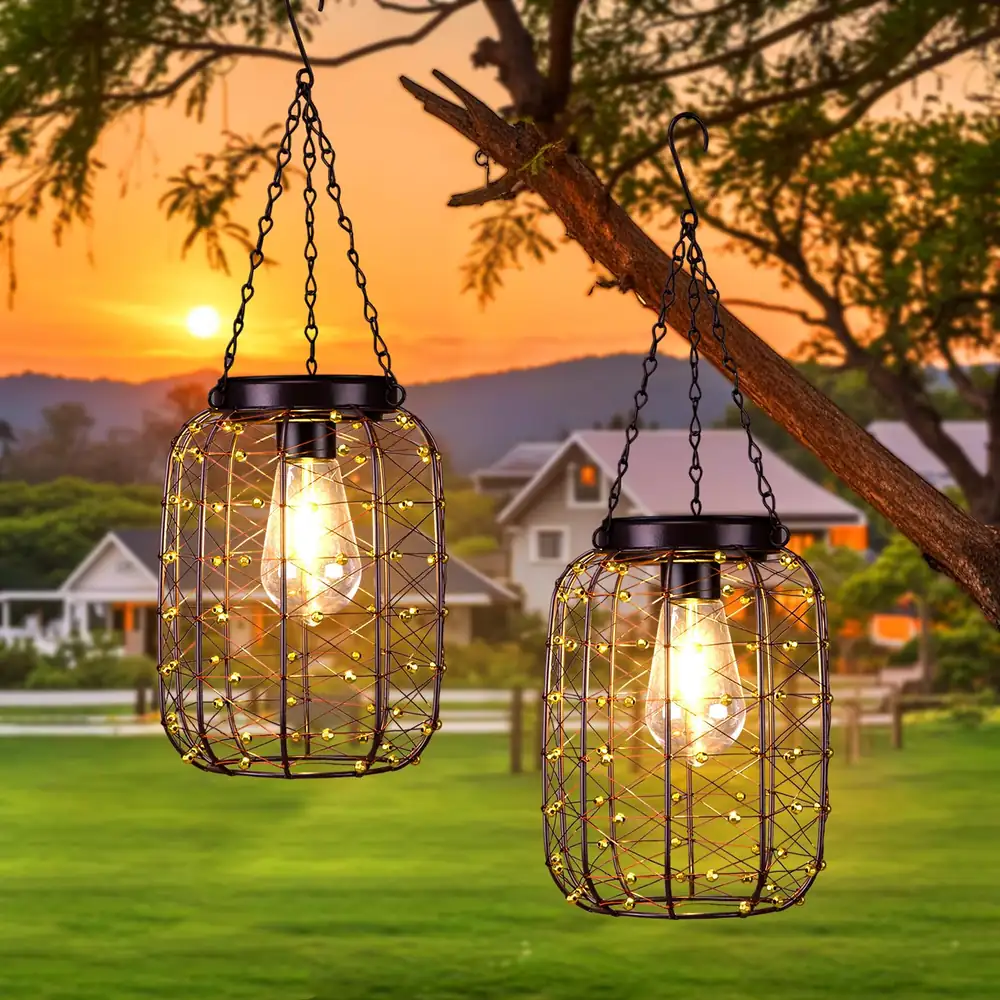
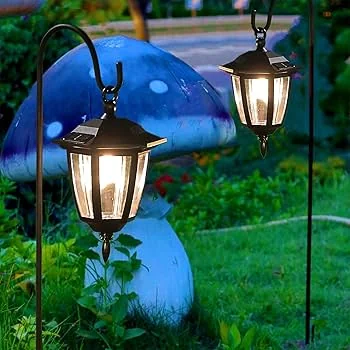
The popularity of hanging solar lights in wholesale markets stems from several factors. First, they address the growing consumer demand for sustainable, energy-free outdoor lighting solutions. Homeowners and businesses alike are seeking ways to reduce electricity costs while enhancing outdoor ambiance. Second, the ease of installation makes these lights attractive to a broad customer base, from DIY enthusiasts to professional landscapers. Third, the variety of designsfrom vintage lanterns to modern geometric shapesallows retailers to cater to diverse aesthetic preferences and seasonal trends.
For wholesale buyers, hanging solar lights offer strong profit margins due to their perceived value (solar technology + decorative appeal) and relatively low production costs when sourced from experienced manufacturers. The category also benefits from year-round demand, with peak seasons during spring and summer for garden décor, and autumn for holiday lighting. Additionally, the portability and wireless nature of these lights make them ideal for event rentals, hospitality venues, and temporary installations, expanding the potential customer base beyond traditional retail.
From a B2B perspective, hanging solar lights are easier to market compared to more technical solar products because they combine functionality with visual appeal. Retailers can display them in-store or online with minimal explanation, and customers immediately understand their purpose. This simplicity, combined with the ongoing shift toward eco-friendly products, has made wholesale hanging solar lights a staple category for garden centers, home improvement stores, and online marketplaces. For distributors and importers, the key to success lies in selecting suppliers who can deliver consistent quality, reliable solar performance, and designs that align with current market trends.
What Types and Designs Sell Best for Bulk Orders?
When sourcing bulk hanging solar lights, understanding which designs resonate with end customers is critical for inventory planning and sales performance. The market can be broadly divided into several design categories, each appealing to different customer segments and use cases.
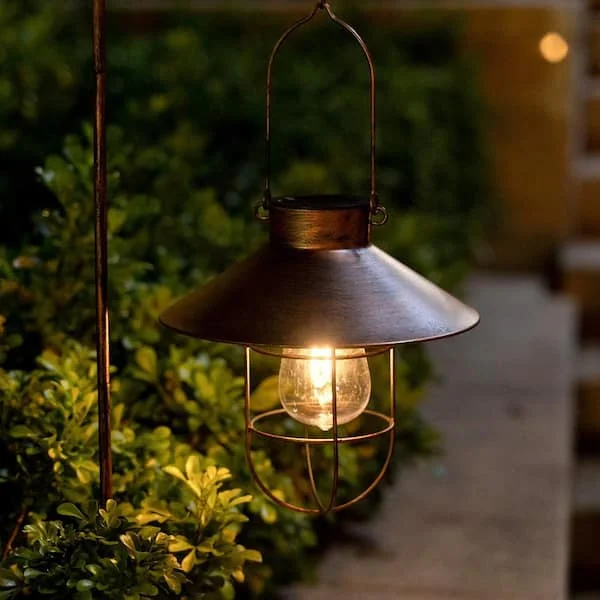
Lantern-Style Hanging Lights are among the best-sellers in this category. These fixtures mimic traditional oil lanterns or candle lanterns, often featuring metal frames (iron, aluminum, or stainless steel) with glass or acrylic panels. The vintage or rustic aesthetic appeals to customers looking to create a cozy, nostalgic atmosphere in gardens, patios, or outdoor dining areas. Lantern designs are particularly popular in markets with strong farmhouse or cottage décor trends. For wholesale buyers, lantern-style lights offer versatilitythey work well for both residential and commercial applications (restaurants, cafes, event venues). When sourcing these, pay attention to the quality of the metal finish (powder coating for rust resistance) and the clarity of the glass or acrylic panels.
Globe and Orb Hanging Lights represent a more modern design direction. These spherical fixtures, often made from crackled glass, frosted plastic, or woven rattan, provide a softer, more diffused light output. Globe designs are favored by customers seeking contemporary or minimalist outdoor décor. They are commonly used in clusters (hanging multiple globes at varying heights) to create visual interest. For bulk orders, consider offering multiple size options (small, medium, large) to allow customers to mix and match. The crackled glass variant, in particular, has seen strong demand due to its unique light-refracting properties and premium appearance.
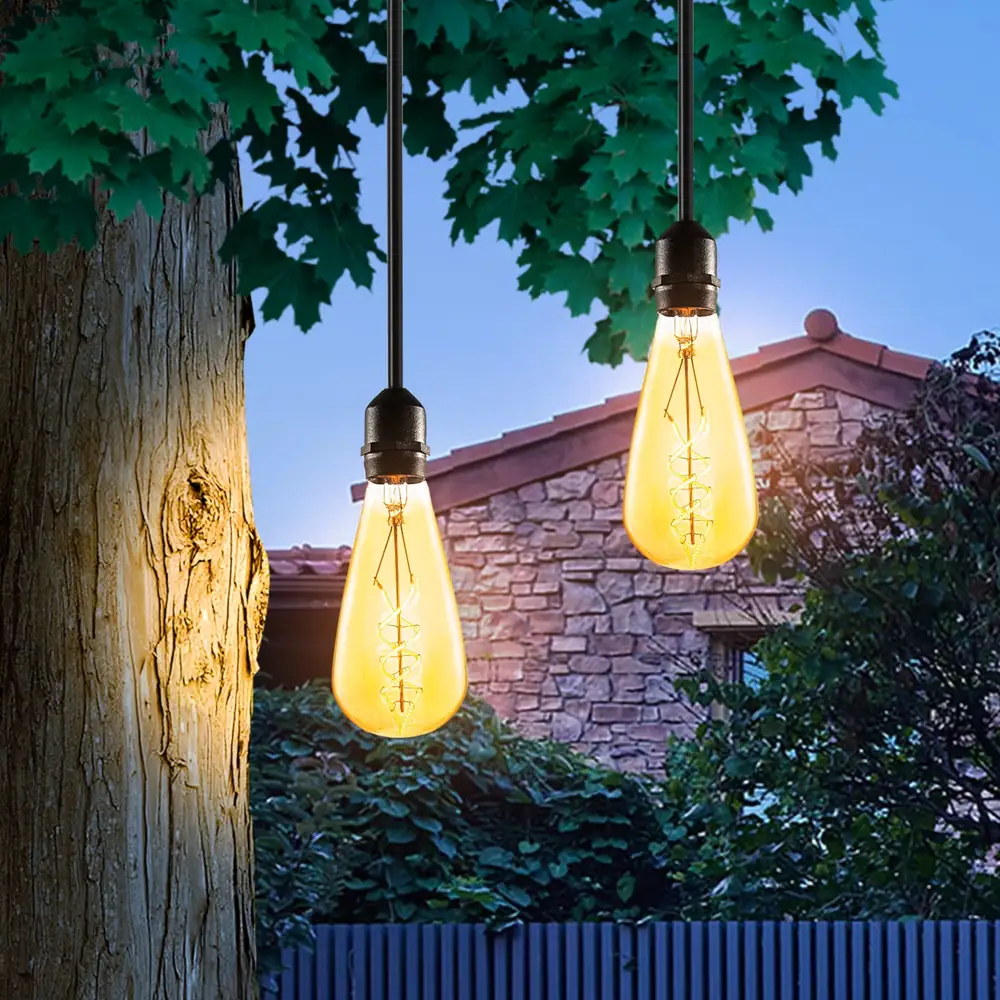
Edison Bulb Replicas have carved out a niche in the hanging solar light market. These designs feature a clear or amber-tinted bulb housing with visible LED filaments that mimic the look of vintage Edison bulbs. The warm, amber glow appeals to customers seeking industrial or retro aesthetics. Edison-style hanging lights are particularly popular for outdoor bars, patios, and string light alternatives. When sourcing these, verify that the LED filament design is convincing and that the solar panel is discreetly integrated (often on top of the bulb housing) to maintain the vintage appearance.
Decorative Metal and Filigree Designs cater to customers looking for artistic or ornate lighting solutions. These fixtures often feature intricate cutout patterns in metal (copper, bronze, or black iron finishes) that cast decorative shadows when illuminated. Moroccan-inspired designs, butterfly motifs, and floral patterns are common in this subcategory. These lights are typically positioned as premium products and command higher retail prices. For wholesale buyers, these designs require careful packaging to prevent damage to delicate metalwork during shipping.
Shepherd Hook and Tree-Hanging Sets are popular for customers who want ready-to-install solutions. These products bundle hanging solar lights with mounting hardware (shepherd hooks, S-hooks, or adjustable chains). Offering complete sets can increase average order value and reduce customer friction. When sourcing these, ensure that the mounting hardware is sturdy enough to support the light fixture in windy conditions.
For those looking to explore a broader range of decorative outdoor lighting options, the decorative outdoor solar garden lights collection offers complementary products that can help retailers build comprehensive outdoor lighting assortments.
Category-Specific Buyer Notes for Hanging Solar Lights
When sourcing wholesale hanging solar lights, there are several category-specific considerations that differentiate this product type from other solar garden lights. First, weight distribution and hanging mechanism quality are critical. Unlike stake lights or ground-mounted fixtures, hanging lights must be designed with balanced weight distribution to prevent tilting or spinning in the wind. The hanging loop, chain, or hook attachment point must be securely fastened to the fixture bodyweak attachment points are a common failure mode that leads to customer returns. Request samples to test the hanging mechanism under simulated wind conditions before committing to large orders.
Second, solar panel positioning is more constrained in hanging designs compared to stake lights. Since the fixture is suspended, the solar panel must be integrated into the top of the unit, which can limit panel size and charging efficiency, especially in designs with decorative tops or small form factors. When evaluating suppliers, ask about the solar panel wattage and battery capacity relative to the LED power consumption. A well-designed hanging solar light should provide at least 6-8 hours of illumination after a full day’s charge, even in partially shaded conditions.
Third, packaging and shipping protection require extra attention for hanging lights. The combination of glass or acrylic panels, protruding decorative elements, and hanging chains makes these products more vulnerable to damage during transit compared to compact stake lights. Verify that the supplier uses individual inner boxes with foam inserts or molded pulp trays to secure each unit. For glass lantern designs, ensure that glass panels are separately wrapped or protected with corner guards. Inadequate packaging can result in high damage rates (5-10% or more), which erodes profit margins and damages retailer relationships.
What Materials and Manufacturing Processes Are Used?
The quality and durability of wholesale hanging solar lights are directly tied to the materials used in their construction and the manufacturing processes employed by the factory. Understanding these elements helps wholesale buyers assess product longevity, weather resistance, and overall value.

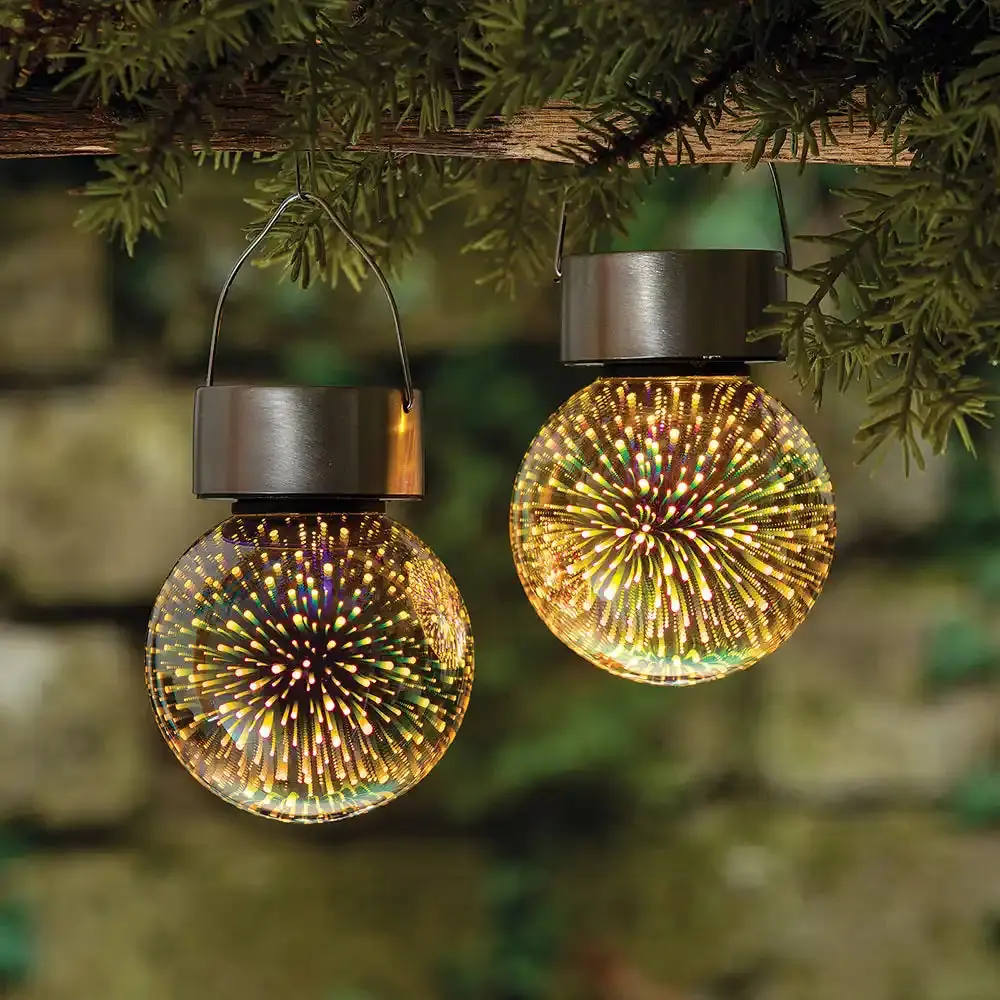
Metal Components form the structural framework for most hanging solar lights, particularly lantern and filigree designs. The most common metals used are iron, aluminum, and stainless steel. Iron is cost-effective and allows for intricate designs but requires protective coatings to prevent rust. Powder coating is the preferred finish for iron frames, as it provides a durable, weather-resistant layer that can withstand UV exposure and moisture. Aluminum is lighter than iron and naturally more resistant to corrosion, making it suitable for larger hanging fixtures where weight is a concern. Stainless steel offers the best corrosion resistance but is more expensive and typically reserved for premium product lines. When sourcing metal hanging lights, verify the thickness of the metal (gauge) and the quality of the finish. Thin metal or poorly applied coatings will lead to rust and structural failure within one or two seasons.
For more details on metal light manufacturing processes, see how factory manufactures metal iron solar light.
Glass and Acrylic Panels are used to enclose the LED light source in lantern-style designs. Glass provides superior clarity and a premium feel but is heavier and more fragile. Crackled glass, created through a controlled thermal shock process, is popular for its decorative light-diffusing properties. Acrylic (plastic) is a lighter, shatter-resistant alternative that is safer for shipping and handling. However, lower-grade acrylic can yellow over time when exposed to UV light, reducing the aesthetic appeal. When evaluating samples, check for UV-stabilized acrylic and ensure that glass panels are tempered for impact resistance.
Plastic Housings are common in globe and orb designs. High-quality hanging solar lights use UV-stabilized polypropylene (PP) or acrylonitrile butadiene styrene (ABS) plastic, which resists fading, cracking, and brittleness under prolonged sun exposure. Injection molding is the standard manufacturing process for plastic components, allowing for consistent quality and complex shapes. However, the quality of the plastic resin and the precision of the mold directly impact the final product. Poorly molded plastic may have visible seams, thin walls, or weak attachment points for the hanging mechanism. Request information on the plastic grade and UV stabilization additives used by the supplier.
Learn more about plastic manufacturing in how a professional factory manufactures plastic solar light.
Solar Panels in hanging lights are typically small monocrystalline or polycrystalline silicon panels integrated into the top of the fixture. Monocrystalline panels are more efficient (converting more sunlight into electricity) and perform better in low-light conditions, but they are slightly more expensive. Polycrystalline panels are adequate for most applications but may require longer charging times. The panel size is often limited by the fixture design, so efficiency becomes more important in compact hanging lights. Verify that the solar panel is sealed with a waterproof resin or glass cover to prevent moisture ingress, which can degrade performance over time.
Batteries store the solar energy for nighttime use. The most common battery types in hanging solar lights are nickel-metal hydride (NiMH) and lithium-ion (Li-ion). NiMH batteries are cost-effective and widely used but have lower energy density and shorter lifespans (typically 1-2 years). Lithium-ion batteries offer better performance, longer lifespans (3-5 years), and more consistent output but increase the product cost. For wholesale buyers, the battery type and capacity (measured in milliamp-hours, mAh) are critical specifications to review. Underpowered batteries will result in dim light output or short illumination times, leading to customer dissatisfaction.
For insights into battery performance, refer to common battery issues in solar garden lights.
LED Light Sources provide the illumination in hanging solar lights. Modern designs use energy-efficient LEDs that consume minimal power while producing adequate brightness. The color temperature of the LEDs (measured in Kelvin) affects the ambiancewarm white (2700-3000K) creates a cozy, inviting atmosphere, while cool white (5000-6000K) is brighter and more utilitarian. For decorative hanging lights, warm white or amber LEDs are generally preferred. The number of LEDs and their placement within the fixture determine the light distribution and overall brightness. When evaluating samples, test the light output in a dark environment to ensure it meets customer expectations for both brightness and color quality.
Assembly and Quality Control processes vary significantly between manufacturers. Reputable factories implement multi-stage quality checks, including incoming material inspection (IQC), in-process quality control (IPQC), and final product inspection (OQC). For hanging solar lights, critical checkpoints include waterproof sealing (to achieve the claimed IP rating), solar panel output testing, battery charging and discharging cycles, and mechanical stress testing of the hanging mechanism. Factories with ISO 9001 certification or similar quality management systems are more likely to deliver consistent product quality across large production runs.
What Quality Standards and Certifications Matter for Wholesale Buyers?
For wholesale buyers sourcing hanging solar lights for export or retail distribution, understanding relevant quality standards and certifications is essential to ensure product safety, regulatory compliance, and market acceptance. Different regions have specific requirements, and working with suppliers who can provide the necessary documentation reduces the risk of customs delays, product recalls, or legal liabilities.


CE Certification is mandatory for selling solar lights in the European Union. The CE mark indicates that the product complies with EU safety, health, and environmental protection standards, including the Low Voltage Directive (LVD) and the Electromagnetic Compatibility (EMC) Directive. For solar lights, CE certification typically involves testing for electrical safety, electromagnetic interference, and material safety (RoHS compliance). When sourcing from China, verify that the supplier can provide a valid CE certificate issued by a recognized testing body, not just a self-declared certificate. The certificate should list the specific product model and applicable directives.
For more information, see why CE certification matters for solar garden lights.
RoHS Compliance (Restriction of Hazardous Substances) is required for products sold in the EU and increasingly in other markets. RoHS restricts the use of specific hazardous materials, including lead, mercury, cadmium, and certain flame retardants, in electrical and electronic equipment. Solar lights must comply with RoHS to be legally sold in the EU. Suppliers should provide RoHS test reports from accredited laboratories, confirming that all components (PCBs, batteries, plastics, solder) meet the allowable limits for restricted substances.
Learn more at solar garden light RoHS certification guide.
IP Ratings (Ingress Protection) indicate the level of protection against dust and water. For outdoor hanging solar lights, a minimum rating of IP44 is recommended, which provides protection against splashing water from any direction. Higher ratings like IP65 (protection against water jets) or IP67 (temporary immersion in water) offer greater durability, especially for lights exposed to heavy rain or installed near water features. The IP rating should be verified through testing, not just claimed in marketing materials. Request IP test reports from the supplier to confirm the rating.
For a detailed explanation, refer to garden light waterproof ratings IP44 IP65 IP67 guide.
UKCA Certification is required for products sold in Great Britain (England, Scotland, and Wales) following Brexit. UKCA (UK Conformity Assessed) marking replaced the CE mark for the UK market. The technical requirements are similar to CE, but products must be tested and certified according to UK regulations. If you are sourcing for the UK market, ensure that your supplier can provide UKCA certification in addition to or instead of CE.
More details at UKCA certification solar garden lights guide.
FCC Certification is required for products sold in the United States that emit radio frequency energy. While most solar lights do not have wireless communication features, some smart solar lights with Bluetooth or Wi-Fi connectivity require FCC certification to ensure they do not cause harmful interference with other electronic devices. If your product includes smart features, verify FCC compliance.
UL Certification (Underwriters Laboratories) is a voluntary but highly regarded safety certification in North America. UL certification involves rigorous testing for electrical safety, fire hazards, and mechanical durability. While not legally required, UL-listed products are often preferred by retailers and consumers in the US and Canada due to the perceived quality assurance. UL certification can be a competitive advantage but adds to the product cost and lead time.
Battery Safety Certifications are increasingly important, especially for products using lithium-ion batteries. Certifications like UN38.3 (for shipping lithium batteries), IEC 62133 (battery safety standard), and UL 1642 (lithium battery safety) ensure that the batteries used in solar lights are safe and meet international transport regulations. If your hanging solar lights use lithium-ion batteries, confirm that the supplier has the necessary battery certifications, as non-compliant batteries can be rejected by shipping carriers or customs authorities.
Material Safety and Testing should include verification that plastics are UV-stabilized and that metal finishes are free from toxic coatings. Some markets have specific restrictions on materials used in outdoor products, especially those accessible to children or pets. Request material safety data sheets (MSDS) and test reports for key components.
For wholesale buyers, working with suppliers who maintain up-to-date certifications and can provide test reports from accredited third-party laboratories (such as SGS, TÜV, Intertek) is critical. Certifications should be product-specific, not generic factory certifications. Always request copies of certificates and verify their authenticity before placing large orders. For more guidance on export certifications, see what certifications are required for exporting high-quality solar garden lights.
Additionally, understanding the factory’s quality control processes is essential. Visit the support certificates page to see examples of the documentation that professional suppliers should be able to provide.
What Is the Market Demand and Customer Preferences?
Understanding market demand and customer preferences is crucial for wholesale buyers when selecting hanging solar lights for their inventory. Market trends, seasonal patterns, and regional preferences all influence which designs and features will perform best in retail or distribution channels.
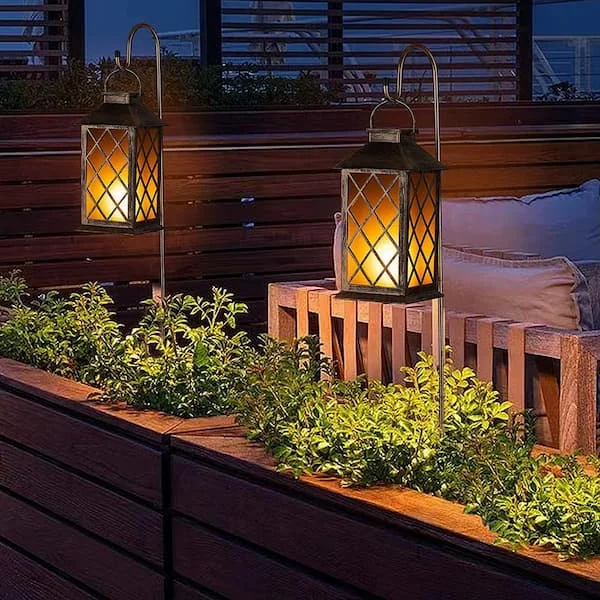
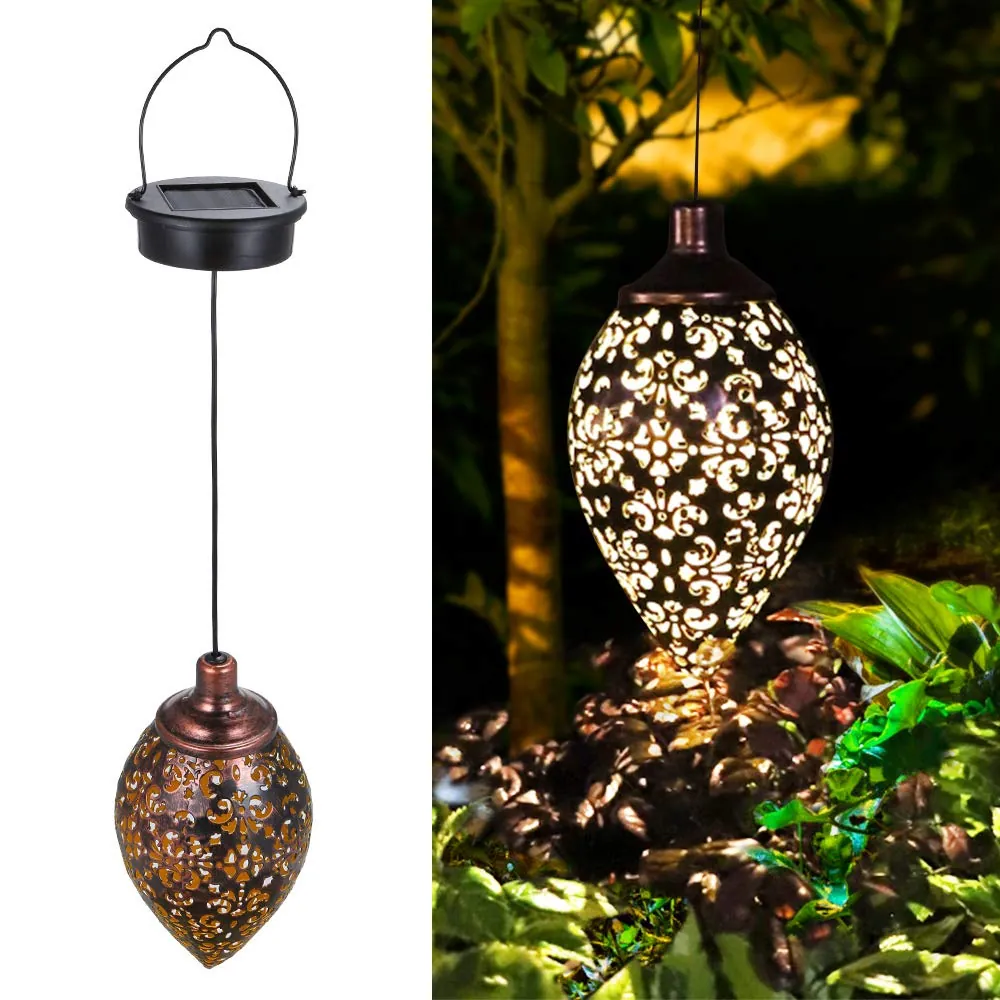
Residential Market Demand remains the largest segment for hanging solar lights. Homeowners use these lights to enhance outdoor living spaces, including patios, decks, gardens, and entryways. The appeal lies in the combination of aesthetic enhancement and practical illumination without the need for electrical wiring. In residential markets, customers prioritize ease of installation, attractive design, and reliable performance. Warm white or amber LED colors are strongly preferred over cool white, as they create a more inviting and relaxing atmosphere. Designs that evoke nostalgia (vintage lanterns) or modern elegance (globe lights) tend to sell better than overly utilitarian styles.
Commercial and Hospitality Demand is growing, particularly among restaurants, cafes, hotels, and event venues that want to create ambiance in outdoor seating areas. Commercial buyers often purchase in larger quantities and prioritize durability and consistent performance over price. They are willing to pay a premium for lights with longer battery life, higher IP ratings, and more robust construction. For this segment, offering bulk pricing tiers and customization options (such as branded packaging or specific color temperatures) can be a competitive advantage.
Seasonal Trends significantly impact sales of hanging solar lights. Spring and summer are peak seasons, as customers prepare outdoor spaces for warmer weather and outdoor entertaining. Sales typically increase from March through July in the Northern Hemisphere. Autumn sees a secondary peak, driven by holiday decorating (Halloween, Thanksgiving, Christmas). Some designs, such as Edison bulb replicas or lanterns with warm amber glows, are marketed as year-round products, while more decorative or colorful designs may be positioned as seasonal items. Wholesale buyers should plan inventory levels and product mix based on these seasonal patterns.
Regional Preferences vary based on climate, cultural aesthetics, and market maturity. In North America and Europe, vintage and rustic designs (lanterns, Edison bulbs) are highly popular, reflecting trends in farmhouse and cottage-style décor. In Asia-Pacific markets, modern and minimalist designs (globes, geometric shapes) are often preferred. In regions with harsh weather conditions (heavy rain, strong winds, extreme temperatures), customers prioritize durability and weather resistance over purely decorative features. Understanding these regional differences helps wholesale buyers tailor their product selection to specific markets.
Customer Preferences for Features include adjustable brightness settings, color-changing LEDs, and longer illumination times. However, these advanced features increase product complexity and cost, so they are typically reserved for premium product lines. For mainstream products, customers value simplicity and reliabilitylights that turn on automatically at dusk, provide consistent brightness, and require minimal maintenance. Replaceable batteries are increasingly seen as a desirable feature, as they extend the product lifespan and reduce waste.
Price Sensitivity varies by market segment. Budget-conscious consumers prioritize low upfront cost and are willing to accept shorter product lifespans or lower brightness. Mid-range customers seek a balance between price and quality, expecting at least one to two seasons of reliable performance. Premium customers are willing to pay more for superior materials, longer warranties, and distinctive designs. Wholesale buyers should offer a range of price points to capture different customer segments.
Sustainability and Eco-Consciousness are growing drivers of demand. Customers are increasingly aware of the environmental benefits of solar lighting (no electricity consumption, reduced carbon footprint) and prefer products made from recyclable or sustainably sourced materials. Marketing that emphasizes the eco-friendly aspects of hanging solar lights can resonate strongly with this customer segment. Additionally, packaging that minimizes plastic use and highlights recyclability can enhance brand perception.
Online vs. Retail Channel Preferences also influence product selection. Online customers rely heavily on product photos, descriptions, and reviews, so high-quality images and detailed specifications are critical. Retail customers can see and touch the product, so in-store displays that demonstrate the light output and design details are important. For wholesale buyers supplying online retailers, ensuring that product listings include comprehensive information and attractive visuals is essential for driving sales.
What Are the Common Applications?
Wholesale hanging solar lights are versatile products used in a wide range of residential, commercial, and event applications. Understanding these use cases helps wholesale buyers position their products effectively and identify target customer segments.
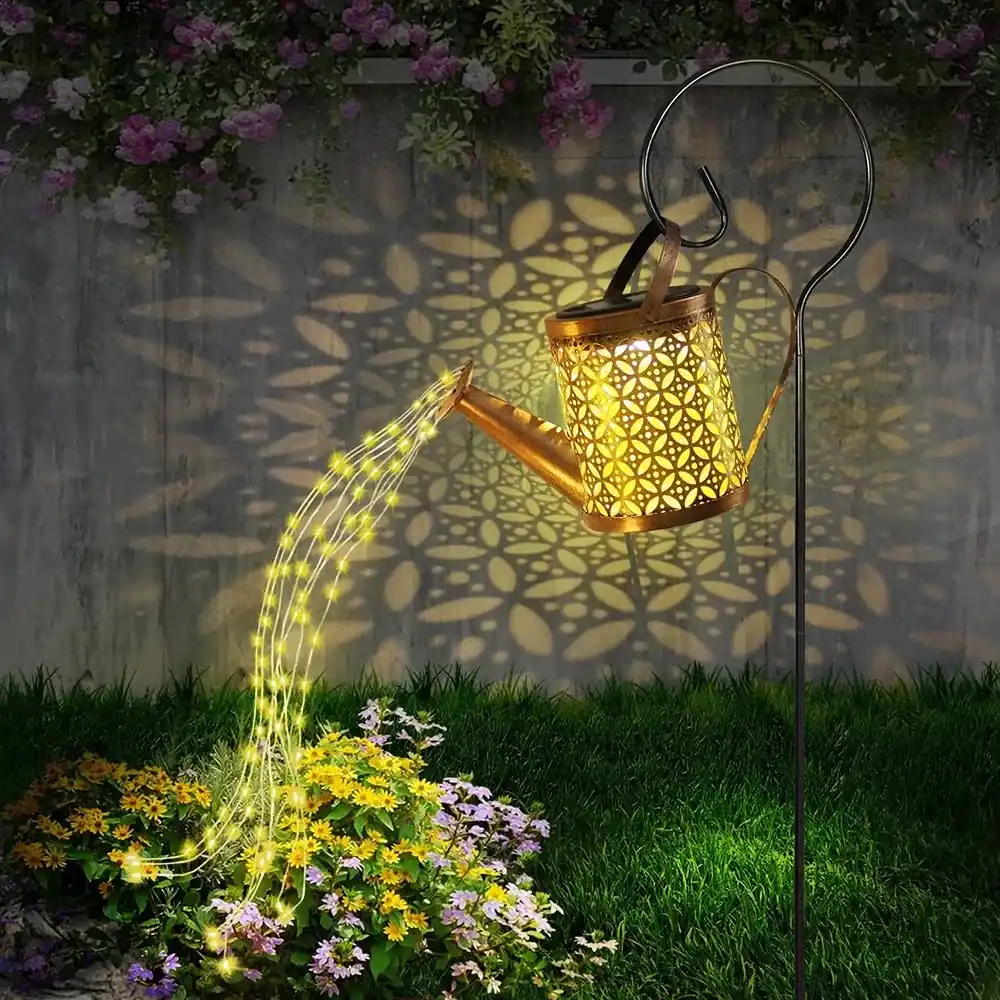
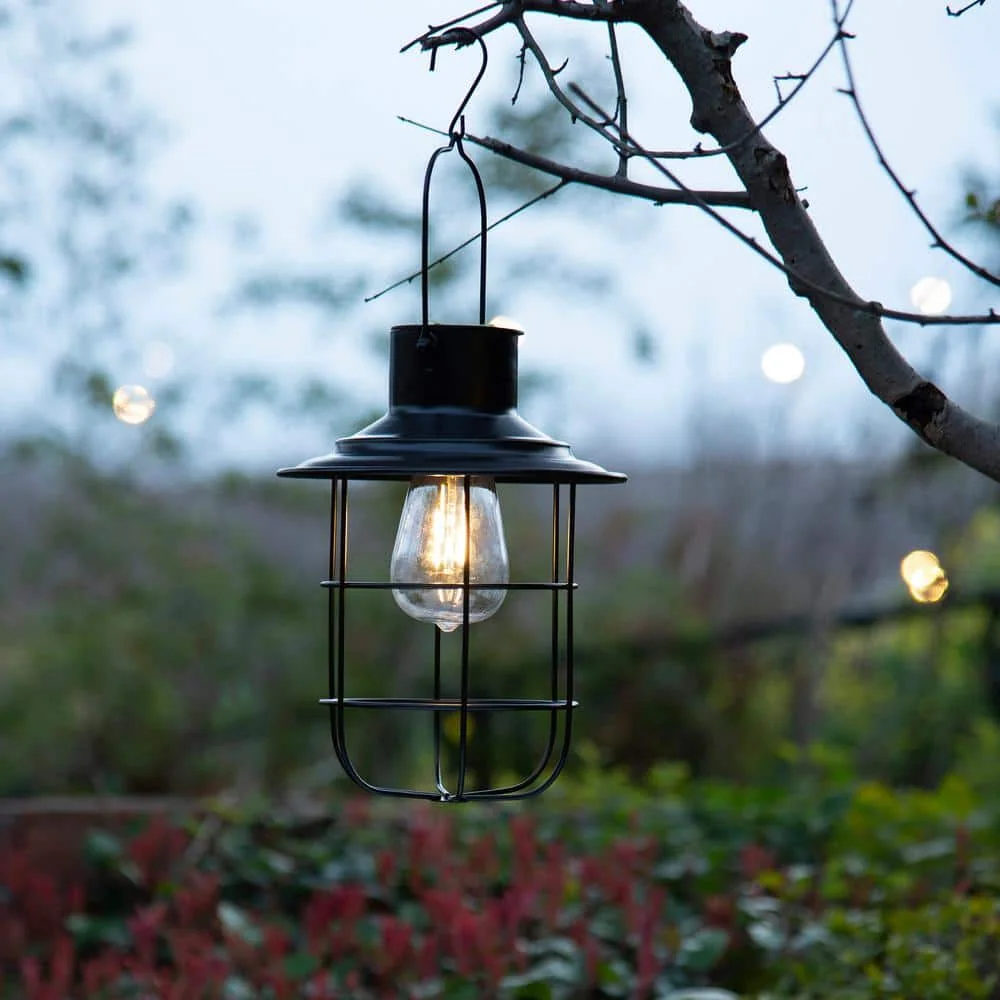
Residential Patios and Decks are the most common application for hanging solar lights. Homeowners use these lights to create ambient lighting for outdoor dining, entertaining, or relaxation. Hanging lights can be suspended from pergolas, patio covers, deck railings, or freestanding shepherd hooks. The wireless, solar-powered nature of these lights makes them ideal for spaces where running electrical wiring would be difficult or expensive. Customers in this segment value ease of installation, attractive design, and sufficient brightness for functional illumination without being overly bright.
Garden and Landscape Lighting is another major application. Hanging solar lights are used to highlight specific garden features, such as trees, arbors, or pathways. They can be hung from tree branches to create a magical, fairy-tale effect, or placed along garden paths to provide wayfinding illumination. Landscape designers and homeowners appreciate the flexibility of hanging lights, as they can be easily repositioned or removed as garden layouts change. For this application, weather resistance and durability are particularly important, as the lights are exposed to the elements year-round.
Outdoor Dining and Entertainment Areas in both residential and commercial settings benefit from hanging solar lights. Restaurants, cafes, and bars with outdoor seating use these lights to create a warm, inviting atmosphere that encourages customers to linger. Event venues, such as wedding reception sites or outdoor concert spaces, use hanging solar lights for decorative lighting that enhances the ambiance without requiring extensive electrical infrastructure. For commercial applications, buyers prioritize lights with longer battery life, higher brightness, and more durable construction to withstand frequent use and handling.
Entryways and Porches are common locations for hanging solar lights, where they serve both decorative and functional purposes. A pair of lantern-style hanging lights flanking a front door or gate creates a welcoming entrance while providing illumination for safety and security. In this application, customers often prefer designs that complement the architectural style of the home, such as traditional lanterns for colonial or farmhouse-style homes, or modern globe lights for contemporary architecture.
Camping and Outdoor Recreation represent a niche but growing application for portable hanging solar lights. Campers, RV owners, and outdoor enthusiasts use these lights to illuminate campsites, tents, or outdoor cooking areas. For this market, lightweight, compact designs with durable construction and easy hanging mechanisms are preferred. Some manufacturers offer collapsible or foldable hanging solar lights specifically designed for portability.
Holiday and Seasonal Decorating is a significant application, particularly in the autumn and winter months. Hanging solar lights with warm amber or color-changing LEDs are used for Halloween, Thanksgiving, and Christmas decorations. Some designs feature seasonal motifs (pumpkins, snowflakes, stars) that appeal to customers looking for festive outdoor décor. For wholesale buyers, offering seasonal designs or marketing existing products with seasonal themes can capture additional sales during peak holiday periods.
Event Lighting and Temporary Installations include weddings, parties, festivals, and corporate events. Event planners and rental companies use hanging solar lights to create decorative lighting for outdoor venues without the need for generators or electrical hookups. The portability and ease of setup make solar hanging lights an attractive option for temporary installations. For this application, buyers look for lights that are easy to transport, quick to install, and visually impressive.
Commercial Landscaping and Public Spaces such as parks, botanical gardens, and resort properties use hanging solar lights to enhance nighttime aesthetics and improve safety. These applications require lights with high durability, vandal resistance, and consistent performance over extended periods. Commercial buyers in this segment often work with landscape contractors or facility managers and may require bulk orders with specific customization (such as matching a particular color scheme or branding).
What OEM/ODM Customization Options Are Available for Wholesale Hanging Solar Lights?
For wholesale buyers looking to differentiate their product offerings or build a private label brand, understanding the OEM (Original Equipment Manufacturer) and ODM (Original Design Manufacturer) customization options available for hanging solar lights is essential. Experienced manufacturers offer a range of customization services that allow buyers to tailor products to their specific market needs, branding requirements, and customer preferences.
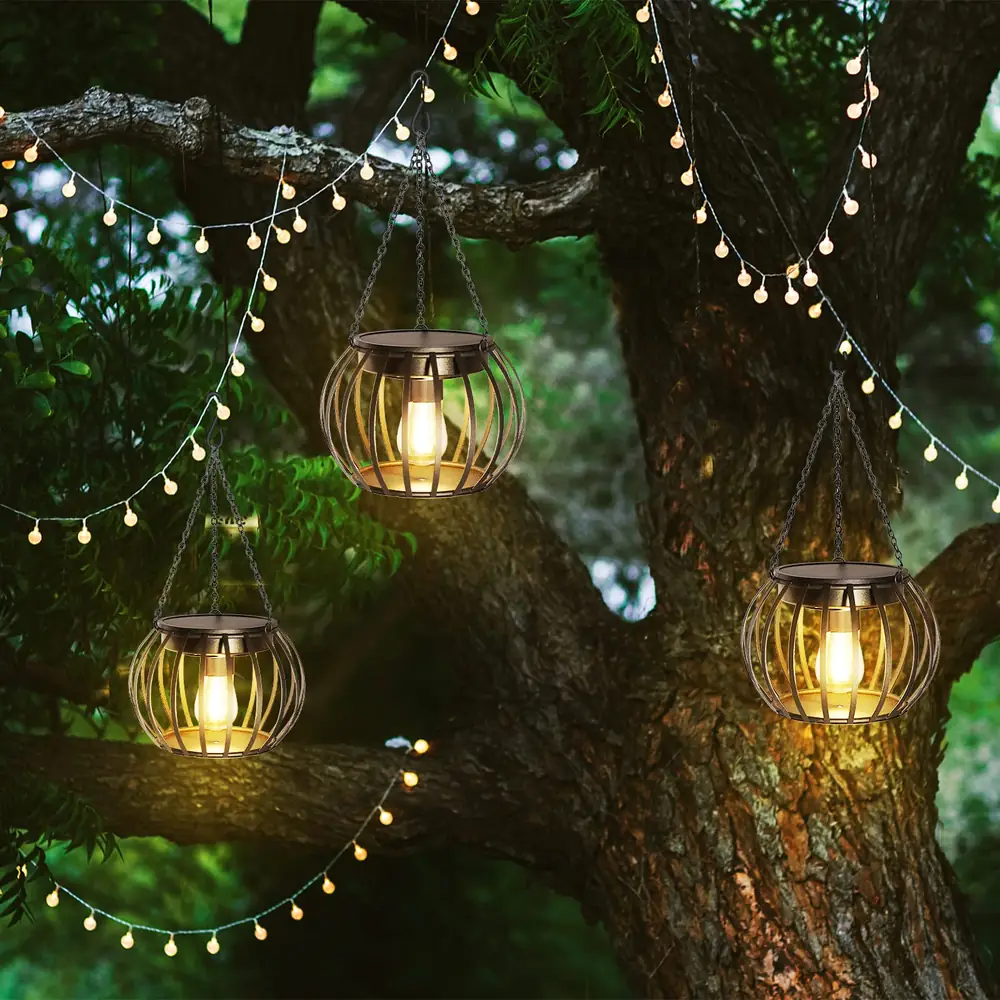

Design Customization (ODM) involves modifying existing designs or creating entirely new designs based on buyer specifications. Common design customizations for hanging solar lights include altering the shape, size, or decorative elements of the fixture. For example, a buyer might request a lantern design with a specific filigree pattern, a globe light in a unique color, or an Edison bulb replica with a custom bulb shape. Manufacturers with in-house design teams and mold-making capabilities can develop custom designs, though this typically requires higher minimum order quantities and longer lead times due to the need for new tooling. Design customization is most cost-effective when the buyer has a clear vision and can provide detailed specifications or reference samples.
Color and Finish Customization is one of the most accessible forms of customization. Buyers can specify custom colors for metal frames (through powder coating), plastic housings (through pigment selection during injection molding), or glass/acrylic panels (through tinting or frosting). Custom finishes, such as brushed metal, antique bronze, or matte black, can help products stand out in competitive markets. Color customization typically has lower minimum order quantities compared to design changes, as it does not require new molds, only adjustments to the finishing process.
LED Color Temperature and Brightness Customization allows buyers to tailor the light output to their target market. Standard options include warm white, cool white, and amber LEDs, but some manufacturers can provide custom color temperatures or even RGB (color-changing) LEDs. Brightness levels can also be adjusted by changing the number of LEDs or the power output. For example, a buyer targeting the hospitality market might request brighter lights for functional illumination, while a buyer focused on residential décor might prefer softer, more ambient lighting.
Solar Panel and Battery Upgrades are important customization options for buyers who want to offer premium products with better performance. Upgrading from polycrystalline to monocrystalline solar panels improves charging efficiency, especially in low-light conditions. Increasing battery capacity (measured in mAh) extends the illumination time, which is a key selling point for customers. Some manufacturers also offer the option to use lithium-ion batteries instead of NiMH batteries for longer lifespan and better performance. These upgrades increase the product cost but can justify higher retail prices and improve customer satisfaction.
Packaging Customization is critical for buyers building a private label brand. Custom packaging options include branded outer cartons, custom inner boxes with printed logos and product information, and retail-ready packaging with hang tags or display windows. High-quality packaging not only protects the product during shipping but also enhances the perceived value and brand identity. For retail buyers, attractive packaging can significantly impact shelf appeal and sales. Manufacturers experienced in export markets can provide packaging that meets specific regulatory requirements, such as multilingual labels or compliance markings.
Logo and Branding can be applied to the product itself, the packaging, or both. Common methods for adding logos to hanging solar lights include laser engraving on metal components, pad printing on plastic surfaces, or embossed labels. Branding on packaging typically involves custom printing on cartons, instruction manuals, and hang tags. For buyers focused on brand building, consistent and professional branding across all touchpoints is essential.
Certification and Compliance Customization involves ensuring that the product meets the specific regulatory requirements of the target market. Experienced manufacturers can assist with obtaining the necessary certifications (CE, RoHS, FCC, UL, etc.) and can customize product specifications to meet regional standards. For example, a buyer targeting the EU market might require CE and RoHS compliance, while a buyer targeting North America might prioritize UL certification. Manufacturers with established relationships with testing laboratories can expedite the certification process.
Accessory and Bundle Customization allows buyers to create value-added product sets. For example, a hanging solar light can be bundled with a shepherd hook, mounting hardware, or additional decorative elements. Custom bundles can increase average order value and provide customers with a complete, ready-to-use solution. Manufacturers can also offer custom accessories, such as replacement batteries, spare parts, or extended hanging chains, which can be sold separately or included with the product.
For more information on customization capabilities, visit the OEM solutions page.
How to Source Wholesale Hanging Solar Lights from China Manufacturers and Suppliers?
Sourcing wholesale hanging solar lights from China offers significant cost advantages and access to a wide range of designs and manufacturing capabilities. However, successful sourcing requires careful supplier selection, clear communication, and thorough quality verification. This section provides a practical guide for wholesale buyers navigating the China sourcing process.

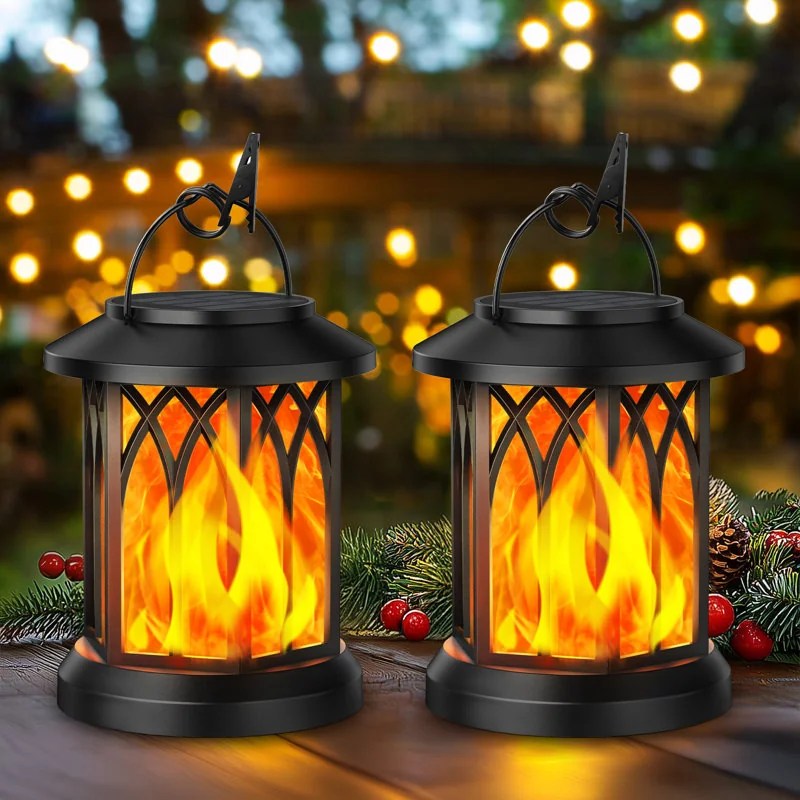
Finding Potential Suppliers is the first step. The most common methods include online B2B platforms (Alibaba, Global Sources, Made-in-China), trade shows (Canton Fair, Hong Kong Lighting Fair), and sourcing agents or trading companies. Online platforms allow buyers to search for suppliers by product category, view company profiles, and compare offerings. Trade shows provide the opportunity to meet suppliers face-to-face, see product samples, and assess factory capabilities. Sourcing agents can help navigate language barriers and cultural differences, though they typically charge a commission. When searching for suppliers, look for manufacturers (not just trading companies) with experience in solar lighting, relevant certifications, and a track record of exporting to your target market.
Evaluating Supplier Credibility is critical to avoid scams or low-quality products. Key indicators of a reliable supplier include verified business licenses, third-party certifications (ISO 9001, CE, RoHS), positive customer reviews or references, and transparent communication. Request a factory audit report from a third-party inspection company (such as SGS or Bureau Veritas) to verify the supplier’s production capacity, quality control systems, and working conditions. Be cautious of suppliers offering prices significantly below market rates, as this often indicates compromised quality or hidden costs.
Requesting and Evaluating Samples is an essential step before placing a bulk order. Always order samples of the exact product you intend to purchase, not just similar items from the supplier’s catalog. Evaluate samples for build quality, light output, solar charging performance, and durability. Test the lights outdoors for several days to assess real-world performance, including charging time, illumination duration, and weather resistance. Pay attention to details such as the quality of the metal finish, the clarity of glass or plastic panels, the sturdiness of the hanging mechanism, and the ease of assembly. If possible, conduct accelerated aging tests (exposing the light to extended UV light or temperature cycling) to predict long-term durability.
Negotiating Pricing and Terms requires understanding the cost structure and market rates. Request detailed quotations that break down the unit price, tooling costs (if applicable for custom designs), packaging costs, and shipping terms. Clarify the payment terms (deposit, balance, payment methods) and the production lead time. Common payment terms for first-time buyers include a deposit (typically 30%) upon order confirmation and the balance before shipment. For larger or repeat orders, buyers may negotiate more favorable terms, such as letters of credit or extended payment periods. Be aware of additional costs such as import duties, customs clearance fees, and inland transportation in your destination country.
Defining Quality Standards and Specifications in writing is crucial to avoid misunderstandings. Provide the supplier with a detailed product specification sheet that includes dimensions, materials, color codes (such as Pantone or RAL numbers), LED specifications (color temperature, brightness), solar panel and battery specifications, IP rating requirements, and packaging requirements. Include reference photos or samples if available. Specify the acceptable quality level (AQL) for defects and outline the inspection criteria. Clear specifications reduce the risk of receiving products that do not meet your expectations.
Implementing Quality Control Measures throughout the production process protects your investment. Options include pre-production inspections (to verify materials and components before manufacturing begins), during-production inspections (to catch issues early in the production run), and pre-shipment inspections (to verify that finished products meet specifications before they leave the factory). Third-party inspection companies can conduct these inspections on your behalf and provide detailed reports with photos and measurements. For high-value orders, consider hiring a quality control representative to be present at the factory during critical production stages.
Managing Logistics and Shipping involves choosing the right shipping method and ensuring proper documentation. For large orders, sea freight is the most cost-effective option, though it has longer transit times (typically 4-6 weeks from China to North America or Europe). Air freight is faster but significantly more expensive and is typically used for urgent or high-value shipments. Work with a freight forwarder who can handle customs clearance, arrange inland transportation, and provide door-to-door delivery. Ensure that all necessary export and import documentation is in order, including commercial invoices, packing lists, certificates of origin, and compliance certificates (CE, RoHS, etc.). Verify that the supplier uses adequate packaging to protect the products during transit, especially for fragile items like glass lanterns.
Building Long-Term Supplier Relationships can lead to better pricing, priority production scheduling, and improved communication. Once you have identified a reliable supplier, maintain regular contact, provide feedback on product quality and market trends, and consider consolidating your orders with fewer suppliers to increase your bargaining power. Long-term relationships also make it easier to negotiate custom designs, flexible payment terms, and faster turnaround times for repeat orders.
For additional guidance on sourcing from China, see bulk purchase solar garden lights China.
What Mistakes Can Cost You Money When Buying Hanging Solar Lights in Bulk?
Avoiding common mistakes when sourcing bulk hanging solar lights can save wholesale buyers significant time, money, and frustration. This section highlights the most frequent pitfalls and how to prevent them.

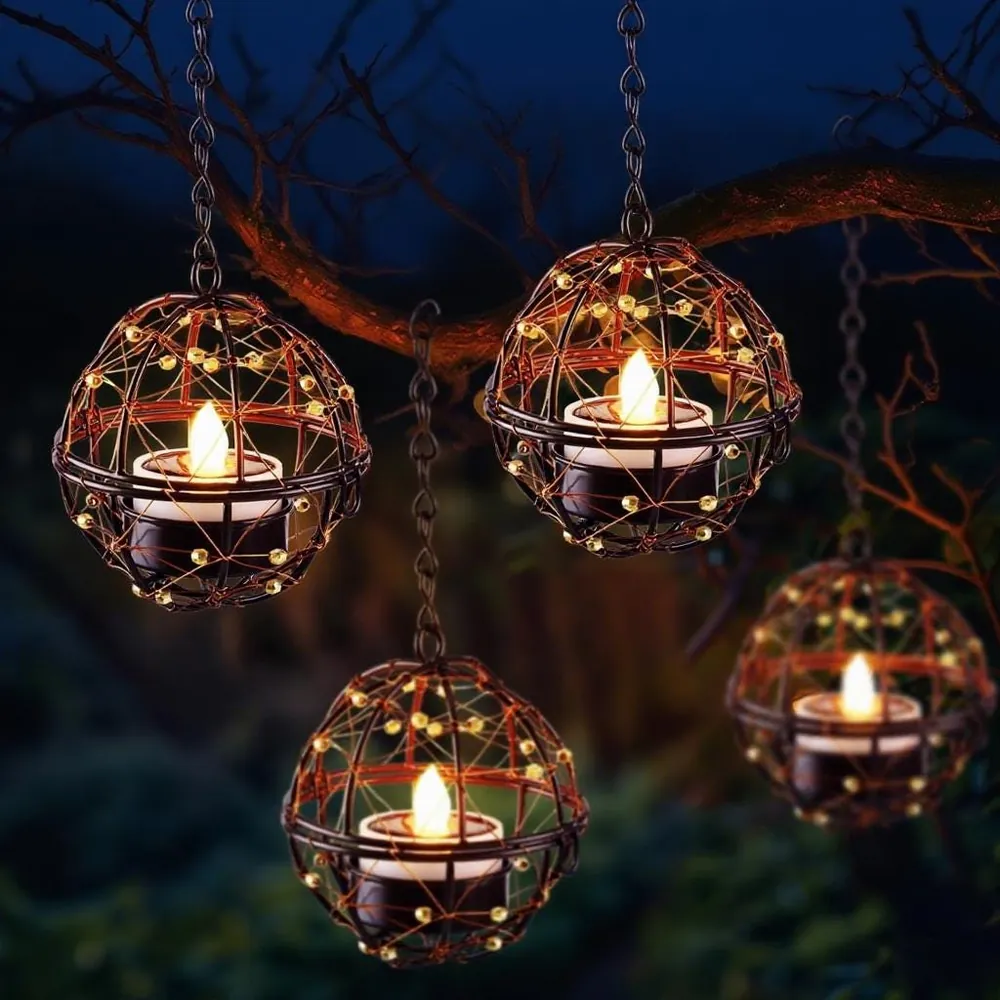
Skipping Sample Testing is one of the most costly mistakes. Buyers who place large orders based solely on product photos or descriptions often discover quality issues, performance problems, or design discrepancies only after receiving the shipment. Always order and thoroughly test samples before committing to a bulk order. Test samples under real-world conditions for at least several days to evaluate solar charging efficiency, light output, battery life, and durability. If the supplier is unwilling to provide samples or charges exorbitant sample fees, consider it a red flag.
Ignoring Certifications and Compliance can result in products being rejected at customs, legal liabilities, or forced product recalls. Ensure that the supplier provides valid, product-specific certifications for your target market (CE, RoHS, FCC, UL, etc.). Verify the authenticity of certificates by checking with the issuing laboratory or certification body. Do not accept generic factory certifications or self-declared compliance statements. Non-compliant products can be seized by customs authorities, resulting in total loss of the shipment and potential fines.
Underestimating Packaging Requirements leads to high damage rates during shipping. Hanging solar lights, especially those with glass panels or delicate decorative elements, require robust packaging with adequate cushioning and protection. Verify that the supplier uses individual inner boxes, foam inserts, or molded pulp trays to secure each unit. Request photos of the packaging before production begins and consider conducting a drop test on a packaged sample to ensure it can withstand typical shipping conditions. Inadequate packaging can result in damage rates of 5-10% or higher, which erodes profit margins and damages customer relationships.
Failing to Specify Quality Standards in writing leads to disputes and substandard products. Provide the supplier with a detailed specification sheet that includes all critical parameters (materials, dimensions, colors, LED specifications, IP rating, etc.) and the acceptable quality level (AQL) for defects. Without clear specifications, suppliers may use lower-grade materials or cut corners to reduce costs, resulting in products that do not meet your expectations. Always put specifications in writing and include them in the purchase contract.
Overlooking Battery Quality and Capacity is a common mistake that affects product performance and customer satisfaction. Low-quality or underpowered batteries result in dim light output, short illumination times, and premature failure. Verify the battery type (NiMH or lithium-ion), capacity (mAh), and brand. Request battery test reports and ensure that the batteries meet safety standards (UN38.3, IEC 62133). Cheap batteries may save a few cents per unit but can lead to high return rates and negative reviews.
Choosing Suppliers Based Solely on Price often backfires. While cost is an important factor, the lowest-priced supplier is not always the best choice. Extremely low prices may indicate the use of inferior materials, lack of quality control, or hidden costs (such as poor packaging or non-compliance with certifications). Evaluate suppliers based on a combination of price, quality, reliability, communication, and after-sales support. A slightly higher unit price from a reputable supplier can result in lower total costs when factoring in defect rates, returns, and customer satisfaction.
Neglecting Intellectual Property Protection can lead to design theft or unauthorized production. If you are investing in custom designs or molds, ensure that you have a clear agreement with the supplier regarding intellectual property ownership and confidentiality. Consider registering your designs or trademarks in China to provide legal protection. Work with suppliers who respect intellectual property rights and are willing to sign non-disclosure agreements (NDAs).
Inadequate Quality Control During Production allows defects to go undetected until it is too late. Relying solely on the supplier’s internal quality control is risky, as suppliers may have different standards or priorities. Implement independent quality control measures, such as third-party inspections at key production stages (pre-production, during production, pre-shipment). Catching defects early in the production process allows for corrections before the entire order is completed, saving time and money.
Poor Communication and Unclear Expectations lead to misunderstandings, delays, and substandard products. Maintain clear, frequent communication with the supplier throughout the sourcing and production process. Confirm all details in writing, including specifications, timelines, payment terms, and quality standards. Use visual aids (photos, diagrams, samples) to clarify expectations, especially when dealing with language barriers. Establish a single point of contact at the supplier’s company to streamline communication and accountability.
Ignoring Seasonal Lead Times can result in missed sales opportunities. Production and shipping lead times can extend significantly during peak seasons (such as the months leading up to major holidays or trade shows). Plan your orders well in advance to account for production time, shipping time, and potential delays. Rushing orders often leads to higher costs, compromised quality, or missed deadlines.
Failing to Plan for After-Sales Support can damage your reputation and customer relationships. Ensure that the supplier can provide replacement parts (such as batteries or solar panels) and technical support for warranty claims. Clarify the warranty terms and the process for handling defective products. Some suppliers offer after-sales support, including spare parts inventory and troubleshooting assistance, which can be valuable for maintaining customer satisfaction.
Who Is Glowyard Lighting and What Do We Offer?
Glowyard Lighting is a professional manufacturer specializing in solar-powered outdoor lighting solutions, including a comprehensive range of hanging solar lights designed for wholesale and bulk distribution. With extensive experience in solar lighting production, Glowyard serves wholesalers, retailers, distributors, and project contractors across global markets.
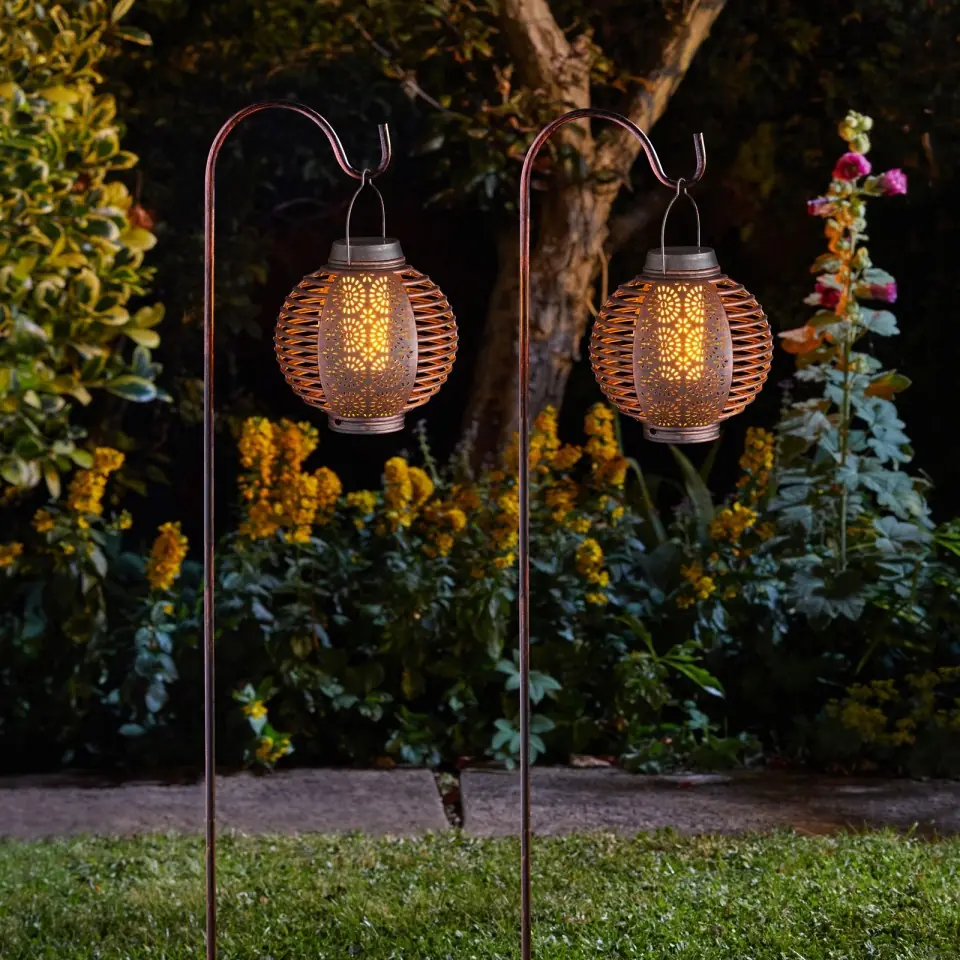
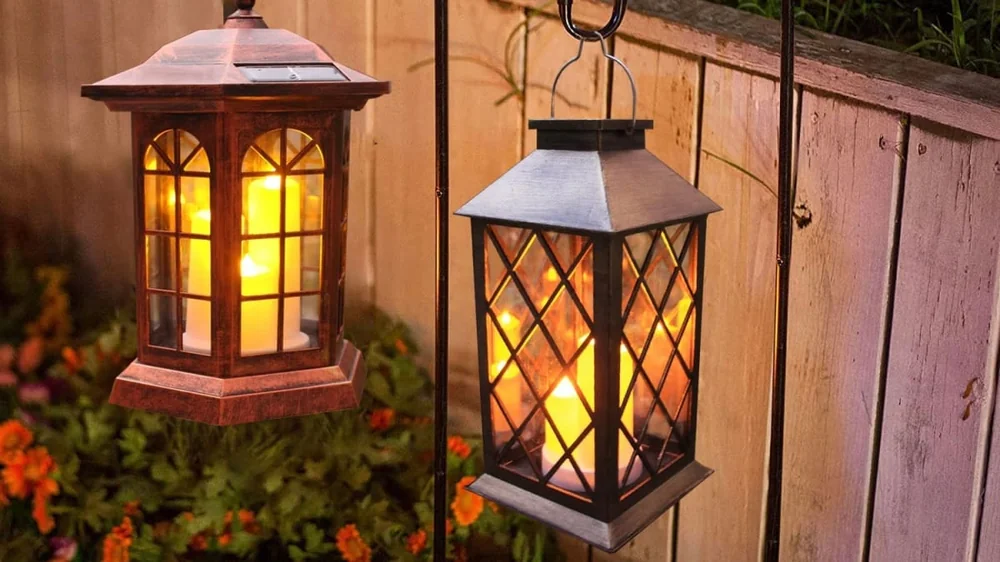
Our manufacturing capabilities cover the full production process for hanging solar lights, from metal fabrication and plastic injection molding to solar panel integration and final assembly. We operate dedicated production lines for different product categories, including lantern-style hanging lights, globe and orb designs, Edison bulb replicas, and decorative filigree fixtures. Our facility is equipped with modern machinery for powder coating, UV-resistant plastic molding, and precision assembly, ensuring consistent quality across large production runs.
Quality control is central to our operations. We implement a multi-stage inspection system that includes incoming material inspection (IQC), in-process quality control (IPQC), and final product inspection (OQC). For hanging solar lights, our quality checks focus on critical performance factors such as waterproof sealing (IP rating verification), solar panel output testing, battery charging and discharging cycles, LED brightness and color consistency, and mechanical stress testing of hanging mechanisms. We conduct aging tests to simulate long-term outdoor exposure and identify potential failure modes before products reach customers.
Glowyard offers comprehensive OEM and ODM services for wholesale buyers looking to develop custom products or private label brands. Our design team can modify existing designs or create entirely new products based on buyer specifications. We provide customization options for materials, colors, finishes, LED specifications, solar panel and battery upgrades, and packaging. Our in-house mold-making capabilities allow us to develop custom tooling for unique designs, and we work closely with buyers to ensure that custom products meet their market requirements and quality standards.
We maintain up-to-date certifications and compliance documentation to support export to major markets. Our products are tested and certified to meet CE, RoHS, IP rating, and other relevant standards. We can assist buyers with obtaining additional certifications (such as FCC, UL, or UKCA) as needed for specific markets. Our export team is experienced in preparing the necessary documentation for customs clearance and can provide certificates of origin, test reports, and compliance declarations. For more information on our certifications, visit our certificates page.
Our after-sales support includes technical assistance, warranty claim processing, and availability of replacement parts such as batteries and solar panels. We understand that reliable after-sales service is essential for maintaining customer satisfaction and building long-term business relationships. Our team is available to provide troubleshooting guidance and support for warranty issues, helping buyers resolve customer concerns efficiently.
For wholesale buyers, Glowyard offers flexible order quantities, competitive pricing for bulk orders, and reliable production scheduling. We work with buyers to develop product assortments that align with market trends and customer preferences. Our goal is to be a trusted partner for businesses seeking high-quality, reliable hanging solar lights that meet the demands of competitive retail and distribution markets.
Wholesale Buying Checklist
When sourcing wholesale hanging solar lights, use this checklist to ensure you cover all critical evaluation points:
- Verify supplier credentials (business license, factory audit, export experience)
- Request and test product samples under real-world conditions for at least 3-5 days
- Confirm product-specific certifications for your target market (CE, RoHS, IP rating, etc.)
- Review detailed specifications (materials, dimensions, LED specs, battery capacity, solar panel type)
- Evaluate packaging quality and protection (individual inner boxes, foam inserts, drop test results)
- Clarify pricing structure (unit price, tooling costs, packaging, shipping terms)
- Define payment terms and production lead time in writing
- Establish quality control measures (AQL standards, inspection checkpoints, third-party inspections)
- Test hanging mechanism strength and weight distribution
- Verify IP rating through test reports, not just claims
- Check battery type, capacity, and safety certifications (UN38.3, IEC 62133)
- Assess metal finish quality (powder coating thickness, rust resistance)
- Evaluate glass or plastic panel clarity and UV resistance
- Confirm solar panel efficiency and charging performance in low-light conditions
- Review warranty terms and after-sales support availability
- Plan for seasonal lead times and potential shipping delays
- Ensure all specifications and quality standards are documented in the purchase contract
Quick RFQ Template for Wholesale Hanging Solar Lights
Use this template when requesting quotations from suppliers:
—
Request for Quotation: Wholesale Hanging Solar Lights
Company Name: [Your Company] Contact Person: [Your Name] Email: [Your Email] Target Market: [e.g., North America, Europe, Australia]
Product Requirements:
- Product Type: Hanging Solar Light (specify design: lantern, globe, Edison bulb, etc.)
- Quantity: [e.g., 1,000 units for initial order, with potential for repeat orders]
- Materials: [e.g., powder-coated iron frame, tempered glass panels, UV-stabilized plastic]
- Dimensions: [specify size requirements or acceptable range]
- LED Specifications: [color temperature (e.g., warm white 2700K), brightness, number of LEDs]
- Solar Panel: [type (monocrystalline/polycrystalline), wattage]
- Battery: [type (NiMH/lithium-ion), capacity in mAh, replaceable or sealed]
- IP Rating: [minimum IP44, prefer IP65 or higher]
- Color/Finish: [specify colors or finishes for metal, plastic, or glass components]
- Certifications Required: [CE, RoHS, FCC, UL, UKCA, etc.]
- Packaging: [individual inner boxes, retail-ready packaging, custom branding requirements]
Customization Needs (if applicable):
- Custom logo placement (specify location and method: laser engraving, pad printing, etc.)
- Custom packaging design (provide branding guidelines or samples)
- Custom colors or finishes
- Battery or solar panel upgrades
Pricing and Terms:
- Unit price (FOB, CIF, or DDP)
- Tooling or mold costs (if custom design)
- Packaging costs
- Payment terms (deposit and balance)
- Production lead time
- Sample availability and cost
Quality Assurance:
- Provide product-specific certification copies (CE, RoHS, IP test reports)
- Confirm quality control process (IQC, IPQC, OQC)
- Acceptable Quality Level (AQL) standards
- Third-party inspection acceptance
Additional Information:
- Minimum order quantity for initial and repeat orders
- Availability of replacement parts (batteries, solar panels)
- Warranty terms and after-sales support
- Shipping and logistics support
Timeline:
- Sample delivery: [expected date]
- Bulk order delivery: [expected date]
Please provide a detailed quotation including all requested information and any additional recommendations based on your experience with similar products.
—
Frequently Asked Questions
Q: What is the typical lifespan of wholesale hanging solar lights?
The lifespan of hanging solar lights depends on the quality of materials and components. High-quality lights with UV-stabilized plastics, powder-coated metal frames, and reliable batteries can last 2-4 years or more with proper maintenance. The battery is typically the first component to degrade, with NiMH batteries lasting 1-2 years and lithium-ion batteries lasting 3-5 years. LED bulbs have very long lifespans (often 10+ years) and rarely fail before other components. To maximize lifespan, choose lights with replaceable batteries and durable, weather-resistant construction.
Q: How long do hanging solar lights stay illuminated after a full charge?
Illumination time varies based on battery capacity, LED power consumption, and solar panel efficiency. Most quality hanging solar lights provide 6-8 hours of illumination after a full day’s charge in direct sunlight. Lights with larger batteries or more efficient solar panels may provide 10-12 hours or more. Illumination time will be shorter during winter months or in locations with limited sunlight. When sourcing, verify the battery capacity (mAh) and LED power consumption to estimate realistic illumination times.
Q: What is the minimum order quantity for wholesale hanging solar lights from China manufacturers?
Minimum order quantities vary by supplier and product type. For standard, off-the-shelf designs, MOQs can be relatively low, allowing buyers to start with smaller test orders. Custom designs or private label products typically require higher MOQs due to tooling costs and production setup. When negotiating with suppliers, discuss your order volume expectations and ask about flexibility for initial orders versus repeat orders.
Q: Can hanging solar lights withstand harsh weather conditions?
Weather resistance depends on the IP rating and the quality of materials and construction. Lights with an IP65 or IP67 rating can withstand heavy rain, snow, and temporary water exposure. However, extreme weather conditions (such as hurricanes, hailstorms, or prolonged freezing temperatures) can damage any outdoor light. For harsh climates, prioritize lights with high IP ratings, rust-proof materials (stainless steel or powder-coated aluminum), and UV-stabilized plastics. Advise customers to bring lights indoors during severe weather events to extend their lifespan.
Q: Are the batteries in hanging solar lights replaceable?
Battery replaceability varies by product design. Some hanging solar lights feature easily accessible battery compartments with standard battery sizes (such as AA or AAA NiMH batteries), making replacement simple. Other designs use sealed battery packs that are more difficult to replace and may require disassembly of the fixture. When sourcing for wholesale, consider offering products with replaceable batteries, as this feature extends the product lifespan and is valued by environmentally conscious customers. Ensure that replacement batteries are readily available and affordable.
Q: How do I verify the quality of hanging solar lights before placing a bulk order?
Quality verification should include multiple steps. First, order samples and test them under real-world conditions for at least 3-5 days, evaluating solar charging performance, light output, battery life, and build quality. Second, request product-specific certifications (CE, RoHS, IP test reports) and verify their authenticity with the issuing laboratory. Third, conduct a factory audit or hire a third-party inspection company to assess the supplier’s production capabilities and quality control systems. Fourth, implement pre-shipment inspections to verify that bulk orders meet your specifications before they leave the factory. Thorough quality verification reduces the risk of receiving substandard products.
Q: What are the best-selling designs for wholesale hanging solar lights?
Best-selling designs vary by market and season, but lantern-style hanging lights with vintage or rustic aesthetics consistently perform well in North America and Europe. Globe and orb designs with crackled glass or frosted finishes appeal to customers seeking modern or minimalist décor. Edison bulb replicas with warm amber LEDs are popular for creating industrial or retro atmospheres. Decorative metal filigree designs with intricate cutout patterns are positioned as premium products. When selecting designs for your inventory, consider your target customer demographics, regional aesthetic preferences, and seasonal trends.
Q: Can I customize the packaging for wholesale hanging solar lights with my own branding?
Yes, most experienced manufacturers offer packaging customization services for wholesale buyers. Customization options include branded outer cartons, custom inner boxes with printed logos and product information, retail-ready packaging with hang tags or display windows, and multilingual labels for different markets. Custom packaging enhances brand identity and shelf appeal, making it a valuable investment for buyers building private label brands. Discuss your packaging requirements with the supplier early in the sourcing process, as custom packaging may affect minimum order quantities and lead times.