





2026 lastest Full Product Catalogue
Please Click the button, after Filling in your Email and information, the file will be send within 24 hours .
-
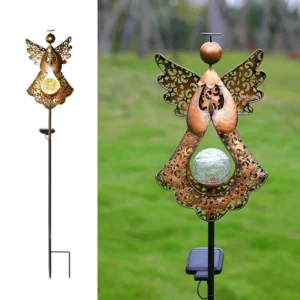 Angel Solar Lights
SM221054 Metal Iron Angel with Glass Ball Solar Stake Light
-
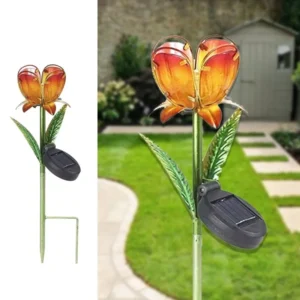 Decorative Garden Solar Lights
SM221060 Metal Iron+Glass Petal Leaf Solar Stake Flower Light
-
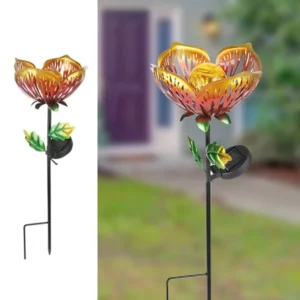 Decorative Garden Solar Lights
SM221061 Metal Iron & Glass Solar Flower Stake Lights
-
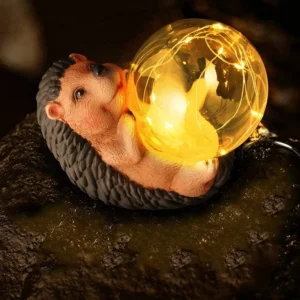 Animal Solar Lights
SM221071 Resin Hedgehog+Glass Freestanding Solar Light
-
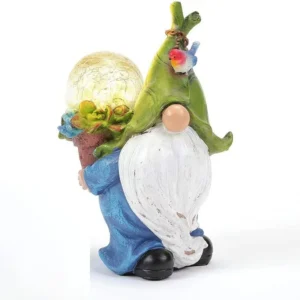 Decorative Garden Solar Lights
SM221092 Freestanding Gnome with Glass Ball Resin Solar Statue
-
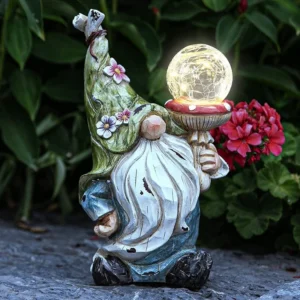 Decorative Garden Solar Lights
SM221114 Gnome with Glass Ball Solar Resin Statue
-
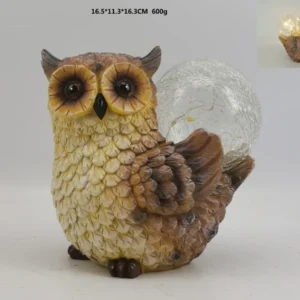 Animal Solar Lights
SM221144 Owl with Glass Ball Freestanding Solar Resin Statue
-
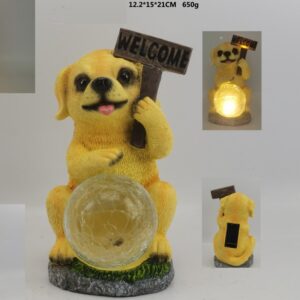 Animal Solar Lights
SM221145 Welcome Sign Puppy with Glass Ball Freestanding Solar Resin Statue
-
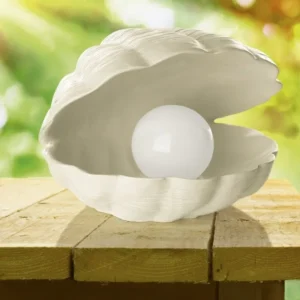 Decorative Garden Solar Lights
SM221179 White Bead-in-Shell Freestanding Resin Solar Light with Glass Ball
-
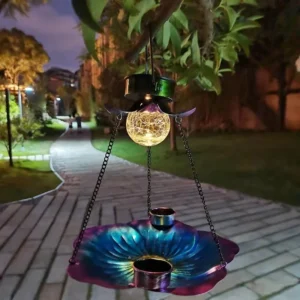 Bird Feeder Solar Lights
SM221323 Metal Iron Hanging Bird Feeder with Solar Light
-
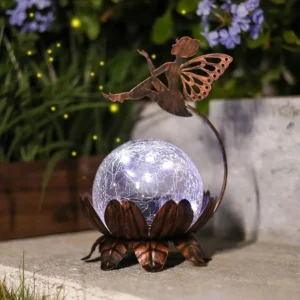 Decorative Garden Solar Lights
SM221325 Metal Iron Tabletop Fairy Light with Crackle Glass
-
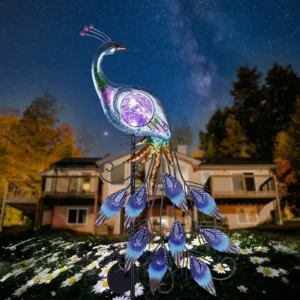 Animal Solar Lights
SM221326 Metal Iron+Glass Peacock Solar Stake Light
Wholesale Glass Solar Lights: Complete B2B Buyer Guide
If you’re sourcing wholesale glass solar lights for garden centers, home decor retailers, landscape supply distribution, or gift shop inventory, this guide will help you evaluate designs, materials, certifications, and factory capabilities before placing bulk orders. Glass solar lights represent a premium segment within decorative outdoor lighting, combining elegant aesthetics with sustainable solar technology. These products appeal to wholesalers, retailers, distributors, importers, and landscape contractors who serve customers seeking sophisticated garden accents, patio ambiance, and architectural lighting. When buying in bulk, key considerations include glass quality and thickness, crack resistance and thermal shock tolerance, manufacturing process consistency, solar panel integration methods, quality control for fragile components, customization options for glass colors and textures, packaging protection for safe shipping, lead time management, and supplier compliance with target market regulations. This guide covers everything from glass types and manufacturing processes to OEM/ODM customization, helping you make informed decisions that balance cost, quality, and market positioning.
Category Summary
Wholesale glass solar lights encompass diverse product types including crackled glass globes, mason jar lights, glass lanterns, stained glass panels, and decorative glass stake lights. Bulk buyers typically source hanging designs, ground stake models, tabletop lanterns, and pathway markers. Key purchasing considerations include glass type (tempered, borosilicate, soda-lime), surface treatments (crackled, frosted, colored, textured), structural integrity, solar panel quality, and LED color effects through glass. This category attracts upscale garden retailers, home decor boutiques, gift shop distributors, and landscape designers who need premium products that command higher price points and appeal to quality-conscious customers. Quality bulk glass solar lights must deliver elegant aesthetics, durability despite glass fragility, weather resistance (IP44-IP65), and reliable solar performance to justify premium pricing and maintain customer satisfaction in competitive markets.
What Will You Learn in This Guide?
- What Are Wholesale Glass Solar Lights and Why Are They Popular in Wholesale Markets?
- What Types and Designs Sell Best for Bulk Orders?
- What Materials and Manufacturing Processes Are Used?
- What Quality Standards and Certifications Matter for Wholesale Buyers?
- What Is the Market Demand and Customer Preferences?
- What Are the Common Applications?
- What OEM/ODM Customization Options Are Available?
- How to Source Wholesale Glass Solar Lights from China Manufacturers?
- What Mistakes Can Cost You Money When Buying in Bulk?
- Who Is Glowyard Lighting and What Do We Offer?
- Frequently Asked Questions
What Are Wholesale Glass Solar Lights and Why Are They Popular in Wholesale Markets?
Wholesale glass solar lights are decorative outdoor lighting fixtures featuring glass components as primary design elements, powered by integrated solar panels that charge internal batteries during daylight and automatically illuminate after dark. These products range from simple glass globes on stakes to elaborate stained glass lanterns, mason jar designs, and architectural glass panels. The glass elements serve both functional purposes (light diffusion, weather protection) and aesthetic purposes (creating visual interest, color effects, elegant appearance).

The wholesale market for glass solar lights has grown significantly due to several converging factors. First, glass conveys premium quality and sophistication that plastic alternatives cannot match, allowing retailers to command higher price points and profit margins. Customers perceive glass products as more valuable, more elegant, and more suitable for upscale garden and patio settings. This premium positioning attracts quality-conscious buyers willing to pay moderate premiums for superior aesthetics and perceived durability.
Second, glass offers unique optical properties that create attractive lighting effects. Crackled glass diffuses light into sparkling patterns, colored glass creates mood lighting in various hues, frosted glass provides soft ambient illumination, and textured glass produces interesting shadow patterns. These optical effects differentiate glass solar lights from standard plastic products and create strong visual appeal in both retail displays and customer installations. The interplay of sunlight through glass during daytime and LED illumination at night provides dual-mode aesthetic value.
For wholesalers and distributors, glass solar lights offer several business advantages. The premium positioning supports higher profit margins compared to commodity plastic lights. The products’ gift-giving appeal creates year-round demand with peaks during holidays, Mother’s Day, and housewarming occasions. Retailers appreciate that glass lights appeal to upscale customer segments with higher spending capacity and lower price sensitivity. The category also benefits from strong visual merchandising potentialglass lights create attractive retail displays that draw customer attention and photograph beautifully for e-commerce.
Manufacturing advances have significantly improved the viability of glass solar lights. Modern production techniques create durable glass products that withstand outdoor conditions better than customers might expect. Tempered glass processes increase impact resistance, proper sealing techniques protect electronics from moisture, and quality solar components ensure reliable performance. Manufacturers have developed specialized packaging systems that protect glass during shipping, reducing damage rates to acceptable levels for wholesale distribution.
What Types and Designs Sell Best for Bulk Orders?
The wholesale glass solar lights market segments into several distinct product categories, each serving specific customer preferences, applications, and price points. Understanding these variations helps buyers select inventory that maximizes sell-through rates and profit margins.
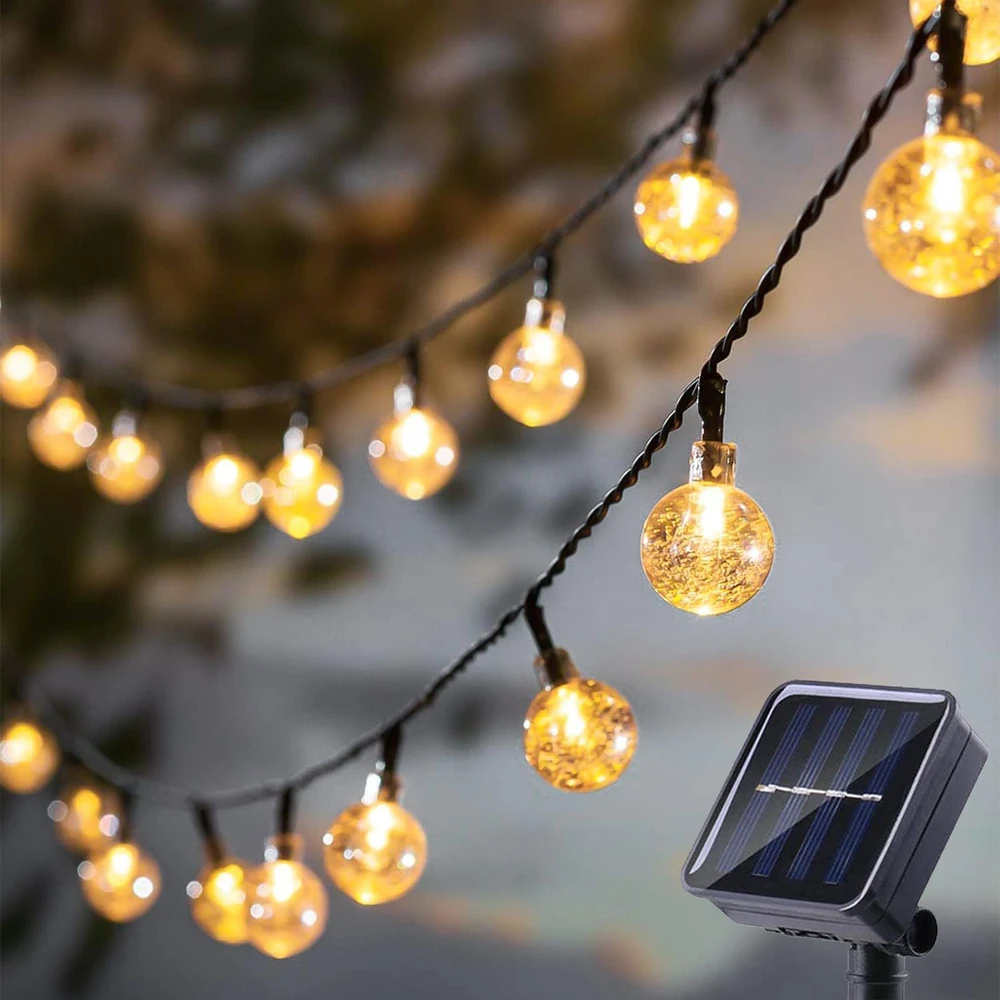
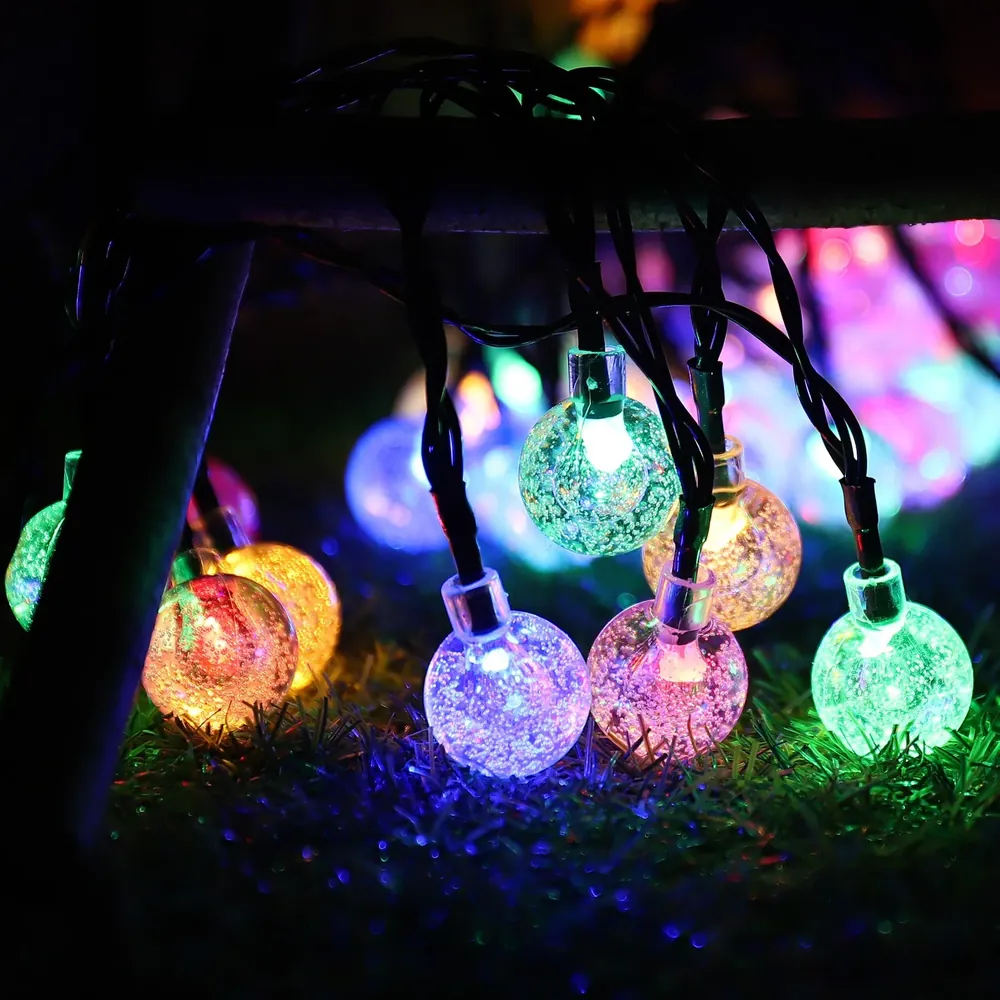
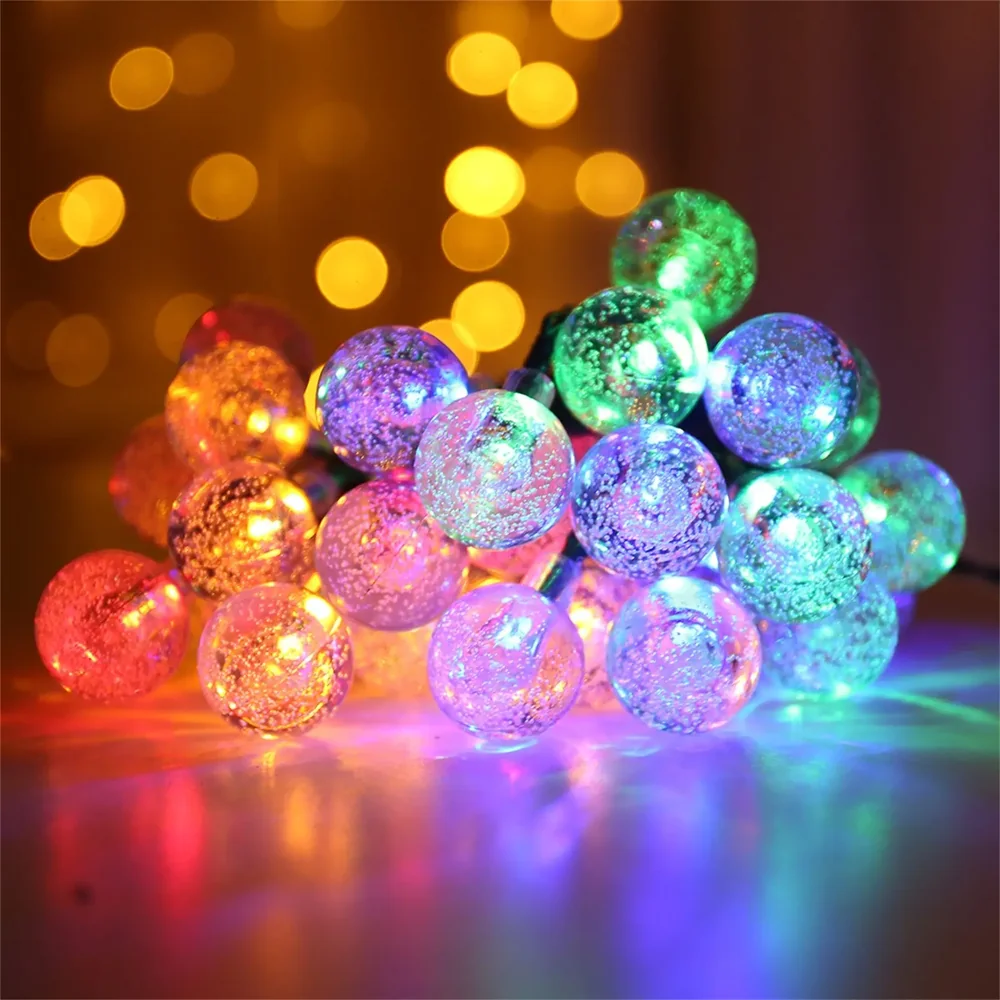
Crackled Glass Globe Lights represent the best-selling category in glass solar lights. These products feature glass spheres with intentionally created internal cracks that diffuse and refract LED light into sparkling patterns. Manufacturing involves heating glass spheres then rapidly cooling them to create controlled cracking patterns. The spheres typically mount on metal or plastic stakes for garden bed installation, or hang from hooks for overhead display. Sizes range from small (3-4 inch diameter) to large (6-8 inch diameter). Quality crackled glass lights use tempered glass for durability and consistent LED placement for even illumination. This category appeals broadly across customer segments and price points. For detailed manufacturing information, see how a professional factory manufactures crackled glass balls.
Mason Jar Solar Lights combine nostalgic appeal with functional lighting. These products use actual glass mason jars or mason jar-style glass containers fitted with solar lids containing panels, batteries, and LEDs. The jars may feature clear glass, colored glass, or decorative elements like etching or painted designs. Mason jar lights suit both hanging and tabletop applications. This category particularly appeals to rustic, farmhouse, and vintage-themed decor markets. Retailers targeting country-style gift shops, farm market vendors, and rustic home decor stores should stock mason jar designs.
Glass Lantern Solar Lights feature glass panels within metal or wooden frames, creating traditional lantern aesthetics with modern solar functionality. Designs range from simple four-panel lanterns to elaborate multi-sided structures with decorative metalwork. Glass may be clear, frosted, or colored. Lanterns typically include hanging handles for overhead display or flat bases for tabletop use. This category commands premium pricing and appeals to customers seeking sophisticated patio and garden lighting. Quality lantern lights use properly sealed glass panels, corrosion-resistant frames, and adequate solar panel sizing.
Stained Glass Solar Lights incorporate colored glass pieces in decorative patterns, creating colorful light effects reminiscent of traditional stained glass windows. Manufacturing techniques include copper foil method (similar to Tiffany-style lamps) or lead came construction. These products represent the premium segment with highest pricing and most sophisticated aesthetics. Stained glass lights appeal to art-conscious customers and suit gift market positioning. The complexity of construction requires careful supplier selection to ensure consistent quality.
Glass Pathway and Stake Lights feature glass globes, cylinders, or decorative shapes mounted on stakes for garden bed and pathway installation. Glass components may be clear, frosted, colored, or textured. These products compete directly with plastic pathway lights but command premium pricing through superior aesthetics. Quality pathway lights use durable glass (tempered or thick-walled), secure mounting systems, and weather-sealed electronics. This category suits landscape supply retailers and garden centers serving quality-conscious customers.
Color-Changing Glass Lights incorporate RGB LED technology with glass components, allowing color cycling or user-selected colors. The glass diffuses and softens the color-changing effects, creating more sophisticated ambiance than plastic RGB lights. While commanding higher wholesale prices, these products appeal to customers seeking versatility and modern features. Quality concerns include color consistency and remote control reliabilityverify these aspects before committing to bulk orders.
Category-Specific Buyer Notes for Glass Solar Lights
When sourcing wholesale glass solar lights, several category-specific factors differentiate successful bulk purchases from problematic ones. First, glass thickness and type significantly impact both durability and shipping damage rates. Tempered glass (heat-treated for increased strength) costs more but dramatically reduces breakage during shipping and customer use. Standard annealed glass costs less but breaks more easily. Minimum glass thickness should be 2-3mm for small globes, 3-4mm for larger components. Verify glass specifications and request drop test results showing acceptable breakage rates.
Second, thermal shock resistance matters for outdoor applications where glass experiences temperature extremes and rapid changes (hot sun followed by cold rain). Borosilicate glass offers superior thermal shock resistance compared to standard soda-lime glass but costs significantly more. For most garden applications, quality soda-lime glass with proper thickness provides adequate performance at reasonable cost. Specify thermal shock testing for products intended for extreme climate markets.
Third, solar panel integration method affects both aesthetics and performance. Top-mounted panels (visible on product top) provide optimal solar exposure but may detract from design elegance. Integrated panels (built into lids or frames) maintain aesthetic integrity but may be undersized or poorly positioned. Separate panels connected by cables allow optimal positioning but add installation complexity. Consider your target market’s prioritiesdesign-focused customers prefer integrated panels, performance-focused customers accept visible panels for better charging.
Fourth, sealing quality determines product longevity and customer satisfaction. Glass solar lights require proper sealing at all glass-to-frame joints, solar panel mounting points, and battery compartment access points. Water intrusion causes electronic failure, battery corrosion, and customer complaints. Verify that suppliers conduct waterproof testing and can provide IP rating certifications. Request information about sealing materials and methodsquality products use silicone gaskets, rubber O-rings, or proper sealant application rather than relying solely on mechanical fit.
What Materials and Manufacturing Processes Are Used?
Understanding the materials and manufacturing processes behind glass solar lights helps wholesale buyers evaluate quality, predict longevity, and assess fair pricing. The primary components include the glass elements, structural framework, solar panel, LED module, battery, and control circuitry, each requiring specific manufacturing expertise.
Glass Types and Properties: Three primary glass types serve solar light manufacturing, each with distinct characteristics. Soda-lime glass (standard window glass) represents the most economical option, offering good optical clarity and adequate durability for most applications. This glass type comprises approximately 70% of glass solar lights due to cost-effectiveness and availability. Tempered glass (heat-treated soda-lime glass) provides 4-5 times the strength of standard glass and breaks into small, relatively harmless pieces rather than dangerous shards. Tempering adds cost but significantly reduces breakage during shipping and use. Borosilicate glass offers superior thermal shock resistance and chemical durability but costs substantially more, typically reserved for premium products or extreme-climate applications.
Glass thickness critically affects durability and shipping survival rates. Minimum recommended thickness is 2mm for small components (under 4 inches), 3mm for medium components (4-6 inches), and 4mm for large components (over 6 inches). Thicker glass increases weight and shipping costs but dramatically reduces breakage rates. Wholesale buyers should balance thickness against target price points and expected handling conditions.
Crackled Glass Manufacturing: Creating controlled crackle patterns requires specialized processes. The standard method involves heating glass spheres or components to specific temperatures (typically 500-700C depending on glass type), then rapidly cooling through water quenching or compressed air. The thermal shock creates internal stress cracks while maintaining structural integrity. Quality control involves monitoring heating temperature, cooling rate, and resulting crack pattern consistency. Poorly controlled processes produce inconsistent patterns, excessive breakage, or inadequate cracking. For comprehensive manufacturing details, see how a professional factory manufactures crackled glass balls.
Glass Coloring Methods: Colored glass for solar lights uses several techniques. Solid-colored glass incorporates metal oxides during glass manufacturing (cobalt for blue, iron for green, gold for red), creating permanent color throughout the glass thickness. This method provides the most durable coloring but limits color options and increases costs. Surface-applied coatings (spray-on or dip-applied) offer wider color ranges and lower costs but may fade or wear over time. Verify coating durability through UV aging tests and abrasion resistance testing. Stained glass techniques use colored glass pieces assembled with copper foil or lead came, creating decorative patterns but requiring skilled labor and higher production costs.
Structural Framework Materials: Glass solar lights require structural frameworks to support glass components and house electronics. Metal frameworks (typically powder-coated steel or aluminum) provide superior strength and premium aesthetics but require proper corrosion protection for outdoor use. Quality metal frameworks use hot-dip galvanizing or multi-layer powder coating systems. Plastic frameworks (ABS or polypropylene) offer lighter weight and lower costs but may appear less premium. Wood frameworks (typically treated cedar or composite materials) suit rustic designs but require proper weather protection. Verify that all framework materials use UV-stabilized formulations or protective coatings to prevent degradation.
Solar Panel Integration: Glass solar lights typically use monocrystalline or polycrystalline solar panels ranging from 0.5 to 2 watts depending on product size and LED requirements. Panel integration methods vary by designtop-mounted panels provide optimal solar exposure, lid-integrated panels maintain aesthetic integrity, and separate panels connected by cables allow flexible positioning. Quality panels use tempered glass covers with aluminum frames and proper edge sealing. For comprehensive solar panel information, see monocrystalline vs polycrystalline solar panels.
LED Selection and Placement: LED selection significantly impacts the visual effect through glass. Warm white LEDs (2700-3000K) create inviting ambiance suitable for most applications. Cool white LEDs (5000-6000K) provide brighter illumination but may create harsh effects through clear glass. RGB color-changing LEDs offer versatility but require careful programming to avoid garish effects. LED placement affects light distributioncentral placement creates focused illumination, multiple LEDs provide even distribution, and strategic placement can highlight specific glass features. Quality glass lights use branded LED chips with consistent color temperature and good lumen maintenance over 25,000+ hour lifespans.
Battery Technology: Modern glass solar lights predominantly use lithium-ion or lithium iron phosphate (LiFePO4) batteries, offering better energy density and longer cycle life than older NiMH technology. Typical capacities range from 600mAh for small designs to 2000mAh for larger lanterns. Battery placement requires careful considerationbatteries generate heat during charging and must be positioned away from direct glass contact to prevent thermal stress. Quality designs include proper ventilation and thermal management. For comprehensive battery information, reference how long solar batteries last.
What Quality Standards and Certifications Matter for Wholesale Buyers?
For wholesale buyers, proper certifications and quality standards serve multiple purposes: ensuring product safety, meeting import requirements, reducing liability exposure, and building customer confidence. Glass solar lights require particular attention to safety standards due to breakage risks and outdoor electrical components.
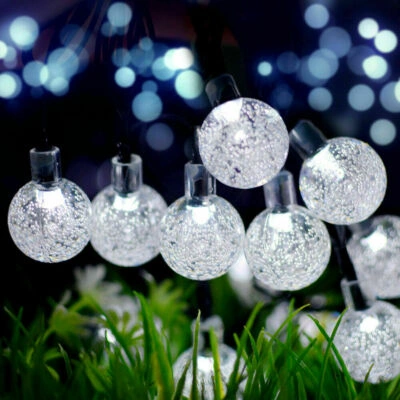
IP Waterproof Ratings: Glass solar lights must withstand outdoor weather exposure while protecting electronics from moisture intrusion. IP (Ingress Protection) ratings indicate protection levelsthe first digit indicates dust protection, the second indicates water protection. For glass solar lights, minimum acceptable ratings are IP44 (protected against solid objects over 1mm and water splashing) for covered patio use, or IP65 (dust-tight, protected against water jets) for general outdoor exposure. Verify that IP ratings apply to the entire assembled unit including all sealing points between glass and framework. Quality factories conduct spray chamber testing and provide test reports. For detailed IP rating explanations, see garden light waterproof ratings guide.
Glass Safety Standards: Products using glass components should meet relevant safety standards for glass quality and breakage characteristics. Tempered glass should meet ANSI Z97.1 (US) or EN 12150 (Europe) standards for safety glazing. These standards specify minimum strength requirements and acceptable breakage patterns (small, relatively harmless pieces rather than dangerous shards). Request test reports verifying glass meets applicable standards, particularly for products intended for public spaces or commercial installations where liability concerns are heightened.
CE Certification: Required for products sold in European markets, CE marking indicates compliance with EU safety, health, and environmental protection standards. For glass solar lights, relevant directives include the Low Voltage Directive (LVD), Electromagnetic Compatibility (EMC) Directive, and RoHS (Restriction of Hazardous Substances). CE certification requires testing by accredited laboratories and proper technical documentation. Buyers should request copies of CE certificates and test reports, verifying that the certificate covers the specific model being purchased. Learn more about why CE certification matters.
RoHS Compliance: The Restriction of Hazardous Substances directive limits the use of specific hazardous materials in electrical and electronic equipment. RoHS compliance is mandatory for EU markets and increasingly required by other regions. Key restricted substances include lead, mercury, cadmium, and certain flame retardants. Quality manufacturers conduct material testing and maintain RoHS compliance documentation for all components. For comprehensive RoHS information, reference solar garden light RoHS certification guide.
Packaging and Shipping Standards: Given glass fragility, packaging quality directly impacts delivered product condition and customer satisfaction. Quality suppliers should demonstrate proper packaging design including individual product protection (foam, bubble wrap, or molded inserts), appropriate box sizing to prevent movement, corner protection, and adequate master carton construction. Request packaging samples and consider conducting drop tests simulating shipping conditions. Some buyers specify ISTA (International Safe Transit Association) packaging standards to ensure adequate protection.
For comprehensive guidance on export certifications, see what certifications are required for exporting solar garden lights. Buyers should also review Glowyard’s certificates to understand the documentation standards that professional manufacturers maintain.
What Is the Market Demand and Customer Preferences?
Understanding market demand patterns and customer preferences helps wholesale buyers optimize inventory selection, pricing strategies, and marketing approaches. The glass solar lights market exhibits steady year-round baseline demand with seasonal peaks during gift-giving periods and outdoor living seasons.
Geographic Market Variations: North American and European markets show the strongest demand for glass solar lights, driven by established outdoor living cultures, customer appreciation for premium aesthetics, and willingness to invest in quality garden products. These markets favor sophisticated designs with quality construction, accepting premium pricing for superior materials and craftsmanship. Australian and New Zealand markets show strong demand, particularly for durable designs that withstand intense sun exposure. Asian markets demonstrate growing interest, though price sensitivity varies significantly by region and customer segment.
Customer Segment Preferences: Residential customers seeking premium garden and patio lighting represent the primary market segment. These customers prioritize aesthetics, quality perception, and unique design elements that differentiate their outdoor spaces. They typically purchase 2-6 units for accent lighting rather than large quantities for primary illumination. Gift shoppers represent a significant secondary segment, particularly for mason jar designs, decorative lanterns, and stained glass products. Commercial buyers (boutique hotels, upscale restaurants, event venues) use glass solar lights for ambiance lighting, requiring consistent quality across moderate quantities and designs that complement their aesthetic themes.
Seasonal Demand Patterns: Glass solar lights show moderate seasonality compared to highly seasonal categories like holiday lights. Primary sales peaks occur during spring (March-May) as customers prepare outdoor spaces for warm weather, and during holiday gift-giving periods (November-December). Secondary peaks occur around Mother’s Day, Father’s Day, and housewarming season. The year-round gift appeal and indoor/outdoor versatility of some designs (mason jars, small lanterns) provide more consistent demand than purely outdoor seasonal products. Wholesale buyers should maintain base inventory year-round with increased stock before peak periods.
Design Preferences: Current market trends favor authentic materials and craftsmanship over mass-produced uniformity. Customers increasingly prefer products with visible quality indicatorssubstantial glass thickness, quality metalwork, attention to detail in assembly. Crackled glass designs remain perennially popular due to their attractive light effects and broad appeal. Mason jar designs benefit from ongoing farmhouse and rustic decor trends. Colored glass products appeal to customers seeking mood lighting and decorative accents. Oversized statement pieces (large lanterns, substantial globes) command premium pricing and appeal to customers seeking focal point lighting.
Feature Preferences: Auto on/off functionality via light sensors is standard and expected. Longer runtime (6-8 hours on full charge) increasingly influences purchase decisions. Warm white LED color (2700-3000K) strongly preferred for most applications, creating inviting ambiance through glass. Some customers value adjustable brightness settings or color-changing options, though these features add complexity. Replaceable batteries appeal to quality-conscious customers who view products as long-term investments. Hanging versatility (products that work both hanging and freestanding) increases perceived value.
What Are the Common Applications?
Glass solar lights serve diverse applications across residential, commercial, and event sectors. Understanding these use cases helps wholesale buyers target appropriate customer segments and select product specifications that match application requirements.


Patio and Deck Ambiance Lighting: The primary application involves homeowners using glass solar lights to create inviting ambiance on patios, decks, and outdoor living spaces. Hanging lanterns suspended from pergolas or shepherd hooks, tabletop mason jars on dining tables, and decorative globes along railings provide soft illumination for evening entertaining. This application values aesthetic appeal, quality construction visible at close range, and appropriate light levels for ambiance without glare. Retailers serving patio furniture stores and outdoor living retailers should emphasize designs suitable for close-range viewing and sophisticated entertaining spaces.
Garden Pathway and Accent Lighting: Glass stake lights and pathway markers provide elegant alternatives to standard plastic pathway lights. Customers use these products to illuminate walkways, highlight garden features, and create visual interest in landscape beds. This application requires durable construction to withstand ground-level exposure, adequate brightness for safety, and designs that complement garden aesthetics. Wholesale buyers targeting garden centers and landscape supply stores should stock pathway-appropriate designs with proper height and light distribution.
Indoor/Outdoor Decorative Lighting: Mason jar lights and small lanterns serve dual indoor/outdoor purposes, appealing to customers seeking versatile decorative lighting. Indoor applications include shelf displays, table centerpieces, and ambient room lighting. This versatility increases product value and extends usage beyond outdoor season. Retailers can market these products to home decor stores, gift shops, and interior design retailers in addition to garden centers.
Commercial Hospitality Lighting: Boutique hotels, bed and breakfasts, upscale restaurants, and event venues use glass solar lights to create sophisticated ambiance in outdoor dining areas, garden paths, and event spaces. Commercial applications demand consistent quality across larger quantities, durable construction for frequent use, and designs that maintain professional appearance. These buyers typically purchase 20-50+ units and accept premium pricing for verified quality and responsive warranty support. Wholesale distributors targeting commercial accounts should emphasize durability, consistency, and professional aesthetics.
Event and Wedding Decorating: Glass solar lights, particularly mason jars and decorative lanterns, serve event decorating applications including weddings, garden parties, and outdoor celebrations. Event applications value attractive appearance in both daylight and illuminated conditions, portability for easy setup and repositioning, and sufficient quantity availability for large installations. Retailers can market to event rental companies, wedding planners, and party supply stores. Consider offering quantity discounts for event-sized orders.
Gift Market: Glass solar lights generate strong gift sales for housewarmings, Mother’s Day, Father’s Day, birthdays, and holidays. Gift applications favor attractive packaging, moderate price points suitable for gift-giving, and designs with broad appeal. Wholesale buyers should consider gift packaging options, attractive retail presentation, and point-of-purchase display materials to maximize gift market sales.
What OEM/ODM Customization Options Are Available for Wholesale Glass Solar Lights?
Customization capabilities differentiate commodity glass solar light suppliers from value-added manufacturing partners. Understanding available OEM (Original Equipment Manufacturer) and ODM (Original Design Manufacturer) options helps wholesale buyers create differentiated products, build brand identity, and meet specific market requirements.
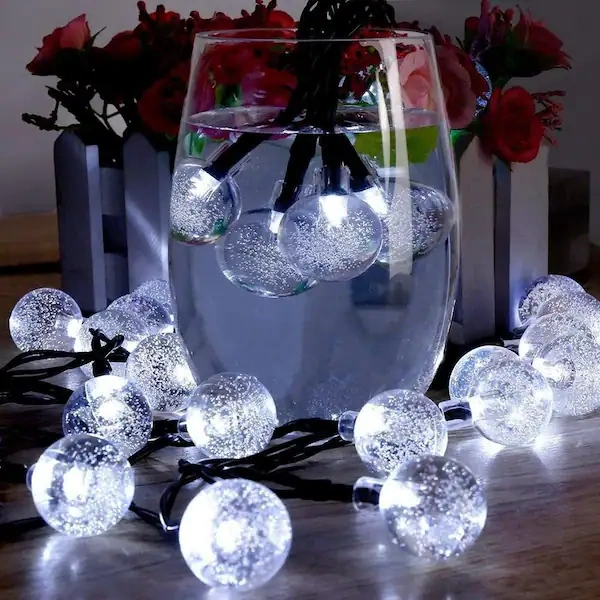

Glass Design and Shape Customization: For buyers seeking unique designs, ODM manufacturers can develop custom glass shapes, sizes, and configurations. Options include custom globe sizes and shapes, unique lantern configurations, proprietary crackle patterns, and custom glass panel arrangements. Development process involves design specification, mold or tooling creation, sample production, and client approval. Minimum order quantities for fully custom glass components typically start at 1000-2000 units due to tooling investment costs. Development timelines range from 8-12 weeks depending on complexity. Buyers should budget for tooling costs and sample iteration rounds.
Glass Color and Finish Customization: Most manufacturers offer custom glass colors and surface treatments. Options include specific color tints matched to design specifications, custom crackle pattern intensity, frosted or etched surface treatments, and decorative painting or printing on glass surfaces. For colored glass, specify whether color should be solid (throughout glass thickness) or surface-applied coating. Minimum order quantities for custom colors typically start at 500-1000 units. Allow 3-4 weeks for color development and sample approval before production begins.
Framework Material and Finish Customization: Custom framework options include specific metal finishes (powder coat colors, antique effects, brushed or polished metals), wood species and stains for wooden frameworks, and custom plastic colors or textures. Verify that custom finishes maintain corrosion resistance and UV stability for outdoor use. Minimum order quantities vary by framework complexity, typically 500-1000 units for standard modifications.
LED and Lighting Customization: Standard options include warm white, neutral white, cool white, or RGB color-changing LEDs. Custom options include specific color temperatures optimized for glass color, programmed color-changing sequences, adjustable brightness levels, and smart features (remote control, smartphone app, voice control integration). Advanced features require careful reliability testing. Minimum order quantities for custom electronic features typically start at 1000-2000 units.
Solar Panel Configuration: Panel wattage, type (monocrystalline vs. polycrystalline), and positioning can be customized to match performance requirements and aesthetic preferences. Buyers targeting markets with challenging solar conditions should specify higher-efficiency monocrystalline panels and larger battery capacities. Panel integration methods (top-mounted, lid-integrated, separate panels) can be customized based on design priorities.
Packaging and Branding: Custom packaging design is particularly important for glass products to ensure adequate protection while building brand identity. Options include custom protective inserts designed for specific product shapes, branded outer packaging with product photography and messaging, gift box packaging with premium finishes, and multi-unit gift sets. Documentation customization includes branded user manuals, care instructions specific to glass products, warranty cards, and marketing inserts. Quality manufacturers provide packaging design services and can conduct drop testing to verify protection adequacy.
For comprehensive information about customization processes and capabilities, review Glowyard’s OEM solutions, which detail the full range of customization options available from professional manufacturers.
How to Source Wholesale Glass Solar Lights from China Manufacturers and Suppliers?
Sourcing quality wholesale glass solar lights from China requires systematic supplier evaluation, clear communication about glass specifications, and rigorous quality control processes to manage breakage risks.
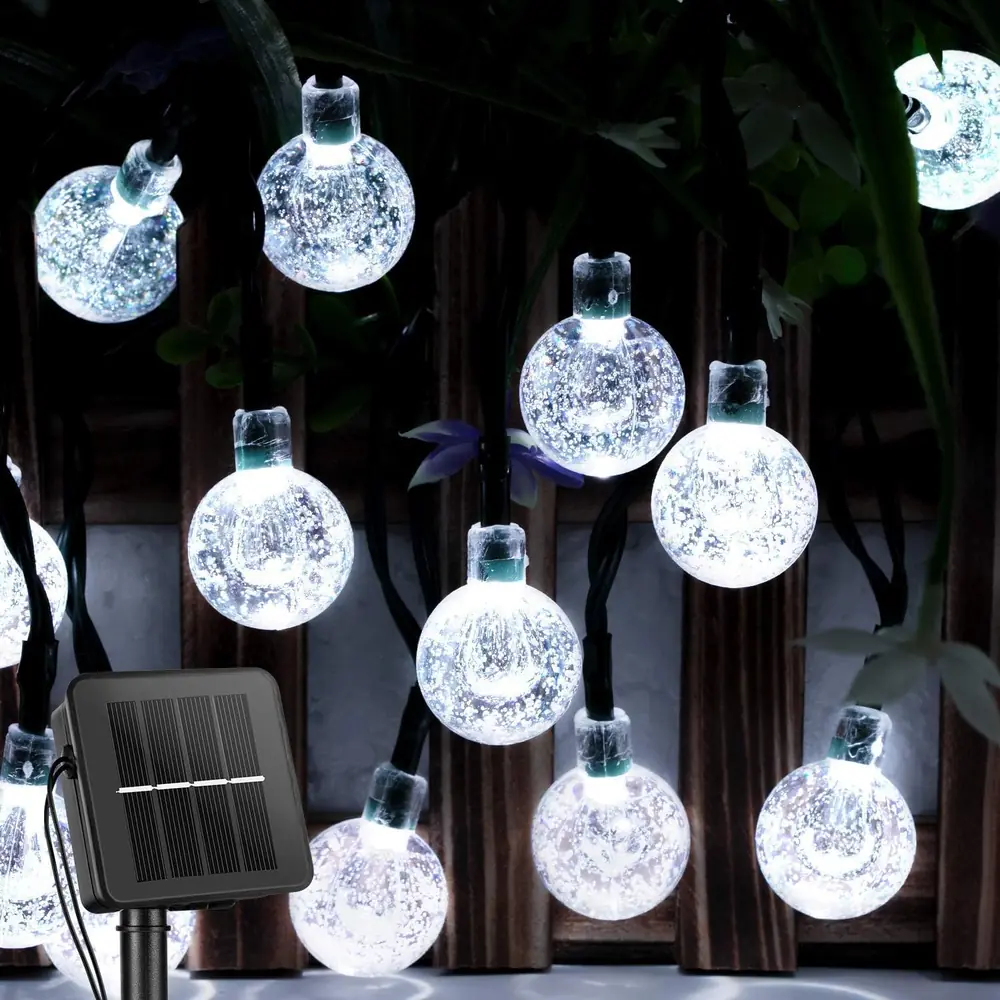
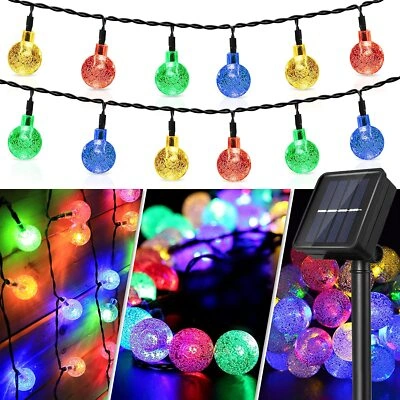
Supplier Identification and Capability Assessment: Identify potential glass solar lights manufacturers through trade platforms, industry exhibitions, and referrals. Initial screening should verify business registration, manufacturing capabilities specific to glass products, and export experience with fragile goods. Request company profiles including factory size, glass processing capabilities, quality certifications, and major export markets. Verify that suppliers operate actual manufacturing facilities with glass processing equipment rather than acting solely as trading companies. Glass solar lights require specialized capabilities including glass cutting, tempering (if applicable), crackle processing, and proper sealing techniques.
Sample Evaluation Process: Request samples of specific designs you’re considering, paying particular attention to glass quality, thickness, clarity, and any surface treatments. Inspect sealing quality at all glass-to-framework joints. Test samples outdoors for several weeks to verify solar charging performance, runtime, and weather resistance. Conduct drop tests on samples to assess packaging adequacy and glass durabilitydrop packaged samples from waist height onto hard surfaces to simulate shipping conditions. Compare samples from multiple suppliers to understand quality variations, glass specifications, and pricing relationships.
Factory Audits and Quality Control Assessment: For significant volume commitments, conduct factory audits to evaluate glass processing capabilities, quality control processes, and packaging systems. Quality glass solar lights factories should demonstrate incoming quality control (IQC) on glass components, in-process quality control (IPQC) during assembly with particular attention to sealing quality, and outgoing quality control (OQC) including waterproof testing, drop testing, and visual inspection. Ask about their glass suppliers, tempering capabilities (if applicable), and breakage rate statistics. Glowyard Lighting maintains comprehensive quality control processes including IQC, IPQC, and OQC protocols, with detailed inspection reports and drop testing provided to wholesale buyers.
Pricing Negotiation and Terms: Understand that pricing varies significantly based on glass type and thickness, design complexity, framework materials, order quantity, and customization requirements. Request detailed quotations specifying all costs including unit price, tooling fees (if applicable), packaging costs (particularly important for glass products), and shipping terms. Negotiate payment terms that balance supplier cash flow needs with buyer protectiontypical terms include 30% deposit with 70% balance before shipment. Discuss acceptable breakage rates and replacement policies for damaged goods. For guidance on bulk purchasing, see bulk purchase solar garden lights from China.
Quality Control and Breakage Management: Implement rigorous quality control measures throughout the production process. Pre-production inspections verify that glass specifications (type, thickness, color) match requirements. During-production inspections catch assembly and sealing issues early. Pre-shipment inspections verify that finished products meet quality standards and packaging provides adequate protection. For glass products, specify acceptable breakage rates (typically 1-3% for quality suppliers with proper packaging) and establish clear policies for replacement of damaged goods. Consider using third-party inspection services for objective quality verification.
Logistics and Packaging Considerations: Glass products require careful shipping planning. Sea freight offers economical rates but requires longer transit times and exposes products to more handling. Air freight suits urgent orders or sample shipments but costs significantly more. Verify that suppliers use proper packaging including individual product protection, adequate cushioning, corner protection, and “Fragile” labeling. Consider container loading supervision to ensure proper handling. Verify that suppliers provide proper export documentation and that products include required certifications for your target market.
What Mistakes Can Cost You Money When Buying Glass Solar Lights in Bulk?
Avoiding common purchasing mistakes saves money, reduces headaches, and protects your business reputation. The following issues frequently affect buyers new to wholesale glass solar lights sourcing.

Inadequate Packaging Specification and Testing: The most expensive mistake involves accepting inadequate packaging that results in high breakage rates during shipping. Glass products require substantial protective packaging including individual product protection, proper cushioning, and robust outer cartons. Ordering bulk quantities without verifying packaging adequacy through drop testing leads to costly damage, customer complaints, and potential supplier disputes about responsibility. Always request packaging samples, conduct drop tests simulating shipping conditions, and specify acceptable breakage rates in purchase agreements. Budget for proper packaging costsattempting to minimize packaging expenses typically results in higher total costs due to breakage.
Insufficient Glass Specification: Ordering without clearly specifying glass type, thickness, and quality standards leads to products that don’t meet expectations. “Glass” encompasses wide quality and durability rangesthin soda-lime glass breaks easily, while tempered glass provides much better durability. Specify minimum glass thickness (2-4mm depending on component size), glass type (tempered vs. annealed), and any required safety standards. Request glass specification documentation and verify that production units match approved samples through pre-shipment inspection.
Overlooking Sealing Quality: Glass solar lights require proper sealing at all glass-to-framework joints and electronic component access points. Poor sealing allows water intrusion, causing electronic failure and customer complaints. Ordering without verifying sealing methods and waterproof testing results leads to high failure rates. Specify required IP ratings, request information about sealing materials and methods, and verify waterproof testing during quality inspections. Don’t accept suppliers’ assurances without verificationconduct your own waterproof testing on samples.
Ignoring Thermal Stress Considerations: Glass exposed to outdoor conditions experiences temperature extremes and rapid changes (hot sun followed by cold rain). Standard soda-lime glass can crack from thermal stress if not properly designed. Ordering without considering thermal stress factors leads to product failures in certain climates. For markets with extreme temperature variations, specify thermal shock testing or consider borosilicate glass for critical applications. Verify that glass thickness and framework design allow for thermal expansion without creating stress points.
Underestimating Total Landed Cost: Glass products incur higher shipping costs due to weight and fragile handling requirements. Focusing solely on unit price without accounting for shipping costs, packaging costs, insurance, and potential breakage replacement leads to budget overruns. Calculate total landed cost including all shipping, insurance, customs duties, and expected breakage replacement before committing to orders. Compare total landed costs across suppliers rather than just unit prices.
Wholesale Buying Checklist
- [ ] Verify supplier has glass processing capabilities and experience with fragile goods
- [ ] Request and evaluate samples from multiple suppliers, testing glass quality and thickness
- [ ] Conduct drop tests on packaged samples to verify packaging adequacy
- [ ] Test samples outdoors for 2-3 weeks to verify solar performance and weather resistance
- [ ] Verify glass specifications (type, thickness, tempering) match requirements
- [ ] Inspect sealing quality at all glass-to-framework joints and electronic access points
- [ ] Confirm required certifications (CE, RoHS, IP rating, glass safety standards)
- [ ] Request waterproof testing reports and verify IP rating claims
- [ ] Specify acceptable breakage rates and replacement policies in purchase agreement
- [ ] Verify packaging includes individual product protection, adequate cushioning, and fragile labeling
- [ ] Calculate total landed cost including shipping, insurance, and expected breakage
- [ ] Establish clear specifications for glass type, thickness, colors, and framework materials
- [ ] Negotiate payment terms and clarify responsibility for shipping damage
- [ ] Implement quality control inspections (pre-production, during production, pre-shipment)
- [ ] Verify import documentation and customs requirements for target market
- [ ] Consider container loading supervision for large glass product shipments
Quick RFQ Template for Wholesale Glass Solar Lights
When requesting quotations from glass solar lights suppliers, include the following information:
Company Information:
- Company name and type (retailer, distributor, e-commerce, etc.)
- Target market and countries
- Estimated annual volume
Product Requirements:
- Specific glass light designs or categories of interest
- Glass type preferences (tempered, standard, borosilicate)
- Minimum glass thickness requirements
- Glass color or finish preferences
- Framework material preferences (metal, wood, plastic)
- LED color and features
- Solar panel type and wattage requirements
- IP rating requirements
Customization Needs:
- Custom glass shapes or sizes
- Custom colors or finishes
- Custom packaging or branding
- Private label requirements
- Any special features
Order Details:
- Initial order quantity
- Expected reorder frequency and volumes
- Required delivery timeline
- Preferred shipping method and terms
- Acceptable breakage rate
Quality and Compliance:
- Required certifications (CE, RoHS, glass safety standards)
- Waterproof testing requirements
- Packaging protection requirements
- Quality control and inspection requirements
- Sample requirements before bulk order
Who Is Glowyard Lighting and What Do We Offer?
Glowyard Lighting is a professional manufacturer specializing in solar garden lights, including comprehensive glass solar lights product lines. Our factory maintains dedicated capabilities for glass processing, including cutting, tempering, crackle processing, and assembly with proper sealing techniques. We work with quality glass suppliers to ensure consistent material specifications and maintain strict quality control throughout production.
Our manufacturing capabilities include complete in-house processes from glass preparation and framework fabrication through assembly, sealing, and testing. We maintain strict quality control protocols including incoming quality control (IQC) for glass components and electronics, in-process quality control (IPQC) during assembly with particular attention to sealing quality, and outgoing quality control (OQC) with comprehensive testing before shipment. Our testing facilities conduct IP rating verification, drop testing to verify packaging adequacy, and thermal cycling to ensure products withstand outdoor temperature variations.
For wholesale glass solar lights buyers, we offer extensive OEM/ODM customization services including custom glass shapes and sizes, color and finish customization, framework design and materials, LED configuration options, and complete packaging design optimized for glass product protection. Our design team works with clients to develop unique products that differentiate their market offerings while ensuring manufacturability and durability.
Our export experience spans markets in North America, Europe, Australia, and Asia, with comprehensive understanding of regional certification requirements, customer preferences, and shipping considerations for fragile goods. We maintain certifications including CE, RoHS, and various market-specific standards, with complete documentation available for review. For more information about our capabilities and services, visit our OEM solutions page or contact our wholesale team directly.
Frequently Asked Questions
What is the typical minimum order quantity for wholesale glass solar lights?

Minimum order quantities vary by product complexity and customization level. Standard designs typically require 300-500 units per model for initial orders, while custom designs may require 500-1000 units due to tooling costs. Glass products often have slightly higher MOQs than plastic alternatives due to breakage considerations and packaging requirements. Many suppliers offer lower MOQs for sample orders or mixed container loads. Discuss your specific needs with suppliersestablished buyers may negotiate lower MOQs for new product testing.
How can I minimize breakage during shipping?
Minimize breakage through proper packaging specification and supplier selection. Specify packaging requirements including individual product protection (foam, bubble wrap, or molded inserts), adequate cushioning material, proper box sizing to prevent movement, corner protection, and robust master cartons. Request packaging samples and conduct drop tests before approving bulk production. Work with suppliers experienced in shipping fragile goods who understand proper packaging and handling. Consider specifying acceptable breakage rates (typically 1-3% for quality suppliers) in purchase agreements and establish clear replacement policies.
Is tempered glass worth the extra cost?
Tempered glass typically costs 20-40% more than standard annealed glass but provides 4-5 times the strength and breaks into small, relatively harmless pieces rather than dangerous shards. For most wholesale applications, tempered glass is worth the investmentit significantly reduces breakage during shipping and customer use, reduces liability concerns, and supports premium product positioning. Standard glass may be acceptable for budget product lines or applications with minimal handling, but tempered glass is recommended for quality-focused products and commercial applications.
What glass thickness should I specify?
Minimum recommended thickness is 2mm for small components (under 4 inches), 3mm for medium components (4-6 inches), and 4mm for large components (over 6 inches). Thicker glass increases durability and reduces breakage but adds weight and cost. Balance thickness against target price points and expected handling conditions. For premium products or commercial applications, specify thicker glass for better durability. For budget products, minimum thickness may be acceptable with proper packaging.
Can glass solar lights withstand freezing temperatures?
Quality glass solar lights withstand freezing temperatures if properly designed. Glass itself tolerates cold well, but rapid temperature changes (thermal shock) can cause cracking. Ensure adequate glass thickness, avoid designs that trap water against glass, and verify that sealing materials remain flexible in cold temperatures. Lithium batteries perform better in cold than older NiMH technology. For extreme cold climates, consider borosilicate glass for superior thermal shock resistance or specify thermal cycling testing to verify performance.
What certifications are required for glass solar lights?
For the US market, glass solar lights should meet FCC Part 15 standards for electromagnetic compatibility. Glass components should meet ANSI Z97.1 safety glazing standards if tempered. For European markets, CE marking is required, covering the Low Voltage Directive (LVD), Electromagnetic Compatibility (EMC) Directive, and RoHS compliance. Request copies of certificates and test reports from suppliers before ordering. For comprehensive certification guidance, see what certifications are required for exporting solar garden lights.
How long do glass solar lights typically last outdoors?
Quality glass solar lights should provide 3-5 years of reliable outdoor performance with proper maintenance. Glass components typically outlast electronic componentsquality glass maintains clarity and structural integrity for many years. LED lifespan typically exceeds 25,000 hours, while battery life ranges from 500-800 charge cycles (approximately 2-3 years). The limiting factor is usually battery degradation or electronic failure rather than glass deterioration. Products using quality glass, proper sealing, and replaceable batteries achieve the longest lifespans.
What’s the best way to clean glass solar lights?
Clean glass solar lights with mild soap and water using soft cloths or sponges. Avoid abrasive cleaners or scrubbing pads that may scratch glass or damage surface treatments. Clean solar panels regularly to maintain charging efficiencydust and debris reduce solar panel performance. For crackled glass, avoid high-pressure water that may penetrate cracks. Dry thoroughly after cleaning to prevent water spots. Regular cleaning maintains appearance and performancerecommend cleaning to customers as part of seasonal maintenance.