






2026 lastest Full Product Catalogue
Please Click the button, after Filling in your Email and information, the file will be send within 24 hours .
-
 Floor & Step Solar Lights
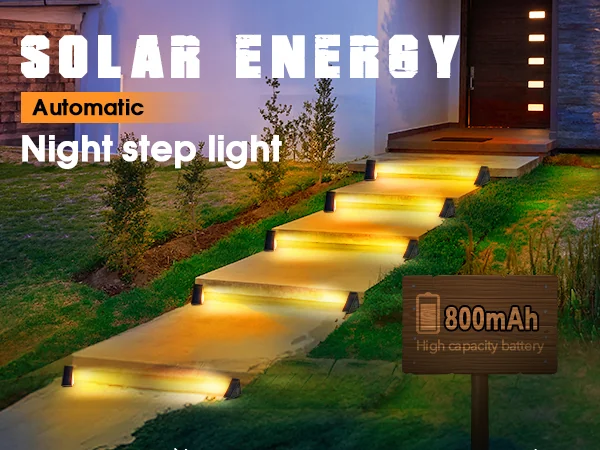
SML016 24LED Path Step solar light
-
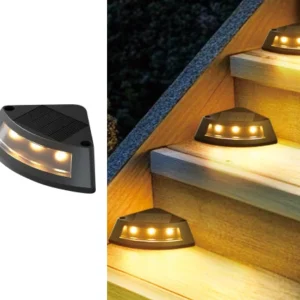 Deck Solar Lights
SML017 Solar Deck Lights Outdoor Fence Step Lights
Wholesale Floor and Step Solar Lights: Complete B2B Buyer Guide
If you’re sourcing wholesale floor and step solar lights for retail, distribution, or commercial safety projects, this comprehensive guide will help you evaluate designs, materials, certifications, and factory capabilities before placing bulk orders. Floor and step solar lights have become essential safety products among wholesalers, retailers, and contractors due to their critical role in preventing accidents, energy efficiency, and compliance with accessibility standards. When making bulk purchasing decisions, key considerations include safety performance, durability under foot traffic, weather resistance, installation methods, customization options, regulatory compliance, lead times, quality control processes, and shipping logistics. This guide addresses the critical aspects that matter most to professional buyers sourcing safety lighting solutions from manufacturers and suppliers.
Category Summary
Wholesale floor and step solar lights represent a critical safety segment in outdoor lighting, combining accident prevention with energy-efficient illumination for stairs, walkways, and elevation changes. The category includes recessed step lights, surface-mounted floor lights, edge-mounted stair lights, and pathway safety markers designed for both residential and commercial applications. Bulk floor and step solar lights are particularly attractive to contractors, property managers, and safety equipment distributors due to their compliance benefits, liability reduction, and low maintenance requirements. Key purchasing considerations include load-bearing capacity, slip resistance, visibility standards, installation compatibility, and customization options for specific safety applications.
What Will You Learn in This Guide?
- What Are Floor and Step Solar Lights and Why Are They Popular in Wholesale Markets?
- What Types and Designs Sell Best for Bulk Orders?
- What Materials and Manufacturing Processes Are Used?
- What Quality Standards and Certifications Matter for Wholesale Buyers?
- What Is the Market Demand and Customer Preferences?
- What Are the Common Applications?
- What OEM/ODM Customization Options Are Available for Wholesale Floor and Step Solar Lights?
- How to Source Wholesale Floor and Step Solar Lights from China Manufacturers and Suppliers?
- What Mistakes Can Cost You Money When Buying Floor and Step Solar Lights in Bulk?
- Who Is Glowyard Lighting and What Do We Offer?
- Frequently Asked Questions
What Are Floor and Step Solar Lights and Why Are They Popular in Wholesale Markets?
Floor and step solar lights are specialized safety lighting fixtures designed to illuminate walking surfaces, stairs, and elevation changes to prevent accidents and improve visibility in low-light conditions. These fixtures typically feature low-profile designs, durable construction capable of withstanding foot traffic, and strategic light distribution patterns that provide effective illumination without creating glare or visual obstruction.

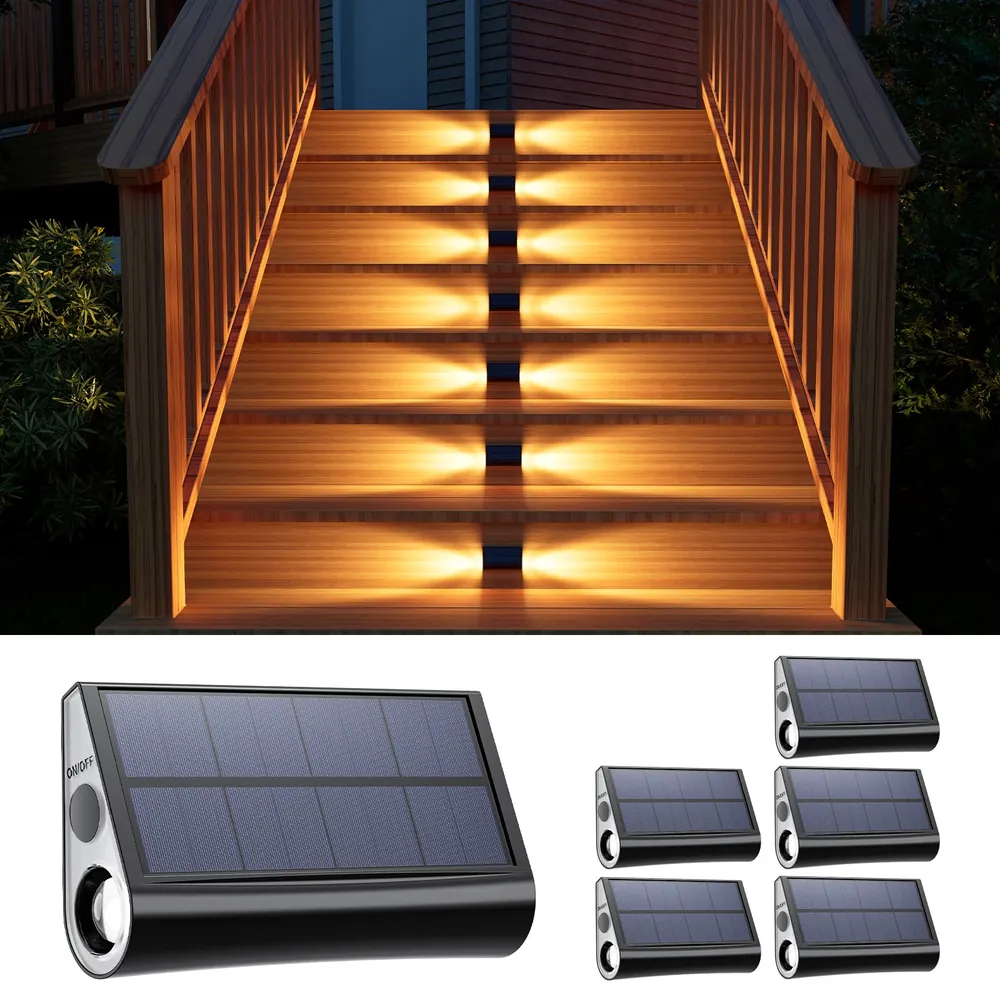
The wholesale market for floor and step solar lights has experienced significant growth driven by increasing safety awareness, accessibility regulations, and liability concerns across residential and commercial properties. Unlike decorative lighting products, these fixtures serve critical safety functions that directly impact user welfare and property liability.
Safety regulations and building codes increasingly require adequate lighting for stairs, walkways, and elevation changes, creating mandatory demand for these products. Property owners, contractors, and facility managers recognize that proper step lighting reduces accident risks and potential liability exposure, making these products essential rather than optional purchases.
The energy independence aspect of solar-powered step lights provides significant advantages over traditional wired alternatives. Installation costs are dramatically reduced since no electrical wiring is required, making these products attractive for retrofit applications and locations where electrical access is limited or expensive to install.
From a wholesale perspective, floor and step solar lights offer stable demand patterns due to their safety-critical nature. Unlike seasonal decorative products, safety lighting maintains consistent demand throughout the year as property improvements and safety upgrades occur continuously.
The liability reduction benefits create strong value propositions for commercial buyers. Property managers and business owners understand that investing in proper step lighting can prevent costly accidents and insurance claims, justifying premium pricing for high-quality safety products.
Market trends toward aging-in-place housing modifications and accessibility improvements drive additional demand for residential step lighting. As populations age, the need for enhanced safety lighting in homes increases, creating opportunities for wholesale buyers serving the home modification market.
The maintenance advantages of solar step lights appeal to property managers overseeing multiple locations. Once installed, these fixtures require minimal maintenance compared to wired alternatives, reducing ongoing operational costs and service requirements.
What Types and Designs Sell Best for Bulk Orders?
The floor and step solar light market encompasses several distinct product categories, each designed for specific installation requirements and safety applications. Understanding these categories helps wholesale buyers select the most appropriate products for their target markets and customer needs.
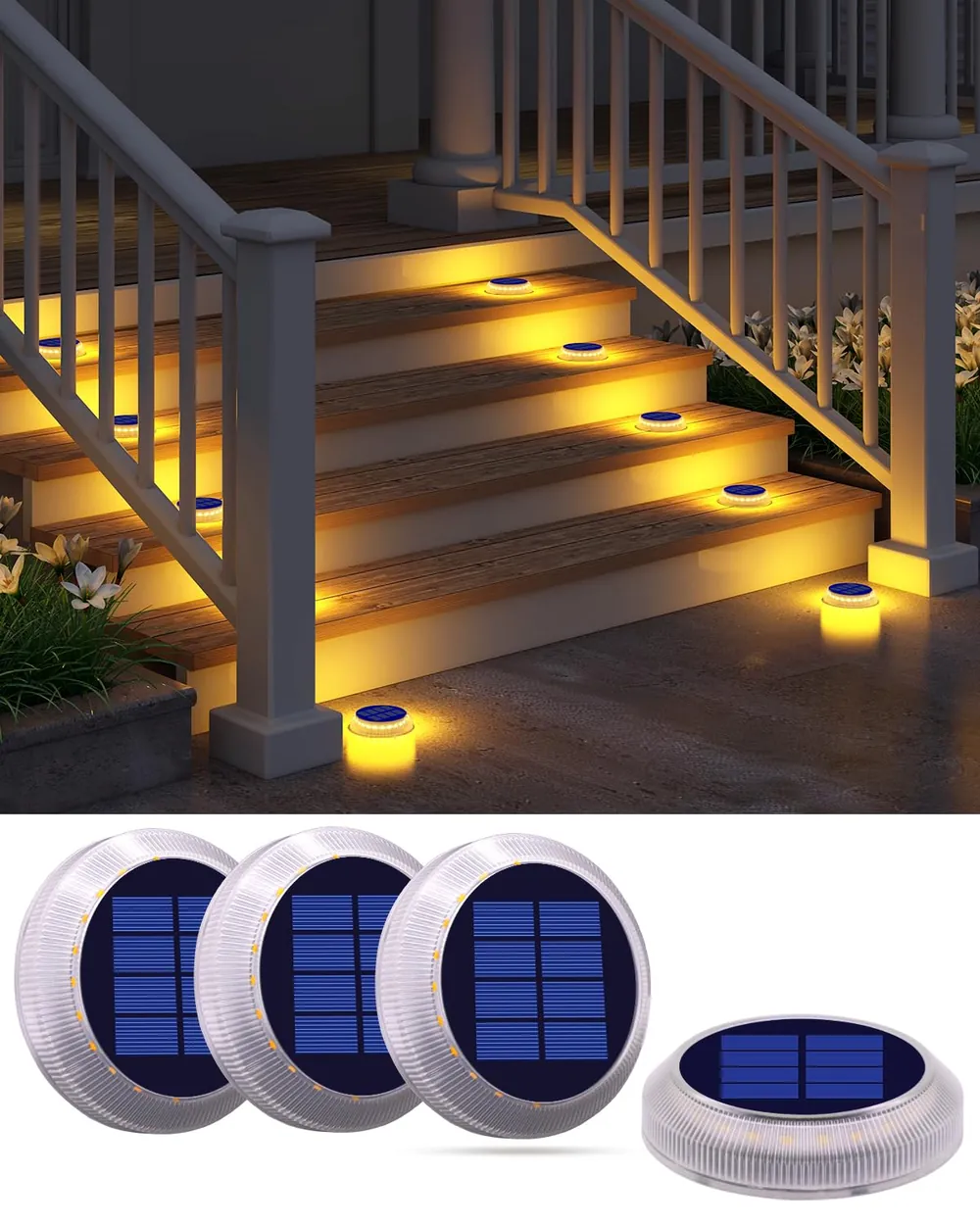
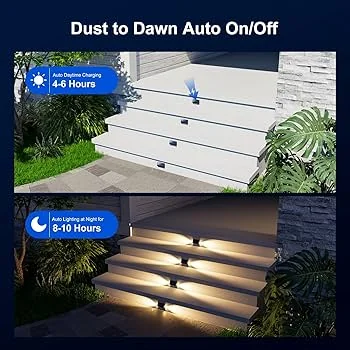
Recessed Step Lights represent the premium segment of floor and step lighting, featuring flush-mounted designs that integrate seamlessly into stairs and walkways. These fixtures typically require cutting installation holes but provide the most professional appearance and highest durability. Popular applications include concrete steps, wooden decks, and masonry installations where permanent, high-quality lighting is desired.
Surface-Mounted Floor Lights offer easier installation while providing effective safety illumination. These fixtures mount directly onto existing surfaces using screws or adhesive systems, making them suitable for retrofit applications and temporary installations. Popular designs include low-profile disc lights, rectangular markers, and strip-style fixtures for continuous illumination.
Edge-Mounted Stair Lights attach to the vertical faces of steps, providing illumination that highlights step edges and elevation changes. These fixtures are particularly effective for wooden stairs, concrete steps, and masonry applications where recessed installation isn’t feasible. Edge-mounted designs typically feature directional lighting that illuminates the step surface without creating glare.
Pathway Safety Markers serve dual functions as both pathway lighting and step safety indicators. These fixtures typically feature higher profiles than recessed options but provide broader light distribution suitable for walkways with occasional elevation changes. Popular designs include bollard-style markers and raised disc fixtures.
Heavy-Duty Commercial Lights cater to high-traffic commercial applications requiring enhanced durability and performance. These fixtures feature reinforced construction, higher IP ratings, and commercial-grade components suitable for public spaces, commercial properties, and institutional applications. Load-bearing capacities typically exceed residential requirements.
Smart and Connected Systems incorporate advanced features such as motion activation, dimming controls, and wireless connectivity. These premium products appeal to customers seeking enhanced functionality and energy efficiency. Popular features include automatic brightness adjustment, scheduling capabilities, and integration with security systems.
Category-Specific Buyer Notes for Floor and Step Solar Lights
Floor and step solar lights present unique wholesale considerations that differ significantly from decorative outdoor lighting products. Load-bearing capacity and durability represent primary differentiators, as these fixtures must withstand regular foot traffic, weather exposure, and potential impact without compromising safety performance. Successful wholesale buyers prioritize suppliers with proven track records in safety lighting and comprehensive testing documentation.
Light distribution and visibility standards require careful consideration of both safety effectiveness and glare prevention. The most successful products provide adequate illumination for safe navigation while avoiding harsh glare that can impair vision or create discomfort. Optimal beam patterns typically feature wide, even distribution with warm white color temperatures that provide natural visibility.
Installation method compatibility significantly affects market acceptance and customer satisfaction. Products that accommodate multiple installation methods or provide universal mounting systems appeal to broader customer bases and reduce inventory complexity for wholesale buyers. Professional-grade installation hardware and clear instructions are essential for contractor acceptance.
Regulatory compliance and safety standards are more critical for step lights compared to decorative alternatives due to their safety-critical nature. Products must meet applicable building codes, accessibility standards, and safety regulations in target markets. Wholesale buyers should prioritize suppliers who understand regulatory requirements and provide appropriate documentation.
Weather resistance and longevity requirements are enhanced for floor-mounted fixtures due to their exposure to moisture, debris, and potential submersion. Higher IP ratings and robust sealing systems are essential for long-term performance and customer satisfaction. Premium products typically feature IP67 or IP68 ratings for comprehensive weather protection.
What Materials and Manufacturing Processes Are Used?
The manufacturing of wholesale floor and step solar lights involves specialized materials and processes designed to create durable, load-bearing fixtures capable of withstanding foot traffic while providing reliable safety illumination. Understanding these materials helps wholesale buyers evaluate product quality and make informed sourcing decisions.

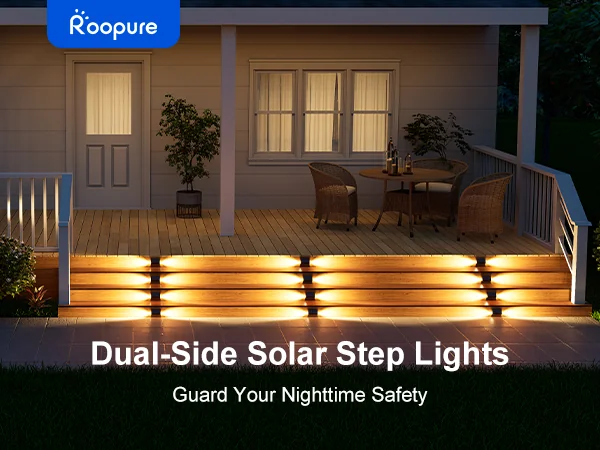
Housing Materials and Construction form the critical foundation for floor and step lights. Marine-grade aluminum provides excellent strength-to-weight ratios, corrosion resistance, and heat dissipation properties essential for ground-level installations. Stainless steel housings offer superior durability and load-bearing capacity but command higher costs. High-grade polycarbonate materials provide cost-effective solutions with good impact resistance and weather durability for residential applications.
Load-Bearing Design and Engineering requires specialized structural analysis to ensure fixtures can withstand expected foot traffic loads without deformation or failure. Professional manufacturers conduct load testing to verify capacity ratings, typically ranging from 200 pounds for residential applications to over 1000 pounds for commercial installations. Reinforcement ribs, thick wall sections, and proper material selection ensure long-term structural integrity.
Lens and Optical Systems determine light distribution quality and safety effectiveness. Tempered glass lenses provide maximum durability and clarity but require careful sealing to prevent moisture ingress. Polycarbonate lenses offer good impact resistance and cost advantages while maintaining adequate optical performance. Anti-slip surface treatments and recessed lens designs prevent accumulation of debris and moisture.
LED Technology and Thermal Management must address the unique challenges of ground-level installations including heat dissipation, moisture exposure, and vibration resistance. High-efficiency LED chips with proper thermal management ensure consistent performance and extended lifespans. Thermal interface materials and heat sink designs prevent overheating in enclosed ground-level installations.
Solar Panel Integration and Protection requires careful consideration of installation orientation and potential obstruction. Separate solar panels connected by weatherproof cables allow optimal positioning for sun exposure while protecting the main fixture from damage. Integrated solar panels must be designed to withstand foot traffic and debris accumulation while maintaining charging efficiency.
Battery Systems and Power Management must accommodate the demanding operating conditions of ground-level installations. Lithium iron phosphate batteries provide superior performance in temperature extremes and vibration environments common in floor installations. Battery compartments require enhanced sealing and drainage systems to prevent moisture damage.
Sealing and Weather Protection Systems involve multiple layers of protection including gasket seals, drainage channels, and pressure equalization systems. Critical sealing points include lens interfaces, cable entries, and battery compartments. Professional manufacturers conduct submersion testing and pressure testing to verify weather resistance performance.
Manufacturing Quality Control includes structural testing, electrical performance verification, weather resistance testing, and optical performance evaluation. Advanced manufacturers employ automated testing systems and maintain statistical quality control records to ensure consistent performance across production runs.
What Quality Standards and Certifications Matter for Wholesale Buyers?
Quality standards and certifications for floor and step solar lights encompass safety requirements, structural performance standards, and electrical safety considerations due to their critical safety functions and exposure to foot traffic. Professional buyers must understand which certifications are essential for their target markets and applications.
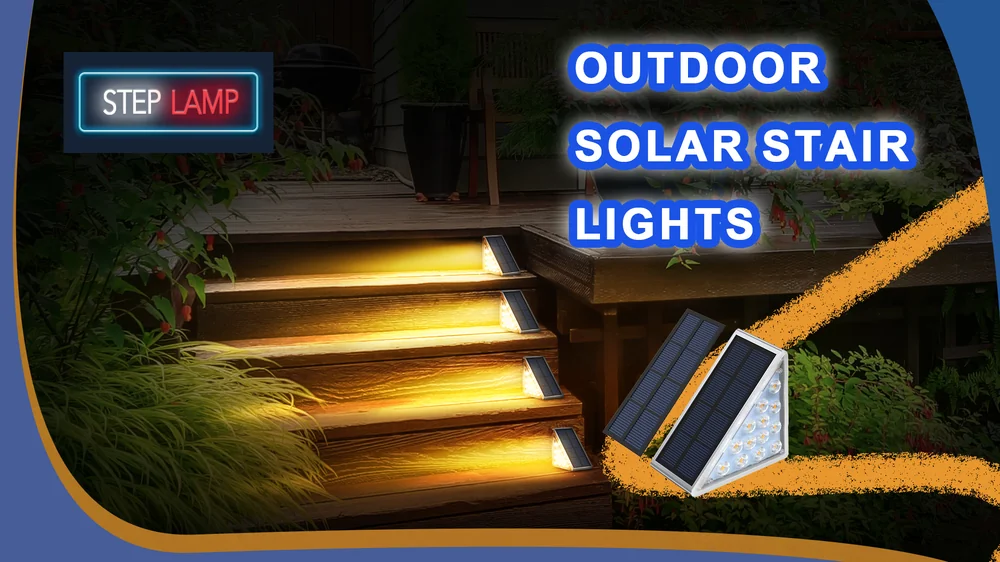
Load-Bearing and Structural Standards verify that fixtures can withstand expected foot traffic without failure or deformation. ASTM standards address structural performance requirements for walkway lighting fixtures, while local building codes may specify minimum load-bearing capacities. Professional manufacturers provide load testing documentation and structural analysis reports.
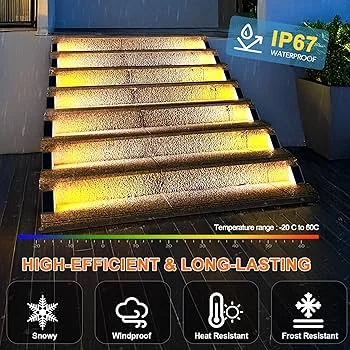
IP (Ingress Protection) Ratings are particularly critical for ground-level installations exposed to moisture, debris, and potential submersion. IP67 rating provides protection against temporary submersion, while IP68 rating offers protection against continuous submersion. The demanding installation environment typically requires higher IP ratings compared to elevated lighting fixtures.
Slip Resistance and Surface Safety standards ensure that fixture surfaces don’t create slip hazards when wet or contaminated with debris. ASTM standards address slip resistance requirements for walkway surfaces, while specialized testing verifies that fixture surfaces maintain adequate traction under various conditions.
Photometric Performance Standards verify that fixtures provide adequate illumination for safety applications without creating glare or dark spots. IES (Illuminating Engineering Society) standards provide guidelines for step and walkway lighting levels, while local building codes may specify minimum illumination requirements.
CE Certification is mandatory for floor and step solar lights sold in European markets. This certification ensures compliance with European safety, health, and environmental protection standards. The CE marking process involves testing for electromagnetic compatibility (EMC), low voltage directive (LVD) compliance, and construction product regulations where applicable.
UL Listing provides additional credibility for safety-critical lighting applications in North American markets. UL 2089 specifically addresses solar lighting systems, while UL 2108 covers low voltage lighting systems. These certifications are particularly important for commercial and institutional applications.
ADA Compliance (Americans with Disabilities Act) requirements affect step lighting installations in commercial and public applications. Fixtures must not create protruding hazards or interfere with accessibility requirements while providing adequate illumination for safe navigation.
Building Code Compliance varies by jurisdiction but typically addresses minimum illumination levels, fixture placement requirements, and installation methods for step lighting. Professional buyers should verify that products meet applicable building codes in their target markets.
Environmental and Material Safety certifications include RoHS compliance for electrical components and material safety documentation for housing materials. Products installed in public spaces may require additional environmental certifications or material safety data sheets.
Quality Management Systems such as ISO 9001 certification indicate consistent manufacturing processes and quality control procedures. For safety-critical products, quality management certification provides additional assurance of manufacturing reliability and consistency.
Wholesale buyers should request comprehensive certification packages from suppliers, including structural test reports, photometric data, and compliance documentation. Independent verification through recognized testing laboratories provides additional assurance for safety-critical applications.
What Is the Market Demand and Customer Preferences?
The wholesale floor and step solar lights market demonstrates steady growth driven by increasing safety awareness, regulatory requirements, and liability concerns across residential and commercial properties. Understanding these market dynamics helps wholesale buyers position their product offerings effectively and anticipate future demand patterns.
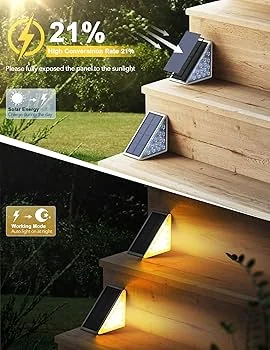
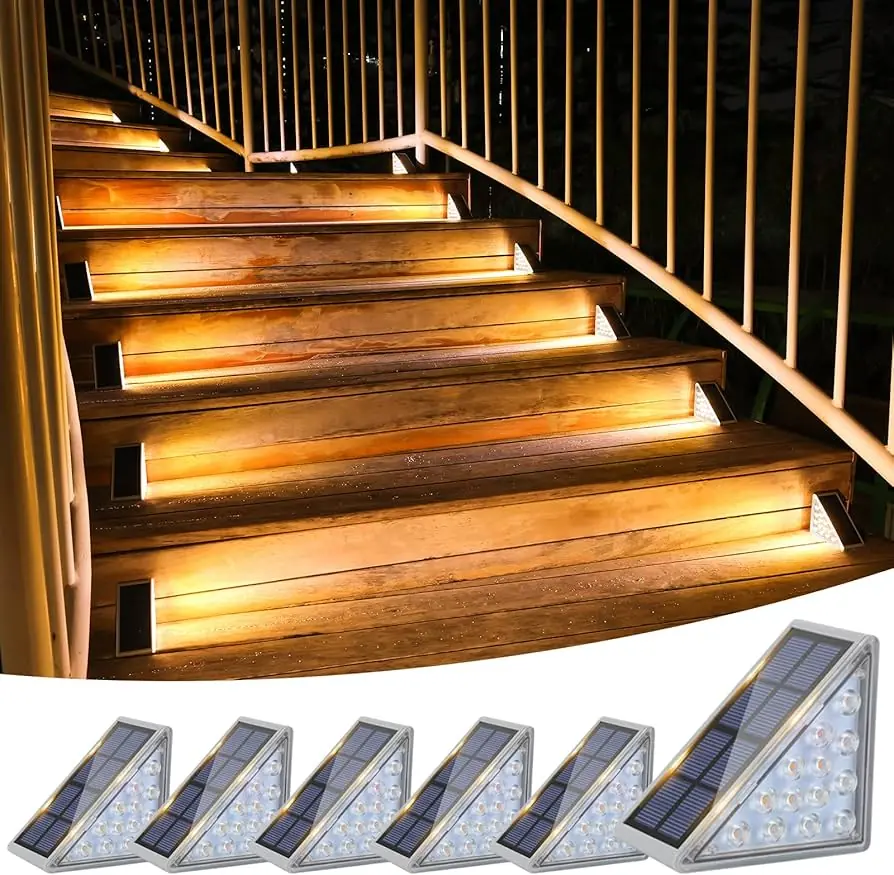
Safety-Driven Market Demand continues expanding as property owners recognize the liability risks associated with inadequate step lighting. Insurance companies increasingly recommend proper step lighting to reduce accident claims, while legal precedents establish property owner responsibility for maintaining safe walking surfaces. This creates mandatory rather than optional demand for many commercial and institutional buyers.
Regulatory and Compliance Demand grows as building codes and accessibility standards evolve to require adequate lighting for stairs and elevation changes. New construction projects must incorporate compliant step lighting, while existing properties face retrofit requirements during renovations or accessibility upgrades. This regulatory demand provides stable, predictable market opportunities.
Commercial and Institutional Market Growth shows strong momentum from property management companies, healthcare facilities, educational institutions, and government agencies prioritizing safety improvements. These buyers typically purchase in larger quantities and prioritize performance and compliance over cost considerations, making them attractive customers for wholesale distributors.
Residential Market Evolution reflects changing demographics and safety awareness among homeowners. Aging populations drive demand for enhanced home safety features, while younger homeowners increasingly prioritize outdoor living spaces and safety improvements. The DIY market appreciates solar step lights for their installation simplicity and energy independence.
Geographic Market Variations influence product preferences and seasonal demand patterns. Northern markets show stronger demand for cold-weather performance and ice-resistant designs, while coastal markets require enhanced corrosion resistance. Urban markets prioritize vandal resistance and high-traffic durability, while rural markets focus on wildlife resistance and extended battery life.
Technology Adoption Trends reveal growing interest in smart features including motion activation, dimming controls, and wireless connectivity. However, reliability and simplicity remain top priorities for safety applications. Battery life, weather resistance, and consistent performance are consistently rated as more important than advanced features.
Price Sensitivity and Value Perception indicate that buyers are willing to pay premium prices for proven safety performance and reliability. However, cost considerations become important for large-scale commercial installations. The total cost of ownership, including installation and maintenance savings, often justifies higher initial costs for solar alternatives.
Seasonal Demand Patterns show more consistent year-round demand compared to decorative lighting due to safety requirements. However, peak demand occurs during fall and winter months when reduced daylight hours increase the importance of artificial lighting for safety.
What Are the Common Applications?
Floor and step solar lights serve critical safety functions across diverse residential, commercial, and institutional settings. Understanding these applications helps wholesale buyers identify target markets and select appropriate product specifications for different safety requirements.

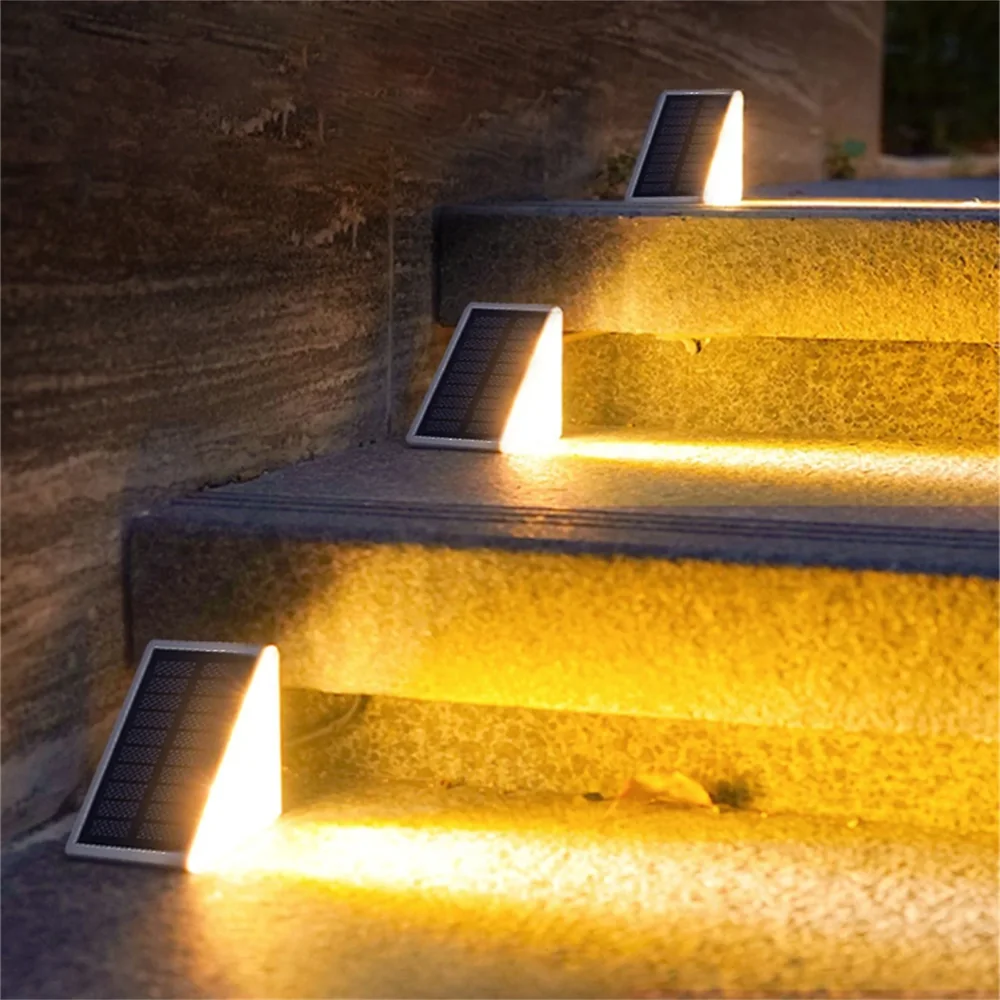
Residential Stair and Step Safety represents the largest application segment for wholesale floor and step solar lights. Homeowners install these fixtures on front steps, back porches, deck stairs, and pathway elevation changes to prevent accidents and improve nighttime navigation. Popular residential applications include wooden deck steps, concrete entry stairs, and garden pathway transitions.
Commercial Building Safety Compliance serves regulatory requirements for office buildings, retail facilities, and industrial properties. Commercial applications typically require higher performance standards, enhanced durability, and compliance with accessibility regulations. These installations often involve multiple fixtures and require consistent performance across large areas.
Healthcare and Senior Living Facilities utilize step lighting for patient safety and liability reduction. These applications require reliable performance, easy maintenance, and compliance with healthcare facility regulations. Motion-activated features are particularly valuable for healthcare applications to provide illumination when needed while conserving energy.
Educational Institution Safety includes schools, universities, and training facilities where student and visitor safety is paramount. These applications often require vandal-resistant designs, high-traffic durability, and compliance with educational facility safety standards. Bulk installations are common for campus-wide safety improvements.
Public and Municipal Applications include parks, recreational facilities, government buildings, and public walkways. These applications require commercial-grade durability, weather resistance, and compliance with public safety standards. Municipal buyers often purchase in large quantities for comprehensive safety improvement projects.
Hospitality and Entertainment Venues utilize step lighting for guest safety and liability protection. Hotels, restaurants, event venues, and entertainment facilities require attractive designs that complement architectural aesthetics while providing effective safety illumination. These applications often require custom solutions and enhanced durability.
Industrial and Warehouse Safety applications focus on worker safety in manufacturing facilities, warehouses, and industrial complexes. These demanding environments require heavy-duty construction, enhanced weather resistance, and compliance with occupational safety standards. Emergency egress lighting requirements often drive these installations.
Marine and Waterfront Applications include docks, marinas, waterfront properties, and marine facilities where enhanced weather resistance and corrosion protection are essential. These specialized applications require marine-grade materials and enhanced sealing systems to withstand harsh marine environments.
Wholesale Buying Checklist
- [ ] Verify load-bearing capacity meets application requirements (minimum 200 lbs residential, 1000+ lbs commercial)
- [ ] Confirm IP rating provides adequate weather protection (IP67 minimum for ground-level installations)
- [ ] Evaluate light distribution pattern for safety effectiveness without glare
- [ ] Check slip resistance properties of fixture surfaces
- [ ] Verify compliance with applicable building codes and safety standards
- [ ] Assess installation method compatibility with target applications
- [ ] Review battery capacity and expected runtime for local climate conditions
- [ ] Confirm solar panel efficiency and charging performance
- [ ] Evaluate housing material durability and corrosion resistance
- [ ] Check warranty terms and after-sales support availability
- [ ] Verify certifications required for target markets (UL, CE, ADA compliance)
- [ ] Assess packaging protection for shipping and handling
What OEM/ODM Customization Options Are Available for Wholesale Floor and Step Solar Lights?
Professional manufacturers offer extensive customization capabilities for wholesale floor and step solar lights, enabling distributors and contractors to create specialized safety lighting solutions that meet specific application requirements and regulatory standards.
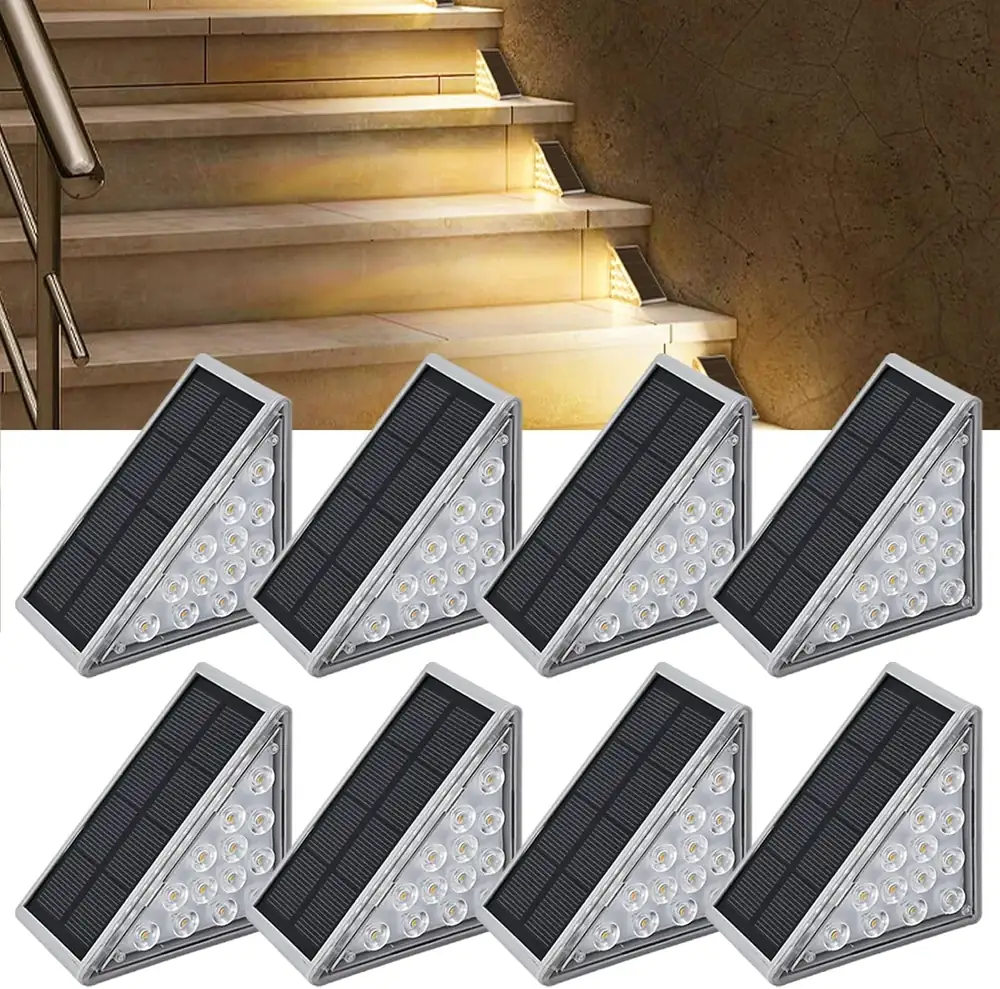
Load-Bearing and Structural Customization allows buyers to specify enhanced structural requirements for demanding applications. Options include increased load-bearing capacities, reinforced housing designs, and specialized mounting systems for unique installation requirements. Heavy-duty commercial versions can be developed with load capacities exceeding standard residential specifications.
Light Distribution and Optical Customization enables buyers to optimize illumination patterns for specific safety applications. Options include adjustable beam angles, specialized lens designs, directional lighting systems, and custom light distribution patterns. Anti-glare features and uniform illumination systems can be integrated for enhanced safety performance.
Housing Design and Material Customization addresses diverse installation environments and aesthetic requirements. Options include custom housing shapes, specialized materials for corrosive environments, decorative finishes that complement architectural styles, and low-profile designs for specific installation constraints. Marine-grade materials and enhanced corrosion protection can be specified for waterfront applications.
Installation System Customization accommodates diverse mounting requirements and installation methods. Options include universal mounting systems, specialized brackets for unique applications, retrofit solutions for existing installations, and tool-free installation systems. Custom installation hardware can be developed for specific substrate materials or mounting challenges.
Smart Technology Integration provides advanced functionality for premium applications. Options include motion sensors with adjustable sensitivity, dimming controls for energy conservation, wireless connectivity for remote monitoring, and integration with security systems. Timer functions and automatic brightness adjustment can be incorporated for enhanced energy efficiency.
Environmental and Performance Customization addresses specific operating conditions and performance requirements. Options include enhanced cold-weather performance, extended battery life systems, rapid charging capabilities, and specialized weather resistance for extreme environments. Custom power management systems can optimize performance for specific geographic locations.
Regulatory and Compliance Customization ensures products meet specific market requirements and safety standards. Options include enhanced certifications for commercial applications, compliance with specialized building codes, accessibility compliance features, and custom documentation packages for regulatory approval processes.
Private Labeling and Branding Services enable wholesale buyers to market products under their own brand names with comprehensive support. Services include custom packaging design, branded installation instructions, technical documentation, and marketing materials. Some manufacturers offer exclusive design rights for qualified wholesale partners.
Quantity and Packaging Customization addresses specific distribution and installation requirements. Options include bulk packaging for large installations, custom packaging for retail presentation, installation kits with comprehensive hardware, and project-specific packaging solutions for contractors.
How to Source Wholesale Floor and Step Solar Lights from China Manufacturers and Suppliers?
Sourcing wholesale floor and step solar lights from China requires specialized knowledge of safety lighting requirements, structural engineering standards, and regulatory compliance considerations. Professional buyers must navigate technical complexities while ensuring product safety and reliability.
Manufacturer Qualification and Safety Expertise Assessment begins with identifying suppliers who specialize in safety lighting products and have demonstrated expertise in structural design and regulatory compliance. Key evaluation criteria include safety lighting experience, structural engineering capabilities, testing facilities, and regulatory knowledge. Professional buyers should prioritize manufacturers with established track records in safety-critical applications.
Technical Capability and Testing Verification involves evaluating manufacturing capabilities for load-bearing products, quality control systems for safety applications, and testing capabilities for structural and photometric performance. Professional buyers should assess both manufacturing capabilities and testing infrastructure to ensure products meet safety requirements.
Regulatory Compliance and Documentation Assessment requires verification of supplier knowledge regarding target market regulations, certification capabilities, and documentation systems. Suppliers must understand building codes, safety standards, and accessibility requirements for target markets. Professional buyers should evaluate supplier regulatory expertise and compliance support capabilities.
Quality Control and Safety Testing Protocols must address both structural performance and electrical safety requirements. Professional buyers should specify detailed testing requirements including load testing, weather resistance verification, photometric performance testing, and electrical safety validation. Pre-production samples and comprehensive testing help ensure safety compliance.
Engineering Support and Technical Collaboration enables buyers to develop products that meet specific application requirements and regulatory standards. Professional suppliers provide engineering support for custom applications, technical documentation for regulatory approval, and ongoing technical assistance throughout the product lifecycle.
Supply Chain and Production Capacity Assessment involves evaluating supplier ability to maintain consistent quality across large production runs, capacity for handling commercial-scale orders, and supply chain reliability for critical components. Safety lighting applications require consistent quality and reliable supply for ongoing projects.
Certification and Compliance Management requires coordination with suppliers to obtain necessary certifications, maintain compliance documentation, and support regulatory approval processes. Professional buyers should work with suppliers who understand certification requirements and provide comprehensive compliance support.
Logistics and Quality Assurance considerations include protective packaging for precision products, quality inspection procedures for safety-critical components, and shipping methods that prevent damage to sensitive optical and structural elements. Professional buyers should specify packaging requirements and quality assurance procedures.
The most successful wholesale buyers develop partnerships with manufacturers who demonstrate consistent safety performance, reliable regulatory compliance, and comprehensive technical support capabilities. These relationships provide advantages in custom development, quality assurance, and regulatory support for safety-critical applications.
What Mistakes Can Cost You Money When Buying Floor and Step Solar Lights in Bulk?
Avoiding common purchasing mistakes in the safety lighting market can save wholesale buyers significant costs and prevent serious liability issues. Understanding these pitfalls helps professional buyers make informed decisions and establish successful safety lighting programs.
Inadequate Load-Bearing Verification represents the most serious mistake in wholesale floor and step solar light procurement. Buyers who fail to verify structural performance and load-bearing capacity risk product failures that could cause accidents and liability exposure. Professional buyers should always request structural testing documentation and verify load ratings through independent testing when necessary.
Insufficient Safety Standard Compliance exposes buyers to regulatory violations and liability risks. Buyers who select products without proper certifications or compliance documentation may face installation rejections, code violations, and potential legal issues. Professional buyers must verify that products meet all applicable safety standards and building codes for their target markets.
Overlooking Installation Environment Challenges leads to product failures and customer dissatisfaction. Buyers who fail to consider moisture exposure, temperature extremes, and substrate compatibility often experience premature failures and warranty claims. Thorough evaluation of installation environments and product specifications prevents these issues.
Inadequate Photometric Performance Evaluation results in installations that fail to provide adequate safety illumination. Buyers who focus solely on technical specifications without evaluating actual light distribution and visibility performance may receive products that don’t meet safety requirements. Professional photometric testing and evaluation ensure adequate safety performance.
Poor Supplier Safety Expertise Assessment leads to quality inconsistencies and compliance issues. Buyers who select suppliers based primarily on price without evaluating safety lighting expertise often experience quality problems and regulatory compliance issues. Professional buyers should assess supplier safety lighting experience and technical capabilities.
Insufficient Warranty and Support Planning creates long-term cost exposure and customer service issues. Safety lighting products require comprehensive warranty coverage and technical support due to their critical nature. Buyers should establish clear warranty terms and support procedures before launching safety lighting programs.
Neglecting Seasonal Performance Considerations affects year-round safety performance and customer satisfaction. Buyers who fail to consider winter performance, battery capacity in cold weather, and snow/ice accumulation issues may experience seasonal performance problems. Professional buyers should specify appropriate performance requirements for local climate conditions.
Inadequate Installation Support and Documentation creates contractor resistance and installation problems. Safety lighting installations require clear instructions, proper hardware, and technical support. Buyers should ensure comprehensive installation support and documentation are available for successful project completion.
Who Is Glowyard Lighting and What Do We Offer?
Glowyard Lighting specializes in manufacturing high-quality safety lighting solutions, including comprehensive ranges of floor and step solar lights for wholesale buyers, contractors, and safety equipment distributors worldwide. Our specialized approach to safety lighting manufacturing combines structural engineering expertise with advanced production capabilities and rigorous quality control processes.
Our manufacturing facility features dedicated production lines for safety lighting products, utilizing precision machining equipment, structural testing capabilities, and controlled assembly environments. We maintain specialized engineering teams and quality control specialists who ensure consistent structural performance and safety compliance across all production runs. Each floor and step solar light undergoes comprehensive testing including load-bearing verification, photometric performance testing, and weather resistance validation.
Glowyard offers extensive OEM and ODM capabilities for wholesale floor and step solar lights, including custom structural designs, specialized mounting systems, and regulatory compliance support. Our engineering team works closely with wholesale buyers and contractors to develop products that meet specific safety requirements and regulatory standards. We provide comprehensive technical support throughout the development process, from initial safety analysis through regulatory approval and production delivery.
Our quality management system includes specialized procedures for safety-critical products, incorporating structural performance standards alongside electrical safety requirements. We conduct regular supplier audits for safety-critical components, maintain certified testing equipment for structural and photometric testing, and provide detailed compliance documentation for all wholesale orders. Our safety-focused quality control processes ensure consistent performance and regulatory compliance across large production runs.
Export experience spanning multiple international markets enables us to provide comprehensive regulatory compliance support for safety lighting products. We maintain current certifications including UL listing, CE marking, and specialized safety certifications, with expertise in building codes and accessibility standards. Our documentation packages include structural analysis reports, photometric test data, and certification copies to support regulatory approval processes.
After-sales support includes warranty administration, technical assistance, and replacement part availability for wholesale customers. We maintain inventory of critical safety components and provide technical documentation to support field service and regulatory compliance activities throughout the product lifecycle.
Frequently Asked Questions
Q: What load-bearing capacity is required for wholesale floor and step solar lights? A: Load-bearing requirements vary by application. Residential applications typically require minimum 200-pound capacity, while commercial applications may require 1000 pounds or more. Specific requirements depend on local building codes and expected traffic patterns. Professional buyers should verify load requirements with local authorities and specify appropriate capacity ratings.
Q: What IP rating is recommended for floor and step solar lights? A: IP67 rating provides adequate protection for most ground-level installations, offering dust protection and temporary submersion resistance. IP68 rating provides enhanced protection for areas prone to flooding or continuous moisture exposure. Higher IP ratings are essential for safety-critical applications where water ingress could compromise performance.
Q: How do floor and step solar lights perform in winter conditions? A: Modern floor and step solar lights with lithium batteries and cold-weather formulations can operate in temperatures down to -20C (-4F). However, performance may be reduced in extreme conditions due to limited sunlight and cold temperatures. Buyers in northern markets should specify enhanced battery capacity and cold-weather performance requirements.
Q: What certifications are required for commercial floor and step solar light installations? A: Required certifications vary by jurisdiction and application. UL listing is often required for commercial applications in North America, while CE marking is mandatory for European markets. ADA compliance may be required for public and commercial installations. Professional buyers should consult with local authorities and building code officials for specific requirements.
Q: Can floor and step solar lights be customized for specific installation requirements? A: Yes, professional manufacturers offer extensive customization including enhanced load-bearing capacity, specialized mounting systems, custom light distribution patterns, and regulatory compliance features. Custom development typically requires substantial minimum orders and longer lead times but provides solutions for unique safety applications.
Q: What factors affect the wholesale pricing of safety lighting products? A: Pricing factors include structural complexity, load-bearing requirements, certification needs, customization level, and order quantities. Safety lighting products typically command higher prices than decorative alternatives due to their structural requirements and regulatory compliance needs. Enhanced certifications and custom features increase costs significantly.
Q: How can wholesale buyers verify the safety performance of floor and step solar lights? A: Professional buyers should request structural test reports, photometric performance data, and certification documentation. Independent testing through recognized laboratories provides objective verification of safety performance. Load testing, weather resistance testing, and photometric evaluation ensure products meet safety requirements.
Q: What installation considerations are important for bulk floor and step solar light orders? A: Installation considerations include substrate compatibility, drainage requirements, load distribution, and accessibility compliance. Professional installation requires proper preparation, appropriate hardware, and compliance with local building codes. Buyers should provide comprehensive installation documentation and technical support for successful installations.
Quick RFQ Template for Wholesale Floor and Step Solar Lights
Product Specifications:
- Installation Type: [Recessed/Surface Mount/Edge Mount]
- Load-Bearing Capacity: [Pounds/Kilograms required]
- Light Distribution: [Beam angle and illumination pattern]
- Housing Material: [Aluminum/Stainless Steel/Polycarbonate]
- IP Rating: [IP67/IP68 or higher]
- Battery Specifications: [Capacity and cold-weather performance]
- Solar Panel: [Wattage and integration method]
- Dimensions: [Size constraints and profile requirements]
Application Requirements:
- Installation Environment: [Residential/Commercial/Industrial/Marine]
- Traffic Level: [Light/Medium/Heavy foot traffic]
- Climate Conditions: [Temperature range and weather exposure]
- Regulatory Requirements: [Building codes and safety standards]
- Accessibility Compliance: [ADA or equivalent requirements]
- Maintenance Access: [Service requirements and accessibility]
Order Information:
- Target Quantity: [Units per installation/project]
- Delivery Timeline: [Project schedule requirements]
- Target Market: [Geographic region and regulatory jurisdiction]
- Required Certifications: [UL/CE/ADA/Local building code compliance]
- Installation Support: [Technical documentation and support needs]
- Warranty Requirements: [Coverage period and support level needed]