





2026 lastest Full Product Catalogue
Please Click the button, after Filling in your Email and information, the file will be send within 24 hours .
-
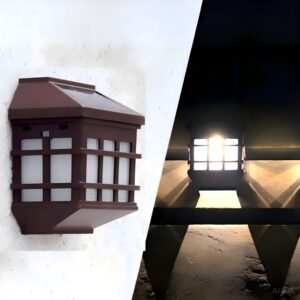 Decorative Garden Solar Lights
SM221038 Plastic Lantern-Style Hanging+Fence Solar Wall Lights
-
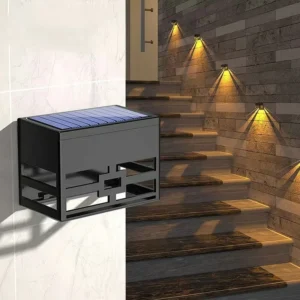 Decorative Garden Solar Lights
SM221447 Cut-Out Solar Fence Wall Light
-
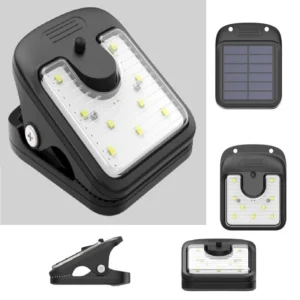 Fence Solar Lights
SM23434 ABS Plastic Solar Clip Clamp Lamp
-
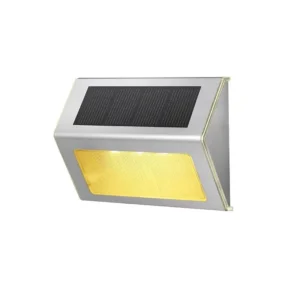 Fence Solar Lights
SM23470 Stainless Steel Solar Fence&Wall Lights
-
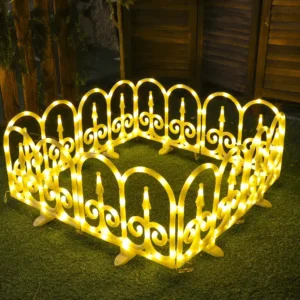 Decorative Garden Solar Lights
SM251099 PP Set of 8pcs Arched-top Solar Garden Border Fence with Scroll Pattern
-
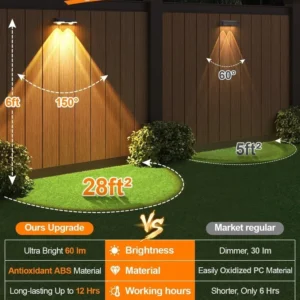 Deck Dock Solar Lights
SM25942 ABS Plastic Solar Fence Wall Deck Light
-
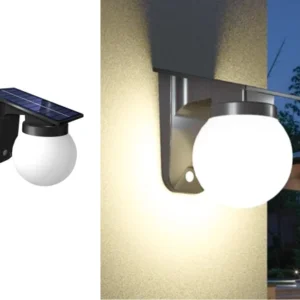 Fence Solar Lights
SML001 Solar Ball Wall Light
-
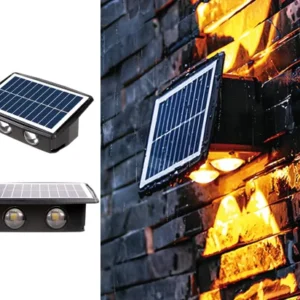 Fence Solar Lights
SML002 4LED Solar Convex Wall Light
-
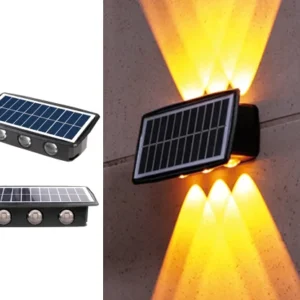 Acrylic Solar Lights
SML003 6LED Solar Convex Wall Light
-
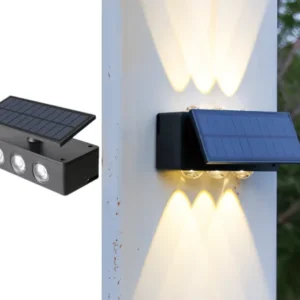 Fence Solar Lights
SML004 6LED Adjustable Solar Convex Wall Light
-
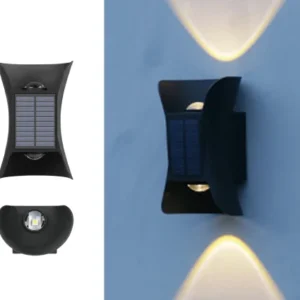 Fence Solar Lights
SML005 Horn-shaped Solar Wall Light
-
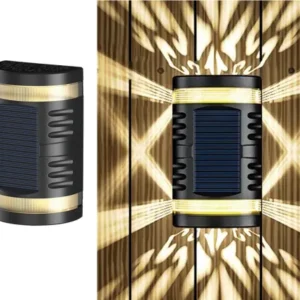 Fence Solar Lights
SML006 Hollowed-out solar Wall light
Wholesale Fence Solar Lights: Complete B2B Buyer Guide
If you’re sourcing wholesale fence solar lights for retail, distribution, or commercial projects, this comprehensive guide will help you evaluate designs, materials, certifications, and factory capabilities before placing bulk orders. Fence solar lights have become increasingly popular among wholesalers, retailers, and project contractors due to their easy installation, energy efficiency, and versatile applications in residential and commercial settings. When making bulk purchasing decisions, key factors include quality standards, IP ratings, customization options, packaging efficiency, lead times, quality control processes, and shipping considerations. This guide addresses the critical aspects that matter most to professional buyers sourcing fence lighting solutions from manufacturers and suppliers.
Category Summary
Wholesale fence solar lights represent one of the fastest-growing segments in outdoor lighting, offering retailers and distributors excellent profit margins and customer satisfaction. The category includes deck rail lights, post cap lights, wall-mounted fence lights, and step lights designed for various fence materials including wood, vinyl, metal, and composite. Bulk fence solar lights are particularly attractive to landscape contractors, home improvement retailers, and property management companies due to their low maintenance requirements and easy installation without electrical wiring. Key purchasing considerations include mounting compatibility, weather resistance ratings, battery life, and customization options for private labeling.
What Will You Learn in This Guide?
- What Are Fence Solar Lights and Why Are They Popular in Wholesale Markets?
- What Types and Designs Sell Best for Bulk Orders?
- What Materials and Manufacturing Processes Are Used?
- What Quality Standards and Certifications Matter for Wholesale Buyers?
- What Is the Market Demand and Customer Preferences?
- What Are the Common Applications?
- What OEM/ODM Customization Options Are Available for Wholesale Fence Solar Lights?
- How to Source Wholesale Fence Solar Lights from China Manufacturers and Suppliers?
- What Mistakes Can Cost You Money When Buying Fence Solar Lights in Bulk?
- Who Is Glowyard Lighting and What Do We Offer?
- Frequently Asked Questions
What Are Fence Solar Lights and Why Are They Popular in Wholesale Markets?
Fence solar lights are self-contained lighting fixtures designed to mount on or integrate with various fence structures, providing illumination without requiring electrical wiring or grid power. These fixtures typically feature integrated solar panels, LED light sources, rechargeable batteries, and weather-resistant housings specifically engineered for outdoor fence applications.
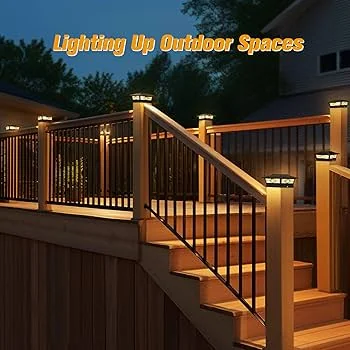
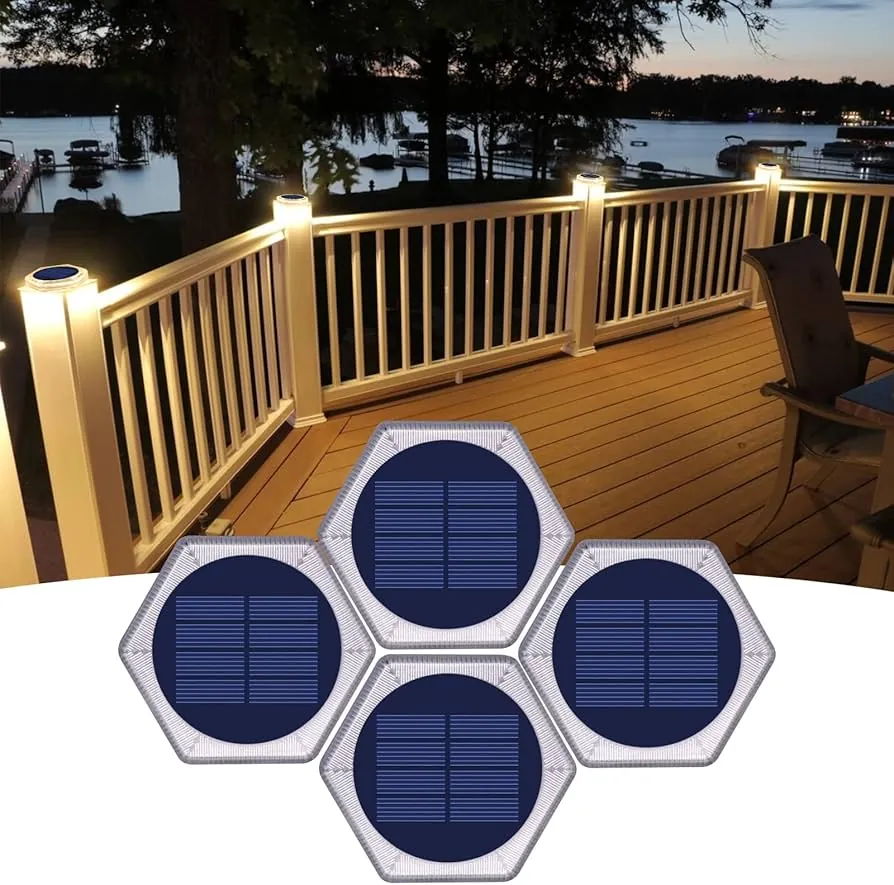
The wholesale market for fence solar lights has experienced significant growth due to several compelling factors. First, the installation simplicity appeals to both DIY consumers and professional installers, as no electrical expertise or permits are required. This ease of installation translates to reduced labor costs for contractors and increased customer satisfaction for retailers.
Energy independence represents another major selling point. Fence solar lights operate entirely on solar power, eliminating ongoing electricity costs and making them attractive for cost-conscious consumers and environmentally aware buyers. This feature particularly resonates with property managers overseeing large installations where traditional wiring would be prohibitively expensive.
The versatility of fence solar lights makes them suitable for diverse applications, from residential privacy fences to commercial perimeter lighting. This broad market appeal allows wholesalers to target multiple customer segments, including home improvement retailers, landscape supply companies, and security lighting distributors.
From a wholesale perspective, fence solar lights offer attractive profit margins due to their perceived value and the premium customers are willing to pay for convenience and energy savings. The products also have excellent shelf life and require minimal storage considerations compared to traditional electrical fixtures.
Market demand continues growing as solar technology improves and costs decrease. Modern fence solar lights offer significantly better performance than earlier generations, with brighter LEDs, longer battery life, and more reliable operation in various weather conditions.
What Types and Designs Sell Best for Bulk Orders?
The fence solar light market encompasses several distinct product categories, each serving specific installation requirements and aesthetic preferences. Understanding these categories helps wholesale buyers select the most marketable products for their target customers.
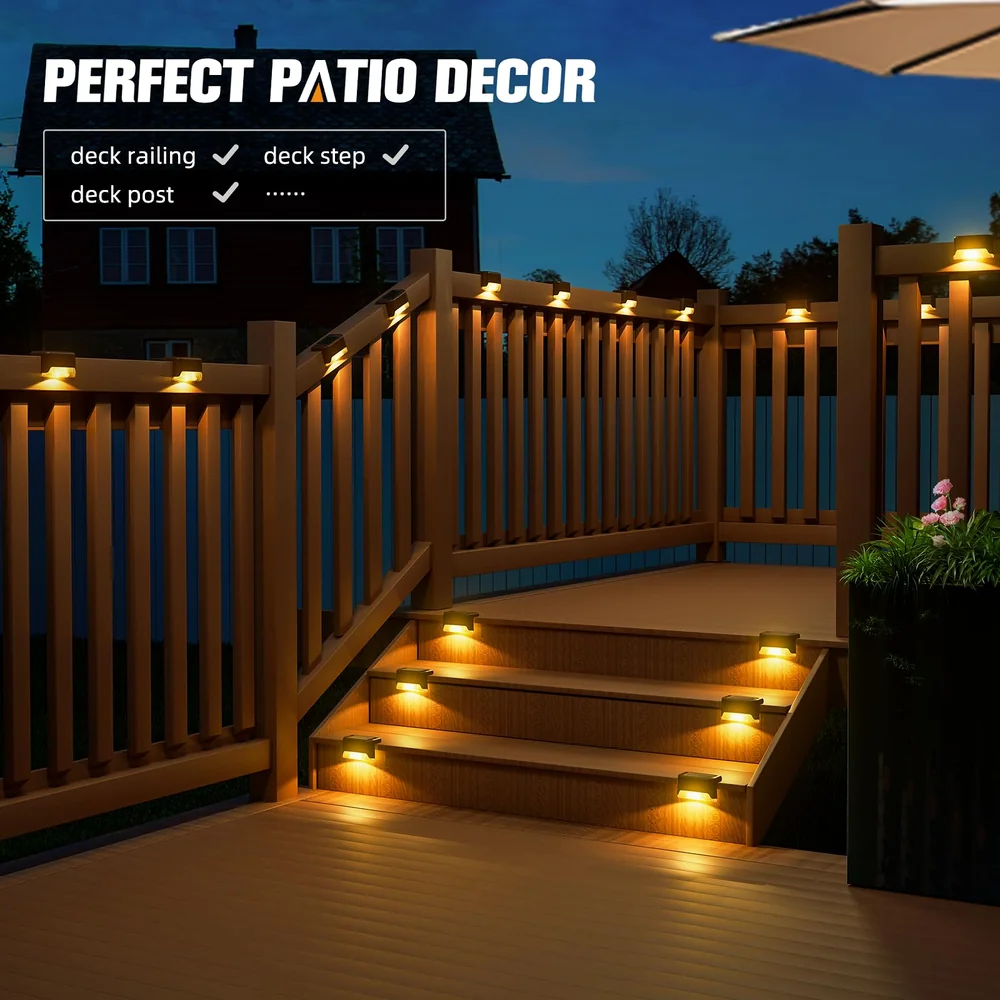

Post Cap Lights represent the largest segment in wholesale fence solar lights. These fixtures mount directly onto fence posts, providing both functional lighting and decorative appeal. Popular designs include traditional lantern styles, modern geometric shapes, and rustic wood-grain finishes. Post cap lights typically range from 4×4 inch to 6×6 inch mounting sizes to accommodate standard fence post dimensions.
Deck Rail Lights offer versatility for both fence and deck applications, making them attractive to retailers serving multiple market segments. These low-profile fixtures mount along fence rails or deck railings, providing subtle accent lighting. Popular styles include recessed designs that sit flush with the rail surface and surface-mounted options with decorative housings.
Wall-Mounted Fence Lights cater to customers with solid fence panels or walls where post-mounting isn’t feasible. These fixtures typically feature adjustable mounting brackets and directional lighting capabilities. Popular designs include traditional coach-style lanterns, modern LED panels, and security-focused floodlight configurations.
Step and Stair Lights serve the growing market for safety-focused fence lighting. These compact fixtures mount along fence lines adjacent to steps, pathways, or elevation changes. The most successful designs feature low-profile housings with downward-directed light patterns to minimize glare while maximizing safety illumination.
String Light Systems have gained popularity for decorative fence applications. These systems typically include multiple small fixtures connected by weather-resistant cables, allowing for continuous lighting along fence lines. Popular configurations include Edison bulb styles, globe designs, and color-changing LED options.
Category-Specific Buyer Notes for Fence Solar Lights
Fence solar lights differ significantly from other outdoor solar lighting categories in several critical aspects that affect wholesale purchasing decisions. Mounting compatibility represents the primary differentiator, as fence lights must accommodate various post sizes, rail dimensions, and panel thicknesses. Successful wholesale buyers stock multiple mounting options including 4×4, 5×5, and 6×6 post caps, plus adjustable rail clamps for different fence styles.
Weather exposure considerations are more demanding for fence lights compared to ground-mounted alternatives. Fence-mounted fixtures face increased wind loads, temperature fluctuations, and UV exposure due to their elevated positioning. This necessitates higher IP ratings (typically IP65 minimum) and more robust housing materials.
Light distribution patterns must be optimized for fence applications, typically requiring wider beam angles and lower mounting heights compared to pathway lights. The most successful wholesale fence lights feature 120-180 degree beam patterns with warm white color temperatures (2700K-3000K) that provide welcoming illumination without harsh glare.
Installation hardware quality directly impacts customer satisfaction and return rates. Professional-grade stainless steel screws, gaskets, and mounting brackets are essential for long-term performance. Wholesale buyers should prioritize suppliers who include comprehensive installation hardware and clear mounting instructions.
Battery capacity and solar panel sizing must account for potentially reduced sun exposure due to fence orientation and surrounding structures. Successful fence solar lights typically feature larger battery capacities (1200-2000mAh) and more efficient solar panels compared to ground-mounted alternatives.
What Materials and Manufacturing Processes Are Used?
The manufacturing of wholesale fence solar lights involves several specialized materials and processes designed to withstand outdoor conditions while maintaining aesthetic appeal and functional performance. Understanding these materials helps wholesale buyers evaluate product quality and make informed sourcing decisions.
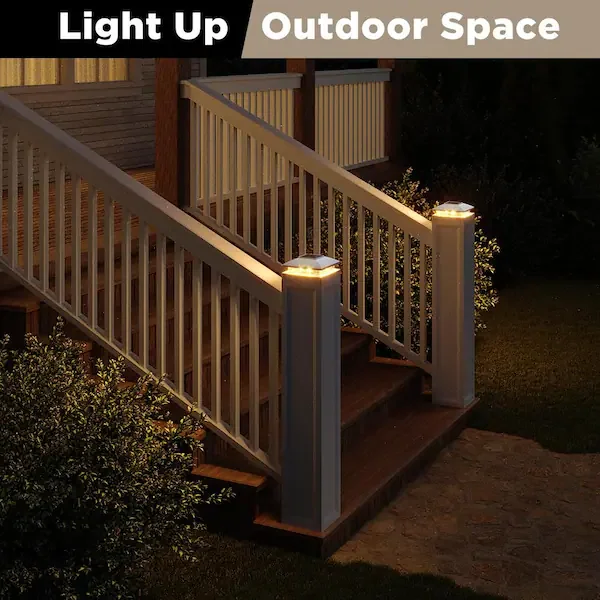
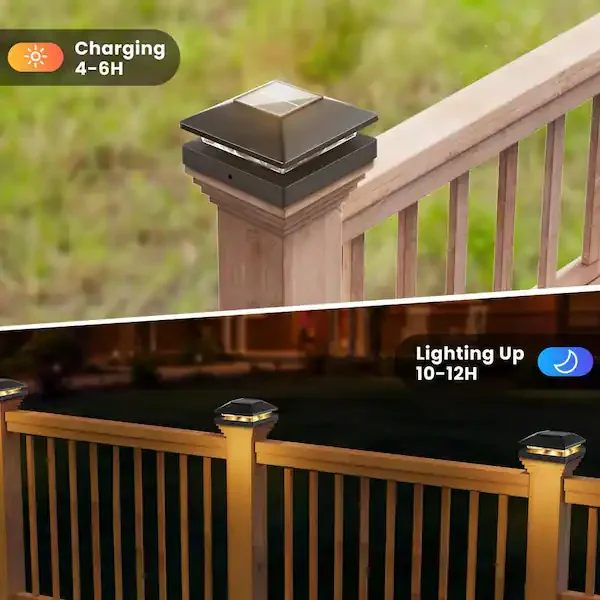
Housing Materials form the foundation of fence solar light construction. High-grade ABS plastic remains the most common choice due to its excellent weather resistance, UV stability, and cost-effectiveness for bulk production. Premium manufacturers utilize UV-stabilized ABS with additives that prevent yellowing and brittleness over time. Aluminum housings offer superior durability and heat dissipation but command higher wholesale prices. Stainless steel components are typically reserved for mounting hardware and decorative accents due to cost considerations.
Solar Panel Technology directly impacts product performance and customer satisfaction. Monocrystalline silicon panels provide the highest efficiency ratings (18-22%) and perform better in low-light conditions, making them preferred for premium wholesale fence lights. Polycrystalline panels offer good performance at lower costs, suitable for value-oriented product lines. Panel sizing typically ranges from 0.5W to 2W depending on the fixture’s power requirements and available mounting surface area.
LED Components determine light output quality and longevity. High-quality fence solar lights utilize branded LED chips from manufacturers like Epistar, Bridgelux, or Samsung, offering consistent color temperature and extended lifespans exceeding 50,000 hours. The LED driver circuits incorporate current regulation and thermal protection to ensure stable performance across varying temperature conditions.
Battery Systems require careful selection for fence light applications. Lithium iron phosphate (LiFePO4) batteries provide the best performance with longer cycle life, better temperature tolerance, and more stable voltage output compared to traditional NiMH alternatives. Battery capacity typically ranges from 1200mAh to 3000mAh, with larger capacities supporting longer runtime and better performance during cloudy weather periods.
Manufacturing Processes begin with injection molding for plastic components, utilizing precision molds to ensure consistent dimensions and surface finishes. Quality manufacturers employ multi-cavity molds and automated production lines to maintain consistency across large production runs. Assembly processes include automated soldering for electrical connections, gasket installation for weather sealing, and comprehensive testing protocols.
Quality Control Measures throughout manufacturing include incoming material inspection, in-process quality checks, and final product testing. Professional manufacturers conduct IP rating verification, battery performance testing, and accelerated aging tests to ensure products meet wholesale quality standards.
What Quality Standards and Certifications Matter for Wholesale Buyers?
Quality standards and certifications play a crucial role in wholesale fence solar light procurement, affecting product liability, market acceptance, and customer satisfaction. Professional buyers must understand which certifications are essential for their target markets and how to verify compliance.
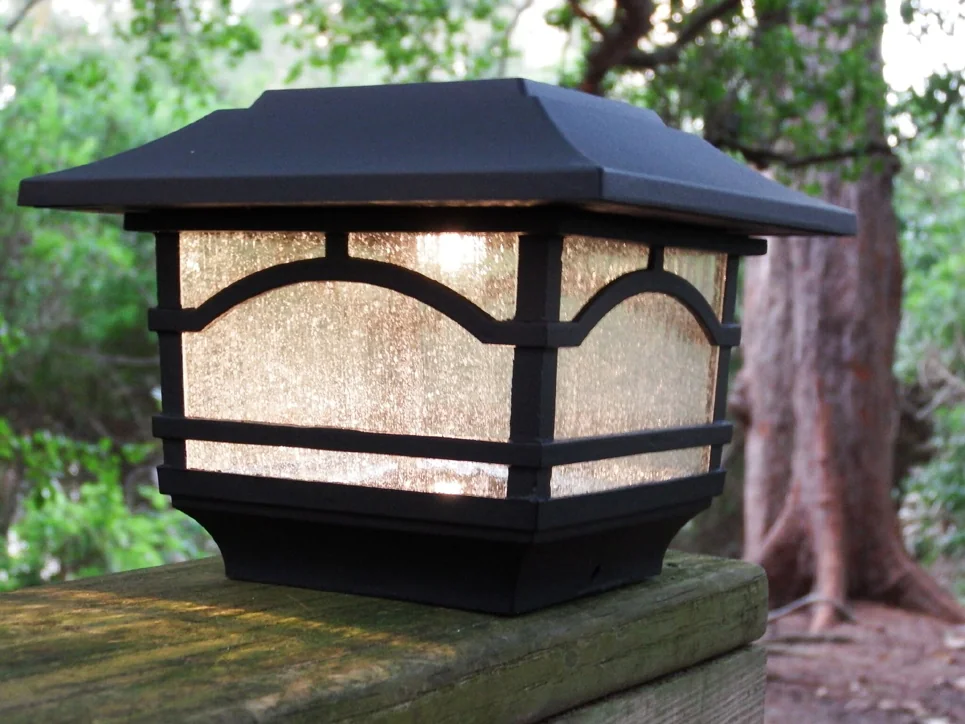

IP (Ingress Protection) Ratings represent the most critical quality standard for fence solar lights. IP65 rating provides protection against dust ingress and water jets from any direction, making it suitable for most fence applications. IP67 rating offers temporary submersion protection, beneficial for areas prone to heavy rain or flooding. Wholesale buyers should verify IP ratings through independent testing reports rather than relying solely on manufacturer claims.
CE Certification is mandatory for fence solar lights sold in European markets. This certification ensures compliance with European safety, health, and environmental protection standards. The CE marking process involves testing for electromagnetic compatibility (EMC), low voltage directive (LVD) compliance, and RoHS material restrictions. Wholesale buyers targeting European markets must ensure their suppliers provide valid CE certificates and technical documentation.
FCC Certification may be required for fence solar lights with wireless connectivity features or those that might generate electromagnetic interference. While basic solar lights typically don’t require FCC certification, smart fence lights with WiFi or Bluetooth connectivity must comply with FCC Part 15 regulations.
RoHS Compliance restricts the use of hazardous substances in electrical equipment. This certification is particularly important for wholesale buyers serving environmentally conscious markets or those with strict environmental regulations. RoHS compliance affects material selection for batteries, LED components, and circuit boards.
UL Listing provides additional credibility in North American markets, though it’s not always mandatory for solar lighting products. UL 2089 specifically addresses solar lighting systems and covers safety requirements for electrical components, battery systems, and weather resistance.
Quality Management Systems such as ISO 9001 certification indicate that manufacturers maintain consistent quality control processes. While not product-specific, ISO 9001 certification suggests reliable manufacturing practices and quality consistency across production runs.
Testing Protocols should include thermal cycling tests, UV exposure testing, salt spray corrosion testing, and mechanical stress testing. Professional manufacturers provide detailed test reports documenting product performance under various environmental conditions.
Battery Safety Certifications are increasingly important as lithium battery technology becomes more prevalent. UN38.3 certification for lithium batteries ensures safe transportation, while IEC 62133 addresses battery safety requirements for portable applications.
Wholesale buyers should request comprehensive certification packages from suppliers, including test reports, certificate copies, and technical documentation. Verification through independent testing laboratories provides additional assurance for high-volume purchases.
What Is the Market Demand and Customer Preferences?
The wholesale fence solar lights market demonstrates strong growth momentum driven by multiple converging trends in residential and commercial lighting. Understanding these market dynamics helps wholesale buyers position their product offerings effectively and anticipate future demand patterns.
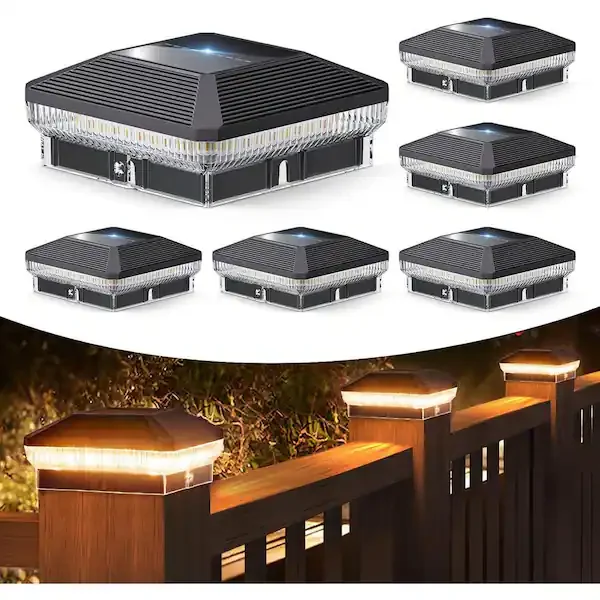
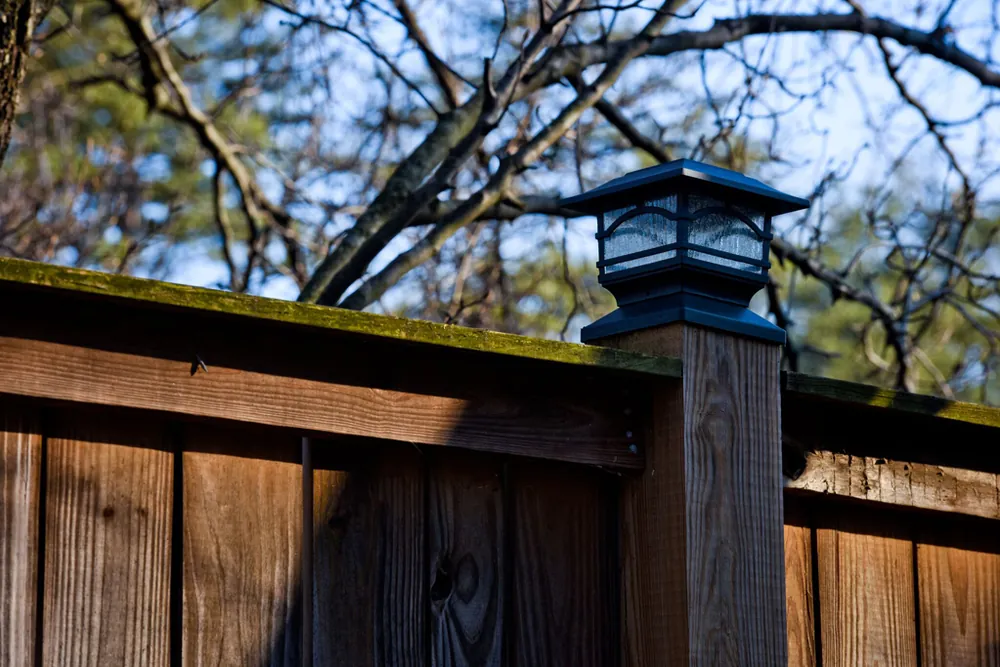
Residential Market Demand continues expanding as homeowners increasingly prioritize outdoor living spaces and energy-efficient solutions. The DIY home improvement trend particularly benefits fence solar light sales, as these products require no electrical expertise for installation. Market research indicates that homeowners value convenience, energy savings, and aesthetic enhancement when selecting fence lighting solutions.
Commercial and Institutional Demand grows steadily from property management companies, homeowner associations, and commercial facilities seeking cost-effective perimeter lighting. These buyers typically prioritize durability, low maintenance requirements, and consistent performance over multiple years. Commercial buyers often purchase in larger quantities, making them attractive customers for wholesale distributors.
Geographic Market Variations influence product preferences and seasonal demand patterns. Northern markets show stronger demand for high-capacity battery systems and cold-weather performance, while southern markets prioritize UV resistance and heat dissipation. Coastal markets require enhanced corrosion resistance and higher IP ratings due to salt air exposure.
Seasonal Demand Patterns typically peak during spring and early summer months when consumers focus on outdoor improvements. However, fence solar lights maintain more consistent year-round demand compared to seasonal decorative lighting due to their functional security and safety benefits.
Price Sensitivity Analysis reveals that consumers are willing to pay premium prices for fence solar lights compared to basic pathway lights, recognizing the added convenience and installation savings. However, price competition remains intense in the mid-range market segment, requiring careful balance between features and cost.
Technology Preferences show increasing demand for smart features including app control, scheduling capabilities, and color-changing options. However, traditional warm white LED fixtures continue dominating bulk sales due to their reliability and broad market appeal.
Design Preferences vary by market segment, with traditional styles preferred in established residential areas and modern designs gaining popularity in new construction and contemporary settings. Neutral colors like black, bronze, and white maintain the strongest wholesale demand across all market segments.
Performance Expectations have increased significantly as solar technology improves. Customers now expect all-night operation, quick charging capabilities, and reliable performance in various weather conditions. These elevated expectations require wholesale buyers to source higher-quality products with proven performance records.
What Are the Common Applications?
Fence solar lights serve diverse applications across residential, commercial, and institutional settings. Understanding these applications helps wholesale buyers identify target markets and select appropriate product specifications for different use cases.
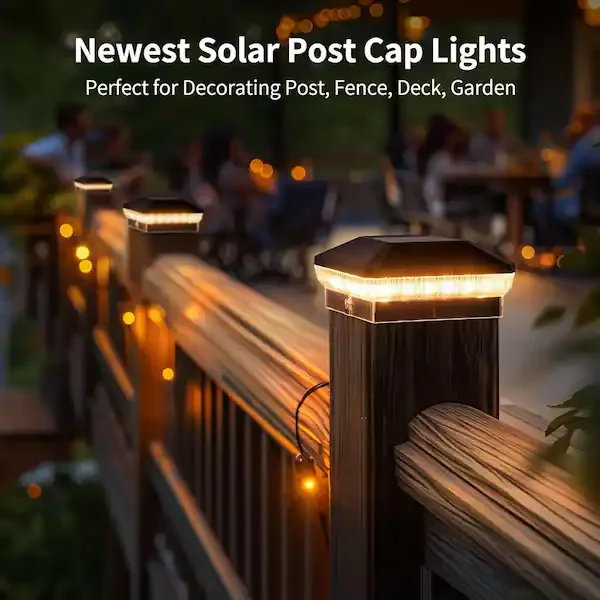

Residential Privacy Fencing represents the largest application segment for wholesale fence solar lights. Homeowners install these fixtures along property boundaries to provide security lighting, enhance curb appeal, and extend outdoor living hours. Popular applications include backyard privacy fences, front yard perimeter fencing, and pool area enclosures. Post cap lights and rail-mounted fixtures are most common in residential applications.
Deck and Patio Integration creates opportunities for cross-selling fence lights with deck lighting products. Many residential customers install fence lights along deck railings, patio perimeters, and outdoor entertainment areas. These applications typically require lower-profile fixtures with subtle light output to create ambiance without overwhelming outdoor activities.
Commercial Property Perimeter Lighting serves security and safety functions for businesses, warehouses, and industrial facilities. Commercial applications often require higher light output, extended battery life, and more robust construction compared to residential products. Wall-mounted fixtures and high-output post lights are preferred for commercial perimeter applications.
Homeowner Association and Community Applications include common area fencing, playground perimeters, and community garden boundaries. These applications typically involve bulk purchases and require consistent appearance across multiple fixtures. Durability and low maintenance are critical factors for community applications.
Agricultural and Rural Applications utilize fence solar lights for livestock enclosures, property boundaries, and farm security. Rural applications often face challenging conditions including extreme weather, limited maintenance access, and potential animal interference. Heavy-duty construction and tamper-resistant designs are essential for agricultural applications.
Pathway and Walkway Safety applications install fence lights along walkways, stairs, and elevation changes adjacent to fencing. These safety-focused applications require specific light distribution patterns and mounting heights to provide effective illumination without creating glare or dark spots.
Temporary and Event Applications include construction site perimeters, event venues, and temporary installations. These applications value easy installation and removal, portable mounting options, and reliable short-term performance. Rental companies and event planners represent growing market segments for wholesale fence lights.
Marine and Waterfront Applications require enhanced weather resistance and corrosion protection for dock fencing, waterfront properties, and marine facilities. These specialized applications command premium prices but require careful material selection and enhanced quality standards.
Wholesale Buying Checklist
- [ ] Verify IP rating meets application requirements (IP65 minimum for most fence applications)
- [ ] Confirm mounting compatibility with target fence types and dimensions
- [ ] Evaluate battery capacity and expected runtime for local climate conditions
- [ ] Review solar panel efficiency and sizing for installation orientation
- [ ] Check LED specifications including color temperature, lumens output, and lifespan
- [ ] Verify certifications required for target markets (CE, FCC, RoHS, UL as applicable)
- [ ] Assess housing material quality and UV resistance properties
- [ ] Review warranty terms and after-sales support availability
- [ ] Evaluate packaging efficiency for shipping and storage
- [ ] Confirm customization options for private labeling or specific requirements
- [ ] Verify supplier quality control processes and testing protocols
- [ ] Check lead times and minimum order quantities for different product variants
What OEM/ODM Customization Options Are Available for Wholesale Fence Solar Lights?
Professional manufacturers offer extensive customization capabilities for wholesale fence solar lights, enabling distributors and retailers to differentiate their products and meet specific market requirements. Understanding available customization options helps buyers create competitive product lines and build brand recognition.
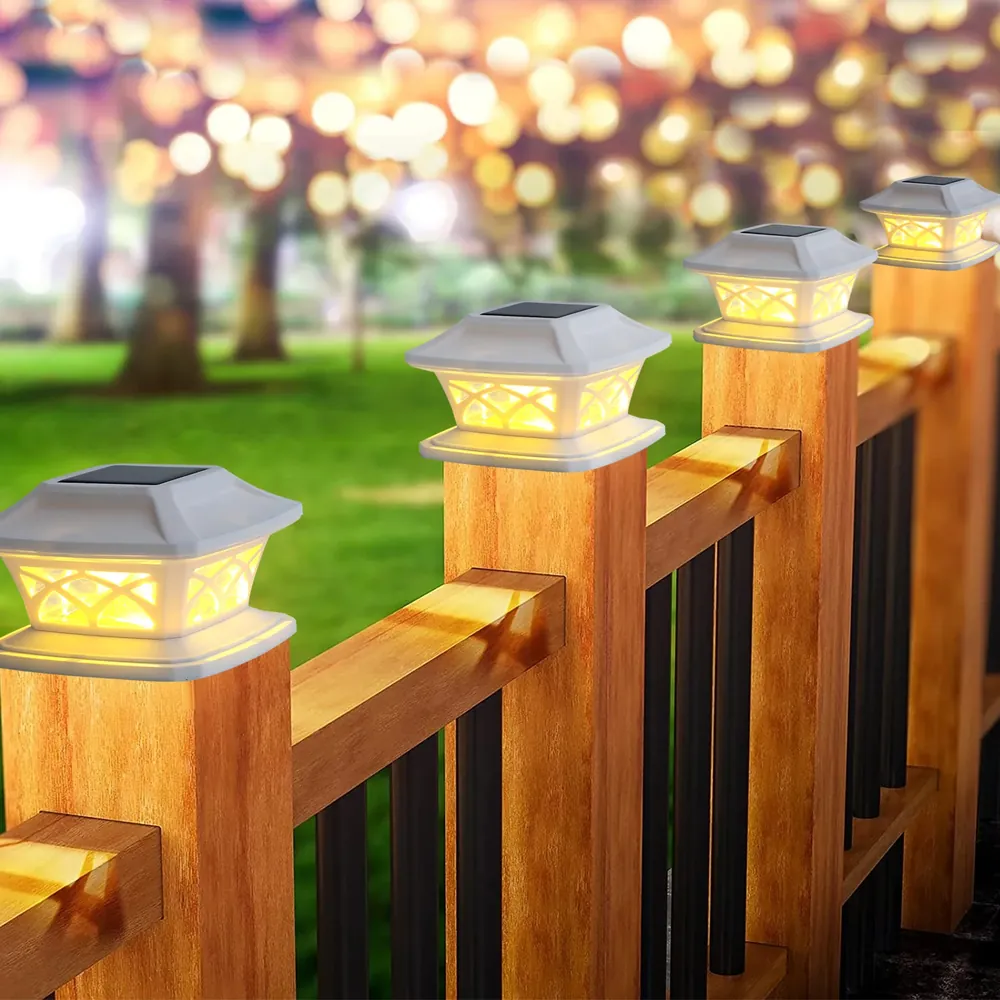
Housing Design Customization allows buyers to specify unique aesthetic elements that align with their brand identity or target market preferences. Options include custom color matching using Pantone color systems, textured surface finishes, decorative elements, and logo integration. Advanced manufacturers can create entirely custom housing designs through modified injection molding processes, though this typically requires substantial minimum order quantities.
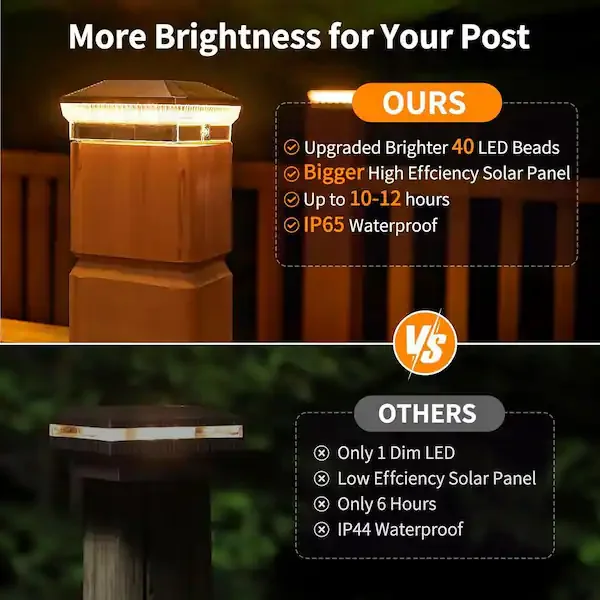
Lighting Performance Customization enables buyers to specify LED configurations, color temperatures, and light distribution patterns. Options include adjustable color temperature settings, RGB color-changing capabilities, dimming functions, and specialized beam angles. Smart lighting features such as motion sensors, timer controls, and wireless connectivity can be integrated based on market requirements.
Solar Panel and Battery Customization allows optimization for specific geographic markets and performance requirements. Options include higher-capacity battery systems for extended runtime, premium solar panels for improved charging efficiency, and cold-weather battery formulations for northern markets. Advanced power management systems can be integrated to optimize performance across varying weather conditions.
Mounting System Customization addresses diverse installation requirements across different fence types and market preferences. Custom mounting brackets, adjustable sizing systems, and specialized hardware can be developed for unique applications. Universal mounting systems that accommodate multiple fence types are particularly valuable for wholesale distributors serving diverse markets.
Packaging and Branding Customization helps wholesale buyers build brand recognition and improve retail presentation. Options include custom packaging design, branded instruction materials, marketing inserts, and retail display solutions. Professional manufacturers can provide complete packaging solutions including protective packaging for shipping and attractive retail packaging for end consumers.
Smart Technology Integration represents a growing customization area as IoT capabilities become more accessible. Options include smartphone app integration, scheduling capabilities, remote monitoring, and integration with home automation systems. These advanced features typically require longer development timelines and higher minimum order quantities.
Quality and Certification Customization allows buyers to specify enhanced quality standards or additional certifications beyond standard requirements. Options include extended warranty programs, enhanced testing protocols, and specialized certifications for specific markets or applications.
Private Labeling Services enable wholesale buyers to market products under their own brand names. Professional manufacturers provide comprehensive private labeling including custom packaging, branded instruction materials, and marketing support materials. Some manufacturers also offer exclusive product designs for qualified wholesale partners.
How to Source Wholesale Fence Solar Lights from China Manufacturers and Suppliers?
Sourcing wholesale fence solar lights from China requires careful supplier evaluation, quality verification, and relationship management to ensure successful long-term partnerships. Professional buyers must navigate cultural differences, quality variations, and logistical challenges while securing competitive pricing and reliable supply.


Supplier Identification and Evaluation begins with comprehensive research using trade platforms, industry exhibitions, and professional networks. Key evaluation criteria include manufacturing capabilities, quality certifications, export experience, and financial stability. Professional buyers should prioritize suppliers with established track records in solar lighting manufacturing and demonstrated expertise in fence light applications.
Factory Auditing and Verification provides essential insights into supplier capabilities and quality control processes. Professional audits should evaluate production capacity, quality management systems, testing capabilities, and worker conditions. Third-party auditing services can provide objective assessments and reduce evaluation risks for wholesale buyers.
Quality Control and Testing Protocols must be established before placing significant orders. Professional buyers should specify testing requirements, inspection procedures, and quality standards in purchase agreements. Pre-production samples, in-process inspections, and final product testing help ensure consistent quality across production runs.
Communication and Relationship Management requires patience, clarity, and cultural sensitivity. Professional buyers should establish clear communication protocols, specify requirements in detail, and maintain regular contact throughout the production process. Building long-term relationships with reliable suppliers provides advantages in pricing, quality, and service.
Logistics and Shipping Considerations significantly impact total cost and delivery timelines. Professional buyers must understand Incoterms, shipping options, customs requirements, and documentation needs. Working with experienced freight forwarders and customs brokers helps navigate international shipping complexities.
Payment Terms and Risk Management require careful consideration of supplier financial stability and payment security. Professional buyers typically use letters of credit, trade insurance, or escrow services for large orders. Establishing clear payment terms and dispute resolution procedures protects both parties’ interests.
Regulatory Compliance and Documentation ensures products meet target market requirements. Professional buyers must verify certifications, obtain technical documentation, and ensure compliance with import regulations. Working with suppliers experienced in target market requirements reduces compliance risks.
Order Management and Production Planning requires coordination between buyer requirements and supplier capabilities. Professional buyers should provide detailed specifications, realistic timelines, and clear quality expectations. Regular production updates and milestone reviews help identify and resolve issues before they impact delivery schedules.
The most successful wholesale buyers develop partnerships with multiple qualified suppliers to ensure supply security and competitive pricing. Diversifying supplier relationships also provides flexibility to meet varying customer requirements and market demands.
What Mistakes Can Cost You Money When Buying Fence Solar Lights in Bulk?
Avoiding common purchasing mistakes can save wholesale buyers significant costs and prevent customer satisfaction issues. Understanding these pitfalls helps professional buyers make informed decisions and establish successful product lines.


Inadequate Quality Verification represents the most costly mistake in wholesale fence solar light procurement. Buyers who rely solely on supplier claims without independent verification often receive products that fail to meet performance expectations or quality standards. Professional buyers should always request samples, conduct independent testing, and verify certifications through recognized testing laboratories.
Insufficient Market Research leads to inventory mismatches and slow-moving stock. Buyers who fail to understand local market preferences, seasonal demand patterns, and competitive landscapes often select inappropriate product mixes. Successful wholesale buyers conduct thorough market analysis and maintain flexibility in product selection based on actual demand data.
Overlooking Installation Requirements creates customer satisfaction issues and increased return rates. Fence solar lights with incompatible mounting systems, inadequate hardware, or unclear installation instructions generate customer complaints and warranty claims. Professional buyers should evaluate installation requirements and ensure products include comprehensive mounting solutions.
Ignoring Seasonal Performance Variations affects customer satisfaction in markets with significant seasonal weather changes. Fence solar lights that perform well in summer conditions may fail to meet customer expectations during winter months with reduced sunlight and colder temperatures. Buyers should specify appropriate battery capacities and cold-weather performance requirements.
Inadequate Packaging Evaluation results in shipping damage and increased handling costs. Fence solar lights require protective packaging to prevent damage during shipping and storage. Buyers should evaluate packaging adequacy and specify enhanced protection for fragile components or long-distance shipping.
Poor Supplier Relationship Management leads to quality inconsistencies and supply disruptions. Buyers who treat suppliers as purely transactional relationships often experience quality variations and service issues. Successful wholesale buyers invest in long-term supplier relationships and maintain regular communication to address issues proactively.
Insufficient Inventory Planning creates cash flow problems and customer service issues. Buyers who underestimate lead times or fail to account for seasonal demand variations often face stockouts or excess inventory. Professional inventory planning considers demand forecasting, supplier lead times, and seasonal variations.
Neglecting After-Sales Support damages brand reputation and customer relationships. Buyers who fail to establish warranty procedures, replacement part availability, and technical support systems often lose customers to competitors with better service. Professional buyers establish comprehensive after-sales support systems before launching new products.
Who Is Glowyard Lighting and What Do We Offer?
Glowyard Lighting specializes in manufacturing high-quality solar lighting solutions for wholesale buyers, retailers, and distributors worldwide. Our comprehensive approach to fence solar light manufacturing combines advanced production capabilities with rigorous quality control processes to deliver reliable products that meet professional standards.
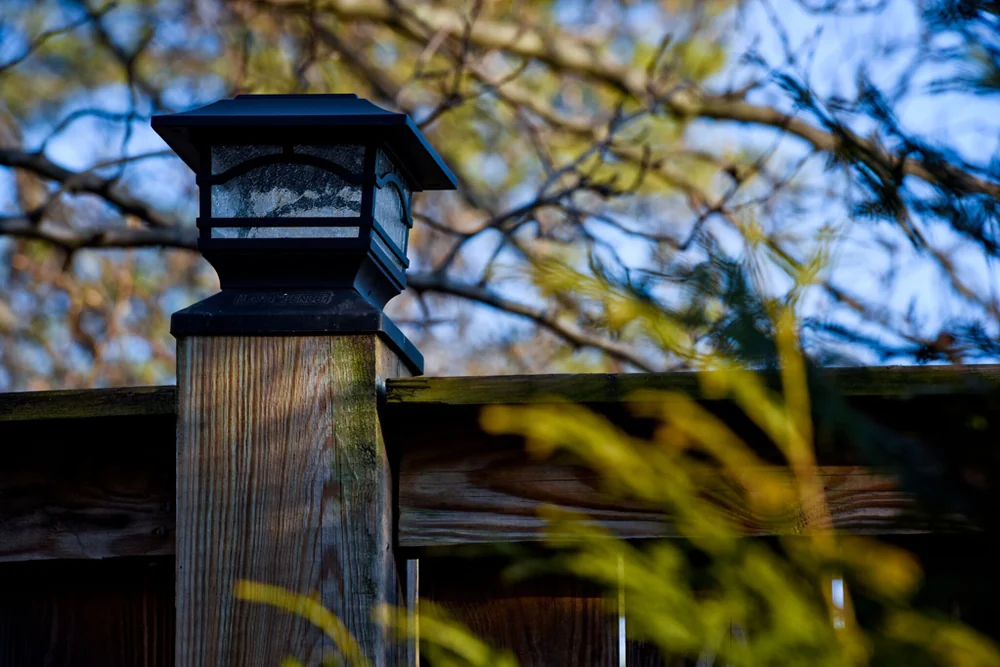
Our manufacturing facility features dedicated production lines for fence solar lights, utilizing automated assembly processes and precision injection molding equipment. We maintain strict quality control protocols including incoming material inspection, in-process quality monitoring, and comprehensive final product testing. Each fence solar light undergoes IP rating verification, battery performance testing, and accelerated aging tests to ensure consistent performance across varying environmental conditions.
Glowyard offers extensive OEM and ODM capabilities for wholesale fence solar lights, including custom housing designs, specialized mounting systems, and private labeling services. Our engineering team works closely with wholesale buyers to develop products that meet specific market requirements and performance standards. We provide comprehensive technical support throughout the development process, from initial concept through production and delivery.
Our quality management system includes IQC (Incoming Quality Control), IPQC (In-Process Quality Control), and OQC (Outgoing Quality Control) procedures that ensure consistent product quality across all production runs. We conduct regular supplier audits, maintain certified testing equipment, and provide detailed quality documentation for all wholesale orders.
Export experience spanning multiple international markets enables us to provide comprehensive compliance support for wholesale buyers. We maintain current certifications including CE, RoHS, and other market-specific requirements. Our documentation packages include technical specifications, test reports, and certification copies to support smooth customs clearance and regulatory compliance.
After-sales support includes warranty administration, technical assistance, and replacement part availability for wholesale customers. We maintain inventory of key components and provide technical documentation to support field service and customer support activities.
Frequently Asked Questions
Q: What is the typical minimum order quantity for wholesale fence solar lights? A: Minimum order quantities vary by product type and customization requirements. Standard fence solar lights typically have MOQs starting from several hundred units, while custom designs may require larger quantities. Contact suppliers directly for specific MOQ information based on your requirements.
Q: How long do fence solar light batteries typically last before replacement? A: High-quality lithium batteries in fence solar lights typically provide 3-5 years of reliable performance under normal operating conditions. Battery life depends on usage patterns, environmental conditions, and charging cycles. Premium battery systems may offer extended lifespans with proper maintenance.
Q: What IP rating is recommended for wholesale fence solar lights? A: IP65 rating provides adequate protection for most fence applications, offering dust protection and water jet resistance. IP67 rating provides additional protection for areas with extreme weather conditions or potential flooding. Higher IP ratings typically command premium pricing but offer enhanced durability.
Q: Can fence solar lights operate reliably in cold weather conditions? A: Modern fence solar lights with lithium batteries and cold-weather formulations can operate in temperatures down to -20C (-4F). However, performance may be reduced in extreme cold conditions. Buyers in northern markets should specify cold-weather battery systems and larger solar panels for optimal winter performance.
Q: What certifications are required for importing wholesale fence solar lights? A: Required certifications vary by target market. CE marking is mandatory for European markets, while FCC certification may be required for products with wireless features in North American markets. RoHS compliance is increasingly important for environmental regulations. Consult with customs brokers or regulatory experts for specific market requirements.
Q: How can wholesale buyers verify the quality of fence solar lights before placing large orders? A: Professional buyers should request samples for independent testing, verify supplier certifications through recognized testing laboratories, and conduct factory audits when possible. Third-party inspection services can provide objective quality assessments for large orders.
Q: What customization options are available for bulk fence solar light orders? A: Customization options include housing colors and finishes, LED specifications, battery capacities, mounting systems, and packaging design. Advanced customization such as smart features or unique housing designs typically require larger minimum order quantities and longer lead times.
Q: What factors affect the wholesale pricing of fence solar lights? A: Pricing factors include order quantities, customization requirements, material specifications, certification needs, and seasonal demand. Larger orders typically receive better pricing, while custom features and premium materials increase costs. Market conditions and supplier relationships also influence pricing.
Quick RFQ Template for Wholesale Fence Solar Lights
Product Specifications:
- Product Type: [Post Cap/Rail Mount/Wall Mount/Step Light]
- Mounting Size: [4×4/5×5/6×6 inches or custom]
- LED Specifications: [Lumens output, color temperature, beam angle]
- Battery Capacity: [mAh rating and type]
- Solar Panel: [Wattage and efficiency rating]
- Housing Material: [ABS/Aluminum/Stainless Steel]
- IP Rating: [IP65/IP67 or higher]
- Color Options: [Black/Bronze/White/Custom]
Order Requirements:
- Target Quantity: [Units per order]
- Delivery Timeline: [Required delivery date]
- Target Market: [Geographic region]
- Required Certifications: [CE/FCC/RoHS/UL/Other]
- Customization Needs: [Private labeling/Custom colors/Special features]
- Packaging Requirements: [Retail packaging/Bulk packaging/Custom design]
Business Information:
- Company Type: [Distributor/Retailer/Contractor/Other]
- Target Market Segment: [Residential/Commercial/Industrial]
- Annual Volume Expectations: [Estimated yearly quantities]
- Quality Standards: [Specific requirements or standards]
- After-Sales Support Needs: [Warranty/Technical support/Spare parts]