





2026 lastest Full Product Catalogue
Please Click the button, after Filling in your Email and information, the file will be send within 24 hours .
-
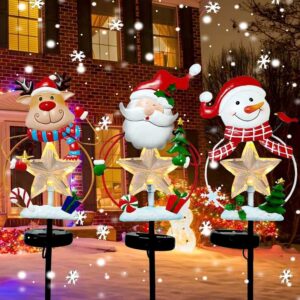 Candy Cane Solar Lights
SM23264 Christmas Solar Metal Stake Decor (Star/Snowflake/Reindeer/Santa/Candy Cane)
-
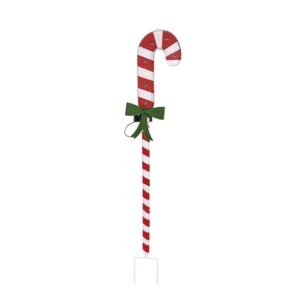 Candy Cane Solar Lights
SM241125 Wrought Iron+ABS Plastic Christmas Candy Cane Solar Lawn Stake Light
-
 Candy Cane Solar Lights
SM25699 Solar Christmas Candy Cane Stake Light with Santa Claus Decor
-
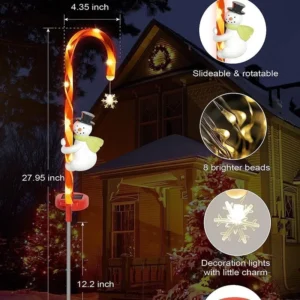 Candy Cane Solar Lights
SM25700 Christmas Candy Cane Solar Stake Light with Snowman Decoration
Wholesale Candy Cane Solar Lights: Complete B2B Buyer Guide
If you’re sourcing wholesale candy cane solar lights for retail, distribution, or seasonal decoration projects, this comprehensive guide will help you evaluate designs, materials, certifications, and factory capabilities before placing bulk orders. Candy cane solar lights represent a specialized segment of holiday and seasonal lighting, combining festive aesthetics with energy-efficient solar technology. As a wholesaler, retailer, or distributor, understanding the unique requirements of seasonal lighting products is crucial for maximizing sales opportunities and customer satisfaction. This guide covers everything from design variations and manufacturing considerations to market timing and storage requirements. Whether you’re sourcing for holiday retailers, event planners, or seasonal decoration contractors, the insights provided will help you navigate quality, certifications, customization, packaging, lead time, QC protocols, and shipping considerations for this distinctive product category.
Category Summary
Wholesale candy cane solar lights occupy a unique position in the seasonal lighting market, combining traditional holiday symbolism with modern solar technology. These decorative fixtures are essential for bulk candy cane lights buyers serving Christmas retailers, holiday event planners, and residential decoration markets. The category emphasizes visual impact, weather resistance during winter months, and reliable performance in low-light conditions typical of holiday seasons. Key purchasing considerations include LED color options (traditional red and white, multicolor, or warm white), stake mounting systems for easy installation, battery performance in cold weather, and packaging designed for seasonal retail display. Wholesalers typically source these lights for holiday retailers, theme parks, municipalities planning holiday displays, and commercial properties seeking festive outdoor decorations.
What Will You Learn in This Guide?
- What Are Candy Cane Solar Lights and Why Are They Popular in Wholesale Markets?
- What Types and Designs Sell Best for Bulk Orders?
- What Materials and Manufacturing Processes Are Used?
- What Quality Standards and Certifications Matter for Wholesale Buyers?
- What Is the Market Demand and Customer Preferences?
- What Are the Common Applications?
- What OEM/ODM Customization Options Are Available for Wholesale Candy Cane Solar Lights?
- How to Source Wholesale Candy Cane Solar Lights from China Manufacturers and Suppliers?
- What Mistakes Can Cost You Money When Buying Candy Cane Solar Lights in Bulk?
- Who Is Glowyard Lighting and What Do We Offer?
- Frequently Asked Questions
What Are Candy Cane Solar Lights and Why Are They Popular in Wholesale Markets?
Wholesale candy cane solar lights are decorative outdoor lighting fixtures designed to replicate the iconic curved shape and striped pattern of traditional candy canes while incorporating solar-powered LED technology. These seasonal lighting products typically feature curved acrylic or plastic housings with red and white striped patterns, integrated solar panels, and ground stakes for easy installation in yards, gardens, and commercial displays.

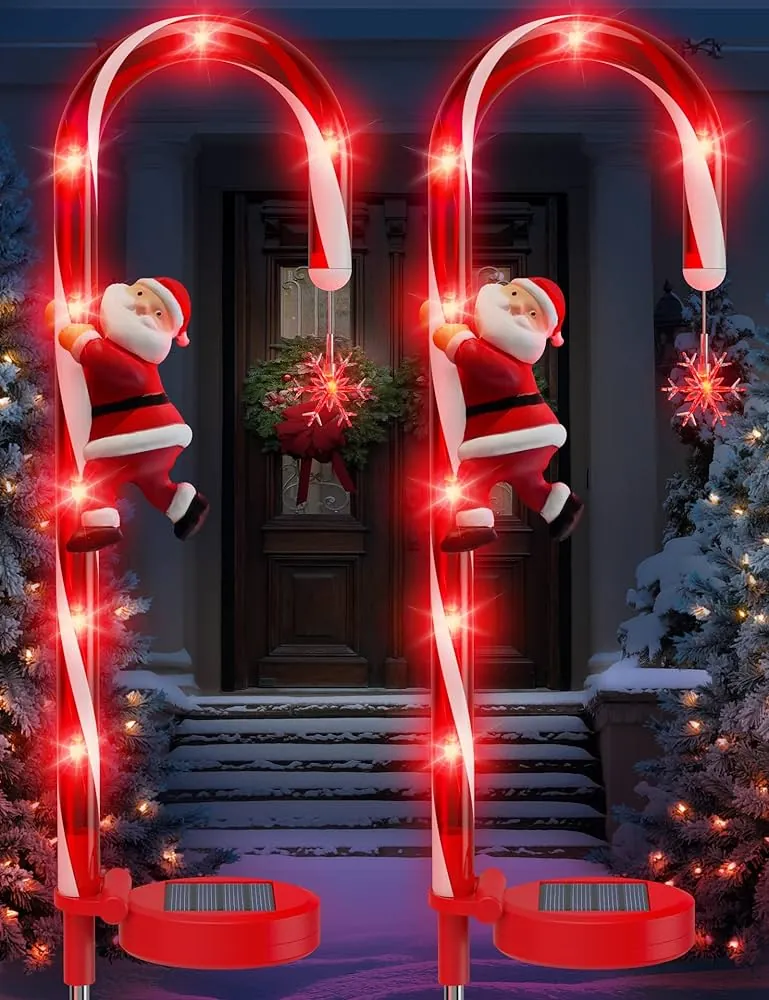
The popularity of candy cane solar lights in wholesale markets stems from several compelling factors that create strong seasonal demand and repeat business opportunities. The primary driver is the massive holiday decoration market, which experiences concentrated demand during the October through December period. This seasonal concentration allows wholesalers to achieve high inventory turnover and strong profit margins during peak selling seasons.
From a consumer perspective, candy cane solar lights offer the perfect combination of traditional holiday symbolism and modern convenience. The solar-powered operation eliminates the need for electrical connections, extension cords, or increased electricity bills during the holiday season. This convenience factor is particularly appealing to residential customers who want to create impressive holiday displays without the complexity and cost of traditional wired lighting systems.
The wholesale market benefits from the product’s broad appeal across multiple customer segments. Residential consumers purchase these lights for home decoration, while commercial buyers including shopping centers, restaurants, and entertainment venues use them for seasonal ambiance. Municipal buyers often incorporate candy cane solar lights into public holiday displays, creating additional market opportunities for bulk suppliers.
Environmental consciousness also drives market demand, as consumers increasingly prefer sustainable alternatives to traditional holiday lighting. Solar candy cane lights align with green living trends while maintaining the visual impact and festive atmosphere that customers expect from holiday decorations. This environmental positioning helps justify premium pricing compared to basic plug-in alternatives.
The product category offers excellent scalability for wholesale operations. Individual consumers may purchase 6-12 units for home displays, while commercial and institutional buyers may order hundreds or thousands of units for large-scale installations. This scalability allows wholesalers to serve diverse market segments with the same core product line.
Wholesale candy cane solar lights also benefit from strong gift-giving potential during the holiday season. The combination of practical functionality and festive appeal makes these products attractive for holiday gift purchases, creating additional demand beyond traditional decoration applications.
The seasonal nature of the product creates predictable demand patterns that help wholesalers plan inventory, production, and marketing activities. While this seasonality requires careful inventory management, it also creates opportunities for focused marketing efforts and premium pricing during peak demand periods.
Market research indicates that the holiday lighting market continues to grow, driven by increasing disposable income, urbanization, and cultural adoption of elaborate holiday displays. Wholesale candy cane solar lights participate in this growth while offering differentiation through solar technology and environmental benefits.
What Types and Designs Sell Best for Bulk Orders?
The bulk candy cane lights market encompasses several distinct design categories, each serving specific customer preferences and application requirements. Understanding these design variations helps wholesalers optimize their product mix and target appropriate market segments effectively.
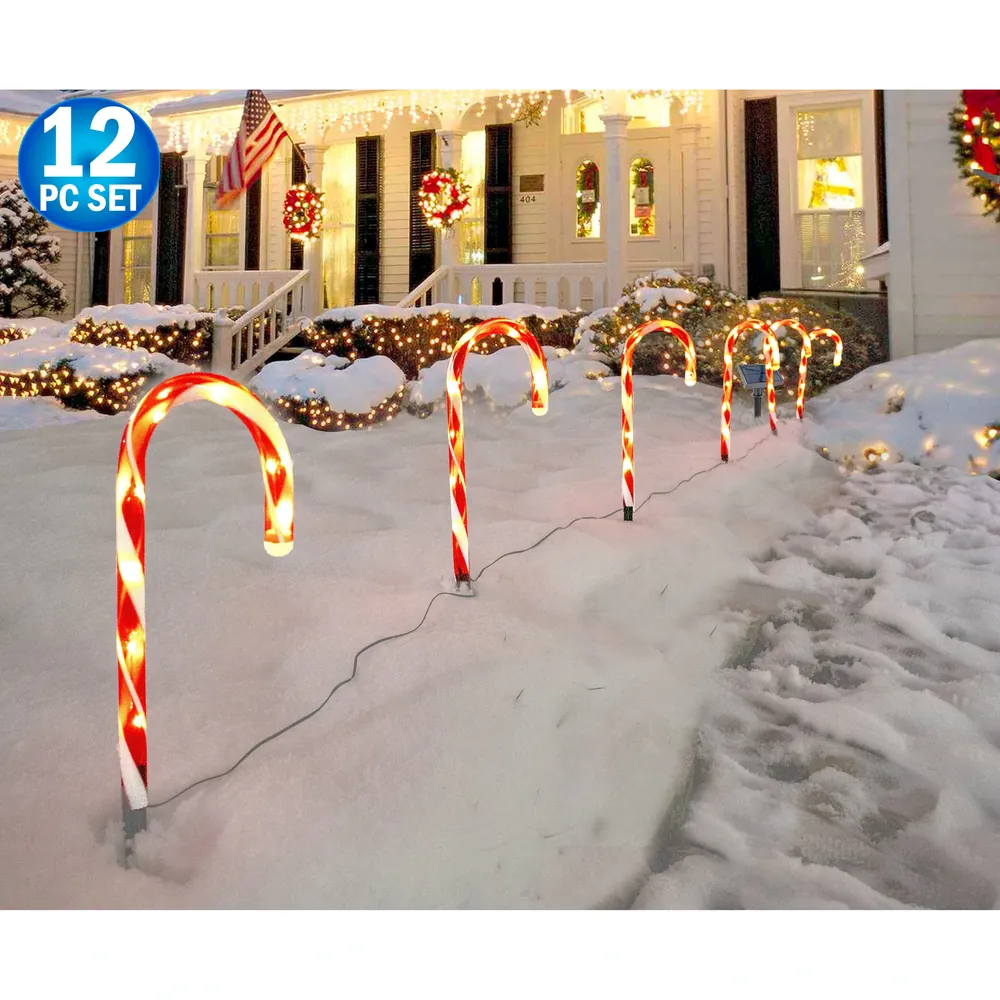
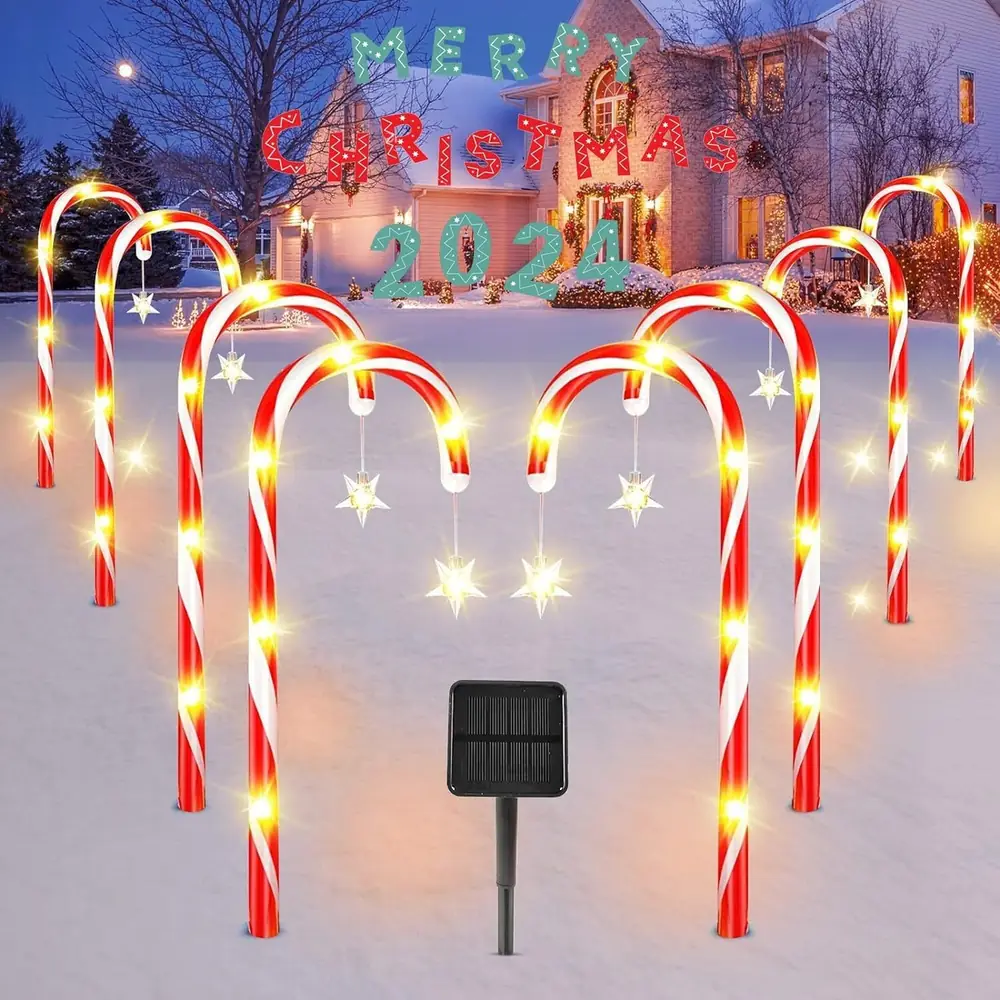
Traditional Red and White Striped Designs dominate the wholesale market, representing approximately 60-70% of total sales volume. These classic designs feature alternating red and white LED segments or continuous red and white striped housings with warm white LED illumination. The traditional approach appeals to customers seeking authentic candy cane aesthetics that complement conventional holiday decoration themes. Heights typically range from 18-36 inches, with 24-inch models being the most popular for residential applications.
Multicolor and RGB Programmable Versions represent the fastest-growing segment in the wholesale market. These advanced designs incorporate color-changing LED technology that can display various color combinations, flashing patterns, or synchronized light shows. While more expensive than traditional versions, these products command premium pricing and appeal to customers seeking unique or customizable holiday displays. The technology particularly appeals to commercial buyers and tech-savvy residential customers.
Oversized Statement Pieces (48-72 inches tall) serve commercial and institutional markets where visual impact is paramount. These large-scale candy cane lights are designed for shopping centers, theme parks, municipal displays, and commercial properties where standard residential sizes would be inadequate. The wholesale market for oversized units is smaller in volume but offers higher per-unit profits and serves specialized customer segments.
Miniature and Pathway Versions (12-18 inches tall) cater to customers seeking subtle holiday accents or pathway lighting applications. These compact designs work well for apartment dwellers, small yards, or customers who prefer understated holiday decorations. The miniature segment offers opportunities for higher-volume sales to customers who purchase larger quantities for border lighting or pathway applications.
Integrated Set Designs combine multiple candy cane lights with connecting elements, synchronized controllers, or themed accessories. These complete decoration systems appeal to customers seeking coordinated holiday displays without the complexity of assembling individual components. Set designs often include various sizes, complementary decorations, or themed elements that create comprehensive holiday lighting solutions.
Category-Specific Buyer Notes for Candy Cane Solar Lights: The candy cane category presents unique challenges that distinguish it from other solar lighting products. First, seasonal performance requirements are critical – these lights must perform reliably during winter months when solar charging conditions are least favorable and battery performance may be compromised by cold temperatures. Quality units require oversized battery capacity and cold-weather battery chemistry. Second, visual authenticity is paramount – the candy cane shape, proportions, and color accuracy directly impact customer satisfaction and repeat sales. Third, storage and handling considerations are unique due to the curved shape and potential fragility of extended designs, requiring specialized packaging and careful logistics planning. Finally, rapid inventory turnover demands are unlike other lighting categories, with most sales occurring in a 8-12 week window, requiring precise demand forecasting and supply chain coordination.
Smart and Connected Features are emerging in premium candy cane solar lights, including smartphone app control, music synchronization, and integration with smart home systems. While representing a small market segment currently, these advanced features appeal to early adopters and command significant price premiums.
Weather-Resistant Enhanced Designs incorporate improved materials and construction methods to withstand harsh winter conditions. These products feature reinforced stakes, enhanced weatherproofing, and materials selected for cold-weather performance. The enhanced durability appeals to customers in northern climates where standard products may not survive winter weather conditions.
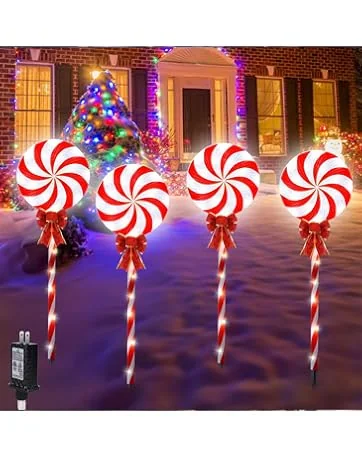
Themed Variations expand beyond traditional candy cane designs to include related holiday motifs such as peppermint swirls, holiday lollipops, or other confectionery-inspired shapes. These variations allow wholesalers to offer broader product lines while leveraging similar manufacturing processes and market channels.
The most successful wholesale candy cane designs balance authentic visual appeal with practical performance requirements. Features that consistently drive sales include easy installation systems, reliable cold-weather operation, authentic color reproduction, and durable construction that survives multiple seasons of use and storage.
What Materials and Manufacturing Processes Are Used?
The manufacturing of wholesale candy cane solar lights requires specialized materials and processes to achieve the distinctive curved shape, authentic color patterns, and reliable outdoor performance that customers expect. Understanding these manufacturing considerations is essential for evaluating product quality and supplier capabilities.
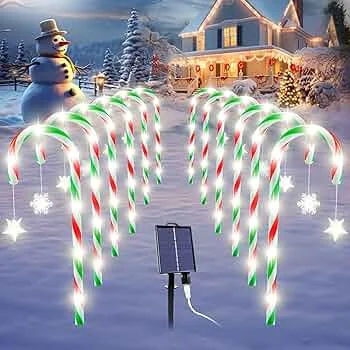
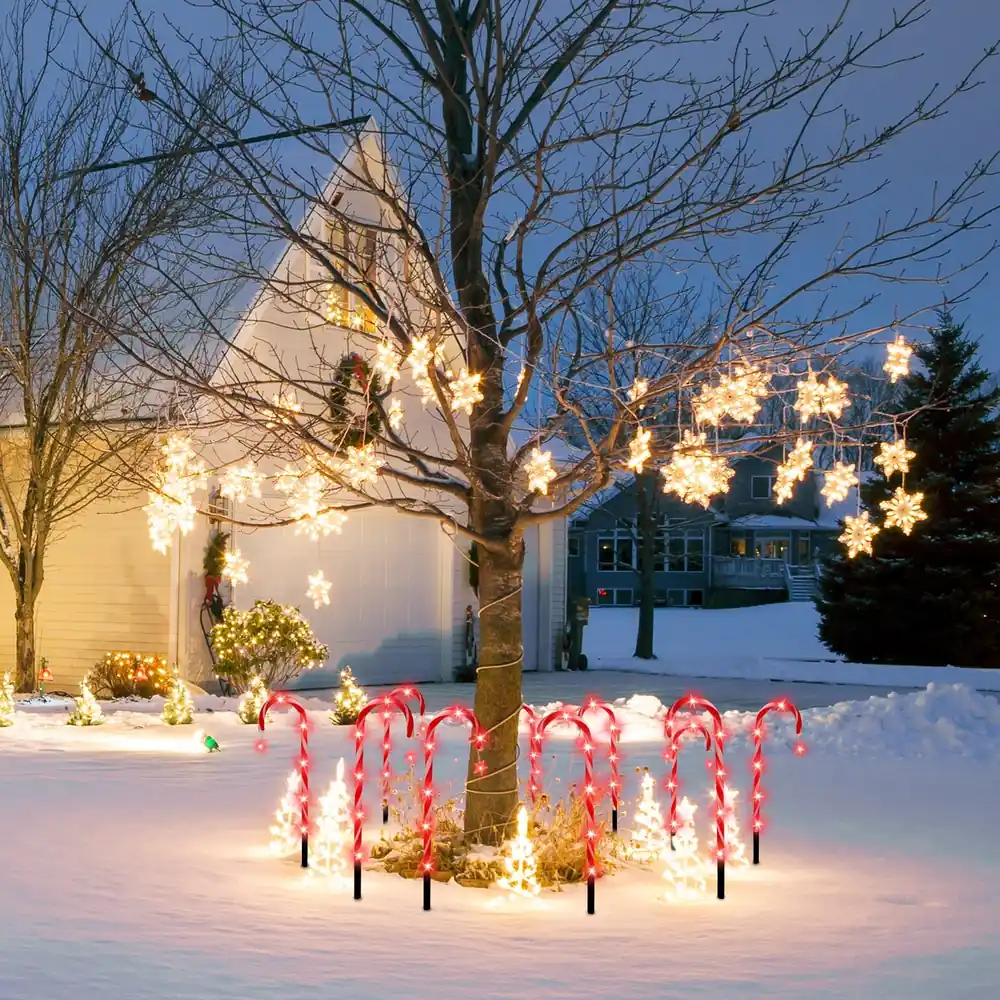
Housing Materials and Forming Processes
Acrylic (PMMA) represents the premium material choice for candy cane solar light housings due to its excellent optical clarity, weather resistance, and ability to maintain color vibrancy over extended periods. High-quality acrylic formulations include UV stabilizers that prevent yellowing and brittleness during outdoor exposure. The material’s optical properties allow for even light distribution and authentic color reproduction that closely matches traditional candy cane appearance.
The manufacturing process for acrylic candy cane housings typically involves thermoforming or rotational molding techniques. Thermoforming uses heated acrylic sheets that are formed over custom molds to create the curved candy cane shape. This process allows for precise dimensional control and smooth surface finishes but requires significant tooling investment for custom shapes.
Polycarbonate offers enhanced impact resistance compared to acrylic, making it suitable for applications where durability is prioritized over optical clarity. The material’s superior toughness helps prevent cracking during installation, storage, or accidental impact. However, polycarbonate may show slight color shifts over time and requires careful UV stabilizer selection to maintain long-term appearance.
High-density polyethylene (HDPE) serves the value-oriented segment of the market, offering good weather resistance and impact strength at lower cost. While HDPE cannot match the optical clarity of acrylic, it provides adequate performance for applications where cost is the primary consideration. The material’s flexibility also reduces breakage during shipping and handling.
Color Application and Pattern Creation
Achieving authentic candy cane color patterns requires sophisticated manufacturing techniques that ensure color consistency, durability, and visual appeal. The most common approach involves co-extrusion or multi-layer molding processes that create integral color patterns rather than applied surface treatments.
Co-extrusion processes feed different colored materials simultaneously through specialized dies that create the characteristic red and white striped pattern. This technique produces patterns that extend through the material thickness, ensuring color consistency even if surface wear occurs. The process requires precise temperature and flow control to achieve clean color boundaries and consistent stripe spacing.
Alternative approaches include insert molding techniques where pre-formed colored elements are incorporated during the molding process, or post-molding decoration using specialized paints or films designed for outdoor durability. These methods offer greater design flexibility but may be more susceptible to color fading or pattern degradation over time.
LED Integration and Light Distribution
The curved geometry of candy cane lights presents unique challenges for LED integration and light distribution. Traditional linear LED strips may not conform well to tight curves, requiring specialized flexible LED products or custom LED placement strategies.
Flexible LED strips with high bend radius capabilities allow for smooth curves while maintaining electrical continuity and thermal management. These products typically use smaller LED chips with closer spacing to achieve uniform light output around curves. The electrical connections require careful design to prevent stress concentration at bend points.
Alternative approaches include discrete LED placement at strategic points along the candy cane shape, using optical elements such as light guides or diffusers to create uniform illumination. This method offers greater design flexibility and potentially better thermal management but requires more complex assembly processes.
Solar Panel Integration and Mounting
Integrating solar panels into candy cane designs requires balancing aesthetic considerations with charging performance requirements. The most common approach involves mounting small solar panels at the top of the candy cane structure, where they receive optimal sun exposure while maintaining the overall design aesthetic.
Panel mounting systems must accommodate the curved geometry while providing secure attachment and weather sealing. Custom mounting brackets or integrated housing designs are typically required to achieve proper panel orientation and secure attachment. The electrical connections between panels and control circuits require flexible wiring that can accommodate the curved shape without stress concentration.
Battery Housing and Protection
Battery compartments in candy cane solar lights must provide weather protection while allowing for easy access during maintenance or replacement. The curved geometry limits available space and requires creative packaging solutions to accommodate batteries, control circuits, and wiring.
Sealed battery compartments typically use gasket systems and threaded closures to prevent water ingress while allowing access. The compartment design must also provide adequate ventilation to prevent moisture buildup and ensure proper battery thermal management.
Stake and Mounting System Manufacturing
Ground stakes for candy cane solar lights require robust construction to support the fixture’s height and wind loading while providing easy installation. Steel stakes with corrosion-resistant coatings offer the best durability, while aluminum alternatives provide lighter weight at higher cost.
The stake attachment system must securely connect the curved candy cane housing while allowing for easy installation and removal. Common approaches include threaded connections, bayonet mounts, or friction-fit systems with locking mechanisms.
Quality Control in Specialized Manufacturing
Manufacturing candy cane solar lights requires specialized quality control processes that address the unique challenges of curved geometries, color accuracy, and seasonal performance requirements. Visual inspection protocols must verify color consistency, pattern alignment, and surface quality across the entire curved surface.
Electrical testing must validate LED performance, color accuracy, and electrical safety across the curved LED installation. Mechanical testing should verify stake attachment strength, housing durability, and resistance to wind loading that may be higher due to the fixture’s profile.
Glowyard Lighting has developed specialized manufacturing processes for candy cane solar lights that ensure consistent color accuracy, reliable curved geometry, and durable outdoor performance. Our quality control systems include color matching verification, optical performance testing, and mechanical durability validation specific to seasonal lighting applications.
What Quality Standards and Certifications Matter for Wholesale Buyers?
Quality standards and certifications for wholesale candy cane solar lights encompass both general outdoor lighting requirements and specific considerations related to seasonal use, decorative applications, and the unique challenges of curved LED installations. Understanding these standards helps wholesalers ensure product compliance and customer satisfaction.


Electrical Safety and Performance Standards
CE marking remains essential for European markets, with candy cane solar lights falling under the Low Voltage Directive and EMC Directive requirements. The decorative nature of these products requires particular attention to electrical safety standards, as they may be installed in areas with higher foot traffic and potential contact by children or pets.
UL 2108 certification for low-voltage lighting systems applies to North American markets, with additional considerations for outdoor decorative lighting applications. The standard addresses electrical safety, fire resistance, and environmental durability requirements that are particularly relevant for seasonal products that may be stored and reinstalled annually.
The curved LED installations common in candy cane lights require special attention to electrical continuity, thermal management, and mechanical stress on electrical connections. Quality control processes must verify that LED strips or discrete LEDs maintain proper electrical performance throughout the curved geometry.
Environmental Durability Requirements
IP65 rating represents the minimum acceptable protection level for candy cane solar lights, providing complete dust protection and protection against water jets from any direction. However, the seasonal nature of these products often requires enhanced weather protection, as they may be exposed to snow, ice, and freeze-thaw cycles.
Cold weather performance testing becomes particularly critical for seasonal lighting products. Battery performance, LED output, and material flexibility must be validated at low temperatures typical of winter installation periods. Quality products should maintain functionality down to -20C (-4F) or lower depending on target markets.
UV resistance testing addresses the long-term durability of colored materials used in candy cane housings. The red and white color elements must maintain color accuracy and intensity over multiple seasons of outdoor exposure. Accelerated UV testing helps predict color stability and material degradation over time.
Optical and Color Performance Standards
Color accuracy and consistency are critical quality factors for candy cane solar lights, as customers have strong expectations based on traditional candy cane appearance. Color measurement standards such as CIE colorimetry help ensure consistent color reproduction across production batches.
Light distribution testing must account for the curved geometry and ensure uniform illumination along the entire candy cane shape. Photometric testing should verify that light output is consistent and that no dark spots or bright spots detract from the overall visual effect.
LED color temperature and color rendering requirements may be specified to ensure appropriate light quality for decorative applications. Warm white LEDs (3000K-3500K) typically provide the most appealing appearance for traditional candy cane designs.
Mechanical Durability and Safety Standards
Impact resistance testing addresses the potential for accidental contact or damage during installation, use, or storage. IK ratings help quantify impact resistance, with IK08 representing good protection for most residential applications.
Wind loading and structural integrity testing ensure that candy cane lights can withstand outdoor weather conditions without failure. The curved profile and extended height create wind loading that must be considered in stake design and attachment systems.
Stake penetration and holding strength testing verify that ground stakes provide adequate support for the fixture under various soil conditions and weather loads. Testing should include both initial installation strength and long-term holding power under cyclic loading.
Material Safety and Compliance
RoHS compliance restricts hazardous substances in electrical components, which is mandatory for European markets and increasingly required elsewhere. The decorative nature of candy cane lights may involve additional materials and colorants that require careful compliance verification.
CPSIA compliance may be required if products are marketed toward children or families, addressing lead content and other safety considerations. The candy cane theme and colorful appearance may attract children, making safety compliance particularly important.
Food-grade material considerations may apply to colorants and materials used in candy cane housings, particularly if products are marketed with food-related themes or imagery. While not typically required, food-grade materials provide additional safety assurance.
Seasonal Performance Validation
Thermal cycling testing simulates the temperature variations that seasonal products experience during storage and use. Products may be stored in hot warehouses during summer and installed in cold outdoor conditions during winter, creating significant thermal stress.
Moisture resistance testing should include freeze-thaw cycling to simulate winter conditions where trapped moisture could cause damage. Sealed components must maintain integrity through multiple freeze-thaw cycles without compromising electrical or mechanical performance.
Storage durability testing addresses the unique requirements of seasonal products that may be stored for 8-10 months between use periods. Testing should verify that products maintain performance after extended storage in various environmental conditions.
Certification Documentation and Verification
Seasonal lighting products require comprehensive documentation that addresses both technical performance and safety considerations. Test reports should include environmental testing, electrical safety validation, and optical performance verification.
Batch testing and quality control documentation become particularly important for seasonal products due to concentrated production and sales periods. Quality systems must ensure consistent performance across large production runs that may be manufactured and shipped within short time windows.
Regional and Market-Specific Requirements
Holiday lighting regulations may vary by region, with some areas having specific requirements for decorative lighting installations. Understanding local requirements helps ensure market acceptance and avoid compliance issues.
Retail packaging and labeling requirements may include specific safety warnings, installation instructions, and performance claims that must be substantiated through testing and documentation.
What Is the Market Demand and Customer Preferences?
The market demand for wholesale candy cane solar lights follows distinct seasonal patterns and customer preferences that create both opportunities and challenges for wholesalers. Understanding these demand characteristics enables effective inventory planning, pricing strategies, and market positioning.

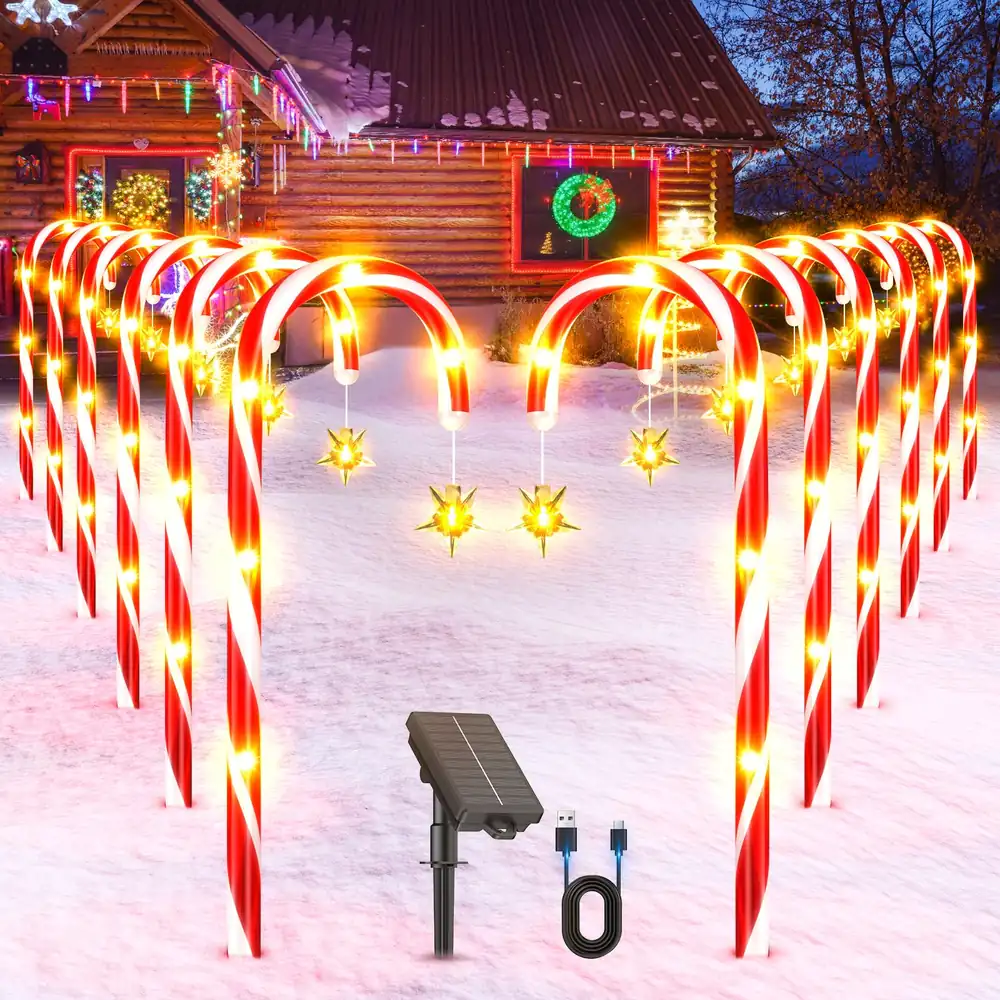
Seasonal Demand Patterns and Market Timing
The candy cane solar light market experiences extreme seasonal concentration, with approximately 80-90% of annual sales occurring during the October through December period. This concentrated demand creates both opportunities for high-volume sales and challenges for inventory management and supply chain coordination.
Pre-season ordering typically begins in June-July, when retailers and distributors place orders for holiday inventory. Early ordering allows for better pricing, production scheduling, and shipping arrangements, but requires accurate demand forecasting and significant working capital investment.
Peak retail sales occur during the November-December period, with Black Friday and Cyber Monday representing critical sales periods for many retailers. Wholesalers must ensure adequate inventory availability during these peak periods while avoiding excess inventory that may not sell before the season ends.
Post-season clearance sales create additional opportunities for volume sales at reduced margins. Many retailers clear remaining inventory at significant discounts, creating opportunities for wholesalers to move excess inventory or serve price-sensitive market segments.
Customer Segmentation and Buying Patterns
Residential Consumers represent the largest market segment, purchasing candy cane solar lights for home holiday decorations. This segment typically purchases 6-24 units per household, with buying decisions influenced by price, visual appeal, and ease of installation. Residential customers often purchase through retail channels including home improvement stores, seasonal retailers, and online marketplaces.
Commercial Property Managers purchase larger quantities for shopping centers, restaurants, hotels, and entertainment venues. This segment values consistent appearance, reliable performance, and professional installation support. Commercial buyers often work with landscape contractors or facility management companies for installation and maintenance.
Event Planners and Decorators represent a specialized segment that may purchase hundreds or thousands of units for large-scale holiday events, festivals, or corporate celebrations. This segment requires flexible ordering, custom configurations, and reliable delivery schedules to support event timelines.
Municipal and Institutional Buyers purchase candy cane lights for public holiday displays, parks, and community events. This segment often requires competitive bidding processes, specific certifications, and local supplier preferences. Municipal buyers may purchase large quantities but often have complex procurement requirements.
Retail Chain Buyers represent high-volume opportunities for wholesalers who can meet the scale, quality, and logistics requirements of major retail operations. This segment requires consistent product availability, competitive pricing, and comprehensive support services including packaging, documentation, and logistics coordination.
Geographic and Regional Variations
North American markets show the strongest demand for traditional red and white candy cane designs, reflecting cultural associations with Christmas celebrations. The market is relatively mature, with emphasis on product differentiation through features, quality, or pricing.
European markets demonstrate growing interest in candy cane solar lights, particularly in countries with strong Christmas celebration traditions. However, market development may be slower due to different holiday decoration preferences and varying levels of solar lighting adoption.
Asian markets, particularly in regions with significant Western cultural influence, show emerging demand for holiday lighting products including candy cane designs. These markets may offer growth opportunities but require careful market development and cultural adaptation.
Technology Adoption and Feature Preferences
Smart lighting features including smartphone app control, programmable patterns, and music synchronization are gaining acceptance in premium market segments. While representing a small portion of total volume, these advanced features command significant price premiums and appeal to tech-savvy customers.
Solar technology improvements including better battery performance, faster charging, and enhanced cold-weather operation drive customer satisfaction and repeat purchases. Customers increasingly expect reliable performance throughout the holiday season without maintenance or battery replacement.
Color-changing and multicolor options appeal to customers seeking unique or customizable holiday displays. RGB LED technology allows for various color combinations and effects that differentiate products from traditional static designs.
Price Sensitivity and Value Perception
Price sensitivity varies significantly across customer segments and purchase timing. Early-season buyers may be less price-sensitive and more focused on product availability and features. Late-season buyers often prioritize price over features, creating opportunities for value-oriented products.
Value perception extends beyond initial purchase price to include installation convenience, reliability, and multi-season durability. Customers increasingly consider total cost of ownership including replacement frequency and maintenance requirements.
Competitive Landscape and Market Positioning
The candy cane solar light market includes both specialized seasonal lighting manufacturers and general outdoor lighting companies offering seasonal products. Competition focuses on price, visual appeal, reliability, and retail channel access.
Product differentiation opportunities include enhanced features, superior quality, unique designs, or specialized market focus. Successful wholesalers often develop expertise in seasonal lighting markets and build relationships with specialized retail channels.
Market Growth Trends and Future Opportunities
The overall holiday lighting market continues to grow, driven by increasing disposable income, urbanization, and cultural adoption of elaborate holiday displays. Wholesale candy cane solar lights benefit from this growth while offering environmental advantages over traditional plug-in alternatives.
Smart home integration and IoT connectivity represent emerging opportunities for premium products. Integration with home automation systems, voice control, and smartphone apps may drive future market development.
Sustainability trends favor solar-powered products over traditional plug-in alternatives, creating long-term growth opportunities for solar candy cane lights. Environmental consciousness among consumers supports premium pricing for sustainable alternatives.
What Are the Common Applications?
Wholesale candy cane solar lights serve diverse applications across residential, commercial, and institutional markets, with each application presenting unique requirements for design, performance, and installation. Understanding these applications helps wholesalers identify target customers and optimize product specifications for different market segments.
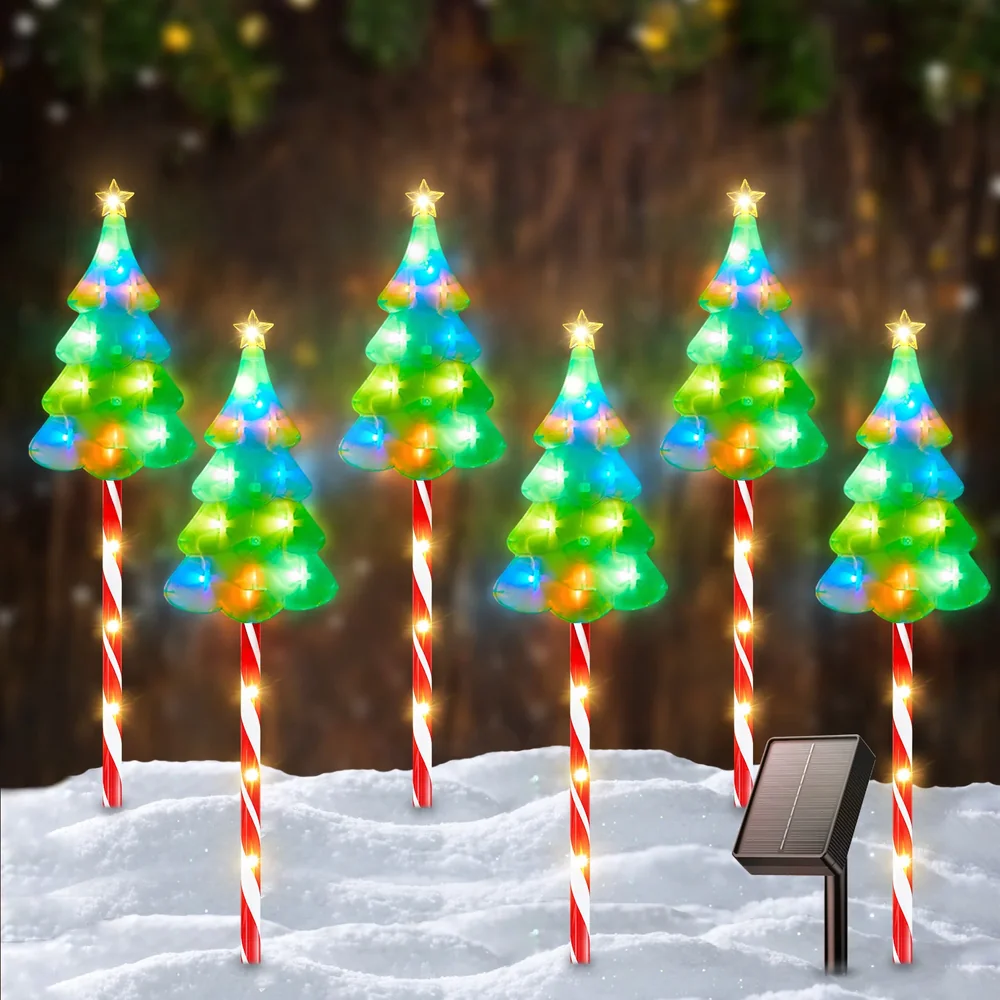
Residential Holiday Decorations
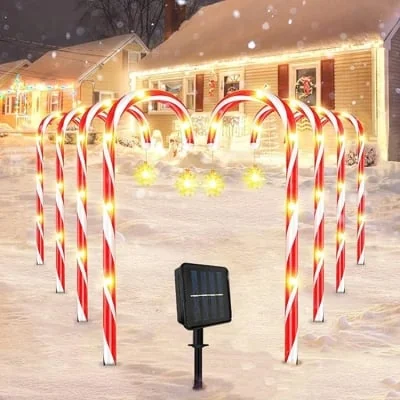
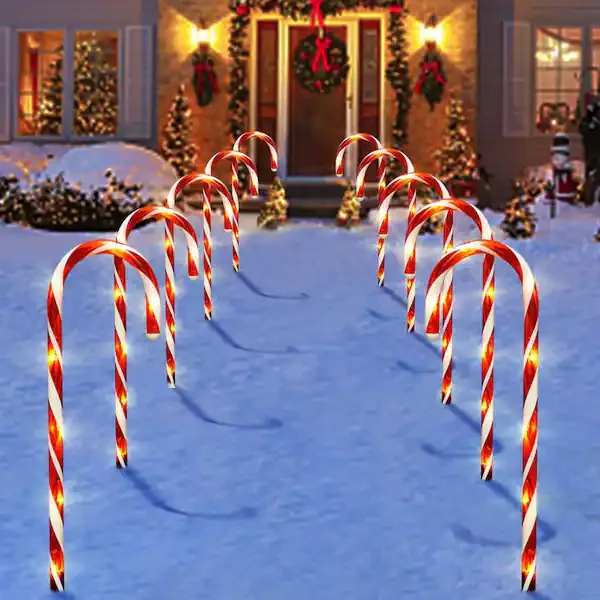
Home holiday decorating represents the primary application for candy cane solar lights, with homeowners using these fixtures to create festive outdoor displays during the Christmas season. Typical residential installations involve 6-24 units arranged along driveways, walkways, property borders, or integrated into larger holiday lighting displays.
Front yard displays often feature candy cane lights as border elements or pathway markers leading to main entrances. The solar-powered operation eliminates the need for extension cords or electrical connections, making installation simple and safe for homeowners. Heights of 24-30 inches work well for most residential applications, providing adequate visual impact without overwhelming smaller properties.
Backyard and patio applications utilize candy cane lights to extend holiday decorating beyond front-facing areas. These installations often complement other holiday decorations such as string lights, inflatable decorations, or illuminated yard figures. The wireless nature of solar operation makes backyard installation particularly convenient.
Apartment and condominium applications favor smaller or portable candy cane lights that can be easily installed and removed for seasonal use. Residents with limited outdoor space or rental restrictions appreciate products that don’t require permanent installation or electrical modifications.
Commercial Property Applications
Shopping centers and retail complexes use candy cane solar lights to create welcoming holiday atmospheres that attract customers and enhance the shopping experience. These installations often involve hundreds of units arranged in coordinated patterns throughout parking areas, walkways, and landscaped areas.
Restaurant and hospitality properties utilize candy cane lights to create festive outdoor dining areas and enhance curb appeal during the holiday season. Hotels, resorts, and event venues often incorporate these lights into larger holiday decoration schemes that create memorable experiences for guests.
Office complexes and business parks use candy cane solar lights for professional holiday decorating that maintains appropriate business aesthetics while acknowledging the season. These applications typically favor more subtle designs and coordinated installations that complement architectural features.
Municipal and Public Applications
Parks and recreational facilities incorporate candy cane solar lights into public holiday displays that serve community celebration and tourism promotion goals. Municipal installations often involve large quantities arranged in coordinated patterns that create impressive visual displays for community events and festivals.
Downtown business districts and commercial corridors use candy cane lights as part of coordinated holiday decorating programs that support local business promotion and community identity. These installations often involve partnerships between municipal governments and business associations.
Public buildings and facilities may use candy cane solar lights for holiday decorating that acknowledges the season while maintaining appropriate public sector aesthetics. Libraries, community centers, and government buildings often incorporate these lights into modest but welcoming holiday displays.
Event and Entertainment Applications
Holiday festivals and seasonal events utilize candy cane solar lights to create themed environments and enhance visitor experiences. Event planners value the easy installation, wireless operation, and visual impact that these lights provide for temporary installations.
Theme parks and entertainment venues incorporate candy cane lights into seasonal decorating programs that transform facilities for holiday celebrations. These applications often require large quantities, coordinated designs, and reliable performance throughout extended operating seasons.
Corporate events and private parties use candy cane solar lights to create festive atmospheres for holiday celebrations. Event rental companies often maintain inventories of these lights for seasonal rental applications.
Specialized and Niche Applications
Photography and film production utilize candy cane solar lights as props or set decoration for holiday-themed content creation. The authentic appearance and convenient operation make these lights valuable for commercial photography, social media content, and video production.
Retail display and merchandising applications use candy cane lights to enhance holiday product presentations and create seasonal shopping environments. Store displays, window decorations, and promotional installations often incorporate these lights to attract attention and reinforce holiday themes.
Educational institutions including schools and universities use candy cane solar lights for campus holiday decorating that creates festive environments while maintaining appropriate institutional aesthetics. These applications often involve student organizations, facilities management, and community relations programs.
Application-Specific Design Requirements
Different applications require specific design considerations that affect product selection and performance requirements. Residential applications typically prioritize ease of installation, attractive appearance, and cost-effectiveness. Commercial applications emphasize durability, professional appearance, and coordinated aesthetics.
Public and municipal applications may require enhanced durability, vandal resistance, and compliance with accessibility standards. Event applications often need portable designs, reliable performance, and easy setup and removal capabilities.
Installation and Maintenance Considerations
Most candy cane solar light applications involve temporary or seasonal installation, requiring designs that facilitate easy setup and removal. Ground stakes must provide secure installation while allowing for removal without damage to lawns or landscaping.
Storage considerations become important for seasonal applications, as products must be stored for 8-10 months between use periods. Packaging and design features that facilitate compact storage and protection during storage periods add value for many applications.
Market Opportunities and Trends
Smart city initiatives create opportunities for connected candy cane lighting systems that integrate with municipal infrastructure and provide data collection capabilities. These applications require advanced electronics and communication capabilities but offer higher value propositions.
Sustainable event planning trends favor solar-powered decorations over traditional plug-in alternatives, creating opportunities for event planners and rental companies. Environmental consciousness supports premium pricing for sustainable alternatives.
Tourism and destination marketing applications leverage holiday lighting displays to attract visitors and extend tourism seasons. Candy cane solar lights contribute to these efforts while providing cost-effective installation and operation.
What OEM/ODM Customization Options Are Available for Wholesale Candy Cane Solar Lights?
The wholesale candy cane solar lights market offers extensive OEM/ODM customization opportunities that enable distributors and retailers to create unique products, serve specialized markets, and build brand differentiation in the competitive seasonal lighting sector. Understanding available customization options helps wholesalers develop competitive advantages and meet specific customer requirements.

Shape and Size Customization
Custom candy cane proportions and dimensions allow for product differentiation and market specialization. Standard candy cane curves can be modified to create unique profiles, adjust overall height, or change the hook radius to achieve specific aesthetic effects. Custom sizing enables products optimized for different applications, from miniature tabletop versions to oversized commercial displays.
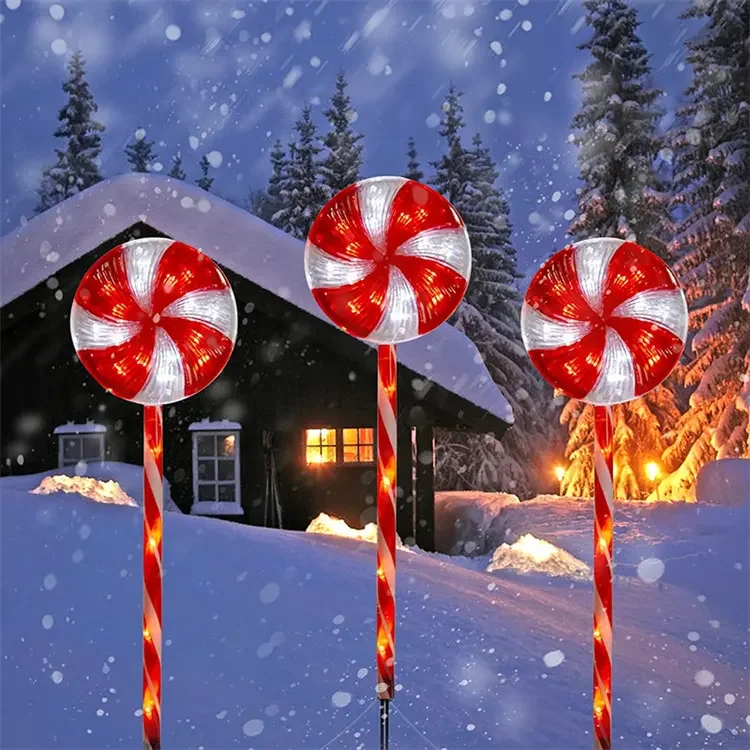
Alternative confectionery shapes expand beyond traditional candy canes to include peppermint swirls, lollipops, candy sticks, or other holiday confectionery themes. These variations leverage similar manufacturing processes while creating unique product lines that differentiate from standard offerings.
Modular design systems allow customers to create custom configurations by combining multiple units or adding connecting elements. These systems appeal to customers seeking scalable solutions or unique display arrangements that can be customized for specific spaces or applications.
Color and Pattern Customization
Custom color schemes extend beyond traditional red and white to include alternative holiday colors, corporate colors, or themed color combinations. Popular alternatives include green and white, blue and white, or multicolor rainbow patterns that appeal to diverse customer preferences.
Pattern customization includes stripe width variations, spiral patterns, gradient effects, or custom graphic elements integrated into the candy cane design. Advanced manufacturing techniques allow for complex patterns that create unique visual effects and product differentiation.
Color-changing and programmable LED systems enable dynamic color effects that can be customized for specific events, themes, or customer preferences. These advanced systems command premium pricing while providing unique capabilities that differentiate from static designs.
Lighting and Optical Customization
LED color temperature and intensity can be customized to achieve specific ambiance effects or match existing lighting installations. Options include warm white, cool white, or colored LEDs that create different moods and visual effects.
Light distribution patterns can be modified to provide directional lighting, enhanced ground illumination, or specialized effects such as projection patterns or animated sequences. Custom optical elements including lenses, diffusers, or reflectors enable unique lighting characteristics.
Smart lighting features including smartphone app control, programmable sequences, music synchronization, or integration with home automation systems create premium product offerings that appeal to tech-savvy customers.
Solar and Electrical System Customization
Battery capacity and solar panel sizing can be optimized for specific geographic locations, usage patterns, or performance requirements. Enhanced battery systems provide extended operation time or improved cold-weather performance for challenging applications.
Charging system customization includes fast-charging capabilities, backup charging options, or integration with external power sources for applications requiring guaranteed operation. Advanced charging systems may include maximum power point tracking or intelligent battery management.
Wireless connectivity and smart features enable remote monitoring, control, and integration with larger lighting systems. These capabilities appeal to commercial and institutional customers requiring centralized management of large installations.
Mechanical and Structural Customization
Mounting system customization addresses specific installation requirements including alternative stake designs, surface mounting options, or integration with existing infrastructure. Custom mounting solutions enable installation in challenging environments or specialized applications.
Enhanced durability features including reinforced construction, upgraded materials, or specialized coatings provide improved performance in harsh environments or high-traffic applications. These enhancements appeal to commercial and institutional customers requiring extended service life.
Portable and removable designs facilitate easy installation and removal for seasonal applications. Features such as quick-disconnect systems, compact storage configurations, or integrated carrying handles add value for temporary installations.
Branding and Marketing Customization
Private labeling services allow wholesalers to market products under their own brand names with custom packaging, documentation, and marketing materials. Professional branding services help create cohesive product lines and support marketing efforts.
Custom packaging design enhances product presentation and provides marketing opportunities. Options include retail-ready packaging, gift packaging, or bulk packaging optimized for specific distribution channels.
Marketing support materials including product literature, installation guides, and promotional materials can be customized to support specific sales channels or customer segments.
Quality and Performance Customization
Enhanced quality control and testing protocols provide additional assurance for customers requiring higher reliability or specific performance validation. This may include extended burn-in testing, statistical quality sampling, or specialized environmental testing.
Custom certification and compliance testing address specific market requirements or customer specifications. This includes testing to regional standards, specialized performance validation, or third-party verification of custom features.
Extended warranty programs and enhanced service support provide additional value for customers requiring long-term performance assurance or specialized technical support.
Seasonal and Themed Customization
Holiday theme variations extend beyond Christmas to include other seasonal celebrations such as Halloween, Valentine’s Day, or patriotic holidays. These variations leverage similar manufacturing processes while serving different seasonal markets.
Cultural and regional customization addresses specific market preferences or cultural requirements. This may include alternative color schemes, modified proportions, or specialized features that appeal to specific cultural or regional markets.
Corporate and institutional themes enable custom products for business applications, promotional events, or institutional celebrations. Custom colors, logos, or messaging create unique products for specialized applications.
Glowyard Lighting offers comprehensive OEM/ODM services for candy cane solar lights, including custom shape development, advanced lighting systems, smart features integration, and complete private labeling solutions. Our engineering team specializes in seasonal lighting products and understands the unique requirements of holiday decoration markets.
Cost and Volume Considerations
Customization costs vary significantly based on complexity and scope of modifications. Simple color or size changes typically require minimal tooling investment, while complex shape modifications or advanced electronics integration may require substantial development investment.
Minimum order quantities for custom products typically range from 500-5000 units depending on customization complexity. Understanding the relationship between customization scope, development costs, and minimum volumes helps wholesalers make informed decisions about product differentiation strategies.
Development Timeline and Project Management
Custom candy cane solar light development typically requires 6-12 weeks depending on modification complexity. Simple aesthetic changes may be completed quickly, while complex mechanical or electronic customizations require extended development and validation periods.
Seasonal timing considerations are critical for holiday lighting products, as development must be completed well in advance of peak selling seasons. Planning custom product development 12-18 months ahead of target sales seasons ensures adequate time for development, testing, and production.
Wholesale Buying Checklist
- [ ] Verify cold-weather battery performance and capacity for winter operation
- [ ] Confirm color accuracy and consistency of red/white striped patterns
- [ ] Check stake design and ground penetration capability for various soil types
- [ ] Validate LED performance and light distribution along curved geometry
- [ ] Review packaging design for retail display and seasonal storage
- [ ] Confirm compliance certifications for target markets (CE, UL, FCC)
- [ ] Assess housing material durability and UV resistance for outdoor exposure
- [ ] Check warranty terms and seasonal product support policies
- [ ] Evaluate shipping and logistics considerations for seasonal inventory
- [ ] Verify customization options and minimum order quantities
- [ ] Review quality control processes specific to seasonal lighting products
- [ ] Confirm production capacity and delivery schedules for peak season demand
Quick RFQ Template for Wholesale Candy Cane Solar Lights
Project Information:
- Application: [Residential/Commercial/Municipal/Event]
- Quantity Required: [Number of units]
- Target Delivery Date: [Month/Year – consider seasonal timing]
- Installation Location: [City, State/Country]
Design Requirements:
- Height Preference: [18″/24″/30″/36″/48″]
- Color Scheme: [Traditional Red/White/Multicolor/Custom]
- LED Type: [Warm White/Cool White/Color Changing]
- Pattern Style: [Traditional Stripes/Spiral/Custom]
Performance Requirements:
- Operating Temperature Range: [Min/Max C for winter use]
- Battery Life: [Hours of operation required]
- Charging Time: [Hours in winter sunlight]
- Durability: [Seasons of expected use]
Technical Specifications:
- Solar Panel: [Monocrystalline/Polycrystalline]
- Battery Type: [LiFePO4/Li-ion/NiMH]
- IP Rating: [IP65/IP67]
- Stake Material: [Steel/Aluminum/Plastic]
Commercial Terms:
- Target Price Range: [Per unit in USD]
- Payment Terms: [Net 30/LC/Other]
- Shipping Terms: [FOB/CIF/DDP]
- Seasonal Delivery: [Pre-season/Peak season timing]
Customization Needs:
- Private Labeling: [Yes/No]
- Custom Packaging: [Retail/Gift/Bulk]
- Special Features: [Smart controls/App connectivity/Other]
How to Source Wholesale Candy Cane Solar Lights from China Manufacturers and Suppliers?
Sourcing wholesale candy cane solar lights from China manufacturers requires specialized knowledge of seasonal lighting production, quality control for decorative products, and supply chain management for time-sensitive holiday markets. The seasonal nature of these products creates unique challenges and opportunities that differ from standard outdoor lighting procurement.
Supplier Identification and Seasonal Specialization
Identifying suppliers with seasonal lighting expertise is crucial for successful candy cane solar light sourcing. Look for manufacturers with dedicated holiday lighting production lines, experience with decorative outdoor products, and understanding of seasonal market timing requirements. Suppliers specializing in Christmas decorations or seasonal lighting typically have better capabilities than general outdoor lighting manufacturers.
Trade shows focused on holiday decorations and seasonal products provide excellent opportunities to evaluate suppliers and products. The Canton Fair’s seasonal decoration sections, specialized Christmas decoration exhibitions, and gift and decoration trade shows offer concentrated access to relevant suppliers and current product trends.
Online platforms require careful filtering to identify legitimate manufacturers versus trading companies. Focus on suppliers with factory certifications, detailed product catalogs, and evidence of seasonal lighting production capabilities. Verify manufacturing capabilities through factory photos, production videos, and detailed facility descriptions.
Seasonal Production Planning and Timing
Understanding seasonal production cycles is essential for successful sourcing. Most candy cane solar light production occurs during the February-August period, with peak production in April-June. Early engagement with suppliers (January-March) ensures better pricing, production scheduling, and quality attention.
Production capacity constraints during peak seasons require early commitment and clear production schedules. Suppliers often allocate production capacity based on order timing and customer relationships, making early engagement critical for securing adequate production slots.
Quality control timing must account for seasonal production pressures. Implement inspection and testing protocols early in the production cycle when suppliers have more time and attention available for quality issues. Late-season production may face time pressures that compromise quality control.
Product Development and Sample Evaluation
Seasonal lighting products require comprehensive sample evaluation that addresses both technical performance and aesthetic appeal. Request samples early in the development cycle to allow adequate time for testing, evaluation, and potential modifications before peak production periods.
Color accuracy and consistency are particularly critical for candy cane designs, as customers have strong expectations based on traditional candy cane appearance. Evaluate color samples under various lighting conditions and compare to established color standards or reference products.
Cold weather performance testing is essential for products that will be used during winter months. Test battery performance, LED output, and material flexibility at low temperatures to ensure reliable operation during typical use conditions.
Quality Control for Decorative Products
Implementing quality control for decorative seasonal lighting requires attention to both functional performance and aesthetic appeal. Visual inspection protocols must verify color consistency, pattern alignment, and overall appearance quality across production batches.
Electrical testing must validate LED performance, color accuracy, and electrical safety across the curved LED installation. Pay particular attention to electrical connections at bend points and stress concentrations that may affect long-term reliability.
Mechanical testing should verify stake attachment strength, housing durability, and resistance to handling damage during shipping and installation. Seasonal products often experience more handling than permanent installations, requiring enhanced durability.
Supply Chain Management for Seasonal Products
Seasonal demand concentration requires careful supply chain planning to manage inventory, shipping, and delivery timing. Most sales occur during a 10-12 week period, creating intense pressure on supply chain performance during peak seasons.
Shipping and logistics planning must account for seasonal capacity constraints and rate fluctuations. Ocean freight capacity and rates typically increase during peak shipping seasons (August-October), requiring early booking and potentially higher costs for late shipments.
Customs and import processing may experience delays during peak seasons due to increased volume. Plan for potential delays and consider expedited processing options for time-critical shipments.
Inventory Management and Risk Mitigation
Seasonal products require different inventory management approaches due to concentrated demand and limited selling seasons. Over-ordering creates significant carrying costs and potential obsolescence, while under-ordering results in lost sales opportunities.
Demand forecasting for seasonal products relies heavily on historical data, market trends, and early season indicators. Work with suppliers to develop flexible ordering arrangements that allow for adjustments based on early season performance.
Storage and warehousing considerations include space requirements for seasonal inventory buildup and proper storage conditions to maintain product quality during extended storage periods.
Contract Terms for Seasonal Products
Seasonal lighting contracts should address specific timing requirements, quality standards, and performance guarantees relevant to holiday markets. Include specific delivery schedules that account for retail inventory buildup and peak selling periods.
Payment terms may need adjustment for seasonal products due to concentrated cash flow patterns and extended inventory holding periods. Consider seasonal payment schedules or financing arrangements that align with cash flow patterns.
Force majeure and delay provisions should address seasonal timing criticality. Late delivery of seasonal products may have more severe consequences than delays for non-seasonal products, requiring appropriate contract protections.
Building Supplier Relationships for Seasonal Success
Successful seasonal lighting sourcing requires strong supplier relationships built on mutual understanding of market requirements and timing criticality. Invest in supplier education about target markets, customer requirements, and quality expectations.
Long-term partnerships with seasonal lighting suppliers provide advantages including priority production scheduling, better pricing, and enhanced quality attention. Suppliers who understand your market requirements and timing needs are better positioned to provide consistent performance.
Glowyard Lighting specializes in seasonal solar lighting products and understands the unique requirements of holiday decoration markets. Our production planning, quality control, and delivery systems are optimized for seasonal lighting success, ensuring reliable performance during critical selling periods.
What Mistakes Can Cost You Money When Buying Candy Cane Solar Lights in Bulk?
Avoiding costly mistakes when purchasing bulk candy cane lights requires understanding the unique challenges of seasonal lighting products, decorative quality requirements, and time-sensitive market dynamics. Learning from common pitfalls helps wholesalers maximize profitability and customer satisfaction in this specialized market segment.

Seasonal Timing and Production Planning Errors
One of the most expensive mistakes involves inadequate planning for seasonal production and delivery timing. Many buyers underestimate the lead times required for seasonal lighting production, resulting in late deliveries that miss critical selling periods. Candy cane solar lights require 12-16 weeks from order placement to delivery during peak production periods.
Failing to account for seasonal production capacity constraints can result in production delays or quality compromises. Suppliers often allocate production capacity based on order timing, with late orders receiving lower priority or compressed production schedules that may affect quality.
Inadequate inventory planning for seasonal demand concentration creates either excess inventory carrying costs or stockout situations during peak selling periods. The concentrated nature of holiday sales makes accurate demand forecasting critical for profitability.
Quality Control Oversights for Decorative Products
Insufficient attention to aesthetic quality control can result in products that fail to meet customer expectations for decorative applications. Color consistency, pattern alignment, and overall visual appeal are critical factors that may not be adequately addressed by standard electrical testing protocols.
Overlooking cold weather performance testing can lead to product failures during typical use conditions. Battery performance, LED output, and material flexibility must be validated at low temperatures to ensure reliable operation during winter installation periods.
Inadequate packaging and shipping protection for decorative products can result in damage during transit. Candy cane lights with curved geometries and extended profiles require specialized packaging to prevent damage during shipping and handling.
Supplier Selection and Due Diligence Failures
Choosing suppliers without seasonal lighting expertise often leads to quality problems, delivery delays, and communication difficulties. General outdoor lighting manufacturers may not understand the specific requirements and timing criticality of seasonal products.
Failing to verify production capacity and seasonal allocation can result in production delays or quality compromises. Suppliers may overcommit production capacity during peak seasons, leading to rushed production or delayed deliveries.
Inadequate evaluation of supplier financial stability can create risks during seasonal production periods when suppliers may experience cash flow pressures from concentrated production and inventory buildup.
Market and Customer Requirement Misalignment
Misunderstanding customer expectations for decorative seasonal products can result in products that are difficult to sell. Aesthetic preferences, color accuracy, and visual appeal requirements may differ significantly from functional lighting applications.
Failing to account for regional market preferences and cultural variations can limit market acceptance. Holiday decoration preferences vary by region, requiring careful market research and product adaptation.
Inadequate retail packaging and presentation can limit sales potential in competitive seasonal markets. Attractive packaging and clear product presentation are particularly important for impulse purchases and gift-giving applications.
Inventory and Cash Flow Management Errors
Over-ordering based on optimistic seasonal sales projections can create significant carrying costs and potential obsolescence. Seasonal products have limited selling windows, making excess inventory particularly costly.
Inadequate cash flow planning for seasonal inventory buildup can create financial stress during peak inventory periods. Seasonal products require significant working capital investment with delayed cash flow recovery.
Failing to plan for post-season inventory clearance can result in significant losses on unsold inventory. Develop clearance strategies and pricing plans before the season to minimize losses on excess inventory.
Logistics and Import Complications
Underestimating seasonal shipping costs and capacity constraints can significantly impact profitability. Ocean freight rates and capacity availability fluctuate significantly during peak shipping seasons, requiring early planning and booking.
Inadequate customs planning and documentation can result in delays during critical pre-season periods. Customs processing may be slower during peak import seasons, requiring additional lead time and potentially expedited processing.
Failing to account for seasonal warehouse and distribution capacity constraints can create bottlenecks during peak inventory periods. Plan warehouse space and distribution capacity well in advance of seasonal inventory buildup.
Competitive and Market Dynamic Oversights
Inadequate competitive analysis and market positioning can result in products that are overpriced or under-featured compared to alternatives. The seasonal lighting market is highly competitive, requiring careful positioning and pricing strategies.
Failing to monitor market trends and customer preference changes can result in products that miss emerging opportunities or fail to meet evolving customer expectations. Stay current with holiday decoration trends and customer feedback.
Inadequate retail channel relationships and support can limit market access during critical selling periods. Build relationships with key retail channels well in advance of selling seasons.
Risk Mitigation Strategies for Seasonal Success
Implement comprehensive seasonal planning processes that begin 12-18 months before target selling seasons. Include production planning, inventory management, logistics coordination, and market preparation in seasonal planning activities.
Develop multiple supplier relationships to reduce dependency risks and ensure supply continuity during peak production periods. Maintain backup suppliers and alternative sourcing options for critical products.
Establish quality control protocols specifically designed for decorative seasonal products. Include aesthetic evaluation, cold weather testing, and packaging protection in quality control processes.
Create flexible inventory management systems that allow for adjustments based on early season performance and market feedback. Consider staged deliveries and flexible ordering arrangements with suppliers.
Financial Protection and Insurance Considerations
Consider seasonal inventory insurance to protect against losses from unsold inventory, product defects, or supply chain disruptions. Seasonal products create concentrated financial risks that may justify insurance protection.
Establish warranty reserves appropriate for seasonal products and customer expectations. Holiday decoration products may experience different failure patterns than permanent installations, requiring adjusted warranty planning.
Develop contingency plans for supply disruptions, quality issues, and market changes that may affect seasonal business performance. Include alternative suppliers, backup inventory, and flexible product specifications in contingency planning.
Who Is Glowyard Lighting and What Do We Offer?
Glowyard Lighting is a specialized manufacturer of solar outdoor lighting solutions with particular expertise in seasonal and decorative lighting products, including wholesale candy cane solar lights and comprehensive holiday lighting systems. Our company combines advanced manufacturing capabilities with deep understanding of seasonal market requirements to deliver reliable, attractive lighting products for wholesale, retail, and commercial applications.
Seasonal Lighting Manufacturing Expertise
Our production facilities include dedicated seasonal lighting manufacturing lines equipped with specialized equipment for decorative product assembly, color application, and aesthetic quality control. We understand the unique requirements of holiday lighting products, including color accuracy, visual appeal, and reliable performance during winter conditions.
Our seasonal production planning systems accommodate the concentrated demand patterns typical of holiday lighting markets. We allocate production capacity based on seasonal requirements and maintain flexible scheduling to meet critical delivery deadlines during peak pre-season periods.
Quality control processes for seasonal lighting products include comprehensive aesthetic evaluation, color consistency verification, and cold weather performance testing. Our testing protocols address both functional performance and visual appeal requirements that are critical for decorative applications.
OEM/ODM Services for Holiday Lighting
Glowyard Lighting offers comprehensive OEM/ODM services specifically designed for seasonal lighting applications. Our engineering team has extensive experience with candy cane designs, holiday themes, and decorative lighting requirements that enable effective custom product development.
Our customization capabilities include shape modifications, color scheme development, lighting effect programming, and complete private labeling solutions. We can develop unique holiday lighting products that differentiate from standard offerings while maintaining cost-effectiveness and manufacturing efficiency.
We provide complete seasonal product development support including market research, design optimization, regulatory compliance, and retail packaging development. Our understanding of holiday markets helps ensure that custom products meet market requirements and customer expectations.
Quality Control and Testing for Decorative Products
Our quality management systems include specialized protocols for decorative lighting products that address both technical performance and aesthetic requirements. Visual inspection processes verify color accuracy, pattern consistency, and overall appearance quality across production batches.
Environmental testing includes cold weather performance validation, UV resistance verification, and durability assessment under seasonal use conditions. Our testing equipment includes environmental chambers, color measurement systems, and specialized equipment for decorative product evaluation.
We maintain comprehensive documentation for all seasonal lighting products including photometric data, color specifications, material certifications, and compliance test reports. This documentation supports customer requirements and regulatory submissions in various markets.
Supply Chain Management for Seasonal Success
Our supply chain management systems are optimized for seasonal product requirements including concentrated production periods, time-critical deliveries, and inventory management for seasonal demand patterns. We maintain relationships with qualified component suppliers and implement inventory systems that support seasonal production requirements.
Production scheduling and capacity allocation systems prioritize seasonal products during critical production periods while maintaining quality standards and delivery commitments. Our manufacturing systems accommodate both standard seasonal products and custom orders within seasonal timing constraints.
Logistics and shipping coordination includes specialized packaging for decorative products, seasonal shipping planning, and coordination with freight forwarders experienced in seasonal product logistics. We understand the timing criticality of seasonal deliveries and plan accordingly.
Technical Support and Market Understanding
Glowyard Lighting provides comprehensive technical support for seasonal lighting applications including installation guidance, performance optimization, and troubleshooting assistance. Our technical team understands the unique requirements of holiday lighting installations and can provide specialized support.
We maintain current knowledge of holiday lighting market trends, customer preferences, and regulatory requirements that affect seasonal lighting products. This market understanding helps ensure that our products meet current market needs and anticipate future requirements.
Our customer support services include seasonal planning assistance, inventory management guidance, and market development support. We work with customers to optimize their seasonal lighting business through product selection, timing coordination, and market positioning strategies.
Compliance and Certification Support
With extensive experience in international markets, we understand the regulatory requirements and quality standards necessary for successful seasonal lighting business. Our products comply with relevant international standards including CE, UL, FCC, and RoHS requirements.
We maintain detailed technical documentation and certification support for all seasonal lighting products. This includes photometric data, electrical specifications, material certifications, and compliance test reports that support customer certification requirements.
Our export support services include proper product labeling, packaging compliance, customs documentation, and shipping coordination specifically designed for seasonal product requirements and timing constraints.
Frequently Asked Questions
How long do candy cane solar lights typically operate each night during winter months?
Quality wholesale candy cane solar lights typically provide 6-8 hours of operation during winter months, though performance varies based on battery capacity, LED efficiency, and local weather conditions. Winter operation is challenging due to reduced daylight hours and lower solar panel efficiency. Premium units with LiFePO4 batteries and oversized solar panels maintain better performance during winter conditions. Consider units with enhanced battery capacity for reliable winter operation.
What is the best time to place orders for wholesale candy cane solar lights?
Optimal ordering timing for bulk candy cane lights is January through March for delivery by August-September. Early ordering ensures better pricing, production priority, and quality attention from suppliers. Peak production occurs April-June, with delivery scheduling becoming critical for pre-season inventory buildup. Late orders (after June) may face production delays, higher costs, and compressed quality control schedules.
How should candy cane solar lights be stored during off-season periods?
Proper storage is critical for maintaining product quality during 8-10 month off-season periods. Store in dry, temperature-controlled environments away from direct sunlight and extreme temperatures. Remove batteries if possible to prevent corrosion and extend battery life. Use original packaging or protective wrapping to prevent scratching or damage to decorative finishes. Avoid stacking heavy items on curved housings that may cause deformation.
What are the most common quality issues with wholesale candy cane solar lights?
Common quality issues include color fading or inconsistency, battery performance degradation, LED failure at bend points, and stake attachment problems. Color issues often result from inadequate UV stabilizers or poor quality colorants. Battery problems may occur from cold weather exposure or inadequate capacity. LED failures typically happen at stress points in curved installations. Quality suppliers address these issues through material selection, design optimization, and comprehensive testing.
How do I verify color accuracy and consistency for bulk orders?
Color verification should include sample evaluation under various lighting conditions, comparison to established color standards, and batch consistency testing. Request color samples early in the development process and evaluate under both daylight and artificial lighting. Consider third-party color measurement for critical applications. Establish clear color acceptance criteria with suppliers and implement batch testing protocols for large orders.
What certifications are most important for candy cane solar lights in different markets?
CE marking is mandatory for European markets, while UL listing is preferred for North American applications. FCC certification may be required for units with advanced electronics or wireless features. Additional certifications such as RoHS compliance and IP rating verification are important for most markets. Regional requirements may include specific safety standards or environmental compliance depending on target markets.
How do seasonal demand patterns affect pricing and availability?
Seasonal demand concentration creates significant pricing and availability fluctuations. Early season orders (January-March) typically receive better pricing and production priority. Peak season orders (July-September) may face higher prices and limited availability. Post-season clearance creates opportunities for discounted inventory but with limited selection. Plan orders 12-18 months ahead for optimal pricing and availability.
What packaging considerations are important for retail candy cane solar lights?
Retail packaging must protect curved products during shipping while providing attractive presentation for seasonal sales. Consider retail-ready packaging with clear product visibility, holiday-themed graphics, and gift-giving appeal. Include clear installation instructions and performance specifications. Packaging should facilitate easy storage and handling for seasonal inventory management. Consider environmental factors such as recyclable materials that appeal to environmentally conscious consumers.