







2026 lastest Full Product Catalogue
Please Click the button, after Filling in your Email and information, the file will be send within 24 hours .
Wholesale Bollard Solar Lights: Complete B2B Buyer Guide
If you’re sourcing wholesale bollard solar lights for retail, distribution, or commercial projects, this comprehensive guide will help you evaluate designs, materials, certifications, and factory capabilities before placing bulk orders. Bollard lights serve as essential pathway illumination and architectural elements in residential, commercial, and municipal applications. As a wholesaler, retailer, or distributor, understanding the technical specifications, quality standards, and customization options is crucial for making informed purchasing decisions. This guide covers everything from material selection and manufacturing processes to supplier evaluation and common pitfalls that can impact your bulk orders. Whether you’re sourcing for landscape contractors, property developers, or retail chains, the insights provided will help you navigate quality, certifications, customization, packaging, lead time, QC protocols, and shipping considerations effectively.
Category Summary
Wholesale bollard solar lights represent one of the most versatile categories in outdoor lighting, combining functional pathway illumination with architectural design elements. These fixtures are particularly popular among landscape contractors, property developers, and municipal buyers who need reliable, maintenance-free lighting solutions. The bulk bollard lights market focuses on durability, weather resistance, and consistent light output across large installations. Key purchasing considerations include housing materials (aluminum, stainless steel, or high-grade plastics), solar panel efficiency, battery capacity, and mounting options. Wholesalers typically source these lights for residential developments, commercial properties, parks, and walkway projects where uniform lighting and professional appearance are essential.
What Will You Learn in This Guide?
- What Are Bollard Solar Lights and Why Are They Popular in Wholesale Markets?
- What Types and Designs Sell Best for Bulk Orders?
- What Materials and Manufacturing Processes Are Used?
- What Quality Standards and Certifications Matter for Wholesale Buyers?
- What Is the Market Demand and Customer Preferences?
- What Are the Common Applications?
- What OEM/ODM Customization Options Are Available for Wholesale Bollard Solar Lights?
- How to Source Wholesale Bollard Solar Lights from China Manufacturers and Suppliers?
- What Mistakes Can Cost You Money When Buying Bollard Solar Lights in Bulk?
- Who Is Glowyard Lighting and What Do We Offer?
- Frequently Asked Questions
What Are Bollard Solar Lights and Why Are They Popular in Wholesale Markets?
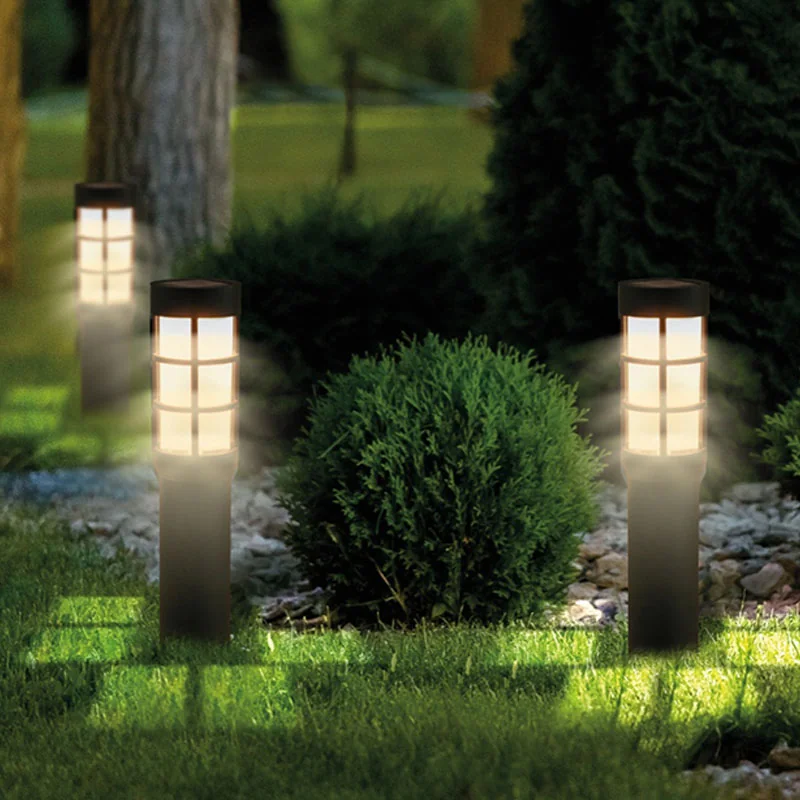
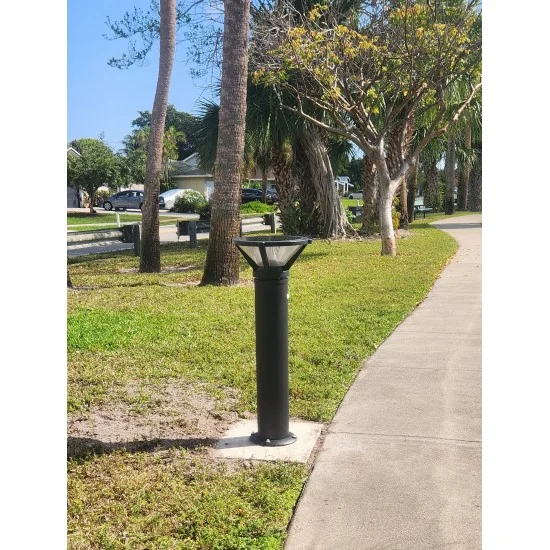
Wholesale bollard solar lights are self-contained outdoor lighting fixtures designed to provide pathway illumination, security lighting, and architectural enhancement without requiring electrical wiring or ongoing energy costs. These cylindrical or rectangular fixtures typically stand 24-48 inches tall and feature integrated solar panels, LED light sources, and rechargeable batteries within weather-resistant housings.
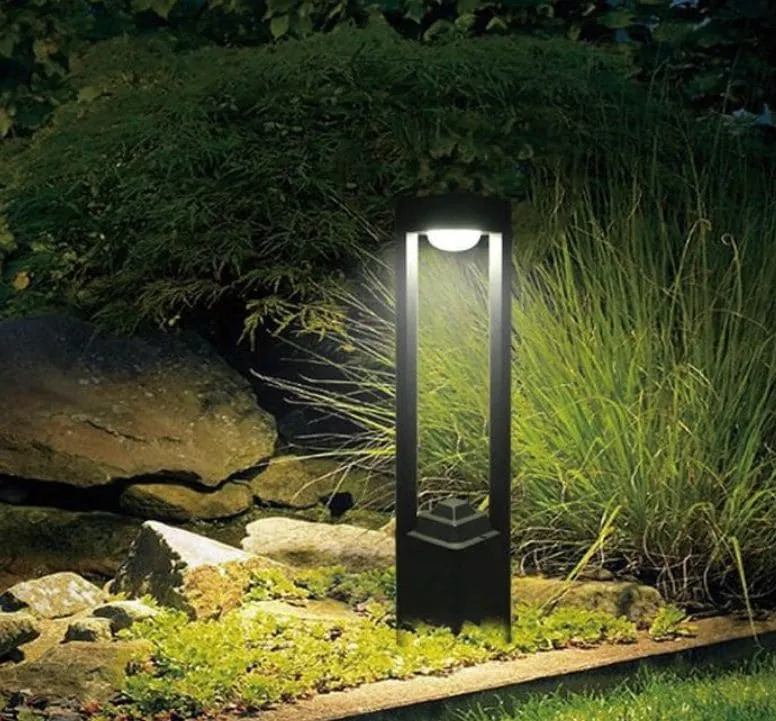

The popularity of bollard solar lights in wholesale markets stems from several key factors that appeal to both end users and business buyers. First, the elimination of electrical installation costs makes these fixtures attractive for large-scale projects where trenching and wiring would be prohibitively expensive. Property developers and landscape contractors particularly value this aspect when planning residential developments, commercial properties, or municipal installations.
From a wholesale perspective, bollard solar lights offer excellent profit margins and repeat business opportunities. The technology has matured significantly, with modern units providing reliable performance and extended operational life. Quality manufacturers now produce bollard lights with 3-5 year lifespans, making them viable alternatives to traditional wired lighting systems.
The environmental benefits also drive market demand, as property owners and municipalities increasingly prioritize sustainable lighting solutions. Solar bollard lights contribute to LEED certification points and help organizations meet sustainability goals, creating additional selling points for wholesalers targeting commercial and institutional buyers.
Market research indicates that the global solar lighting market, including bollard fixtures, is experiencing steady growth driven by urbanization, infrastructure development, and environmental consciousness. Wholesale bollard solar lights benefit from this trend, particularly in regions with abundant sunlight and growing construction activity.
For wholesalers, the product category offers advantages including lower shipping costs compared to wired fixtures (no transformers or heavy electrical components), reduced inventory complexity (fewer SKUs needed for complete lighting systems), and strong seasonal demand patterns that allow for predictable ordering cycles.
What Types and Designs Sell Best for Bulk Orders?
The bulk bollard lights market is dominated by several key design categories, each serving specific applications and customer preferences. Understanding these categories helps wholesalers optimize their inventory and target the right customer segments effectively.
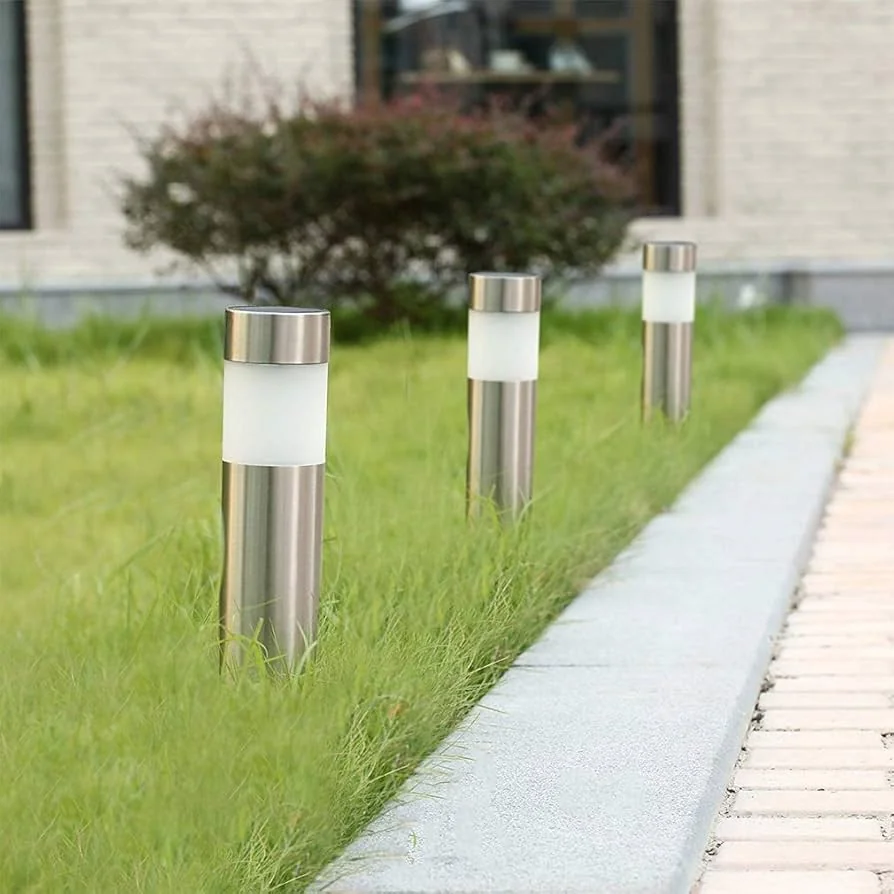
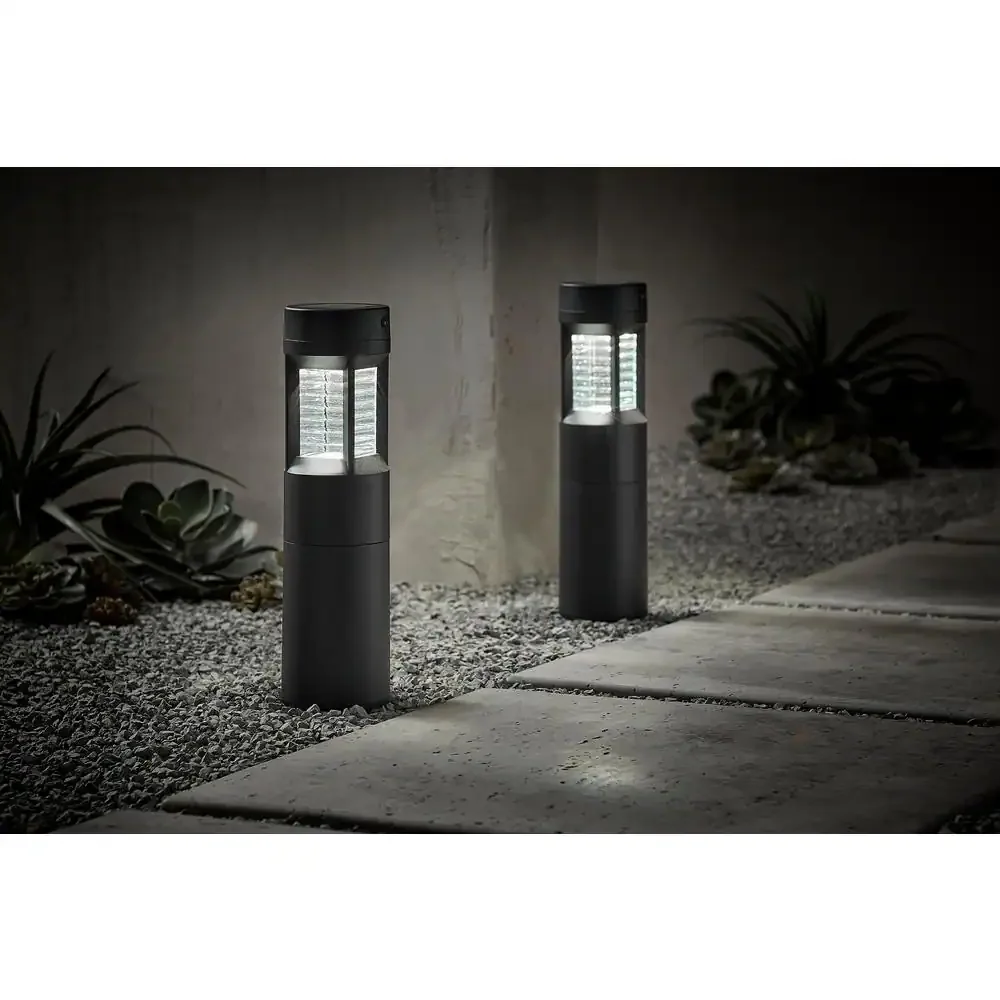
Contemporary Cylindrical Designs represent the largest segment in wholesale markets. These sleek, minimalist fixtures feature clean lines and neutral finishes that complement modern architectural styles. Heights typically range from 24-42 inches, with diameters of 4-6 inches. The most popular finishes include black powder coating, dark bronze, and brushed aluminum. These designs appeal to residential developers, commercial property managers, and landscape architects working on contemporary projects.
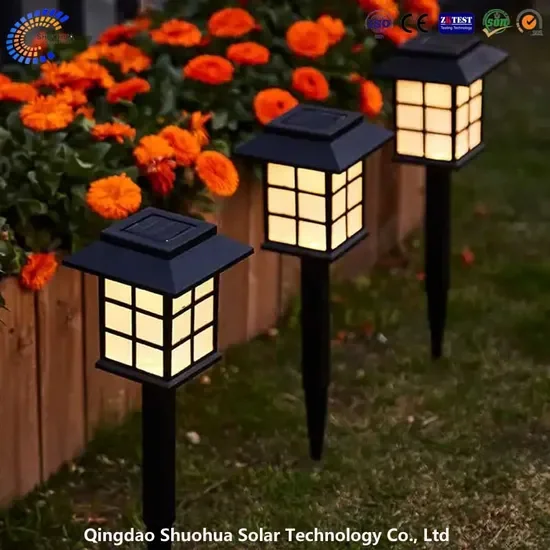
Traditional Lantern-Style Bollards maintain strong demand in certain market segments, particularly for residential communities, hospitality properties, and historic districts. These fixtures incorporate decorative elements like frosted glass panels, ornate metalwork, or classic proportions that evoke traditional street lighting. While representing a smaller volume than contemporary styles, these designs often command higher wholesale prices due to their specialized appeal.
Architectural Bollards with Integrated Features are gaining popularity in commercial and municipal markets. These units may include additional features such as emergency call buttons, USB charging ports, or integrated planters. While more complex to manufacture, these multi-functional designs serve specific niche markets and offer higher profit margins for wholesalers willing to target specialized applications.
Low-Profile Pathway Bollards (12-24 inches tall) serve residential and hospitality markets where subtle lighting is preferred. These shorter fixtures provide adequate pathway illumination while maintaining sight lines and reducing visual clutter. They’re particularly popular for resort properties, residential walkways, and garden applications.
Category-Specific Buyer Notes for Bollard Solar Lights: The bollard category differs significantly from other solar lighting types in several key aspects that wholesale buyers must understand. First, structural integrity requirements are much higher than decorative garden lights, as bollards must withstand wind loads, potential impact, and ground-level moisture exposure. Quality units feature reinforced mounting systems and corrosion-resistant hardware. Second, light distribution patterns are critical – bollards require 360-degree illumination or carefully designed directional lighting to avoid creating dark spots along pathways. Third, battery capacity and solar panel sizing must be optimized for the fixture’s height and light output requirements, typically requiring larger components than smaller decorative lights. Finally, installation considerations include proper ground preparation, drainage, and spacing calculations that affect the total project cost for end users.
The most successful wholesale bollard designs balance aesthetic appeal with practical performance. Features that consistently drive sales include tool-free battery replacement, multiple mounting options (surface mount, in-ground, or concrete base), and modular components that simplify inventory management and field service.
What Materials and Manufacturing Processes Are Used?
Understanding the materials and manufacturing processes used in wholesale bollard solar lights is essential for evaluating product quality, durability, and long-term performance. The choice of materials directly impacts the fixture’s ability to withstand outdoor conditions, maintain structural integrity, and provide consistent lighting performance over multiple years.

Housing Materials and Construction Methods
Aluminum alloy housings dominate the premium bollard market due to their excellent corrosion resistance, lightweight properties, and thermal management capabilities. Quality manufacturers use marine-grade aluminum (typically 6061-T6 or similar alloys) that undergoes precision extrusion or die-casting processes. The extrusion process creates seamless, uniform wall thickness that eliminates weak points and potential water ingress areas. Die-casting allows for more complex geometries and integrated mounting features but requires careful attention to porosity control during manufacturing.
Stainless steel construction, while more expensive, offers superior durability in coastal or industrial environments where salt exposure or chemical contamination may occur. Grade 316 stainless steel provides the highest corrosion resistance, while 304 grade offers good performance at lower cost for most applications. Manufacturing typically involves precision machining or deep-drawing processes, followed by passivation treatments to enhance corrosion resistance.
High-grade engineering plastics, including polycarbonate and ABS composites, serve the value-oriented segment of the wholesale market. Modern plastic formulations incorporate UV stabilizers, impact modifiers, and flame retardants to meet outdoor performance requirements. Injection molding processes allow for complex geometries, integrated features, and consistent dimensional accuracy across large production runs.
Solar Panel Integration and Mounting Systems
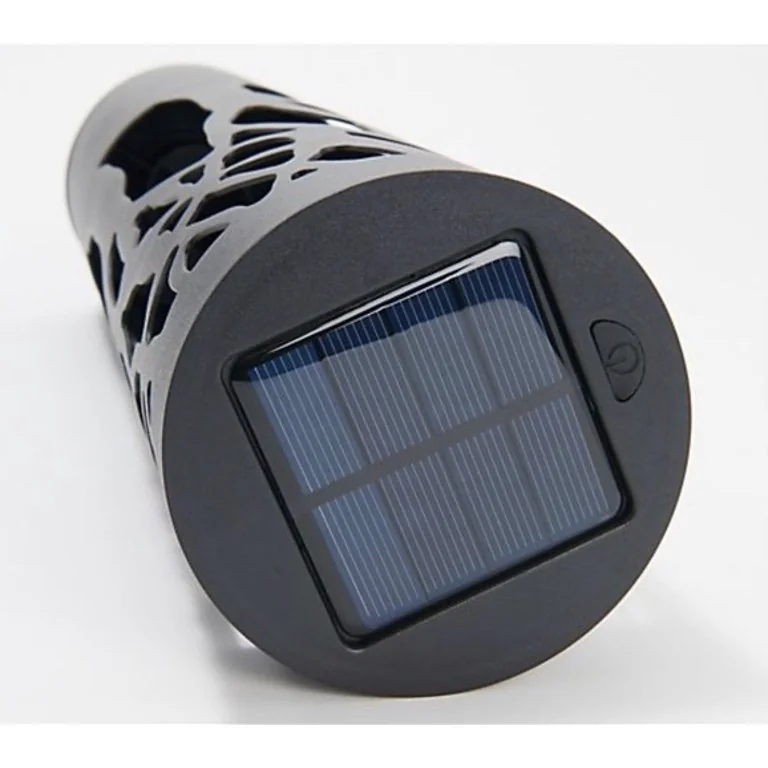
The integration of solar panels into bollard designs requires careful consideration of both electrical performance and mechanical durability. Monocrystalline silicon panels offer the highest efficiency in compact form factors, making them ideal for bollard applications where panel size is constrained. Polycrystalline panels provide cost advantages for larger bollard designs where panel area is less restricted.
Panel mounting systems must accommodate thermal expansion, vibration, and potential impact while maintaining weatherproof seals. Quality manufacturers use marine-grade sealants, stainless steel fasteners, and engineered gasket systems to prevent water ingress. The electrical connections between panels and control circuits require special attention, with quality units featuring sealed junction boxes and marine-grade wiring harnesses.
LED Light Engine and Optical Systems
Modern bollard solar lights utilize high-efficiency LED arrays optimized for outdoor applications. The most reliable designs feature mid-power LEDs (0.2-0.5W per chip) arranged in arrays that provide redundancy and uniform light distribution. High-power LEDs (1-3W per chip) offer higher lumen output but generate more heat and may require active thermal management.
Optical systems in bollard lights must balance light output, distribution pattern, and glare control. Quality manufacturers use precision-molded polycarbonate or acrylic lenses designed to provide 360-degree illumination or specific directional patterns. Anti-glare features, including shields and diffusers, are essential for pathway applications where direct viewing of the light source must be minimized.
Battery Systems and Charging Circuits
Lithium iron phosphate (LiFePO4) batteries have become the standard for quality bollard solar lights due to their long cycle life, stable performance across temperature ranges, and safety characteristics. These batteries typically provide 2000-3000 charge cycles, significantly outperforming traditional lead-acid or NiMH alternatives.
The charging and control circuits require sophisticated power management to optimize battery life and lighting performance. Quality systems include maximum power point tracking (MPPT) charge controllers, low-voltage disconnect protection, and temperature compensation. Advanced units may include smart features such as adaptive lighting control, motion sensing, or wireless connectivity for remote monitoring.
Quality Control in Manufacturing
Professional manufacturers implement comprehensive quality control processes throughout production. Incoming material inspection ensures that raw materials meet specifications for mechanical properties, chemical composition, and dimensional accuracy. In-process quality checks monitor critical manufacturing parameters such as welding quality, assembly torque specifications, and electrical continuity.
Final product testing includes weatherproofing verification through pressure testing or submersion tests, electrical safety testing to relevant standards, and performance validation under simulated operating conditions. Many manufacturers also conduct accelerated aging tests to predict long-term performance and identify potential failure modes.
Glowyard Lighting maintains strict quality control protocols throughout our bollard manufacturing process, including incoming material certification, in-process monitoring, and comprehensive final testing. Our production facilities feature dedicated testing equipment for IP rating verification, electrical safety validation, and optical performance measurement.
What Quality Standards and Certifications Matter for Wholesale Buyers?
Quality standards and certifications serve as critical benchmarks for wholesale bollard solar lights, providing assurance of safety, performance, and regulatory compliance. Understanding these standards helps wholesalers evaluate suppliers, meet customer requirements, and avoid costly compliance issues in target markets.
Electrical Safety Certifications
CE marking is mandatory for bollard solar lights sold in European markets, indicating compliance with relevant EU directives including the Low Voltage Directive and EMC Directive. The CE certification process requires testing by accredited laboratories and comprehensive technical documentation. For solar lighting products, this typically includes electrical safety testing, electromagnetic compatibility assessment, and environmental performance validation.
UL listing provides similar assurance for North American markets, with UL 2108 being the specific standard for low-voltage lighting systems. This standard addresses electrical safety, fire resistance, and environmental durability requirements. UL certification requires ongoing factory inspections and quality system audits, providing additional confidence in manufacturing consistency.
FCC certification addresses electromagnetic interference requirements for products containing electronic circuits. While not always mandatory for basic solar lights, FCC compliance becomes essential for bollard lights with wireless connectivity, smart controls, or other electronic features that may generate radio frequency emissions.
Environmental Performance Standards
IP (Ingress Protection) ratings define the level of protection against dust and water ingress. For bollard solar lights, IP65 represents the minimum acceptable rating for most applications, providing complete dust protection and protection against water jets from any direction. Premium products often achieve IP67 ratings, offering protection against temporary submersion.
IK ratings address impact resistance, which is particularly important for bollard lights due to their ground-level installation and potential exposure to accidental impact. IK08 rating (equivalent to 5 joules impact energy) represents good protection for most applications, while IK10 (20 joules) provides enhanced protection for high-traffic or vandalism-prone areas.
Temperature performance standards ensure reliable operation across expected environmental conditions. Quality bollard lights should operate reliably from -20C to +60C (-4F to +140F), with some applications requiring extended temperature ranges. Battery performance at temperature extremes is particularly critical for maintaining lighting duration and cycle life.
Photometric and Optical Standards
LM-79 testing provides standardized measurement of LED light output, efficacy, and color characteristics. This standard ensures consistent and comparable performance data across different manufacturers and products. For wholesale buyers, LM-79 data enables accurate performance comparisons and helps verify manufacturer claims.
LM-80 testing addresses LED lumen maintenance over time, providing data on long-term light output degradation. This information is essential for predicting maintenance requirements and total cost of ownership. Quality LED modules should maintain at least 70% of initial light output after 50,000 hours of operation (L70 rating).
Color rendering index (CRI) and correlated color temperature (CCT) specifications ensure appropriate light quality for the intended application. Most bollard applications benefit from warm white LEDs (3000K-4000K CCT) with CRI values above 70 for good color rendering of landscaping and architectural features.
Material and Construction Standards
ASTM standards address material properties and testing methods for outdoor lighting products. ASTM B117 salt spray testing evaluates corrosion resistance of metal components, while ASTM G154 addresses UV exposure testing for plastic components. These standards help predict long-term durability in outdoor environments.
RoHS compliance restricts the use of hazardous substances in electrical products, including lead, mercury, cadmium, and certain flame retardants. RoHS compliance is mandatory for products sold in European markets and increasingly required in other regions.
Certification Documentation and Verification
Legitimate certifications require proper documentation including test reports, certificates of compliance, and ongoing surveillance records. Wholesale buyers should verify certification authenticity through the issuing body’s database and ensure that certificates cover the specific product models being purchased.
Factory audits and quality system certifications (such as ISO 9001) provide additional assurance of manufacturing consistency and quality control processes. These certifications indicate that the manufacturer has implemented systematic approaches to quality management and continuous improvement.
Regional Compliance Considerations
Different markets may have specific requirements beyond international standards. For example, California Title 24 addresses energy efficiency requirements for outdoor lighting, while various municipalities may have specific requirements for light pollution control or dark sky compliance.
Understanding these regional variations helps wholesalers select appropriate products for their target markets and avoid compliance issues that could result in product recalls or market access restrictions.
What Is the Market Demand and Customer Preferences?
The market demand for wholesale bollard solar lights reflects broader trends in outdoor lighting, sustainable technology adoption, and infrastructure development. Understanding these demand patterns and customer preferences enables wholesalers to optimize inventory, pricing, and market positioning strategies.

Market Size and Growth Trends
The global solar lighting market, including bollard fixtures, has experienced consistent growth driven by several key factors. Urbanization and infrastructure development in emerging markets create substantial demand for cost-effective lighting solutions. Solar bollard lights offer particular advantages in areas where electrical infrastructure is limited or expensive to install.
Government initiatives promoting renewable energy and sustainable development contribute to market expansion. Many regions offer incentives for solar lighting installations, while building codes increasingly favor energy-efficient lighting solutions. The integration of solar lighting into green building certification programs (LEED, BREEAM) creates additional demand drivers.
Commercial and institutional buyers represent the largest market segment for bulk bollard lights. Property developers, landscape contractors, and facility managers value the combination of low installation costs, minimal maintenance requirements, and environmental benefits. This segment typically purchases in quantities of 50-500 units per project, with repeat business common for successful suppliers.
Customer Segmentation and Preferences
Residential Developers and Contractors prioritize cost-effectiveness, aesthetic appeal, and reliable performance. This segment prefers standardized designs that complement various architectural styles while maintaining competitive pricing. Installation simplicity and warranty support are key decision factors, as contractors need to minimize callbacks and service issues.
Commercial Property Managers focus on total cost of ownership, including initial purchase price, installation costs, and long-term maintenance requirements. This segment values features such as programmable lighting schedules, remote monitoring capabilities, and modular designs that simplify replacement and service. Brand reputation and technical support are important considerations for large-scale installations.
Municipal and Institutional Buyers emphasize durability, safety compliance, and environmental benefits. This segment often requires specific certifications, extended warranties, and local service support. Procurement processes may favor suppliers with established track records and comprehensive documentation. Price sensitivity varies, with some buyers prioritizing lowest initial cost while others consider life-cycle costs.
Landscape Architects and Designers influence product selection through specification and recommendation. This segment values aesthetic flexibility, customization options, and integration with overall design concepts. Technical performance data, photometric information, and sample availability are important for specification development.
Regional Demand Variations
North American markets show strong preference for contemporary designs with clean lines and neutral finishes. Performance expectations include reliable operation in diverse climate conditions and compliance with local electrical codes. The market is relatively mature, with emphasis on product differentiation and value-added features.
European markets prioritize energy efficiency, environmental compliance, and design sophistication. CE marking and RoHS compliance are mandatory, while additional certifications may be required for specific applications. The market shows growing interest in smart lighting features and integration with building management systems.
Asian markets, particularly in developing regions, emphasize cost-effectiveness and basic functionality. However, premium segments in developed Asian markets show similar preferences to North American and European buyers. Local manufacturing capabilities and supply chain proximity are often important considerations.
Seasonal Demand Patterns
Bollard solar light demand typically follows construction and landscaping seasonal patterns. Spring and early summer represent peak demand periods as property development and improvement projects commence. Fall demand may increase for projects targeting completion before winter weather.
Holiday and seasonal lighting applications create additional demand spikes, particularly for decorative bollard designs. Understanding these patterns helps wholesalers optimize inventory levels and supplier relationships.
Technology Adoption Trends
Smart lighting features, including wireless connectivity, programmable controls, and remote monitoring, are gaining acceptance in commercial and institutional markets. While adding complexity and cost, these features provide operational benefits that justify premium pricing for many applications.
Integration with security systems, including motion sensing and camera mounting capabilities, creates opportunities in commercial and residential security markets. These applications often require higher performance specifications and specialized features.
Price Sensitivity and Value Perception
Price sensitivity varies significantly across customer segments and applications. Residential applications typically show high price sensitivity, while commercial and institutional buyers may prioritize performance and reliability over initial cost. Understanding these differences helps wholesalers develop appropriate product portfolios and pricing strategies.
Value perception extends beyond initial purchase price to include installation costs, maintenance requirements, and operational benefits. Successful wholesalers educate customers on total cost of ownership and long-term value propositions.
What Are the Common Applications?
Wholesale bollard solar lights serve diverse applications across residential, commercial, and institutional markets. Understanding these applications helps wholesalers identify target customers, optimize product specifications, and develop effective marketing strategies for different market segments.

Residential Applications
Pathway and walkway lighting represents the primary residential application for bollard solar lights. Homeowners and landscape contractors use these fixtures to provide safe navigation along driveways, sidewalks, and garden paths. The typical installation involves spacing bollards 8-12 feet apart to ensure adequate light coverage without creating harsh shadows or bright spots.
Driveway lighting applications require bollards with higher light output and more robust construction to withstand potential vehicle proximity and weather exposure. These installations often use taller bollards (36-48 inches) with directional light distribution to minimize glare while providing adequate illumination for vehicle navigation.
Garden and landscape accent lighting utilizes bollard solar lights to highlight architectural features, plant materials, or hardscape elements. These applications often favor shorter bollards (24-30 inches) with decorative designs that complement the landscape aesthetic during both day and night hours.
Property perimeter lighting serves both aesthetic and security functions, with bollards providing gentle illumination along property boundaries, fence lines, or retaining walls. This application typically requires consistent spacing and uniform light output to create cohesive visual effects.
Commercial Property Applications
Office complexes and business parks utilize bollard solar lights for pedestrian pathway illumination, parking area lighting, and landscape enhancement. These applications prioritize reliability, professional appearance, and minimal maintenance requirements. Commercial installations often involve large quantities (100-500 units) with standardized specifications across multiple properties.
Retail and hospitality properties use bollard lighting to enhance customer experience and safety. Shopping centers, restaurants, and hotels employ these fixtures to create welcoming environments while providing adequate illumination for pedestrian navigation. Aesthetic considerations are particularly important in these applications, with custom finishes and decorative elements often specified.
Industrial and warehouse facilities utilize bollard solar lights for perimeter security, loading dock illumination, and pedestrian safety in outdoor work areas. These applications require robust construction, high light output, and reliable performance in challenging environmental conditions.
Institutional and Municipal Applications
Parks and recreational facilities represent significant markets for bulk bollard lights. These applications include pathway lighting in parks, trail illumination, and safety lighting around recreational facilities. Municipal buyers often require specific certifications, extended warranties, and compliance with accessibility standards.
Educational institutions use bollard solar lights for campus pathway lighting, parking area illumination, and landscape enhancement. Universities and schools value the combination of safety benefits, environmental sustainability, and reduced operating costs. These installations often involve coordination with campus planning and sustainability initiatives.
Healthcare facilities, including hospitals and senior living communities, utilize bollard lighting for patient and visitor safety. These applications may require specific light levels, emergency backup capabilities, and integration with security systems.
Transportation and Infrastructure Applications
Transit stations and transportation hubs use bollard solar lights for passenger safety and wayfinding. Bus stops, train stations, and park-and-ride facilities benefit from the installation simplicity and energy independence of solar lighting. These applications often require vandal-resistant construction and compliance with transportation authority specifications.
Pedestrian bridges and overpasses utilize bollard lighting to enhance safety and visibility. These installations may require specialized mounting systems and coordination with structural engineers to ensure proper installation and performance.
Specialized Applications
Emergency and disaster relief applications leverage the energy independence and rapid deployment capabilities of solar bollard lights. These fixtures can provide immediate lighting for evacuation routes, temporary facilities, and emergency response operations without requiring electrical infrastructure.
Construction and temporary installations use portable bollard solar lights for site safety and security. These applications require rugged construction, easy relocation capabilities, and reliable performance in challenging conditions.
Application-Specific Design Requirements
Different applications require specific design considerations that affect product selection and customization. Residential applications typically prioritize aesthetic appeal and cost-effectiveness, while commercial applications emphasize durability and professional appearance. Institutional applications may require specific certifications and compliance with accessibility standards.
Light output requirements vary significantly across applications. Pathway lighting may require 100-300 lumens per fixture, while security applications may need 500-1000 lumens. Understanding these requirements helps wholesalers recommend appropriate products and avoid over-specification or under-performance issues.
Environmental considerations also vary by application. Coastal installations require enhanced corrosion resistance, while northern climates may need cold-weather battery performance. Urban applications may require vandal-resistant construction, while rural installations may prioritize wildlife-friendly lighting characteristics.
Market Opportunities and Trends
Smart city initiatives create opportunities for connected bollard lighting systems that integrate with municipal infrastructure and provide data collection capabilities. These applications require advanced electronics and communication capabilities but offer higher value propositions.
Sustainable development trends drive demand for solar lighting in green building projects and environmentally conscious developments. LEED certification requirements and corporate sustainability goals create additional market opportunities for qualified suppliers.
Aging infrastructure replacement presents ongoing opportunities as traditional lighting systems reach end-of-life and municipalities seek more cost-effective alternatives. Solar bollard lights offer attractive total cost of ownership compared to traditional wired systems requiring electrical infrastructure maintenance.
What OEM/ODM Customization Options Are Available for Wholesale Bollard Solar Lights?
The wholesale bollard solar lights market offers extensive OEM/ODM customization opportunities that enable distributors and retailers to differentiate their products, meet specific customer requirements, and build brand recognition. Understanding available customization options helps wholesalers develop competitive advantages and serve specialized market segments effectively.
Housing Design and Aesthetic Customization
Custom housing designs represent one of the most visible differentiation opportunities for bollard solar lights. Manufacturers can modify standard designs or create completely custom housings to match specific architectural styles, brand requirements, or functional needs. This includes adjusting overall dimensions, proportions, and geometric features to create unique visual identities.
Surface finish customization extends beyond standard powder coating colors to include specialized textures, patterns, and protective coatings. Options include brushed metal finishes, wood-grain textures, stone-like surfaces, and custom color matching to specific architectural elements. Advanced finishing techniques such as anodizing, electroplating, or specialized polymer coatings can provide enhanced durability and unique aesthetic effects.
Decorative elements and architectural details can be integrated into custom bollard designs. This includes ornamental caps, integrated planters, custom logos or branding elements, and architectural features that complement specific design themes. These customizations often command premium pricing while providing strong product differentiation.
Optical and Performance Customization
Light distribution patterns can be customized to meet specific application requirements. Standard 360-degree illumination can be modified to provide directional lighting, asymmetric distribution, or specialized patterns for unique applications. Custom optical systems may include specialized lenses, reflectors, or shields to achieve desired photometric performance.
Color temperature and light output customization allows products to match specific ambiance requirements or technical specifications. Options include tunable white LEDs, RGB color-changing capabilities, or specialized color temperatures for specific applications such as turtle-friendly lighting or circadian rhythm considerations.
Smart lighting features and controls can be integrated into custom bollard designs. This includes motion sensing, daylight harvesting, programmable dimming schedules, wireless connectivity, and integration with building management systems. These features require coordination between mechanical design, electronics integration, and software development.
Electrical and Technical Customization
Battery capacity and solar panel sizing can be optimized for specific geographic locations, usage patterns, or performance requirements. Custom configurations may include oversized battery systems for extended autonomy, high-efficiency solar panels for challenging environments, or specialized charging algorithms for specific applications.
Mounting and installation systems can be customized to meet specific site conditions or installation preferences. Options include adjustable mounting brackets, specialized foundation systems, removable designs for seasonal applications, or integration with existing infrastructure elements.
Communication and monitoring capabilities can be integrated for smart city applications or large-scale installations. This may include wireless mesh networking, cellular connectivity, GPS tracking, or integration with existing monitoring systems.
Branding and Marketing Customization
Private labeling and branding services allow wholesalers to market products under their own brand names. This includes custom packaging design, product literature, installation instructions, and warranty documentation. Professional branding services help create cohesive product lines and support marketing efforts.
Custom packaging solutions can enhance product presentation, improve shipping efficiency, and provide marketing opportunities. Options include retail-ready packaging, bulk packaging optimization, custom graphics and messaging, and sustainable packaging materials that align with environmental positioning.
Marketing support materials can be customized to support specific sales channels or customer segments. This includes technical specification sheets, photometric data, installation guides, and sales presentation materials tailored to specific market requirements.
Quality and Certification Customization
Enhanced quality control and testing protocols can be implemented for customers requiring higher reliability or specific performance validation. This may include extended burn-in testing, statistical quality sampling, or specialized environmental testing beyond standard requirements.
Custom certification and compliance testing can address specific market requirements or customer specifications. This includes testing to regional standards, specialized performance validation, or third-party verification of custom features or performance claims.
Manufacturing and Supply Chain Customization
Production scheduling and inventory management can be customized to support specific business models or seasonal requirements. Options include dedicated production runs, consignment inventory programs, or just-in-time delivery arrangements that optimize working capital and reduce inventory risks.
Quality assurance and inspection services can be tailored to specific customer requirements. This may include customer-witnessed inspections, detailed quality documentation, or specialized testing protocols that provide additional confidence in product performance.
Glowyard Lighting offers comprehensive OEM/ODM services for wholesale bollard solar lights, including custom housing design, optical optimization, electronics integration, and complete private labeling solutions. Our engineering team works closely with customers to develop products that meet specific market requirements while maintaining cost-effectiveness and manufacturing efficiency.
Cost Considerations and Minimum Order Quantities
Customization costs vary significantly depending on the complexity and scope of modifications required. Simple aesthetic changes such as color or finish modifications typically require minimal tooling investment and modest quantity commitments. Complex mechanical or electronic customizations may require significant development investment and higher minimum order quantities to achieve cost-effectiveness.
Understanding the relationship between customization complexity, development costs, and minimum order quantities helps wholesalers make informed decisions about product differentiation strategies. Working with experienced manufacturers who can provide accurate cost estimates and realistic timeline projections is essential for successful customization projects.
Development Timeline and Project Management
Custom product development timelines typically range from 4-16 weeks depending on the complexity of modifications required. Simple aesthetic changes may be completed in 4-6 weeks, while complex mechanical or electronic customizations may require 12-16 weeks for complete development and validation.
Effective project management and communication are essential for successful customization projects. This includes clear specification development, regular progress reviews, prototype validation, and comprehensive testing before full production commitment.
Wholesale Buying Checklist
- [ ] Verify IP65 or higher weatherproof rating for outdoor durability
- [ ] Confirm battery type and expected cycle life (LiFePO4 preferred)
- [ ] Check solar panel efficiency and sizing for local climate conditions
- [ ] Validate light output specifications and distribution patterns
- [ ] Review mounting options and installation requirements
- [ ] Confirm compliance certifications for target markets (CE, UL, FCC)
- [ ] Evaluate housing material and corrosion resistance properties
- [ ] Check warranty terms and technical support availability
- [ ] Assess packaging and shipping considerations for bulk orders
- [ ] Verify customization options and minimum order quantities
- [ ] Review quality control processes and testing protocols
- [ ] Confirm lead times and production capacity for required volumes
Quick RFQ Template for Wholesale Bollard Solar Lights
Project Information:
- Application: [Residential/Commercial/Municipal]
- Quantity Required: [Number of units]
- Target Delivery Date: [Month/Year]
- Installation Location: [City, State/Country]
Technical Requirements:
- Height Preference: [24″/30″/36″/42″/48″]
- Light Output: [Lumens required]
- Color Temperature: [3000K/4000K/5000K]
- Housing Material: [Aluminum/Stainless Steel/Plastic]
- Finish: [Black/Bronze/Silver/Custom]
- Mounting Type: [In-ground/Surface mount/Concrete base]
Compliance Requirements:
- Certifications Needed: [CE/UL/FCC/Other]
- IP Rating Required: [IP65/IP67]
- Operating Temperature Range: [Min/Max C]
Commercial Terms:
- Target Price Range: [Per unit in USD]
- Payment Terms: [Net 30/LC/Other]
- Shipping Terms: [FOB/CIF/DDP]
- Warranty Requirements: [Years]
Customization Needs:
- Private Labeling: [Yes/No]
- Custom Packaging: [Yes/No]
- Special Features: [Smart controls/Motion sensing/Other]
How to Source Wholesale Bollard Solar Lights from China Manufacturers and Suppliers?
Sourcing wholesale bollard solar lights from China manufacturers requires careful evaluation of suppliers, quality systems, and business practices to ensure successful long-term partnerships. The Chinese manufacturing ecosystem offers significant advantages in terms of cost, production capacity, and technical capabilities, but success depends on selecting the right partners and implementing appropriate quality control measures.
Supplier Identification and Initial Evaluation
The first step in sourcing involves identifying potential suppliers through multiple channels. Trade shows such as the Canton Fair, Hong Kong Lighting Fair, and specialized solar energy exhibitions provide opportunities to meet manufacturers directly and evaluate product quality firsthand. Online platforms including Alibaba, Made-in-China, and Global Sources offer extensive supplier databases with detailed company profiles and product catalogs.
When evaluating potential suppliers, focus on manufacturers rather than trading companies to ensure better pricing, quality control, and technical support. Look for companies with dedicated solar lighting production lines, in-house engineering capabilities, and established quality management systems. Suppliers with ISO 9001 certification and relevant product certifications demonstrate commitment to quality and process control.
Factory location and infrastructure are important considerations. Manufacturers in established industrial clusters such as Guangdong, Jiangsu, and Zhejiang provinces typically offer better supply chain access, skilled labor, and supporting services. Modern production facilities with automated equipment and clean room environments indicate higher quality capabilities and production consistency.
Due Diligence and Supplier Verification
Comprehensive due diligence is essential before committing to significant orders. This includes verifying business licenses, export credentials, and financial stability. Request references from existing customers, particularly those in similar markets or applications. Contact these references to understand their experience with product quality, delivery performance, and customer service.
Factory audits provide valuable insights into manufacturing capabilities, quality systems, and business practices. Professional audit services or personal visits can reveal important information about production capacity, equipment condition, worker training, and management systems. Pay particular attention to quality control processes, testing equipment, and documentation systems.
Financial verification helps assess supplier stability and capability to fulfill large orders. This may include reviewing financial statements, bank references, or credit reports. Suppliers with strong financial positions are better positioned to invest in quality improvements and handle order fluctuations.
Product Development and Sampling
Effective product development begins with clear specifications and performance requirements. Provide detailed technical drawings, photometric requirements, and quality standards to ensure accurate quotations and samples. Include specific requirements for materials, finishes, certifications, and packaging to avoid misunderstandings later in the process.
Sample evaluation should include comprehensive testing of key performance parameters. This includes photometric testing, weatherproofing verification, electrical safety validation, and durability assessment. Consider engaging third-party testing laboratories for independent verification of critical performance claims.
Iterative sample development allows for refinement of specifications and optimization of cost-performance balance. Work closely with supplier engineering teams to identify opportunities for improvement while maintaining quality standards. Document all changes and approvals to ensure production consistency.
Quality Control and Inspection Protocols
Implementing robust quality control measures is essential for maintaining product consistency and avoiding costly quality issues. This begins with incoming material inspection to verify that components meet specifications. Key components such as LEDs, batteries, and solar panels should be tested upon receipt to ensure performance and reliability.
In-process quality control monitors critical manufacturing steps including assembly procedures, soldering quality, and weatherproofing application. Regular inspections during production help identify and correct issues before they affect large quantities of products. Establish clear quality standards and inspection criteria with suppliers to ensure consistent application.
Final inspection and testing should verify all critical performance parameters before shipment. This includes electrical testing, photometric verification, weatherproofing validation, and visual inspection for cosmetic defects. Consider implementing statistical sampling plans based on order quantities and risk tolerance.
Logistics and Supply Chain Management
Effective logistics planning is crucial for managing costs and delivery schedules. Understand the complete supply chain from raw materials to finished goods, including potential bottlenecks and seasonal variations. Work with suppliers to develop realistic production schedules that account for material procurement, manufacturing time, and quality control processes.
Shipping and customs considerations affect total landed costs and delivery schedules. Evaluate different shipping options including sea freight, air freight, and express services based on order urgency and cost constraints. Understand customs requirements, duty rates, and documentation needs for smooth import processes.
Inventory management strategies should balance carrying costs with service level requirements. Consider implementing vendor-managed inventory programs or consignment arrangements for high-volume products. Develop contingency plans for supply disruptions or quality issues that may affect inventory availability.
Contract Negotiation and Risk Management
Comprehensive contracts protect both parties and establish clear expectations for performance, quality, and delivery. Include specific quality standards, inspection procedures, and acceptance criteria. Define responsibilities for testing, certification, and compliance with regulatory requirements.
Payment terms should balance cash flow needs with risk management. Consider using letters of credit, escrow services, or staged payments tied to production milestones and quality approvals. Avoid full prepayment unless working with well-established suppliers with proven track records.
Intellectual property protection is important when developing custom products or sharing proprietary designs. Include appropriate confidentiality agreements and IP protection clauses in supplier contracts. Consider registering designs or trademarks in China to strengthen legal protection.
Building Long-Term Partnerships
Successful sourcing relationships require ongoing communication and collaboration. Establish regular review meetings to discuss performance, quality issues, and improvement opportunities. Provide feedback on market trends, customer requirements, and competitive developments to help suppliers optimize their offerings.
Invest in supplier development through training, technical support, and process improvement initiatives. Suppliers who understand your quality requirements and market needs are better positioned to provide consistent performance and competitive advantages.
Glowyard Lighting has established comprehensive supplier management systems that ensure consistent quality and reliable delivery for our wholesale bollard solar lights. Our quality control processes include incoming material inspection, in-process monitoring, and final product validation to meet international standards and customer requirements.
What Mistakes Can Cost You Money When Buying Bollard Solar Lights in Bulk?
Avoiding costly mistakes when purchasing bulk bollard lights requires understanding common pitfalls that can impact product performance, customer satisfaction, and profitability. Learning from these mistakes helps wholesalers make informed decisions and implement appropriate risk management strategies.
Inadequate Product Specification and Testing
One of the most expensive mistakes involves inadequate product specification and testing before placing large orders. Many buyers focus primarily on price without thoroughly evaluating technical specifications, quality standards, and performance characteristics. This can result in products that fail to meet customer expectations or regulatory requirements.
Insufficient photometric testing can lead to products with inadequate light output, poor light distribution, or excessive glare. These issues become apparent only after installation, potentially requiring costly replacements or customer refunds. Always request comprehensive photometric data and verify claims through independent testing when possible.
Overlooking environmental testing requirements can result in premature product failures in outdoor applications. Bollard lights must withstand temperature extremes, moisture exposure, UV radiation, and mechanical stress. Products that fail weatherproofing tests or show rapid degradation in outdoor conditions create warranty claims and customer dissatisfaction.
Battery performance testing is particularly critical for solar lighting products. Inadequate battery capacity, poor charging efficiency, or rapid capacity degradation can result in products that fail to provide adequate lighting duration or cycle life. Verify battery specifications and request aging test data to predict long-term performance.
Supplier Selection and Due Diligence Failures
Choosing suppliers based solely on price without adequate due diligence often leads to quality problems, delivery delays, and communication difficulties. Suppliers with inadequate manufacturing capabilities, poor quality control, or financial instability can create significant business risks.
Failing to verify certifications and compliance documentation can result in products that cannot be legally sold in target markets. Counterfeit or invalid certifications are unfortunately common, and the responsibility for compliance ultimately rests with the importer. Always verify certifications through official databases and consider third-party testing for critical applications.
Inadequate factory audits or relying solely on online communications can mask serious quality or capability issues. Suppliers may present misleading information about their facilities, equipment, or production capacity. Physical inspections or professional audit services provide more accurate assessments of supplier capabilities.
Quality Control and Inspection Oversights
Skipping pre-shipment inspections or relying solely on supplier quality control can result in receiving defective products that require costly sorting, rework, or returns. Independent inspection services provide objective assessment of product quality and compliance with specifications.
Inadequate sampling plans may miss systematic quality issues that affect large portions of production runs. Statistical sampling methods help identify quality trends and ensure representative evaluation of product quality. Consider increasing sample sizes for new suppliers or critical applications.
Failing to establish clear quality standards and acceptance criteria with suppliers can lead to disputes over product acceptability. Document specific requirements for appearance, performance, and functionality to avoid misunderstandings and ensure consistent quality expectations.
Logistics and Import Complications
Underestimating total landed costs can significantly impact profitability. Beyond the product cost, consider shipping charges, customs duties, inspection fees, insurance, and handling costs. These additional costs can add 20-40% to the base product price depending on shipping method and destination.
Inadequate customs documentation or classification errors can result in delays, additional duties, or regulatory complications. Work with experienced freight forwarders and customs brokers to ensure proper documentation and classification. Incorrect product descriptions or values can trigger customs inspections and penalties.
Seasonal shipping considerations affect both costs and delivery schedules. Ocean freight rates fluctuate significantly based on seasonal demand, fuel costs, and capacity availability. Plan shipments to avoid peak seasons when possible, and consider the impact of weather delays on delivery schedules.
Inventory and Cash Flow Management Errors
Over-ordering based on optimistic sales projections can tie up significant working capital and create inventory carrying costs. Solar lighting products may have seasonal demand patterns that affect inventory turnover rates. Develop realistic sales forecasts and consider staged deliveries to manage inventory levels.
Inadequate warranty reserves can create cash flow problems when product failures occur. Solar lighting products typically carry 2-3 year warranties, and failure rates may not become apparent until products have been in service for extended periods. Establish appropriate warranty reserves based on historical data and supplier performance.
Currency fluctuation risks can significantly impact costs for international purchases. Consider hedging strategies or pricing mechanisms that protect against adverse currency movements, particularly for large orders with extended delivery schedules.
Market and Customer Requirement Misalignment
Failing to understand local market requirements and customer preferences can result in products that are difficult to sell. This includes aesthetic preferences, performance expectations, installation requirements, and regulatory compliance needs. Research target markets thoroughly and consider regional variations in requirements.
Inadequate technical support and documentation can create customer service burdens and limit market acceptance. Ensure that suppliers provide comprehensive installation instructions, technical specifications, and troubleshooting guides. Consider translation requirements for non-English speaking markets.
Ignoring competitive dynamics and market positioning can result in products that are overpriced or under-featured compared to alternatives. Regularly analyze competitive offerings and market trends to ensure product positioning remains competitive.
Risk Mitigation Strategies
Implement comprehensive supplier qualification processes that include financial verification, quality system audits, and reference checks. Maintain relationships with multiple qualified suppliers to reduce dependency risks and ensure supply continuity.
Develop detailed product specifications and quality standards that clearly define acceptance criteria. Include specific testing requirements and performance standards in purchase contracts to establish clear expectations and remedies for non-compliance.
Consider product liability insurance and warranty insurance to protect against potential claims and financial losses. These insurance products can provide protection against manufacturing defects, product recalls, and warranty claims that exceed reserves.
Establish contingency plans for supply disruptions, quality issues, and market changes. This may include alternative suppliers, inventory buffers, or flexible product specifications that allow for substitutions when necessary.
Who Is Glowyard Lighting and What Do We Offer?
Glowyard Lighting is a professional manufacturer specializing in solar outdoor lighting solutions, with particular expertise in wholesale bollard solar lights and comprehensive garden lighting systems. Our company combines advanced manufacturing capabilities with rigorous quality control processes to deliver reliable, high-performance lighting products for wholesale, retail, and commercial applications.
Manufacturing Capabilities and Quality Control
Our production facilities feature dedicated solar lighting manufacturing lines equipped with modern assembly equipment, automated testing systems, and comprehensive quality control stations. We maintain strict quality control protocols throughout the manufacturing process, including incoming material certification, in-process monitoring, and final product validation to ensure consistent performance and reliability.
Our quality management system includes IQC (Incoming Quality Control) for all raw materials and components, IPQC (In-Process Quality Control) monitoring critical assembly steps, and OQC (Outgoing Quality Control) with comprehensive final testing. Each bollard light undergoes electrical safety testing, photometric verification, weatherproofing validation, and visual inspection before packaging and shipment.
We implement statistical quality control methods and maintain detailed quality records to track performance trends and identify improvement opportunities. Our testing equipment includes integrating spheres for photometric measurement, environmental chambers for temperature and humidity testing, and specialized equipment for IP rating verification and electrical safety validation.
OEM/ODM Services and Customization Support
Glowyard Lighting offers comprehensive OEM/ODM services for customers requiring customized bollard solar light solutions. Our engineering team works closely with clients to develop products that meet specific market requirements while maintaining cost-effectiveness and manufacturing efficiency.
Our customization capabilities include housing design modifications, optical system optimization, electronics integration, and complete private labeling solutions. We can adjust dimensions, finishes, light output characteristics, and smart features to meet specific application requirements or brand positioning needs.
We provide complete product development support including industrial design, mechanical engineering, electronics development, and regulatory compliance assistance. Our prototyping capabilities allow for rapid iteration and validation of custom designs before committing to production tooling and full-scale manufacturing.
Export Experience and Compliance Support
With extensive export experience serving markets worldwide, we understand the regulatory requirements and quality standards necessary for successful international business. Our products comply with relevant international standards including CE, UL, FCC, and RoHS requirements, with comprehensive documentation and certification support.
We maintain detailed technical documentation for all products including photometric data, electrical specifications, material certifications, and compliance test reports. This documentation supports customer certification requirements and regulatory submissions in various markets.
Our export support services include proper product labeling, packaging compliance, customs documentation, and shipping coordination. We work with experienced freight forwarders and logistics partners to ensure smooth delivery and customs clearance for international shipments.
After-Sales Support and Technical Service
Glowyard Lighting provides comprehensive after-sales support including technical assistance, warranty service, and spare parts availability. Our technical support team can assist with installation guidance, troubleshooting, and performance optimization to ensure customer satisfaction and product success.
We maintain warranty policies that reflect our confidence in product quality and manufacturing processes. Our warranty terms are clearly defined and supported by efficient claim processing and resolution procedures. We also provide technical training and support materials to help customers and their teams understand product features and optimal installation practices.
Our commitment to continuous improvement includes regular customer feedback collection, performance monitoring, and product enhancement initiatives. We use this information to refine existing products and develop new solutions that better serve market needs and customer requirements.
Supply Chain Management and Production Capacity
Our supply chain management systems ensure reliable component sourcing and consistent production capacity to meet customer delivery requirements. We maintain relationships with qualified component suppliers and implement inventory management systems that balance cost efficiency with supply security.
Our production planning and scheduling systems accommodate both standard product manufacturing and custom order fulfillment. We can handle orders ranging from small quantities for specialized applications to large volumes for major projects, with flexible scheduling to meet specific delivery requirements.
We continuously invest in production equipment upgrades, process improvements, and capacity expansion to maintain our competitive position and serve growing customer needs. Our manufacturing systems are designed for scalability and efficiency while maintaining the quality standards that our customers expect.
Frequently Asked Questions
What is the typical lifespan of wholesale bollard solar lights?
Quality wholesale bollard solar lights typically provide 3-5 years of reliable operation with proper installation and maintenance. The primary factors affecting lifespan include LED quality, battery type and capacity, housing materials, and environmental conditions. Premium units with LiFePO4 batteries and high-grade LEDs can achieve longer service life, while basic units may require replacement sooner. Regular cleaning of solar panels and occasional battery replacement can extend operational life significantly.
How do I determine the right spacing for bollard solar lights in bulk installations?
Proper spacing for bulk bollard lights depends on light output, beam angle, and application requirements. For pathway lighting, typical spacing ranges from 8-15 feet between fixtures, with closer spacing needed for higher light levels or narrower beam angles. Commercial applications may require photometric calculations to ensure adequate light levels and uniformity. Consider factors such as ambient lighting, safety requirements, and aesthetic preferences when determining optimal spacing.
What certifications are required for importing wholesale bollard solar lights?
Certification requirements vary by destination market. CE marking is mandatory for European markets, while UL listing is preferred for North American applications. FCC certification may be required for units with wireless connectivity or electronic controls. Additional certifications such as RoHS compliance, IP rating verification, and regional safety standards may apply depending on the specific market and application. Always verify current requirements with local authorities or qualified consultants.
How can I verify the quality of bollard solar lights before placing large orders?
Quality verification should include sample testing, factory audits, and certification review. Request samples for comprehensive evaluation including photometric testing, weatherproofing verification, and durability assessment. Consider third-party testing for critical performance parameters. Factory audits provide insights into manufacturing capabilities and quality control processes. Verify certifications through official databases and request detailed test reports for key performance claims.
What are the most common failure modes for wholesale bollard solar lights?
Common failure modes include battery degradation, LED failure, water ingress, and mechanical damage. Battery issues often result from inadequate capacity, poor charging efficiency, or temperature extremes. LED failures may occur due to thermal stress, electrical overstress, or manufacturing defects. Water ingress typically results from inadequate sealing or gasket failure. Mechanical damage can occur from impact, vibration, or material degradation. Quality products with proper design and manufacturing minimize these failure risks.
How do seasonal variations affect bollard solar light performance?
Seasonal variations significantly impact solar charging and battery performance. Winter months with shorter days and lower sun angles reduce charging capacity, while cold temperatures can affect battery performance. Summer heat may stress electronic components and accelerate material degradation. Quality systems include temperature compensation, oversized battery capacity, and robust thermal management to maintain performance across seasonal variations. Consider local climate conditions when specifying products for specific geographic regions.
What maintenance is required for bulk bollard solar light installations?
Maintenance requirements for wholesale bollard solar lights are minimal but important for optimal performance. Regular cleaning of solar panels removes dirt and debris that can reduce charging efficiency. Visual inspection of housings, mounting hardware, and electrical connections helps identify potential issues before they cause failures. Battery replacement may be required every 3-5 years depending on usage and environmental conditions. Establish maintenance schedules based on installation size, environmental conditions, and performance requirements.
How do I handle warranty claims for wholesale bollard solar lights?
Effective warranty management requires clear documentation, established procedures, and good supplier relationships. Maintain detailed records of purchase dates, installation locations, and performance issues. Document failures with photographs and performance data to support warranty claims. Work with suppliers to establish efficient claim processing procedures and replacement part availability. Consider warranty insurance for large installations to protect against unexpected failure rates or supplier issues.