

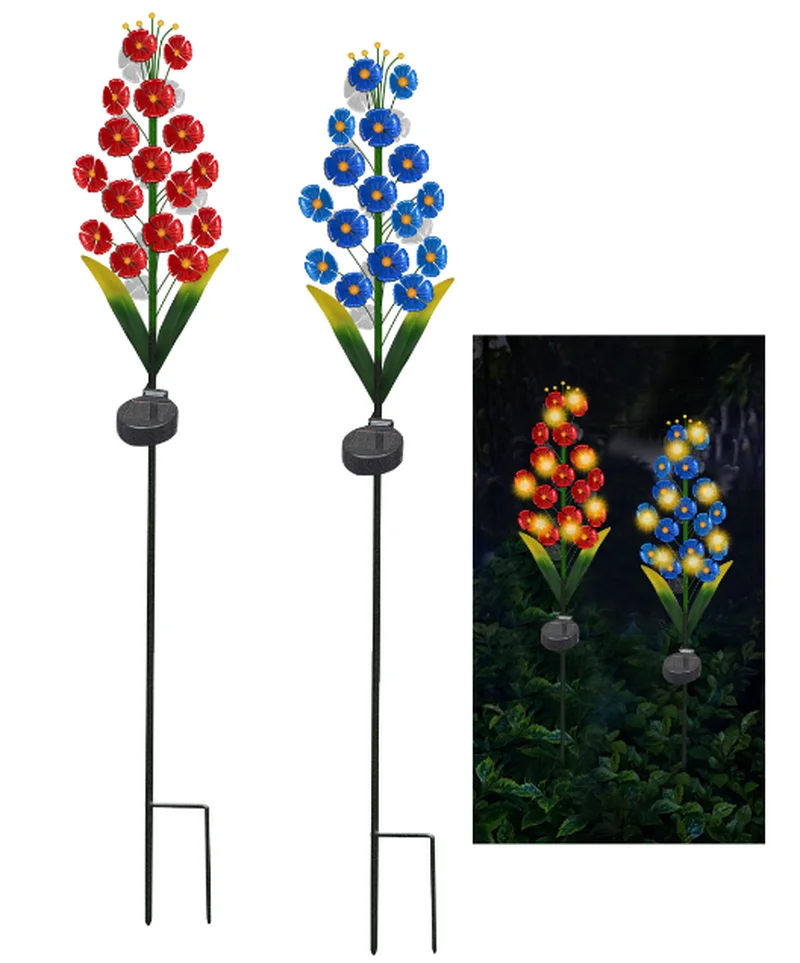
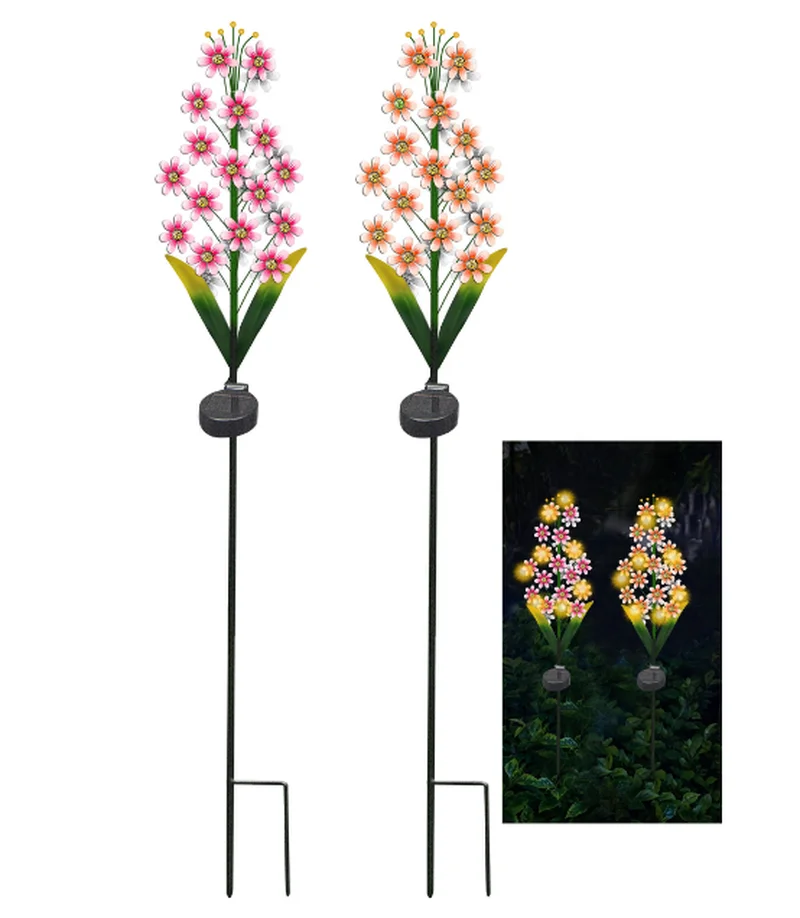
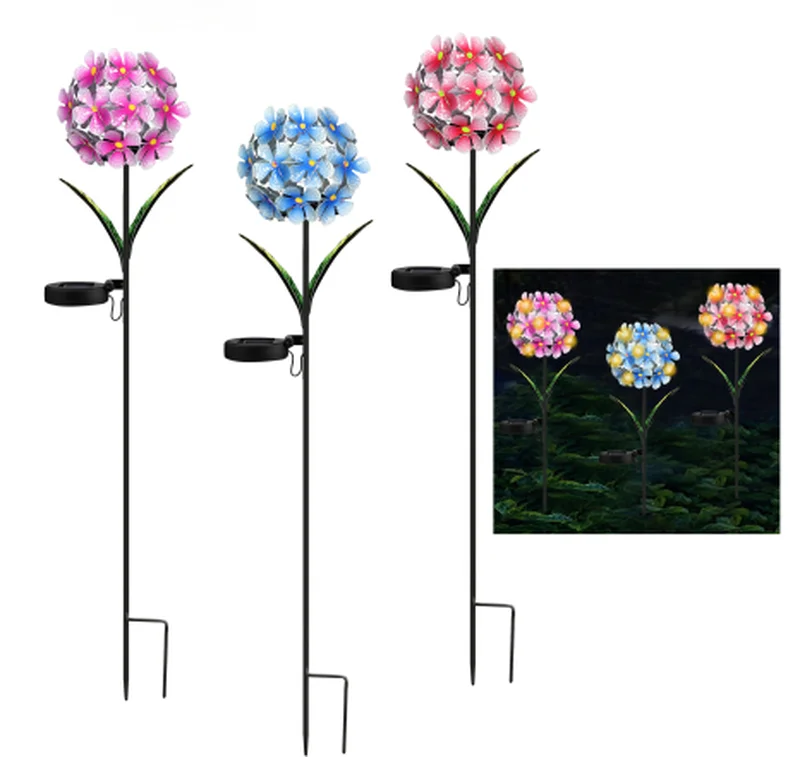
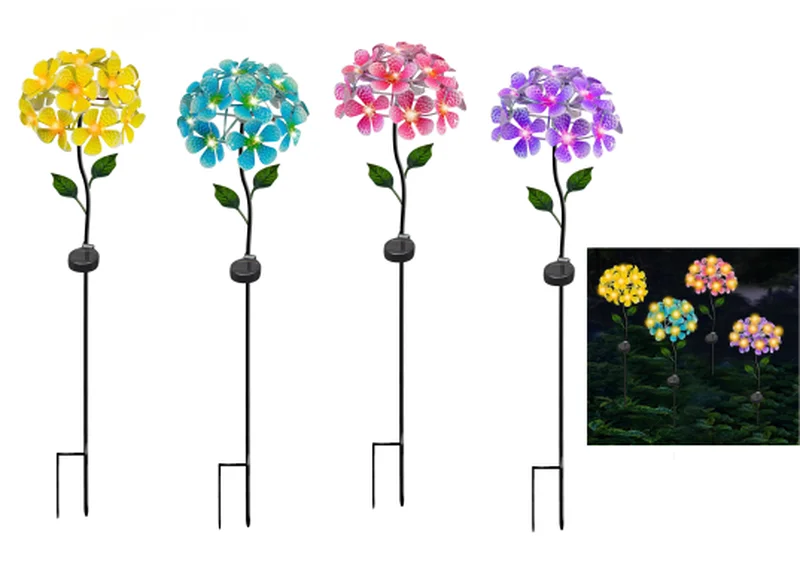
1. What Plastic Types Are Used and How Do They Compare?
What Are the Primary Plastic Materials?
Quality manufacturers use UV-stabilized PP formulations that resist degradation from sunlight exposure. Standard PP without UV stabilizers becomes brittle and fades within months of outdoor use, while properly stabilized PP maintains appearance and structural integrity for 2-3+ years. At Glowyard Lighting, our PP formulations incorporate UV stabilizers and color-fast pigments tested through rigorous UV testing protocols to ensure long-term outdoor performance.
Acrylonitrile Butadiene Styrene (ABS): ABS plastic provides superior impact resistance and surface finish quality compared to PP, making it ideal for products requiring smooth, glossy appearances or intricate surface details. ABS machines easily, accepts paint and coatings well, and offers excellent dimensional stability that maintains precise shapes through temperature variations.However, ABS costs 20-30% more than PP and requires UV stabilization for outdoor use, as standard ABS degrades rapidly under sun exposure. Quality ABS solar lights use UV-stabilized grades or protective coatings that prevent yellowing and brittleness. ABS works well for premium plastic products where superior appearance justifies higher costs.
Polyethylene (PE): High-density polyethylene (HDPE) and low-density polyethylene (LDPE) offer excellent chemical resistance, moisture resistance, and natural UV stability superior to PP or ABS. PE materials maintain flexibility even in cold temperatures and resist cracking from impacts or stress. HDPE provides better rigidity for structural components, while LDPE offers flexibility for petals or decorative elements requiring movement.PE’s waxy surface texture and limited color options restrict its use primarily to bases, mounting components, or products where matte finishes suit the design aesthetic. PE costs slightly less than PP but offers fewer processing options for complex shapes or fine details.
How Do Plastic Types Affect Product Performance?
What Plastic Combinations Optimize Value?
—
2. What Manufacturing Processes Create Quality Plastic Solar Lights?
What Is Injection Molding and Why Does It Matter?
Injection Molding Basics: Injection molding injects molten plastic into precision molds under high pressure, creating consistent parts with excellent detail reproduction. This process dominates plastic solar light manufacturing due to its efficiency, consistency, and ability to produce complex shapes with minimal post-processing.Quality injection molding requires precise temperature control, appropriate injection pressure, and proper cooling cycles. Inadequate process control creates defects including short shots (incomplete filling), sink marks, warping, or inconsistent dimensions. Modern injection molding machines with computer controls produce more consistent results than older manual equipment.
Mold Quality Impact: Mold quality directly determines part quality, consistency, and production efficiency. Precision molds machined from hardened steel produce millions of consistent parts with excellent detail reproduction. Cheap aluminum molds wear quickly, produce inconsistent parts, and require frequent maintenance or replacement.Examine sample products for consistent dimensions, smooth surfaces, and sharp detail reproduction. Variations between samples from the same production run indicate mold wear or inadequate process control. Quality manufacturers invest in precision molds and maintain them properly to ensure consistent production quality.
How Does Material Selection Affect Manufacturing?
Material Flow Characteristics: Different plastics flow differently during injection molding, affecting the complexity of shapes that can be produced and the consistency of results. PP flows easily, allowing thin walls and complex shapes. ABS requires higher temperatures but produces excellent surface finishes. PE’s flow characteristics limit design complexity but offer excellent chemical resistance. Shrinkage and Warping: All plastics shrink as they cool, with shrinkage rates varying by material type and part geometry. Quality manufacturers account for shrinkage in mold design, ensuring finished parts meet dimensional specifications. Inadequate shrinkage compensation creates parts that don’t fit together properly or fail to meet size requirements. Cycle Time and Efficiency: Faster cooling plastics (PP, PE) allow shorter production cycles and higher output compared to slower cooling materials (ABS, polycarbonate). This affects production costs and delivery schedules. Manufacturers with modern cooling systems and optimized processes achieve faster cycles while maintaining quality.What Post-Molding Processes Add Value?
Surface Treatment: Post-molding surface treatments including painting, coating, or texturing enhance appearance and durability. Quality surface treatments require proper surface preparation, appropriate coating materials, and controlled application processes. Poor surface treatment leads to coating delamination, uneven appearance, or premature failure. Assembly Operations: Most plastic solar flower lights require assembly of multiple components including flower heads, stems, bases, and electronic elements. Quality assembly uses appropriate fastening methods (ultrasonic welding, snap fits, adhesives) that create secure connections without damaging components. Examine assembly quality on samples—look for secure connections, proper alignment, and absence of stress marks. Quality Control Integration: Professional manufacturers implement quality control throughout production rather than relying solely on final inspection. This includes incoming material verification, in-process dimensional checks, visual inspection, and functional testing. Our ISO 9001 certified quality control process ensures consistent product quality across all production runs.What Equipment Indicates Manufacturing Capability?
Modern Injection Molding Machines: Computer-controlled injection molding machines (50-500 ton capacity) with precise temperature control, pressure monitoring, and automated cycles produce consistent parts with minimal variation. Older manual machines struggle with consistency and require more operator skill to maintain quality. Mold Maintenance Facilities: In-house mold maintenance capabilities including CNC machining, polishing, and repair equipment indicate serious manufacturing operations. Manufacturers without proper mold maintenance capabilities experience declining part quality as molds wear and cannot quickly address production issues. Automated Assembly Systems: Semi-automated or fully automated assembly systems improve consistency and efficiency compared to purely manual assembly. However, skilled manual assembly remains important for complex products or custom designs. The best manufacturers balance automation with skilled craftsmanship.—
3. How Do UV Stabilization and Weatherproofing Work?
Why Is UV Stabilization Critical for Plastic Solar Lights?
UV Degradation Mechanisms: Ultraviolet radiation from sunlight breaks down plastic molecular chains through photo-oxidation, causing brittleness, color fading, and surface chalking. Unstabilized plastics degrade rapidly outdoors—becoming brittle and cracking within 6-12 months of sun exposure. This degradation creates customer dissatisfaction, high return rates, and damage to brand reputation. UV Stabilizer Types: Quality manufacturers incorporate UV stabilizers directly into plastic formulations during manufacturing. UV absorbers convert harmful UV radiation into harmless heat, while hindered amine light stabilizers (HALS) interrupt the degradation process at molecular level. The combination provides superior protection compared to either technology alone. Testing and Verification: Proper UV stabilization requires testing to verify effectiveness. Accelerated weathering tests using UV chambers simulate years of outdoor exposure in compressed timeframes. Quality plastic solar lights should withstand 500-1000 hours of accelerated UV exposure with minimal color change or material degradation. Request UV testing documentation from manufacturers to verify stabilization effectiveness.How Do You Assess UV Stabilization Quality?
Visual Inspection Over Time: The most reliable UV stabilization assessment involves outdoor exposure testing in your target climate. Place samples in direct sunlight for several weeks or months and monitor for color fading, surface chalking, or brittleness. Significant degradation within 3-6 months indicates inadequate UV stabilization that will create customer problems. Comparative Testing: Order samples from multiple manufacturers and conduct side-by-side outdoor exposure testing. Quality differences become apparent through comparative testing that may not be obvious when evaluating single samples in isolation. Document color changes, surface condition, and flexibility changes over time. Material Certification: Request material certifications or test reports verifying UV stabilizer content and type. Quality manufacturers can provide documentation showing UV stabilizer specifications and testing results. Lack of documentation suggests manufacturers may be cutting corners on UV stabilization to reduce costs.What Weatherproofing Standards Apply to Plastic Lights?
IP Rating Requirements: Plastic solar flower lights should achieve at least IP44 rating (protection against splashing water from any direction) for basic outdoor use. Premium products targeting year-round outdoor exposure should offer IP65 or IP67 ratings. Understanding waterproof ratings helps you select appropriate products for your target market’s climate conditions. Seal and Gasket Quality: Weatherproofing depends on quality seals and gaskets at component interfaces, particularly where electronic components connect to decorative elements. Quality products use silicone or rubber gaskets that maintain flexibility through temperature variations and resist UV degradation. Cheap foam gaskets compress permanently or degrade quickly, allowing moisture infiltration. Assembly Design: Proper weatherproofing requires thoughtful assembly design that minimizes water entry points and provides drainage for any moisture that does enter. Examine how components fit together—look for overlapping joints, sealed interfaces, and drainage paths. Poor assembly design allows water accumulation that damages electronics even when individual components meet IP ratings.How Do Temperature Extremes Affect Plastic Performance?
Cold Weather Performance: Most plastics become more brittle in cold temperatures, increasing crack risk from impacts or stress. PP and PE maintain better flexibility in cold compared to ABS or polystyrene. Products targeting cold climates should use plastic formulations tested for low-temperature performance. Heat Resistance: Extreme heat can cause plastic warping, particularly in dark colors that absorb more solar radiation. Quality plastics maintain dimensional stability up to 60-70°C, adequate for most climates. Products in very hot regions (deserts, tropical areas) benefit from heat-resistant formulations or lighter colors that reflect more heat. Thermal Cycling: Repeated heating and cooling cycles create stress that can cause cracking or warping over time. Quality plastics with proper formulation and adequate wall thickness resist thermal cycling damage. Thin-walled products or those using inferior materials show premature failure from thermal stress.—
4. What Quality Standards Should You Look For?
What Product Certifications Are Essential?
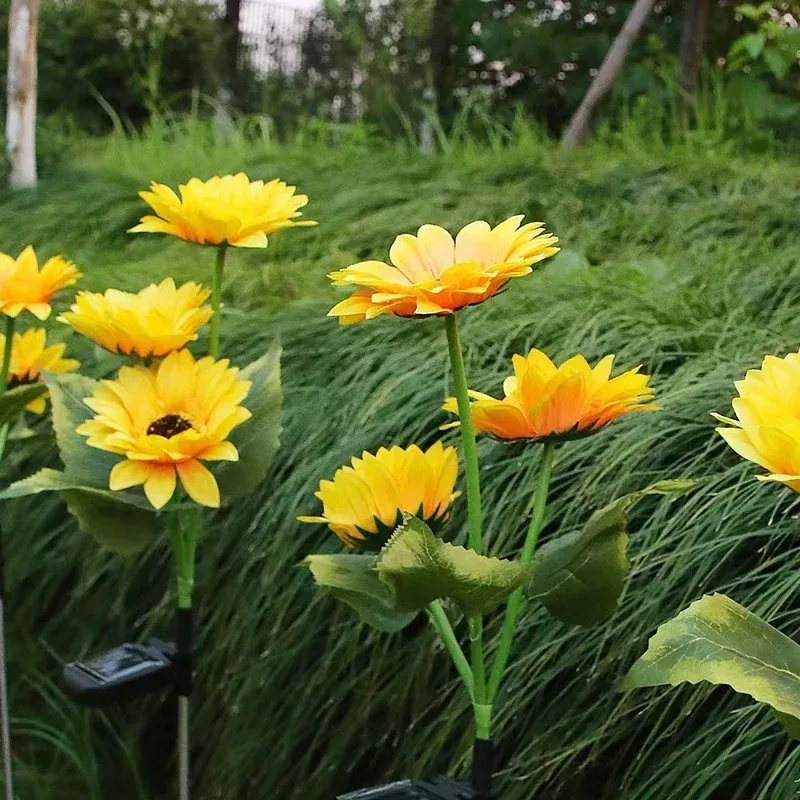
CE and RoHS Compliance: European markets require CE certification demonstrating compliance with EU safety, health, and environmental protection standards. RoHS compliance limits hazardous substances in electrical equipment, increasingly important for environmentally conscious markets. Quality manufacturers readily provide genuine certificates and can explain specific directives their products comply with. Learn more about RoHS certification requirements for solar garden lights. FCC and UL Standards: North American markets benefit from FCC certification addressing electromagnetic interference and UL certification providing independent safety verification. While not always mandatory for solar lights, these certifications significantly enhance product credibility and meet requirements of major retailers. Material Safety Certifications: Plastic materials should meet safety standards for outdoor consumer products, particularly for products that may be handled by children. Request material safety data sheets (MSDS) and certifications verifying plastics are free from harmful substances and meet relevant safety standards.How Do You Assess Plastic Component Quality?
Wall Thickness Verification: Adequate wall thickness ensures structural integrity and durability. Measure wall thickness on sample products using calipers—quality plastic solar flower lights typically use 1.5-3.0mm walls for decorative components and 2.0-4.0mm for structural elements. Thin walls save material costs but compromise durability and create brittle products prone to cracking. Surface Quality Inspection: Examine plastic surfaces for consistent color, smooth finish, and absence of defects including sink marks, flow lines, weld lines, or surface blemishes. Quality injection molding produces smooth, consistent surfaces with sharp detail reproduction. Surface defects indicate inadequate process control or worn molds. Dimensional Consistency: Measure multiple samples from the same production batch and compare dimensions. Variations exceeding 1-2% indicate inadequate process control or mold wear. Dimensional inconsistency creates assembly problems, poor fit between components, and quality perception issues.What Factory Certifications Indicate Quality?
ISO 9001 Quality Management: ISO 9001 certification demonstrates systematic approaches to quality control, process documentation, and continuous improvement. Certified manufacturers maintain documented procedures for all critical operations, conduct regular internal audits, and implement corrective actions when problems arise. BSCI and Sedex Social Compliance: BSCI and Sedex certifications verify ethical manufacturing practices including fair labor conditions, safe working environments, and environmental responsibility. These certifications increasingly matter to B2B buyers serving socially conscious markets and retailers with strict supplier requirements.At Glowyard Lighting, we maintain ISO 9001, BSCI, and Sedex certifications across our manufacturing facilities. Our four-stage inspection protocols (IQC, IPQC, FQC, OQC) ensure consistent product quality and minimize defect rates to below 0.5%.
What Testing Should You Conduct?
UV Exposure Testing: Conduct or request accelerated UV exposure testing demonstrating color stability and material integrity after extended sun exposure. Products should withstand 500-1000 hours of accelerated UV testing with minimal color change or surface degradation. This testing is critical for plastic products where UV degradation represents the primary failure mode. Drop and Impact Testing: Test product durability by dropping samples from typical handling heights (1-2 meters) onto hard surfaces. Quality products should survive multiple drops without cracking or breaking. Brittle products that crack easily indicate inadequate material quality or insufficient wall thickness. Weather Exposure Testing: If possible, conduct outdoor exposure testing in your target climate for several weeks or months. Monitor for color fading, surface degradation, warping, or cracking. Real-world testing provides the most reliable indication of long-term product performance.—
5. What Is the Market Demand and Pricing Strategy?
What Market Segments Drive Plastic Solar Light Sales?
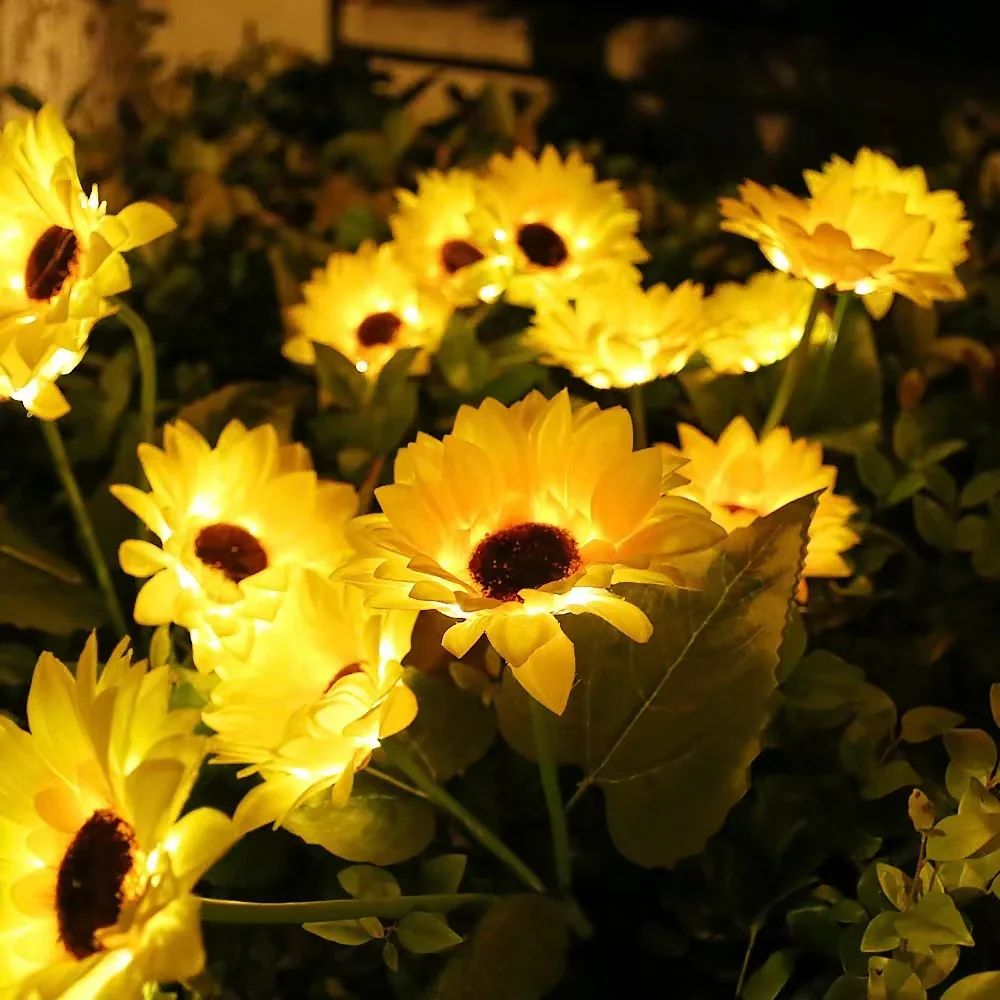
Mass Market Retail: Big-box retailers, home improvement stores, and discount chains represent the largest market segment for plastic solar flower lights. These channels target price-conscious consumers seeking attractive outdoor décor at affordable prices. Volume sales compensate for lower per-unit margins, making efficient sourcing and competitive pricing critical for success. E-Commerce Platforms: Amazon, eBay, and direct-to-consumer websites show strong growth for plastic solar lights due to their photogenic appearance, affordable pricing, and gift-giving appeal. E-commerce sellers benefit from plastic products’ light weight (reducing shipping costs) and attractive appearance in product photography. Garden Centers and Seasonal Retailers: Garden centers, nurseries, and seasonal retailers stock plastic solar lights during spring and summer peak seasons. These channels value products with attractive packaging, reasonable quality, and pricing that supports 50-100% retail markups while remaining accessible to mainstream consumers. Dollar Stores and Discount Retailers: Ultra-budget retailers require extremely competitive pricing, typically accepting lower quality standards in exchange for rock-bottom costs. This segment demands efficient sourcing, minimal packaging, and streamlined specifications that eliminate any non-essential features or quality elements.What Pricing Strategies Work for Plastic Solar Lights?
Volume-Based Pricing: Plastic solar lights succeed through volume sales rather than premium pricing. Wholesale prices typically range from very economical for basic designs to moderate for premium plastic products with superior UV stabilization and design sophistication. Retail pricing should remain accessible to mainstream consumers while supporting adequate margins. Tiered Product Lines: Successful B2B buyers often offer tiered product lines—basic models for price-sensitive customers, mid-range products balancing quality and affordability, and premium plastic designs with superior materials and features. This approach captures multiple market segments while maintaining clear value differentiation. Seasonal Pricing Strategies: Implement dynamic pricing that maximizes margins during peak spring/summer seasons while clearing inventory through discounts in fall/winter. Plastic products’ lower cost basis allows more aggressive discounting compared to premium metal or glass alternatives.What Are the Seasonal Demand Patterns?
Spring Peak Season: Spring (March-May) represents the primary selling season as customers refresh outdoor spaces and garden centers stock seasonal inventory. B2B buyers should build inventory in late winter to meet spring demand surges, particularly around Mother’s Day which drives significant gift purchases. Summer Sustained Demand: Summer months (June-August) maintain strong demand as customers enhance outdoor living spaces and seek affordable garden décor. Plastic solar lights’ affordability makes them attractive for impulse purchases and multi-unit buying. Fall/Winter Clearance: Demand drops significantly in fall and winter, creating inventory clearance pressure. Successful buyers plan inventory levels carefully to avoid excessive fall/winter stock requiring deep discounts. However, holiday gift seasons (Christmas, Valentine’s Day) create secondary demand peaks for attractively packaged plastic solar lights.What Regional Preferences Affect Product Selection?
North American Market: US and Canadian buyers favor larger sizes, realistic flower designs, and warm white LED colors. The market shows strong preference for products with clear quality indicators (thick plastic, smooth finishes, quality packaging) even within plastic product categories. Packaging must emphasize value, durability, and attractive appearance. European Market: European buyers often prefer more compact sizes with contemporary design aesthetics. The market values CE and RoHS certifications highly, with increasing emphasis on environmental compliance and recyclability. Color-changing RGB options show stronger demand in European markets compared to North America. Emerging Markets: Markets in Southeast Asia, South America, and Africa show growing demand for plastic solar lights, with strong price sensitivity and preference for vibrant colors and bold designs. These markets often accept lower quality standards in exchange for extremely competitive pricing.—
6. What Are the Common Applications?
How Are Plastic Solar Flower Lights Used in Residential Settings?
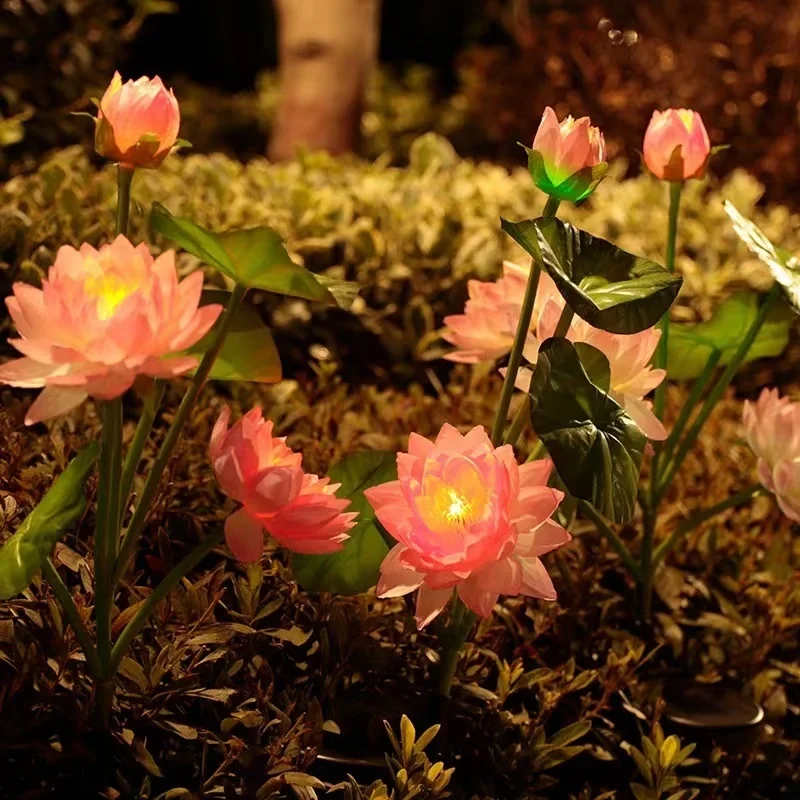
Garden Bed Decoration: Homeowners install plastic solar flower lights in garden beds, flower borders, and landscape plantings to add color and evening illumination. The affordability allows customers to purchase multiple units creating grouped displays without significant investment. The variety of flower designs and colors enables coordination with existing landscape themes. Pathway and Border Lighting: Plastic solar lights line pathways, driveways, and property borders providing subtle guidance lighting while enhancing landscape aesthetics. The stake-mounted designs install easily without tools or electrical work, appealing to DIY homeowners seeking simple outdoor improvements. Patio and Deck Accents: Small outdoor living spaces including patios, decks, and balconies benefit from plastic solar lights that provide decorative illumination without requiring electrical outlets. The portability allows customers to rearrange lights seasonally or bring them indoors during severe weather.What Commercial Applications Drive B2B Sales?
Hospitality and Tourism: Budget hotels, campgrounds, and tourist attractions use plastic solar lights to enhance outdoor spaces while controlling costs. The products provide attractive ambiance without electricity expenses or maintenance requirements of wired lighting systems. The affordability allows large-scale installations that would be cost-prohibitive with premium alternatives. Event and Festival Decorations: Event planners, festival organizers, and temporary venue operators use plastic solar lights for decorative lighting that requires no electrical infrastructure. The lights create attractive atmospheres for outdoor events, photograph well for social media promotion, and can be reused across multiple events. Retail Displays and Demonstrations: Garden centers, home improvement stores, and outdoor living retailers use plastic solar lights in display gardens and demonstration areas. The products showcase well in retail environments, demonstrate solar functionality during store hours, and appeal to customers through attractive appearance and accessible pricing.How Do Budget-Conscious Buyers Utilize These Products?
Rental Properties: Property managers and landlords use plastic solar lights to enhance rental property appeal while minimizing investment and maintenance costs. The products improve curb appeal, provide basic outdoor lighting, and can be easily replaced if damaged or stolen without significant financial impact. Seasonal Decorating: Customers use plastic solar lights for seasonal decorating including spring garden displays, summer outdoor entertaining, and holiday decorations. The affordability makes seasonal purchases practical, while the variety of designs allows coordination with different seasonal themes. Gift Giving: Plastic solar flower lights serve as affordable gifts for housewarmings, Mother’s Day, birthdays, and other occasions. Attractive packaging and reasonable pricing position these products as thoughtful, practical gifts that don’t require significant investment.—
7. What Customization Options Are Available?
What Design Customizations Can Manufacturers Provide?
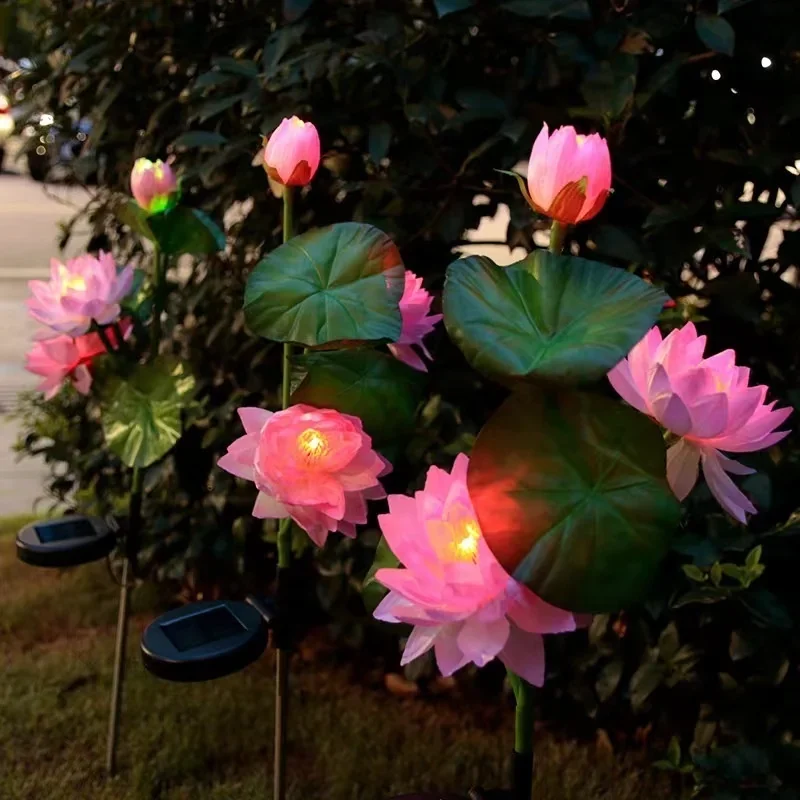
Flower Style and Color: Manufacturers can customize flower types, petal shapes, and color schemes to match your brand positioning or target market preferences. Color customizations using existing molds have low MOQs (100-200 units) and minimal cost impacts since they only require different pigments. Custom flower designs requiring new molds typically need MOQs of 300-500 units to justify tooling costs. Size and Proportion Adjustments: Modifying product dimensions, stem lengths, or flower head sizes creates distinctive products that differentiate from competitors. Size customizations typically require higher minimum order quantities (500-1000 units) as they involve new mold development. Discuss structural implications with manufacturers to ensure size changes don’t compromise stability or durability. Logo and Branding: Quality manufacturers can add your brand logo through various methods including embossing during molding, pad printing, or labels on bases or packaging. Logo customization usually has lower minimum order quantities (50-100 units) as it doesn’t require fundamental product redesign. Provide vector format logos (AI, EPS, or high-resolution PDF) for best results.What Technical Customizations Are Possible?
Solar Panel and Battery Upgrades: Upgrading solar panel wattage or battery capacity improves product performance but increases costs. These technical customizations appeal to customers willing to pay slightly more for extended runtime or faster charging. Discuss technical feasibility with manufacturers early, as some plastic designs have physical constraints limiting component upgrades. LED Customization Options: Customizing LED color temperature (warm white, cool white, RGB color-changing) or brightness levels allows targeting specific market preferences. LED customizations typically have moderate minimum order quantities (200-300 units) and modest cost impacts, making them accessible customization options for many B2B buyers. Material Upgrades: Upgrading from standard plastic to UV-stabilized formulations, impact-modified grades, or premium materials improves durability and longevity. Material upgrades typically add 10-20% to costs but significantly enhance product lifespan and customer satisfaction. This customization works well for buyers targeting quality-conscious segments within the plastic product category.How Does Packaging Customization Add Value?
Custom Box Design: Professional packaging with your brand identity, product photography, and clear feature communication significantly enhances perceived value and retail appeal. Custom packaging for plastic products should emphasize value, quality features (UV-stabilized, weatherproof), and attractive appearance. MOQs typically start at 500-1000 units with one-time design and tooling costs. Retail-Ready Packaging: Packaging designed for retail display with hang tabs, clear windows showing the product, and prominent feature callouts improves sell-through rates in mass market channels. Investment in retail-optimized packaging pays dividends through better shelf placement and reduced retailer markdowns. Multi-Pack Options: Offering multi-pack configurations (2-pack, 4-pack, 6-pack) creates value perception and encourages larger purchases. Multi-packs work particularly well for plastic solar lights where customers often want multiple units for grouped displays. Packaging costs per unit decrease with multi-pack configurations.—
8. How to Source from China: Factory Selection Guide?
Why Source Plastic Solar Flower Lights from China?
Manufacturing Scale and Efficiency: China dominates global plastic solar lighting manufacturing with unmatched production scale, specialized supply chains, and decades of injection molding expertise. The concentration of plastic material suppliers, mold makers, and electronics manufacturers in regions like Guangdong and Fujian provinces creates significant cost and efficiency advantages. Cost Competitiveness: Chinese manufacturers offer pricing advantages of 40-60% compared to manufacturers in other regions, even after accounting for shipping and import duties. This cost advantage stems from efficient production processes, economies of scale in material purchasing, and integrated supply chains that minimize component sourcing expenses. Design and Customization Flexibility: The competitive Chinese manufacturing environment has driven innovation in design capabilities and customization flexibility. Manufacturers routinely handle custom designs, color variations, and packaging modifications that would be prohibitively expensive or impossible with manufacturers in other regions.How Do You Find Reliable Plastic Solar Light Manufacturers?
Industry-Specific Sourcing: Focus on manufacturers specializing in plastic solar lights or outdoor plastic products rather than general plastic manufacturers. Specialists understand UV stabilization requirements, weatherproofing standards, and quality expectations specific to outdoor solar products. They invest in appropriate materials, testing equipment, and expertise that generalist manufacturers lack. Trade Show Evaluation: Attend lighting-specific trade shows like the Canton Fair Lighting Section, Hong Kong Lighting Fair, or Guangzhou International Lighting Exhibition. These events allow face-to-face meetings with manufacturers, product inspection, and relationship building. Evaluate booth quality, product range, and staff technical knowledge as indicators of manufacturer capabilities. Factory Audit Importance: Conduct factory audits either personally or through third-party inspection services to verify injection molding capabilities, material handling systems, and quality control processes. For plastic products, specifically evaluate molding equipment age and condition, mold storage and maintenance facilities, material testing capabilities, and UV testing equipment.What Should You Evaluate When Selecting Manufacturers?
Injection Molding Equipment: Examine injection molding machines for age, condition, and capabilities. Modern computer-controlled machines (manufactured within last 10 years) produce more consistent results than older manual equipment. Verify manufacturers have appropriate machine sizes for your products—oversized machines waste energy and increase costs, while undersized machines struggle with quality. Mold Quality and Maintenance: Request to see molds for similar products and evaluate their condition. Quality molds show minimal wear, proper maintenance, and professional construction. Ask about mold maintenance capabilities and procedures—manufacturers without in-house mold maintenance struggle to maintain consistent quality as molds wear. Material Testing and Quality Control: Verify that manufacturers conduct incoming material testing to ensure plastic materials meet specifications including UV stabilizer content, color consistency, and physical properties. Manufacturers accepting materials without testing risk quality variations that create customer problems. UV Testing Capabilities: Quality plastic solar light manufacturers should have UV testing chambers or access to testing laboratories. Request UV testing reports for similar products demonstrating color stability and material integrity after accelerated exposure. Lack of UV testing capability indicates manufacturers may not understand or prioritize this critical quality factor.What Red Flags Should You Watch For?
Inadequate UV Stabilization: Manufacturers unable to provide UV stabilizer specifications, testing documentation, or material certifications likely cut corners on this critical quality factor. Poor UV stabilization causes premature product failure, high return rates, and customer dissatisfaction that damages brand reputation. Worn or Low-Quality Molds: Samples showing inconsistent dimensions, poor surface finish, or visible defects indicate worn or low-quality molds. Manufacturers using cheap molds or neglecting mold maintenance cannot produce consistent quality products. No Material Testing: Manufacturers accepting plastic materials without incoming quality control testing risk variations in UV stabilizer content, color consistency, or physical properties. This creates batch-to-batch quality variations that frustrate customers and damage brand reputation.—
9. What Common Mistakes Should You Avoid When Sourcing?
What Quality-Related Mistakes Hurt Profitability?
Prioritizing Price Over UV Stabilization: Selecting manufacturers based solely on lowest pricing often results in inadequate UV stabilization that causes premature fading, brittleness, and customer returns. UV stabilization quality determines product lifespan and customer satisfaction for plastic solar lights. Evaluate UV testing documentation and material specifications rather than just initial pricing. Ignoring Wall Thickness: Accepting products with thin walls to achieve lower pricing creates brittle products prone to cracking and customer dissatisfaction. Verify wall thickness on samples and ensure specifications include minimum thickness requirements. Thin-walled products save pennies in material costs but create dollars in returns and reputation damage. Overlooking Surface Quality: Accepting products with surface defects (sink marks, flow lines, rough finishes) to reduce costs creates quality perception problems that hurt sales and brand reputation. Surface quality significantly impacts customer perception of value, particularly for products sold through visual channels like e-commerce.What Supplier Selection Mistakes Create Problems?
Choosing Generalist Manufacturers: Sourcing plastic solar lights from manufacturers without specialized outdoor product experience often results in inadequate UV stabilization, poor weatherproofing, or material selection problems. Prioritize manufacturers with dedicated outdoor solar light product lines and documented experience in UV-stabilized plastics. Failing to Verify Mold Quality: Ordering products without inspecting molds or evaluating mold maintenance capabilities creates risks of declining quality as molds wear. Request mold inspection during factory visits and ask about mold maintenance procedures and capabilities. Neglecting Material Verification: Accepting manufacturer claims about UV stabilization without requesting material certifications or testing documentation allows substitution of inferior materials. Request material safety data sheets, UV stabilizer specifications, and testing reports to verify material quality.What Market Positioning Mistakes Reduce Profitability?
Competing Solely on Price: While plastic solar lights target price-conscious consumers, competing exclusively on lowest price attracts customers who generate high return rates and customer service costs. Emphasize value (attractive design, adequate quality, reasonable durability) rather than just lowest price. Inadequate Quality Communication: Failing to communicate UV stabilization, weatherproofing, and quality features leaves customers unable to distinguish your products from inferior alternatives. Invest in packaging and marketing materials that educate customers about quality features and value. Ignoring Packaging Quality: Cheap, unattractive packaging undermines product appeal and reduces perceived value even when products meet quality standards. Invest in packaging that protects products during shipping, presents them attractively at retail, and communicates quality features effectively.—
10. Who Is Glowyard Lighting and What Do We Offer?
What Is Our Company Background?
Glowyard Lighting has specialized in solar garden lighting manufacturing since 2010, accumulating over 15 years of expertise in designing, producing, and exporting decorative outdoor solar garden lights to B2B buyers worldwide. Our plastic lights manufacturing capabilities represent a core competency, with specialized expertise in UV-stabilized materials, injection molding, and quality control for outdoor plastic products.Our manufacturing facilities in Fujian and Guangdong provinces employ 150-200 skilled workers including dedicated R&D teams (15-20 engineers), production staff (100-120 workers), quality control specialists (10-15 inspectors), and sales support personnel (20-30 team members). This integrated team structure allows us to control quality at every stage from design through final delivery.
What Plastic Manufacturing Capabilities Do We Provide?
Advanced Injection Molding: Our injection molding capabilities include modern computer-controlled machines (50-200 ton capacity), precision molds, and automated material handling systems. We’ve invested in equipment that ensures consistent quality, efficient production, and the ability to handle complex custom designs with fine details. UV-Stabilized Material Expertise: We specialize in UV-stabilized plastic formulations that maintain appearance and structural integrity through years of outdoor exposure. Our materials undergo rigorous UV testing following established protocols, and we can provide testing documentation demonstrating color stability and material integrity after 500-1000 hours of accelerated exposure. Comprehensive Quality Control: Our quality control processes include incoming material testing (verifying UV stabilizer content, color consistency, physical properties), in-process dimensional checks, visual inspection, and functional testing. Our ISO 9001 certified quality management system ensures consistent product quality across all production runs.What Certifications and Standards Do We Meet?
Factory Certifications: Glowyard maintains ISO 9001, BSCI, and Sedex certifications demonstrating our commitment to quality management, social compliance, and ethical business practices. These certifications provide assurance that our operations meet international standards for manufacturing excellence and worker welfare. Product Certifications: Our plastic solar flower lights carry CE, RoHS, FCC, UL, UKCA, and REACH certifications enabling sales in European, North American, and global markets. We maintain IP44, IP65, and IP67 waterproof ratings across our product lines, ensuring appropriate protection levels for various applications. View our complete certification portfolio.What Services Support B2B Buyers?
Flexible MOQ Policies: We offer tiered MOQ structures starting from 50-100 units for basic customization (color changes, simple branding), 300-500 units for structural modifications, and 500-1000 units for comprehensive design changes. Long-term partners with annual orders exceeding 10,000 units can negotiate even lower MOQs for reorders. Fast Sampling and Delivery: We provide sample production in 7-10 days, small batch orders (100-500 units) in 15-20 days, and bulk orders (500+ units) in 25-35 days. Our logistics partnerships ensure reliable shipping through major ports and airports, with tracking support throughout the delivery process. Comprehensive OEM/ODM Services: Our customization services cover flower design modifications, color options, material selection, technical specifications, and packaging design. We provide free feasibility reports for custom projects, 3D design renderings for client approval, and detailed quotations covering all costs from engineering through delivery. After-Sales Support: We provide 2-3 year warranties covering manufacturing defects in plastic components, UV stabilization, solar panels, LEDs, batteries, and circuit boards. Our technical support team responds within 24 hours via email or WhatsApp, offering troubleshooting assistance and spare parts availability.How Can You Start Working With Us?
Contact our B2B sales team through our website at glowyard.com or reach out directly to discuss your specific requirements for plastic solar flower lights. We provide detailed product specifications, material certifications, UV testing documentation, and sample evaluation programs that help you assess our products’ suitability for your market. Our team works closely with B2B buyers to ensure product specifications, quality standards, and delivery schedules align with your business needs.
—
11. What Questions Do Buyers Ask About Plastic Solar Flower Lights?
Product Quality and Durability Questions
How long do plastic solar flower lights last?Quality plastic solar lights with proper UV stabilization last 2-3+ years in outdoor conditions. LED lifespan typically exceeds 50,000 hours, battery lifespan ranges from 2-3 years (replaceable), and UV-stabilized plastic maintains appearance and structural integrity for multiple seasons. The limiting factor is usually battery degradation or UV damage to inadequately stabilized plastics.
Will plastic solar lights fade or become brittle?Quality plastic solar lights using UV-stabilized materials resist fading and brittleness for 2-3+ years. Unstabilized plastics fade and become brittle within 6-12 months of sun exposure. Request UV testing documentation showing minimal color change and material degradation after 500-1000 hours of accelerated exposure to verify adequate UV stabilization.
Are plastic lights as durable as metal?Plastic lights offer different durability characteristics than metal alternatives. Quality plastic resists corrosion, maintains flexibility through temperature variations, and costs significantly less than metal. However, plastic is more susceptible to UV degradation (if not properly stabilized) and may not convey the same premium perception as metal construction.
Can plastic solar lights withstand rain and weather?Quality plastic solar lights with proper weatherproofing (IP44-IP67 ratings) withstand rain, snow, and outdoor weather conditions. Plastic materials naturally resist moisture and corrosion better than metal alternatives. However, weatherproofing depends on quality seals, gaskets, and assembly design rather than just material selection.
Sourcing and Business Questions
What are typical wholesale prices for plastic solar lights?Wholesale prices vary significantly based on size, design complexity, material quality, and features. Basic plastic models may wholesale for very economical prices, while premium plastic products with superior UV stabilization and sophisticated designs command moderate pricing. Volume discounts typically range from 10-20% for orders exceeding certain quantity thresholds.
What minimum order quantities should I expect?MOQs depend on customization requirements: 50-100 units for color changes using existing molds, 300-500 units for custom flower designs requiring new molds, 500-1000 units for comprehensive design changes or technical upgrades, and 1000+ units for completely original designs. Established suppliers with proven order history may negotiate lower MOQs.
How long does production and shipping take?Sample production requires 7-10 days, small batch production (100-500 units) takes 15-20 days, and bulk orders (500+ units) need 25-35 days. Plastic products typically have shorter production times than metal alternatives due to faster molding cycles. Add 3-7 days for sea freight or 5-10 days for air freight.
What warranty should I expect?Quality plastic solar flower lights should include 2-3 year warranties covering manufacturing defects in plastic components, UV stabilization, solar panels, LEDs, batteries, and circuit boards. Warranties typically exclude damage from misuse, physical damage, or normal wear. Shorter warranties (1 year or less) may indicate lower quality expectations.
Technical and Performance Questions
How can I verify UV stabilization quality?Request UV testing reports showing color stability and material integrity after 500-1000 hours of accelerated exposure. Conduct outdoor exposure testing on samples in your target climate for several weeks or months. Request material certifications verifying UV stabilizer type and content. Manufacturers unable to provide this documentation likely use inadequately stabilized materials.
What wall thickness should I look for?Quality plastic solar flower lights typically use 1.5-3.0mm walls for decorative components and 2.0-4.0mm for structural elements. Measure wall thickness on samples using calipers. Thinner walls save material costs but create brittle products prone to cracking. Adequate wall thickness ensures durability and customer satisfaction.
Can plastic designs be customized?Yes, plastic solar lights offer extensive customization options including flower designs, colors, sizes, and technical specifications. Color customizations have low MOQs (100-200 units) while structural modifications need higher MOQs (500-1000 units). Discuss customization feasibility early in the sourcing process to understand tooling requirements and costs.
Market and Positioning Questions
Who buys plastic solar lights?Primary buyers include mass market retailers (big-box stores, home improvement chains), e-commerce sellers (Amazon, eBay, direct-to-consumer), garden centers and seasonal retailers, and budget-conscious consumers seeking attractive outdoor décor at affordable prices. These segments value attractive appearance, adequate quality, and competitive pricing.
How should I price plastic solar lights?Plastic solar lights succeed through volume sales at accessible price points. Retail pricing should remain affordable for mainstream consumers while supporting adequate margins—typically 50-100% markups over wholesale costs for retail channels. Emphasize value (attractive design, UV-stabilized materials, weatherproof construction) rather than competing solely on lowest price.
What marketing messages work best?Effective marketing emphasizes value (“beautiful outdoor décor at affordable prices”), quality features (“UV-stabilized for long-lasting color”, “weatherproof construction”), and ease of use (“no wiring required”, “solar powered”). Include warranty information and quality certifications to build confidence. Use attractive product photography that showcases appearance and lighting effects.
—
Conclusion
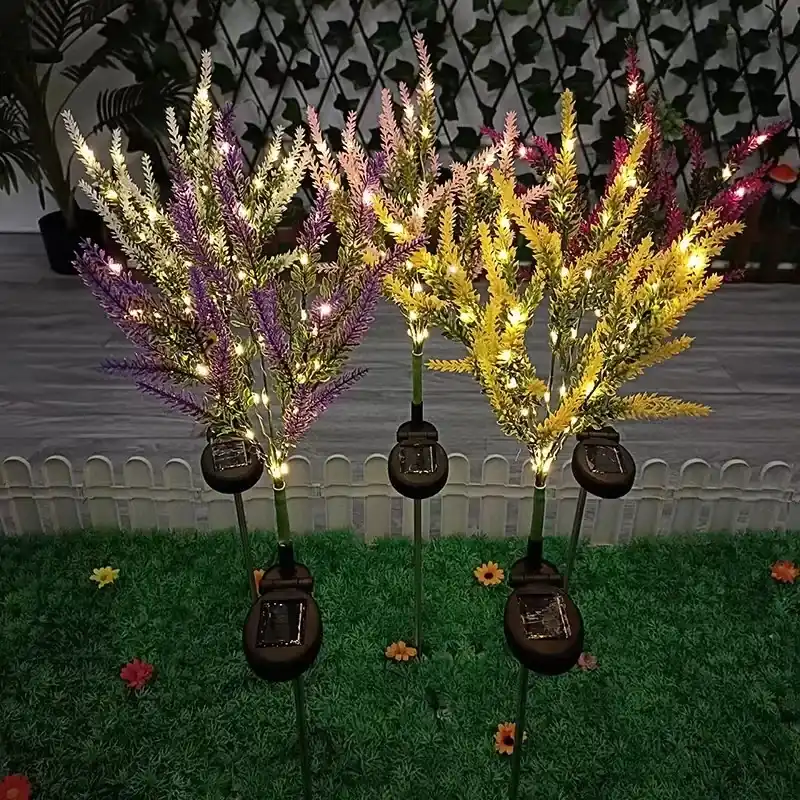
Plastic solar flower lights offer B2B buyers opportunities to serve mass market consumers through products that balance attractive aesthetics, adequate durability, and competitive pricing. Success in this high-volume category requires careful attention to UV stabilization, manufacturing quality, and value positioning. By following the guidance in this comprehensive guide, wholesalers and retailers can source plastic solar lights that meet customer expectations while maintaining healthy profit margins through efficient operations.
Key Takeaways:- UV stabilization quality determines product lifespan and customer satisfaction
- Manufacturing quality (mold quality, wall thickness, surface finish) impacts perceived value
- Multiple plastic types (PP, ABS, PE) serve different performance and cost requirements
- Mass market success requires volume-based pricing and value positioning
- Chinese manufacturers offer unmatched cost advantages and production scale
At Glowyard Lighting, we’re committed to supporting B2B buyers with quality plastic solar flower lights, UV-stabilized materials, and reliable service. Contact us to discuss your specific requirements and discover how our 15+ years of plastic manufacturing expertise can help your business succeed in the mass market solar lighting category.
—
Ready to source quality plastic solar flower lights? Visit glowyard.com or contact our B2B sales team to request samples, discuss UV stabilization and material options, and receive detailed quotations tailored to your business needs.