


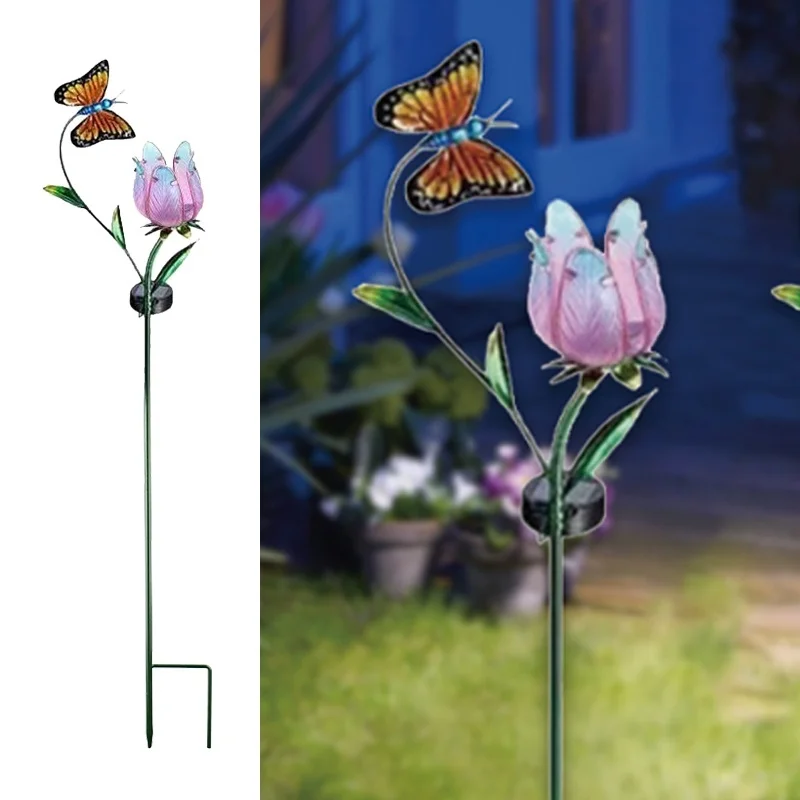
1. What Glass Types Are Used and How Do They Compare?
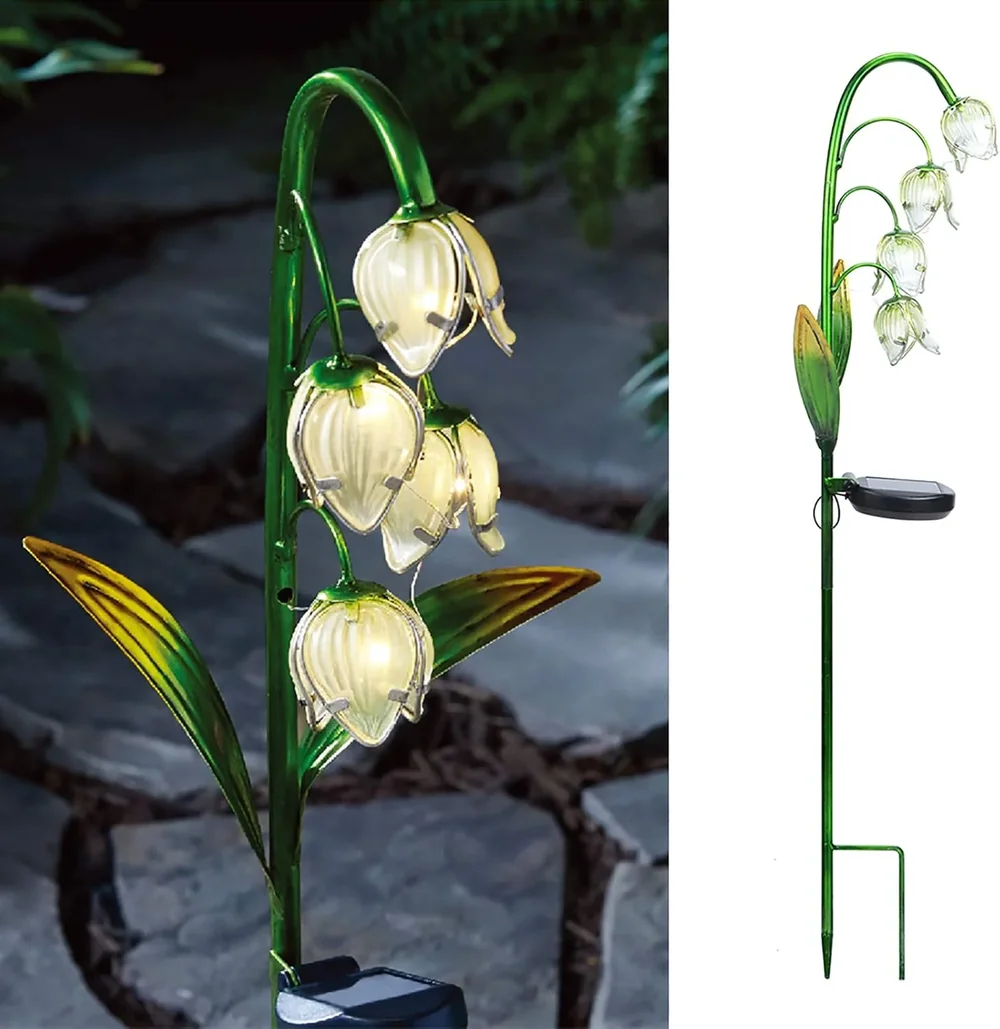
What Are the Primary Glass Materials?
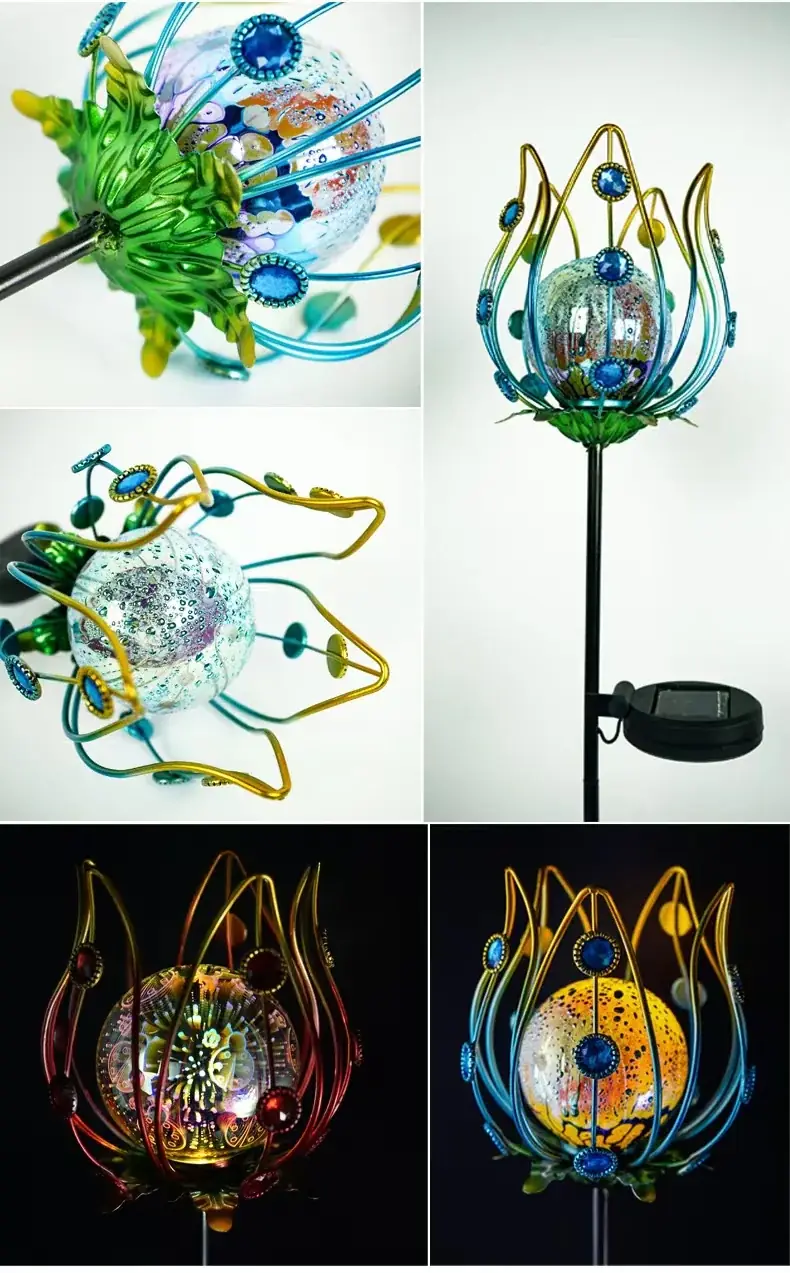
Quality crackled glass uses controlled thermal shocking processes that create consistent fracture patterns without compromising strength. The glass maintains transparency while the internal cracks diffuse light in multiple directions, creating a soft glow that enhances outdoor ambiance. At Glowyard Lighting, our crackled glass ball manufacturing process ensures consistent quality and beautiful light diffusion across all production runs.
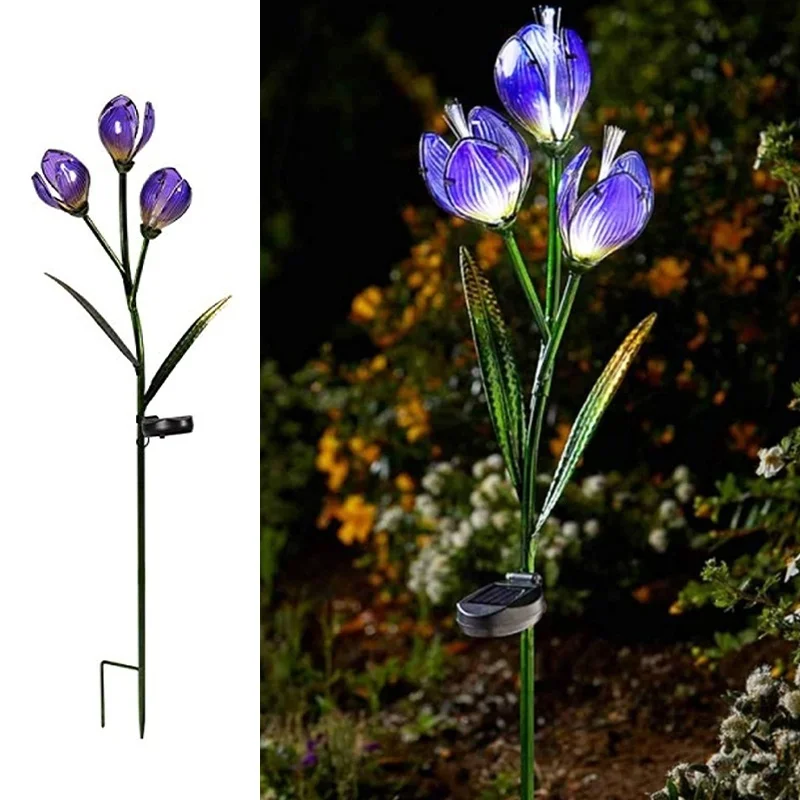
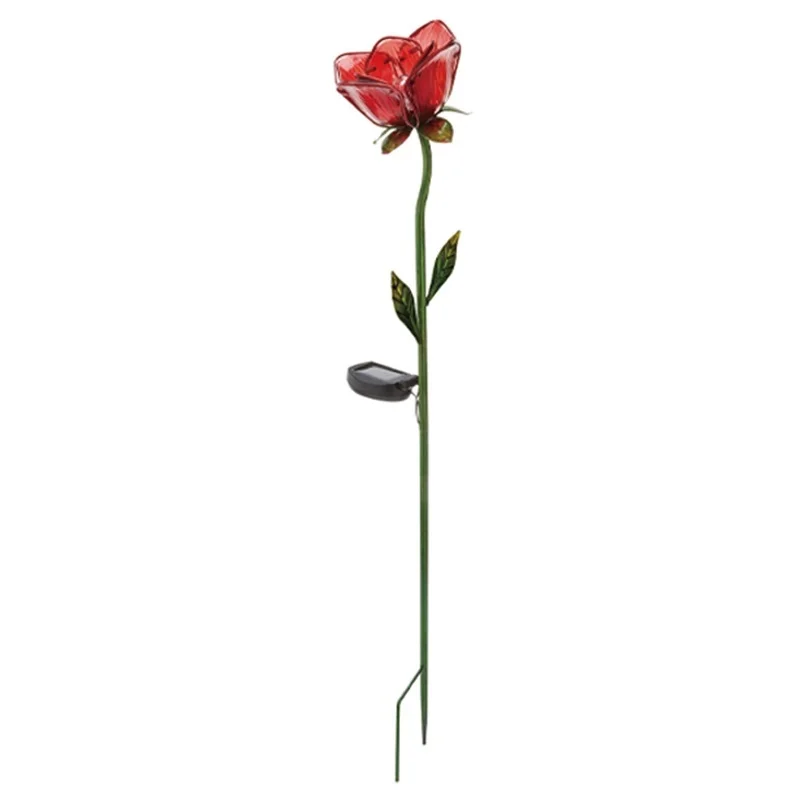
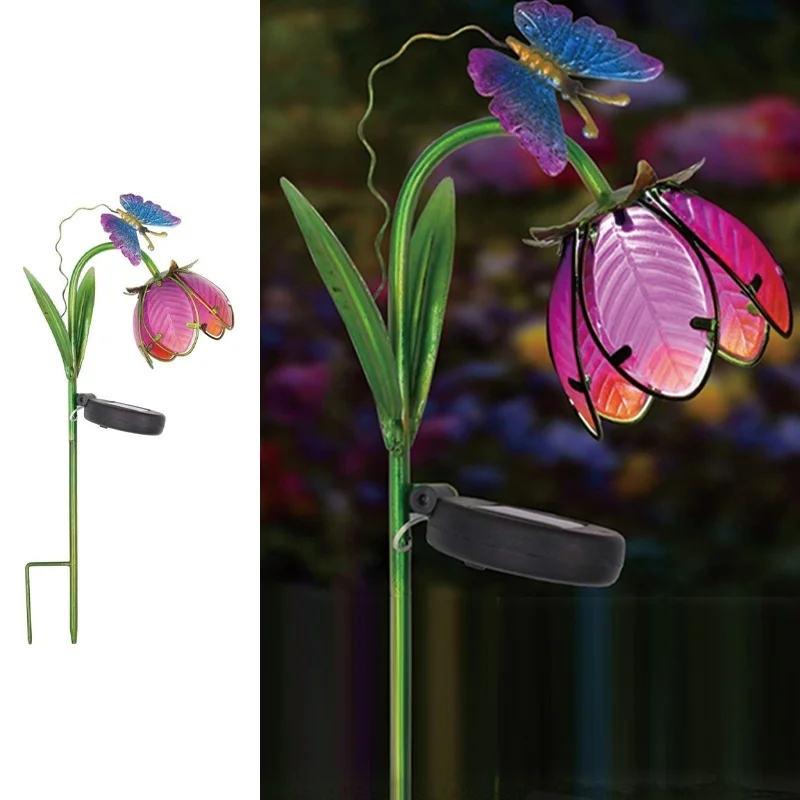
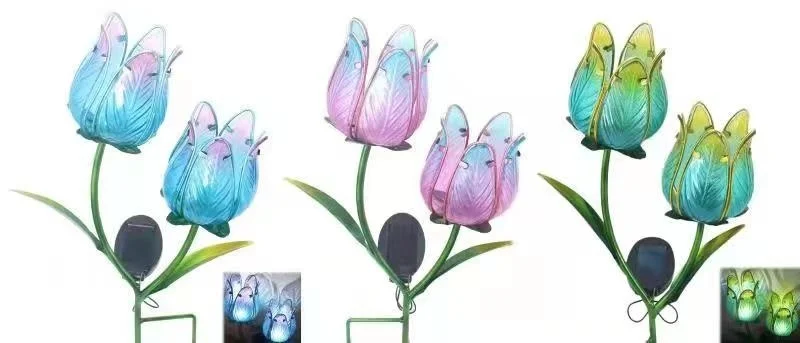
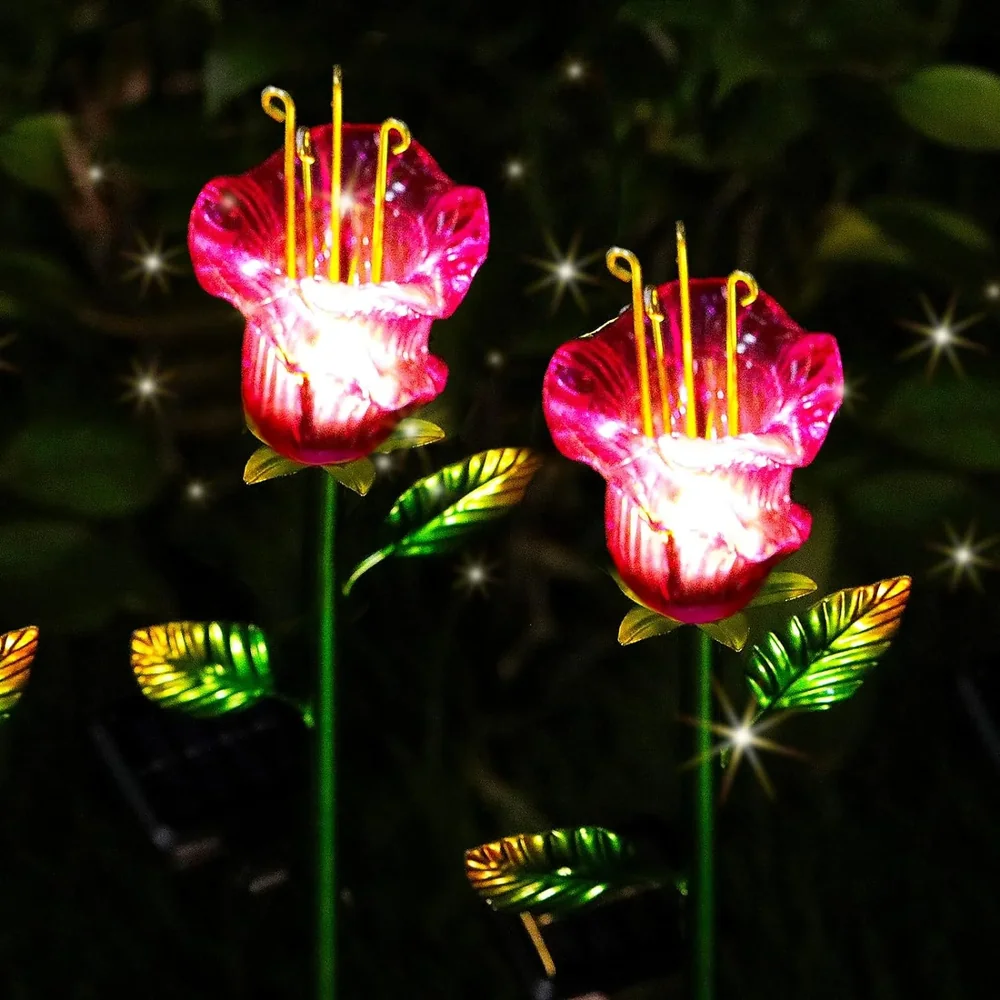
Stained Glass: Stained glass incorporates colored glass pieces assembled into decorative patterns, creating sophisticated designs that appeal to upscale markets. Traditional stained glass uses lead came or copper foil to join glass pieces, while modern techniques may use adhesives or resin bonding. Stained glass solar lights command premium pricing due to their artistic appearance and labor-intensive manufacturing.The colored glass filters light, creating beautiful color effects when illuminated. Different glass colors produce varying light outputs—clear and light colors transmit more light, while dark colors create more subdued illumination. Quality stained glass uses fade-resistant colored glass that maintains appearance through years of sun exposure.
Frosted and Textured Glass: Frosted glass (acid-etched or sandblasted) creates translucent surfaces that diffuse light evenly while obscuring internal components. Textured glass incorporates surface patterns (ripples, bubbles, geometric designs) that add visual interest and enhance light diffusion. These glass types work well for contemporary designs requiring clean, sophisticated aesthetics.Frosted and textured glass offers more subtle light diffusion compared to crackled glass, creating soft, even illumination without dramatic light patterns. The smooth or textured surfaces are easier to clean than crackled glass and may better suit certain design aesthetics or market preferences.
Clear Glass with Decorative Elements: Clear glass combined with internal decorative elements (metal wires, beads, dried flowers, LED filaments) creates distinctive designs that showcase craftsmanship and creativity. The clear glass allows full visibility of internal elements while providing weather protection and structural support.This approach works particularly well for premium gift products where unique design and craftsmanship justify higher price points. The clear glass must be high-quality with minimal distortion or imperfections that would detract from the internal decorative elements.
How Do Glass Types Affect Product Performance?
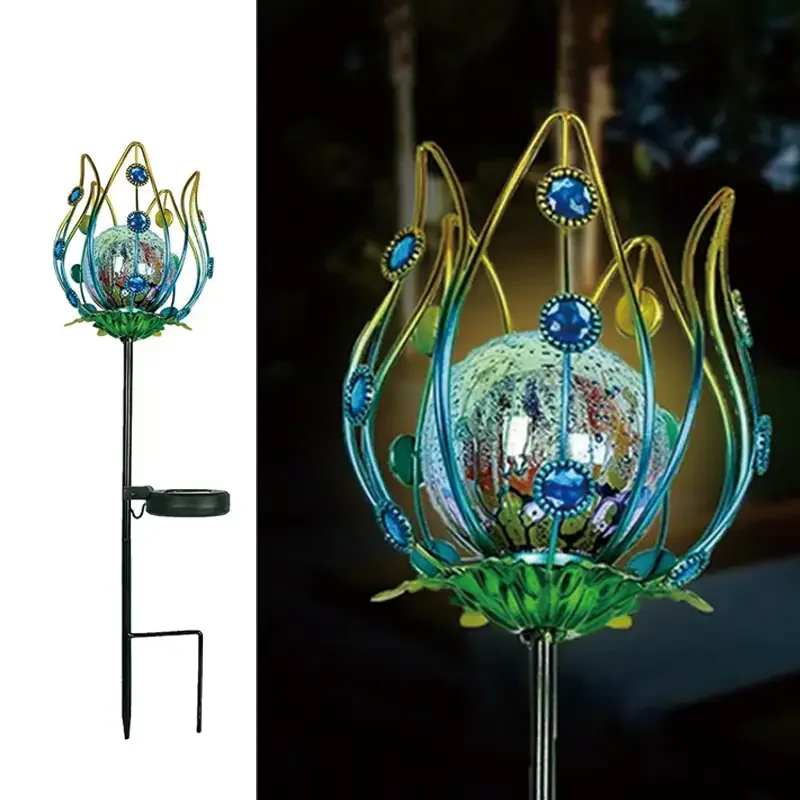
What Glass Combinations Optimize Value?

—
2. What Manufacturing Processes Create Quality Glass Solar Lights?
What Glassworking Processes Are Used?
Glass Cutting and Shaping: Manufacturing begins with cutting flat glass sheets or forming molten glass into desired shapes. Flat glass cutting uses diamond-tipped tools or water jets for precision cuts. Glass forming processes including blowing, pressing, or molding shape molten glass into spheres, flowers, or decorative elements.Quality glass cutting produces clean edges without chips or cracks. Examine sample products for smooth, consistent edges and absence of cutting defects. Poor cutting quality creates weak points where cracks can propagate and detracts from premium appearance.
Crackled Glass Production: Creating crackled glass involves controlled thermal shocking—heating glass then rapidly cooling it to create internal fracture patterns. The process requires precise temperature control and timing to achieve consistent fracture patterns without compromising structural integrity. Quality manufacturers have perfected this process through years of experience and testing.The fracture pattern density and consistency significantly impact light diffusion quality and visual appeal. Examine multiple samples to verify consistent fracture patterns across production batches. Inconsistent patterns indicate inadequate process control that will create quality variations in production orders.
Tempering Process: Glass tempering heat-treats glass to approximately 620°C then rapidly cools it, creating surface compression that increases strength 4-5x compared to annealed glass. Tempered glass breaks into small, relatively harmless pieces rather than dangerous shards, improving safety for outdoor products.Tempering adds 20-30% to glass costs but significantly improves durability and safety. Products targeting families with children, high-traffic areas, or regions with extreme weather benefit from tempered glass construction. Verify tempering through manufacturer documentation or testing—tempered glass shows characteristic stress patterns when viewed through polarized lenses.
Stained Glass Assembly: Traditional stained glass assembly joins colored glass pieces using lead came (H-shaped lead strips) or copper foil (Tiffany method). Modern techniques may use adhesives or resin bonding for faster, more economical assembly. Each method offers different aesthetics, durability, and cost implications.Lead came provides excellent durability and traditional aesthetics but requires skilled craftsmanship and careful handling due to lead content. Copper foil allows more intricate designs and lighter construction but may be less durable in harsh weather. Adhesive bonding offers the most economical assembly but may separate over time with temperature cycling and UV exposure.
How Does Manufacturing Quality Affect Product Lifespan?
Edge Quality: Glass edges represent potential failure points where cracks can initiate. Quality manufacturers grind, polish, or fire-polish edges to remove sharp points and micro-cracks. Examine sample edges carefully—smooth, rounded edges indicate quality processing, while sharp or rough edges suggest cost-cutting that compromises durability. Assembly Precision: Glass solar lights require precise assembly of glass components with metal frames, solar panels, and electronic elements. Quality assembly uses appropriate fastening methods (gaskets, adhesives, mechanical fasteners) that secure components without creating stress points. Poor assembly creates stress concentrations that can crack glass or allow moisture infiltration. Weatherproofing Integration: Glass components must integrate with weatherproof seals and gaskets that prevent moisture infiltration while accommodating thermal expansion. Quality products use silicone or rubber gaskets that maintain flexibility through temperature variations and resist UV degradation. Cheap foam gaskets compress permanently or degrade quickly, allowing moisture infiltration.What Equipment Indicates Manufacturing Capability?
Glass Cutting and Forming Equipment: Modern glass cutting tables with computer controls, water jet cutters, or precision diamond tools produce consistent cuts with minimal waste. Glass forming equipment including furnaces, molds, and tempering ovens indicate serious glass manufacturing capabilities. Outdated or poorly maintained equipment struggles with consistency and quality. Quality Control Equipment: Professional glass manufacturers invest in testing equipment including stress analysis tools (polariscopes), thickness gauges, and impact testing apparatus. The presence of professional testing equipment indicates commitment to quality verification beyond visual inspection. Clean Manufacturing Environment: Glass manufacturing requires clean environments to prevent contamination that creates defects or weak points. Observe factory cleanliness during visits—dust, debris, or disorganized work areas indicate inadequate quality control that will affect product quality.—
3. How Does Glass Enhance Light Diffusion and Aesthetics?
What Makes Glass Superior for Light Quality?
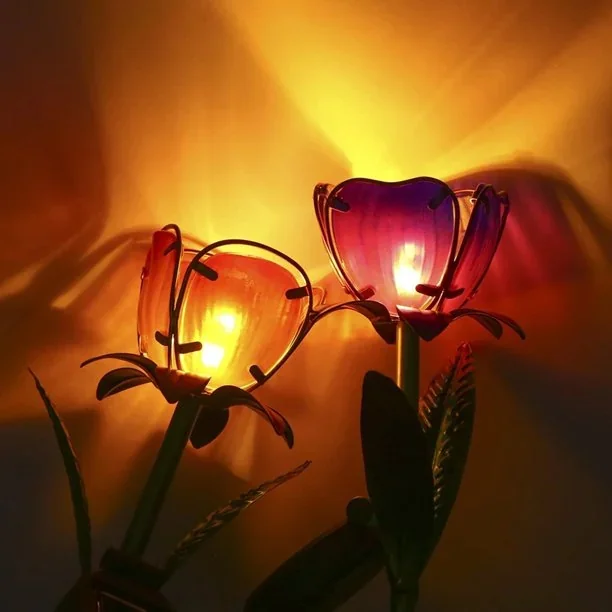
Light Diffusion Properties: Glass offers superior light diffusion compared to plastic alternatives through its optical properties and surface treatments. Crackled glass scatters light through internal fracture patterns, creating sparkling effects and multi-directional illumination. Frosted glass diffuses light evenly across surfaces, creating soft, uniform glow. Textured glass combines directional light transmission with diffusion for distinctive lighting effects.The quality of light diffusion significantly impacts perceived value and customer satisfaction. Glass solar lights create more sophisticated, attractive lighting effects compared to plastic alternatives, justifying premium pricing and appealing to quality-conscious consumers seeking distinctive outdoor ambiance.
Color Rendering: Glass maintains excellent color rendering properties, transmitting LED light without the color shifts or yellowing that can affect plastic materials over time. This matters particularly for warm white or color-changing LEDs where accurate color reproduction enhances ambiance and customer satisfaction.Stained glass adds intentional color filtering that creates beautiful colored light effects. Quality colored glass uses fade-resistant pigments that maintain color saturation through years of sun exposure, unlike some plastics that fade or shift colors over time.
How Do Different Glass Treatments Affect Appearance?
Crackled Glass Effects: The fracture pattern density and consistency in crackled glass dramatically affect appearance and light diffusion. Fine, dense fracture patterns create more dramatic sparkling effects with numerous small light reflections. Coarser patterns produce bolder, more visible fracture lines with less overall sparkle. Quality manufacturers control fracture patterns to achieve consistent, attractive results.When illuminated, quality crackled glass creates mesmerizing light patterns that change with viewing angle, creating visual interest that static plastic surfaces cannot match. This dynamic quality makes crackled glass particularly appealing for gift products and premium market segments.
Surface Textures: Textured glass surfaces (ripples, bubbles, geometric patterns) add visual interest even when unlit while enhancing light diffusion when illuminated. The texture depth and pattern consistency affect both aesthetics and light quality. Deep textures create more dramatic effects but may be harder to clean, while subtle textures offer easier maintenance with more refined aesthetics. Transparency Variations: Glass transparency ranges from fully clear (maximum light transmission) through translucent (light diffusion with obscured visibility) to nearly opaque (minimal light transmission, maximum diffusion). The transparency level affects both daytime appearance and nighttime illumination characteristics. Quality manufacturers select appropriate transparency levels for each design’s aesthetic and functional requirements.Why Does Glass Command Premium Pricing?
Perceived Quality: Glass conveys premium quality and sophistication that plastic cannot match, regardless of plastic quality. Customers associate glass with higher value, better craftsmanship, and longer-lasting products. This perception justifies premium pricing and appeals to consumers seeking distinctive, quality products rather than mass-market alternatives. Gift Market Appeal: Glass solar flower lights excel in gift markets where presentation quality, perceived value, and memorable aesthetics matter more than technical specifications or price sensitivity. The substantial feel, attractive appearance, and sophisticated light effects make glass products ideal for gift-giving occasions including housewarmings, Mother’s Day, weddings, and holidays. Longevity and Timelessness: Glass maintains appearance indefinitely without the fading, yellowing, or degradation that affects plastic materials. This longevity appeals to customers making long-term investments in outdoor décor and supports premium positioning through superior durability and timeless aesthetics.—
4. What Quality Standards Should You Look For?
What Product Certifications Are Essential?
CE and RoHS Compliance: European markets require CE certification demonstrating compliance with EU safety, health, and environmental protection standards. RoHS compliance limits hazardous substances in electrical equipment, particularly important for products containing glass and electronic components. Quality manufacturers readily provide genuine certificates and can explain specific directives their products comply with. FCC and UL Standards: North American markets benefit from FCC certification addressing electromagnetic interference and UL certification providing independent safety verification. While not always mandatory for solar lights, these certifications significantly enhance product credibility and meet requirements of major retailers. Learn more about CE certification requirements for solar garden lights. Safety Standards for Glass Products: Glass solar lights should meet safety standards for outdoor consumer products, particularly regarding glass breakage characteristics. Tempered glass products should include documentation verifying tempering process and break-safe characteristics. Products using annealed glass should have appropriate thickness and protective design to minimize breakage risks.How Do You Assess Glass Component Quality?
Visual Inspection: Examine glass components for clarity, consistency, and absence of defects including bubbles, inclusions, distortion, or discoloration. Quality glass shows uniform appearance across all pieces with consistent color (for tinted glass) and texture (for textured glass). Defects indicate inadequate quality control or inferior glass materials. Edge Quality Verification: Inspect glass edges for smoothness and proper finishing. Quality edges should be ground, polished, or fire-polished to remove sharp points and micro-cracks. Run your finger along edges (carefully)—smooth, rounded edges indicate quality processing, while sharp or rough edges suggest cost-cutting that compromises safety and durability. Thickness Consistency: Measure glass thickness at multiple points using calipers or micrometers. Quality glass shows consistent thickness across components with variations under 5%. Significant thickness variations indicate poor manufacturing control and may create stress points or weak areas prone to cracking. Fracture Pattern Assessment (Crackled Glass): For crackled glass products, examine fracture patterns for consistency, density, and aesthetic appeal. Quality crackled glass shows consistent fracture patterns across all pieces with appropriate density for attractive light diffusion. Inconsistent patterns indicate inadequate process control that will create quality variations in production orders.What Factory Certifications Indicate Quality?
ISO 9001 Quality Management: ISO 9001 certification demonstrates systematic approaches to quality control, process documentation, and continuous improvement. Certified manufacturers maintain documented procedures for all critical operations, conduct regular internal audits, and implement corrective actions when problems arise. BSCI and Sedex Social Compliance: BSCI and Sedex certifications verify ethical manufacturing practices including fair labor conditions, safe working environments, and environmental responsibility. These certifications increasingly matter to B2B buyers serving socially conscious markets and retailers with strict supplier requirements.At Glowyard Lighting, we maintain ISO 9001, BSCI, and Sedex certifications across our manufacturing facilities. Our comprehensive quality control process implements four-stage inspection protocols that maintain defect rates below 0.5% while ensuring ethical manufacturing practices.
What Testing Should You Conduct?
Drop and Impact Testing: Test product durability by dropping samples from typical handling heights (0.5-1 meter) onto hard surfaces. Quality tempered glass products should survive multiple drops without breaking, while annealed glass products should break into relatively large, manageable pieces rather than dangerous shards. Products that shatter into numerous sharp fragments indicate safety concerns. Thermal Shock Testing: Subject samples to rapid temperature changes (hot water followed by cold water, or vice versa) to verify resistance to thermal shock. Quality glass solar lights should withstand temperature differentials of 40-50°C without cracking. Products that crack easily indicate inadequate glass quality or thickness. Weather Exposure Testing: Conduct outdoor exposure testing in your target climate for several weeks or months. Monitor for glass degradation, seal failure, moisture infiltration, or structural problems. Real-world testing provides the most reliable indication of long-term product performance.—
5. What Is the Market Demand for Premium Glass Lights?
What Market Segments Value Glass Construction?
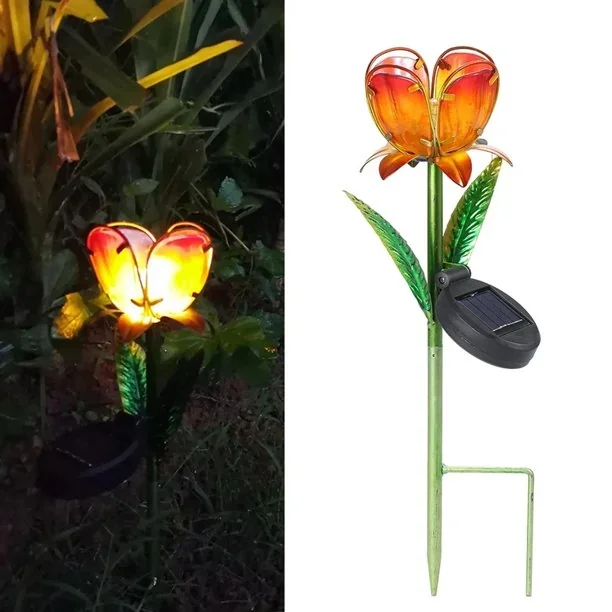
Upscale Gift Market: Gift shops, specialty retailers, and online gift platforms represent the primary market for glass solar flower lights. These channels target customers seeking distinctive, memorable gifts for housewarmings, Mother’s Day, weddings, anniversaries, and other special occasions. Glass construction’s premium appearance and perceived value make these products ideal for gift-giving where presentation quality matters more than price. Home Décor Specialty Retailers: Upscale home décor stores, garden boutiques, and lifestyle retailers target customers investing in quality outdoor living spaces. These retailers value products with sophisticated aesthetics, premium materials, and distinctive design that differentiate from mass-market alternatives. Glass solar lights appeal to this market through superior light quality and timeless aesthetics. Landscape Design Professionals: Professional landscapers and landscape architects specify glass solar lights for upscale residential and commercial projects where quality and aesthetics justify premium pricing. These professionals value products that maintain appearance through years of outdoor exposure and reflect positively on their design work. E-Commerce Premium Segment: Online sellers targeting quality-conscious consumers find glass solar lights photograph beautifully and command premium pricing that supports healthy margins. The products’ distinctive appearance, sophisticated light effects, and gift-worthy presentation make them well-suited for e-commerce sales where visual appeal drives purchasing decisions.What Are the Seasonal Demand Patterns?
Spring Gift Season: Spring (March-May) represents the primary selling season as customers purchase gifts for Mother’s Day, housewarmings, and garden parties. Glass solar lights’ premium positioning and gift-worthy presentation make them particularly popular during this high-spending season. B2B buyers should build inventory in late winter to meet spring demand surges. Year-Round Gift Opportunities: Unlike budget products with strong seasonal patterns, premium glass solar lights maintain more consistent demand throughout the year as gift purchases occur for various occasions. Major gift-giving holidays including Valentine’s Day, Mother’s Day, Christmas, and wedding seasons create demand peaks, but baseline gift demand continues year-round. Wedding Season Concentration: Wedding seasons (May-October in most regions) create significant demand for glass solar lights as wedding gifts, venue decorations, and bridal party gifts. The products’ romantic aesthetics, premium presentation, and lasting value make them popular wedding-related purchases.What Regional Preferences Affect Product Selection?
North American Market: US and Canadian buyers favor larger sizes, realistic flower designs, and warm white LED colors. The market shows strong preference for crackled glass or stained glass construction with sophisticated aesthetics. Packaging must emphasize premium quality, gift-worthiness, and distinctive design. Products should include quality gift boxes or attractive retail packaging. European Market: European buyers often prefer more contemporary design aesthetics with clean lines and minimalist styling. The market values CE and RoHS certifications highly, with increasing emphasis on environmental compliance and recyclability. Frosted or textured glass with modern designs shows stronger demand compared to traditional stained glass styles. Asian Gift Markets: Markets in Japan, South Korea, and urban China show growing demand for premium glass solar lights as gifts and upscale home décor. These markets value sophisticated design, quality craftsmanship, and premium packaging. Products should emphasize artisanal qualities and distinctive aesthetics that justify premium pricing.—
6. What Are the Common Applications?