


1. Why Do Lily Solar Lights Appeal to Sophisticated Markets?
What Makes Lily Designs Distinctive?
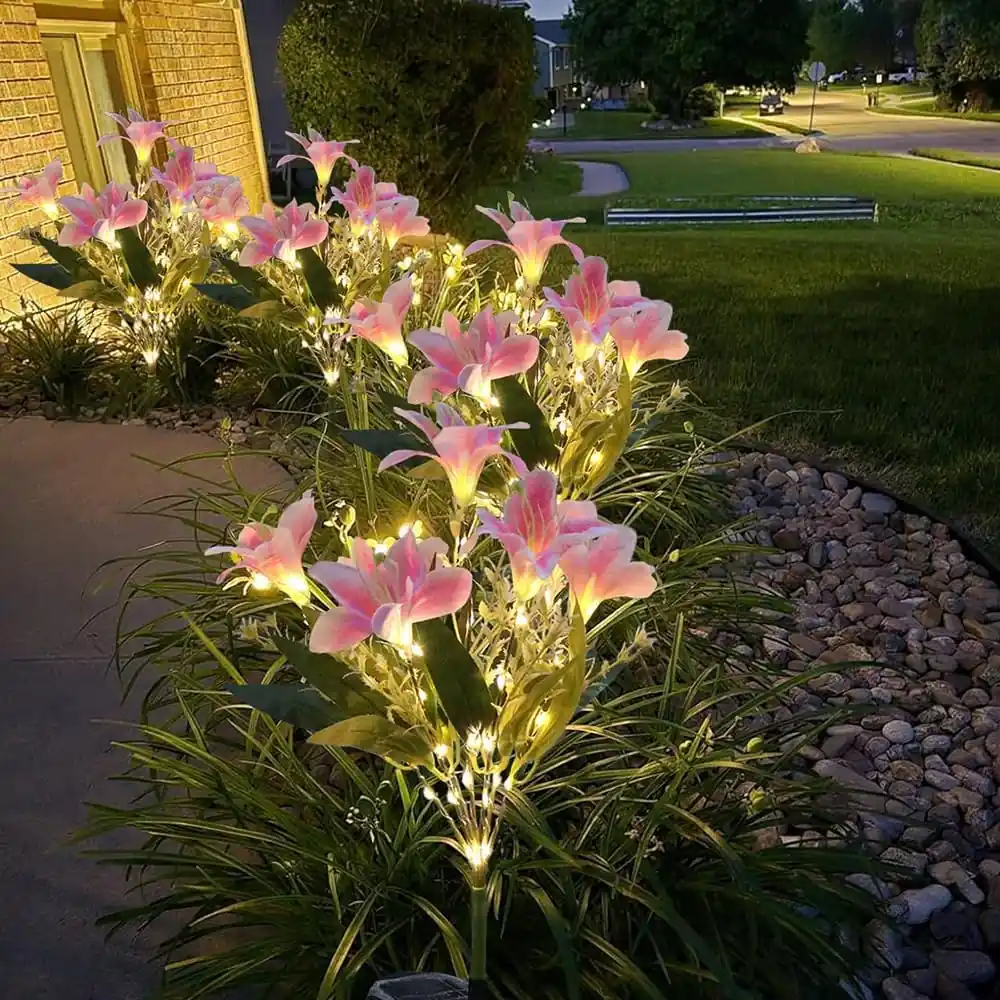
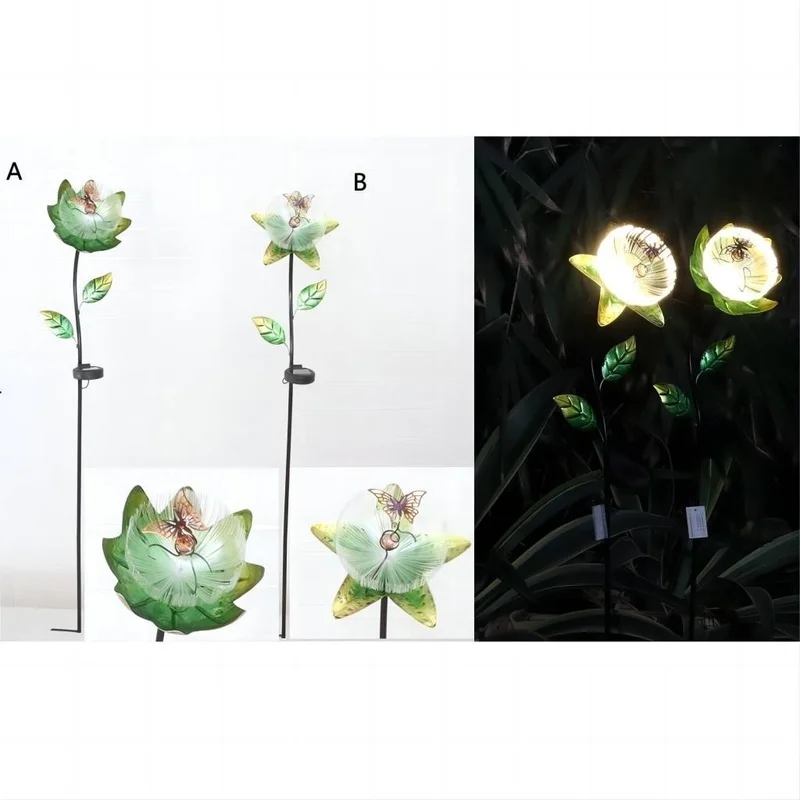
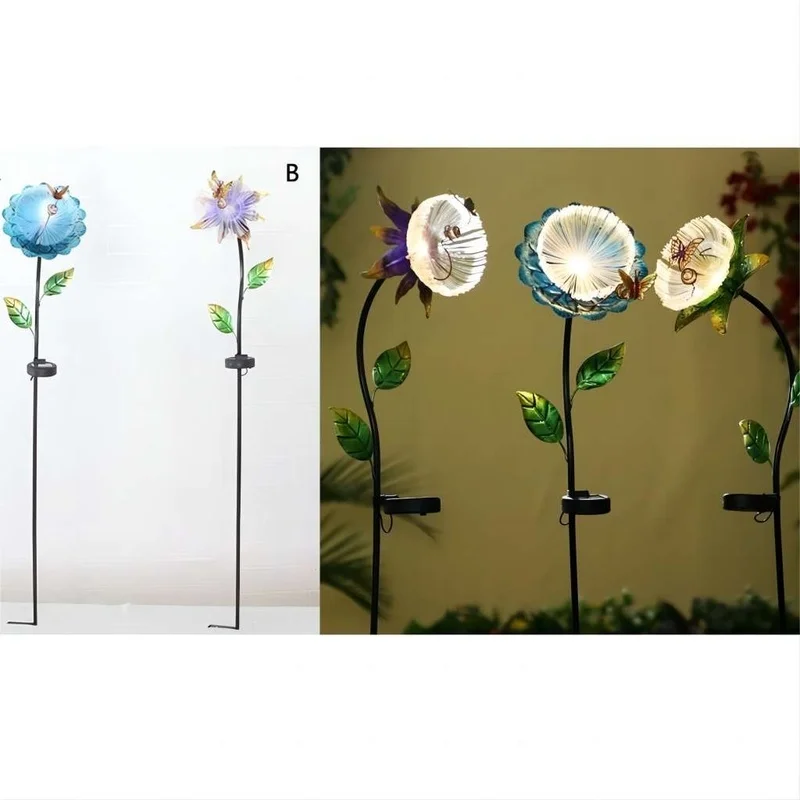
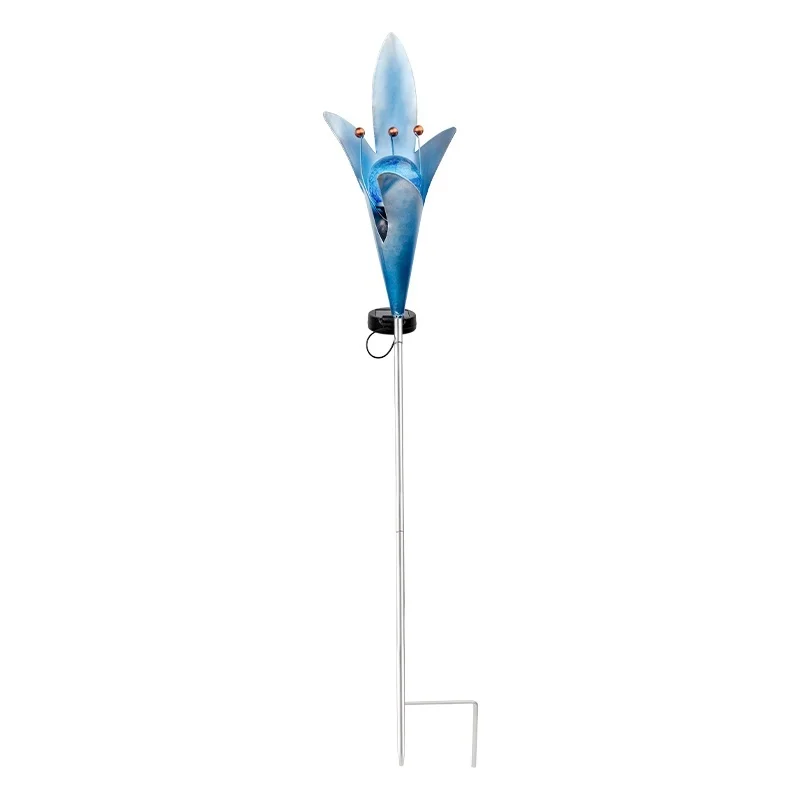
Quality lily solar lights capture the flower’s distinctive characteristics including six-petal arrangement, prominent stamens, recurved petal tips, and elegant stem proportions. These botanical details distinguish authentic lily designs from generic flower lights, appealing to customers who appreciate accurate representation and refined aesthetics. At Glowyard Lighting, our design team studies actual lily varieties to ensure our products capture authentic botanical character.
Cultural Significance: Lilies carry rich symbolic meaning across cultures—representing purity, renewal, and refined beauty in Western traditions, while symbolizing good fortune and prosperity in Asian cultures. This universal positive symbolism makes lily solar lights appropriate for diverse markets and occasions, from wedding venues to memorial gardens to upscale residential landscaping.What Market Segments Value Lily Designs?
Upscale Residential Gardens: Homeowners investing in quality landscaping appreciate lily solar lights for their sophisticated appearance, botanical authenticity, and ability to complement formal garden designs. These customers prioritize refined aesthetics over trendy designs, seeking products that enhance rather than dominate garden spaces. Botanical and Memorial Gardens: Public gardens, arboretums, and memorial spaces specify lily solar lights for their appropriate symbolism, refined appearance, and ability to create contemplative atmospheres. These applications require durable products that maintain appearance despite constant exposure and minimal maintenance windows. Wedding and Event Venues: Venues hosting outdoor events use lily solar lights to create elegant ambiance that suits formal occasions. The lily’s association with purity and celebration makes it particularly appropriate for wedding venues, while its refined appearance suits upscale event spaces.How Do Lily Lights Compare to Other Flower Designs?
Versus Rose Designs: While roses dominate mass markets through romantic associations and broad appeal, lilies target more sophisticated customers seeking refined elegance over romantic symbolism. Lily designs typically command 10-20% premium pricing compared to roses due to more complex manufacturing and narrower target markets. Versus Tulip Designs: Tulips offer contemporary simplicity appealing to modern design markets, while lilies provide classical elegance suited to traditional or formal gardens. Both target premium markets but serve different aesthetic preferences—tulips for contemporary minimalism, lilies for timeless sophistication. Versus Lotus Designs: Lotus designs emphasize spiritual symbolism and Asian market appeal, while lilies offer broader cultural acceptance and classical Western garden aesthetics. Lilies work better for traditional residential markets, while lotus designs excel in meditation spaces and Asian-influenced gardens.—
2. What Lily Varieties and Design Styles Are Available?
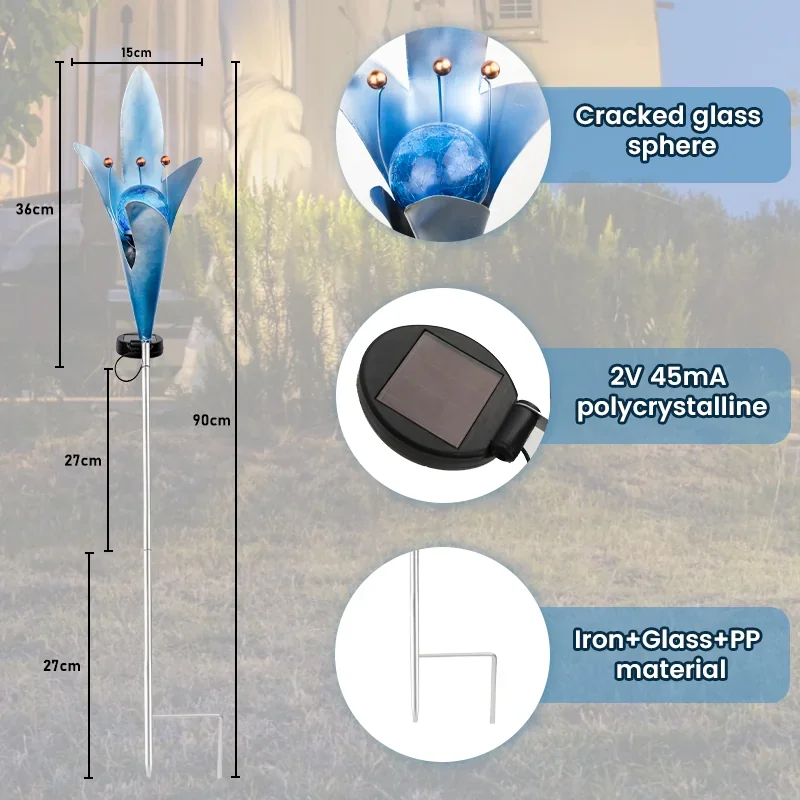
What Lily Types Inspire Solar Light Designs?
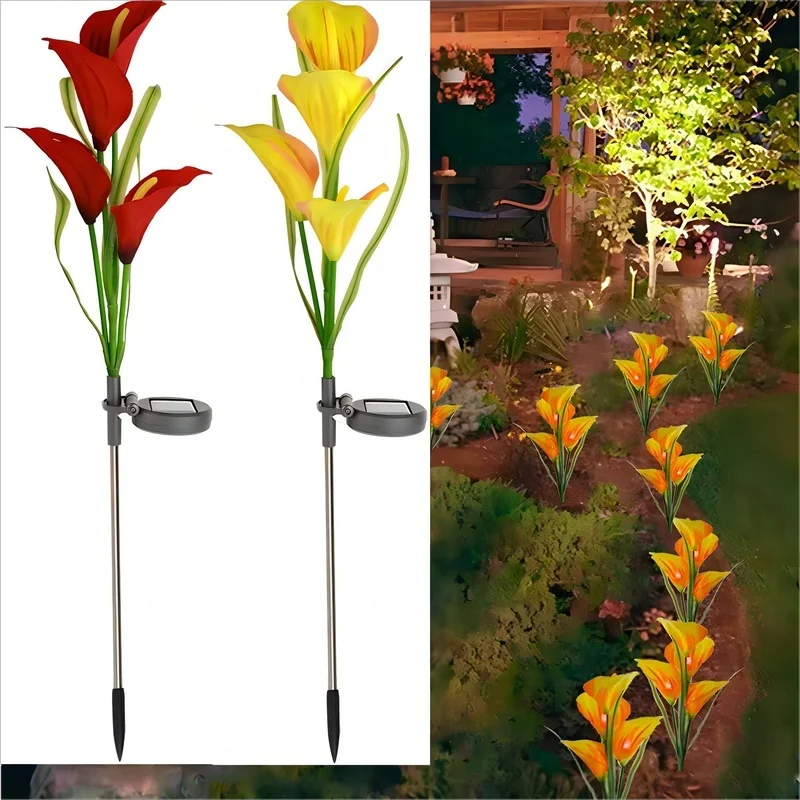
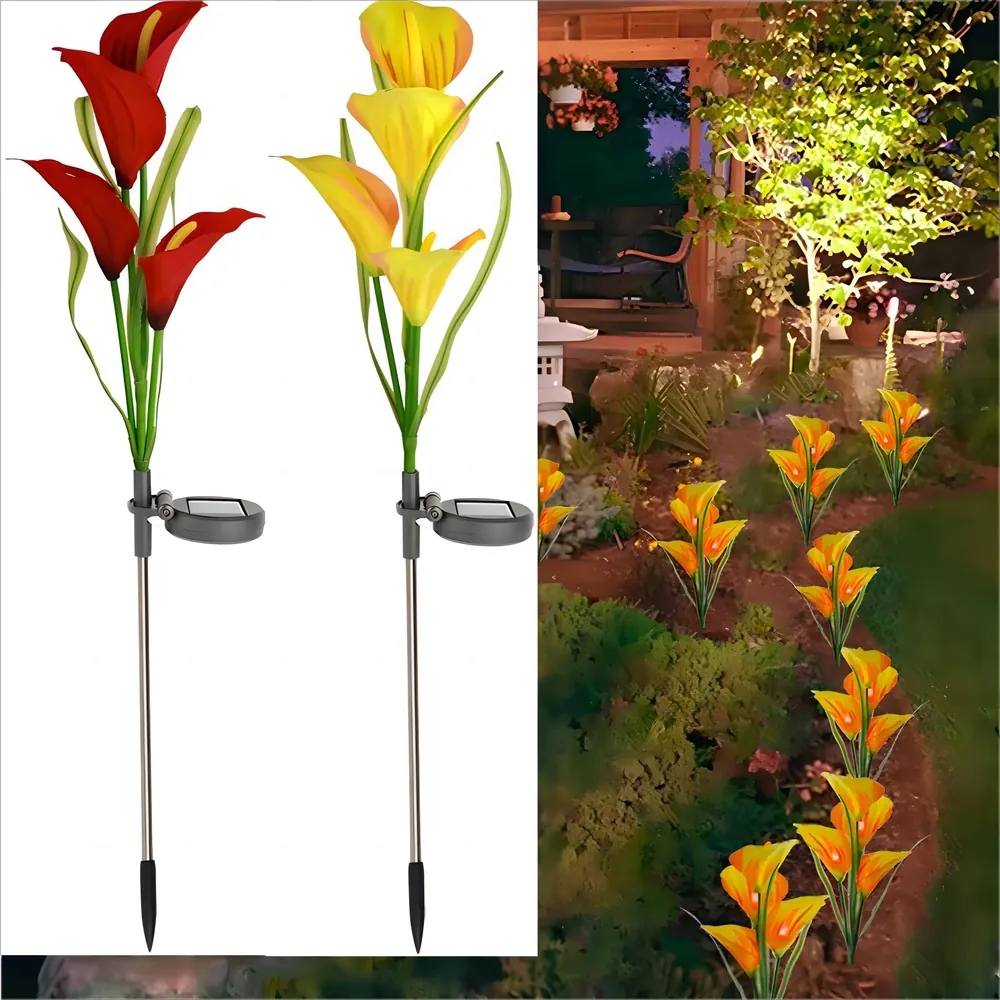
Asiatic Lilies: Asiatic lilies feature upward-facing blooms with clean lines and vibrant colors, making them ideal for solar light interpretation. Their relatively simple petal structure allows cost-effective manufacturing while maintaining elegant appearance. Asiatic-inspired designs work well for contemporary gardens and modern landscaping schemes. Oriental Lilies: Oriental lilies showcase larger blooms with recurved petals, prominent stamens, and sophisticated fragrance associations. These characteristics translate to premium solar light designs featuring dramatic petal curves, detailed stamen reproduction, and larger overall sizes. Oriental-inspired designs command premium pricing and appeal to customers seeking statement pieces. Trumpet Lilies: Trumpet lilies display distinctive elongated trumpet-shaped blooms that create dramatic vertical elements in gardens. Solar light interpretations of trumpet lilies work particularly well as pathway markers or focal points, with their vertical orientation naturally accommodating solar panels and lighting components. Calla Lilies: While botanically distinct from true lilies, calla lilies’ elegant spathe form inspires minimalist solar light designs appealing to contemporary markets. Their simple, sculptural shape allows clean manufacturing and modern aesthetics that suit architectural gardens and contemporary outdoor spaces.What Design Styles Serve Different Markets?
Realistic Botanical Designs: Realistic designs faithfully reproduce lily anatomy including accurate petal counts, stamen details, petal textures, and natural color variations. These designs appeal to botanical enthusiasts, formal gardens, and customers valuing authenticity. Manufacturing requires precision molding, detailed painting, and quality materials to capture botanical accuracy. Stylized Contemporary Interpretations: Stylized designs simplify lily forms into clean, modern shapes that emphasize elegant lines over botanical detail. These interpretations suit contemporary gardens, architectural landscapes, and customers preferring modern aesthetics. Simplified forms often allow more cost-effective manufacturing while maintaining sophisticated appearance. Artistic Abstract Designs: Abstract designs capture lily essence through flowing forms, dramatic curves, and artistic interpretation rather than literal reproduction. These designs appeal to customers seeking unique garden art and distinctive aesthetics. Abstract interpretations allow creative freedom in materials, colors, and forms while maintaining lily associations.What Size and Scale Options Work Best?
Compact Accent Lights (6-12 inches): Compact lily lights work well for pathway edging, garden bed accents, or clustered arrangements. Their smaller size allows affordable pricing while maintaining elegant proportions. These sizes suit customers wanting multiple lights to create lighting schemes rather than individual statement pieces. Standard Garden Lights (12-18 inches): Standard sizes provide good visibility and presence without dominating garden spaces. This size range offers optimal balance of visual impact, manufacturing efficiency, and pricing that appeals to broad markets. Most lily solar light sales occur in this size range. Statement Pieces (18-30+ inches): Large lily lights create dramatic focal points in gardens, entryways, or landscape features. Their impressive size justifies premium pricing and appeals to customers seeking distinctive garden elements. Larger sizes showcase manufacturing quality and design sophistication while commanding attention in landscape settings.—
3. What Materials and Manufacturing Approaches Work Best?
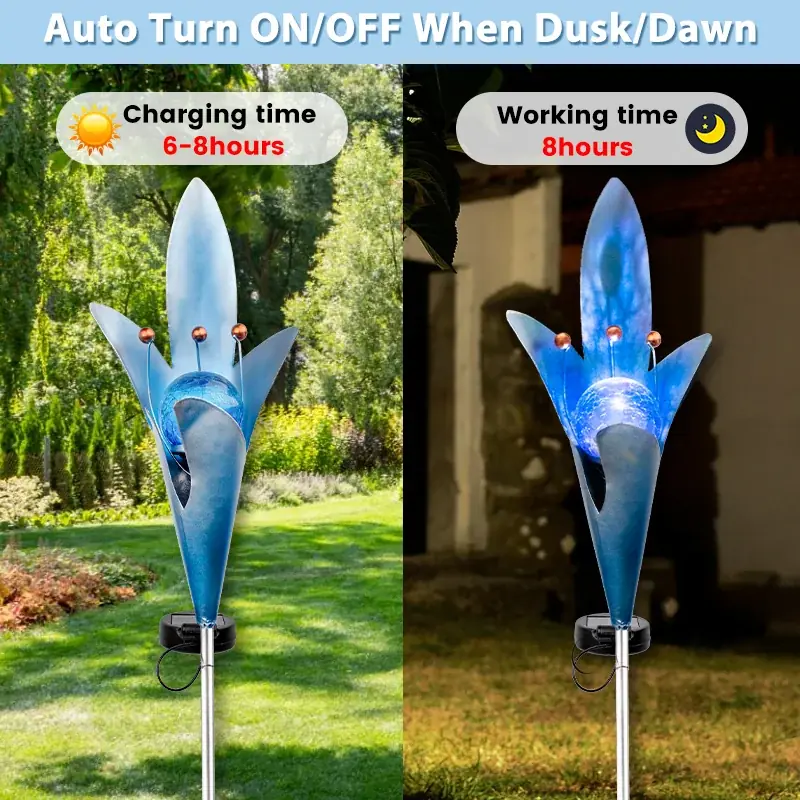
What Materials Capture Lily Aesthetics?
Translucent Plastics: High-quality translucent plastics (polypropylene, polycarbonate) effectively capture lily petals’ delicate appearance and light-diffusing properties. Quality translucent materials allow soft light glow that enhances petal details while creating attractive nighttime effects. UV-stabilized formulations maintain clarity and color for 2-3+ years outdoors. Metal Petals with Glass Elements: Premium lily designs combine metal structural components with glass or acrylic petal elements, creating sophisticated products that justify higher pricing. Metal stems and bases provide durability and refined appearance, while glass petals offer superior light diffusion and premium aesthetics. This combination appeals to upscale markets willing to invest in quality. Resin for Detailed Reproduction: Polyresin allows detailed reproduction of lily anatomy including petal textures, stamen details, and natural surface variations. Hand-painted resin lilies create artisan products commanding premium pricing. However, resin’s weight and cost limit its use primarily to high-end products or smaller accent lights.How Do Manufacturing Processes Affect Quality?
Injection Molding for Consistency: Precision injection molding creates consistent petal shapes, smooth surfaces, and accurate dimensions essential for realistic lily reproduction. Quality molding requires precision dies that capture petal curves, stamen details, and natural proportions. Examine samples for consistent petal thickness, smooth surfaces, and sharp detail reproduction. Hand-Painting for Premium Products: Hand-painted details including petal shading, stamen coloring, and natural color variations elevate lily lights from mass-market products to artisan pieces. Quality hand-painting requires skilled artisans, appropriate paint materials, and protective clear coats. Hand-painted products command 30-50% premium pricing but appeal to customers seeking unique, high-quality pieces. Assembly Quality: Lily solar lights require careful assembly of petals, stamens, stems, and electronic components to achieve natural appearance and reliable function. Quality assembly maintains proper petal positioning, secure connections, and professional finish quality. Poor assembly creates unnatural appearance, weak connections, or premature failures.What Design Elements Enhance Authenticity?
Petal Curve and Proportion: Authentic lily designs require accurate petal curves including gentle recurving at tips, appropriate width-to-length ratios, and natural spacing between petals. These proportions distinguish quality lily designs from generic flower lights. Work with manufacturers who study actual lily anatomy rather than creating generic flower shapes. Stamen Detail: Prominent stamens represent distinctive lily characteristics that enhance authenticity and visual interest. Quality designs include properly proportioned stamens with appropriate colors (typically orange, yellow, or brown) and realistic positioning. Simplified or omitted stamens reduce manufacturing costs but compromise botanical authenticity. Color Accuracy: Lily colors range from pure white to deep burgundy, with many varieties featuring multiple colors or gradual color transitions. Quality designs use appropriate colors for specific lily varieties and include subtle shading that enhances realism. Avoid overly bright or artificial colors that compromise sophisticated appearance.—
4. What Quality Standards Ensure Premium Market Success?
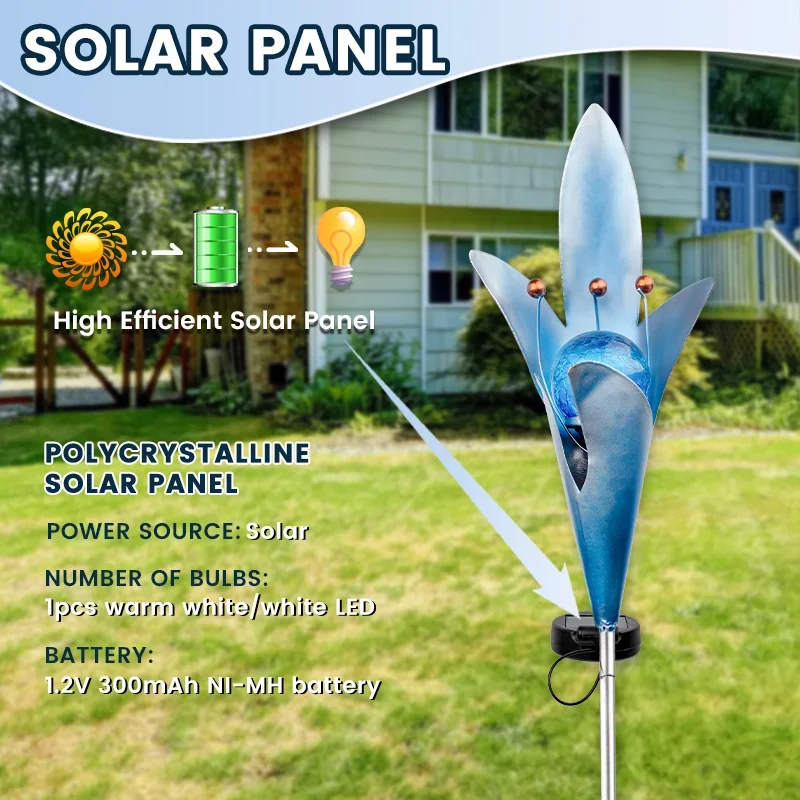
What Product Certifications Are Essential?
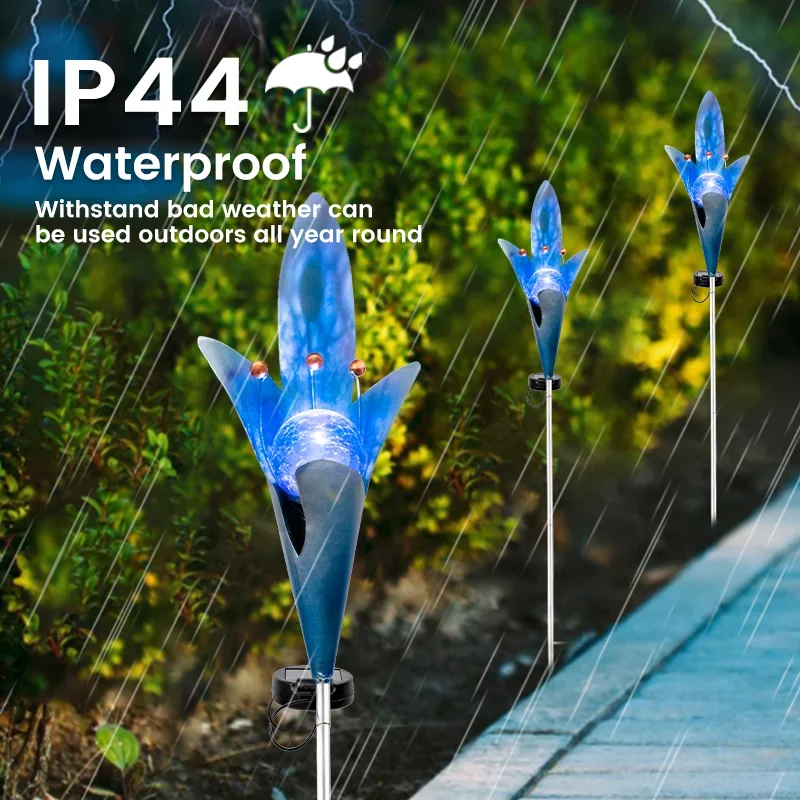
CE Certification: CE marking verifies compliance with European safety, health, and environmental protection standards. For lily solar lights, CE certification covers electrical safety, electromagnetic compatibility, and material safety. Quality manufacturers maintain current CE certification and provide documentation supporting your import and sales requirements. RoHS Compliance: RoHS (Restriction of Hazardous Substances) compliance limits use of hazardous materials including lead, mercury, and cadmium. This matters for European markets and increasingly for other regions prioritizing environmental safety. Verify RoHS compliance through material testing and manufacturer documentation. IP Rating Verification: IP (Ingress Protection) ratings indicate protection against dust and water intrusion. Lily solar lights require IP44 (splash resistant) minimum, with IP65 (water jet resistant) preferred for exposed installations. Verify IP ratings through independent testing rather than relying solely on manufacturer claims.How to Evaluate Manufacturing Quality?
Petal Consistency: Examine petal shapes, curves, and dimensions for consistency between samples and across production units. Quality manufacturing maintains consistent petal proportions, smooth surfaces, and accurate curves. Variations indicate inadequate tooling or process control that will create inconsistent products. Paint and Finish Quality: Evaluate paint application for uniform coverage, appropriate color accuracy, and absence of runs, drips, or thin spots. Quality painting includes proper surface preparation, appropriate paint materials, and protective clear coats. Poor painting degrades appearance and reduces durability. Assembly Integrity: Test assembly strength by gently manipulating petals, stems, and connections. Quality assembly creates secure connections that withstand normal handling without loosening or damage. Weak assembly causes premature failures and customer dissatisfaction.What Testing Validates Performance?
UV and Weather Resistance: Accelerated weathering testing (ASTM G154) validates material and finish durability under UV exposure, temperature cycling, and moisture. Quality lily lights maintain appearance and structural integrity through 1000+ hours accelerated weathering equivalent to several years outdoor exposure. Color Fastness Testing: Color fastness testing validates paint and material color stability under UV exposure and weather conditions. Quality products maintain color accuracy for 2-3+ years without significant fading or discoloration. Request color fastness test reports from manufacturers. Structural Durability: Drop testing and stress testing validate structural integrity under handling and weather stress. Quality products withstand specified impacts without cracking, breaking, or permanent deformation. This matters particularly for delicate petal designs or larger statement pieces.—
5. How Should Buyers Target Upscale Garden Markets?
What Customer Segments Value Lily Designs?
Formal Garden Enthusiasts: Customers maintaining formal gardens appreciate lily solar lights for their classical elegance, botanical authenticity, and ability to complement structured landscaping. These customers prioritize refined aesthetics and quality over price, accepting premium pricing for products that enhance their garden investments. Mature Affluent Homeowners: Older affluent homeowners (50+ years) represent core markets for lily solar lights, valuing timeless elegance over trendy designs. These customers seek products that maintain appearance long-term and complement traditional or transitional home styles. They appreciate quality construction and botanical authenticity. Memorial and Remembrance Markets: Lily’s symbolic associations with purity and renewal make lily solar lights appropriate for memorial gardens, cemetery decorations, and remembrance spaces. This market values appropriate symbolism, refined appearance, and durable construction that withstands outdoor exposure with minimal maintenance.How Do Seasonal Patterns Affect Lily Light Sales?
Spring Peak Season: Spring (March-May) represents peak season for lily solar lights as customers prepare gardens for summer and lily’s natural bloom season creates seasonal relevance. Stock peak inventory by February with emphasis on white and pastel colors that suit spring aesthetics. Mother’s Day Opportunity: Mother’s Day (May) creates significant gift-giving opportunity for lily solar lights due to lily’s associations with motherhood and purity. Promote lily lights as thoughtful gifts for mothers who enjoy gardening, with emphasis on elegant packaging and gift presentation. Memorial Day Significance: Memorial Day (late May) drives sales for memorial and cemetery applications. White lily lights perform particularly well during this period due to their symbolic appropriateness for remembrance. Promote products through garden centers, florists, and memorial product retailers.What Pricing Strategies Support Premium Positioning?
Premium Pricing Justification: Lily solar lights typically command 10-30% premium pricing compared to mass-market flower lights due to more complex manufacturing, botanical authenticity, and sophisticated target markets. Justify premium pricing through quality materials, detailed design, and refined aesthetics rather than competing on price. Value-Based Pricing: Price lily lights based on perceived value to target customers rather than cost-plus formulas. Customers seeking sophisticated garden décor accept higher prices for products that enhance their garden investments and reflect their aesthetic preferences. Emphasize quality, longevity, and refined appearance in marketing. Tiered Product Lines: Offer tiered product lines serving different price sensitivities within upscale markets—entry premium ($12-18 wholesale), mid premium ($18-28 wholesale), and ultra premium ($28-45+ wholesale). This allows customers to select products matching their budgets while maintaining premium brand positioning.—
6. What Are the Common Applications?
How Are Lily Solar Lights Used in Residential Settings?
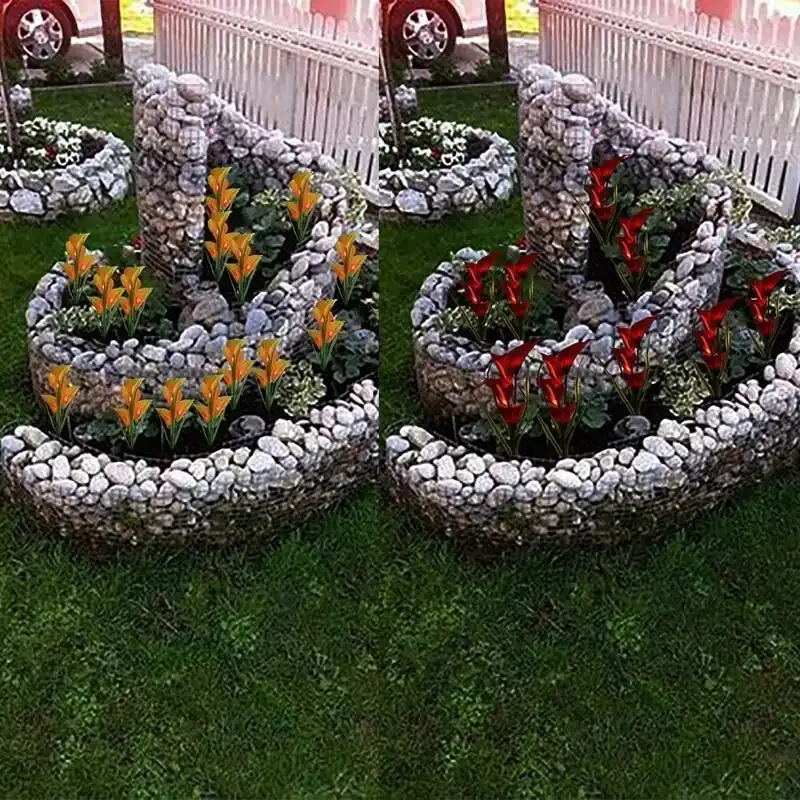
Formal Garden Accents: Lily solar lights enhance formal gardens through refined aesthetics that complement structured landscaping, classical garden elements, and traditional plant selections. Their elegant appearance suits formal garden styles without appearing overly decorative or trendy. Typical installations use 4-8 lights as focal points or pathway markers. Shade Garden Lighting: Lily designs work particularly well in shade gardens where their elegant forms complement hostas, ferns, and other shade-loving plants. Solar panels require adequate sun exposure, but lights can be positioned in shaded areas with solar panels angled toward sunlight. This flexibility suits customers with mature trees or north-facing gardens. Memorial Garden Elements: Residential memorial gardens honoring deceased family members or pets use lily solar lights for their appropriate symbolism and refined appearance. White lilies particularly suit memorial applications, creating contemplative spaces that honor memories while providing gentle illumination.What Commercial Applications Drive Volume Sales?
Botanical Garden Installations: Botanical gardens, arboretums, and public gardens use lily solar lights to illuminate pathways, highlight plant collections, or create evening ambiance. These applications require durable products that maintain appearance despite constant exposure and minimal maintenance windows. Commercial buyers typically order 50-200+ units per project. Wedding and Event Venues: Outdoor wedding venues and event spaces use lily solar lights to create elegant ambiance appropriate for formal occasions. The lily’s associations with purity and celebration make it particularly suitable for wedding venues, while refined appearance suits upscale event spaces. Venues often purchase 20-100+ lights for permanent installations. Senior Living Communities: Upscale senior living communities and retirement villages use lily solar lights for pathway lighting, garden accents, and outdoor living spaces. These applications value refined aesthetics, easy maintenance, and appropriate symbolism for mature residents. Projects typically involve 30-150+ units across community grounds.How Do Memorial and Cemetery Markets Work?
Cemetery Regulations: Many cemeteries restrict decorations to specific types, sizes, or locations. Lily solar lights work well for cemetery applications due to their refined appearance, appropriate symbolism, and solar operation that eliminates electrical requirements. Verify cemetery regulations before promoting products for this market. Seasonal Demand Patterns: Memorial and cemetery markets show strong seasonal patterns around Memorial Day (late May), All Saints’ Day (November 1), and anniversary dates. Stock inventory to support these seasonal peaks while maintaining year-round availability for ongoing memorial needs. Distribution Channels: Memorial markets require different distribution channels than traditional garden markets—including florists, funeral homes, memorial product retailers, and online memorial gift sites. Develop relationships with these specialized channels to access memorial markets effectively.—
7. What Customization Options Are Available?

What Design Customization Options Exist?
Lily Variety Selection: Custom designs can specify particular lily varieties (Asiatic, Oriental, Trumpet, Calla) to match target market preferences or create distinctive product lines. Different varieties offer different aesthetics—Asiatic for contemporary markets, Oriental for traditional elegance, Calla for modern minimalism. Color Customization: Custom colors allow products matching specific garden color schemes, seasonal themes, or brand positioning. Popular lily colors include pure white, soft pink, deep burgundy, sunny yellow, and coral orange. Custom colors typically require minimum orders of 1000-2000 units to justify production setup. Size and Scale Options: Custom sizing creates products for specific applications or market positioning—compact sizes (6-10 inches) for pathway edging, standard sizes (12-18 inches) for general garden use, or statement pieces (20-30+ inches) for focal points. Custom sizing typically requires minimum orders of 500-1000 units.How Does Branding and Private Labeling Work?
Logo Integration: Subtle logo placement on bases or packaging creates brand recognition without compromising elegant aesthetics. Quality manufacturers offer laser etching, embossing, or applied badges that integrate logos professionally. This matters for retailers building private label brands or memorial product companies requiring branded products. Custom Packaging: Premium lily lights justify custom packaging that protects products while enhancing gift presentation. Quality packaging includes protective materials, elegant graphics, and gift-appropriate presentation that supports retail sales or memorial gift markets. Custom packaging typically requires minimum orders of 1000+ units. Product Documentation: Custom documentation including care instructions, symbolic meaning information, and warranty details supports premium positioning and customer satisfaction. Memorial market products particularly benefit from documentation explaining lily symbolism and appropriate use.What Technical Customization Options Add Value?
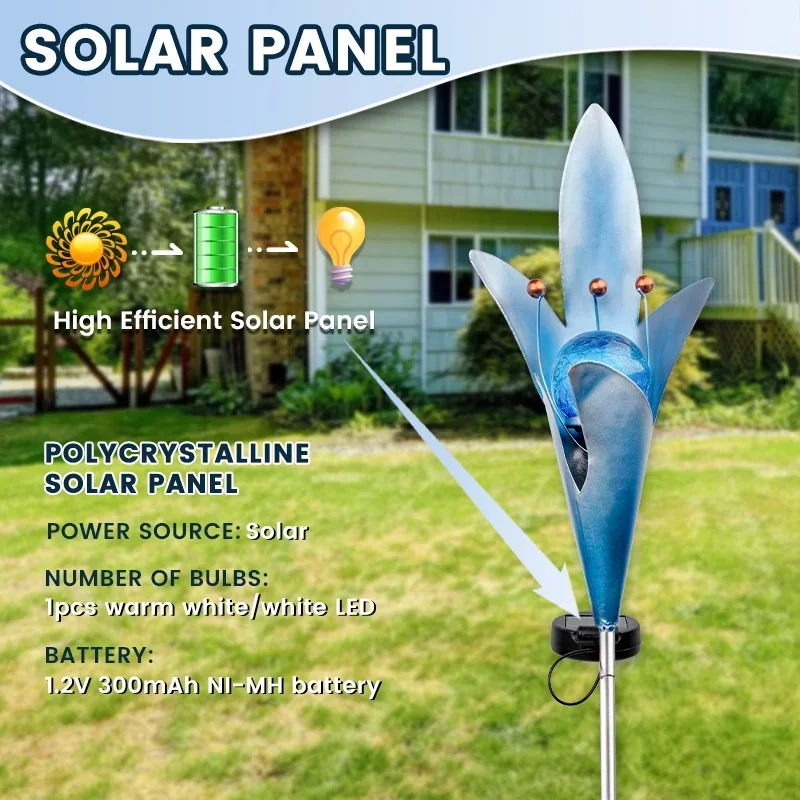
LED Color Temperature: Custom LED color temperatures create specific ambiance—warm white (2700-3000K) for traditional elegance, neutral white (3500-4000K) for natural appearance, or cool white (5000-6000K) for contemporary aesthetics. Match LED color temperature to target market preferences and garden lighting trends. Solar Panel Sizing: Custom solar panel sizing optimizes performance for specific climates or lighting requirements. Larger panels support brighter LEDs or longer runtime in northern climates with limited sun exposure. Compact panels suit designs prioritizing elegant proportions over maximum brightness. Battery Capacity Options: Custom battery sizing balances runtime requirements with cost and size constraints. Larger batteries (800-1200mAh) support 8-10 hour runtime or brighter illumination, while standard batteries (400-600mAh) provide adequate performance at lower cost. Match battery capacity to target market expectations and competitive positioning.—
8. How to Source from China: Factory Selection Guide
What Factory Capabilities Indicate Quality Manufacturing?
Precision Molding Equipment: Quality lily solar light manufacturers operate precision injection molding equipment capable of capturing delicate petal curves, stamen details, and natural proportions. Modern molding machines with computer controls produce more consistent results than older manual equipment. Visit factories to observe actual molding operations and examine mold quality. Painting and Finishing Facilities: In-house painting facilities with skilled artisans indicate capability for quality hand-painted details and consistent finish quality. Manufacturers outsourcing painting face quality consistency challenges and longer lead times. Observe painting operations to evaluate artisan skill levels and quality control processes. Quality Control Systems: ISO 9001 certification indicates systematic quality management, though certification alone doesn’t guarantee quality. Visit factories to observe actual quality control practices including incoming material inspection, in-process checks, and final testing procedures. Quality manufacturers implement testing at multiple production stages rather than relying solely on final inspection.How to Evaluate Factory Reliability?
Design Capabilities: Evaluate factory design capabilities through portfolio review, sample examination, and discussion of design processes. Quality manufacturers employ designers who study actual lily anatomy and understand botanical proportions rather than creating generic flower shapes. Request design samples showing attention to botanical detail and elegant proportions. Production Capacity: Verify factory capacity matches your order volumes and growth plans. Factories operating near capacity struggle to meet delivery schedules or accommodate rush orders. Ideal suppliers maintain 20-30% excess capacity for flexibility while demonstrating consistent production volumes indicating stable operations. Client References: Request references from existing clients, particularly those serving upscale markets or requiring quality products. Contact references to verify factory performance regarding quality consistency, delivery reliability, and communication responsiveness. References from premium market clients provide better insights than mass-market references.What Red Flags Indicate Problematic Suppliers?
Generic Flower Designs: Factories offering only generic flower designs without botanical accuracy or elegant proportions likely lack design capabilities for quality lily products. Quality lily lights require attention to botanical detail and refined aesthetics that generic manufacturers cannot provide. Inadequate Quality Control: Factories without systematic quality control processes, testing equipment, or quality documentation produce inconsistent products that damage brand reputation. Insist on comprehensive quality control including material testing, in-process inspection, and final testing with documentation. Poor Communication: Slow response times, vague answers to technical questions, or inability to discuss design details indicates organizational problems that will cause ongoing frustration. Quality suppliers maintain responsive communication and demonstrate understanding of botanical accuracy and premium market requirements.—
9. What Common Mistakes Should You Avoid?
What Design Mistakes Compromise Market Appeal?
Generic Flower Appearance: Accepting generic flower designs without authentic lily characteristics creates products that fail to appeal to sophisticated customers seeking botanical accuracy. Insist on designs capturing lily’s distinctive six-petal arrangement, prominent stamens, and elegant proportions. Provide reference images of actual lilies to guide design development. Inappropriate Colors: Specifying overly bright or artificial colors compromises sophisticated appearance and premium positioning. Lily lights should use natural lily colors including pure white, soft pastels, or deep jewel tones rather than neon or artificial shades. Request color samples and verify color accuracy against actual lily varieties. Poor Proportions: Accepting designs with incorrect petal proportions, oversized stamens, or unnatural stem angles creates products that appear cheap despite quality materials. Verify proportions against actual lily anatomy and insist on corrections before production. Poor proportions cannot be corrected after tooling investment.How Do Quality Compromises Create Problems?
Inadequate UV Stabilization: Accepting materials without proper UV stabilization creates products that fade, become brittle, or crack within months of outdoor exposure. This destroys brand reputation and creates costly returns or warranty claims. Specify UV-stabilized materials and verify stabilization through accelerated weathering testing. Poor Paint Quality: Accepting inadequate paint materials or application processes creates products that fade quickly, show uneven coverage, or experience paint delamination. Specify appropriate paint materials (UV-resistant, weather-resistant) and verify application quality through samples and production inspection. Weak Assembly: Accepting inadequate assembly methods creates products that fail during shipping, handling, or normal use. Specify appropriate fastening methods (ultrasonic welding, quality adhesives, secure mechanical connections) and verify assembly strength through physical testing of samples.What Logistical Mistakes Increase Costs?
Inadequate Packaging: Accepting minimal packaging to reduce costs leads to damage during shipping, particularly for delicate lily petals or hand-painted details. Specify appropriate packaging including individual wrapping, protective materials, and sturdy cartons. Packaging costs represent small percentage of total costs but prevent expensive damage claims. Insufficient Lead Time: Rushing production to meet tight deadlines increases costs and quality risks. Quality lily manufacturing requires adequate time for precision molding, careful painting, and thorough quality control. Plan orders with 60-90 day lead times for standard products, 90-120 days for custom designs. Poor Container Loading: Improper container loading causes damage from shifting, crushing, or moisture exposure during ocean transport. Specify loading requirements including proper stacking, protective materials, and moisture barriers. Consider container inspection services for high-value shipments or initial orders from new suppliers.—
10. Who Is Glowyard Lighting and What Do We Offer?
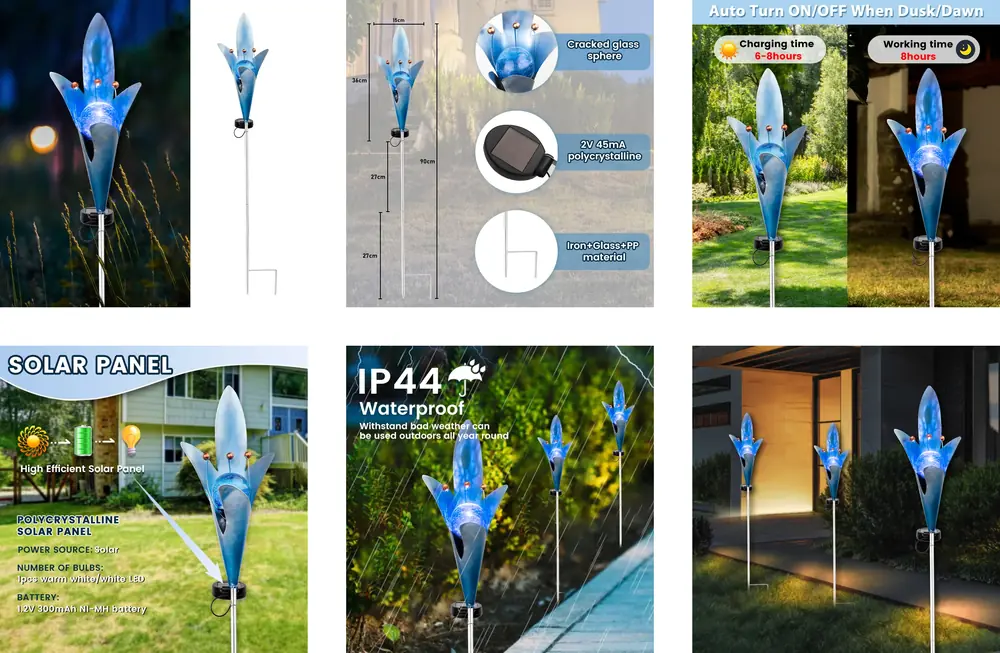
What Makes Glowyard Different?
At Glowyard Lighting, we’ve specialized in manufacturing premium solar garden lights for over 15 years, developing deep expertise in botanical design, precision manufacturing, and quality control. Our focus on sophisticated aesthetics and botanical authenticity has made us the preferred supplier for B2B buyers serving upscale residential markets, botanical gardens, and customers appreciating refined garden décor.
Our design team studies actual lily varieties to ensure our products capture authentic botanical character including accurate petal curves, proper stamen proportions, and natural color variations. This attention to botanical detail distinguishes our lily solar lights from generic flower products, appealing to sophisticated customers who appreciate authenticity and refined aesthetics.
What Products and Services Do We Provide?
Standard Product Lines: Our catalog includes multiple lily designs spanning Asiatic, Oriental, and Calla lily interpretations in various sizes and colors. All products feature quality materials, precise manufacturing, and reliable solar components backed by comprehensive warranties. Our standard products serve customers seeking quality lily lights without custom development costs. Custom Design Services: We provide complete custom design services from concept development through production, including botanical research, CAD modeling, prototype fabrication, and tooling development. Our design team works with your specifications to create lily products that match your brand positioning and target market preferences. Private Label Programs: Our private label programs support retailers and distributors building branded product lines for upscale markets. Services include custom packaging design, product documentation, and exclusive designs that differentiate your offerings from mass-market competitors.How Do We Support B2B Buyers?
Technical Support: Our team provides technical support throughout the sourcing process, including product selection guidance, specification development, and quality optimization. We help buyers understand botanical design requirements, material options, and manufacturing processes that affect quality and market appeal. Quality Assurance: Our ISO 9001 certified quality control process includes incoming material inspection, in-process monitoring, and comprehensive final testing. We provide test reports, certifications, and documentation supporting your quality requirements and import compliance. Market Insights: We share market insights regarding design trends, color preferences, and customer expectations in upscale garden markets. Our experience serving premium markets helps buyers make informed decisions about product selection, pricing strategies, and market positioning.—
11. What Questions Do Buyers Ask About Lily Solar Lights?

Product Selection Questions
Q: How do lily designs compare to other flower types for upscale markets?A: Lily designs appeal to sophisticated customers seeking refined elegance and botanical authenticity rather than romantic symbolism (roses) or contemporary minimalism (tulips). Lilies work particularly well for formal gardens, memorial applications, and mature affluent customers valuing timeless aesthetics.
Q: What lily variety works best for general markets?A: Asiatic lily designs offer best balance of elegant appearance, manufacturing efficiency, and broad market appeal. Oriental lily designs command premium pricing but appeal to narrower markets. Calla lily designs suit contemporary markets seeking modern minimalism.
Q: What colors perform best in retail markets?A: Pure white represents strongest seller (40-50% of sales) due to versatility and symbolic associations. Soft pink (20-25%) appeals to feminine aesthetics and gift markets. Deep burgundy and coral orange (15-20% combined) serve customers seeking distinctive colors. Avoid overly bright or artificial colors that compromise sophisticated appearance.
Sourcing and Quality Questions
Q: What minimum order quantities should I expect?A: Standard lily designs typically require 500-1000 unit minimums. Custom designs require 1000-2000 units to justify tooling costs. Some manufacturers offer lower minimums for initial orders or sample production, though per-unit costs increase significantly for small quantities.
Q: How do I verify botanical accuracy and design quality?A: Request samples and compare against actual lily photographs or botanical references. Evaluate petal proportions, stamen details, and overall elegance. Work with manufacturers who demonstrate understanding of lily anatomy and sophisticated aesthetics rather than generic flower manufacturers.
Q: What lead times should I plan for?A: Standard products require 45-60 days from order to delivery. Custom designs require 60-90 days including design development and tooling. Add 30-45 days for ocean shipping and customs clearance. Plan orders 90-120 days before required delivery for custom products or peak season inventory.
Market and Pricing Questions
Q: What markup percentages work for lily solar lights?A: Retail markups typically range from 2.5x to 3.5x wholesale cost depending on market positioning, competition, and service levels. Premium products with strong branding and elegant packaging support higher markups. Memorial market products often support 3-4x markups due to emotional purchase motivations and specialized distribution.
Q: How do I position lily lights against mass-market alternatives?A: Emphasize botanical authenticity, refined aesthetics, and sophisticated appeal rather than competing on price. Target customers prioritizing quality and elegance over lowest price. Provide elegant packaging, quality documentation, and warranty coverage that demonstrates premium positioning.
Q: What seasonal inventory strategies work best?A: Stock peak inventory by February for spring season, with emphasis on white and pastel colors. Maintain elevated inventory through Mother’s Day and Memorial Day (late May). Reduce inventory to 30-40% of peak during summer and fall while maintaining core products for memorial and gift markets.
—
Ready to Source Elegant Lily Solar Lights?
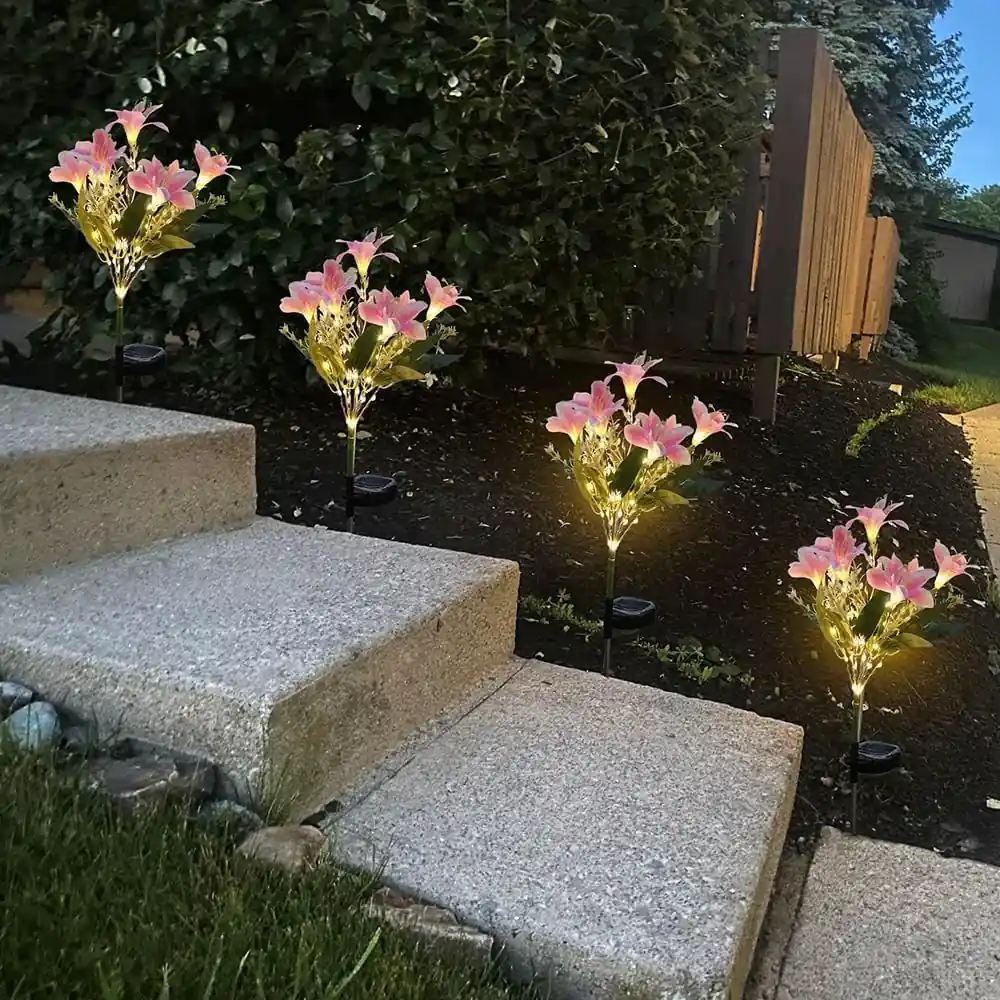
Lily solar lights offer B2B buyers the opportunity to serve sophisticated markets with products that appeal to customers seeking refined elegance, botanical authenticity, and timeless aesthetics. Success requires understanding design requirements, evaluating manufacturing quality, and partnering with suppliers who appreciate botanical accuracy and premium market expectations.
At Glowyard Lighting, we’re committed to helping B2B buyers succeed in upscale markets through quality products, botanical expertise, and reliable service. Whether you’re sourcing standard designs or developing custom products, our team brings 15+ years of solar light manufacturing experience and deep appreciation for botanical elegance to your projects.
Ready to discuss your lily solar light requirements? Contact our B2B team to explore how our products and services can support your business goals. We’re here to help you succeed in sophisticated garden lighting markets.