

1. What Metal Types Are Used and How Do They Compare?
What Are the Primary Metal Materials?
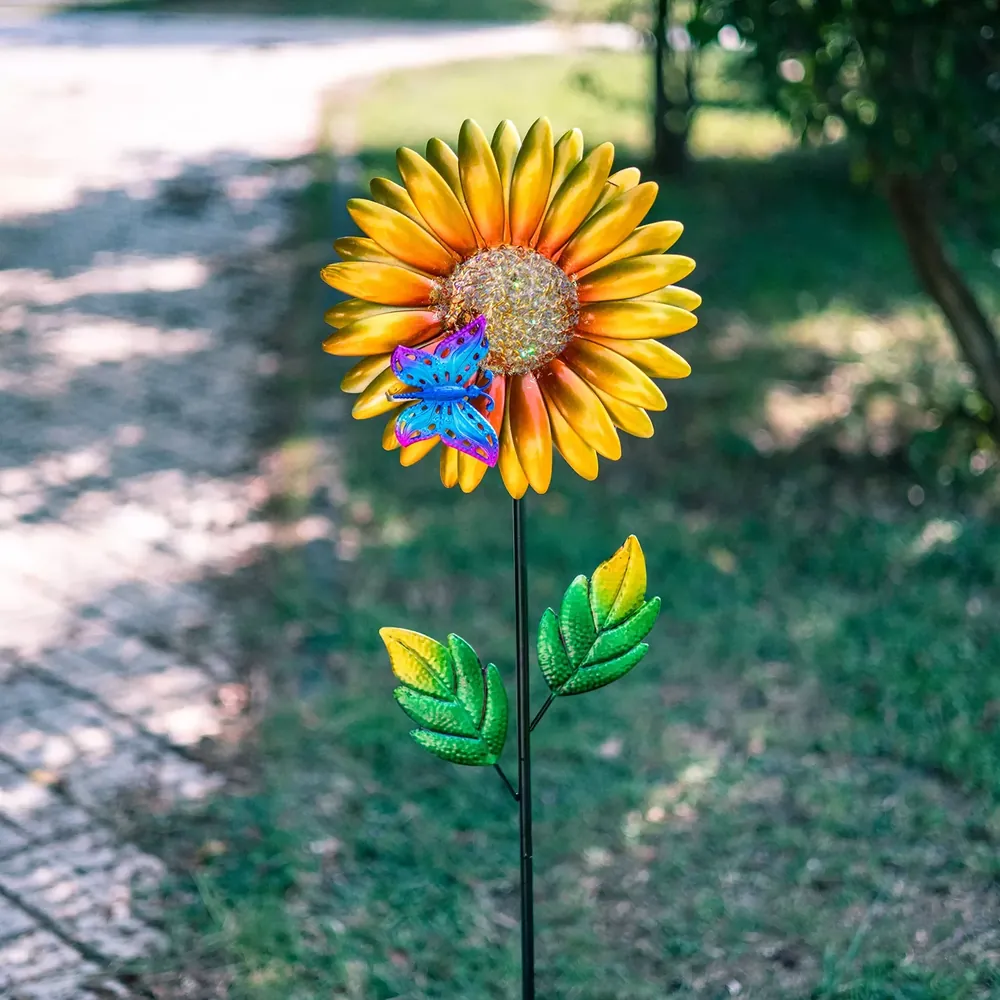
Quality stainless steel solar lights maintain their appearance and structural integrity for 5-10+ years with minimal maintenance. The material’s natural luster creates sophisticated aesthetics that appeal to premium buyers, while its strength allows delicate designs that would fail in other materials. At Glowyard Lighting, our stainless steel products undergo rigorous corrosion testing to ensure long-term performance in diverse climates.
Aluminum Alloys: Aluminum offers an excellent balance of corrosion resistance, light weight, and cost-effectiveness compared to stainless steel. Marine-grade aluminum alloys (5000 and 6000 series) provide good corrosion resistance when properly treated, while maintaining 60% lighter weight than steel. This weight advantage simplifies installation and reduces shipping costs—important considerations for large commercial projects.However, aluminum requires protective surface treatments (anodizing or powder coating) to prevent oxidation and maintain appearance. Untreated aluminum develops a dull oxide layer that degrades aesthetics, while properly treated aluminum maintains attractive finishes for 3-5+ years. Aluminum costs 30-40% less than stainless steel, making it ideal for projects balancing quality with budget constraints.
Copper and Brass Alloys: Copper and brass create distinctive appearances that develop attractive patinas over time, appealing to customers seeking unique, evolving aesthetics. Pure copper offers excellent corrosion resistance and develops rich green or brown patinas that many customers find desirable. Brass (copper-zinc alloy) provides similar aesthetics with improved strength and lower cost.These materials command premium pricing due to raw material costs and specialized fabrication requirements. Copper solar lights typically cost 50-80% more than aluminum equivalents but appeal to customers prioritizing distinctive appearance and natural aging characteristics. Quality manufacturers use solid copper or brass rather than plated alternatives that wear through quickly.
How Do Metal Types Affect Product Performance?
Corrosion Resistance: Stainless steel provides superior corrosion resistance across all environments, requiring no protective coatings. Aluminum requires anodizing or powder coating for long-term protection. Copper and brass naturally resist corrosion but develop patinas that change appearance over time. Carbon steel (even when painted) corrodes rapidly outdoors and should be avoided for solar lights. Structural Strength: Stainless steel offers highest strength, allowing delicate designs with thin cross-sections. Aluminum provides adequate strength for most designs but requires thicker sections for equivalent rigidity. Copper and brass offer moderate strength suitable for decorative elements but may require reinforcement for structural components. Weight Considerations: Aluminum’s light weight (2.7 g/cm³) simplifies installation and reduces shipping costs compared to stainless steel (7.9 g/cm³) or copper (8.9 g/cm³). For large commercial projects or products requiring frequent repositioning, weight differences significantly impact handling costs and installation labor. Cost Structure: Stainless steel costs 2-3x more than aluminum, while copper costs 3-4x more than aluminum. However, stainless steel’s longevity and minimal maintenance requirements often justify higher initial investment for premium markets. B2B buyers should match material selection to target customer priorities and price sensitivity.What Metal Combinations Optimize Value?
Multi-Material Construction: Quality manufacturers strategically combine metals—using stainless steel for structural components requiring maximum strength and corrosion resistance, aluminum for decorative elements balancing appearance with cost, and copper accents for visual interest. This approach optimizes cost while maintaining quality where it matters most. Metal-Plastic Hybrids: Combining metal structural components with plastic decorative elements creates attractive products at moderate price points. Metal stems and bases provide durability and premium appearance, while plastic flower petals reduce weight and cost. This hybrid approach appeals to mid-market buyers seeking metal aesthetics without full premium pricing.—
2. What Fabrication Processes Create Quality Metal Solar Lights?
What Is Metal Stamping and Forming?
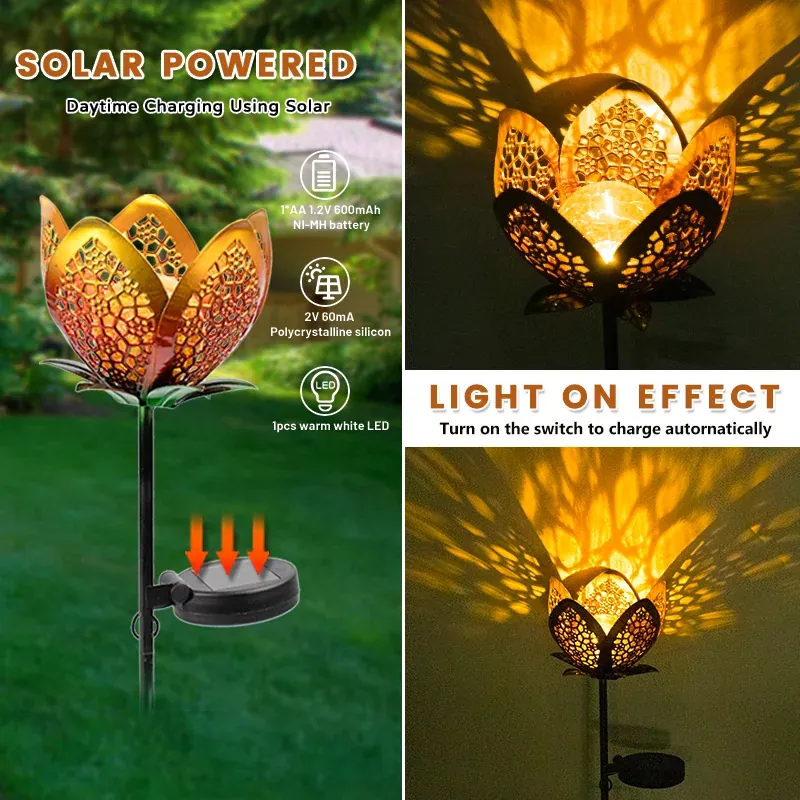
Stamping Basics: Metal stamping uses precision dies to cut, bend, and form sheet metal into desired shapes. This process excels at producing consistent parts with excellent dimensional accuracy and smooth edges. Quality stamping requires precision dies, appropriate press tonnage, and proper material handling to prevent distortion or damage.Progressive stamping dies perform multiple operations in sequence, creating complex parts efficiently. Quality manufacturers invest in precision dies that produce millions of consistent parts with minimal variation. Examine sample products for consistent dimensions, smooth edges, and absence of burrs or distortion indicating inadequate tooling or process control.
Deep Drawing and Forming: Deep drawing creates three-dimensional shapes from flat sheet metal, ideal for flower petals, decorative elements, and housing components. This process requires specialized dies and careful material selection to prevent tearing or wrinkling. Quality deep-drawn parts show smooth surfaces, consistent wall thickness, and sharp detail reproduction. Laser Cutting Precision: Modern laser cutting systems create intricate patterns and precise shapes impossible with traditional stamping. Laser cutting excels at producing decorative cutouts, detailed patterns, and custom designs without expensive tooling. Quality laser cutting produces clean edges without heat distortion or rough surfaces requiring extensive finishing.How Does Welding Quality Affect Product Integrity?
TIG Welding for Stainless Steel: Tungsten Inert Gas (TIG) welding creates clean, strong welds ideal for stainless steel solar lights. Quality TIG welding produces smooth, consistent welds with minimal discoloration and excellent strength. Poor welding creates weak joints, excessive heat distortion, or unsightly weld beads that degrade appearance and structural integrity. MIG Welding for Aluminum: Metal Inert Gas (MIG) welding works well for aluminum components, offering faster production than TIG while maintaining adequate quality. Quality MIG welding requires proper shielding gas, appropriate wire selection, and skilled operators to prevent porosity or weak joints. Spot Welding for Assembly: Resistance spot welding creates strong joints for assembly operations without visible weld beads. This process works well for attaching brackets, mounting hardware, or joining overlapping components. Quality spot welding produces consistent weld strength without surface damage or distortion.What Finishing Processes Enhance Quality?
Grinding and Polishing: Surface grinding and polishing remove fabrication marks, create smooth surfaces, and enhance appearance. Quality finishing progresses through multiple grit stages, achieving mirror-like finishes for premium products or consistent satin finishes for contemporary aesthetics. Inadequate finishing leaves visible scratches, uneven surfaces, or inconsistent appearance. Deburring and Edge Treatment: All metal fabrication creates burrs and sharp edges requiring removal. Quality manufacturers implement thorough deburring processes including tumbling, vibratory finishing, or manual deburring to ensure safe handling and professional appearance. Sharp edges or burrs indicate inadequate finishing processes. Assembly and Integration: Metal solar lights require precise assembly of fabricated components, electronic elements, and decorative features. Quality assembly uses appropriate fastening methods (welding, riveting, threading) that create secure connections without damaging components or degrading appearance. Examine assembly quality on samples—look for secure connections, proper alignment, and professional finish quality.—
3. How Do Surface Treatments Enhance Durability and Appearance?
What Is Powder Coating and Why Does It Matter?
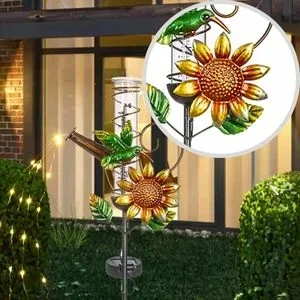
Powder Coating Process: Powder coating applies dry powder electrostatically, then cures it under heat to create durable, attractive finishes. This process produces thicker, more uniform coatings than liquid paint, with superior durability and environmental friendliness. Quality powder coating resists chipping, fading, and corrosion for 5-7+ years outdoors. Color and Finish Options: Powder coating offers virtually unlimited color options plus various finishes including gloss, satin, matte, and textured surfaces. Quality manufacturers maintain consistent color matching across production runs and offer custom color development for private label products. Examine color consistency between samples and across different production batches. Application Quality: Quality powder coating requires proper surface preparation (cleaning, degreasing, phosphate treatment), appropriate coating thickness (60-100 microns), and complete curing. Inadequate preparation causes coating delamination, while insufficient thickness reduces durability. Over-application creates runs, orange peel texture, or coating buildup in corners.How Does Anodizing Protect Aluminum?
Anodizing Process: Anodizing creates a protective oxide layer through electrochemical process, converting the aluminum surface into durable aluminum oxide. This layer integrates with the base metal rather than coating over it, providing superior adhesion and durability compared to paint or powder coating. Type II vs. Type III Anodizing: Type II (sulfuric acid) anodizing creates 5-25 micron oxide layers suitable for most outdoor applications, offering good corrosion resistance and color options. Type III (hard anodizing) produces 25-100 micron layers with exceptional hardness and wear resistance, ideal for high-traffic areas or harsh environments. Color Options and Limitations: Anodizing offers limited color options (clear, black, bronze, gold) compared to powder coating, but colors integrate into the oxide layer rather than sitting on the surface. This creates more durable, fade-resistant finishes that maintain appearance longer than painted alternatives.What Other Surface Treatments Add Value?
Electroplating: Electroplating deposits thin metal layers (chrome, nickel, gold) onto base metals, creating attractive finishes with specific properties. Chrome plating provides mirror-like finishes and excellent corrosion resistance. Nickel plating offers good corrosion protection with satin appearance. Gold plating creates luxury aesthetics for premium products. Patina Development: Controlled patina development on copper or brass creates distinctive appearances that appeal to customers seeking unique, artisan aesthetics. Quality manufacturers apply chemical patinas that accelerate natural aging processes, creating consistent, attractive finishes. Uncontrolled patina development produces inconsistent, potentially unattractive results. Clear Coating Protection: Clear coatings (lacquer, polyurethane, epoxy) protect metal finishes while maintaining natural appearance. These coatings prevent tarnishing on brass or copper, protect powder coating from UV degradation, or enhance stainless steel luster. Quality clear coats resist yellowing, maintain transparency, and provide durable protection.—
4. What Quality Standards Should You Look For?
What Product Certifications Are Essential?
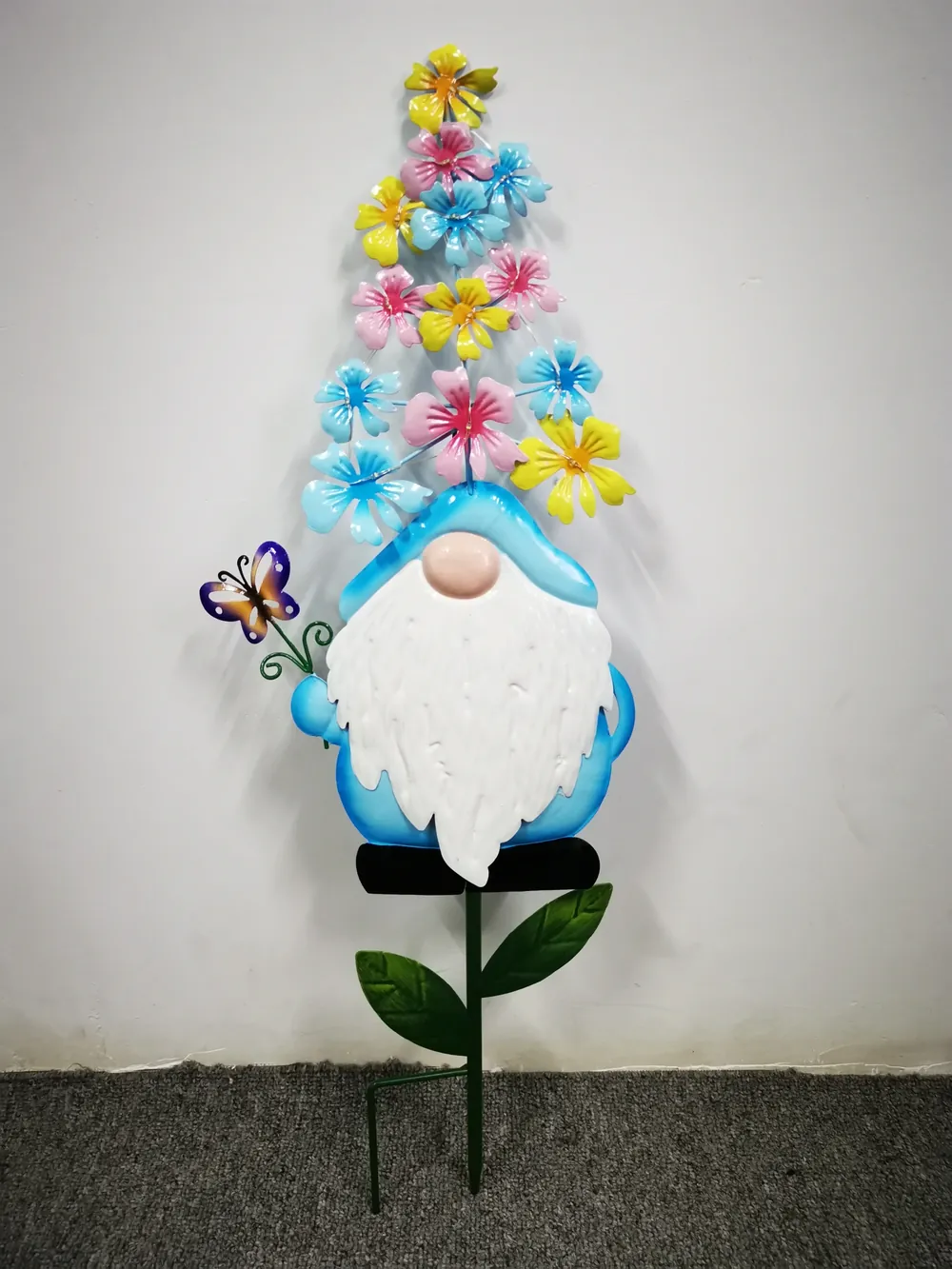
CE Certification: CE marking indicates compliance with European safety, health, and environmental protection standards. For metal solar lights, CE certification verifies electrical safety, electromagnetic compatibility, and material safety. Quality manufacturers maintain current CE certification and provide documentation upon request. RoHS Compliance: RoHS (Restriction of Hazardous Substances) limits use of specific hazardous materials including lead, mercury, and cadmium. Compliance matters for European markets and increasingly for other regions. Quality manufacturers test materials and maintain compliance documentation. IP Rating Verification: IP (Ingress Protection) ratings indicate protection against dust and water intrusion. Metal solar lights typically require IP44 (splash resistant) minimum, with IP65 (water jet resistant) preferred for exposed installations. Verify IP ratings through independent testing rather than relying solely on manufacturer claims.How to Evaluate Manufacturing Quality?
Weld Quality Inspection: Examine welds for consistency, smoothness, and absence of porosity or cracks. Quality welds show uniform appearance, appropriate penetration, and minimal heat distortion. Poor welding creates weak joints that fail prematurely or unsightly weld beads that degrade appearance. Surface Finish Consistency: Evaluate surface finishes for uniform appearance, appropriate coating thickness, and absence of defects (runs, orange peel, thin spots). Quality finishes maintain consistent appearance across all surfaces and between different production units. Dimensional Accuracy: Measure critical dimensions and verify consistency between samples. Quality manufacturing maintains tight tolerances (±0.5mm for precision components) ensuring proper fit and professional appearance. Excessive variation indicates inadequate process control or worn tooling.What Testing Validates Performance?
Corrosion Testing: Salt spray testing (ASTM B117) validates corrosion resistance by exposing samples to accelerated corrosion conditions. Quality metal solar lights withstand 500+ hours salt spray without significant corrosion or coating degradation. Request test reports from manufacturers and verify testing through independent laboratories for critical projects. Structural Load Testing: Load testing validates structural integrity under wind loads, impact, and handling stress. Quality products withstand specified loads without permanent deformation or failure. This matters particularly for tall designs or installations in windy locations. UV and Weather Resistance: Accelerated weathering testing (ASTM G154) validates coating durability under UV exposure, temperature cycling, and moisture. Quality coatings maintain appearance and protection through 1000+ hours accelerated weathering equivalent to several years outdoor exposure.—
5. What Is the Market Demand for Premium Metal Lights?
What Market Segments Value Metal Construction?
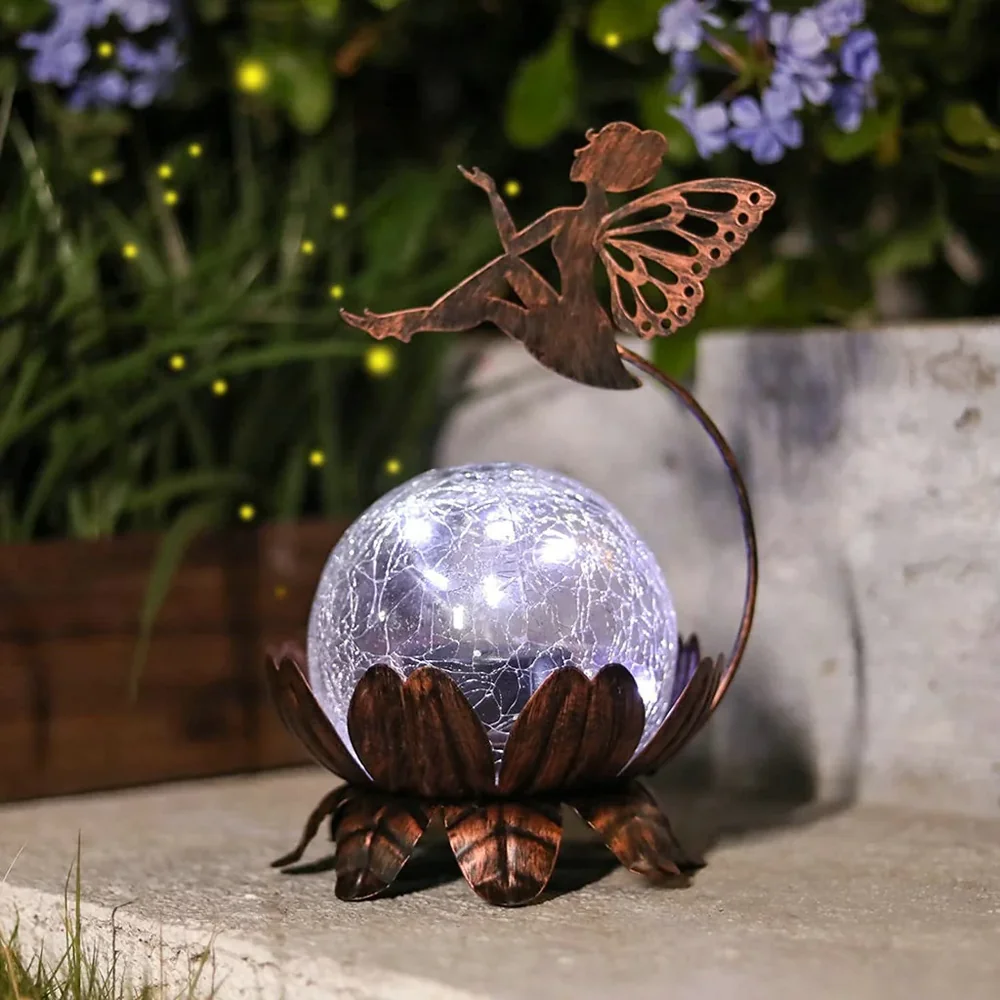
Upscale Residential Markets: Homeowners investing in quality landscaping prioritize metal solar lights for their durability, sophisticated appearance, and long-term value. These customers accept 2-3x higher prices compared to plastic alternatives in exchange for products that maintain appearance and function for many years. Commercial Landscaping Projects: Hotels, resorts, restaurants, and commercial properties specify metal solar lights for their professional appearance, minimal maintenance requirements, and ability to withstand high-traffic environments. Commercial buyers prioritize total cost of ownership over initial price, making metal’s longevity attractive despite higher upfront costs. Architectural and Design Professionals: Landscape architects and designers specify metal solar lights for projects requiring specific aesthetics, custom designs, or integration with architectural elements. These professionals value metal’s design flexibility, finish options, and ability to create cohesive design schemes.How Do Seasonal Patterns Affect Metal Light Sales?
Spring Peak Season: Spring (March-May) represents peak season for metal solar lights as homeowners and commercial properties prepare outdoor spaces for summer. B2B buyers should stock inventory by February to capture spring demand, with emphasis on contemporary designs and popular finishes. Fall Secondary Peak: Fall (September-October) creates secondary demand as customers complete landscaping projects before winter and prepare for holiday lighting. Metal lights with warm finishes (copper, bronze, brass) perform particularly well during fall season. Year-Round Commercial Demand: Commercial and architectural projects maintain steadier demand throughout the year, driven by construction schedules rather than seasonal patterns. B2B buyers serving commercial markets should maintain consistent inventory and emphasize project support capabilities.What Price Points Support Different Market Segments?
Entry Premium ($15-25 wholesale): Entry premium metal lights use aluminum construction with powder coating, offering metal aesthetics and durability at accessible price points. These products appeal to customers upgrading from plastic but not ready for full premium pricing. Mid Premium ($25-40 wholesale): Mid premium products use quality stainless steel or aluminum with superior finishes, custom designs, or enhanced features. This segment represents the sweet spot for many upscale residential buyers balancing quality with value. Ultra Premium ($40-80+ wholesale): Ultra premium metal lights feature solid copper or brass construction, hand-crafted details, custom designs, or architectural specifications. These products target luxury residential markets, high-end commercial projects, or customers prioritizing distinctive aesthetics over price.—
6. What Are the Common Applications?
How Are Metal Solar Flower Lights Used in Residential Settings?
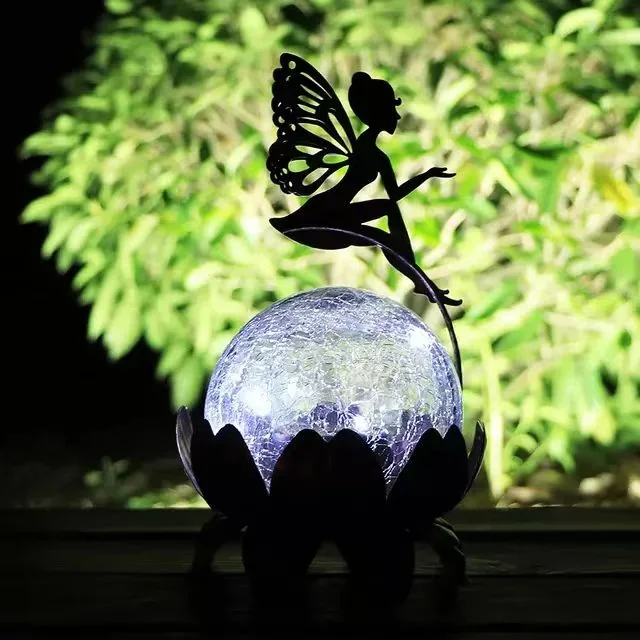
Garden Pathway Lighting: Metal flower lights create sophisticated pathway illumination that guides visitors while enhancing garden aesthetics. Stainless steel or aluminum construction withstands foot traffic and weather exposure while maintaining professional appearance. Typical installations use 6-12 lights spaced 6-8 feet apart along pathways. Landscape Accent Lighting: Metal flowers serve as focal points in garden beds, highlighting specific plants or creating visual interest in landscaping. Their durability allows placement in high-visibility locations where plastic alternatives would appear cheap or deteriorate quickly. Premium finishes (copper, brass, brushed stainless) complement upscale landscaping materials. Patio and Deck Decoration: Metal solar flowers enhance outdoor living spaces with ambient lighting that creates atmosphere without harsh glare. Their refined appearance suits upscale patio furniture and outdoor décor, while weather resistance ensures reliable performance in exposed locations.What Commercial Applications Drive Volume Sales?
Hotel and Resort Landscaping: Hospitality properties use metal solar lights extensively for pathway lighting, garden accents, and outdoor dining areas. These applications require durable products that maintain appearance despite constant exposure and minimal maintenance windows. Commercial buyers typically order 50-500+ units per project. Restaurant Outdoor Seating: Restaurants with outdoor seating areas use metal solar flowers to create ambiance while reducing electrical installation costs. The lights’ sophisticated appearance suits upscale dining environments, while solar operation eliminates wiring complexity in outdoor spaces. Corporate Campus Landscaping: Office parks and corporate campuses specify metal solar lights for professional appearance, low maintenance requirements, and sustainability messaging. These projects often involve hundreds of units installed across extensive landscaping, creating significant volume opportunities for B2B suppliers.How Do Architectural Projects Specify Metal Lights?
Custom Design Integration: Architectural projects often require custom designs that integrate with building aesthetics, landscape themes, or specific design visions. Metal fabrication flexibility allows custom shapes, sizes, finishes, and features that plastic manufacturing cannot accommodate economically. Specification Requirements: Architects specify metal solar lights through detailed specifications covering materials, finishes, dimensions, performance requirements, and installation methods. B2B suppliers serving architectural markets must provide technical documentation, samples, and project support throughout specification and installation processes. LEED and Sustainability Credits: Metal solar lights contribute to LEED (Leadership in Energy and Environmental Design) certification through energy efficiency, sustainable materials, and reduced maintenance requirements. Projects pursuing LEED certification value metal’s recyclability and longevity compared to plastic alternatives.—
7. What Customization Options Are Available?
What Design Customization Options Exist?
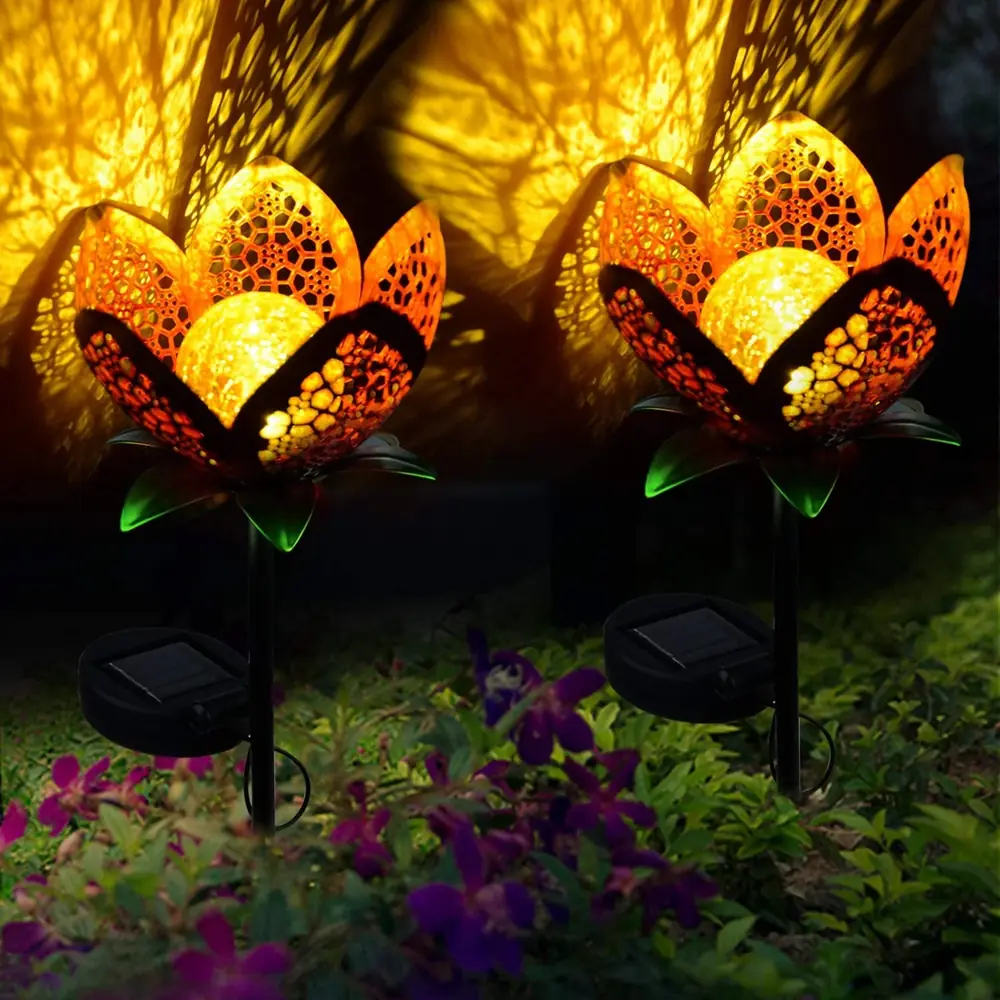
Flower Style Variations: Metal fabrication accommodates virtually any flower design from realistic botanical reproductions to abstract contemporary interpretations. Laser cutting creates intricate petal patterns, while forming processes shape three-dimensional flower structures. Custom designs typically require minimum orders of 500-1000 units to justify tooling costs. Size and Scale Options: Metal construction allows sizes from delicate 6-inch accent flowers to dramatic 36-inch+ statement pieces. Larger sizes showcase metal’s structural advantages, creating impressive designs impossible in plastic. Custom sizing accommodates specific project requirements or unique market positioning. Finish and Color Customization: Powder coating offers unlimited color options, while anodizing provides durable metallic finishes. Custom finishes can match specific color schemes, corporate branding, or design themes. Quality manufacturers maintain color consistency across production runs and provide color matching services.How Does Branding and Private Labeling Work?
Logo Integration: Metal fabrication allows logo integration through laser etching, embossing, or applied badges. Subtle logo placement on bases or stems creates brand recognition without compromising aesthetics. This matters for retailers building private label brands or commercial projects requiring branded products. Custom Packaging: Premium metal products justify custom packaging that protects products while enhancing brand presentation. Quality packaging includes protective materials, assembly instructions, and marketing materials that support retail sales or project specifications. Product Documentation: Custom documentation including specification sheets, installation guides, and warranty information supports professional sales processes. B2B buyers serving commercial or architectural markets require comprehensive documentation for specification and installation purposes.What Technical Customization Options Add Value?
Solar Panel Sizing: Custom solar panel sizing optimizes performance for specific climates or lighting requirements. Larger panels support brighter LEDs or longer runtime, while compact panels suit designs prioritizing aesthetics over maximum brightness. LED Color Temperature: Custom LED color temperatures (2700K warm white to 6000K cool white) create specific ambiance or match existing lighting schemes. RGB color-changing options add versatility for customers seeking dynamic lighting effects. Battery Capacity Options: Custom battery sizing balances runtime requirements with cost and size constraints. Larger batteries support longer runtime or brighter illumination, while compact batteries suit designs prioritizing minimal size or weight.—
8. How to Source from China: Factory Selection Guide
What Factory Capabilities Indicate Quality Manufacturing?
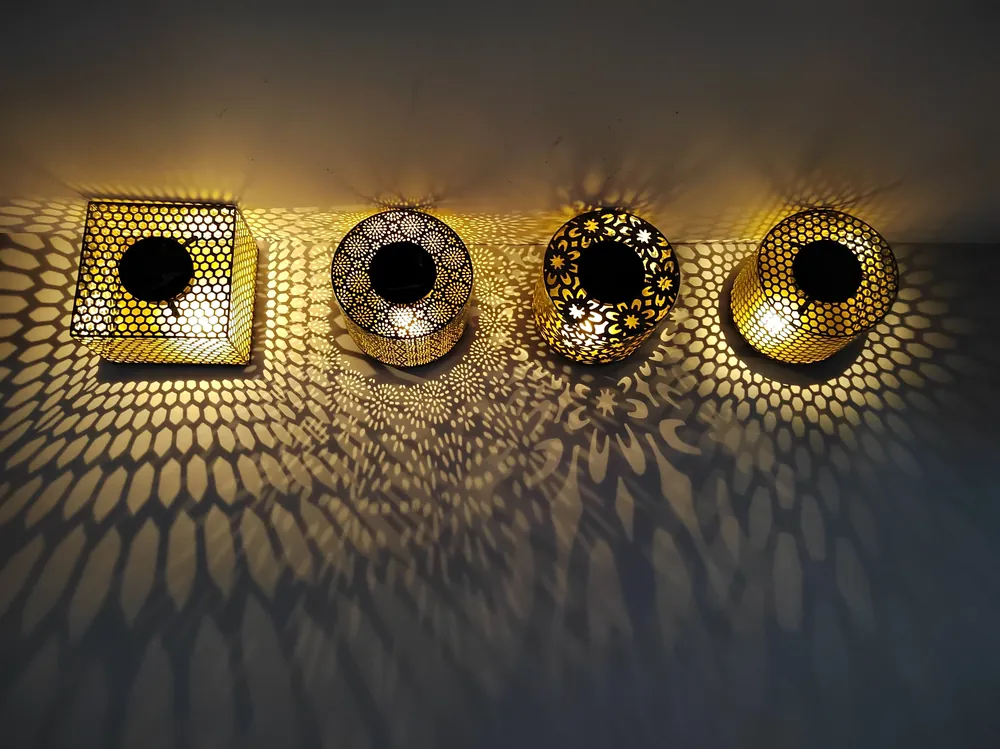
Metal Fabrication Equipment: Quality metal solar light manufacturers operate comprehensive fabrication facilities including CNC laser cutting, precision stamping presses, welding stations, and finishing equipment. Modern equipment with computer controls produces more consistent results than older manual machinery. Surface Treatment Facilities: In-house powder coating or anodizing facilities indicate serious manufacturing operations capable of controlling quality and delivery schedules. Manufacturers outsourcing surface treatment face quality consistency challenges and longer lead times. Quality Control Systems: ISO 9001 certification indicates systematic quality management, though certification alone doesn’t guarantee quality. Visit factories to observe actual quality control practices including incoming material inspection, in-process checks, and final testing procedures.How to Evaluate Factory Reliability?
Production Capacity: Verify factory capacity matches your order volumes and growth plans. Factories operating near capacity struggle to meet delivery schedules or accommodate rush orders. Ideal suppliers maintain 20-30% excess capacity for flexibility. Client References: Request references from existing clients, particularly those in your target markets or with similar product requirements. Contact references to verify factory performance regarding quality, delivery reliability, and communication responsiveness. Financial Stability: Evaluate factory financial stability through business licenses, bank references, or trade credit reports. Financially unstable factories may cut corners on quality, struggle with material procurement, or fail to honor warranties.What Red Flags Indicate Problematic Suppliers?
Unrealistic Pricing: Prices significantly below market rates (30%+ lower than competitors) indicate quality compromises, unsustainable business practices, or potential fraud. Quality metal fabrication, surface treatment, and assembly have inherent costs that cannot be eliminated without sacrificing quality. Reluctance to Provide Samples: Legitimate manufacturers readily provide samples (often at cost) to demonstrate quality and capabilities. Reluctance to provide samples or insistence on full payment before sampling suggests quality concerns or fraudulent operations. Poor Communication: Slow response times, vague answers to technical questions, or inability to provide documentation indicates organizational problems that will cause ongoing frustration. Quality suppliers maintain responsive communication and provide clear, detailed information.—
9. What Common Mistakes Should You Avoid When Sourcing?
What Quality Compromises Create Problems?
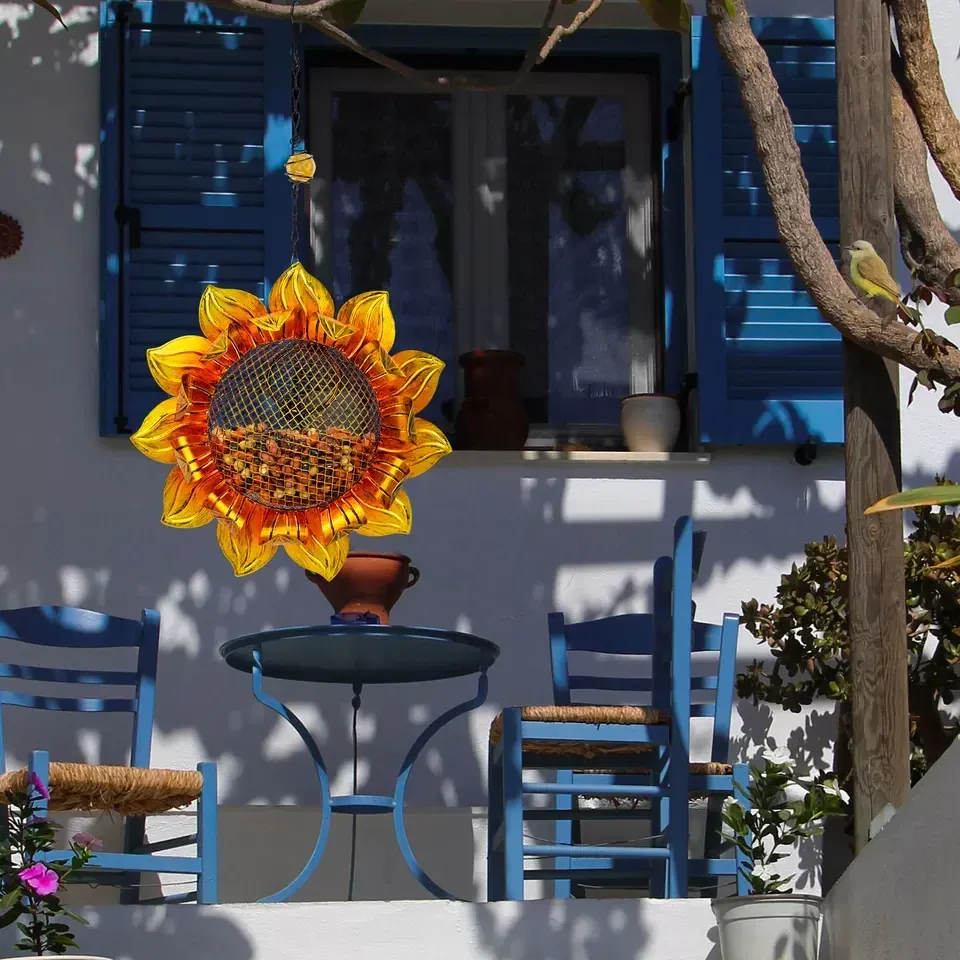
Inadequate Corrosion Protection: Specifying carbon steel instead of stainless steel or aluminum, or accepting inadequate surface treatment, creates products that rust or corrode within months. This destroys brand reputation and creates costly returns or warranty claims. Always verify material specifications and surface treatment quality through independent testing for initial orders. Thin Material Gauges: Accepting thinner metal gauges than specified reduces costs but compromises structural integrity and durability. Thin materials dent easily, lack rigidity, and fail prematurely. Verify material thickness through physical measurement or destructive testing of samples. Poor Weld Quality: Accepting inadequate welding creates weak joints that fail under normal use or weather stress. Weld failures cause complete product failure and potential safety hazards. Inspect weld quality carefully on samples and implement in-process quality checks during production.How Do Specification Errors Cause Problems?
Incomplete Technical Specifications: Vague specifications regarding materials, dimensions, finishes, or performance requirements lead to misunderstandings and products that don’t meet expectations. Develop detailed specifications covering all critical parameters and verify manufacturer understanding before production. Inadequate Testing Requirements: Failing to specify required testing (corrosion resistance, structural strength, electrical safety) allows manufacturers to skip expensive testing procedures. Specify required tests, request test reports, and verify testing through independent laboratories for critical projects. Unclear Quality Standards: Failing to define acceptable quality levels for surface finish, dimensional accuracy, or functional performance creates disputes when products don’t meet unstated expectations. Define quality standards clearly and provide reference samples showing acceptable quality levels.What Logistical Mistakes Increase Costs?
Inadequate Packaging: Accepting minimal packaging to reduce costs leads to damage during shipping, particularly for delicate metal flowers or products with premium finishes. Specify appropriate packaging including individual wrapping, protective materials, and sturdy cartons. Poor Container Loading: Improper container loading causes damage from shifting, crushing, or moisture exposure during ocean transport. Specify loading requirements and consider container inspection services for high-value shipments. Insufficient Lead Time: Rushing production to meet tight deadlines increases costs and quality risks. Quality metal fabrication, surface treatment, and assembly require adequate time. Plan orders with 60-90 day lead times for standard products, 90-120 days for custom designs.—
10. Who Is Glowyard Lighting and What Do We Offer?
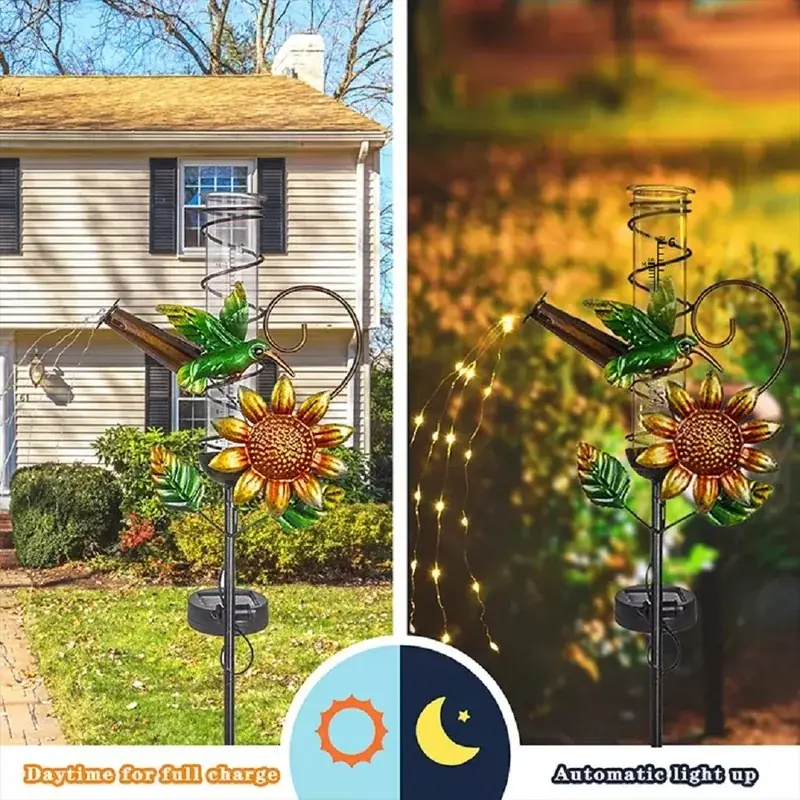
What Makes Glowyard Different?
At Glowyard Lighting, we’ve specialized in manufacturing premium solar garden lights for over 15 years, developing deep expertise in metal fabrication, surface treatment, and solar lighting technology. Our focus on quality over volume has made us the preferred supplier for B2B buyers serving upscale residential markets, commercial landscaping projects, and architectural specifications.
Our metal fabrication capabilities combine traditional metalworking craftsmanship with modern production efficiency. We operate comprehensive facilities including CNC laser cutting, precision stamping, TIG and MIG welding, powder coating, and anodizing—allowing complete control over quality and delivery schedules.
What Products and Services Do We Provide?
Standard Product Lines: Our catalog includes over 50 metal solar flower light designs spanning contemporary, traditional, and artistic styles. All products feature quality materials (stainless steel or marine-grade aluminum), durable surface treatments, and reliable solar components backed by comprehensive warranties. Custom Design Services: We provide complete custom design services from concept development through production, including CAD modeling, prototype fabrication, and tooling development. Our design team works with your specifications to create products that match your brand positioning and market requirements. Private Label Programs: Our private label programs support retailers and distributors building branded product lines. Services include custom packaging design, product documentation, and exclusive designs that differentiate your offerings from competitors.How Do We Support B2B Buyers?
Technical Support: Our engineering team provides technical support throughout the sourcing process, including product selection guidance, specification development, and performance optimization. We help buyers match products to market requirements and avoid common sourcing mistakes. Quality Assurance: Our ISO 9001 certified quality control process includes incoming material inspection, in-process monitoring, and comprehensive final testing. We provide test reports, certifications, and documentation supporting your quality requirements. Flexible Ordering: We accommodate orders from 500 units (standard products) to 50,000+ units (custom designs), with flexible payment terms and delivery schedules that support your business needs. Our inventory management services help buyers optimize stock levels and reduce carrying costs.—
11. What Questions Do Buyers Ask About Metal Solar Flower Lights?
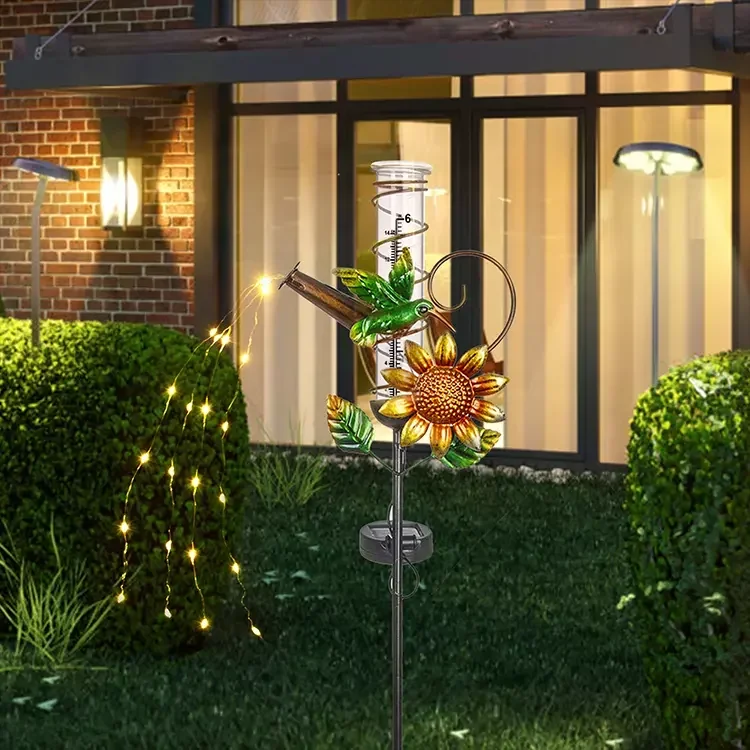
Product Selection Questions
Q: How do I choose between stainless steel and aluminum?A: Choose stainless steel for maximum durability, coastal environments, or ultra-premium positioning. Choose aluminum for better value, lighter weight, or projects balancing quality with budget constraints. Both materials provide excellent longevity when properly treated.
Q: What finish options work best for different markets?A: Brushed stainless or satin powder coat finishes suit contemporary markets. Copper or bronze finishes appeal to traditional or rustic aesthetics. Black or dark finishes create dramatic modern statements. Match finish selection to target customer preferences and existing landscape materials.
Q: How long do metal solar flower lights typically last?A: Quality metal solar lights last 5-10+ years with minimal maintenance. Stainless steel products often exceed 10 years, while aluminum products typically provide 5-7 years before requiring refinishing. Solar components (batteries, LEDs) may require replacement after 3-5 years.
Sourcing and Quality Questions
Q: What minimum order quantities should I expect?A: Standard products typically require 500-1000 unit minimums. Custom designs require 1000-3000 units to justify tooling costs. Some manufacturers offer lower minimums for initial orders or sample production.
Q: How do I verify metal quality and surface treatment?A: Request material certifications verifying alloy composition. Conduct salt spray testing (500+ hours) to validate corrosion resistance. Measure coating thickness (60-100 microns for powder coating) and verify adhesion through cross-hatch testing.
Q: What lead times should I plan for?A: Standard products require 45-60 days from order to delivery. Custom designs require 60-90 days including tooling development. Add 30-45 days for ocean shipping and customs clearance. Plan orders 90-120 days before required delivery for custom products.
Market and Pricing Questions
Q: What markup percentages work for metal solar lights?A: Retail markups typically range from 2.5x to 4x wholesale cost depending on market positioning, competition, and service levels. Premium products with strong branding support higher markups. Volume retailers operate on lower markups with higher turnover.
Q: How do I position metal lights against plastic alternatives?A: Emphasize longevity, sophisticated appearance, and total cost of ownership rather than competing on initial price. Target customers prioritizing quality, durability, and aesthetics over lowest price. Provide warranty coverage that demonstrates confidence in product longevity.
Q: What seasonal inventory strategies work best?A: Stock peak inventory by February for spring season, with emphasis on popular finishes and contemporary designs. Maintain 30-40% of peak inventory during summer. Reduce inventory to 20-30% of peak during winter while maintaining core products for year-round commercial demand.
—
Ready to Source Premium Metal Solar Flower Lights?
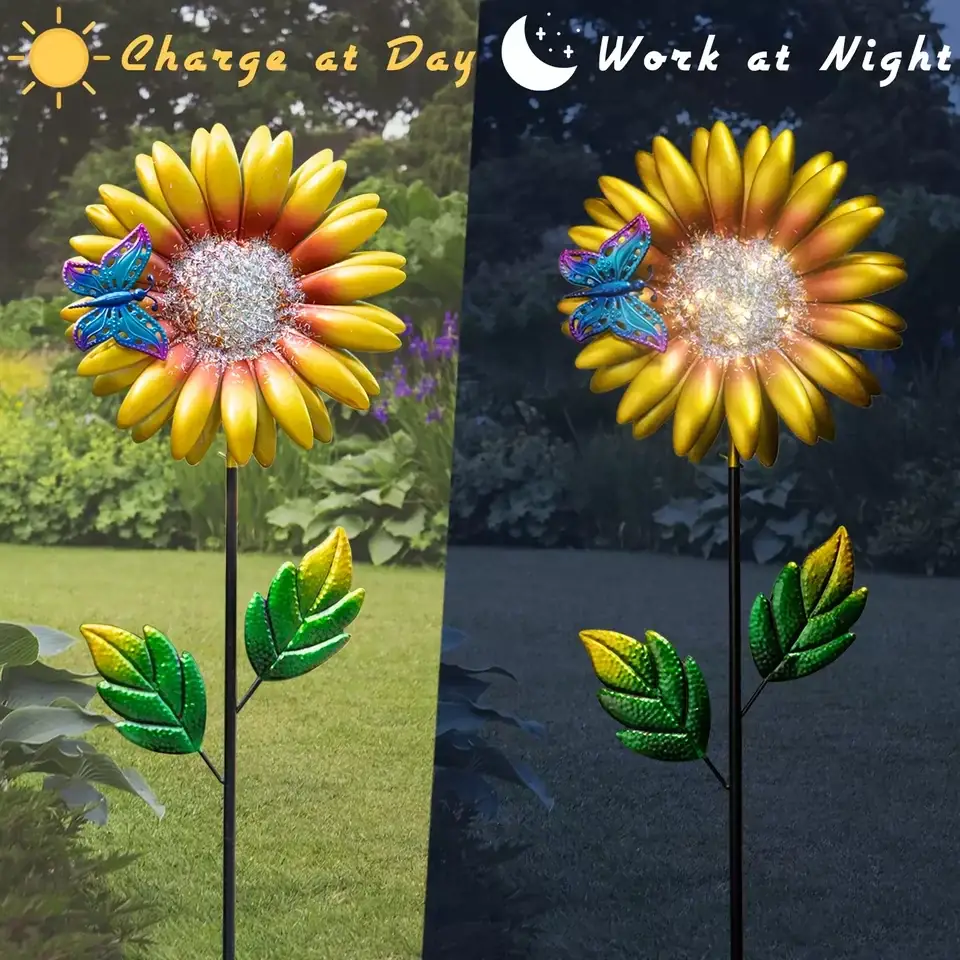
Metal solar flower lights offer B2B buyers the opportunity to serve premium market segments with products that justify higher prices through superior durability, sophisticated aesthetics, and long-term value. Success requires understanding material options, evaluating manufacturing quality, and partnering with suppliers who share your commitment to quality.
At Glowyard Lighting, we’re committed to helping B2B buyers succeed in premium markets through quality products, technical support, and reliable service. Whether you’re sourcing standard designs or developing custom products, our team brings 15+ years of metal solar light manufacturing expertise to your projects.
Ready to discuss your metal solar flower light requirements? Contact our B2B team to explore how our products and services can support your business goals. We’re here to help you succeed in premium solar lighting markets.