

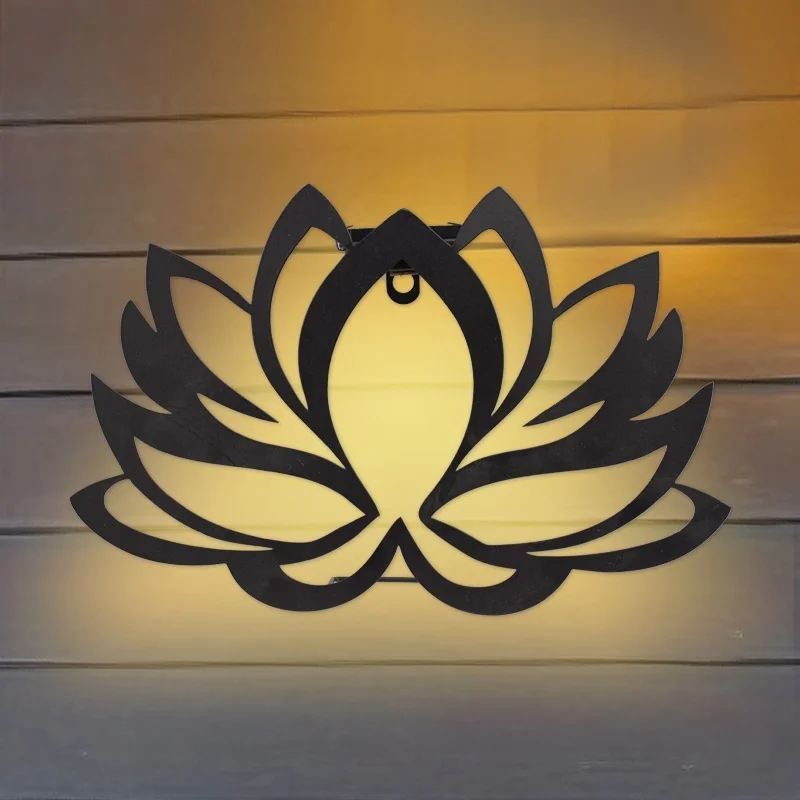
1. What Technical Features Distinguish Quality Wall-Mounted Solar Flower Lights?
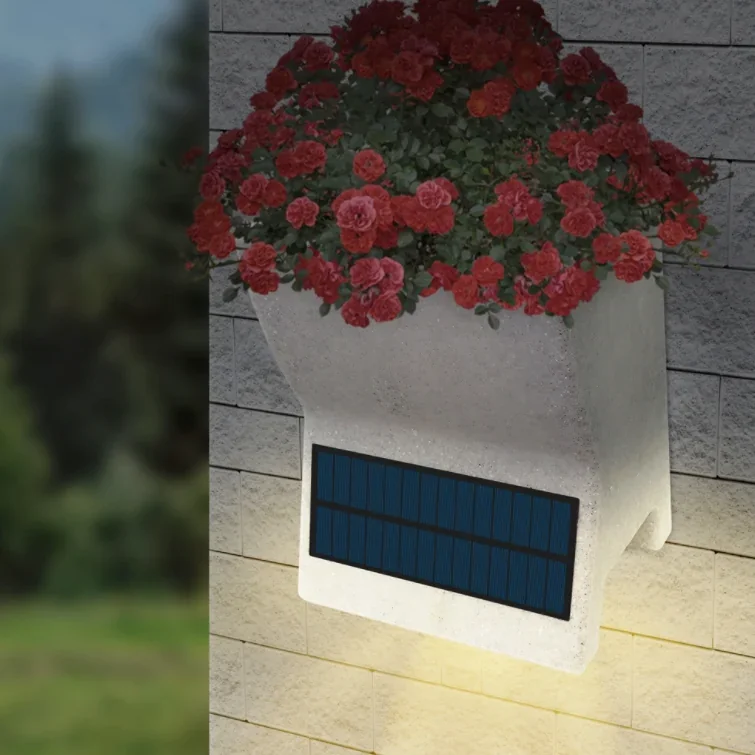
What Makes Mounting Hardware Critical?
Mounting hardware quality represents the most critical technical consideration for wall-mounted products, as mounting failures create the most severe customer complaints and safety concerns in this product category. Quality mounting brackets use corrosion-resistant materials including stainless steel, powder-coated aluminum, or heavy-duty UV-stabilized plastic with thickness sufficient to support product weight without bending or warping.
The bracket should attach to the light fixture at multiple points to distribute stress evenly rather than relying on a single connection point that creates failure risks. Test brackets by applying force exceeding the product weight—quality hardware should show no flex or movement under stress. At Glowyard Lighting, our engineering team designs mounting systems with 3-4x safety margins, ensuring brackets rated for 6-8 pounds can safely support 2-pound products.
Fastener Quality and Variety: Quality products include multiple fastener options for different wall types: wood screws for wooden fences and siding, masonry anchors for brick and concrete, and drywall anchors for interior walls. Fasteners should be corrosion-resistant (stainless steel or coated) to prevent rust staining on walls and maintain holding strength over time. Cheap fasteners that rust, strip, or fail under load create installation frustration and product returns that damage brand reputation.How Does Weight Distribution Affect Performance?
Weight distribution and center of gravity directly affect installation stability and long-term mounting security. Wall-mounted solar flower lights should have their center of gravity close to the wall surface rather than projecting far outward, which creates leverage that stresses mounting points. Products with heavy flower heads extending 8-12 inches from the wall require more robust mounting systems than compact designs with minimal projection.
Test weight distribution by mounting samples and observing whether they remain level or tend to tilt downward over time—tilting indicates poor weight distribution or inadequate mounting hardware. Quality manufacturers conduct load testing demonstrating that mounting hardware fails before the product itself, ensuring safe failure modes that don’t create falling hazards.
Why Is Solar Panel Adjustability Important?
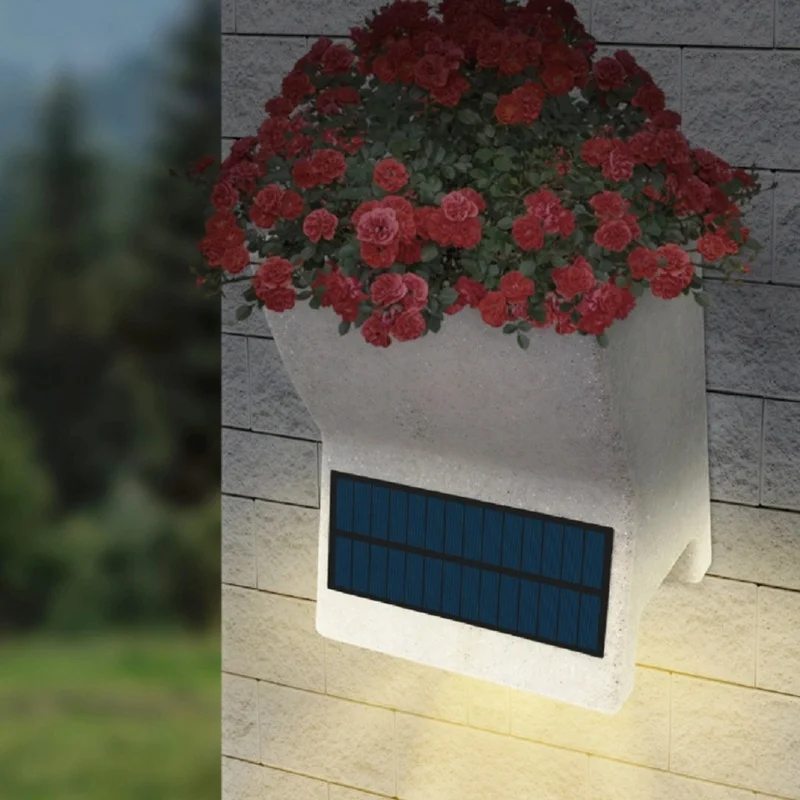
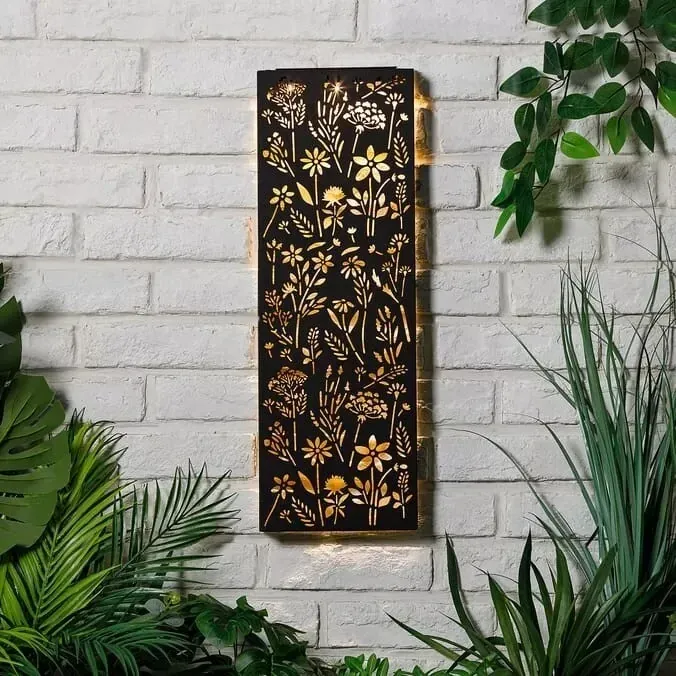
Solar panel positioning and adjustability determine charging effectiveness for wall-mounted installations. Unlike ground or tabletop models that can be repositioned for optimal sun exposure, wall-mounted lights remain fixed once installed. Quality products incorporate adjustable solar panels that can be angled independently from the decorative flower elements, allowing customers to optimize sun exposure even when the wall faces suboptimal directions.
Panels should adjust through at least 90 degrees and lock securely in position without drifting over time. Test adjustment mechanisms through multiple cycles to ensure smooth operation and reliable locking. Some premium designs feature separate solar panels connected via weatherproof cables, allowing panel mounting in sunny locations while the decorative light fixture installs in shaded areas for aesthetic purposes.
What Weatherproofing Standards Are Necessary?
Weatherproofing standards must exceed those for ground-stake lights, as wall-mounted products often install in exposed locations receiving direct rain and wind. Verify that products achieve at least IP65 rating (complete dust protection and protection against water jets from any direction). Pay special attention to the mounting bracket interface, where water can penetrate if seals are inadequate.
Quality products use gaskets or sealed backs that prevent water infiltration at the wall contact point. Conduct water spray tests from multiple angles to verify no moisture reaches electrical components or battery compartments. Understanding waterproof ratings helps you select appropriate products for your target market’s climate conditions.
—
2. What Design Styles and Installation Types Are Available?
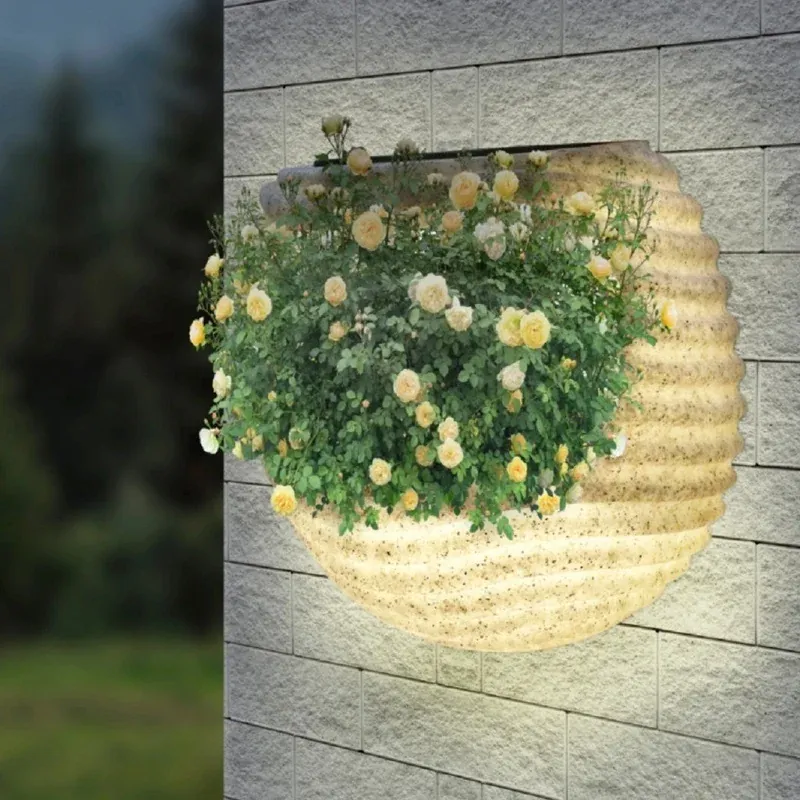
What Flower Designs Work Best for Wall Mounting?
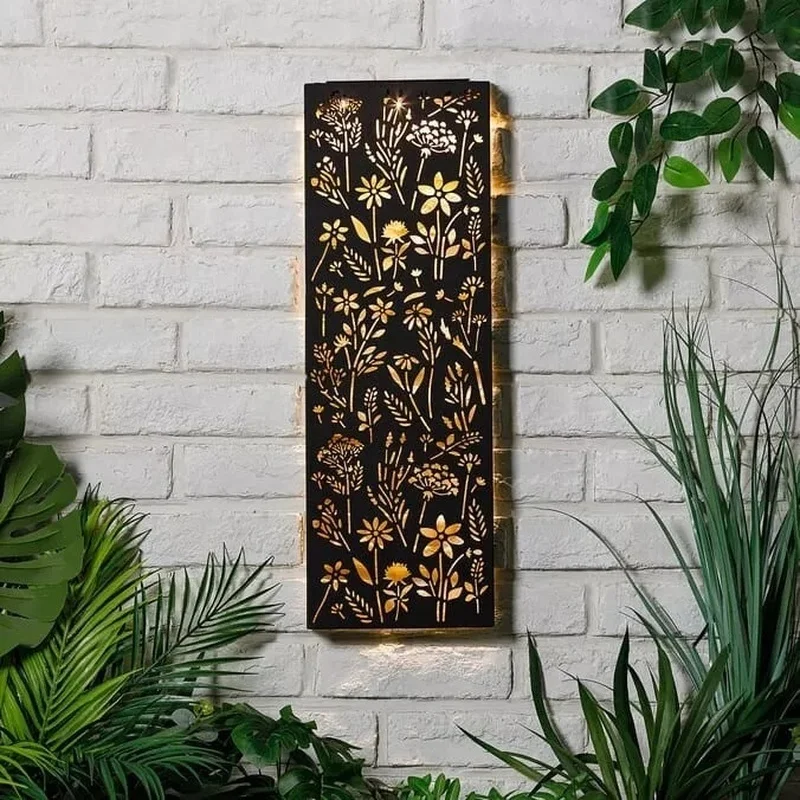
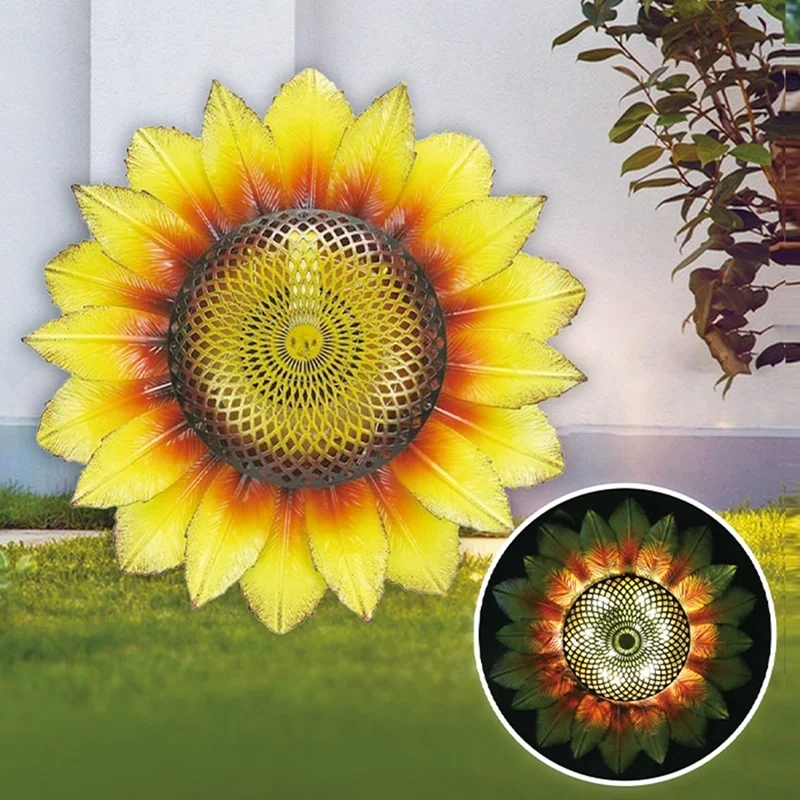
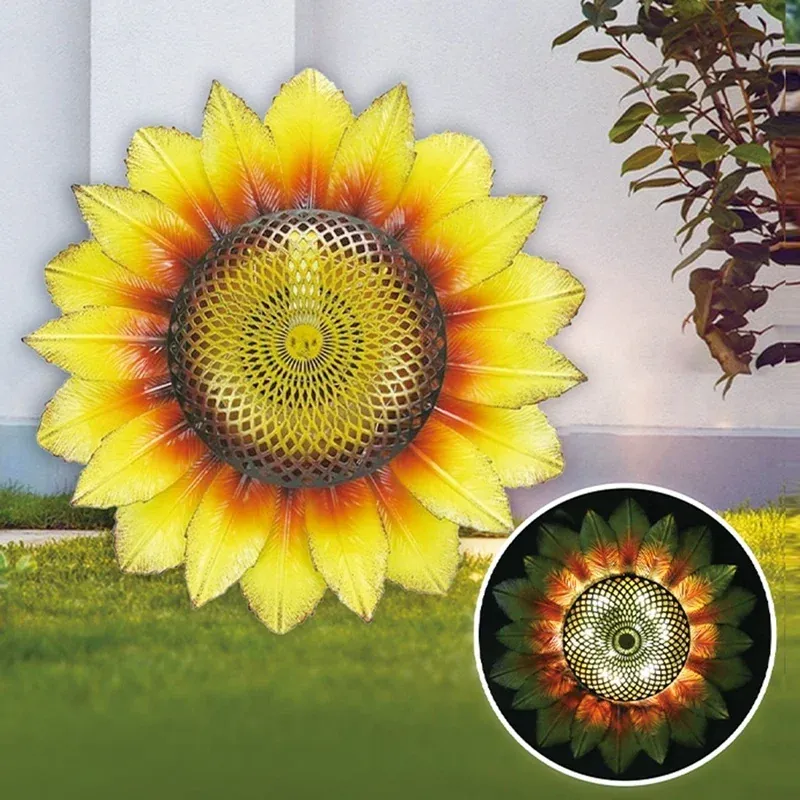
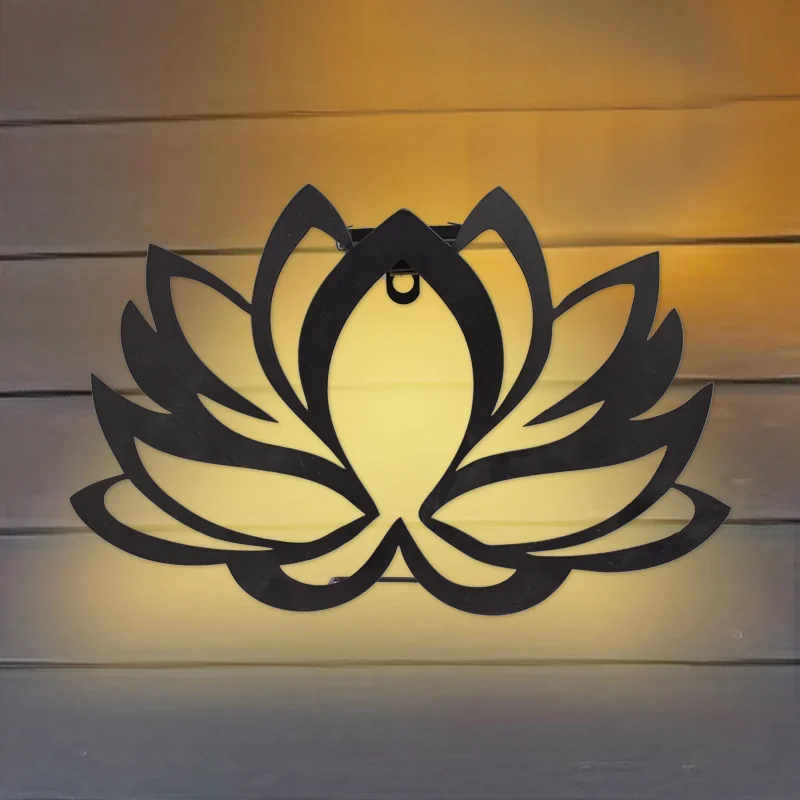
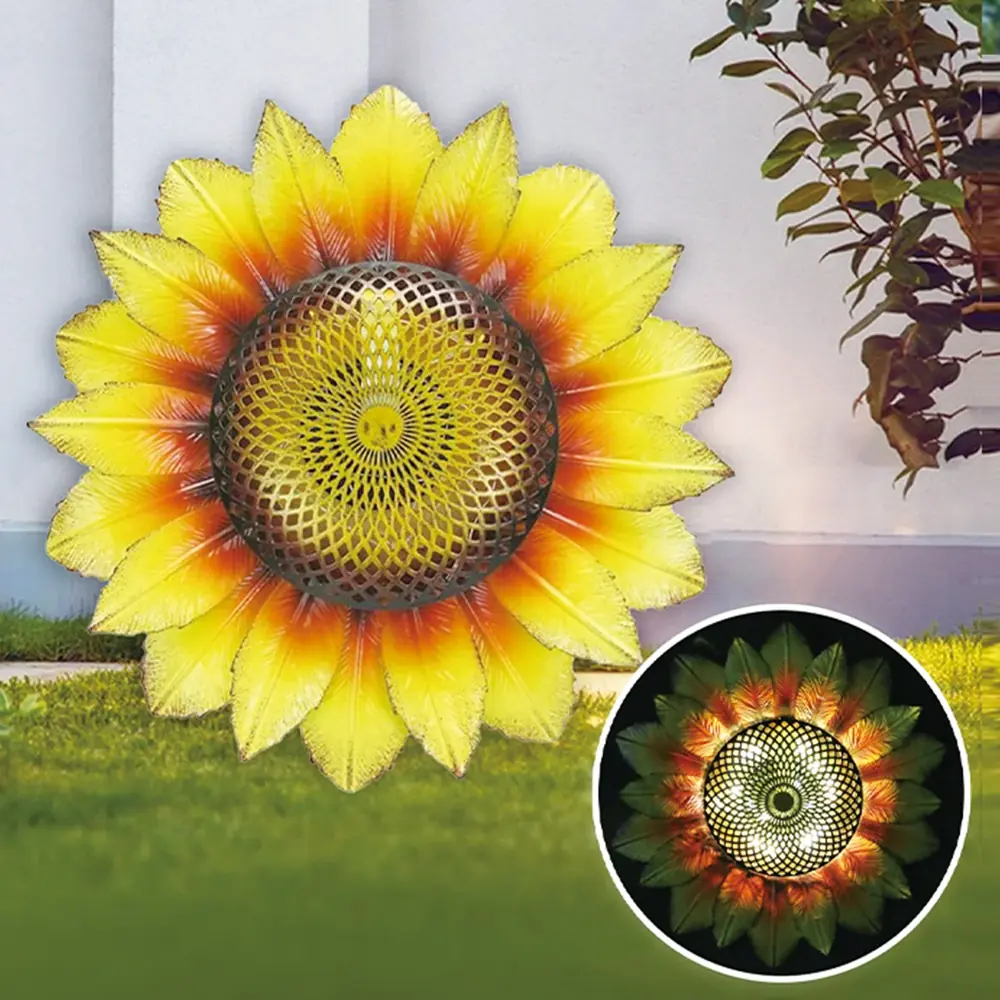
Cascading Flower Arrangements: Designs featuring flowers that cascade downward from the mounting point create natural, graceful aesthetics that complement vertical surfaces. These arrangements typically include multiple flower heads at varying heights, creating visual interest and depth. Cascading designs work particularly well for fence installations, building exteriors, and garden walls where the downward flow enhances the overall landscape design. Horizontal Spread Designs: Wall-mounted lights with flowers spreading horizontally across the wall surface create bold visual statements suitable for large blank walls, garage doors, or commercial building exteriors. These designs typically feature wider mounting brackets and more substantial structural support to handle the lateral weight distribution. Compact Single-Bloom Styles: Single large flower heads mounted close to the wall surface offer minimalist aesthetics suitable for contemporary architecture and small spaces. These compact designs minimize projection from the wall, reducing stress on mounting hardware while providing focused decorative impact. They work well for applications requiring multiple units in close proximity.What Mounting Configurations Are Available?
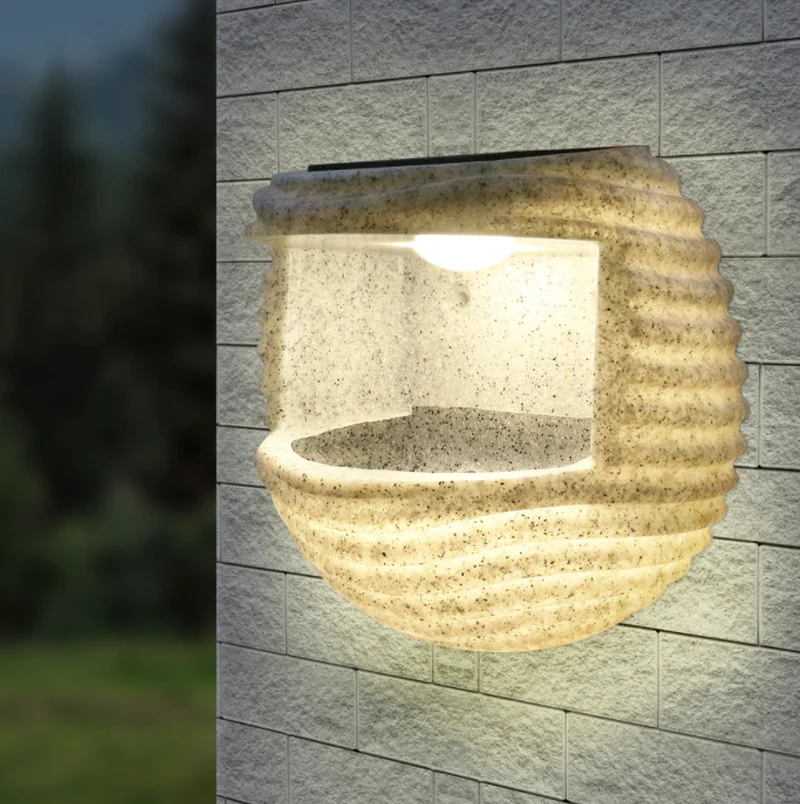
Direct Wall Mount: The most common configuration attaches the light fixture directly to vertical surfaces using brackets and fasteners. Direct wall mounts work for wood siding, brick, concrete, stucco, and other solid wall materials. The mounting hardware must accommodate different wall thicknesses and provide secure attachment across various surface types. Fence Post Mount: Specialized brackets designed for fence posts (typically 4×4 or 6×6 inch dimensions) allow installation on privacy fences, deck railings, and pergola posts. These mounts often feature wrap-around designs or adjustable clamps that secure to posts without requiring drilling through the post structure. Adjustable Arm Mounts: Premium designs incorporate adjustable arms that allow repositioning the flower head angle and distance from the wall after installation. This flexibility helps customers achieve optimal aesthetics and sun exposure without reinstalling the entire unit. Adjustable mounts command premium pricing but reduce installation frustration and return rates.How Do Size Options Affect Installation?
Compact Models (8-12 inches): Smaller wall-mounted lights suit residential applications, small outdoor spaces, and installations where multiple units create grouped displays. Compact sizes minimize mounting hardware requirements and work well for walls with limited structural support capacity. Standard Size (12-18 inches): Mid-size models provide sufficient visual impact for most residential and light commercial applications. This size range balances aesthetic presence with manageable mounting requirements and reasonable shipping costs. Statement Pieces (18-24+ inches): Large wall-mounted solar flower lights serve as focal points for commercial installations, large residential exteriors, and landscape design projects. These substantial products require robust mounting systems, careful installation planning, and typically command premium pricing that reflects their dramatic visual impact.—
3. What Materials and Manufacturing Processes Are Used?
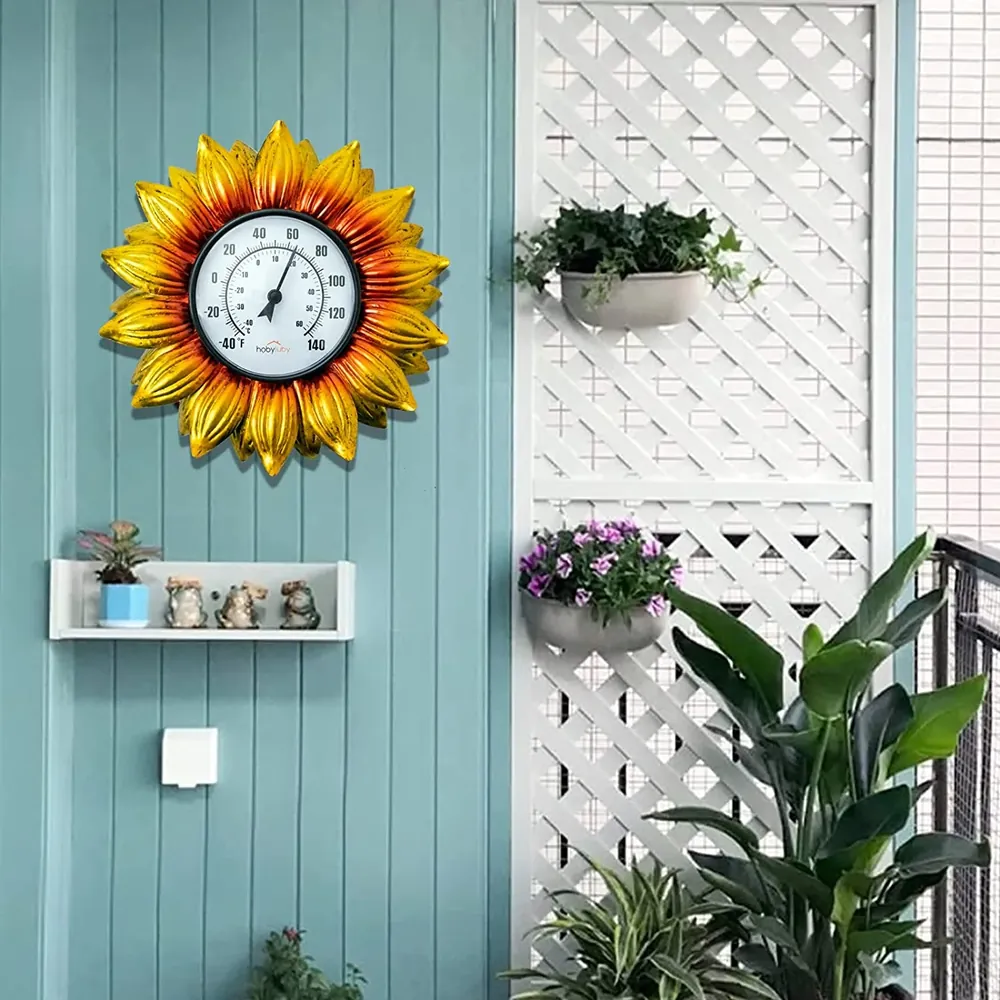
What Materials Are Used for Wall-Mounted Components?
Metal Construction: Wall-mounted solar flower lights frequently use metal materials including aluminum alloy, stainless steel, or powder-coated iron for structural components, mounting brackets, and decorative elements. Metal construction provides durability, premium aesthetics, and weather resistance essential for permanent outdoor installations. Quality manufacturers apply multiple coating layers including primer, color coat, and protective clear coat to prevent corrosion and maintain appearance over years of exposure.At Glowyard Lighting, our metal lights manufacturing process includes rigorous surface treatment protocols and salt spray corrosion testing to ensure products withstand harsh outdoor conditions. We conduct 48-hour salt spray tests simulating years of coastal exposure to verify coating durability.
Resin and Plastic Elements: Decorative flower components often use UV-stabilized resin or plastic materials that allow intricate detailing while maintaining weather resistance. These materials enable realistic petal textures, color gradients, and fine details that enhance close-range visual appeal. Quality formulations resist fading, brittleness, and cracking even after extended UV exposure and temperature cycling. Glass Accents: Premium wall-mounted designs may incorporate glass elements including crackled glass globes, stained glass panels, or glass flower petals that create distinctive light diffusion effects. Glass components require careful packaging and handling but command premium pricing due to their sophisticated aesthetics and perceived quality.How Are Wall-Mounted Solar Flower Lights Manufactured?
Component Fabrication: Manufacturing begins with producing individual components through specialized processes. Metal components undergo stamping, forming, welding, and surface treatment operations. Plastic and resin parts receive injection molding or casting. Glass elements require cutting, forming, and finishing. Electronic components (solar panels, batteries, LEDs, circuit boards) are sourced from specialized suppliers or produced in-house for vertically integrated manufacturers. Assembly and Integration: Skilled workers or semi-automated assembly lines combine components into finished products. The assembly sequence typically progresses from mounting bracket preparation, electronic integration (connecting solar panels, batteries, LEDs, and control circuits), structural assembly (attaching flower elements to brackets), and final finishing (adding decorative details, quality inspection, packaging). Quality Control Throughout Production: Professional manufacturers implement quality control checkpoints at every production stage rather than relying solely on final inspection. This includes incoming quality control (IQC) for raw materials and components, in-process quality control (IPQC) during assembly operations, final quality control (FQC) before packaging, and outgoing quality control (OQC) before shipment. Our ISO 9001 certified quality management system ensures consistent product quality across all production runs.What Manufacturing Capabilities Indicate Quality?
Welding and Metal Fabrication: Wall-mounted products require strong, clean welds that withstand stress from mounting and weather exposure. Quality manufacturers employ skilled welders, use appropriate welding techniques for different metals, and conduct weld strength testing. Examine weld quality on samples—clean, consistent welds without excessive spatter or weak points indicate professional manufacturing capabilities. Surface Treatment Facilities: Proper surface treatment requires specialized equipment including sandblasting systems, powder coating lines, and curing ovens. Manufacturers with in-house surface treatment capabilities typically achieve better quality consistency than those outsourcing these operations. Verify that manufacturers conduct adhesion testing and corrosion resistance testing on finished surfaces. Testing Equipment: Advanced manufacturers invest in testing equipment including pull-test machines for mounting hardware verification, weathering chambers for accelerated aging tests, and photometric testing equipment for light output verification. The presence of professional testing equipment indicates commitment to quality verification beyond visual inspection.—
4. What Quality Standards Should I Look For?
What Product Certifications Are Essential?
CE and RoHS Compliance: European markets require CE certification demonstrating compliance with EU safety, health, and environmental protection standards, plus RoHS compliance limiting hazardous substances in electrical equipment. These certifications are mandatory for legal sales in European markets and increasingly expected by quality-conscious buyers worldwide. Learn more about CE certification requirements for solar garden lights. FCC and UL Standards: North American markets benefit from FCC certification addressing electromagnetic interference and UL certification providing independent safety verification. While not always mandatory for solar lights, these certifications significantly enhance product credibility, reduce liability concerns, and meet requirements of major retailers and distributors. IP Rating Verification: Waterproof rating certifications (IP65, IP67) should come from accredited testing laboratories rather than manufacturer self-certification. Request copies of actual test reports showing how products were tested and the specific results achieved. Genuine IP rating certificates include testing laboratory information, test dates, and specific product models covered.How Do You Assess Installation Hardware Quality?
Load Testing Documentation: Quality manufacturers conduct and document load testing showing how mounting hardware performs under stress. Request pull-test results demonstrating that mounting systems support at least 3-4x the actual product weight. Load testing should verify that mounting hardware fails before the product itself, ensuring safe failure modes. Corrosion Resistance Testing: Mounting hardware and fasteners should undergo salt spray testing demonstrating resistance to corrosion in coastal and humid environments. Quality manufacturers conduct 24-48 hour salt spray tests and can provide documentation showing minimal corrosion after testing. This testing is particularly important for products targeting coastal markets or regions with high humidity. Fastener Quality Verification: Examine included fasteners for material quality, coating consistency, and appropriate sizing for the product weight. Quality fasteners use stainless steel or properly coated materials, include clear size markings, and come with appropriate quantities for different wall types. Cheap, unmarked fasteners indicate cost-cutting that compromises installation success.What Factory Certifications Matter?
ISO 9001 Quality Management: ISO 9001 certification demonstrates systematic approaches to quality control, process documentation, and continuous improvement. Certified manufacturers maintain documented procedures for all critical operations, conduct regular internal audits, and implement corrective actions when problems arise. This systematic approach significantly reduces quality variability compared to manufacturers without formal quality management systems. BSCI and Sedex Social Compliance: BSCI (Business Social Compliance Initiative) and Sedex certifications verify ethical manufacturing practices including fair labor conditions, safe working environments, and environmental responsibility. These certifications increasingly matter to B2B buyers serving socially conscious markets and retailers with strict supplier requirements.At Glowyard Lighting, we maintain ISO 9001, BSCI, and Sedex certifications across our manufacturing facilities. Our comprehensive quality control process implements four-stage inspection protocols that maintain defect rates below 0.5% while ensuring ethical manufacturing practices.
—
5. What Is the Market Demand and Seasonal Trends?
What Are the Peak Selling Seasons?
Spring Installation Season: Spring (March-May) represents the primary selling season for wall-mounted solar flower lights as customers refresh outdoor spaces and undertake home improvement projects. B2B buyers should build inventory in late winter to meet spring demand surges, particularly around Mother’s Day which drives gift purchases and home décor spending. Summer Outdoor Living: Summer months (June-August) maintain strong demand as customers enhance outdoor entertaining spaces, patios, and deck areas. Wall-mounted lights appeal to customers seeking permanent decorative solutions that don’t require seasonal removal, unlike temporary string lights or portable decorations. Fall and Winter Opportunities: While demand moderates in fall and winter, wall-mounted solar flower lights maintain relevance for holiday decorating, year-round landscape lighting, and indoor-outdoor transition spaces like covered patios and sunrooms. Marketing these products as permanent installations rather than seasonal decorations helps maintain off-season sales.Which Market Segments Show Strongest Growth?
Commercial and Hospitality Buyers: Restaurants, hotels, event venues, and commercial properties show the strongest growth rates for wall-mounted solar flower lights. These buyers value the combination of decorative appeal, energy savings, and low maintenance that wall-mounted solar lights provide. Commercial buyers typically purchase in larger volumes (20-100+ units) with predictable replacement cycles, providing stable recurring revenue. Home Improvement and Renovation Market: Homeowners undertaking outdoor renovations, deck additions, or landscape improvements increasingly incorporate wall-mounted solar lights into their projects. This market segment values professional-grade products with robust mounting systems and sophisticated aesthetics that complement their renovation investments. Multi-Unit Residential Properties: Property management companies overseeing apartment complexes, condominiums, and HOA communities adopt wall-mounted solar lights to enhance common areas, reduce electricity costs, and increase property appeal. This segment purchases in large volumes (50-200+ units) for multi-building properties and maintains ongoing relationships with reliable suppliers.What Regional Preferences Affect Product Selection?
North American Market: US and Canadian buyers favor larger sizes (12-18 inches), realistic flower designs, and warm white LED colors. The market shows strong preference for metal construction, particularly powder-coated aluminum or stainless steel that withstands varied climate conditions. Packaging must include clear English instructions and emphasize safety certifications (UL, FCC) to meet retailer requirements. European Market: European buyers often prefer more contemporary design aesthetics with clean lines and minimalist styling. The market values CE and RoHS certifications highly, and retailers increasingly require documentation of environmental compliance and ethical manufacturing practices. Color-changing RGB options show stronger demand in European markets compared to North America. Coastal and High-Humidity Regions: Markets in coastal areas, tropical climates, and high-humidity regions require enhanced corrosion resistance and weatherproofing. Products targeting these markets should feature stainless steel components, superior coating systems, and IP67 waterproof ratings. Emphasize salt spray testing results and corrosion warranties when marketing to these regions.—
6. What Are the Common Applications?
How Are These Lights Used in Residential Settings?
Fence and Privacy Wall Decoration: Homeowners install wall-mounted solar flower lights on privacy fences, garden walls, and property boundaries to add visual interest and subtle illumination. The vertical installation saves ground space while creating eye-level decorative impact that enhances outdoor living areas. Multiple units spaced along fence lines create cohesive lighting schemes without requiring electrical wiring. Building Exterior Accents: Wall-mounted lights enhance building exteriors including garage doors, shed walls, and house siding. They provide decorative lighting that highlights architectural features while adding curb appeal. The solar operation eliminates concerns about running electrical wiring to remote building locations or increasing electricity costs. Deck and Patio Walls: Outdoor living spaces including decks, patios, and covered porches benefit from wall-mounted solar lights that provide ambient lighting without consuming valuable floor or table space. The lights create inviting atmospheres for evening entertaining while their decorative flower designs complement outdoor furniture and décor.What Commercial Applications Drive B2B Sales?
Restaurant and Café Exteriors: Restaurants with outdoor dining areas, patios, or building exteriors use wall-mounted solar flower lights to create inviting atmospheres that attract customers. The lights enhance brand identity, provide subtle illumination for evening operations, and serve as distinctive design elements that differentiate establishments from competitors. Hotel and Resort Landscaping: Hotels, resorts, and bed-and-breakfasts install wall-mounted solar lights on building exteriors, courtyard walls, and property boundaries to enhance guest experiences and create memorable visual impressions. The solar operation eliminates concerns about electricity costs for decorative lighting, while the permanent installation reduces maintenance requirements compared to temporary decorations. Event Venue Permanent Installations: Wedding venues, country clubs, and outdoor event spaces use wall-mounted solar flower lights as permanent decorative elements that enhance their facilities’ appeal year-round. The lights create Instagram-worthy backdrops that attract bookings, provide ambient lighting for evening events, and reduce per-event setup requirements. Senior Living Facility Enhancements: Assisted living facilities and senior communities install wall-mounted solar lights in outdoor walkways, courtyard walls, and building exteriors to create cheerful, safe environments. The lights enhance resident wellbeing through attractive landscaping while the cool-touch LED operation and secure mounting ensure safety for elderly residents.How Do Landscape Professionals Utilize These Products?
Landscape Design Integration: Professional landscapers incorporate wall-mounted solar flower lights into comprehensive landscape designs for residential and commercial clients. The lights provide vertical interest, highlight architectural features, and create focal points in landscape compositions. Landscapers value products with professional-grade mounting systems and aesthetics that complement their design work. Property Enhancement Projects: Landscape maintenance companies offer wall-mounted solar light installation as value-added services for existing clients. The lights provide recurring revenue opportunities through sales, installation services, and ongoing maintenance contracts. Products with modular designs allowing component replacement appeal to landscape professionals managing long-term client relationships.—
7. What Customization Options Are Available?
What Design Customizations Can Manufacturers Provide?
Flower Style and Color Variations: Manufacturers can customize flower types, petal shapes, and color schemes to match your brand positioning or target market preferences. Custom flower designs typically require moderate minimum order quantities (300-500 units) as they may involve new mold development or significant production setup changes. Color customizations using existing molds have lower MOQs (100-200 units) and modest cost impacts. Mounting Hardware Customization: Adapting mounting brackets for specific installation types (fence posts, different wall materials, adjustable arms) allows you to target specialized market segments. Hardware customizations typically require engineering review to ensure structural integrity and safety, with MOQs ranging from 300-500 units depending on complexity. Size and Proportion Adjustments: Modifying product dimensions, flower head sizes, or projection distances creates distinctive products that differentiate from competitors. Size customizations typically require higher minimum order quantities (500-1000 units) as they involve mold modifications or new tooling development.What Technical Customizations Are Possible?
Solar Panel and Battery Upgrades: Increasing solar panel wattage or battery capacity improves product performance but increases costs. These technical customizations appeal to premium market segments willing to pay more for extended runtime or faster charging. Discuss technical feasibility with manufacturers early, as some designs have physical constraints limiting component upgrades. LED Customization Options: Customizing LED color temperature (warm white, cool white, RGB color-changing) or brightness levels allows targeting specific market preferences. LED customizations typically have moderate minimum order quantities (300-500 units) and modest cost impacts, making them accessible customization options for many B2B buyers. Smart Features and Controls: Adding features like remote controls, smartphone app connectivity, motion sensors, or programmable lighting modes creates premium product differentiation. However, smart features significantly increase complexity, costs, and minimum order quantities (typically 1000+ units), making them suitable primarily for established brands with proven market demand.How Does Packaging Customization Add Value?
Custom Box Design: Professional packaging with your brand identity, installation instructions, and clear feature communication significantly enhances perceived value and retail appeal. Custom packaging typically requires moderate minimum order quantities (500-1000 units) and involves one-time design and tooling costs that amortize across order volumes. Installation Guide Enhancement: Providing detailed installation guides with photos, wall-type-specific instructions, and troubleshooting information reduces customer service inquiries and return rates. Quality manufacturers can produce custom installation materials with minimal cost impact once initial content is developed. Retail-Ready Packaging: Packaging designed for retail display with hang tabs, clear windows showing mounting hardware, and prominent feature callouts improves sell-through rates. Investing in retail-optimized packaging pays dividends through better shelf placement and reduced retailer markdowns.—
8. How to Source from China: Factory Selection Guide?
Why Source Wall-Mounted Solar Flower Lights from China?
Specialized Manufacturing Expertise: China dominates global solar lighting manufacturing with specialized expertise in wall-mounted products, mounting hardware design, and weatherproofing technologies. The concentration of component suppliers, skilled metalworkers, and manufacturing infrastructure in regions like Guangdong and Fujian provinces creates significant advantages for buyers sourcing from Chinese manufacturers. Cost Competitiveness with Quality: Chinese manufacturers offer pricing advantages of 30-50% compared to manufacturers in other regions while maintaining quality standards through modern equipment and systematic quality control. This cost advantage stems from efficient production processes, integrated supply chains, and economies of scale that make Chinese manufacturing highly competitive. Customization Flexibility: The competitive Chinese manufacturing environment has driven innovation in customization capabilities. Manufacturers routinely handle custom mounting hardware, design modifications, and technical specifications that would be prohibitively expensive or impossible with manufacturers in other regions.How Do You Find Reliable Chinese Manufacturers?
Industry-Specific Sourcing: Focus on manufacturers specializing in wall-mounted solar lights or outdoor lighting rather than general solar product manufacturers. Specialists understand the unique technical requirements of wall-mounted installations including mounting hardware design, weight distribution, and weatherproofing challenges that generalist manufacturers may overlook. Trade Show Evaluation: Attend lighting-specific trade shows like the Canton Fair Lighting Section, Hong Kong Lighting Fair, or Guangzhou International Lighting Exhibition. These events allow face-to-face meetings with manufacturers, product inspection, and relationship building. Evaluate booth quality, product range, and staff professionalism as indicators of manufacturer capabilities. Factory Audit Importance: Conduct factory audits either personally or through third-party inspection services to verify manufacturing capabilities, quality control systems, and working conditions. For wall-mounted products, specifically evaluate metalworking capabilities, surface treatment facilities, mounting hardware testing equipment, and assembly quality control processes.What Should You Evaluate When Selecting Manufacturers?
Mounting Hardware Expertise: Verify that manufacturers understand mounting hardware design, load testing, and safety requirements. Request documentation of load testing procedures, pull-test results, and engineering calculations for mounting systems. Manufacturers without dedicated engineering resources for mounting hardware may produce products with safety concerns or installation problems. Surface Treatment Capabilities: Examine surface treatment facilities including sandblasting equipment, powder coating lines, and curing ovens. In-house surface treatment capabilities typically indicate better quality control than outsourced operations. Request salt spray testing results demonstrating corrosion resistance appropriate for your target markets. Quality Control for Wall-Mounted Products: Evaluate quality control processes specific to wall-mounted products including mounting hardware inspection, weight distribution verification, weatherproofing testing, and installation simulation. Manufacturers experienced with wall-mounted products implement specialized quality checks that generalist manufacturers may overlook.What Red Flags Should You Watch For?
Inadequate Testing Documentation: Manufacturers unable or unwilling to provide load testing results, salt spray testing reports, or IP rating certificates may be cutting corners on quality verification. Proper testing documentation is essential for wall-mounted products where mounting failures create safety concerns and liability risks. Lack of Engineering Support: Wall-mounted products require engineering expertise for mounting hardware design, structural calculations, and safety verification. Manufacturers without dedicated engineering staff may struggle with custom mounting requirements or fail to identify potential safety issues before production. Poor Communication About Installation: Manufacturers who don’t understand installation challenges, can’t provide clear installation instructions, or dismiss concerns about mounting hardware quality likely lack experience with wall-mounted products. This inexperience often leads to customer satisfaction problems and high return rates.—
9. What Common Mistakes Should You Avoid When Sourcing?
What Technical Mistakes Create Problems?
Underestimating Mounting Hardware Importance: Treating mounting hardware as an afterthought rather than a critical product component leads to installation failures, safety concerns, and high return rates. Evaluate mounting hardware quality, load capacity, and installation ease as carefully as you assess the decorative elements and solar performance. Ignoring Weight Distribution: Failing to verify proper weight distribution and center of gravity creates products that tilt, stress mounting points, or fail prematurely. Test samples by mounting them and observing whether they remain level over time. Products that tilt downward indicate poor weight distribution that will frustrate customers. Overlooking Installation Complexity: Selecting products with complicated installation requirements limits your addressable market to customers comfortable with advanced DIY projects. Products requiring specialized tools, multiple installation steps, or technical knowledge create customer frustration and increase return rates. Prioritize products with straightforward installation processes and clear instructions.What Supplier Selection Mistakes Hurt Profitability?
Choosing Generalist Manufacturers: Sourcing wall-mounted products from manufacturers without specialized experience in this category often results in mounting hardware problems, inadequate weatherproofing, or poor weight distribution. Prioritize manufacturers with dedicated wall-mounted product lines and documented experience in this specialized segment. Failing to Verify Engineering Capabilities: Wall-mounted products require engineering expertise that many solar light manufacturers lack. Verify that suppliers have engineering staff capable of mounting hardware design, structural calculations, and safety verification. Request examples of custom mounting solutions they’ve developed for other clients. Neglecting Installation Testing: Ordering products without conducting installation testing on various wall types leads to surprises when customers encounter installation difficulties. Test samples on wood, brick, concrete, and drywall to verify that included fasteners work appropriately and installation instructions are clear and accurate.What Market Positioning Mistakes Reduce Profitability?
Competing Solely on Price: Wall-mounted solar flower lights command premium pricing compared to ground-stake alternatives due to their specialized mounting systems and space-saving benefits. Competing primarily on price undermines this premium positioning and attracts price-sensitive customers who generate higher return rates and customer service costs. Inadequate Installation Support: Failing to provide comprehensive installation guidance, video tutorials, and responsive customer support for installation questions creates customer frustration and negative reviews. Investment in quality installation materials and support pays dividends through reduced returns and positive word-of-mouth. Ignoring Commercial Market Opportunities: Focusing exclusively on residential consumers overlooks the lucrative commercial market including restaurants, hotels, event venues, and property management companies. Commercial buyers purchase larger volumes, show less price sensitivity, and provide recurring revenue opportunities that residential sales rarely match.—
10. Who Is Glowyard Lighting and What Do We Offer?
What Is Our Company Background?
Glowyard Lighting has specialized in solar garden lighting manufacturing since 2010, accumulating over 15 years of expertise in designing, producing, and exporting decorative outdoor solar garden lights to B2B buyers worldwide. Our engineering team has developed specialized expertise in wall-mounted solar lighting systems, addressing the unique technical challenges of mounting hardware design, weight distribution optimization, and solar panel positioning for vertical installations.Our manufacturing facilities in Fujian and Guangdong provinces employ 150-200 skilled workers including dedicated R&D teams (15-20 engineers), production staff (100-120 workers), quality control specialists (10-15 inspectors), and sales support personnel (20-30 team members). This integrated team structure allows us to control quality at every stage from design through final delivery.
What Manufacturing Capabilities Do We Provide?
Advanced Metalworking Facilities: Our metal lights manufacturing capabilities include precision stamping, welding, and surface treatment operations essential for quality wall-mounted products. We’ve invested in modern equipment including CNC metal forming machines, automated welding systems, and professional powder coating lines that ensure consistent quality and efficient production. Comprehensive Testing Equipment: We maintain professional testing facilities including pull-test machines for mounting hardware verification (testing up to 50kg loads), salt spray chambers for corrosion resistance testing (48-hour test cycles), weathering chambers for accelerated aging tests, and photometric testing equipment for light output verification. This testing infrastructure ensures our products meet rigorous quality standards. Engineering Design Services: Our engineering team provides custom mounting hardware design, structural calculations, and safety verification for OEM/ODM projects. We use AutoCAD and SolidWorks for 3D design rendering, conduct finite element analysis for stress testing, and provide detailed engineering drawings for client approval before production begins.What Certifications and Standards Do We Meet?
Comprehensive Product Certifications: Our wall-mounted solar flower lights carry CE, RoHS, FCC, UL, UKCA, and REACH certifications enabling sales in European, North American, and global markets. We maintain IP65 and IP67 waterproof ratings verified by accredited testing laboratories, ensuring appropriate protection for permanent outdoor installations. View our complete certification portfolio. Factory Quality Systems: Glowyard maintains ISO 9001, BSCI, and Sedex certifications demonstrating our commitment to quality management, social compliance, and ethical business practices. Our quality control process implements four-stage inspection protocols (IQC, IPQC, FQC, OQC) that maintain defect rates below 0.5% while ensuring ethical manufacturing practices.What Services Support B2B Buyers?
Flexible MOQ Policies: We offer tiered MOQ structures starting from 50-100 units for basic customization, 300-500 units for mounting hardware modifications, and 500-1000 units for comprehensive design changes. Long-term partners with annual orders exceeding 10,000 units can negotiate even lower MOQs for reorders. Fast Sampling and Delivery: We provide sample production in 7-10 days, small batch orders (100-500 units) in 15-20 days, and bulk orders (500+ units) in 25-35 days. Our logistics partnerships ensure reliable shipping through major ports and airports, with tracking support throughout the delivery process. Comprehensive OEM/ODM Services: Our customization services cover mounting hardware design, flower style modifications, material selection, technical specifications, and packaging design. We provide free feasibility reports for custom projects, 3D design renderings for client approval, and detailed quotations covering all costs from engineering through delivery. After-Sales Support: We provide 2-3 year warranties covering manufacturing defects in mounting hardware, solar panels, LEDs, batteries, and circuit boards. Our technical support team responds within 24 hours via email or WhatsApp, offering installation guidance, troubleshooting assistance, and spare parts availability.How Can You Start Working With Us?
Contact our B2B sales team through our website at glowyard.com or reach out directly to discuss your specific requirements for wall-mounted solar flower lights. We provide detailed product specifications, mounting hardware documentation, installation guides, and sample evaluation programs that help you assess our products’ suitability for your market. Our team works closely with B2B buyers to ensure product specifications, quality standards, and delivery schedules align with your business needs.
—
11. What Questions Do Buyers Ask About Wall-Mounted Solar Flower Lights?
Installation and Technical Questions
What tools are needed for installation?Basic installation requires a drill with appropriate bits (wood, masonry, or drywall depending on wall type), screwdriver, level, pencil, tape measure, and safety glasses. Optional tools include stud finder for interior walls, masonry bit for brick/concrete, and ladder for high installations. Quality products include all necessary fasteners for different wall types.
Can these lights be installed on any wall type?Quality wall-mounted solar flower lights include fasteners for wood, brick, concrete, and drywall installations. However, wall structural integrity matters—avoid installing on damaged, deteriorating, or weak wall sections. Vinyl siding may require special clips or backing board installation. Consult installation instructions for wall-specific guidance.
How do I position the solar panel for optimal charging?Solar panels should face south (in Northern Hemisphere) or north (in Southern Hemisphere) when possible, angled toward the sky rather than parallel to walls. Observe where sunlight hits the wall throughout the day and position panels to maximize exposure during peak sun hours (10am-2pm). Walls facing away from sun may require separate solar panel mounting or alternative product selection.
Are these lights bright enough for security lighting?Wall-mounted solar flower lights typically produce 10-20 lumens per unit, creating decorative ambient lighting rather than functional security lighting. For security applications, consider dedicated solar security lights with motion sensors and higher lumen outputs (100-300 lumens). Wall-mounted flower lights work well as supplementary lighting that enhances security lighting aesthetics.
Product Performance Questions
How long do wall-mounted solar flower lights last?LED lifespan typically exceeds 50,000 hours, battery lifespan ranges from 2-3 years (500-1000 charge cycles), and mounting hardware should last 5-10+ years with proper installation. Overall product lifespan reaches 3-5 years with proper maintenance. The limiting factor is usually battery degradation, and quality products allow battery replacement to extend useful life.
Are they truly waterproof?Quality wall-mounted solar flower lights achieve IP65 or IP67 waterproof ratings, providing complete protection against rain, snow, and water jets. However, verify that products include proper sealing at the mounting bracket interface where water can penetrate if gaskets are inadequate. Request IP rating certificates from accredited testing laboratories rather than relying on manufacturer claims.
Do they work in winter or cloudy weather?Wall-mounted solar lights work in winter and cloudy weather but with reduced performance. Shorter days and weaker sunlight result in less charging, reducing runtime. Snow covering solar panels prevents charging entirely. In regions with harsh winters, set customer expectations about seasonal performance variations or recommend bringing lights indoors during extended periods of snow cover.
Sourcing and Business Questions
What are typical wholesale prices?Wholesale prices vary significantly based on size, materials, mounting hardware quality, and features. Basic plastic models with simple mounting may wholesale for cost-effective prices, while premium metal designs with sophisticated mounting systems and larger batteries command higher wholesale prices. Volume discounts typically range from 10-20% for orders exceeding certain quantity thresholds.
What minimum order quantities should I expect?MOQs depend on customization requirements: 50-100 units for basic modifications (colors, simple branding), 300-500 units for mounting hardware changes or structural modifications, 500-1000 units for technical upgrades (battery capacity, solar panel wattage), and 1000+ units for completely original designs. Established suppliers with proven order history may negotiate lower MOQs.
How long does production and shipping take?Sample production requires 7-10 days, small batch production (100-500 units) takes 15-20 days, and bulk orders (500+ units) need 25-35 days. Add 3-7 days for sea freight to major ports or 5-10 days for air freight. Total lead time from order confirmation to delivery typically ranges from 4-8 weeks depending on order size, customization complexity, and shipping method.
What warranty should I expect?Standard warranties cover 2-3 years for manufacturing defects in mounting hardware, solar panels, LEDs, batteries, and circuit boards. Warranties typically exclude damage from improper installation, physical damage, or normal wear. Clarify warranty terms including what’s covered, claim procedures, and whether warranty support includes replacement units or repair services.
Customization Questions
Can mounting hardware be customized for specific applications?Yes, manufacturers can customize mounting brackets for specific installation types including fence posts, different wall materials, or adjustable arms. Hardware customizations require engineering review to ensure structural integrity and safety, with MOQs typically ranging from 300-500 units depending on complexity.
Can I add my logo to the products?Yes, most manufacturers offer logo customization through laser engraving, embossing, or printing on mounting brackets, bases, or packaging. Logo customization typically has lower MOQs (50-100 units) and modest cost impacts. Provide vector format logos (AI, EPS, or high-resolution PDF) for best results.
What packaging options are available?Standard options include basic brown boxes, color boxes with product photos and installation instructions, and retail-ready packaging with hang tabs and clear windows showing mounting hardware. Custom packaging design is available with MOQs typically starting at 500-1000 units. Installation guides can be customized with wall-type-specific instructions and troubleshooting information.
—
Conclusion
Wall-mounted solar flower lights offer B2B buyers a specialized product category with premium pricing potential, reduced competition, and diverse market applications from residential décor to commercial installations. Success in this category requires careful attention to mounting hardware quality, installation guidance, and understanding of target market needs. By following the guidance in this comprehensive guide, wholesalers and retailers can source products that meet customer expectations while maintaining healthy profit margins.
Key Takeaways:- Mounting hardware quality is the most critical factor for wall-mounted products
- Technical features including weight distribution and solar panel adjustability affect performance
- Commercial buyers offer larger volumes and recurring revenue opportunities
- Comprehensive installation guidance reduces returns and improves customer satisfaction
- Chinese manufacturers provide specialized expertise and cost advantages
At Glowyard Lighting, we’re committed to supporting B2B buyers with quality wall-mounted solar flower lights, professional mounting systems, and reliable service. Contact us to discuss your specific requirements and discover how our 15+ years of manufacturing expertise can help your business succeed in the wall-mounted solar lighting market.
—
Ready to source quality wall-mounted solar flower lights? Visit glowyard.com or contact our B2B sales team to request samples, discuss mounting hardware customization, and receive detailed quotations tailored to your business needs.