



1. What Makes Tabletop Solar Flower Lights Different from Garden Varieties?

How Do Size and Portability Differ?
Tabletop solar flower lights are specifically engineered for compact spaces, typically measuring 6-12 inches in height with base diameters of 3-6 inches. This deliberate sizing allows placement on furniture surfaces without overwhelming the space or creating stability issues. In contrast, garden stake lights often reach 24-36 inches in height and require ground insertion for stability.
The portability advantage extends beyond physical dimensions. Tabletop models can be easily relocated between indoor and outdoor settings, moved to optimize sun exposure, or repositioned for different occasions. This flexibility appeals to customers who value adaptable décor solutions rather than permanent installations.
What Are the Key Technical Differences?
Solar Panel Integration: Tabletop models incorporate solar panels directly into the base or stem design, creating self-contained units that prioritize aesthetic cohesion over maximum solar collection efficiency. The panels must blend seamlessly with decorative elements, as these products are viewed at close range where panel visibility significantly impacts perceived quality. Battery Specifications: Tabletop solar flower lights typically use smaller battery cells (300-600mAh) designed for 4-6 hours of operation, aligning with typical evening entertainment or ambient lighting needs. This differs from garden lights that often incorporate larger batteries (600-1200mAh) for all-night operation. Weatherproofing Requirements: While garden lights must withstand constant exposure to rain, snow, and temperature extremes, tabletop models are designed for protected environments with occasional outdoor use. Quality tabletop models should still offer splash resistance (IP44 rating minimum) and UV stability for patio or balcony use, but don’t require the same rigorous weatherproofing as permanent outdoor installations.Why Do B2B Buyers Choose Tabletop Solar Flower Lights?
Year-Round Sales Potential: Unlike garden lights tied to spring and summer outdoor living seasons, tabletop solar flower lights maintain relevance throughout the year. They serve as holiday décor, winter mood lighting, and indoor ambiance solutions when outdoor entertaining isn’t feasible, providing wholesalers with more consistent revenue streams. Lower Shipping Costs: Compact dimensions and lighter weights compared to full-size garden lights result in reduced shipping costs per unit, improving profit margins for both wholesalers and retailers. The smaller packaging also allows for more efficient warehouse storage and display configurations. Gift Market Appeal: Tabletop solar flower lights excel in the gift market, where customers prioritize presentation quality and novelty over technical specifications. This positioning allows for premium pricing strategies that wouldn’t be sustainable for purely functional outdoor lighting products.—
2. What Design Styles and Flower Types Are Most Popular?

What Flower Varieties Dominate the Market?
Rose Designs: Rose-shaped tabletop solar lights lead the market due to their universal appeal and romantic associations. Quality manufacturers offer multiple rose varieties including full-bloom roses, rosebuds, and climbing rose arrangements. Color options typically span classic red, soft pink, elegant white, and contemporary purple variations. The intricate petal layering in premium rose designs requires skilled craftsmanship and attention to detail that distinguishes quality products from mass-market alternatives. Lily and Tulip Styles: Lily designs appeal to customers seeking elegant, sophisticated aesthetics with their graceful curved petals and elongated forms. Tulip styles offer a more modern, minimalist aesthetic that resonates with contemporary décor trends. Both flower types work particularly well in tabletop formats where their distinctive silhouettes can be appreciated at close range. Sunflower and Daisy Options: Cheerful sunflower and daisy designs target the family and casual market segments. These bold, vibrant designs feature larger petal counts and brighter color palettes that create visual impact even in well-lit environments. The simpler petal structures of these designs often allow for more competitive pricing while maintaining attractive aesthetics.How Do Base Designs Affect Product Appeal?
Weighted Bases: Quality tabletop solar flower lights incorporate weighted bases or wide footprints to prevent tipping on flat surfaces. Base weights typically range from 200-400 grams, with heavier bases providing better stability but increasing shipping costs. The base design must balance stability requirements with aesthetic appeal, as customers view these products at close range where base quality significantly impacts perceived value. Decorative Stems: The stem connecting the flower head to the base offers opportunities for design differentiation. Premium products feature realistic stem textures, leaf details, and natural color gradients that enhance the overall botanical authenticity. Some designs incorporate flexible stems that allow customers to adjust flower positioning, adding interactive appeal that justifies premium pricing. Integrated Solar Panels: The solar panel integration approach significantly impacts product aesthetics. Top-mounted panels positioned within or behind flower petals offer the most discreet appearance but may compromise charging efficiency. Base-mounted panels provide better sun exposure but require careful design integration to avoid detracting from the decorative appeal. The best designs balance these competing priorities through thoughtful engineering and aesthetic refinement.What Size Options Meet Different Customer Needs?
Compact Models (6-8 inches): Smaller tabletop lights suit limited spaces like apartment balconies, small dining tables, and office desks. These models appeal to urban customers with space constraints and budget-conscious buyers seeking affordable décor options. The compact size also makes them ideal for multi-unit purchases where customers want to create grouped displays. Standard Size (8-10 inches): Mid-size models represent the sweet spot for most applications, offering sufficient visual impact without overwhelming typical furniture surfaces. This size range accommodates larger battery capacities and solar panels while maintaining portability and ease of handling. Statement Pieces (10-12 inches): Larger tabletop solar flower lights serve as focal point décor items for spacious outdoor dining areas, hotel lobbies, and upscale retail displays. These premium-sized products command higher price points and appeal to customers seeking distinctive, conversation-starting pieces rather than subtle accent lighting.—
3. What Materials and Manufacturing Processes Are Used?
What Materials Are Used for Flower Components?
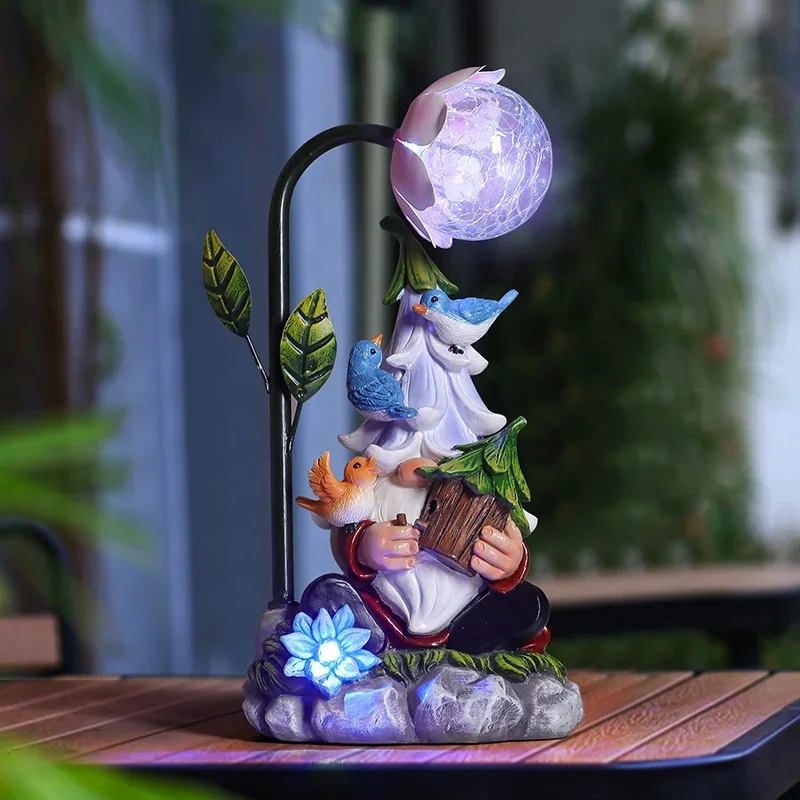
Plastic and Resin Petals: Most tabletop solar flower lights use UV-stabilized plastics or resin for petal construction due to their versatility, durability, and cost-effectiveness. Quality manufacturers employ injection molding processes that create consistent petal shapes with fine detail reproduction. The plastic formulations must resist fading under UV exposure while maintaining flexibility to prevent brittleness and cracking over time.At Glowyard Lighting, our plastic lights manufacturing process incorporates UV stabilizers and color-fast pigments that maintain appearance quality even after extended sun exposure. We conduct rigorous UV testing on all plastic components to ensure they meet our durability standards.
Fabric and Silk Materials: Premium tabletop solar flower lights may incorporate fabric or silk-like materials for petals, creating more realistic textures and light diffusion properties. These materials require careful selection to ensure they can withstand occasional moisture exposure and UV radiation without significant degradation. The fabric petals typically attach to wire or plastic frames that provide structural support while allowing natural movement. Metal Components: Stems, bases, and structural elements often use metal materials including aluminum alloy, stainless steel, or powder-coated iron. Metal components provide durability and premium aesthetics but require proper surface treatments to prevent corrosion. Quality manufacturers apply multiple coating layers including primer, color coat, and protective clear coat to ensure long-term appearance retention.How Are Tabletop Solar Flower Lights Manufactured?
Component Production: Manufacturing begins with producing individual components through various processes. Plastic petals and bases undergo injection molding, metal stems receive stamping or forming operations, and electronic components (solar panels, batteries, LEDs, circuit boards) are sourced from specialized suppliers or produced in-house for vertically integrated manufacturers. Assembly Process: Skilled workers or semi-automated assembly lines combine components into finished products. The assembly sequence typically progresses from electronic integration (connecting solar panels, batteries, LEDs, and control circuits) to structural assembly (attaching stems to bases, mounting flower heads) and finally decorative finishing (adding leaves, applying final paint touches, quality inspection). Quality Control Integration: Professional manufacturers like Glowyard implement quality control checkpoints throughout the manufacturing process rather than relying solely on final inspection. This approach includes incoming quality control (IQC) for raw materials, in-process quality control (IPQC) during assembly, and final quality control (FQC) before packaging. Our ISO 9001 certified quality management system ensures consistent product quality across all production runs.What Manufacturing Capabilities Should Suppliers Have?
In-House vs. Outsourced Production: Understanding a supplier’s manufacturing model helps assess their capabilities and reliability. Fully integrated manufacturers control all production stages from component manufacturing to final assembly, offering better quality consistency and faster response times for customization requests. However, specialized manufacturers who focus on assembly while outsourcing component production can offer competitive pricing through economies of scale in component sourcing. Production Capacity: Evaluate whether suppliers can meet your volume requirements while maintaining quality standards. Small-batch specialists excel at customization and flexibility but may struggle with large orders. High-volume manufacturers offer competitive pricing and reliable delivery schedules but may have higher minimum order quantities and less flexibility for custom requests. Technical Capabilities: Advanced manufacturers invest in modern equipment including high-speed SMT machines for circuit board assembly, automated testing equipment for quality verification, and precision molding machines for component production. These capabilities directly impact product quality, consistency, and the manufacturer’s ability to implement custom designs or technical improvements.—
4. What Quality Standards Should I Look For?

What Product Certifications Are Essential?
CE Certification: For European markets, CE certification demonstrates compliance with EU safety, health, and environmental protection standards. This certification covers electrical safety, electromagnetic compatibility, and product safety requirements. Quality manufacturers readily provide CE certificates and can explain the specific directives their products comply with. RoHS Compliance: The Restriction of Hazardous Substances directive limits the use of specific hazardous materials in electrical and electronic equipment. RoHS compliance is increasingly important for B2B buyers serving environmentally conscious markets and retailers with strict supplier requirements. Learn more about RoHS certification requirements for solar garden lights. FCC and UL Standards: For North American markets, FCC certification addresses electromagnetic interference concerns, while UL certification provides independent verification of product safety. While not always mandatory for solar lights, these certifications significantly enhance product credibility and reduce liability concerns for retailers and distributors.How Do You Assess Manufacturing Quality?
Factory Certifications: Beyond product certifications, evaluate the manufacturer’s factory-level certifications including ISO 9001 (quality management), BSCI (social compliance), and Sedex (ethical trade). These certifications indicate systematic approaches to quality control, worker welfare, and business ethics that reduce supply chain risks for B2B buyers.At Glowyard Lighting, we maintain ISO 9001, BSCI, and Sedex certifications across our manufacturing facilities. Our quality control process implements four-stage inspection protocols (IQC, IPQC, FQC, OQC) that ensure consistent product quality and minimize defect rates to below 0.5%.
Component Quality: Examine the quality of key components including solar panels, batteries, and LEDs. Quality solar panels should specify their conversion efficiency (typically 15-20% for monocrystalline or polycrystalline silicon panels). Batteries should be branded cells from reputable manufacturers with documented capacity ratings and cycle life specifications. LEDs should provide consistent color temperature and brightness across production batches. Weatherproofing Standards: Even for tabletop models designed primarily for indoor use, adequate weatherproofing protects against occasional outdoor exposure and moisture. Look for products with at least IP44 rating (protection against splashing water from any direction). Premium models may offer IP65 or IP67 ratings for customers who plan regular outdoor use. Understanding waterproof ratings helps you select appropriate products for your target market.What Testing Should You Conduct?
Sample Testing Protocol: Before committing to large orders, conduct thorough testing on samples from multiple production batches. Test solar panel charging efficiency under various lighting conditions, measure actual battery runtime against specifications, verify light sensor functionality, and assess build quality through physical inspection and stress testing. Batch Consistency Verification: Order small quantities from different production runs and compare them for variations in color, brightness, construction quality, and performance. Significant batch-to-batch variations indicate inadequate quality control systems that will create customer satisfaction issues as you scale orders. Long-Term Performance Testing: If possible, conduct extended testing over several weeks to assess how products perform through multiple charge-discharge cycles. Monitor for issues like battery degradation, solar panel efficiency decline, LED brightness reduction, or structural problems that only emerge with repeated use.—
5. What Is the Market Demand and Seasonal Trends?

What Are the Peak Selling Seasons?
Spring and Summer Dominance: While tabletop solar flower lights maintain year-round relevance, spring (March-May) and summer (June-August) represent peak selling seasons when customers actively refresh outdoor spaces and seek garden décor. B2B buyers should build inventory in late winter to meet spring demand surges, particularly around Mother’s Day which drives significant gift purchases. Holiday Gift Seasons: Major gift-giving occasions create secondary demand peaks including Valentine’s Day (February), Mother’s Day (May), Christmas (November-December), and wedding seasons (May-October). These occasions favor premium-priced products with attractive packaging that emphasizes gift-worthiness over technical specifications. Year-Round Indoor Market: Unlike traditional garden lights, tabletop models maintain consistent demand for indoor use throughout the year. This extended selling season provides wholesalers with more stable revenue streams and reduces the pressure of seasonal inventory management that challenges purely outdoor lighting categories.Which Market Segments Show Strongest Growth?
E-Commerce Expansion: Online sales channels including Amazon, eBay, and direct-to-consumer websites show the strongest growth rates for tabletop solar flower lights. The products’ compact size, attractive appearance in photographs, and gift-giving appeal make them well-suited for e-commerce sales. B2B buyers serving online sellers benefit from this trend through consistent order volumes and less seasonal volatility. Gift and Home Décor Retailers: Specialty retailers focusing on gifts, home décor, and garden accessories represent high-margin distribution channels. These retailers typically work on 50-100% markups and target customers who value unique, conversation-starting products over mass-market alternatives. Building relationships with boutique retailers can provide stable, recurring revenue with premium pricing. Hospitality and Commercial Buyers: Hotels, restaurants, event venues, and senior living facilities increasingly adopt tabletop solar flower lights for ambiance creation without electricity costs. Commercial buyers purchase in moderate to large volumes (20-100+ units) with predictable replacement cycles, providing stable recurring revenue for B2B suppliers who can meet commercial-grade quality standards.What Regional Preferences Affect Product Selection?
North American Market: US and Canadian buyers favor larger sizes (8-12 inches), realistic flower designs, and warm white LED colors. The market shows strong preference for rose, sunflower, and lily designs with natural color palettes. Packaging must include clear English instructions and emphasize safety certifications (UL, FCC) to meet retailer requirements. European Market: European buyers often prefer more compact sizes (6-8 inches) with contemporary design aesthetics. The market values CE and RoHS certifications highly, and retailers increasingly require documentation of environmental compliance and ethical manufacturing practices. Color-changing RGB options show stronger demand in European markets compared to North America. Asian and Emerging Markets: Markets in Southeast Asia, Australia, and South America show growing demand for tabletop solar flower lights, though with different price sensitivity and design preferences. These markets often favor brighter LED outputs, more vibrant colors, and competitive pricing over premium materials or sophisticated designs.—
6. What Are the Common Applications?
How Are These Lights Used in Residential Settings?
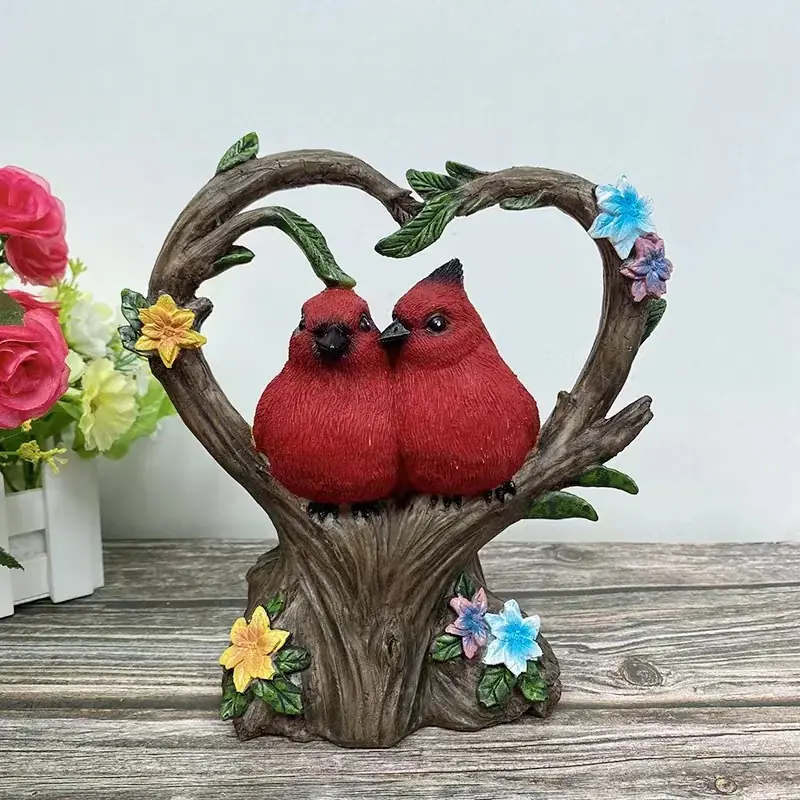
Indoor Ambiance Lighting: Customers place tabletop solar flower lights on windowsills, dining tables, coffee tables, and bedroom nightstands to create soft ambient lighting without electricity costs. The solar panels charge during daytime window exposure, providing evening illumination that enhances home atmosphere while demonstrating environmental consciousness. Patio and Balcony Décor: Small outdoor spaces including apartment balconies, condo patios, and townhouse decks benefit from tabletop solar lights that provide decorative illumination without requiring electrical outlets or permanent installation. The portability allows customers to bring lights indoors during severe weather or reposition them to optimize sun exposure. Special Occasion Centerpieces: Tabletop solar flower lights serve as centerpieces for outdoor dining, garden parties, and special celebrations. Their cordless operation eliminates tripping hazards and allows flexible placement, while the decorative flower designs complement table settings and create memorable ambiance for guests.What Commercial Applications Drive B2B Sales?
Restaurant and Café Ambiance: Restaurants with outdoor dining areas use tabletop solar flower lights to create inviting atmospheres that attract customers while reducing electricity costs. The lights enhance table settings, provide subtle illumination for evening dining, and serve as conversation pieces that contribute to memorable dining experiences. Hotel and Resort Décor: Boutique hotels, bed-and-breakfasts, and resorts use tabletop solar lights in guest rooms, outdoor seating areas, and common spaces to create distinctive ambiance that differentiates their properties. The solar operation eliminates concerns about guests leaving lights on, while the decorative appeal enhances the overall guest experience. Event and Wedding Venues: Event planners and wedding coordinators use tabletop solar flower lights as table centerpieces, aisle markers, and decorative accents for outdoor evening events. The cordless operation simplifies setup, the attractive designs photograph well for social media sharing, and the reusable nature provides better economics than disposable decorations. Senior Living Facilities: Assisted living facilities and senior communities use tabletop solar lights to brighten resident rooms and common areas without creating fire hazards or increasing electricity costs. The cheerful flower designs enhance resident wellbeing, while the cool-touch LED operation ensures safety for elderly residents with cognitive impairments.How Do Retail Displays Utilize These Products?
Point-of-Sale Displays: Garden centers, home improvement stores, and gift shops use tabletop solar flower lights in point-of-sale displays that demonstrate the products’ appearance and functionality. Effective displays position lights near windows where solar panels can charge, allowing customers to see the illumination effect even during daytime shopping hours. Seasonal Merchandising: Retailers rotate tabletop solar flower light displays to align with seasonal themes and gift-giving occasions. Spring displays emphasize garden and outdoor living themes, while winter displays position the products as indoor mood lighting and holiday gifts. This seasonal merchandising maintains product visibility and relevance throughout the year.—
7. What Customization Options Are Available?
What Design Customizations Can Manufacturers Provide?
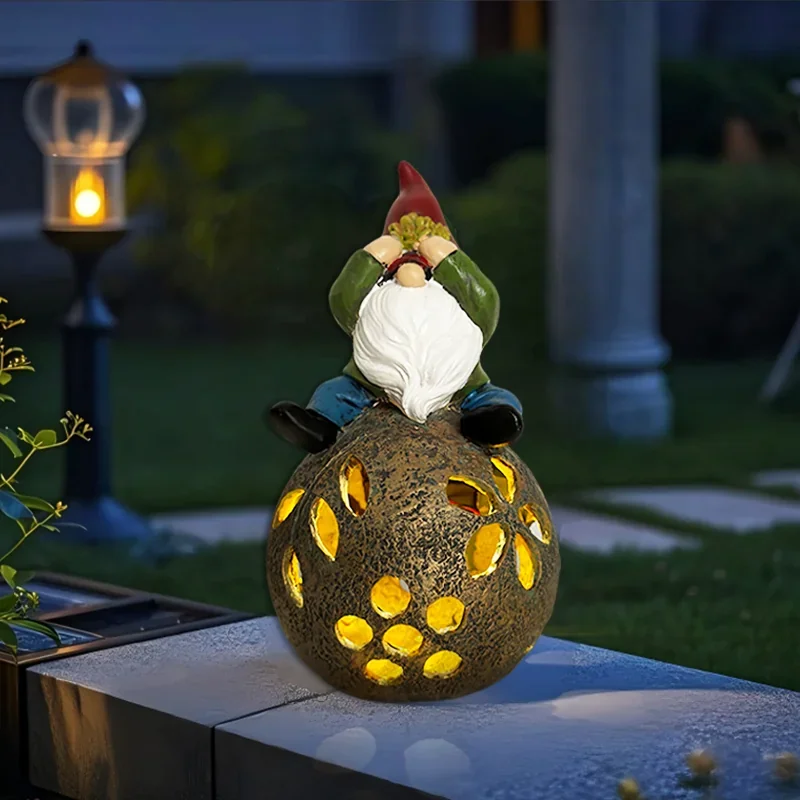
Flower Style and Color: Most manufacturers offer customization of flower types, petal shapes, and color schemes to match your brand positioning or target market preferences. Custom flower designs typically require moderate minimum order quantities (300-500 units) as they may involve new mold development or significant production setup changes. Logo and Branding: Quality manufacturers can add your brand logo through various methods including laser engraving on metal bases, embossed logos on plastic components, or printed logos on packaging. Logo customization usually has lower minimum order quantities (50-100 units) as it doesn’t require fundamental product redesign. Size and Proportions: Adjusting product dimensions, stem lengths, or base sizes allows you to create distinctive products that differentiate from competitors. Size customizations typically require higher minimum order quantities (500-1000 units) as they involve mold modifications or new tooling development.What Technical Customizations Are Possible?
Solar Panel and Battery Specifications: Upgrading solar panel wattage or battery capacity improves product performance but increases costs. These technical customizations appeal to premium market segments willing to pay more for extended runtime or faster charging. Discuss technical feasibility with manufacturers early in the sourcing process, as some designs have physical constraints limiting component upgrades. LED Color and Brightness: Customizing LED color temperature (warm white, cool white, RGB color-changing) or brightness levels allows you to target specific market preferences. LED customizations typically have moderate minimum order quantities (300-500 units) and modest cost impacts, making them accessible customization options for many B2B buyers. Smart Features: Adding features like remote controls, smartphone app connectivity, or programmable lighting modes creates premium product differentiation. However, smart features significantly increase complexity, costs, and minimum order quantities (typically 1000+ units), making them suitable primarily for established brands with proven market demand.How Does Packaging Customization Add Value?
Custom Box Design: Professional packaging with your brand identity, product photography, and clear feature communication significantly enhances perceived value and retail appeal. Custom packaging typically requires moderate minimum order quantities (500-1000 units) and involves one-time design and tooling costs that amortize across order volumes. Multilingual Instructions: Providing instructions in multiple languages expands your addressable markets and reduces customer service inquiries. Quality manufacturers can produce multilingual packaging and instruction materials with minimal cost impact once initial translations are completed. Retail-Ready Packaging: Packaging designed for retail display with hang tabs, clear windows showing the product, and prominent feature callouts improves sell-through rates and reduces retailer resistance. Investing in retail-optimized packaging pays dividends through better shelf placement and reduced retailer markdowns.—
8. How to Source from China: Factory Selection Guide?

Why Source Tabletop Solar Flower Lights from China?
Manufacturing Expertise: China dominates global solar lighting manufacturing with decades of accumulated expertise, specialized supply chains, and economies of scale that make it difficult for other regions to compete on cost-effectiveness. The concentration of component suppliers, skilled labor, and manufacturing infrastructure in regions like Guangdong and Fujian provinces creates significant advantages for buyers sourcing from Chinese manufacturers. Cost Competitiveness: Chinese manufacturers offer pricing advantages of 30-50% compared to manufacturers in other regions, even after accounting for shipping and import duties. This cost advantage stems from efficient production processes, lower labor costs, and integrated supply chains that minimize component sourcing expenses. Customization Capabilities: The competitive Chinese manufacturing environment has driven innovation in customization capabilities and flexibility. Manufacturers routinely handle custom designs, branding, and packaging modifications that would be prohibitively expensive or impossible with manufacturers in other regions.How Do You Find Reliable Chinese Manufacturers?
Online B2B Platforms: Alibaba, Global Sources, and Made-in-China provide access to thousands of manufacturers with varying capabilities and specializations. Use these platforms for initial research, but verify manufacturer claims through independent investigation rather than relying solely on platform profiles and reviews. Trade Shows and Exhibitions: Attending trade shows like the Canton Fair, Hong Kong Lighting Fair, or specialized solar energy exhibitions allows face-to-face meetings with manufacturers, product inspection, and relationship building that accelerates the sourcing process. Trade shows also provide opportunities to compare multiple suppliers efficiently and identify emerging trends. Industry Referrals: Recommendations from other B2B buyers, industry associations, or sourcing agents who have established relationships with reliable manufacturers can significantly reduce sourcing risks. However, verify that recommended manufacturers match your specific requirements for product types, order volumes, and customization needs.What Should You Evaluate When Selecting Manufacturers?
Factory Verification: Conduct factory audits either personally or through third-party inspection services to verify manufacturing capabilities, quality control systems, and working conditions. Look for modern equipment, organized production flows, dedicated quality control areas, and proper documentation systems that indicate professional operations. Production Capacity: Ensure manufacturers can handle your order volumes while maintaining quality standards. Request information about monthly production capacity, current order backlog, and peak season constraints. Manufacturers operating near full capacity may struggle to meet delivery deadlines or maintain quality during busy periods. Quality Control Systems: Evaluate the manufacturer’s quality control processes including incoming material inspection, in-process quality checks, final product testing, and defect handling procedures. Request documentation of quality control protocols and ask to observe quality inspections during factory visits. Communication and Responsiveness: Assess how quickly and clearly manufacturers respond to inquiries, whether they understand your requirements, and their willingness to provide detailed information. Poor communication during the sourcing phase often indicates ongoing communication challenges that complicate order management and problem resolution.What Red Flags Should You Watch For?
Unrealistic Pricing: Manufacturers offering prices significantly below market rates (20%+ lower than competitors) often cut corners on quality, use substandard components, or lack proper certifications. While competitive pricing is important, suspiciously low prices usually indicate problems that emerge after orders are placed. Reluctance to Provide Information: Manufacturers who hesitate to share factory photos, quality control documentation, certification copies, or customer references may be hiding problems or misrepresenting their capabilities. Transparency about capabilities and limitations indicates professional operations and reduces surprises during production. Pressure for Large Initial Orders: Reputable manufacturers understand that B2B buyers need to verify product quality and market demand before committing to large orders. Manufacturers who pressure buyers into large initial orders or refuse to provide samples may be more focused on quick sales than building long-term relationships.—
9. What Common Mistakes Should You Avoid When Sourcing?
What Quality-Related Mistakes Hurt Profitability?
Skipping Sample Testing: Ordering large quantities without thorough sample testing is the most common and costly mistake B2B buyers make. Samples should come from actual production runs rather than specially prepared samples, and testing should cover multiple units from different production batches to assess consistency. Ignoring Packaging Quality: Poor packaging leads to product damage during shipping, increased return rates, and negative customer reviews. Evaluate packaging protection, presentation quality, and instruction clarity as carefully as you assess the products themselves. Inadequate packaging can destroy profitability even when products meet quality standards. Overlooking Certification Requirements: Discovering that products lack required certifications after receiving shipments creates expensive delays and potential legal liabilities. Verify that manufacturers provide genuine certificates for all required standards (CE, RoHS, FCC, UL) and that certificates cover the specific products you’re ordering rather than similar models.What Supplier Selection Mistakes Create Problems?
Choosing Based Solely on Price: Selecting manufacturers based primarily on lowest pricing often results in quality problems, delivery delays, and communication difficulties that cost far more than the initial savings. Evaluate total cost of ownership including quality consistency, on-time delivery, communication effectiveness, and after-sales support rather than just unit prices. Failing to Verify Manufacturing Capabilities: Manufacturers may claim capabilities they don’t actually possess, leading to production problems, quality issues, or inability to meet customization requirements. Verify manufacturing capabilities through factory visits, reference checks, and small trial orders before committing to large purchases. Neglecting Backup Suppliers: Relying on a single supplier creates vulnerability to production problems, capacity constraints, or relationship issues. Develop relationships with 2-3 qualified suppliers who can provide backup capacity or alternative sourcing options if problems arise with your primary supplier.What Order Management Mistakes Cause Headaches?
Unclear Specifications: Vague or incomplete product specifications lead to misunderstandings, production errors, and disputes about whether delivered products meet requirements. Provide detailed specifications covering dimensions, materials, colors, performance requirements, packaging, and quality standards, preferably with photos or samples for reference. Inadequate Quality Inspection: Relying solely on manufacturer quality control without independent verification allows defective products to reach customers. Implement third-party inspection services or conduct your own inspections before shipment approval, particularly for large orders or new suppliers. Poor Payment Term Negotiation: Paying full amounts upfront eliminates leverage for addressing quality problems or delivery delays. Negotiate payment terms that protect your interests such as deposits with balance due after inspection approval, or use letters of credit that provide payment security for both parties.—
10. Who Is Glowyard Lighting and What Do We Offer?

What Is Our Company Background?
Glowyard Lighting has specialized in solar garden lighting manufacturing since 2010, accumulating over 15 years of expertise in designing, producing, and exporting decorative outdoor solar garden lights to B2B buyers worldwide. Our journey began in Guangzhou, China, where we recognized the growing demand for sustainable, attractive outdoor lighting solutions that combine functionality with aesthetic appeal.Our manufacturing facilities in Fujian and Guangdong provinces employ 150-200 skilled workers including dedicated R&D teams (15-20 engineers), production staff (100-120 workers), quality control specialists (10-15 inspectors), and sales support personnel (20-30 team members). This integrated team structure allows us to control quality at every stage from design through final delivery.
What Manufacturing Capabilities Do We Provide?
Comprehensive Production Facilities: Our 8,000-12,000 square meter manufacturing facilities house 5 production lines with monthly capacity of 50,000-80,000 units (600,000-1,000,000 units annually). We’ve invested in advanced equipment including high-speed SMT machines, AOI optical inspection systems, automated battery sorting machines, and LED color sorting equipment that ensure consistent quality and efficient production. Diverse Product Portfolio: We’ve developed and produced over 300 unique solar garden light designs including specialized tabletop models, wall-mounted lights, garden stakes, string lights, and decorative figurines. Our design team continuously develops new products, introducing 400+ new designs annually to meet evolving market demands and customer preferences. Quality Control Excellence: Our ISO 9001 certified quality management system implements four-stage inspection protocols: IQC (incoming quality control), IPQC (in-process quality control), FQC (final quality control), and OQC (outgoing quality control). This comprehensive approach maintains defect rates below 0.5% and ensures consistent product quality across all production runs. Learn more about our quality control process.What Certifications and Standards Do We Meet?
Factory Certifications: Glowyard maintains BSCI, ISO 9001, and Sedex certifications demonstrating our commitment to quality management, social compliance, and ethical business practices. These certifications provide assurance that our operations meet international standards for manufacturing excellence and worker welfare. Product Certifications: Our products carry CE, RoHS, FCC, UL, UKCA, and REACH certifications enabling sales in European, North American, and global markets. We maintain IP44, IP65, and IP67 waterproof ratings across our product lines, ensuring appropriate protection levels for various applications. View our complete certification portfolio.What Services Support B2B Buyers?
Flexible MOQ Policies: Unlike many manufacturers requiring large minimum orders, we offer tiered MOQ structures starting from 50-100 units for basic customization, 300-500 units for structural modifications, and 500-1000 units for technical upgrades. Long-term partners with annual orders exceeding 10,000 units can negotiate even lower MOQs for reorders. Fast Sampling and Delivery: We provide sample production in 7-10 days, small batch orders (100-500 units) in 15-20 days, and bulk orders (500+ units) in 25-35 days. Our logistics partnerships with DHL, FedEx, UPS, Maersk, COSCO, and MSC ensure reliable shipping through Shenzhen Port, Guangzhou Port, Xiamen Port, and Guangzhou Baiyun Airport. Comprehensive Customization: Our OEM/ODM services cover appearance customization (logo engraving, color matching, surface finishes), material selection (resin, metal, glass, plastic, aluminum alloy), functionality upgrades (solar panel wattage, battery capacity, sensor types), and packaging design (custom boxes, multilingual labels, retail-ready packaging). After-Sales Support: We provide 2-3 year warranties covering manufacturing defects in solar panels, LEDs, batteries, and circuit boards. Our technical support team responds within 24 hours via email or WhatsApp, offering video troubleshooting assistance and spare parts availability for solar panels, batteries, and LED modules.How Can You Start Working With Us?
Contact our B2B sales team through our website at glowyard.com or reach out directly to discuss your specific requirements. We provide free feasibility reports for custom projects, 3D design renderings for OEM/ODM orders, and detailed quotations covering all costs from production through delivery. Our team works closely with B2B buyers to ensure product specifications, quality standards, and delivery schedules align with your business needs.
—
11. What Questions Do Buyers Ask About Tabletop Solar Flower Lights?
Product Performance Questions
How long do tabletop solar flower lights last?LED lifespan typically exceeds 50,000 hours, battery lifespan ranges from 2-3 years (500-1000 charge cycles), and overall product lifespan reaches 3-5 years with proper maintenance. The limiting factor is usually battery degradation rather than LED failure, and quality products allow battery replacement to extend useful life.
Do these lights work indoors?Yes, tabletop solar flower lights work indoors if placed near windows where solar panels receive adequate sunlight exposure. They require 4-6 hours of direct or bright indirect sunlight daily for full charging. South-facing windows (in Northern Hemisphere) provide optimal charging conditions for indoor placement.
How bright are tabletop solar flower lights?Tabletop models typically produce 5-15 lumens per unit, creating soft ambient lighting rather than functional task lighting. This brightness level suits mood lighting, decorative accents, and subtle illumination for intimate settings. Customers seeking brighter illumination should consider multiple units or alternative product types.
Are they waterproof?Quality tabletop solar flower lights achieve IP44 to IP65 waterproof ratings, providing protection against splashing water and light rain. While suitable for occasional outdoor use on patios or balconies, they’re not designed for permanent outdoor installation in harsh weather conditions. Premium models with IP67 ratings offer better protection for customers planning regular outdoor use.
Sourcing and Business Questions
What are typical wholesale prices?Wholesale prices vary significantly based on design complexity, materials, features, and order quantities. Basic plastic models may wholesale for cost-effective prices, while premium designs with metal components, larger batteries, or sophisticated features command higher wholesale prices. Volume discounts typically range from 10-20% for orders exceeding certain quantity thresholds.
What minimum order quantities should I expect?MOQs depend on customization requirements: 50-100 units for basic appearance modifications (colors, simple branding), 300-500 units for structural changes (size adjustments, material substitutions), 500-1000 units for technical upgrades (battery capacity, solar panel wattage), and 1000+ units for completely original designs. Established suppliers with proven order history may negotiate lower MOQs.
How long does production and shipping take?Sample production requires 7-10 days, small batch production (100-500 units) takes 15-20 days, and bulk orders (500+ units) need 25-35 days. Add 3-7 days for sea freight to major ports or 5-10 days for air freight. Total lead time from order confirmation to delivery typically ranges from 4-8 weeks depending on order size, customization complexity, and shipping method.
What payment terms are standard?Most manufacturers require 30% deposit with 70% balance before shipment. Established buyers with strong credit history may negotiate net 30-60 day terms for orders exceeding certain annual volumes. Letters of credit provide payment security for both parties on large orders. PayPal or Western Union may be available for smaller orders though with higher transaction fees.
Quality and Certification Questions
What certifications are necessary for my market?European markets require CE and RoHS certifications, North American markets benefit from FCC and UL certifications (though not always mandatory for solar lights), and UK markets need UKCA certification post-Brexit. Verify specific requirements with your target retailers or distributors, as some may have additional certification requirements beyond regulatory minimums.
How do I verify product quality before large orders?Order samples from multiple production batches, conduct thorough testing of solar charging efficiency, battery runtime, LED quality, and build quality. Consider third-party inspection services for factory audits and pre-shipment inspections. Request quality control documentation, certification copies, and customer references from manufacturers before committing to large orders.
What warranty should I expect?Standard warranties cover 2-3 years for manufacturing defects in solar panels, LEDs, batteries, and circuit boards. Warranties typically exclude damage from misuse, physical damage, or normal wear. Clarify warranty terms including what’s covered, claim procedures, and whether warranty support includes replacement units or repair services.
Customization Questions
Can I add my logo to the products?Yes, most manufacturers offer logo customization through laser engraving, embossing, or printing on bases, stems, or packaging. Logo customization typically has lower MOQs (50-100 units) and modest cost impacts. Provide vector format logos (AI, EPS, or high-resolution PDF) for best results.
Can I customize the flower design or colors?Custom flower designs and colors are possible but typically require moderate to high MOQs (300-1000 units) depending on whether existing molds can be adapted or new tooling is needed. Discuss customization feasibility early in the sourcing process, as some modifications may be technically challenging or cost-prohibitive for smaller order volumes.
What packaging options are available?Standard options include basic brown boxes, color boxes with product photos, gift boxes with premium finishes, and retail-ready packaging with hang tabs and clear windows. Custom packaging design is available with MOQs typically starting at 500-1000 units. Multilingual instructions and labels can be added with minimal cost impact once translations are completed.
—
Conclusion
Tabletop solar flower lights offer B2B buyers a versatile, profitable product category with year-round sales potential and diverse market applications. Success in this category requires careful attention to quality standards, strategic supplier selection, and understanding of target market preferences. By following the guidance in this comprehensive guide, wholesalers and retailers can source products that meet customer expectations while maintaining healthy profit margins.
Key Takeaways:- Tabletop solar flower lights bridge indoor décor and outdoor lighting markets
- Quality assessment requires evaluating both aesthetic refinement and technical performance
- Multiple market segments offer opportunities from gift retailers to commercial buyers
- Chinese manufacturers provide cost advantages and customization flexibility
- Proper supplier selection and quality control minimize risks and maximize profitability
At Glowyard Lighting, we’re committed to supporting B2B buyers with quality products, flexible customization, and reliable service. Contact us to discuss your specific requirements and discover how our 15+ years of manufacturing expertise can help your business succeed in the tabletop solar flower light market.
—
Ready to source quality tabletop solar flower lights? Visit glowyard.com or contact our B2B sales team to request samples, discuss customization options, and receive detailed quotations tailored to your business needs.