


1. What Are Wholesale Hanging Solar Flower Lights and Why Are They Popular?
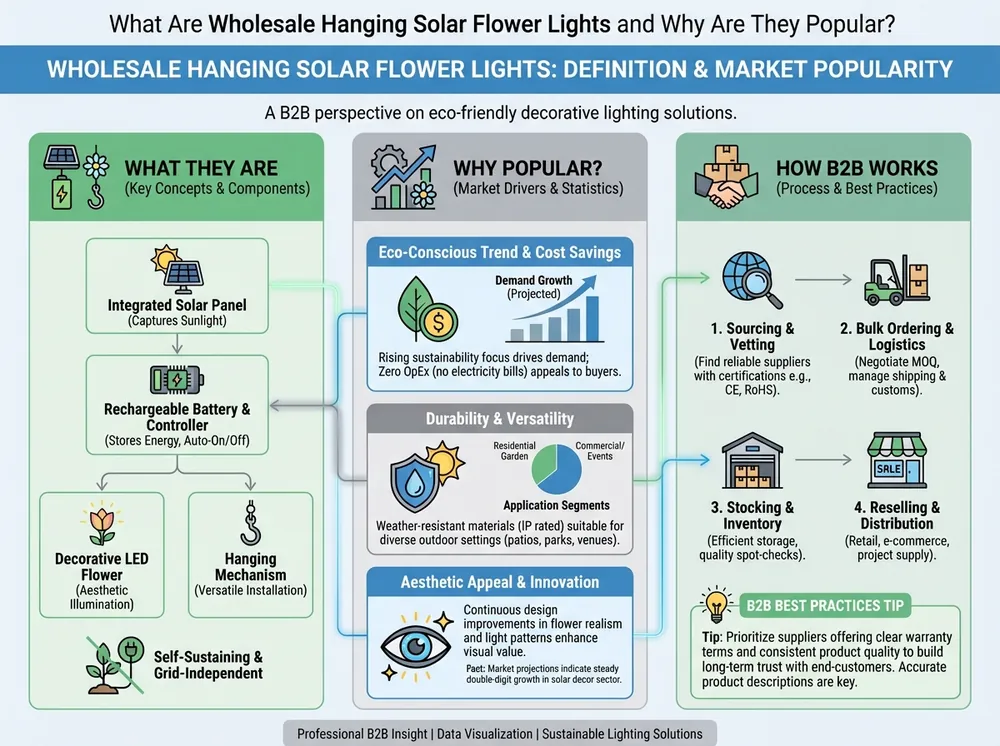
Understanding Hanging Solar Flower Lights
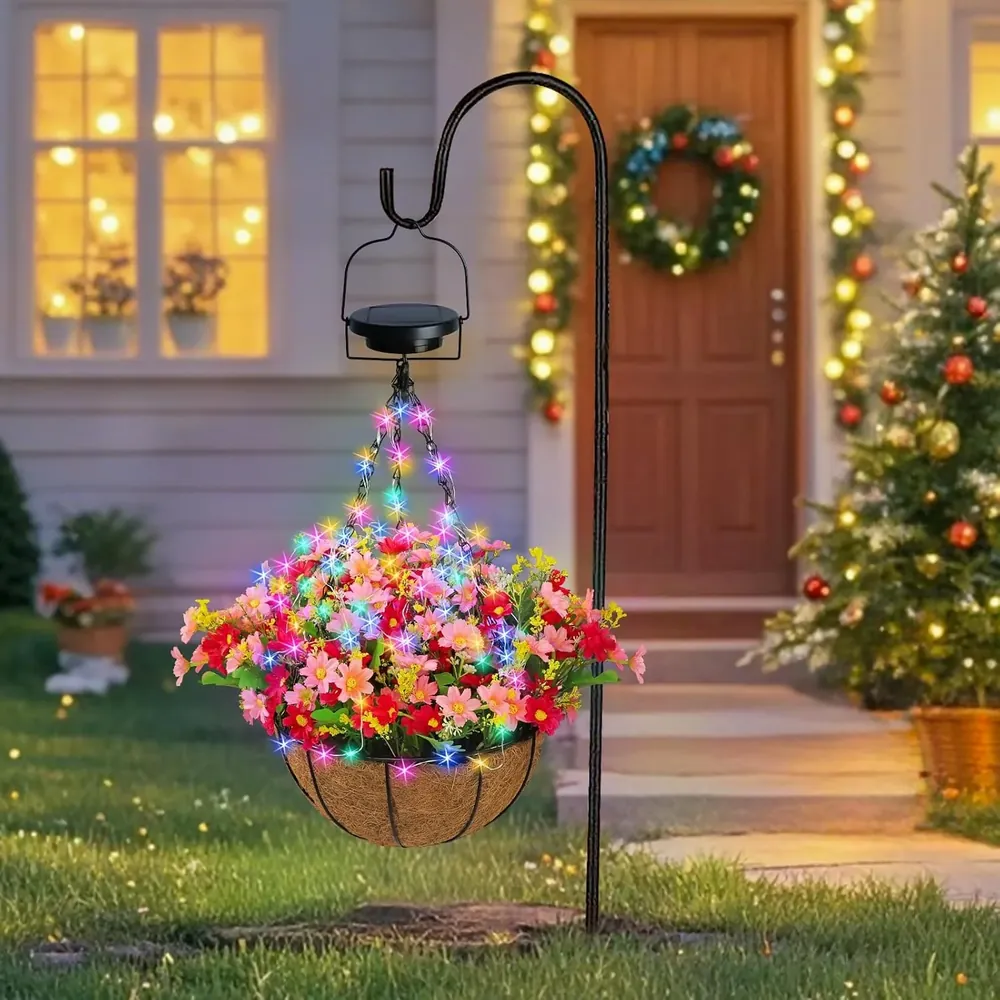
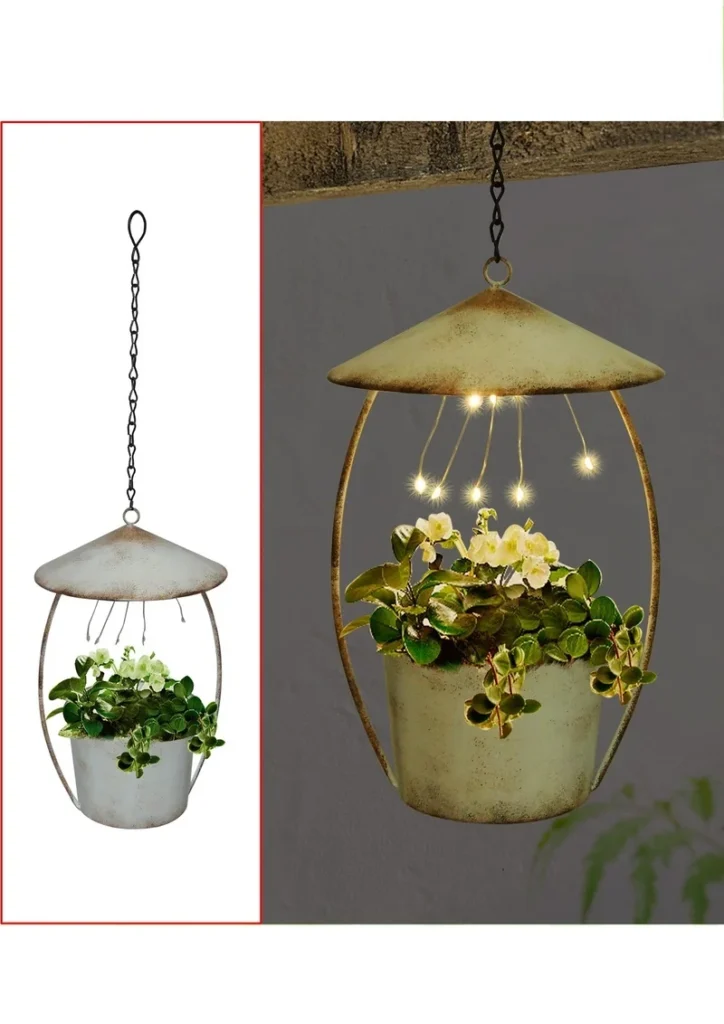
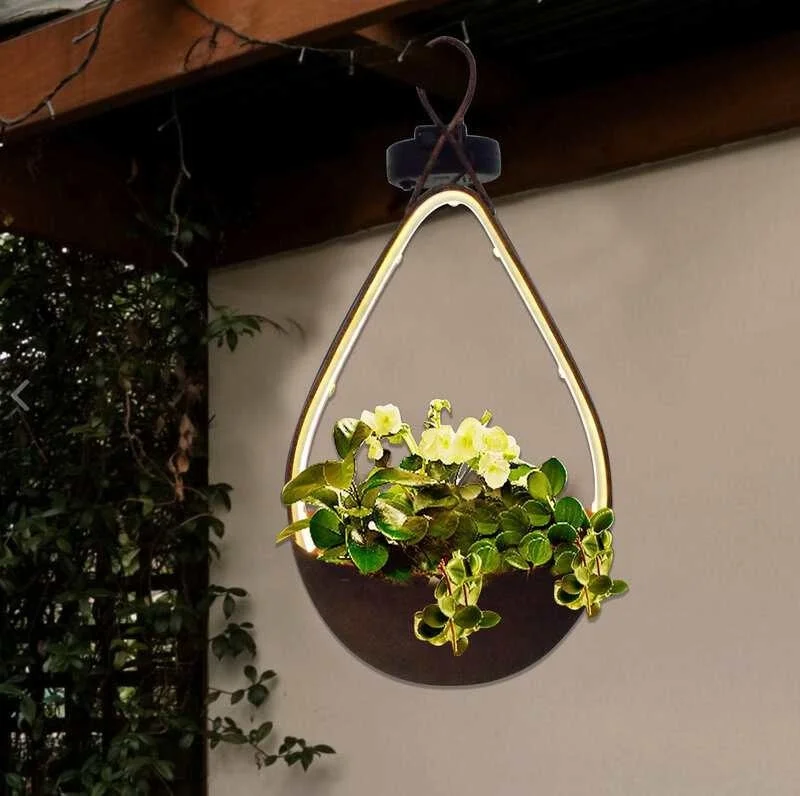
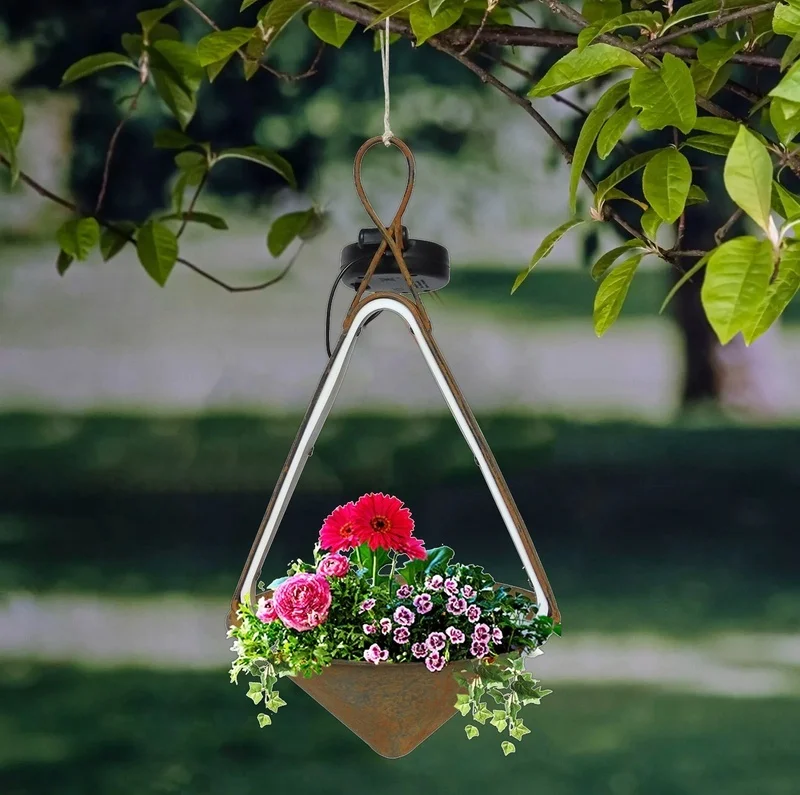
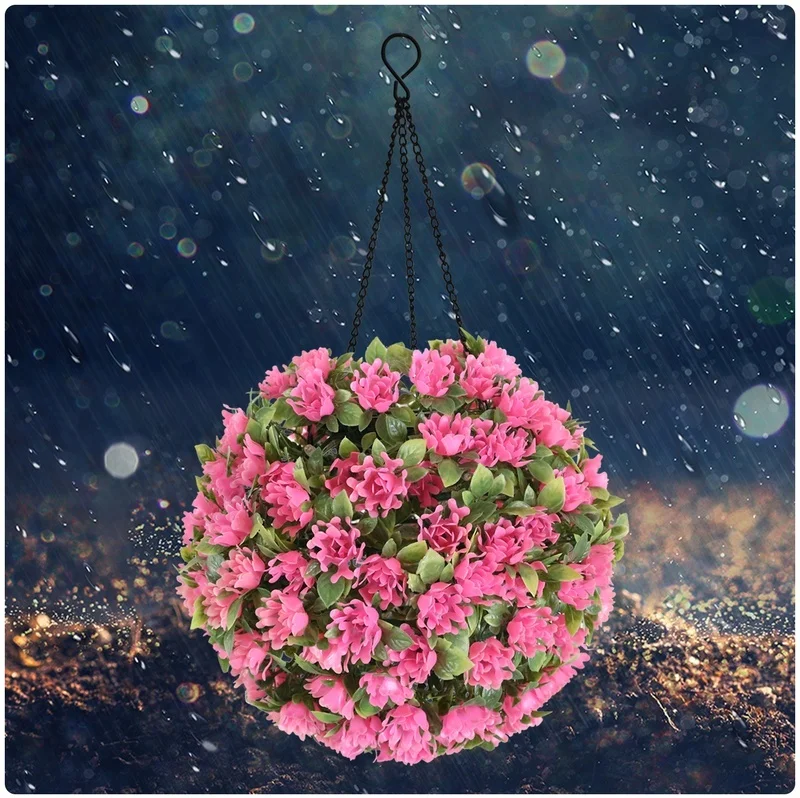
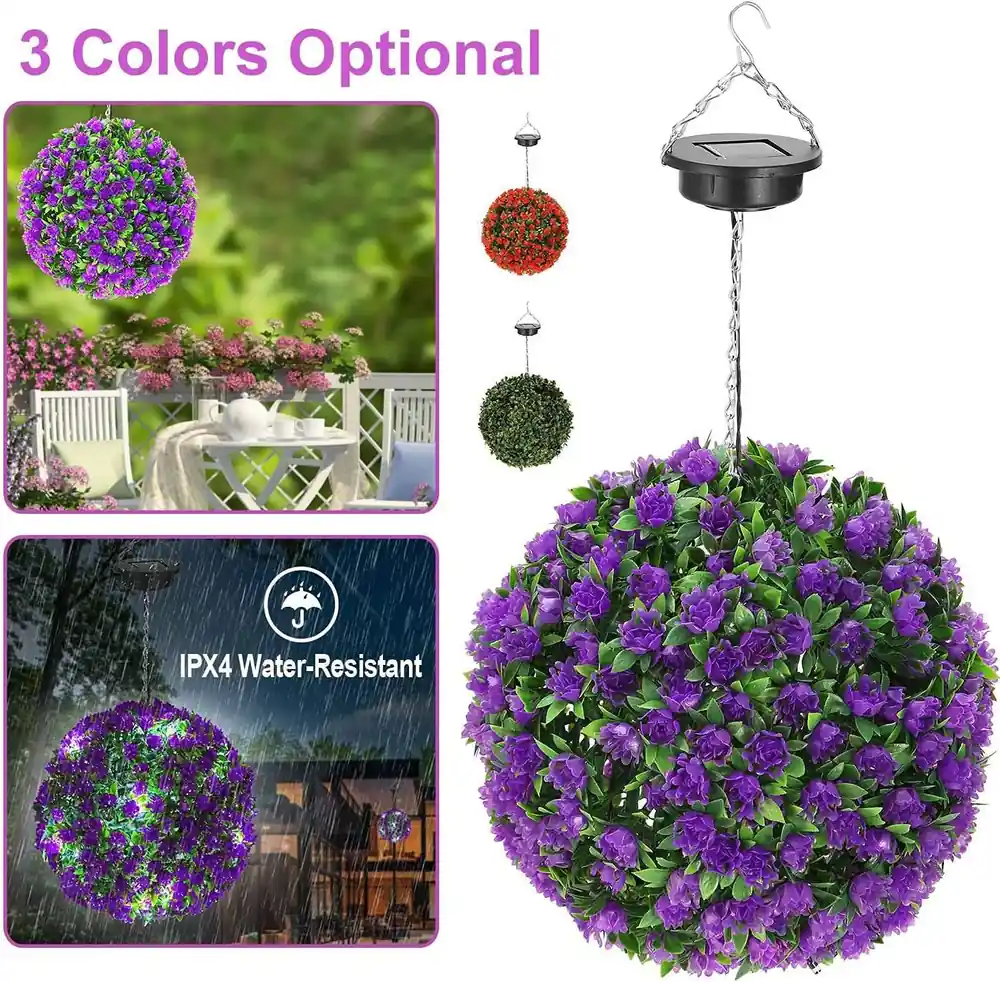
Hanging solar flower lights represent a premium category in outdoor solar lighting. Unlike ground stakes or string lights, these products feature decorative flower arrangements housed in suspended containers – baskets, lanterns, or ornamental holders – that hang from shepherd’s hooks, tree branches, pergolas, or porch ceilings.
The appeal lies in their versatility: they function as both daytime decorative pieces and nighttime ambient lighting. During the day, they add visual interest with realistic flower arrangements. After sunset, integrated LED lights create a warm, inviting glow.
Core Components Explained
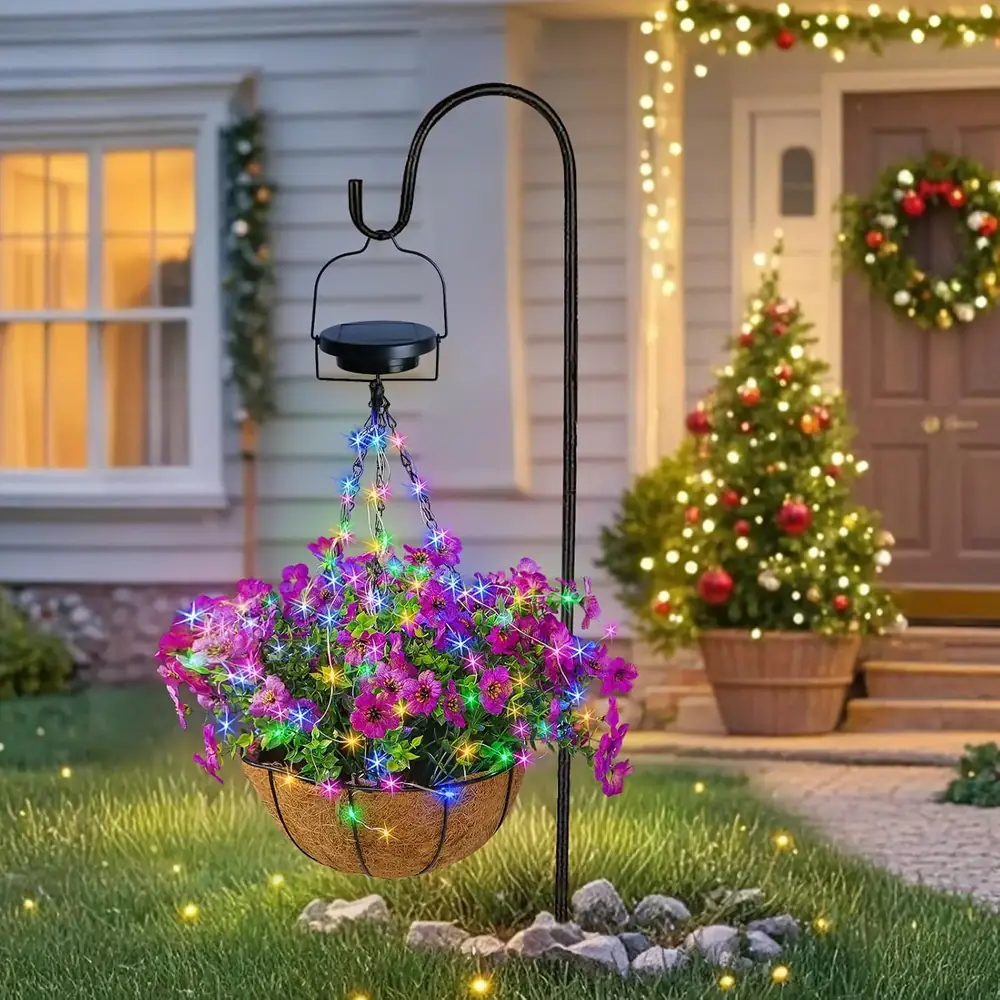
The outer container serves dual purposes – protecting internal components and providing aesthetic appeal. Common styles include woven baskets, metal lanterns, glass globes, and decorative cages. Quality housings use weather-resistant materials that maintain appearance through multiple seasons.
Flower ArrangementArtificial flowers are carefully arranged to look natural and full. Premium products use UV-resistant materials that won’t fade quickly. Flower types range from roses and peonies to mixed wildflower arrangements.
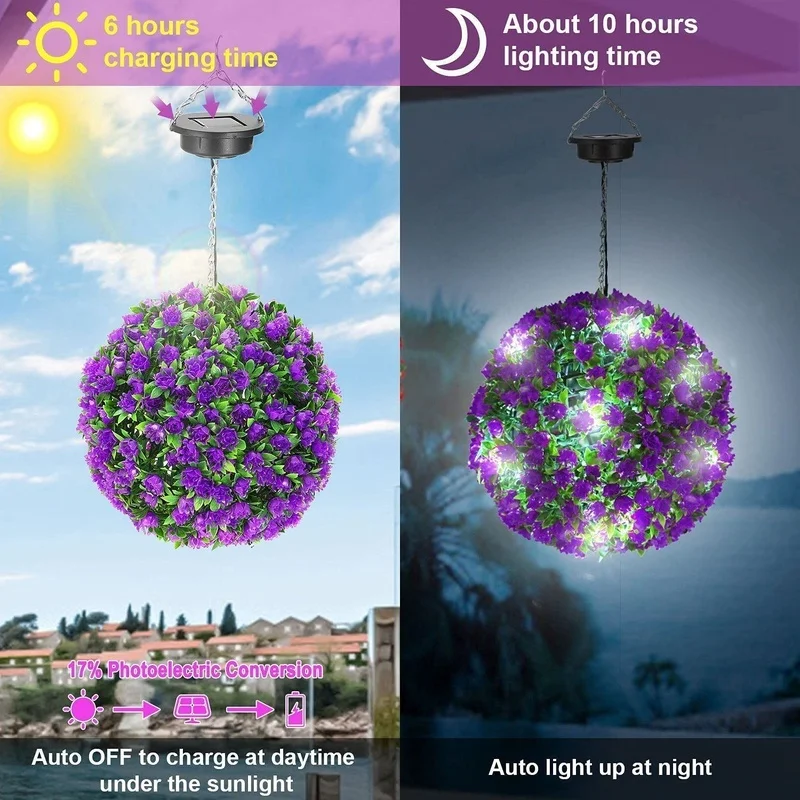
Solar TechnologyA small solar panel (typically 2-5 watts) charges an internal battery during daylight hours. Most units provide 6-10 hours of illumination after a full charge. The solar panel may be integrated into the design or positioned separately for optimal sun exposure.
Hanging SystemSturdy chains, ropes, or wires support the weight of the unit. Quality products include adjustable hanging mechanisms and secure attachment points rated for outdoor use.
Why B2B Buyers Are Investing in This Category
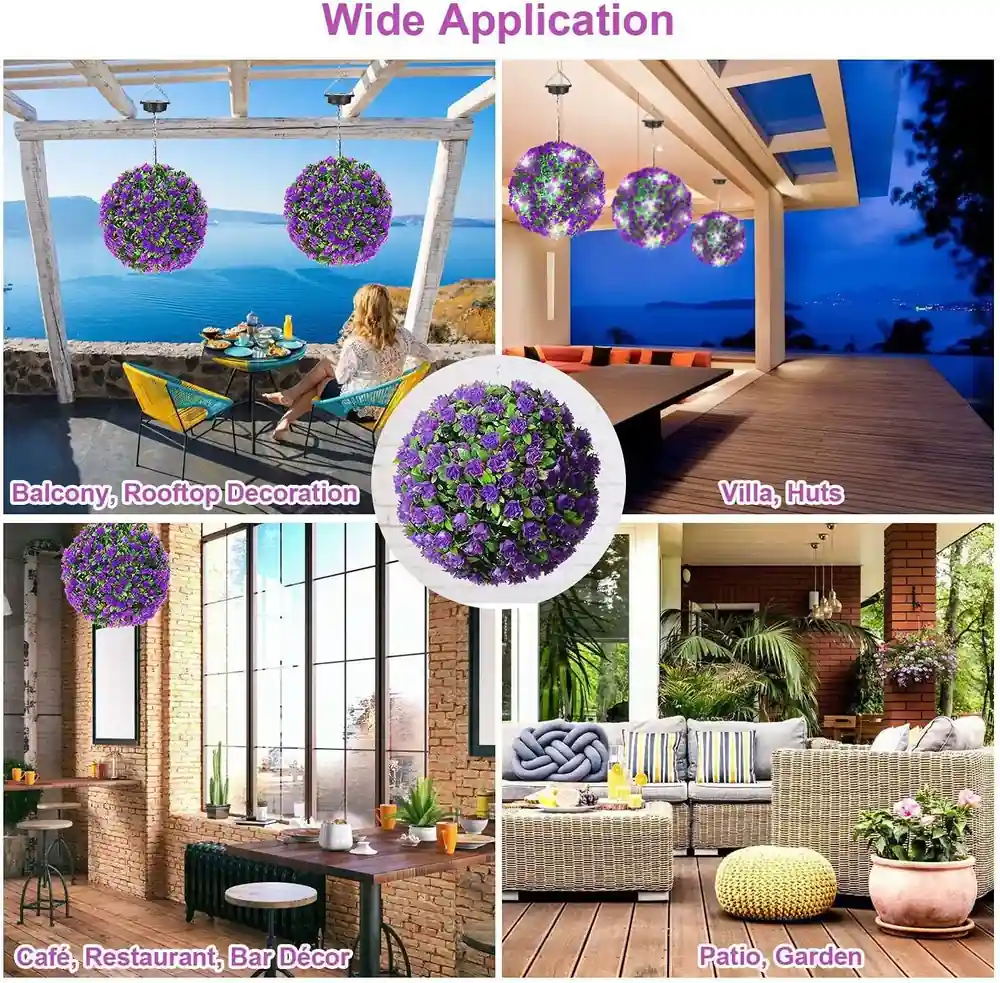
Homeowners increasingly seek products that combine functionality with aesthetics. Hanging solar flower lights deliver both – they’re practical lighting solutions that double as decorative art pieces. This dual-purpose appeal drives strong sales across multiple retail channels.
Higher Profit MarginsCompared to basic solar stakes, hanging flower lights command premium pricing due to their more complex construction and enhanced visual appeal. Retailers typically achieve 40-60% margins, making them attractive inventory additions.
Year-Round Sales PotentialWhile peak season runs spring through fall, these products sell year-round. Winter holiday versions with evergreen arrangements and warm white LEDs extend selling seasons. Indoor use during colder months provides additional revenue opportunities.
Low Customer Service BurdenQuality hanging solar lights require minimal customer support. Installation is straightforward (hang and position for sunlight), and maintenance is virtually non-existent. This translates to fewer returns and support inquiries compared to more complex products.
Target Customer Demographics
- Age 35-65, predominantly female purchasers
- Own homes with outdoor spaces (patios, porches, gardens)
- Value aesthetics and ambiance in outdoor living areas
- Willing to invest in quality decorative items
- Purchasing for housewarmings, Mother’s Day, birthdays
- Seeking unique, practical gifts with visual appeal
- Price point ($25-$75) fits gift-giving budgets
- Attractive packaging enhances gift presentation
- Weddings, outdoor parties, corporate events
- Need portable, wireless lighting solutions
- Appreciate no-electricity-required convenience
- Often purchase in quantities of 10-50 units
- Restaurants with outdoor dining
- Hotels and resorts
- Retirement communities
- Shopping centers and public spaces
2. What Flower Designs and Styles Are Available?
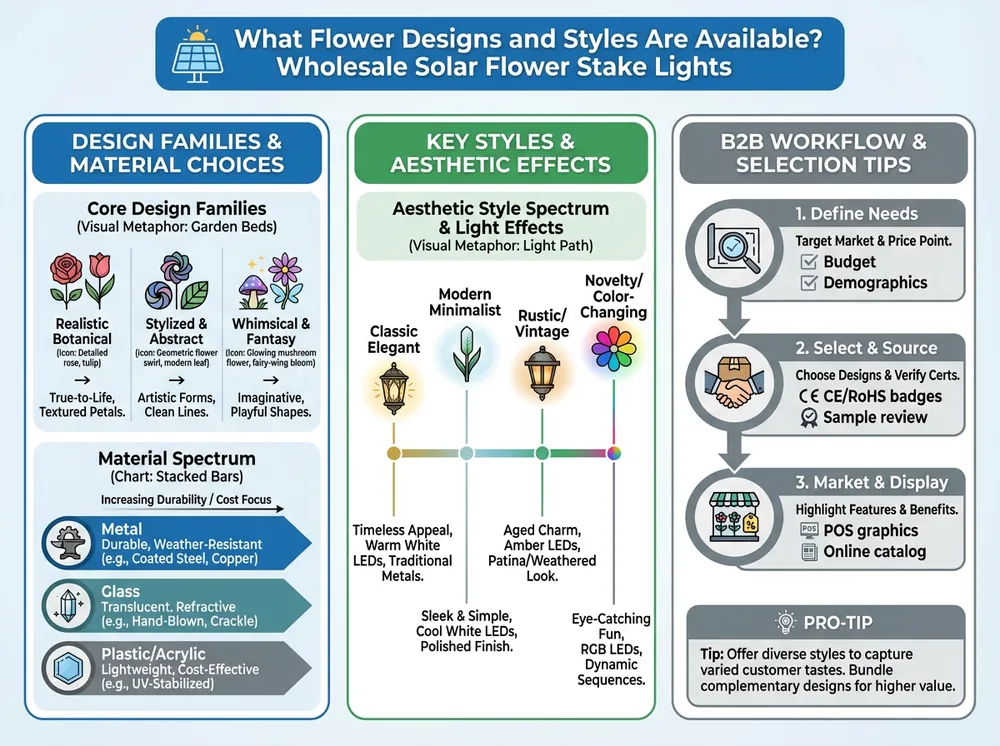
Popular Flower Arrangements
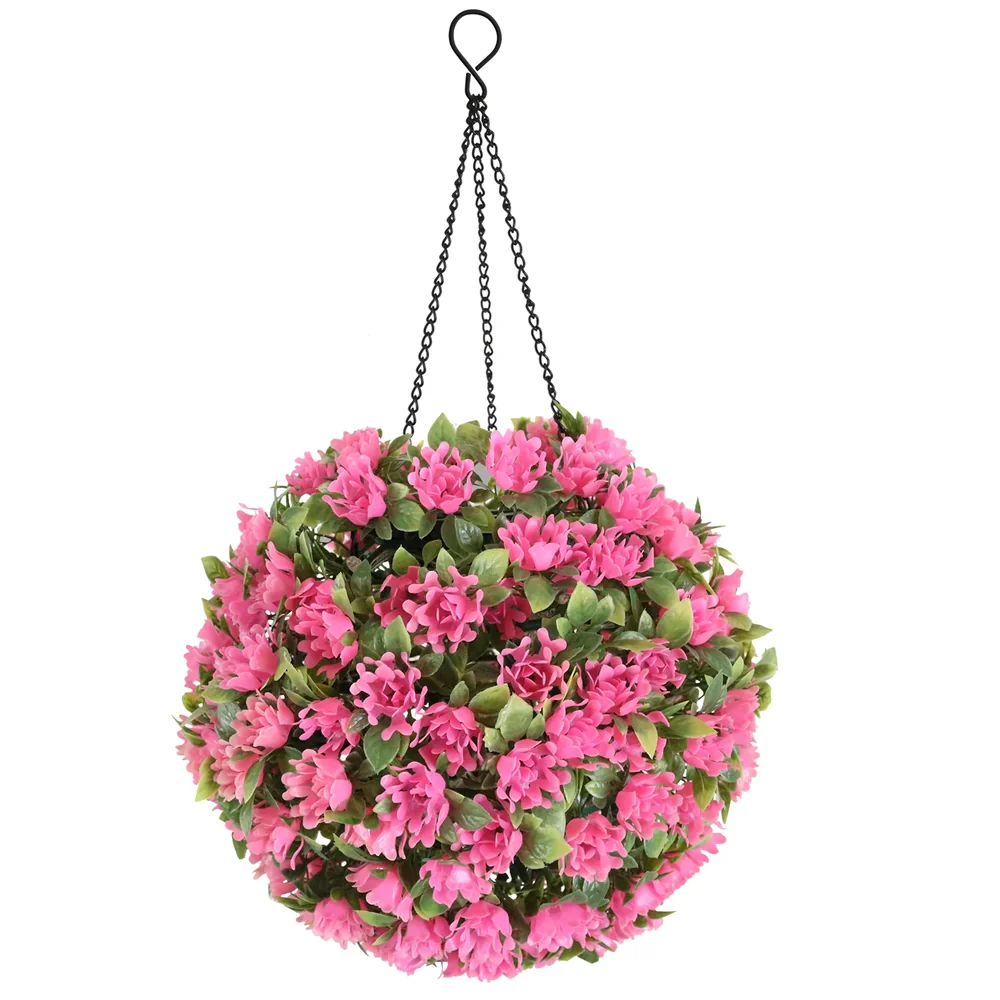
Roses remain the bestselling flower type across all markets. Full-bloom arrangements with 5-7 roses per unit appeal to traditional tastes. Color options typically include red, pink, white, and yellow. Premium versions feature gradient petals and realistic leaf details.
Mixed Wildflower DesignsThese arrangements combine multiple flower types – daisies, lavender, baby’s breath, and small blooms – creating a cottage garden aesthetic. Particularly popular in European and North American markets. The varied textures and colors provide visual interest from multiple viewing angles.
Peony and Hydrangea StylesLarge, full blooms create dramatic visual impact. These designs work well for statement pieces in prominent locations. Higher material costs result in premium pricing, but strong margins compensate. Popular for upscale retail channels and gift markets.
Seasonal VariationsSpring collections feature tulips and daffodils. Summer offerings include sunflowers and zinnias. Fall arrangements incorporate mums and autumn foliage. Winter/holiday versions use evergreens, berries, and pinecones. Seasonal rotation keeps inventory fresh and drives repeat purchases.
Container Style Options
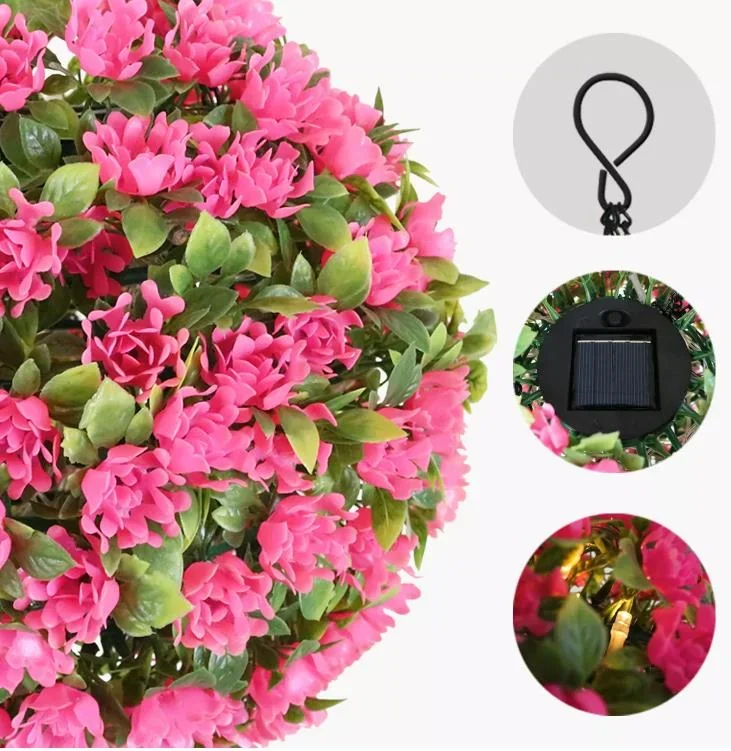
Natural or synthetic wicker baskets provide classic appeal. Sizes range from 8-inch diameter (compact) to 14-inch (statement pieces). Lined interiors protect electronics from moisture. This style dominates the mid-price market segment.
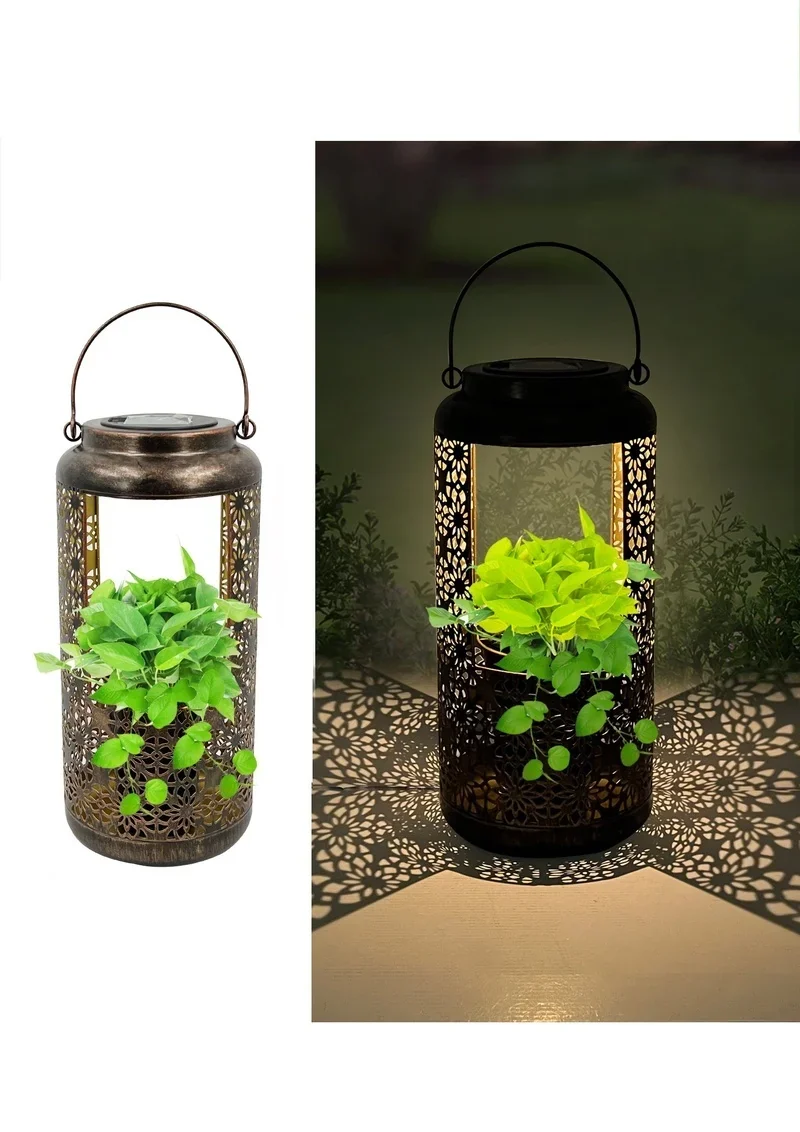
Metal Lantern StylesDecorative metal frameworks with vintage or modern aesthetics. Often feature intricate cutout patterns that create interesting light projections. Powder-coated finishes resist rust and corrosion. Popular in contemporary and farmhouse decor markets.
Glass Globe ContainersClear or tinted glass globes showcase flower arrangements while protecting from weather. Typically paired with metal or wooden frames. Premium positioning due to higher material costs and breakage concerns during shipping.
Decorative Cage DesignsWire or metal cages in various finishes (bronze, copper, black, white). Open construction allows flowers to extend beyond container boundaries. Lightweight design reduces shipping costs. Appeals to modern and industrial decor preferences.
Size Considerations for Different Markets
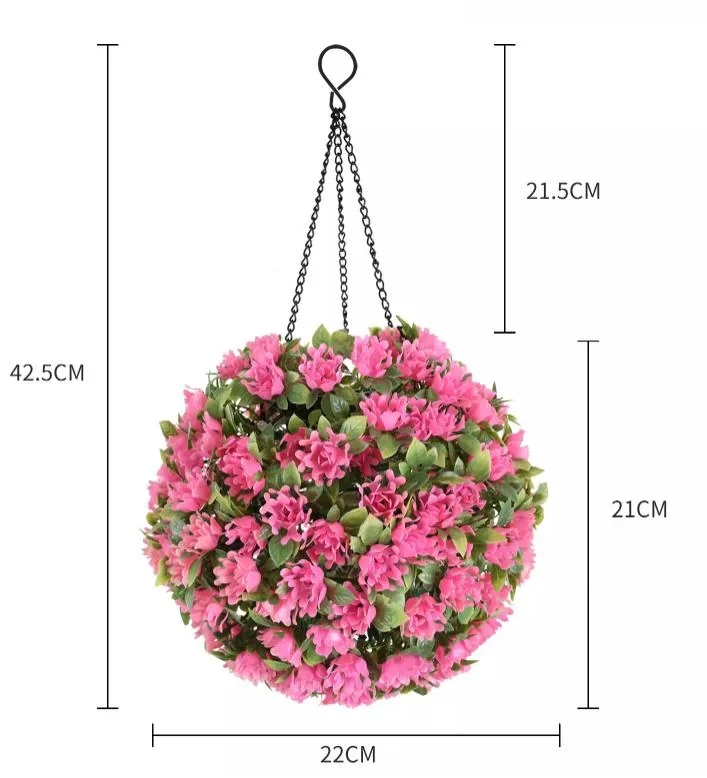
Ideal for balconies, small patios, and indoor use. Lower price points ($20-$35 retail) make them accessible impulse purchases. Easier and cheaper to ship. Popular in urban markets where space is limited.
Standard Size (10-12 inches)The sweet spot for most applications. Provides good visual impact without overwhelming spaces. Retail pricing typically $35-$55. This size accounts for approximately 60% of market volume.
Large Statement Pieces (12-16 inches)Premium products for prominent display locations. Require more substantial hanging hardware. Retail $55-$95. Lower volume but higher margins. Target affluent customers and commercial applications.
LED Color Temperature Options
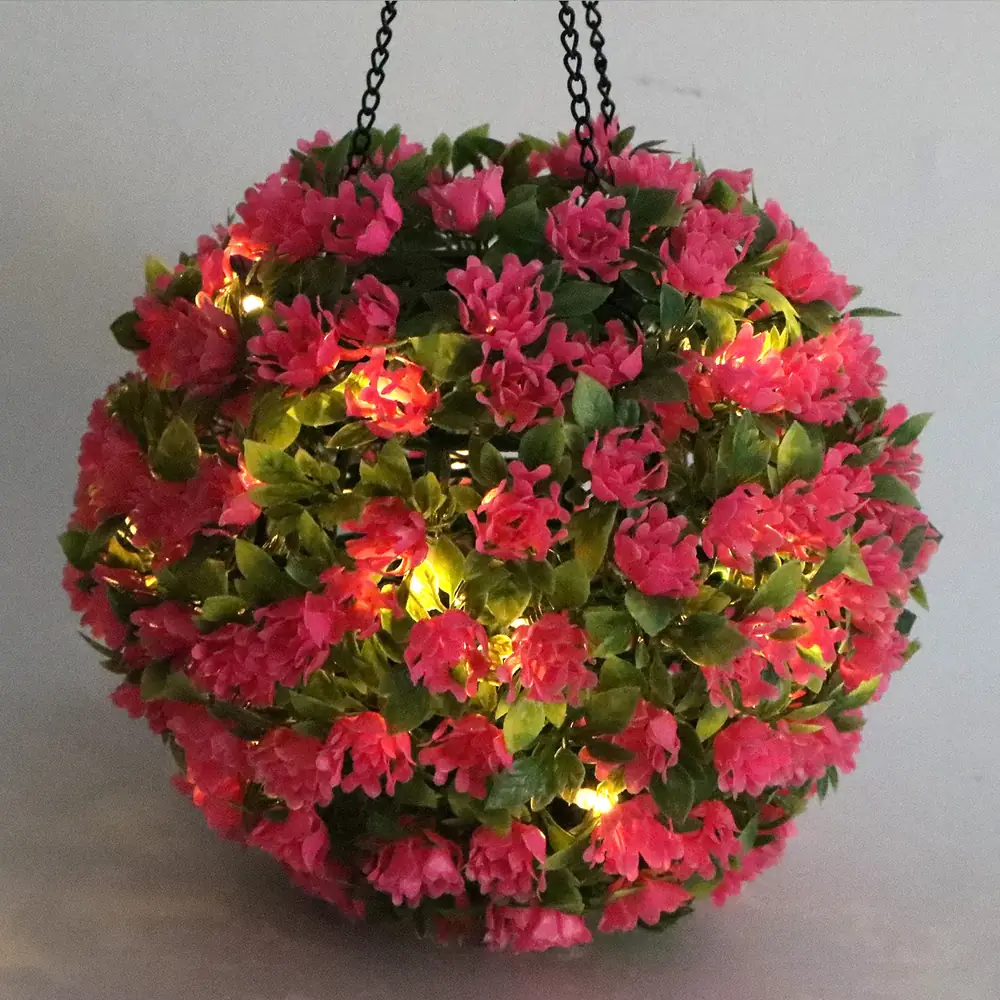
Accounts for 70-80% of sales. Creates cozy, inviting ambiance. Complements most outdoor settings and flower colors. Safe choice for broad market appeal.
Cool White (4000-5000K)Brighter, more modern appearance. Popular in contemporary design markets. Better for task lighting applications. Represents 15-20% of market.
Color-Changing RGBNovelty appeal for younger demographics and party applications. Higher price points but lower volume. Requires more complex electronics, increasing failure rates. Consider as specialty offering rather than core inventory.
3. What Materials and Manufacturing Processes Are Used?
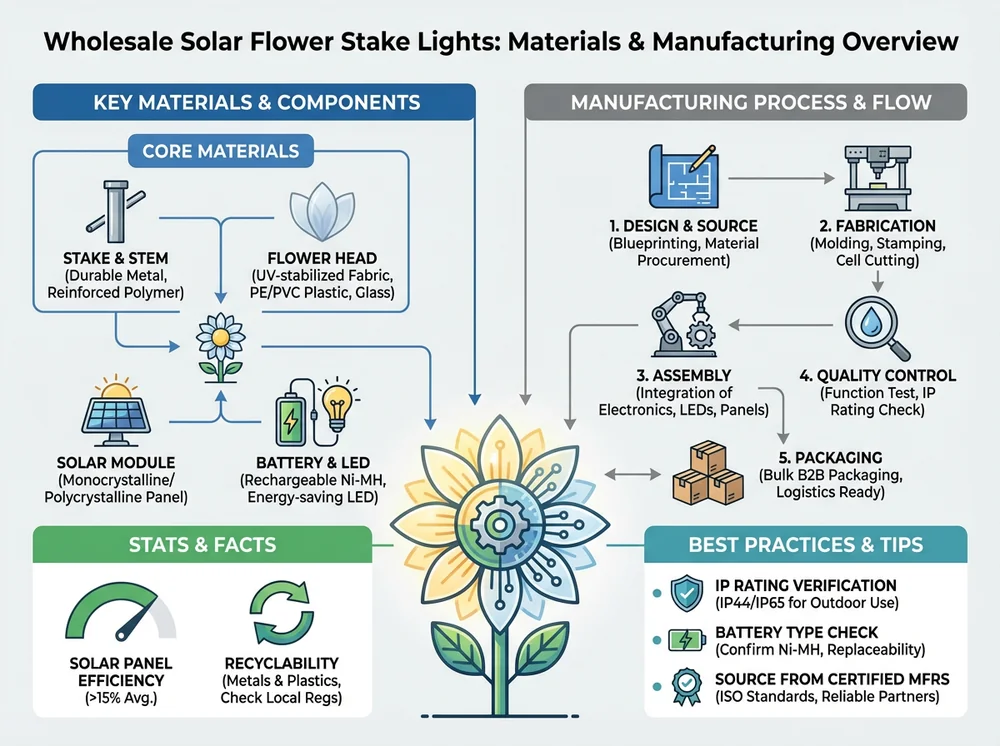
Flower Material Options
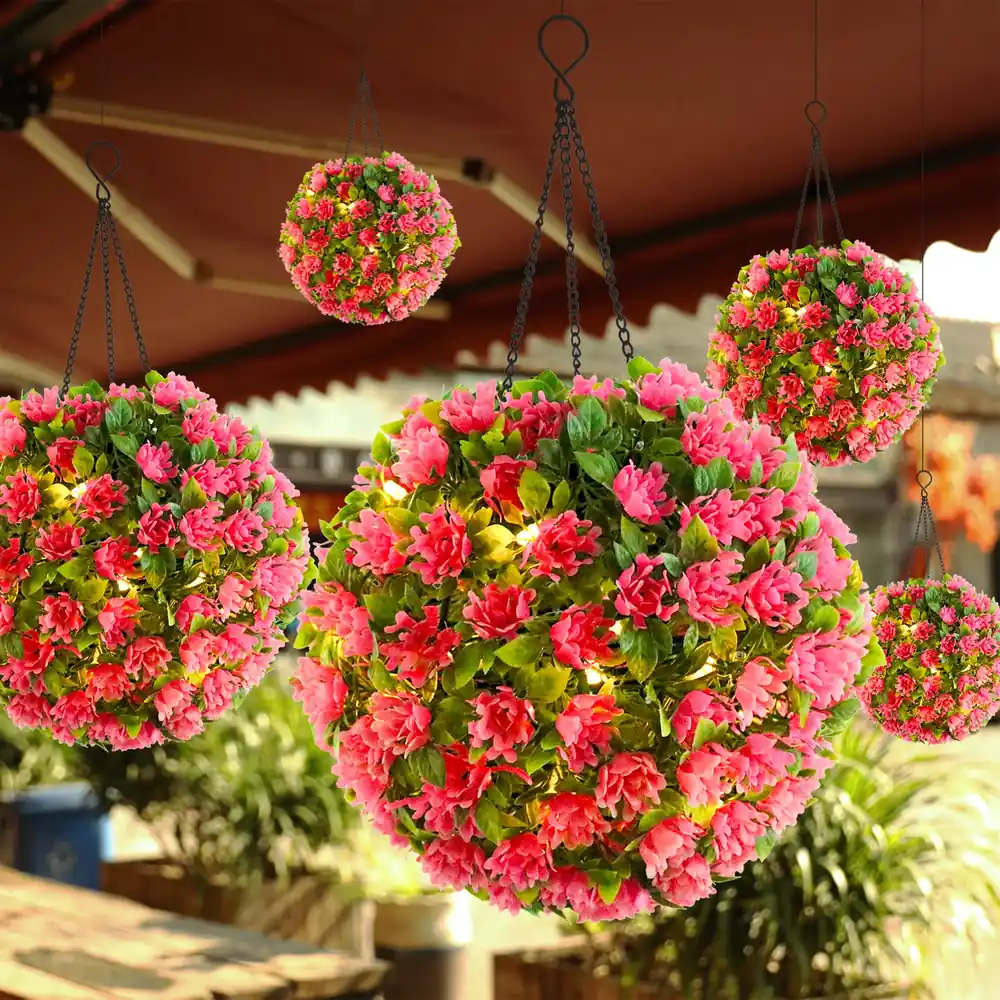
High-end option providing most realistic appearance and texture. Requires hand assembly, increasing labor costs. Excellent UV resistance when properly treated. Typical lifespan of 3-4 years with minimal fading. Premium market positioning.
Polyester Fabric FlowersMid-range option balancing cost and quality. Machine-washable in many cases. Good UV resistance with proper treatment. Lifespan of 2-3 years. Represents majority of market volume.
Plastic/PE FlowersBudget-friendly option for price-sensitive markets. Injection-molded for consistency. UV stabilizers essential to prevent rapid fading. Lifespan of 1-2 years. Suitable for seasonal or promotional products.
Container Manufacturing
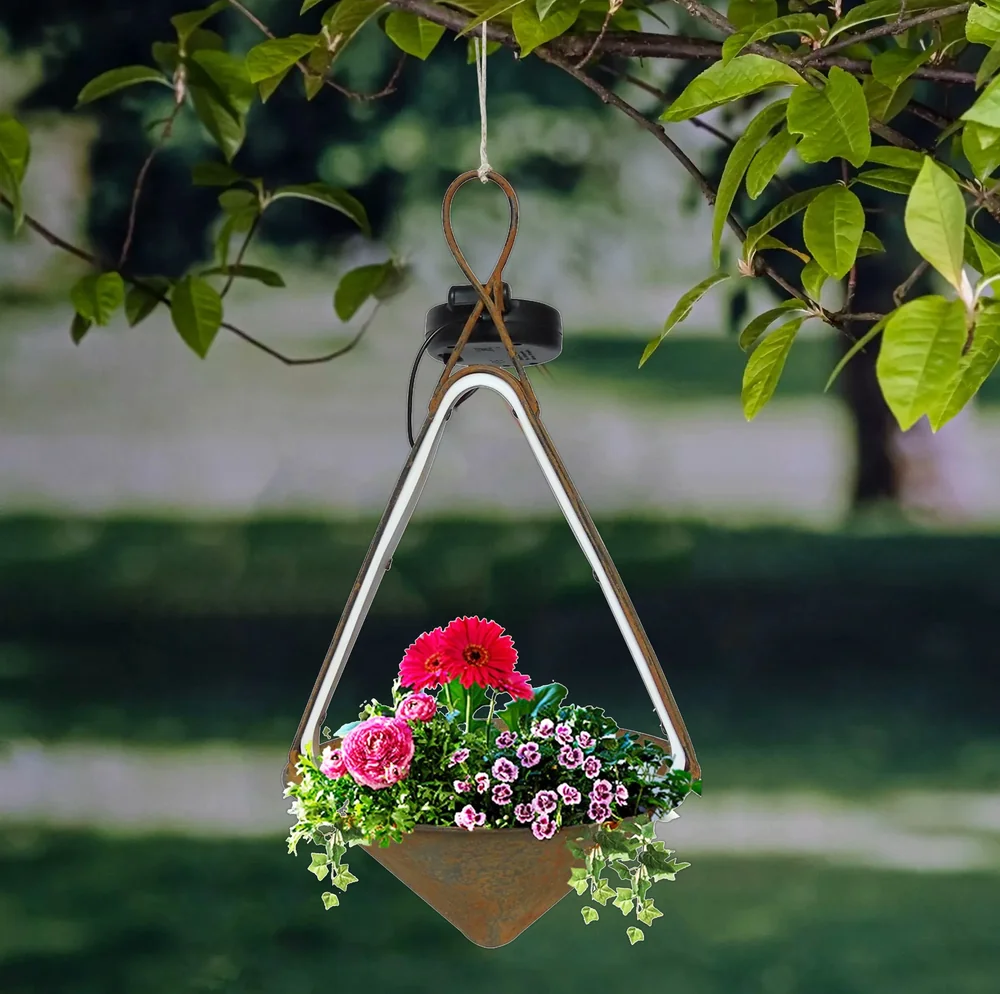
Natural materials (willow, rattan) provide authentic appearance but require weather-resistant treatments. Synthetic alternatives (PE, PP) offer better durability and consistency. Manufacturing primarily manual, affecting production capacity and costs.
Metal FabricationStamping, welding, and powder coating processes. Quality control focuses on weld integrity and coating thickness. Rust resistance critical for outdoor longevity. Automated production enables higher volumes and consistency.
Glass ProductionBlown or molded glass requires careful handling throughout production and shipping. Tempered glass reduces breakage risk but increases costs. Quality inspection must catch micro-cracks that could lead to field failures.
Solar Panel Integration
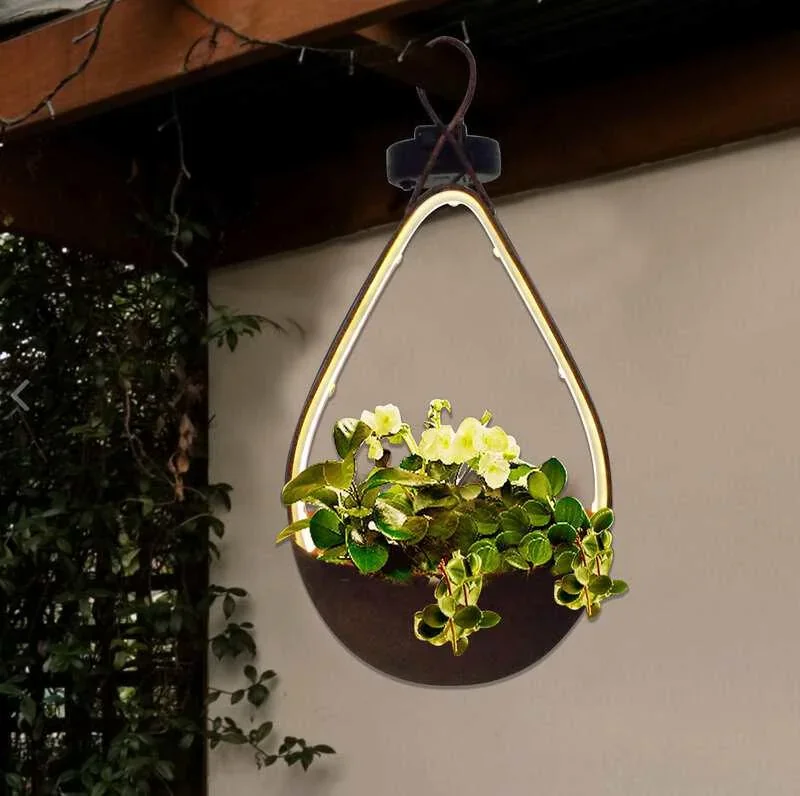
Solar panel mounted on adjustable stake or bracket, connected via wire to light unit. Advantages: optimal panel positioning for sun exposure, easier panel replacement. Disadvantages: more complex installation, additional components to fail.
Integrated Panel DesignSolar panel built into container lid or top surface. Advantages: cleaner aesthetics, simpler installation, fewer components. Disadvantages: panel positioning limited by hanging location, entire unit replacement if panel fails.
Battery Technology
Traditional choice for solar lights. Operating temperature range -20°C to 60°C. Typical capacity 600-1200mAh. Expected lifespan 500-800 charge cycles (approximately 2-3 years). Lower cost but heavier than lithium alternatives.
Lithium-Ion BatteriesPremium option with superior performance. Wider temperature range, lighter weight, longer lifespan (1000+ cycles). Higher initial cost but better long-term value. Increasingly common in mid-to-premium products.
Battery Replacement ConsiderationsReplaceable batteries extend product life and reduce waste. However, replacement process must be simple enough for average consumers. Waterproof battery compartments add complexity but improve reliability.
4. What Quality Standards Should I Look For?
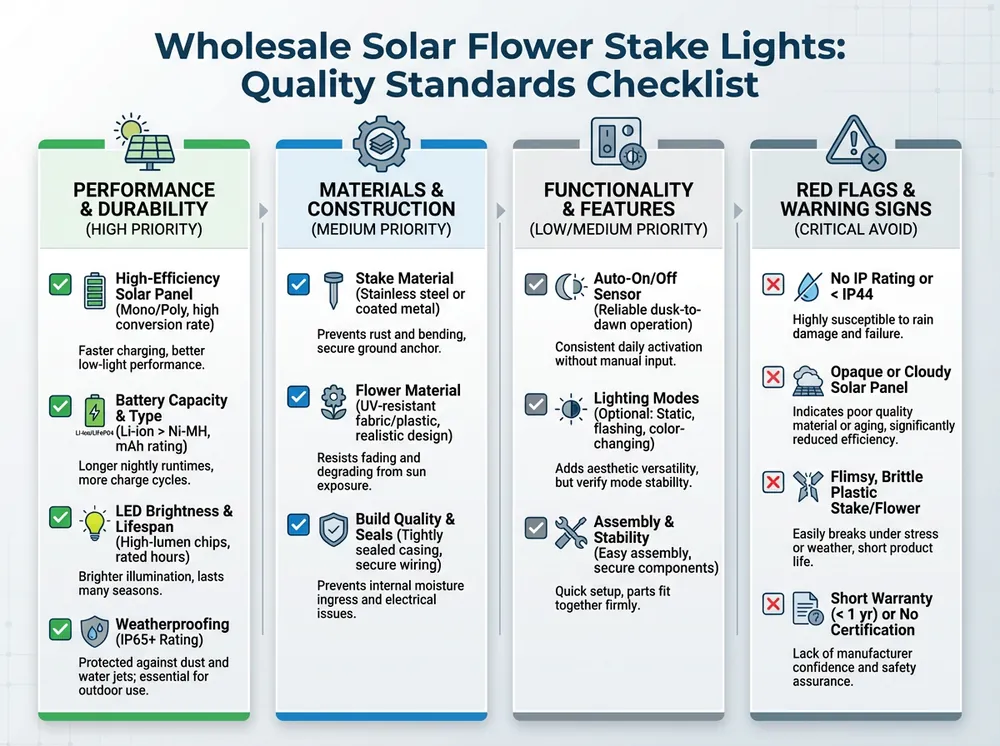
Structural Integrity Testing
Weight CapacityHanging mechanisms must support at least 3x the unit’s weight to account for wind loading and material degradation over time. Test by suspending units with added weight for extended periods. Quality manufacturers provide load test certifications.
Chain/Rope DurabilityChains should resist rust through galvanization or stainless steel construction. Ropes must be UV-resistant and rated for outdoor use. Weak points often occur at attachment points – inspect these carefully in samples.
Container StabilityBaskets and containers should maintain shape under various conditions. Test by soaking in water, exposing to heat, and applying pressure. Poor-quality materials may warp, crack, or degrade quickly.
Electrical Component Quality
Solar Panel EfficiencyMinimum 15% conversion efficiency for reliable performance. Higher efficiency (18-20%) justifies premium pricing. Request efficiency test reports from manufacturers. Panel surface should resist scratching and yellowing.
LED Lifespan and BrightnessQuality LEDs rated for 50,000+ hours. Brightness should remain consistent throughout battery discharge cycle. Test samples over multiple charge/discharge cycles to verify performance stability.
Circuit ProtectionOvercharge protection prevents battery damage. Short-circuit protection enhances safety. Quality units include these features as standard. Request circuit diagrams to verify protection components.
Weather Resistance Standards
IP Rating RequirementsMinimum IP44 for basic weather resistance (splash-proof). IP65 recommended for full outdoor exposure (rain and dust proof). IP67 for premium products (temporary submersion resistant). Higher ratings increase costs but reduce warranty claims.
Learn more about waterproof ratings for garden lights.
UV Resistance TestingFlowers and containers must withstand prolonged sun exposure without significant fading or degradation. Request UV test reports showing minimal color change after 1000+ hours of UV exposure. This is critical for customer satisfaction and reducing returns.
Temperature RangeProducts should function in temperature ranges typical for target markets. North American products: -20°C to 50°C. European markets: -10°C to 45°C. Test samples in temperature chambers if possible.
Certification Requirements
Product Safety Certifications- CE marking: Required for European markets, covers electrical safety and EMC
- RoHS compliance: Restricts hazardous substances, increasingly required globally
- FCC certification: Required for US market, covers electromagnetic interference
- UKCA marking: Required for UK market post-Brexit
View Glowyard’s complete certifications.
Factory Quality Certifications- ISO 9001: Quality management system certification
- BSCI audit: Social compliance verification
- ISO 14001: Environmental management (optional but valuable)
Working with certified manufacturers like Glowyard Lighting ensures compliance and reduces import risks.
5. What Is the Market Demand and Seasonal Trends?
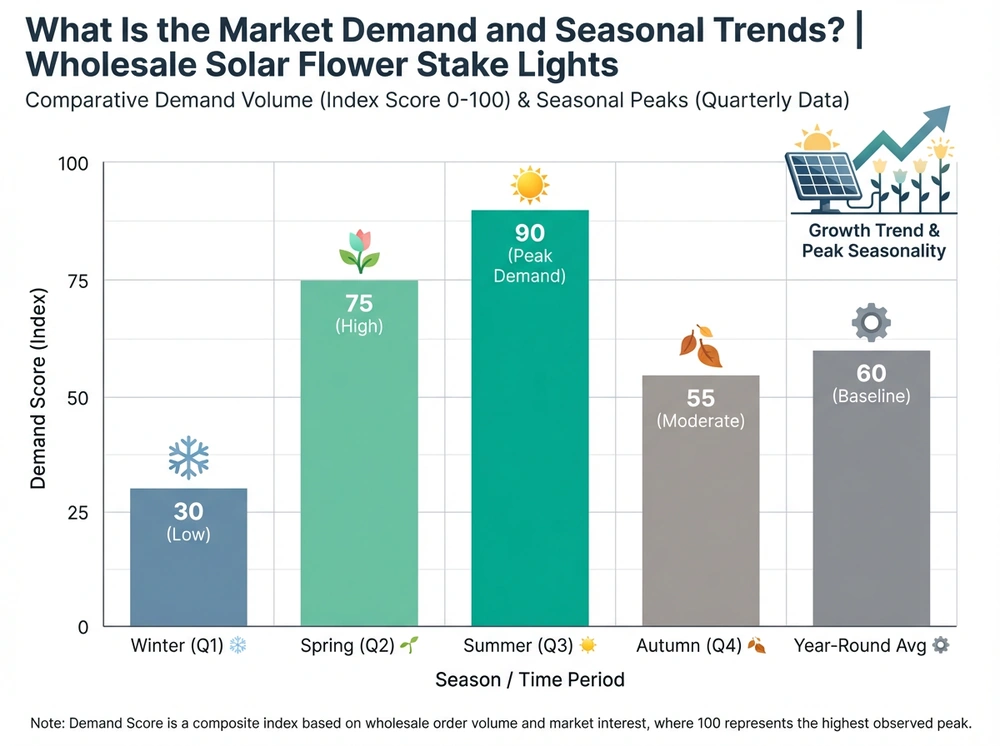
Annual Sales Patterns
Spring Surge (March-May)Peak selling season as consumers prepare outdoor spaces for warmer weather. Mother’s Day (May) drives significant gift purchases. Inventory should arrive by late February for optimal positioning. This period typically represents 35-40% of annual sales.
Summer Steady (June-August)Consistent demand continues through summer months. Wedding season creates additional opportunities. Outdoor entertaining drives impulse purchases. Represents 25-30% of annual sales.
Fall Transition (September-November)Sales moderate but remain solid. Harvest and autumn-themed designs perform well. Halloween and Thanksgiving create seasonal opportunities. Represents 15-20% of annual sales.
Winter Opportunities (December-February)Holiday season (December) offers sales spike with evergreen/winter designs. January-February typically slowest period. Indoor use messaging can maintain baseline sales. Represents 10-15% of annual sales.
Regional Market Differences
North American MarketStrong preference for realistic flower designs and warm white lighting. Larger sizes popular due to spacious yards. Peak season April-September. Price sensitivity moderate – quality valued over lowest price.
European MarketAppreciation for design aesthetics and sustainability. Smaller sizes suit compact gardens and balconies. Longer selling season (March-October) due to moderate climates. Higher price acceptance for quality and eco-friendly products.
UK MarketSimilar to European preferences but with distinct style preferences. Cottage garden aesthetics particularly popular. Weather resistance critical due to frequent rain. Strong online sales channel.
Emerging Trends
Smart FeaturesRemote control and app connectivity gaining interest, particularly in younger demographics. Currently niche but growing. Higher price points ($80-$150 retail) limit mass market appeal.
Sustainable MaterialsIncreasing consumer demand for eco-friendly options. Recycled plastics, sustainable wood, and biodegradable packaging. Premium positioning opportunity with 10-20% price premiums achievable.
CustomizationPersonalized flower arrangements and container colors. Particularly strong in gift market. Requires flexible manufacturing partners and longer lead times.
6. What Are the Common Applications?
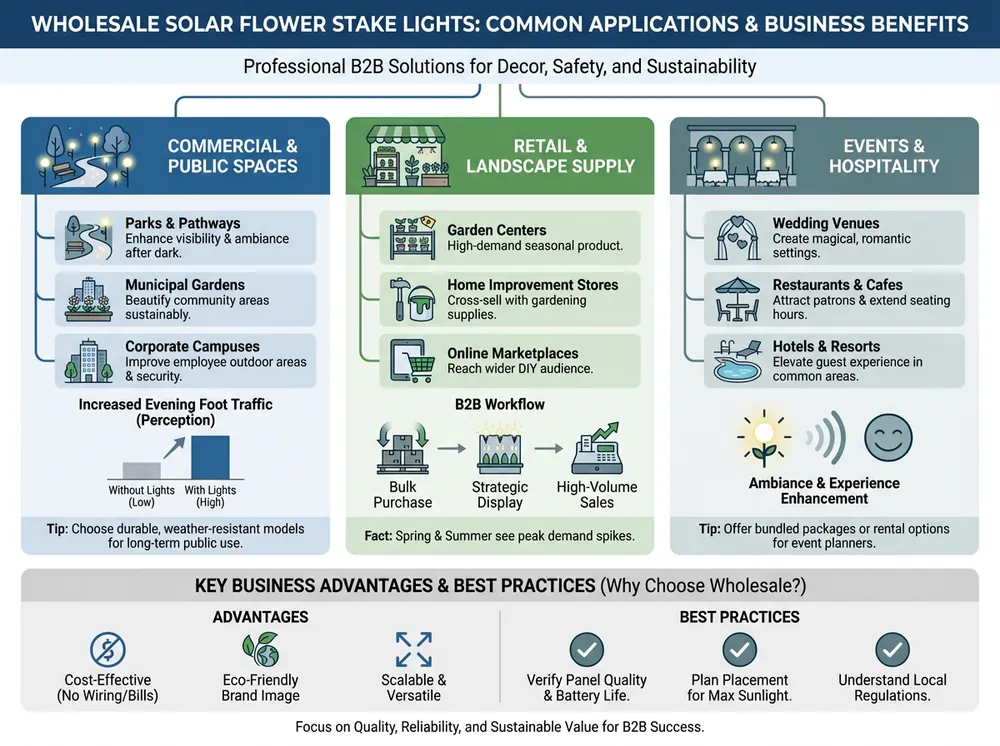
Residential Applications
Front Porch Welcome LightingHanging flower lights create inviting entryways. Positioned on either side of doors or suspended from porch ceilings. Homeowners appreciate no-wiring convenience. Typical purchase: 2-4 units per household.
Patio and Deck AmbianceSuspended from pergolas, umbrellas, or overhead structures. Creates intimate dining and entertaining atmosphere. Often combined with other solar lighting for layered effects. Average purchase: 3-6 units.
Garden Focal PointsHung from shepherd’s hooks or tree branches to highlight garden areas. Provides both day and night visual interest. Customers often start with 1-2 units and expand over time.
Balcony and Small Space SolutionsCompact designs perfect for apartment balconies and small patios. No electrical access required – major selling point for renters. Growing market segment in urban areas.
Commercial and Event Applications
Restaurant Outdoor DiningCreates ambiance without electrical infrastructure costs. Portable for seasonal setup/takedown. Typical order: 10-30 units depending on space size. Durability and consistent performance critical for commercial use.
Wedding and Event DecorationRental companies and venues purchase in bulk. Versatile for various themes and color schemes. Easy transport and setup. Orders typically 20-100 units. Explore more application scenarios.
Hotel and Resort LandscapingEnhances guest experience in outdoor areas. Low maintenance appeals to property managers. Consistent brand appearance requires quality control. Orders range from 50-500 units for larger properties.
Retail Store DisplaysGarden centers and home decor stores use as both product and display lighting. Creates attractive shopping environment. Demonstrates product functionality. Typical display: 5-15 units.
Seasonal and Holiday Uses
Spring Garden PartiesPastel flowers and warm lighting for outdoor celebrations. Peak demand March-May. Customers purchase 4-8 units for party spaces.
Summer WeddingsWhite and cream flowers most popular. Often combined with other decorative lighting. Brides and event planners purchase 15-50 units.
Fall Harvest ThemesAutumn colors and harvest designs. Thanksgiving and Halloween decoration. Moderate demand September-November.
Winter Holiday DecorEvergreen arrangements with warm white or color-changing lights. Indoor and covered outdoor use. December sales spike.
7. What Customization Options Are Available?
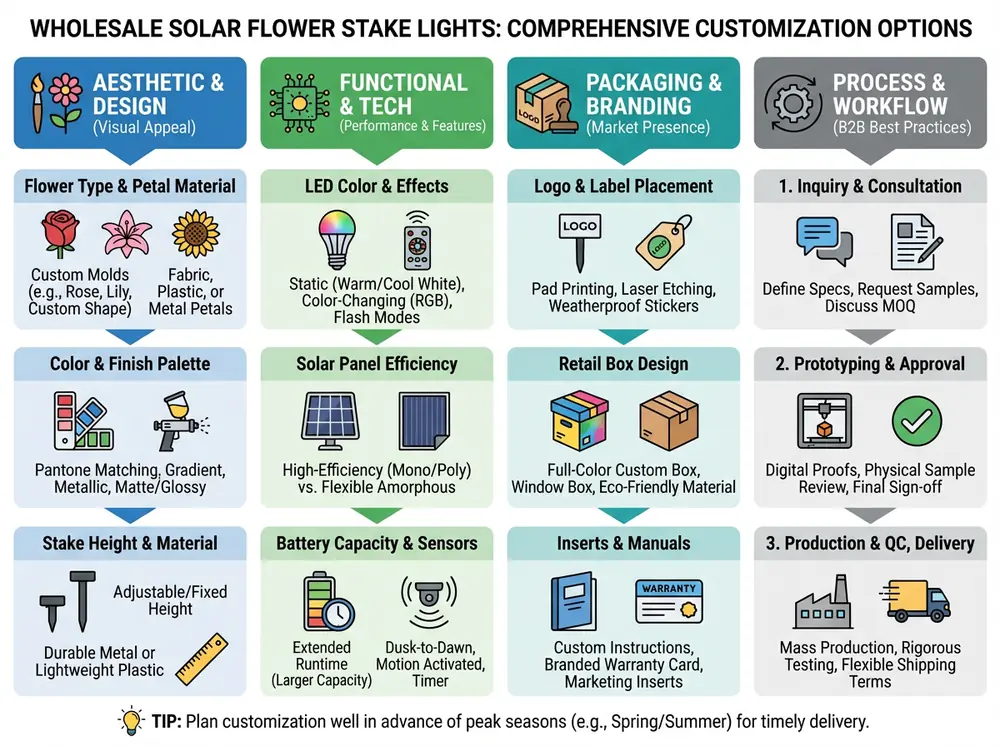
Flower Arrangement Customization
Flower Type SelectionManufacturers can source various artificial flower types to match your market preferences. Minimum order quantities typically 500-1000 units per custom design. Lead time adds 2-4 weeks for sourcing and sampling.
Color Palette DevelopmentCustom color combinations to match brand identity or market trends. Pantone matching available for specific color requirements. Sample approval process ensures color accuracy before production.
Seasonal CollectionsDevelop exclusive seasonal designs for your brand. Spring pastels, summer brights, fall harvest, winter evergreens. Creates repeat purchase opportunities and brand differentiation.
Container Customization
Material SelectionChoose from various basket weaves, metal finishes, or glass types. Each material option affects pricing and minimum order quantities. Consider target market preferences and price positioning.
Size SpecificationsCustom dimensions to fit specific applications or price points. Tooling costs apply for unique sizes. Minimum orders typically 1000+ units to justify tooling investment.
Finish OptionsPowder coating colors for metal containers. Stain or paint options for wooden elements. Weathering or distressing for vintage aesthetics. Each finish option may affect pricing and lead times.
Technical Customization
Solar Panel CapacityUpgrade to higher-efficiency panels for better performance in low-light conditions. Increases cost by 15-25% but improves customer satisfaction in challenging climates.
Battery CapacityHigher capacity batteries extend runtime. Particularly valuable for markets with long summer evenings. Cost increase of 10-20% depending on capacity upgrade.
LED OptionsBrightness levels, color temperatures, and multi-mode functionality. Color-changing LEDs add complexity and cost but appeal to specific market segments.
Smart FeaturesRemote control, timers, or app connectivity. Requires significant development investment. Minimum orders typically 5000+ units. Best suited for established brands with strong distribution.
Branding and Packaging
Logo PlacementDiscreet logo placement on container or hanging mechanism. Embossing, engraving, or printed labels available. Minimum orders vary by method (500-2000 units).
Custom Packaging DesignBranded boxes with your company colors and messaging. Includes product photos, features, and installation instructions. Setup costs $500-$2000 depending on complexity. Minimum order 1000 units.
Hang Tags and LabelsCustom hang tags with brand story, care instructions, and marketing messages. Lower minimum orders (500 units) make this accessible entry point for branding.
Gift-Ready PresentationEnhanced packaging for gift market. Window boxes, ribbon, and premium materials. Increases packaging cost by $2-$5 per unit but enables higher retail pricing.
Working with Manufacturers
Customization Process with Glowyard- Initial consultation to discuss requirements and budget
- Design concepts and material samples
- Prototype development and approval
- Tooling and production setup
- Pre-production samples for final approval
- Production and quality control
- Shipping and delivery
Learn more about our custom project process.
Timeline Expectations- Standard products: 25-35 days from order to delivery
- Minor customization: 35-45 days
- Significant customization: 45-60 days
- New tooling required: 60-90 days
- Standard products: Flexible MOQ, some suppliers accept 100-500 units
- Custom colors/flowers: 500-1000 units typical
- Custom containers: 1000-2000 units typical
- Completely custom designs: 2000-5000 units typical
8. How to Source from China: Factory Selection Guide
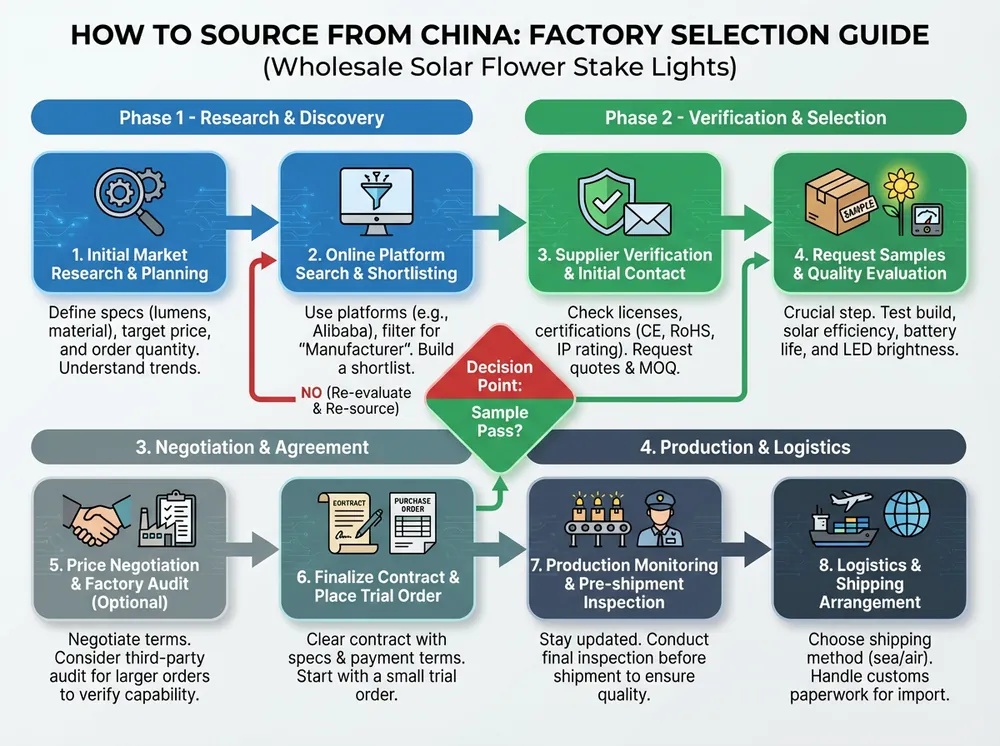
Why China for Hanging Solar Flower Lights?
Manufacturing EcosystemChina’s Guangdong province hosts the world’s largest concentration of solar lighting manufacturers. Complete supply chains – from solar panels to artificial flowers – exist within close proximity. This integration enables competitive pricing and faster production cycles.
Cost AdvantagesLabor costs remain 40-60% lower than Western markets despite recent increases. Economies of scale from high-volume production. Efficient logistics infrastructure reduces shipping costs within China.
Technical ExpertiseDecades of experience in solar technology and decorative lighting. Skilled workforce familiar with quality standards for international markets. Continuous innovation in materials and manufacturing processes.
FlexibilityChinese manufacturers typically more willing to accommodate customization requests. Smaller minimum orders possible compared to manufacturers in other regions. Faster response to design changes and market trends.
Finding Reliable Suppliers
Online B2B Platforms Alibaba.com StrategySearch for “hanging solar flower lights” and filter by:
- Trade Assurance suppliers (payment protection)
- Verified manufacturers (not trading companies)
- Minimum 3 years in business
- Response rate above 80%
- Positive transaction reviews
Request samples from 3-5 suppliers before committing to orders.
Global Sources ApproachMore curated supplier base with stricter verification. Higher-quality manufacturers but potentially higher prices. Excellent for finding established factories with export experience.
Made-in-China.comGood middle ground between Alibaba’s volume and Global Sources’ curation. Strong search filters for specific product attributes. Direct communication tools facilitate negotiations.
Trade Show Opportunities Canton Fair (Guangzhou)Held twice yearly (April and October). Largest trade fair globally with dedicated lighting sections. Face-to-face meetings build relationships and trust. Opportunity to see product quality firsthand and compare multiple suppliers.
Hong Kong International Lighting FairMore specialized focus on lighting products. Attracts international buyers and premium manufacturers. Smaller scale than Canton Fair but higher quality concentration.
Preparation Tips- Research suppliers beforehand and schedule meetings
- Bring product specifications and target pricing
- Take photos and collect samples
- Exchange WeChat contacts for ongoing communication
Evaluating Factory Capabilities
Production Capacity AssessmentVisit factory if possible or request video tour. Key indicators:
- Number of production lines (minimum 2-3 for reliability)
- Monthly output capacity (should exceed your needs by 50%+)
- Equipment age and maintenance (modern equipment indicates investment)
- Workforce size and skill level (experienced workers produce better quality)
Request documentation of QC processes:
- Incoming material inspection procedures
- In-process quality checks
- Final product testing protocols
- Defect rate tracking and corrective actions
Quality manufacturers like Glowyard maintain comprehensive QC documentation and welcome audits.
Technical Capabilities- In-house design team for customization support
- Testing equipment (waterproof testing, UV aging, electrical safety)
- R&D department for product development
- Prototyping capabilities for custom projects
- Years exporting to your target market
- Familiarity with required certifications
- Understanding of packaging and shipping requirements
- References from buyers in similar markets
Due Diligence Checklist
Documentation Verification- Business license (verify with local authorities if possible)
- Export license
- Product certifications (CE, RoHS, FCC, etc.)
- Factory audit reports (BSCI, ISO 9001)
- Insurance certificates
- Years in business (minimum 3-5 years preferred)
- Company size and growth trajectory
- Major clients and annual revenue (if disclosed)
- Payment terms offered (flexibility indicates stability)
- Response time to inquiries (within 24 hours ideal)
- English proficiency of sales team
- Willingness to provide detailed information
- Transparency about capabilities and limitations
- Unwilling to provide factory tour or video
- Cannot produce valid certifications
- Prices significantly below market average (20%+ lower)
- Poor communication or evasive answers
- Pressure to order without samples
- No quality guarantee or warranty offered
Regional Manufacturing Hubs
Guangdong Province (Recommended)- Cities: Shenzhen, Dongguan, Zhongshan, Guangzhou
- Specialization: Electronics, LED lighting, solar products
- Advantages: Advanced technology, quality focus, export experience
- Glowyard Lighting located in Guangdong with modern facilities
- Cities: Yiwu, Ningbo, Wenzhou
- Specialization: Small commodities, seasonal products, crafts
- Advantages: Cost-effective, variety, flexible MOQ
- Considerations: May prioritize cost over quality
- Cities: Xiamen, Quanzhou, Fuzhou
- Specialization: Decorative products, garden items, resin crafts
- Advantages: Decorative expertise, artistic designs
- Considerations: Less experience with solar technology
Negotiation Strategies
Price Negotiation- Request quotes from multiple suppliers for comparison
- Understand cost breakdown (materials, labor, overhead, profit)
- Negotiate based on order volume and payment terms
- Don’t focus solely on lowest price – balance with quality
- First order: 30% deposit, 70% before shipment (standard)
- Established relationship: May negotiate 50/50 or better terms
- Large orders: Letter of Credit provides protection for both parties
- Use Alibaba Trade Assurance for additional security
- Confirm realistic production timelines
- Account for Chinese holidays (Spring Festival, Golden Week)
- Build buffer time for unexpected delays
- Request regular production updates
- Specify quality standards in purchase order
- Define acceptable defect rates (typically 1-3%)
- Arrange pre-shipment inspection (third-party or self)
- Establish clear process for handling defects
9. What Common Mistakes Should You Avoid When Sourcing?
Product Selection Errors
Ignoring Target Market PreferencesMistake: Ordering designs that appeal to you personally rather than your target customers. Solution: Research your market demographics. Survey existing customers. Test small quantities of new designs before large commitments.
Overlooking Size AppropriatenessMistake: Ordering only large statement pieces when most customers need standard sizes. Solution: Stock variety of sizes. Start with 60% standard, 25% compact, 15% large. Adjust based on sales data.
Neglecting Seasonal PlanningMistake: Ordering spring designs in March when they should arrive in January. Solution: Plan inventory 8-12 weeks ahead of selling season. Account for production time (4-6 weeks) and shipping (3-6 weeks).
Quality Compromise Mistakes
Choosing Cheapest OptionMistake: Selecting supplier with lowest price without quality verification. Impact: High defect rates, customer complaints, returns, damaged reputation. Solution: Balance price with quality. Calculate total cost including returns and lost customers. Mid-range pricing often provides best value.
Skipping Sample TestingMistake: Ordering full container without testing samples in real conditions. Impact: Discovering quality issues after significant investment. Solution: Order samples from multiple suppliers. Test outdoors for 2-4 weeks. Verify all specifications before bulk order.
Inadequate Quality SpecificationsMistake: Vague quality requirements in purchase orders. Impact: Supplier interpretation may not match expectations. Solution: Provide detailed specifications: materials, dimensions, performance standards, acceptable defect rates. Include photos and samples as references.
Supplier Relationship Mistakes
Poor CommunicationMistake: Infrequent contact and unclear requirements. Impact: Misunderstandings, delays, quality issues. Solution: Establish regular communication schedule. Use clear, written specifications. Confirm understanding of all requirements.
No Backup SupplierMistake: Relying on single supplier for all inventory. Impact: Vulnerable to production issues, capacity constraints, or business changes. Solution: Develop relationships with 2-3 qualified suppliers. Split orders to maintain multiple relationships.
Ignoring Cultural DifferencesMistake: Expecting Western business practices and communication styles. Impact: Misunderstandings and relationship strain. Solution: Learn basic Chinese business etiquette. Be patient with communication differences. Build personal relationships alongside business transactions.
Logistics and Import Mistakes
Underestimating Total Landed CostMistake: Focusing only on product cost, ignoring shipping, duties, and fees. Impact: Profit margins disappear when all costs calculated. Solution: Calculate complete landed cost: product + shipping + duties + customs fees + inspection + warehousing. Add 10-15% buffer for unexpected costs.
Inadequate Packaging SpecificationsMistake: Accepting standard packaging without considering shipping distance and handling. Impact: Product damage during transit, increased returns. Solution: Specify packaging requirements: inner box protection, master carton strength, pallet configuration. Request drop tests for fragile items.
Customs and Compliance OversightsMistake: Importing without proper certifications or documentation. Impact: Customs delays, fines, product seizure. Solution: Verify all required certifications for your market. Work with experienced customs broker. Maintain complete documentation.
Inventory Management Mistakes
Overordering First TimeMistake: Ordering full container of untested product. Impact: Excess inventory if product doesn’t sell as expected. Solution: Start with smaller test orders (500-1000 units). Scale up based on actual sales performance.
Poor Inventory ForecastingMistake: Not accounting for seasonal demand patterns. Impact: Stockouts during peak season or excess inventory in slow periods. Solution: Analyze historical sales data. Plan inventory to peak 2-3 weeks before high season. Maintain safety stock of 20-30%.
Ignoring Product LifecycleMistake: Treating all products as permanent inventory. Impact: Stuck with outdated designs that don’t sell. Solution: Plan product refresh cycles. Introduce new designs annually. Clearance old inventory before it becomes obsolete.
10. Who Is Glowyard Lighting and What Do We Offer?
About Glowyard Lighting
Glowyard Lighting has manufactured solar-powered outdoor lighting for over 15 years, specializing in decorative products including hanging solar flower lights. Our Guangdong facility serves B2B clients worldwide – wholesalers, retailers, e-commerce businesses, and commercial buyers. Our ApproachWe focus on the intersection of quality, aesthetics, and reliability. Every product balances visual appeal with functional performance. Our team understands that your success depends on customer satisfaction, so we prioritize consistent quality and dependable delivery.
Manufacturing Capabilities
Production Capacity- Monthly output: 50,000+ hanging solar flower light units
- Multiple production lines for different product categories
- Flexible scheduling accommodates various order sizes
- Scalable capacity for growing partnerships
- Modern manufacturing facility in Guangdong Province
- Automated assembly lines for consistent quality
- In-house tooling and mold-making capabilities
- Advanced testing equipment for quality verification
- Climate-controlled storage for finished goods
- Hanging solar flower lights (multiple designs and sizes)
- Solar flower stake lights
- Solar string lights
- Solar pathway lights
- Custom solar lighting solutions
View our complete product catalog.
Quality Assurance
Quality Management System- ISO 9001:2015 certified
- Comprehensive quality control at every production stage
- In-house testing laboratory
- Experienced QC team with international standards knowledge
- Continuous improvement processes
- Incoming material inspection (IQC)
- In-process quality monitoring (IPQC)
- Final product inspection (FQC)
- Pre-shipment verification (OQC)
- Aging tests for reliability
- Waterproof and weather resistance testing
- Electrical safety verification
- Defect rate consistently below 2%
- All products meet international safety standards
- Comprehensive quality documentation
- Full traceability for all components
- Warranty support for defective products
Certifications
Product Certifications- CE (European Conformity)
- RoHS (Restriction of Hazardous Substances)
- FCC (Federal Communications Commission)
- UKCA (UK Conformity Assessed)
View all our certifications.
Factory Certifications- ISO 9001:2015 Quality Management System
- BSCI (Business Social Compliance Initiative)
- Sedex Member (Supplier Ethical Data Exchange)
- Regular third-party audits
Why Choose Glowyard?
Experience and Expertise- 15+ years in solar lighting manufacturing
- Deep understanding of B2B requirements
- Extensive knowledge of international markets
- Proven track record with global clients
- Consistent product quality across all orders
- Reliable delivery schedules
- Low defect rates reduce your warranty costs
- Comprehensive quality assurance processes
- In-house design team for custom projects
- Flexible customization options
- Quick prototype development
- Proprietary product development capabilities
- Responsive communication (24-hour response time)
- Professional English-speaking sales team
- Technical support for product questions
- After-sales service and warranty support
- Long-term partnership focus
- Direct factory pricing without middleman markup
- Economies of scale for cost efficiency
- Transparent pricing structure
- Flexible payment terms for established clients
- Volume discounts for larger orders
How to Work with Glowyard
Partnership Process Step 1: Initial ContactContact us through our website or email. Discuss your requirements, target market, and volume needs. Receive product recommendations based on your specifications.
Step 2: QuotationReceive detailed quotation including:
- Product specifications
- Pricing (FOB, CIF, or DDP terms available)
- Minimum order quantities
- Lead times
- Payment terms
Order samples for evaluation (sample costs refundable with production order). Test products in your market conditions. Verify quality meets your standards. Approve samples before production.
Step 4: Production OrderConfirm order details and specifications. Provide 30% deposit to begin production. Receive regular production updates. Pre-production samples available for large orders.
Step 5: Quality ControlIn-process quality monitoring throughout production. Final inspection before shipment. Third-party inspection available if requested. Detailed QC report provided.
Step 6: Shipping and DeliveryArrange shipping (we can assist with logistics). Provide complete shipping documentation. Track shipment to destination. Confirm delivery and product condition.
Step 7: Ongoing SupportAddress any concerns or questions. Warranty support for defective products. Reorder process streamlined for efficiency. Continuous improvement based on feedback.
Contact Glowyard
Get Started- Website: https://glowyard.com/
- Email: Contact through website form
- Location: Guangdong Province, China
- Business Hours: Monday-Friday, 9:00 AM – 6:00 PM (GMT+8)
- Product type and specifications
- Quantity requirements
- Target market and certifications needed
- Delivery timeline
- Customization needs (if any)
- Budget range
We typically respond within 24 hours with preliminary information and next steps.
11. What Questions Do Buyers Ask About Hanging Solar Flower Lights?
Product Performance Questions
Q: How long do hanging solar flower lights typically last?A: Quality hanging solar flower lights last 2-4 years with proper use and maintenance. Component lifespans vary:
- LED bulbs: 50,000+ hours (essentially lifetime of product)
- Solar panels: 5-10 years with minimal efficiency loss
- Batteries: 2-3 years (replaceable in quality products)
- Flowers and containers: 2-4 years depending on materials and UV exposure
Factors affecting lifespan include material quality, weather exposure, and maintenance. Premium products with UV-resistant materials and replaceable batteries offer best longevity.
Q: How much sunlight do they need to charge fully?A: Most hanging solar flower lights require 6-8 hours of direct sunlight for full charge. This provides 8-10 hours of nighttime illumination. Performance in partial shade or cloudy conditions:
- 4-6 hours sunlight: 5-7 hours runtime
- 2-4 hours sunlight: 3-5 hours runtime
- Cloudy days: Reduced brightness and shorter runtime
Position units where they receive maximum sun exposure, typically south-facing locations in Northern Hemisphere. Separate solar panel designs offer more flexibility for optimal positioning.
Q: Can they withstand rain and wind?A: Quality hanging solar flower lights with IP65 rating withstand normal rain and wind conditions. However:
- Heavy storms: Consider bringing indoors or securing in protected areas
- High winds: Ensure hanging mechanism is secure and rated for outdoor use
- Freezing rain: May cause temporary performance issues
- Snow: Remove snow from solar panels for continued charging
Proper installation with secure hanging points prevents wind damage. Quality construction with weather-resistant materials ensures longevity.
Q: Do they work in winter or cold climates?A: Yes, but with reduced performance. Cold weather challenges:
- Shorter days mean less charging time
- Weaker sunlight reduces charging efficiency
- Cold temperatures affect battery performance
- Snow covering solar panels prevents charging
Solutions for cold climates:
- Choose products with lithium-ion batteries (better cold performance)
- Larger solar panels compensate for weaker winter sunlight
- Bring indoors during extreme cold (below -10°C)
- Clear snow from solar panels regularly
A: Hanging solar flower lights provide ambient lighting rather than task lighting. Typical brightness:
- LED output: 10-30 lumens per unit
- Comparable to: Tea light candles or small accent lights
- Purpose: Decorative ambiance, not functional illumination
They create atmosphere and visual interest rather than providing reading or work light. For brighter illumination, consider multiple units or supplementary lighting.
Sourcing and Business Questions
Q: What are typical wholesale prices?A: Wholesale prices vary significantly based on quality, features, and order volume:
Budget Range: $8-$15 per unit- Basic plastic flowers
- Standard solar panels
- Simple basket containers
- Minimum features
- Quality fabric flowers
- Efficient solar panels
- Durable containers
- Good weather resistance
- Silk flowers
- High-efficiency solar panels
- Designer containers
- Advanced features
Prices decrease with volume. Orders of 1000+ units typically receive 10-20% discounts. Custom designs may add $2-$5 per unit depending on complexity.
Q: What are realistic profit margins?A: Retail margins for hanging solar flower lights typically range 40-60%:
Example Pricing:- Wholesale cost: $20
- Retail price: $45-$55
- Gross margin: $25-$35 (55-64%)
Factors affecting margins:
- Product positioning (premium vs. value)
- Sales channel (online vs. retail)
- Competition in your market
- Seasonal timing (higher margins early season)
Online sellers often achieve higher margins due to lower overhead. Retail stores may accept lower margins for volume.
Q: How long does production and shipping take?A: Total timeline from order to delivery:
Standard Products:- Production: 25-35 days
- Sea shipping: 25-40 days (depending on destination)
- Total: 50-75 days
- Sample development: 10-15 days
- Production: 35-45 days
- Shipping: 25-40 days
- Total: 70-100 days
- Production: Same as above
- Air shipping: 5-10 days
- Total: 30-45 days (standard) or 40-55 days (custom)
- Cost: 3-5x higher than sea freight
Plan inventory well in advance of selling season. Order by January for spring season, by June for fall season.
Q: What certifications do I need for my market?A: Required certifications vary by destination:
United States:- FCC (electromagnetic compatibility) – Required
- UL (safety certification) – Optional but preferred by major retailers
- California Prop 65 compliance – Required for California sales
- CE marking – Mandatory
- RoHS (hazardous substances) – Mandatory
- REACH compliance – Mandatory
- WEEE (waste electrical equipment) – Required for some countries
- UKCA marking – Mandatory (post-Brexit)
- RoHS compliance – Mandatory
- RCM (Regulatory Compliance Mark) – Mandatory
- C-Tick – Optional
- IC (Innovation, Science and Economic Development Canada) – Required
- Similar to FCC requirements
Verify specific requirements with customs broker or regulatory authorities. Glowyard products carry major certifications for global markets.
Q: Can I order samples before committing to large orders?A: Yes, and you should always order samples. Sample ordering process:
- Request samples from 2-3 potential suppliers
- Sample costs: $30-$80 per unit including shipping
- Sample costs often refundable with production order
- Delivery time: 7-15 days via express shipping
Test samples for:
- Build quality and materials
- Solar charging performance
- Light brightness and color
- Weather resistance
- Packaging quality
Never commit to large orders without thorough sample testing.
Technical and Maintenance Questions
Q: Are batteries replaceable?A: Depends on product design. Quality products feature replaceable batteries:
Replaceable Battery Designs:- Access panel on controller box
- Standard battery sizes (AA or 18650)
- Simple replacement process
- Extends product lifespan
- Sealed units
- Lower cost but shorter lifespan
- Entire unit disposal when battery fails
When sourcing, prioritize replaceable battery designs. This feature:
- Increases customer satisfaction
- Reduces environmental impact
- Provides upsell opportunity for replacement batteries
- Extends product value
A: Minimal maintenance required:
Regular Cleaning (monthly during use season):- Wipe solar panel with damp cloth
- Remove dust and debris from flowers
- Check hanging mechanism for security
- Verify no water accumulation in container
- Deep clean before storage
- Check battery condition
- Inspect for damage or wear
- Store in dry location during off-season
- Not lighting: Check solar panel cleanliness, battery charge, on/off switch
- Dim light: Clean solar panel, check battery condition
- Short runtime: Replace battery, ensure adequate sun exposure
Provide simple maintenance instructions with products to reduce customer service inquiries.
Q: Can they be used indoors?A: Yes, with considerations:
Indoor Use Advantages:- Protected from weather extends lifespan
- Decorative appeal year-round
- No weather-related performance issues
- Solar panel must receive sunlight (near window)
- Or charge outdoors and bring inside for use
- Some designs too large for indoor spaces
Market indoor use for:
- Winter months in cold climates
- Year-round decorative lighting
- Sunrooms and enclosed porches
- Homes with large windows
A: Two design approaches with different advantages:
Integrated Solar Panels:- Panel built into container lid or top
- Cleaner aesthetics
- Simpler installation
- Lower manufacturing cost
- Limited panel positioning
- Panel on stake or bracket, connected by wire
- Optimal panel positioning for sun exposure
- Better performance in shaded hanging locations
- Easier panel replacement
- Slightly more complex installation
Choose based on target market:
- Aesthetics-focused customers: Integrated
- Performance-focused customers: Separate
- Shaded locations: Separate
- Full sun locations: Either works well
—
Conclusion
Sourcing wholesale hanging solar flower lights successfully requires balancing quality, pricing, and market fit. The key takeaways from this guide:
Quality Matters MostInvest in quality products to minimize returns and build customer loyalty. The cost difference between budget and mid-range products is small compared to the impact of customer satisfaction.
Know Your MarketUnderstand your customers’ preferences for flower types, sizes, and price points. Test small quantities before large commitments. Adjust inventory based on actual sales data.
Build Supplier RelationshipsDevelop partnerships with reliable manufacturers like Glowyard. Good suppliers become valuable business partners, providing market insights, flexible terms, and consistent quality.
Plan AheadOrder inventory 8-12 weeks before peak season. Account for production time, shipping, and potential delays. Maintain safety stock to avoid stockouts during high-demand periods.
Test ThoroughlyAlways order and test samples before bulk purchases. Verify quality, performance, and market appeal. Small investment in samples prevents large inventory mistakes.
Why Partner with Glowyard Lighting?
Glowyard Lighting offers the complete package for B2B buyers:- 15+ years manufacturing experience
- Comprehensive quality control systems
- Flexible customization options
- Competitive factory-direct pricing
- Reliable delivery schedules
- Responsive customer support
- Global certifications
- Long-term partnership approach
Ready to Get Started?
Whether you’re adding hanging solar flower lights to your existing product line or starting a new business, Glowyard can help you succeed.
Contact us today to discuss your requirements and receive a customized quotation. Visit: https://glowyard.com/ Products: View Catalog About Us: Company Information—
*This guide is updated regularly to reflect current market conditions and industry best practices. For the latest information and product offerings, visit Glowyard.com.*