
Welche Zertifizierungen sollten Sie vor dem Import von Außenleuchten prüfen?
Wenn Sie Außenleuchten importieren, hängen die zu prüfenden Zertifizierungen und Konformitätsdokumente in der Regel von Folgendem ab: drei Faktoren:
- Ihr Zielmarkt
- der Produkttyp
- die elektrische Konstruktion des Produkts
In vielen Fällen sollten Käufer dies überprüfen. CE-, RoHS- und UKCA-Konformitätskennzeichnung, sofern zutreffend, zusammen mit unterstützenden Dateien wie Konformitätserklärungen, Prüfberichte, Produktetiketten, Handbücher und grundlegende Lieferantenqualitätsdokumente.
Das Grundprinzip ist einfach:
Verlassen Sie sich nicht allein auf ein Logo. Prüfen Sie die vollständigen Produktdokumente, die dem Produkt zugrunde liegen, das Sie kaufen möchten.
Für Importeure, Distributoren, Großhändler und Private-Label-Abnehmer sind Zertifizierungen mehr als nur Papierkram. Sie tragen dazu bei, Zollprobleme zu reduzieren, das Compliance-Risiko zu senken, die Zulassung durch Einzelhändler oder Marktplätze zu unterstützen und zu zeigen, ob ein Lieferant tatsächlich für Ihren Markt gerüstet ist.
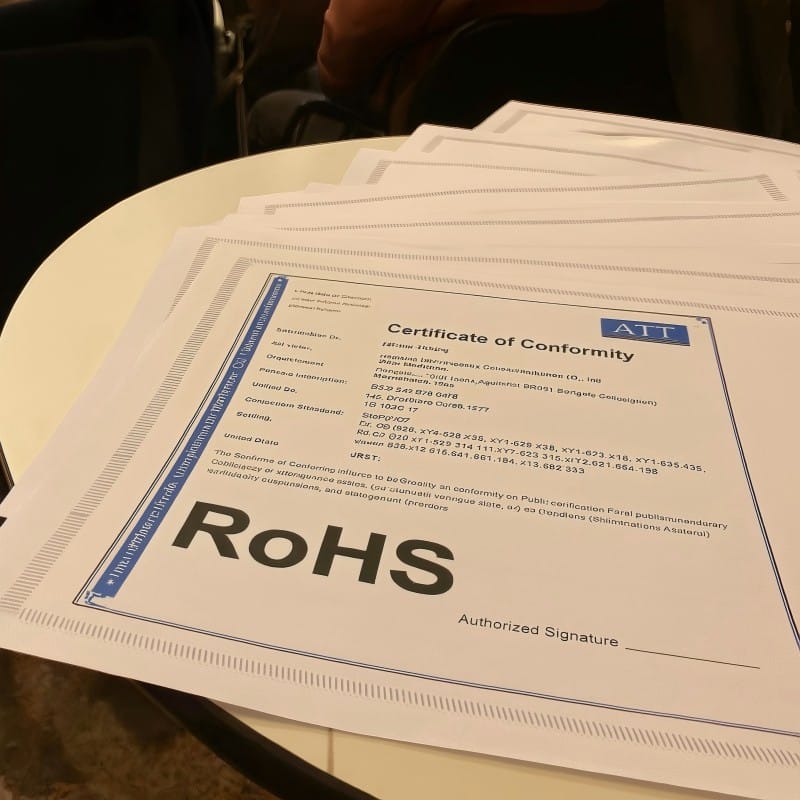
Für B2B-Käufer lautet die eigentliche Frage nicht “Haben Sie ein Zertifikat?”, sondern “Können Sie die richtigen Dateien für genau dieses Produkt und diesen Markt vorweisen?”
Warum Käufer vor dem Import von Außenleuchten die Zertifizierungen prüfen sollten
Viele Außenleuchten sehen auf Produktfotos ähnlich aus, doch es treten häufig Konformitätsprobleme auf. nach Die Bestellung wird aufgegeben, nicht vorher.
Ein Lieferant kann zwar ein CE-Symbol in der Produktbeschreibung verwenden, die zugehörige Dokumentation bezieht sich jedoch möglicherweise auf ein anderes Modell. Es kann zwar ein Prüfbericht vorliegen, dieser bezieht sich aber nur auf eine ältere Version. In anderen Fällen ist das Produkt zwar für einen Markt geeignet, für einen anderen jedoch nicht vollständig dokumentiert.
Diese Lücken können zu Folgendem führen:
- Zollverzögerungen
- Umetikettierungsarbeiten
- Ablehnung durch den Einzelhändler
- Probleme mit Marktplatz-Einträgen
- After-Sales-Reklamationen
- Markenrisiko für Eigenmarkenkäufer
Was Käufer wirklich vermeiden wollen
- Falsche Marktbewertung für die EU, Großbritannien oder die USA
- Unklare oder nicht übereinstimmende Dokumente die nicht dem bestellten Modell entsprechen
- Schwache Unterstützung für Outdoor-Ansprüche wie z. B. Wasserdichtigkeit oder Batterieleistung
- Lieferantenverwirrung wenn man sie bittet, Etiketten, Handbücher oder Erklärungen zu erläutern
- Diskrepanz zwischen Muster- und Massenproduktion zwischen der genehmigten Version und der Lieferung
Für seriöse Käufer geht es bei der Zertifizierungsprüfung nicht nur um den Marktzugang. Sie ist auch ein schneller Weg, um zu beurteilen, ob ein Lieferant die erforderlichen Zertifizierungen besitzt. echte Dokumentationsdisziplin.
Kurzantwort: Welche Zertifizierungen sind in der Regel am wichtigsten?
Bei vielen Außenbeleuchtungsprojekten sind die wichtigsten Themen:
| Typ | Häufige Beispiele | Warum Käufer das überprüfen |
|---|---|---|
| Marktzugangskonformität | CE, UKCA | Um zu bestätigen, dass das Produkt für den vorgesehenen Markt vorbereitet wird |
| Material-/Elektronikkonformität | RoHS | Um zu überprüfen, ob in elektrischen oder elektronischen Bauteilen eingeschränkte Stoffe kontrolliert werden |
| US-Elektronik-Review | FCC, sofern relevant | Um zu bestätigen, ob die elektronische Autorisierungsprüfung für US-amerikanische Kunden genau für dieses Modell gilt |
| Leistungs- und Haltbarkeitsnachweise | IP-Testberichte, Batterietests, Laufzeitprüfungen, Salzsprüh- oder UV-Testberichte, sofern relevant | Um die Angaben zur Verwendung im Freien zu überprüfen |
| Lieferantensystemsignale | ISO 9001, Inspektionsberichte, Rückverfolgbarkeitsdateien | Um zu verstehen, ob die Fabrik über Prozess- und Dokumentationskontrolle verfügt. |
Deshalb behandeln erfahrene Käufer die Einhaltung von Vorschriften in der Regel als Dokumentensystem, nicht als einzelnes Zertifikatsthema.
1. CE: In der Regel die erste Prüfung gegenüber der EU.
Bei Außenleuchten, die für die EU bestimmt sind, ist die CE-Kennzeichnung oft eines der ersten Konformitätsthemen, die Käufer prüfen.
Der Leitfaden der Europäischen Kommission zur CE-Kennzeichnung erklärt, dass die CE-Kennzeichnung für Produkte gilt, die unter die einschlägigen EU-Rechtsvorschriften fallen, und anzeigt, dass sie anhand des anwendbaren Rahmens bewertet wurden.
Für Käufer ist die praktische Bedeutung einfach:
- CE ist nicht eine hochwertige Trophäe
- CE ist nicht Beweis dafür, dass es sich um ein Premiumprodukt handelt
- CE Ist Teil der Markteintrittslogik des Produkts in der EU
Deshalb fragen erfahrene Käufer nicht nur: “Haben Sie CE?”
Sie fragen:
- Welche EU-Regeln gelten für dieses Modell?
- Stimmt die Produktbeschreibung mit dem tatsächlichen Produkt überein?
- Stimmen Etikett, Bedienungsanleitung und Produktversion überein?
- Sind die Belegdateien eindeutig mit der Bestellung verknüpft?
Wenn Sie die vollständige Aufschlüsselung auf Käuferseite wünschen, lesen Sie Benötigen Außenleuchten eine CE-Zertifizierung? Worauf Käufer achten sollten.
2. RoHS: Wichtig für Produkte mit elektronischen Bauteilen
Wenn eine Außenleuchte LEDs, Batterien, Leiterplatten, Drähte, Steuerungen, Steckverbinder oder Ladekomponenten enthält, wird RoHS oft relevant.
Der Seite zur RoHS-Richtlinie der Europäischen Kommission erläutert die EU-Vorschriften zur Beschränkung gefährlicher Stoffe in Elektro- und Elektronikgeräten. Käufer in Großbritannien können sich auch auf GOV.UK informieren. Leitfaden zu den RoHS-Richtlinien.
Für Käufer geht es bei RoHS in der Regel weniger um ein dekoratives “grünes” Label, sondern vielmehr um Folgendes:
- Komponentensteuerung
- BOM-Disziplin
- Lieferantenerklärungen
- Dokumentkonsistenz
- Änderungsmanagement
Deshalb ist RoHS oft besonders wichtig für:
- Solarleuchten
- batteriebetriebene Außenleuchten
- Gedenk- oder Friedhofsbeleuchtung mit Elektronik
- saisonale Dekorationsbeleuchtung mit elektrischen Komponenten
Wenn Sie eine detailliertere Ansicht auf Komponentenebene wünschen, lesen Sie Müssen Außenleuchten die RoHS-Richtlinien erfüllen? Ein Einkaufsratgeber.
3. UKCA: Wichtig für Großbritannien, aber überprüfen Sie die aktuelle Route sorgfältig.
Für Außenbeleuchtung Großbritannien (England, Schottland und Wales), Käufer sollten den aktuellen Produktweg unter GOV.UK überprüfen. UKCA- und CE-Leitlinien für Großbritannien.
Die wichtigste Erkenntnis für den Käufer ist folgende:
Gehen Sie nicht davon aus, dass Dokumente für den EU-Markt und für den GB-Markt automatisch austauschbar sind.
Für Projekte, die in Großbritannien realisiert werden sollen, sollten Käufer Folgendes prüfen:
- welche Marktversion der Lieferant vorbereitet
- ob der gewählte Weg für den Produktsektor geeignet ist
- ob die Deklaration, die Bezeichnung und das Handbuch mit dieser Route übereinstimmen
- ob der Lieferant den GB-Dokumentensatz klar erläutern kann
In der Praxis spielt dies oft weniger als “Logofrage” eine Rolle, sondern vielmehr als Frage zur Marktversion.
Wenn Sie den vollständigen Leitfaden mit Schwerpunkt auf Großbritannien lesen möchten, lesen Sie UKCA für Außenbeleuchtung: Was Importeure wissen müssen.
4. FCC: Manchmal relevant für den US-Markt
Bei bestimmten Außenbeleuchtungsprodukten, die in die USA verkauft werden, müssen Käufer möglicherweise auch fragen, ob FCC-bezogene Überprüfung gilt.
Dies sollte man insbesondere dann überprüfen, wenn das Produkt Elektronik enthält, die unter die FCC-Zulassungskriterien fallen könnte. Die offizielle FCC-Richtlinie Seite zur Geräteautorisierung ist ein nützlicher Ausgangspunkt.
Das tut es nicht Das bedeutet, dass alle Außenleuchten gleich behandelt werden sollten.
Das bedeutet, dass Käufer eine präzisere Frage stellen sollten:
“Ist für die genaue, für die USA bestimmte Version, die wir importieren, eine Genehmigung oder Überprüfung durch die FCC relevant?”
Diese Frage ist oft viel hilfreicher als die einfache Frage: “Haben Sie eine FCC-Lizenz?”
Zertifizierungen allein reichen nicht aus
Die wichtigsten Zertifizierungen sind wichtig, aber sie stellen nicht das ganze Bild dar.
Außenbeleuchtung ist folgenden Einflüssen ausgesetzt:
- Regen
- Staub
- UV-Strahlung
- Temperaturänderung
- Verpackungsansprüche
- langfristige Feldnutzung
Erfahrene Käufer bewerten daher in der Regel zwei Schichten gleichzeitig:
Ebene 1: Markteintritts- und Compliance-Logik
Dies umfasst:
- CE
- RoHS
- UKCA
- FCC, sofern relevant
- Erklärungen und grundlegende Konformitätsdateien
Ebene 2: Leistungsnachweise für die Nutzung im Freien
Dies umfasst:
- IP-bezogene Unterstützung
- Akkulaufzeitprüfungen
- Lade-Entlade-Verhalten
- Dauerhaftigkeitsprüfung
- Materialeignung
- Konsistenz der Produktkennzeichnung
Deshalb weisen die stärksten Lieferanten nicht nur ein einziges Zertifikat vor.
Sie können eine unterstützen zusammenhängendes Dokumentenpaket.
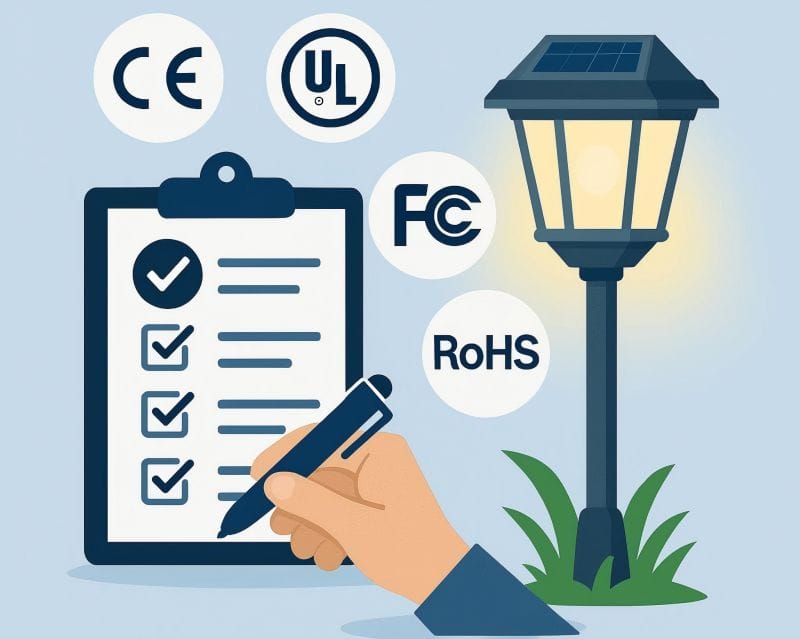
Bei einer umfassenden Compliance-Prüfung wird das gesamte Dokumentenpaket betrachtet, nicht nur eine einzelne Bewertung.
Welche Dokumente sollten Käufer von Lieferanten anfordern?
In vielen Beschaffungsprojekten sind dies die wichtigsten Dateien, die man zuerst anfordern sollte:
| Dokumentieren | Warum das wichtig ist |
|---|---|
| Konformitätserklärung | Zeigt, wie der Lieferant die Konformität des Produkts mit dem Markt erklärt. |
| Relevante Testberichte | Bieten Sie technische Unterstützung für die Konformitätsaussage. |
| Produktetikettenfotos | Helfen Sie mit, zu bestätigen, dass Kennzeichnung, Modellname und Produktidentität übereinstimmen. |
| Bedienungsanleitung / Anweisungsblatt | Nützlich für Warnhinweise, Verwendungszweck und Marktkonsistenz. |
| Verpackungsgrafiken oder Kartondateien | Wichtig, wenn Etiketten oder Werbeaussagen je nach Markt variieren. |
| Qualitätskontroll- oder Inspektionsprotokolle | Hilft dabei, das Risiko von Abweichungen zwischen genehmigtem Muster und Lieferung zu verringern. |
| Grundlegende Lieferantenqualitätsdokumente | Helfen Sie Käufern, Prozesskontrolle und Dokumentationsdisziplin zu beurteilen. |
Fünf praktische Fragen, die Käufer stellen sollten
- Stimmt die Datei genau mit dem Modell überein, das ich kaufe?
- Ist es für den richtigen Markt gerüstet?
- Stimmen Etikett, Bedienungsanleitung und Verpackung mit der Deklaration überein?
- Sind die Berichtsdaten und Produktdetails noch für die aktuelle Version relevant?
- Kann der Lieferant den Dateisatz klar und ohne Spekulationen erläutern?
Kann der Lieferant diese Fragen eindeutig beantworten, ist das Risiko in der Regel deutlich geringer.
Andere Outdoor-Schecks, die Käufer nicht ignorieren sollten
Eine Zertifizierungsakte kann zwar die Einhaltung der Vorschriften erleichtern, beweist aber nicht automatisch, dass das Produkt im Außenbereich haltbar ist.
IP-Schutzarten und Gehäuseschutz
Bei Außenleuchten sind Wasserdichtigkeit und Gehäuseschutz oft genauso wichtig wie die Zertifizierung der Leuchte.
Die IEC Übersicht der IP-Schutzarten ist eine nützliche offizielle Referenz zum Verständnis der Schutzlogik von Gehäusen.
Wenn Wasserdichtigkeit ein wichtiges Kaufkriterium ist, lesen Sie weiter IP44 vs IP65 vs IP67.
Akku- und Laufzeitunterstützung
Bei solar- oder batteriebetriebenen Produkten sollten Käufer außerdem Folgendes beachten:
- Laufzeitansprüche
- Batteriespezifikationen
- Ladeleistung
- Erwartungen an den Ersatz
- ob die Behauptung für die Produktgröße realistisch ist
Materialbeständigkeit
Die Leistungsfähigkeit der Außenbeleuchtung wird außerdem beeinflusst durch:
- Haltbarkeit von Kunststoffen unter Sonneneinstrahlung
- Korrosionsrisiko bei Metallteilen
- Siegelqualität
- Wohnungsbau
- Eignung bei realen Wetterbedingungen
Für technischen Support zur Langlebigkeit benötigen Sie unterstützende Inhalte wie beispielsweise Wie man die Haltbarkeit von Kunststoff in Solar-Gartenleuchten bei Sonneneinstrahlung im Freien verbessern kann kann dazu beitragen, die Kauflogik zu stärken.
Wie man gefälschte, veraltete oder irrelevante Zertifikate erkennt
Eine der wertvollsten Gewohnheiten bei der Beschaffung von Dokumenten ist das Erlernen der Fähigkeit, eine Datei zu identifizieren, die offiziell aussieht, aber nicht offiziell ist. nicht wirklich die gekauften Waren unterstützen.
Ein Logo, ein Stempel oder ein ansprechend gestaltetes PDF reichen nicht aus.
Häufige Warnsignale
| Rote Flagge | Was es oft bedeutet |
|---|---|
| Keine eindeutige Zertifikats- oder Berichtsnummer | Die Datei ist möglicherweise schwer aufzuspüren oder zu überprüfen. |
| Keine Angaben der ausstellenden Stelle | Käufer können nicht bestätigen, wer die Datei erstellt hat. |
| Falscher Produktname oder unklare Modellbeschreibung | Die Datei gehört möglicherweise zu einem anderen Produkt. |
| Sehr altes Datum ohne Aktualisierungshistorie | Der Bericht spiegelt möglicherweise nicht den aktuellen Stand der Konstruktion wider. |
| Lediglich ein Logo-Bild, kein begleitender Bericht | Die Behauptung ist schwach und dürfte einer Käuferprüfung nicht standhalten. |
| Falscher Marktfokus | Der Lieferant sendet möglicherweise EU-relevante Dateien für ein GB-Projekt, oder umgekehrt. |
| Datei und Verpackung stimmen nicht überein | Ein häufiges Anzeichen für mangelhafte Versionskontrolle |
Eine einfache Regel
Eine aussagekräftige Konformitätsdokumentation sollte nachvollziehbar, relevant, ausreichend aktuell und klar mit dem tatsächlich importierten Produkt verknüpft sein.
Kann der Lieferant diesen Zusammenhang nicht klar herstellen, ist das Risiko höher.
Wie Glowyard Käufern bei der Zertifizierungsprüfung hilft
Für Importeure, Händler und Eigenmarkenkäufer entstehen die größten Probleme oft durch kleine Unstimmigkeiten:
- Das Muster weicht von der Lieferung ab.
- Das Dokument existiert, aber nicht für genau dieses Modell.
- Der Markt ändert sich, aber das Dateipaket nicht.
- Die Werbeaussage zur Verpackung ist überzeugender als die dahinterstehende technische Unterstützung.
Deshalb betrachten wir die Zertifizierungsprüfung als Teil eines umfassenderen Beschaffungsprozesses und nicht als dekoratives Verkaufsargument.
Was wir koordinieren helfen
- produktbezogene Konformitätsdateien für den Zielmarkt
- Modell- und Dateiabgleich bei der Probenahme und Auftragsbestätigung
- grundlegende Etikettierungs- und Verpackungskoordination für OEM-Aufträge
- Dokumentenprüfung vor der Massenproduktion
- Unterstützung bei technischen und Inspektionsunterlagen, wo erforderlich
Wenn Sie ein kundenspezifisches oder Private-Label-Programm entwickeln, unser OEM/ODM-Lösungen Auf dieser Seite wird erläutert, wie wir Produktentwicklung, Dokumentationskoordination und skalierbare Produktion unterstützen.
Wenn Ihr Fokus auf einer umfassenderen Beschaffungskontrolle liegt, können Sie auch Folgendes lesen: 15 Tipps für den Großeinkauf von Solar-Gartenleuchten aus China.
Häufig gestellte Fragen
Reicht ein Zertifikat für alle Außenleuchten aus?
Nein. Unterschiedliche Außenleuchten erfordern je nach Zielmarkt, Produktstruktur und Produktversprechen unterschiedliche Prioritäten. Käufer sollten daher in vielen Fällen eine Kombination aus marktrelevanten Konformitätsdokumenten, technischen Supportunterlagen und produktspezifischer Dokumentation prüfen, anstatt sich nur auf eine einzelne Datei zu verlassen.
Worin besteht der Unterschied zwischen einem Zertifikat, einem Prüfbericht und einer Konformitätserklärung?
Sie sind zwar verwandt, erfüllen aber nicht dieselbe Aufgabe.
- A Zertifikat wird häufig als allgemeiner Käuferbegriff für eine Compliance-bezogene Datei verwendet.
- A Testbericht zeigt das Ergebnis einer technischen Bewertung einer Probe oder eines Materials.
- A Konformitätserklärung Verbindet das Produkt mit dem relevanten Rahmenwerk und identifiziert das Modell und die zugrunde liegende Erklärung.
Für Käufer kommt es vor allem darauf an, ob die Dateien zusammenpassen und mit dem tatsächlich bestellten Produkt übereinstimmen.
Kann es sein, dass für dieselbe Außenleuchte unterschiedliche Dateien für die EU und Großbritannien benötigt werden?
Ja. Käufer sollten nicht automatisch davon ausgehen, dass Dokumente für die EU und Großbritannien austauschbar sind. Prüfen Sie jeden Zielmarkt separat und vergewissern Sie sich, welche Dateisätze, Etiketten und Handbuchversionen der Lieferant vorbereitet.
Sind IP-Schutzarten und Batterietests genauso wichtig wie formale Zertifizierungen?
Bei vielen Außenbeleuchtungsprojekten ist das der Fall. Formale Konformität ist wichtig, aber Angaben zur Verwendung im Außenbereich, wie z. B. Wasserdichtigkeit, Laufzeit und Haltbarkeit, erfordern oft eigene Nachweise. Diese Prüfungen sind häufig genauso wichtig, um Reklamationen und Beschwerden vorzubeugen.
Sollte ich bei der Auswahl eines Anbieters für Außenbeleuchtung nach einer ISO9001-Zertifizierung fragen?
Es kann hilfreich sein, da es Käufern hilft zu verstehen, ob das Werk über ein strukturiertes Qualitätssicherungssystem verfügt. Es sollte jedoch keine produktbezogenen Konformitätsdokumente und modellspezifischen technischen Support ersetzen.
Abschluss
Wenn Sie Außenleuchten importieren, hängt die richtige Zertifizierungsprüfung in der Regel von Folgendem ab: Markt, Produkttyp und elektrische Konstruktion.
In vielen Projekten sind die wichtigsten Themen:
- CE für die EU-bezogene Konformitätslogik
- RoHS für Elektronik und Kontrolle von verbotenen Substanzen
- UKCA für Großbritannien, soweit relevant
- FCC-bezogene Überprüfung für bestimmte Produkte, die für die USA bestimmt sind
- Belege und Leistungsnachweise die beweisen, dass das Produkt der Behauptung entspricht
Die wichtigste Lektion ist einfach:
Ein vertrauenswürdiger Lieferant von Außenbeleuchtung sollte in der Lage sein, die passenden Dokumente für das jeweilige Produkt im jeweiligen Markt zu erläutern – und nicht nur ein Logo zu zeigen.


![Funktionieren Solarleuchten im Winter auf Friedhöfen? [Leitfaden 2026]](https://glowyard.com/wp-content/uploads/2026/03/Do-Solar-Lights-Work-in-Winter-at-Cemeteries-2026-Guide.webp)