
Positioning Plastic Solar Lights in Your Assortment
How should you position plastic solar lights versus metal, glass and resin?
Each housing material has its own strengths. Plastic solar lights usually fit best in the following roles:
- Volume garden and pathway lights where price sensitivity is high.
- Entry and mid-range product lines in DIY chains, supermarkets and online marketplaces.
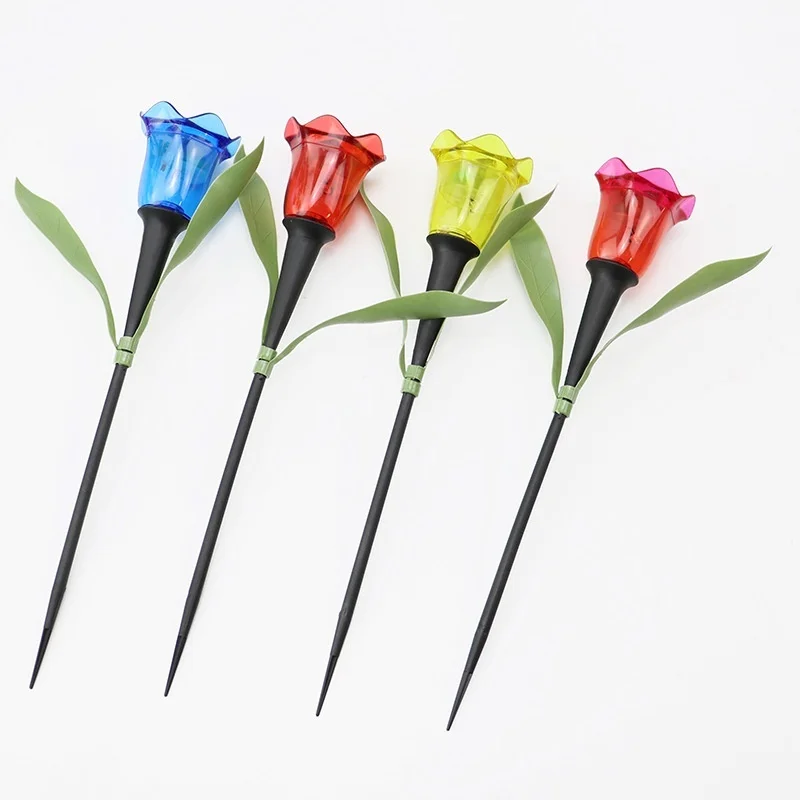
- Colourful and playful designs where light weight and complex moulded shapes are advantages.
- Products with integrated optics (for example clear or frosted plastic lenses, diffusers and prisms).
Metal and glass often carry premium or architectural positioning, while resin supports detailed figurines and storytelling. Plastic fills the wide space between them, giving you flexibility on cost, weight and styling. When you plan your category, decide clearly which parts of your range will use plastic and where you will upgrade to other materials.
Which outdoor scenarios and end users are best matched with plastic housings?
Plastic solar lights are widely used in:
- Private gardens and yards for everyday decoration and path marking.
- Balconies and small patios where weight and safety are important.
- Mass retail programs where buyers expect attractive pricing and seasonal promotions.
- Children- or family-oriented designs where soft edges and low breakage risk are valued.
Understanding these use cases helps you decide:
- How robust the housings must be against drops, knocks and UV ageing.
- How bright and functional the light effect needs to be versus purely decorative.
- What target price bands are realistic for your channels and markets.
Choosing Plastic Materials and Structural Design
Which plastics are commonly used for solar light housings and how do they compare?
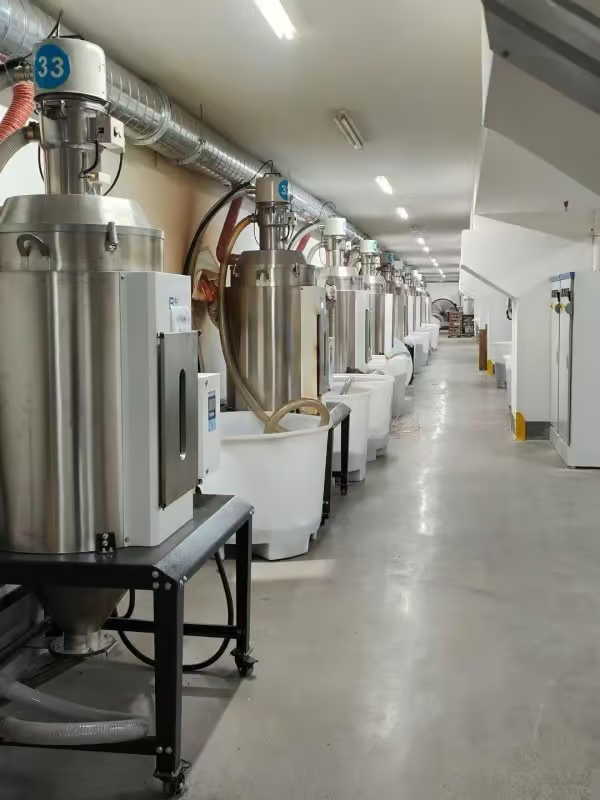
Several thermoplastics are frequently used in outdoor solar lights. Each has different properties for impact strength, UV stability, appearance and cost:
- PP (polypropylene)
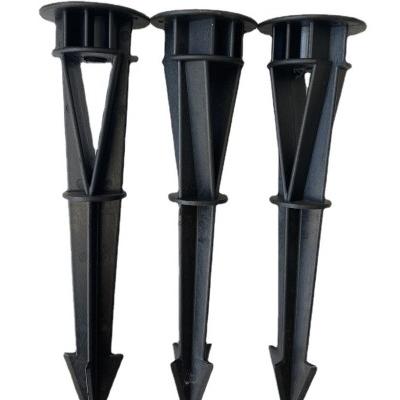
Pros: good chemical resistance, flexible, cost-effective, commonly used for stakes and simple housings.
Cons: can deform more easily at higher temperatures; surface texture options are more limited than some alternatives.
Best for: ground stakes, basic caps and lower-stress components. - ABS
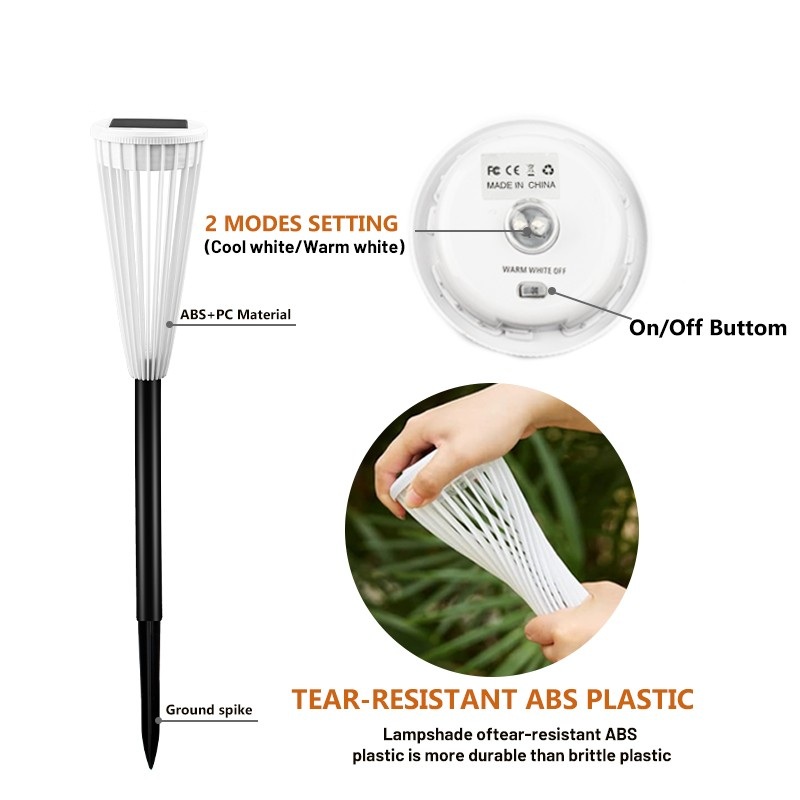
Pros: stronger and stiffer than PP, good for structural parts, paintable surfaces.
Cons: standard ABS has limited UV resistance without stabilisers or coatings.
Best for: main housings and structural pieces when combined with UV-stabilised grades or protective coatings. - PC (polycarbonate)
Pros: high impact resistance, good optical properties for clear or frosted lenses, suitable for light covers.
Cons: more expensive; needs UV-stabilised grades and sometimes protective coatings to reduce yellowing.
Best for: transparent or translucent light covers, diffusers and parts requiring impact resistance. - PS / AS and blends
Pros: clear, good for decorative light effects and cost-conscious lenses.
Cons: more brittle; not as impact-resistant as PC.
Best for: decorative lenses and covers in lower-stress positions and moderate climates.
Discuss with your manufacturer which materials they propose for each component and how those materials perform in your target climates. A dedicated overview of plastic lights manufacturing, similar to a plastic lights manufacturing guide, can make these options clearer for your internal team.
How do wall thickness, ribs and structure affect plastic solar light strength?
With plastic, structural design is just as important as material choice. Poor structure can cause:
- Warping and deformation during cooling after injection moulding.
- Cracking at sharp corners or thin sections under impact.
- Visible sink marks or flow lines that hurt appearance.
To avoid these issues, clarify early:
- Minimum and maximum wall thickness targets for your parts.
- Where reinforcement ribs or gussets are required to prevent bending.
- Which areas must remain flat or cosmetically critical on visible surfaces.
Good engineers will adjust draft angles, radii and wall transitions to balance appearance, strength and mouldability. Ask your supplier to explain any recommended changes to your initial design so you can understand the trade-offs.
How should you design plastic parts for impact resistance and long-term appearance?
Plastic solar lights are often handled more roughly than metal or glass products, especially in retail environments. Design choices that improve performance include:
- Using generous radii at corners to reduce stress concentration.
- Avoiding long, thin protrusions that can snap or crack.
- Adding local reinforcements around screws, clips and joints.
- Designing protective frames or bezels around clear lenses to shield edges from impacts.
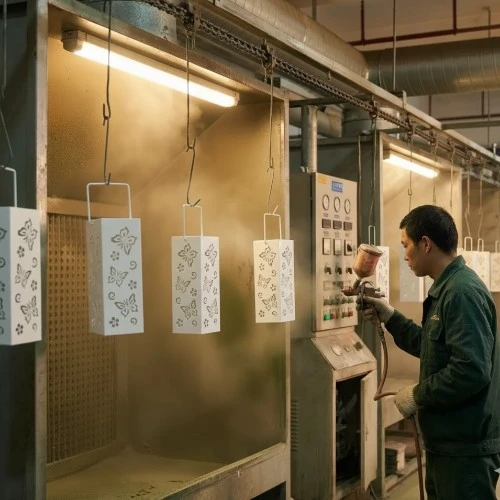
Surface finish also matters. Textures can hide small scratches and flow marks, whereas high-gloss surfaces highlight any defects. Decide where premium high-gloss is necessary and where fine matte textures or hairline patterns are more practical for long-term appearance.
UV, Weathering and Outdoor Protection for Plastic Housings
What UV and yellowing risks do plastic solar lights face outdoors?
UV radiation is one of the biggest challenges for outdoor plastics. Without proper stabilisation, problems can include:
- Yellowing or colour shift, especially in clear or light-coloured parts.
- Loss of gloss and surface chalking.
- Embrittlement, leading to cracks under stress.
To manage these risks, you should ask:
- Which plastic grades and UV stabilisers are used for each part.
- Whether any clear covers receive additional hard-coat or UV-protective layers.
- What outdoor or accelerated ageing tests have been performed for similar products.
Align your expectations with your target markets: strong sun and high temperature regions require more robust solutions than mild climates, and this may influence both material selection and cost.
How do you choose colour, texture and diffusion for plastic solar lights?
Plastic allows you to combine structural and optical functions in a single part. When planning your designs, think carefully about:
- Colour and masterbatch – solid or translucent colours, realistic stone/wood imitation, or vibrant hues for decorative ranges.
- Surface texture – matte, semi-gloss, high gloss, or special textures to hide fingerprints and minor defects.
- Light diffusion – frosted or patterned lenses to avoid glare and hotspots, especially when using brighter LEDs.
Provide RAL or Pantone references where possible, and agree on sample standards that define acceptable variation. For lenses and diffusers, ask for trial shots or sample parts with LEDs lit at night to confirm the light effect matches your expectations.
Which tests help validate outdoor performance of plastic solar lights?
Beyond basic IP tests for water and dust ingress, outdoor plastic parts may be evaluated with:
- UV ageing tests to assess colour and mechanical stability.
- High/low temperature cycling to check for cracking or deformation.
- Drop or impact tests for parts likely to be knocked or dropped.
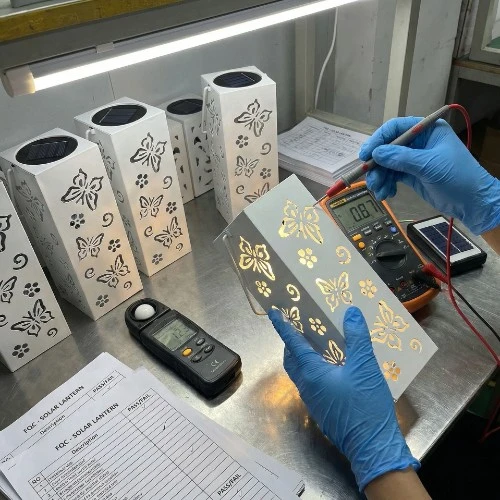
Ask your supplier which of these tests are part of their standard quality system and which can be added for specific projects. A general quality overview, similar to a quality and testing page, can give you a clear view of typical practices.
Plastic Manufacturing Process and Quality Control
How do plastic solar light designs move from concept to tooling?
A successful plastic project starts with clear design data and a realistic view of tooling:
- 3D models with defined wall thicknesses, draft angles and parting lines.
- Early discussion of undercuts, sliders and complex features that affect tooling cost.
- Estimates of annual volume and product lifetime to size the tooling investment.
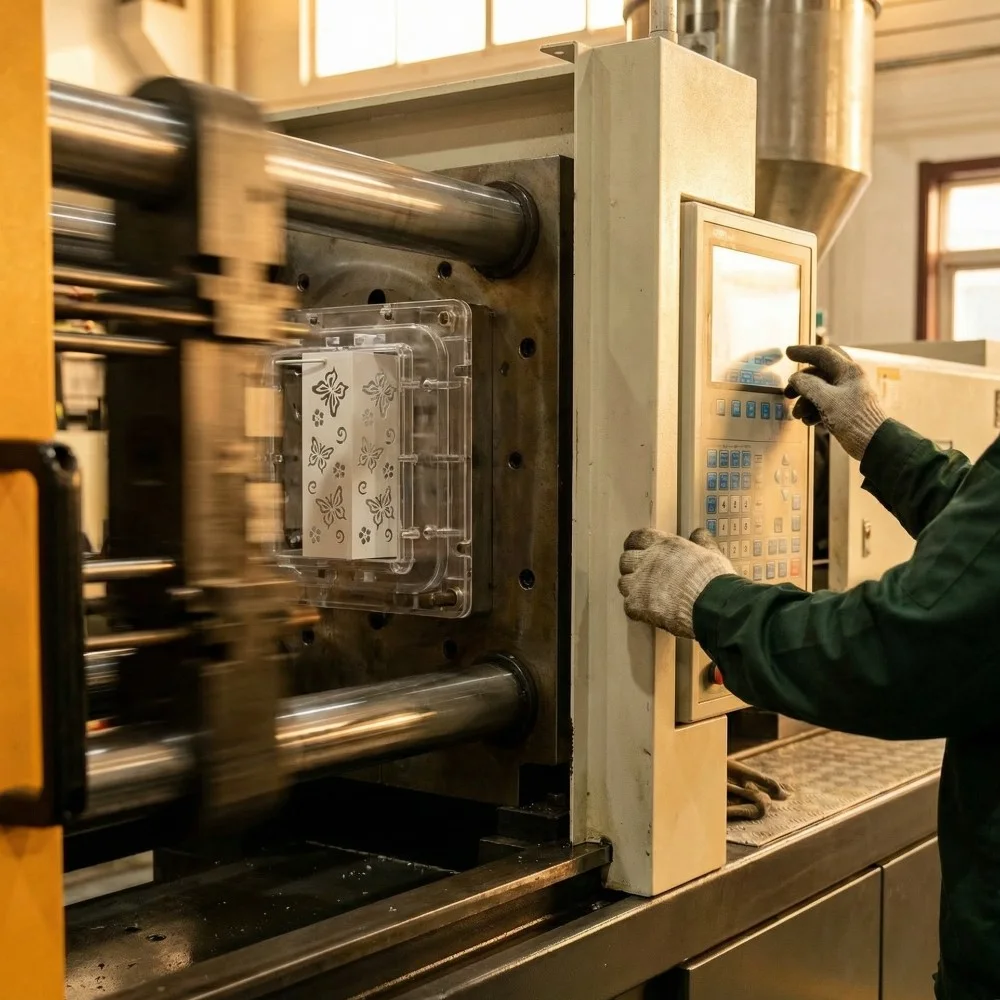
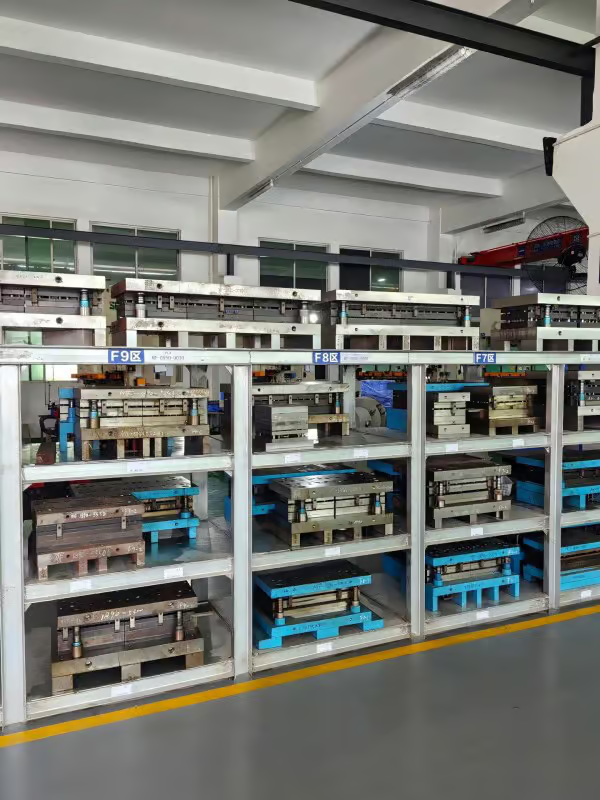
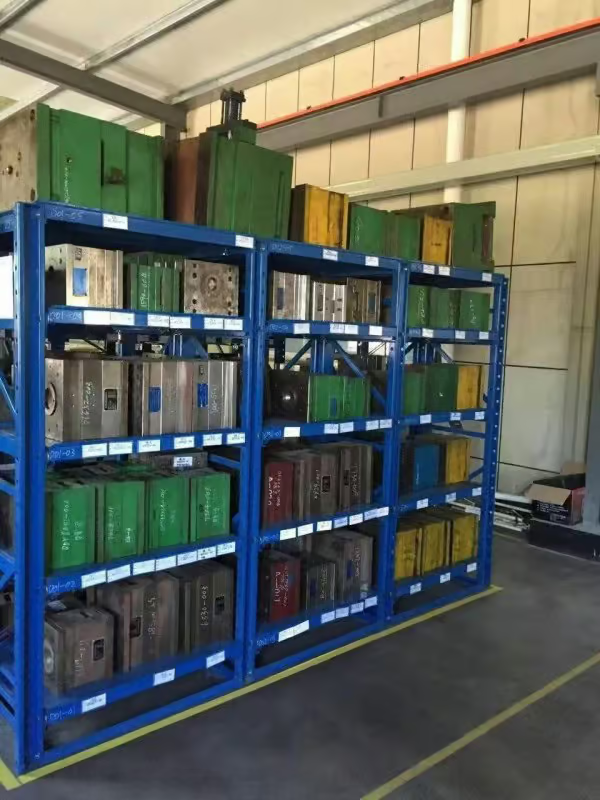
Based on this, the factory will design and build injection moulds (or other tooling where relevant). Good suppliers will discuss:
- Tool steel types and expected tool life.
- Number of cavities and their impact on capacity and unit cost.
- Lead times for tool manufacture, trials and corrections.
What should you know about injection moulding quality and common defects?
Injection moulding quality has a major influence on the final look and fit of your plastic solar lights. Common issues include:
- Flow lines, weld lines or sink marks on visible surfaces.
- Warpage causing misalignment during assembly.
- Short shots or incomplete filling in thin or complex areas.
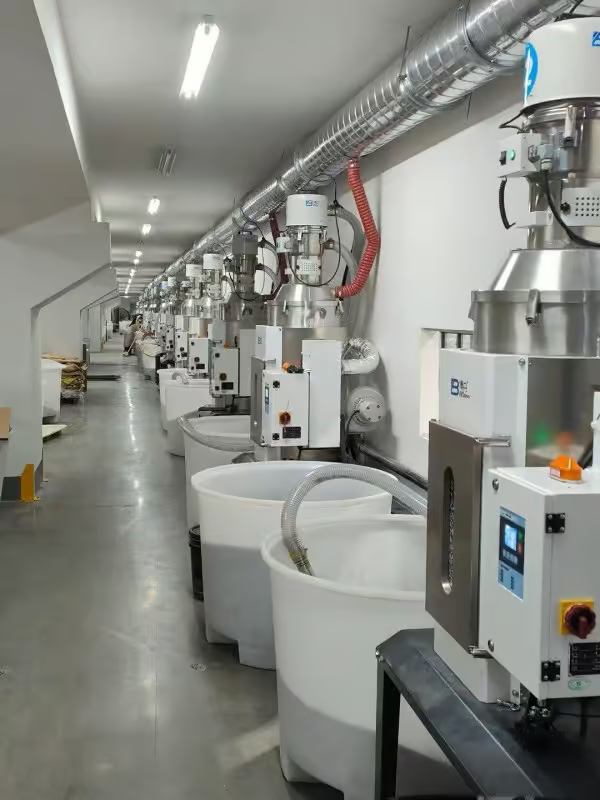
During sampling, review parts carefully under good lighting and assemble them with the real solar components. Discuss acceptable cosmetic grades for each surface and agree on clear inspection criteria. Manufacturers with strong process control will be able to explain how they tune moulding parameters and maintain consistency between batches.
How should plastic parts be assembled and inspected with solar modules?
Plastic housings, lenses and internal holders must work together with electronics and batteries. When you review assembly, look at:
- How PCBs, LEDs and batteries are fixed and protected from movement.
- How cables are routed through plastic parts to avoid sharp edges and pinching.
- How seals and gaskets are compressed to achieve the desired IP rating.
- How easily parts can be opened (if needed) for service or recycling.
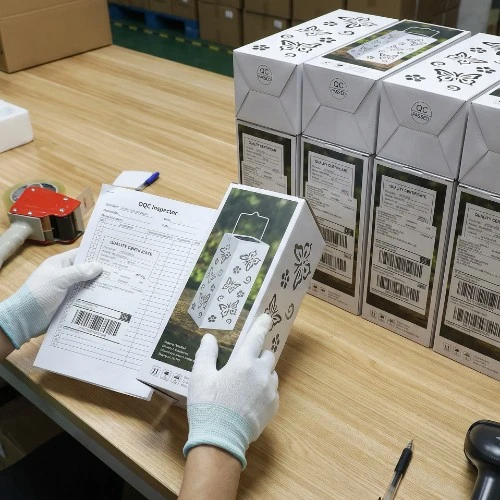
Final inspection should combine appearance checks (for example scratches, flow marks, colour consistency) with functional and waterproof testing before packing.
Light Effect and Solar Integration on Plastic Housings
How does plastic housing design shape light effect and user experience?
With plastic, you often combine housing, lens and decorative elements in one system. Design decisions that influence the user experience include:
- Using internal patterns or prisms to create star, stripe or ripple light effects.
- Choosing diffuser thickness and texture to balance brightness and glare.
- Deciding whether light should be mainly downward for paths, upward for walls, or 360° around the fixture.
Request night-time photos or short videos of samples in realistic setups so you can judge the light effect before committing to mass production.
How should you manage waterproofing, heat and long-term sealing in plastic designs?
Plastic itself does not rust, but sealing and heat management still require attention:
- Define where gaskets and seals sit between plastic parts and around the solar module.
- Ensure that drain paths exist so water does not sit around seals and screws.
- Consider ventilation for batteries and electronics in hot climates, without compromising IP.
Agree on target IP ratings for different model types and ask how the design and assembly process achieve those ratings consistently in production, not only in lab samples.
OEM Customisation, Series Planning and Cost Efficiency
What customisation options are practical for plastic solar lights?
Plastic is well-suited for scalable customisation:
- Unique top covers, stakes or trims that fit on standard bodies.
- Shared internal modules with different outer shapes and colours.
- Custom lenses or diffusers that create brand-specific light patterns.
- Colour and texture variations to adapt a basic design for different retailers or regions.
Work with your supplier to identify which customisations can reuse existing tools and which require new tooling. This helps you create differentiated designs without excessive investment.
How do material choice, tooling and cycle time affect cost and MOQ?
For plastic solar lights, cost and MOQ are strongly influenced by:
- Tooling complexity and number of cavities – more complex tools cost more but can reduce unit cost at high volumes.
- Material type and additives – UV-stabilised PC or ABS grades usually cost more than basic PP.
- Cycle time – thicker parts or complex shapes may require longer cooling, reducing capacity.
Sprechen Sie offen mit Ihrem Lieferanten:
- Your target ex-factory price ranges for key SKUs.
- Expected annual volumes and how they might grow over time.
- Whether you prefer lower upfront tooling costs or lower long-term unit costs.
This will help them propose realistic MOQs and cost structures. General purchasing guidelines, similar to a Einkaufstipps page, can support these internal decisions.
How can you build a coherent plastic solar lights series?
Instead of many unrelated single items, you can gain more value from coherent plastic series that share design language and components:
- Families of path, wall, fence and table lights using the same lens pattern or cap style.
- Common solar engines (panel, battery, electronics) across multiple housings.
- Modular parts that can be combined in different ways for various retailers.
Plan your series early so your manufacturer can design tools and components with sharing in mind. This reduces inventory complexity and simplifies future updates or seasonal variations.
Working with Your Plastic Solar Light Manufacturer
What information should you prepare before contacting a plastic solar light manufacturer?
To receive meaningful proposals rather than generic quotations, prepare at least:
- A list of application scenarios and target markets (including climate).
- Desired positioning for each range (entry, mid, premium) and rough price targets.
- Any specific material or finish preferences (for example PC lens + ABS body).
- Expected annual volumes and launch timelines.
- Required certifications and test standards for your markets.
Even if some details may change later, sharing your assumptions will help the supplier recommend suitable material combinations, structures and cost levels from the beginning.
How should you evaluate and shortlist plastic solar lights suppliers?
Plastic solar lights combine plastic processing with electronics and outdoor design. When screening suppliers, look for:
- Proven experience in outdoor solar lights, not only generic plastic parts.
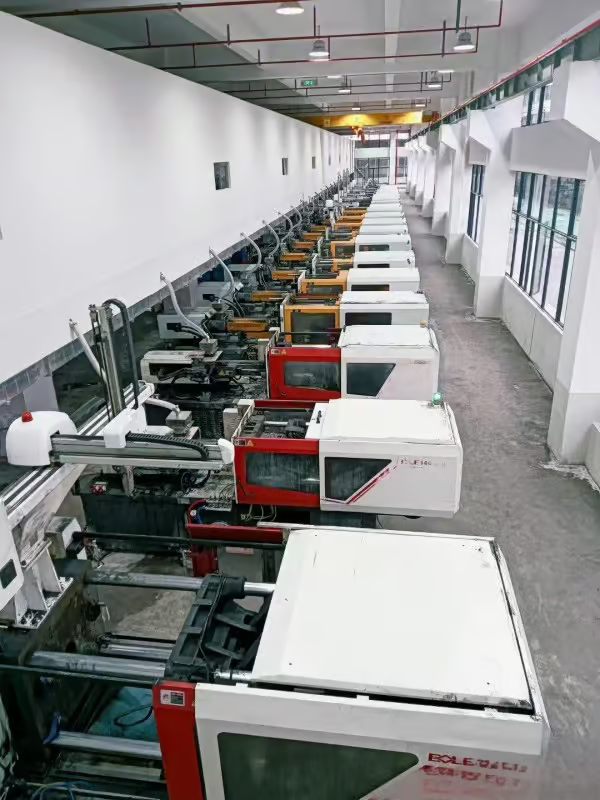
- Access to stable plastic moulding capacity and good tool maintenance practices.
- Clear understanding of UV, ageing and outdoor performance requirements.
- Documented quality systems for both plastic parts and final assembled lights.
- Responsive engineering support that can suggest practical design improvements.
Glowyard Lighting, for example, focuses on solar garden lights and works with dedicated plastic tooling and moulding partners while controlling core functions such as R&D, electronics, assembly and testing in-house. This combination of specialisation, process control and audited quality systems is what you should look for when choosing long-term plastic solar light partners.
What does a typical OEM development flow look like for plastic solar lights?
A structured OEM flow for plastic solar lights often includes:
- Initial briefing and feasibility – discussing your range structure, design ideas and target prices.
- Concept refinement and 3D design – aligning on shapes, wall thicknesses, part splits and materials.
- Tooling and first shots – building moulds, producing initial plastic parts and correcting issues.
- Integrated samples – combining plastic housings with solar modules, then testing function and waterproofing.
- Massenproduktion – running full batches under agreed quality controls.
- Review and optimisation – gathering feedback from the season and refining designs or costs for the next cycle.
Understanding this process helps you set realistic development timelines, coordinate internal approvals and plan launches. If you prefer a structured project start, you can also share your brief through channels similar to a OEM-Lösungen or custom project form so the engineering and sales teams can respond in a coordinated way.