Buyer Guide of Bulk Purchase Metal Art Solar Stake Lights
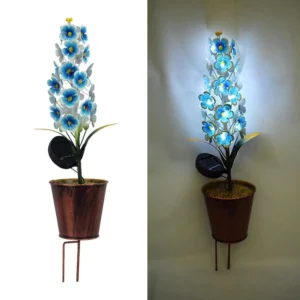
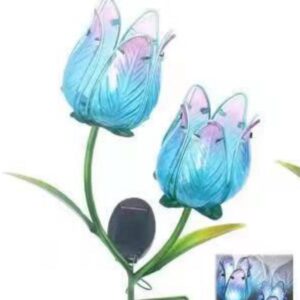
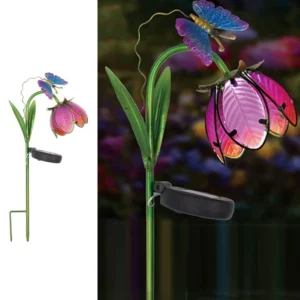
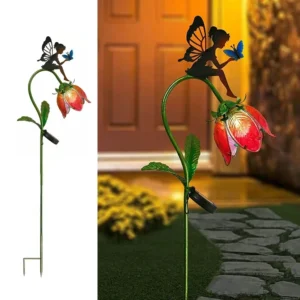
Metal art solar stake lights are popular decorative lighting products widely used in gardens, lawns, flower beds, and outdoor landscapes. Combining artistic metal designs with solar-powered illumination, these lights provide both daytime decorative value and gentle nighttime lighting. Because they are easy to install and require no wiring, they are frequently sold through garden centers, outdoor décor retailers, and e-commerce platforms.
For wholesalers and distributors planning to purchase metal art solar stake lights in bulk, understanding product quality, performance factors, and sourcing considerations can help reduce procurement risks and improve overall product consistency.
1. Understand the Basic Product Structure
Most metal art solar stake lights share a similar structure consisting of several key components.
Metal Decorative Body
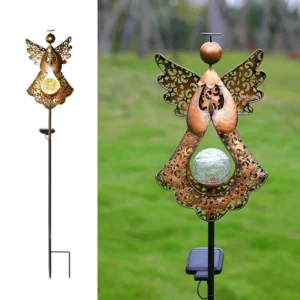
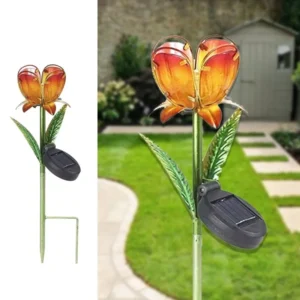
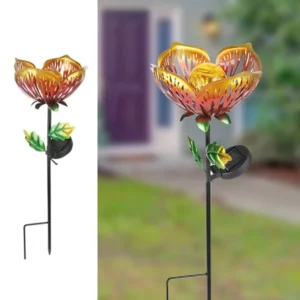
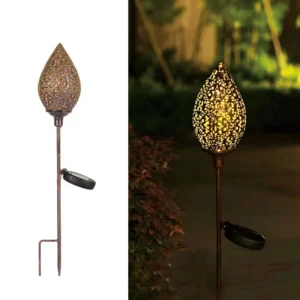
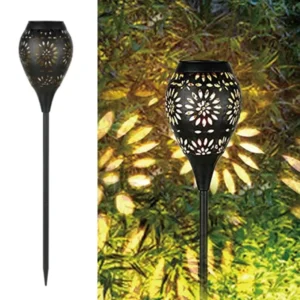
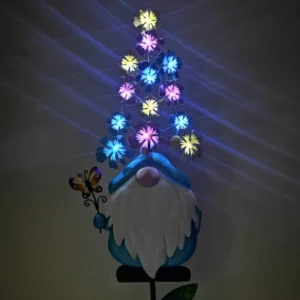
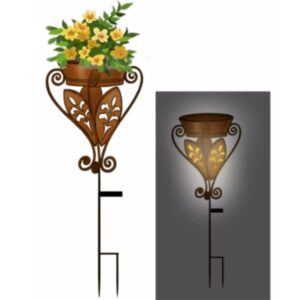
The decorative structure is typically made from iron or steel and forms the visual design of the product. Common themes include flowers, butterflies, birds, animals, or abstract garden art.
Solar Panel
Mounted on the top portion of the light, the solar panel collects sunlight during the day and converts it into electricity.
Rechargeable Battery
The battery stores the energy collected by the solar panel and powers the light at night. Ni-MH batteries are commonly used in decorative solar lights.
LED Light Source
LED lights provide illumination during nighttime. These are usually low-power LEDs designed for decorative lighting rather than strong functional lighting.
Ground Stake
The stake allows the product to be inserted directly into soil or garden beds, making installation simple for end users.
Understanding these components can help buyers compare product specifications across different suppliers.
2. Evaluate Metal Material and Coating
Since metal art stake lights are exposed to outdoor weather conditions, durability is an important factor.
Buyers should consider the following aspects:
Metal Thickness
Thicker metal structures generally provide better durability and resistance to bending during transportation.
Surface Coating
Outdoor metal products usually require powder coating or protective paint to reduce rust risk.
Welding Quality
Decorative metal elements should be firmly welded to prevent detachment during shipping or installation.
For humid climates or coastal regions, corrosion resistance becomes especially important.
3. Check Solar Charging and Lighting Performance
Although metal art solar stake lights are mainly decorative, reliable solar performance is still essential for customer satisfaction.
Key factors to review include:
Solar Panel Size and Efficiency
Larger panels typically collect more sunlight and improve charging performance.
Battery Capacity
Higher battery capacity generally allows longer nighttime illumination.
Lighting Duration
A typical decorative solar stake light should provide around 6–8 hours of lighting after full charging under normal sunlight conditions.
Automatic Light Sensor
Most solar lights include a dusk-to-dawn sensor that automatically turns the light on at night and off during the day.
Requesting product samples for outdoor testing is often recommended before placing large orders.
4. Review Design and Market Appeal
The decorative design is often the primary reason customers purchase metal art solar stake lights.
Popular themes in international markets include:
Retailers may benefit from offering a variety of designs within a single product series. Buyers sourcing for larger markets may also consider working with suppliers that support custom design development or private labeling.
5. Consider Height and Structure Stability
Stake lights vary in height depending on design and intended use.
When evaluating products, buyers should check:
Weak or thin stakes can bend during installation, which may lead to customer complaints. Reinforced or detachable stakes can sometimes improve durability and packaging efficiency.
6. Packaging and Shipping Protection
Metal art stake lights often contain delicate decorative elements, so packaging quality is important for preventing shipping damage.
Buyers may want to confirm:
-
Protective inner packaging for metal parts
-
Separate protection for solar panel components
-
Carton strength suitable for international shipping
-
Packaging that minimizes product movement inside the carton
Efficient packaging design can also help reduce shipping costs for bulk orders.
7. Certification and Compliance
Depending on the destination market, solar lighting products may require certain certifications or documentation.
Common compliance requirements may include:
While decorative solar lights usually fall into low-voltage categories, verifying compliance can help avoid import complications.
8. Evaluate Supplier Capabilities
Reliable suppliers are essential for consistent wholesale sourcing.
Buyers may want to review:
-
Manufacturing experience with solar lighting products
-
Production capacity and lead times
-
Quality control procedures
-
Communication responsiveness
Factory audits, product samples, and production documentation can help buyers better understand supplier reliability.
9. Begin with Sample Orders
Before committing to large wholesale quantities, buyers typically start with product samples.
Sample evaluation may include:
-
Testing solar charging and lighting performance
-
Inspecting metal finishing and coating quality
-
Checking structural stability of the stake
-
Evaluating packaging protection during shipping
Testing samples helps identify potential issues early and ensures the product meets market expectations.
Conclusion
Metal art solar stake lights combine decorative metal craftsmanship with solar-powered lighting, making them attractive products for outdoor décor retailers and garden lighting distributors. Their easy installation, artistic designs, and eco-friendly power source contribute to strong demand in many markets.
For B2B buyers, successful bulk purchasing requires careful evaluation of material durability, solar performance, design quality, packaging protection, and supplier reliability. By conducting proper sample testing and verifying product specifications before placing large orders, buyers can reduce sourcing risks and ensure consistent product quality for their customers.