

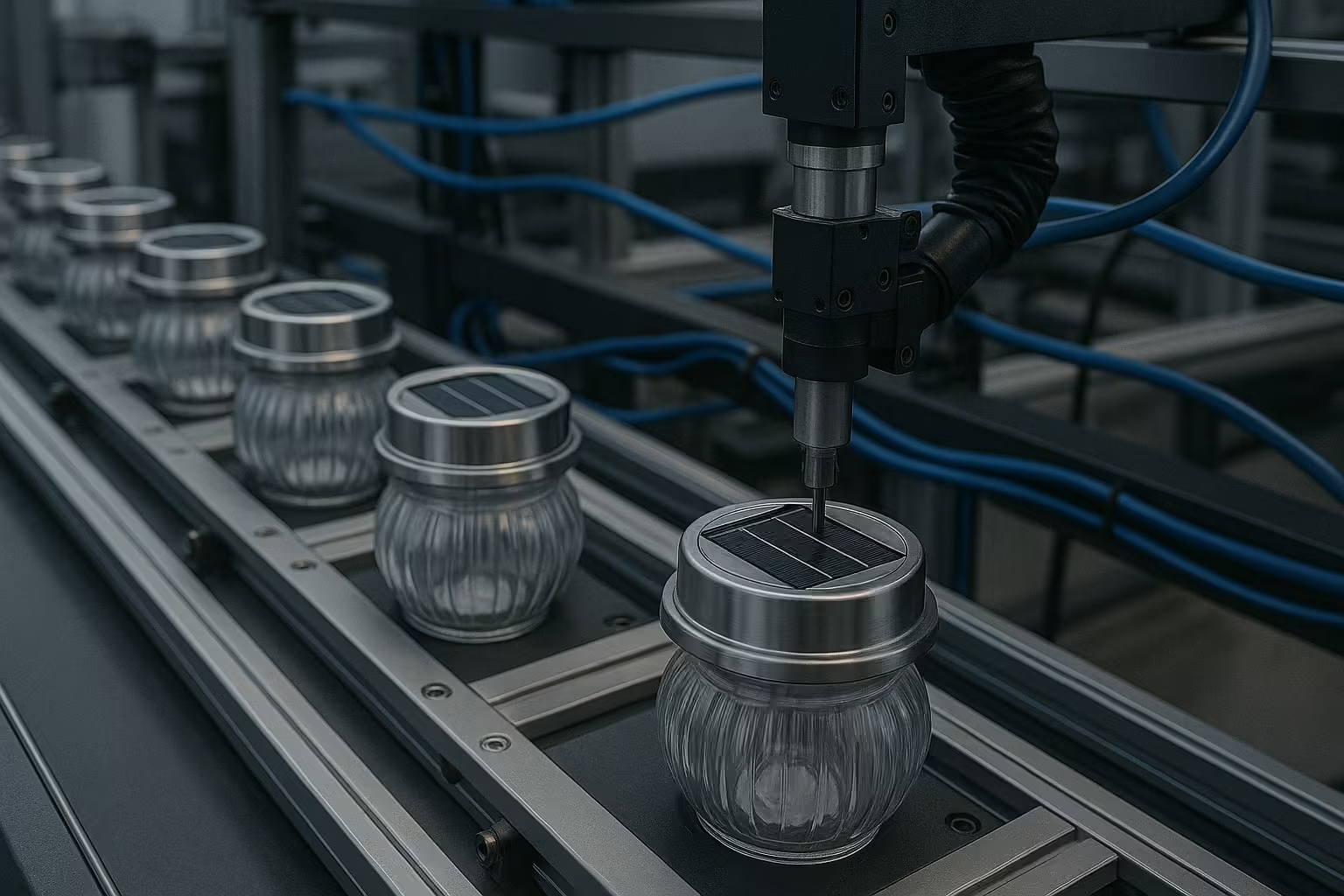
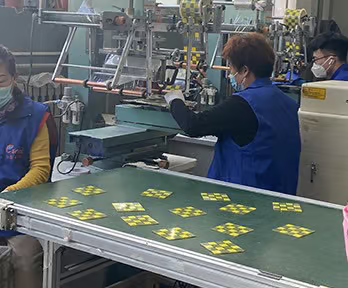
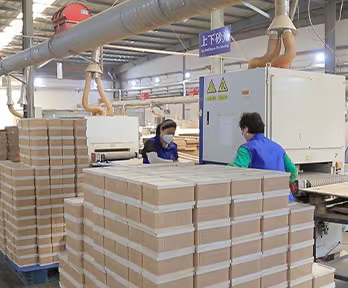
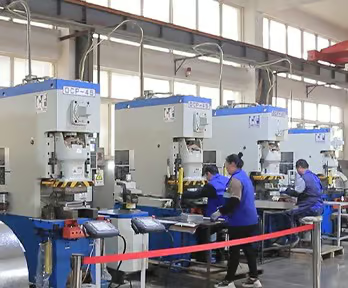
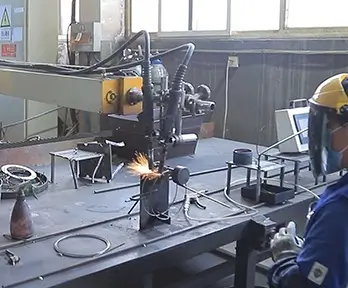
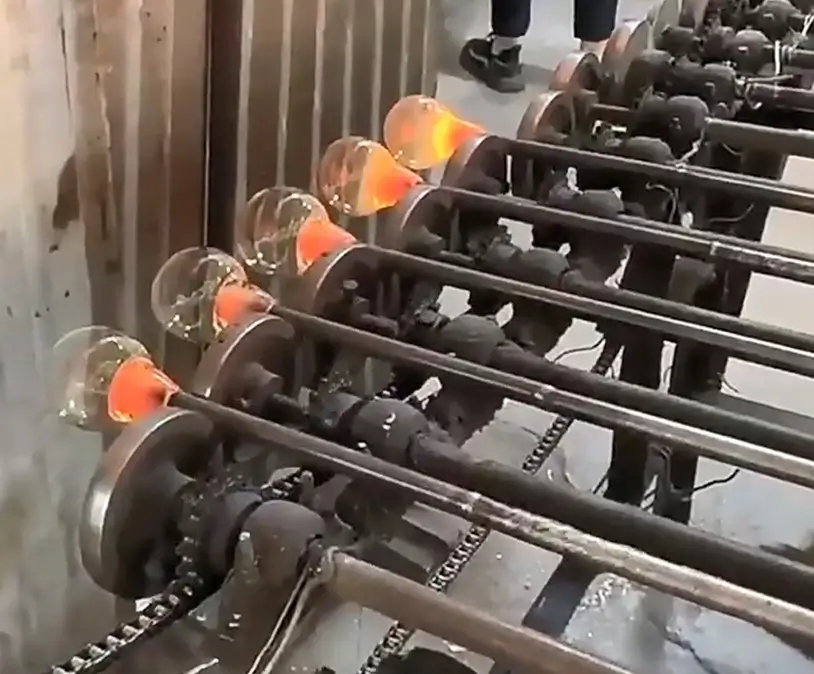
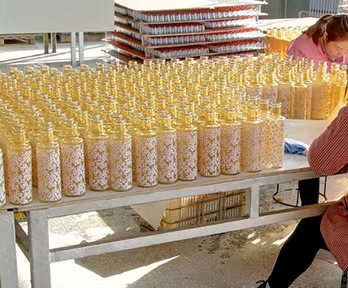
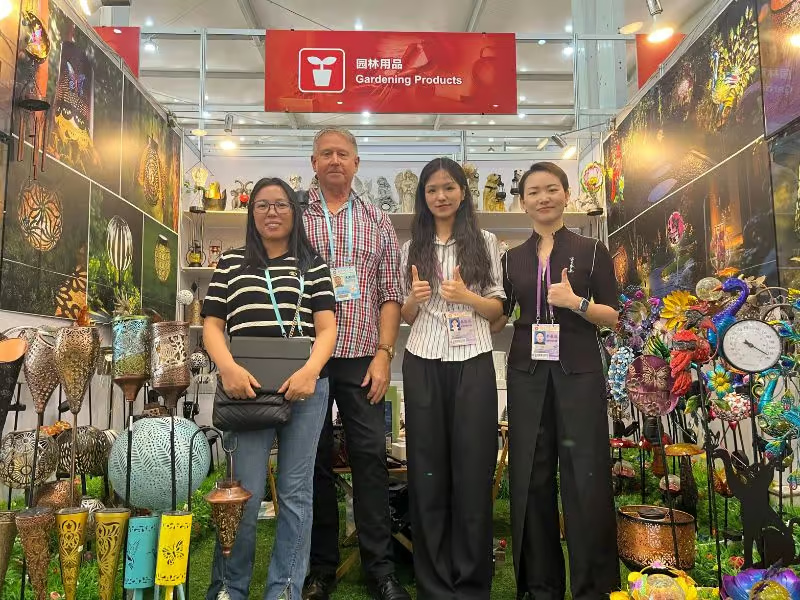
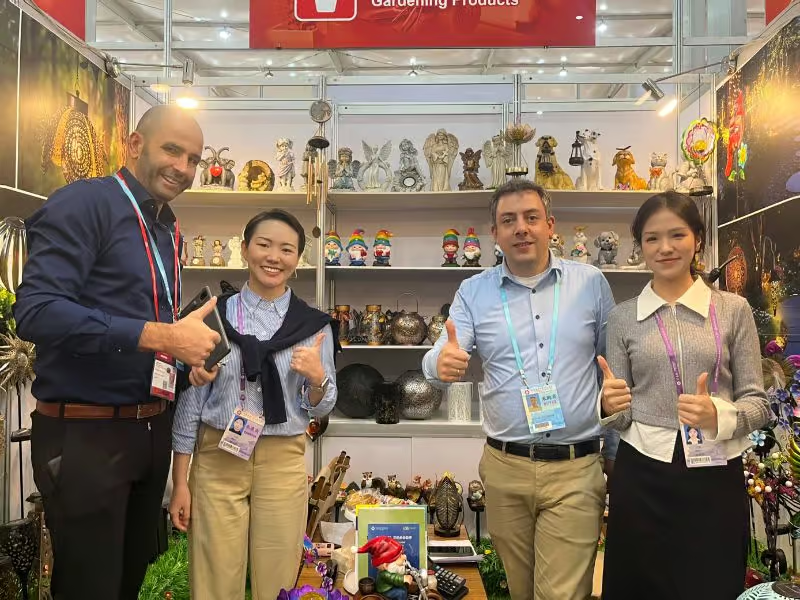
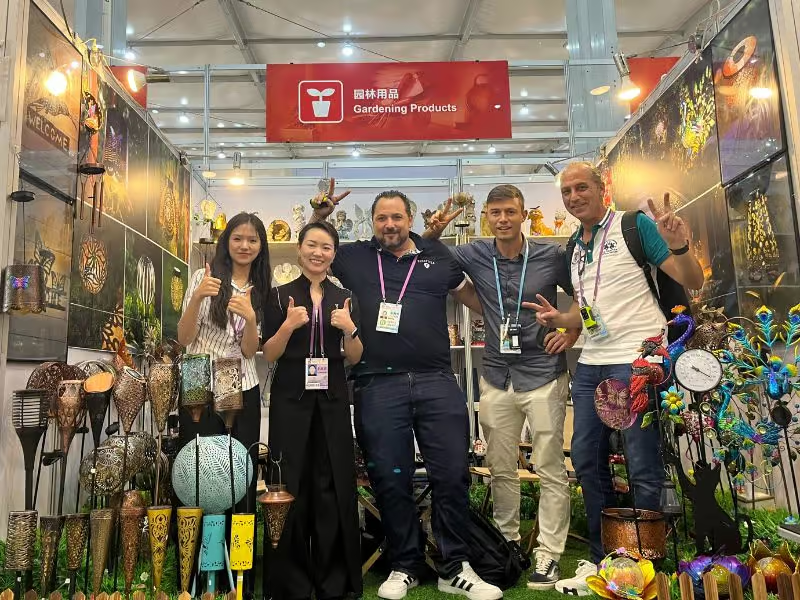
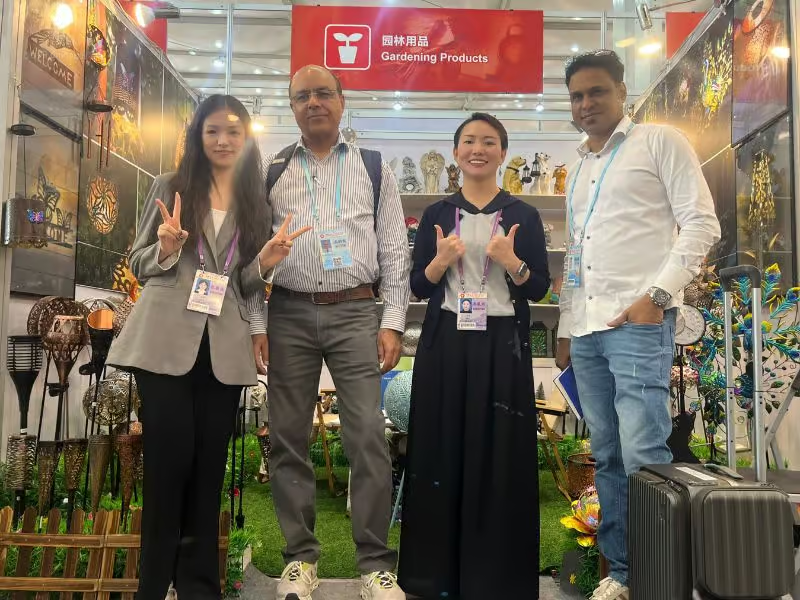
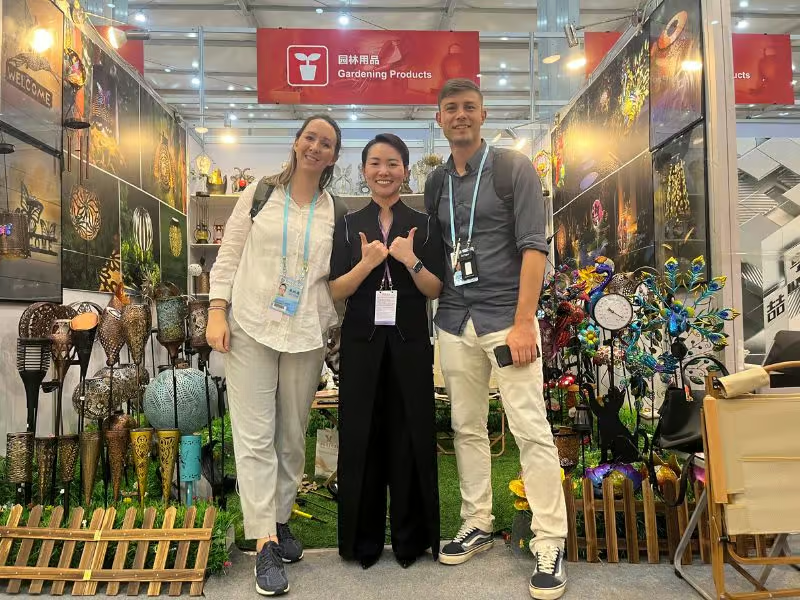
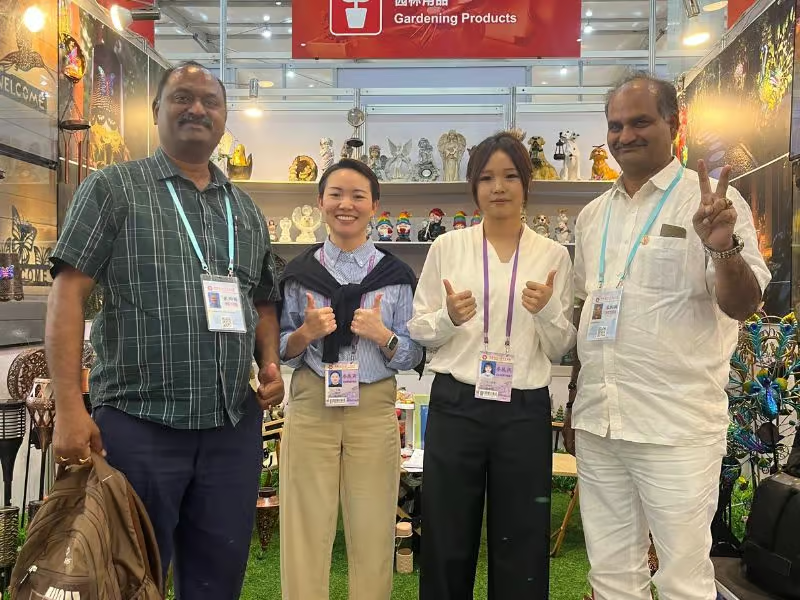
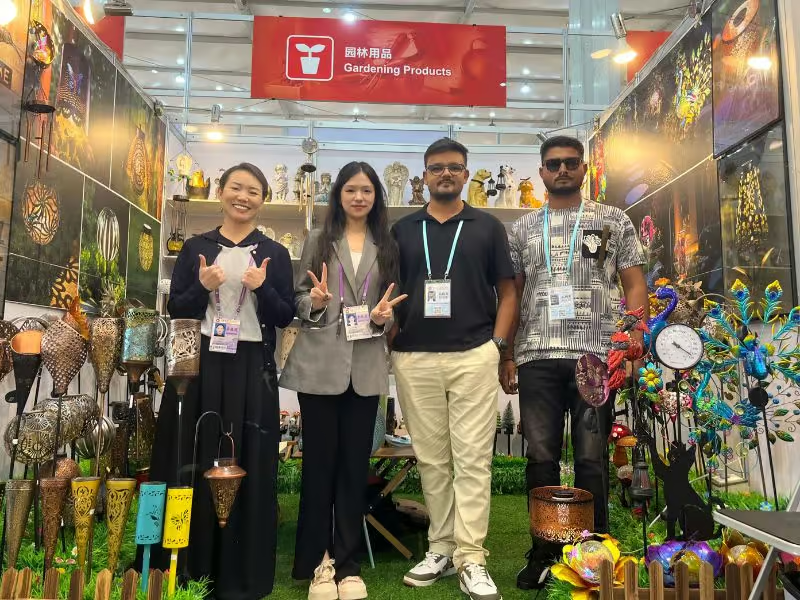
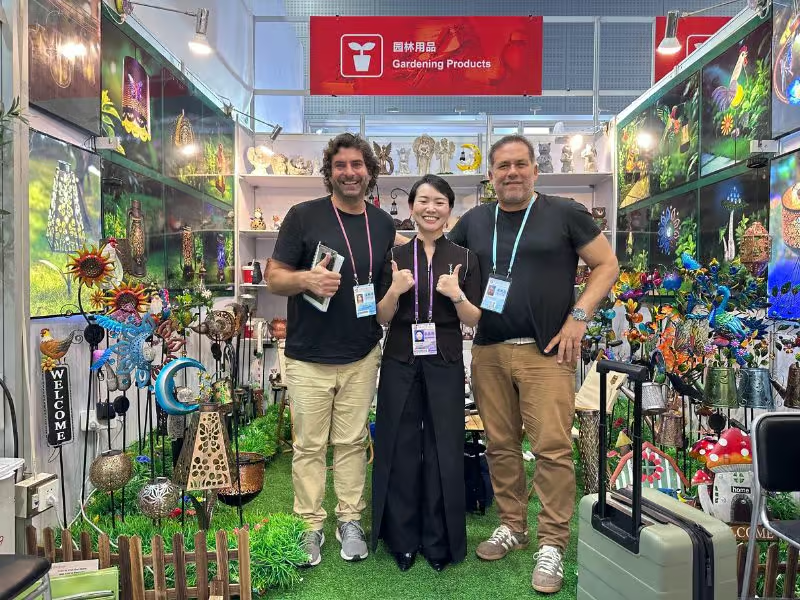
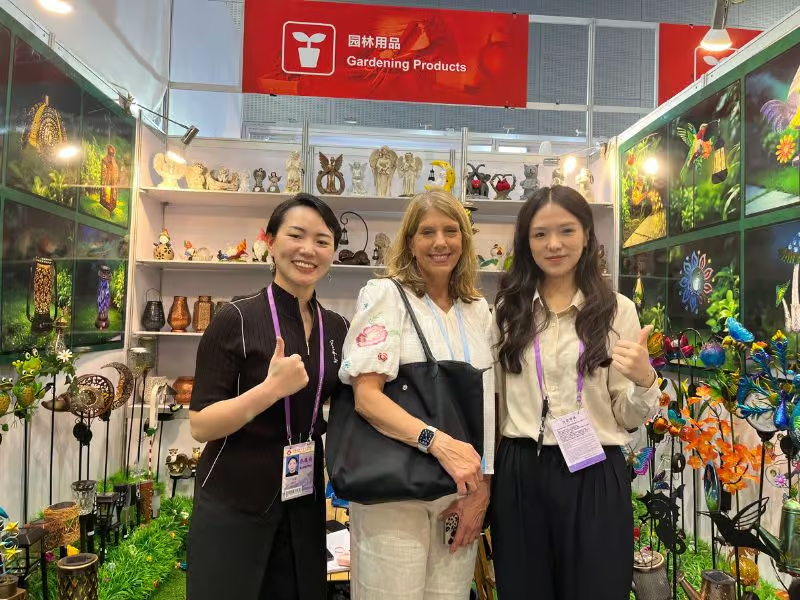
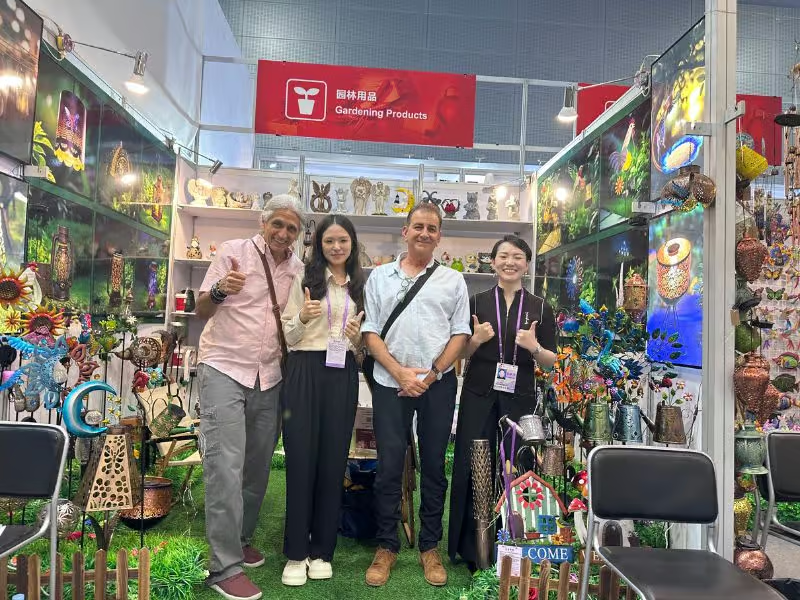
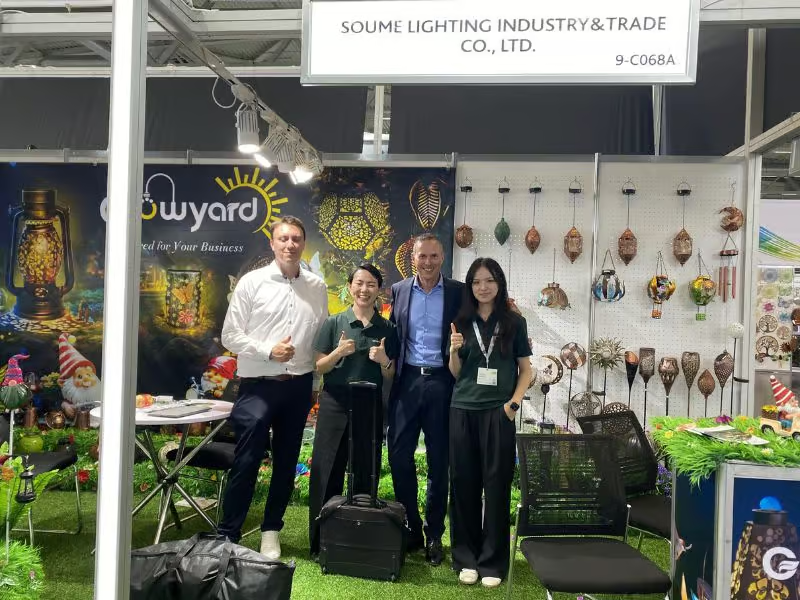
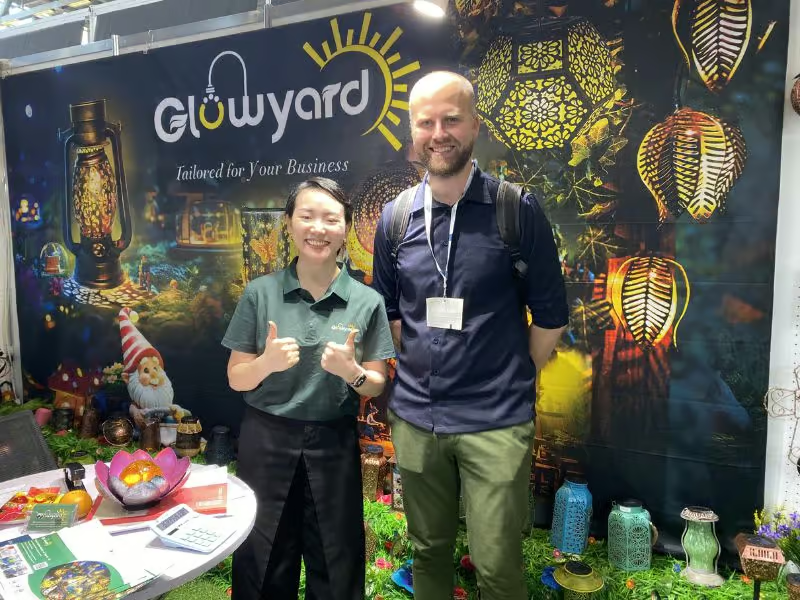
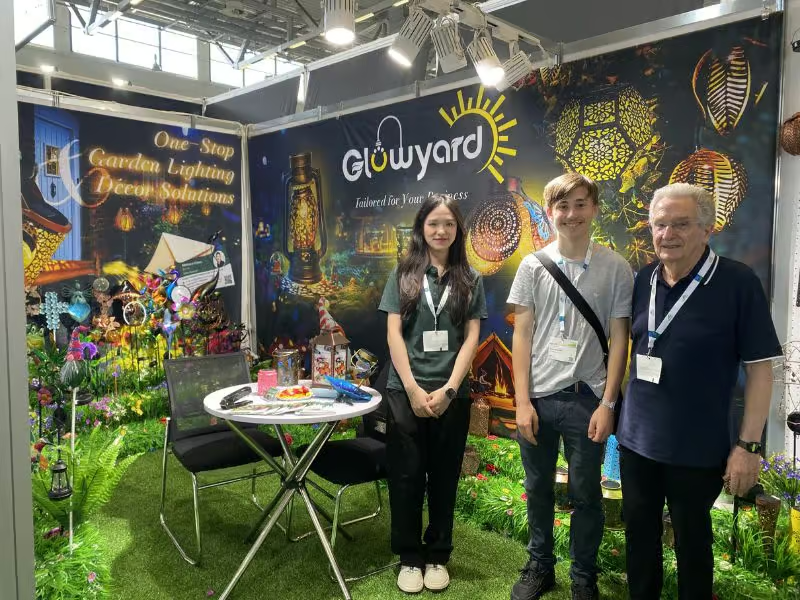
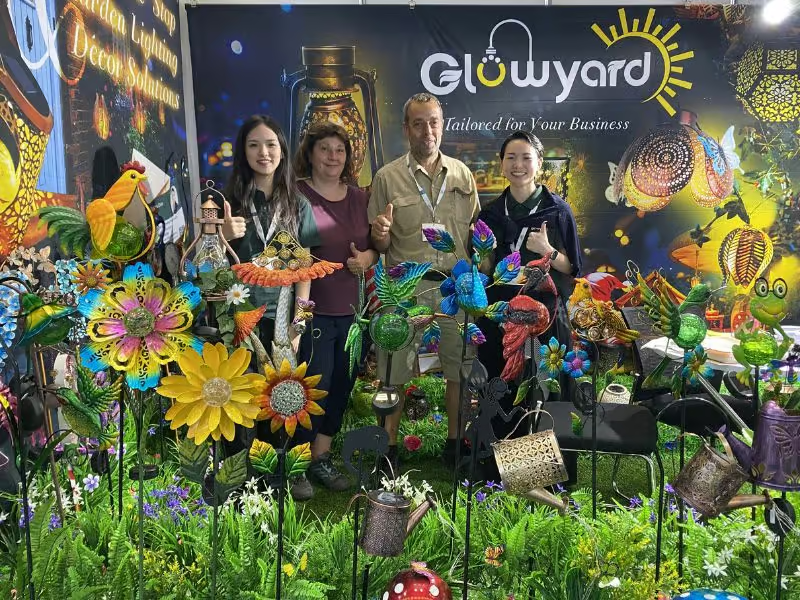
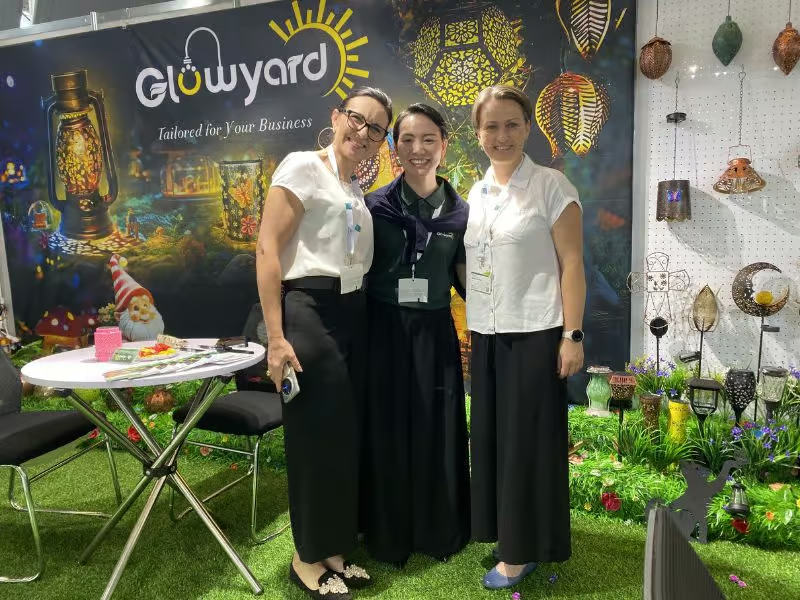




Als Unternehmen, das Wert auf hohe Qualität und Kosteneffizienz legt, erfüllen die Solar-Gartenleuchten von Glowyard Lighting unsere Anforderungen perfekt. Ihr innovatives Design und der professionelle Service verschaffen uns einen Wettbewerbsvorteil." – Mark Shenng, Einkäufer, Deutschland

Christina Tell
Die Solar-Gartenleuchten von Glowyard Lighting haben unsere Außenbereiche durch ihre Zuverlässigkeit und ihr elegantes Design grundlegend verändert. Ihr Engagement für Nachhaltigkeit und Bezahlbarkeit passt perfekt zu unseren Markenwerten. Der hervorragende Kundenservice macht sie zu einem verlässlichen Partner für unser Unternehmen.

Kelvin Martin
Wir sind von den leistungsstarken Solarbeleuchtungslösungen von Glowyard durchweg beeindruckt. Die Energieeffizienz und Langlebigkeit ihrer Produkte haben unsere Betriebskosten deutlich gesenkt und gleichzeitig unsere Gewerbeflächen aufgewertet. Ein erstklassiger Lieferant, den wir uneingeschränkt empfehlen!

Nelson Kelly
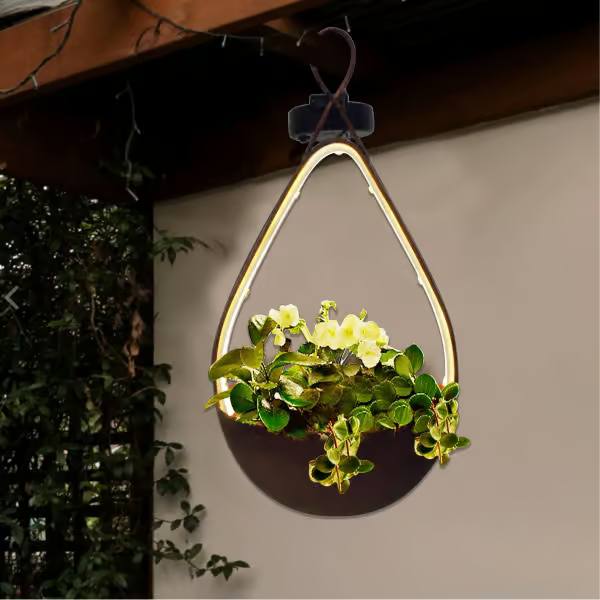


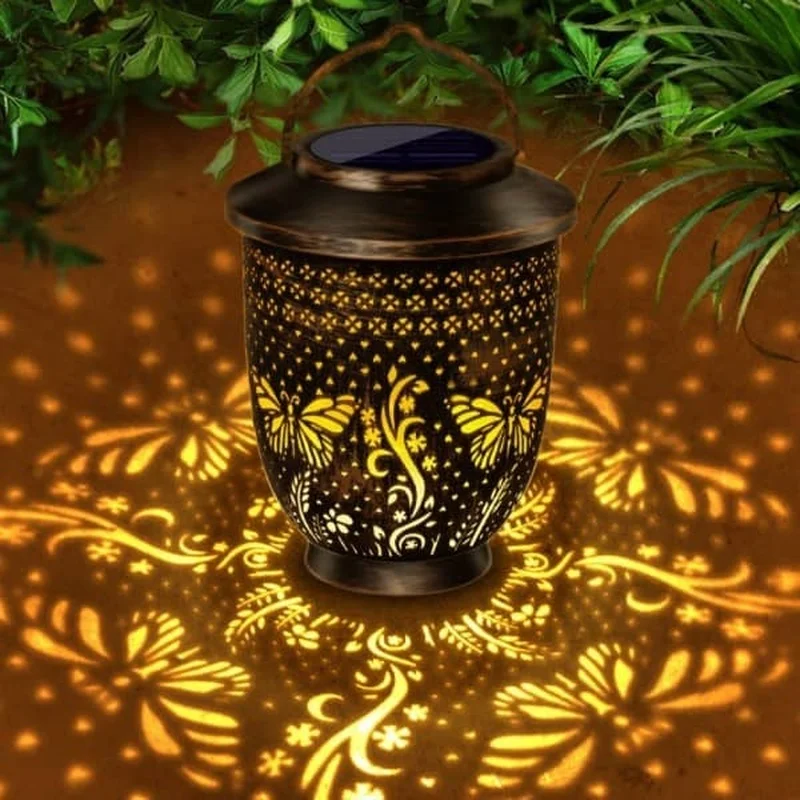
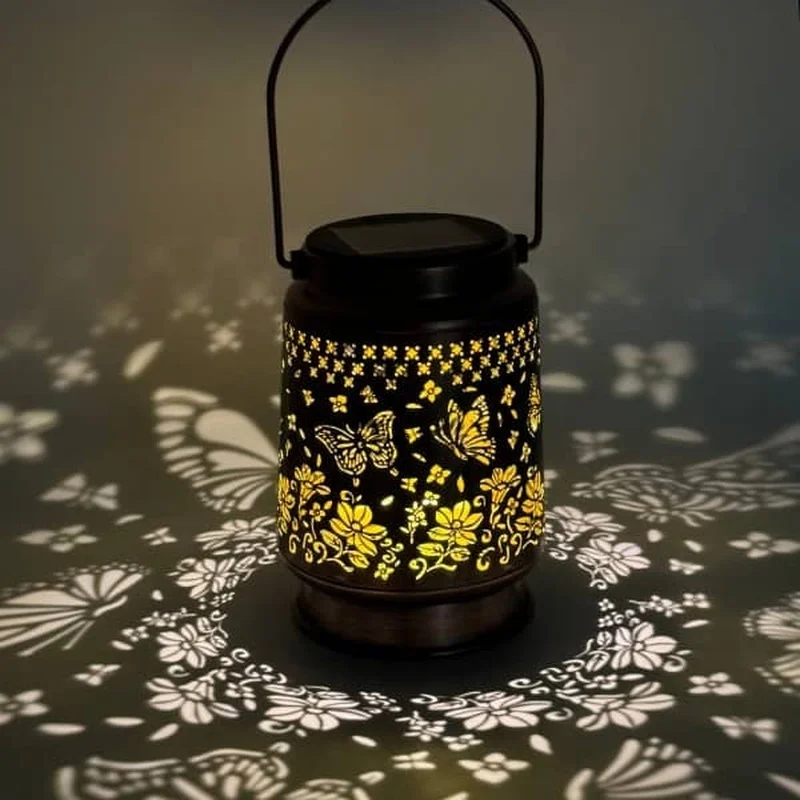
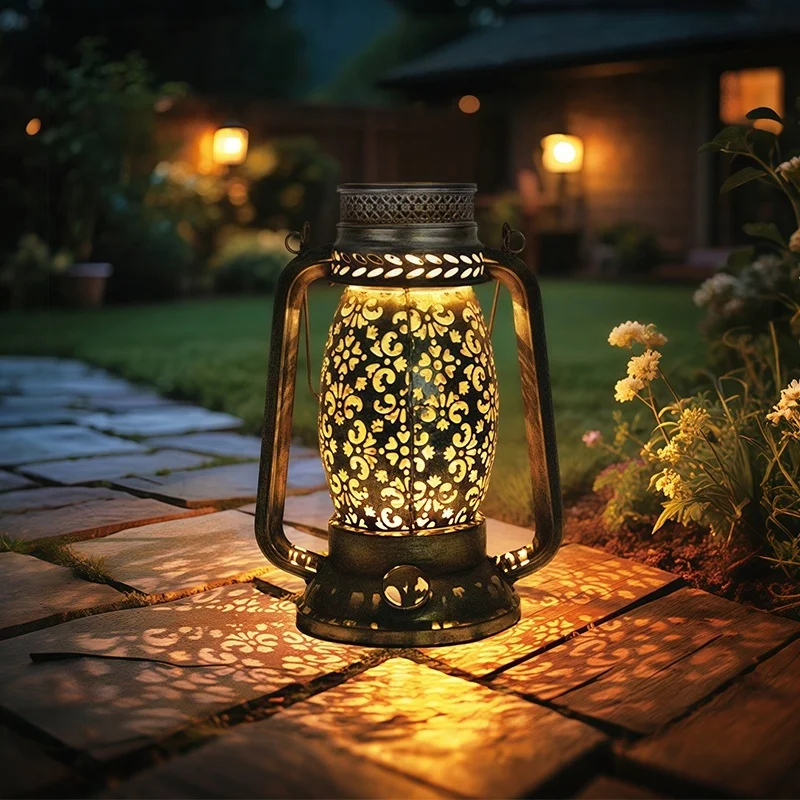
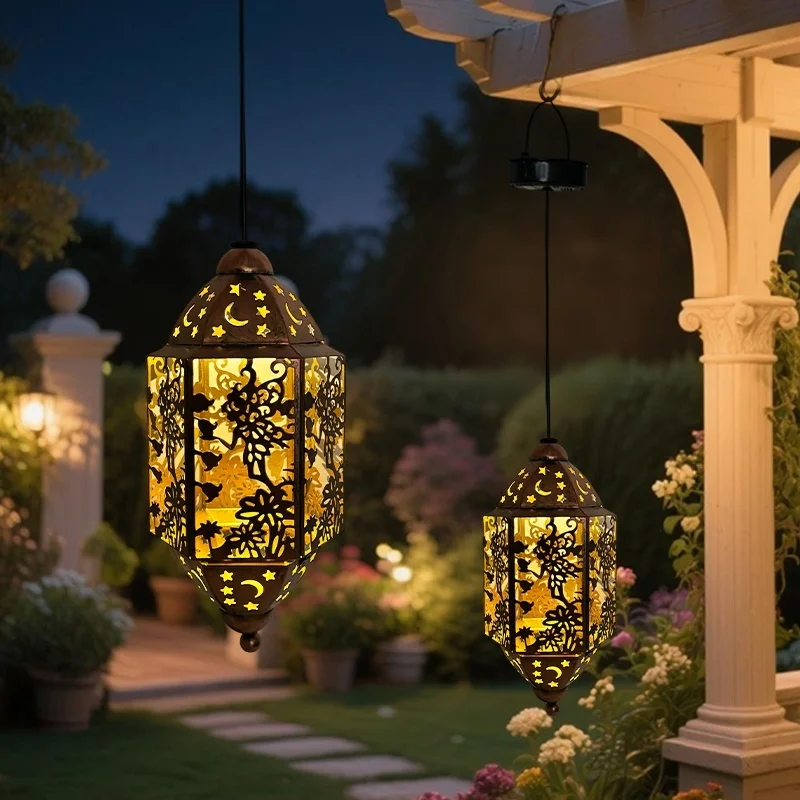
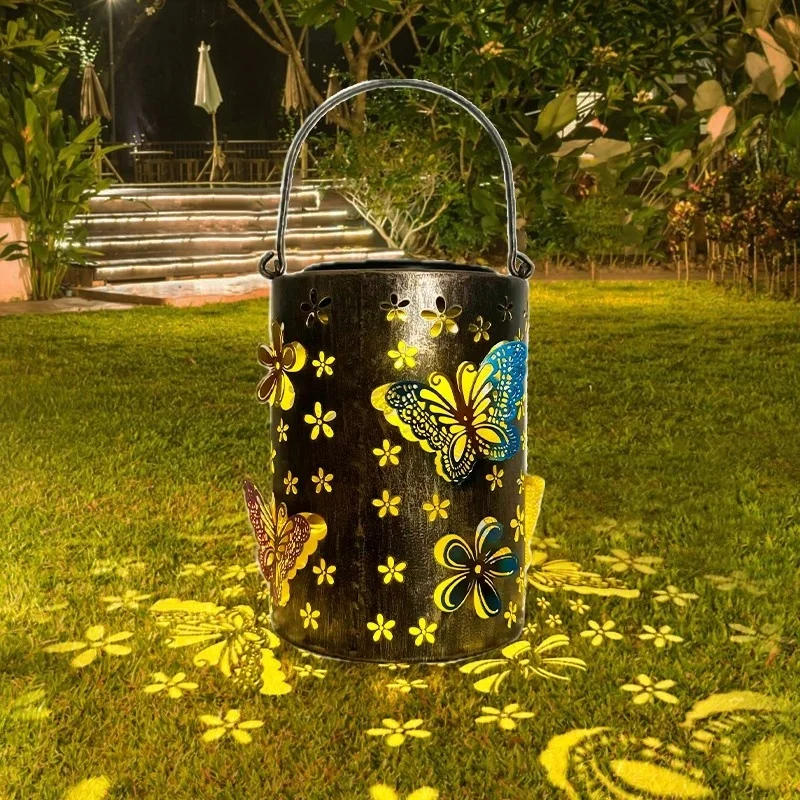
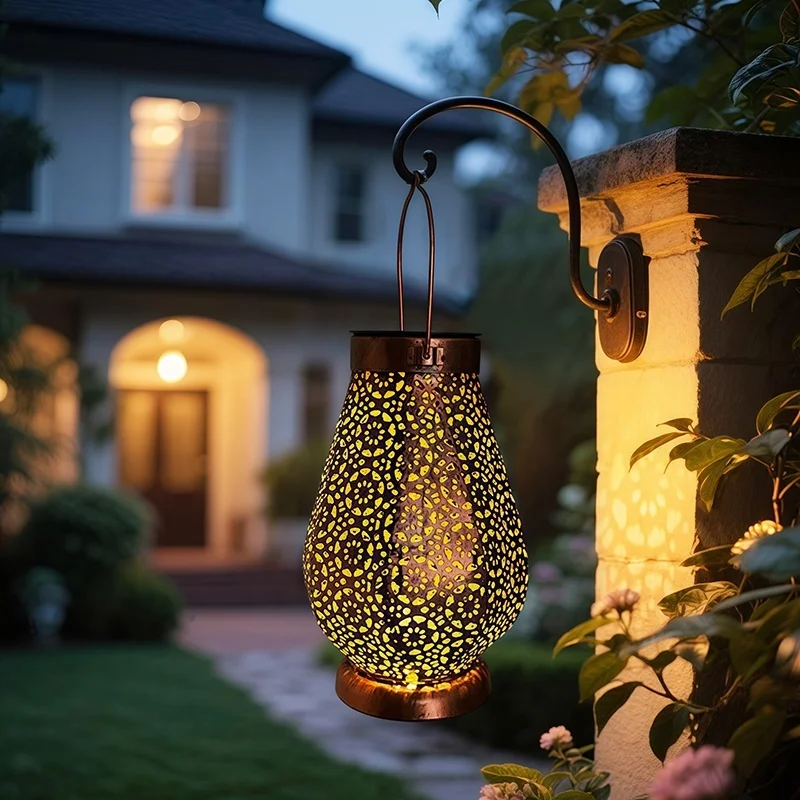
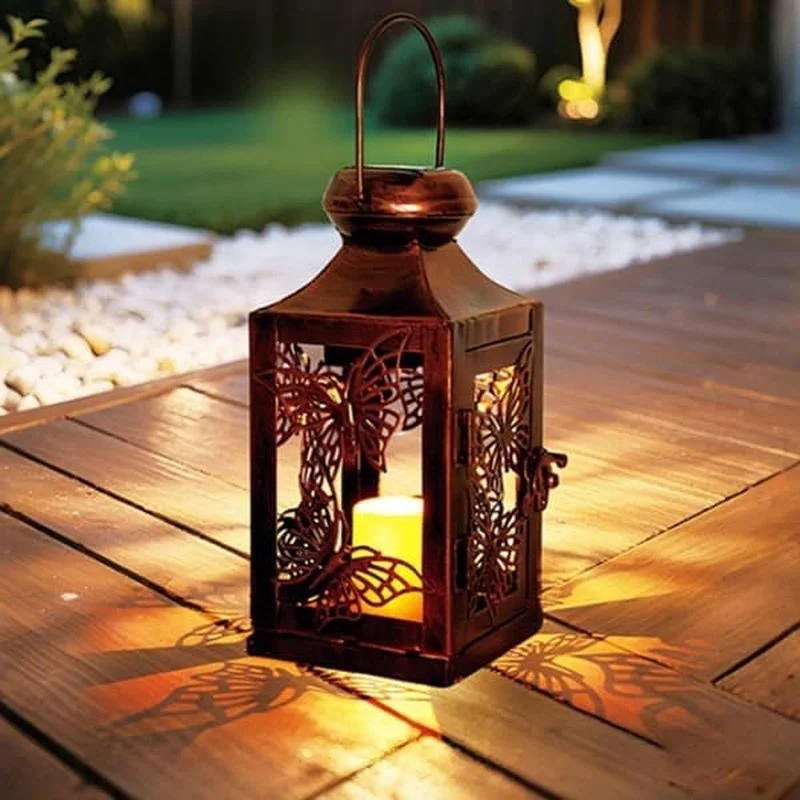
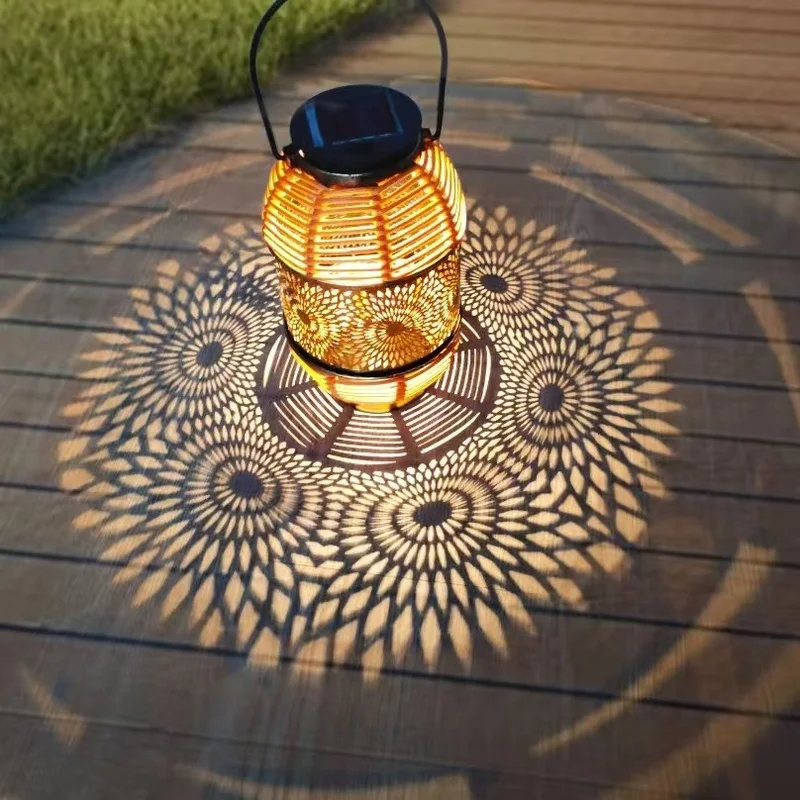
 Solar lanterns combine timeless aesthetic appeal with modern solar technology, creating versatile lighting solutions for gardens, patios, pathways, and indoor-outdoor spaces. Whether you’re a lantern wholesaler sourcing for retail chains, an importer building a private label brand, or an e-commerce seller expanding your catalog, this comprehensive guide covers everything you need to know about wholesale solar lanterns from China manufacturers.
This buyer’s guide addresses both business considerations (MOQ, pricing, certifications, supplier selection) and product knowledge (materials, designs, performance, applications) to help you make informed sourcing decisions. We’ve compiled insights from 15+ years as solar lantern manufacturers, Google’s “People Also Ask” questions, and real B2B client inquiries from lantern wholesalers worldwide.
Understanding Solar Lanterns: Types, Styles, and Applications
What are solar lanterns and how do they differ from other solar garden lights?
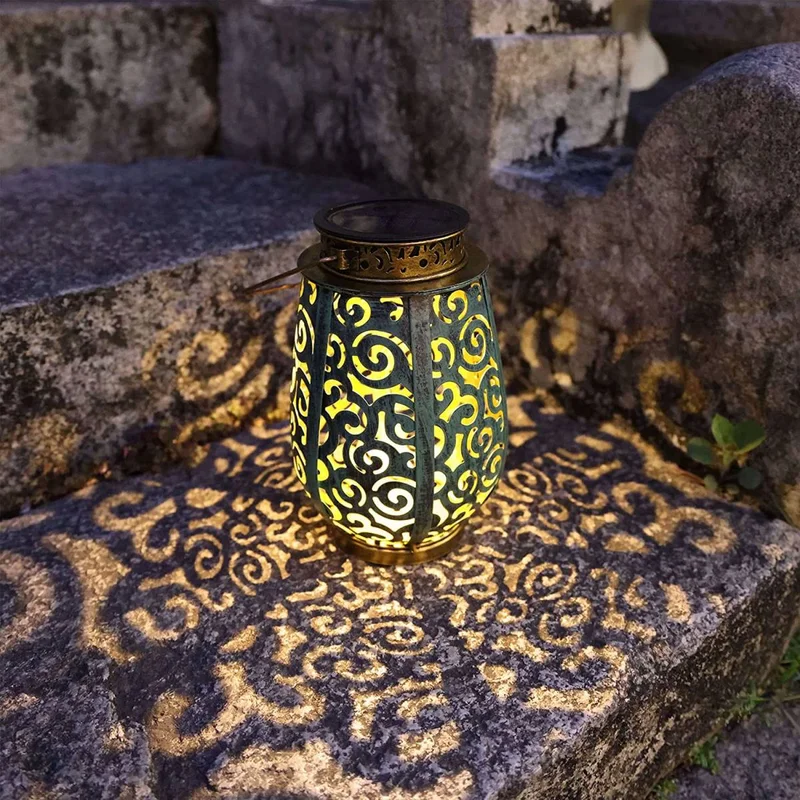
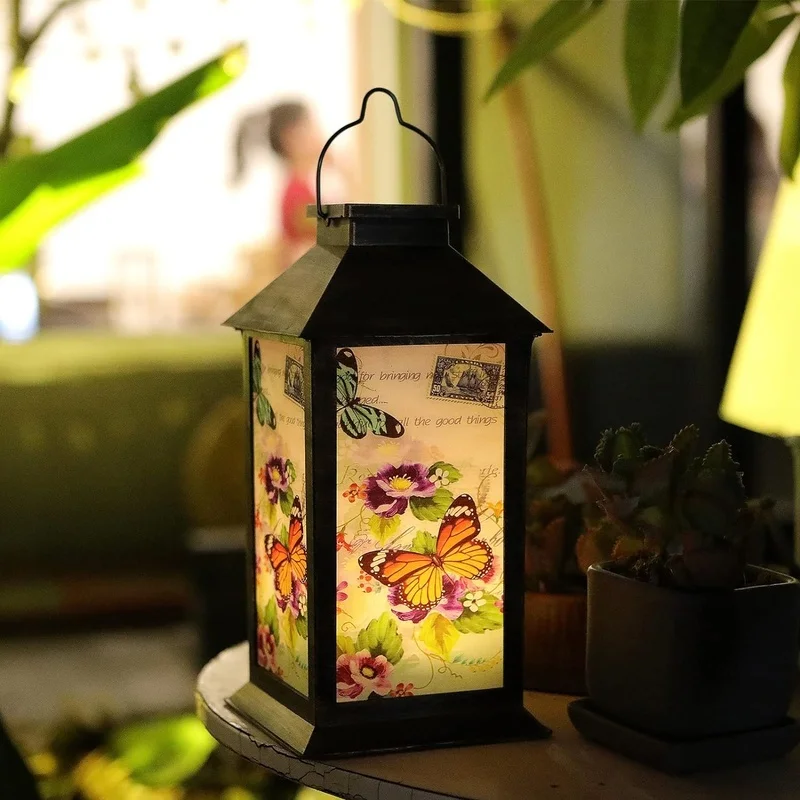
Solar lanterns are decorative lighting fixtures characterized by their enclosed or semi-enclosed design, typically featuring a frame (metal, plastic, or rattan) with translucent or transparent panels (glass, plastic, or fabric). Unlike open solar garden lights, lanterns create a contained light source that produces ambient, diffused illumination rather than direct lighting.
Key Distinguishing Features:
- Enclosed design: Light source protected within a housing, creating softer, more atmospheric illumination
- Portable or fixed: Many designs include handles for easy repositioning, while others mount permanently
- Decorative focus: Aesthetic appeal equals or exceeds functional lighting performance
- Versatile placement: Suitable for hanging, tabletop, ground insertion, or wall mounting
- Indoor-outdoor crossover: Many styles work equally well indoors and outdoors
Solar Lanterns vs. Other Solar Lights:
- vs. Pathway lights: Lanterns emphasize ambiance over directional illumination; often larger and more decorative
- vs. Spotlights: Lanterns provide soft, diffused light rather than focused beams; decorative rather than functional
- vs. String lights: Lanterns are individual fixtures rather than connected series; typically brighter per unit
- vs. Stake lights: Lanterns often portable or hanging; more substantial design presence
For wholesale solar lanterns buyers, this category occupies the premium-to-mid-range segment where customers value design, craftsmanship, and ambiance creation over pure illumination efficiency.
What are the main types of wholesale solar lanterns available?
Solar lantern manufacturers produce diverse styles to serve different markets and applications:
Nach Installationsmethode:
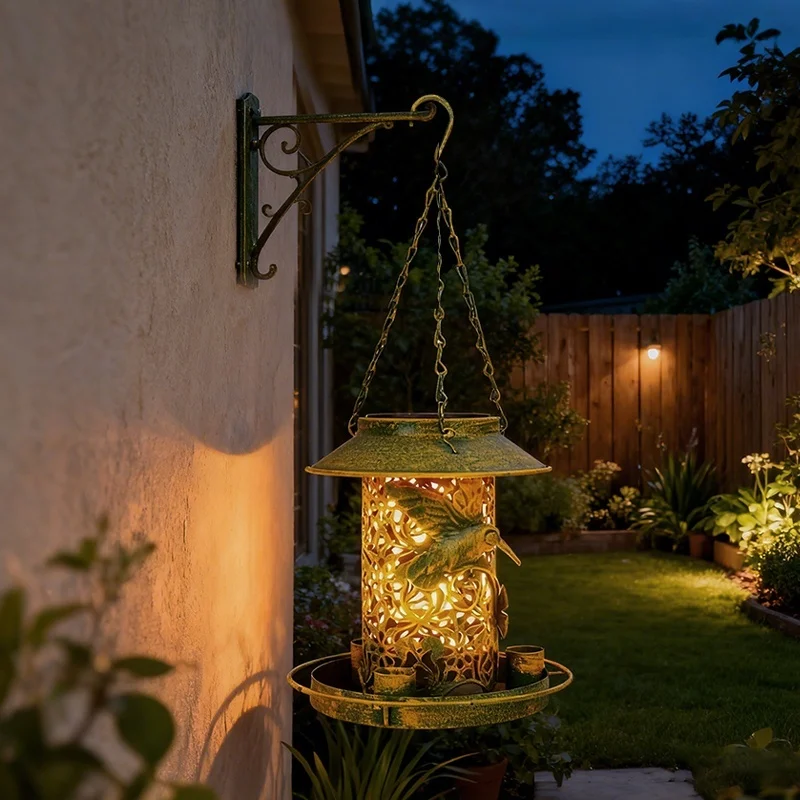
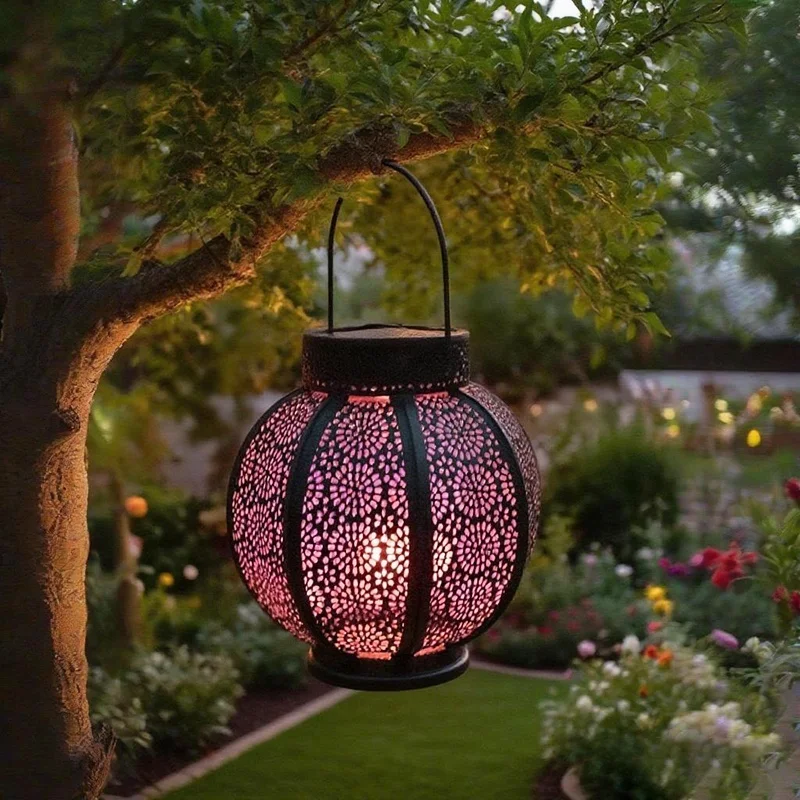
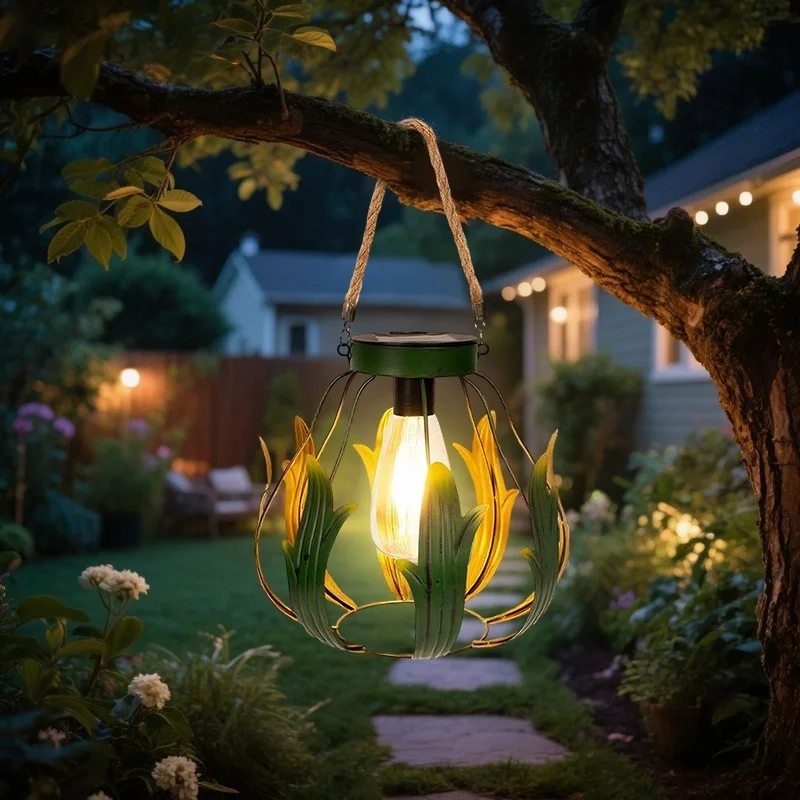
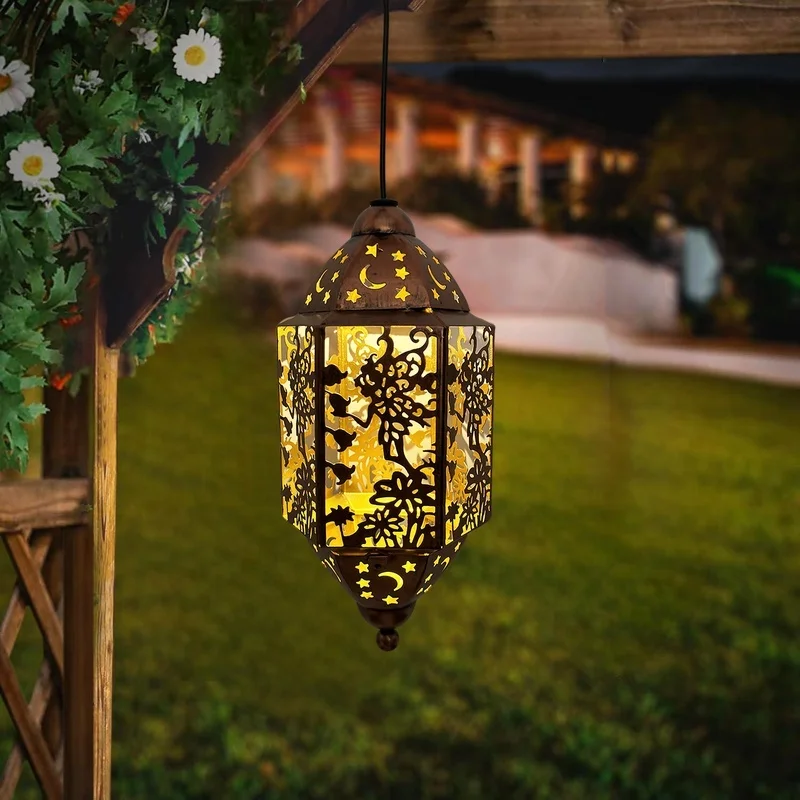
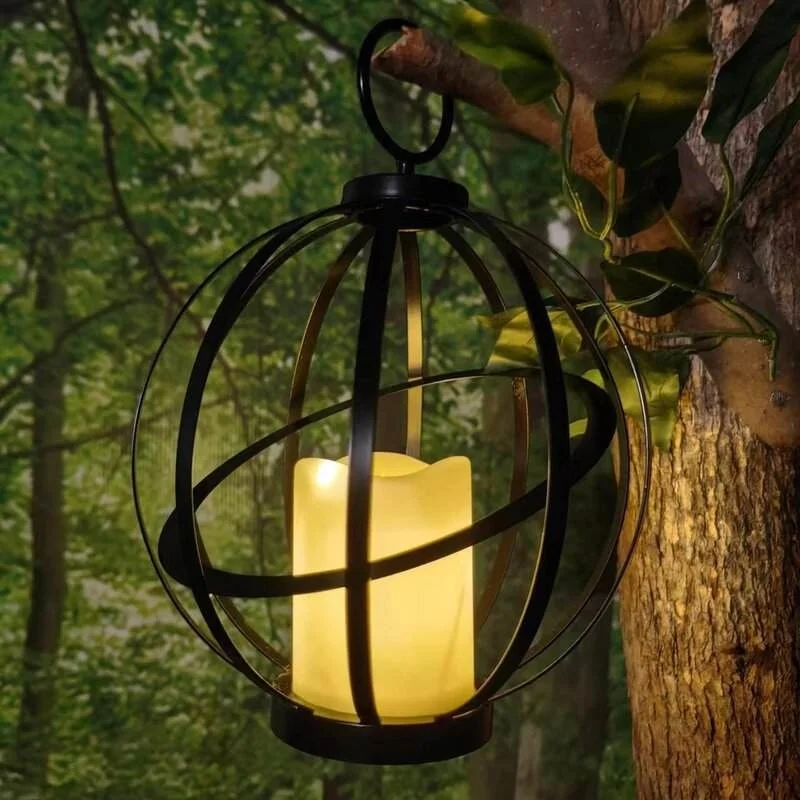
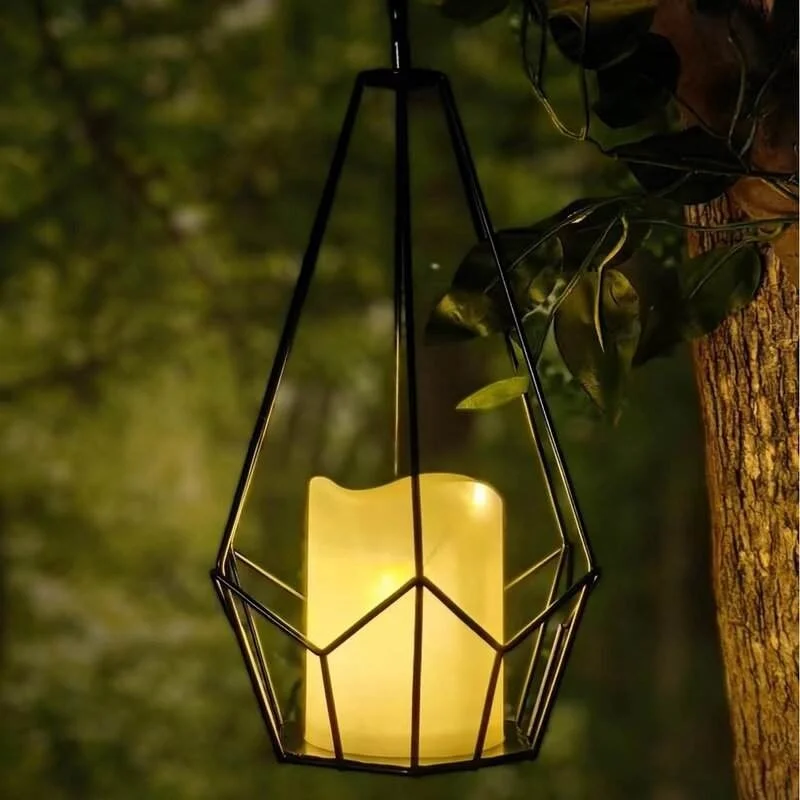
1. Hanging Solar Lanterns
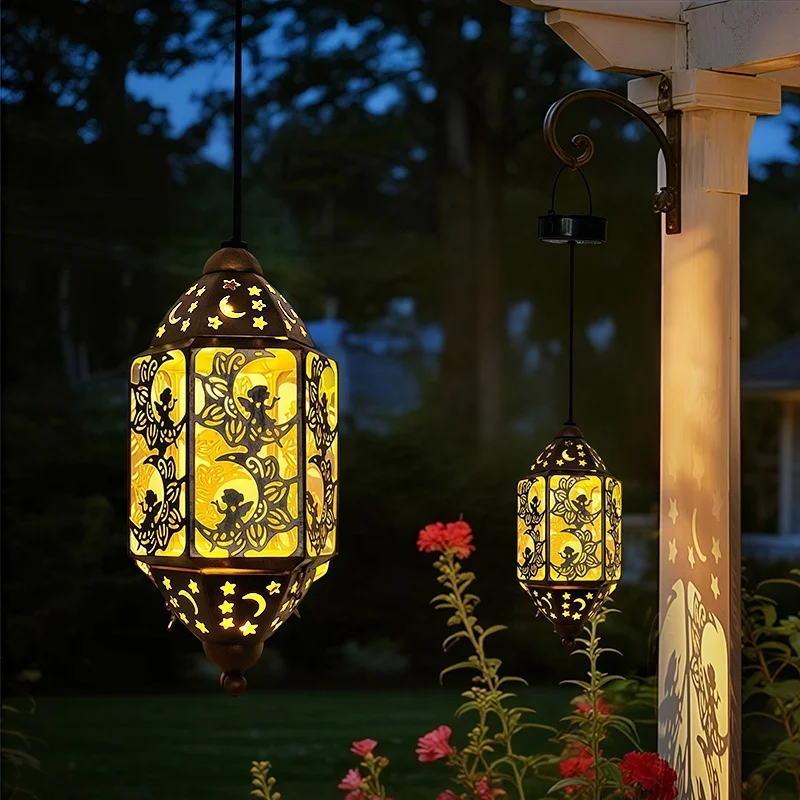
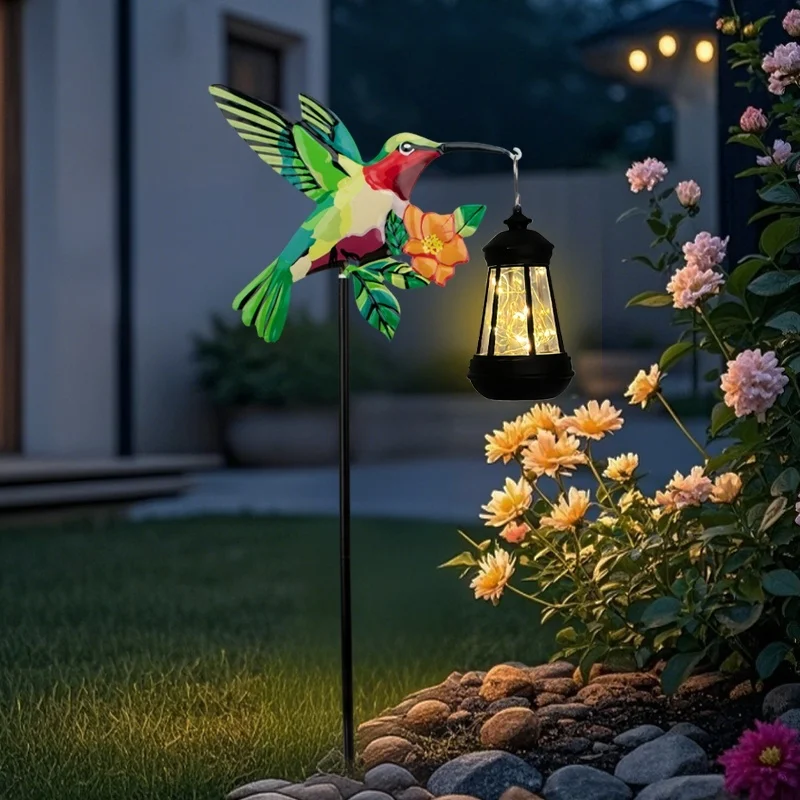
- Suspended from hooks, tree branches, pergolas, or shepherd’s hooks
- Feature metal handles, chains, or rope for hanging
- Sizes: 6″ to 16″ diameter typical
- Best for: Patios, decks, gazebos, tree lighting
2. Tabletop Solar Lanterns
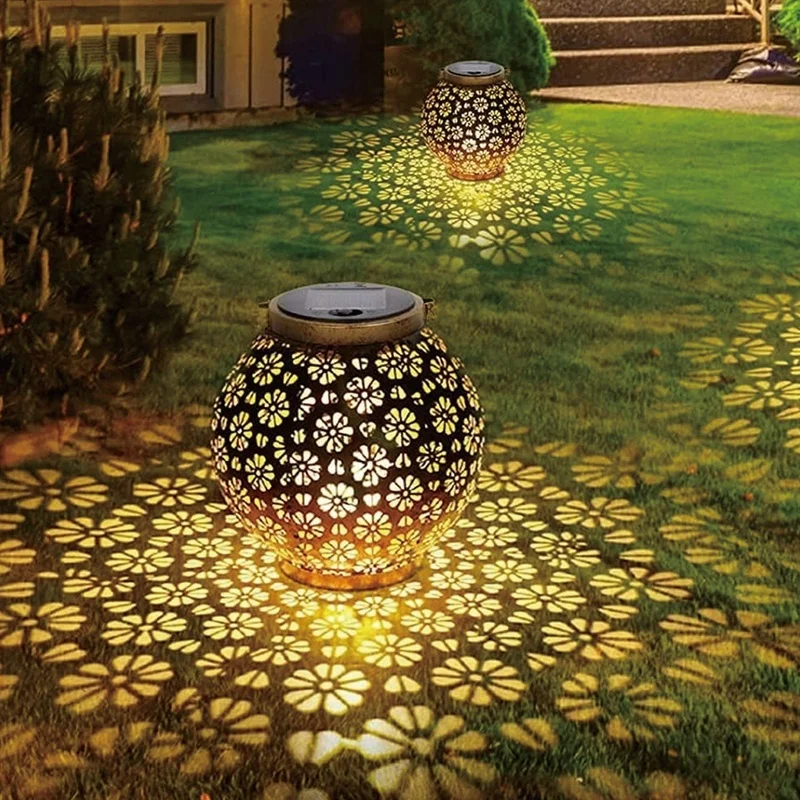
- Flat base for stable placement on tables, mantels, steps
- Portable and easy to reposition
- Often include handles for carrying
- Best for: Dining tables, side tables, porch railings, indoor-outdoor use
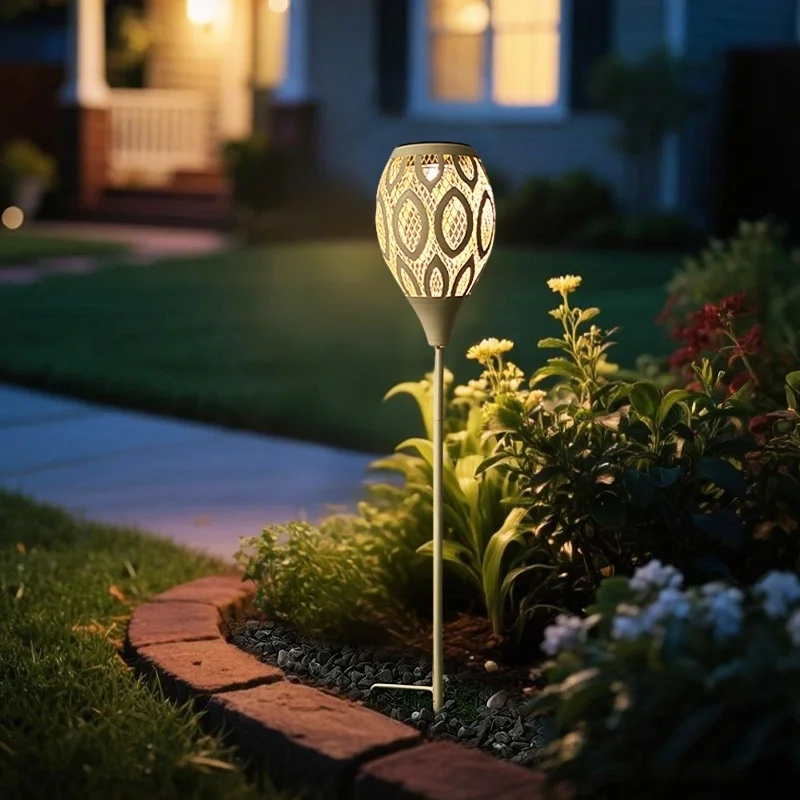
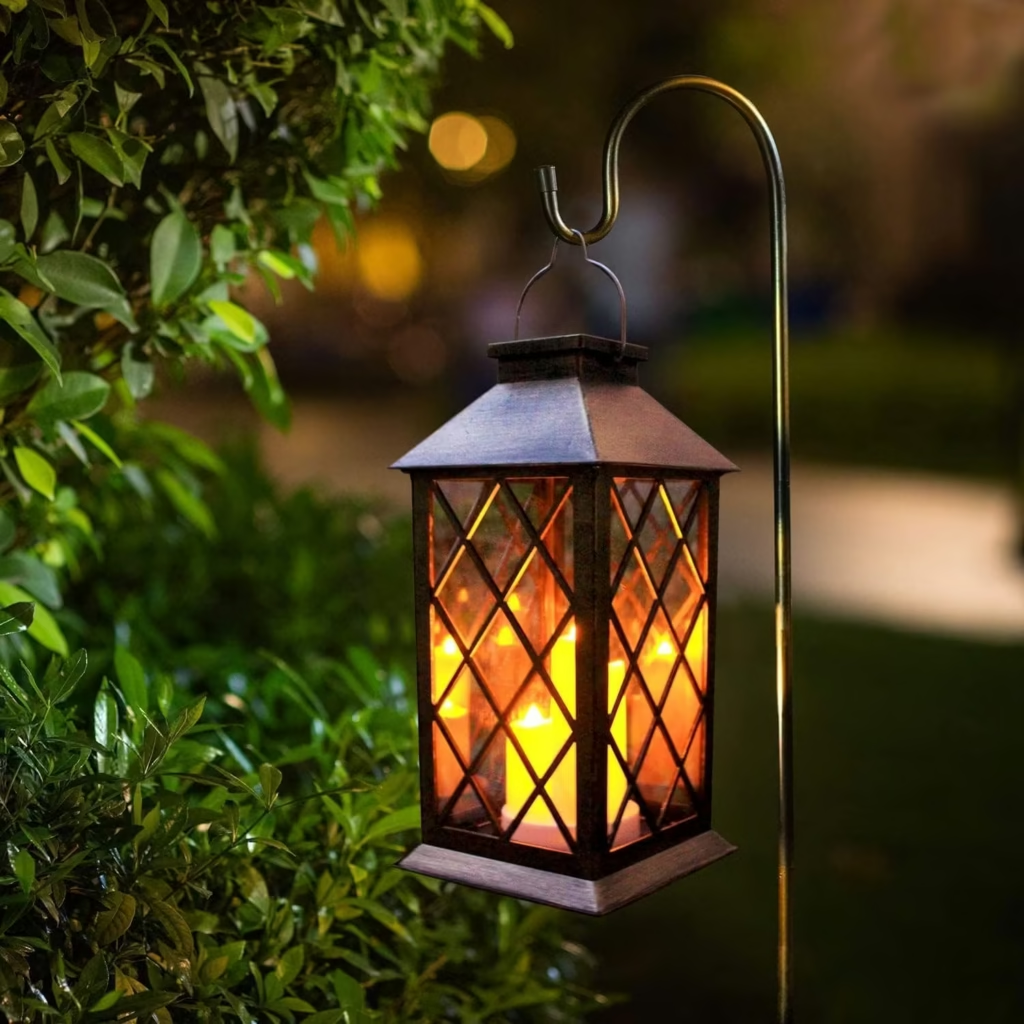
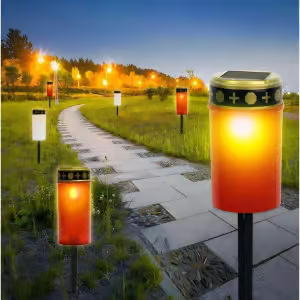
3. Ground Insertion Solar Lanterns (Stake-Mounted)
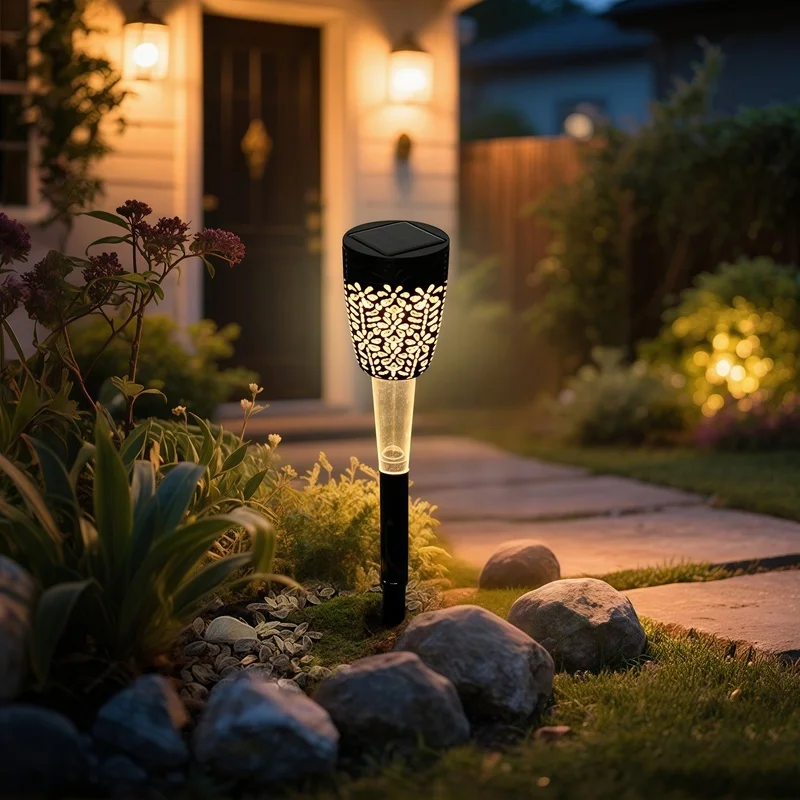
- Attached to stakes for insertion into soil or grass
- Fixed position but removable
- Stake heights: 12″ to 36″ typical
- Best for: Pathway marking, garden borders, landscape accents
- Specialized production from solar ground insertion lantern factory
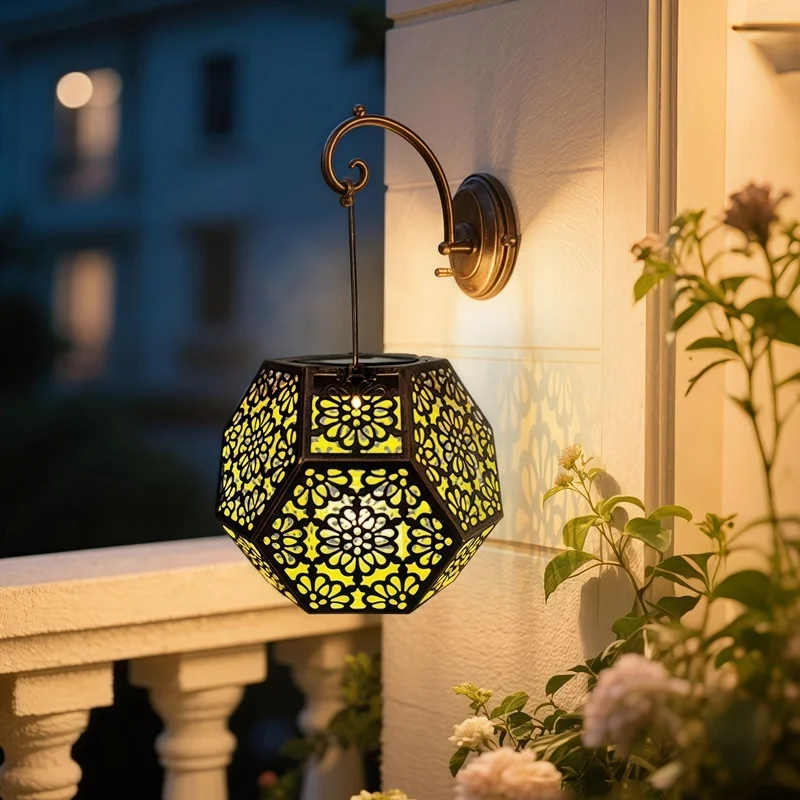
4. Wall-Mounted Solar Lanterns
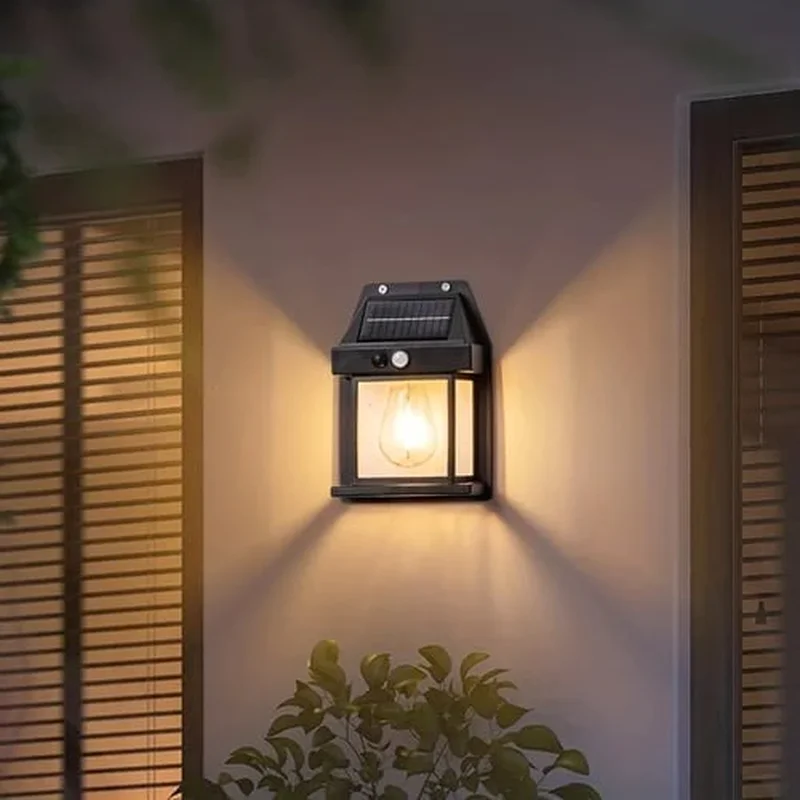
- Bracket or sconce mounting to walls, fences, posts
- Permanent or semi-permanent installation
- Traditional coach-light styling common
- Best for: Entryways, garage doors, fence posts, exterior walls
Nach Designstil:
1. Traditional/Vintage Lanterns
- Classic coach-light designs with metal frames and glass panels
- Victorian, colonial, or rustic aesthetics
- Often feature aged finishes (bronze, copper, black)
- Popular in North American and European markets
2. Asian-Inspired Lanterns (Solar Chinese Lanterns for Garden)
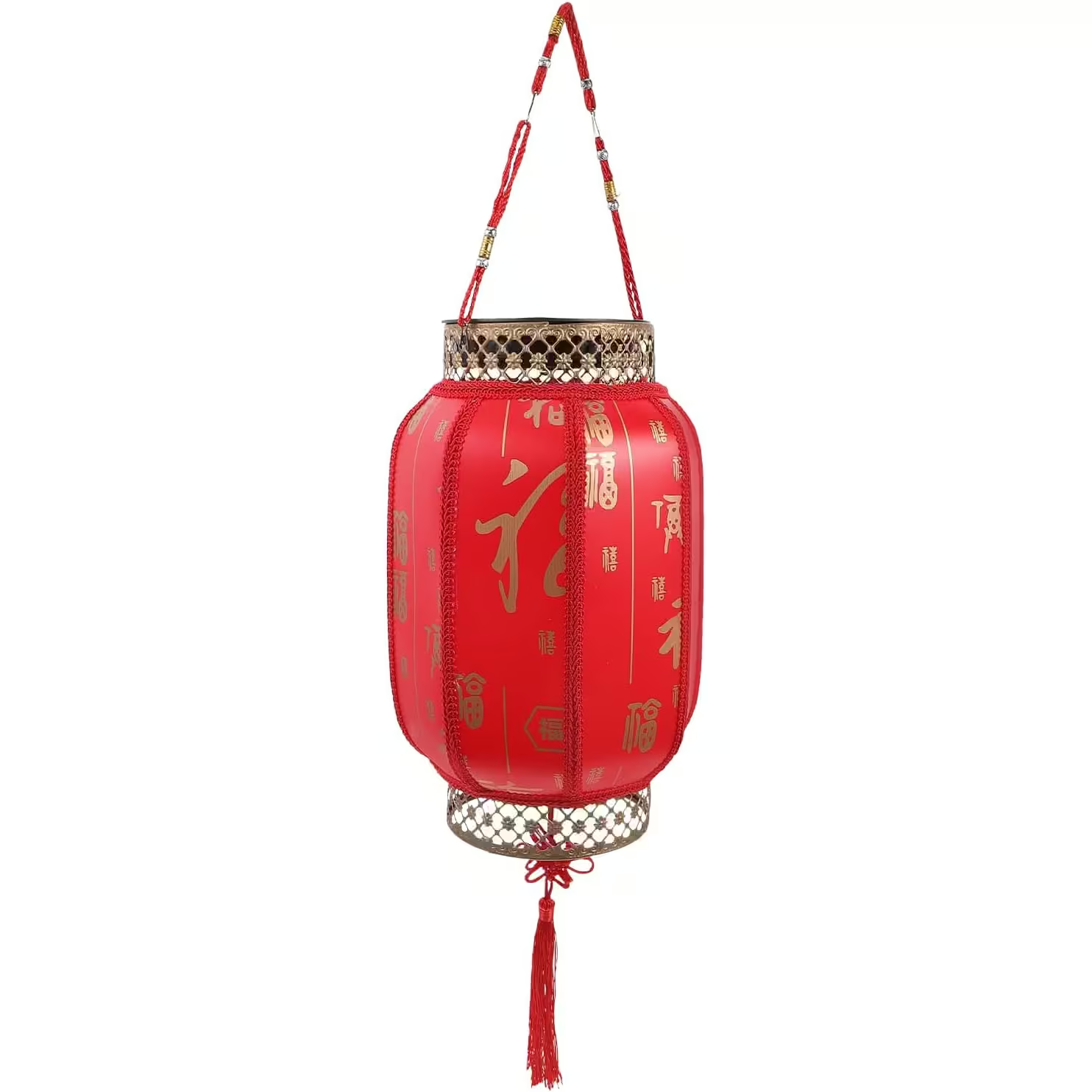
- Traditional red Chinese lanterns with gold accents and tassels
- Japanese paper lantern styles (round, cylindrical)
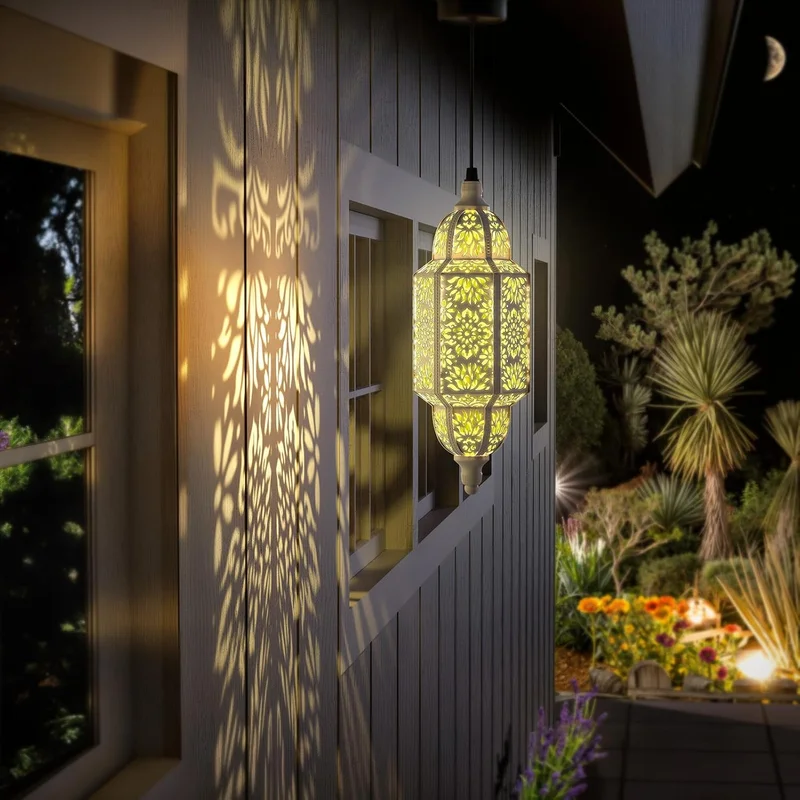
- Moroccan and Middle Eastern patterns
- Festival and celebration themes
- Strong demand during Chinese New Year, Mid-Autumn Festival
3. Modern/Contemporary Lanterns
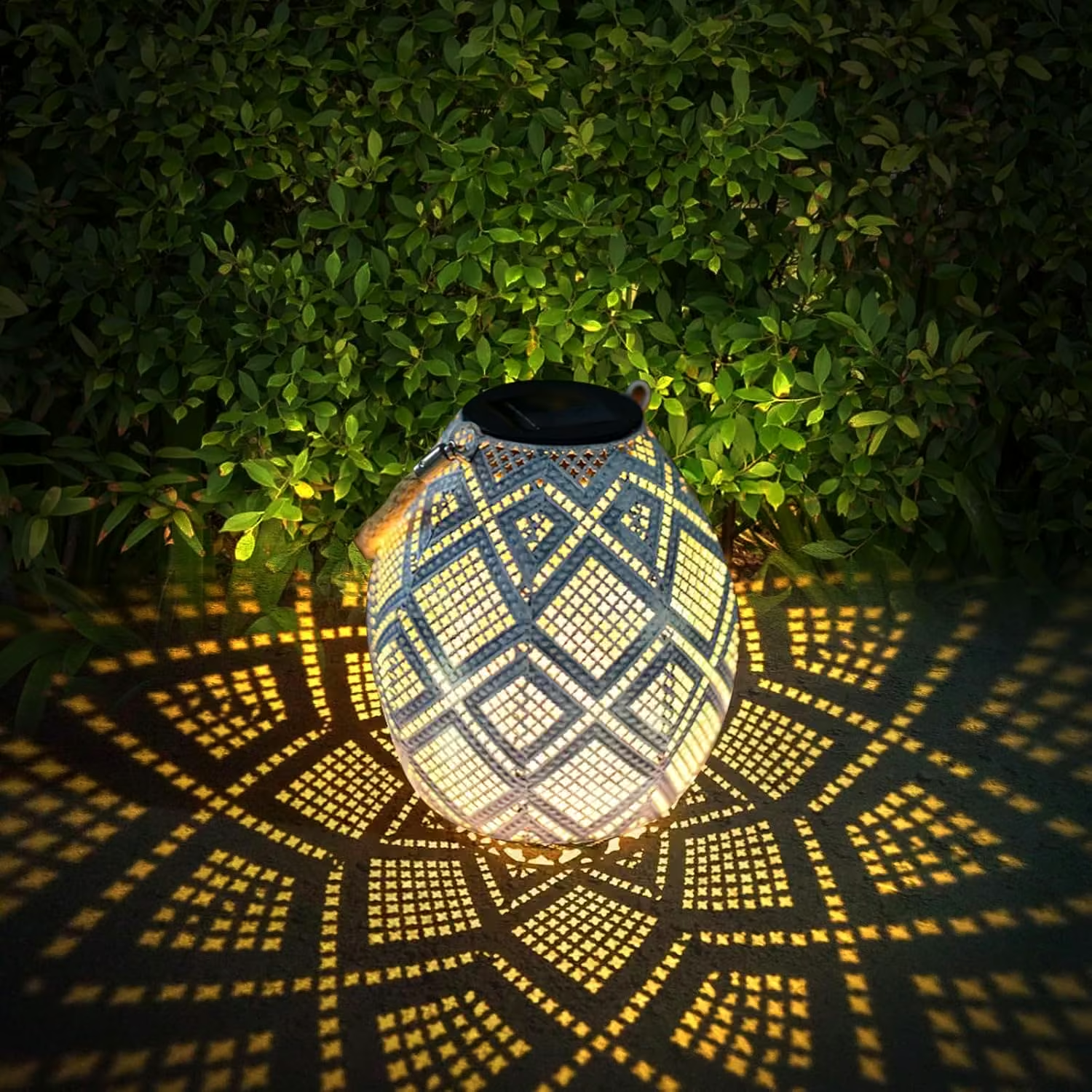
- Clean lines, geometric shapes, minimalist aesthetics
- Monochromatic color schemes (black, white, gray)
- Industrial or Scandinavian design influences
- Growing popularity in urban and modern home markets
4. Coastal/Nautical Lanterns
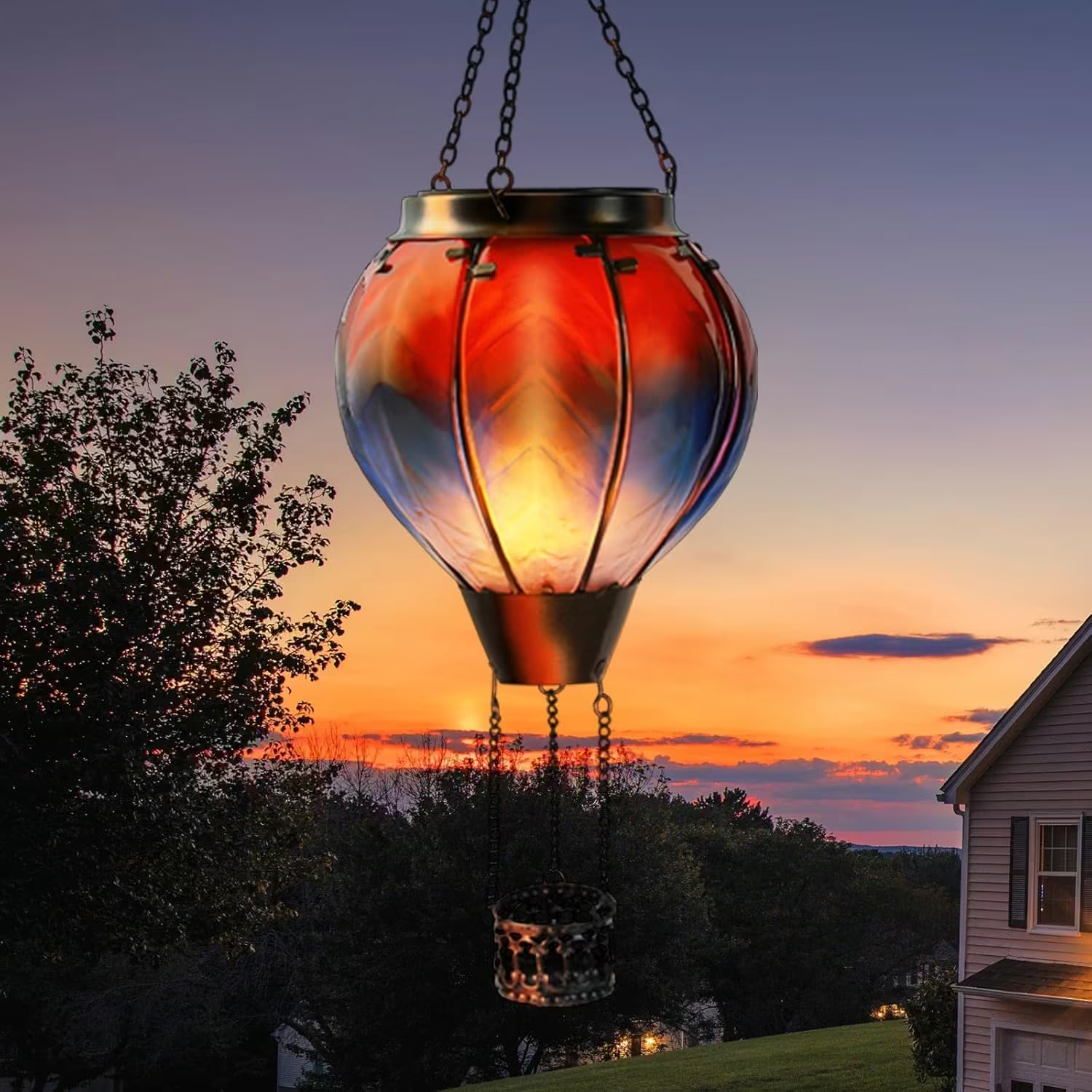
- Rope accents, weathered finishes, maritime themes
- Natural materials (rattan, driftwood-look)
- Blue, white, and natural color palettes
- Popular in coastal regions and beach-themed decor
5. Bohemian/Natural Lanterns
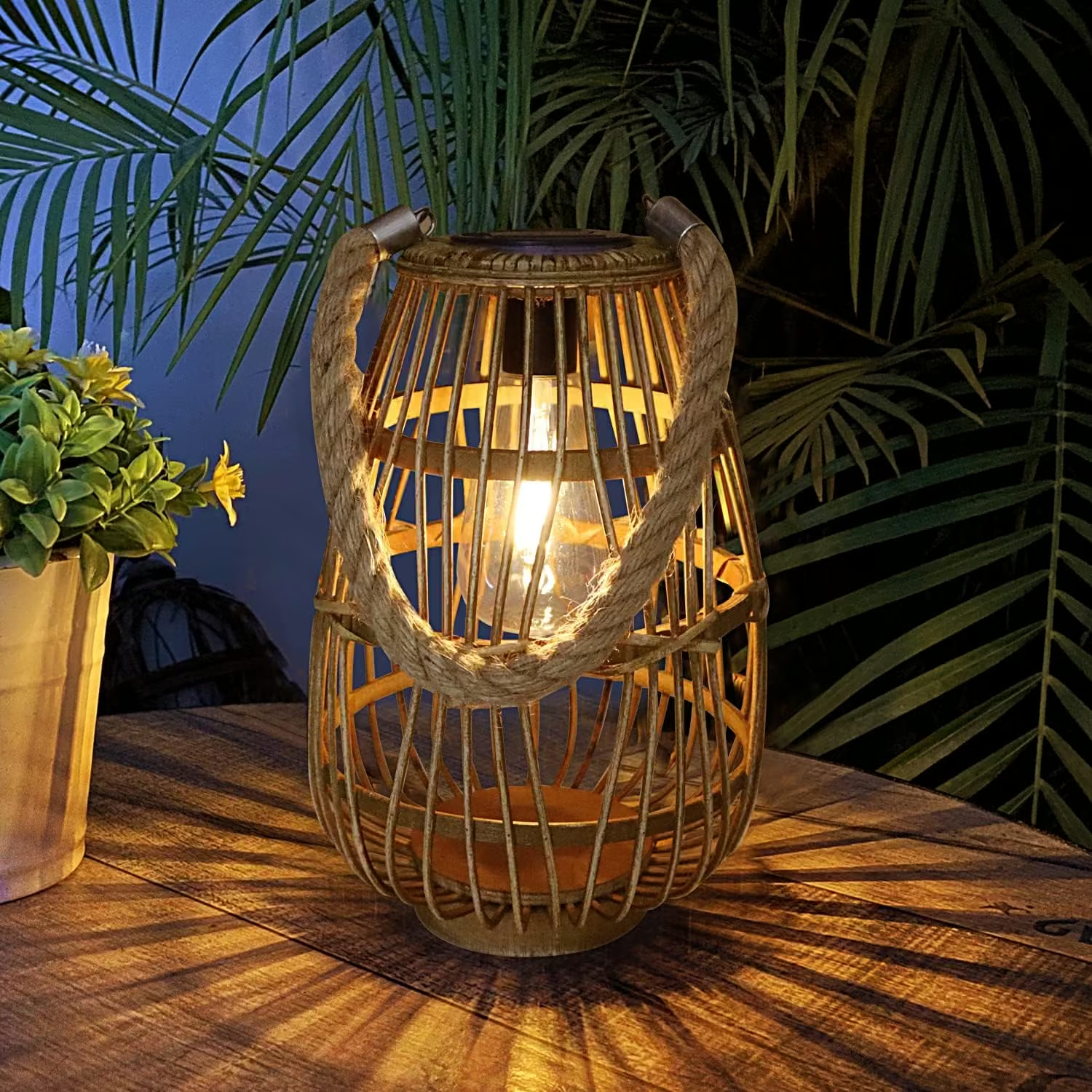
- Rattan weave, macramé details, organic shapes
- Earth tones and natural materials
- Handcrafted appearance
- Appeals to eco-conscious and boho-style customers
6. Holiday/Seasonal Lanterns
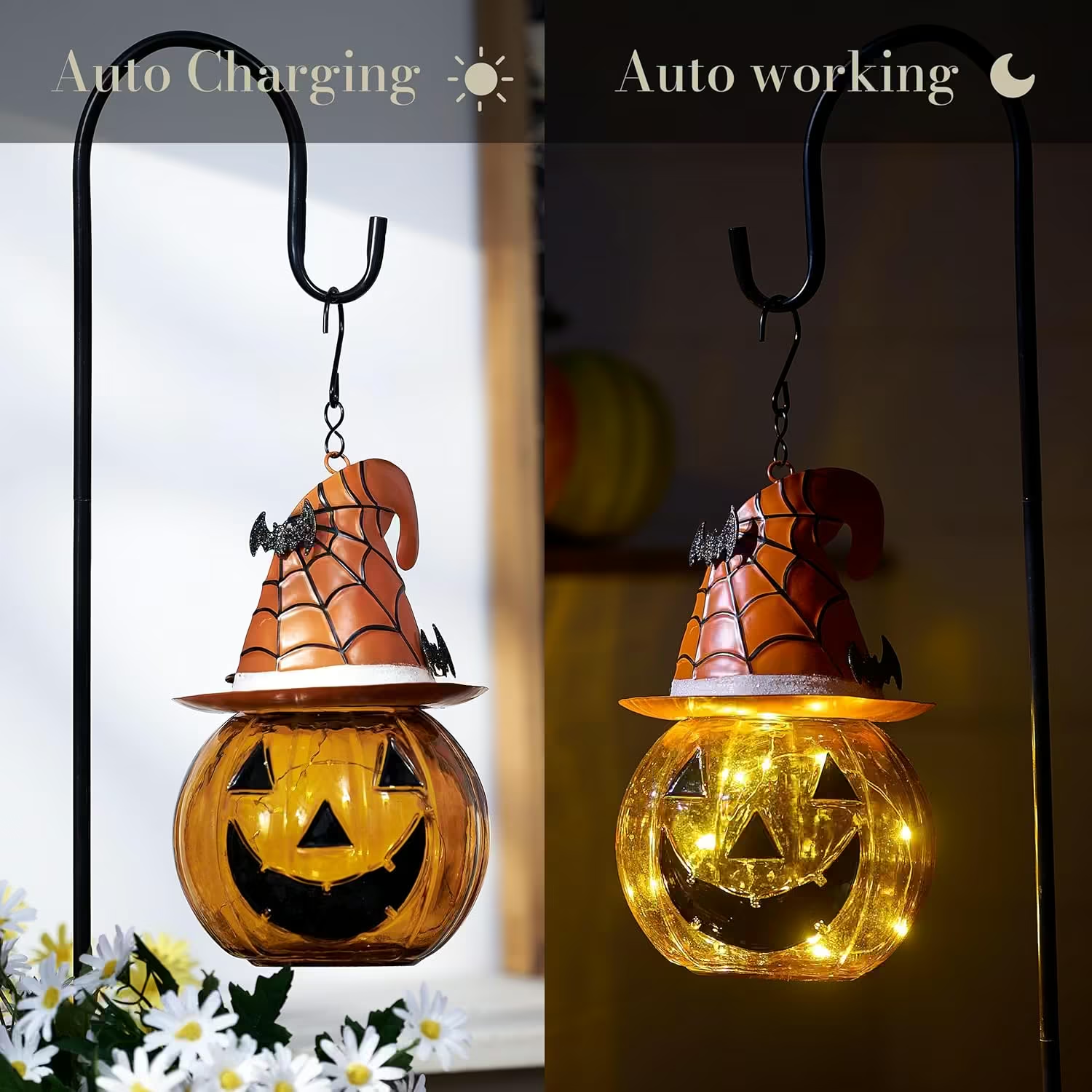
- Christmas-themed (red, green, snowflake patterns)
- Halloween (orange, black, spooky designs)
- Patriotic (American flag, stars and stripes)
- Seasonal colors and motifs
Which markets have the highest demand for wholesale solar lanterns?
Understanding regional preferences helps lantern wholesalers select appropriate inventory:
North America (United States & Canada):
- Top styles: Traditional coach lights, rustic farmhouse, coastal/nautical
- Peak seasons: Spring (March-May), Summer (June-August), Christmas (October-December)
- Key applications: Patio dining, porch decor, pathway lighting, gift market
- Certifications required: FCC (mandatory), UL (recommended for major retailers)
Europäische Union:
- Top styles: Modern minimalist, traditional European, Moroccan/Mediterranean
- Peak seasons: Spring/Summer (April-August), Christmas markets (November-December)
- Key applications: Balcony/terrace lighting, garden parties, bistro ambiance
- Certifications required: CE, RoHS, REACH (mandatory)
Vereinigtes Königreich:
- Top styles: Traditional English garden, coastal, vintage
- Peak seasons: Summer (May-August), Christmas (November-December)
- Key applications: Garden parties, pub gardens, conservatory lighting
- Certifications required: UKCA (post-Brexit), CE still accepted
Australien und Neuseeland:
- Top styles: Coastal, contemporary, natural materials
- Peak seasons: Spring/Summer (September-February), Christmas (November-December)
- Key applications: Outdoor entertaining, beach houses, patio lighting
- Certifications required: RCM (mandatory)
Emerging Markets:
- Southeast Asia: Growing middle class, outdoor living trends, festival lighting
- Naher Osten: Ramadan lanterns, luxury outdoor spaces, hospitality sector
- South America: Coastal markets, outdoor dining culture, festival decorations
Materials and Construction: Choosing the Right Solar Lanterns
What materials are used in wholesale solar lanterns and how do they compare?
Material selection significantly impacts aesthetics, durability, cost, and target market positioning. Solar lantern manufacturers typically work with five primary materials:
1. Metal Solar Lanterns (Iron, Aluminum, Stainless Steel)
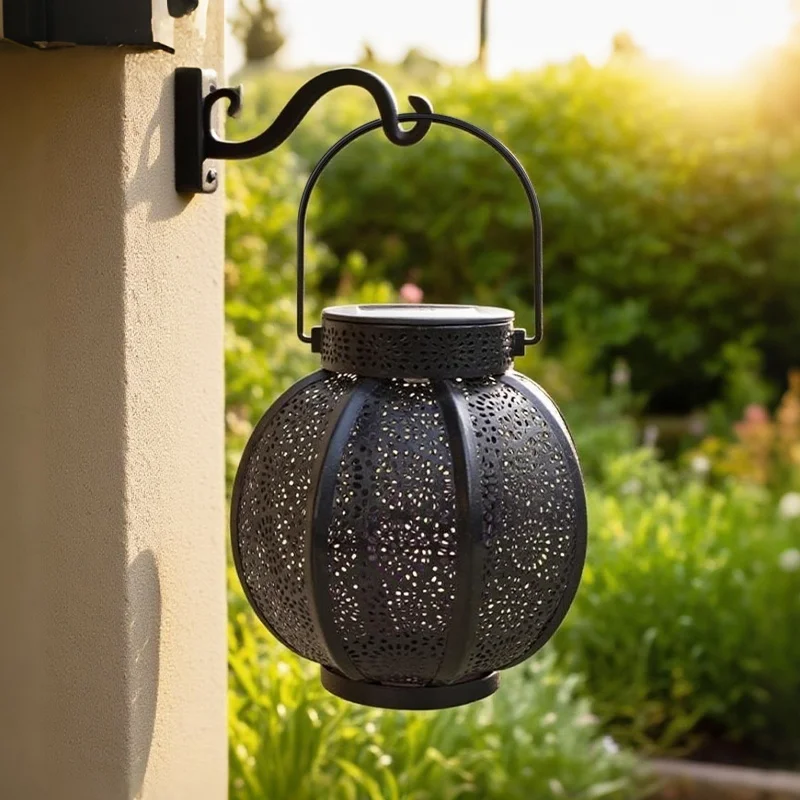
Eigenschaften:
- Durability: 5-10 year lifespan with proper coating
- Weight: Moderate to heavy (provides stability but increases shipping costs)
- Appearance: Premium, traditional, substantial
- Weather resistance: Excellent with quality powder coating or electroplating
- Design flexibility: Intricate cutout patterns, scrollwork, detailed frames possible
Materialoptionen:
- Iron/Steel: Most common; requires rust-resistant coating (powder coating, painting, electroplating)
- Aluminum: Lightweight, naturally rust-resistant, higher cost than iron
- Stainless Steel: Premium option, excellent corrosion resistance, ideal for coastal areas
- Brass/Copper: Decorative accents, develops natural patina, luxury positioning
Oberflächen:
- Powder coating (most durable, wide color range)
- Electroplating (chrome, nickel, brass looks)
- Hand-painted (aged, distressed, multi-color effects)
- Natural patina (weathered copper, rusted iron aesthetic)
Ideal für: Traditional lanterns, coach lights, premium garden decor, gift market
2. Plastic Solar Lanterns (PP, ABS, PC)
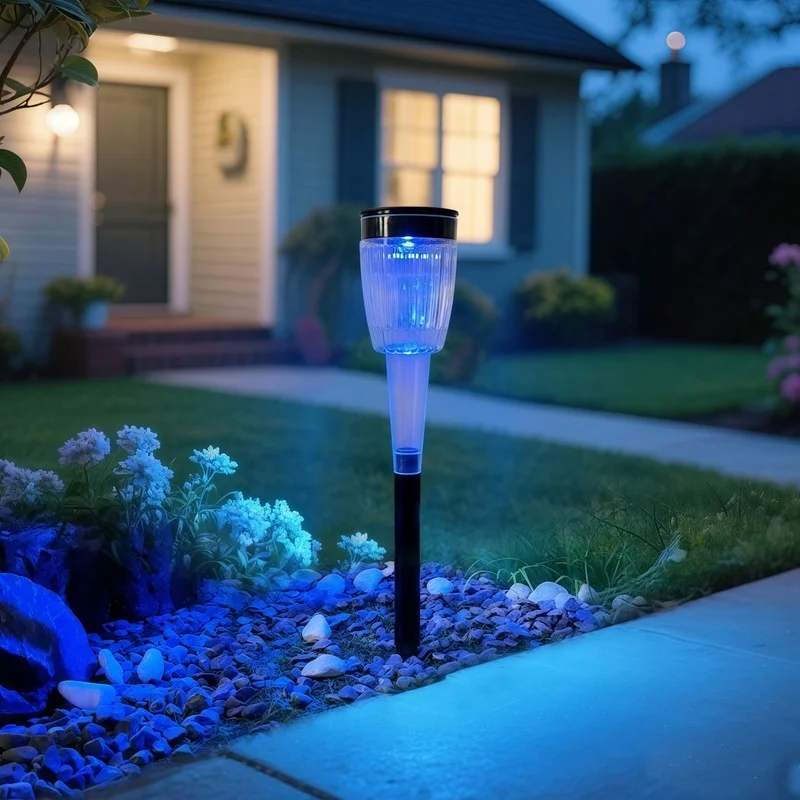
Eigenschaften:
- Durability: 3-7 years with UV stabilizers
- Weight: Lightweight (reduces shipping costs significantly)
- Appearance: Can range from budget to premium depending on design and finish
- Weather resistance: Good with UV-stabilized materials; won’t rust but may fade
- Design flexibility: Unlimited colors, complex molded shapes, cost-effective for volume
Materialoptionen:
- PP (Polypropylene): Most common, good UV resistance, flexible, cost-effective
- ABS: Rigid, excellent surface finish, can be electroplated for metallic look
- PC (Polycarbonate): Impact-resistant, clear panels, higher cost
Oberflächen:
- In-mold color (color throughout material, no fading or chipping)
- Spray painting (metallic effects, multi-color designs)
- Electroplating on ABS (chrome or metallic appearance)
- UV-resistant clear coats (extends outdoor life)
- Textured surfaces (matte, glossy, wood-grain, stone-look)
Ideal für: High-volume programs, price-sensitive markets, colorful designs, children’s themes
3. Resin Solar Lanterns (Polyresin, Fiberglass Resin)
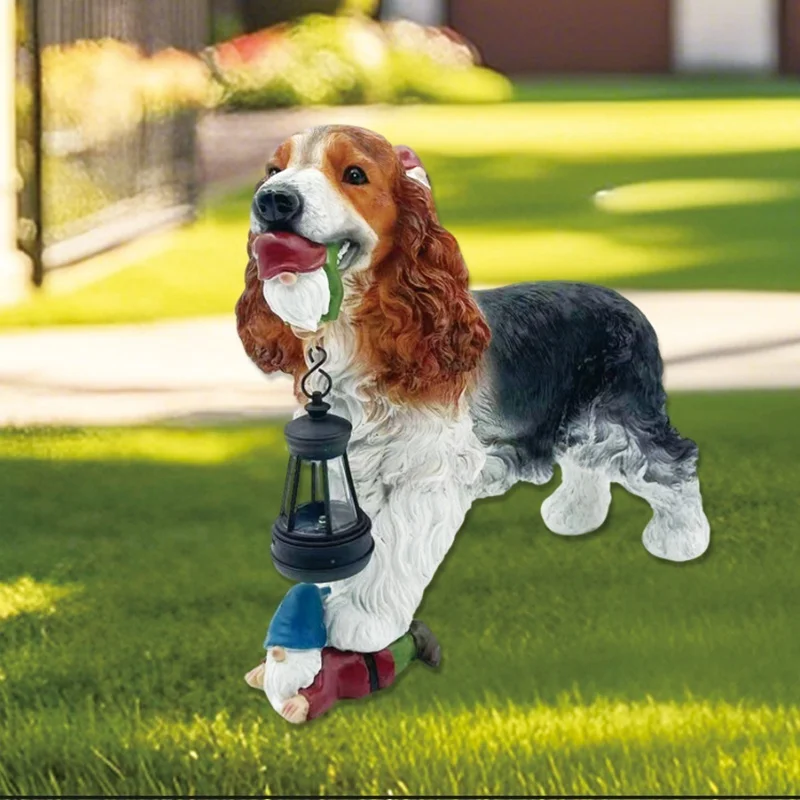
Eigenschaften:
- Durability: 5-10 years with quality weatherproof coating
- Weight: Moderate (heavier than plastic, lighter than metal)
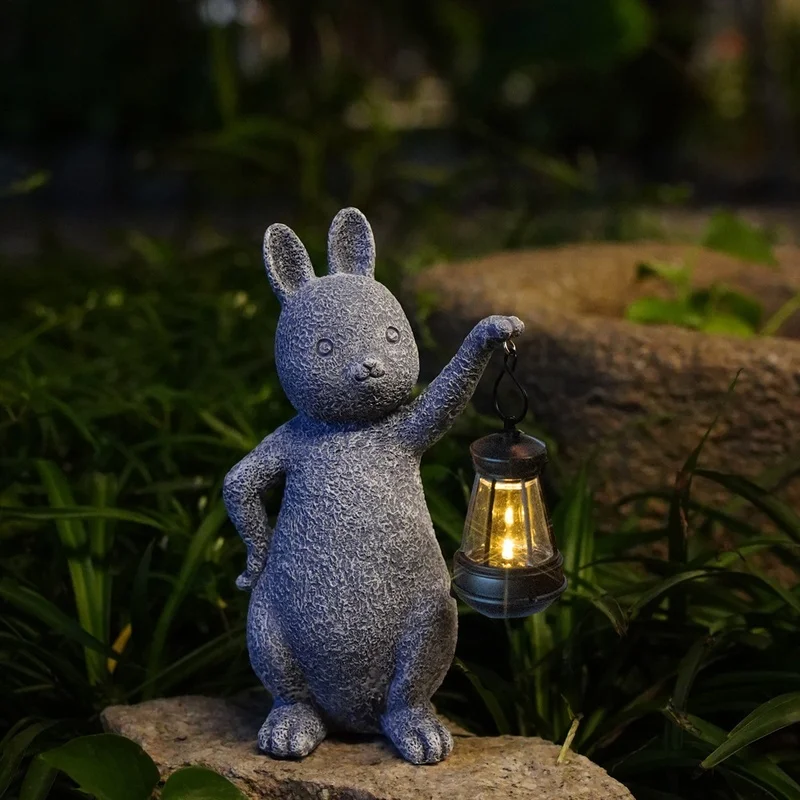
- Appearance: Excellent for detailed sculptures, realistic textures, hand-painted finishes
- Weather resistance: Good with proper sealing; can chip if dropped
- Design flexibility: Ideal for figurative designs, stone/wood/ceramic looks
Oberflächen:
- Hand-painted details (realistic animal features, stone textures, wood grain)
- Spray-painted base colors (consistent backgrounds)
- Weatherproof clear coats (protects paint, adds gloss or matte finish)
- Faux finishes (bronze, aged stone, ceramic, weathered wood)
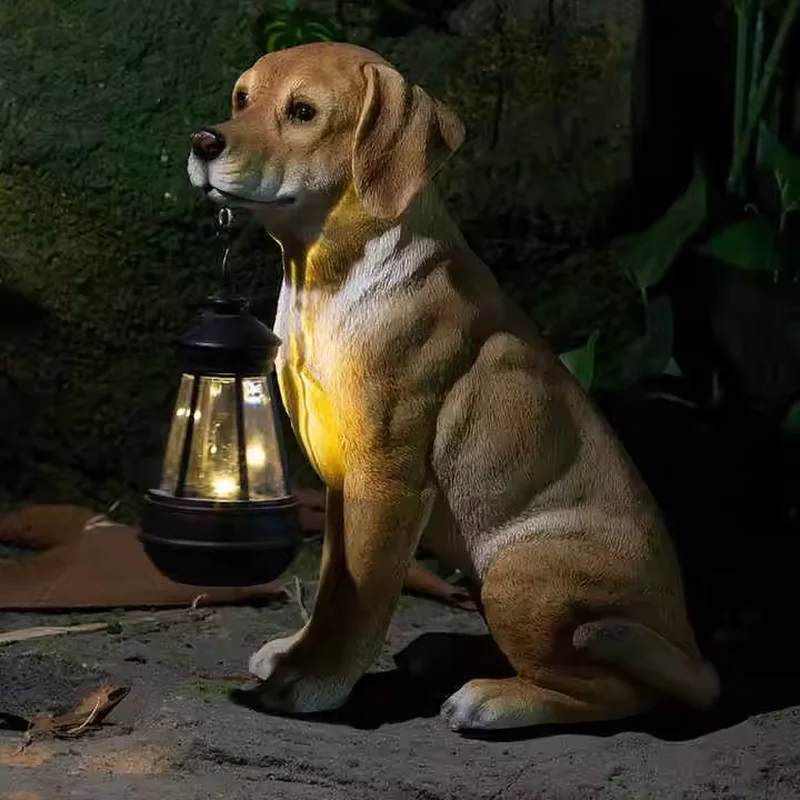
Ideal für: Decorative/gift market, themed designs (animals, statues), premium positioning
4. Rattan/Wicker Solar Lanterns
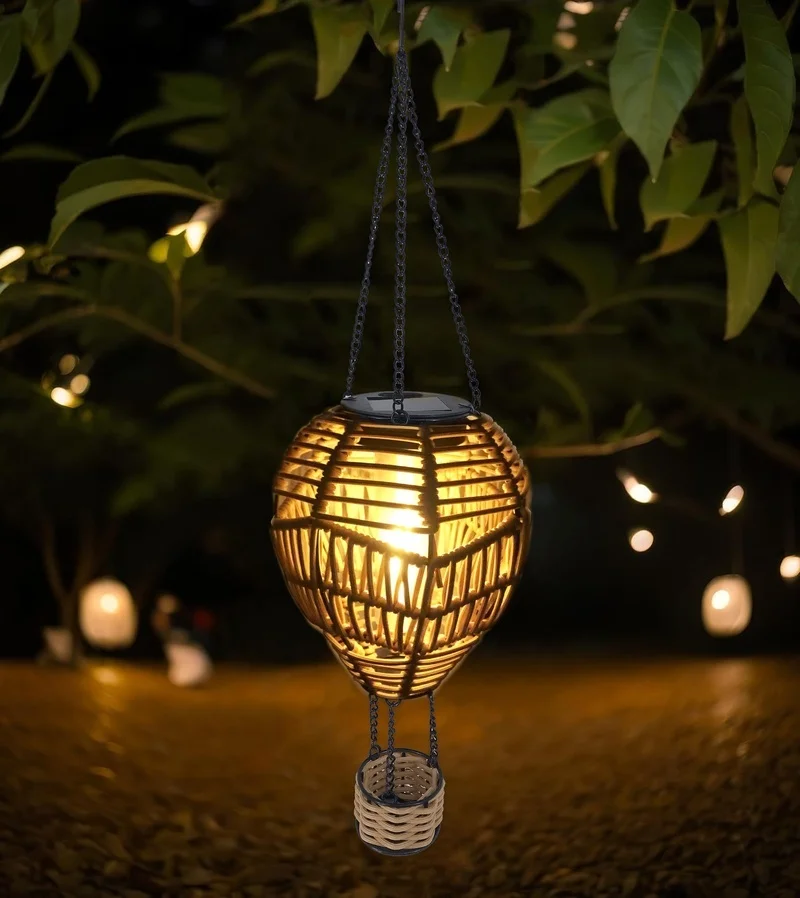
Eigenschaften:
- Durability: Natural rattan 2-4 years, synthetic rattan 5-8 years
- Weight: Lightweight to moderate
- Appearance: Natural, bohemian, coastal aesthetics; handcrafted look
- Weather resistance: Natural rattan requires treatment; synthetic rattan excellent
- Design flexibility: Woven patterns, natural textures, organic shapes
Materialoptionen:
- Natural rattan: Authentic, eco-friendly, requires weatherproofing treatment
- Synthetic rattan (PE/PVC): Weather-resistant, consistent quality, longer lifespan
- Woven plastic: Rattan-look appearance, most durable and cost-effective
Ideal für: Bohemian/coastal markets, natural/eco-conscious positioning, patio/deck lighting
5. Glass Solar Lanterns
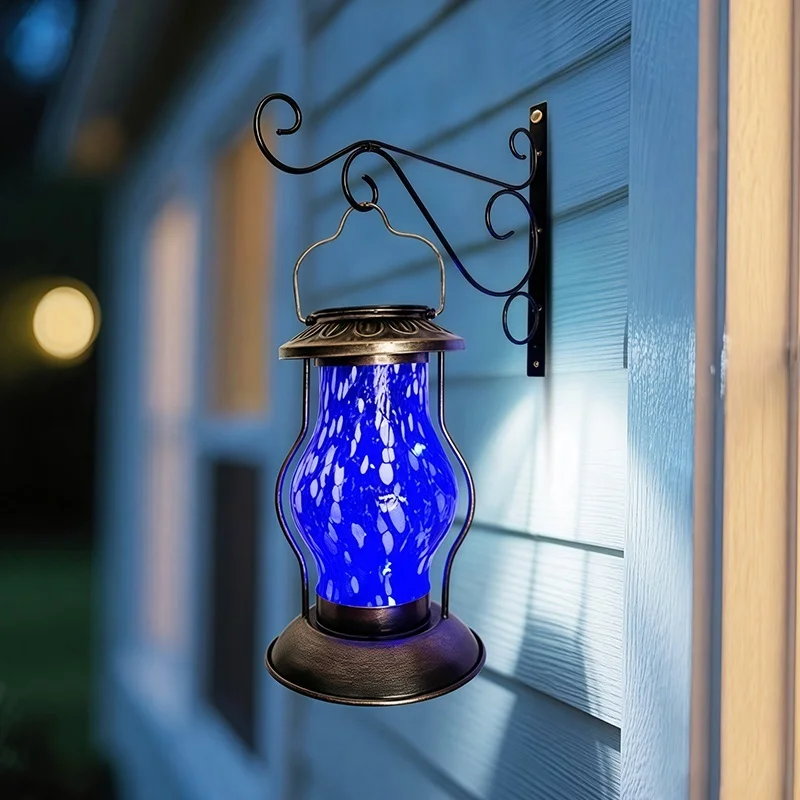
Eigenschaften:
- Durability: Glass panels indefinite if not broken; frames 5-10 years
- Weight: Heavy (increases shipping costs and breakage risk)
- Appearance: Premium, traditional, excellent light transmission and effects
- Weather resistance: Glass doesn’t degrade; frames require proper coating
- Design flexibility: Clear, frosted, colored, patterned glass options
Glass Options:
- Clear glass: Maximum light transmission, clean modern look
- Frosted/etched: Diffused light, hides internal components
- Colored/tinted: Amber, blue, green for mood lighting
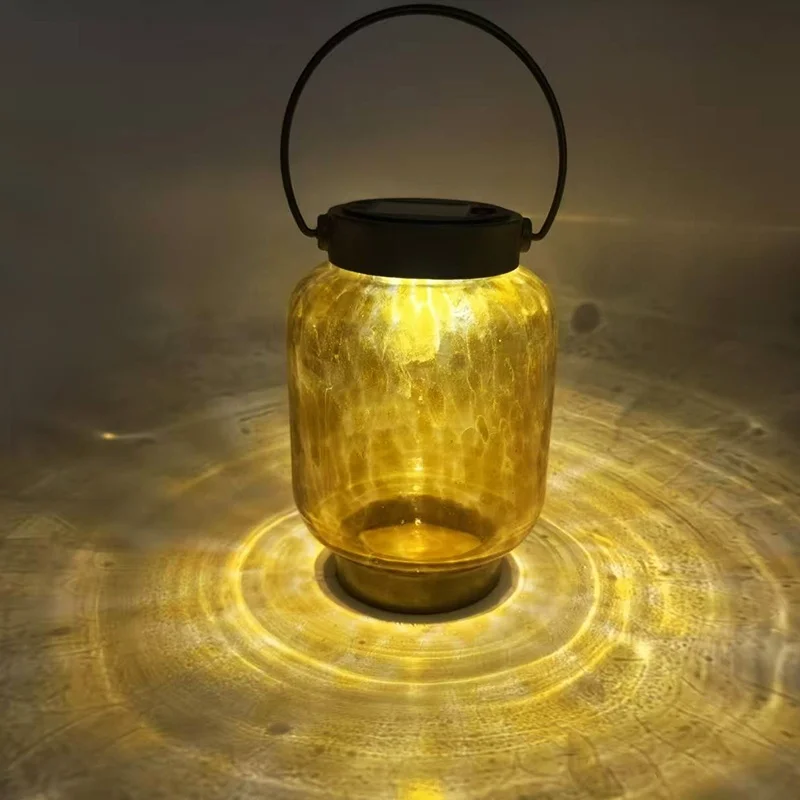
- Patterned/textured: Creates light patterns, adds visual interest
- Tempered glass: Safety glass, breaks into small pieces, required for some applications
Ideal für: Traditional lanterns, gift market, premium retailers, indoor-outdoor crossover
Kombinationsmaterialien:
Many bestselling wholesale solar lanterns combine materials for optimal aesthetics and functionality:
- Metal frame + glass panels: Classic lantern design, premium appearance
- Plastic housing + metal accents: Cost-effective with premium look
- Rattan exterior + plastic inner structure: Durability with natural aesthetics
- Resin base + metal handle: Decorative sculpture with functional portability
How do you choose the right material for your wholesale solar lanterns program?
Material selection should align with your business strategy and target market:
Für Programme mit hohem Volumen und wettbewerbsfähigen Preisen:
- Primary material: Plastic (PP or ABS)
- Target: Big-box retailers, online marketplaces, promotional programs
- Strategy: Leverage existing molds, focus on color variety and simple designs
For Premium Garden Centers and Specialty Retail:
- Primary materials: Metal, glass, or resin
- Target: Independent garden centers, home decor boutiques, gift shops
- Strategy: Emphasize craftsmanship, unique designs, superior durability
Für E-Commerce und Eigenmarken:
- Primary materials: Combination (metal + glass, rattan + plastic)
- Target: Amazon, own website, niche online stores
- Strategy: Balance perceived value with shipping costs, focus on photogenic designs
Für Geschenk- und Saisonprogramme:
- Primary materials: Resin (for figurines), glass (for premium gifts)
- Target: Gift shops, seasonal displays, sympathy/memorial markets
- Strategy: Emotional appeal, attractive packaging, themed collections
For Coastal and Resort Markets:
- Primary materials: Rattan, aluminum, stainless steel
- Target: Beach towns, resort shops, coastal home decor
- Strategy: Rust-resistant materials, nautical themes, natural aesthetics
Solar Technology in Lanterns: Performance and Specifications
How do solar lanterns work and what components are critical?
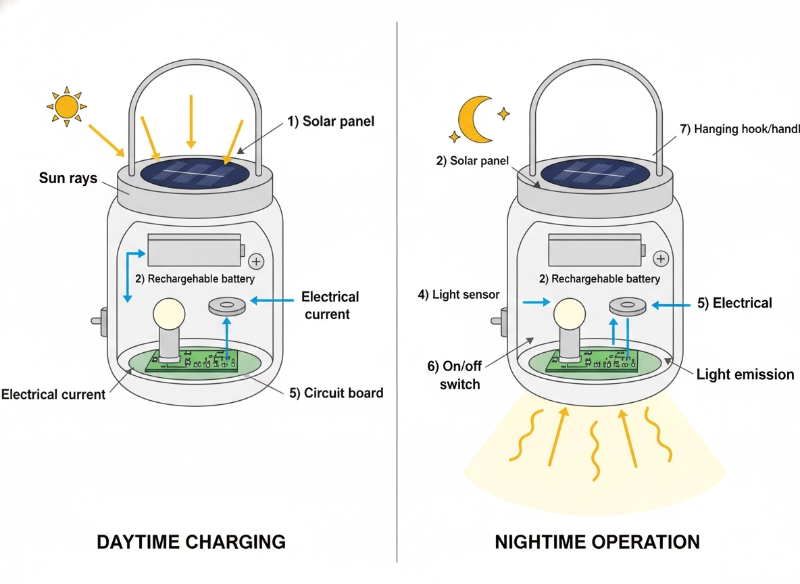
Understanding solar lantern technology helps lantern wholesalers evaluate quality and set customer expectations:
Core Components:
1. Solar Panel
- Funktion: Converts sunlight to electricity for battery charging
- Types: Monocrystalline (18-22% efficiency), Polycrystalline (15-18%), Amorphous (6-10%)
- Typical size for lanterns: 0.5W-2W (50-120mm diameter)
- Placement: Top of lantern, separate panel with cable, or integrated into design
- Lifespan: 10-20 years with gradual efficiency loss
2. Rechargeable Battery
- Funktion: Stores solar energy for nighttime illumination
- Types: NiMH (300-1200mAh, 1-2 year lifespan), Li-ion (600-2400mAh, 2-3 year lifespan)
- Typische Kapazität: 600-1200mAh for standard lanterns
- Replaceability: User-replaceable (AA/AAA) vs. sealed units
- Performance: Degrades in extreme cold; Li-ion performs better than NiMH
3. LED Light Source
- Funktion: Provides illumination using minimal power
- Power: 0.06-0.5W typical for decorative lanterns
- Helligkeit: 10-50 lumens (ambient lighting, not task lighting)
- Color temperature: Warm white (2700K) most popular for lanterns
- Lifespan: 30,000-50,000 hours (10-15 years)
4. Light Sensor and Controller
- Funktion: Schaltet das Licht automatisch bei Dämmerung ein und bei Tagesanbruch aus.
- Sensitivity: Adjustable or fixed threshold
- Smart features: Dimming modes, motion sensors, timers (premium models)
5. Housing and Weatherproofing
- Funktion: Protects electronics from moisture and elements
- IP-Schutzarten: IP44 (splash-resistant) to IP67 (waterproof)
- Seals and gaskets: Critical for long-term reliability
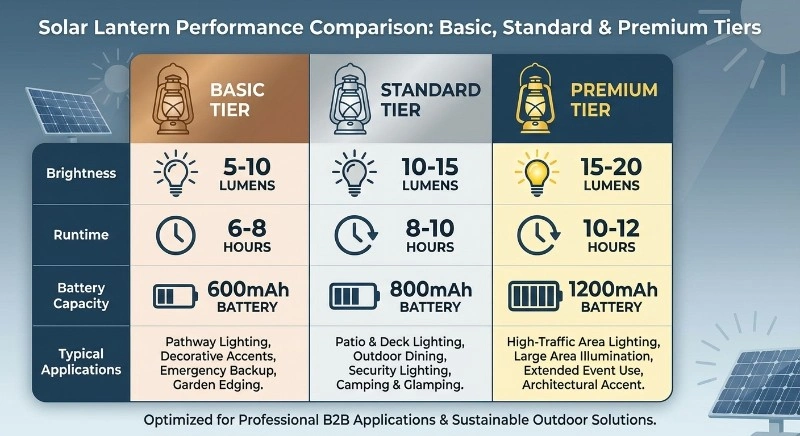
What runtime and brightness should you expect from wholesale solar lanterns?
Setting realistic expectations prevents returns and negative reviews:
Typical Runtime by Lantern Type:
Small Decorative Lanterns (6-8″ diameter):
- Solar panel: 0.5-1W
- Akku: 300–600 mAh NiMH
- LED: 0,06–0,2 W
- Brightness: 10-20 lumens
- Laufzeit: 6-8 Stunden nach vollständiger Aufladung
- Best for: Accent lighting, decorative ambiance
Medium Lanterns (8-12″ diameter):
- Solar panel: 1-1.5W
- Battery: 600-1000mAh NiMH or Li-ion
- LED: 0.2-0.4W
- Brightness: 20-40 lumens
- Laufzeit: 8-10 Stunden nach vollständiger Aufladung
- Best for: Tabletop lighting, pathway marking, patio ambiance
Large Feature Lanterns (12-16″ diameter):
- Solar panel: 1.5-2W
- Battery: 1000-1500mAh Li-ion
- LED: 0.4-0.8W (multiple LEDs)
- Brightness: 40-80 lumens
- Runtime: 10-12 hours after full charge
- Best for: Statement pieces, functional-decorative lighting, outdoor dining
Factors Affecting Performance:
Charging Conditions:
- Full sun (6-8 hours): Maximum runtime
- Partial shade (3-5 hours direct sun): 60-80% of rated runtime
- Heavy shade or cloudy: 30-50% of rated runtime
- Winter months: Reduced performance due to shorter days and lower sun angle
Battery Health:
- New battery: Full rated capacity
- After 1 year: 80-90% capacity (NiMH), 90-95% (Li-ion)
- After 2 years: 60-70% capacity (NiMH), 80-85% (Li-ion)
- Replacement extends product life 1-3 years
Seasonal Variations:
- Summer: Longest runtime (14-16 hour days, strong sun)
- Spring/Fall: Standard runtime (10-12 hour days)
- Winter: Reduced runtime (8-10 hour days, weaker sun, cold batteries)
Marketing Guidance for Lantern Wholesalers:
- Use conservative runtime claims (e.g., “6-8 hours” rather than “up to 12 hours”)
- Specify “after full charge in direct sunlight”
- Note seasonal performance variations
- Emphasize ambiance over brightness for decorative lanterns
- Provide maintenance tips (cleaning panels, replacing batteries)
Do solar lanterns work in winter or cloudy climates?
This is one of the most common questions from both wholesalers and end customers:
Honest Answer: Solar lanterns work in winter and cloudy climates but with reduced performance. Setting proper expectations is crucial for customer satisfaction.
Winter Performance Reality:
Challenges:
- Shorter days = less charging time (8-10 hours vs. 14-16 in summer)
- Niedrigerer Sonnenstand = verringerte Moduleffizienz (20-40%-Abnahme)
- Bewölktes Wetter = 10-25% Vollsonnladung
- Cold temperatures = battery capacity loss (20-40% below 0°C/32°F for NiMH)
- Schneedecke = keine Ladekosten bis zur Räumung
Realistische Wintererwartungen:
- Runtime: 2-4 hours (vs. 6-10 hours in summer)
- Helligkeit: Kann sich bei sinkendem Akkustand schneller verringern.
- Aufladen: Benötigt 2-3 sonnige Tage zum vollständigen Aufladen, im Sommer hingegen nur 1 Tag.
- Reliability: May not turn on every night in prolonged cloudy periods
Designlösungen für kalte Klimazonen:
- Larger solar panels (1.5W+ minimum)
- Li-ion batteries (better cold performance than NiMH)
- Higher capacity batteries (1000mAh+)
- Verstellbare Paneelwinkel zur Optimierung der Sonneneinstrahlung im Winter
- Dimmmodi oder Bewegungssensoren zur Verlängerung der Laufzeit
- USB charging backup option
Marketing Strategies for Northern Markets:
- Emphasize “3-season performance” (Spring, Summer, Fall)
- Provide winter performance disclaimers
- Offer “winter mode” products with enhanced specifications
- Suggest seasonal storage option (easy to remove and store)
- Bundle with USB charging cables for backup
- Focus on spring/summer/fall benefits in marketing
Cloudy Climate Considerations:
- Pacific Northwest, UK, Northern Europe have frequent overcast conditions
- Solar lanterns still function but require realistic expectations
- Larger panels and batteries essential
- Position in sunniest available locations
- Consider hybrid solar/USB charging models
Sourcing from Solar Lantern Manufacturers: B2B Considerations
How do you find and evaluate reliable solar lantern manufacturers in China?
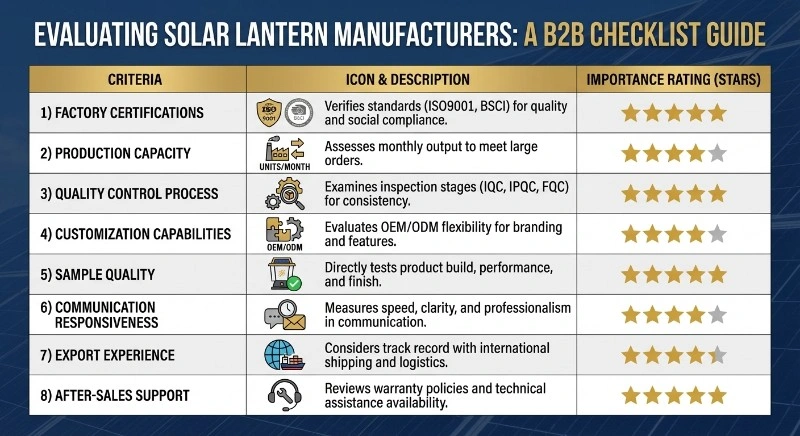
Finding trustworthy solar lantern suppliers is critical for long-term success:
Beschaffungskanäle:
1. Online B2B Platforms
- Alibaba: Largest selection; verify Gold Suppliers and Trade Assurance
- Globale Quellen: Mehr geprüfte Lieferanten, höherer Qualitätsfokus
- In China hergestellt: Gut für chinesische Hersteller
- Vorteile: Große Auswahl, einfacher Vergleich, Käuferschutz
- Nachteile: Die Qualität variiert, viele Handelsunternehmen, Kommunikationsherausforderungen
2. Trade Shows
- Canton Fair (Guangzhou): Zweimal jährlich, riesige Auswahl
- Beleuchtungsmesse in Hongkong: Frühlings- und Herbstausgaben
- Spoga+Gafa (Köln, Deutschland): Garten und Wohnen im Freien
- Vorteile: Produkte persönlich erleben, Teams kennenlernen, Beziehungen aufbauen
- Nachteile: Reisekosten, Zeitaufwand, überwältigende Auswahl
3. Industry Referrals
- Fragen Sie bei Unternehmen in Ihrer Branche nach, die nicht in Konkurrenz zu Ihnen stehen.
- Treten Sie Branchenverbänden und Foren bei.
- LinkedIn networking with other lantern wholesalers
- Vorteile: Vorabgeprüfte Lieferanten, Insiderwissen
- Nachteile: Limited to referrer’s experience
Supplier Evaluation Checklist:
Unternehmenshintergrund:
- Years in business (prefer 5+ years as solar lantern manufacturers)
- Fabrikbesitz vs. Handelsunternehmen
- Specialization in solar lanterns vs. general lighting
- Exporterfahrung und Hauptmärkte
- Unternehmensgröße (Mitarbeiter, Produktionskapazität)
Zertifizierungen und Konformität:
- ISO 9001 (Qualitätsmanagement)
- BSCI oder Sedex (soziale Compliance)
- Produktzertifizierungen (CE, FCC, UL usw.)
- Werksprüfungsberichte (falls verfügbar)
Produktionskapazitäten:
- Interne vs. ausgelagerte Prozesse
- Monthly production capacity for solar lanterns
- Ausstattungs- und Technologieniveau
- Größe und Fähigkeiten des F&E-Teams
- Probenentwicklungsgeschwindigkeit
- Specialization in specific materials (metal, resin, rattan, glass)
Qualitätskontrolle:
- QS-Verfahren und Dokumentation
- Testing equipment and lab (IP rating, UV aging, etc.)
- Defect rate statistics (should be <0.5% for quality manufacturers)
- Garantie- und Kundendienstrichtlinien
- Willingness to accept third-party inspection
Kommunikation und Service:
- Englischkenntnisse der wichtigsten Ansprechpartner
- Response time to inquiries (within 24 hours is good)
- Bereitschaft zur Bereitstellung detaillierter Informationen
- Transparenz hinsichtlich Fähigkeiten und Grenzen
- Referenzen von bestehenden Kunden
Warnsignale, die es zu vermeiden gilt:
- Weigerung, die Fabrikadresse oder Fotos anzugeben
- Preise deutlich unter Marktwert (zu schön, um wahr zu sein)
- Druck, sofort ohne Muster zu bestellen.
- Unklare oder ausweichende Antworten auf konkrete Fragen
- Keine Zertifizierungen oder Qualitätsdokumentation
- Mangelhafte Kommunikation oder lange Reaktionszeiten
- Nicht bereit, Inspektionen durch Dritte zu akzeptieren
- Claims to manufacture everything (likely trading company)
Probenbewertungsprozess:
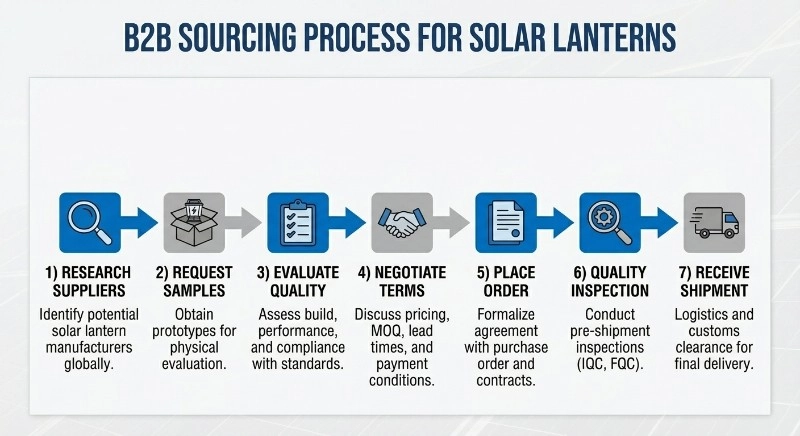
Schritt 1: Muster anfordern (3-5 Lieferanten)
- Order 2-3 samples per solar lantern supplier
- Fügen Sie ähnliche Designs zum Vergleich hinzu.
- Verhandeln Sie die Kosten für Muster (oft erstattungsfähig).
- Nutzen Sie Expressversand (DHL/FedEx) für eine schnellere Lieferung.
Schritt 2: Physische Inspektion
- Materialqualität und Verarbeitung
- Montagequalität und Liebe zum Detail
- Gewicht und wahrgenommener Wert
- Packaging quality and protection
- Instruction clarity and completeness
- Handle/chain strength and attachment
- Glass or panel quality (if applicable)
Schritt 3: Funktionstests
- 1-2 Tage im Sonnenlicht aufladen.
- Laufzeit und Helligkeit messen
- Test automatic on/off function
- Wasserdichtigkeit prüfen (mit dem Gartenschlauch absprühen)
- Assess ease of battery replacement (if applicable)
- Testen Sie nach Möglichkeit unter verschiedenen Wetterbedingungen.
Schritt 4: Vergleichende Analyse
- Vergleichsmatrix erstellen (Qualität, Preis, Funktionen, Service)
- Berechnen Sie die gesamten Landekosten für jeden Lieferanten
- Mindestbestellmenge und Zahlungsbedingungen beachten
- Kommunikationserfahrung bewerten
- Check certifications and documentation
Schritt 5: Referenzprüfungen
- Bitte 2-3 Kundenreferenzen anfordern
- Erkundigen Sie sich nach gleichbleibender Qualität, Lieferzuverlässigkeit und Problemlösung.
- Suchen Sie nach Online-Bewertungen oder Beschwerden.
- Check business registration and legitimacy
Schritt 6: Kleine Testbestellung
- Bestellen Sie mindestens 100–300 Stück bei den 1–2 besten Lieferanten.
- Bewerten Sie die Qualität der Gesamtproduktion im Vergleich zu den Mustern.
- Testlogistik und Dokumentation
- Beurteilen Sie die Problemlösung, falls Probleme auftreten
- Measure customer response before scaling
Certifications, Quality Control, and Compliance
What certifications are required for wholesale solar lanterns in different markets?
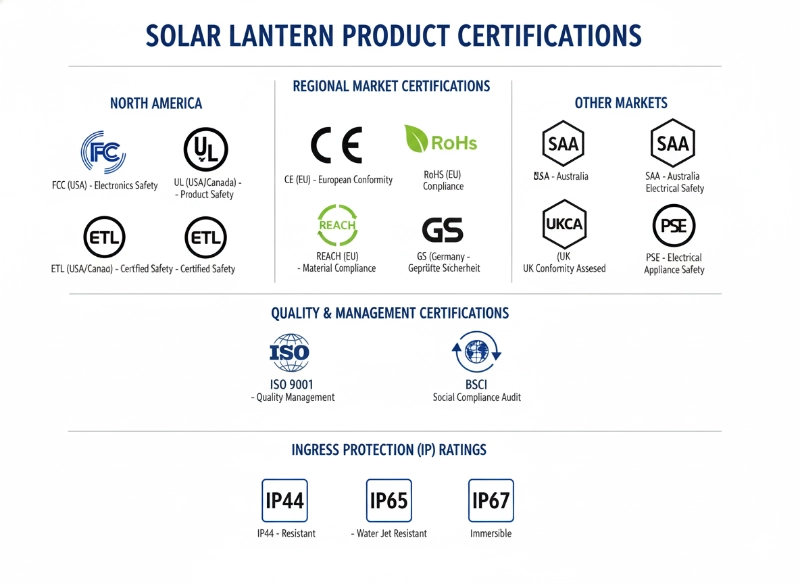
Certifications ensure product safety, market access, and retailer acceptance:
Europäische Union (CE-Kennzeichnung):
Erforderliche Richtlinien:
- LVD (Niederspannungsrichtlinie): Electrical safety (most solar lanterns exempt as <50V)
- EMV (Elektromagnetische Verträglichkeit): Verhindert Störungen mit anderen Geräten
- RoHS (Restriction of Hazardous Substances): Begrenzt Blei, Quecksilber, Cadmium usw.
- ERREICHEN: Registrierung und Beschränkungen chemischer Stoffe
Prüfstandards:
- EN 60598 (Lichtsicherheit)
- EN 55015 (EMV-Emissionen)
- EN 61547 (EMV-Störfestigkeit)
Zeitleiste: 4-6 Wochen
Gültigkeit: Laufend (erneuter Test bei Designänderungen)
Vereinigtes Königreich (UKCA-Kennzeichnung):
- Ersatz der CE-Kennzeichnung nach dem Brexit in Großbritannien
- Ähnliche Anforderungen wie CE
- Die CE-Kennzeichnung wird bis auf Weiteres weiterhin akzeptiert, wird aber von der UKCA empfohlen.
Vereinigte Staaten:
FCC (Federal Communications Commission):
- Erforderlich für: All products with electronic circuits
- Teil 15: Begrenzt Funkstörungen
- Testen: Emissionsprüfung in einem akkreditierten Labor
- Zeitleiste: 3-4 Wochen
UL (Underwriters Laboratories) – Optional, aber empfohlen:
- UL 2108: Niedervolt-Beleuchtungssysteme
- UL 2108A: Solarbetriebene Beleuchtung
- Nutzen: Increases buyer confidence, required by some major retailers
- Zeitleiste: 8-12 Wochen
Kalifornische Proposition 65:
- Warnhinweis erforderlich, wenn das Produkt die aufgeführten Chemikalien oberhalb des zulässigen Grenzwerts enthält.
- Häufige Auslöser: Blei im Lötzinn, Phthalate in Kunststoffen
- Konformität: Materialprüfung + Warnhinweis falls erforderlich
Kanada:
- IC (Innovation, Science and Economic Development Canada): Ähnlich wie die FCC
Australien/Neuseeland:
- RCM (Regulatory Compliance Mark): Elektrische Sicherheit und EMV
- Normen: AS/NZS 60598 (ähnlich der europäischen Norm EN 60598)
- Zeitleiste: 4-6 Wochen
IP-Schutzart (Ingress Protection):
- Keine Zertifizierung, sondern eine geprüfte Spezifikation
- IP44: Splash-resistant (covered patios)
- IP65: Dust-tight and water-jet resistant (most outdoor lanterns)
- IP67: Waterproof (temporary immersion) – ground-level lanterns
- In Produktspezifikationen und Marketingmaterialien aufnehmen
Certification Strategy for Lantern Wholesalers:
Nur für den US-Markt:
- Mindestvoraussetzung: FCC (erforderlich)
- Recommended: FCC + UL (for major retailers like Home Depot, Lowe’s)
- Budget: [Contact for details]
Nur für den EU-Markt:
- Erforderlich: CE (Niederspannungs-/EMV-Zertifizierung) + RoHS + REACH
- Budget: [Contact for pricing],000
Für die Märkte USA und EU:
- Verpackung: FCC + CE + RoHS + REACH
- Budget: [Contact for details]
- Viele Labore bieten Rabatte für kombinierte Tests an.
Für den weltweiten Vertrieb:
- Komplettpaket: FCC + CE + RoHS + REACH + UKCA + RCM
- Budget: [Contact for details]
- Die Kosten werden über den ersten Produktionsauftrag verteilt.
Tipps zum Kostenmanagement:
- Testen Sie ein repräsentatives Modell pro Produktfamilie (ähnliche Designs können Zertifizierungen gemeinsam nutzen).
- Negotiate certification costs with solar lantern manufacturer (often included in MOQ pricing)
- Verwenden Sie die vorhandenen Zertifizierungen des Herstellers, wenn Sie Standarddesigns kaufen.
- Planen Sie Zertifizierungen vor Produktionsbeginn, um Verzögerungen zu vermeiden.
- Bewahren Sie Prüfberichte und Zertifikate für Zoll- und Händleranforderungen auf.
Business Strategy and Market Success
How do you build a successful wholesale solar lanterns product line?
trategic product selection maximizes sales while minimizing inventory risk:
Product Mix Strategy (The 70/20/10 Approach):
Core Products (70% of SKUs, 80% of sales):
- Eigenschaften: Proven bestsellers, year-round appeal, broad customer base
- Examples: Traditional metal lanterns, popular tabletop designs, classic hanging lanterns
- Inventory: Deep stock, multiple reorders per season
- Customization: Minimal (stock designs with your branding)
Seasonal Products (20% of SKUs, 15% of sales):
- Eigenschaften: Holiday-specific, limited selling window, higher margins
- Examples: Christmas lanterns, Halloween designs, Chinese New Year lanterns
- Inventory: Single seasonal buy, clearance after season
- Customization: Moderate (seasonal colors, themed packaging)
Premium/Specialty Products (10% of SKUs, 5% of sales):
- Eigenschaften: Unique designs, niche appeal
- Examples: Large statement pieces, limited editions, artist collaborations
- Inventory: Limited quantities, test-and-learn approach
- Customization: High (exclusive designs, premium materials)
Good-Better-Best Tiering:
Good Tier (Entry Level):
- Materials: Plastic, basic finishes
- Features: Basic solar, standard runtime
- Target: Price-conscious customers, trial purchases
- Margin: 60-65%
Better Tier (Mid-Range):
- Materials: Metal/rattan combinations, quality finishes
- Features: Enhanced battery, better LEDs, attractive design
- Target: Quality-conscious customers, gift buyers
- Margin: 65-70%
Best Tier (Premium):
- Materials: Premium metals, glass, hand-painted resin
- Features: Li-ion batteries, smart features, superior craftsmanship
- Target: Design enthusiasts, premium gift market
- Margin: 70-80%
What are the key success factors for lantern wholesalers?
1. Supplier Relationship Management
- Build long-term partnerships with 2-3 reliable solar lantern manufacturers
- Communicate forecasts and seasonal plans proactively
- Provide feedback on quality and market response
- Negotiate better terms as volume grows
- Collaborate on new product development
2. Inventory Management
- Balance stock depth (core products) with breadth (variety)
- Plan seasonal inventory 4-6 months in advance
- Use data to identify fast-movers and slow-movers
- Implement clearance strategies for end-of-season inventory
- Consider dropshipping for testing new designs
3. Quality Control
- Inspect first production samples before mass production
- Conduct pre-shipment inspections (in-house or third-party)
- Test samples from each shipment upon arrival
- Track defect rates and address issues promptly
- Maintain quality standards even as you scale
4. Customer Education
- Provide realistic performance expectations
- Create installation and maintenance guides
- Offer troubleshooting support
- Share seasonal care tips (winter storage, panel cleaning)
- Build trust through transparency
5. Marketing and Positioning
- High-quality product photography (day and night shots)
- Lifestyle imagery showing lanterns in use
- Clear product specifications and features
- Customer reviews and testimonials
- Seasonal marketing campaigns
- Social media presence (Instagram, Pinterest)
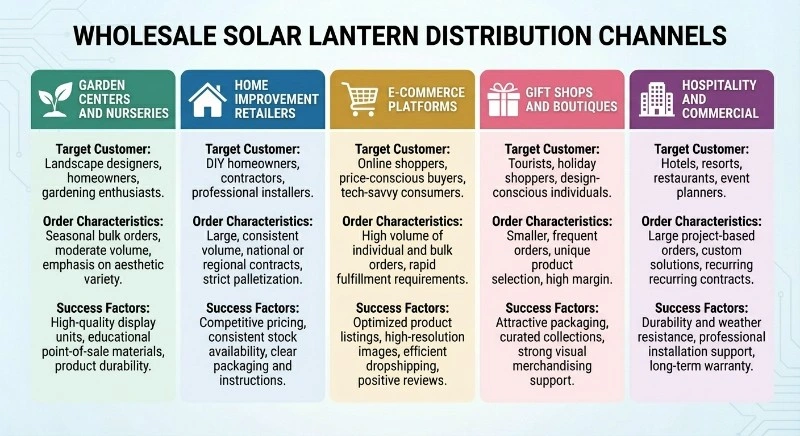
6. Channel Strategy
- Diversify across multiple channels (online, retail, wholesale)
- Avoid channel conflict with exclusive SKUs
- Tailor product mix to each channel’s customer base
- Provide channel-specific support (POS displays, marketing materials)
Häufige Fragen von Endkunden (B2C-Perspektive)
How long do solar lanterns last?
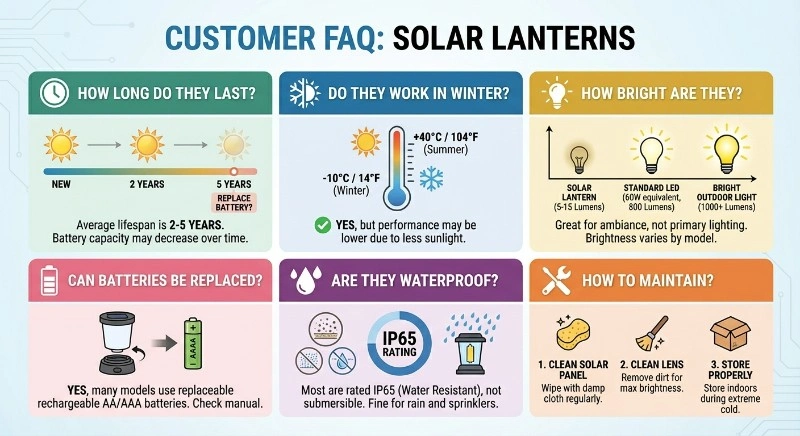
Die Lebensdauer variiert je nach Bauteil und Qualität:
LED-Lebensdauer:
- Hochwertige LEDs: 30.000-50.000 Stunden (10-15 Jahre bei 8 Stunden/Nacht)
- LEDs fallen selten vollständig aus; sie werden mit der Zeit allmählich dunkler.
- Üblicherweise nicht der begrenzende Faktor für die Produktlebensdauer
Batterielebensdauer (Häufigster Ausfallpunkt):
- NiMH-Akkus: 1-2 Jahre (300-500 Ladezyklen)
- Lithium-Ionen-Akkus: 2-3 Jahre (500-1000 Ladezyklen)
- Die Leistung nimmt allmählich ab (kürzere Laufzeit, schwächeres Licht).
- Austauschbare Batterien verlängern die Produktlebensdauer erheblich.
Lebensdauer von Solarmodulen:
- Hochwertige Paneele: 10-20 Jahre mit allmählichem Effizienzverlust (0,5-11 TP3T pro Jahr)
- Schäden durch Hagel, Trümmer oder UV-Strahlung sind häufiger als ein Ausfall.
Lebensdauer von Wohngebäuden/Strukturen:
- Metall (hochwertige Pulverbeschichtung): 5-10 Jahre
- Kunststoff (UV-stabilisiert): 3-7 Jahre
- Harz (Qualität): 5-10 Jahre
- Rattan (synthetic): 5-8 years; (natural): 2-4 years
- Glas: Unbegrenzt haltbar, solange es nicht zerbrochen ist.
Gesamtlebensdauer des Produkts:
- Budget lanterns: 1-2 Jahre typisch
- Mid-range lanterns: 2-4 Jahre typisch
- Premium lanterns: 4-7 Jahre typisch
- Bei Batteriewechsel: 1-3 Jahre hinzufügen
Can you replace batteries in solar lanterns?
Die Austauschbarkeit der Batterie variiert je nach Ausführung:
Vom Benutzer austauschbare Batterien:
- Standard AA- oder AAA-NiMH-Batterien
- Access via battery compartment (usually bottom of lantern)
- Ersatzbatterien sind im Baumarkt erhältlich.
- Verlängert die Produktlebensdauer um 1-3 Jahre
Vom Hersteller austauschbare Batterien:
- Kundenspezifische Akkupacks oder Lithium-Ionen-Zellen
- Erfordert Demontage (Schrauben, Dichtungen)
- Ersatzbatterien vom Hersteller oder von Fachhändlern
- Bei unsachgemäßer Durchführung erlischt die Garantie.
For Lantern Wholesalers: Das Anbieten von Ersatzbatterien als Zubehör generiert wiederkehrende Einnahmen und steigert die Kundenzufriedenheit. Erwägen Sie, eine Anleitung zum Batteriewechsel beizulegen und Akkupacks zum Kauf anzubieten.
How do you maintain solar lanterns?
Regelmäßige Wartung verlängert die Lebensdauer und gewährleistet optimale Leistung:
Monthly Maintenance:
- Clean solar panels with damp cloth (removes dust, pollen, bird droppings)
- Entfernen Sie Blätter, Spinnweben und Insektennester.
- Check for cracks or damage to housing
- Tighten any loose screws or connections
Saisonale Wartung:
- Frühling: Deep clean after winter, check for winter damage, reposition if landscaping changed
- Fallen: Clean before winter, tighten connections, consider storing delicate lanterns indoors
Winterlagerung (optional):
- Batterien vor der Lagerung entfernen (verhindert Korrosion)
- Gründlich reinigen und trocknen
- An einem trockenen, temperaturstabilen Ort lagern.
- Empfindliche Gegenstände (Glas, Harz) in Luftpolsterfolie einwickeln
Working with Glowyard Lighting – Your Solar Lantern Supplier
Why choose Glowyard as your wholesale solar lanterns partner?
Glowyard Lighting distinguishes itself as a specialized solar lantern manufacturer:
Manufacturing Excellence:
- 15+ years specialization: Exclusive focus on solar outdoor lighting since 2010
- Dual production facilities: 8,000-12,000 sqm factories in Fujian and Guangdong
- High capacity: 600,000-1,000,000 annual units
- Quality control: 4-stage inspection with <0.5% defect rate
- Certifications: ISO 9001, BSCI, Sedex factory + CE, RoHS, FCC, UL product certifications
Product Range:
- 300+ solar lantern designs across all materials and styles
- Solar chinese lanterns for garden: Traditional and modern Asian designs
- Wholesale solar ground insertion lanterns: Specialized production from dedicated factory
- All materials: Metal, plastic, resin, rattan, glass expertise
- Continuous innovation: 400+ new designs developed annually
Business-Friendly Policies:
- Lower MOQs: 50 pieces vs. industry standard 500-1,000 pieces
- Fast turnaround: 7-10 day sampling, [Contact for timeline]
- Flexible payment: 30/70 standard, Net 30-60 for qualified clients
- Sample refund: 100% refundable against orders 300+ pcs
Comprehensive Services:
- OEM/ODM capabilities: 15-20 person R&D team for custom development
- E-commerce support: Amazon A+ content, product videos, multilingual descriptions
- Quality assurance: Professional testing lab, third-party inspection support
- After-sales support: 2-3 year warranty, spare parts availability, 24-hour response
How to start working with Glowyard Lighting?
Schritt 1: Erstberatung (kostenlos)
- Kontaktieren Sie uns per E-Mail ([email protected]) oder WhatsApp (+86 147 4935 2668)
- Share your requirements: target products, quantities, customization needs, markets, timeline
- Receive preliminary recommendations and quotations within 24 hours
Schritt 2: Stichprobenauswertung
- Select 2-5 designs from our 300+ solar lantern catalog
- Order samples ([Contact for pricing] per unit + shipping, refundable against production)
- Muster per Expresskurier erhalten (5-7 Tage in die USA/EU).
- Bewerten Sie Qualität, Funktionalität und Markttauglichkeit.
Schritt 3: Anpassungsgespräch
- Gewünschte Änderungen angeben: Logo, Verpackung, Farben, Materialien, Funktionen
- Receive detailed quotation with MOQ, pricing tiers, lead times
- 3D-Renderings oder modifizierte Beispiele für kundenspezifische Projekte prüfen
- Spezifikationen finalisieren und für die Produktion freigeben
Schritt 4: Erster Produktionsauftrag
- Place order with 30% deposit
- Erhalten Sie Produktionsupdates zu wichtigen Meilensteinen.
- Prüfen Sie den Vorversandinspektionsbericht mit Fotos
- Arrange shipping
- Receive goods and evaluate quality
Schritt 5: Laufende Partnerschaft
- Reorder with reduced MOQs and improved pricing
- Expand product line with new designs
- Benefit from dedicated account management
- Collaborate on seasonal programs and new development
Abschluss
Wholesale solar lanterns represent a dynamic and growing market segment with opportunities for businesses of all sizes. Success requires understanding both the technical aspects (materials, solar technology, quality standards) and business considerations (certifications, supplier relationships).
Key Takeaways for Lantern Wholesalers:
- Materialauswahl should align with your target market and price positioning
- Solartechnologie continues to improve; invest in quality components for customer satisfaction
- Flexibilität der Mindestbestellmenge varies widely; start small and scale as you prove demand
- Zertifizierungen sind für den Marktzugang und die Anforderungen der Einzelhändler unerlässlich.
- Qualitätskontrolle protects your brand and reduces costly returns
- Lieferantenbeziehungen Es handelt sich um langfristige Partnerschaften; investieren Sie Zeit, um die richtige Passform zu finden.
- Produktstrategie Das Sortiment sollte ein ausgewogenes Verhältnis zwischen Bestsellern und saisonalen sowie Spezialartikeln aufweisen.
- Customer education sets realistic expectations and builds trust
Contact Glowyard Lighting:
- E-Mail: [email protected]
- WhatsApp: +86 147 4935 2668
- Webseite: www.glowyard.com
- Ansprechzeit: Within 24 hours
Whether you’re launching your first wholesale solar lanterns program or seeking a more reliable manufacturing partner, Glowyard delivers the products, pricing, and support to help you succeed in this growing market.
This buyer’s guide is regularly updated to reflect industry developments, market trends, and customer feedback. Last updated: December 2024.
Weitere Informationen finden Sie auf unserer Website. Support-Center für Fertigungsrichtlinien, Qualitätsstandards und technische Dokumentation.