Buyer Guide of Bulk Purchase Easter Solar Lights
Easter is a key seasonal sales window in many Western markets, especially across Europe and North America. As a spring-themed holiday, Easter drives demand for decorative outdoor products, including solar lighting. Easter solar lights combine festive design with eco-friendly functionality, making them attractive for garden centers, retailers, and seasonal product distributors.
For B2B buyers planning to source wholesale Easter solar lights, understanding product quality, seasonal timing, and supply chain risks is essential to avoid common pitfalls and maximize sales potential.
1. Understand Seasonal Demand and Timing
Easter products are highly time-sensitive.
Buyers should plan procurement carefully:
-
Order placement: 3–5 months before the holiday season
-
Production time: typically 30–45 days
-
Shipping time: 20–40 days depending on destination
Late purchasing may result in missed sales windows, which is one of the most common risks in seasonal product sourcing.
2. Evaluate Product Structure
Easter solar lights generally follow standard solar lighting construction but emphasize decorative elements.
Key components include:
Decorative Design
Common Easter themes include rabbits, eggs, chicks, flowers, and pastel colors.
Solarpanel
Collects sunlight during the day to power the light at night.
Batterie
Usually Ni-MH batteries for decorative lights.
LED-Lichtquelle
Provides soft illumination, often warm white or color-changing for festive effect.
Understanding these components helps ensure consistency across suppliers.
3. Focus on Design Appeal
Design is the primary driver of sales for Easter solar lights.
Buyers should consider:
-
Whether the design matches current market trends
-
Color choices (pastel tones are widely preferred)
-
Size and visibility in outdoor settings
Products that are too small or lack visual impact may struggle in retail displays.
For larger buyers, working with suppliers that offer OEM/ODM-Anpassung can help create exclusive seasonal designs.
4. Check Material and Durability
Although Easter is a seasonal holiday, products are still used outdoors and must withstand weather conditions.
Gängige Materialien sind:
Buyers should evaluate:
-
UV resistance (to prevent fading)
-
Water resistance (typically IP44 or above)
-
Structural strength for outdoor use
Low-quality materials can lead to fading, cracking, or water damage, especially during spring rain.
5. Review Solar Performance
Even for decorative lights, basic performance expectations must be met.
Key factors:
Charging Efficiency
Solar panels should be large enough to collect sufficient sunlight.
Beleuchtungsdauer
Eine Standarderwartung ist 6–8 Stunden Leuchtdauer nach vollständiger Aufladung.
Automatischer Betrieb
Dusk-to-dawn sensors should function reliably.
Poor solar performance often leads to negative customer feedback, especially in regions with limited sunlight.
6. Packaging for Seasonal Retail
Easter solar lights are often sold as gift or decorative items, so packaging plays an important role.
Käufer sollten Folgendes bestätigen:
-
Attractive retail packaging design
-
Protective inner packaging to prevent damage
-
Clear product instructions
For e-commerce channels, packaging must also withstand shipping and handling.
7. Zertifizierung und Einhaltung der Vorschriften
Even for seasonal products, compliance is still necessary in many markets.
Zu den üblichen Anforderungen gehören:
Having proper documentation helps avoid customs issues and supports long-term cooperation with retailers.
8. Supplier Selection
Seasonal products require reliable suppliers who can deliver on time.
Käufer sollten Folgendes prüfen:
-
Production capacity during peak seasons
-
Experience with seasonal/holiday products
-
Ability to meet delivery deadlines
-
Kommunikationseffizienz
Delays in seasonal production can result in unsellable inventory after the holiday period.
9. Start with Sample Testing
Before placing bulk orders, sample testing is strongly recommended.
Evaluation steps include:
-
Check design quality and color accuracy
-
Test solar charging and lighting duration
-
Inspect material durability
-
Evaluate packaging protection
This helps ensure the product meets both aesthetic and functional expectations.
10. Common Pitfalls to Avoid
-
Ordering too late and missing the sales season
-
Choosing designs that lack market appeal
-
Ignoring solar performance for decorative products
-
Overlooking packaging quality
-
Working with suppliers who cannot meet seasonal deadlines
Abschluss
Wholesale Easter solar lights are a niche but potentially high-margin category within seasonal outdoor décor. Their success depends heavily on design appeal, timing, and reliable supply chain execution.
For B2B buyers, careful planning, supplier evaluation, and product testing are essential to avoid common sourcing risks. By balancing decorative value with basic product performance, buyers can build a competitive and timely Easter product offering for their market.












 Solarleuchten in Tierform
 Solarleuchten in Tierform
 Solarleuchten in Tierform
 Solarleuchten in Tierform
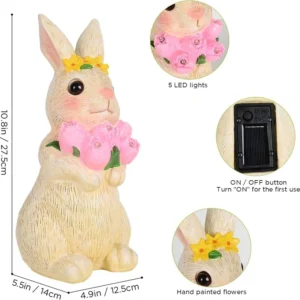 Solarleuchten in Tierform
 Solarleuchten in Tierform
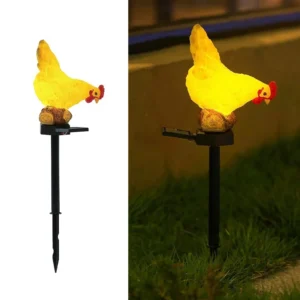 Solarleuchten in Tierform
 Solarleuchten in Tierform
 Solarleuchten in Tierform
 Solarleuchten in Tierform
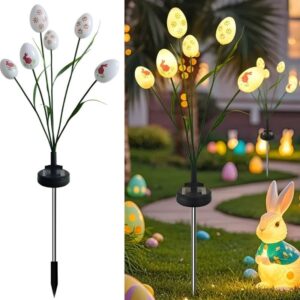 Dekorative Solar-Gartenleuchten
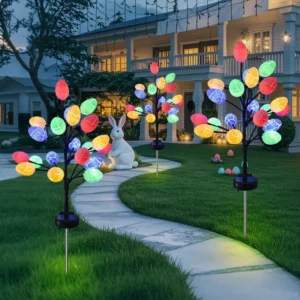 Dekorative Solar-Gartenleuchten