

Wholesale All Saint's Day Solar Lights Manufacturer
Wholesale All Saint’s Day Solar Lights honor departed loved ones with respectful memorial illumination. These solemn fixtures provide dignified lighting for gravesites and memorial displays during All Saints Day observances. Glowyard Lighting manufactures wholesale All Saint’s Day solar lights with reverent OEM/ODM customization. We offer custom memorial designs, religious symbols, and respectful lighting features for your seasonal memorial products.
Honor traditions with custom All Saint’s Day solar light manufacturing.








Our All Saint's Day Solar Lights Collection
Alle Filter
Nach Anwendungen filtern
Nach Installationstyp filtern
Nach Formtyp filtern
Nach Materialart filtern

Aktueller vollständiger Produktkatalog 2026
Bitte klicken Sie auf den Button. Nachdem Sie Ihre E-Mail-Adresse und Ihre Informationen eingegeben haben, wird Ihnen die Datei innerhalb von 24 Stunden zugesendet. .
-
 All Saint's Day Solar Lights
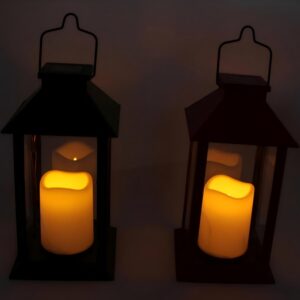
SM251227 Solar Flickering Candle Lanterns for Christmas and All Saint’s Day
Unser Produkt-Showroom
Über 300 Solar-Außenleuchten, bereit für jeden Außenbereich
Vorherige
Nächste
Sie haben noch nicht das ideale Beleuchtungskonzept gefunden?
Let’s Know More About All Saint's Day Solar Lights
Buyer Guide of Bulk Purchase All Saint’s Day Solar Lights
All Saints’ Day is an important memorial occasion in many European and Latin American markets, particularly in countries such as Poland, Spain, Italy, and Mexico. During this period, consumers decorate graves, memorial sites, and outdoor spaces with candles, lanterns, and increasingly, solar-powered lights.
Wholesale All Saint’s Day solar lights have become a niche but stable seasonal category, offering a safer, reusable, and weather-resistant alternative to traditional candles. For B2B buyers, this category requires a different sourcing approach compared to general garden solar lighting, with a stronger focus on durability, symbolism, and reliability.
1. Understand Market Demand and Usage Scenarios
Unlike decorative garden lighting, All Saint’s Day solar lights are primarily used for:
- Cemetery and grave decoration
- Memorial gardens and outdoor remembrance areas
- Religious or cultural observances
Buyers should recognize that this is a function-driven seasonal product, where emotional value and reliability often outweigh purely decorative features.
Demand is highly concentrated around late October to early November, so timing is critical.
2. Plan Procurement Timeline Carefully
Seasonal timing is one of the biggest risks in this category.
Typical schedule:
- Order placement: 3–6 months before November
- Production: 30–45 days
- Shipping: 20–40 days
Late delivery can result in unsold inventory, as demand drops sharply after the holiday period.
3. Evaluate Product Structure
All Saint’s Day solar lights often resemble memorial candles or lanterns.
Key components include:
Outer Housing (Lantern or Candle Design)
Usually designed to mimic traditional grave candles, often with transparent or frosted covers.
LED-Lichtquelle
Commonly warm white or flickering flame effect to simulate real candles.
Solarpanel
Integrated on top for sunlight charging.
Wiederaufladbarer Akku
Stores energy for nighttime illumination.
Understanding these elements helps buyers assess product consistency and performance.
4. Focus on Weather Resistance and Durability
These products are typically used outdoors in cemeteries, often exposed to harsh weather conditions.
Buyers should prioritize:
- Water resistance (IP44 or higher, preferably IP54+)
- UV-resistant materials to prevent fading
- Strong sealing to protect internal components from rain and moisture
- Wind resistance and structural stability
In many regions, rainy and cold conditions during the season make durability a critical factor.
5. Check Lighting Effect and Symbolism
Lighting style is closely tied to cultural expectations.
Common preferences include:
- Warm white light for a calm and respectful atmosphere
- Flickering flame effect to replicate traditional candles
- Soft, non-glaring illumination
Overly bright or colorful lighting is generally less suitable for memorial use.
Buyers should ensure the lighting effect aligns with local cultural preferences.
6. Evaluate Solar Performance
Reliable performance is essential, as these lights are expected to function consistently during the memorial period.
Key factors:
Batteriekapazität
Ensures longer lighting duration during shorter autumn days.
Beleuchtungsdauer
A typical expectation is 8–12 hours of illumination after full charging.
Low-Light Charging Performance
Important for regions with cloudy weather.
Products with poor solar performance may fail during critical usage periods, leading to customer dissatisfaction.
7. Design and Cultural Considerations
Unlike general decorative lighting, All Saint’s Day products should follow a more restrained design approach.
Buyers should consider:
- Classic lantern or candle shapes
- Neutral or traditional colors (black, red, gold, transparent)
- Religious or symbolic elements (crosses, subtle patterns)
Overly playful or modern designs may not be accepted in certain markets.
Understanding regional preferences is key when selecting designs.
8. Packaging and Logistics
Packaging requirements for this category are both functional and commercial.
Käufer sollten Folgendes bestätigen:
- Protective packaging for fragile covers
- Clear labeling and instructions
- Retail-ready packaging for seasonal sales
For supermarket chains and large retailers, packaging presentation can influence purchasing decisions.
9. Certification and Compliance
As with other solar lighting products, compliance may be required depending on the market.
Common certifications include:
- CE (Europe)
- RoHS
- Battery safety documentation
Proper certification helps ensure smooth customs clearance and retail acceptance.
10. Supplier Reliability
Seasonal products require strict delivery timelines and consistent quality.
Buyers should evaluate:
- Experience with seasonal or memorial products
- Production capacity during peak periods
- Qualitätskontrollprozesse
- On-time delivery record
Suppliers who cannot meet deadlines pose a higher risk in this category.
11. Start with Sample Testing
Before placing bulk orders, sample evaluation is essential.
Recommended steps:
- Test lighting duration and solar charging
- Check water resistance (basic outdoor exposure test)
- Inspect material quality and sealing
- Evaluate lighting effect (brightness, flicker quality)
- Review packaging durability
Testing helps ensure the product meets both technical and cultural expectations.
Häufige Fallstricke, die es zu vermeiden gilt
- Ordering too late and missing the seasonal sales window
- Choosing designs that do not align with cultural preferences
- Ignoring weather resistance and durability
- Overlooking solar performance in low-light conditions
- Working with suppliers who lack seasonal production experience
Abschluss
Wholesale All Saint’s Day solar lights are a specialized seasonal category with stable demand in certain regional markets. Unlike general garden lighting, these products require a stronger focus on reliability, cultural appropriateness, and weather resistance.
For B2B buyers, successful sourcing depends on careful planning, proper supplier selection, and thorough product testing. By aligning product design with market expectations and ensuring consistent performance, buyers can reduce risks and build a competitive seasonal offering.
Senden Sie uns eine Anfrage