Können Solarlampen ohne direktes Sonnenlicht aufgeladen werden? (Praktischer Leitfaden 2026)
Ja - Solarlampen laden sich auch ohne direkte Sonneneinstrahlung auf., Sie laden jedoch langsamer und speichern in der Regel weniger nutzbare Energie.
Das ist der wichtigste Punkt, den es zu verstehen gilt.
Eine Solarlampe nicht Es benötigt jede Minute starkes, direktes Sonnenlicht, um zu funktionieren. Aber es braucht ausreichend nutzbares Licht Um den Akku auf ein sinnvolles Ladeniveau zu bringen. Im realen Außeneinsatz liegt das Problem oft nicht in einer “Nullladung”. Das Problem ist reduzierte Ladung.
Dieser Leitfaden erklärt:
- ob Solarlampen auch ohne direkte Sonneneinstrahlung aufgeladen werden können
- Was eignet sich am besten bei bewölktem Himmel, in Innenräumen oder bei winterlichen Bedingungen?
- Was funktioniert schlecht oder nur als Backup?
- Wie kann das Laden in Umgebungen mit wenig Licht verbessert werden?
- wenn das eigentliche Problem darin besteht, dass gar nicht geladen wird, sondern die Batterie
Kurzantwort
Wenn es kein direktes Sonnenlicht, Solarlampen können weiterhin aufgeladen werden durch:
- helles, indirektes Tageslicht im Freien
- helles Fensterlicht
- Starke LED-Innenleuchte in der Nähe des Panels angebracht
- USB-Ladefunktion, wenn das Produkt es unterstützt
Diese Methoden sind jedoch in der Regel langsamer als das normale Laden im Freien bei direkter Sonneneinstrahlung.
Wie Solarlampen tatsächlich geladen werden
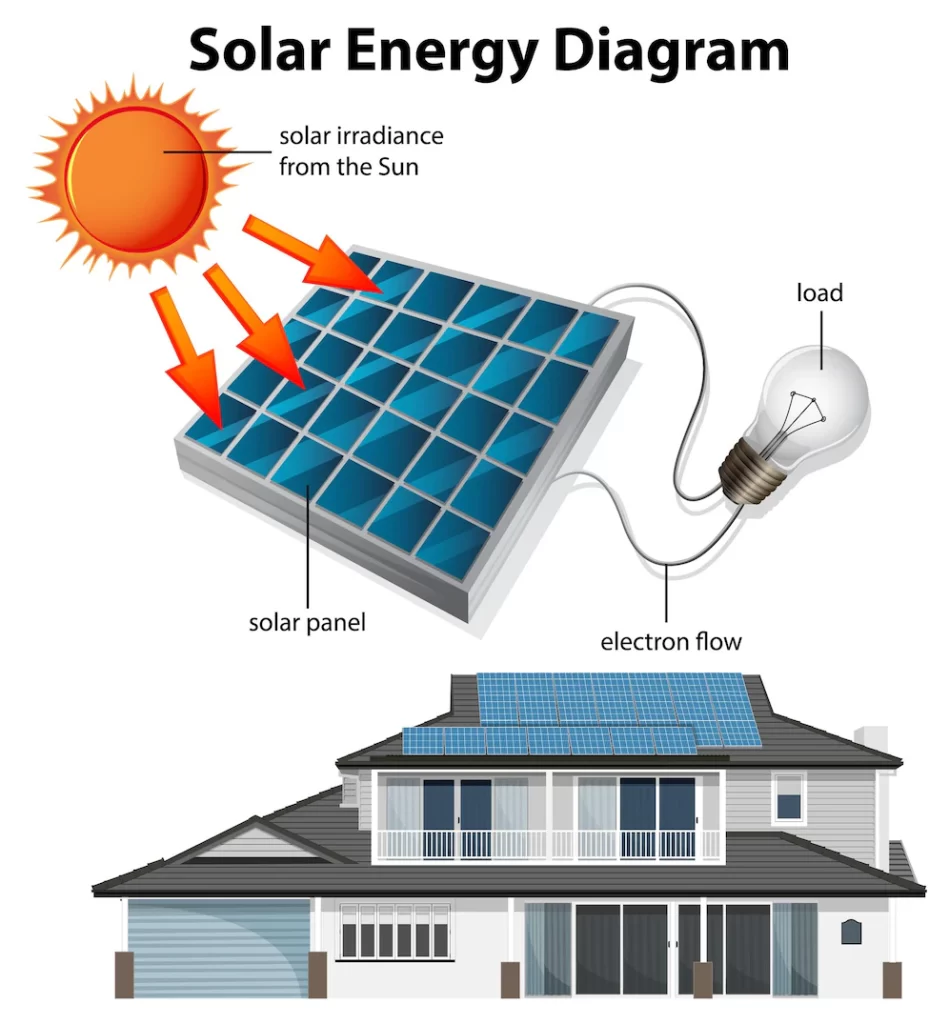
Solarlampen nutzen ein kleines Photovoltaikpanel, um Licht in Elektrizität umzuwandeln.
Dieser Strom wird in der wiederaufladbaren Batterie gespeichert und dann nachts zur Stromversorgung der LED genutzt.
Hauptkomponenten
- Solarpanel → sammelt Licht und wandelt es in Elektrizität um
- Akku → speichert Energie während des Tages
- LED → nutzt nachts gespeicherte Energie.
- Lichtsensor / Steuerung → Schaltet das Licht automatisch ein, wenn es dunkel wird
Warum direktes Sonnenlicht schneller ist
Direkte Sonneneinstrahlung liefert dem Panel die stärkste nutzbare Lichtmenge.
Diffuses Tageslicht, bewölktes Wetter und Innenbeleuchtung funktionieren zwar noch, aber sie bieten weniger effektive Ladeenergie.
Deshalb laden sich Solarlampen auch an trüben Tagen auf, oft aber nicht ausreichend für eine vollständige Leuchtdauer in der Nacht.
Benötigen Solarlampen direktes Sonnenlicht zum Aufladen?
NEIN.
Das tun sie. nicht Zum Aufladen wird direktes Sonnenlicht benötigt.
Aber sie brauchen ausreichende Lichtintensität.
In praktischer Hinsicht
| Ladezustand | Kann es aufgeladen werden? | Typisches Ergebnis |
|---|---|---|
| Direkte Sonneneinstrahlung | Ja | Schnellstes und vollständigstes Laden |
| Helles, indirektes Tageslicht im Freien | Ja | Langsamer, aber immer noch nützlich |
| Bewölktes Außenlicht | Ja | Reduzierte Gebühren |
| Helles Fensterlicht | Ja | Funktioniert, aber langsamer |
| Starke LED-Innenbeleuchtung | Ja | Nur Backup-Methode |
| Schwaches Raumlicht / dunkler Raum | Kaum | In der Regel nicht aussagekräftig |
Die bessere Frage lautet also nicht:
“Können Solarlampen ohne Sonnenlicht aufgeladen werden?”
Es ist:
“Wie viel Ladung können sie noch ohne direkte Sonneneinstrahlung erhalten?”
Was eignet sich am besten bei fehlender direkter Sonneneinstrahlung?
Dies sind die praktischsten Methoden, geordnet von der stärksten zur schwächsten.
1. Helles, indirektes Tageslicht im Freien
Dies ist in der Regel die beste Option ohne direkte Sonneneinstrahlung.
Beispiele hierfür sind:
- heitere, bewölkte Tage
- Freie Himmelsbestrahlung ohne direkte Sonneneinstrahlung
- Außenaufstellung an einem hellen Ort mit reflektiertem Tageslicht
Dies funktioniert besser als die meisten Ladevorgänge in Innenräumen, da die Lichtverhältnisse im Freien insgesamt noch viel stärker sind.
2. Ein helles Fenster mit starkem Tageslicht
Ein helles, nach Süden ausgerichtetes Fenster auf der Nordhalbkugel kann helfen.
Dies ist nützlich für:
- Aufladen einer teilweise geladenen Lampe
- So bleiben kleine Gartenleuchten auch bei schwachem Sonnenlicht nutzbar
- temporäres Laden in Innenräumen bei schlechtem Wetter
Um die Ergebnisse zu verbessern
- Halten Sie die Platte nah am Glas.
- Richten Sie das Panel zum hellsten Teil des Tages aus.
- Vermeiden Sie getönte oder verdeckte Fenster
- Drehen Sie die Lampe, falls nur eine Seite gut belichtet wird.
3. Eine helle LED-Leuchte, die nahe am Panel angebracht ist.
Eine helle LED kann als alternative Lademethode dienen.
Es ist besonders nützlich, wenn:
- Das Bedienfeld befindet sich in der Nähe der Glühbirne.
- Der Ladevorgang kann über viele Stunden fortgesetzt werden.
- Die Lampe benötigt nur teilweises Nachfüllen
- Das Produkt ist klein und energiesparend.
Bewährte Vorgehensweise
- Verwenden Sie eine helle LED
- Platzieren Sie es nah beieinander, aber nicht so nah, dass sich Hitze staut.
- Lädt länger als unter direkter Sonneneinstrahlung
Wichtige Einschränkung
Dies ist normalerweise ein Backup-Methode, keine ideale Methode zum täglichen Aufladen.
4. USB-Laden – nur wenn das Produkt dafür ausgelegt ist
Einige moderne Solarleuchten verfügen über eine USB-Ladefunktion.
Wenn diese Funktion vorhanden ist, handelt es sich in der Regel um die zuverlässigste nicht-solare Lademethode.
Vorteile
- schnell
- vorhersehbar
- wetterunabhängig
Wichtiger Hinweis
Tun nicht Der Versuch, ein Produkt, das nicht dafür konzipiert wurde, zum Laden über USB zu zwingen.
5. Ein entferntes oder abnehmbares Solarpanel
Bei manchen Produkten funktioniert es im Schatten besser, wenn der Leuchtenkörper an einem Ort bleibt und das Panel an einen helleren Ort gebracht wird.
Dies ist besonders nützlich für:
- Gartenlichter unter Bäumen
- Dekorative Beleuchtung auf überdachten Terrassen
- Gedenk- oder Friedhofsartikel, die in der Nähe von Denkmälern oder schattigen Bereichen aufgestellt werden
Was funktioniert schlecht – oder nur als Backup?
Manche Methoden klingen nützlich, sind aber in der Praxis deutlich weniger effektiv.
Schwaches Licht im Innenraum
Das allgemeine Raumlicht ist in der Regel zu schwach für einen sinnvollen Ladevorgang.
Es erzeugt zwar technisch gesehen eine winzige Menge Energie, aber in der Regel nicht genug, um eine sinnvolle Laufzeit wiederherzustellen.
Smartphone-Taschenlampe
Dies ist keine praktikable Lademethode.
Die Taschenlampe eines Handys ist einfach zu schwach und hat einen zu schmalen Lichtkegel, um eine normale Solarlampe effizient aufzuladen.
Glühlampen
Eine Glühbirne kann ein Solarpanel zwar bis zu einem gewissen Grad aufladen, erzeugt aber mehr Wärme und verbraucht wesentlich mehr Energie als eine gute LED-Anlage.
Für die meisten Anwender ist eine leistungsstarke LED die sicherere und praktischere Wahl.
Sehr dunkle Wintertage, schneebedeckte Paneele oder starker Regen
In solchen Situationen kann der Ladevorgang zwar noch stattfinden, aber sehr langsam.
Das Problem ist nicht mehr nur “keine direkte Sonneneinstrahlung”. Es lautet vielmehr:
- schwacher Lichteinfall
- kurzes Tageslicht
- Schnee oder Schmutz blockieren die Abdeckung
- Schwäche der Batterie bei Kälte
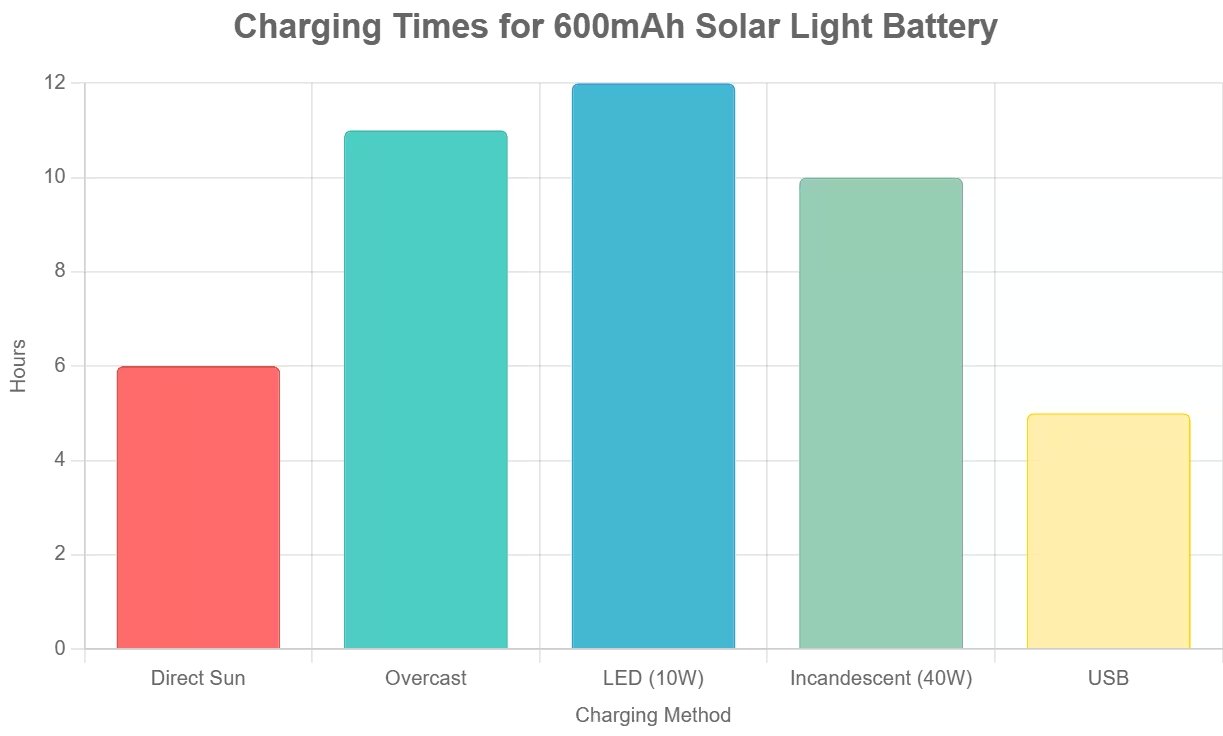
Wie lange dauert der Ladevorgang ohne direkte Sonneneinstrahlung?
Die ehrliche Antwort lautet:
Länger als die meisten Leute erwarten.
Anstatt so zu tun, als gäbe es eine einzige exakte Zahl, ist es besser, in relativen Geschwindigkeiten zu denken.
Von schnell nach langsam
| Verfahren | Ladegeschwindigkeit | Praktische Anwendung |
|---|---|---|
| Direkte Sonneneinstrahlung | Schnellste | Optimale Ladung für den Alltag |
| Helles, indirektes Tageslicht im Freien | Mittel bis gut | Beste Option ohne direkte Sonneneinstrahlung |
| Helles Fensterlicht | Medium | Nützliches Backup |
| Starke LED-Nahbeleuchtung | Langsam bis mittel | Indoor-Backup |
| Schwaches Raumlicht | Sehr langsam | In der Regel nicht verlässlich. |
Was beeinflusst die Ladezeit?
- Paneelgröße
- Batteriekapazität
- Batteriezustand
- Jahreszeit
- Wetter
- Lichtintensität
- Abstand von der künstlichen Lichtquelle
Wenn also jemand fragt:
“Kann ich meine Solarlampe auch in Innenräumen vollständig aufladen?”
Die beste Antwort lautet:
Manchmal, aber in der Regel langsamer und oft nicht so vollständig wie beim Laden im Freien unter starker Belastung.
Laden sich Solarlampen auch an bewölkten oder regnerischen Tagen auf?
Ja.
Aber der Ladezustand sinkt.
Wolken, Regen, Dunst und Schatten verringern die nutzbare Sonneneinstrahlung, sodass die Batterie zwar geladen werden kann, aber nicht ausreichend, um sich vollständig zu erholen.
Praktische Erwartung
| Wetterbedingungen | Ladeergebnis |
|---|---|
| Volle Sonne | Starke Ladung |
| Teils bewölkt | Reduziert, aber immer noch nützlich |
| Heit bewölkt | Langsameres Laden |
| Starkregen | Schwache Ladung |
| Schneebedeckte, dunkle Bedingungen | Sehr eingeschränkte Lademöglichkeiten |
So verbessern Sie das Laden an bewölkten Tagen
- Stellen Sie die Lampe auf die hellste verfügbare Position.
- Reinigen Sie die Paneeloberfläche
- Hindernisse durch Pflanzen oder Mauern verringern
- längere Ladezeiten über mehrere Tage ermöglichen
Wie man das Aufladen von Solarlampen im Winter verbessert
Der Winter bringt ein anderes Ladeproblem mit sich.
Es liegt nicht nur an der schwächeren Sonneneinstrahlung. Es ist meist eine Kombination aus Folgendem:
- kürzere Tageslichtstunden
- niedrigerer Sonnenstand
- Schnee, Eis oder Schmutz auf den Paneelen
- geringere Batterieleistung bei Kälte
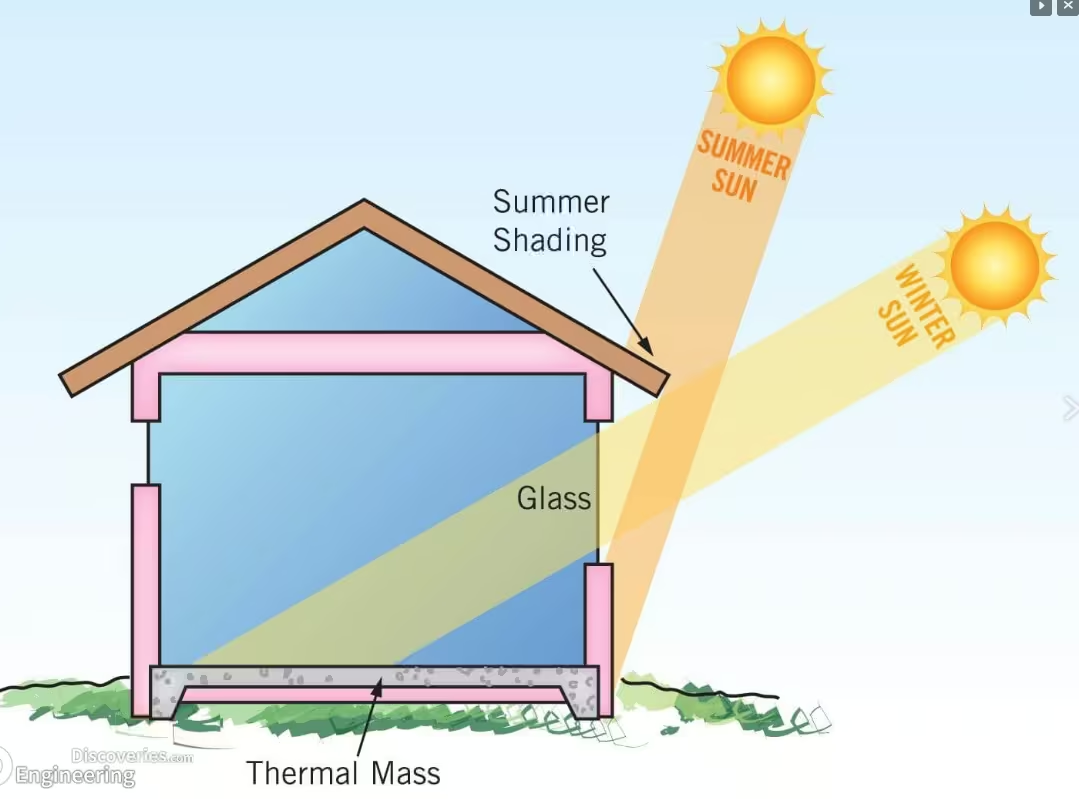
5 praktische Möglichkeiten zur Verbesserung des Ladens im Winter
1. Reinigen Sie das Bedienfeld regelmäßig.
Schnee, Schmutz, Frost und Dreck verringern die Ladeeffizienz sehr schnell.
2. Paneelwinkel verbessern
Ein günstigerer Einfallswinkel im Winter kann dazu beitragen, dass das Panel mehr nutzbares Licht empfängt.
3. Nutzen Sie die hellste verfügbare Position.
Im Winter kann schon eine kurze Versetzung der Lampe helfen.
4. Bringen Sie abnehmbare Einheiten bei Bedarf näher an helle Fenster.
Dies ist nützlich für kleinere dekorative Leuchten oder abnehmbare Aufsatzelemente.
5. Erwartungen managen
Im Winter laden Geräte in der Regel langsamer und haben eine kürzere Laufzeit. Produkte mit begrenzter Akkukapazität zeigen deutlich früher Schwächen.
Wenn Ihnen die Nutzung im Winter besonders wichtig ist, sind diese beiden Artikel die naheliegendsten weiterführenden Lektüren:
- Funktionieren Solarleuchten im Winter auf Friedhöfen?
- Wie wählt man Solarleuchten für Friedhöfe mit Bäumen, Schatten oder wenig Sonnenlicht aus?
Wenn das Problem nicht das Laden ist, sondern die Batterie
Viele Leute gehen davon aus, dass eine schwache Leistung bedeutet, dass das Panel nicht lädt.
Das trifft manchmal zu.
Manchmal liegt das eigentliche Problem jedoch darin:
- Batteriealterung
- reduzierte Kapazität
- schlechte Chemiewahl
- Batterieschäden durch Hitze oder Tiefentladung
- eine schwache Batterie, die nicht mehr genügend Energie speichern kann
Anzeichen dafür, dass es sich um ein Batterieproblem handeln könnte
- Das Panel erhält ausreichend Licht, aber die Laufzeit schrumpft trotzdem immer weiter.
- Die Helligkeit nimmt selbst nach einem ganzen Tag Ladezeit ab.
- Die Lampe funktioniert nach ein bis zwei Saisons deutlich schlechter.
- Die Leistung verschlechtert sich besonders nach bewölkten Tagen.
Wenn Ihnen das bekannt vorkommt, sind diese Artikel über Batterien nützlicher als weitere Ladetricks:
- Die 4 häufigsten Batterieprobleme bei Solar-Gartenleuchten
- Wie sich die Wahl des Akkus auf die Laufzeit bei Nacht auswirkt
- Wie lange halten Solarbatterien?
- Welche Batterie eignet sich am besten für Solarleuchten im Außenbereich?
Worauf Käufer in Märkten mit geringer Sonneneinstrahlung achten sollten
Für Käufer ist die wichtigere Frage nicht nur:
“Kann sich diese Lampe auch ohne direkte Sonneneinstrahlung aufladen?”
Die bessere Frage lautet:
“War dieses Produkt überhaupt für den Einsatz bei schwachem Licht konzipiert?”
Nützliche B2B-Prüfungen
- Ist das Paneel für die Last ausreichend dimensioniert?
- Ist die Batteriereserve ausreichend?
- Ist das Produkt zu stark von perfektem Sonnenlicht abhängig?
- Gibt es eine USB-Backup-Option?
- Kann das Bedienfeld an einen helleren Ort versetzt werden?
- Ist das Produkt für den Winter, den Schatten oder die ganzjährige Nutzung im Freien vorgesehen?
Dies ist insbesondere wichtig für:
- Dekorative Gartenbeleuchtung in schattigen Gärten
- Produkte, die in der Nähe von Zäunen, Bäumen und Terrassen verwendet werden
- ganzjährige Gedenk- oder Friedhofsbeleuchtung
- Regionale Märkte mit geringer Sonneneinstrahlung
Für die Planung von Dekorationssortimenten ist die passendste Kategorieseite zu diesem Thema die folgende: Dekorative Gartenleuchten.
Häufig gestellte Fragen
Können Solarlampen in Innenräumen aufgeladen werden?
Ja, aber in der Regel langsamer als im Freien.
Können Solarlampen auch bei bewölktem Wetter aufgeladen werden?
Ja, aber eine reduzierte Ladeleistung bedeutet in der Regel eine kürzere Laufzeit später.
Ist direkte Sonneneinstrahlung erforderlich?
Nein, aber es ist dennoch die effektivste Ladebedingung.
Können LED-Lampen Solarlampen aufladen?
Ja, eine helle LED in der Nähe kann als Backup-Methode helfen.
Reicht das Laden über die Scheibe aus?
Manchmal, insbesondere zum Aufladen kleinerer Lampen, aber es ist in der Regel langsamer als das Laden im Freien.
Was, wenn keine dieser Methoden hilft?
Dann liegt das eigentliche Problem möglicherweise an der Batterie und nicht an der Ladeumgebung.
Fazit
Solarlampen können sich auch ohne direkte Sonneneinstrahlung aufladen.
Die eigentliche Antwort lautet aber nicht einfach Ja oder Nein.
Es ist Folgendes:
Sie können zwar auch bei schwachen Lichtverhältnissen geladen werden, der Ladevorgang wird jedoch langsamer, weniger vollständig und hängt viel stärker von einer guten Produktkonstruktion und dem Zustand des Akkus ab.
Die nützlichsten Ladeoptionen ohne direkte Sonneneinstrahlung sind:
- helles, indirektes Tageslicht im Freien
- helle Fensterplatzierung
- starke LED-Innenbeleuchtung
- USB-Ladefunktion, sofern das Produkt diese unterstützt.
Und wenn keine dieser Methoden viel bringt, liegt das Problem möglicherweise gar nicht mehr im “Laden” selbst, sondern im Akku, im Produktdesign oder in der Anwendung selbst.
Wenn Sie Produkte für den tatsächlichen Einsatz im Freien und nicht nur für Notladefunktionen bewerten, erkunden Sie unsere umfassenderen Fähigkeiten als Hersteller von Außenbeleuchtung.


![Funktionieren Solarleuchten im Winter auf Friedhöfen? [Leitfaden 2026]](https://glowyard.com/wp-content/uploads/2026/03/Do-Solar-Lights-Work-in-Winter-at-Cemeteries-2026-Guide.webp)