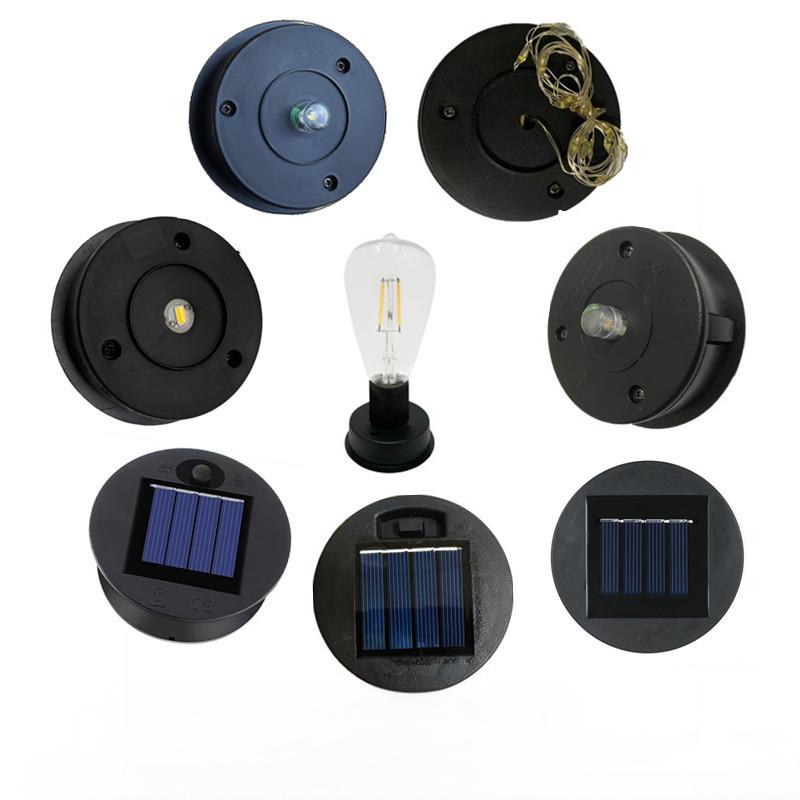
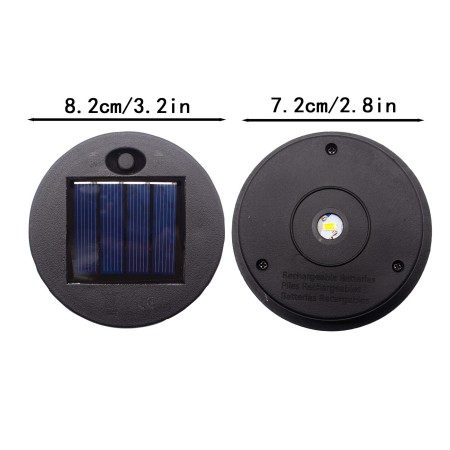
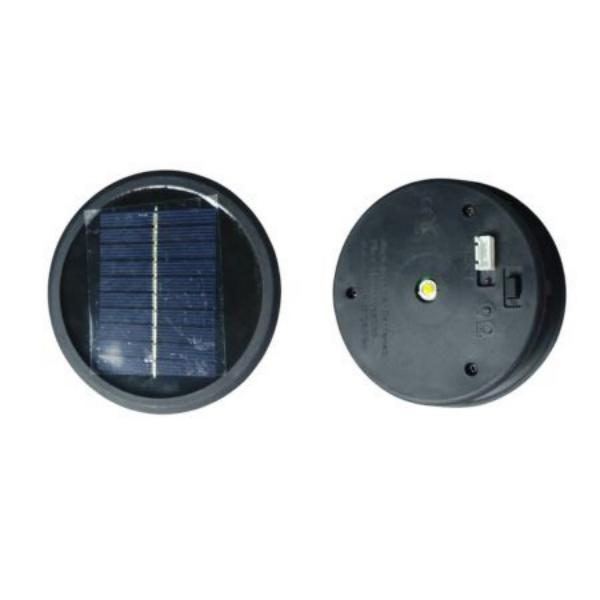
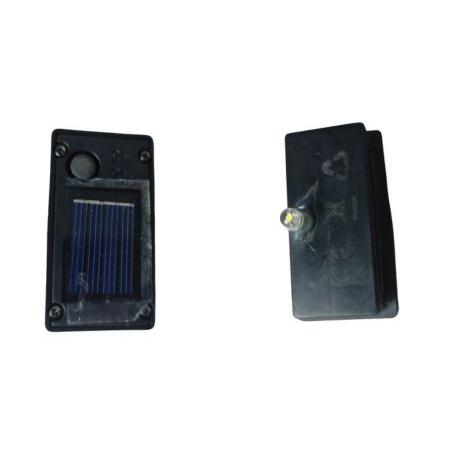
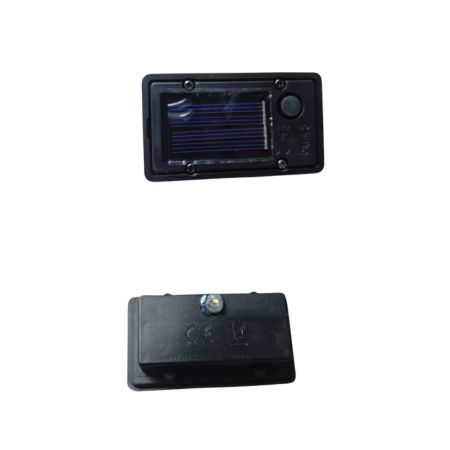
Was ist ein Solarmodul in einer Solargartenbeleuchtungsanlage?
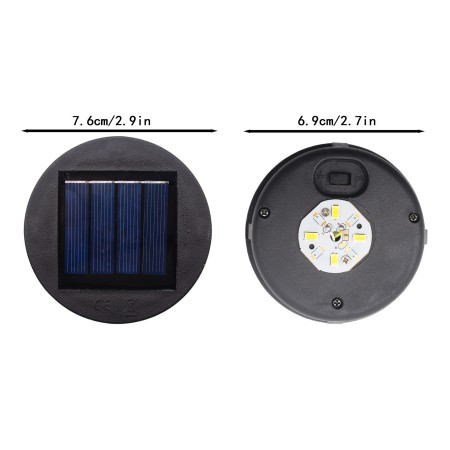
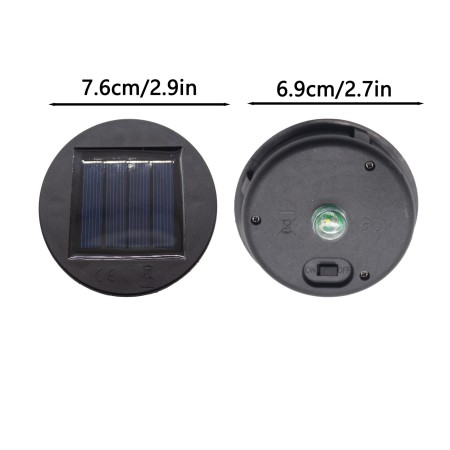
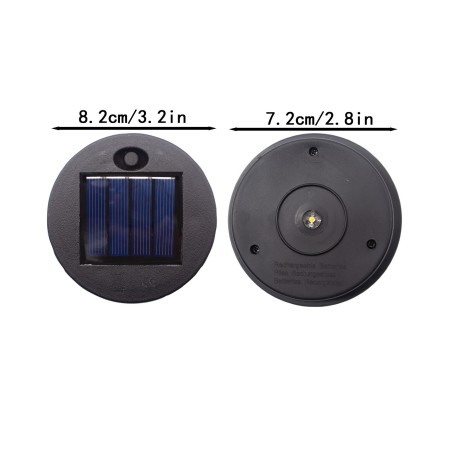
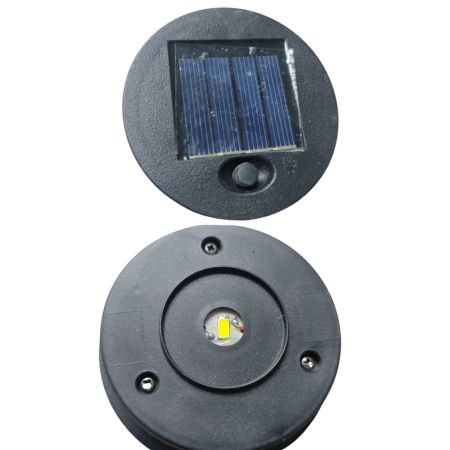
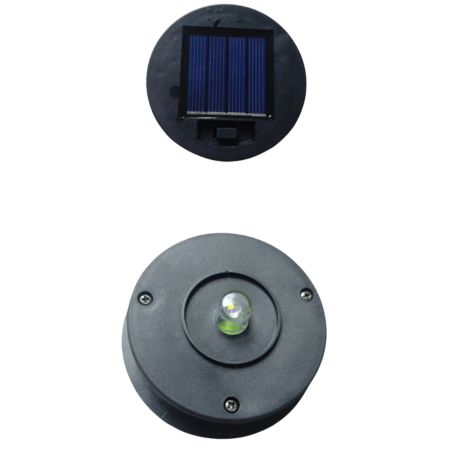
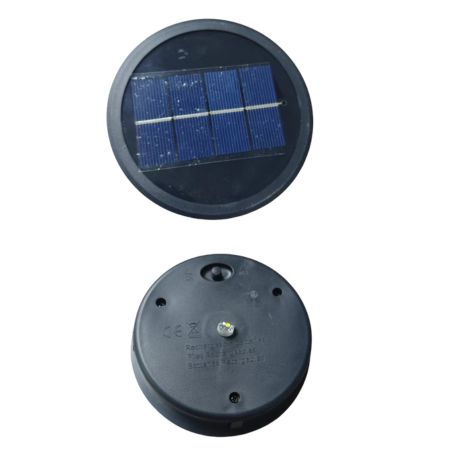
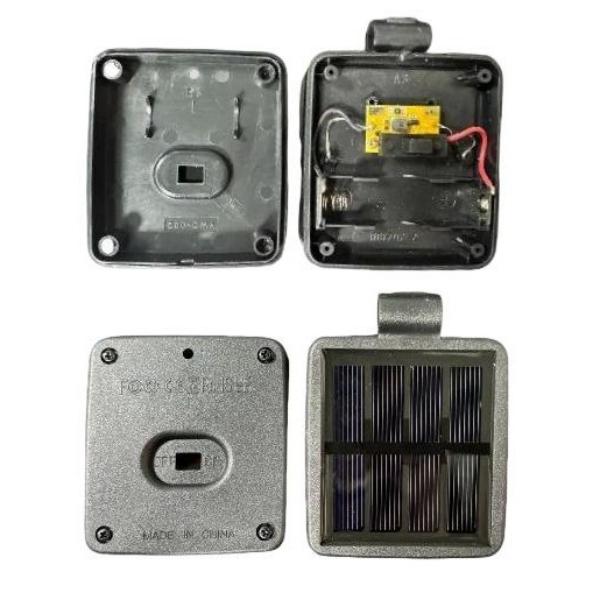
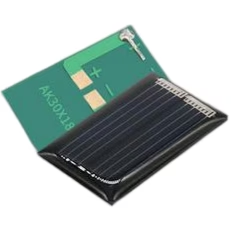
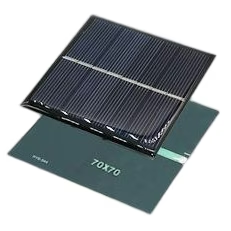
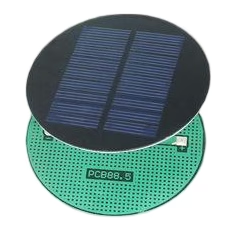
Ein Solarmodul ist das integrierte Energiesystem einer Solargartenleuchte. Es umfasst das Solarpanel, den Akku, die Steuereinheit, Sensoren und den abgedichteten Akkukasten. Seine Leistungsfähigkeit bestimmt die Ladeeffizienz, die Leuchtdauer, die Stabilität und die Gesamtlebensdauer des Produkts.
Warum ist die Montage von Solarmodulen wichtiger als die einzelnen Komponenten?
Die meisten Ausfälle von Solarleuchten sind auf mangelhafte Systemintegration und nicht auf defekte Bauteile zurückzuführen. Selbst hochwertige Module oder Batterien erbringen nicht die gewünschte Leistung, wenn Spannung, Stromstärke und Ansteuerlogik nicht aufeinander abgestimmt sind. Die Qualität der Montage bestimmt, wie zuverlässig alle Komponenten zusammenarbeiten.
Welche Probleme entstehen für Käufer bei mangelhafter Integration von Solarmodulen?
Mangelhafte Integration führt häufig zu ungleichmäßiger Helligkeit, kurzer Leuchtdauer, fehlerhaftem Sensorverhalten, aufgeblähten Batterien und vorzeitigem Produktausfall. Diese Probleme erhöhen die Retourenquote und schädigen den Markenruf.
Wie beeinflusst die Auswahl der Solarmodule deren Gesamtleistung?
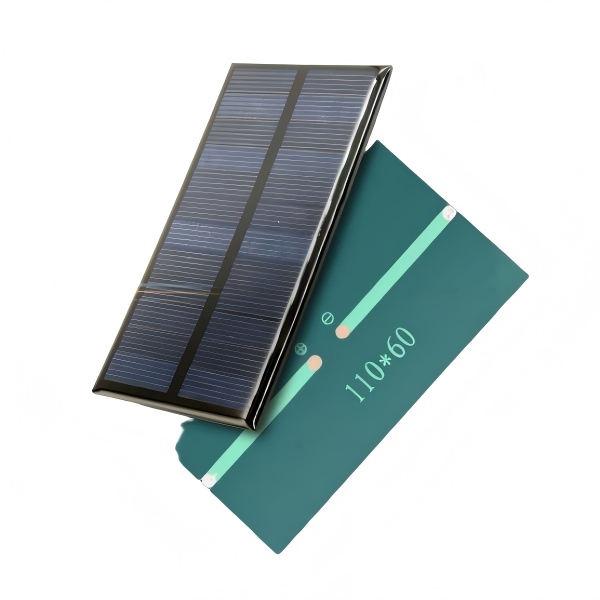
Die Größe, das Material und die Leistung der Solarmodule müssen auf die Batteriekapazität und die Systemlast abgestimmt sein. Zu große Module können die Batterie überladen, während zu kleine Module zu einer unzureichenden Ladung führen. Eine stabile Leistung ist wichtiger als die Spitzenleistung.
Worin besteht der Unterschied zwischen Solarmodulen aus Epoxidharz, PET und gehärtetem Glas?
Epoxidharzplatten sind kostengünstig, zersetzen sich aber unter UV-Strahlung schnell. PET-Platten bieten eine verbesserte Haltbarkeit zu moderaten Kosten. Platten aus gehärtetem Glas bieten die höchste UV-Beständigkeit und Langzeitstabilität für hochwertige Solarleuchten im Außenbereich.
Wie sollten Käufer die Leistungswerte von Solarmodulen bewerten?
Käufer sollten sich auf die tatsächliche Ladeleistung im Freien konzentrieren und nicht auf die im Labor ermittelten Spitzenwerte. Eine konstante Spannung bei schwachem Licht ist wichtiger als die maximale Leistung unter idealen Sonneneinstrahlungsbedingungen.
Wie beeinflusst die Wahl der Batterie die Leuchtdauer und Lebensdauer?
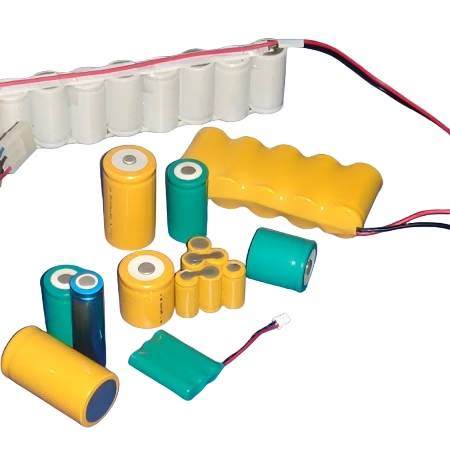
Batterietyp und -kapazität beeinflussen Laufzeit und Zyklenlebensdauer direkt. Eine falsche Abstimmung führt zu unvollständiger Ladung, Tiefentladung oder thermischer Belastung. Unterschiedliche Batterien wie Lithium-Ionen-, Lithium-Eisenphosphat- und Nickel-Metallhydrid-Akkus erfordern unterschiedliche Steuerungsstrategien.
Warum ist die Steuerplatine nicht einfach ein Netzschalter?
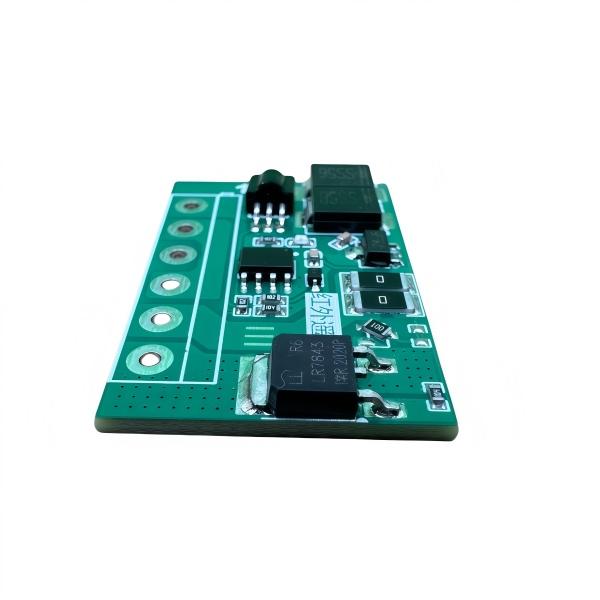
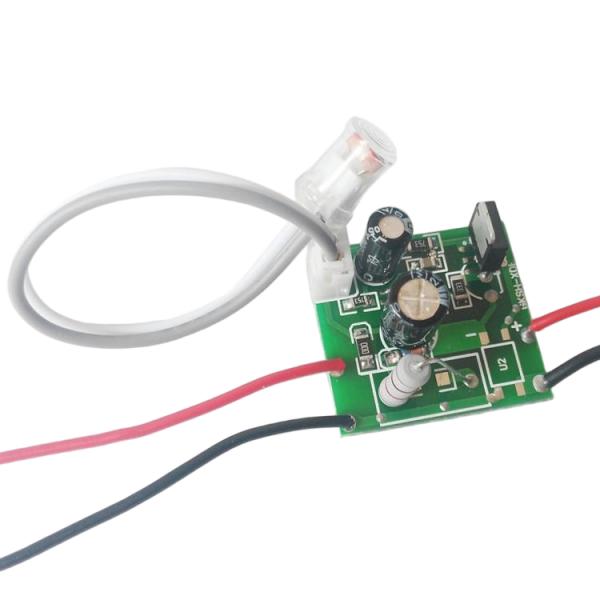
Die Steuereinheit regelt Ladestrom, Tiefentladeschutz, Sensorlogik und Energieverteilung. Sie fungiert als Energiemanagementzentrum und nicht als einfacher Ein-/Ausschalter.
Was passiert, wenn die Steuerungslogik schlecht ausgelegt ist?
Mangelhafte Steuerungslogik führt zu Batterieschäden, instabiler Helligkeit, Fehlauslösungen von Sensoren und Leistungsschwankungen zwischen verschiedenen Chargen. Diese Probleme treten oft erst nach längerem Einsatz im Freien auf.
Wie beeinflussen Sensoren die Benutzererfahrung in der realen Welt?
Sensoren steuern das Ein- und Ausschalten des Lichts. Eine unzureichende Empfindlichkeit kann zu Beleuchtung bei Tageslicht oder verzögerter Aktivierung in der Dämmerung führen. Eine stabile Sensorkalibrierung gewährleistet ein gleichbleibendes Verhalten in verschiedenen Umgebungen.
Warum ist die Konstruktion eines geschlossenen Batteriekastens bei Solarleuchten für den Außenbereich so wichtig?
Das abgedichtete Batteriefach schützt die interne Elektronik vor Wasser, Staub, Insekten und Temperaturschwankungen. Eine mangelhafte Abdichtung führt selbst bei hochwertigen internen Komponenten zu Korrosion, Kurzschlüssen und vorzeitigem Systemausfall.
Auf welche Wasserdichtigkeitsstandards sollten Käufer achten?
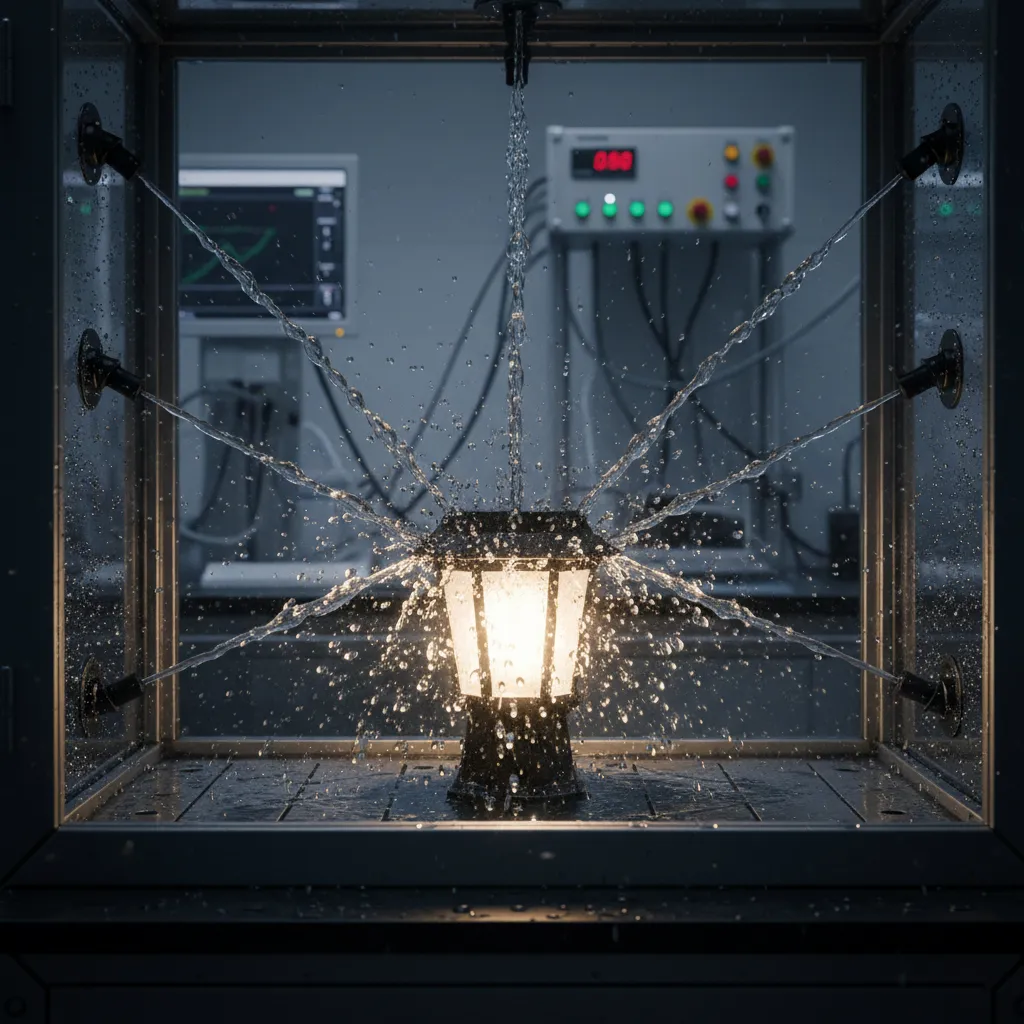
Für Solar-Gartenleuchten wird eine Schutzart von mindestens IP65 empfohlen. Eine gleichbleibende Dichtigkeit bei der Serienproduktion ist ebenso wichtig wie das Bestehen von Wasserdichtigkeitstests im Labor.
Wie können Käufer die Zuverlässigkeit von Solarmodulen vor der Massenproduktion überprüfen?
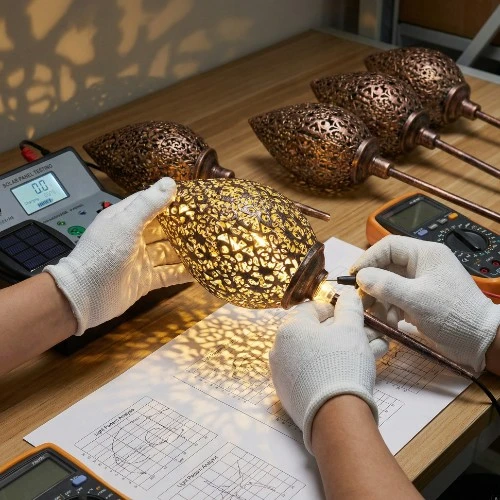
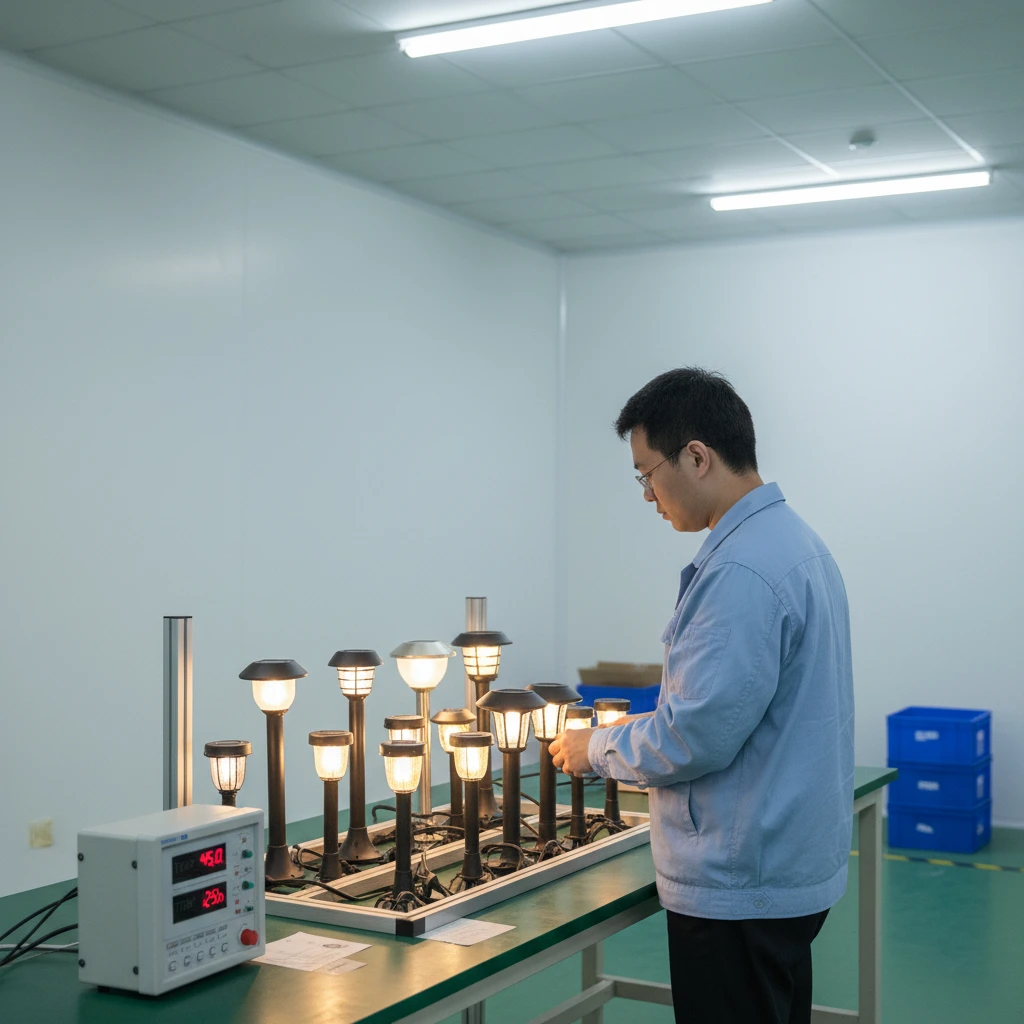
Käufer sollten Systemtests wie Ladeeffizienz, Leuchtdauer, Sensorreaktion, Wasserdichtigkeitsprüfung und Alterungssimulation anfordern. Komponentenzertifikate allein reichen nicht aus.
Warum funktionieren Musterbestellungen gut, Großbestellungen hingegen nicht?
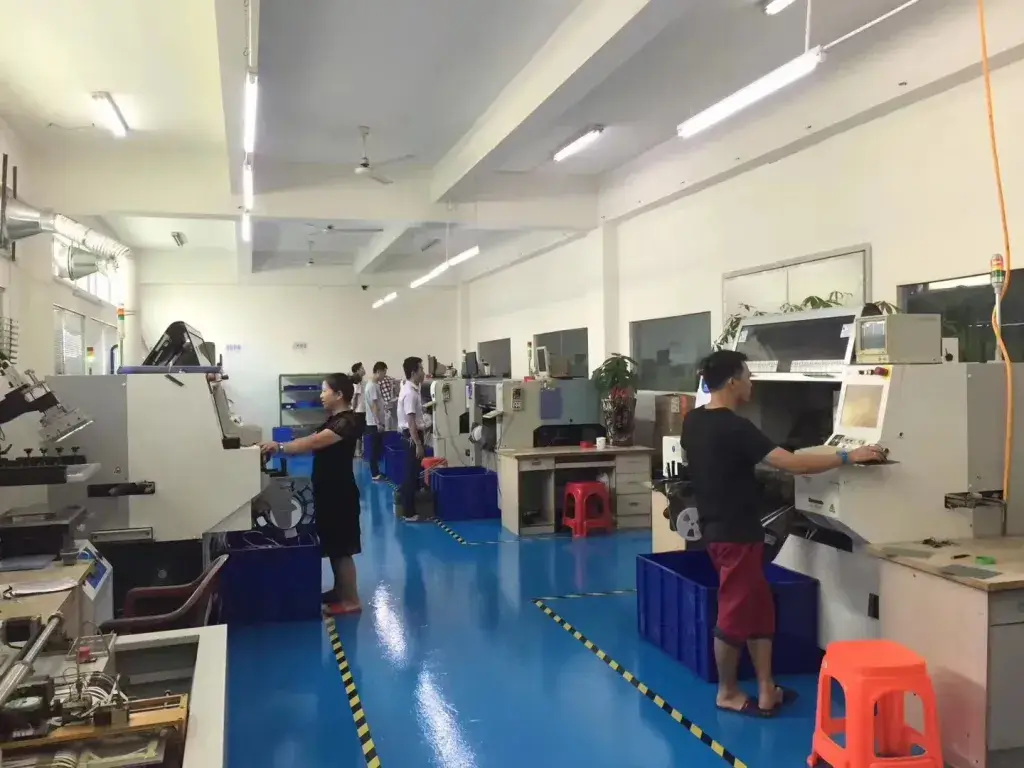
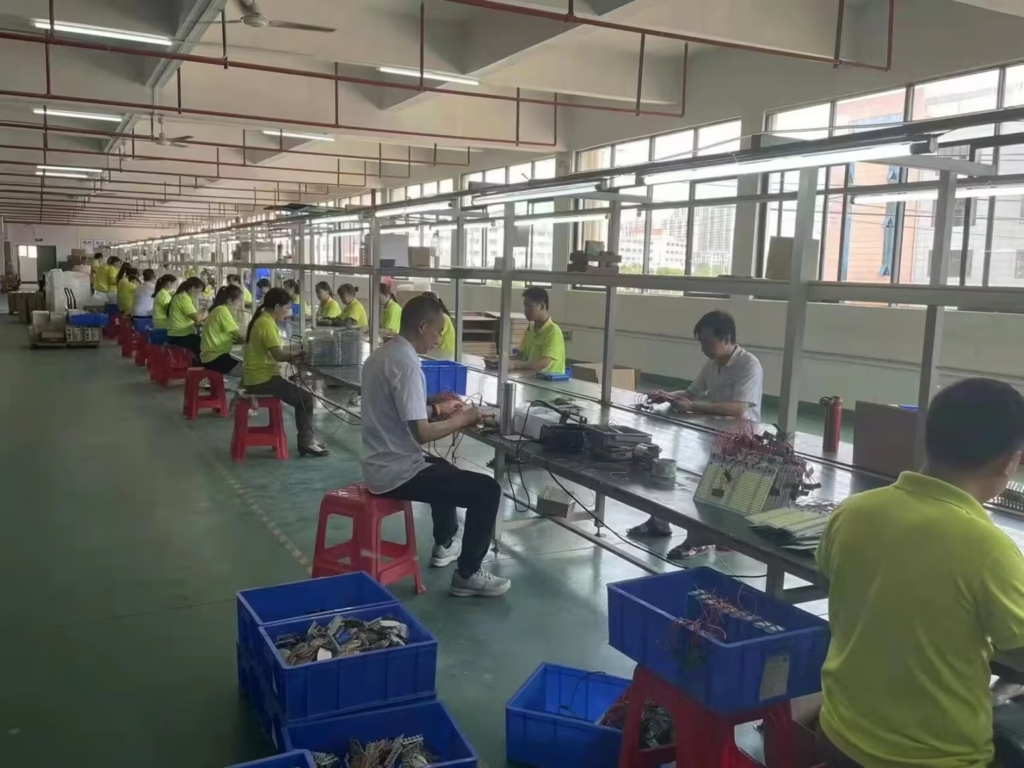
Muster werden oft mit besonderer Sorgfalt von Hand zusammengestellt. Ohne standardisierte Montage- und Testverfahren führt die Massenproduktion zu Schwankungen und versteckten Mängeln.
Welche Fragen sollten Käufer Lieferanten zur hauseigenen Montage stellen?
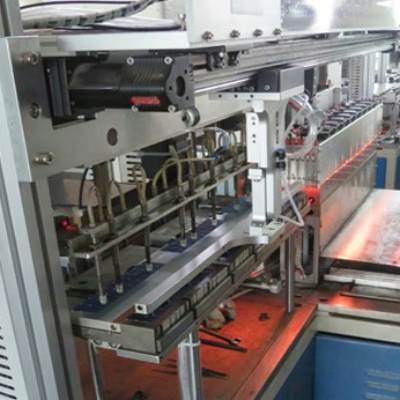
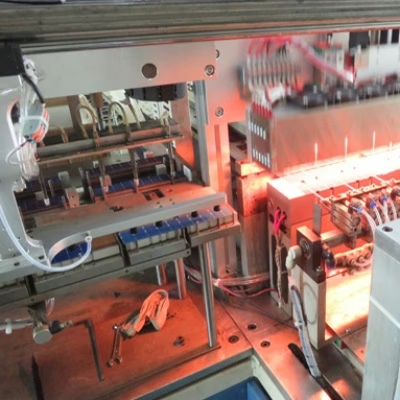
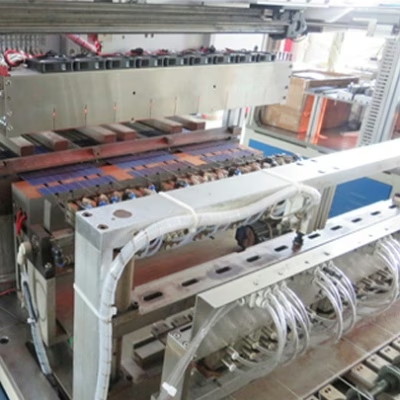
Käufer sollten sich erkundigen, ob die Montage der Solarmodule, die Abdichtung des Batteriekastens, die Programmierung der Steuerplatine und die Endprüfung im eigenen Haus erfolgen. Interne Kontrollen reduzieren Inkonsistenzen und Verantwortlichkeitslücken.
Wie wirkt sich die Anpassung durch OEM und ODM auf die Systemzuverlässigkeit aus?
Eine sachgemäße Anpassung ermöglicht die korrekte Abstimmung von Panel-Leistung, Batteriekapazität und Steuerungslogik. Rein kosmetische Anpassungen ohne Systemneugestaltung erhöhen das Risiko langfristiger Ausfälle.
Welcher Grad an Anpassung ist für B2B-Projekte angemessen?
Eine sinnvolle Anpassung umfasst die Anpassung der Panelgröße, die Auswahl des Batterietyps, die Feinabstimmung der Steuerungslogik und die Optimierung der Gehäusestruktur. Extreme Kostensenkungen ohne Neuberechnung beeinträchtigen häufig die Lebensdauer.
Wie können Käufer Kosten und Leistung bei Solarmodulen in Einklang bringen?
Der beste Ansatz besteht darin, die Systemeffizienz zu optimieren, anstatt einzelne Komponenten abzuwerten. Ein ausgewogenes System reduziert Gewährleistungsprobleme und langfristige Rücksendekosten.
Welche Unterlagen sollten Käufer von Lieferanten anfordern?
Käufer sollten Systemverdrahtungspläne, Ladekurven, Testberichte und Zusammenfassungen von Alterungstests anfordern. Transparente Dokumentation zeugt von echter Ingenieurskompetenz.
Wie verbessert die Durchführung interner Tests die langfristige Produktkonsistenz?
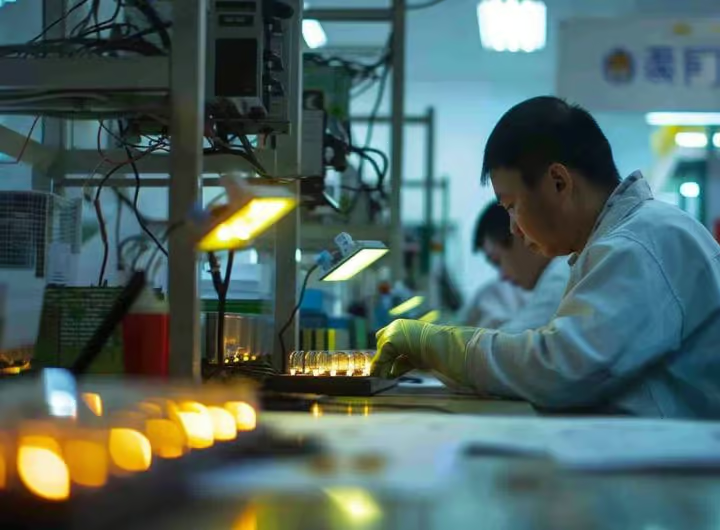
Interne Tests decken Systemschwächen vor dem Versand auf und gewährleisten, dass jede Charge den gleichen Funktionsstandard erfüllt, anstatt sich nur auf eine Sichtprüfung zu verlassen.
Was ist das größte versteckte Risiko bei der Beschaffung von Solar-Gartenleuchten?
Das größte Risiko besteht darin, anzunehmen, dass zertifizierte Komponenten die Leistung garantieren. Ohne Systementwicklung können auch zertifizierte Teile unter Außenbedingungen ausfallen.
Wie sollten Käufer die Fachkompetenz eines Anbieters im Bereich Solarmodule bewerten?
Käufer sollten auf verständliche Erklärungen der Systemdesignlogik achten, anstatt sich auf Marketingversprechen zu verlassen. Lieferanten, die Energieflüsse, Schutzmechanismen und Fehlermodi verstehen, sind zuverlässigere Partner.
Warum ist Kontrolle auf Systemebene für den Markenruf wichtig?
Endnutzer bewerten das Endprodukt, nicht seine Einzelteile. Gleichbleibende Leistung über mehrere Saisons hinweg schafft Vertrauen, reduziert Beschwerden und stärkt den Markenwert.
Fazit für B2B-Käufer
Ein Solarmodul ist ein vollständig entwickeltes System, keine bloße Teileliste. Käufer, die Integration, Tests und Energiemanagement priorisieren, erzielen niedrigere Retourenquoten und stabilere langfristige Umsätze.